Reading Unamuno’s San Manuel Bueno, mártir in a seminary (no spoilers)

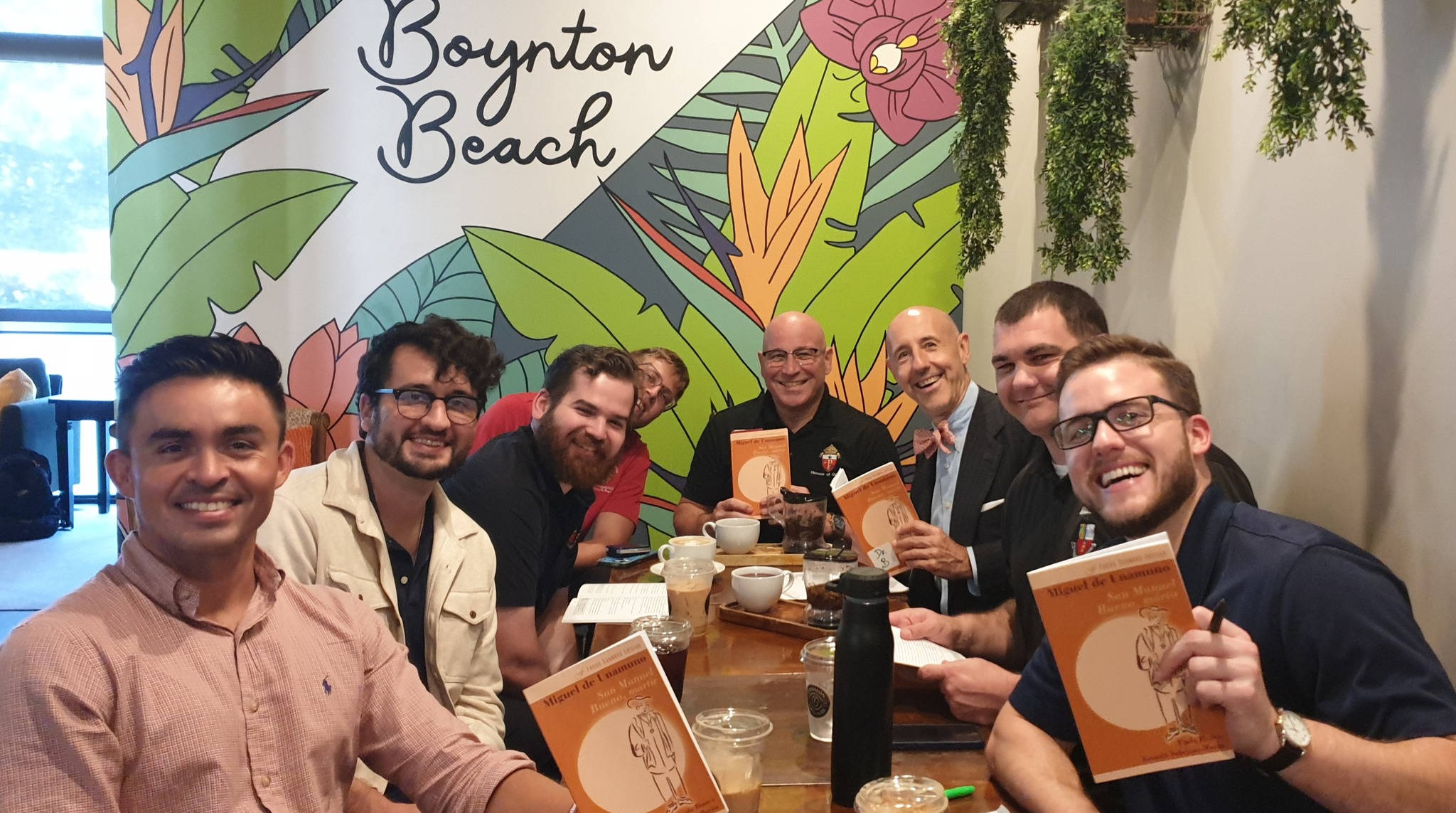
Discussing San Manuel in our favorite coffee shop

Miguel de Unamuno was a professor of Greek and Latin in Salamanca and eventually became the rector. More importantly, he was a leading existentialist philosopher, though he did not achieve the prominence of other early 20th-century philosophers, especially the German philosophers.

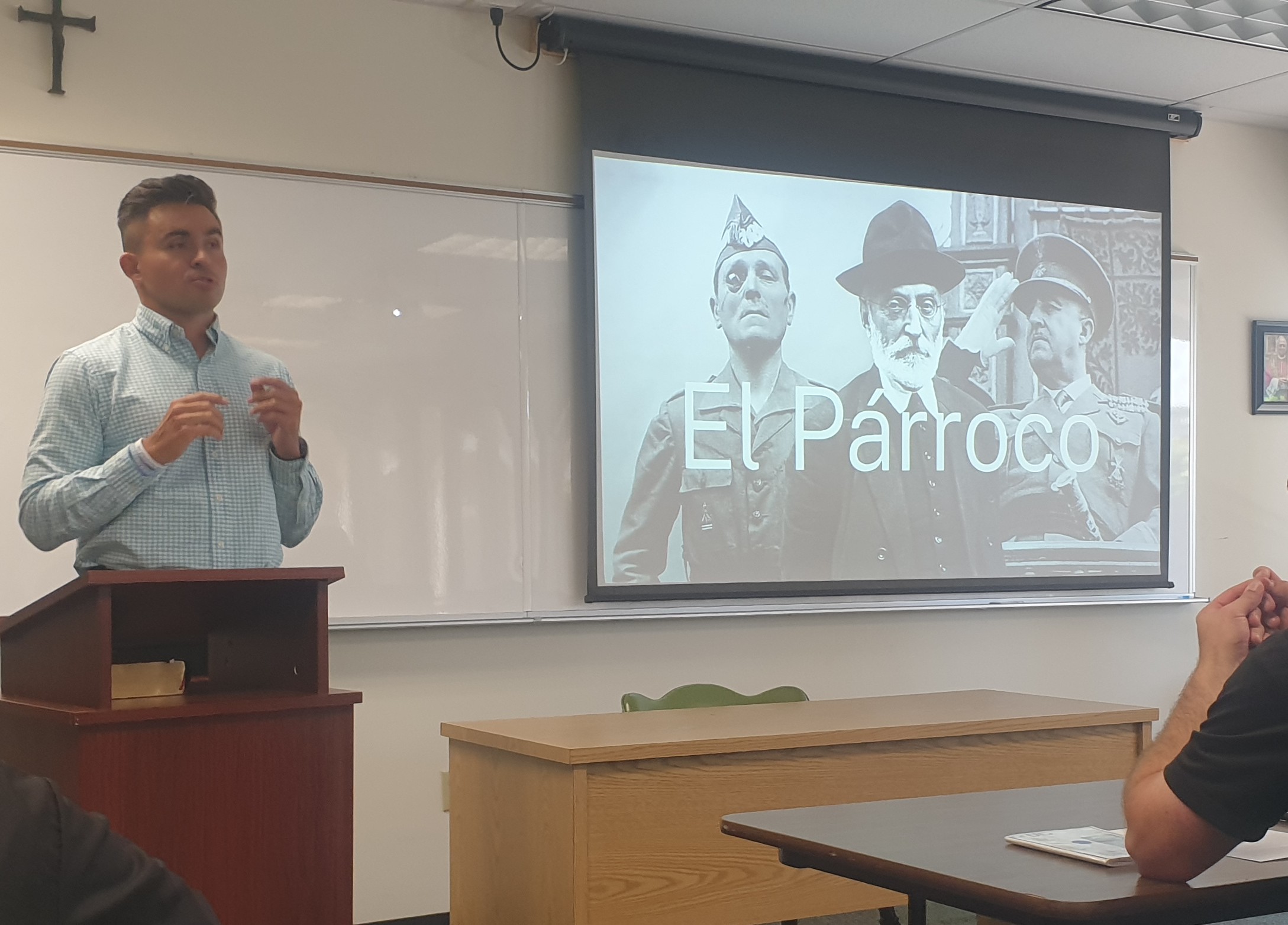
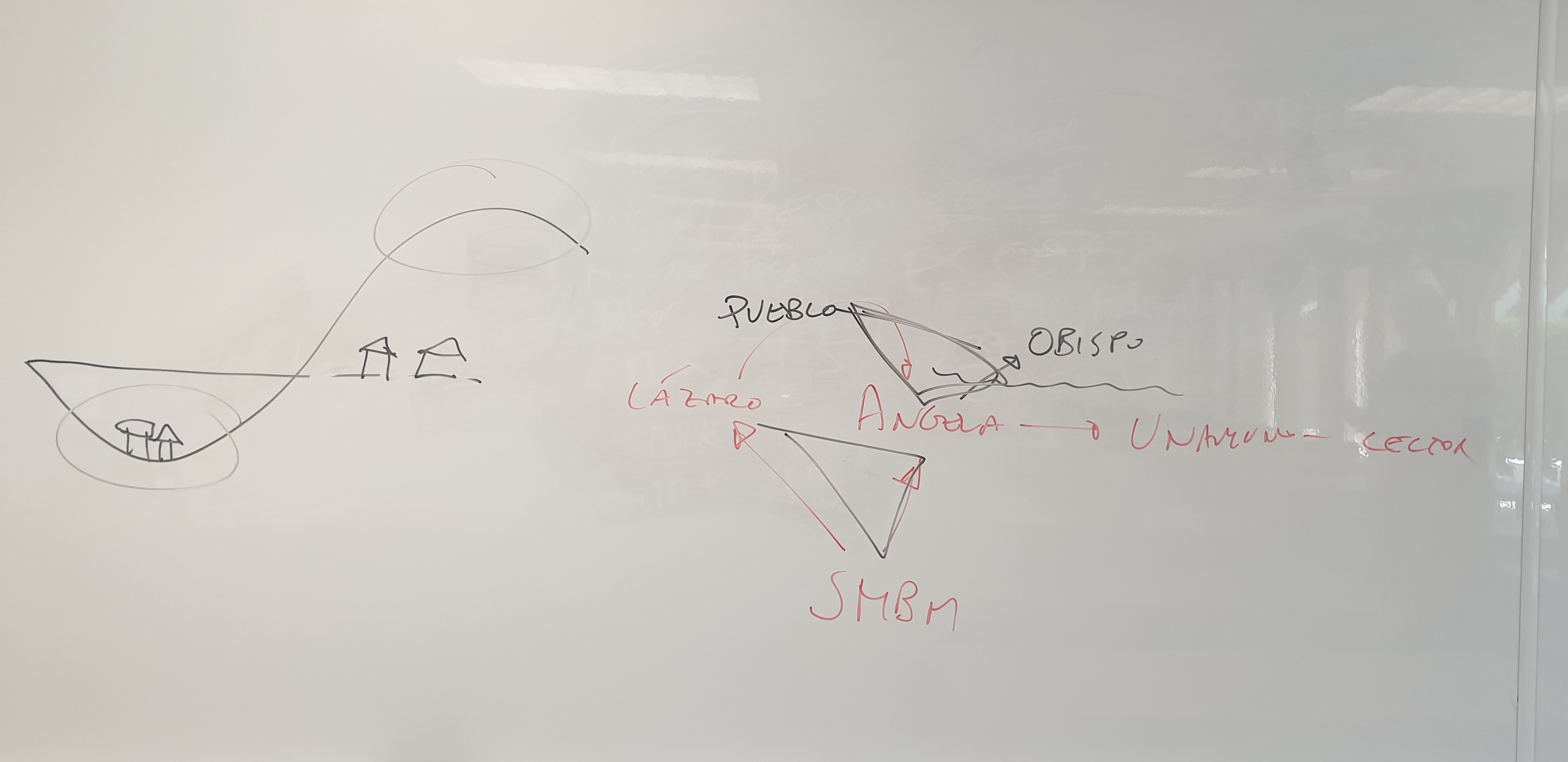
Unamuno’s San Manuel Bueno, Mártir is a book I have taught many times. It is the story of a priest in a fictional village in northwestern Spain. As you can imagine by now, the story raises deep existential and theological questions, which my students have engaged with in ways I did not expect. Without giving away any spoilers (I hope), the leitmotif of the novel is “Hay que vivir,” which translates as “one must live,” or more bluntly, “get on with it” or “carry on.”

At St. Vincent’s, this has been my first time teaching it, and it has been the most rewarding work I have done in my six years here. You see, I teach the future Catholic priests of the US, and at this level, they all have a bachelor’s or master’s in philosophy, so these discussions were lively, and the students wrestled with the text in ways that—obviously—high school students could not. To say that these men are passionate about their future jobs is an understatement. We got so into the reading that we went to discuss the book at our favorite coffee shop, Common Grounds!

I could go on and on, but I am afraid of spoilers…

There you have it. If you are teaching upper-level or Spanish literature at a Catholic seminary, go ahead and teach San Manuel Bueno, mártir. You are welcome.
Accept and learn from losing.

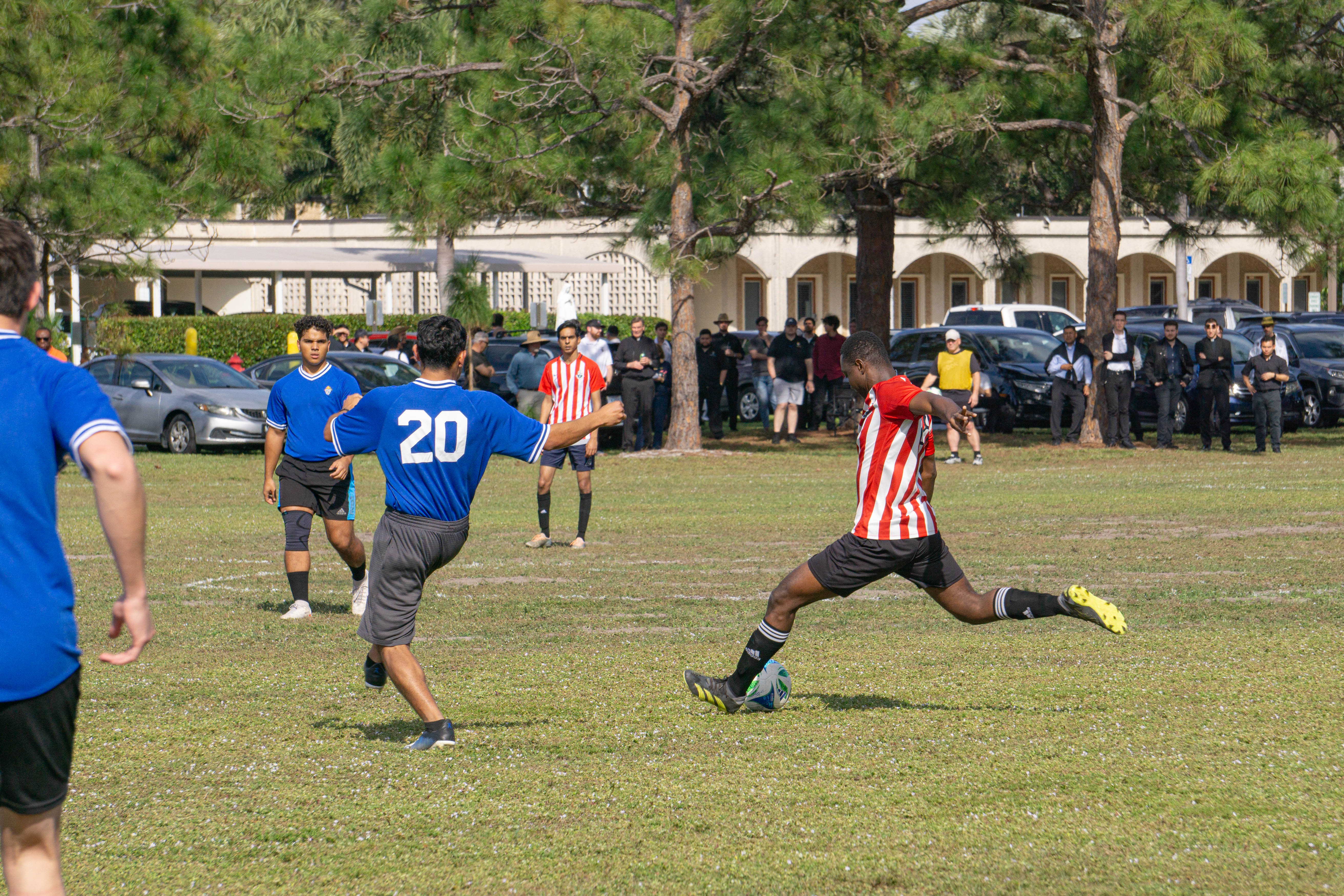
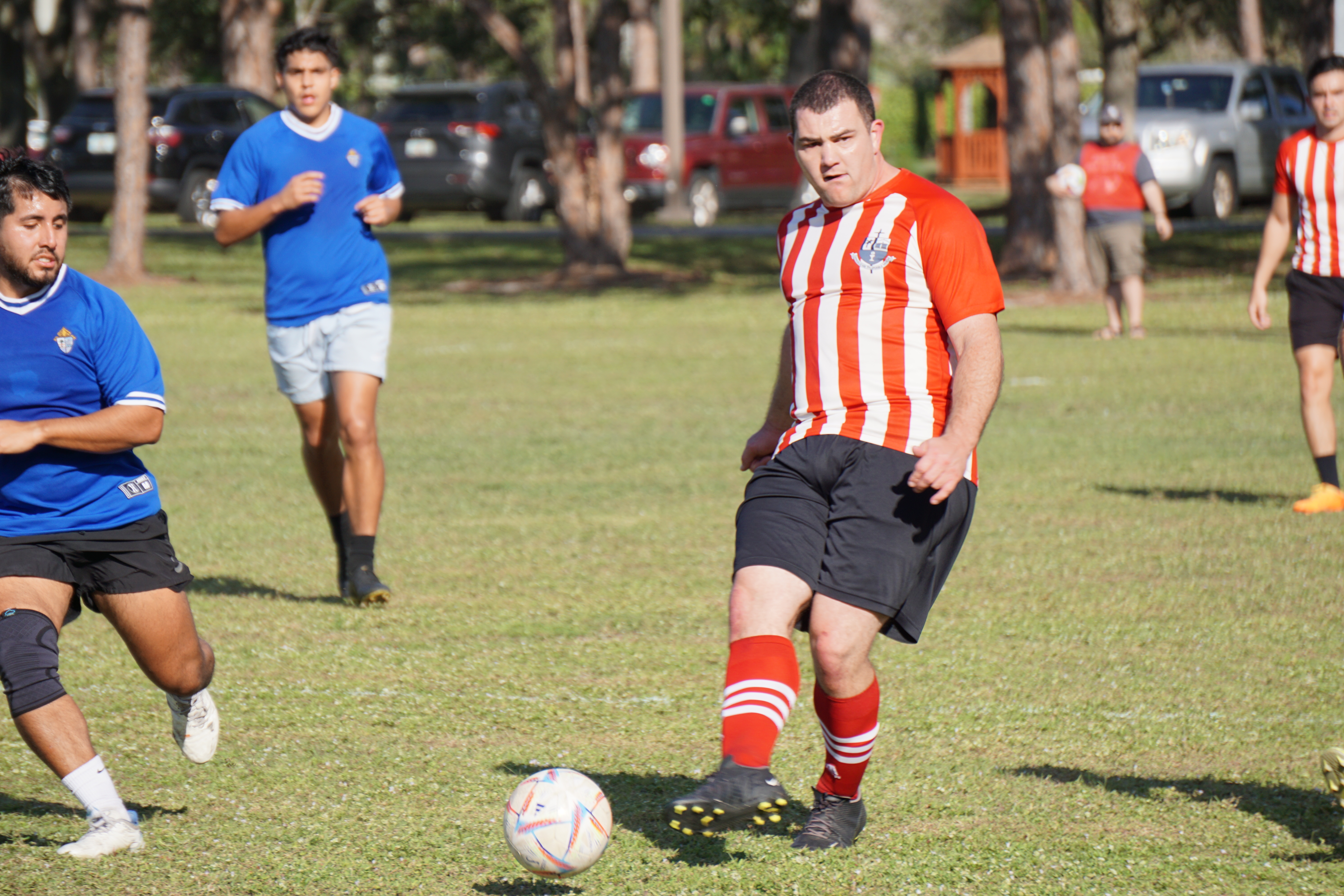
After a two-year winning streak, we knew we were bound to lose at some point, we were hoping it would not be against our archrival.

The beauty of losing is that it makes you dig deeper into yourself to understand what you are made of. It allows you to contemplate life from a different perspective than winning does. I am not breaking new ground here; for example, Pat Conroy wrote about it much better than I did in his My Losing Season, a great read!

There is always some regret: I should have done this or that, should have trained more on this or that. But at the end of the day, it is still just a game, and one of the teams will lose.

Maybe because introspection is not the prettiest thing to do, to dissect a soccer game, the post-mortem, what did we do wrong? What did the other guys do right? When you win, there is no need to go that deep into your reasons for winning, you can celebrate!

Yes, there is more to be learned from losing than from winning, and all that humble pie stuff, it still hurts. Now we must go back to the drawing board, back to training, and back to basics. I can’t wait to start training again. Next season we will win.

Build your community. One step at a time.

The US seems obsessed with the concept of community, but with a few exceptions, it is a country notably devoid of community. Technology, i.e., smartphones and social media have killed whatever remnants of community the car and consumer centric society had not killed. It is up to us to build community, and it is a slow process that requires time and patience.

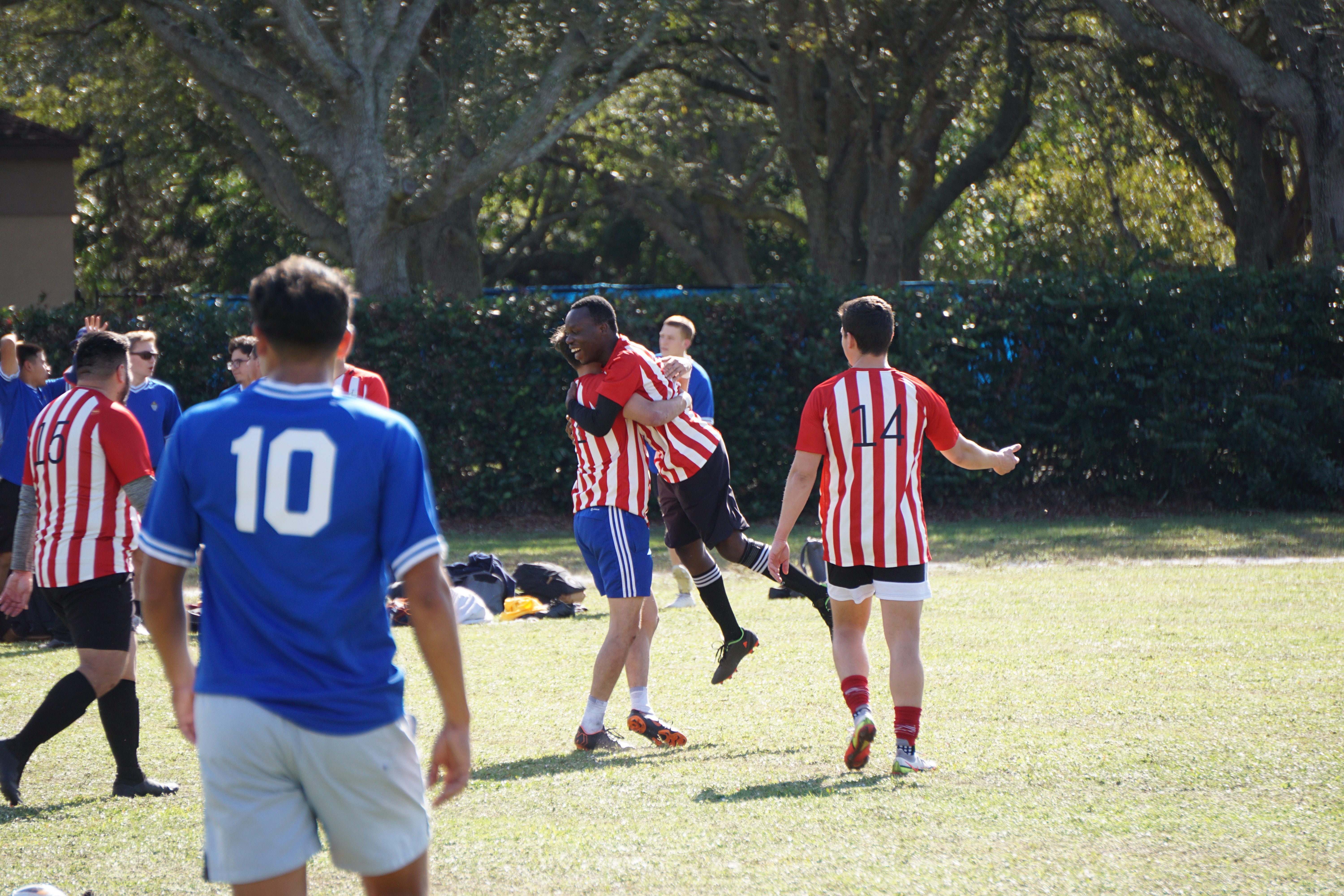
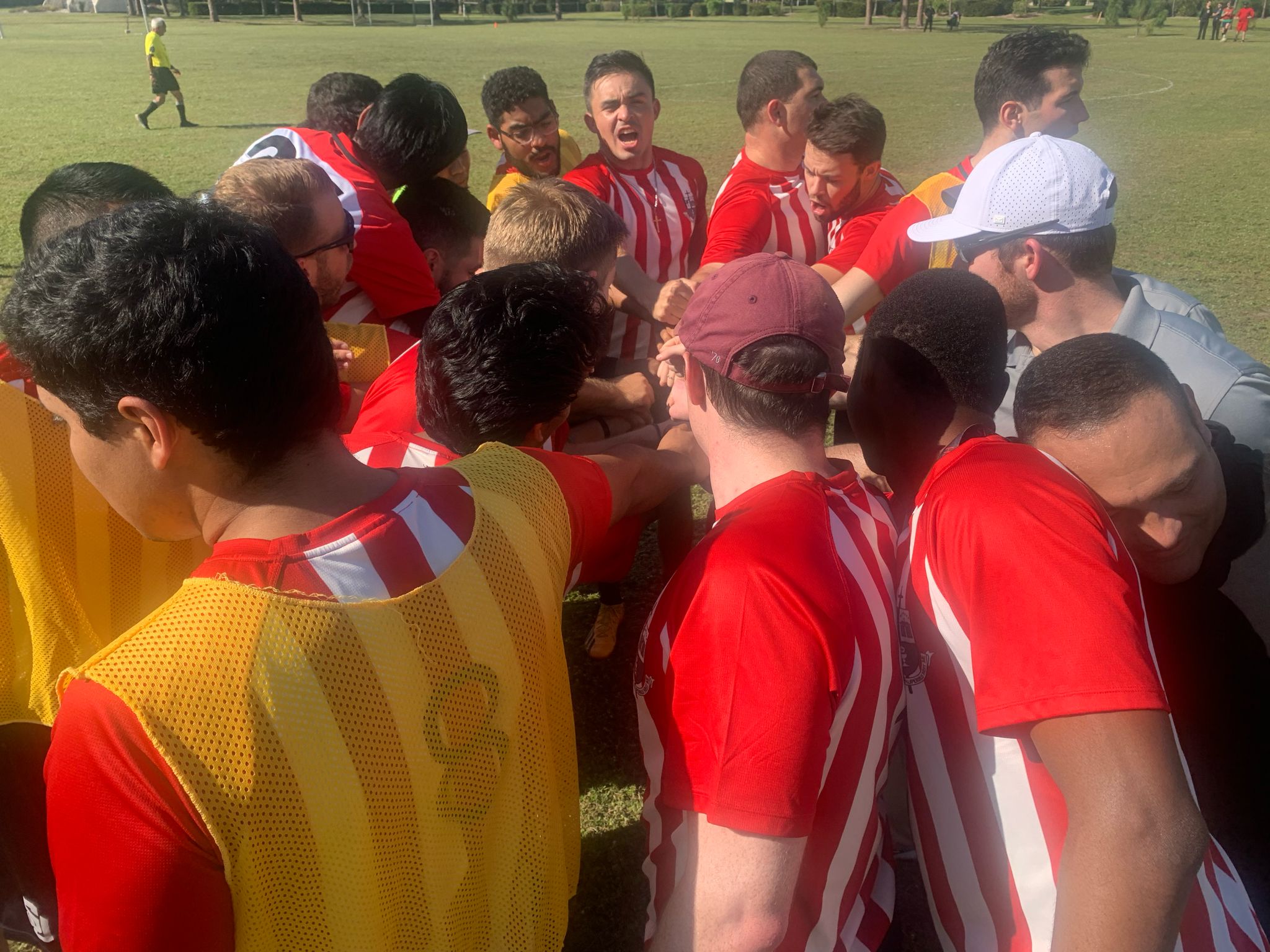
Community building is something I am rather keen on. Something I love to do. The first few minutes of our soccer team practice are always devoted to team building -sometimes with the most basic of games: name games; the other day I was shocked to learn that a new player did not know the names of all his teammates. Then we play team-building games, getting the players to know and trust each other. The result? We play better, so we won 4-1 against our Miami rivals.

Of course, there is much more to it than teambuilding, there are skills, and strategy, psychology, and game day decisions. But the key is to start with the basics, a community.

So, do not complain about the lack of community, build it. At every opportunity you get.