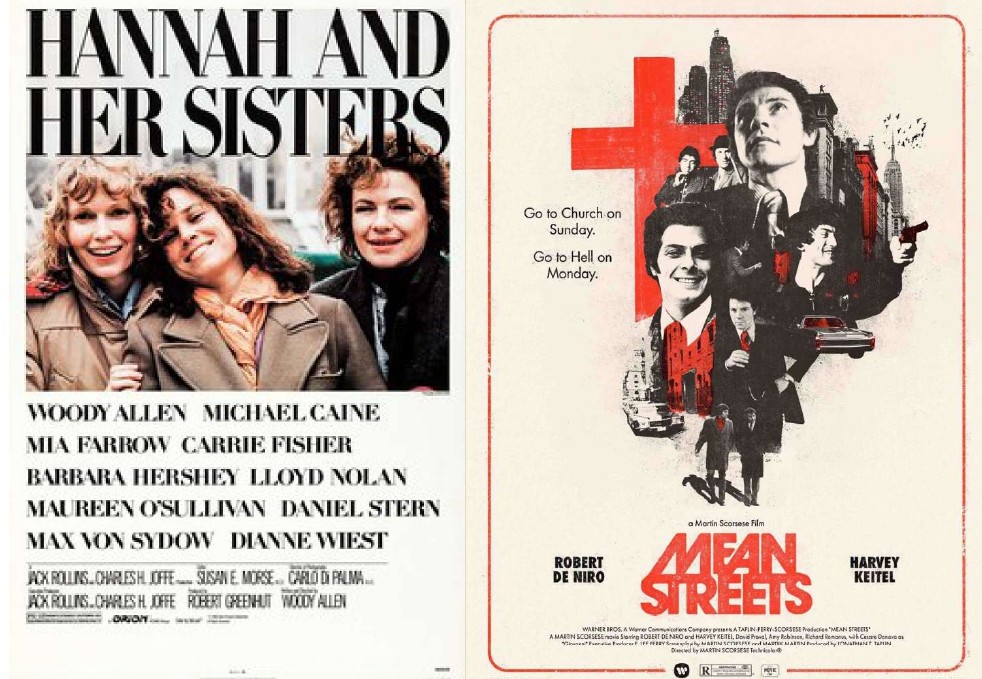
Martin Scorsese and Woody Allen. Two New York existentialists: Mean Streets (1973) and Hannah and Her Sisters (1986).

Hannah and Her Sisters and Mean Streets

At first sight, Martin Scorsese and Woody Allen have little in common other than being two great New York filmmakers. Beyond that, there seems to be little else in common. Their genres, styles, and films are almost opposed.

However, two films seem to connect them philosophically: Mean Streets (1973) and Hannah and Her Sisters (1986). Both protagonists, Charlie in Mean Streets and Mickey in Hannah, are textbook existentialists, though there are as many approaches to existentialism as there are people; these two exemplify polar-opposite existential crises, united by a shared search for the self.

The very first scene in Mean Streets has Scorsese’s voice in off, saying: “You don’t make up for your sins in church, you do it in the streets.” The scene then opens with Charlie Cappa (Harvey Keitel) waking up as light filters through the blinds, making him seem as if he is behind bars. He gets up and walks by a very well-lit crucifix to a mirror where he touches his face. Here are the basic clues we need to understand Charlie’s situation: He feels trapped, the weight of morality, of guilt, of the church on his shoulders, and the touching gives a very “doubting Thomas” feeling: I will believe it when I touch it. Throughout the film, Charlie will test the pain a flame causes whenever he sees one (candles, kitchen stoves), a motif shared by Lawrence of Arabia. Charlie struggles to decide between the mafia lifestyle of his capo uncle and a more honest life with his girlfriend in the style of his hero, St. Francis of Assisi, protecting the less fortunate, in this case, Robert De Niro’s Johnny Boy.

Woody Allen’s Mickey, on the other hand, has a very different kind of existential crisis as he looks for the meaning of life. Although Allen always seems to play the same neurotic New Yorker, in Hannah, he channels the existential issues of love and life in Manhattan.

In conclusion, Scorsese in Mean Streets and Allen in Hannah and Her Sisters, respectively, portray the two sides of the same existentialist coin: Scorsese in the tragic frame of Soren Kierkegaard, and Allen’s Hanna in the absurdist style of Samuel Beckett’s Waiting for Godot.

“You know, I’ll dye Easter eggs if it works.”

Sting, 35 years later

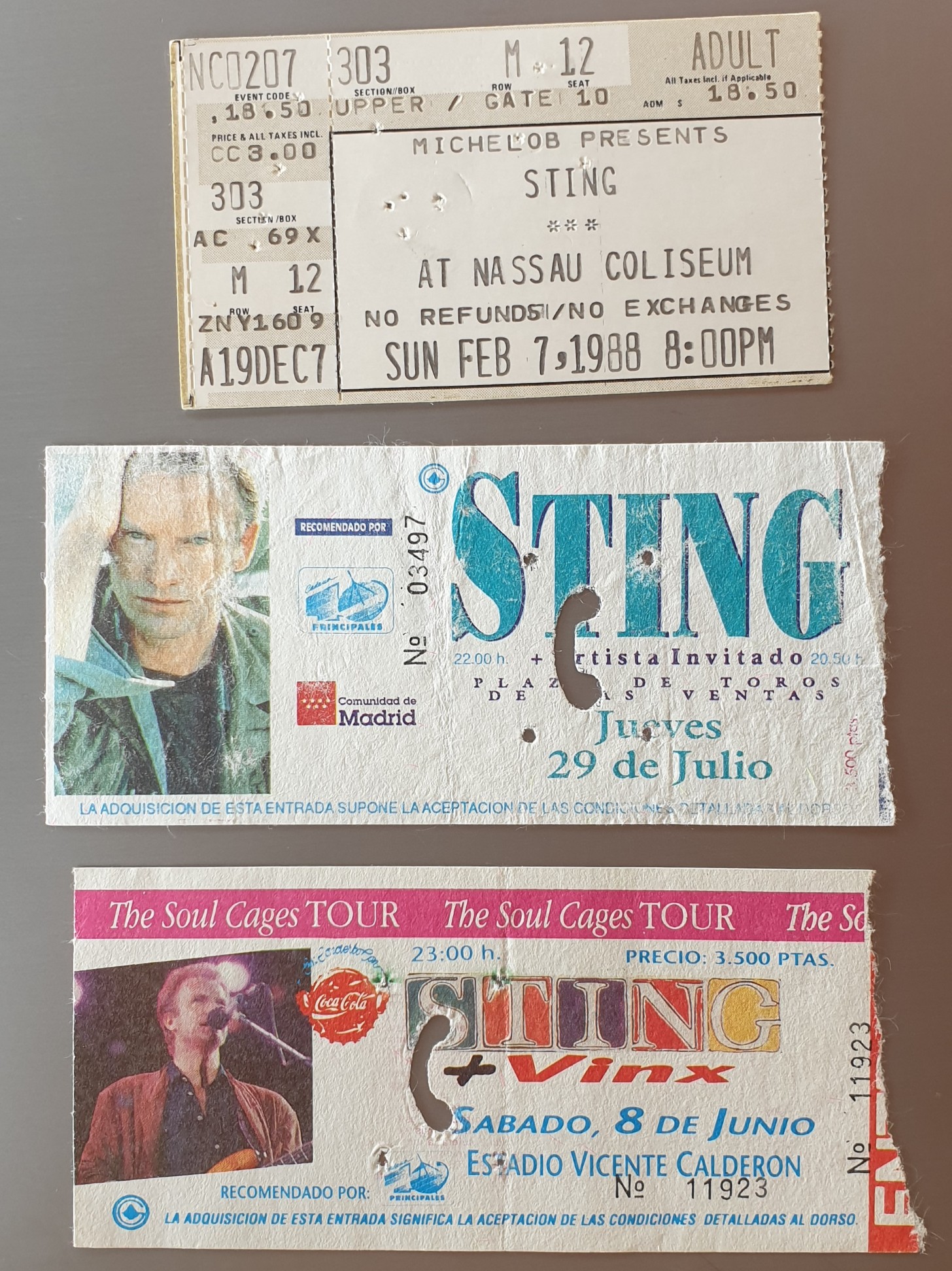
Attending high school in London in the early 80s, it was difficult not to be a fan of The Police (and hundreds of other great and influential bands), although I did not see Sting perform until 1988, when I was living in New York City after college.

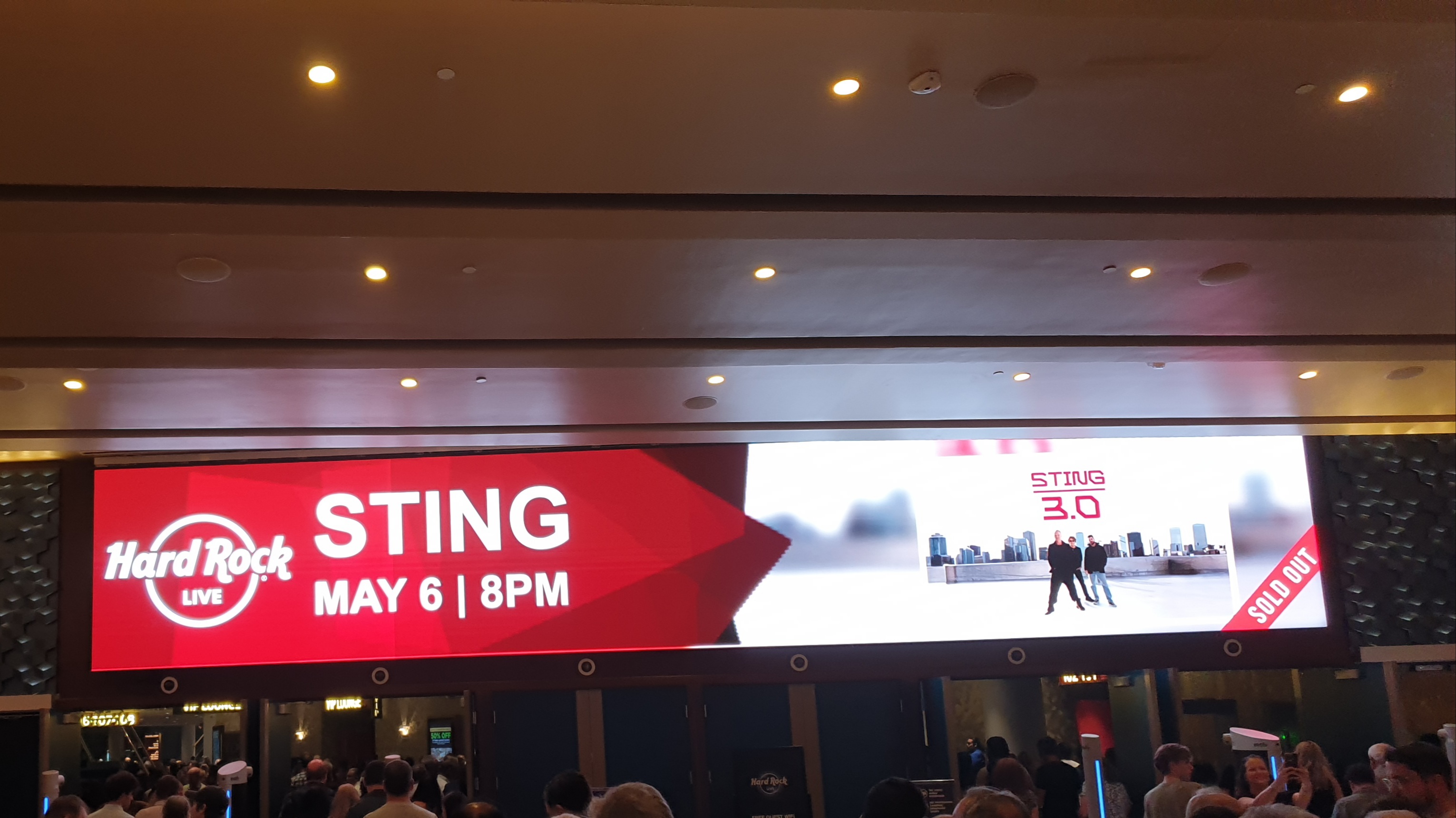
So, when you are a Sting fan who has not seen him since 1991, and a colleague and friend invites you to his Miami concert, you jump for joy.

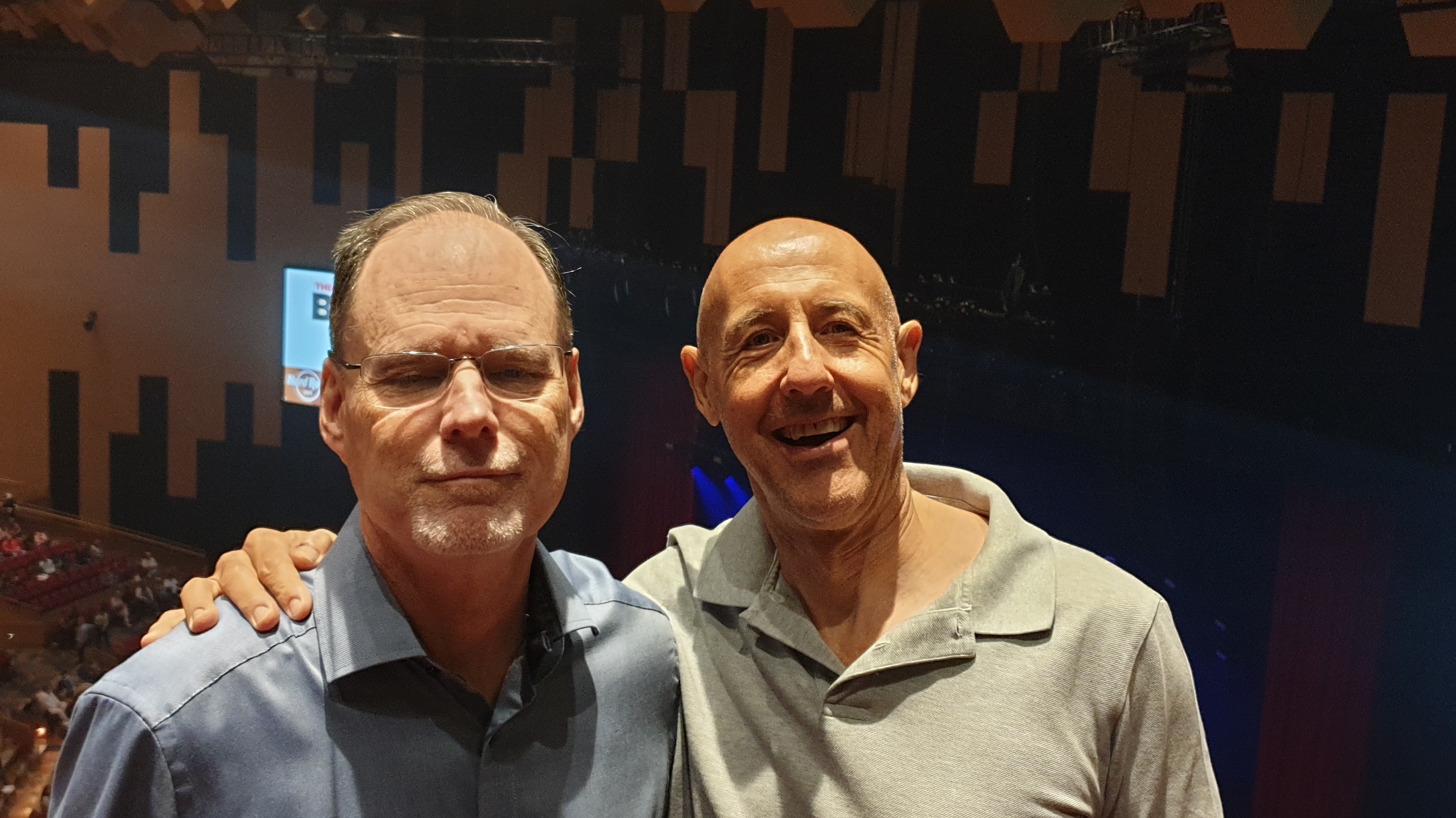
The story is that John was going with another colleague, but at the last minute, Sting had to cancel due to illness. Gentleman that he is, he rescheduled. Unfortunately, that other colleague could not make it, so I was invited instead!

The concert was at Miami’s Seminole Hard Rock Casino, which has a huge theater with crystal-clear sound.

Sting performed with his trusty sidekick, guitarist Dominic Miller, and the amazing drummer Chris Maas (who also played with Mumford & Sons)

The concert was a review of all his classic hits, with some lesser-known songs:

  1. Message in a Bottle
  2. I Wrote Your Name (Upon My Heart)
  3. If I Ever Lose My Faith in You
  4. Englishman in New York
  5. Every Little Thing She Does Is Magic
  6. Fields of Gold
  7. Never Coming Home
  8. Mad About You
  9. Wrapped Around Your Finger
  10. Driven to Tears
  11. When We Dance
  12. A Thousand Years
  13. Can’t Stand Losing You
  14. Shape of My Heart
  15. Walking on the Moon
  16. So Lonely
  17. Desert Rose
  18. King of Pain
  19. Every Breath You Take
  20. Roxanne
  21. Fragile

Readers of this blog know that I now listen more to classical music than to pop, with the occasional exception of Van Morrison. So when the band played “Driven to Tears” as an instrumental (which was amazing), I mistook it for “When the World is Running Down (You Make the Most of What’s Still Around).” My bad. Am I ashamed? Yes, a little, but then again, I have not listened to these songs in decades!!

So, if you get a chance to see Sting on this tour, go for it; he will not disappoint. You are welcome.

A new soccer field; plant a (metaphorical) seed and watch it grow. And the game to celebrate it

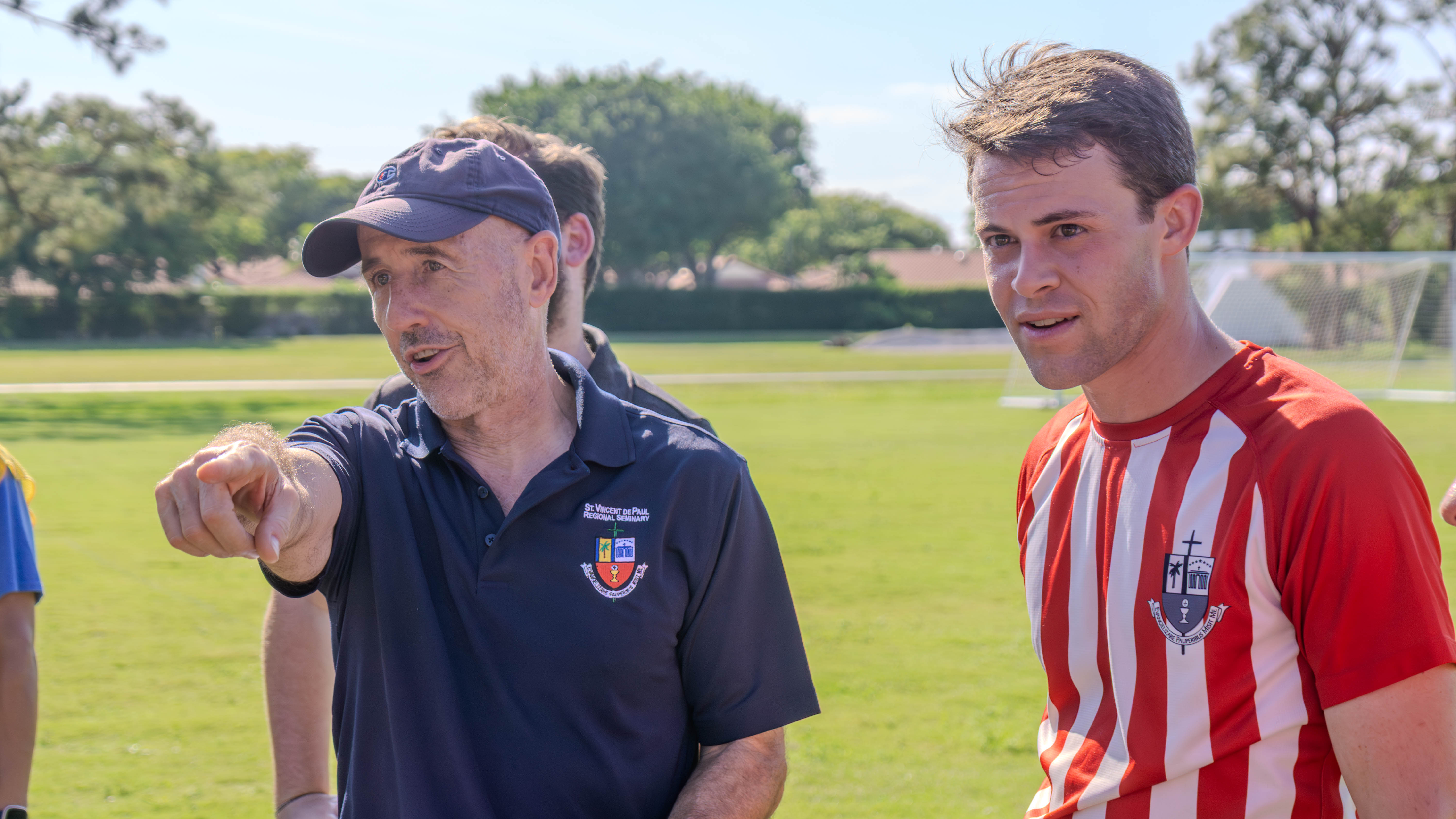
COVID was raging when I arrived at this school, so there was no soccer. When I finally went out to the field to start coaching, it was horrible. It was not really a field, just a bare plot of land about the size of a soccer field, covered in weeds and sandy patches. The goalposts tilted at angles that made the Tower of Pisa look ramrod straight.

Every year, we slowly invested in small improvements: one year we got corner flags, another year we got game balls, and one year we had a professional line painter come in to paint the field lines with a robot. We had great lines on a horrible field!

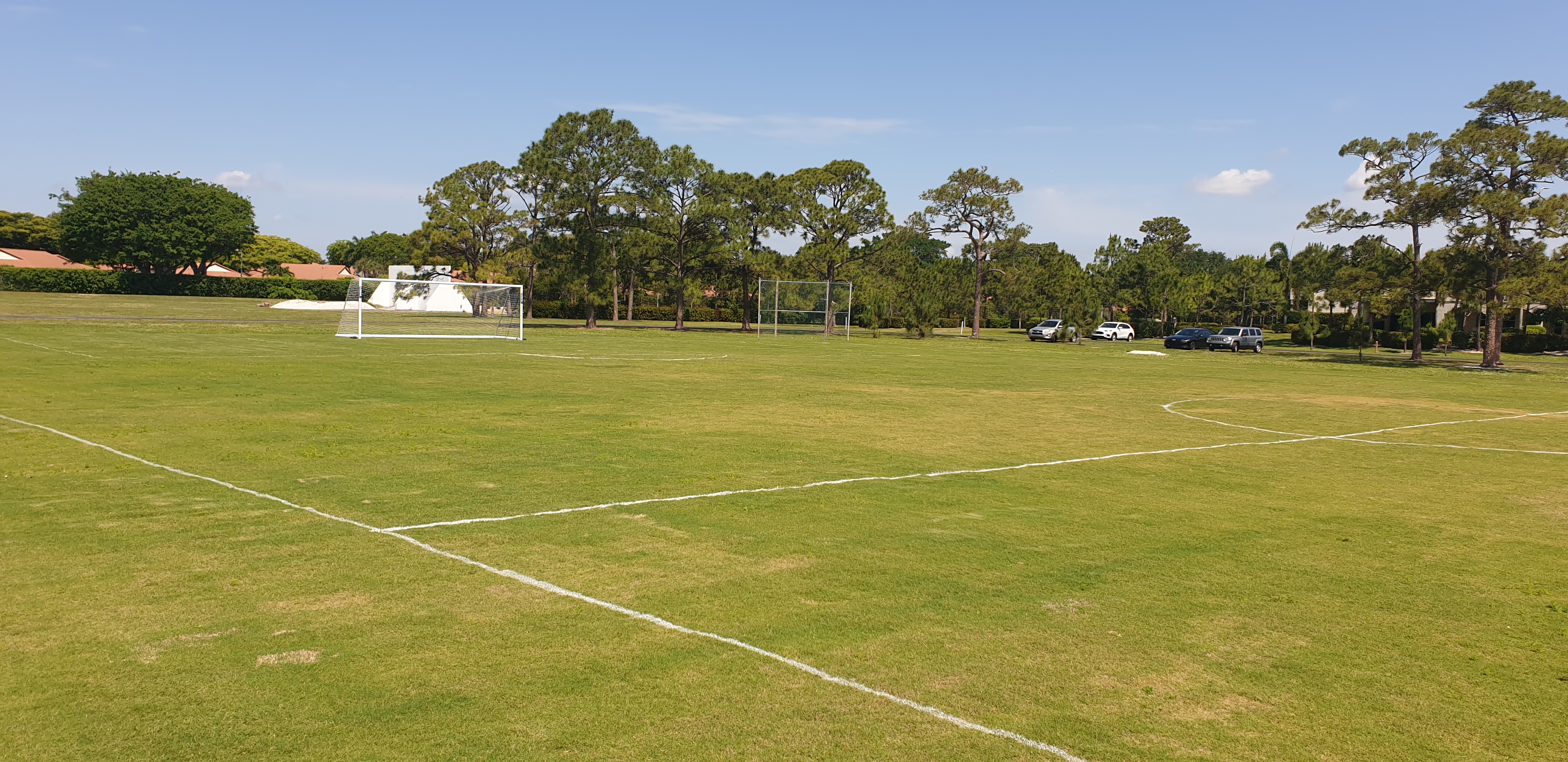
After a couple of injuries last year, the rector and the dean finally took the step of building a real soccer field. The landscapers removed a layer of soil, installed irrigation, and planted Bermuda grass. It is not a perfect field; it is not entirely level, and weeds are sprouting, but it is light-years better than what we had before.

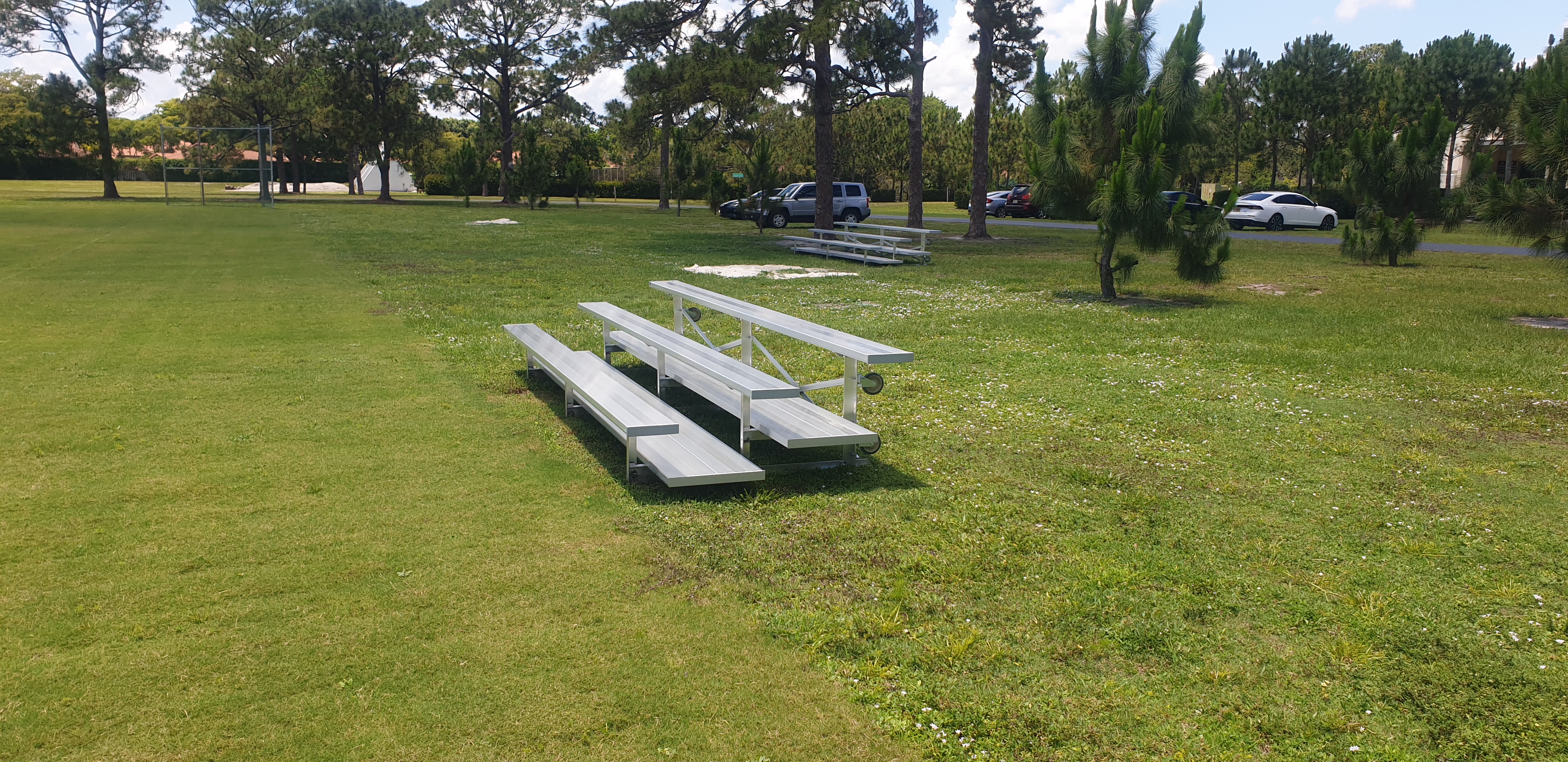
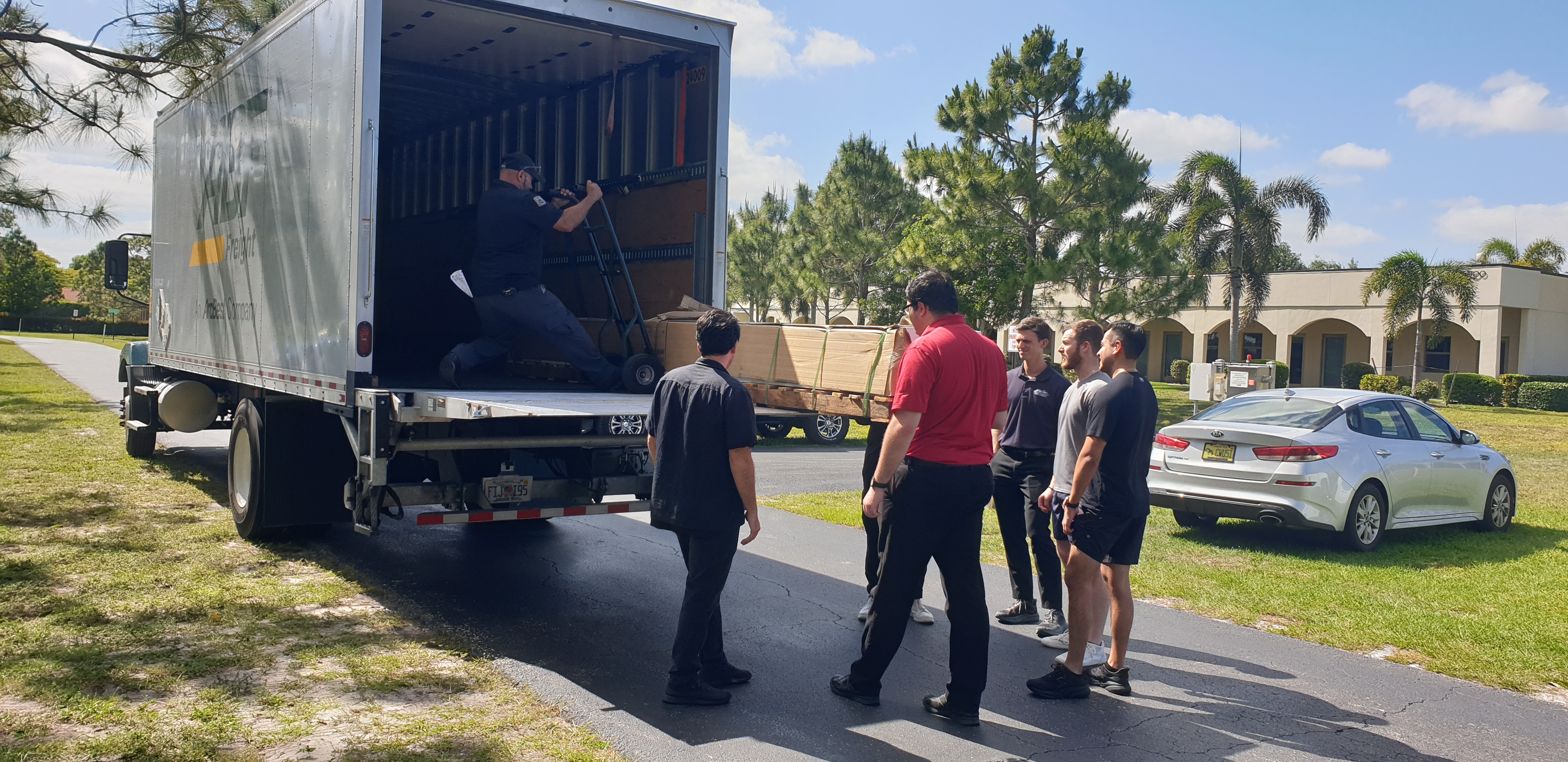
The cherry on top was buying new goalposts—from England —bleachers, and team benches.

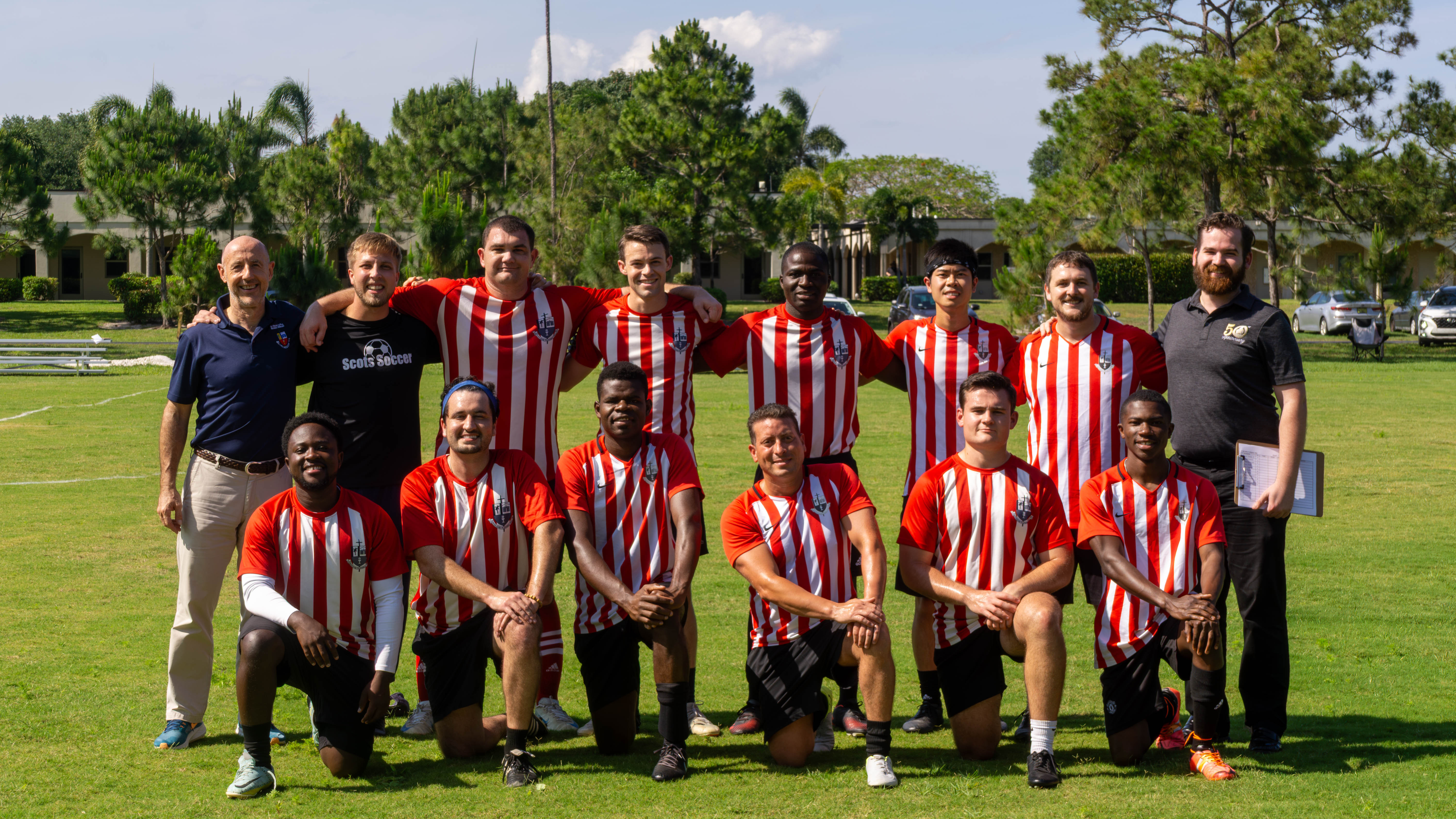
To inaugurate the new field, we hosted the Jesus Youth team from the Amoris Christi campus in Delray Beach, the town next to ours.

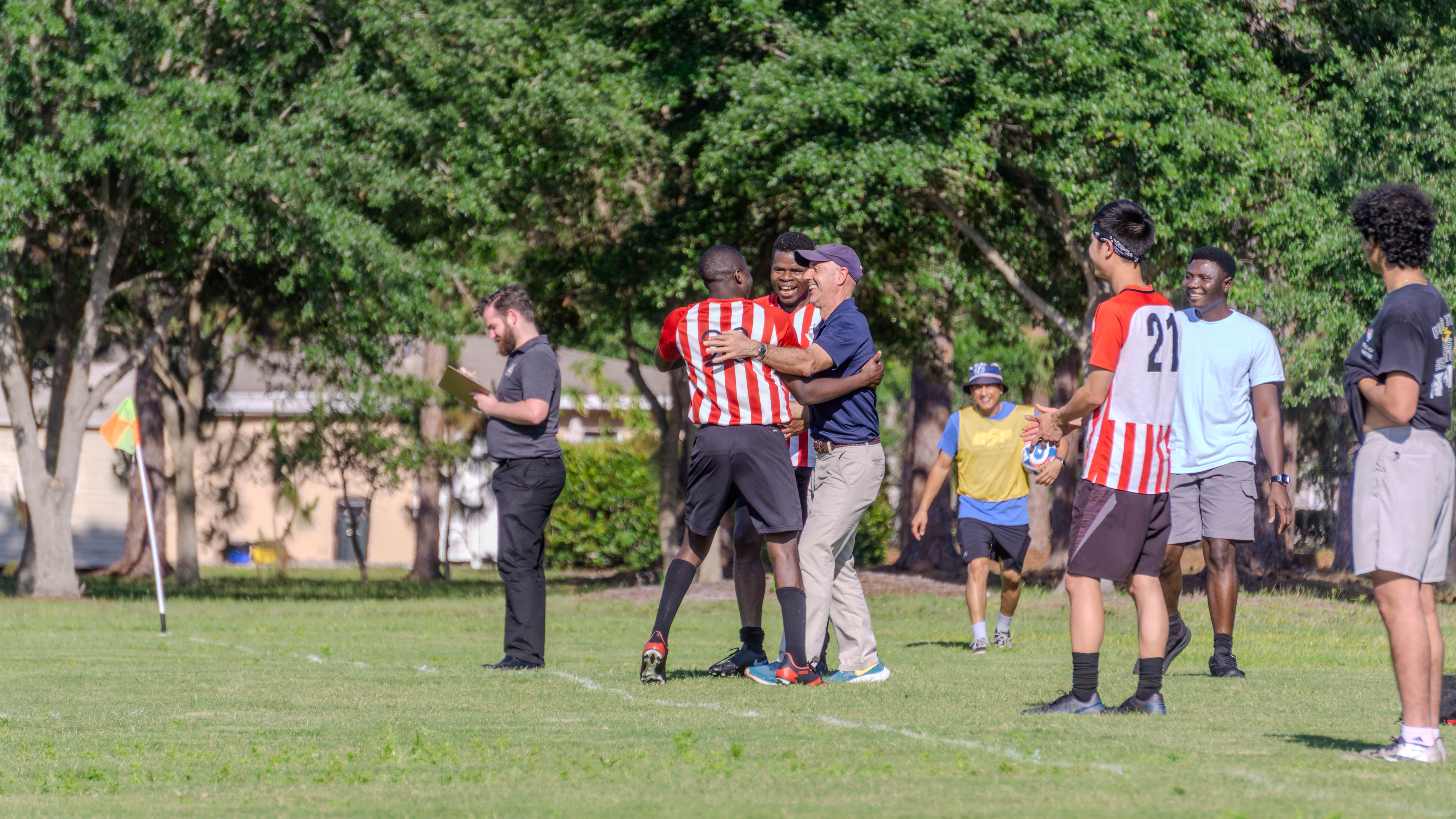
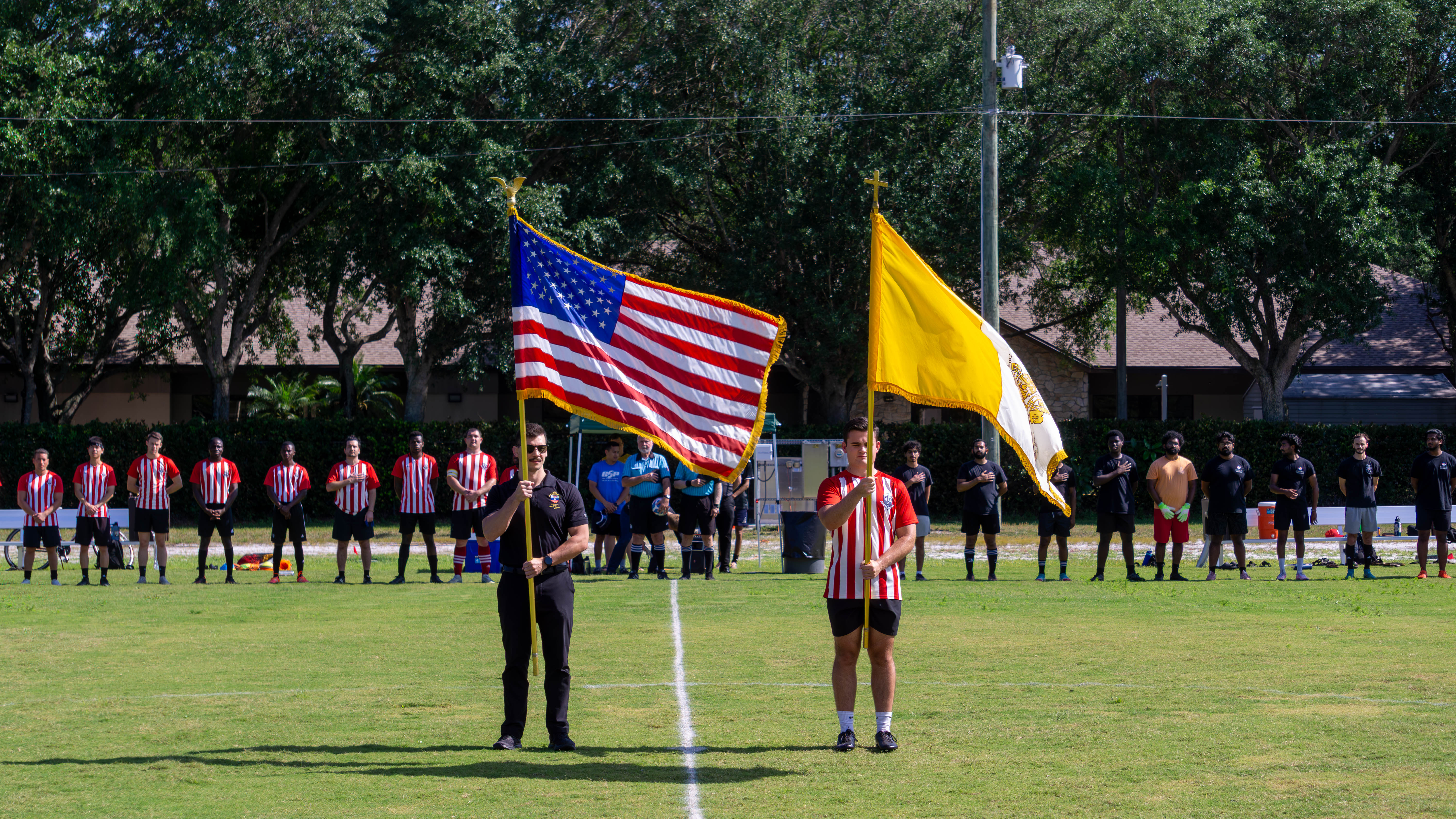
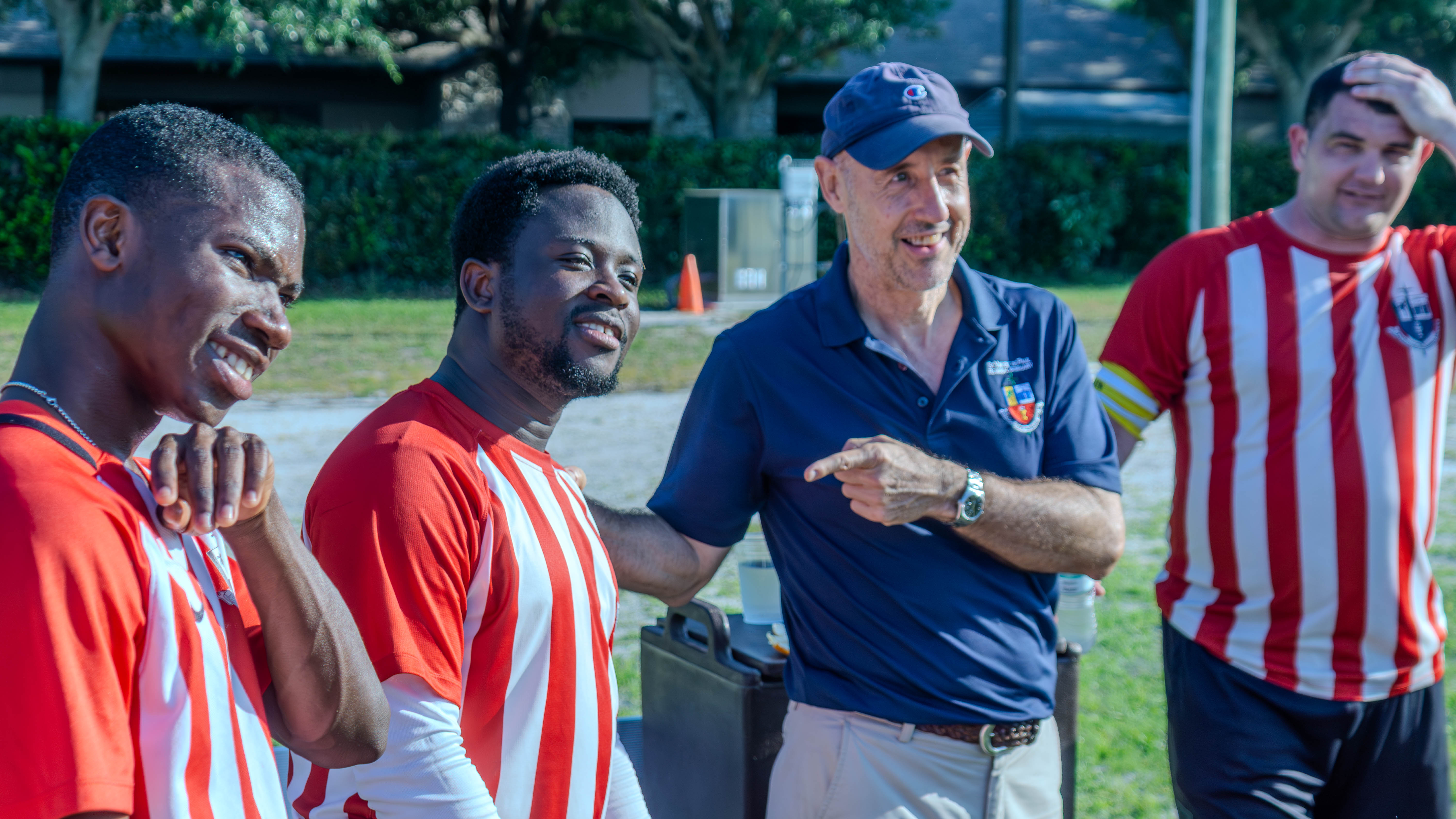
The game was great; we had a military color guard and a blessing before the game. The bleachers were put to good use, oh, and we won 5-1.

The moral of this story is to be patient, positive, and persistent. Make sure your needs are known to the higher-ups. They will hopefully notice and, little by little, make the necessary changes and investments. I am a firm believer in planting the seed and nourishing it until you get results, rather than resorting to more dramatic approaches to get things done. That is just my way. Hope it helps. You are welcome.

Divine Mercy Radio, an interview

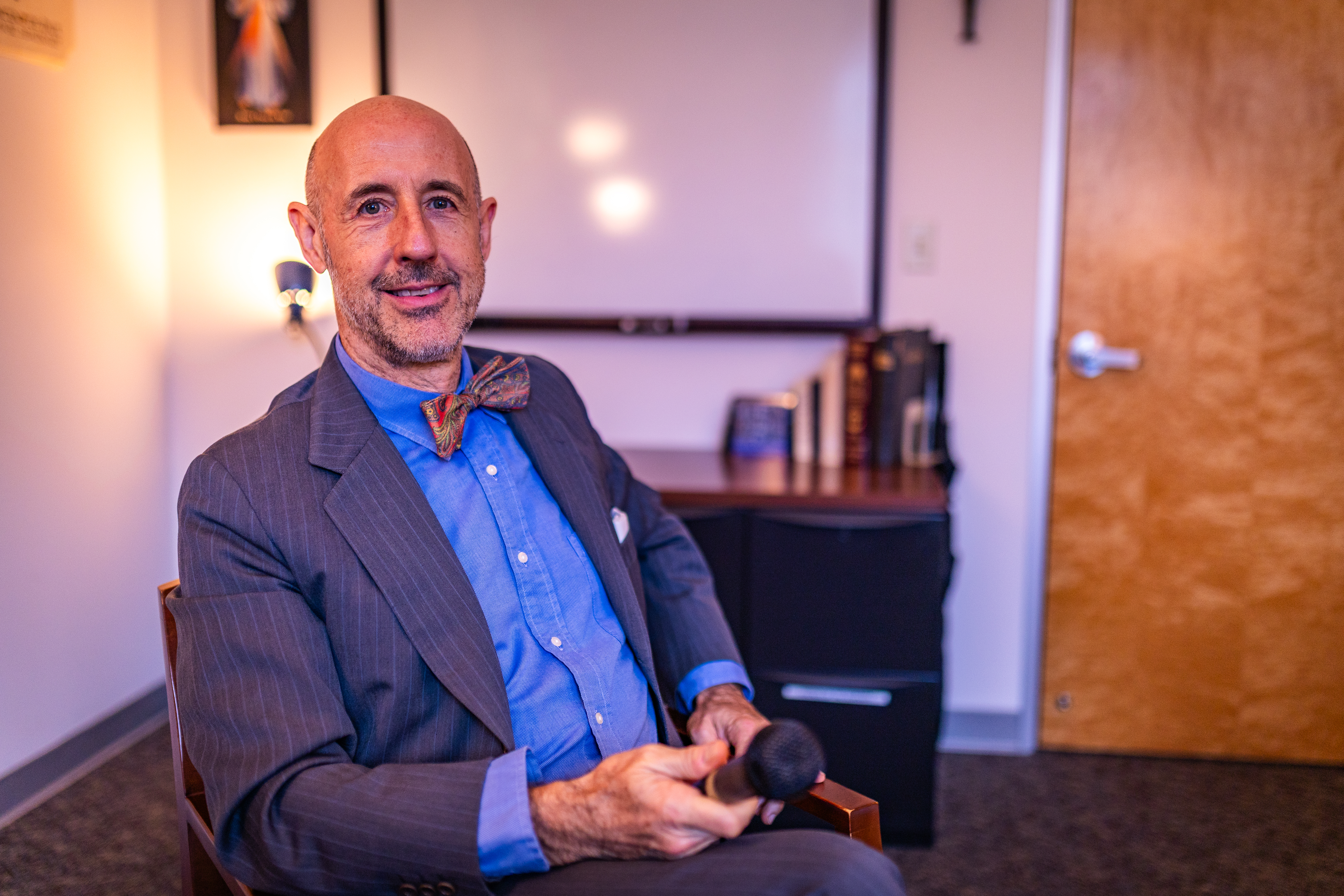
Ready for my interview

Back in a previous life, when I was an entrepreneur and had my own company, I was interviewed a few times on Spanish radio, but it had been a couple of decades since my last interview. A few weeks ago, Divine Mercy Radio in Florida asked about the Language Program at a bilingual seminary, so Carolyn Dean, a real pro, interviewed me; it was a lot of fun!

The prompt (below) was a bit ambiguous, but you can listen to the interview yourself here.

“Dr. Balson: from the perspective of the director of the Language department in the only Bilingual Theologate in the US. How does your own love for the Spanish language and culture influence your teaching style and sharing a love for that world? What do you think the important impact of that work has on the Church in the regions we serve? Love for the soccer team and coaching the team?”

Note: We are not the only bilingual seminary in the US but enjoy the interview anyway!

https://divinemercyradio.com/living-catholic-2026