

Cincinatti, an underrated city and a great university

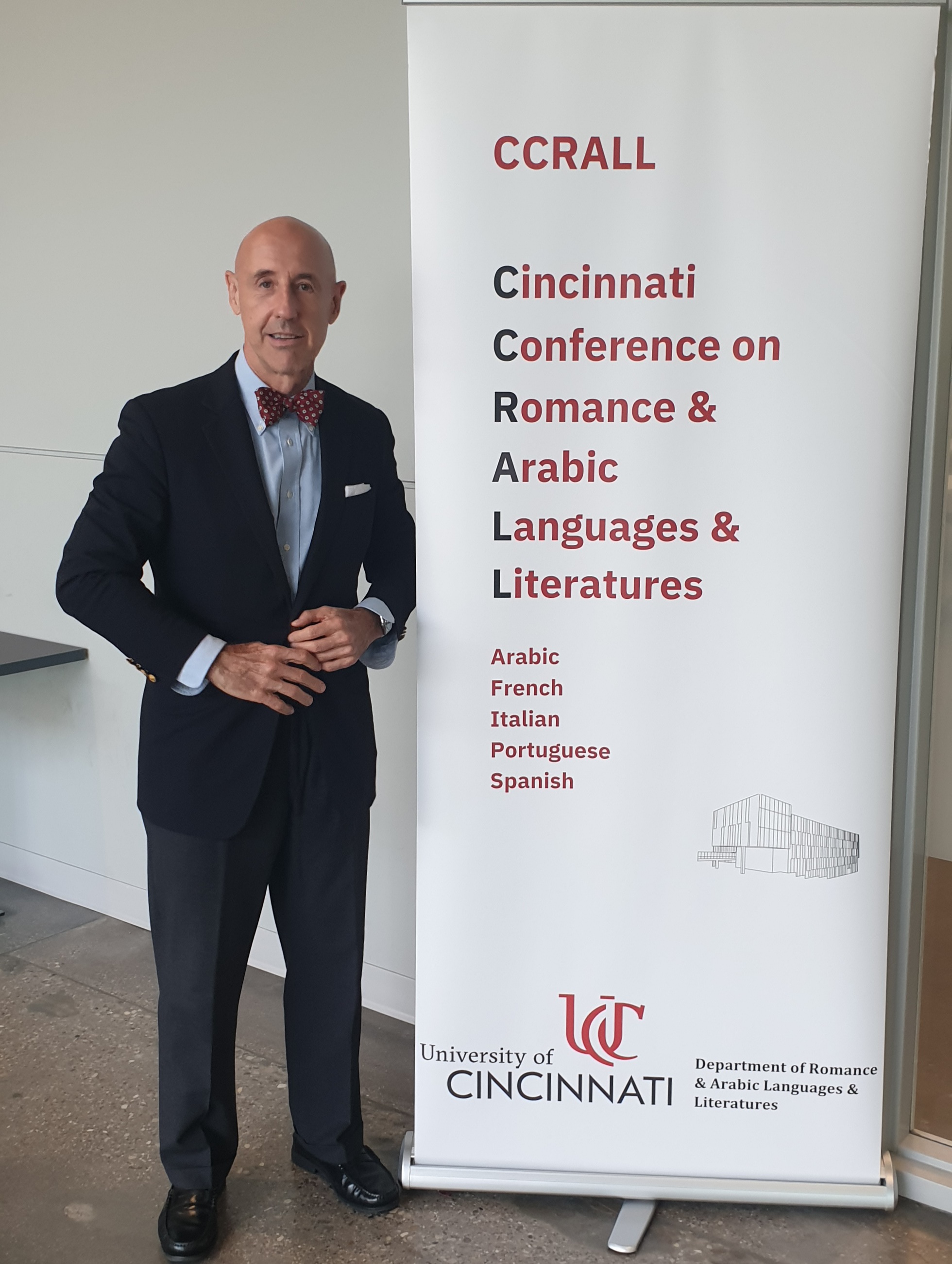
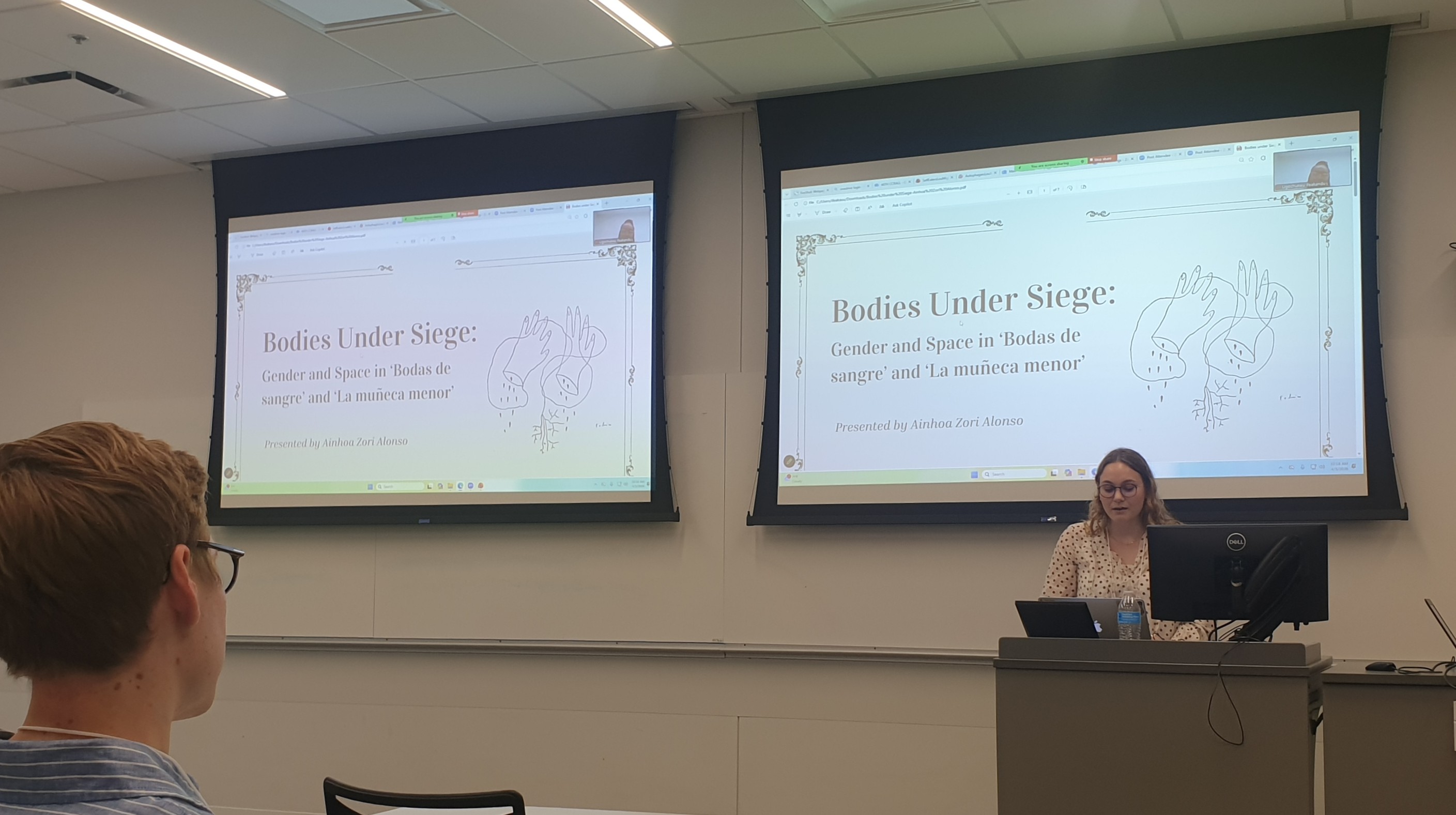
One of the blessings of being an academic (even a bad one like me) is being able to present at academic conferences. I have spent the last few months working on an academic project, and it was time to present it to the world, so I chose the oldest graduate student-run conference on Romance languages and literatures: the Cincinnati Conference on Romance and Arabic Language and Literature at the University of Cincinnati.

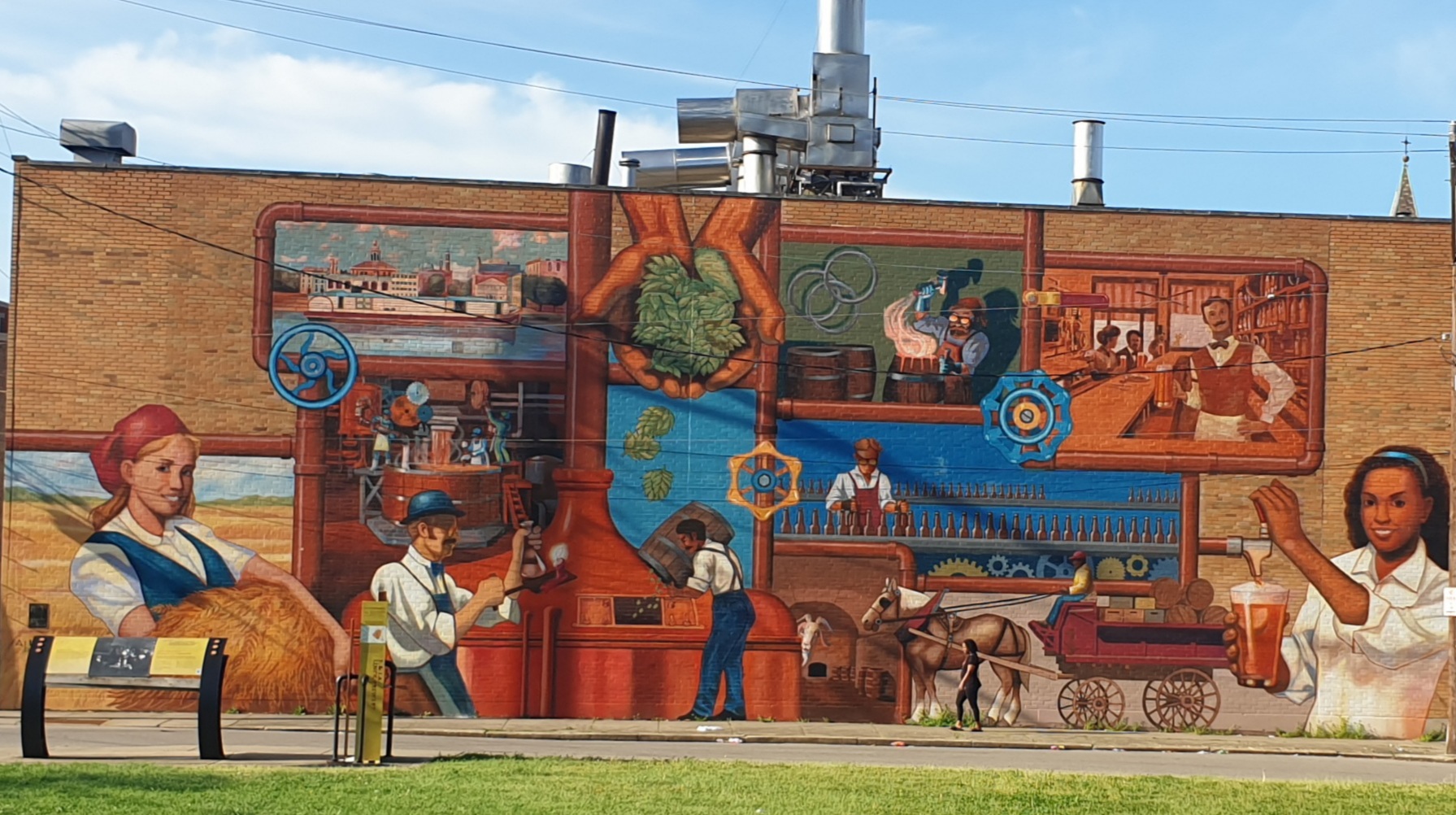
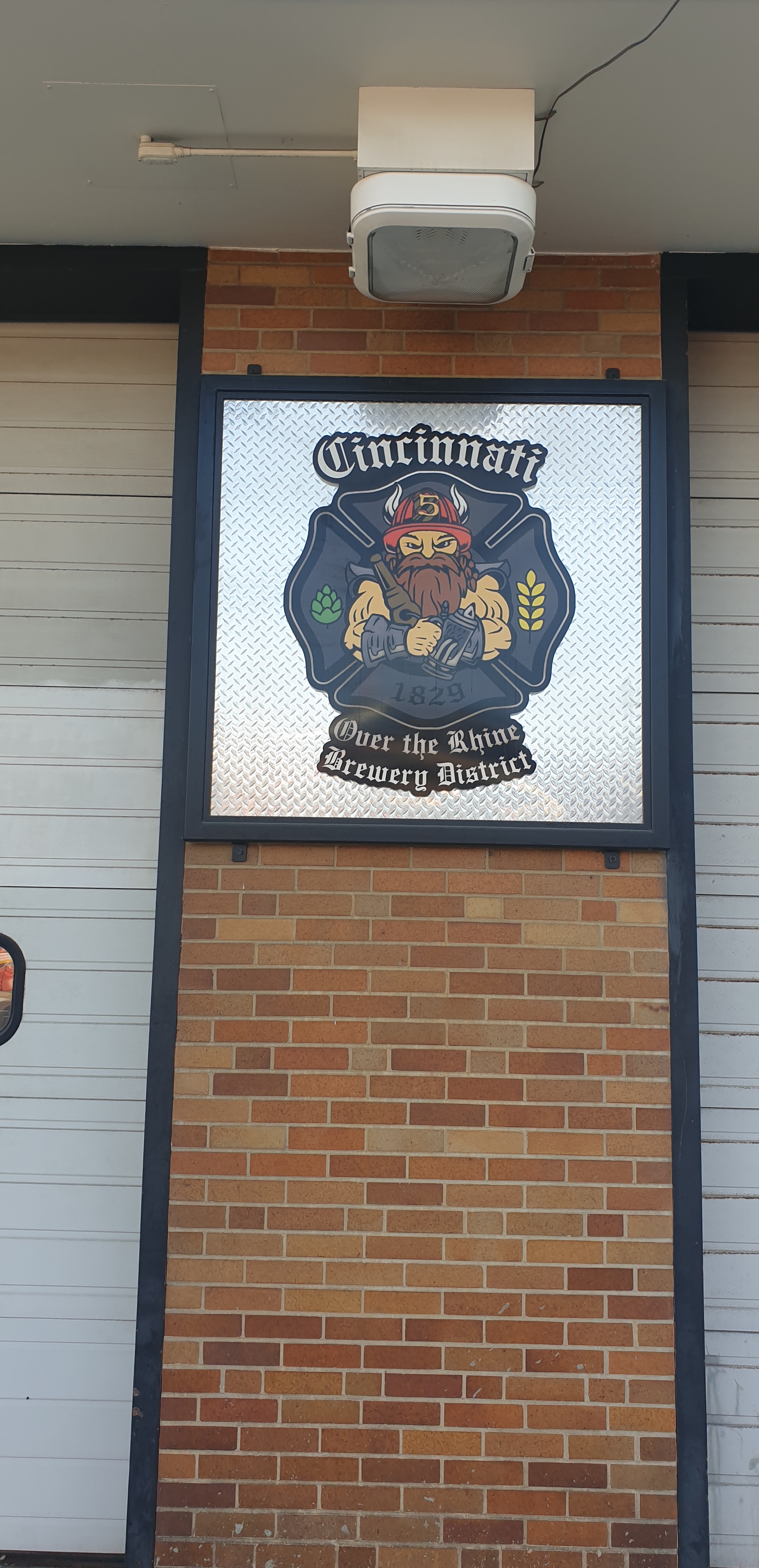
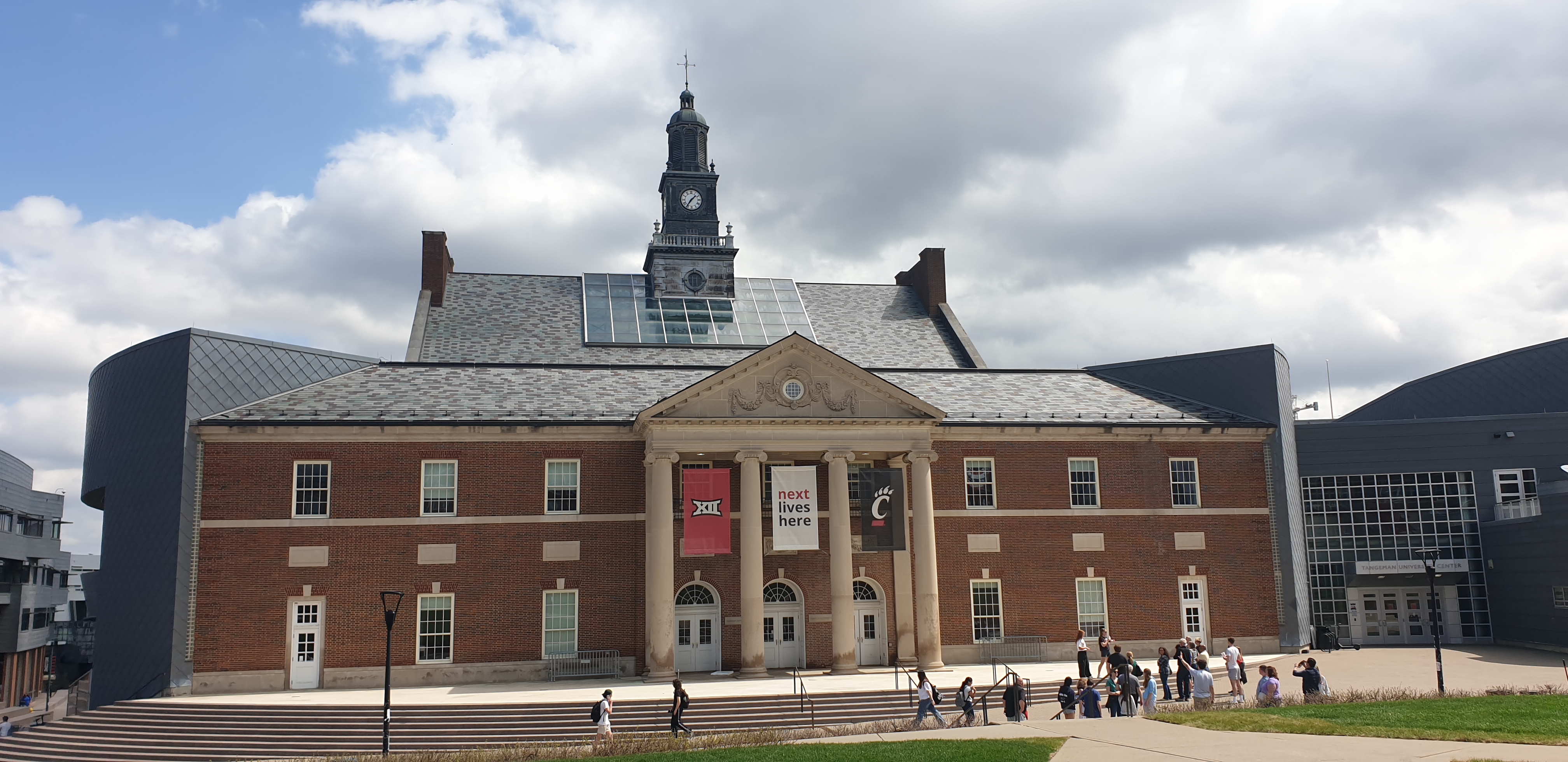
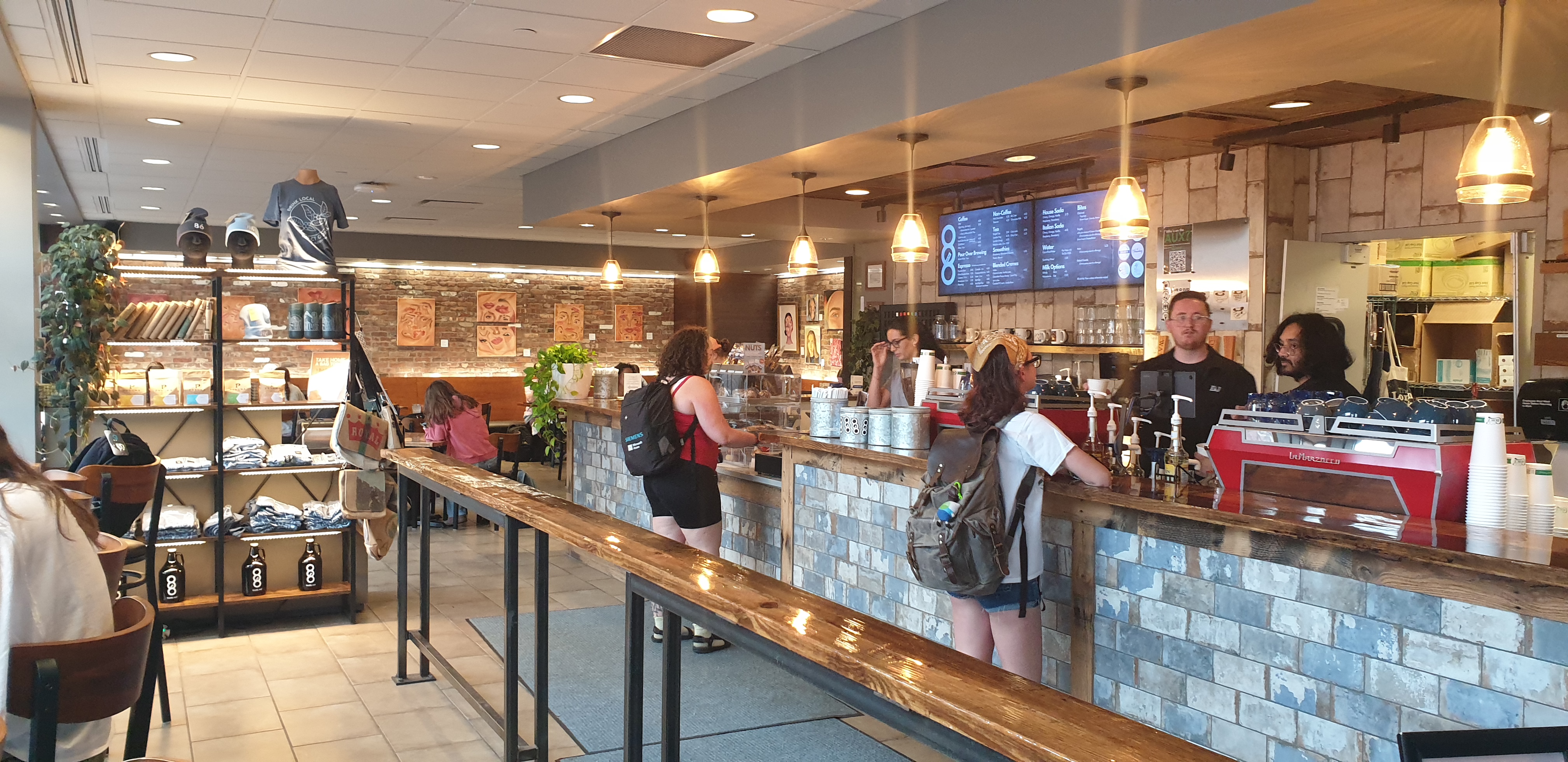
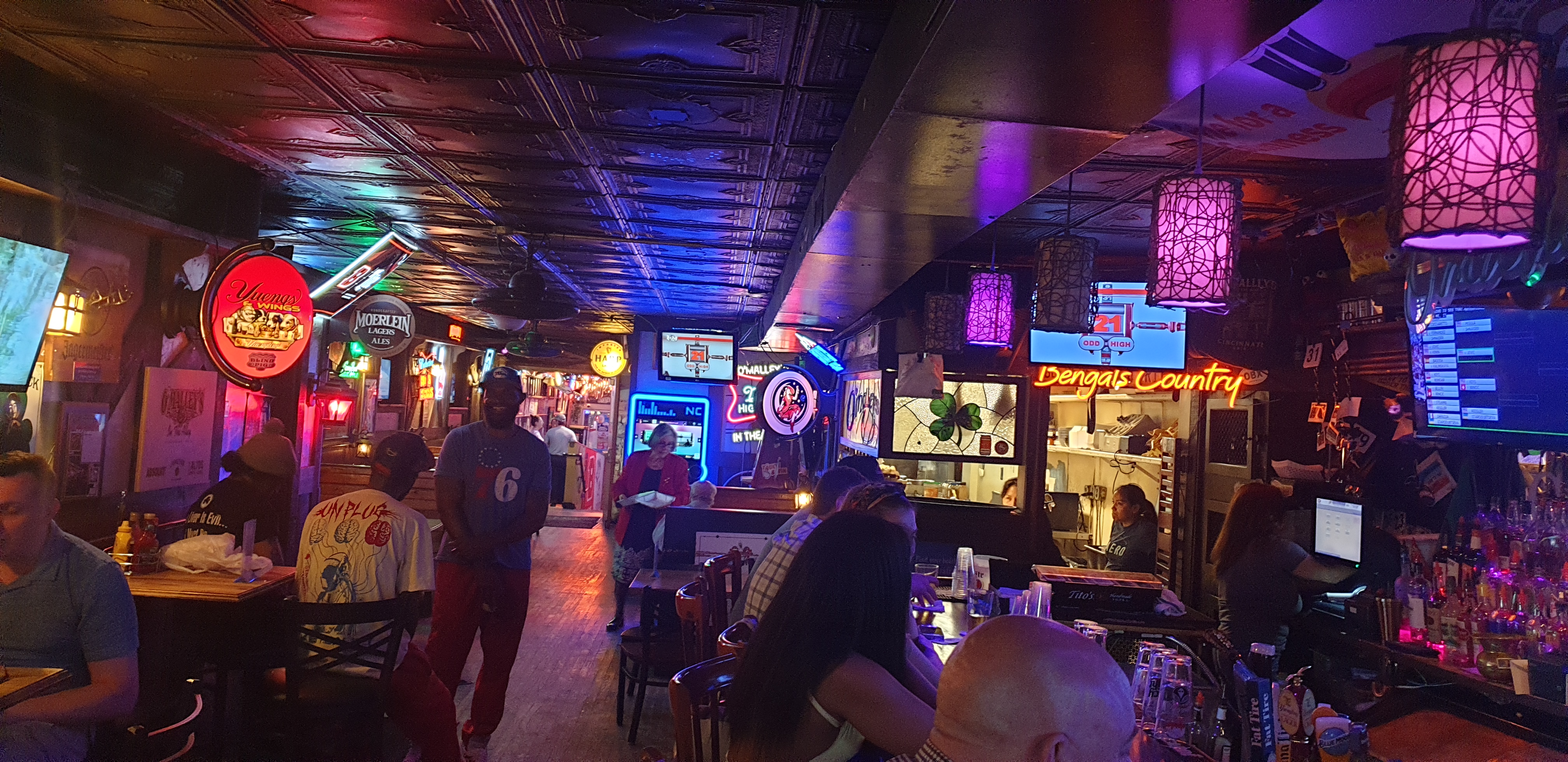
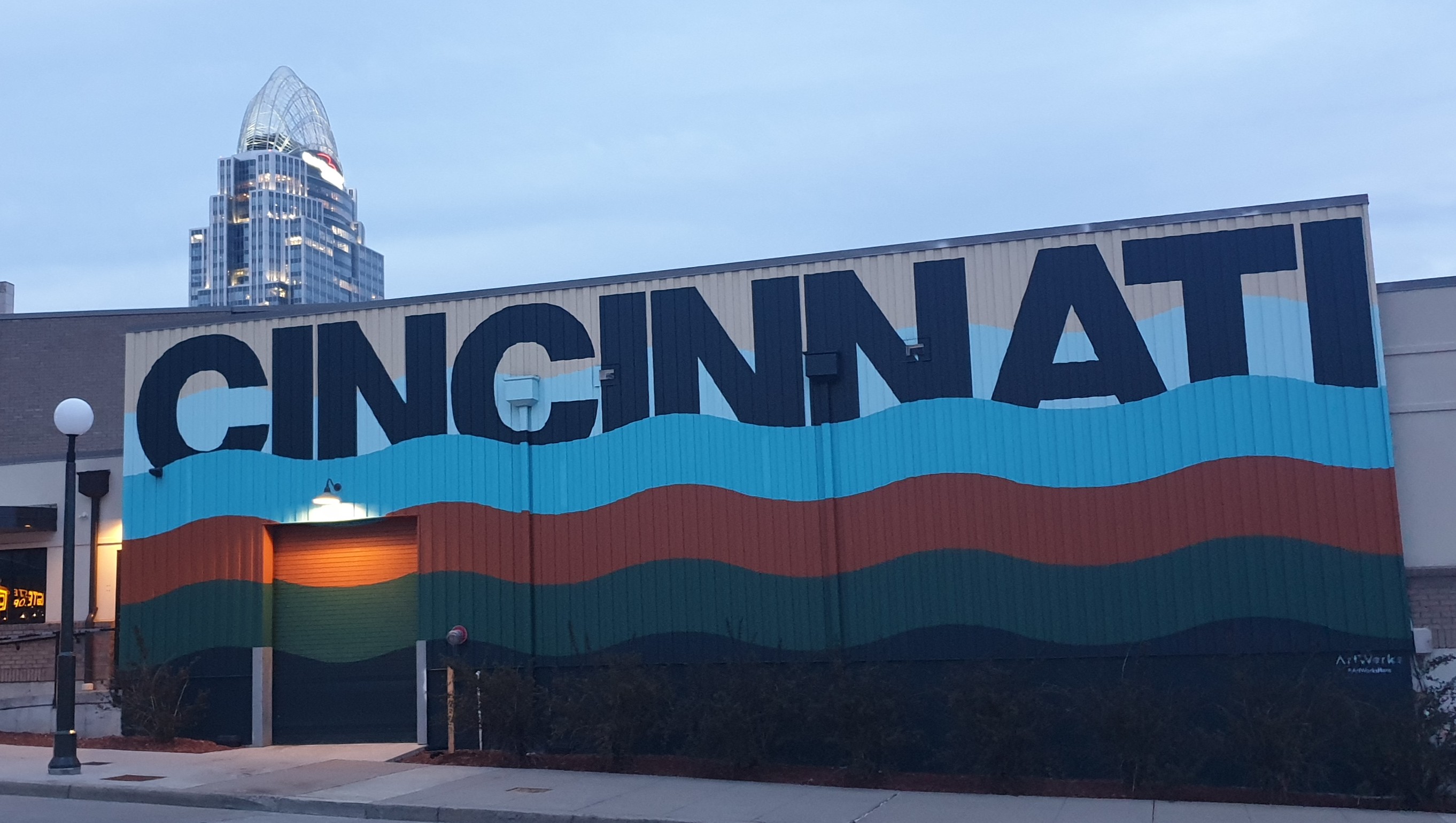
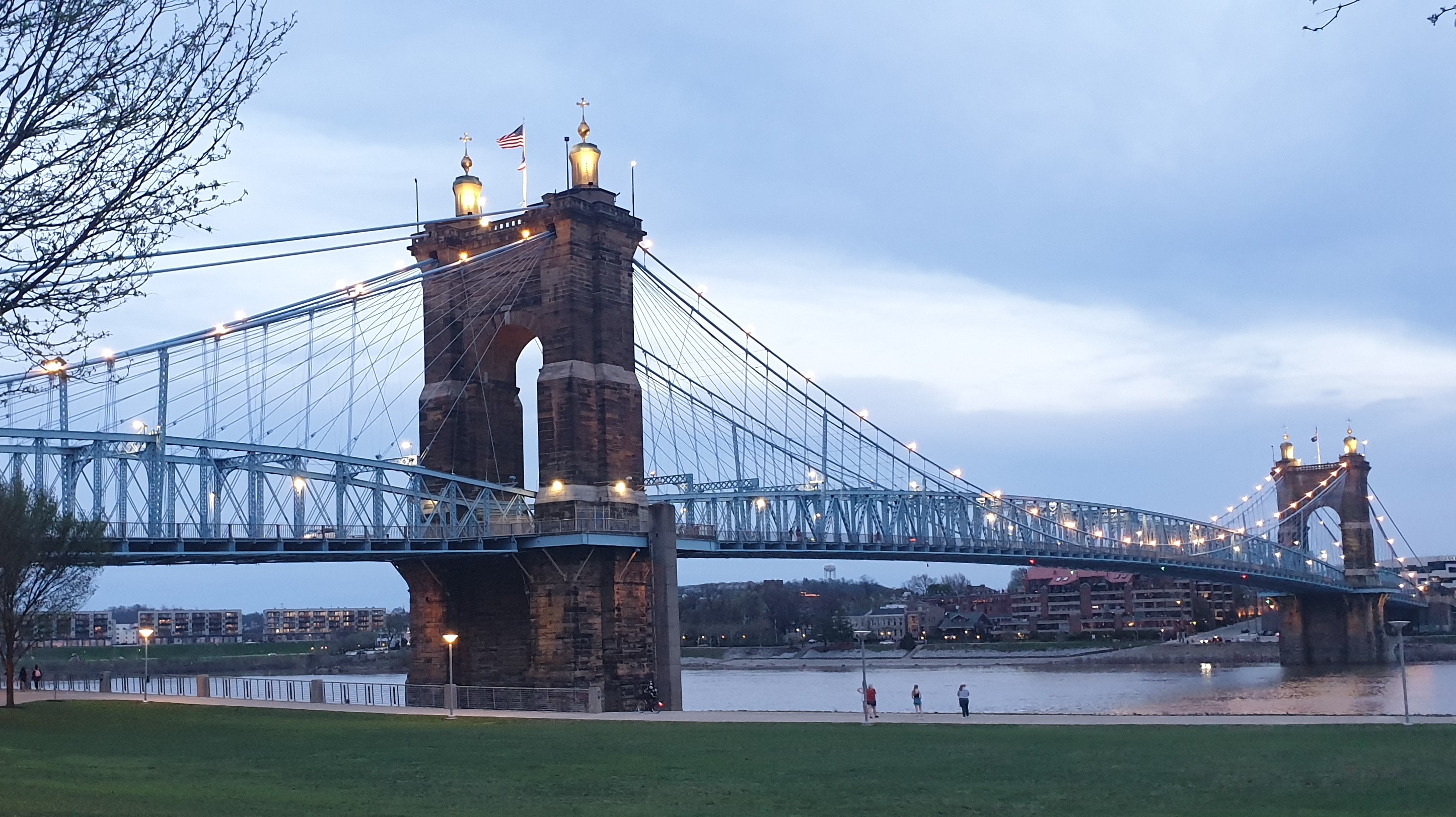
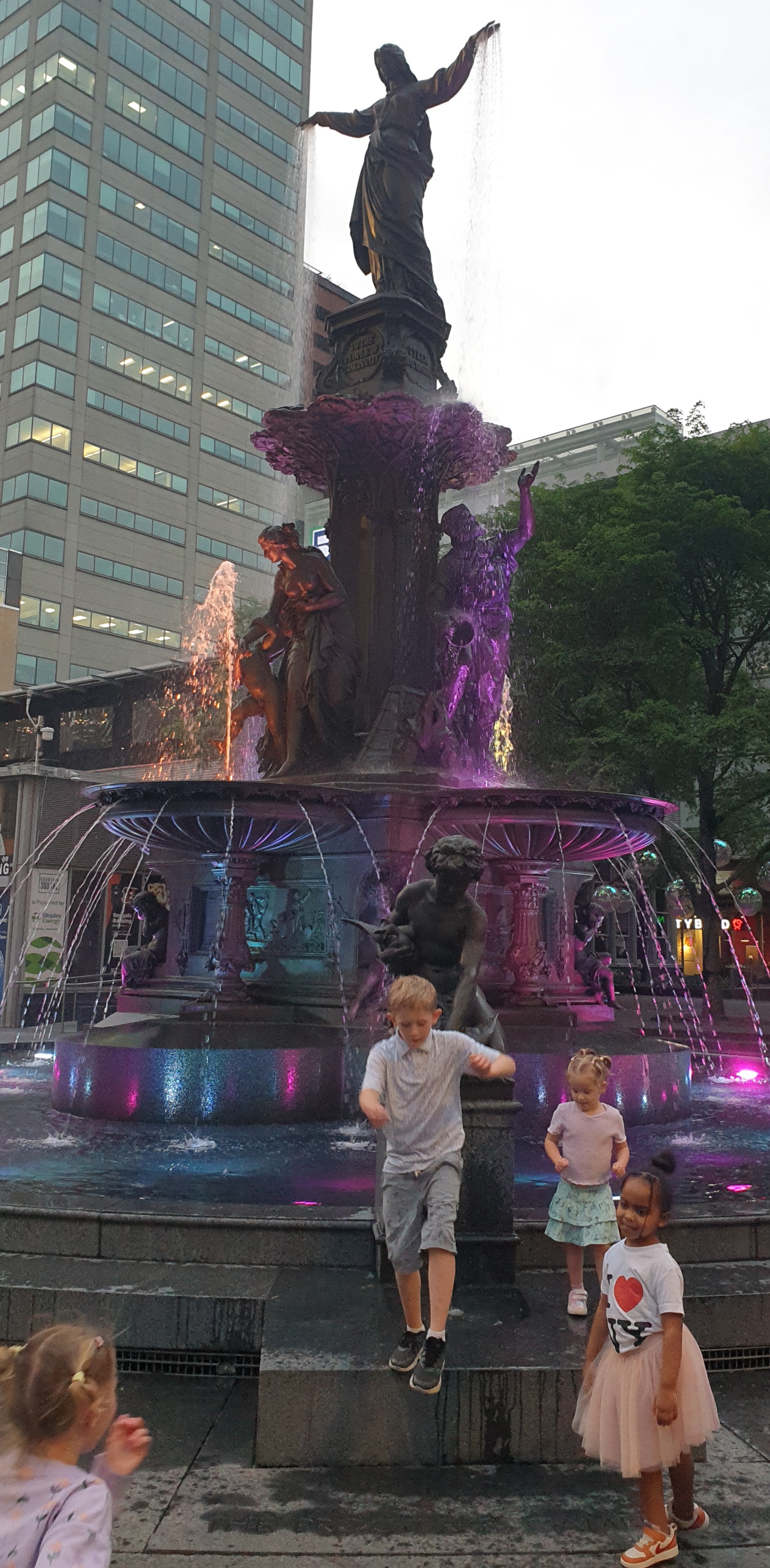
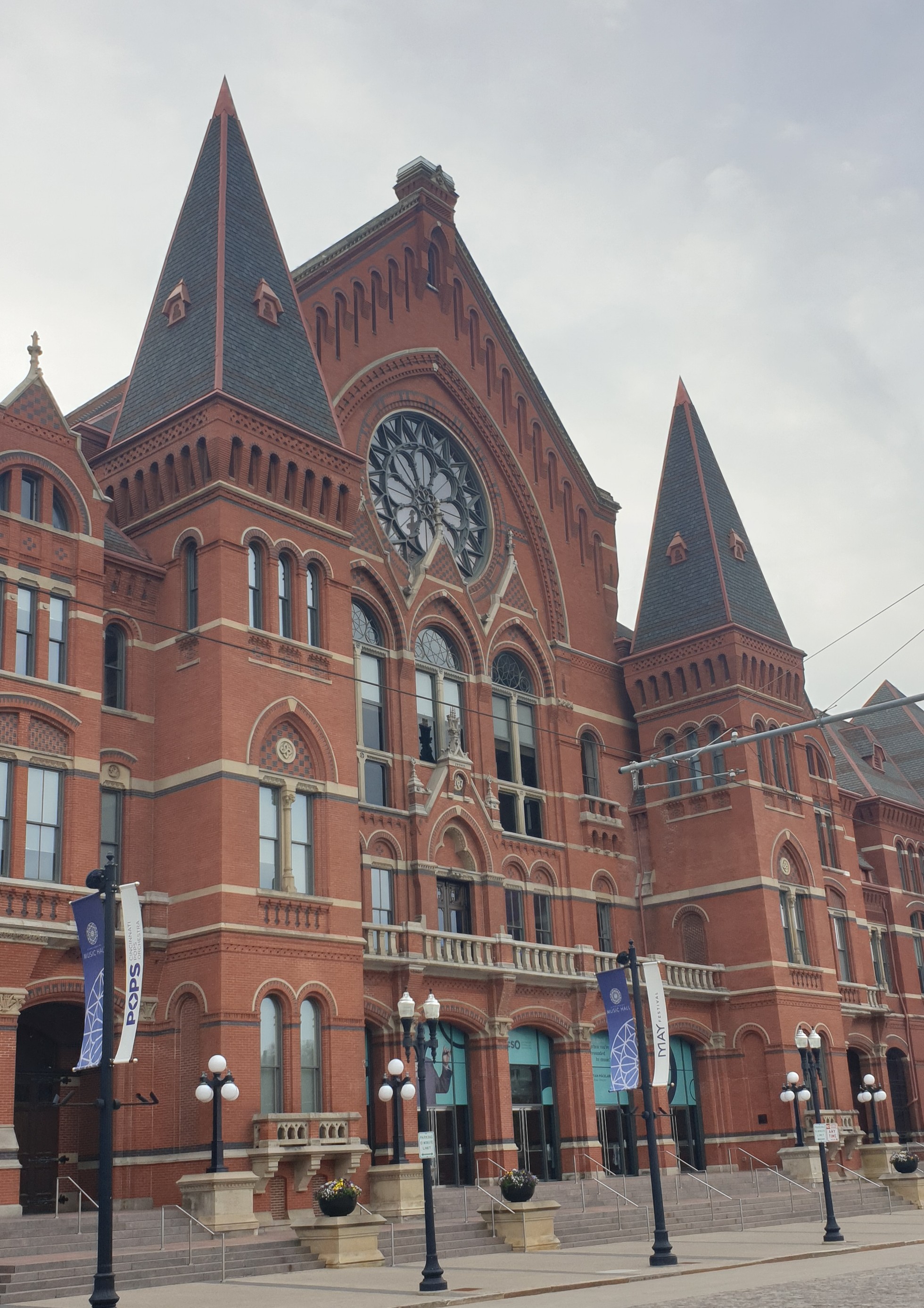
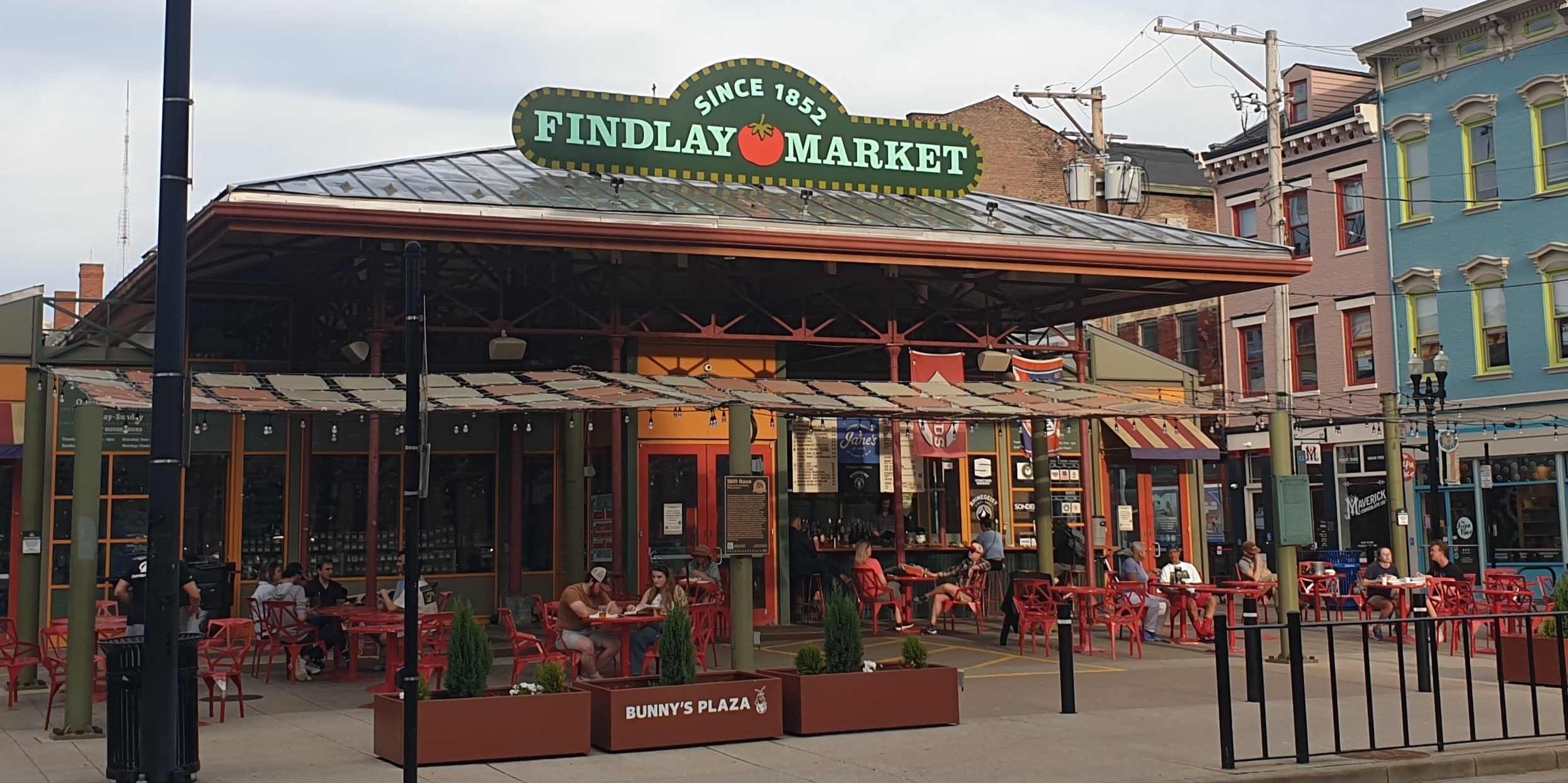
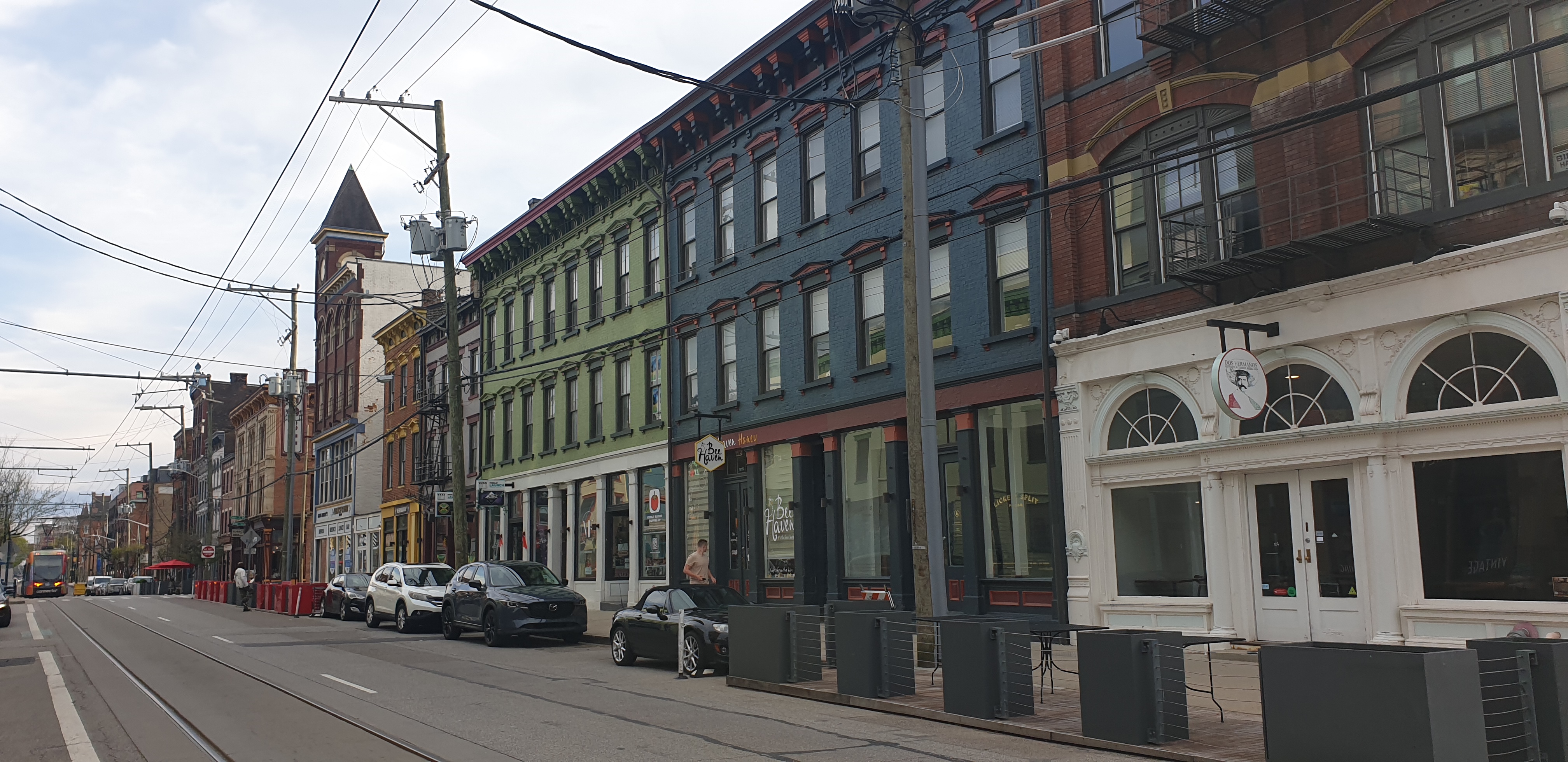
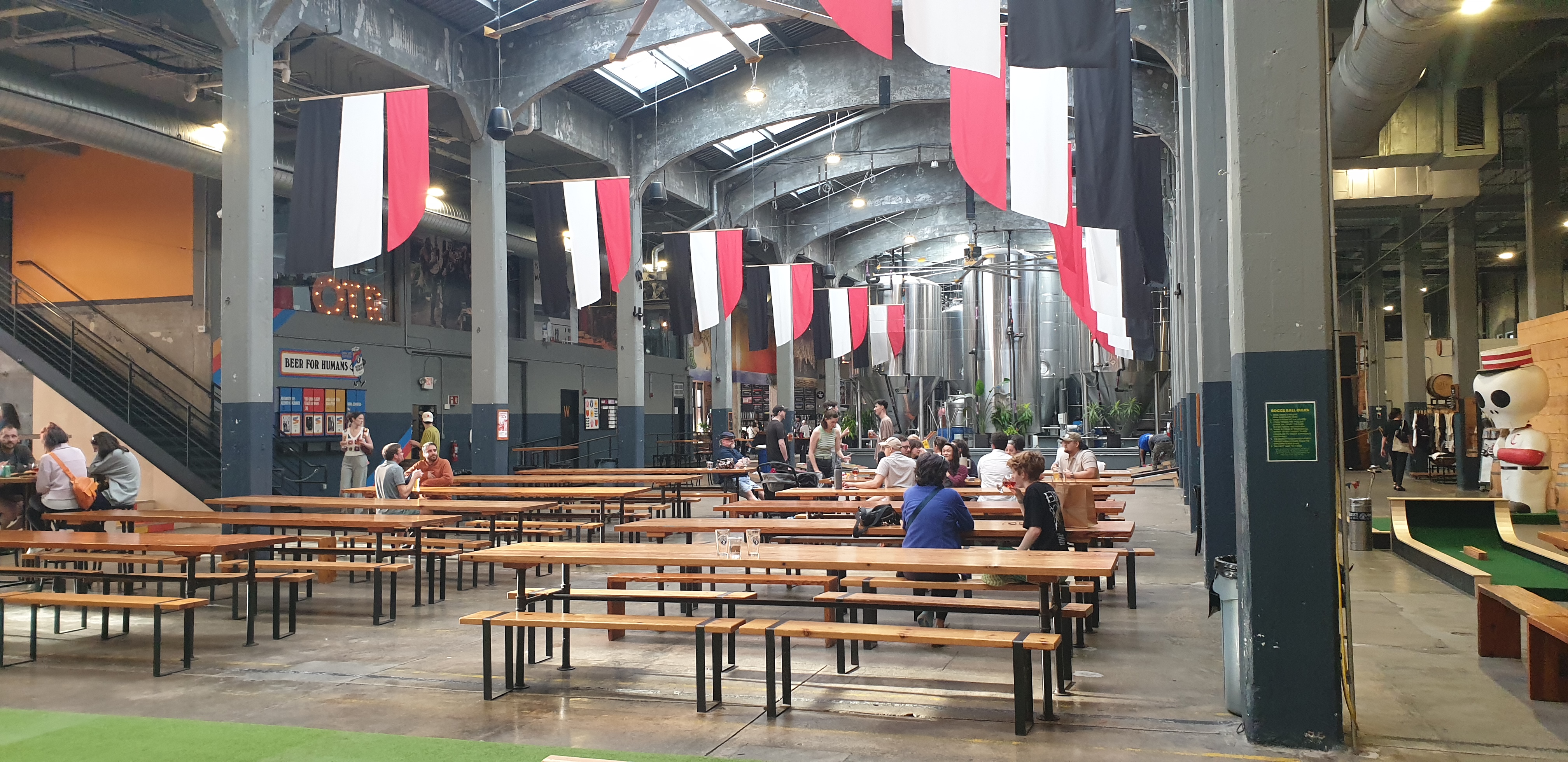
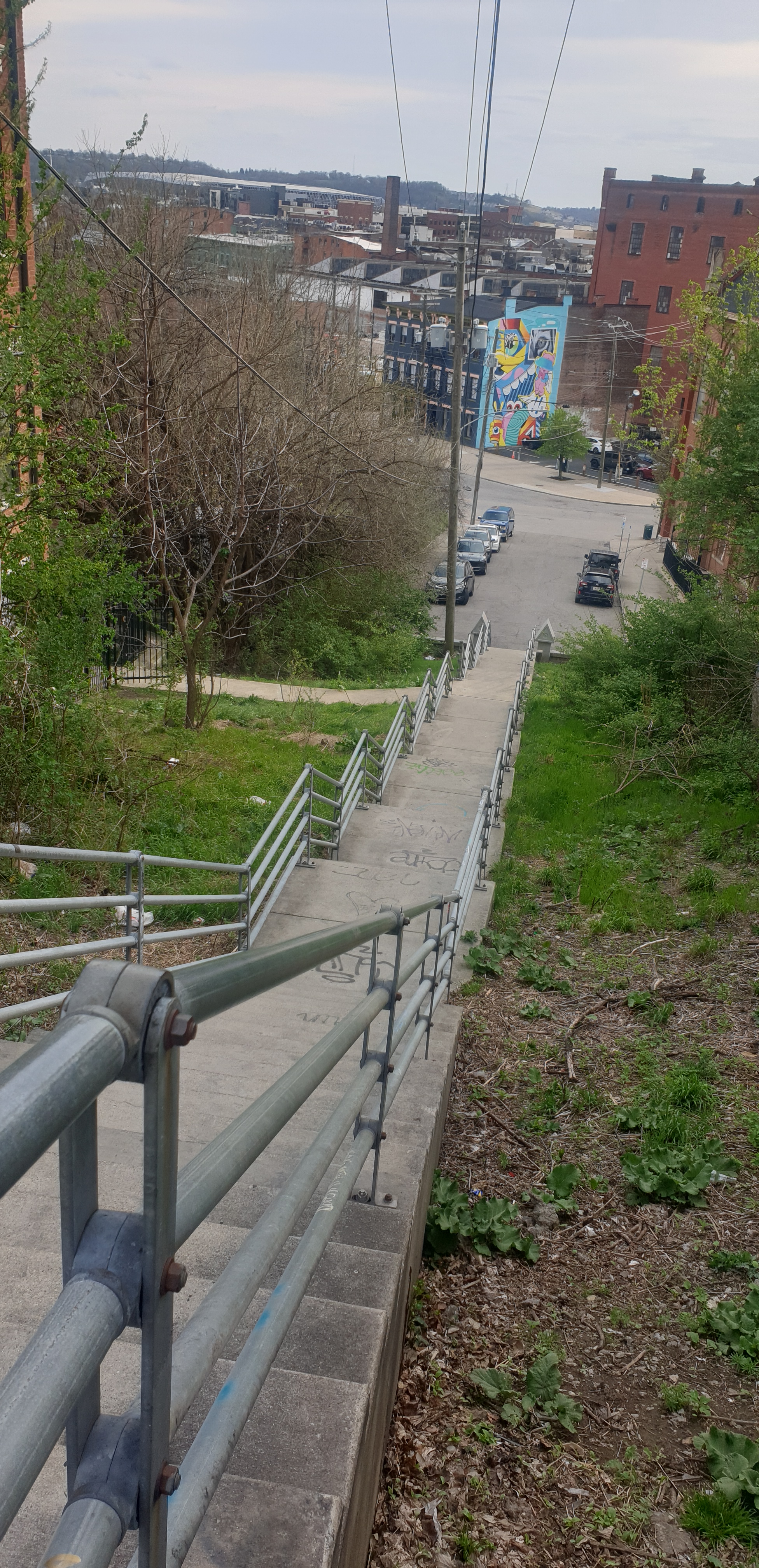
My first surprise? Hills! (South Florida is lacking in that department.) I walked and walked. After dropping off my bag at the hotel, across the street from campus, I arrived at the colorful and pretty Over the Rhine neighborhood. The first big group of immigrants to arrive in Cincinnati was German—the Ohio River reminded them of the Rhine…, so there is a distinct German feel to the city, including many breweries. I stopped at Rheingeist, which was amazing, after seeing Findlay Market, the squares, the Music Hall, and the Ohio River with its great bridges, especially the Roebling Bridge. I ended my evening at a dive bar, my favorite place to get a sense of a place. Everyone I met was super friendly—a characteristic of medium and smaller cities, especially in the Midwest

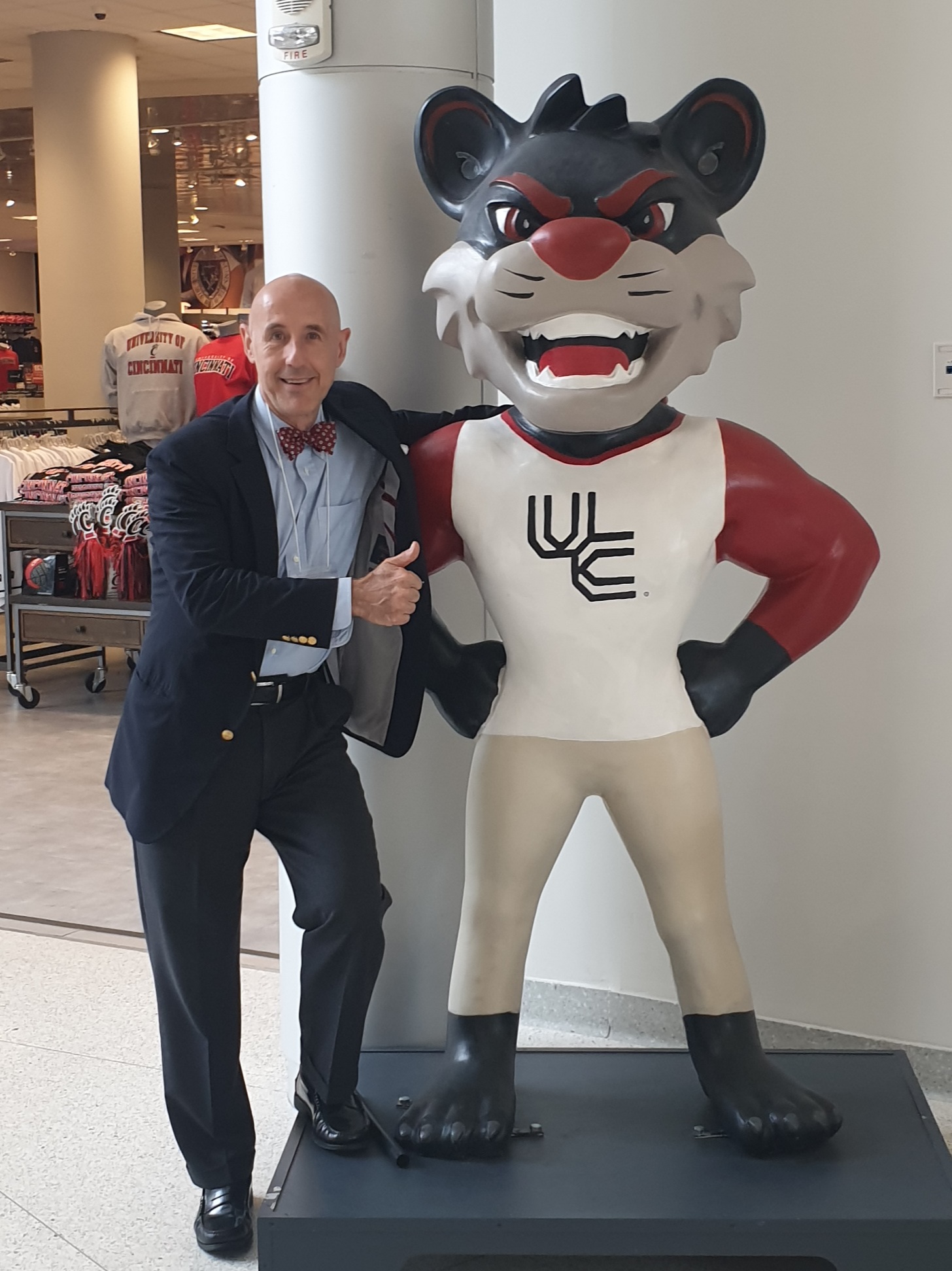
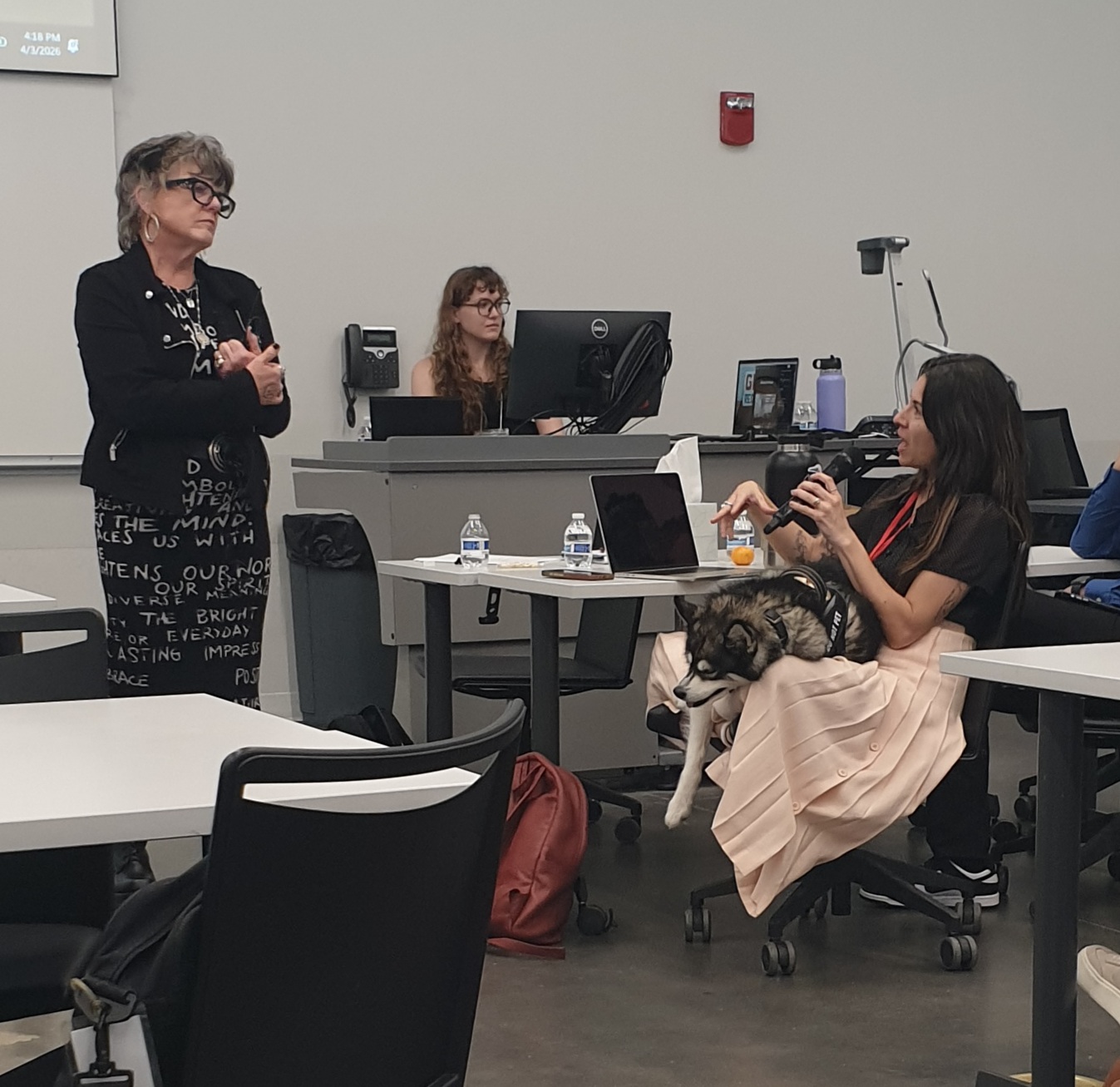
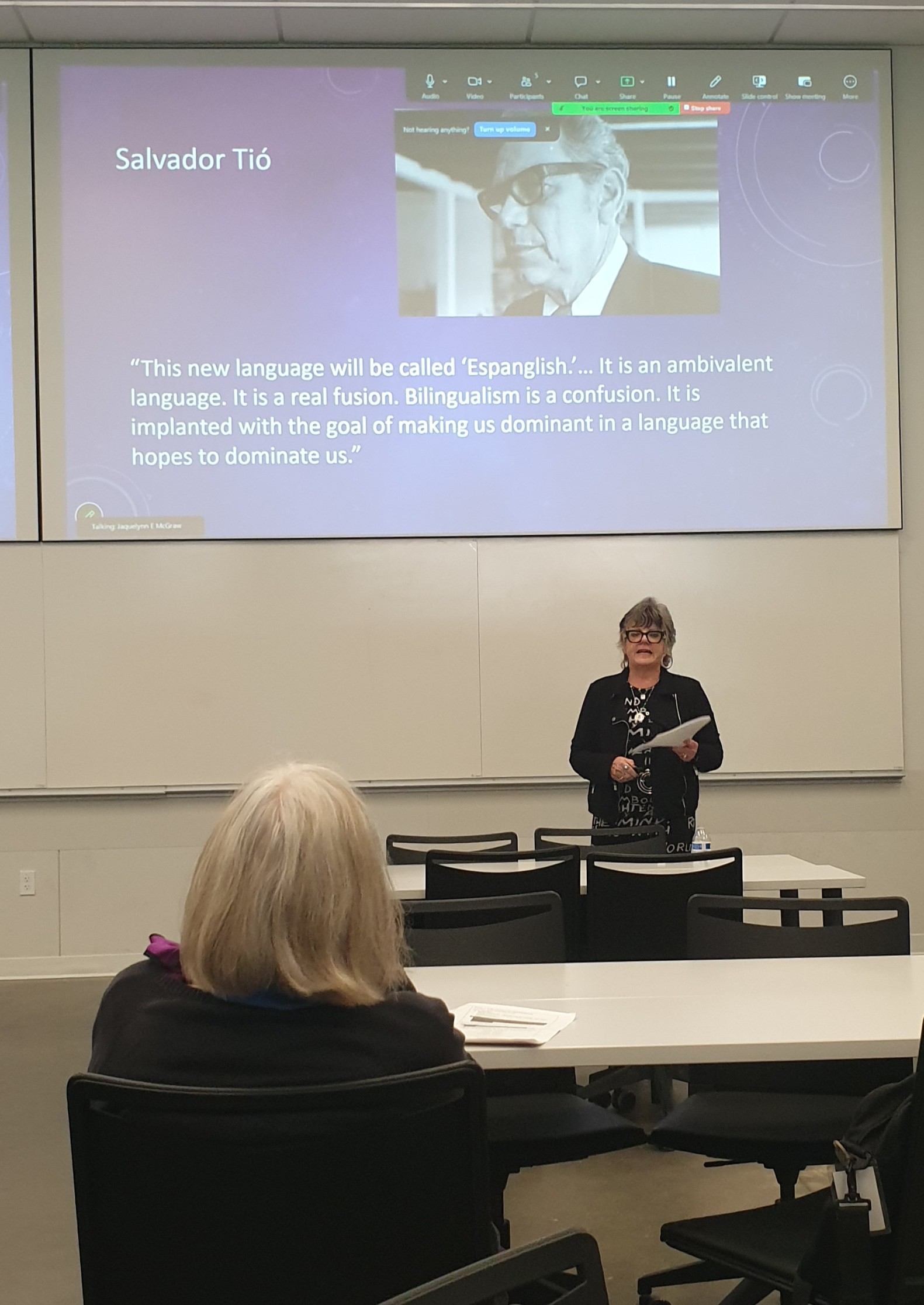
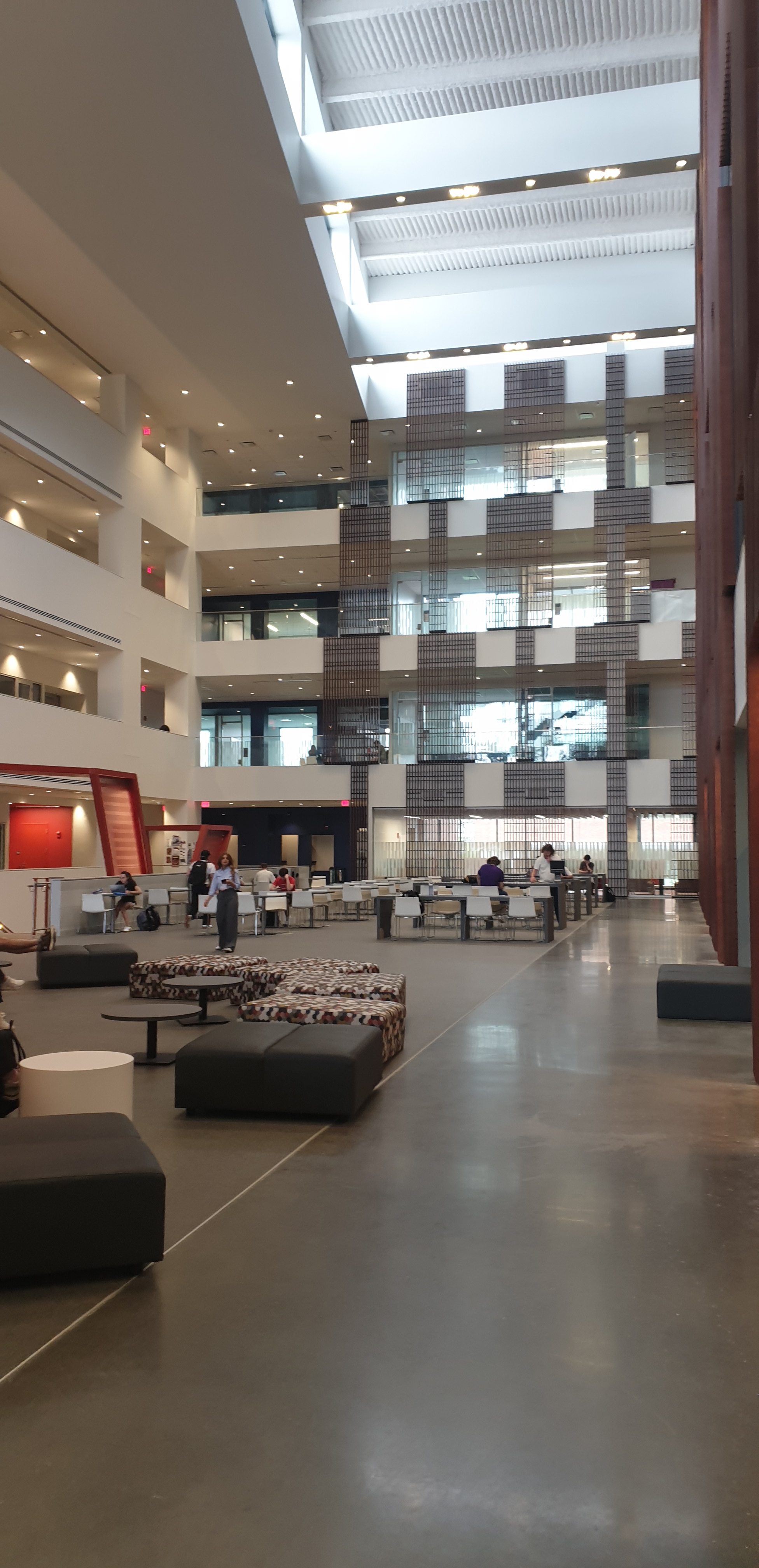
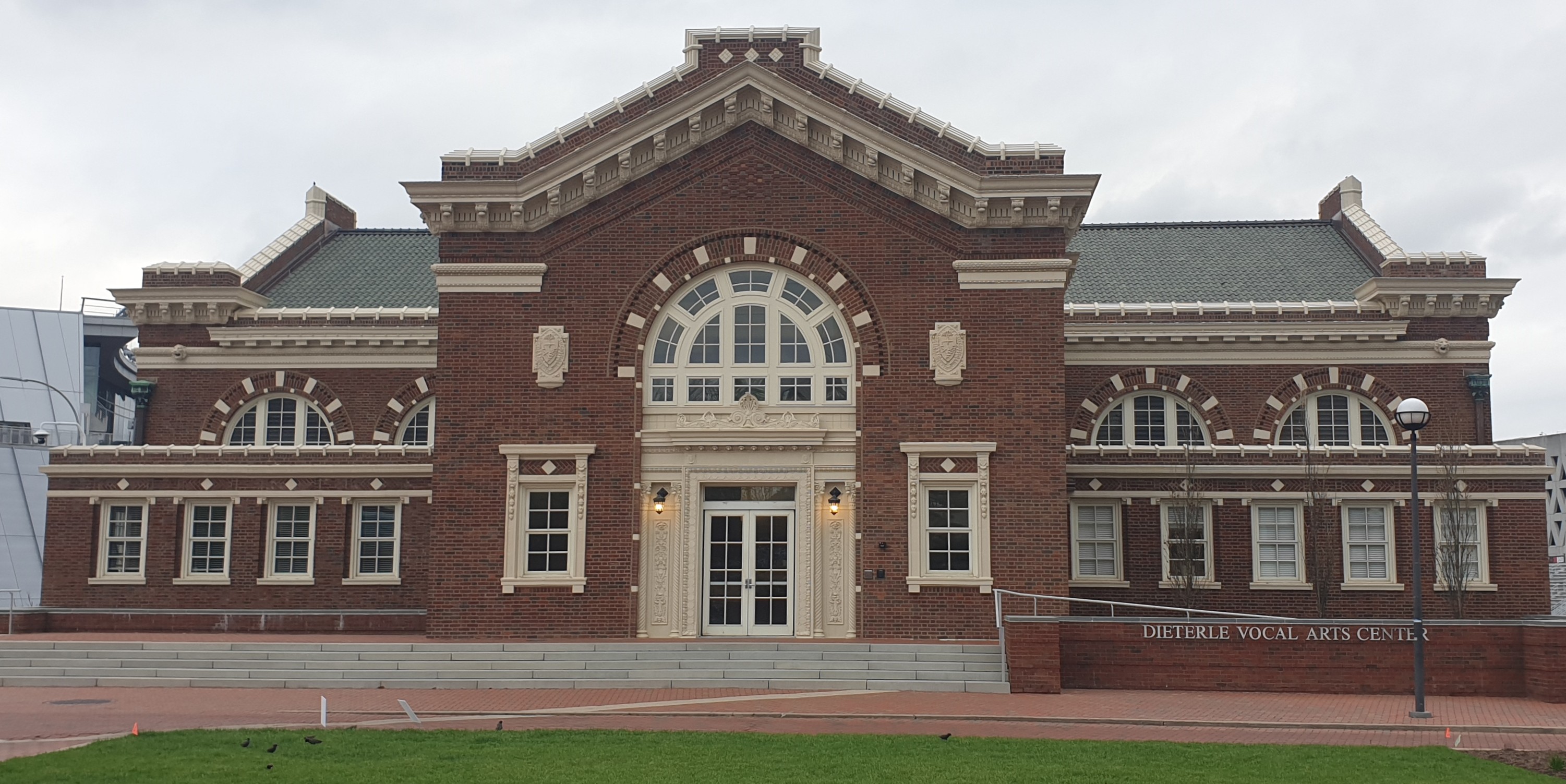
The conference was fantastic. My panel had the best turnout I have ever had! The campus is beautiful, and the building housing the Romance and Arabic Language Department is a great, unique place. I was really impressed with the level of the university, the department, and the presenters!

The keynote speakers were the cherry on top! Ana Davila Cardinal is a hilarious Hispanic novelist, and Kaouther Adimi is a brilliant Algerian author. The reception after, in a hip bar, was fun and social.

On Saturday, I played hooky and walked to the Taft Museum of Art, but that’s for a separate blog post.

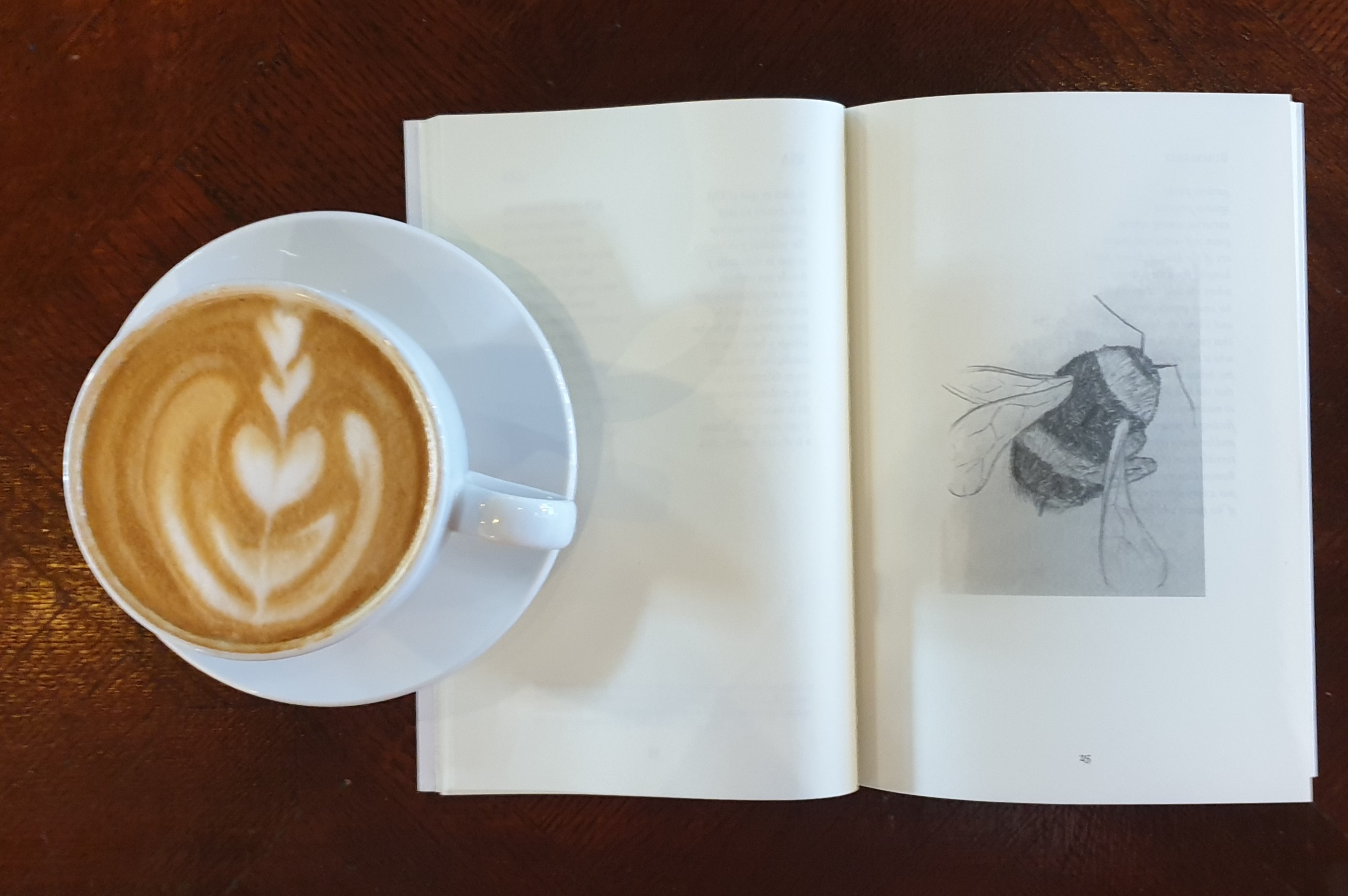
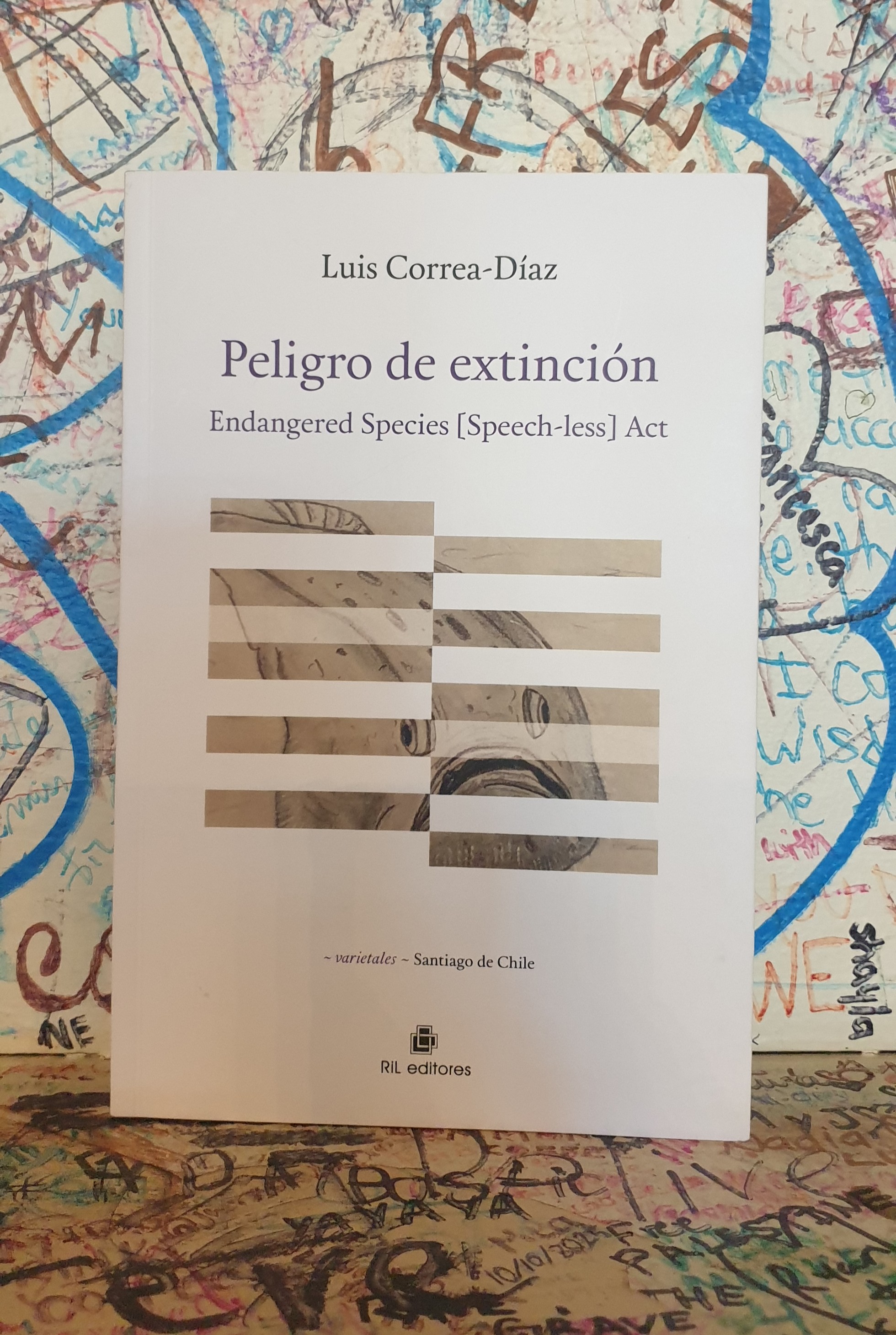
Peligro de extinción, el safari poético de Luis Correa-Díaz y Gustavo Denault

Hace años que soy fan de la obra de Luis Correa-Díaz; he tenido el placer y el privilegio de leerle. Este último poemario, Peligro de extinción; Endangered Species (Speech-less) Act, puede ser su más íntimo y tierno.

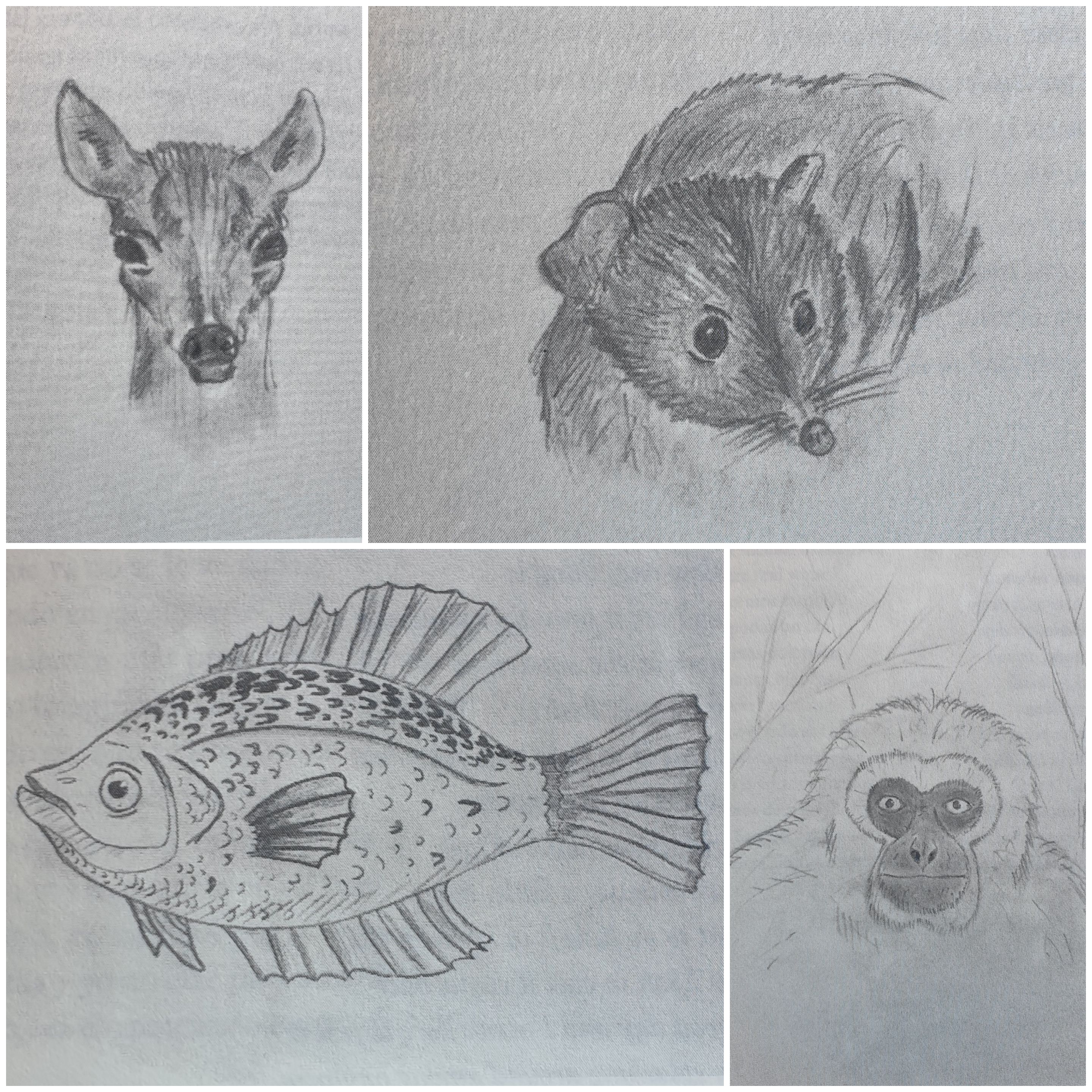
Parte de esto se debe a la colaboración de un ilustrador de lujo. Gus Denault es un joven artista que nos regala ilustraciones primorosas a lápiz/carboncillo para cada poema.

El abanico de veintinueve animales en peligro de extinción que repasan el poeta y el artista va desde lo obvio, como el panda rojo o el delfín rosado, hasta otros como la sirena o el propio Homo, que quizás no figuren en listas oficiales, pero que obligan al lector a pausar y reflexionar, Otros animales, como el mamut, el pterodáctilo o el tamagotchi, dan licencia para volar a la imaginación del lector. Como dice Menchu Gutiérrez del ilustrador de su poemario Huésped del otro, Pedro Pertejo: “Los poemas no existirían sin los dibujos.”*

Como es habitual, LCD nos regala referencias a Ulises o a Rimbaud; otras hay que pillarlas al vuelo, como la del Quijote o la de su alumno, Almodóvar, todas salpimentadas con emojis, con detalles cotidianos de Athens (el de Georgia y REM, no el original, aunque Aristóteles lo quisiera) y a la patria querida de Luis y de Gabriela Mistral.

Luis Correa-Díaz aborda el delicado tema de la situación crítica del planeta con exquisito cariño, pero también con guiños irónicos y críticos al ecoturismo y a las entidades responsables de cuidarlo. Es decir, con realismo; las ilustraciones de Gus le dan fondo, textura y color (aunque sean a blanco y negro) al texto.

  • Entrevista Menchu Gutiérrez. Esto es lo último, El Cultural. 26 diciembre 2025.

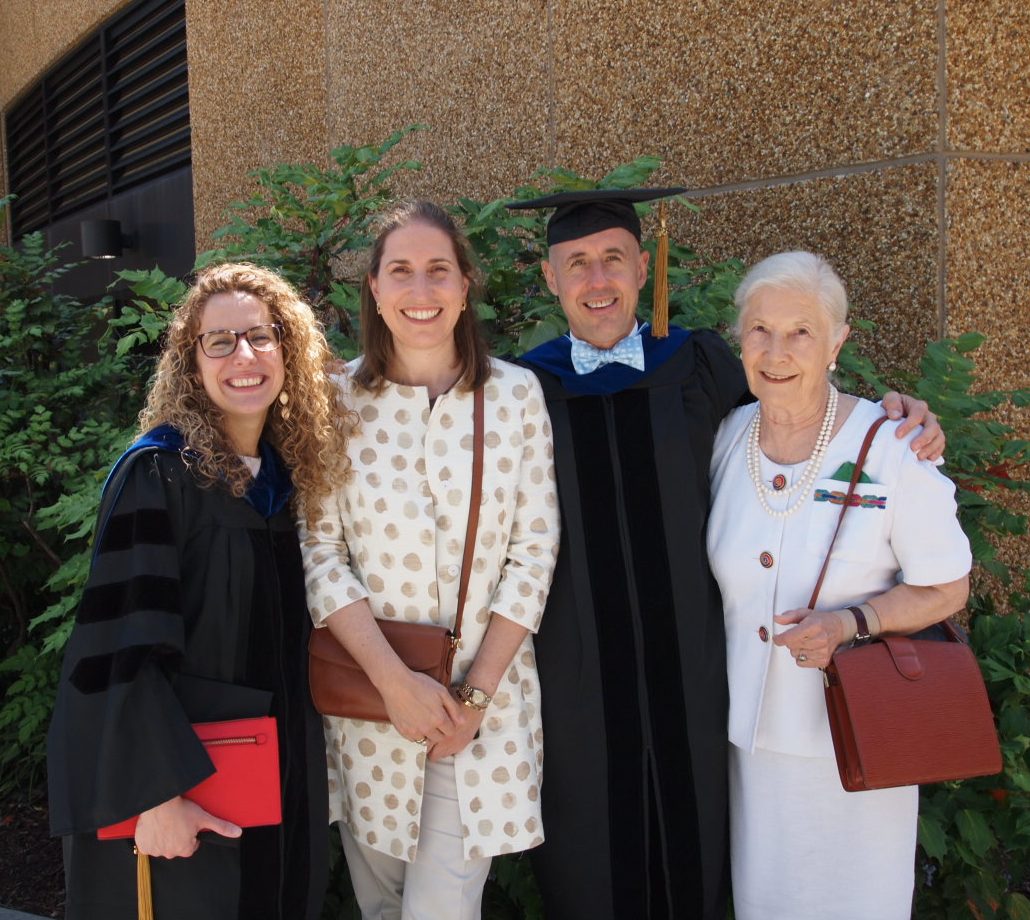
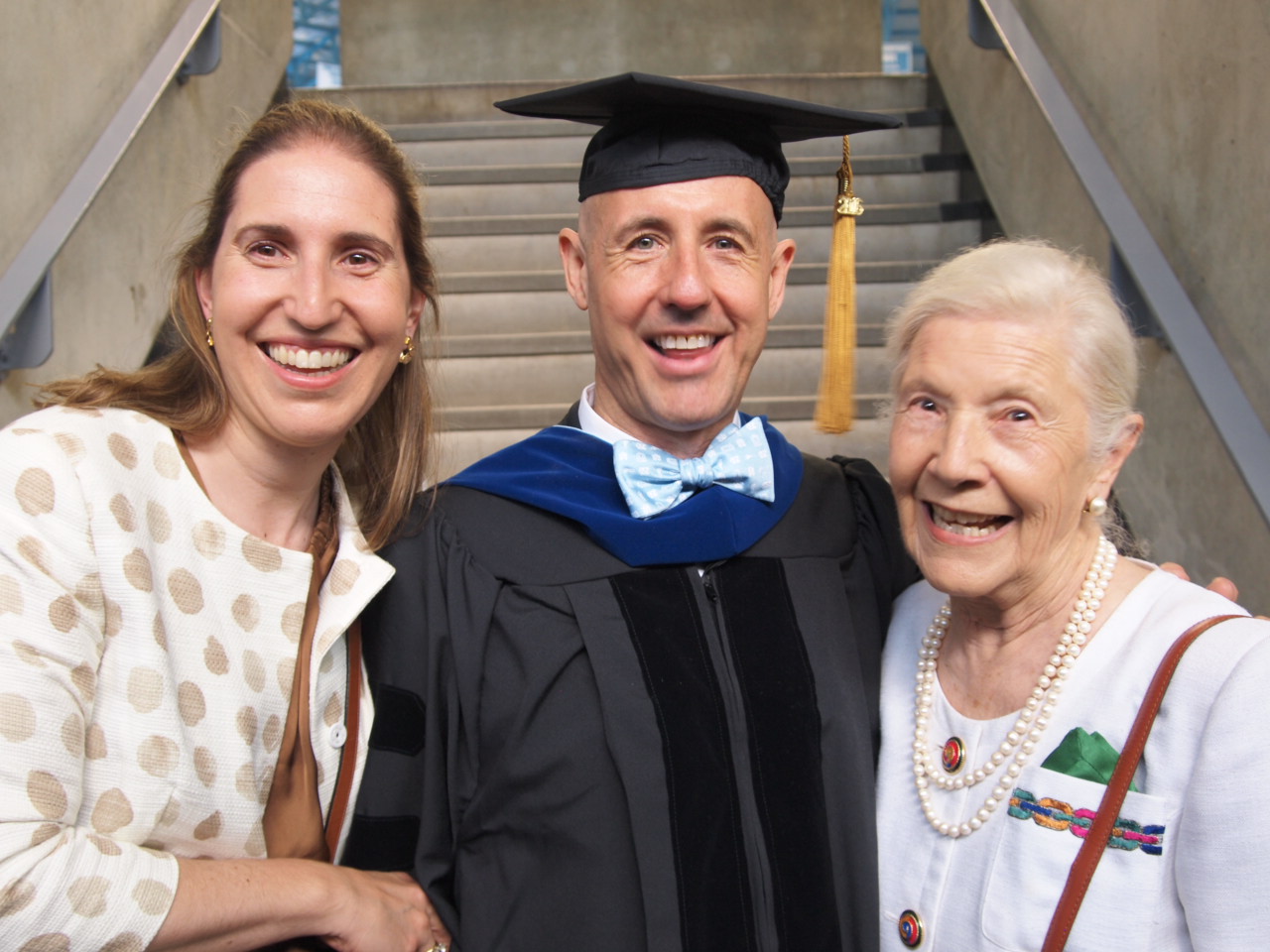
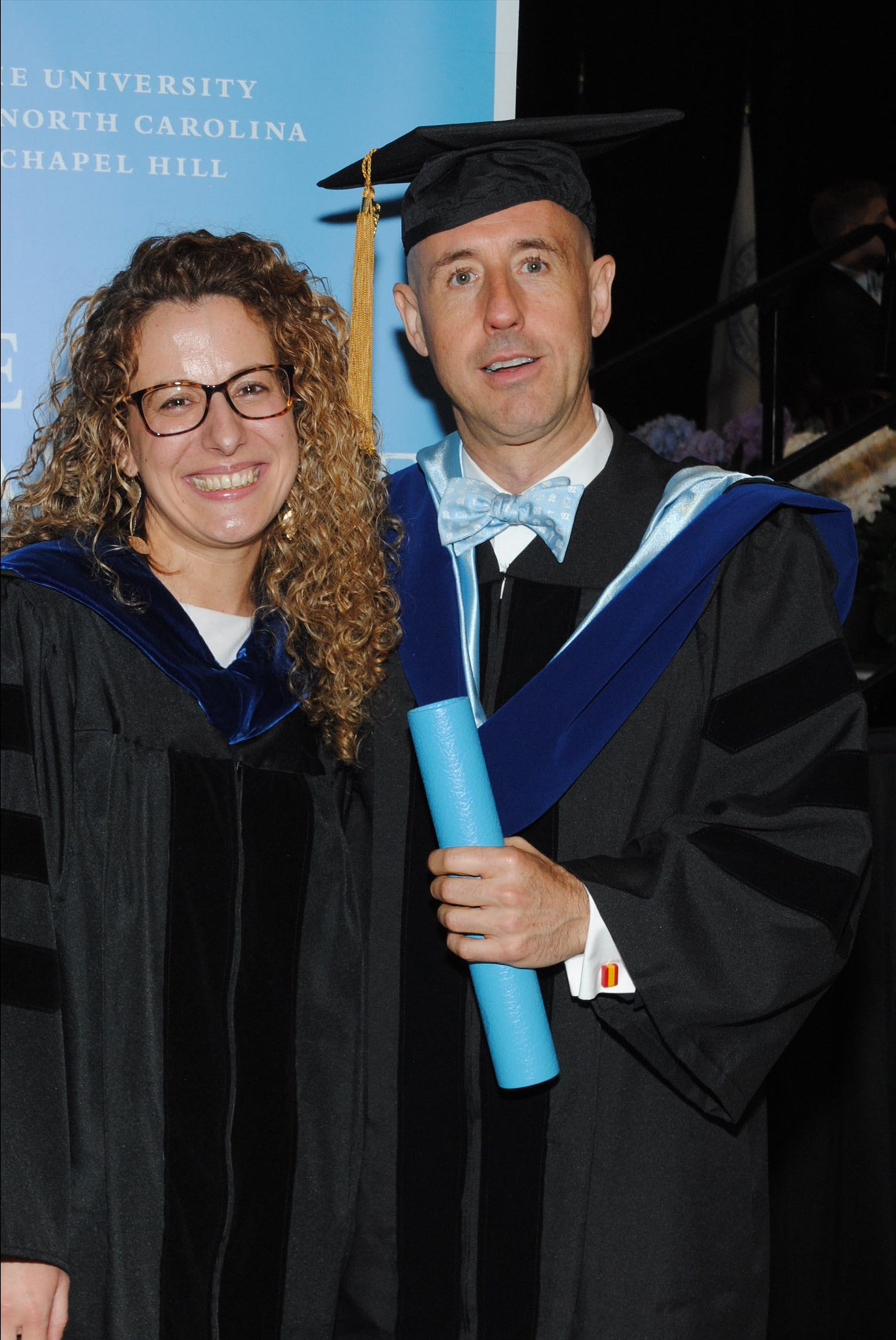
10 years since my PhD hooding, I miss Carolina.

Since January of 2025, I have not been able to watch the news. I used to watch them the next morning while I prepared my breakfast. Nowadays, I get my news in the key of humor from the late-night hosts: Colbert, Myers, and Kimmel.

Jimmy Kimmel does this joke at the beginning of every month, where they show all the news anchors incredulously welcoming in the new month: “Can you believe it’s February?” and so forth every month.

Well, can you believe it has been 10 years since I got my PhD? I can’t!

While it has flown by, a lot has happened. I went back to teaching (and coaching) high school, mostly because I love the energy of youth, and secondly, I guess, because it was my comfort zone. Then I moved back to Spain, started teaching at the university level at the European School of Economics in Madrid, and found that college-level students’ maturity was just as enriching as that of high school kids. I founded my tour company, Tonxo Tours. Returned to Florida six years ago to continue teaching (and coaching!).

But those four years in Chapel  Hill were marvelous. Granted, I have never worked so hard in my life, but that is part of why I enjoyed it so much; I had a mission, and that gave me clarity of mind and focus.

I loved Chapel Hill, the community I was able to build: my academic group, professors, my amazing dissertation director, Prof. Gómez Castellano, classmates, and students. My volunteering community at the Ronald McDonald House, and of course, my social life at church, Zog’s, and even the Ackland Museum. They were four wonderful years that I celebrate.

I love going back to visit whenever I get the chance. Chapel Hill is home.

Now, looking back, I realize that in the madness of wrapping up, moving, starting a new job, etc., I never uploaded photos of my hooding ceremony. Well, ask no more! Voila!

Brain rot is real. Get off the couch. Publishing academic articles.

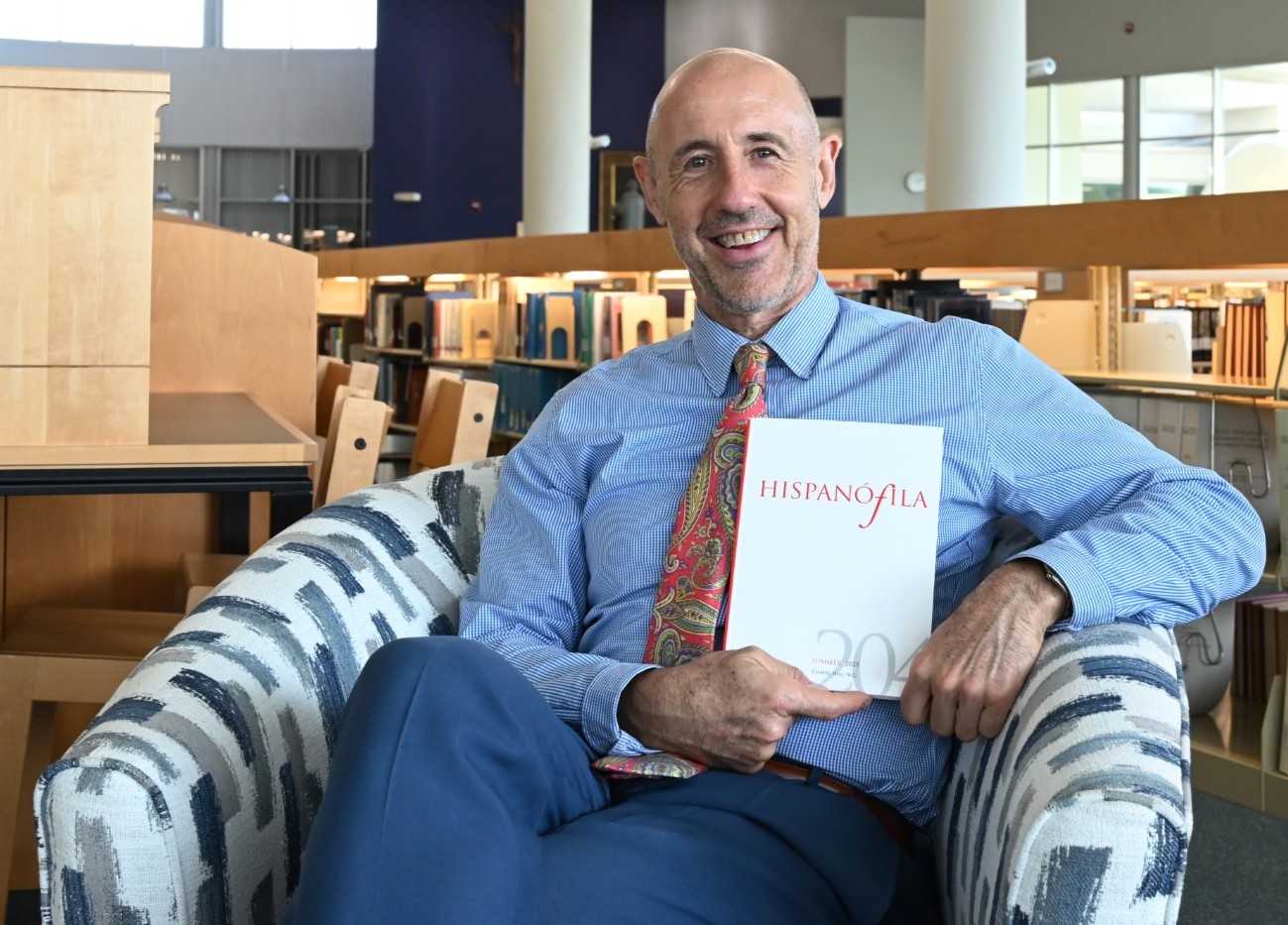
Hispanófila article

Trust me, I know the feeling well. You get home from work, exhausted, and the last thing you want to do is go to the gym, go for a walk, or cook; you want to watch TV, or worse, social media.

The trick? Do something that makes you feel better when you are done, visualize the result: a better body, a delicious dinner, or pretty much any result is better than any time spent on the couch.

Something that motivates me is getting to publish in an academic journal. It is difficult for me to write academically—I much prefer this light stuff—but seeing your article published is a dopamine hit that no amount of “likes” can match. In my six years here, this is my third article published (check out the other two here and here). Sure, it takes me about 2 years per article. I know that for academics at big research universities, publishing is their job; they have to publish day in and day out, so it is not a big deal for them. But I am not at a research university; I do this for fun, not for work.

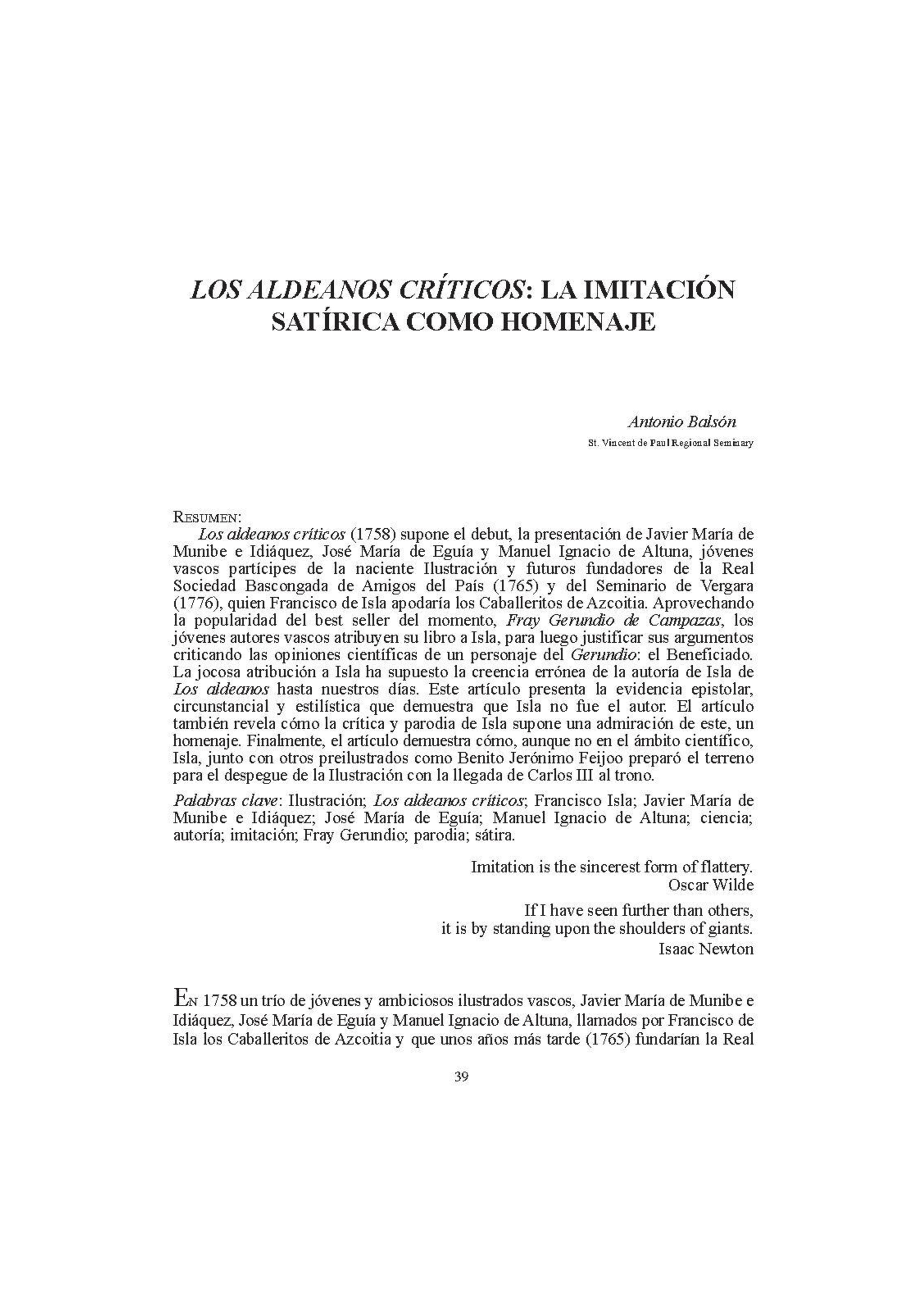
This article explores how three young, up-and-coming Basques borrowed Francisco de Isla’s name to promote their book. In the article, I prove that Isla is not the real author of the book, even though it is still attributed to him, and explain how, by doing so, the three Basque authors are actually paying homage to him.

Below is the abstract. You can find the article through the usual academic databases! Enjoy!!

PS: If you do not have access to academic databases, message me for a copy of the article.

PS: Oh, and thanks to Sister Mary for another great photo!

Aldeanos criticos