
The Taft Museum of Art, a hidden treasure.

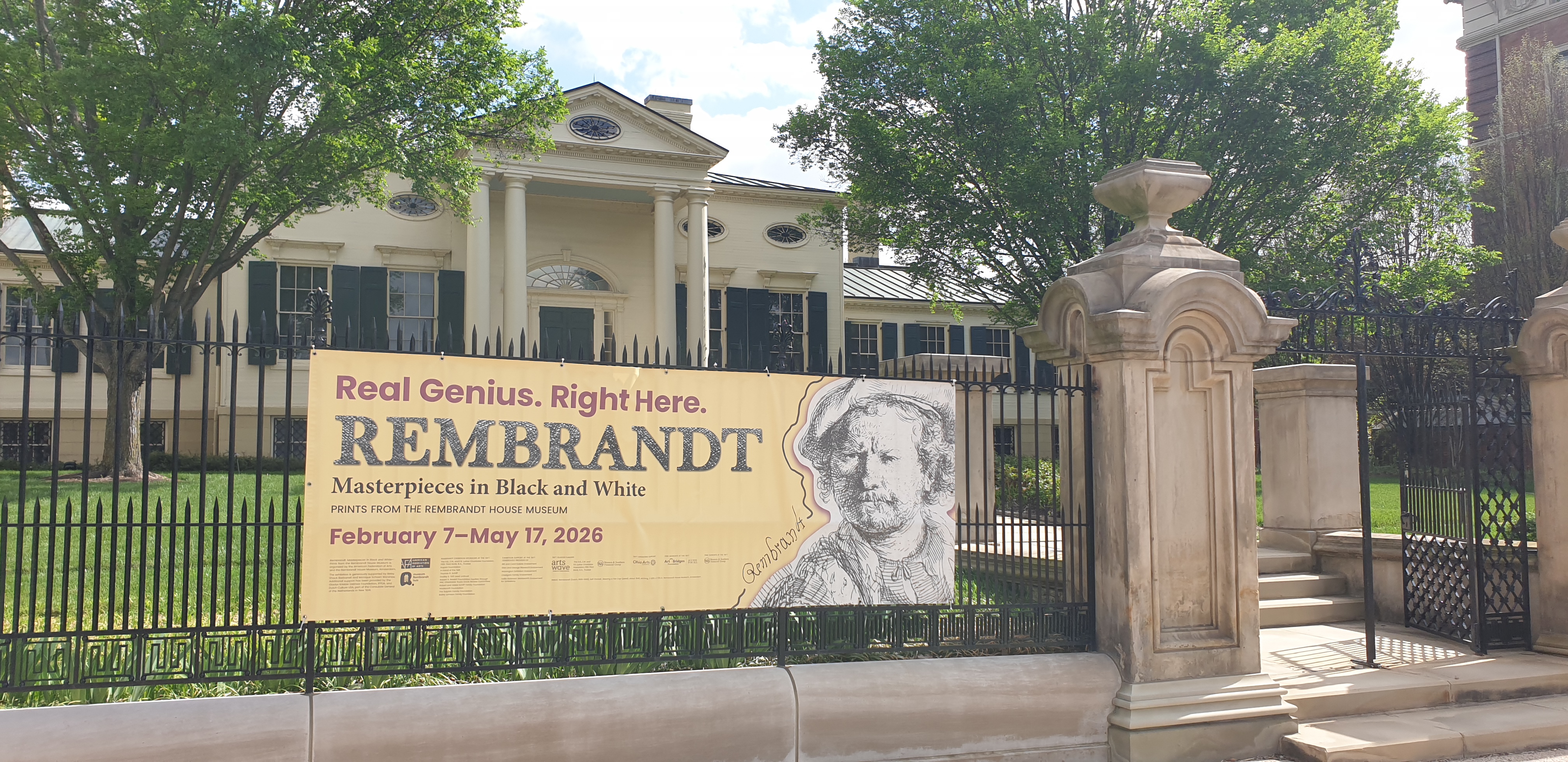
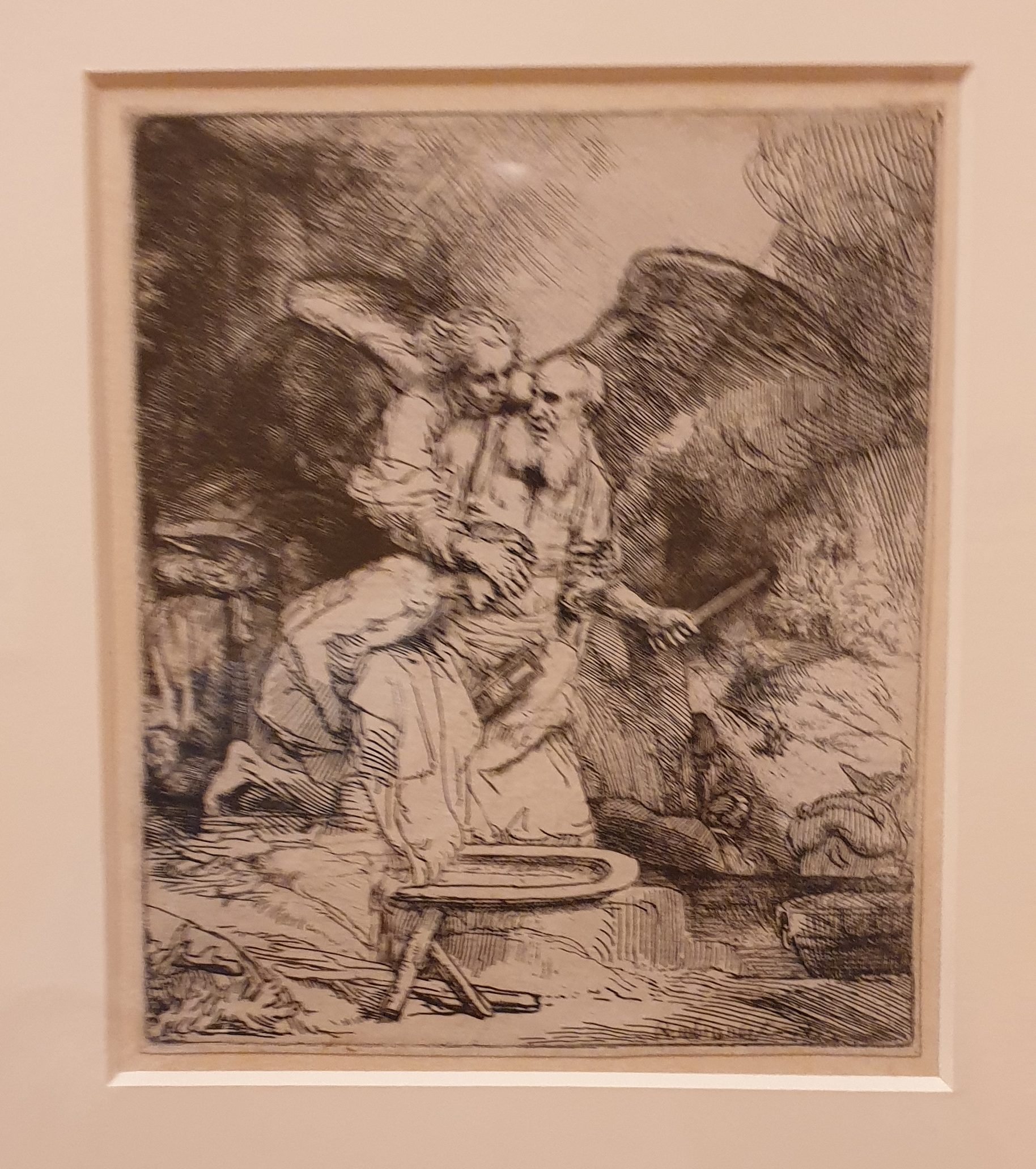
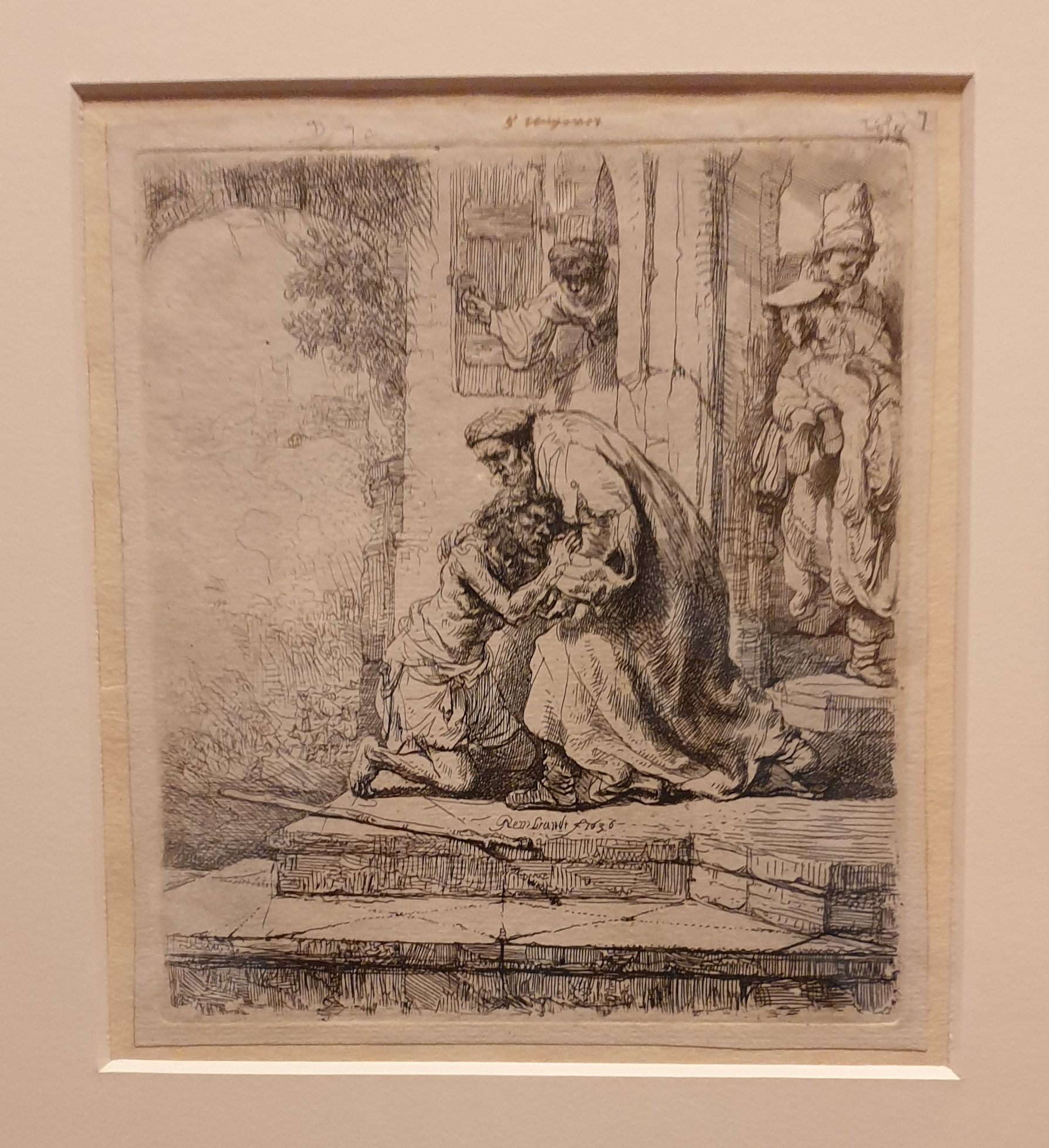
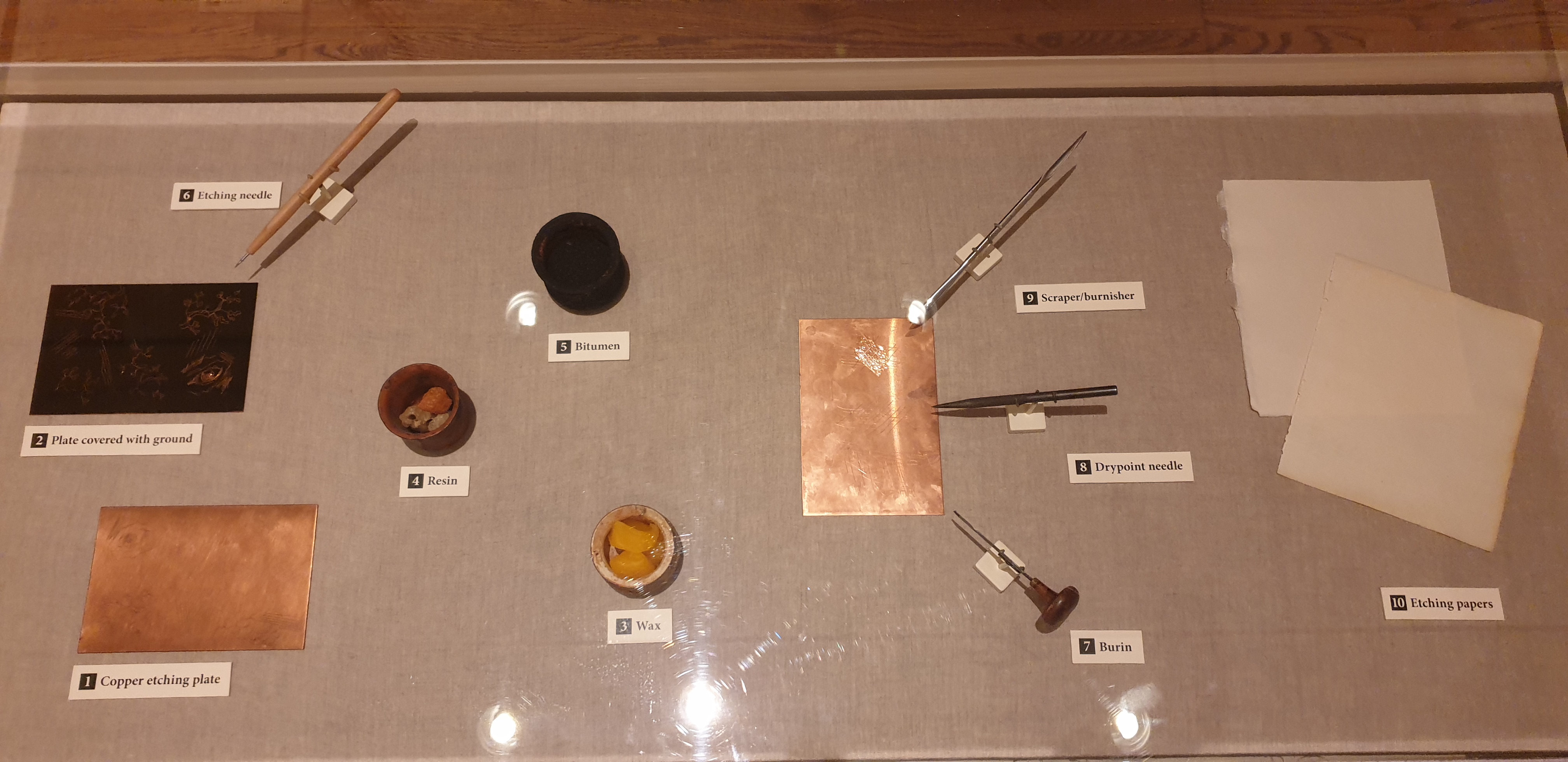
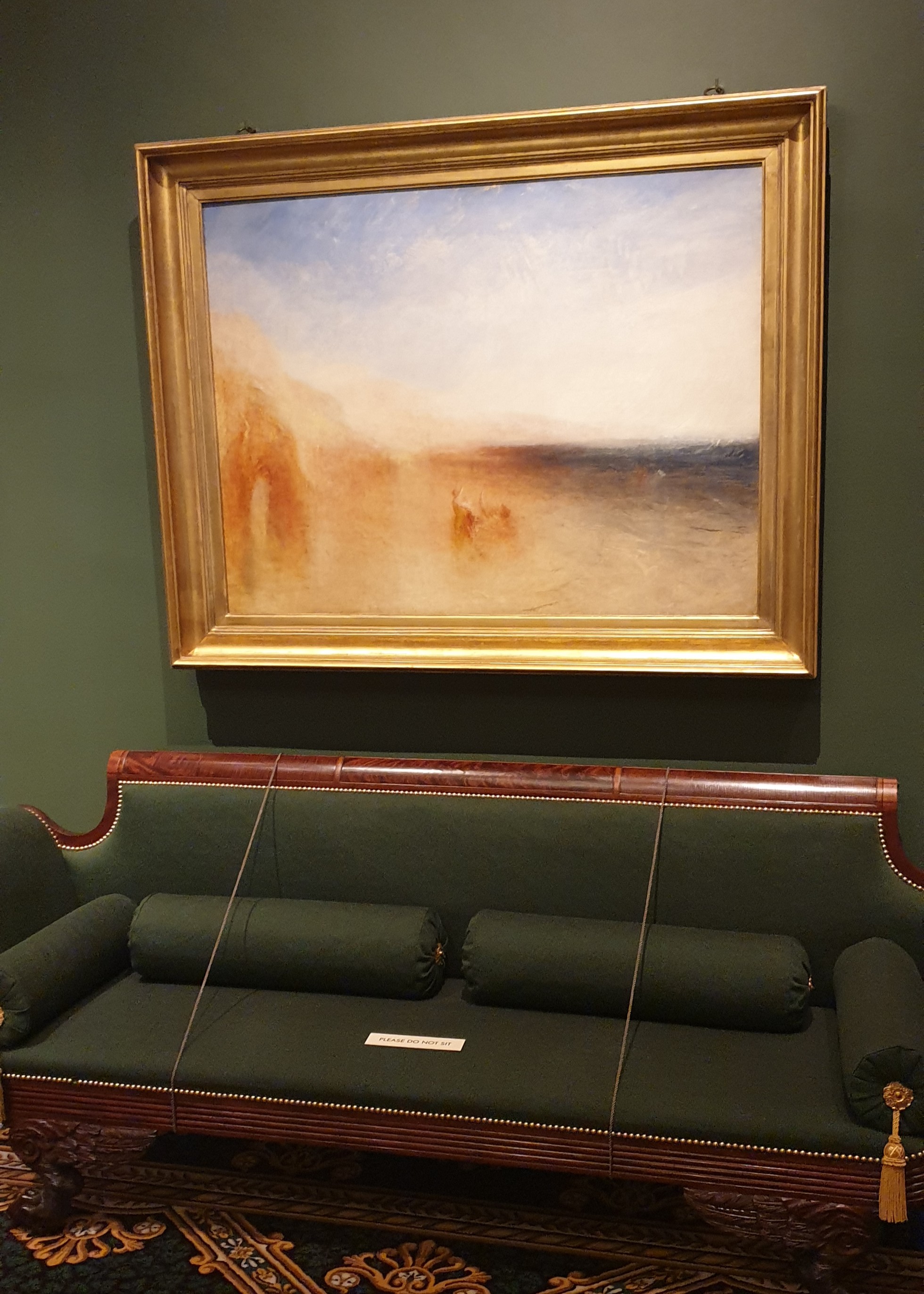
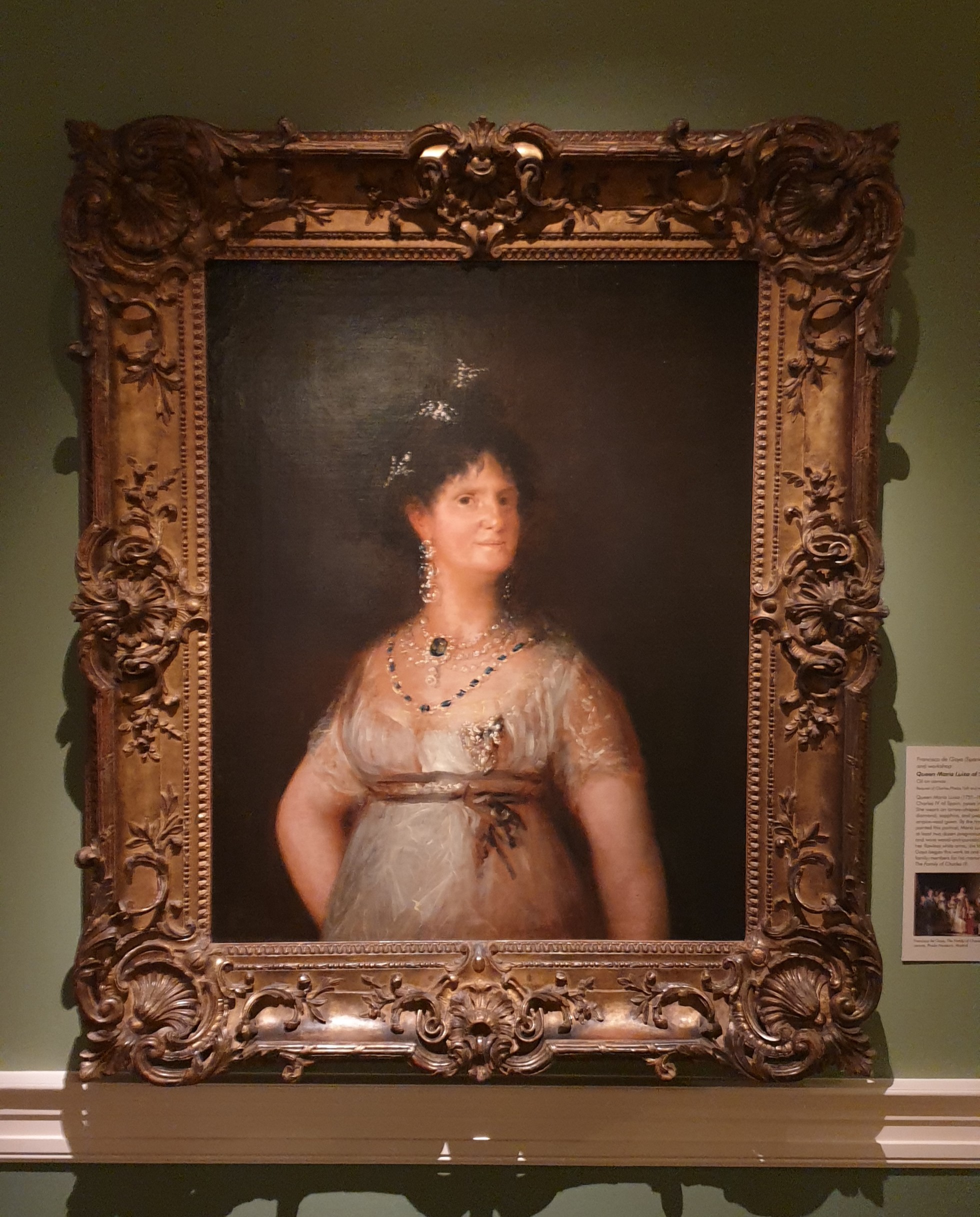
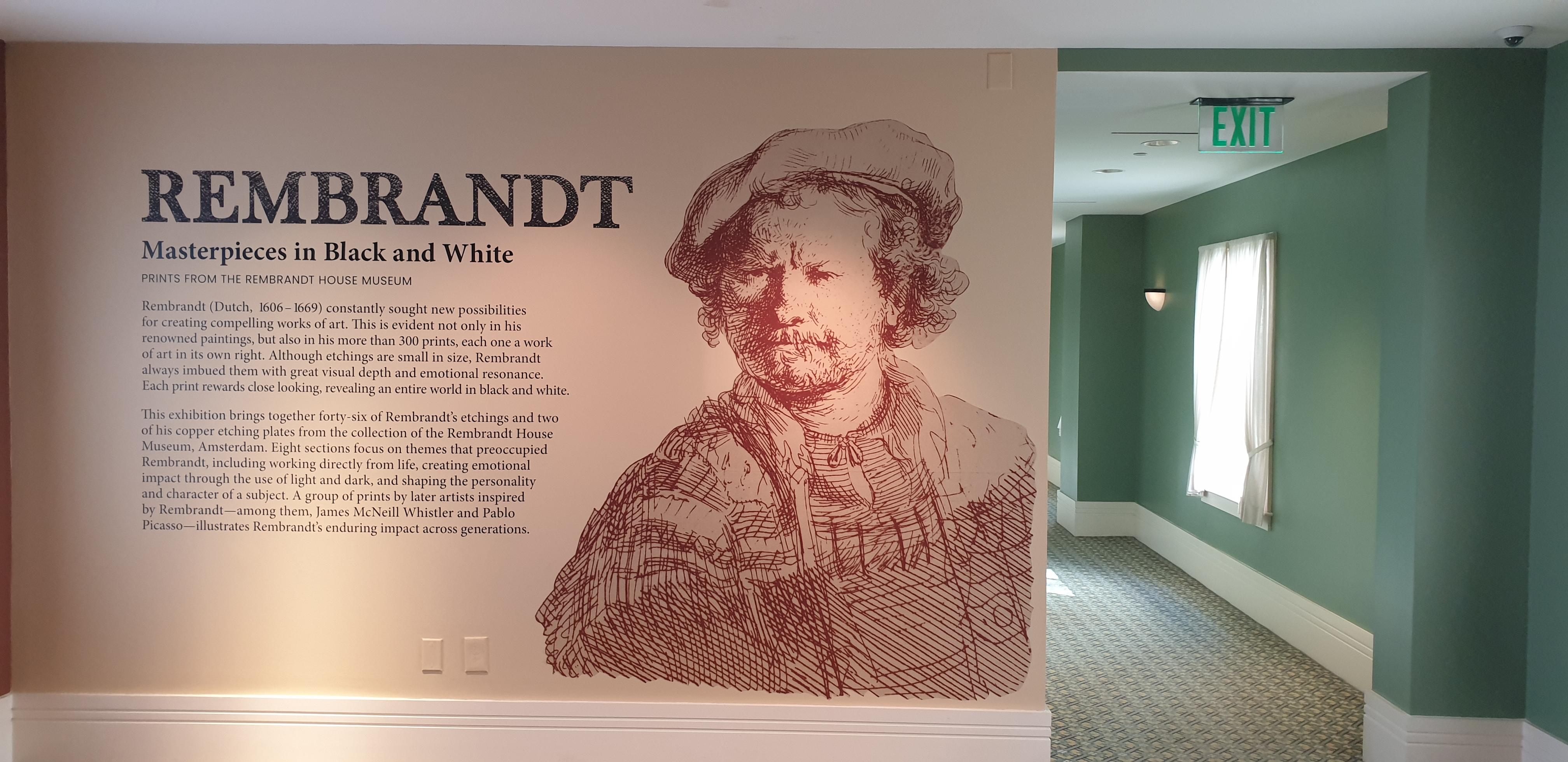
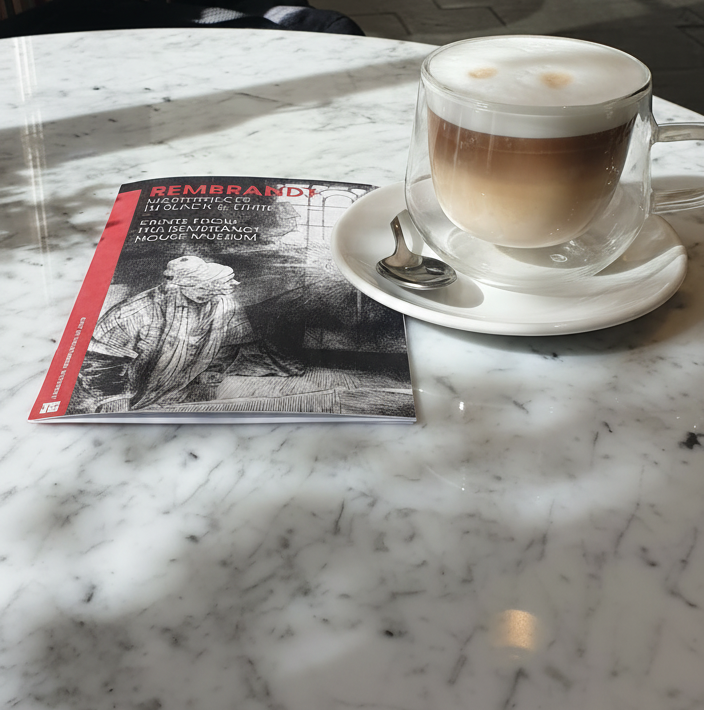
As I mentioned last week, while I was in Cincinnati, I had planned to visit the Taft Museum of Art upon arrival, but since I landed late on Thursday, I had to skip the conference on Saturday to go to the museum (Shhh, don’t tell anyone). I particularly wanted to see Goya’s Queen Maria Luisa, but I was pleasantly surprised to see many other jewels: a Turner, a Fortuny, and many other pieces. Unfortunately, two portraits by Madrazo were out on loan.  On the other hand, they were hosting a phenomenal exhibit of Rembrandt’s prints. I was deeply moved by The Return of the Prodigal Son and by Abraham and Jacob. A nice exhibit included all the tools and elements used to make prints, which helped me to understand the process of printmaking.

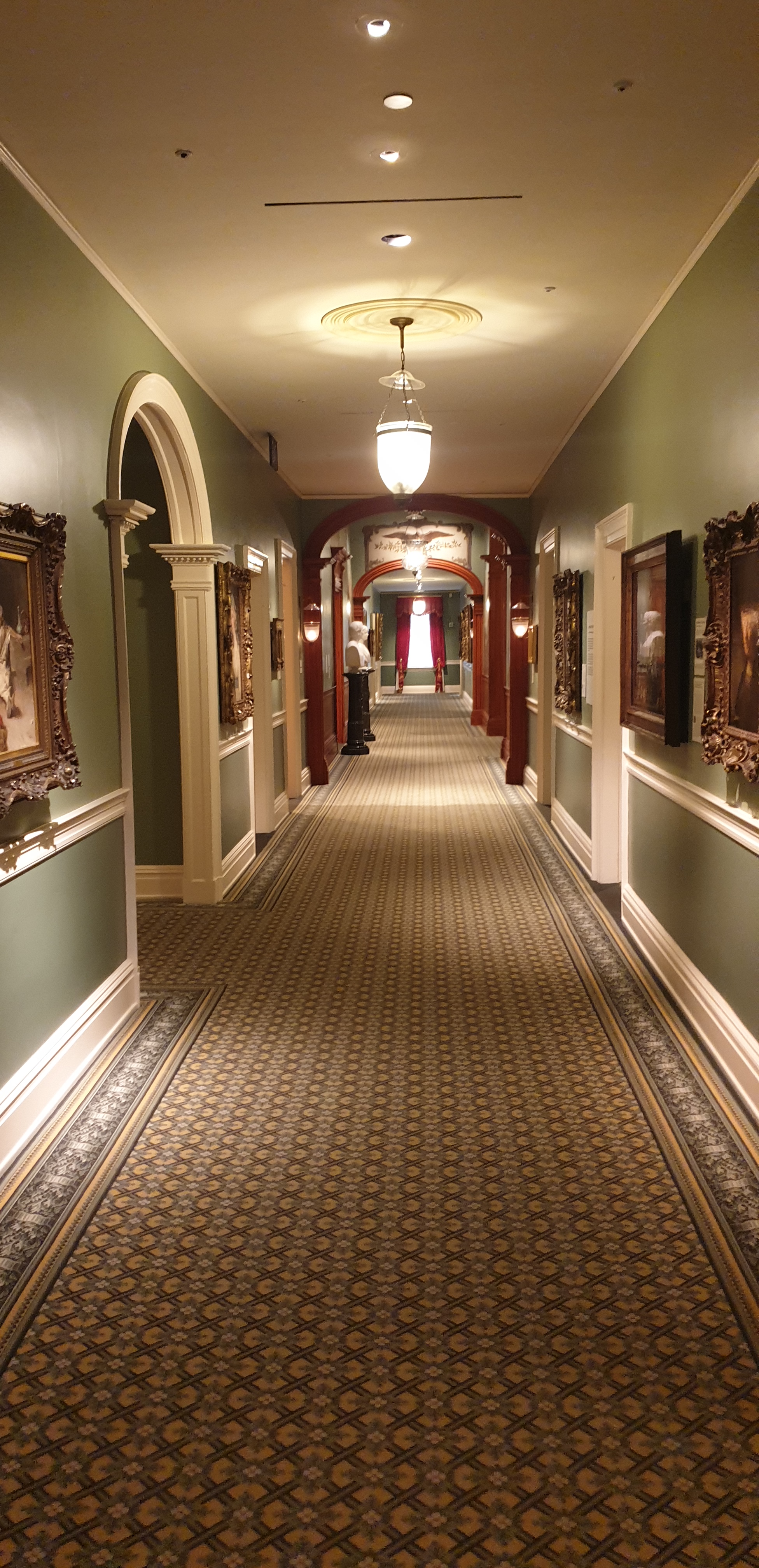
The Goya did not disappoint. The queen is radiant in her jewels and outfit. There is something about her gaze, is it mischief? Is it arrogance? One wonders… Unfortunately, the piece is hanging at the end of a corridor, not the best placement for arguably the best piece in the collection; maybe that is where Taft put her, but that is still no excuse. Lesser paintings are better positioned within the museum.

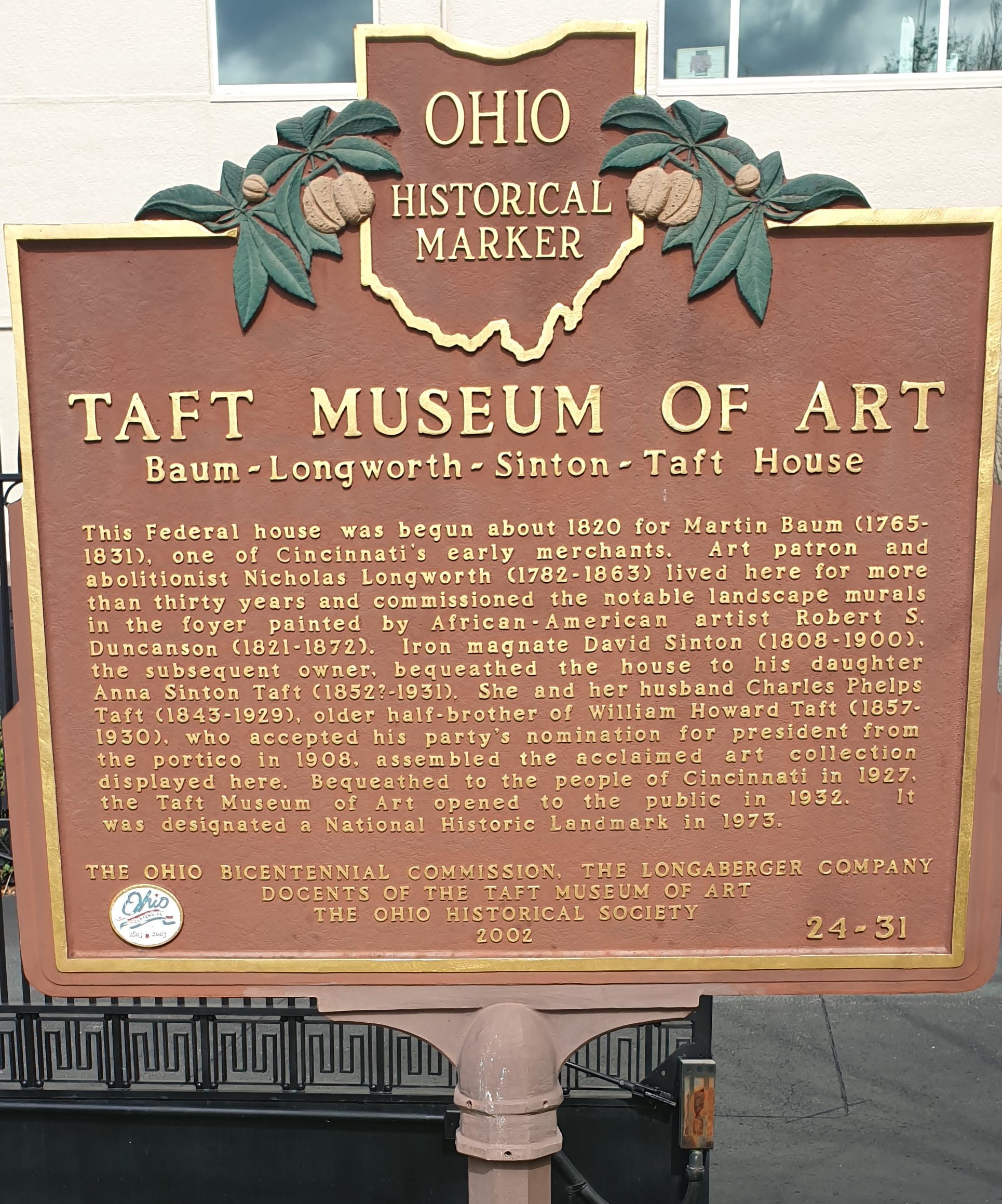
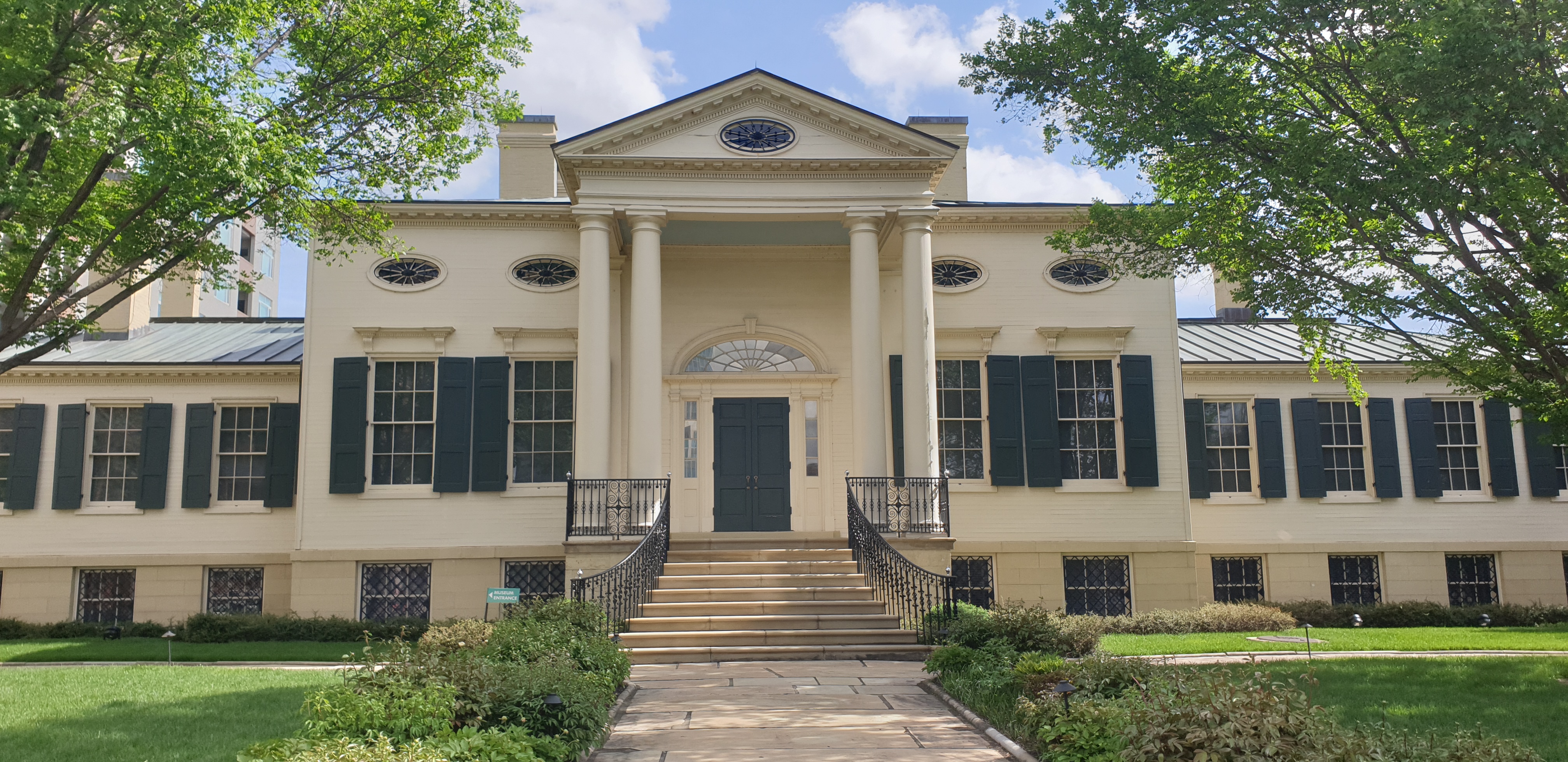
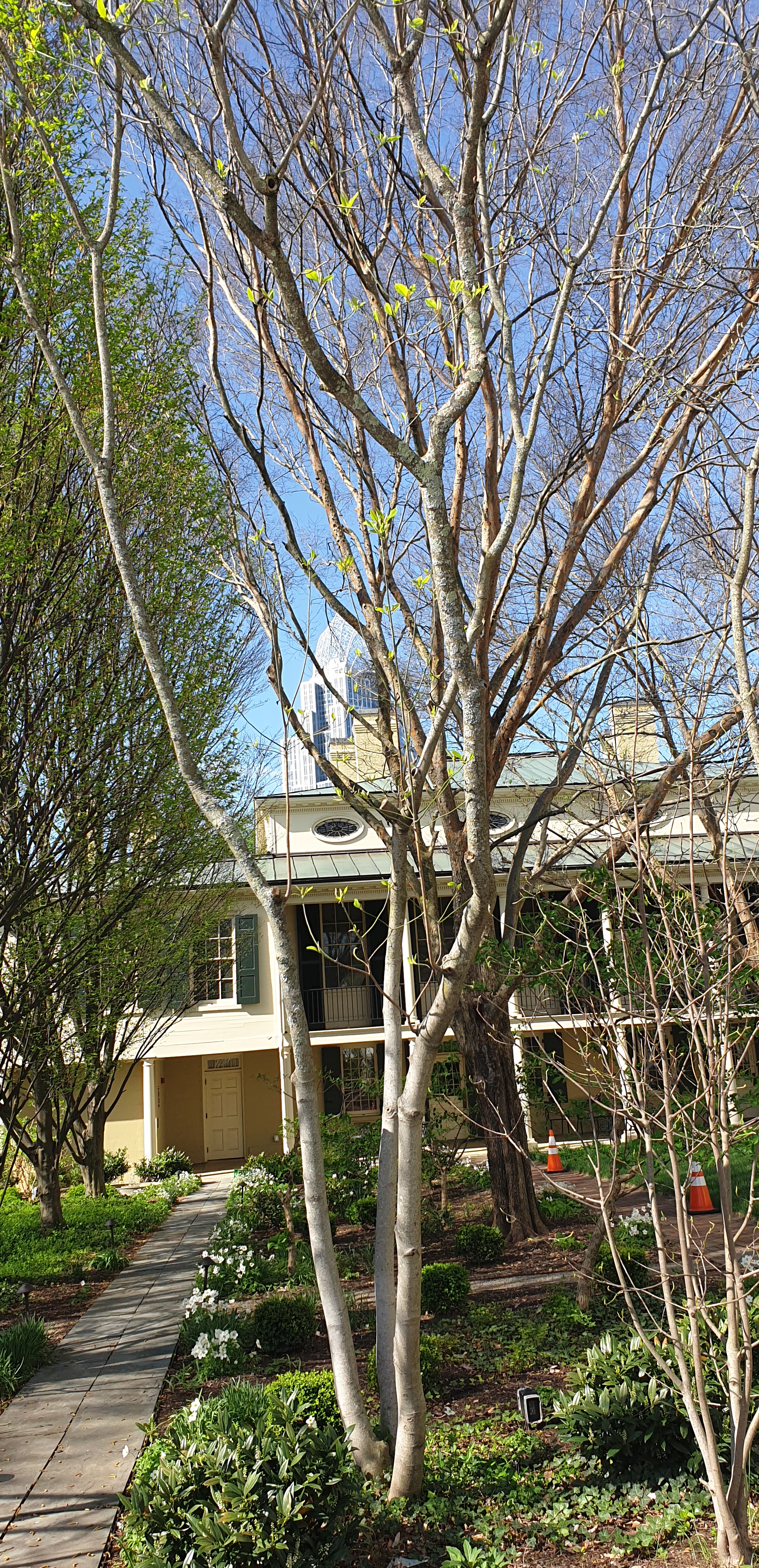
The museum is housed in Taft’s beautiful ancestral mansion, which has lovely grounds, a courtyard, a nice little gift shop, and a coffee shop, where I enjoyed a perfect cup of coffee.

If you are in Cincinnati and need a brief escape, a respite from the city, this is your place. You are welcome.

Oh, and if you want to see the process of printmaking, here is a cinematic version from the great film, Goya’s Ghosts. Enjoy.

My favorite painting

The Prodigal Son, from my friend Irina

This might sound heretical coming from a Spaniard, but my favorite painting is not by Goya or Velazquez or Picasso or Murillo or Dalí or Miró, it is by Rembrandt (Leiden 1606 – Amsterdam 1669), and it is not even in a Spanish museum.

Unfortunately, I did not realize I was looking at what would be my favorite painting when I saw Rembrandt’s Return of the Prodigal Son when I was seventeen and visiting The Hermitage Museum in St. Petersburg with a handful of school friends. I was probably more concerned with looking at pretty girls or wondering about the evening’s plan with cheap Soviet Vodka -ah yes, the year was 1983, with Leonidas Brezhnev in charge of the Soviet Union!

Not long after, my father gave me a book: The Return of the Prodigal Son: A Meditation on Fathers, Brothers, and Sons by Henri Nouwen and I was deeply moved. I understood the painting and it became my favorite. Nouwen, a priest (1932-1996), threads the parable of the Prodigal Son (Luke 15:11–32) with the painting, covering each detail, each character in Scripture and the painting.

The father’s hands gently placed on the boy’s back, the brother’s jealous, angry stare, the servant, the mother, even another person almost invisible in the background, the son’s broken sandals, the capes, everything has a purpose and a meaning. The painting, painted in Rembrandt’s last years, is as spiritual as they get. It asks for your meditation, it questions our behaviors as sons and daughters. You feel the weight of the father’s hands on your back, their warmth. The painting forgives you.

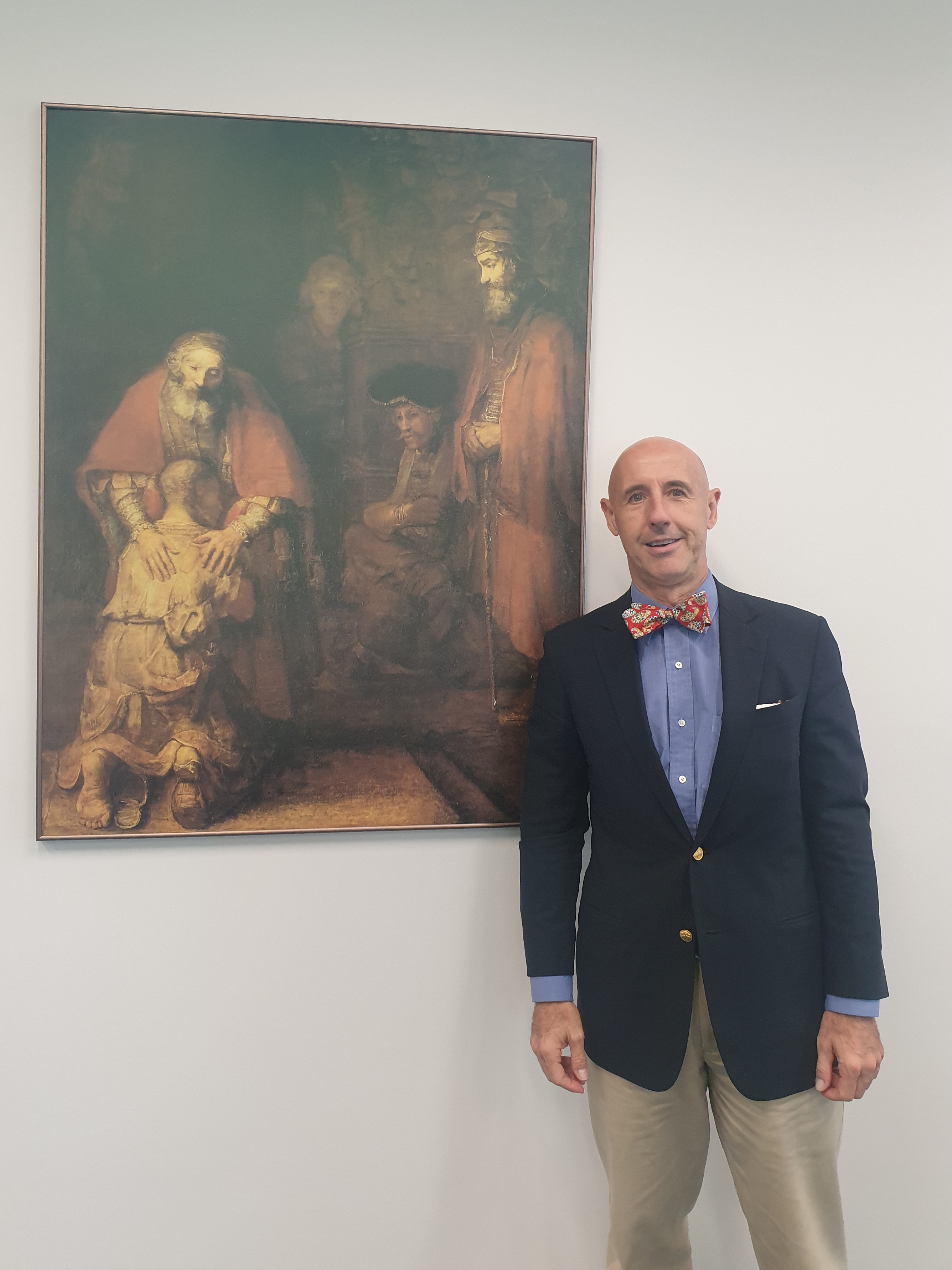
What was my surprise when I discovered that a poster of the painting hangs in my school’s library, right outside my office! I walk by it many times every day, and every day I am reminded of Rembrandt, of the Prodigal son, and of my trip to Russia many years ago.

Some of my other favorite paintings are Velazquez’s Meninas in the Prado, pretty much anything by Goya, Velazquez´s Inocencio X in the Doria Pamphili Gallery in Rome, every Sorolla painting, I’ve already mentioned Frida Kahlo in this blog, etc., etc., etc., the list goes on and on. But this one wins.

What is your favorite painting? Comment below, I would love to know!

Poster next to my office!