Preparing for the Camino, and Santiago The Journey Within

If you type “preparing for the Camino” on the Interweb you are going to get hundreds, maybe thousands of articles and videos on what to pack for the Camino, how to get in shape for the Camino -guilty as charged, even I have written about this. What you are less likely to find is how to really prepare for the Camino, not for the exterior journey, folks in the Middle Ages did it without Gore-Tex, superhightech gear, and without cellphones, but for the interior journey, the one you do not need any gear for.

Yes, there is some overlap: the less you pack, the happier your body will be and not surprisingly, the happier your soul, you, are going to be.

Basically you want to get your mind and your soul (your mind, unfortunately- if you have cleared your head and are living in the present moment, good for you!). So if you have to ask forgiveness, do so before you leave, if you have to settle things, try to do so beforehand. Again, the lighter you travel, the better.

Back in the Middle Ages, there were some guidelines about preparing for the spiritual journey, which have been lost, since the Camino became a bit of a hippie, gofindyourself trek in the early eighties.

My dear Richard Rohr recently wrote about pilgrimage in his daily meditations (if you are not yet receiving them sign up here) and he mentioned the Medieval tradition:

First of all, you had to make amends with everyone you had ever wronged. Also, if you went on pilgrimage holding any kind of unforgiveness, it could not be a good pilgrimage. You couldn’t leave your town until you’d forgiven everyone who’d ever wronged you. Certainly, this is an attitude that we can pray for at the beginning of any pilgrimage: that God would keep our hearts open and loving, because a pilgrimage can’t just be a tourist trip. The meaning of a pilgrimage is an interior journey. Primarily, it’s an interior journey enacted exteriorly.”

Secondly, and a practical, interesting thing, is that if they were going to go on pilgrimage, pilgrims had first to ask permission of their wife, husband, and family. The idea was that they had to leave everything in right relationship at home. If they had any material debts, they also had to pay those before they left. They couldn’t go on pilgrimage until their spiritual and physical debts were paid, and they had permission from all the right people.

Next, they had to go to confession before leaving. Sometime in the course of a pilgrimage, celebrating some kind of reconciliation was deemed very appropriate. Again, there’s that cleansing, that letting go. Perhaps those of us who’ve already been down to the Grotto [1] have seen the basin of water on the far end with the words that Mary spoke to Bernadette. It states, “Go wash your face and cleanse your soul.” What a symbol of reconciliation! It’s a prayer. Above all else, pilgrimage is praying with your body, and it’s praying with your feet. It’s an exterior prayer, and the exterior prayer keeps calling you into the interior prayer.

Rohr writes a week’s worth of content which you can check out here.

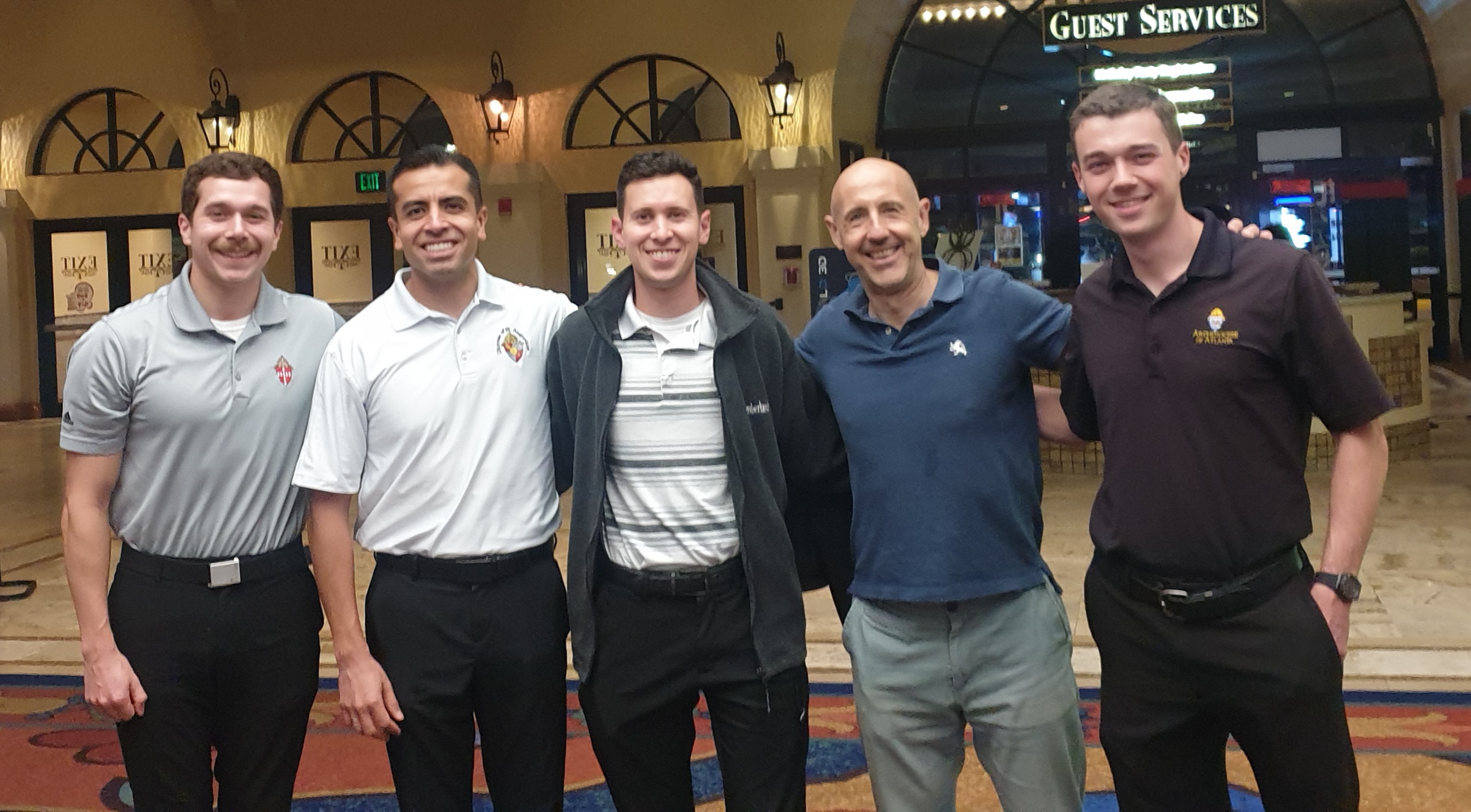
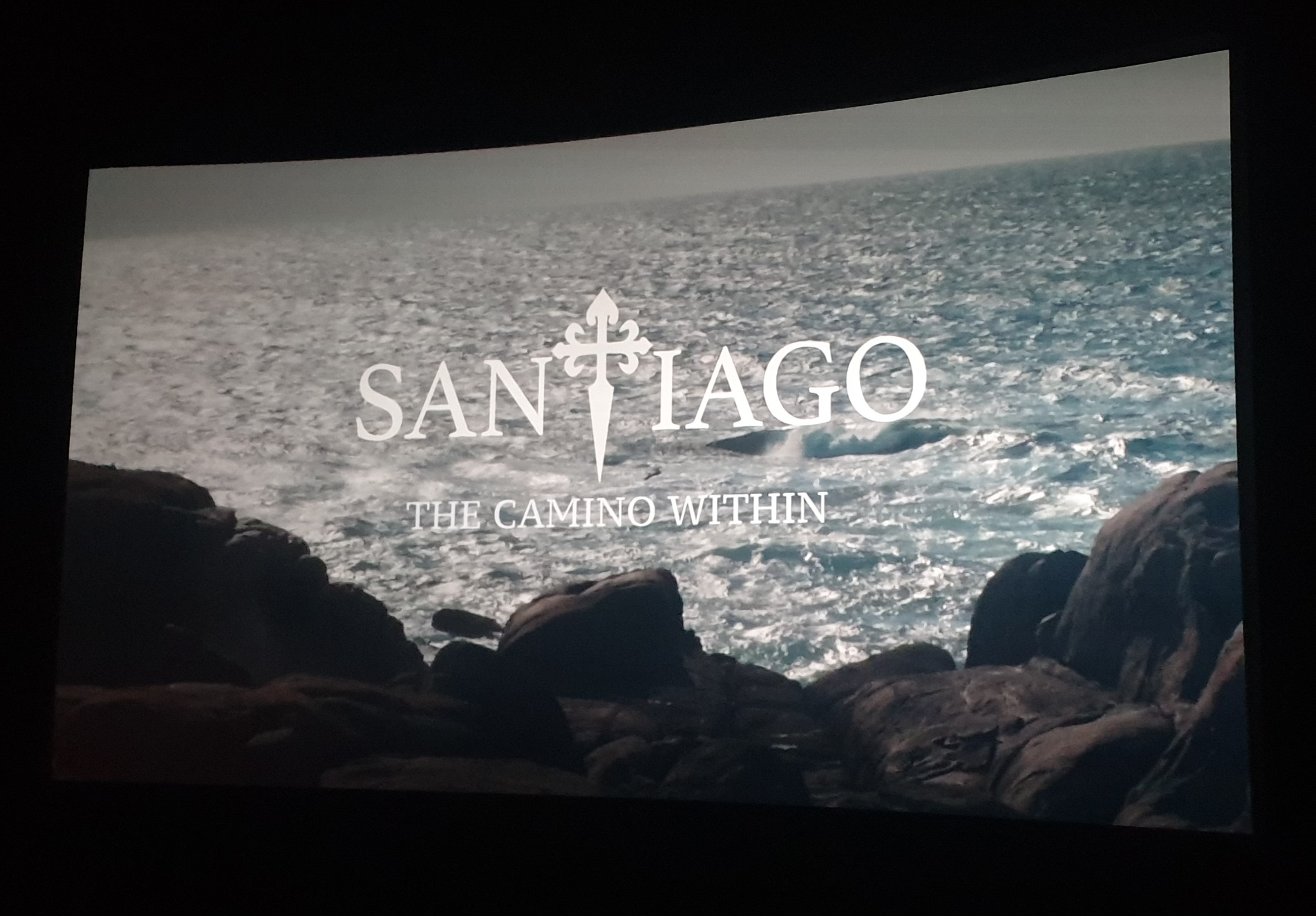
As I was thinking about this blog post, my students invited me to see Santiago The Journey Within, a reflection more than a documentary on the Camino. The film, led by Bishop Donald J. Hying, has beautiful photography and music, but sadly lacks a narrative, a connecting thread, which makes it difficult to immerse oneself in the film. Also the last 45 minutes of the film is just Bishop Hying talking about the Camino at a university conference. Beautiful words, but less than gripping action.

There you have it. Make sure your mind is ready as much -if not more- than your backpack!

¡Buen Camino!

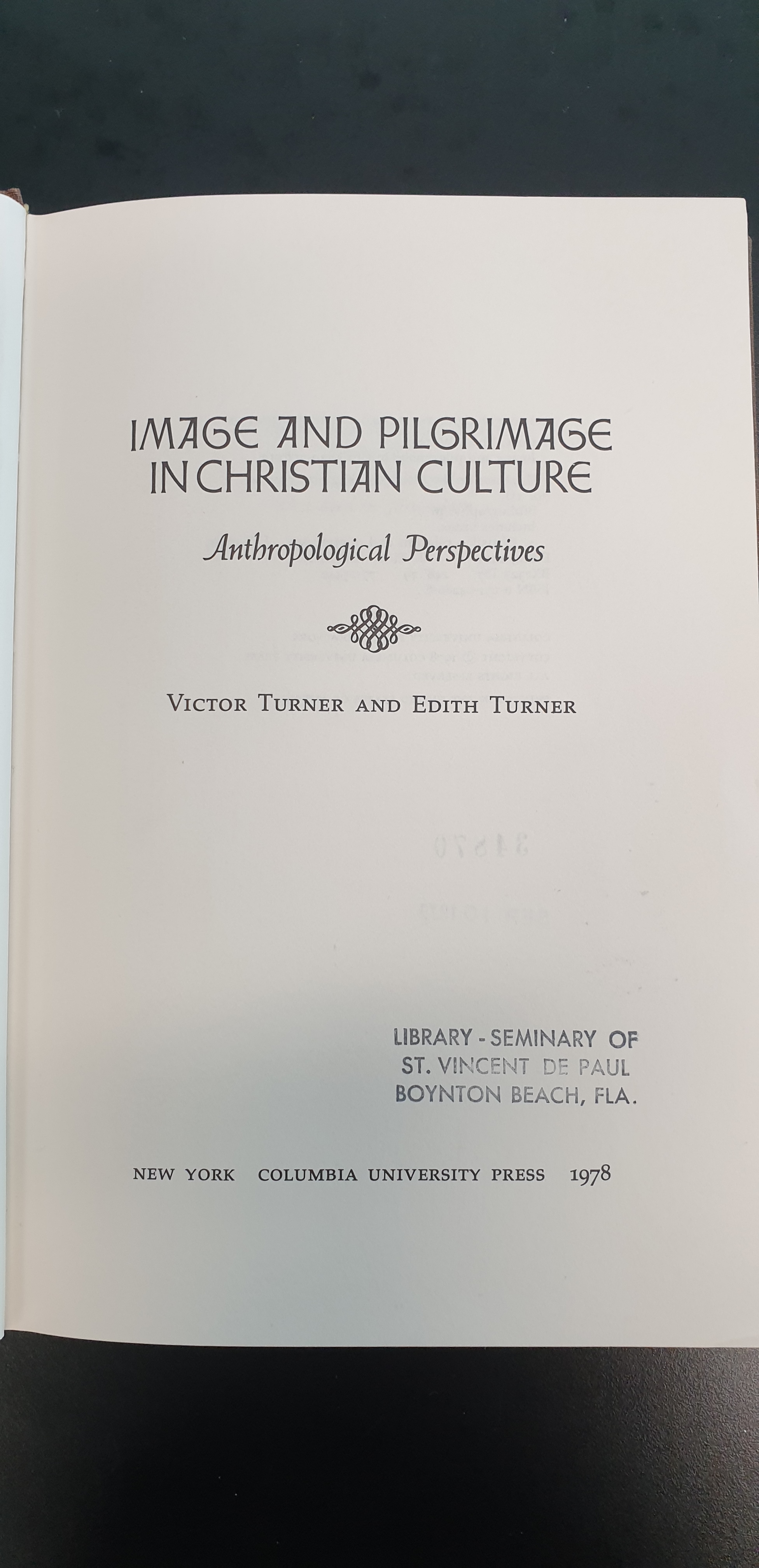
PS: If you are really into this, you can read Image and Pilgrimage in Christian Culture by Victor Turner and Edith Turner.

Where are you on your journey? Richard Rohr (continued)

Spirituality and cigars, why not?

Where are you on your journey of self-fulfillment? Where are you on your journey of peace, inner and outer? Where are you on your journey of finding the real you? Not your things, your mind, or your TikTok likes, but your soul.

If you are on this journey, and I hope you are, and it is a journey, I hope that you pay attention to yourself, that you spend time alone cultivating, discovering yourself, call it what you will, your spirit, your soul. The first step on this long road usually comes about due to failure, breakage: a failed relationship, financial struggle, accidents, whatever. Without this fall, why would you need to rebuild? To re-calibrate? To question anything? Just go on your merry way with your ego, enjoy.

Otherwise, with every so-called failure, you release your ego; you embrace peace, you let go, you become more aware of your inner self. You rebuild and grow –and here is the catch- not necessarily stronger in the selfish way of thinking, but more vulnerable, wiser.

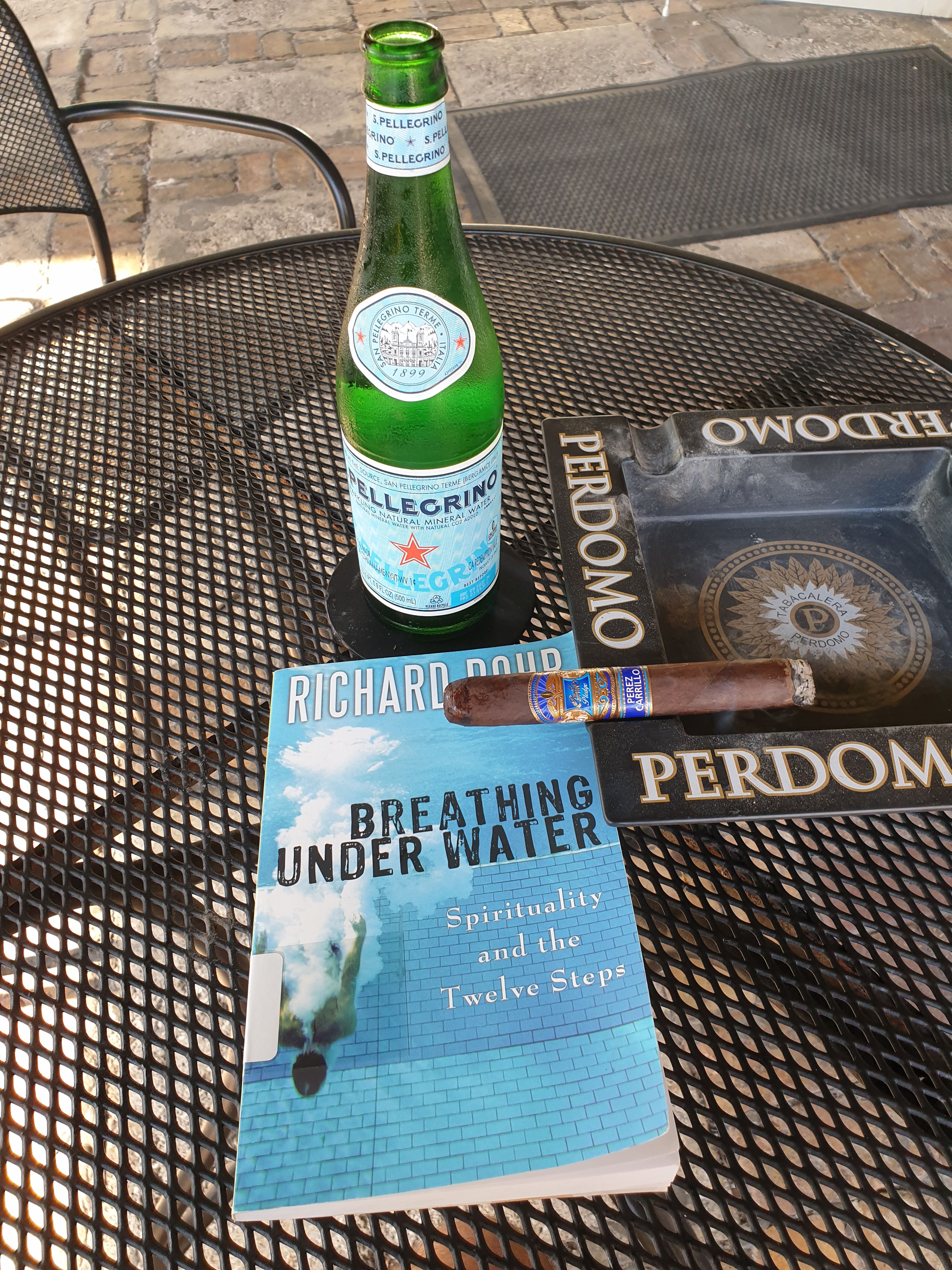
Why are you on such a metaphysical rant, Antonio? You might ask, and I am happy that you ask. You see, I have just read Richard Rohr’s Breathing Under Water and my mind has been expanded.

In his book, Rohr studies Alcoholics Anonymous Twelve Steps from a spiritual perspective and re-frames your pre-conceived ideas of alcoholics!

The book is epigraphed by three quotes from three of my favorite guides:

“I did not come for the healthy, but for those who need a doctor.”

Jesus (Luke 5:31-32)

“Alcohol in Latin is “spiritus” and you use the same word for the highest religious experience as well as for the most depraving poison.”

Carl Jung, letter to Bill Wilson (1961)

And

“These are the only genuine ideas, the ideas of the shipwrecked. All the rest is rhetoric, posturing, farce.”

José Ortega y Gasset

The first step is the hardest to take: “We admitted we were powerless over alcohol – that our lives had become unmanageable.” Most of the time our ego blinds us to our problems. This is why many times only a violent awakening will make us reach for much needed help. That is the first step, realizing you have a problem, it is much easier to dismiss it than to deal with it, and its roots…

Rohr analyzes every step in detail weaving spirituality into each rung of the ladder. It is an illuminating book that everybody should read. Yes, you too.

We all have our addictions our sins, it does not have to be alcohol or drugs –although many times it is. Rohr sees how “breakage” and coming out of it is deeply healing and spiritual. In Japan, when they break a plate or a bowl many times they glue it back together with gold covered adhesive, making the piece much more valuable. They call it Kintsugi, and it makes for beautiful, unique pieces!

“The secret of life, though, is to fall seven times and to get up eight times.”

― Paulo Coelho, The Alchemist
Enjoying mi reading

Mind, body and soul, exercise, yoga and meditation

For a few years, since 2010 to be precise, I have been actively seeking inner peace, not just talking about it with a drink in one hand and a cigar in the other staring at a sunset. It is only with breakage that one slowly lets go of the ego and matures through Kierkegaard’s three stages that we have seen before (the aesthetic, the ethic and the spiritual). With my divorce and the life changes brought about by that trauma, I started seeking solace and understanding. My first, basically subconscious moves were to exercise, to work with a therapist (the amazing Dr. Nemser), I went to church on Sunday – and have not missed a Sunday since (maybe a couple but only for reasons of force majeure), and volunteering. I started reading Scripture every night, then I got hooked on Richard Rohr’s Daily Meditations, I tried to find inspiring readings, revisiting Tolstoy’s The death of Ivan Illich, Milton, Jalics, etc. With time I started meditating, then I started yoga, then came walking the pilgrimage to Santiago…

Little by little I started realizing in my body, mind and spirit that all these things were connected, that working with one affected the other two. Yoga, even weightlifting quieted my mind, meditating relaxed my body and spirit. Breathing helped me stretch during yoga. I realized that while we are made up of many different things, we are in fact one totality of being with a single energy.

I started yoga lessons in North Carolina about six years ago. It was the perfect thing for saturdays after friday night soccer games. And just like that I was hooked. I normally find a gym or a studio that has lessons, but in a pinch I use an app called Down Dog which is very scalable!

For meditation, I usually wait until the end of the day so I have nothing left to do that day. Or I parcel out a time to mediate. I sit and breathe, focussing on my breathing for twenty minutes. I use a great app called Insight timer where I can time myself, take courses, dial into guided meditations – and it keeps track of your progress!

Then I started using these techniques with my athletes when I coached, most recently and successfully the tennis players at the Hun School. Yoga on days in between games, a bit of meditation before games, it all translated to happier, less injured, more understanding players.

Volunteering has been a key factor in my recent growth and maturity. First at Community Servings in Boston cooking for sick, homebound families. In Chapel Hill I volunteered every monday night for four years at the Ronald McDonald House. In Naples I helped out the St. Vincent de Paul charities. Now in Madrid I’m helping at the Ronald McDonald Family Room at the La Paz Hospital in Madrid, for families with premature babies.

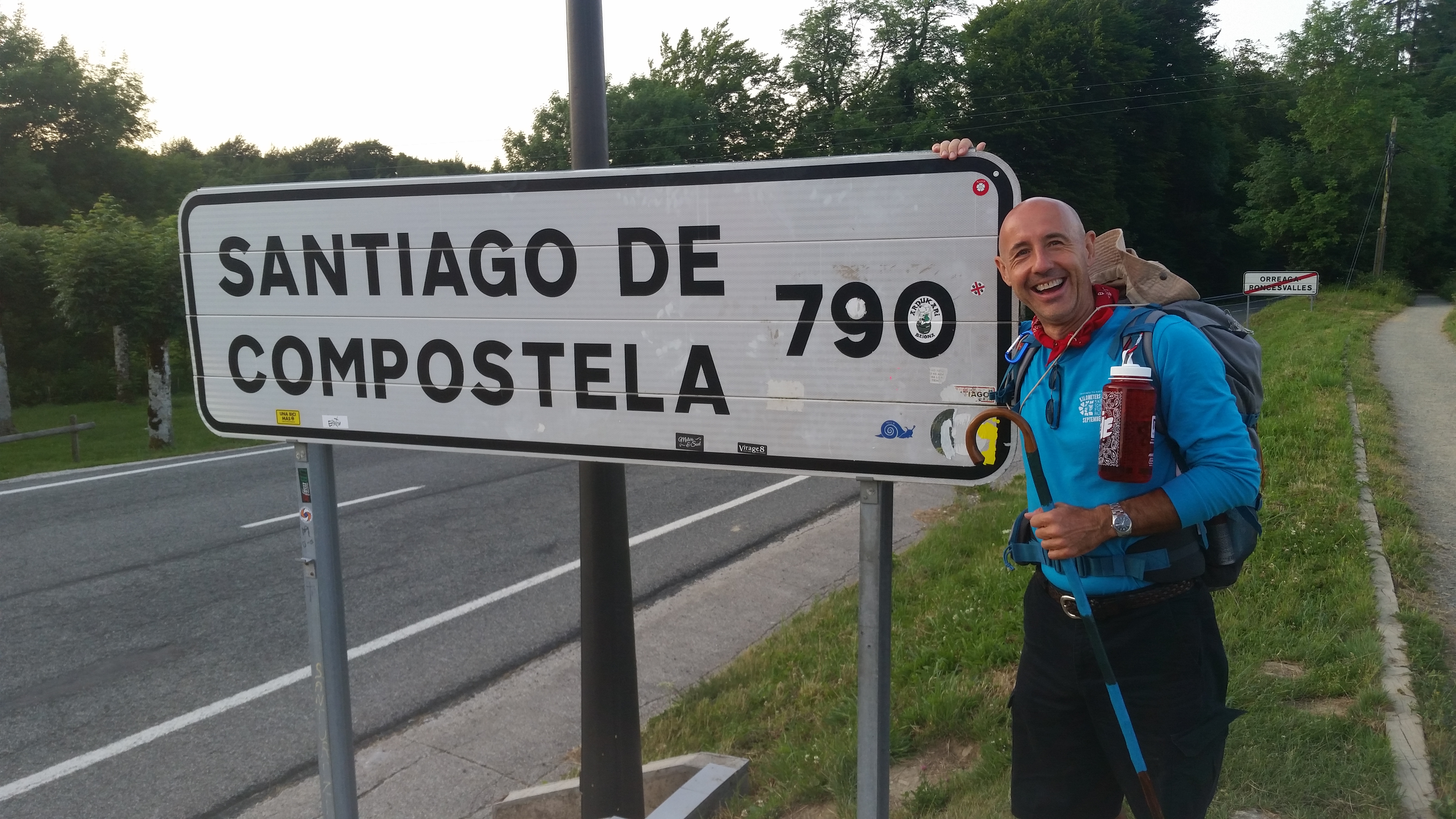
My second pilgrimage to Santiago I really focused on walking, meditating, stopping at churches for contemplation, doing yoga after the day’s walk. It really was magical, and I noticed a holistic improvement!

Healing is a long process that there is no way to rush. Acceptance, gratitude, patience, forgiveness, compassion, perspective, humility, understanding, generosity, none of these knock on your door overnight. One must consciously work at healing, it is slowly working for me, give it a try!


More lessons from The Camino

Last year I wrote some notes and advice for pilgrims. Here are some more picked up from round II:

Take care of your whole body, not just your feet. Last year I was hyper focused on my feet, to the point where I disregarded the rest of my body. This year I paid much more attention:

  1. Yoga: I tried to do yoga most evenings. I looked for a patch of grass and then free styled or used the Down Dog app on my phone. In Herrerias I even found a yoga class taught by Esther, a wonderful Dutch girl. It was in a clearing in some trees with a stream running by. It was by far the best yoga lesson I have ever had!! The stretching is wonderful and resets the body.
  2. Ice baths or equivalent: I was lucky to find ice-cold rivers and streams to dip in after my walks. This is critical to bring down whole body inflammation after all day hiking. I found this deeply restorative as well as refreshing. In worse case, a cold shower will also help bring down any possible inflammation.
  3. Liquids, liquids, liquids (preferably not alcoholic). I did not do a bad job on this last year, but this year I made sure to crank it up! Make sure that you keep a solid supply of water, especially if doing the Camino in the summer. I had a stretch one afternoon where I could not find an albergue, it was very hot and I was tempted to not fill my bottle. I’m glad I did, as it took a while to get to the next water source.

Besides your body, listen to your soul. The early morning hours are usually quiet and mostly without people. This is a perfect time to meditate. I use an old rosary to help me match my breath with my pace and a mantra. One morning I managed a solid 45 minutes, a record of conscious meditation for me. It was one of the most cleansing and spiritual experiences I have ever had.

But the best lesson to share is to start walking.