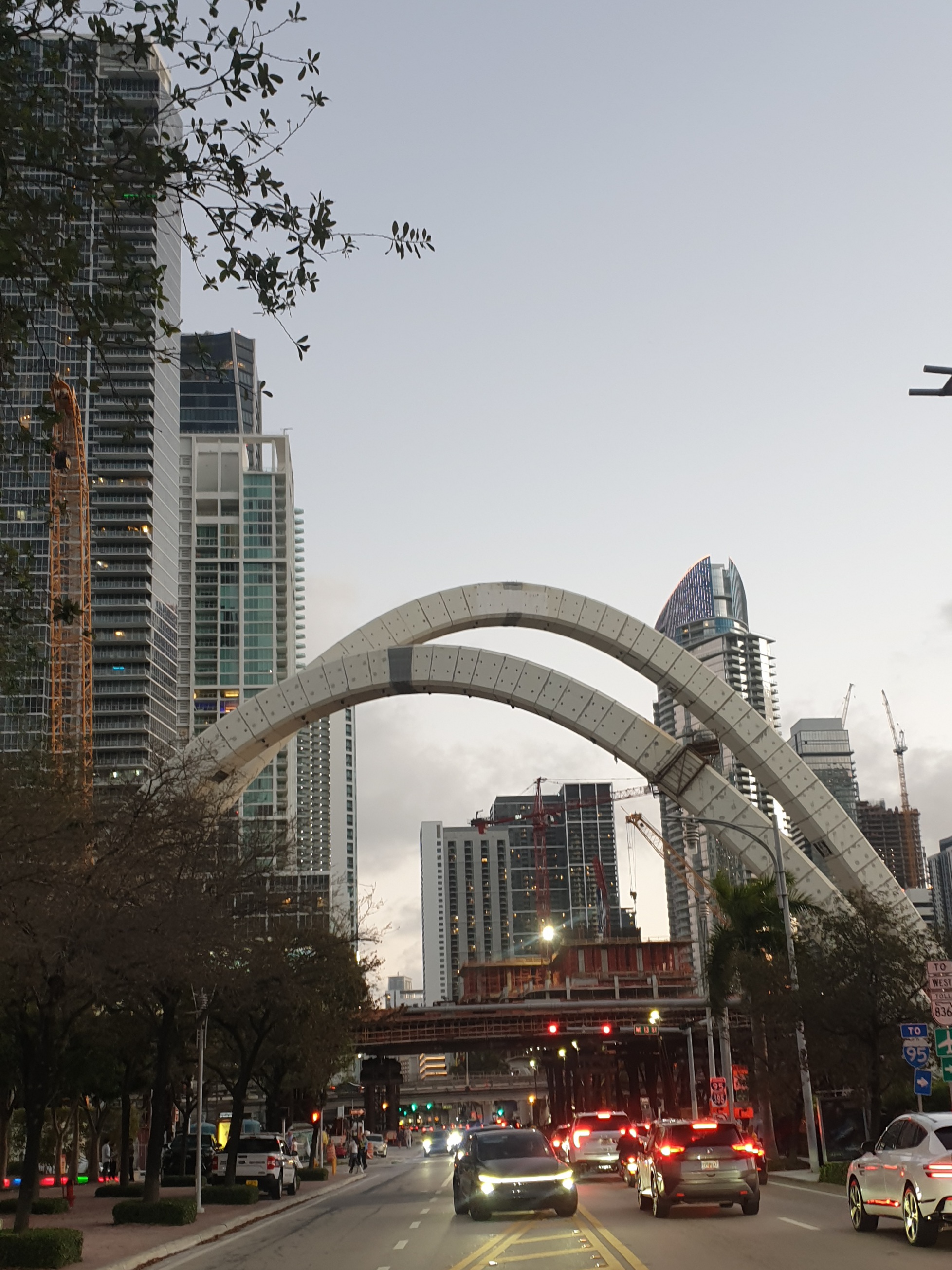
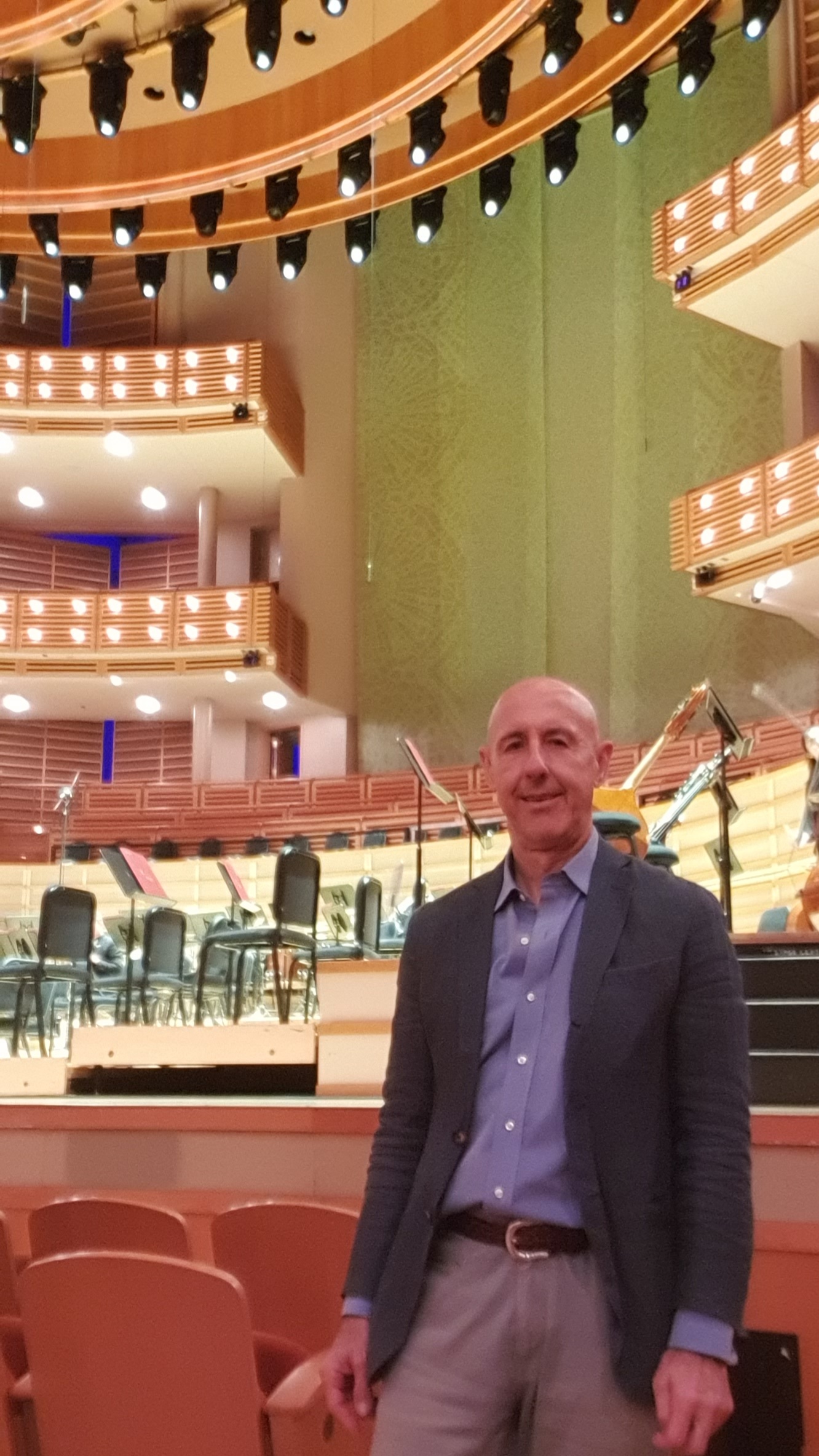
If Dante had lived in the 21st century, Miami traffic would be a circle of hell. Miami traffic is undeniably a nightmare, the perfect storm of older, retired folks who drive very slowly, tourists, snowbirds, illegal immigrants who drive very slowly to not get into any trouble, and local youths who drive like a bat out of hell. So I avoid driving to Miami. My motivation to go to Miami must be fairly high. One such instance is when my dear friend, old student, and Film Club founder, Bill, invites me to a New World Symphony concert, even though he has recently moved out of Miami.
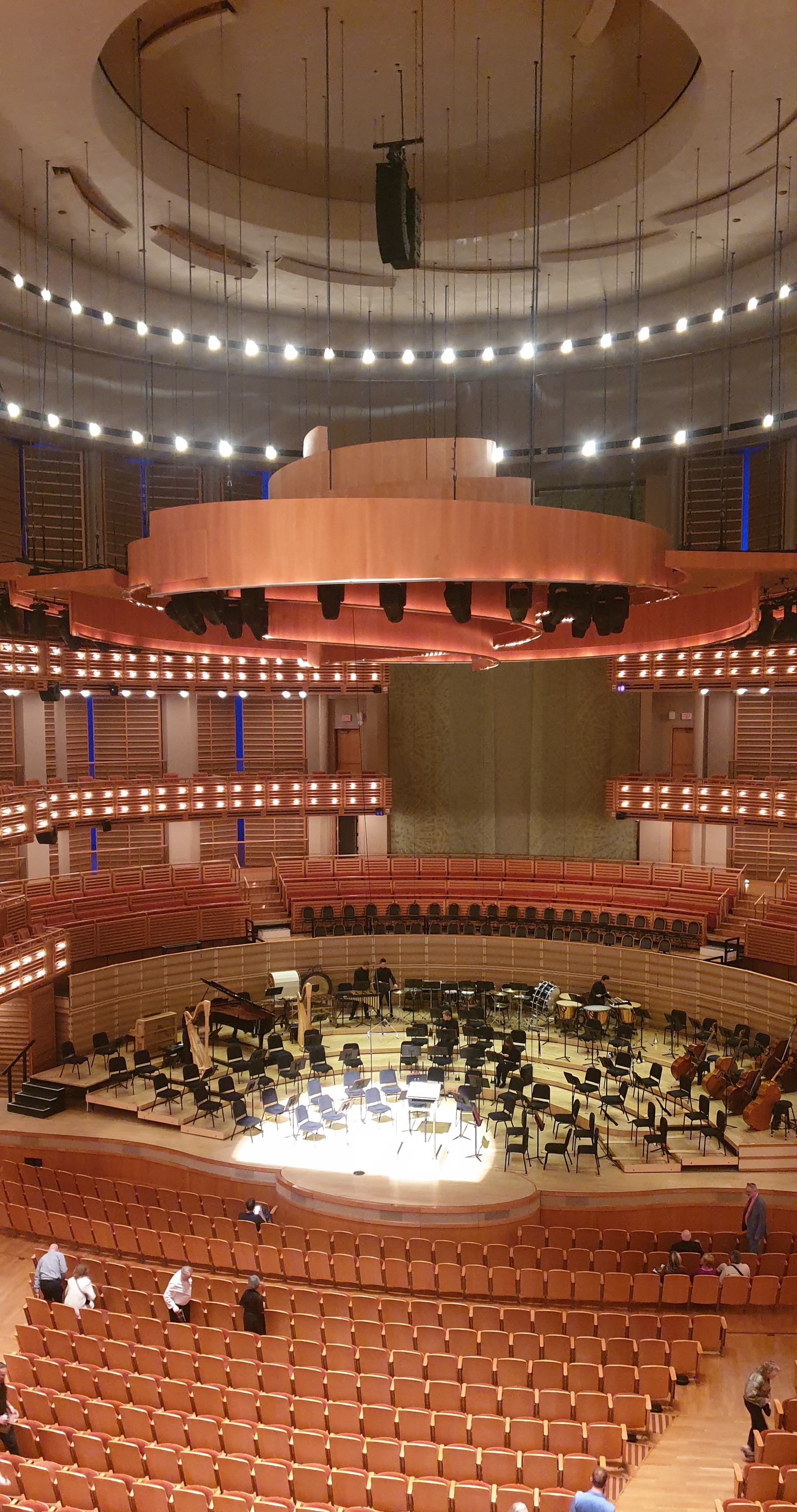
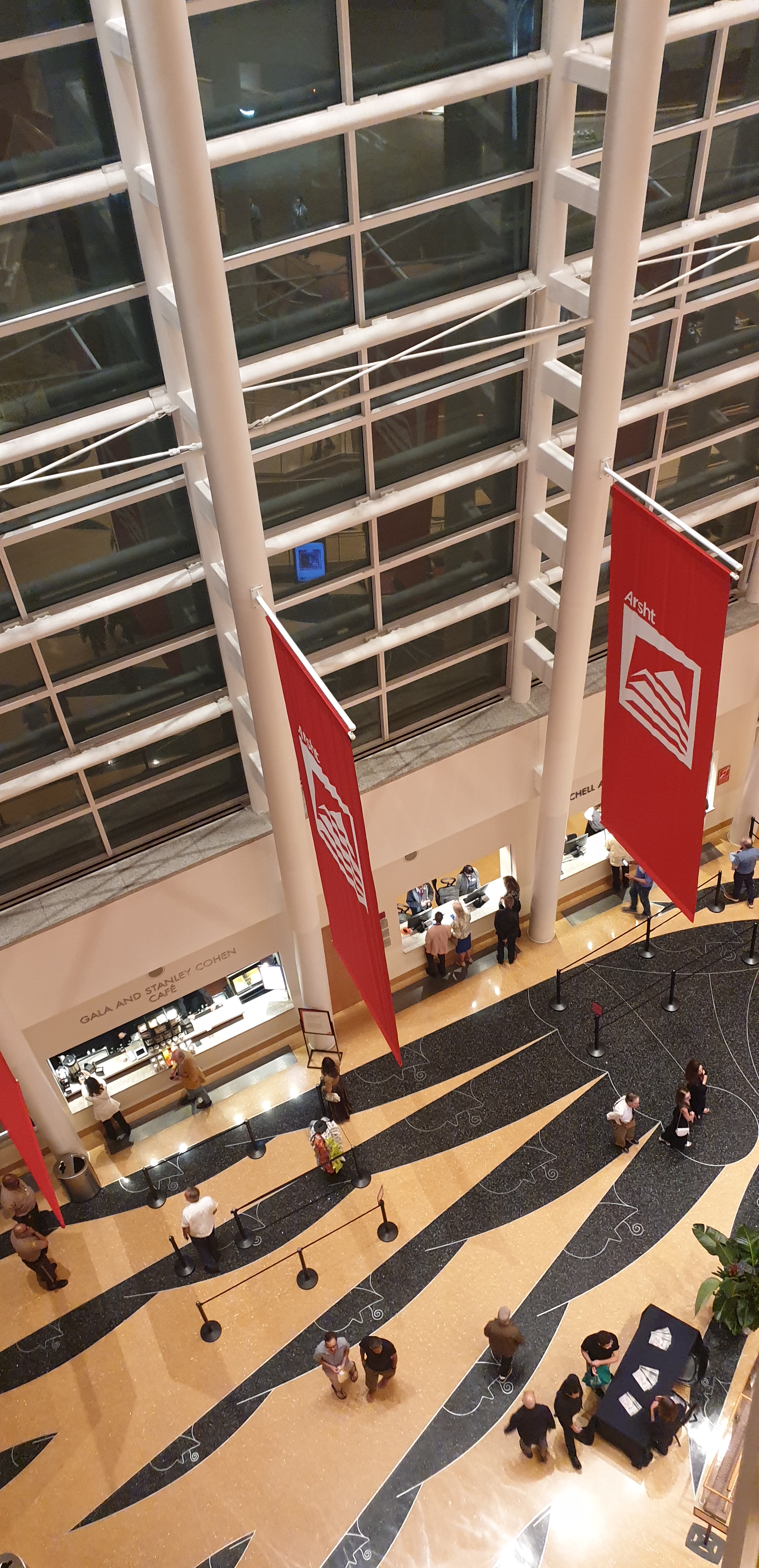
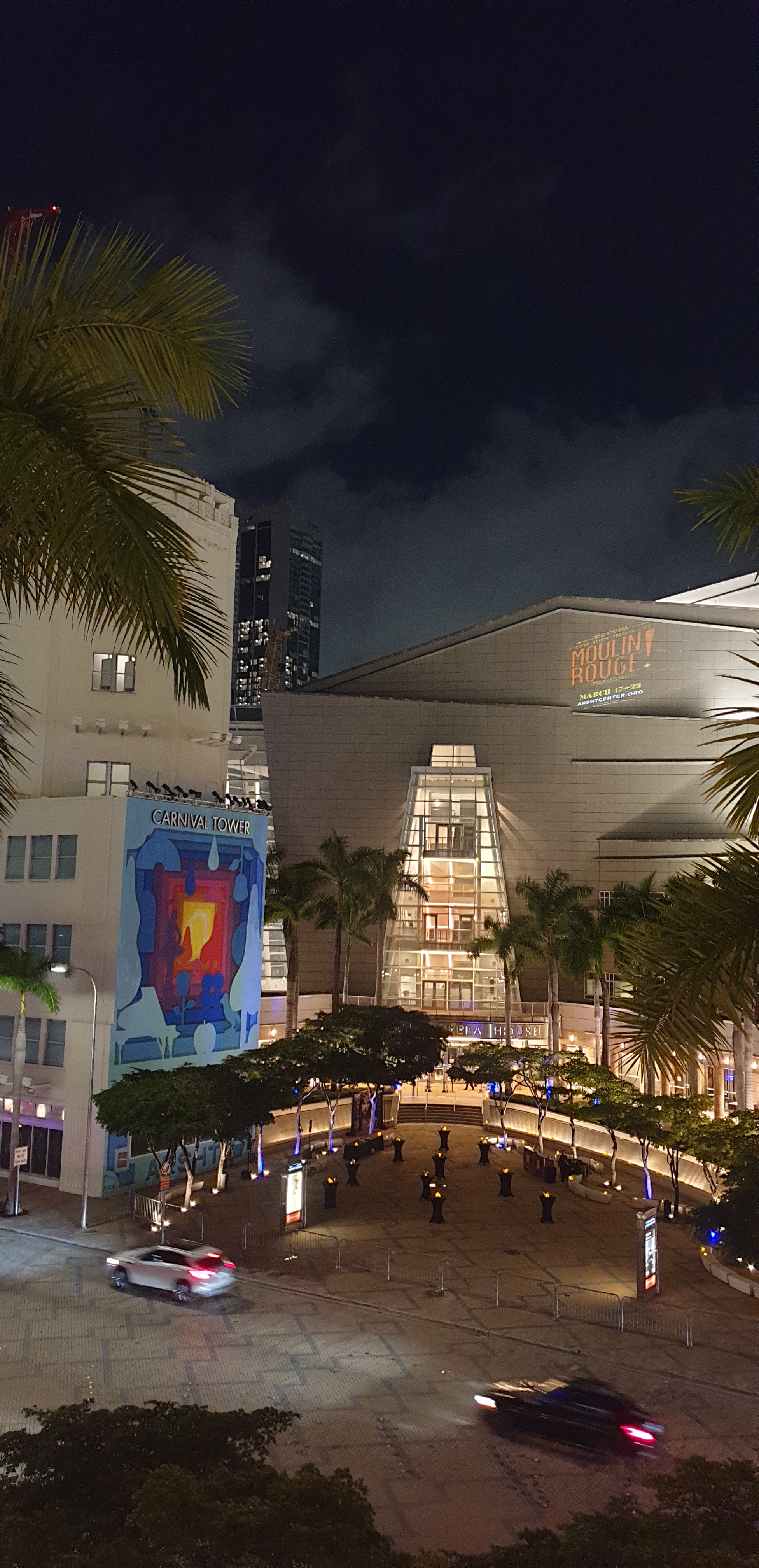
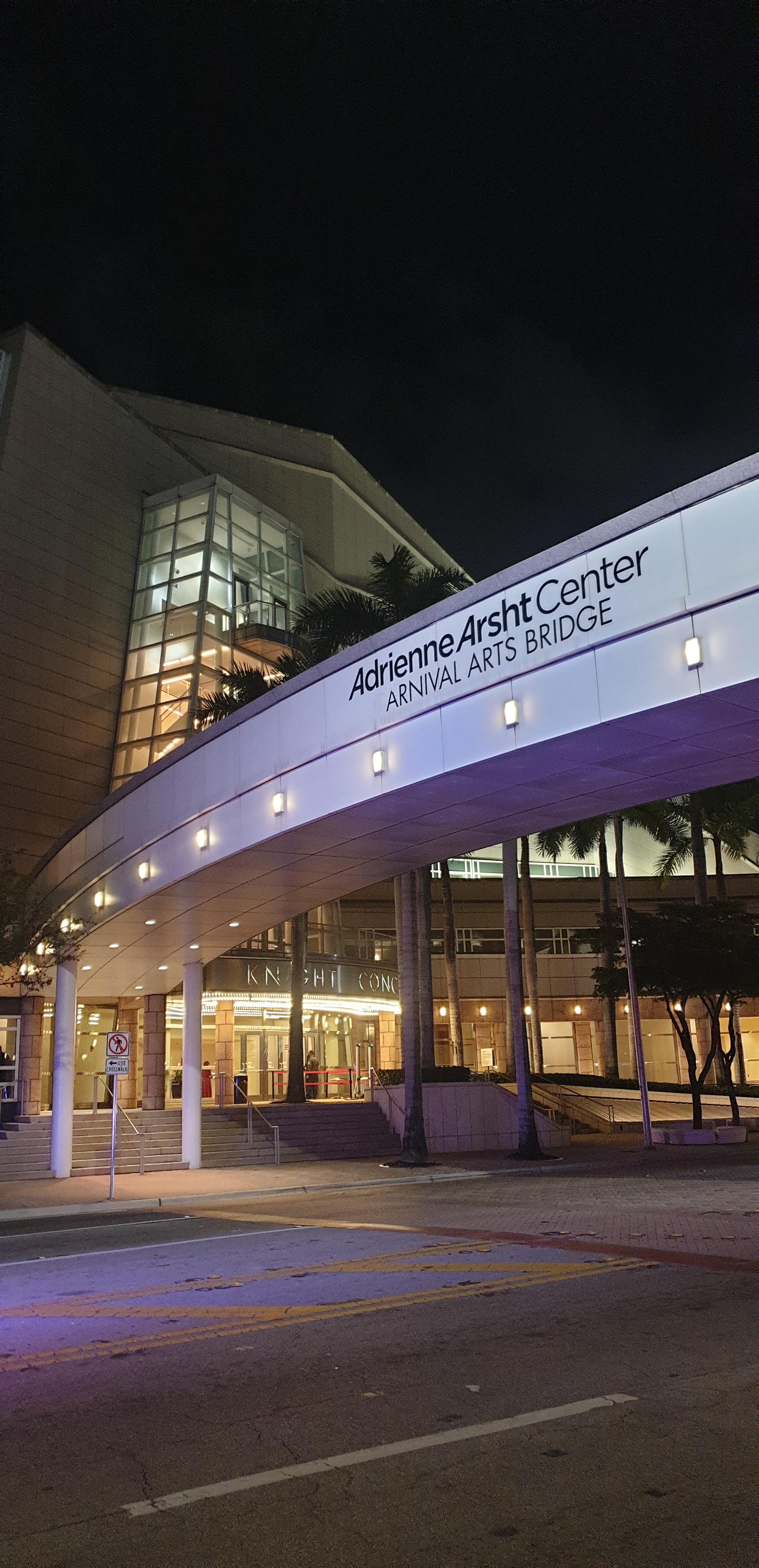
Although I have been to the New World Center many times, this concert was held in the much larger Adrienne Arsht Center for the Performing Arts of Miami proper (The New World Center is in Miami Beach, technically a different city from “mainland” Miami)
The first piece of this concert was Peter Lieberson’s Neruda Songs, five Neruda Sonnets put to song (VIII, XXIV, XLV, LXXXI, and XCII). Grammy-winning mezzo soprano Kelley O’Connor did an amazing job singing these sonnets. But putting music to Neruda is not easy and not that original. My dear old student, Jorge, who left us way too early, did it as a project for one of my classes!
Ravel is best known for his Bolero, especially if you are of a certain age and saw Blake Edwards’ film 10 in 1979. If his Bolero is the victory of minimalism, Daphnis and Chloé is the triumph of Impressionism
This ballet, technically a symphonie chorégraphique (choreographic symphony), is nowadays done more as a concert than as a ballet.
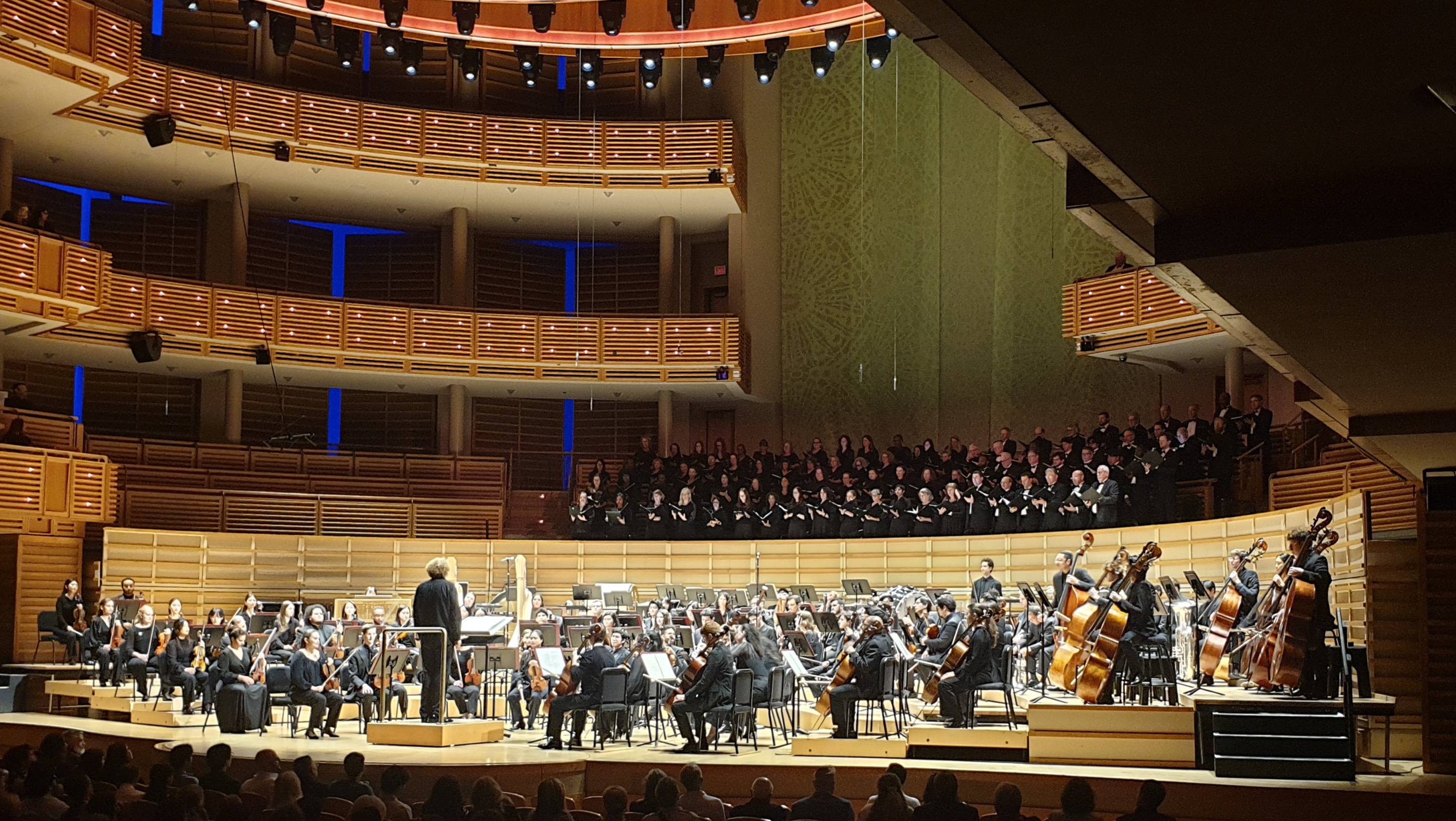
I confess to having disparaged the impressionists before, as a movement more so than individually, but this is musical impressionism, and I had never experienced it like this! The concert included the full Master Chorale of South Florida, together with the full New World Symphony Orchestra—what an immersive experience! Every note is a brushstroke, you are transported into an imaginary painting of Daphnis and Chloé, you are transfixed, I loved it! I returned to the Musée de l’Orangerie in Paris, to the Monet exhibition at the Boston Museum of Fine Arts, and I returned to every impressionistic painting I have ever stood in front of.
So, if you ever get a chance to listen to Ravel’s Daphnis and Chloé, go! You will not regret it, you are welcome.





 Antonioyrocinante's Blog