On bicycles and cycling

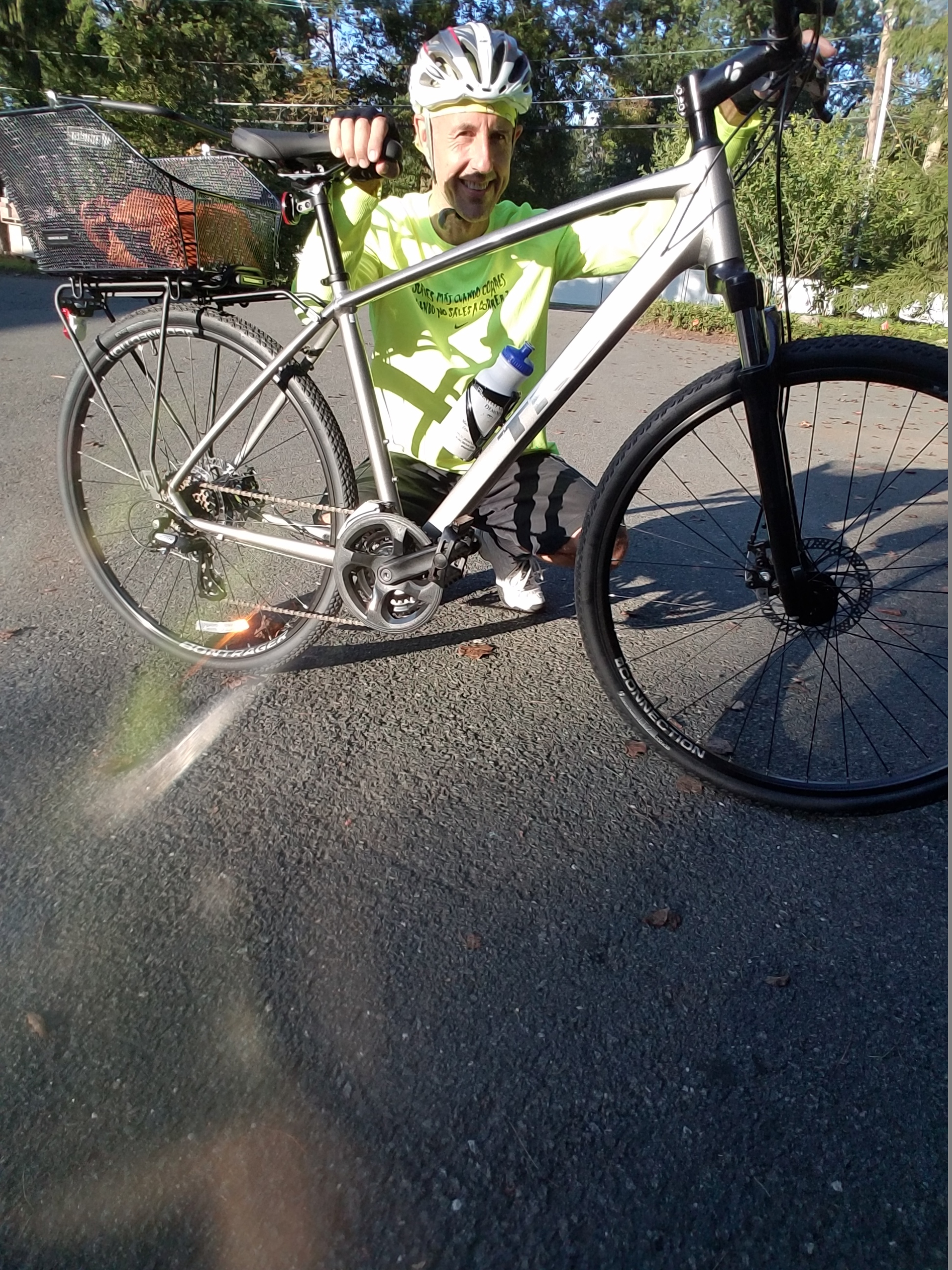
For as long as I can remember I have been riding bicycles. I can count having had over ten bicycles through my life, some of which got a lot of miles on them, a couple of them were stolen from my front door!

But I do not want to bore you with my history of bicycles and bicycle riding, of riding around Switzerland as a teenager, of riding in different countries, and so on. I just want to motivate you to get on a bike and ride! Pedal as hard as you can, feel the wind in your face, you are creating that speed, it is all you!

Although some people obsess over their rides, I have to agree with the once great Lance Armstrong and say that

“It’s not about the bike.”

Lance Armstrong

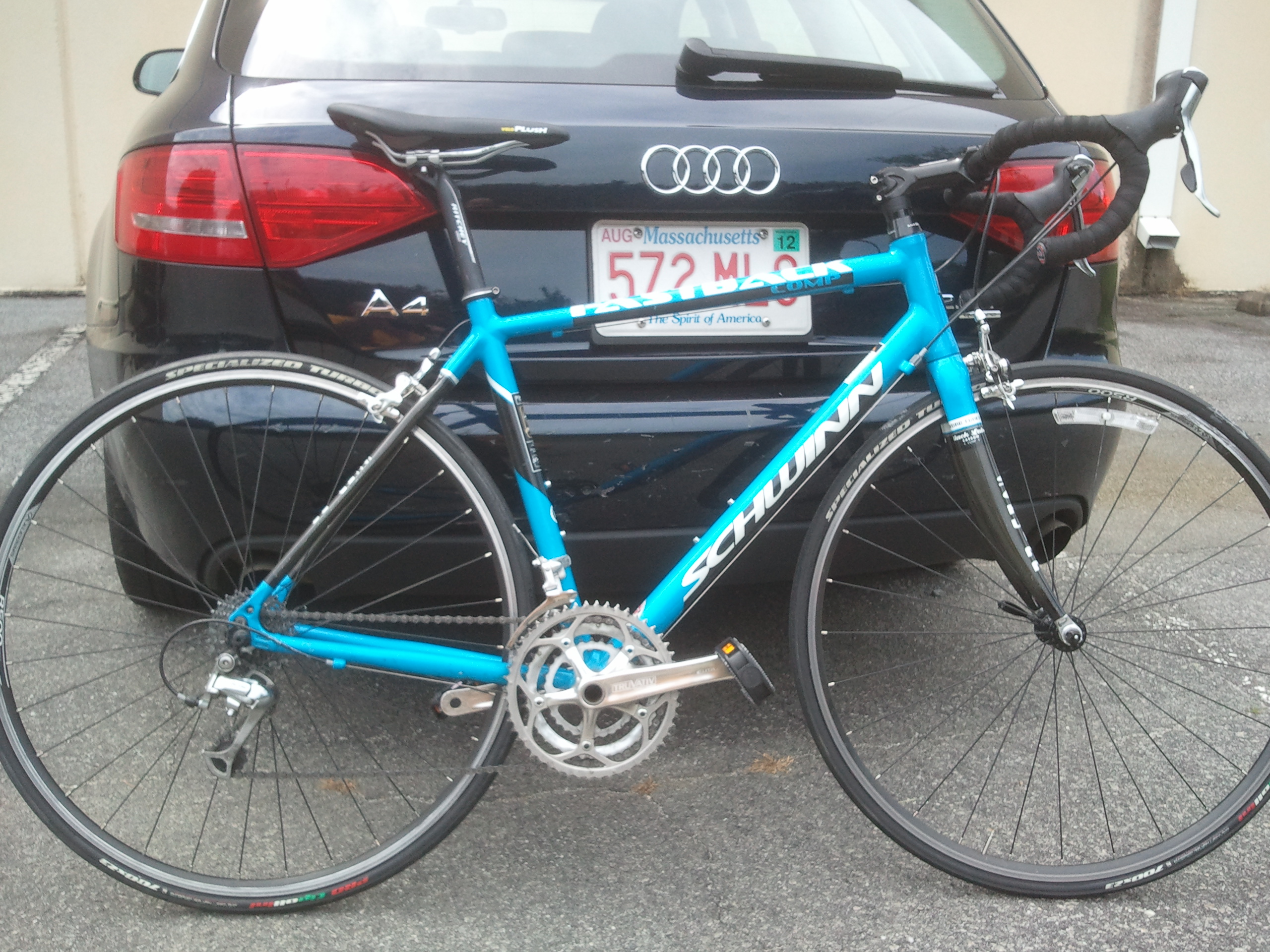
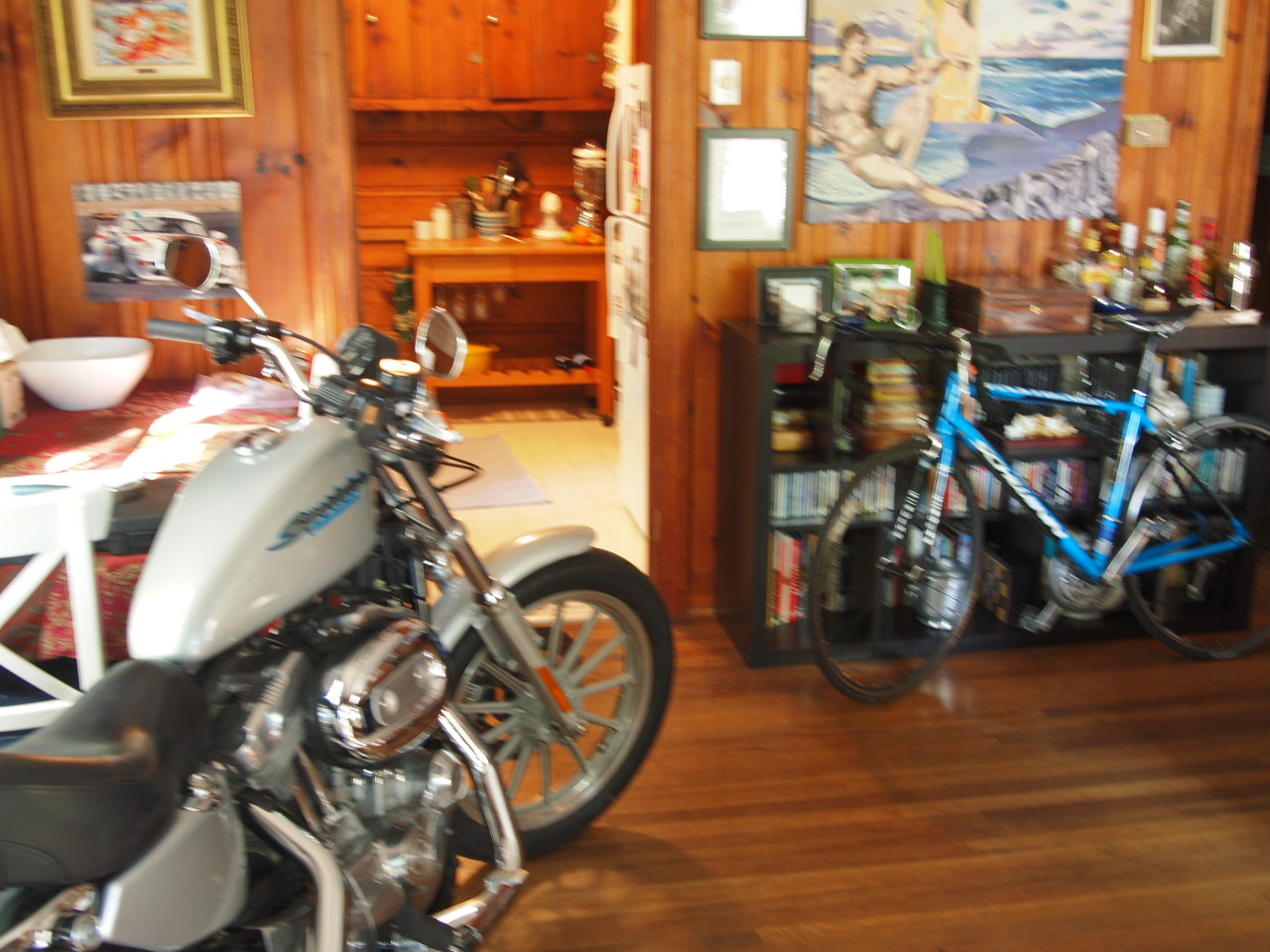
In fact, I still ride an Orbea mountain bike I bought in 1990 (it’s the one on the photo). Just get out there and ride.

Not only are bicycles fun to ride, but they are also very practical. I used to ride to work in Boston and Madrid, long, long before it became the hipster thing to do. I still ride to chores around the village in the Summer. Unfortunately, I have not gotten around to getting a bicycle in Florida. One of these days…

So, if you do not have a bicycle get one, there are great used ones on Craigslist or Wallapop, then get going!

PS: The Camino: For the record, I am against doing the Camino de Santiago on a bike. This might be difficult to understand, but on a bicycle, you are going too fast to focus on your journey, on the spirituality of what you are doing, you are mostly focusing on not cracking your head open and on staying on your bike. I see folks on amazing electric bicycles and what they are really doing is a great excursion on the path of the Camino, but they are not doing the Camino. I do respect folks on vintage bikes or on plain vanilla bikes, not the hi-tech stuff!!

Pros and cons of teaching in different sized schools

I am blessed to have a very varied teaching experience. I have taught in public and private high schools (and middle schools), I have taught in big and small (and tiny) universities, even in a lower school! Today let’s focus on universities.

Of course, big universities have all the prestige and apparent endless budgets. You are spoilt for choice: dozens of libraries to study in with every resource imaginable, Nobel prize winning professors, infinite dining options, excellent gyms and recreation facilities, et cetera, et cetera. Having said that, there is also a dark side: thousands of students make it much harder to make connections, much higher bureaucracy, and the politics make Washington DC look like a children’s playground.

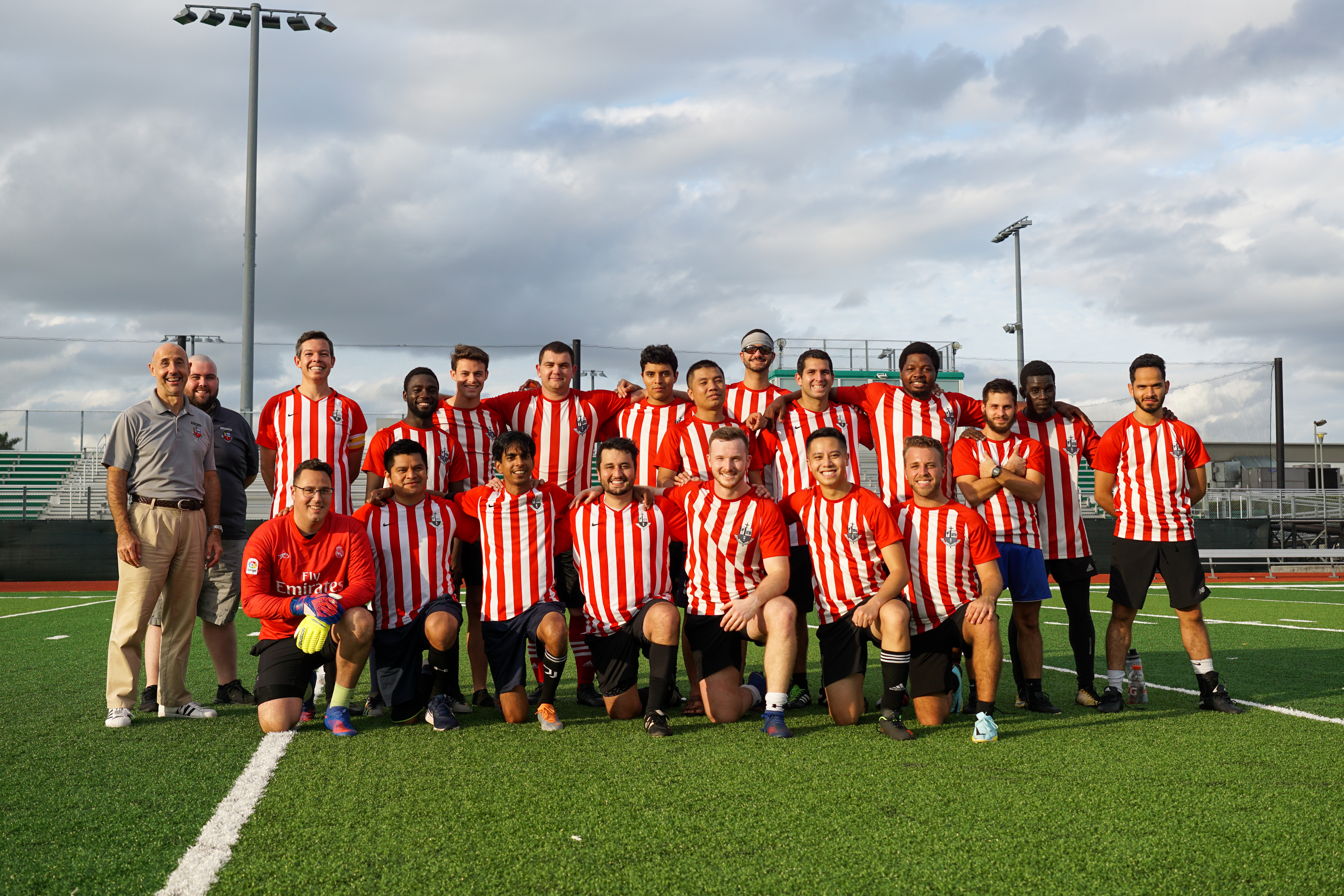
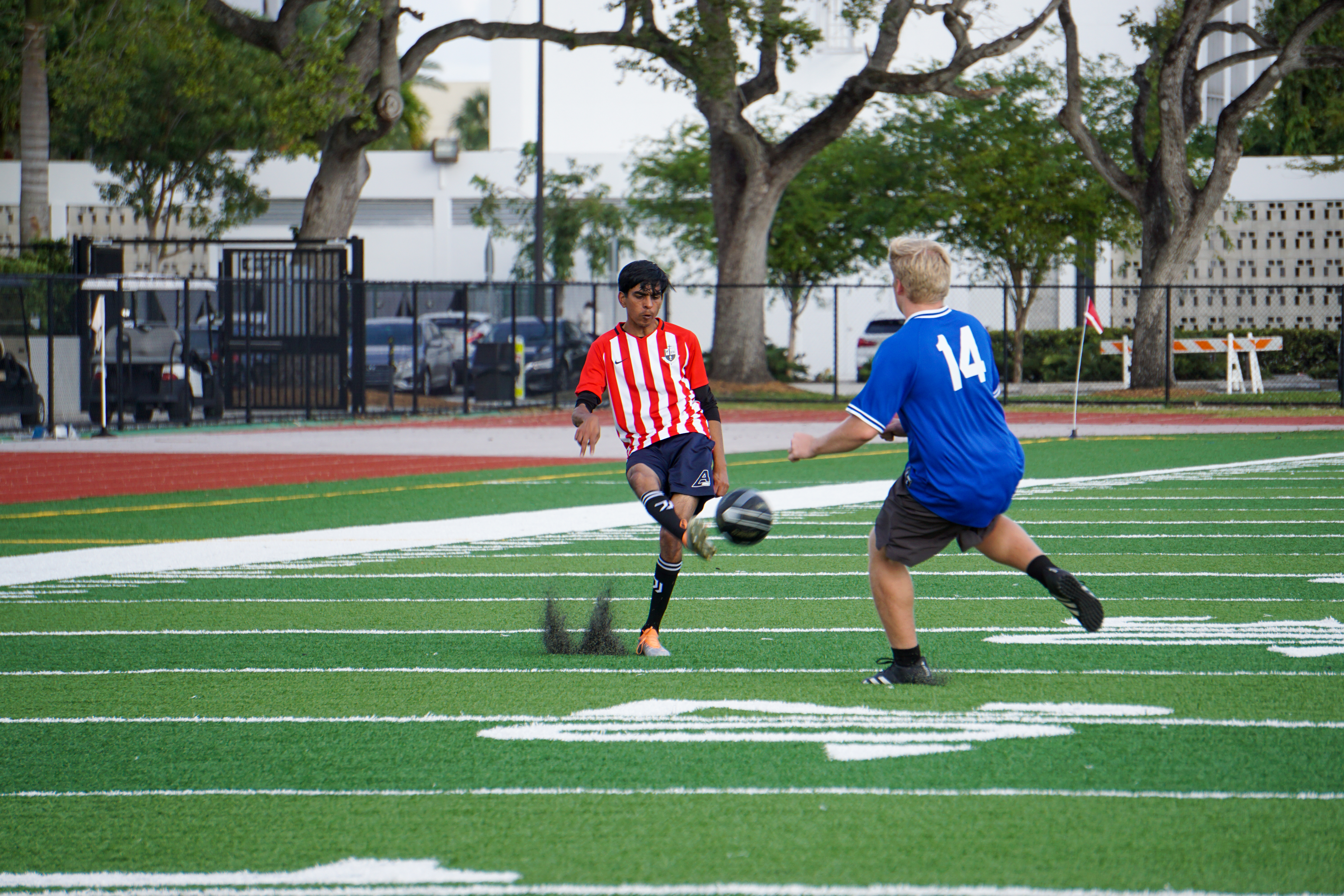
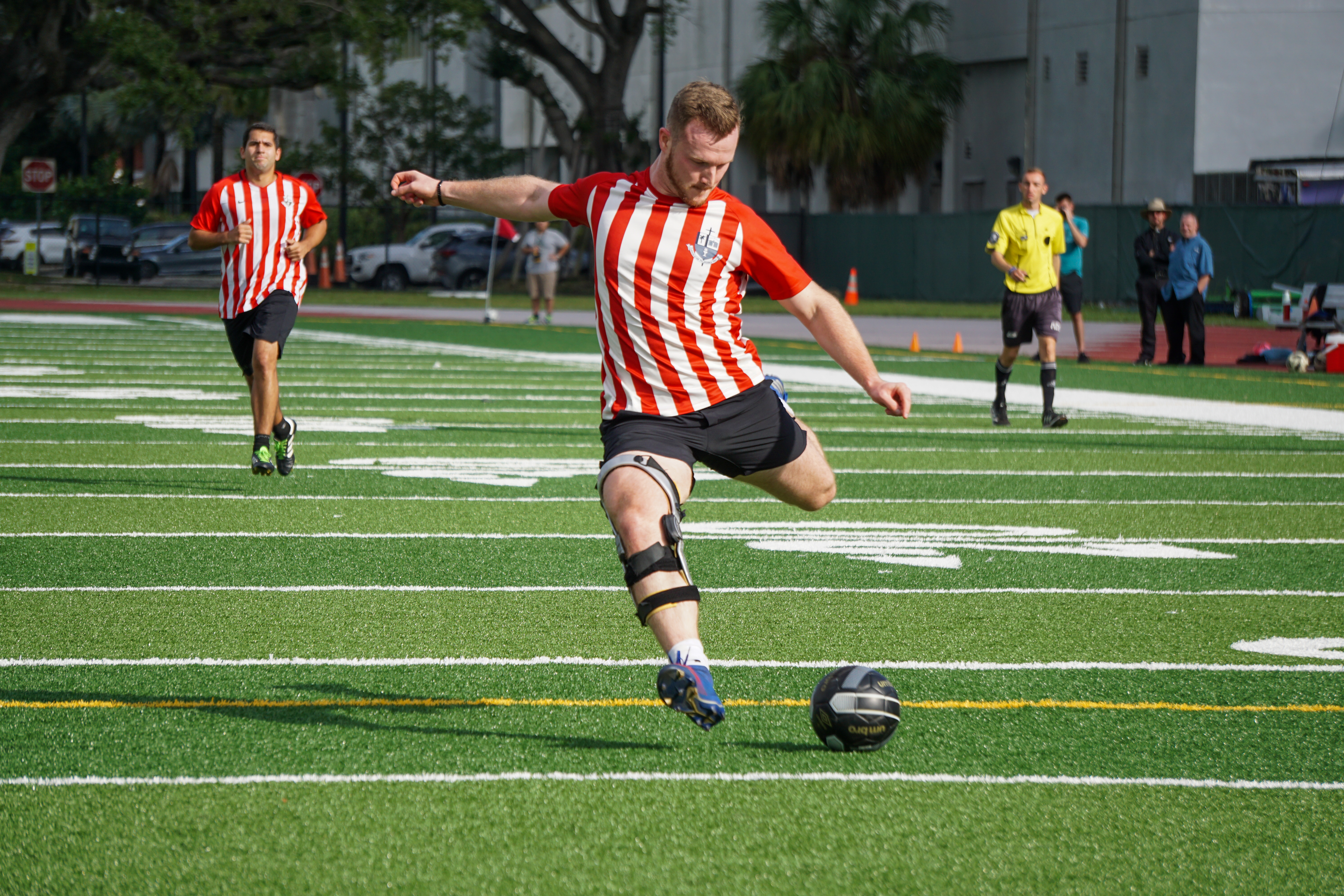
On the other hand, smaller schools although limited in budget and infrastructure offer a massive human plus. Things get done faster, smaller classes, more chances to connect with colleagues, staff, and students, and in my case, the opportunity to coach the soccer team! Something impossible in a big school.

St. Vincent de Paul has only around 120 students and 20 something teachers, so the community is much tighter, everybody knows everybody and this makes for more and mostly better relationships.

If you are deciding, at the end of the day, as usual, it is up to how much you are willing to invest in the people around you: your colleagues, your students, your staff. Then it does not matter so much where you teach, what is important is how willing you are to make connections!

Hispanic Heritage celebration at the Norton

The Norton Museum in West Palm Beach is such an oasis of culture for me that I have already written about it five times in this blog. Well, here is the sixth:

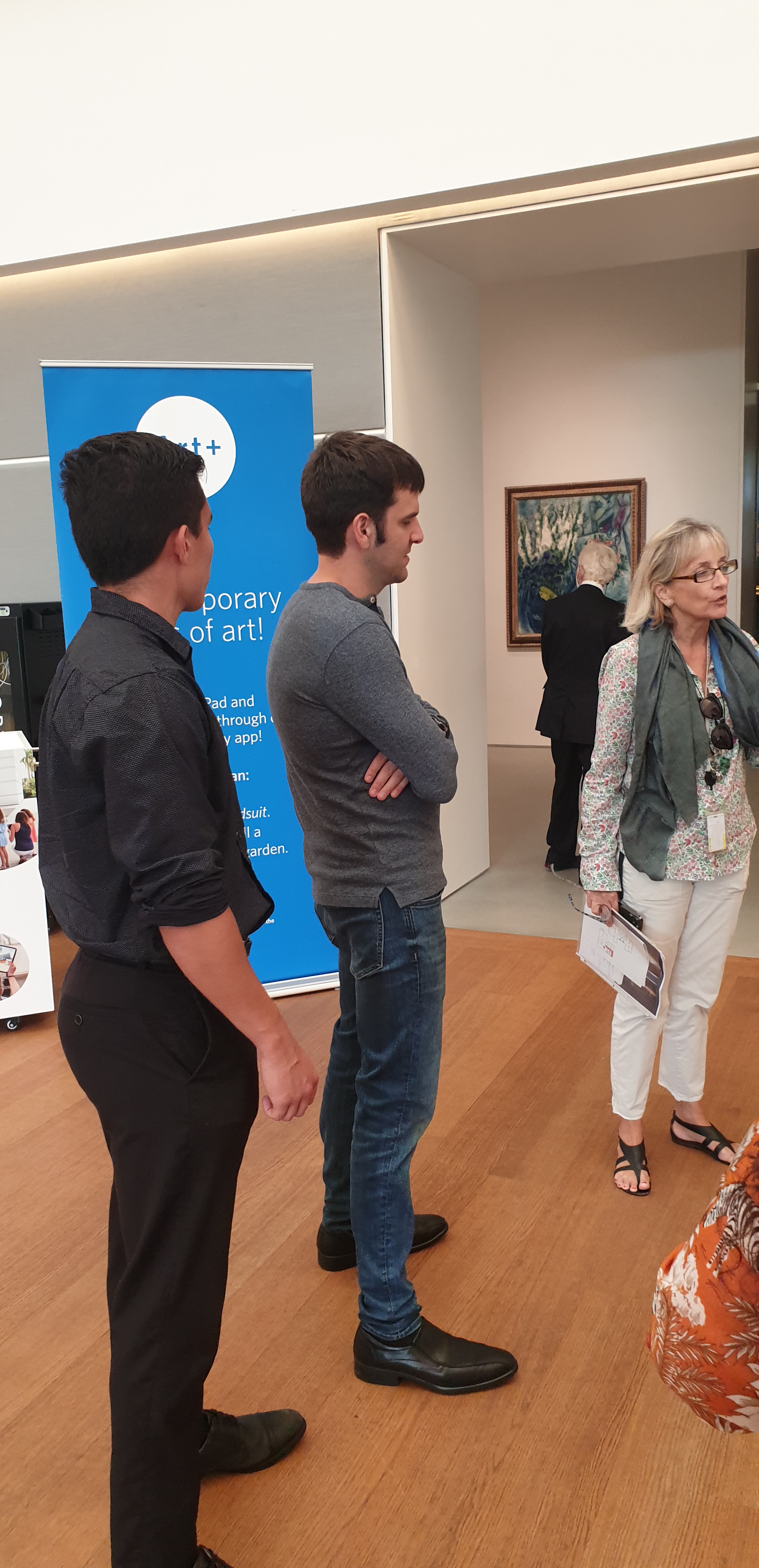
Understanding the importance of Hispanic Heritage and Hispanic Heritage month, the Norton organized an open house “Nuestra Cultura” day in celebration. I took advantage of the opportunity and took some students from my classes. We had a blast!

We skipped the piñata making table, the Latin dance lessons, and the food stalls. We checked out the mercado set up in the garden, and what we really dug our teeth into the actual museum. Although the collection is small, it contains top notch art. We walked around discussing different pieces and paintings.

We had a wonderful time, and I enjoyed (finally) being able to share the Norton with my students!

If life were a city…it would be Madrid

Madrid is home (neo-mudejar background)

This is not my sentence; it belongs to the Madrid Tourism Board (or whatever it is called). A dear friend, old college classmate, and travel consultant extraordinaire Jen Donati passed it along after she met with the aforementioned Madrid Tourism Board recently in NYC.

The video as you can see is a bit cheesy, it uses all the current topics and techniques that end up making it a totally unremarkable video: a cute font, quickly changing shots (we have so much to show you, so little time! and we want this to be a dynamic video), a multigenerational and inclusive cast (perfect), hip and trendy folks in hip and trendy restaurants, hotels, and streets, a catchy American song in the background, even some hints of humor, ha-ha!

So, despite the video having everything required to be the perfect promotional video, it does not pull at your heartstrings, it does not really want to make me pack my bags and jump on the first flight to Madrid. Why? What is it lacking? Passion. This was a clip obviously made by committee.

“Wait” you will ask, “who cares about a promo video for a city?” Well, I do. I do because it is my city, because I am a tour guide there when I am home (check out my website), because I am passionate about cities, especially Madrid.

By contrast here is a remarkably similar clip to promote the 2017 Festival Flamenco Madrid. The music and the dance accomplish everything the other clip could not. Even being a minute longer (which could be a handicap in our ADD, Tik Tok world), the clip grabs you and does not let go. The settings, streets, plazas, venues are the same, but he music and movement are the key here, even, I am willing to venture, with a fraction of the budget.

At the end of the day, what have you got? Well, in my case an urge to go walk around my city that I miss so much.

On the importance of building community

Surprisingly, although I have repeatedly written about community in my blog, I have never dedicated a full post to it. Well, here you are:

It used to be that when you were born you had automatic community for life. Even if you lived in a big city, your neighborhood was your community, you would go to the same grocers, church, cafés, etc. Now, especially in the increasingly hyper-capitalist suburban individualist world, the concept of community has pretty much vanished.

Maybe because of the importance of community and the lack thereof, the US is obsessed with the concept of community. Sadly, for all the talk, community is another word they cannot spell.

With the different buttresses that community offered mostly gone, the only one that continues (mostly) standing is work. So, work has become -in many cases- our only community touchstone. Gone are the neighbors, the churches, the meeting points. We just drive from our isolated house to work and back. Of course, many folks have strong communities built around church and clubs and different associations, but even these are discrete and rarely connected, which means that you have your church friends, your work friends, your café friends -if you are lucky- and so on, but not the network, the rich tapestry that used to define community.

I have been keenly aware of this problem since I moved back to suburban US in 2005. It would eventually become one of the factors that led me to depression. Since then, I try to build strong communities wherever I go. My efforts other than work, fall on volunteering, church, and of course Film Club! Yes, I chat to some people at the gym, at yoga class, and at my café, but those venues have not surprisingly given any tangible results.

Like pretty much everything else in life, you have to actively work at building your community, it is not going to magically fall on your lap one day, a wonderful support network where you can express yourself and get any sort of help from moving a sofa to a comforting chat. Nope, you have to work for it. But more importantly than working to form your own little support group, your real community will flourish when you build community for others.

Notice that I did not mention family, which is of course the cornerstone of community. But when you move away from home, that most important foundation is only available on the phone or during visits -if you are lucky enough to visit.

The result of the erosion of community systems is that folks are increasingly lonely, alienated, and sadly, eventually depressed. So go work genuinely and honestly on your community, the results will be worth it!

Should you walk the Camino?

Many of the people I have met since I did my first Camino in 2017 tell me how much they want to do it. Most folks will never get around to walking it. Well, I am here to guide you.

What is your motivation to walk the Camino? In my case, I had dreamt about it for years, but it took my father’s passing for me to finally commit. Maybe you have heard from a few pilgrims that it was a cool experience? Or maybe you have a higher motivation. Although it is bad Camino etiquette to ask pilgrims why they are walking (it is none of your business, you can read more pointers here), most folks do it in between jobs, after college, to “find themselves.”

You 100% should walk the Camino. For clarity, for healing, for your mental, spiritual, and physical health, to get to know the country in a way not even Spaniards know, for culture: history, architecture, art, food, etc., to disconnect from civilization (you are not walking the Appalachian trail), but just walking for hours on end each day means that you are not looking at a screen for those hours, and yes, for fun.

Your first task is committing, maybe therein lies the issue.

Your next step is to figure out how much time you have. For the full enchilada, you are going to need thirty something days. Or you can do a shorter Camino like the Primitivo which will take you around 12 days. Any less and you are really cheating yourself out of the transformative experience that is the Camino. Sure, you only need to walk 100 km (62 miles) -less than a week- to get your Camino certificate, your Compostela, but if you are walking the Camino to hang a certificate on your wall, you might as well just go to Disney World.

Once you know how much time you have, take a look at all the different Caminos, you can start in Paris, Geneva, Madrid, Lisbon, Bordeaux, you name it. The Camino starts at your doorstep.

Money. The Camino in Spain is relatively inexpensive. You can get away at 30 Euros a day. You will need more if you want to stay in hotels instead of Albergues, and much more if you are going to walk in France or anywhere else in Europe. On the other hand you will need much less if you camp and/or if you make all your own meals.

Then you make your travel plans: planes, trains, buses, whatever.

And your equipment, there are a million YouTube videos on this, even I have written about it here.

That’s it, you are on your way, Buen Camino!

Paddle boarding, a wonderful experience

One of my colleagues is a keen surfer, who nowadays also paddle boards and paddle surfs. The last couple of weeks he has taken me out paddle boarding with him.

What a wonderful experience it is! You get to spend time on the water, working out, and in communion with nature, in a meditation. Already I have seen a spotted ray, a turtle -which was really zooming along! and a manatee (and some pink jellyfish).

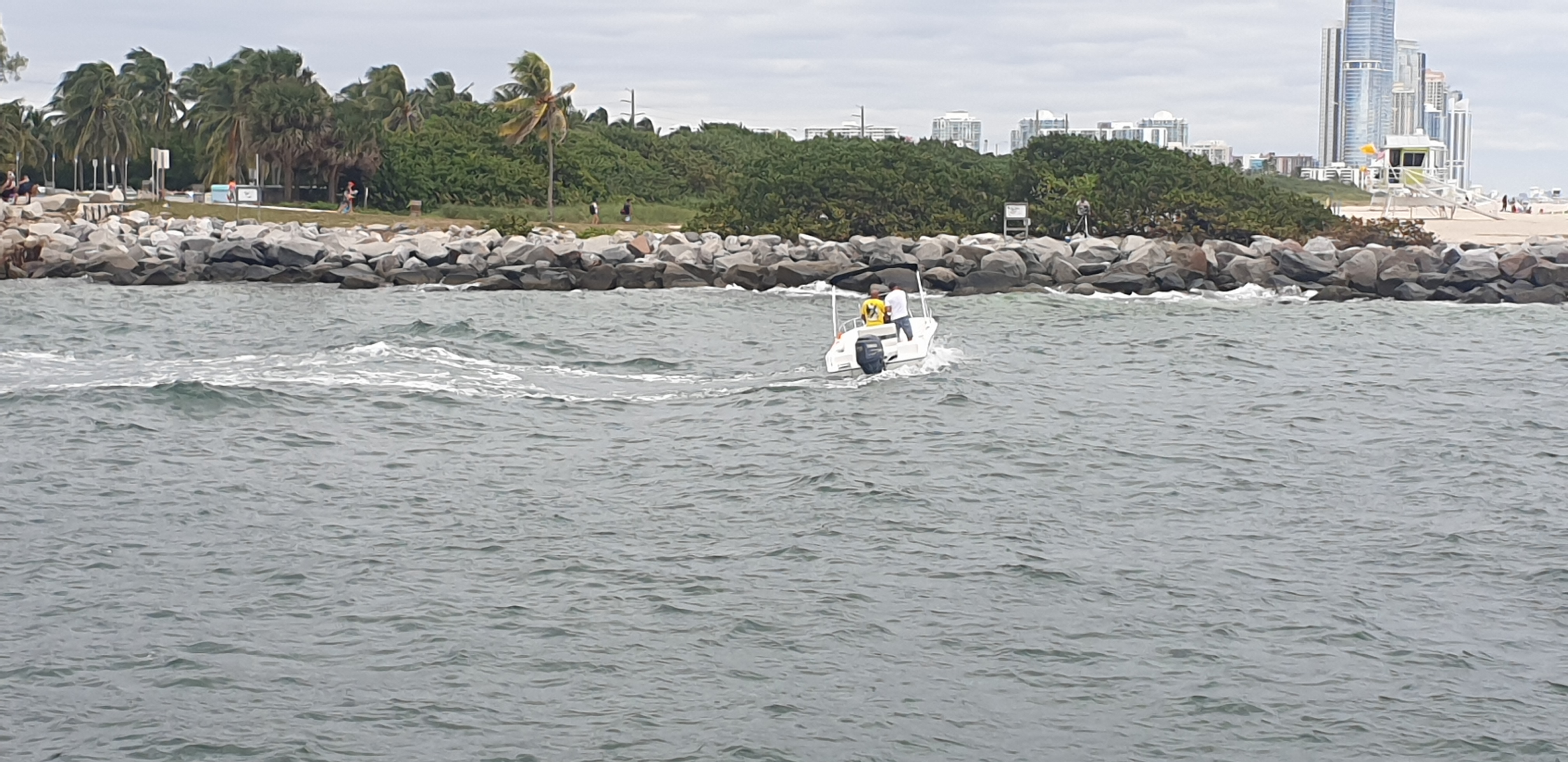
We paddle out of the Ocean Inlet Park and paddle around the Intracoastal, checking out mangroves, and gorgeous waterfront homes! I am hoping that he asks me out again and maybe we get to go out to the open sea, I might have to earn my sea legs first.

If you get a chance to paddle board, do not hesitate, like the old commercial said: “just do it”.

Picasso in Warmer Climes: Works on Canvas, Clay, and Paper

For many of us growing up in the eighties, Picasso’s art is something we just grew up with (the Impressionists, especially Monet, are also right up there, but this is a post about Picasso). By the time I saw my first real Picasso painting, I had seen so many prints, posters, photos, etc. that I do not think I was that impressed.

The first Picasso painting that I remember seeing was no less than the Guernica, at the NY MOMA, (before it was returned to Spain) in the late seventies. I was more impressed with the size than the horrors of war that it portrays -also, I was, like, twelve.

Along the way, I became a fan of Picasso, studying his art, his career, his life. The whole thing is fascinating! My first full time teaching job, back in 2005 I organized a trip from Boston to NY to see the Picassos -back at the Museum of Modern Art! I relish any and every chance I get to explore his work.

Fast forward to last week when I made it to the last day of a tiny Picasso exhibit at the Norton Museum in West Palm Beach. It was worth it even if it only had a handful of works, equally divided between paintings and ceramics.

The exhibit was titled Picasso in Warmer Climes: Works on Canvas, Clay, and Paper, and it focused on Picasso’s last few decades, when he was prolifically generating art.

Every single piece of art Picasso created is brilliant and genius, but I have a soft spot for his interpretations of Don Quixote. Here was a tiny ceramic jug with a simple image of the Knight. Picasso and Don Quixote were implacable individualists creating their own destinies.

With such a massive oeuvre, there are Picasso exhibits everywhere constantly, so keep your eyes open for an exhibit near you soon!

What shoes to wear on the Camino – Part II

This is a follow up on my surprisingly popular What shoes to wear on the Camino post (which you can read here).

This Summer I walked my third full Camino, the Primitivo (you can read about that here) and it was awesome! It is a relatively short Camino of 320 km (200 mi.) which I managed in 11 days. Part of what made it great was my shoes…

This year I switched from Salomon to the Nike Pegasus Trail 3, and they were fantastic: great support, cushioning, grip, comfort, weight (or lack thereof). Overall a 10. I did get one blister, but it was not the shoe’s fault, it was the wearer’s fault for doubling up a stage and walking 40 plus km (25 miles) with the last 20 km (12 mi) on tarmac on a warm day; I deserved it.

Let me reiterate that if you are walking the Camino in the Summer, you normally do not need boots, unless they are really lightweight, and you need the ankle support. Trail running or hiking shoes are the best option, much lighter, more breathable, etc.

Of course, every foot is different, but I wholeheartedly recommend this shoe!

Have you done the Camino with Nike Pegasus Trail 3? What was your experience like? If not, what shoes do you recommend? Let us know in the comments!

Buen Camino!!

Lunch at the monastery

During my last week of break, I was warmly invited to lunch at El Paular monastery by the Father Prior. What a treat!

Summer Thursdays the monks organize a paella lunch at the orchard and invite friends of the monastery. So, my friend Jaime and I drove over the Guadarrama mountains to the Lozoya Valley where the Monastery sits on an idyllic location, cradled by streams. We stopped for a coffee at the village of Rascafria before heading over to the old monastery.

We had a chance to walk around and even visit the gift shop. Then we went to one of the chapels for Sext prayers. After my few retreats and visits, I remembered knew how the Diurnal prayer book worked, something that always baffled me before. Then we headed over to the massive -now sadly abandoned- orchard. The barn has a massive porch that houses the long table where we all sit.

After the bell is rung three times, and the table is blessed, lunch includes some chips while lunch is brought out, a salad, the famous paella, melon and watermelon, sweets, coffee and after lunch liqueurs, including their own home made digestif. We sat next to John, one of the retreatants who happens to be the manager for Spain of the World Community for Christian Meditation, what a character, obviously we had a deep conversation.

After a walk around the orchard and the monastery, we sadly headed back over the mountains to Madrid, glowing with the inner peace that the monks imbue.