The Quixotic in David Lynch’s The Straight Story

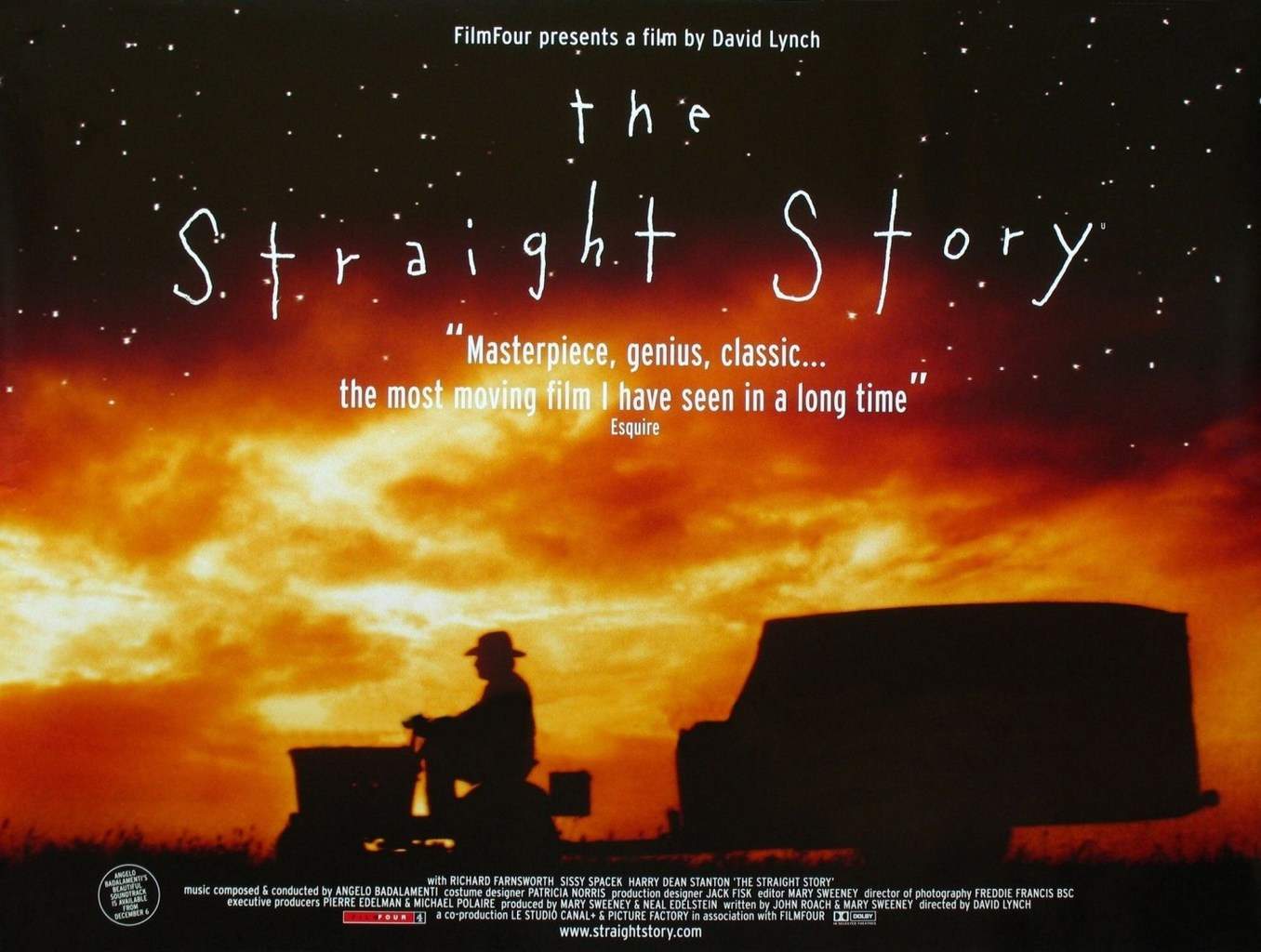
The Straight Story poster

When people think of David Lynch, they think of surreal, dream sequences and noir-style classics like Blue Velvet or Mulholland Drive. Because it is in essence a documentary, The Straight Story is the exception to the rule. It is based on the real story of a fellow, Alvin Straight—thus the name—who travels to visit his brother 300 miles away on a riding lawnmower!!

Due to Lynch’s recent passing, we just celebrated a David Lynch month in Film Club, and it was fantastic, a little homage, our tribute. We saw Elephant Man, Blue Velvet, The Straight Story, and Mulholland Drive.

One of the many things I learned during this month’s research is how much of a jokester Lynch was—what a character! But did he know how much of a Quixotic journey his film represents?

The few outward, visible clues that Straight Story is a Midwestern, late 20th-century Quixote story are that Straight is an older, skinny, rough-bearded fellow with an existential need to embark on this trip. Like Don Quixote, he has a false start to his adventure, returning home before starting his quest. He has a cohort of naysayers -hanging out at the local hardware store, the hardheadedness, a boring home life; although he has a loving daughter in Sissy Spacek, a phenomenal, but underrated actress.

The Straight Story poster

Along the way, he has many adventures: he encounters a group of cyclists, reminiscent of Quijote’s encounter with the herd of sheep, the lady who keeps running over deer, a few close encounters with 18-wheelers, giants? Etc.

But at the end of the day, this is a story of a man seeking his redemption, it is a physical representation of an inner journey, it is an existential, transcendental quest. It is important to know that while most road films represent an escape, in this case, like in Quijote, the journey is a necessary trip of personal realization.

The film is beautifully shot with great photography of the vast Midwest, not unlike the plains and hills of La Mancha. Straight camps out most nights, and like Quijote depends on the charity of strangers to progress on his trip.

One could argue that most road trip films are in some way Quixotic, but I argue that Lynch’s Straight Story is particularly so.

Rene Magritte at the Baker Museum in Naples

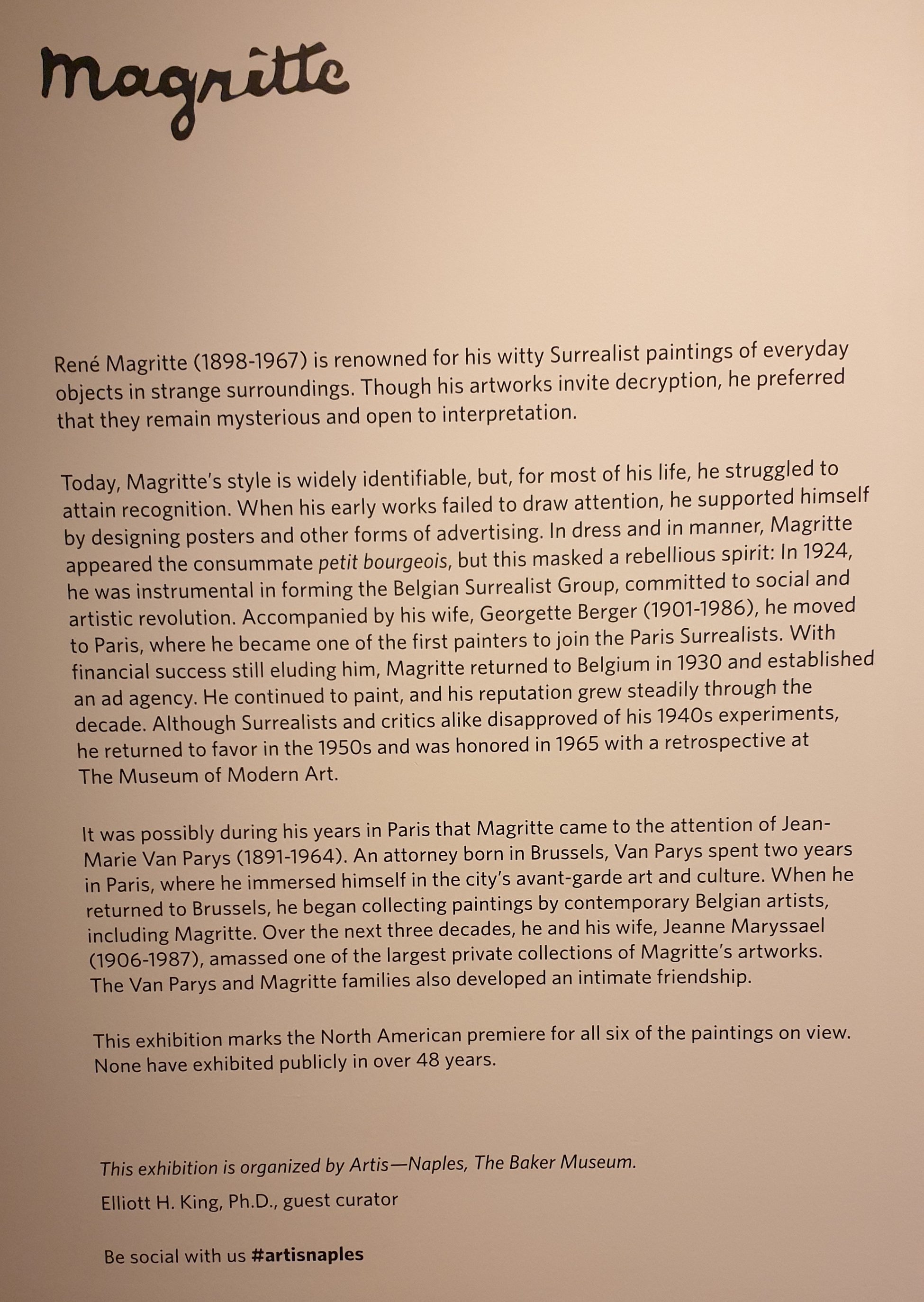
René Magritte might not be a household name, even though you might have his iconic Ceci n’est pas une pipe print hanging in your room or have seen his images many times.

Magritte (1898-1967) was a Belgian surrealist painter known for his amusing but ingenious surrealism, the body of a man in a suit with an apple for a head, the pipe painting, and so on.

On a recent trip to Naples (the Florida one), I had a bit of time in between meeting friends, so I snuck into the Baker Museum (which I write about here).

The Magritte exhibition was admittedly small, with just half a dozen paintings sandwiched inside a much bigger exhibition about the Everglades and its environment. But it was still worthwhile and beautiful to sit down for a while and contemplate these paintings that make you think about the metaphysical.

Magritte: Reflections of Another World comprises six paintings — five oils and one gouache — by Belgian artist René Magritte (1898-1967). Renowned for his witty Surrealist paintings of everyday objects in strange surroundings, Magritte preferred that his artworks remain mysterious and open to interpretation. These works are from the collection of Jean Van Parys, a collector of avant-garde art and a close friend of Magritte, and they are on a five-year loan to Artis—Naples, The Baker Museum from Van Parys’ daughter. The paintings have never previously been shown in North America, and none have exhibited publicly in over 48 years. Baker Museum

Tokio Ramen, my obsession with noodles

One of the recurring topics of this blog is food. I have written about paella, American breakfasts, sushi, pizza, and now noodles. Noodles in all their great Asian versions have been a relatively recent discovery for me, but I love them.

This is a bit embarrassing, but it might have been my old friend Theo who took me to Wagamama’s in London in the 90s, not the most authentic experience, but enough to get me hooked!

The beauty of noodles is that a bowl of noodles is a full meal in one serving. You have soup, noodles, some proteins, some veggies, and a perfect meal.

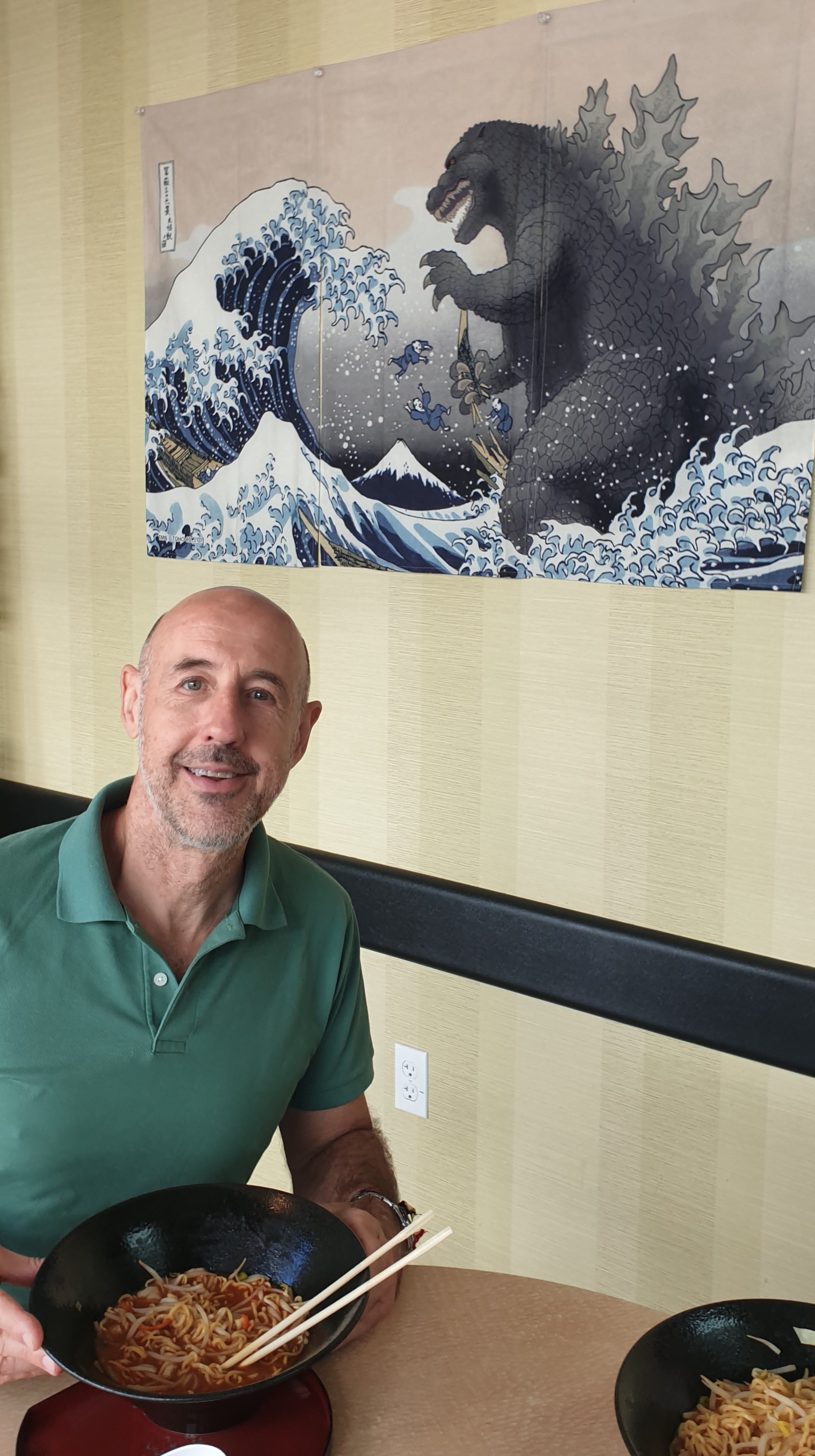
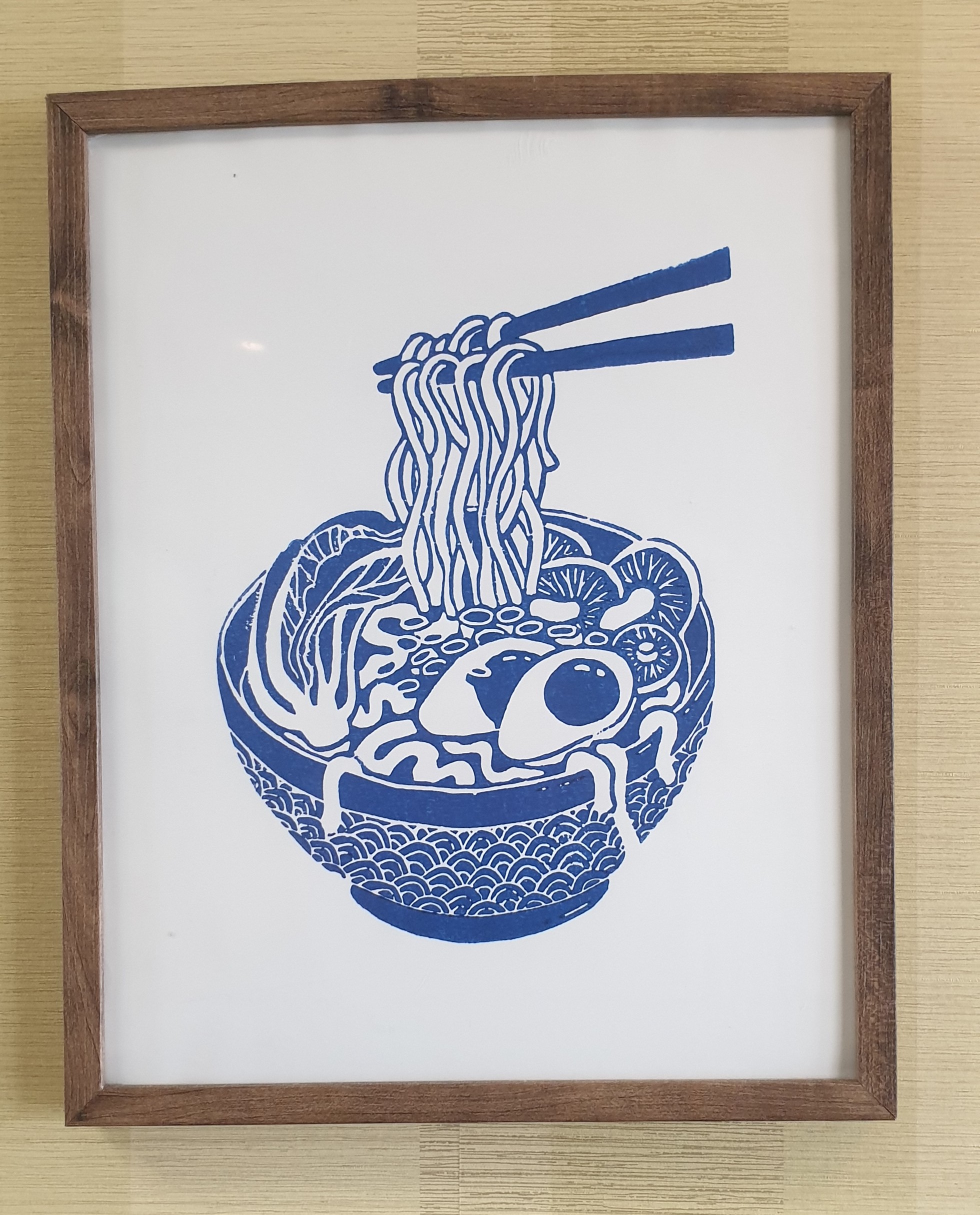
Boynton Beach has a few great noodle venues, with Tokio Ramen being right down the street from me, so I go with some regularity. It is run by an older, cute Japanese couple who also sell some Japanese candy and sodas. But the star is noodles. They come in different broths, with different proteins, eggs, pork, etc., paired with a Japanese beer, you have the perfect meal. The place is simple, nothing fancy, but it does not need bells and whistles, it has phenomenal ramen, which is really all you need! It is reasonably priced and did I mention they have Japanese beer?

If, like me, you are a noodle aficionado, you must see the great Japanese film Tampopo about a ramen joint in Tokyo!

What is your favorite type of noodles? And your favorite noodle restaurant?

Teaching beyond the classroom; a night at the opera.

If you are a teacher, you are not only teaching your subject matter: you are teaching your behavior, your attitude, your presentation. More importantly, you are teaching your whole field. So, if you are teaching a science, then you are teaching the whole scientific method. In my case, I am not only teaching language, but I am also teaching culture, diversity, and the humanities.

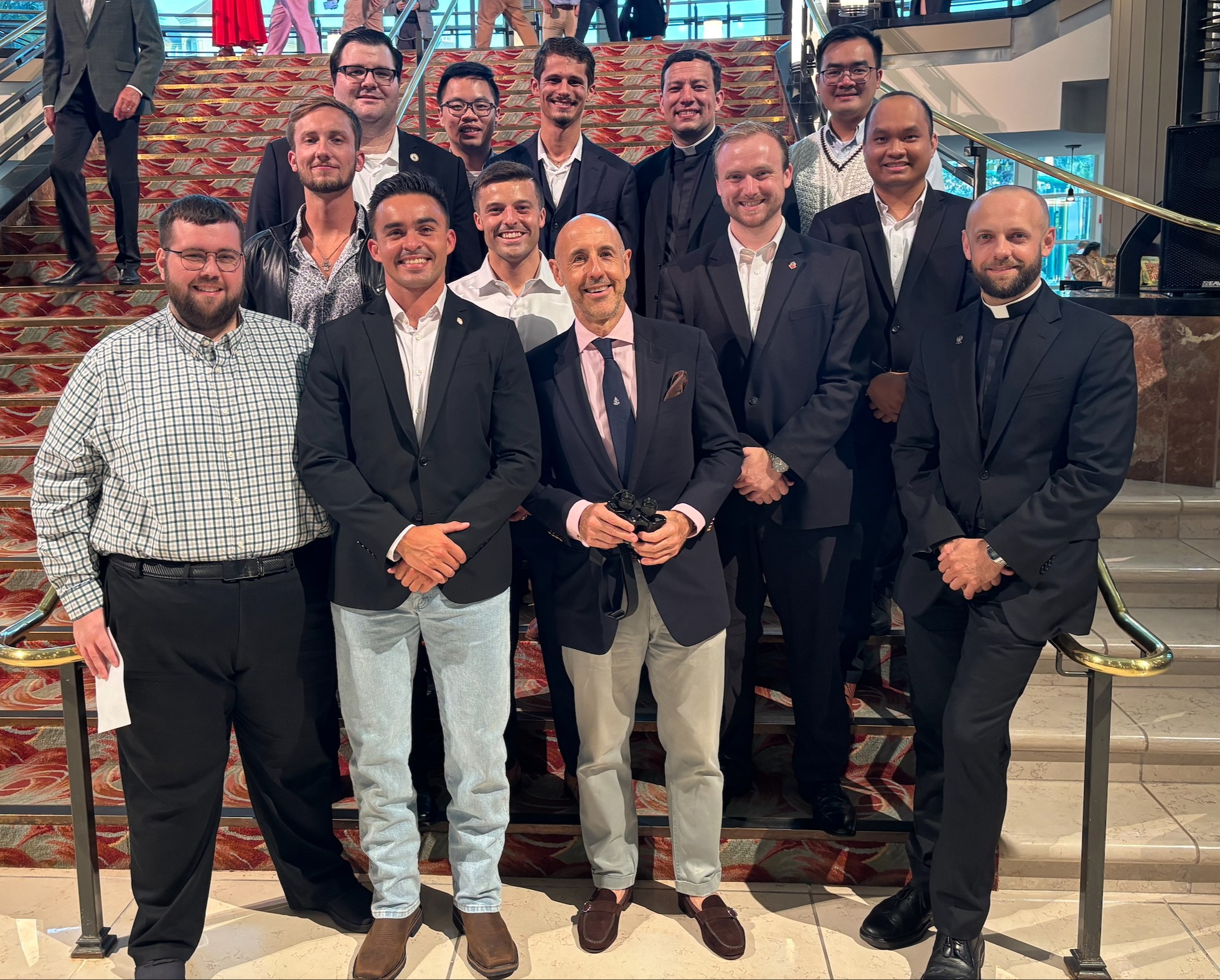
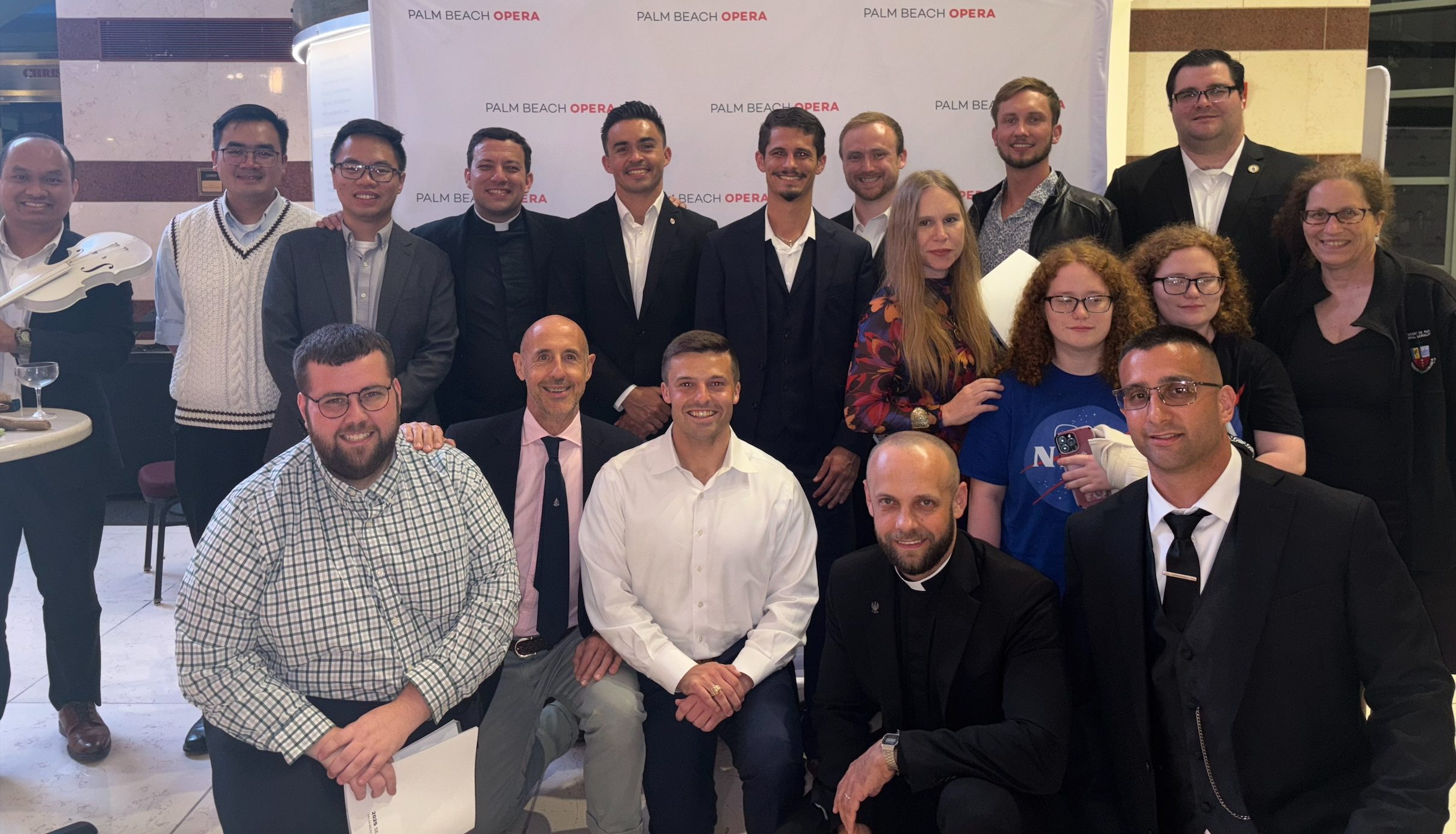
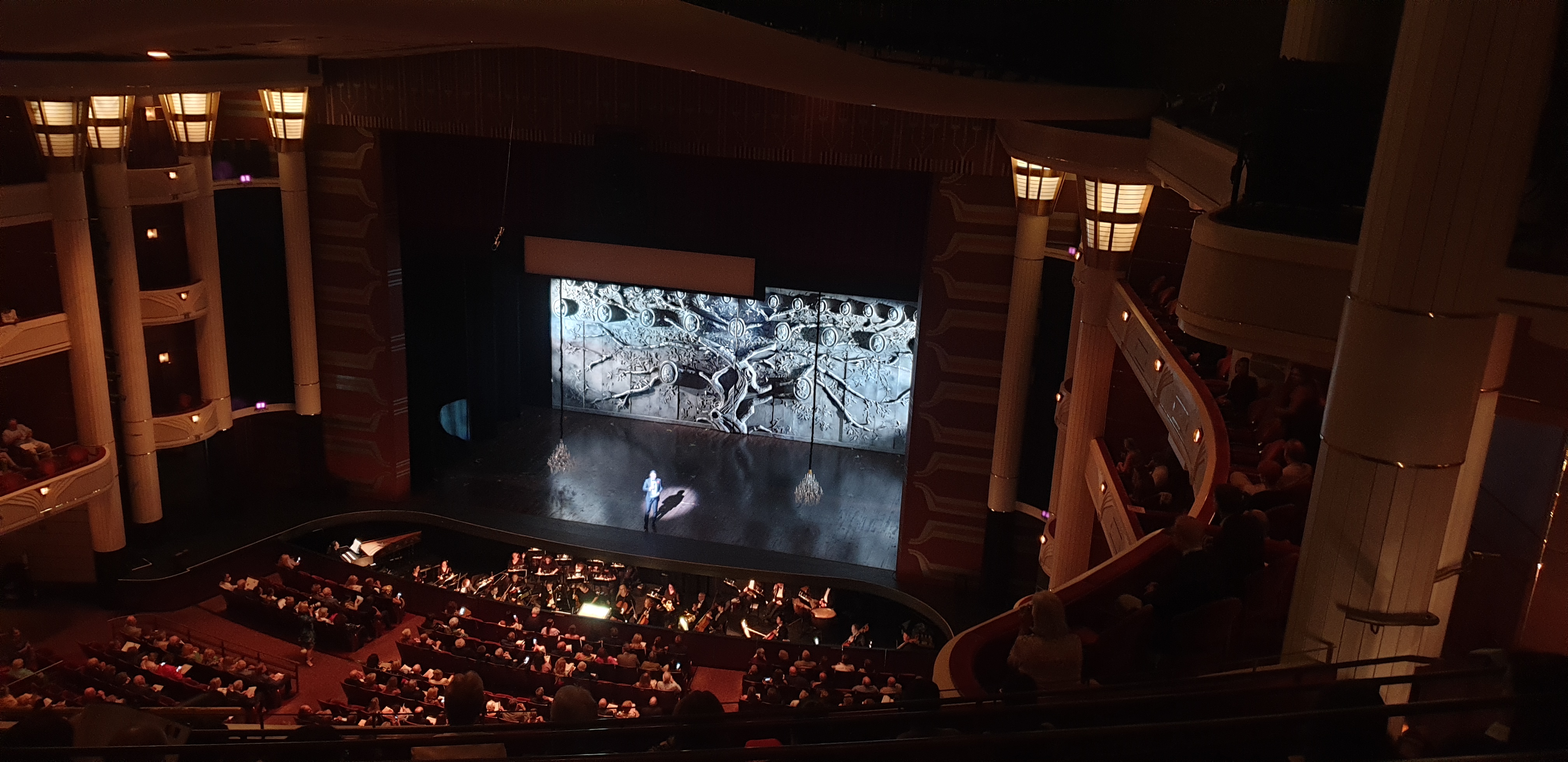
With this excuse, the Philosophy faculty and I recently arranged a field trip to the Palm Beach Opera’s Marriage of Figaro. It was fantastic. For most of the students (if not all), this was their first time at the opera, and they were pleasantly surprised. The key takeaway is that the students appreciate a new art form for them, understanding the beauty of art. Especially an art where the artist is the instrument, so no two can ever be the same!

Unlike, say, The Magic Flute, Mozart does not have any blockbuster songs in this opera, but the whole thing is very melodious and easy to enjoy. The story is funny but moralistic -this is the Enlightenment after all! So the students were never bored; they were able to enjoy the story and the music. Coincidentally, we had just studied the Enlightenment in class, reading Benito Jeronimo Feijoo, so to see the students making connections is extremely rewarding. Mission accomplished.

If you have a chance to have your students make connections outside the classroom, across different fields, let them rip! You are welcome.

Here are two of my favorites, Cecilia Bartoli and Renée Fleming, doing one of the more famous duets:

About academic conferences, the Southeast Coastal Conference on Languages and Literatures.

Academic conferences were designed to share knowledge, to understand where your field stands, and where it is heading. But equally important is the opportunity they afford to meet new people in your field and to catch up with old colleagues.

This was the case at the recent Southeast Coastal Conference on Languages and Literatures hosted by Georgia Southern in Savannah, Georgia.

It all started when Grant, my mentor at UNC, who now teaches at Georgia Southern with his wonderful Sevillana wife Encarni, invited me to present at their conference. I was honored; I had never been invited to attend a conference! I had always just submitted a paper to a conference I wanted to participate in. Fortunately, I was already working on an article (you will have to wait for a post on that), so I agreed to go.

Savannah is a great place; you can read about it here.

The fact that this conference combines languages and literature means that you can learn about different aspects of language pedagogy. The Keynote speaker, Mary Risner from the University of Florida, spoke about the resources available online and innovative pedagogies and partnerships. Other great panels spoke about the study abroad experience and how to maximize it and “replicate” it in class, and so on.

My panel was wonderful. Bobby Nixon from Columbus State spoke about Spanish 70s horror films based on Becquer’s poetry, Adrianne Woods presented about the theatre of Buero Vallejo, and I presented about my main man, Isla, and the expulsion of the Jesuits from Spain.

But, as I mentioned earlier, the best part of conferences is reconnecting with old friends and colleagues. The evening’s reception was held at a great venue, a food truck plaza called Starland Yard. It was great to see dear friends from UNC and to meet new folks.

So, if you get a chance, write a paper and present it at a conference!! You are welcome.

Luis Correa-Díaz Up from Georgia-lcd

How do you deal with the metaphysical? That which is beyond your grasp? Your conception? Well, if you are Luis Correa-Díaz, you write poetry. If, like me, you do not have that kind of talent, you read his poetry.

Up from Georgia is a collection of 64 sestets which look innocent enough, until you read them; then get ready to have them move you.

Some poems are whimsical, even funny on the surface, like the opener, referring to the Georgia font, but with a twist at the end referencing a possible epitaph, like the surprise ending of a haiku.

What follows -and this is the trick- are poems about death and farewells, but lit with self-referential jesting, with the light from his favorite coffee shop in Athens (the Georgia one), AI, QRs, REM (also from Athens, the Georgia one), NASA, bagels, Chick-fil-A, or proto-cyborgs. But do not be fooled, those waters are deeper than they seem: they talk of Ercilla, and Thomas Merton, of Gregorio Marañón, and of course, Neruda.

It is in this dance between the mundane and the transcendental that Correa-Díaz flourishes, that he lets us into his world, into his moods, one line at a time.

This is the brilliance of Correa-Díaz, a 21st-century poet, crafting the juxtaposition of beautiful poetry, full of meaning and sentiment in a breakfast joint in Athens (the Georgia one).

Sphinx Virtuosi and the freshness of American classical music

The fact that America is a relatively recent addition to the Western artistic canon is a good thing; it brings a certain freshness and hopefulness that is wonderful.

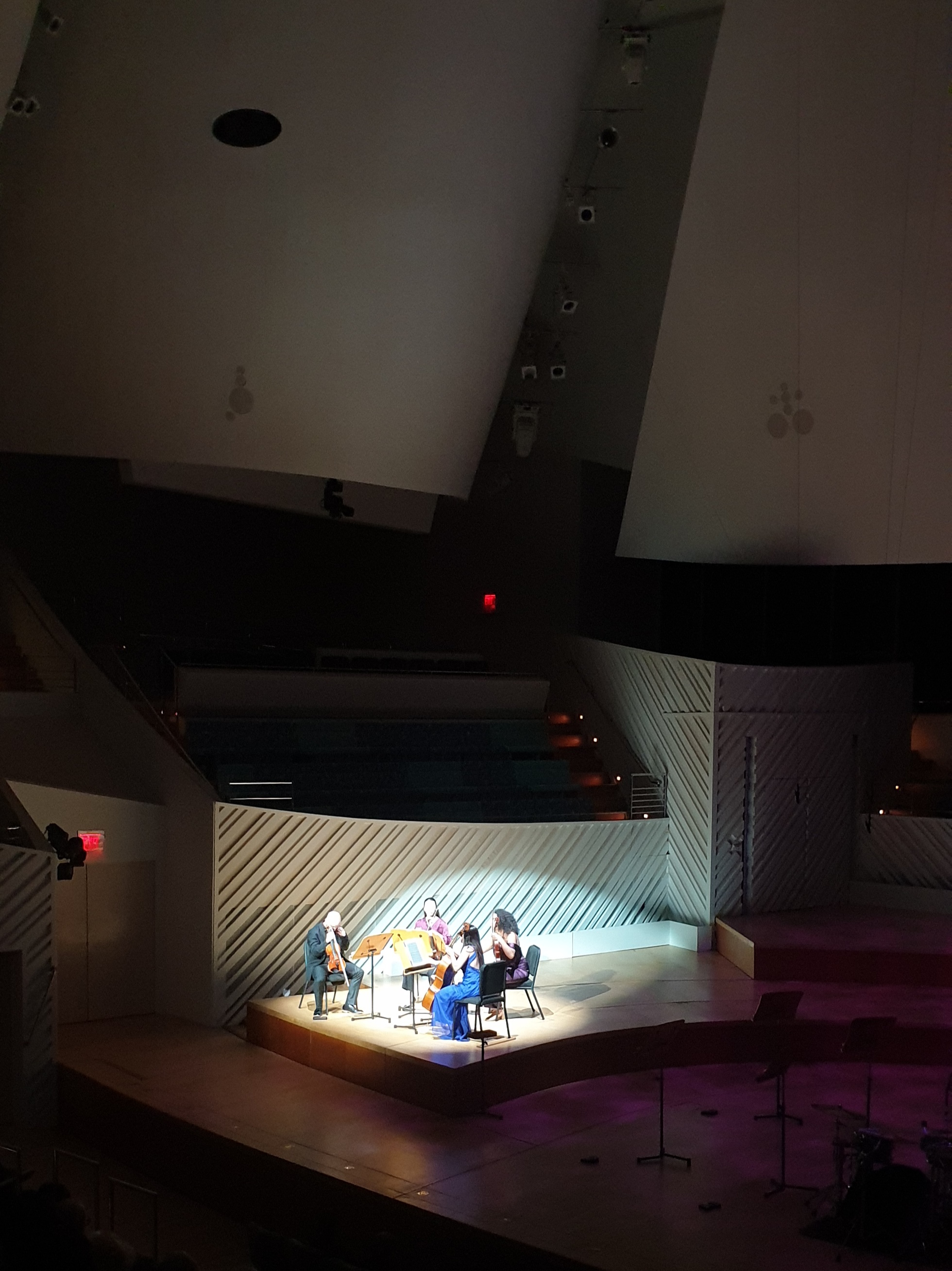
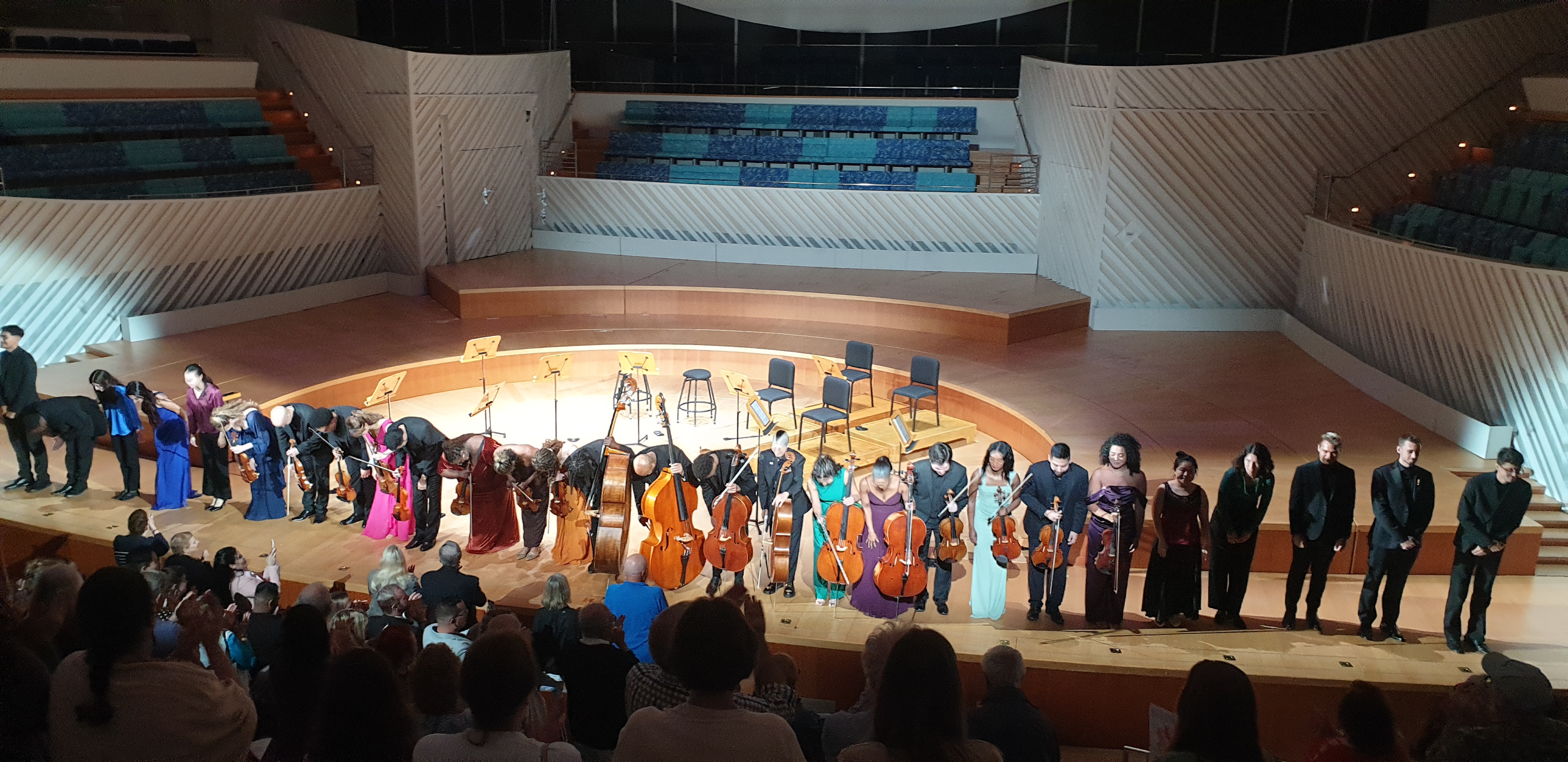
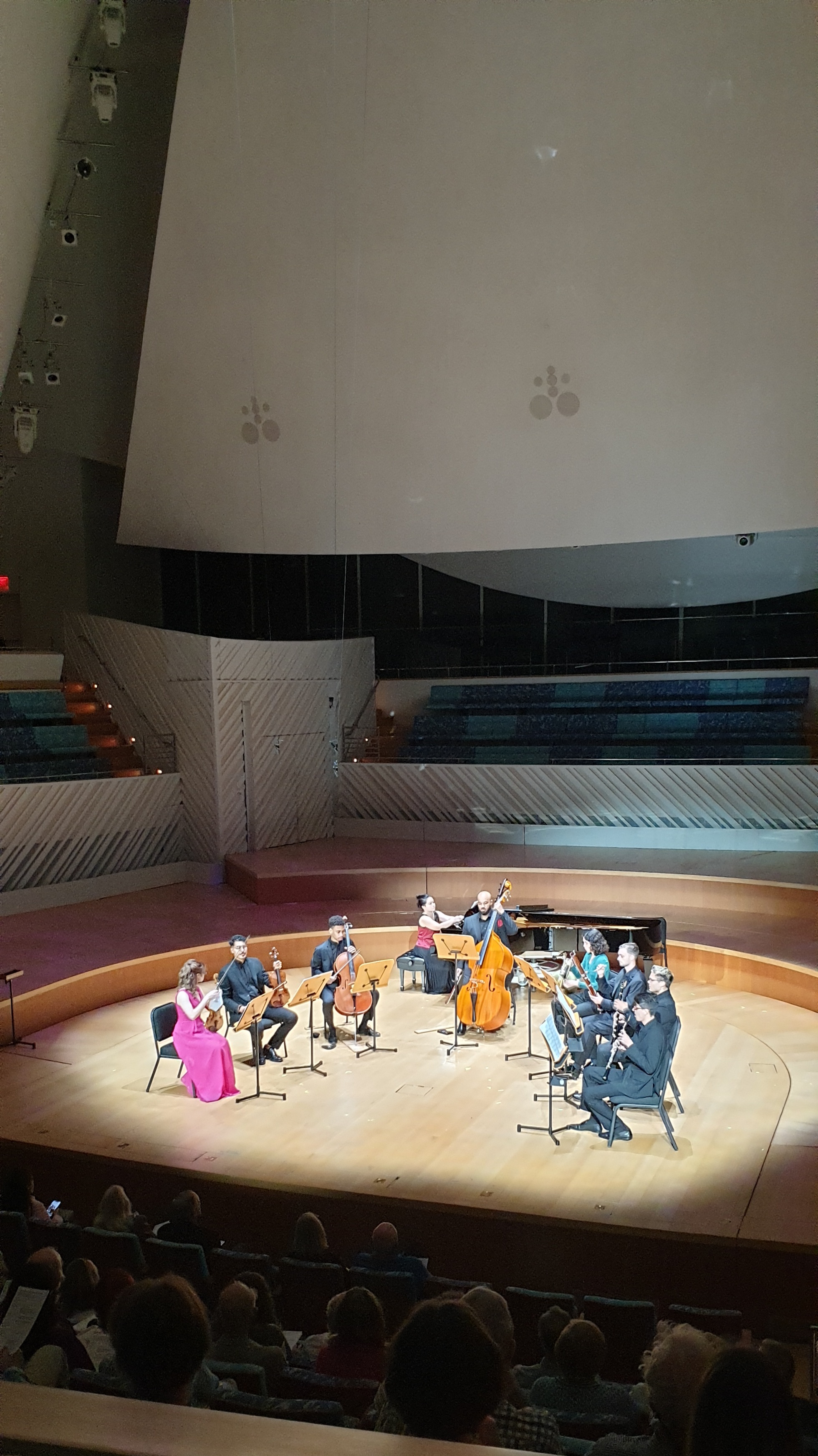
I recently had an opportunity to enjoy a full program of classical American music played by the amazing, creative, and innovative Sphinx Virtuosi at the New World Center in Miami Beach.

Although driving down to Miami is dreadful, seeing the Sphinx Virtuosi always makes it worth it.

The opening number, Scott Joplin’s Overture to Treemonisha, was an inspiring, hopeful number. Other numbers featured music inspired by Peru and Venezuela. You can see the whole program here.

For me, this is more than a regular concert. Three of my old students play in this orchestra! Bill Neri, the ultimate violist, is also the founder of Film Club and a dear friend. Tommy Mesa is a prodigy cellist whom I have already written about here. Celia Hatton is another firecracker violist who was also in my Spanish classes! To see these young professionals flourish in such a demanding but beautiful field is an incredible reward.

American Form/s is a musical tapestry depicting the many sounds of American classical music. Vibrant, varied, storied, and new, the self-conducted string orchestra Sphinx Virtuosi takes audiences on a journey through classically-framed infusions of soul, bluegrass, jazz, blues, and elements of rag. Works range from reimaginings of Joplin’s joyous landscapes to the complex rhythms of Curtis Stewart and brilliant influences of immigrant composers like Teresa Carreño. Experience the intricate harmonies and world influences of Derrick Skye’s writing, as well as modern interpretations of soul-stirring spirituals and more in this program carefully and collaboratively curated to celebrate the richness of the American musical landscape.

Sphinx Virtuosi: American Form/s

Reasons to love The South: Savannah, Georgia.

My first visit to the South was likely New Orleans in the mid-1990s. And it was love at first sight: history, architecture, music (which I write about here), food, and as they say nowadays: the vibe. It has been a love story ever since.

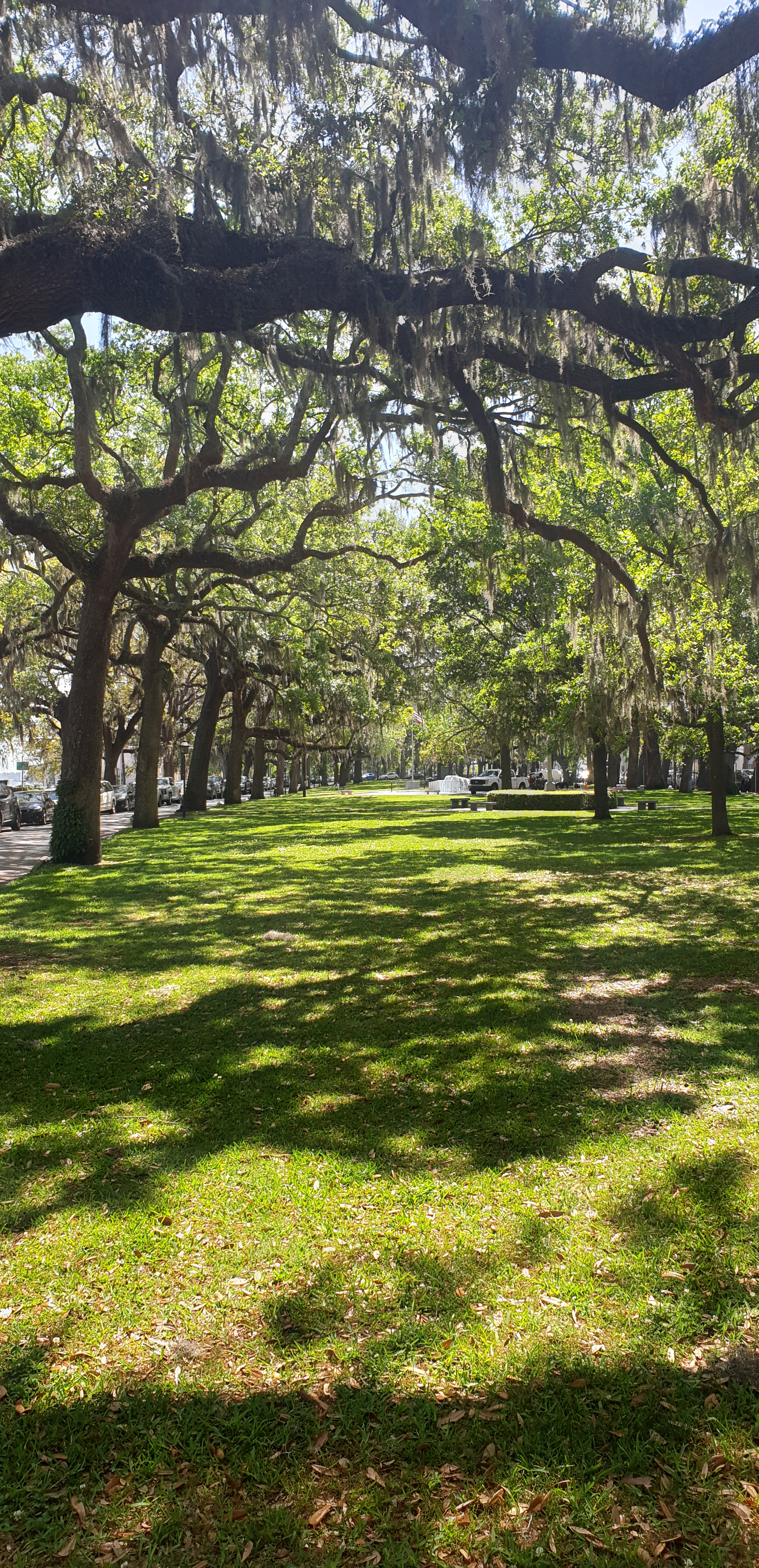
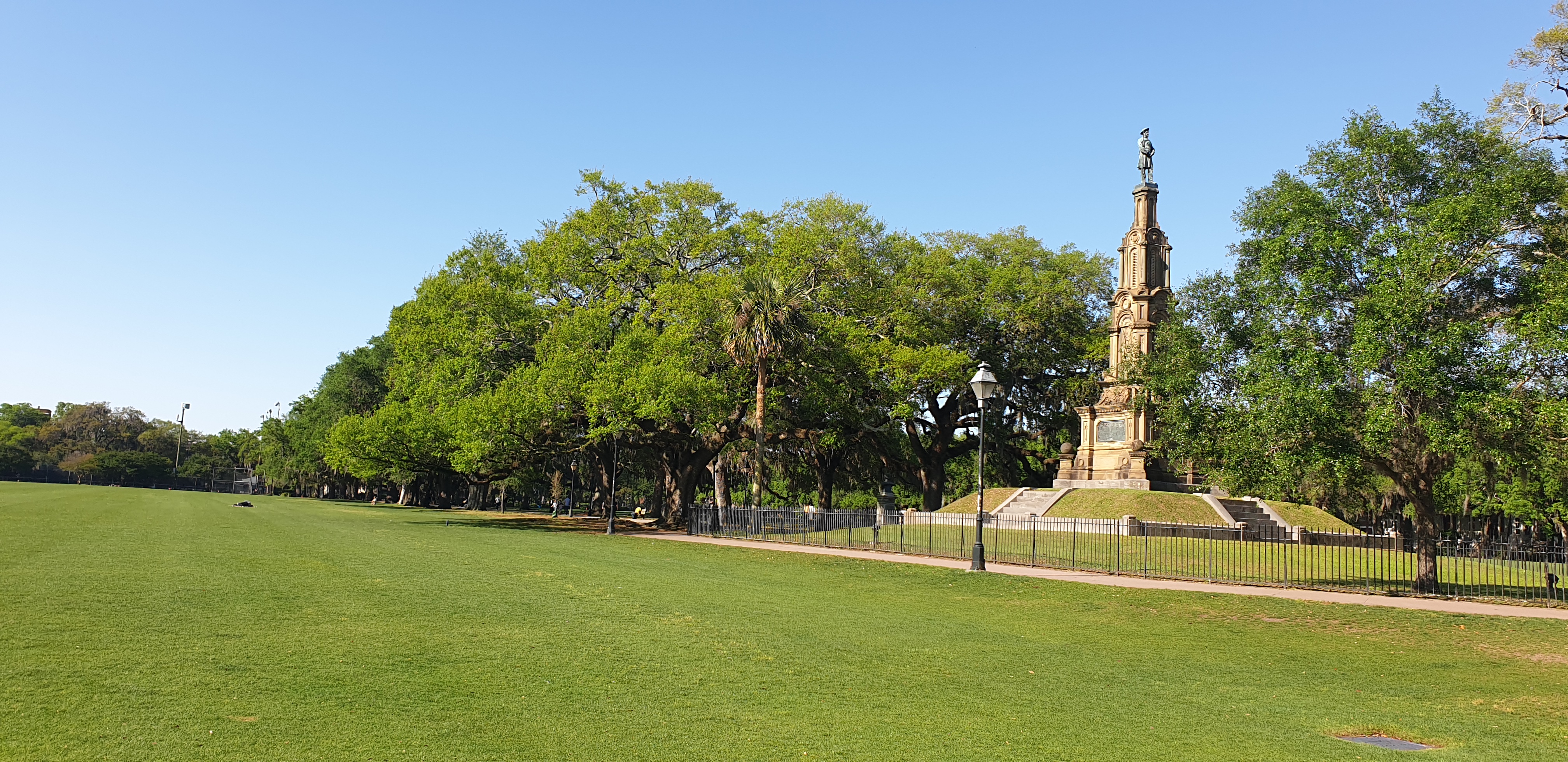
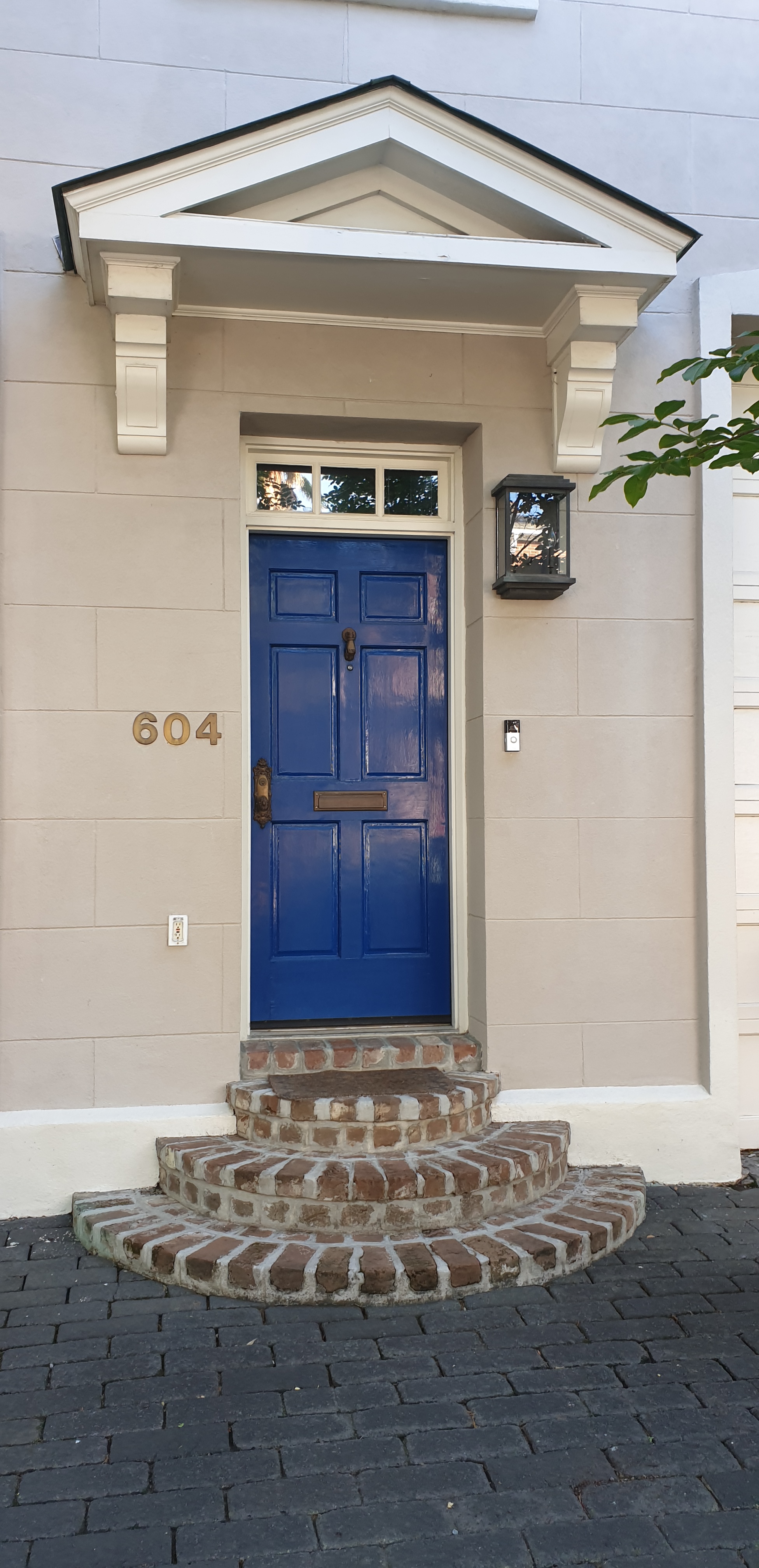
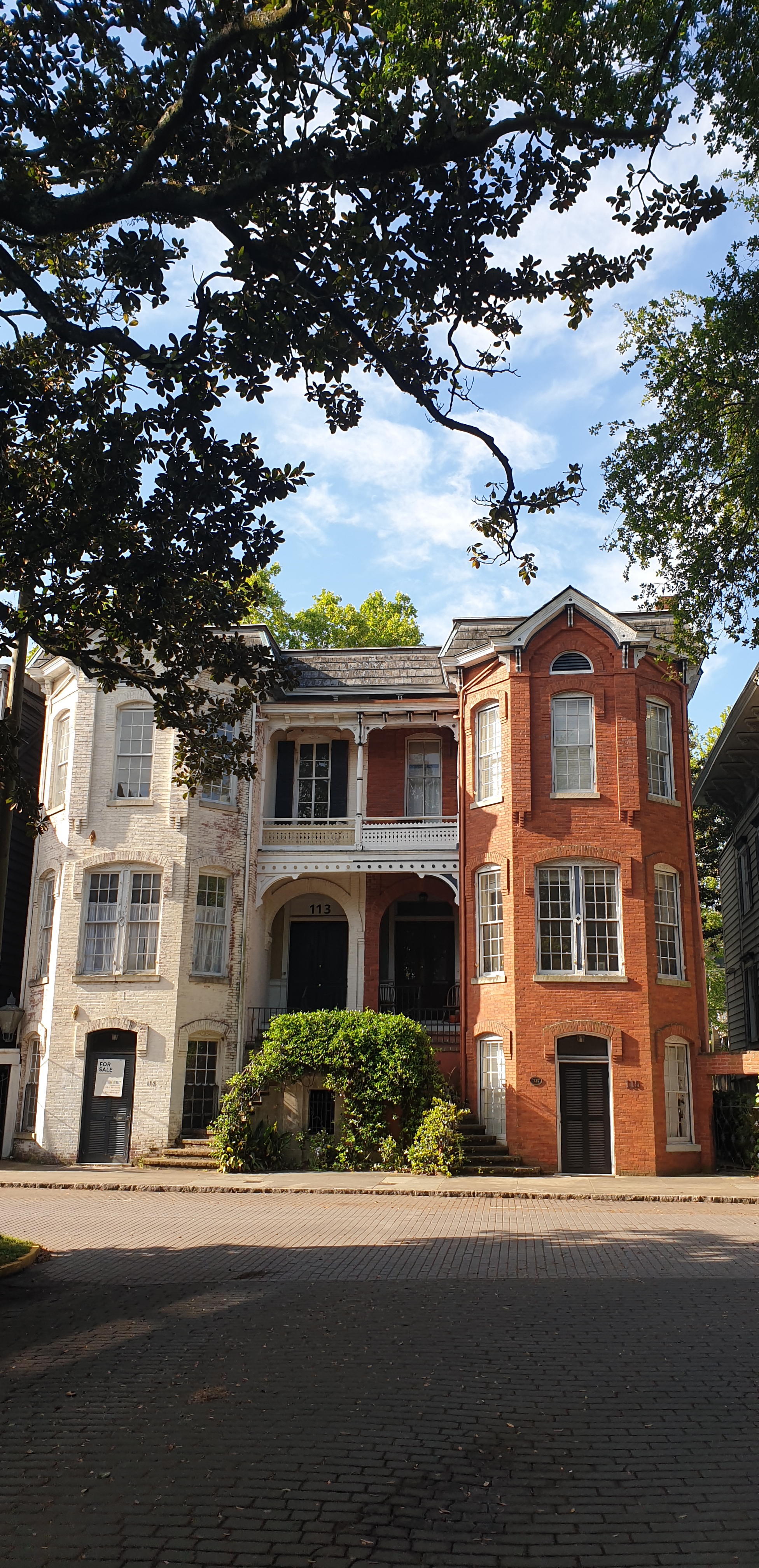
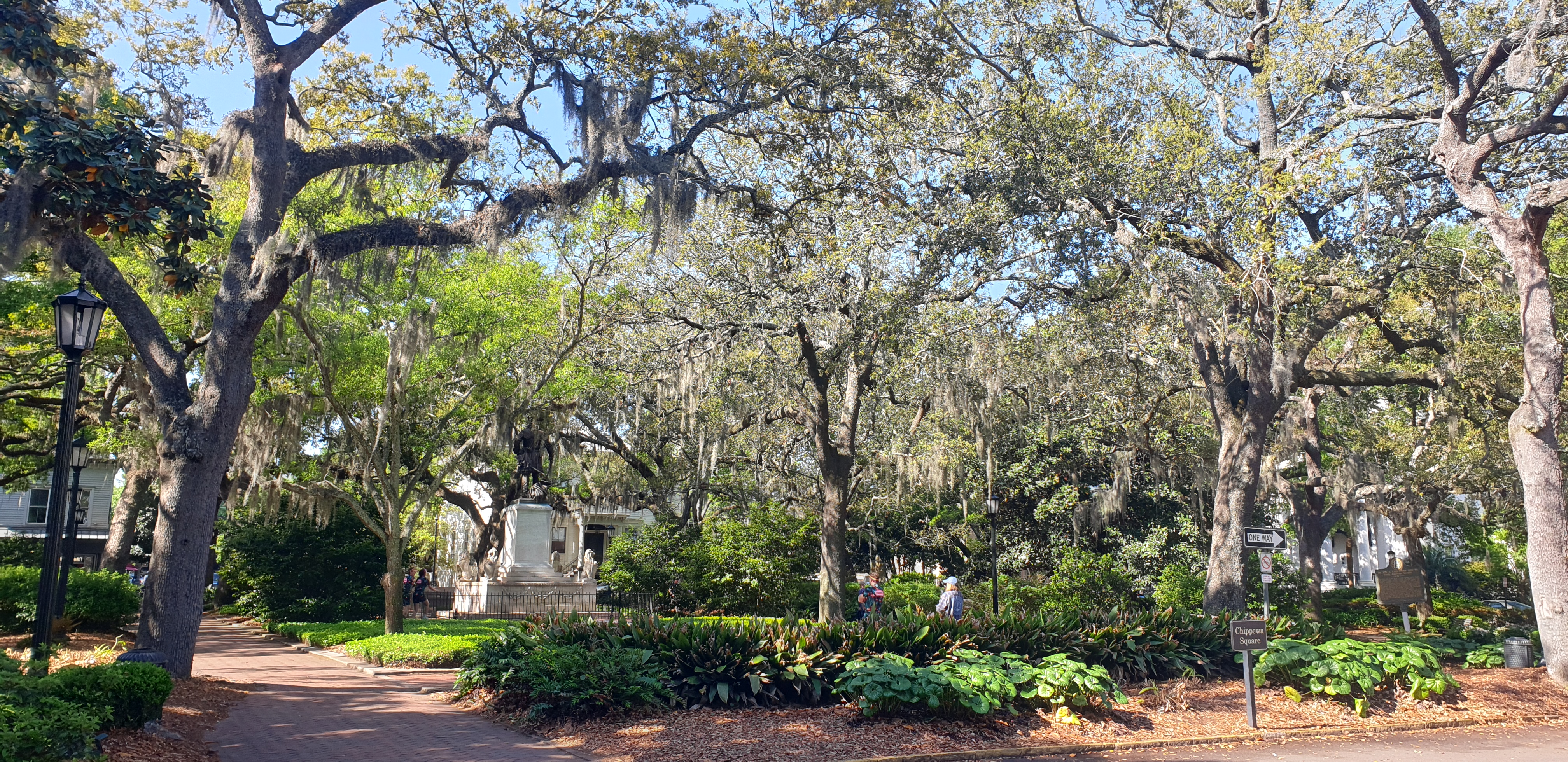
With the excuse of attending a conference in Savannah, Georgia, I spent some time exploring this enchanting city! I loved it! Architecture ranging from colonial to Georgian, Federal, Greek Revival, Gothic Revival, Victorian, Italianate, and Second Empire. Great southern gastronomy, cathedral, a beautiful series of squares, built to “cut” fires, which were common in the 19th Century, make for a city that is a living arboretum, with the characteristic Spanish moss hanging from old oaks.

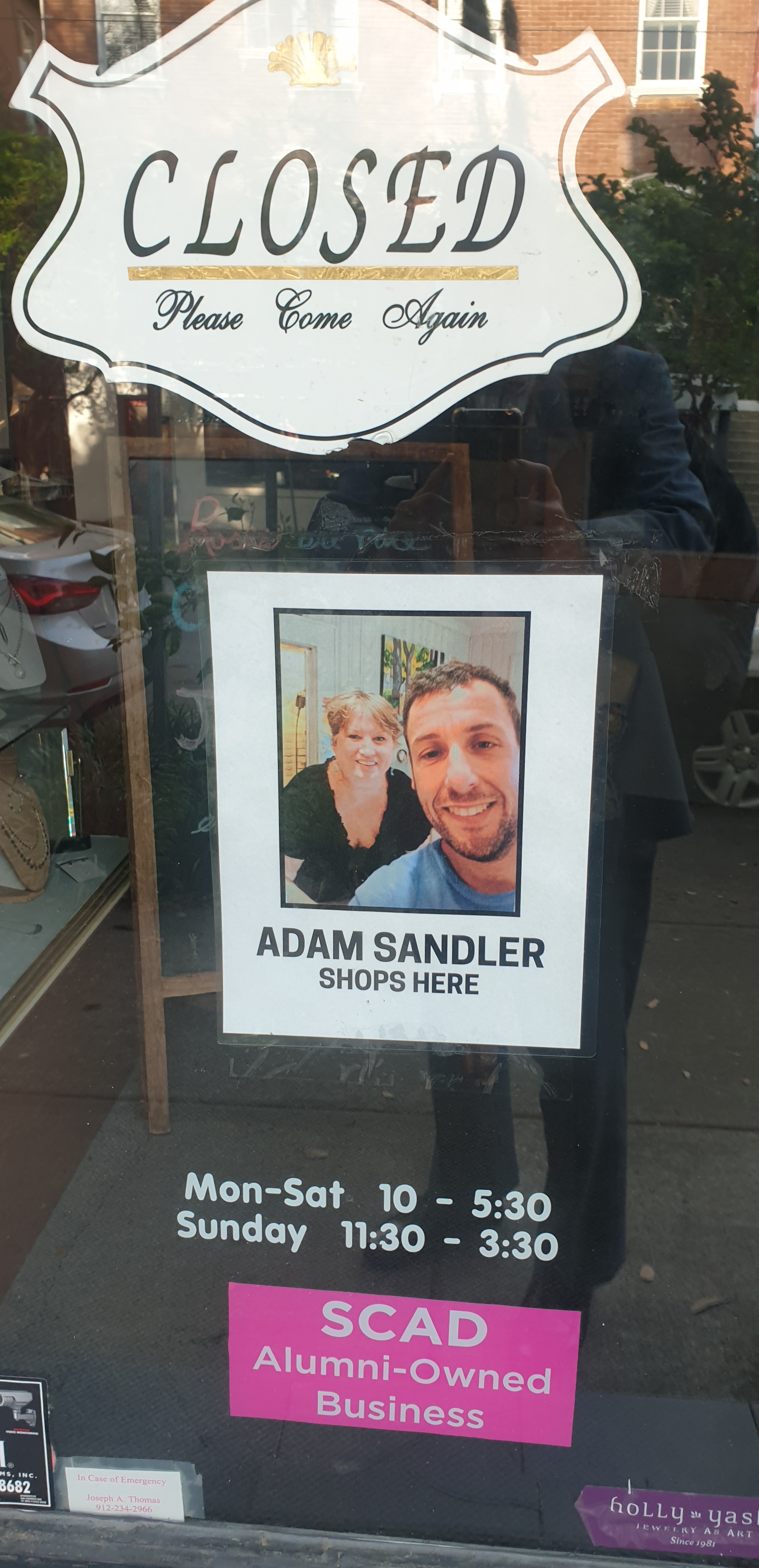
Like all old cities in the Southern US, Savannah must contend with its history of slavery, which was the labor that worked the cotton that made the city so prosperous. One of the elements that helps the city work through that aspect of its history is the Savannah College of Art and Design SCAD, as well as other universities that bring young talent from around the world to make the city a thriving, broad-minded, humanistic organism and give it a healthy mix of quirkiness and artsy to the serious and conservative history.

Yes, the city suffers from overtourism, but that is part of the price most cities must pay for fame nowadays. The fact that they allow open alcoholic beverages on the street does not help, as it attracts all kinds of tomfoolery from partygoers.

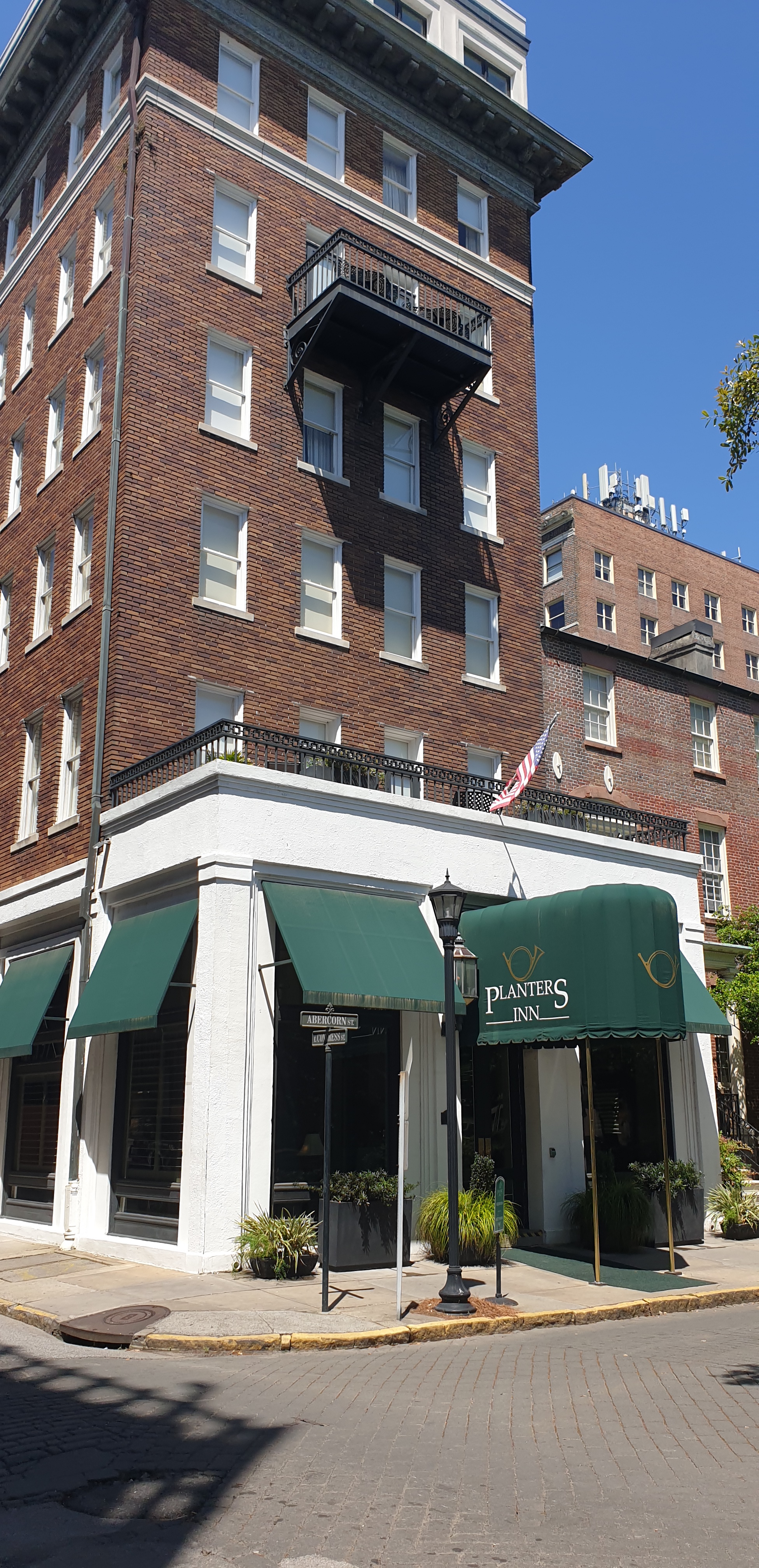
I stayed at the Planters Inn, a cute -if a little in need of renovations- hotel in the historic downtown Reynolds Square, which is perfect for walking around this very walkable city.

I could go on and on. If you are planning to explore the South, you must have Savannah on your list. You are welcome.

Stay fit, listen to your body, and if it hurts, go to a physical therapist

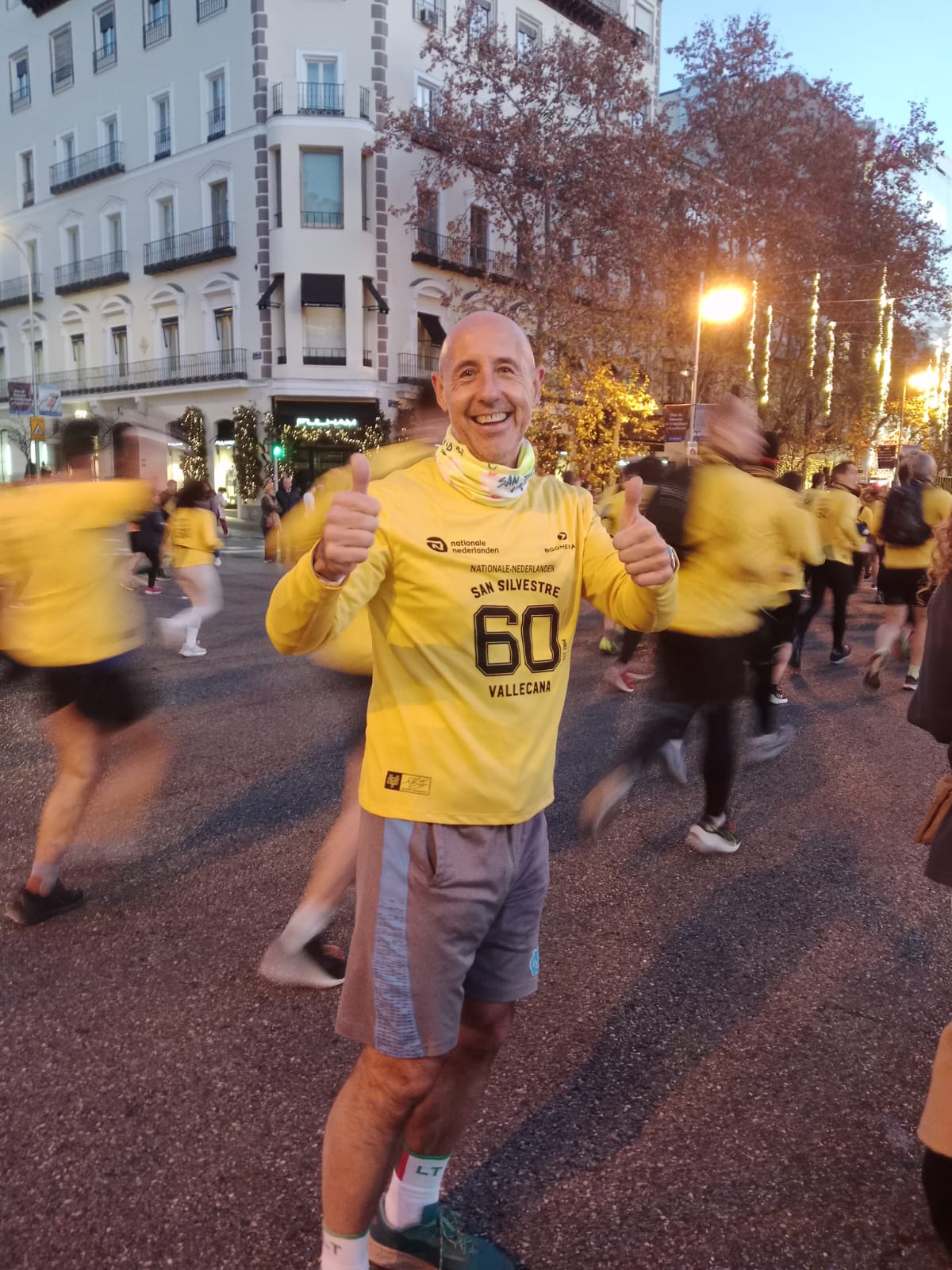
Wellness and fitness should be a critical component of your lifestyle, especially as you get older. I have often written about this; the importance of yoga, meditation, diet, and of course, physical fitness. I try to keep up with all this: I meditate and work out daily, one day resistance training, weights or a functional, bodyweight workout, and cardio the next, running on the beach or cycling in Summer, and of course running the San Silvestre Vallecana 10K every December 31st!

Once you integrate these elements into your life, they become routine and the problem then comes when you do not work out, or meditate, or go to yoga. For over a year and a half, my left elbow has bothered me. Originally it was a pinpoint pain when I did curls, I did not pay much attention and kept forcing it. Then the pain extended to all around my elbow, I could not straighten my arm without pain, it hurt when I slept, when I tried to grab something with my left hand.

A colleague at work recommended using the App Hinge. I tried it and they sent me some free stretch bands and a yoga mat, which was nice, but my pain did not go away, despite doing what appeared to be random stretches on the app every day.

I knew it was time to go to the pros.

Don’t you love discovering treasures? Hidden pearls? Well, my gym has one such treasure. If you walk by you would not know it, but inside is a Physical Therapist, not any old physician, Dr. José L. Matta and his colleague Jessica Prince are resolute professionals. I reached out to them with my elbow pain. Dr. Matta knew exactly what it was and how to fix it. I was suspicious, hesitant, but within three weeks my pain was gone! Not only that, but he reviewed my whole workout routine (the weightlifting part) and helped me to correct my form. Dr. Matta is amazing! Friendly, courteous, professional, reasonably priced, punctual, and trustworthy. He told me what my ailment was -sorry, I cannot spell it- he told me what was going to happen, ultrasound, stretches, reinforcement, ice, how much it was going to cost, and voila, pain gone.

If you are in the Boynton Beach area and need a physical therapist, look no further, call Dr. Matta, you will not regret it!

Audrey’s Children, go see it now!

The films I normally write about are transcendental, artsy, and artistically important films. Audrey’s Children is none of the above, but it is still a meaningful, honest film. It tells the story of Dr. Audrey Evans’ arrival at Children’s Hospital in Philadelphia, her pediatric oncology achievements, and her creation of the Ronald McDonald House Charities. There are no special effects, no flashbacks, no plot twists, just a real story told with little fuss. This does not make the film any less interesting; on the contrary, it allows the viewer to focus on the story, which is a good one.

The reason this film hits close to home is twofold: I used to volunteer at the Ronald McDonald House in Chapel Hill for the four years of my PhD, and I also volunteered at the Family Room in Madrid. Also, my sister works for the RMHC in Spain!

This is a solid film: great cast, beautifully written, great photography, and plot, but because this is not a big budget film, it will not last long in theatres, so make sure you see it ASAP, you are welcome.

Philadelphia. 1969. British physician, Dr. Audrey Evans, is newly recruited to a world-renowned children’s hospital and battles sexism, medical conventions, and the subterfuge of her peers to develop revolutionary treatments, purchase the first Ronald McDonald House for families of patients and, ultimately, impact the lives of millions of children around the world. Based on a true story.