Mallorca

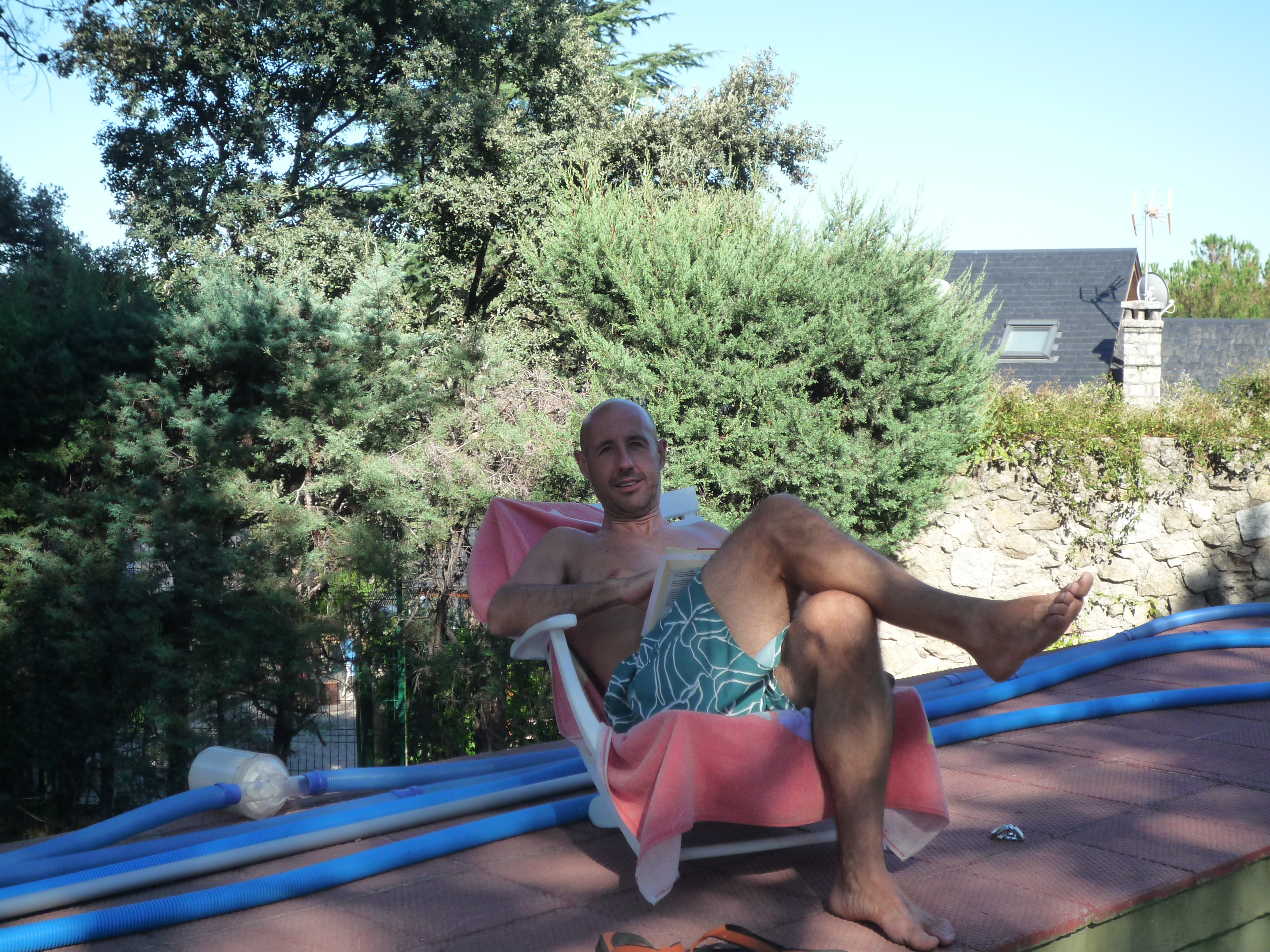
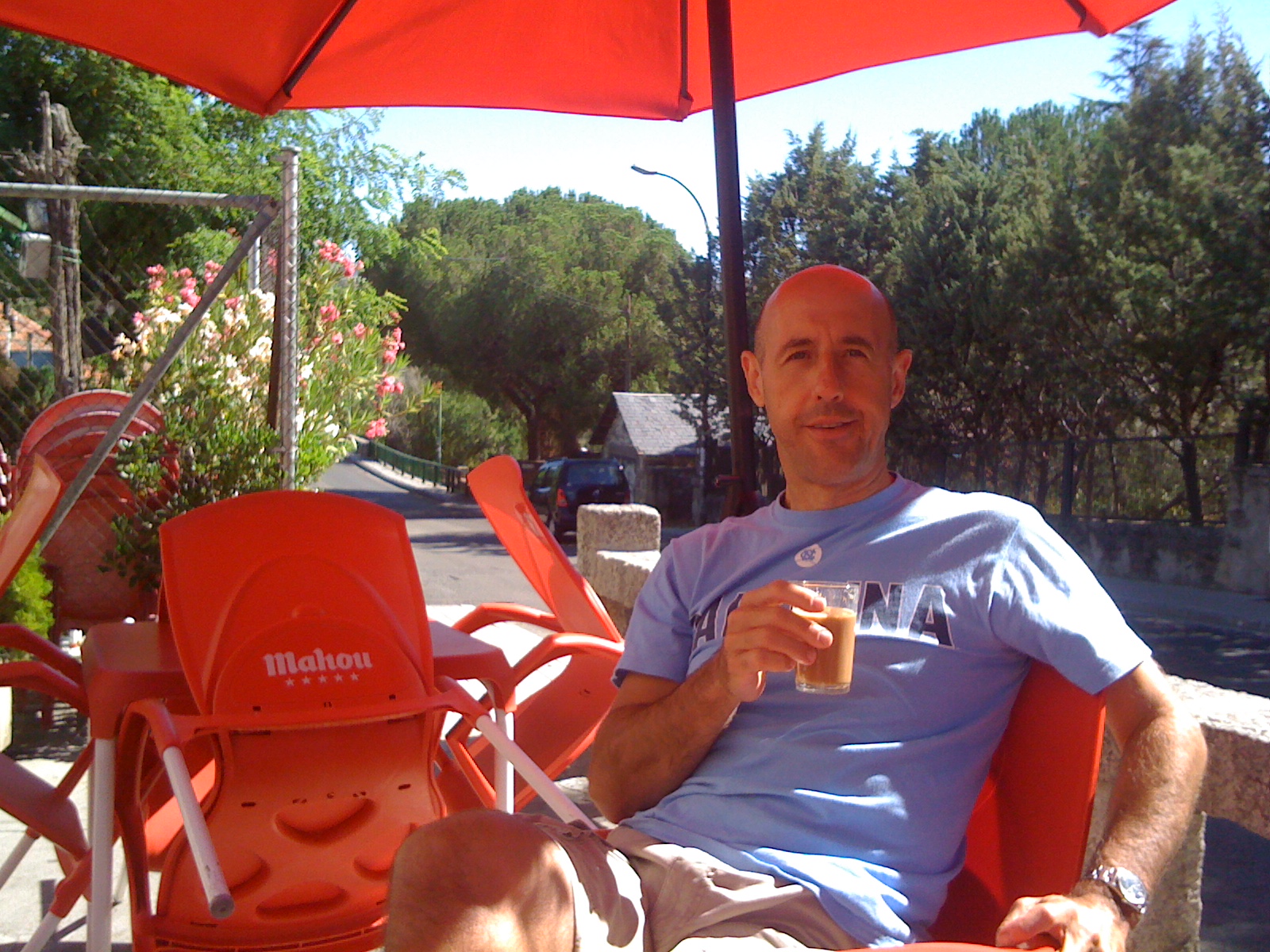
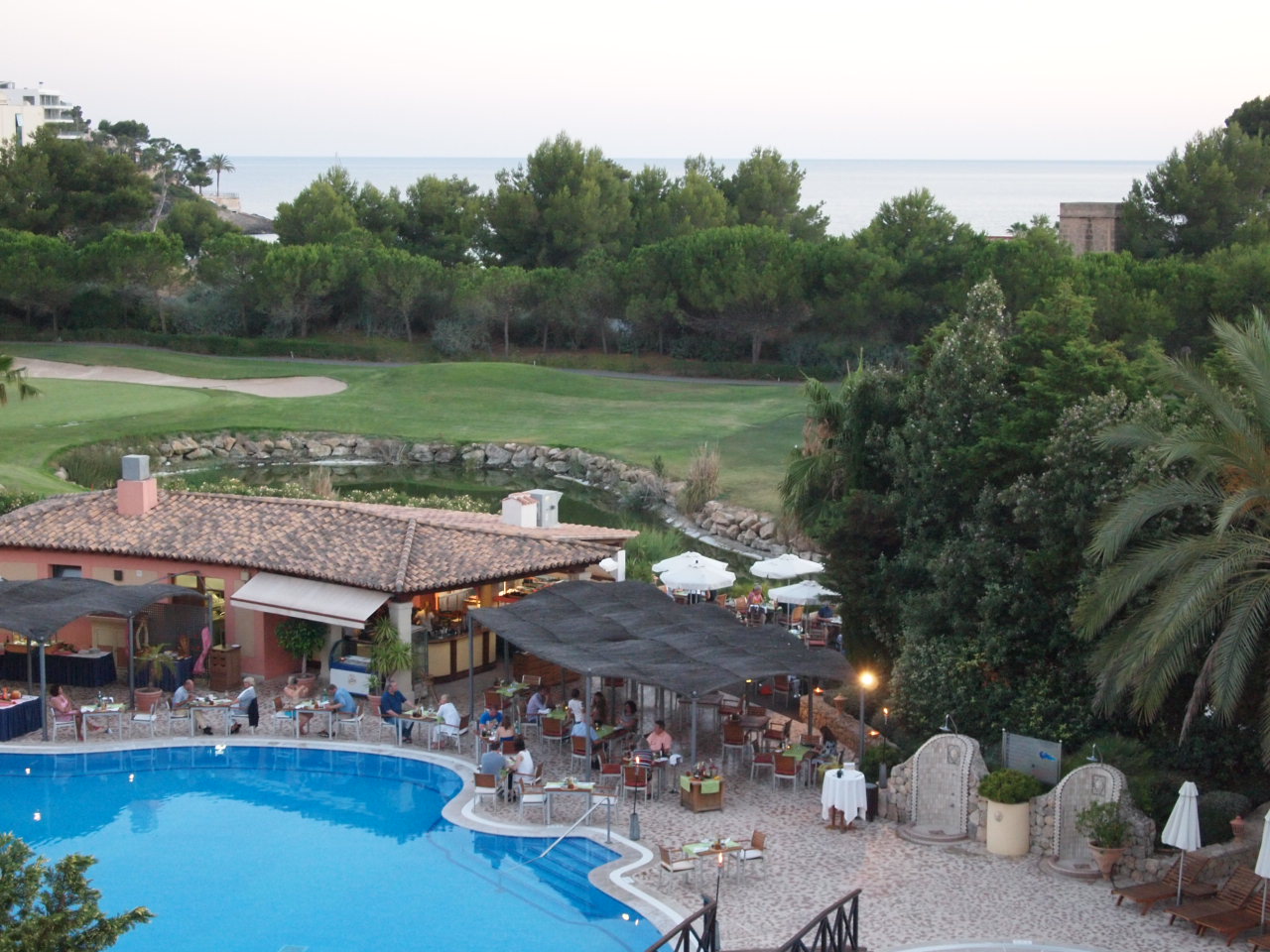
My family used to go on holidays to Galicia, the Northwest coast of Spain. Atlantic water temperature and Atlantic waves. When my little sister Rocky was born we decided to switch our holidays to Mallorca island on the Mediterranean, where we found a little “cala”, inlet on the south shore of the island. Warm, beautiful, tranquil, crystal clear water.  We have been coming to the same place for the last forty odd years, Camp de Mar. First we stayed at the “Gran Hotel”, old world style and panache, real furniture, “sit down dinner”, even a springboard on the beautiful pool! Unfortunately, after falling into disrepair it was razed and turned into a gaudy monstrosity.  So we rotated through a series of rental homes until in the early 00s we found the Dorint. A resort built on what used to be an old farm where we used to go on nice summer evening walks eating the carobs off the ground. Some of my fondest memories are of excursions around the island, walking the old streets of the capital, Palma de Mallorca, with it’s beautiful squares and Gothic cathedral. I loved coming to the island when I had my own business and customers to visit. For many years when I had the money I rented a rag top Jeep to drive around the island and to go to the village to pick up freshly made ensaimadas, the local pastries, enjoying the sun and wind in my face and hair (I had hair then).

For the last few years my parents have been bringing their grandkids on holidays here. The rest of us come and go as time and money allow! I have been able to come for the last three years and I love it.

There is something magical about these islands. The light, the sea, the warm, dry days and nights, the intoxicating sweet smell of night. Not surprisingly it is, and has been home to Phoenicians, Romans and Moors, Chopin and George Sand, Agatha Christie, Rubén Dario, Joan Miró, and more recently Michael  Douglas, Claudia Schiffer, and of course Rafa Nadal.

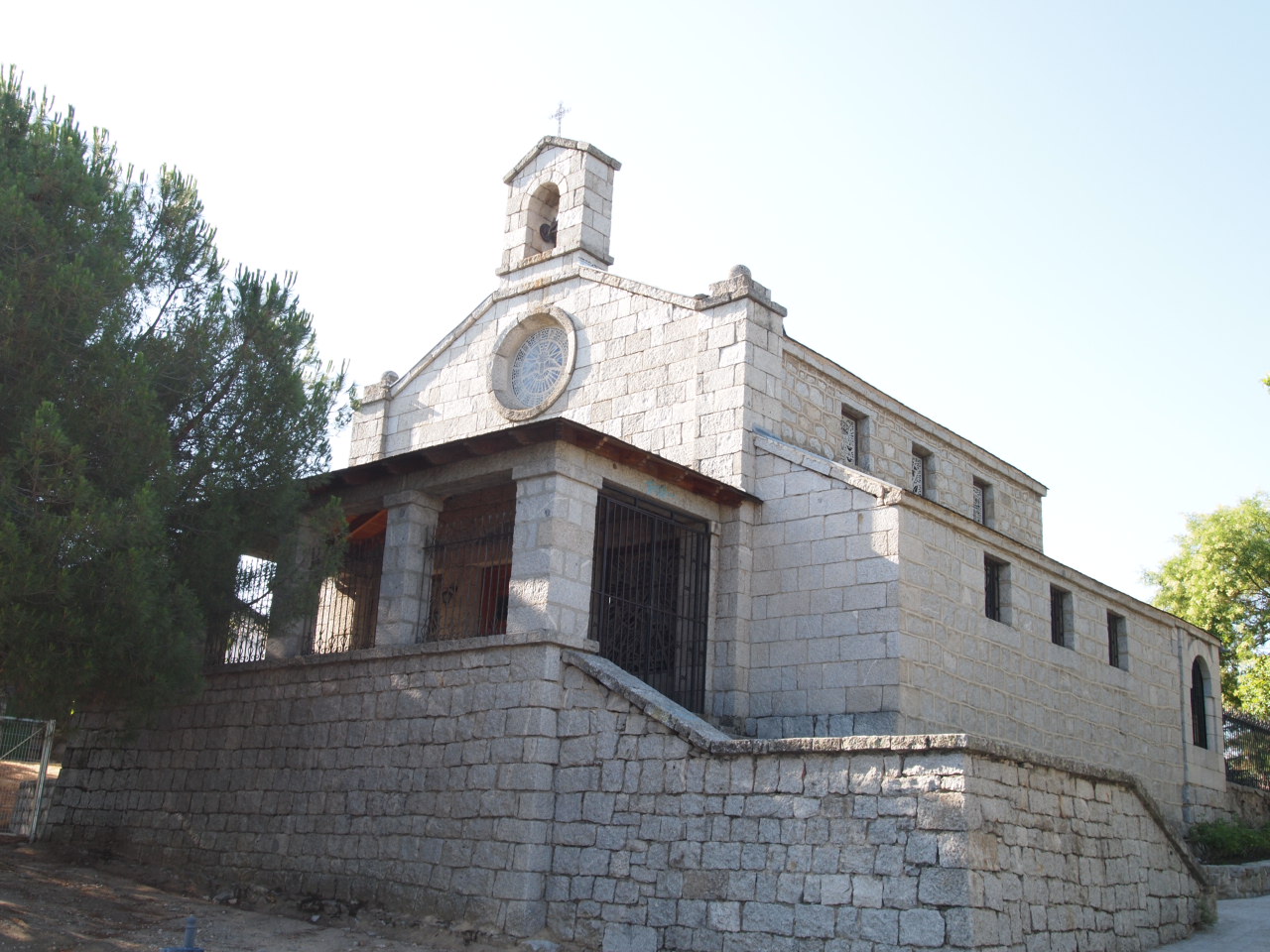
Our life here is very quiet. Wonderful breakfasts with local pastries, quiet beach, pool, siestas, and nice meals. I enjoy the gym, swimming, running on the local forested hills, evening walks with the family after dinner and the bar at night. But most of all I am getting a ton of reading done for my Ph.D. exams next spring! On Sundays I go to the village to the 1248 church for mass (granted it was pretty much re-done in 1703, but still).

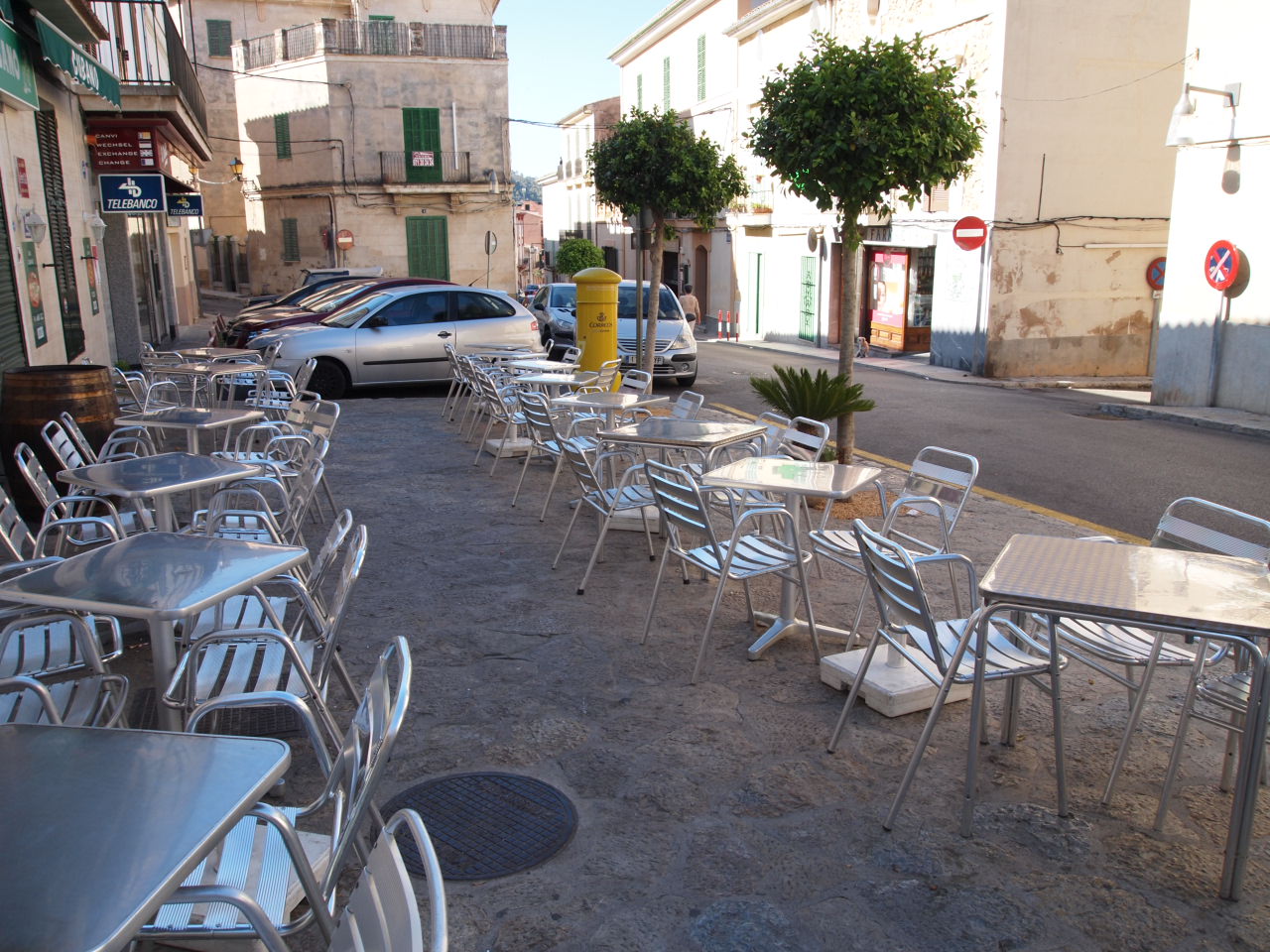
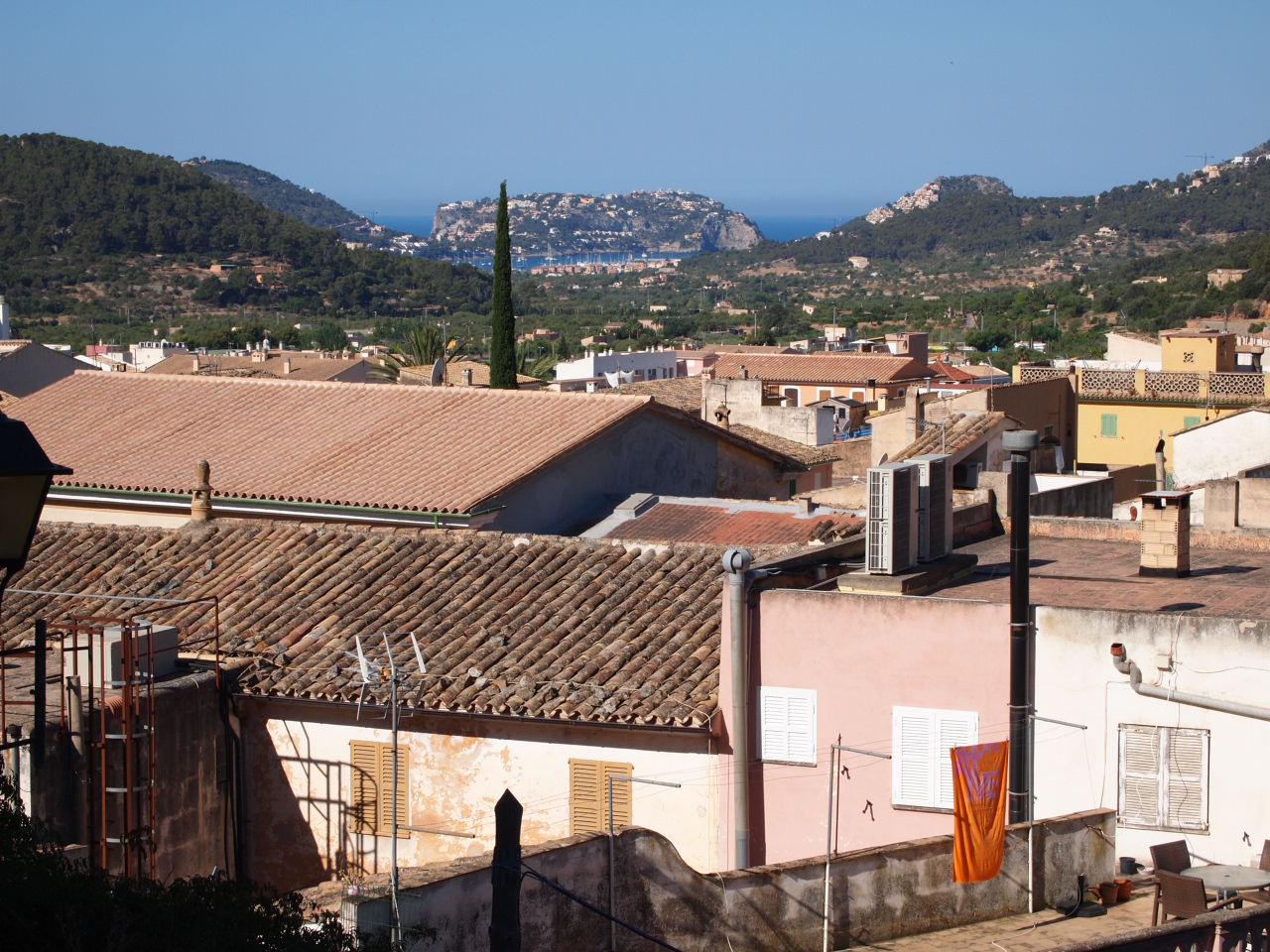
OLYMPUS DIGITAL CAMERA OLYMPUS DIGITAL CAMERA OLYMPUS DIGITAL CAMERA View from Andratx village Andratx village View from the Dorint Hotel OLYMPUS DIGITAL CAMERA Camp de Mar Beach SAMSUNG Dorint Hotel Camp de Mar Hotel entrance, Dorint

Cities and Friends

Besides the enriching experience of teaching, the other benefit of being a teacher is the holidays it comes with. No, we don’t make bank, but not even French government employees get our kind of time off. So after unwinding in Chapel Hill and going on a nice ride with Rocinante (see previous posts) I jumped “the pond” to visit my family in Madrid.

I know I am not original when I say that cities are like people, at least my relationship with them is similar. My relationship with Madrid is that of an old friend and lover. We know each other’s dirty little secrets, but we respect each other like the old friends we are. So coming to Madrid is always special.

One of the first visits I do is to Patxi Navarro. A dear, dear friend from my financial services days. We share a twenty three year friendship. Together we founded the Asociacion A. de Amantes del Escorial since we are both passionate about that monastery/palace/school/village. It is always great to catch up and hear about his life. Another obligatory meeting is with Andrea, another dear college friend who has been there through thick and thin, we had a nice lunch at a neighbourhood “menu” restaurant. A third key friend and one that deserves extra credit when I see him is Felipe Pérez de Madrid, “Pipe”, “The Pipe”, as he is from Valencia. We had a quick coffee in between trains for him, just enough to make sure everything is ok and have a quick laugh. Gracias amigo.

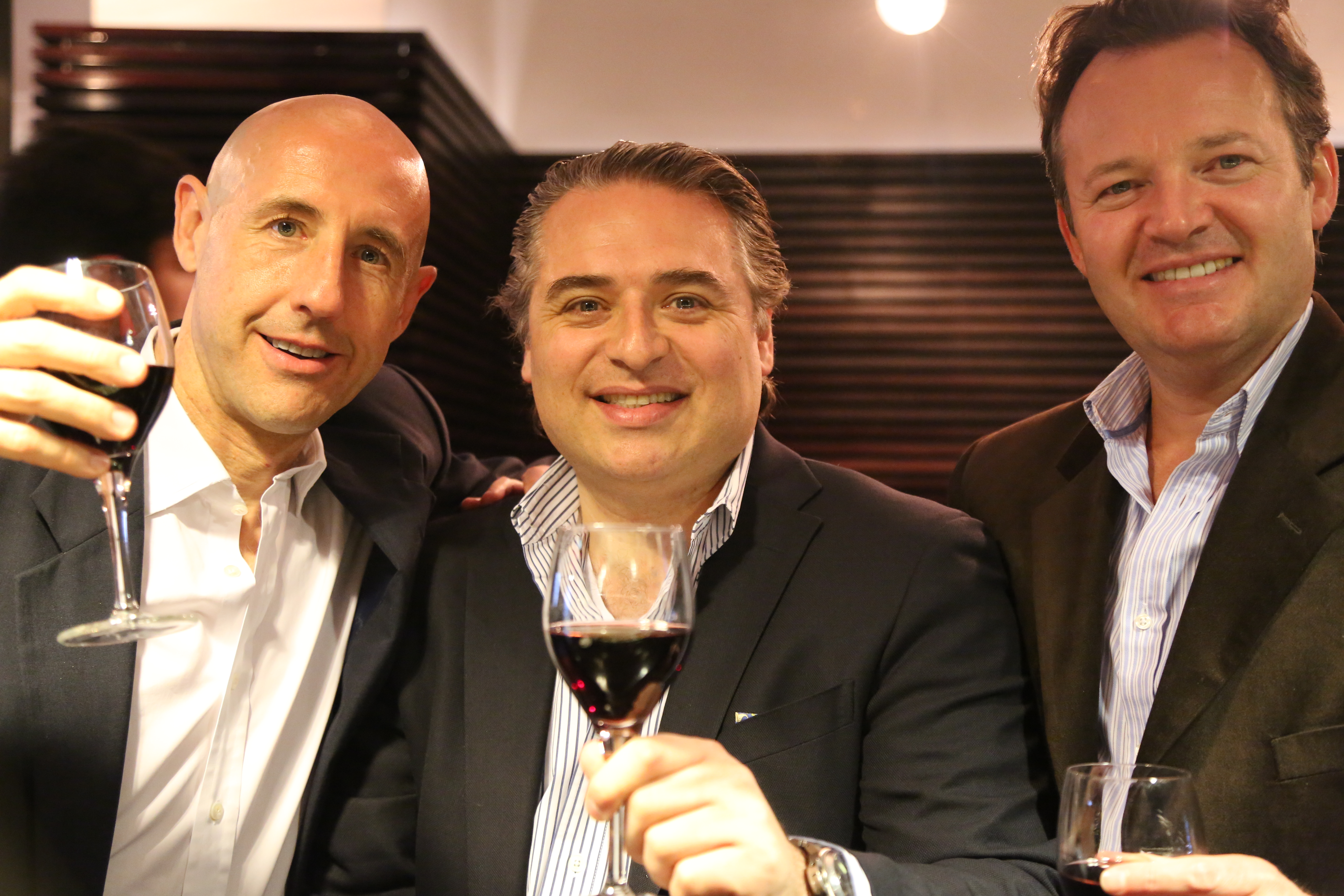
After a few days in town, I was blessed with the visit of Mark Miller and Matthieu, two of my dearest, closest and best friends. We went to university together, Matthieu was a groomsman in my first wedding and Best Man at my second wedding, where Mark was the usher. I had not seen Matthieu since celebrating New Year’s ’08 in NY when Mark, the most gracious and generous host, arranged a spectacular party. Since he is in NY I have had the chance to see Mark more regularly, but not since moving to Chapel Hill.

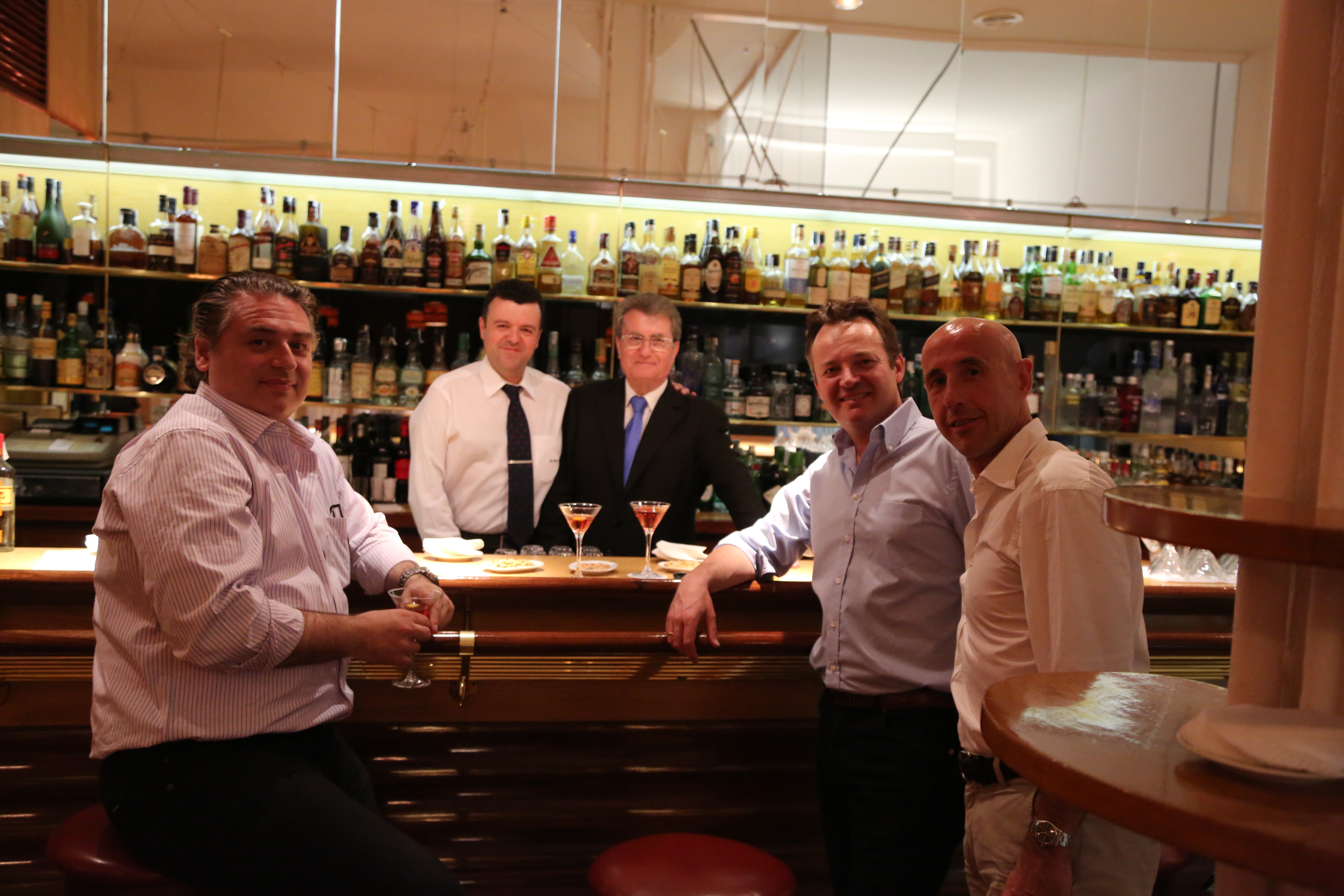
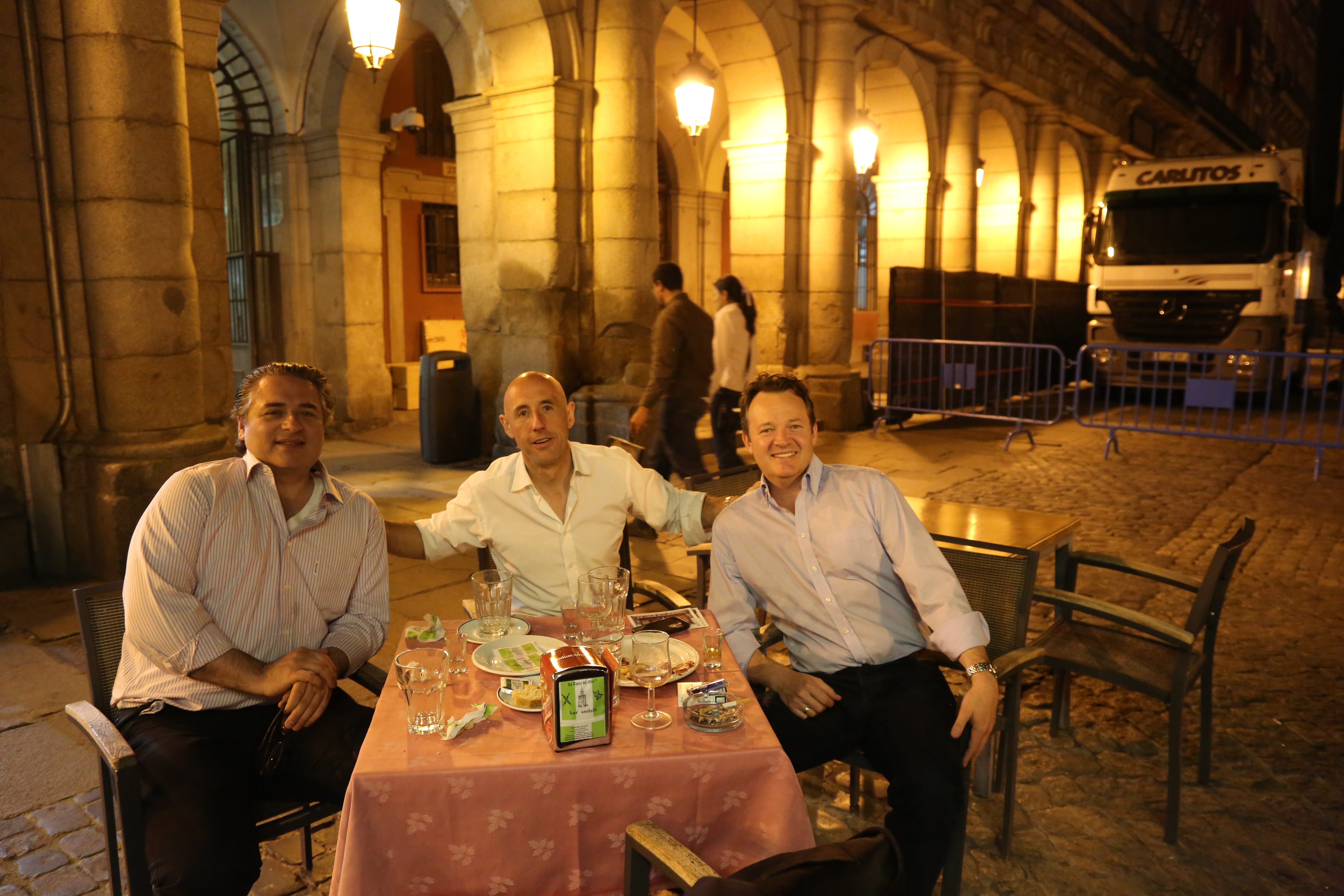
We spent three days together, eating, walking around the city, drinking, smoking cigars, eating, walking around the city, drinking and smoking cigars. We had paella, roast lamb, jamón, tortilla, garlic shrimp, lots of tapas, wine and coffee. We went to my favorite places, including Del Diego where we met comedian Leo Harlem! It was fantastic to catch up, to share some of the secrets of my old friend Madrid with some of my other old friends, to have a good laugh, good discussions, reminisce and talk about our futures.

Besides the enriching experience of teaching, another benefit of being a teacher is meeting students that eventually become friends. Two days after Mark and Matthieu left, I reunited with Jenny whom I had not seen in a year and a half. Since she graduated from Walnut Hill and I went to see her dance at Mount Holyoke. She is spending the summer in Valencia and came to Madrid for the weekend. We had burgers at my favorite restaurant in Madrid, Alfredos Barbacoa and it was great to catch up, have a good laugh, a good discussion, reminisce and talk about our futures.

My visits to Madrid are few, far between and shorter than I would like them to be, so I never get to see all my friends and family. But one morning coffee I always have is with my godmother Isabel, “Isita”, she is brilliant, funny and wonderful and her advice is always spot on, prejudice free and caring. I love her.

So in one week in Madrid: I reunited with the city, the oldest of friends, I reunited with old, university friends and with new friends – and with my godmother.

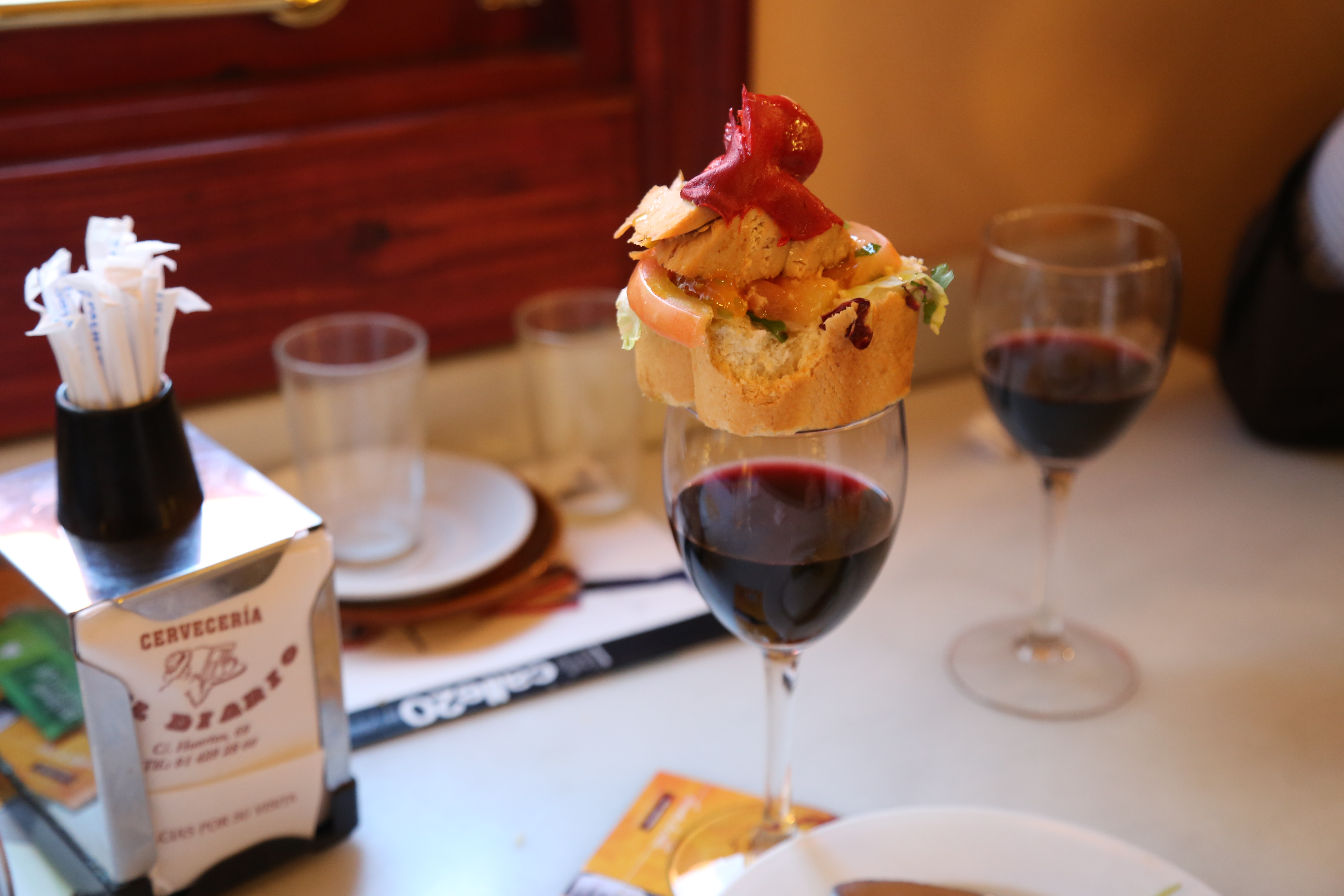
Tapa

Tapa

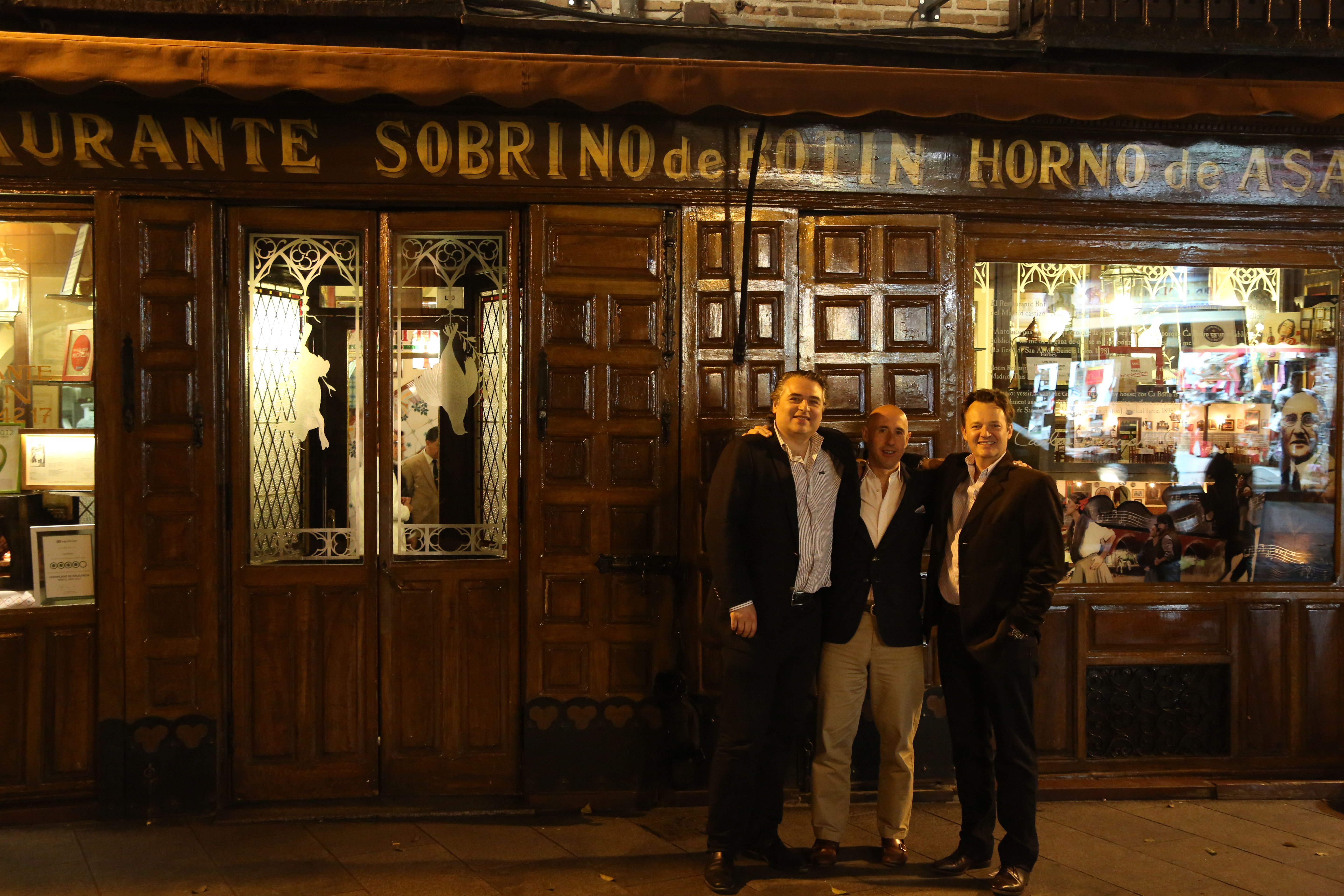
Casa Botín

Casa Botín

Tapas

Tapas

Comedian Leo Harlem

Comedian Leo Harlem

Fernando jr. and Fernando del Diego

Fernando jr. and Fernando del Diego

Del Diego

Del Diego

Plaza Mayor

Plaza Mayor

Julieta en Alfredos

Julieta en Alfredos

Here is to friends, I salute you.

Photo creds: Mark Miller (except Julieta)

Granada

Olive trees in Antequera

Olive trees in Antequera

With Catherine

With Catherine

Snails

Snails

Backlit snails

Backlit snails

Cathedral

Cathedral

Santa Ana

Santa Ana

Casa San Juan de Dios

Casa San Juan de Dios

Santa Ana y Alhambra

Santa Ana y Alhambra

Old Granada

Old Granada

Walnut Hill 2010 Spain Trip reunion

Walnut Hill 2010 Spain Trip reunion

Sierra Nevada in the back

Sierra Nevada in the back

The last time I jumped on a train in Spain for some alone time was in 2010. A lot has happened since and I needed some time to be alone and enjoy this beautiful country. So I booked train tickets and I set off to Granada, the enchanted Moorish city of the South, home of Federico García Lorca, final resting place of Ferdinand and Isabel, inspiration for Washington Irving´s Tales of the Alhambra, and home to Europe´s Southernmost ski station, Sierra Nevada.

Some of the more noticeable changes in Spain in the last twenty years have been in infrastructure: Highways and railroads. Long gone are those creaky, smelly, shaking, trains, replaced by smooth, clean, and fast ones. The award winning Talgo technology – whereby the train “swings” in the turns allowing for a speedier, smoother ride now run on the high speed train rails. While not technically high speed, they do run quite fast. Making the Madrid to Granada trip in four hours where before eight would have been normal!

I love trains. I love enjoying the view while reading, listening to music or enjoying a nice cup of coffee. I love seeing the changes in the countryside as we speed along: now vines, now olive trees, now hills and rocky ridges. Tired and lazy I jumped into a cab for the five minute ride to the hotel. Right downtown, next to the beautiful Renaissance cathedral and the old Moorish town. The hotel, a 1920’s tile covered building has an old indoor patio.

I met up for dinner with Catherine Keller, a dear old student from my Walnut Hill days who is spending her summer in Granada with her Fordham University program. We went to the classic old Café Sevilla where we enjoyed great tapas and raciones – sharing plates. Including salmorejo (a concentrated type of gazpacho), and caracoles – snails!

Saturday morning, after a fabulous breakfast at the hotel, I hit the used book stores in the old part of town, and… Bingo! I found a trove of books that I needed for my reading list for my Ph.D. exam next Spring. The morning flew by while my bag grew heavier with books. Lunch was – as it should be – a leisurely affair, including, after coffee, a nice cigar and a Tanqueray Tonic while I continued reading my dear Fray Gerundioˡ. After a siesta it was time for vespers, as I knew I would not have time for mass on Sunday. I showed up at the beautiful Santa Ana church a while before mass, only to find that a wedding was finishing. It was all very beautiful, they had hired a four horse carriage, and the flowers in the church were delightful.

For dinner I met up with Catherine and Jenny – who I had seen in Madrid a few weeks ago, but was visiting Granada with her Mount Holyoke program from Valencia. So we had a mini Walnut Hill, 2010 Spain trip reunion with a lot of laughs.

Sunday morning, refreshed from my visit to old Granada, and with my bag a few pounds heavier, I jumped on the train back to Madrid.

Why a Ph.D.? (Revisited)

After the first year of my doctorate program, and with a couple of weeks of distance to reflect and let it all sink in, it is time to come up with some road markers, some conclusions:

The program is everything I was expecting for and much, much more.

I have learnt so much, I have “discovered” Medieval and 18th C. Spanish Lit. – where have I been hiding for my whole life? Part of the secret to my discovery has been having Profs. Domínguez, and Gómez-Castellano as my teachers. They are the real deal: knowledgeable, patient, encouraging, understanding, I could not have wished for better role models.

My colleagues are also top, top shelf, both in the Masters and Ph.D. programs, in Spanish French and Italian: Sam, Ruben, Thomas, Anne, Emily, Miguel, Zully, Andrew, Rob, Sarah, Drew, Massi, K-N, Martina, Gloria, et cetera, et cetera.

The other side of the coin, my teaching experience has also been out of sight. I have taught three fantastic classes of Intermediate level Spanish language, 203. I have been very impressed with my students, a great, diverse, fun, brilliant mix. It has been a thrill teaching – even at 8:00 am. We had great discussions, games, learning moments, fun and end of the term breakfasts at Ye Olde Waffle Shoppe, where the students ordered their breakfasts in Spanish!

Beyond the in-house academic powerhouses, I have met people I never expected to meet: David Gies – Jedi Master of 18th Century Spanish Lit. (UVA) and Ana Rueda, the grande dame of 18th Century Spanish Lit. (UK) (who I even had the chance to pick up at the airport and have a drink before a lecture!). I also met novelist and journalist Rosa Montero and Spanish choreographer and ex-dancer Nacho Duato, not bad for a village. And speaking of dance, I saw The Alvin Ailey, Martha Graham and Marie Chouinard dance companies, the Monteverdi and Cleveland Orchestras, heard Verdi’s Aida, and over a dozen different takes on Stravinsky’s Rite of Spring, et cetera, et cetera.

Yes, the first semester was mayhem, and yes the last week of the Spring semester was Hell, but all in all,Magnolias Ale and Ruben Sunrise going to class Sunrise going to class a very positive experience.

Hallowed Boards

Wollen GymOnly a bit intimidatingThe RockHallowed boardsIt only took me a year to build up the courage to go down to shoot some baskets at the old Woollen Gym. I go there often but I head straight for the swimming pool. This time, at the cage, instead of asking for a towel, I borrowed a basketball. First surprise: every ball has a name, it is written with a Sharpie marker. The one I got, “The Rock” just also happens to be the nickname I have for my little sister Rocio, Rocky, coincidence? I think not. Then into the huge gym. There are about 20 courts and most of them were full. I knew enough not to try to play with anyone, as I suck, and I have not played with any consistency since I left Spain in 2004. So I kept going until I got to the very far end where the last six courts were empty, enough for me to make a fool of myself without embarrassing myself – or the school, too much.

I played around for an hour, breaking into a sweat, thinking of and missing all the great people that have helped me and inspired me in this game, visualizing the UNC greats that might have played on that same court: Michael Jordan, Rasheed Wallace, et al. A great physical and emotional workout, or anabolic cardio as Stjepan would call it.

First year Ph.D. essays

As  promised, here are my essays from my first year of Ph.D. Warning, Caveat Emptor, Aviso a navegantes: These are ROUGH DRAFTS, BORRADORES, no edits, no corrections, unfiltered, organic, and full of impurities (errors), read at your own risk, you have been warned, these writings are not fit to publish (yet).

El prólogo a las Novelas amorosas y ejemplares de María de Zayas y Sotomayor

Torrente a XX Century Quixote

JORGE MANRIQUE y Alsonso de Cervantes

Early Modern Prologues

DIA GRANDE DE NAVARRA

End of year excursion!

Kitty Hawk

Home of Maceo Parker

Home of Maceo Parker

A room with a view Fort Macon Fort Macon Beaufort cemetery Beaufort cemetery Beaufort cemetery Beaufort cemetery Our darling Maud God is love Beaufort cemetery

Notice the glove quickly melting on the exhaust!

Notice the glove quickly melting on the exhaust!

Blackbeard Ferry Cigar Time R's first boat ride! Leaving Cedar Point Prof. Dr. Thomas Ritter Von Spalter 18 15 Ocracoke beach 2nd ferry 10 9 7 View from Hatteras hotel! View from Hatteras room! Wright bros Kitty Hawk Kitty Hawk

After a grueling end of the semester and academic year, Rocinante and I needed a cleansing walkabout. So hit the road! Tuesday May 14 after a great meeting with my thesis director and packing up, I headed East. Getting out of the Triangle (the area composed by Raleigh, Durham and Chapel Hill) is unpleasant because of all the “urban” traffic – at least by North Carolina standards. But we soon cleared Raleigh and were on our way on secondary roads. I was wearing a long sleeve T-shirt, but the temperature was just low for only that. A light windbreaker I brought along for it’s space and weight saving proved useless as it bubbled up and flapped like an amateur’s sail on a boat, so I was cursing my wardrobe choice when lo and behold I passed a Harley dealership, which was part of a huge outlet mall in Smithfield, where Ava Gardner was born! Fortunately I could buy nothing in the outlets as there is no space on Rocinante’s back pack! With a graduate student’s budget and not needing a full jacket, I found a cheap, and unfortunately hideous denim jacket, that was exactly what I needed. While I was there I picked up a pair of gloves since both pairs I was carrying were old and broken. Thus, I resumed my ride in comfort and warmth!

As I neared the shore, the roads became smaller and smaller and the ride more and more beautiful, passing tiny towns like Kinston, birthplace of legendary sax player Maceo Parker. A beautiful ride through CroatanNational Forest marked the end of my ride as I crossed the Intracoastal Waterway into Emerald Isle where my old student and friend Anastasia Papanicolaou was waiting to take me to dinner. And what a dinner it was, fresh, fresh seafood at The Crab Shack. It was great to catch up and share a good laugh with Anastasia. She recommended a great Greek owned place for breakfast, and it was spot on! After a veggie omelet and delicious French toast I enjoyed a leisurely ride up to Fort Macon, a beautifully restored, tiny Civil War fort. Back on the mainland is gorgeous Beaufort, apart from a cute downtown, it has an alluring Neo-Gothic burial ground with all sorts of curious tombstones, it was a fascinating visit. A superb ride through Carteret island? peninsula? through the Cedar Island National Wildlife Refuge led me to Cedar Point. There is little in Cedar Point: a nice wooden sign (see photo), a convenience store, a post office and the ferry terminal. Since last Wednesday it also has my sunglasses which I must have dropped while taking a photo, actually a photo of Rocinante’s exhaust burning a hole through one of my brand new gloves that slid from the seat! At any rate, after a bad burrito from the convenience store I at least enjoyed a cigar waiting for the ferry to Ocracoke Island.

Waiting in line four other bikers showed up, and as is usual, we soon hit it off and became fast friends. Dr. Thomas Ritter Von Spalter was great! He got his PhD in German Lit in the 70s, taught high school for years and now works for the PA State Police, he is a member of the Blue Knights (the police bike club) and rides a 105 anniversary Electra Glide which he calls the “Duracell battery” for the two tone paint job, he went to school with Pele! We had a great chat and he is a great fellow.

Rocinante was excited for her first boat ride, and it did not disappoint. It was a sunny two and a half hour crossing into the cute village of Ocracoke, a 14 mile stretch of road with beach on either side led to… another ferry. This time a half hour ride into Hatteras. The ferry personnel saw me in line and found a spot for me, last one on board. The ride included a beautiful sunset, which also made the crossing a bit chilly. We arrived at Hatteras at night. I found a cheap room at the Breakwater, but my room was not made, so they upgraded me to a great room for the same price. They also have a great restaurant where I had a delicious seafood dinner.

Thursday was a beautiful ride all the way up the Outer Banks, miles and miles of great sunshine and beaches. The last highlight of the ride was stopping at Kitty Hawk for the Wright brothers memorial. What a great stop! I saw the place of the first real flight, a great explanation of that flight by a park ranger and I climbed the hill to where the brothers practiced with gliders. It was a very exciting experience. From there it was a beautiful, long, and sad trip back home to Chapel Hill.

The beauty of motorcycle riding is how each mile peels off a layer of accumulated “crud”, it cleanses you like a facial scrub. I know I have said this before, but it is just you and the bike, the engine drone, no radio, no music, no climate control, no cup holders, no snacks. You have to be alert and in the moment, looking down the road to see any changing conditions, scanning ahead at the sides of the road for whatever, concentrating on the turns, it requires total focus which means you cannot be thinking about too much else – without crashing. So it is a bit of a purge, each mile adds perspective, relativizes everything. As I write this it has been raining in Chapel Hill for the last three days and Rocinante is here next to me in my living room, a quiet companion who understands, and who has been there with me every moment.

Year one Ph.D.: Check

Well, that wraps up the first year of my Ph.D. program and of my course work. Now I “only” have to read until my eyes bleed for my exams next Spring. This semester was overall much better than the Winter term. I took three courses: Early Modern Spanish Women Writers, with Rosa Perelmuter – a luminary in the field, and an Independent Study on Medieval Narratives with the iconic Prof. Domínguez. For my third course I took 18th Century Spanish Lit. with Irene Gómez-Castellano – and it has changed my life. Not only did I learn about the Enlightenment (something that had been in the back of my mind since I read Voltaire’s Candide at the American School in London, and then reread often) and the Romantics, but I discovered Padre Isla, a fairly unknown Jesuit writer who wrote the “best seller” of the 18th Century: Fray Gerundio de Campazas. I also taught two sections of Spanish 203, an intermediate level class. I loved it! I had great kids and we had a great time, including the cockroach that climbed up a girl’s dress. Pobre Raquel!
The end of the term was extremely stressful. One is normally 100% occupied with schoolwork during the year, so having to take two exams, write three twenty page essays, give and correct about forty exams, plus all the end of the year wrap up stuff was beyond hectic. For a week I did not work out or shave! I hope that the first year of the Ph.D. program is the baptism by fire test, that it is the hardest to juggle all the work, because the end was no fun.
But it is over and with very positive results. Most importantly my dissertation seems to be coming into focus, writing about Padre Isla. My secondary/complementary writing list will be about Medieval satire with Prof, Domínguez and my Transatlantic list will be Colonial lit. with Rosa Perelmuter. This means that I have to come up with six reading lists. A primary reading list of twenty books for each list and about thirty secondary/theoretical lists for each topic. Total: give or take 150 books that I have to learn by next Spring to pass my exams, Gadzooks! Yikes!
Taking only three classes, I had time to volunteer at the Ronald McDonald House of Chapel Hill on Monday nights, and I worked at the Clinical Skills Center at the UNC Hospitals

teaching medical students Spanish. Both of these side ventures are a lot of fun and very rewarding and very much needed to clear my head and do something else for a while that is not just studying.
Conclusion: Overall it has been an incredible year and I have learnt much more than I ever expected or hoped. I’ve met some very interesting people, discovered a new town, been more culturally active than I expected, forged some nice relationships and I am slowly rebuilding my life. I’m very happy to be doing this, I love UNC and Chapel Hill.

Rocinante in North Carolina

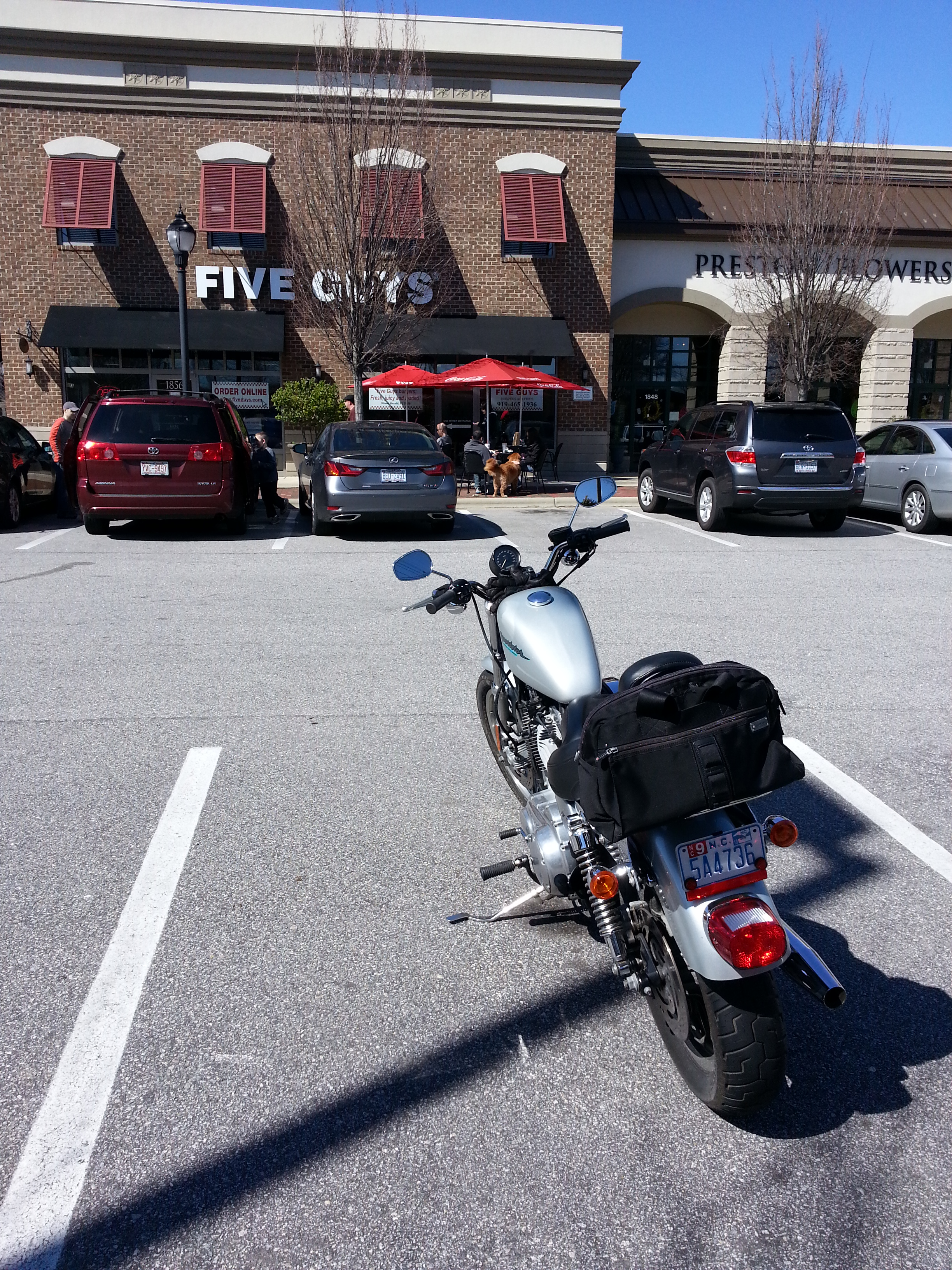
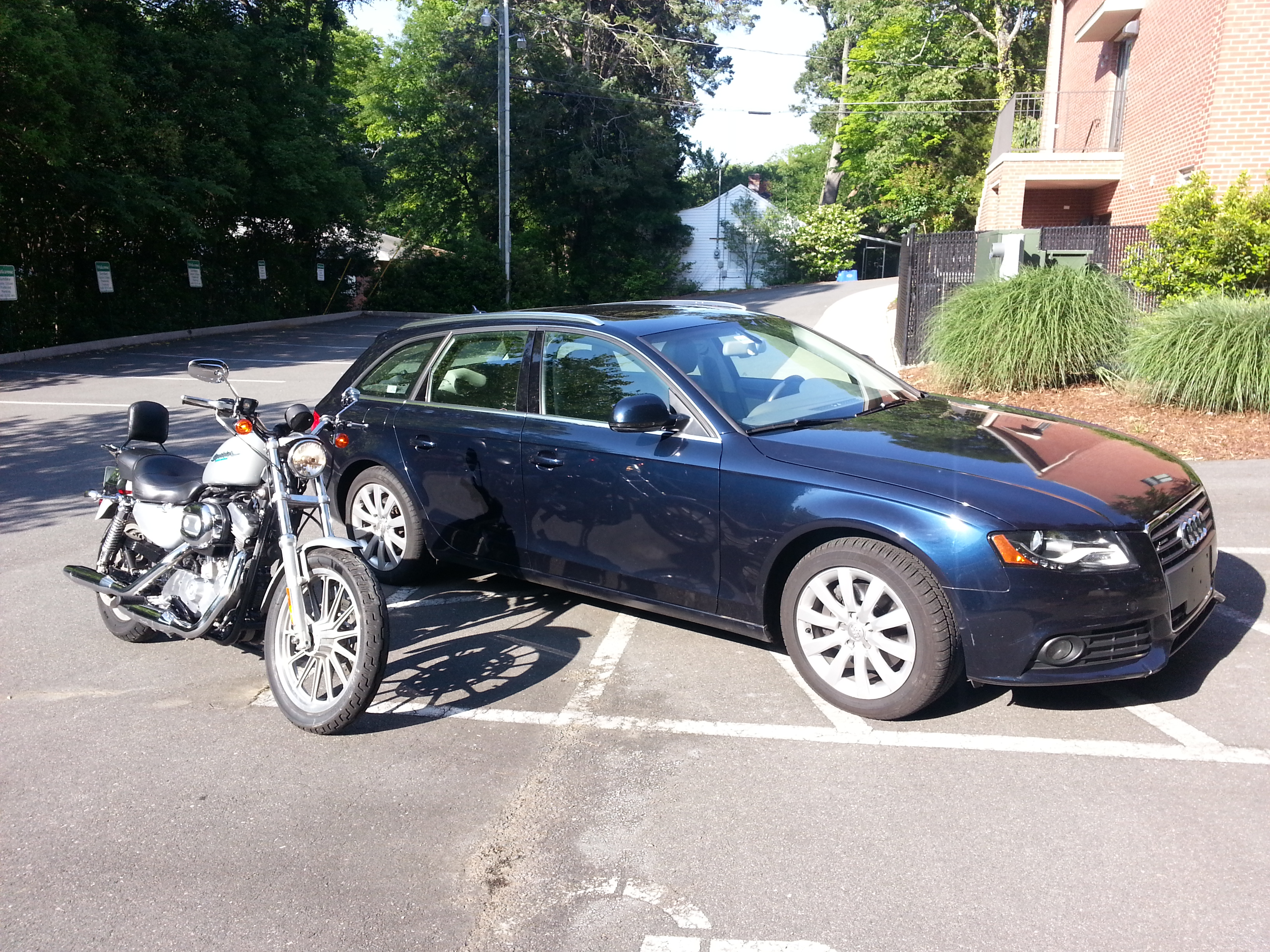
Rocinante loves North Carolina! She loves the beautiful country roads, she loves taking me to discover barbecue restaurants and most importantly she loves riding in the winter!! (She also likes coming into the house when it is raining or when I leave Chapel Hill to come to Spain).

Sadly, since I walk to work, Rocinante and Helmut (the car) just sit on the driveway passing time, I might take them out once during the week to run an errand or to buy groceries. But on the weekends I make sure to go on a nice ride. Since Chapel Hill is really a glorified village we hit the back roads very soon, which means I have yet to get very far. Basically I have been discovering the myriad roads around Orange county and they are all beautiful.

In September I bought a bicycle. It is an old Schwinn road bike. The biggest bicycle retailer in the US happens to be Performance Bike

in Chapel Hill – who knew, right? aaaaand the husband of one of my colleagues happens to work there. They were having a charity fundraiser for MS so I bought it for $300 for the cause. I love it! She is aluminium with carbon fiber fork and seatstays. As they would say in old Boston, she is wicked fast. My last road bike was called the Millennium Falcon, so for now this one has the same name. I love going on rides on the country roads around Chapel Hill, although I have already managed two flat tires. I also use it to go to the gym or to specific events around campus. Normally I walk eight minutes to Dey Hall, so I do not really need to ride.

Close scene analysis

Close scene analysis: Belle Epoque, Fernando Trueba 1992

Fernando Trueba’s (Madrid, 1955) Belle Epoque establishes from the first scene the nature and spirit of the film. With a star studded cast that includes Fernando Fernán Gómez, Jorge Sanz, Penélope Cruz, Miriam Díaz-Aroca, Ariadna Gil, Chus Lampreave and Maribel Verdú among others, and with an equally talented crew including the award winning veteran Rafael Azcona as writer, the quality of the film is evident by its award shelf.  The film hauled in Best Foreign Language Oscar© in 1994, BAFTA, Berlin Bear, Goyas, etc. The initial scene post credits is an abstract of the entire film as it, from the very first impression, establishes the main character, the mood, and the setting.

The modernist stylized opening credits start and roll on a long, almost horizon view of a desolate, palm tree lined dirt road. There appears to be some sort of unidentifiable bulk in the middle of the road. Is it a body? The music that accompanies the credits is a village band version of Ravel’s Bolero.

The camera advances down the straight road with the dark mass obviously becoming larger, but with the viewer still unable to identify it.  Just before the camera reaches the point where the viewer can identify the object, two notes appear on screen.  The first note reads: “En el invierno de 1930, tras el fracaso de la sublevación antimonárquica de Jaca, un joven soldado abandona el cuartel y, convertido en desertor, vaga por los campos intentando vivir su propia vida.”, (In the Winter of 1930 after the failure of the Jaca antimonarchic revolt, a young soldier abandons the barracks and, as a deserter, wanders the countryside trying to live his own life), and  “Febrero 1931, en algún lugar de España…” (“February 1931, somewhere in Spain…”¹). With the fading of the last musical note, the viewer finally identifies the bulk as a suitcase at the same time as a foot enters the screen and sets itself next to the case.

With a whack From a Mauser ‘s rifle butt, the suitcase immediately and innocently pops open. A Guardia Civil (a Spanish paramilitary policeman) in his traditional three cornered, patent leather hat pokes his head from the top left corner into the screen, looking into the suitcase.  Another guardia then enters from the top right hand corner of the screen. The viewer is looking up at the policemen from inside the suitcase. This comic gaze of the suitcase looking up at the policemen establishes the tone for the rest of the film. The suitcase appears to be observing the feared authority as the authority curiously peeks in – who is looking at who? This shot, with the camera on the ground pointing up at the nosy guardias, goes on for five seconds, an eternity in modern film, before the guardia are distracted by noises coming from the bushes on the side of the road.

With the fear inducing shout of “¡Alto a la Guardia Civil!” and “¡Manos arriba!” (“Halt to the Guardia Civil!” and “Hands up!”), a young man (Jorge Sanz) walks out of the bushes and obediently puts his hands up.  Simultaneously his trousers drop. Here again Fernando Trueba reiterates a comic wink as the feared Guardia Civil deals with a young man in his underwear trying to explain why his trousers aren’t fastened. The connotations are clear.  Although this scene could be dramatic, reminding viewers of the brutal arrests of Federico García Lorca, or Miguel Hernandez,  we are reminded not to take this scene too seriously. As the younger Guardia goes to fetch the traveler, the older one has stayed to inspect the contents of the case.  This inquisition leads him to believe the suspect is a deserter, which causes protagonist Jorge Sanz to shout “¡Viva Galán y García Hernandez! (“Long live Galán and García Hernandez!” the executed army captains that led the antimonarchic revolt in Jaca). The younger policeman, realizing the suspect is an outlaw, is ready to hit him with the rifle.  However, the older policeman casually tells him to stop. Trueba has easily established the “good cop, bad cop” dynamic, which calls forth further issues as the role of the authority in a divided Spain. The wiser, older Guardia is the more flexible, tolerant one, willing to listen to the renegade, and the younger more passionate one blindly follows the established order.

The deserter denies coming from Jaca where the revolt has just occurred, claiming he is coming from Madrid.  In addition, he denies deserting. This is all unconvincing with a purpose.  When asked where he is going, his answer is clear when he exerts a shrug of the shoulders, a showing of open palms and a “no sé” (I don’t know). This is a key element in establishing the character as a vagrant, a wanderer and following the rich Spanish literary tradition, maybe a pícaro, a rogue or picaroon.

The interrogation proceeds with the three men standing around the open suitcase. The older Guardia picks up and flips through a Bible as he continues the questioning. The young man declares he is in favor of the Republic. With the sentence:  “Aquí ya no se entiende nada, republicano y con la Biblia encima” (“Nothing is understood here anymore, Republican with a Bible on him”) the opening credit music creeps in and the camera zooms to the young man’s hands as he is handcuffed voluntarily. The scene fades quickly to the cuffed hands of the deserter carrying his bag in the dark of night.

This brief opening chapter, just over a minute long, with ten camera shots, creates the setting, the main character and the main issues of the film.  At this point it becomes important to delve into how the filmmaker manages to convey so much information in such little time.

While the two policemen in Belle Epoque might appear somewhat parodical , their reputation,  cultural representation and historical prestige is so heavy one does not take them lightly but maybe only just a little. Using the Guardia Civil in the opening scene is a master stroke in having the audience, at least the Spanish one, instantly recognize and culturally associate the scene.  In the following scene we shall see the younger of the two policemen shoot the elder one, who also happens to be his father in law therefore proving the Guardia’s “trigger happy” reputation. Another cinematographic stroke is not using the lighting, camera angles, or available contrasts to establish a power superiority on behalf of the authority.  This keeps the young deserter as an equal throughout the sequence.

Why a renegade deserter would leave his suitcase right smack in the middle of a road, regardless of how untraveled it might be, in politically difficult times does not go unnoticed by the viewer. Yet Trueba’s point, does not seem to be beating a dead horse, instead he is making sure we accept the tale lightheartedly, without the heady historical and political charge.

The craftsmanship and technique required to accomplish so much narrative in such little space is a credit to the filmmakers. The mise en scene is necessarily economic to get the most amount of information in the fastest, easiest way possible.

The lighting is very neutral.  While the viewer appreciates the long shadows of the palm trees during the opening credits, there is no other indicator of time or temperature.  The coloring is also quite neutral with the main splashes of color coming from the green fields on the side of the road and the deserter’s white boxer shorts – lest anyone has not yet noticed the comedy in the exchange with the Guardia civil.  Could it be the white boxer shorts are meant to evoke a thought of “innocence” or “surrender” via color alone? The Guardias’ uniforms are famously (or infamously) olive green.  Even the glimpse of a stream behind the deserter as he comes out of the bushes is rather murky. Other than the point of view shot from inside the suitcase, all other camera angles and shots are standard full body shots.  An American or half body shot is used for the final exchange in the scene, where the conversation comes to a climax and the handcuffs come on.  Another item of note is the absolute lack of any other sort of civilization in the film.  There are no houses, farms, barns, animals or cars. Because the setting is quite rural, even without expected rural backdrops, the focus remains on the actors, which still allows the viewer to believe the events happen at a distance from the closest village or town. There are various possible reasons for this remote setting: to rule out any possible interference in the scene that would take away from the carefully worked exchange, and to emphasize that the action is taking place in a rural setting and not an urban, cosmopolitan one. The use of lenses, depth of field and composition again are evident only in that they are not noticed. The filmmaker wants the audience to focus on the exchange and reduces everything else in order for the viewer to take in what information is being provided.

In conclusion, the scene builds up gradually from the opening shot of the suitcase on the middle of the road to the climactic “Nothing is understood here anymore- Republican with a Bible on him” declared by the older Guardian. In just over a minute the filmmaker has managed to set up the audience to enjoy a likely comic film with a clear political and historical theme.

Notes:

All translations by the author

Bibliography:

Monaco, James. How to Read a Film. New York: Oxford University Press, 1980.