What makes the best gym? The Zoo

I once wrote about the best gym in the world, but it is in Naples Fl, so it is not a viable daily option as an everyday gym. Which prompts the question, which is the best gym?

As usual, I was a bit of a late bloomer into the gym scene, although I have done a lot of sports since childhood, they were mostly outdoors. With age, and Boston winters I “discovered” resistance training as a critical part of one’s fitness journey. Since those winter days of 2010 I have been to many gyms and now have decent criteria for choosing a gym.

The factors to consider when choosing a gym might be:

Convenience, it is easy to get to for you. Ideally you could walk. These were my gyms in Boston (city Sports), Madrid (Metropolitan, Synergym) and Chapel Hill. If it is at all inconvenient that becomes a great excuse not to go… it is too far, there is no parking, etc. etc.

Size is important, you want to be able to mix up your workouts. You need a variety of cardio machines and enough of them to be able to get one when you need one. For example, my apartment building has a gym which is only an elevator ride away (no, there are no stairs to get to it, ironic), but it is rather small and limited, so I have reduced options for workouts.

Ideally it should have staff to help you with anything from helping you with technique to helping you with anything you might need.

It is in this aspect that The Zoo in Boynton Beach shines! Yes, it is only a few minutes away from home and yes it has enough machines and weights and spaces to be able to always do a workout. But it is (as usual) the people who welcome you and make you feel at home that makes the difference. Jennifer is always there with a blinding smile that makes you feel that little bit better to face your workout, she is always quick with advice, wise beyond her years, encouragement or just chit chat to get you motivated. Lorenzo will gladly check your posture or technique, or if you ask him will give you advice on specific workouts -beware of what you ask, or he will kick your ass (in a good way). I have learnt to only ask if I am up to giving that little bit extra to finish off my workout! Since I always do my workouts in the afternoon / evening, I do not usually see Mario, but he wears a permanent smile as he welcomes you and checks you in.

Some gyms offer all the amenities -which do not get me wrong, are nice. The Zoo has golf lessons and physical therapy, but at the end of the day you are going to the gym to work on your fitness and wellness, do not focus on the superficial aspects of your workout.

What makes a good gym for you? let me know in the comments!

The best thing in Miami is not in Miami (not Miami Beach either)

Yes, Little Havana is culturally significant, and South Beach Art Deco district is architecturally interesting, but otherwise, as I have said before, Miami does not have that many redeeming qualities. There are curious little stops like Dr. Jackson’s house, The Barnacle and Coconut Grove, Vizcaya, Coral Gables, Winwood Walls, Miami Design District, Little Haiti, Gesú church, etc. This is understandable, it is a young city founded in 1896 -the first city in America founded by a woman, Julia Tuttle.

But otherwise. anonymous skyscrapers (Zaha Hadid’s 1000 Museum is a notable exception) and overrated and overpriced restaurants do not an interesting city make (Joe’s Stone crab is a historical exception).

But how many rivers have you been on that are 60 miles (97km) wide and over 100 miles (160km) long? That you can walk in (the average depth is about 130cm), that you can see alligators, turtles, snakes, and all sorts of birds? Well, go to the Everglades!

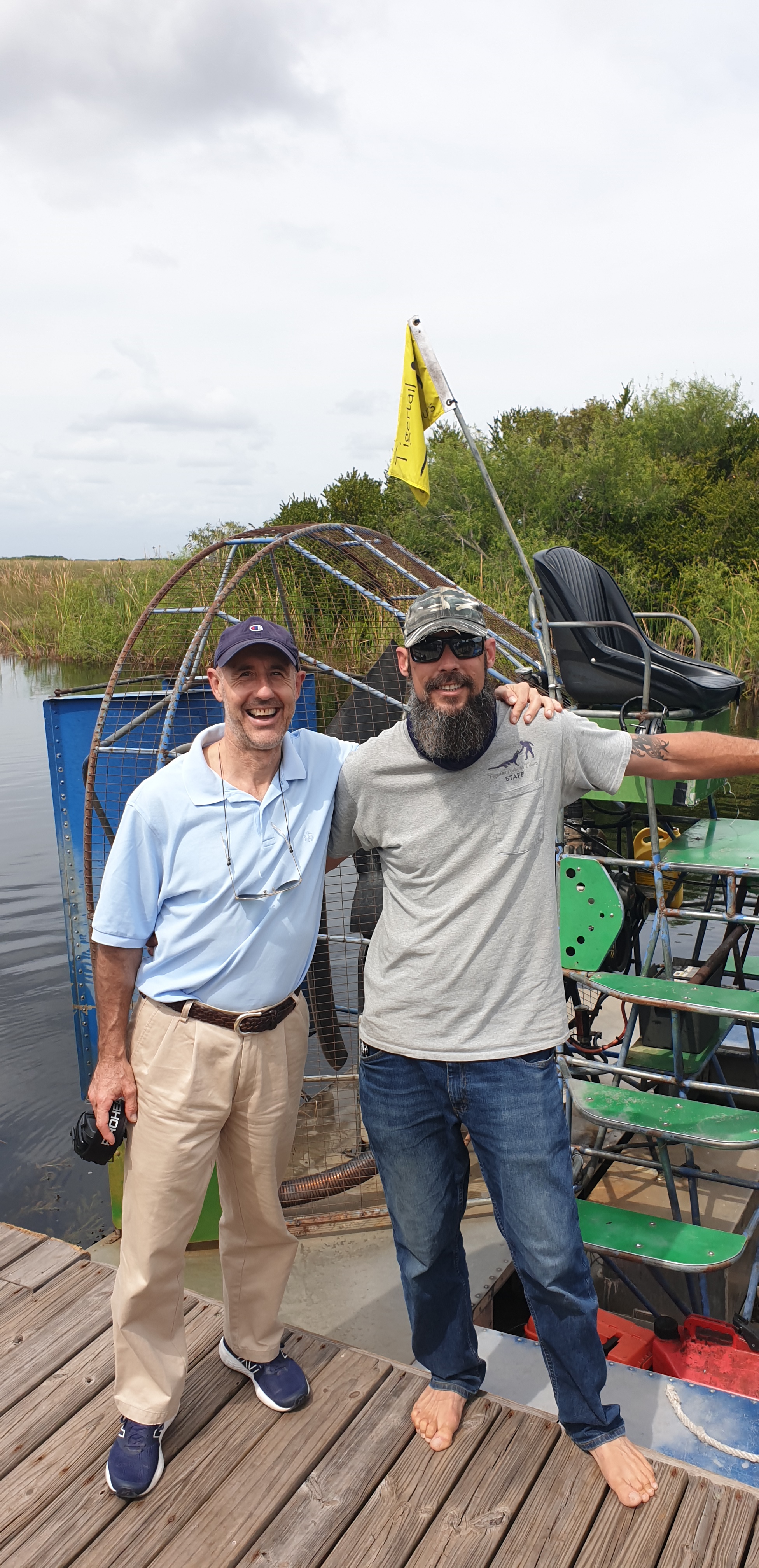
I discovered the Everglades -and its brother park Big Cypress in 2016 and fell in love! It really is an environmental miracle, a very slow-moving river (Florida has no elevation!). I have recently started taking tours of the Everglades. Airboat rides are great fun and I happen to know the best! Run by the legendary Miccosukee family the Tigertails.

So if you are in Miami, of course, visit the city, but make sure you experience the Everglades! You are welcome.

Here is a 7 minute documentary on the current situation of the 3 million acre, largest sub-tropical area in the world, what the Miccosukee call the “River of Grass.”

The evolution of my Camino packing

Pilgrims have been walking to Santiago from all over Europe since about the year 800, before Hoka running shoes, before high tech fibers, before ergonomic backpacks, before electronic watches that measure your heart rate, every step you take and your lymphocytes, before, before, before. So chill.

On top of that, most people walk really short Caminos, so your choices are not that critical; you are going to walk for 5 days, eating much better food at half the price of whatever you are eating at home, sleeping on decent beds, showering with decent water pressure, with a fully stocked pharmacy in almost every village you walk through should you need any medicine, and enjoying free, high speed Wi-Fi internet connections so you can post on Instagram. You will not be roughing it (unless you choose to).

As I prepare for my fifth Camino, here are some thoughts on my packing and the evolution of my packing philosophy.

One of your realizations on the Camino might be how happy you are with so little, only with what you are carrying on your back. So packing is or should be an exercise in minimalism. Here are some thoughts:

There are laundry facilities in all albergues, some might be modern washer driers, some might only have manual washing options. If you are not willing to hand wash your own socks, underwear, and t-shirt –ask yourself if you want to be on the Camino. So you do not need to pack a lot of clothes. I pack 3 pairs of wool, no stitching socks, 3 underwear, 3 (long sleeve) cotton T shirs -yes, I am a snob and hate the feel of modern fibers. 2 pairs of cargo shorts (the side pocket is perfect for guidebook, maps, etc.) and a sweatshirt. My first Camino, optimist that I am, I did not pack a sweatshirt, and it was freezing in June in Burgos, so I had to buy one!

Did I tell you I am a snob? My sleeping bag is my favorite bedsheet folded in half and sewn together like a sleeping bag. It is much heavier than a modern sleeping bag, but it is far comfier, with matching pillowcase, of course.

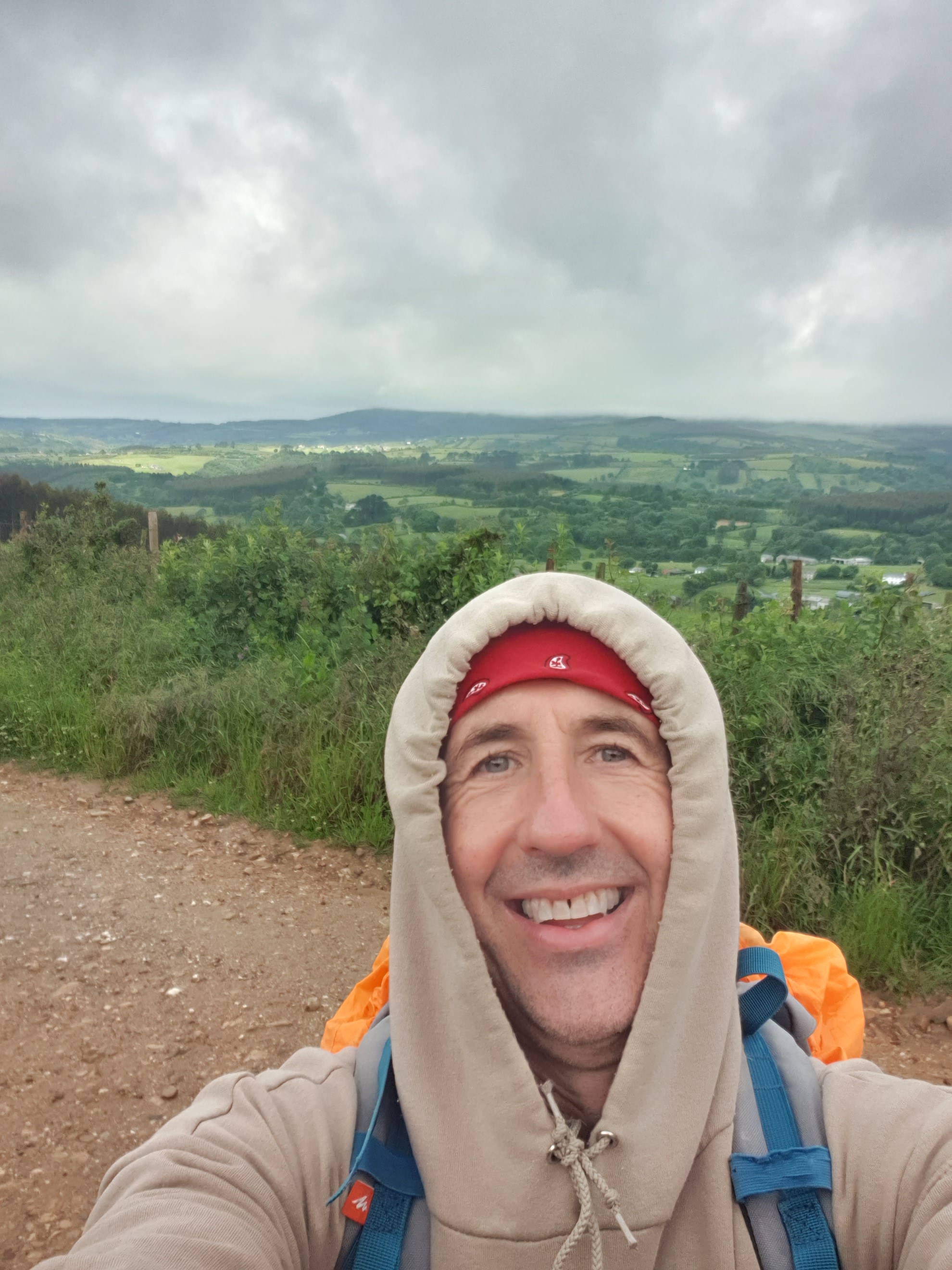
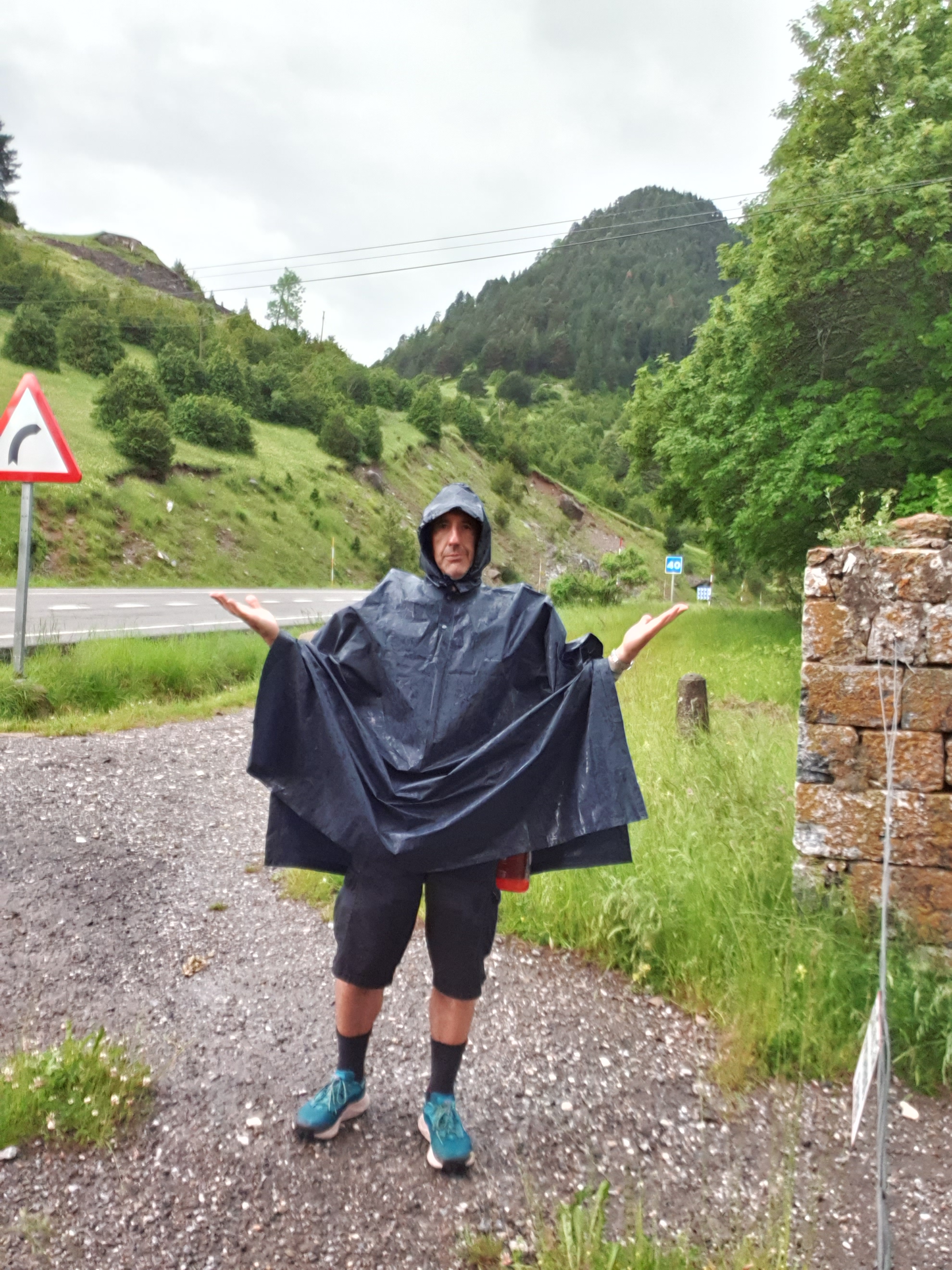
If it rains you are going to get wet. Yes, you can buy a $200 jacket that will keep you dry, good for you. For a few bucks you can have a poncho that will also cover your pack. (although you should also have a rain cover for your pack). Be ready to activate your rain protocol quickly as summer showers might pop up unannounced. (You do not want your poncho at the bottom of your pack.

Bag of mixed nuts (trail mix) in a side pocket for a snack if the walk between villages is too far.

Bandanas (x 3) great for picking up sweat, as an impromptu hat, etc.

Sun hat, people have died on the Camino from sun strokes. On the climb up from Castrojeriz you read the sad story of a fellow who basically got skin cancer -on that climb.

Swiss Army Knife, you are only going to use it to maybe slice some bread to make a bocadillo (Spanish sandwich) or to open a bottle of wine, but it gives you great peace of mind knowing that you have it.

Bathing suit! If you find a spot for an after-hike dip, or a municipal pool, you will need it.

Lightweight towel.

Flip flops. My first Camino I carried sandals for the après-Camino, but then I realized that most of the population of Southeast Asia only wear flip flops. So I ditched the sandals, I now wear my cheap flip flops all the time.

Silk long johns. Some evenings it does get chilly, long johns to the rescue. They weigh nothing and take up zero space.

A few feet of thin rope. No rope space for your laundry? Bring your own line…

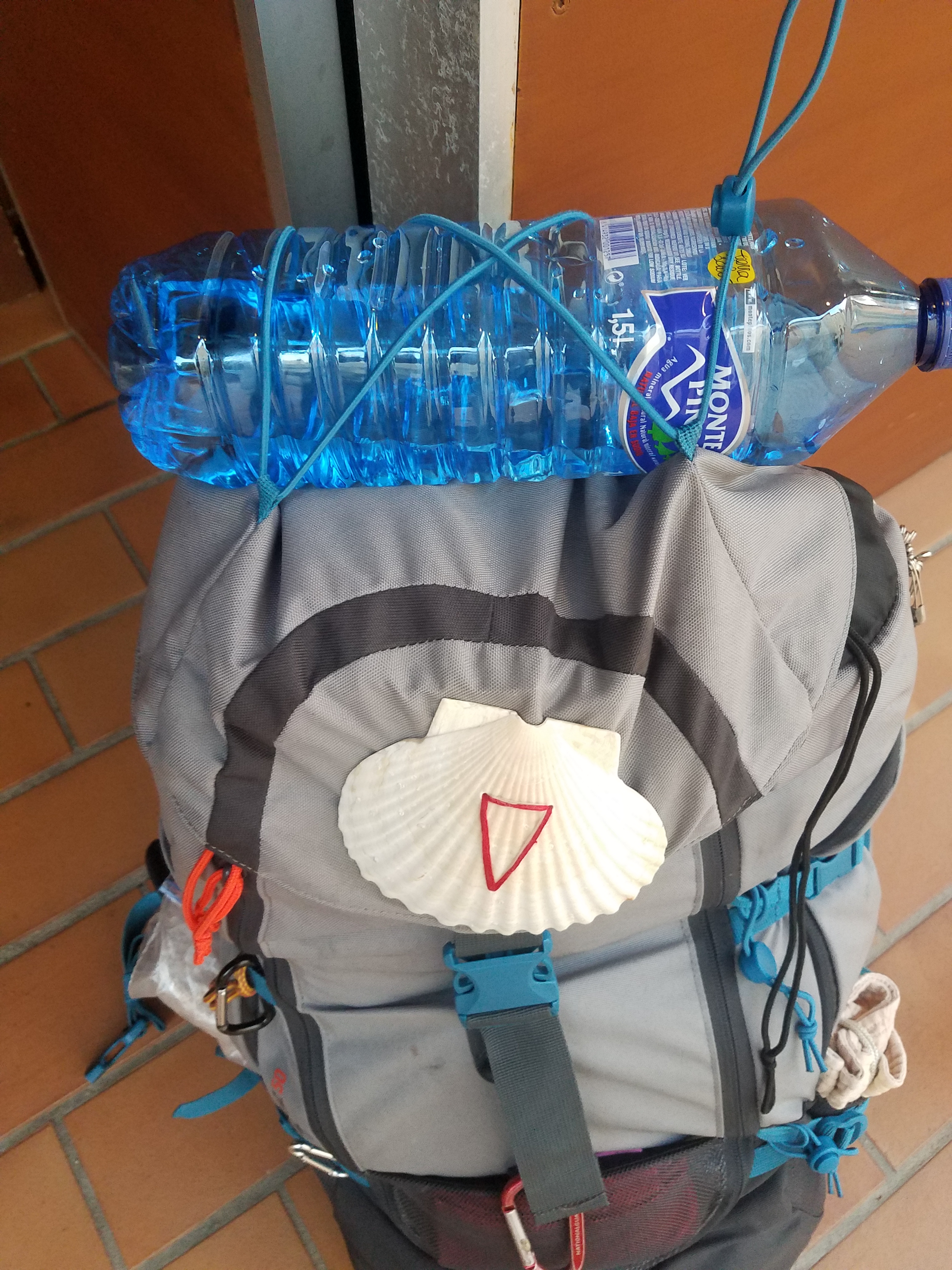
Water bottle. A lot of people use bladders, on a sweltering day you will quickly run out of water and those are difficult to fill in a village fountain… you have been warned.

Savon de Marseille: use it for your body, shampoo…or clothes, 3 in 1. If you get it in Spain, it is called jabón Lagarto, every supermarket has it.

Small first aid kit, you might need a few things to take care of blisters, etc. More for peace of mind on the trail.

Small book and writing/drawing notebook.

Sunglasses.

Rule of thumb is your pack should never exceed 10% of your body weight and should never exceed 10 kg (22lbs). My pack is a 50 liter, but I have plenty of space. Also remember to pack the heavy stuff in the bottom of your pack so it will sit in your lumbar area.

Now, having said all this, forget it! Each person is different with unique needs and expectations, experience, etc. So, make your own Camino, and your own pack. Buen Camino!!

El escudo de Chile, Luis Correa-Díaz, la canción del exiliado. (Finally going bilingual!)

Hay un hilo que une a todos los exiliados, emigrantes y refugiados del planeta: nuestras cabezas conocen los problemas y saben las dificultades que hay en nuestros países, pero nuestros corazones añoran todo lo bueno que dejamos atrás: las familias, amigos, la comida, los olores, los sonidos. Luis Correa-Díaz lo explica con poemas en su Escudo de Chile (Oxeda 2023).

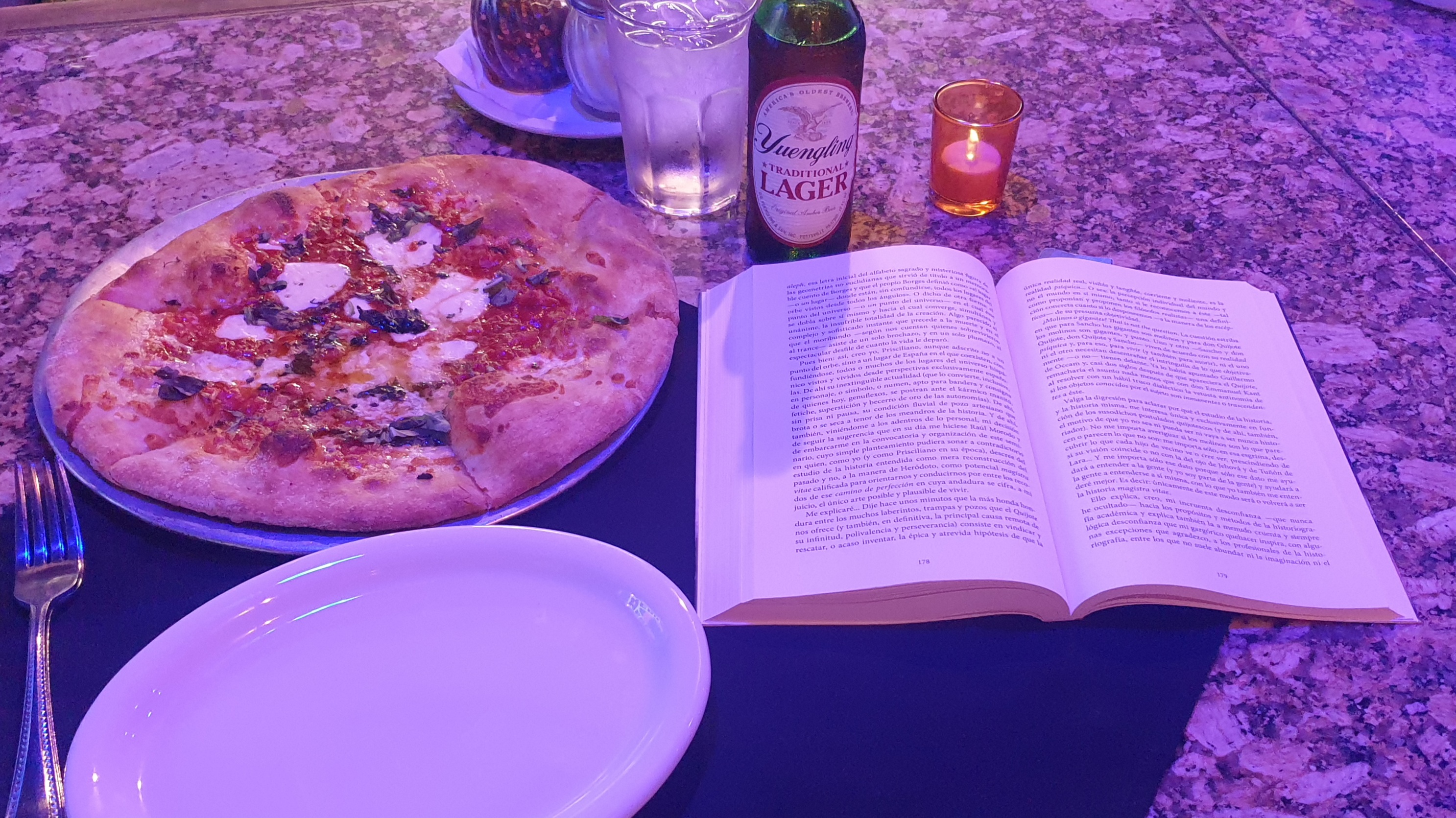
Confieso que cuando recibí el libro que Luis generosamente me envió, estaba justo leyendo otro libro. En vez de dejarlo acumulando polvo en mi escritorio se lo presté a Ricardo, mi compañero de trabajo chileno, enciclopedia andante de futbol, quien me aclaró mis dudas sobre Chile que ignorante de mí solo conozco de Missing con Jack Lemmon y Sissy Spacek (1982) y Los diarios de la motocicleta.

En esta aventura narrativa, perdón, en verso, Correa-Díaz, nos invita a su exploración postmoderna, postcolonial, milenial, romántica, político-futbolística, neo barroca (¿Cómo escribiría poesía Alejo Carpentier en el siglo XXI?), musical, culinario-gastronómico de Chile por medio de su escudo.

El libro está dividido en 70 poemas, pero la ausencia de puntuación nos propone, en un juego borgiano, 70 poemas o un solo poema o infinitos poemas. La lectura fluye entre poemas con solo algunos cambios de perspectiva cuando el narrador es el escudo o cuando las referencias cambian de históricas (Pinochet, Aylwin) a musicales (Serrat, Bad Bunny, Juanes…), a futbolísticas (Colo-Colo, la Roja), etc.

El escudo de Chile es tan solo la piedra angular de esta construcción, un trampolín que permite a Correa-Díaz tocar la política, la historia, la geografía y sobre todo la cultura de su país entre Jung, Gabriela Mistral, Dante, Capitán América, Trump, emoticones, fotos…

Este es el tercer poemario que leo de Correa-Díaz después de Valparaíso, puerto principal y Del amor hermoso – el cual sale auto referenciado en el Escudo de Chile –Y es tan enriquecedor como los anteriores!

Llevaba años pensando en hacer este blog bilingüe. Inspirado por Luis, por fin, después de 13 años me he decidido. Espero que os guste.

Marina District, my new neighborhood

It has been about six months since I moved to Raskolnikov’s apartment (it is far from it, but I like the analogy, and I am sticking to it!)

Yes, the apartment is small, less than half the size of my previous quarters, but, paradoxically, the bathroom is much bigger than the old one. I do miss having an oven (apparently the first floors of the building were supposed to be some sort of luxury resort apartments, but that did not work, so now they are “regular” apartments), but being in a bit more of a neighborhood trumps the negative aspects.

The building itself has all the bells and whistles: steam bath, sauna, gym, two pools (a lap pool and a “regular” one), etc. Unfortunately, the owners tend to be old, cold, paranoid New Yorkers, or Northerners in general, so you need a digital key fob to move anywhere around the building: to operate the elevators, to get to the mailroom, etc.

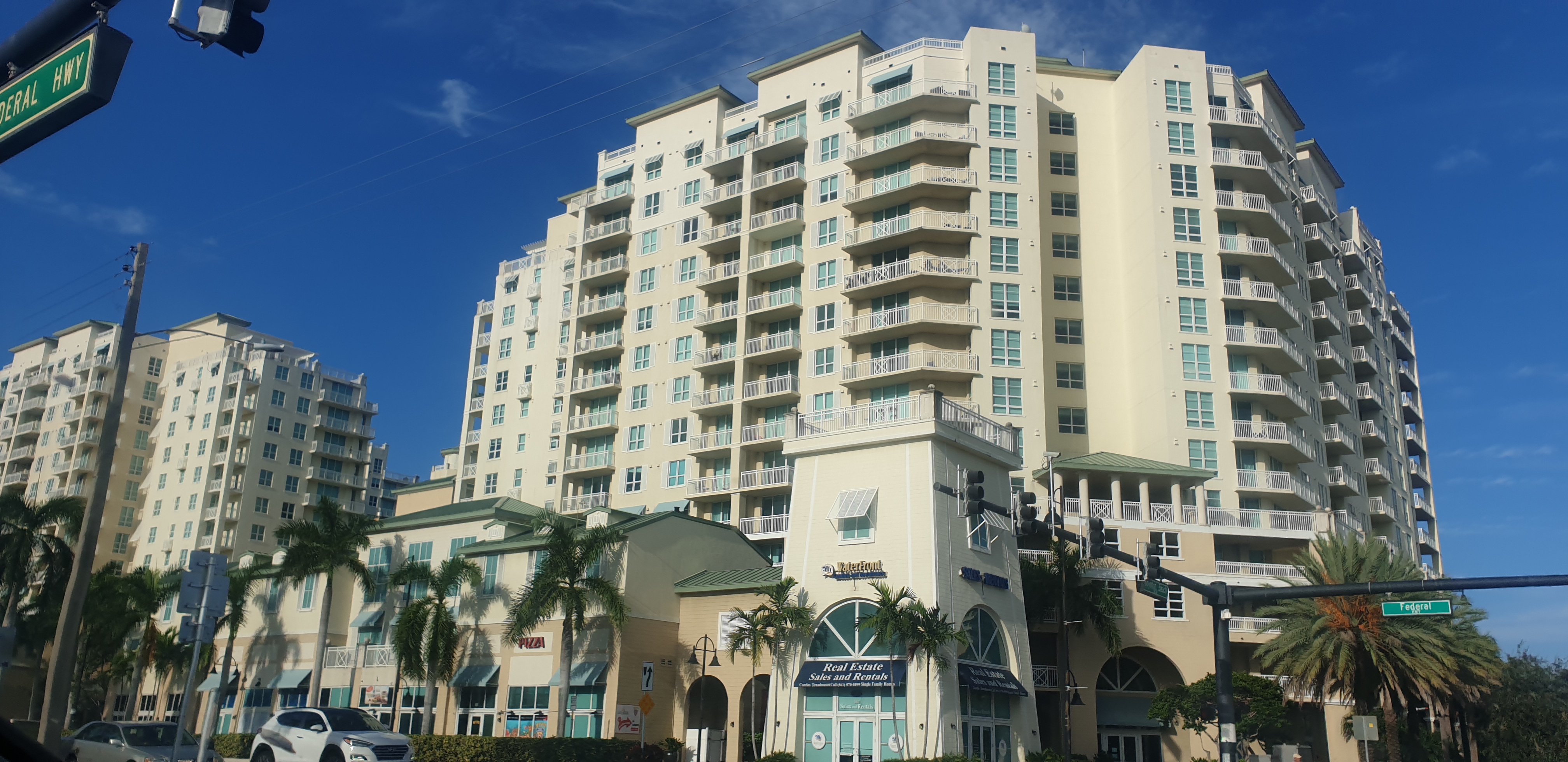
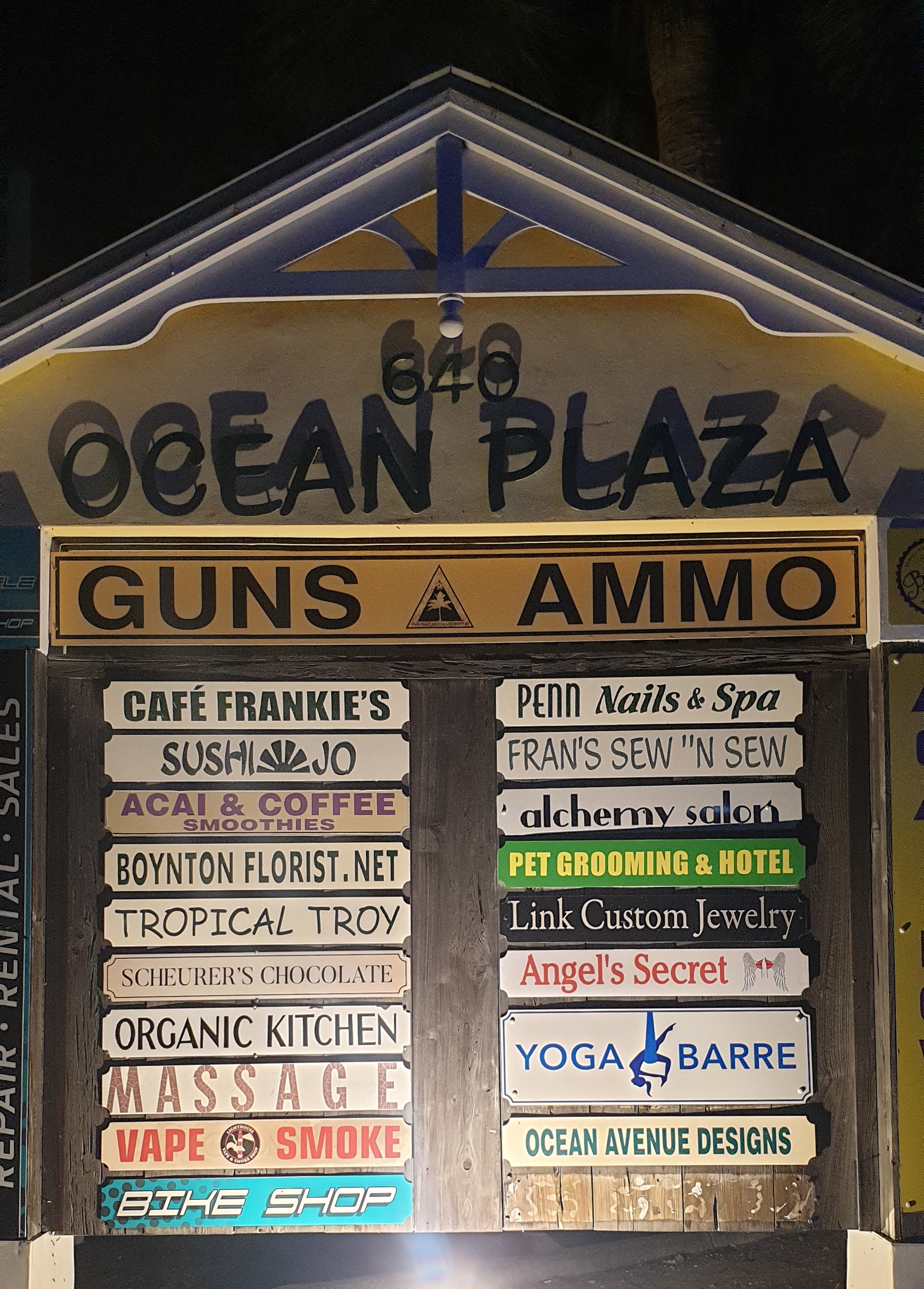
The main benefits are being walking distance to the beach, to my favorite pizza in Boynton Beach, Café Frankie’s, to the dry cleaners, Paola’s great Fran’s Sew N Sew, to a bunch of other restaurants like the famous Two Georges, or Banana Boat, Scheurer’s the delicious chocolate maker, a hardware store, a breakfast diner, DJs, even the public library is walking distance. But probably the handiest feature is how close it is to my parish, St. Mark… across the street. Sunday mornings I just cross the street to get to church!

Is technology making us more or less human?

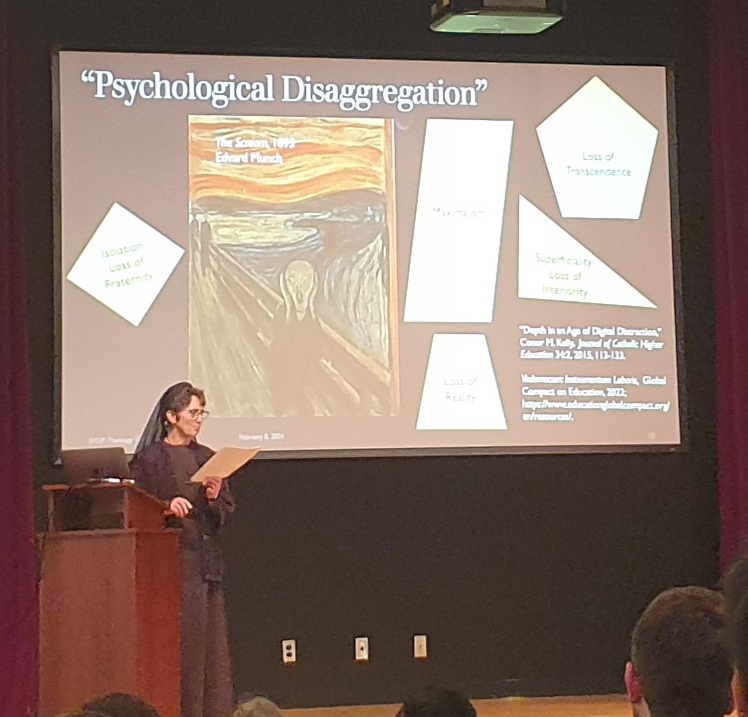
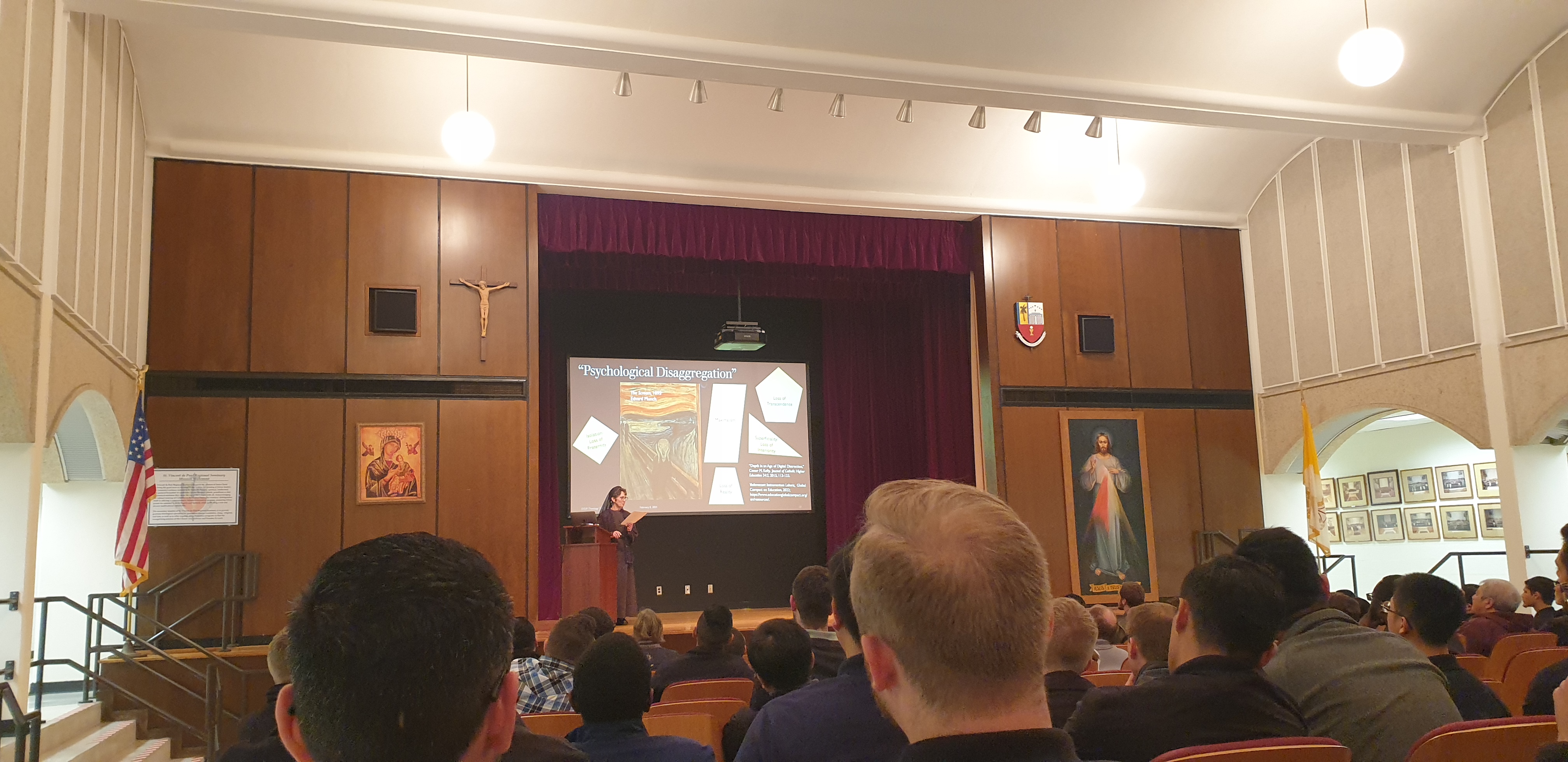
Sr. Damien Marie Savino FSE recently asked this question at a “Town and Gown” conference at school.

Of course, the question was answered before the conference even started. Yes, computers might, and probably will rule the world at some point (soon) to who knows what end. But that only underlines our humanity.

Sister Dr. Damien who is a Franciscan Sister of the Eucharist, the religious order that works in our school –although Sr. Damien is currently working at the U of Notre Dame in Indiana, had a well laid out presentation going over some key and necessary points such as Who we are not and Who we are. She made some cool references to paintings like The Song of the Lark by French naturalist artist Jules Breton (1884), as well as to Heidegger, CS Lewis, Pope Francis, Gaudi, etc.

To be frank, Chat GPT was launched (carelessly, I might add) in November of 2022 and I am already sick and tired of it, and it has only started, and it is only going to get more and more conspicuous. Oh well.

This is the video on Gaudí that Prof. Savino shared with us:

Who was the first American (US) saint?

Don’t worry, I had no clue either. It was Mother Cabrini, who was Italian, but aren’t most Americans immigrants? (When was the last time you saw a native North American?)

At any rate, they made a movie about her -about time, for she was an amazing woman! The main problem with “Catholic” films is that they tend to be chronically underfunded, and it shows. Unless you are Mel Gibson and have access to Hollywood money, your production is going to be underfunded. See for example last year’s Santiago: the Journey within.

We can serve our weakness or we can serve out purpose, not both.

Cabrini

But Cabrini is not about production budgets, it is about the message of this tenacious, gritty, woman, who worked and worked and worked to help (initially) poor Italian immigrant orphans, but built a massive worldwide organization of schools, hospitals, and all sorts of charity work.

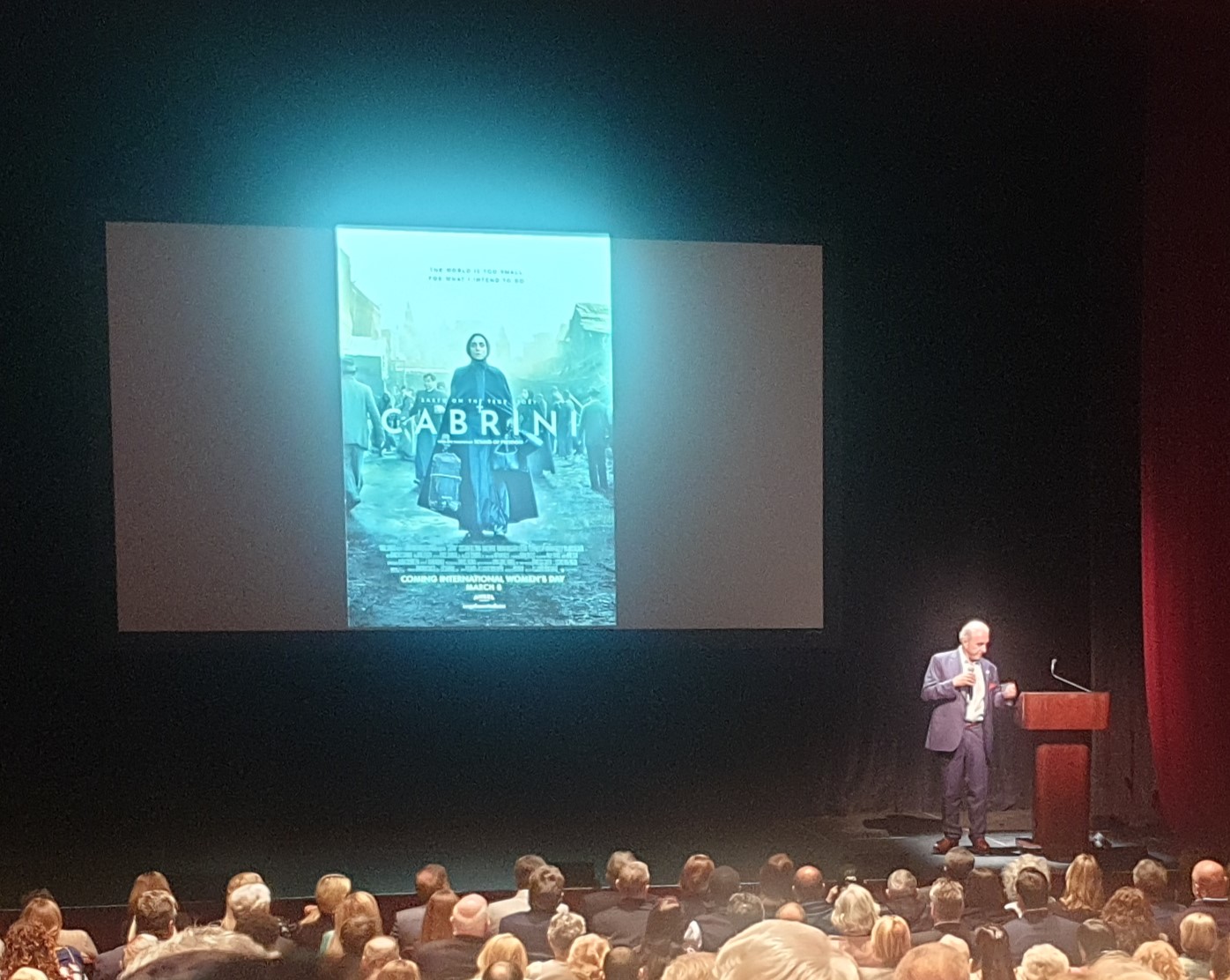
Apparently, one of the financiers of the film, Eustace Wolfington, is a Palm Beach resident, so they invited me to a prescreening at the beautiful Kravis Center, followed by a Q&A by the director Alejandro Monteverde, cinematographer Gorka Gómez Andreu and the phenomenal actor that plays Cabrini, Cristiana Dell’Anna.

The world is too small for what I am going to do

Cabrini

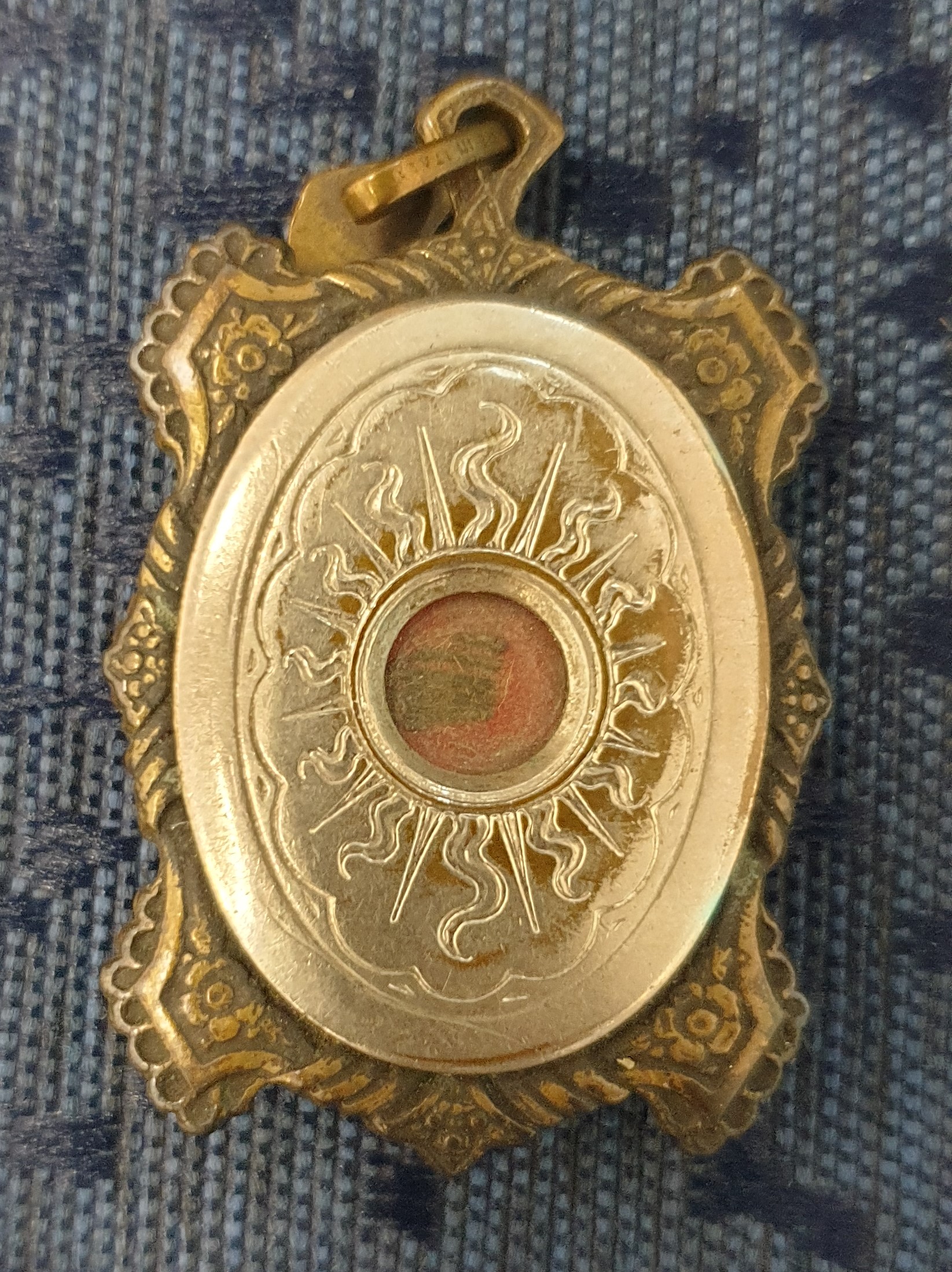
The next day, as I was making my daily coffee at the espresso machine, I was telling one of my students who happens to be of Italian heritage from New York, about the film. He knew about the patron saint of immigrants and told me that he would, in the future, love to have a relic of Cabrini… Later in the day, I was telling a colleague about the film. She opened her desk drawer and there, surrounded by paper clips, toothpaste, and assorted office material was, voilà … a relic of Saint Cabrini. I hear she has since given it to the student.

At any rate, the film is coming out March 8th, so book it to a theatre near you. Do not be a stickler for the production and just focus on the message. You are welcome.

We are bold, or we die.

Cabrini

Historia mágica del Camino de Santiago by Fernando Sánchez Dragó; lesser known myths of the Way of St. James.

Yes, I might be mildly obsessed with the Camino de Santiago, the way of St. James, as you can see from all the posts on the Camino in this blog (go to the search feature and type Camino, I do not like to categorize the blog).

My sister, who knows me well, gave me the perfect Christmas present, a book: Historia mágica del Camino de Santiago by Fernando Sánchez Dragó.

Sánchez Dragó was a huge celebrity in Spain. For years he was a book reviewer on TV, so he was very famous. He was also a writer, winning, in 1992, the Planeta award, which is the top book award in Spain for La prueba del laberinto. “Sánchez Dragó died on 10 April 2023, at age 86, after suffering a heart attack at his residence in Castilfrío de la Sierra.” (Wikipedia)

But I had never read any of his work. My mind was blown.

The book is a psychedelic baroque explosion, dealing with all the “conspiracy theories” of the Camino. The Celtic origins of the Camino, druids, Romans, Egyptian gods, Freemasons, Solomon’s Temple, early church history, the Cluny monks, architecture, Crusaders, the walking stick used by early pilgrims, the meaning of the seashell, etc., etc.

The main argument of the book revolves around Priscillian, (in Latin: Priscillianus; Gallaecia, c. 340 – Augusta Treverorum, Gallia Belgica, c. 385, Wikipedia) Bishop of Avila who in 380 was the first heretic executed by the Church. Is he the one buried in Santiago de Compostela, and not St. James?

Of course, this is no way changes the Camino, you can think what you want about it, and, in fact all sorts of folks with all sorts of beliefs walk the Camino. This book is just a revelation as far as the history of the Camino, it brings together the early history of the region of Galicia and how the Camino came about. Like most things, the story is much more complex and nuanced than what meets the eye…

Build your community. One step at a time.

The US seems obsessed with the concept of community, but with a few exceptions, it is a country notably devoid of community. Technology, i.e., smartphones and social media have killed whatever remnants of community the car and consumer centric society had not killed. It is up to us to build community, and it is a slow process that requires time and patience.

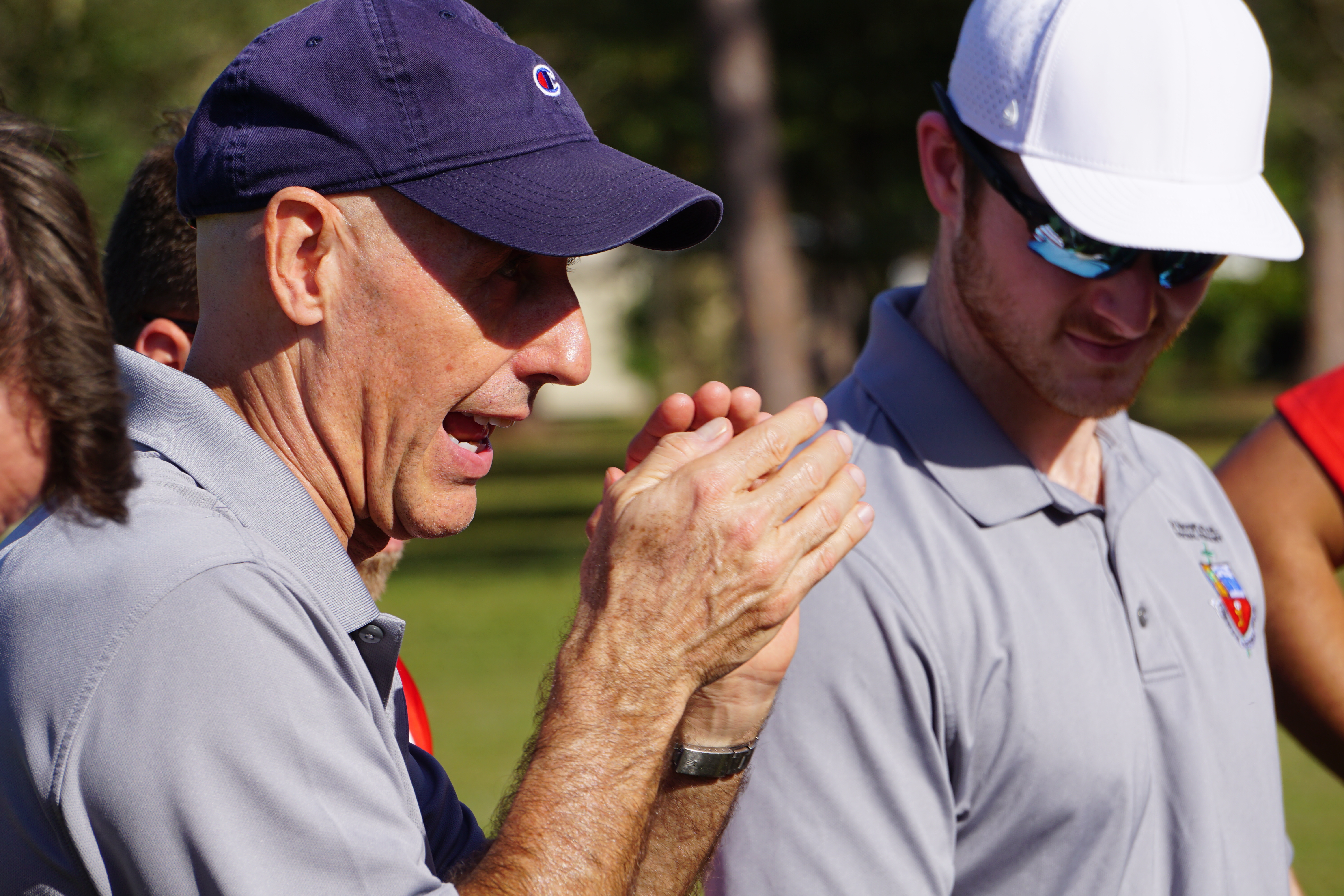
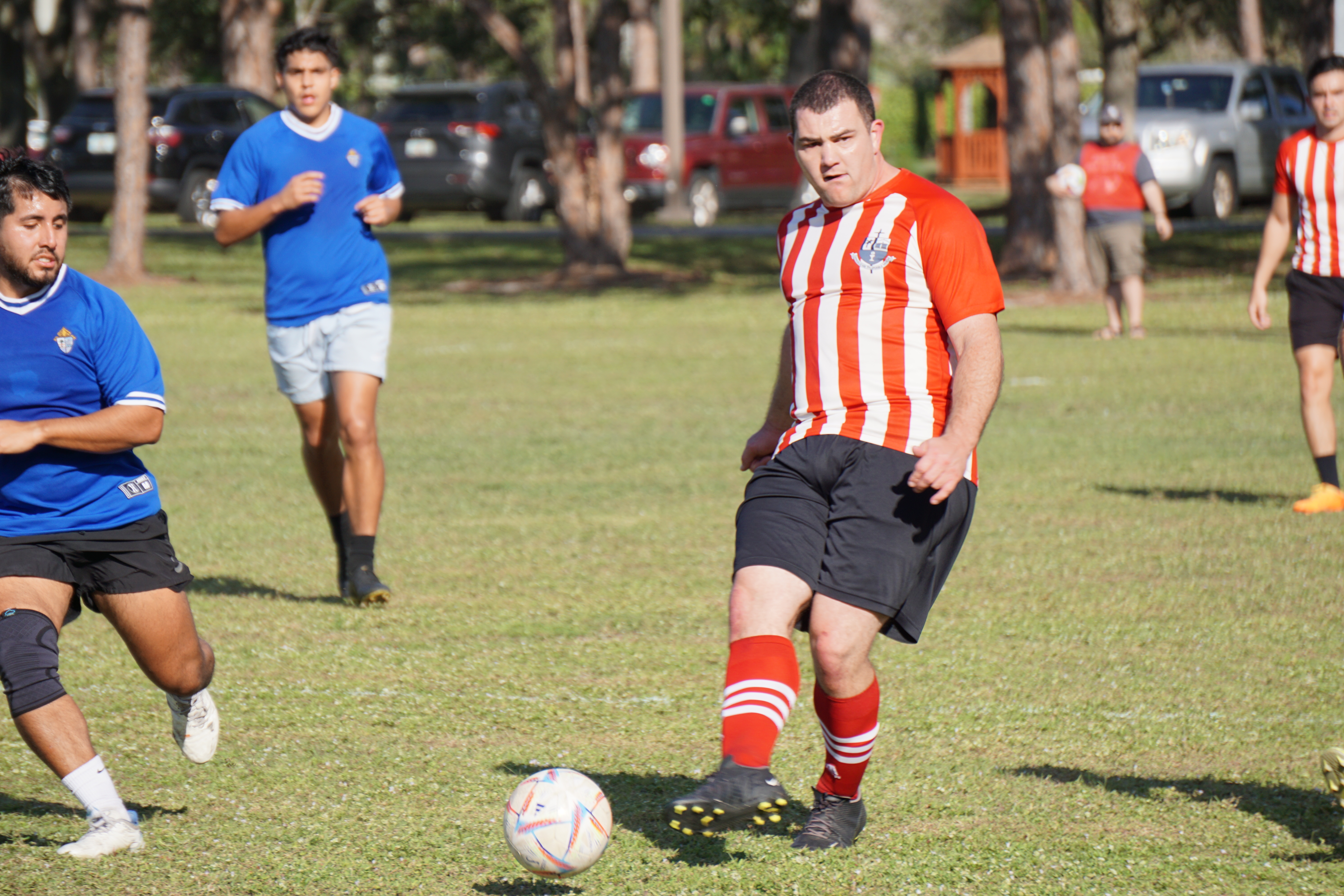
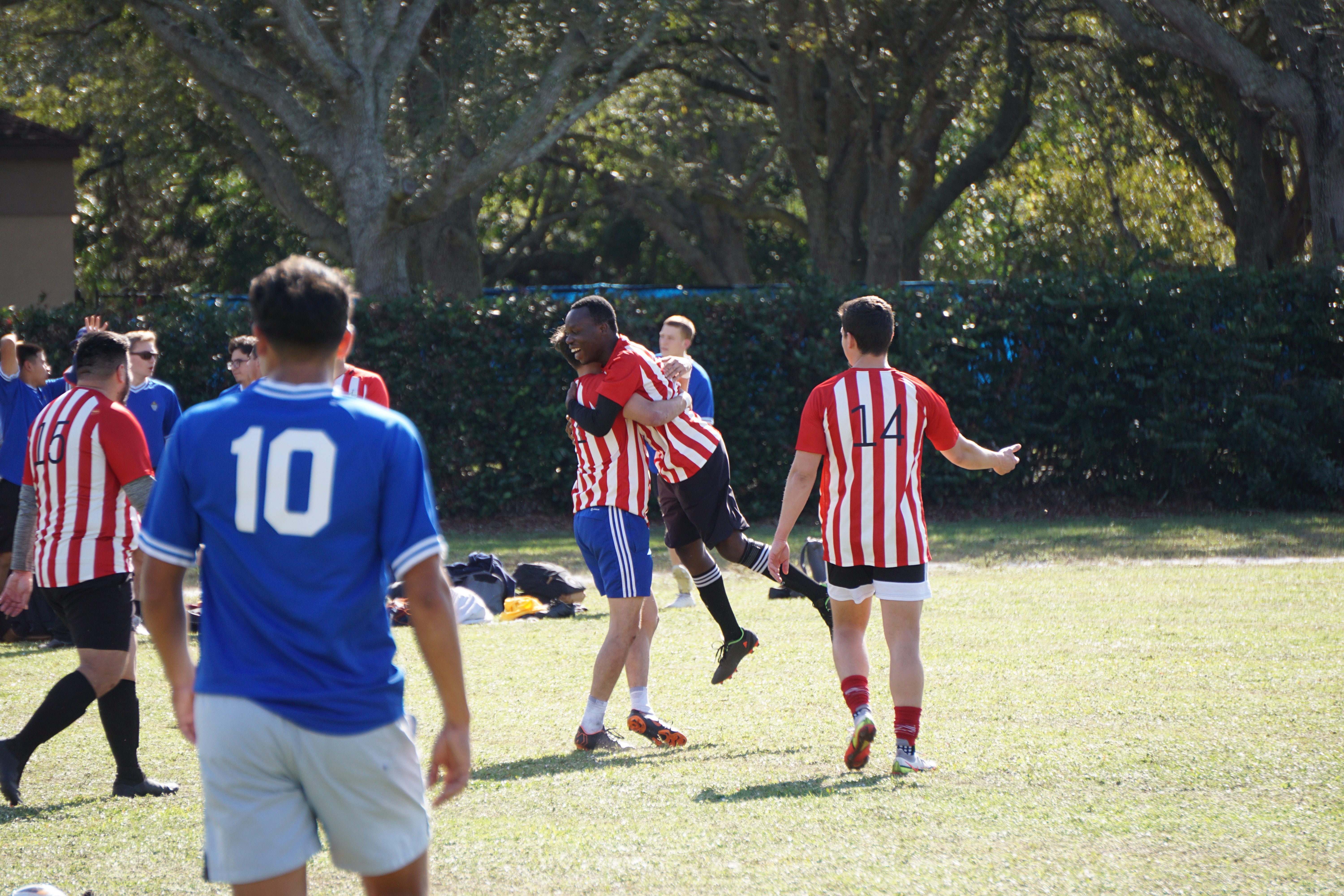
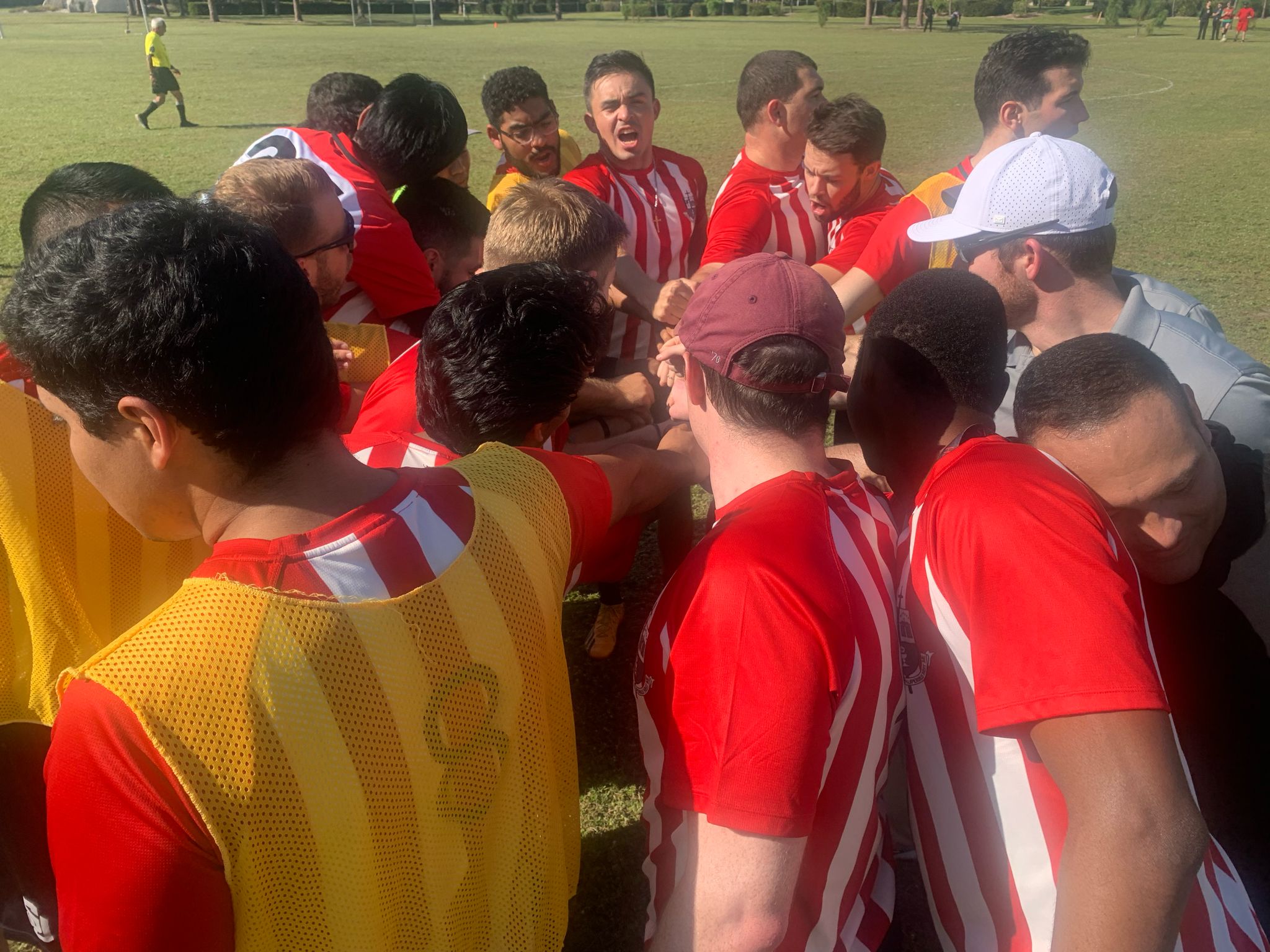
Community building is something I am rather keen on. Something I love to do. The first few minutes of our soccer team practice are always devoted to team building -sometimes with the most basic of games: name games; the other day I was shocked to learn that a new player did not know the names of all his teammates. Then we play team-building games, getting the players to know and trust each other. The result? We play better, so we won 4-1 against our Miami rivals.

Of course, there is much more to it than teambuilding, there are skills, and strategy, psychology, and game day decisions. But the key is to start with the basics, a community.

So, do not complain about the lack of community, build it. At every opportunity you get.

Fundación Masaveu, a great little (free) place to discover in Madrid

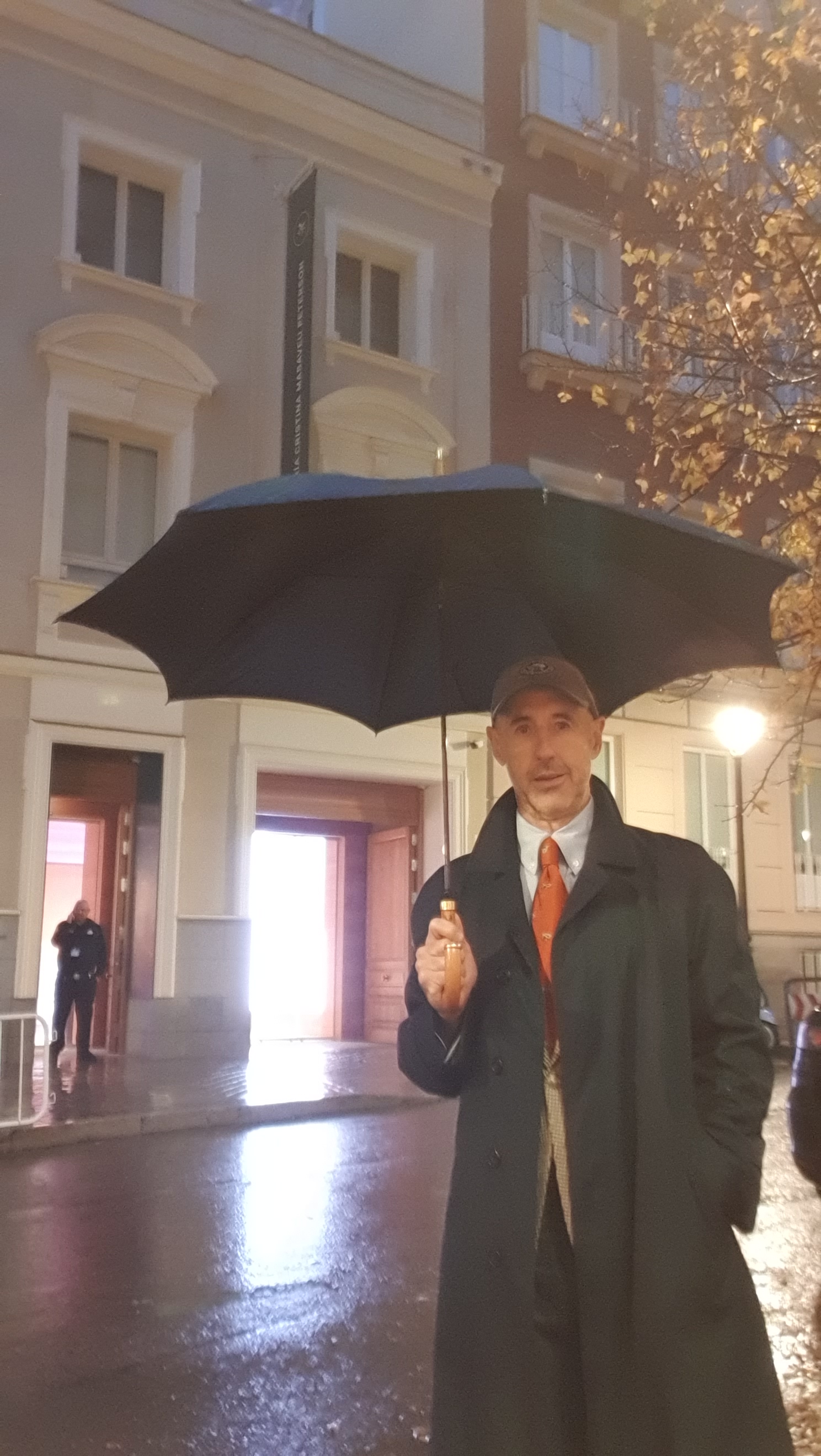
In front of the Fundación Masaveu

Fundación Masaveu has a cute little exhibition space in a quiet street in Madrid where my sister took me to on a rainy afternoon this past Christmas.

The Masaveu family fortune started with a textile shop in Oviedo, but grew to build a cement factory, a bank, etc., etc. They are rooted in Asturias, but obviously have this outpost in Madrid.

They had a few exhibitions running which were fascinating. One was on 18th C paintings of flowers and a bigger one on Luis Fernández, a XX C Spanish painter. Beyond the exhibits, there is an intriguing massive Jaume Plensa statue in a tiny patio.

Unfortunately, they do not allow photos in the building, so I dutifully complied, you can see the photos from their website here.

Yes, I know I am always writing about how culturally enriching it is to live in a city. Here is another testament to my statement!

So, if you are in Madrid, and you want to discover a great little (free) exhibition space, try this one! You are welcome.