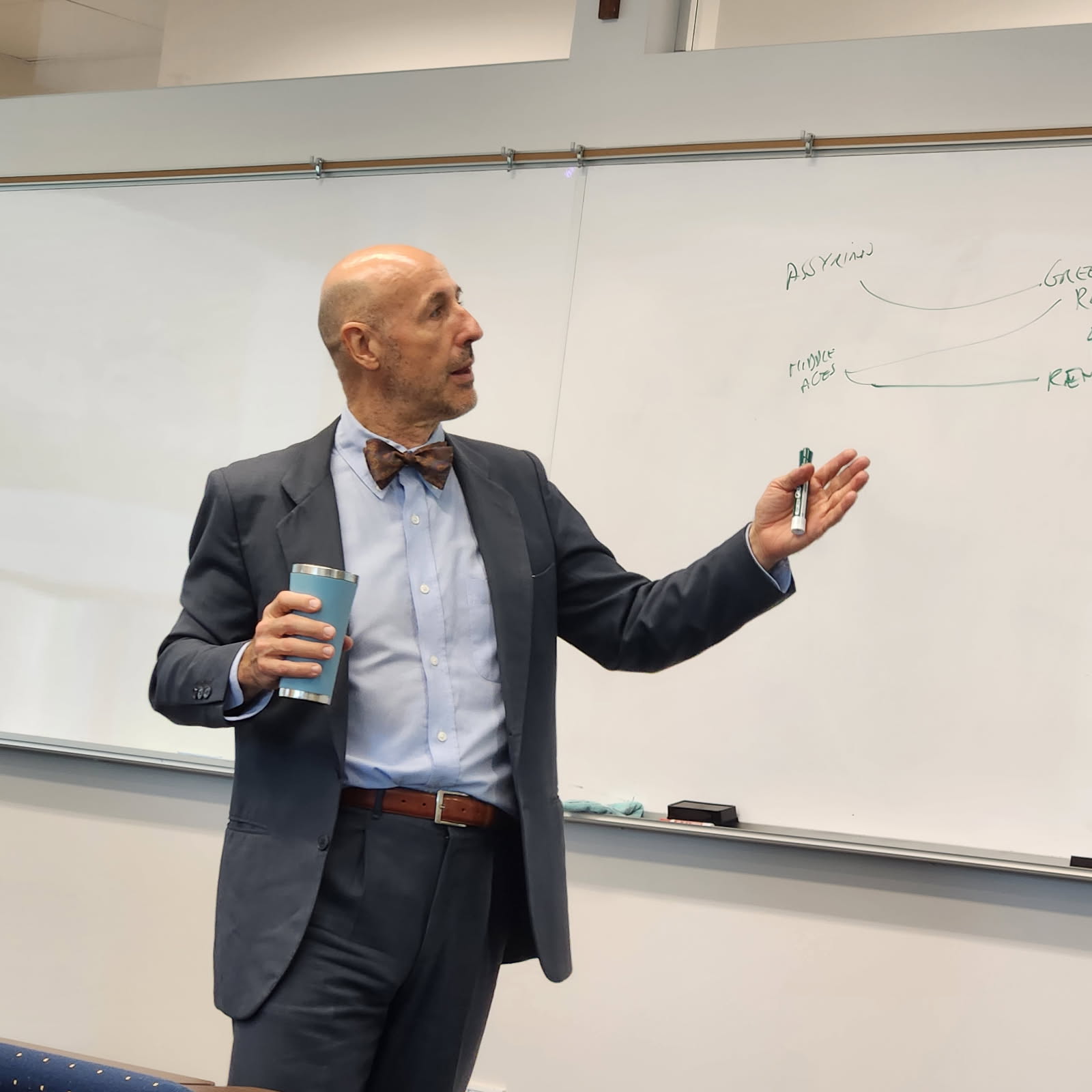
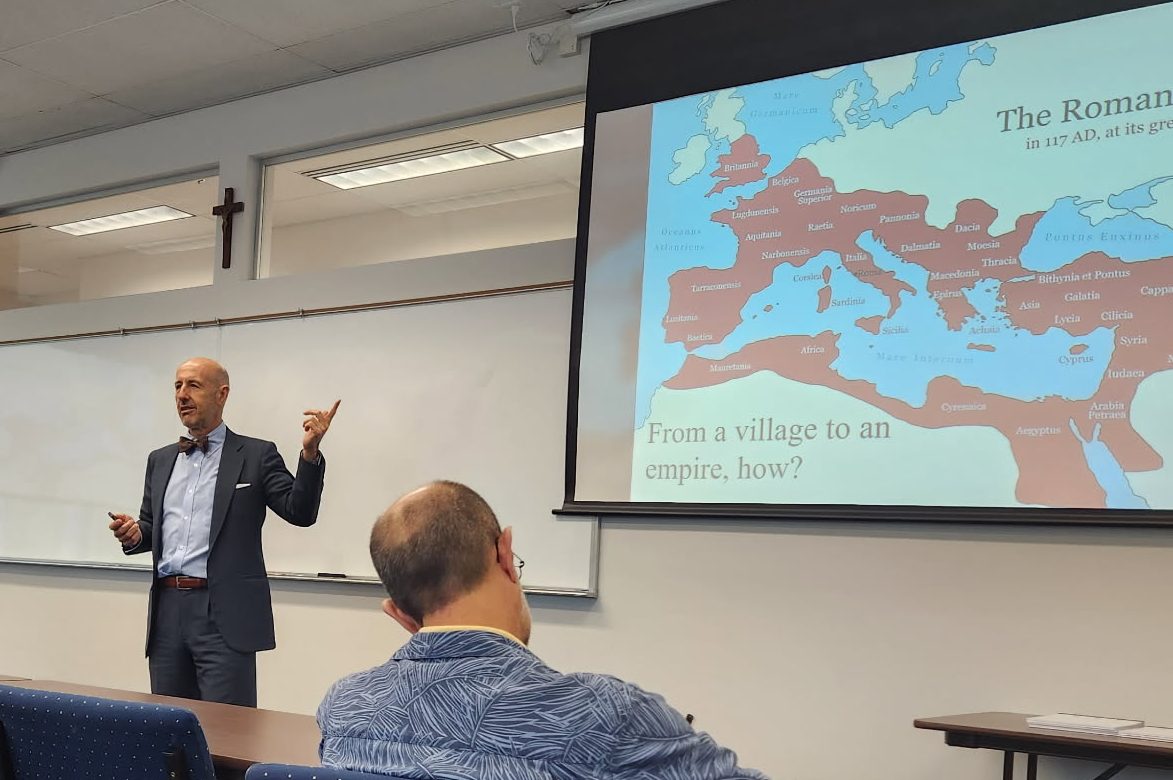
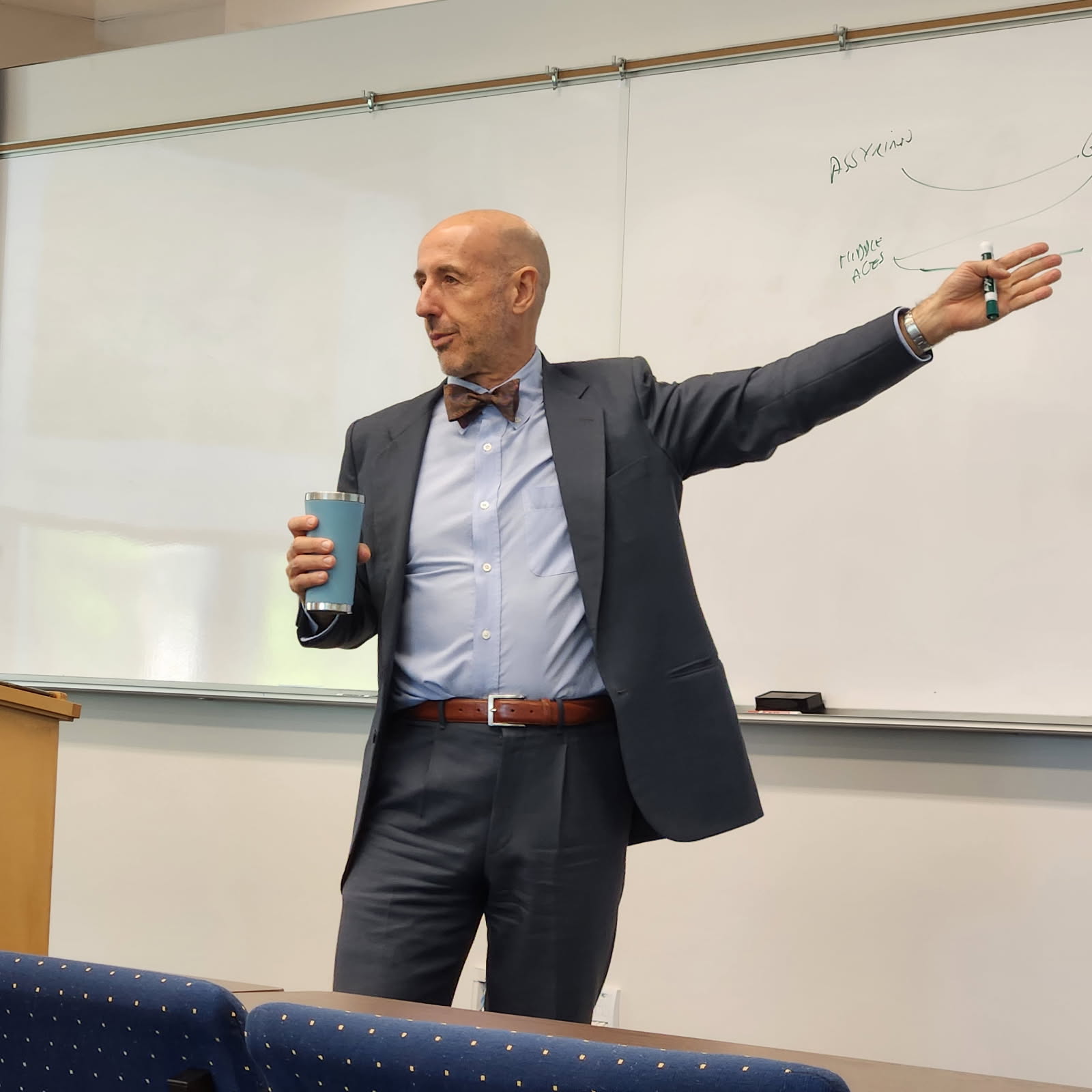
It is a Thursday morning in Florida, while a whopper snowstorm is expected to wallop the rest of the US. Flights are already getting cancelled in anticipation of the storm. Your school is hosting a nationwide conference on Monday morning. As you casually chat with the event coordinator, she is stressed out because she had to reschedule the keynote speaker’s flight to Monday afternoon. She asks you to fill in on Monday morning to give a two-hour lecture on Art History. Of course, you say yes.
Yes, I have been giving tours of Madrid since I was in university; tours of Boston and Miami came later. Yes, I have been going to the Prado museum since I was a child and have spent many hours in other museums since then, especially the Boston Museum of Fine Arts, the Ackland Museum in Chapel Hill, the Baker in Naples, and nowadays the Norton. Yes, I have read and continue to read about art, art history, and history, and have attended many lectures, etc. Yes, we talk a lot about art history in my literature classes, but no, I am not an art historian, just an amateur, a lover of art and art history.
I spent the weekend preparing a two-hour lecture. Starting in Mesopotamia with the Assyrians, Ancient Greece and Rome (same sentence, very different material), the Middle Ages (Pre-Romanesque, Romanesque, and Gothic), the Renaissance, Baroque, Rococo, Neoclassic, Romantic, Realism, Impressionism, Post-Impressionism, and Surrealism, then we ran out of time.
This was exhausting, the preparation and the delivery. After the conference, I was wasted. Good thing I had a quiz scheduled for my class; I would not have done a good job teaching!
The audience, a group of Catholic priests from across the country, was very generous and inquisitive; they asked insightful questions and seemed interested.
This is a full–on Dunning–Kruger Effect case. I know enough to know that I know nothing. I have a very superficial knowledge of Art History, but enough to look like I know what I am talking about, I don’t.

 Antonioyrocinante's Blog