



You do not have to dig too deep to realize that a -or the- key factor in the situation of the planet today boils down to education. We are polarized politically: education, we have massive environmental challenges: education, there is disparate wealth distribution: education, and so on, and so on. Education is not only my métier, but also something I obsess over; how can I improve my craft? How can I improve my school? How can I better serve and teach my students?
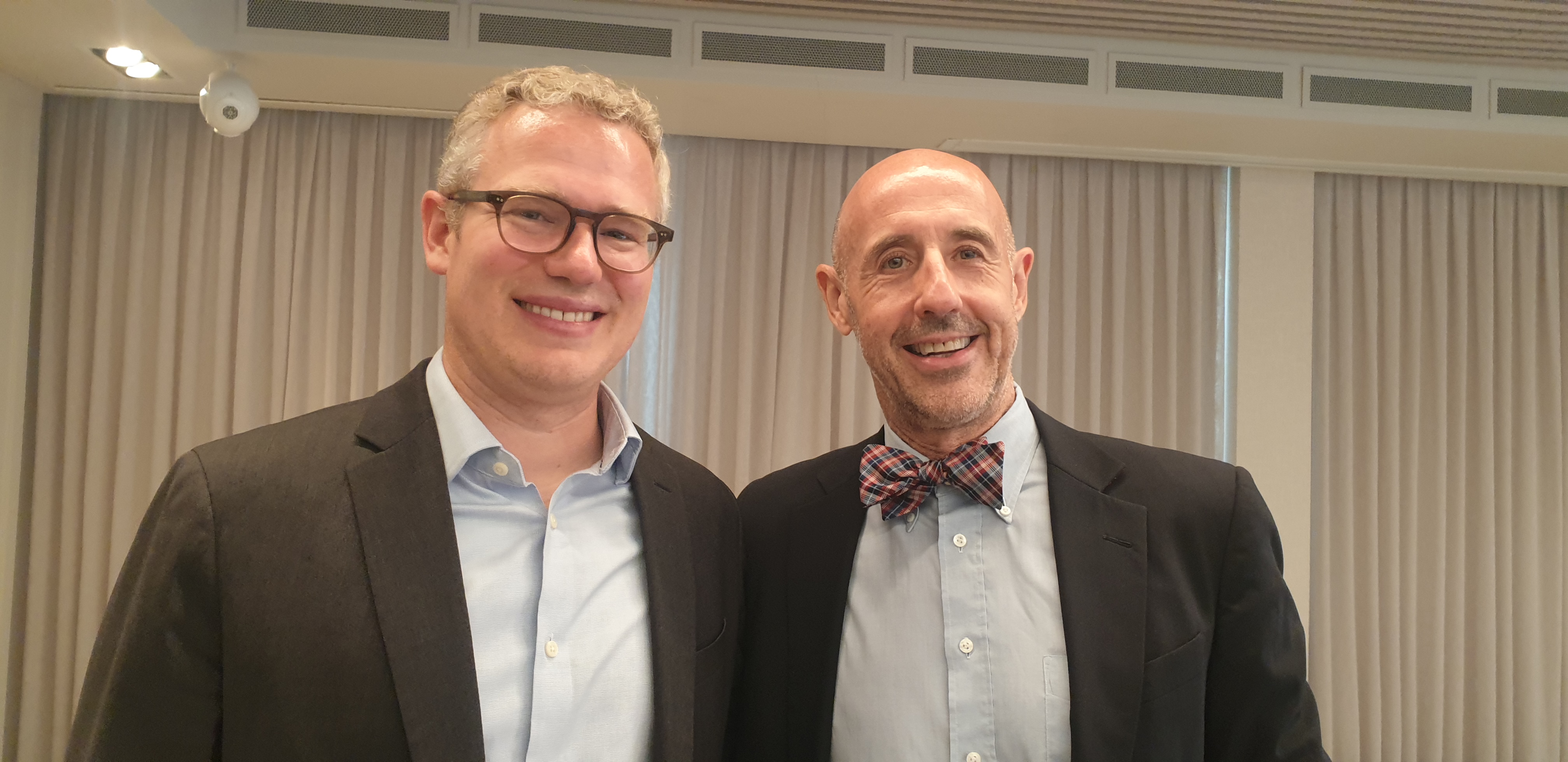
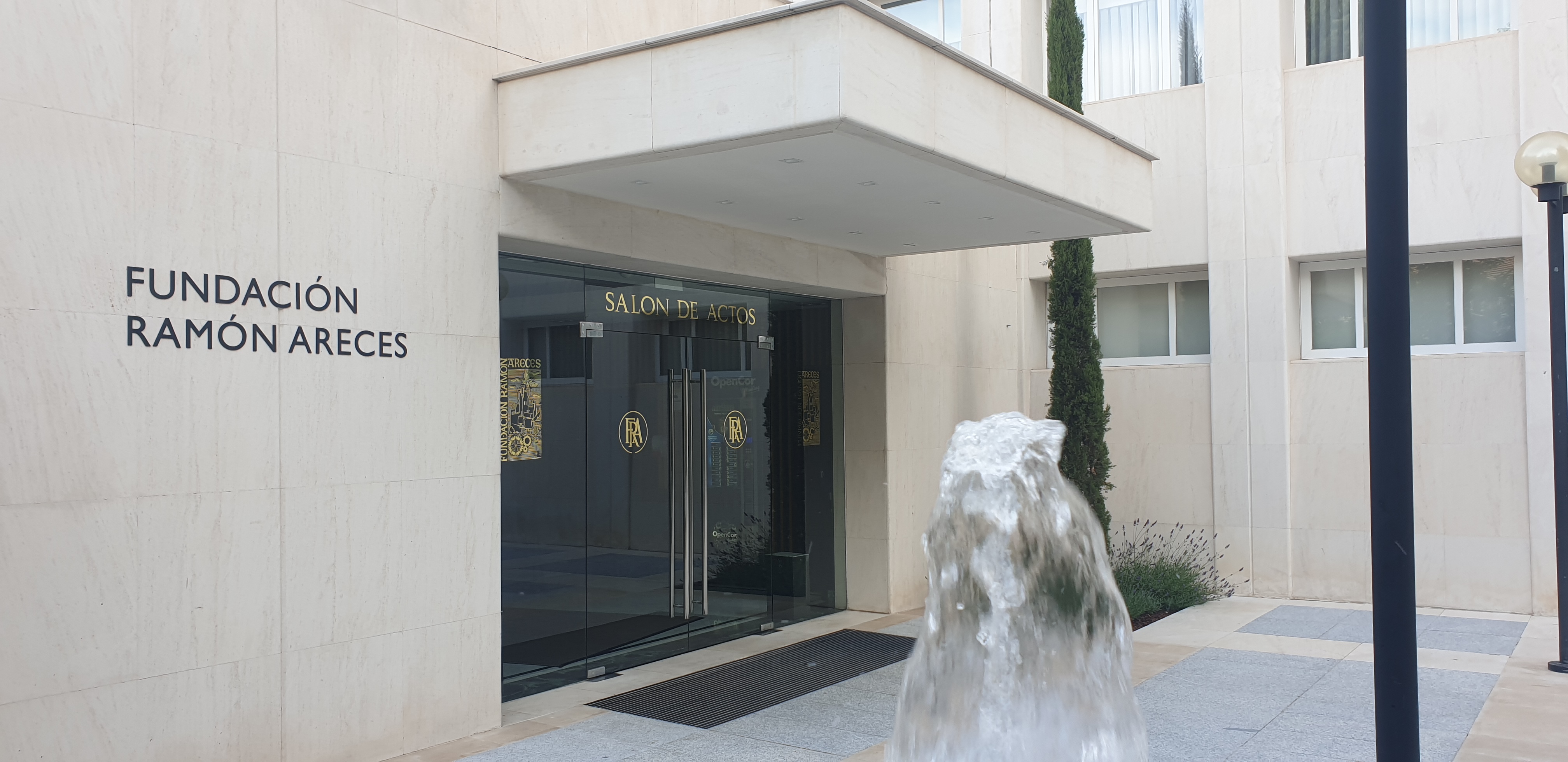
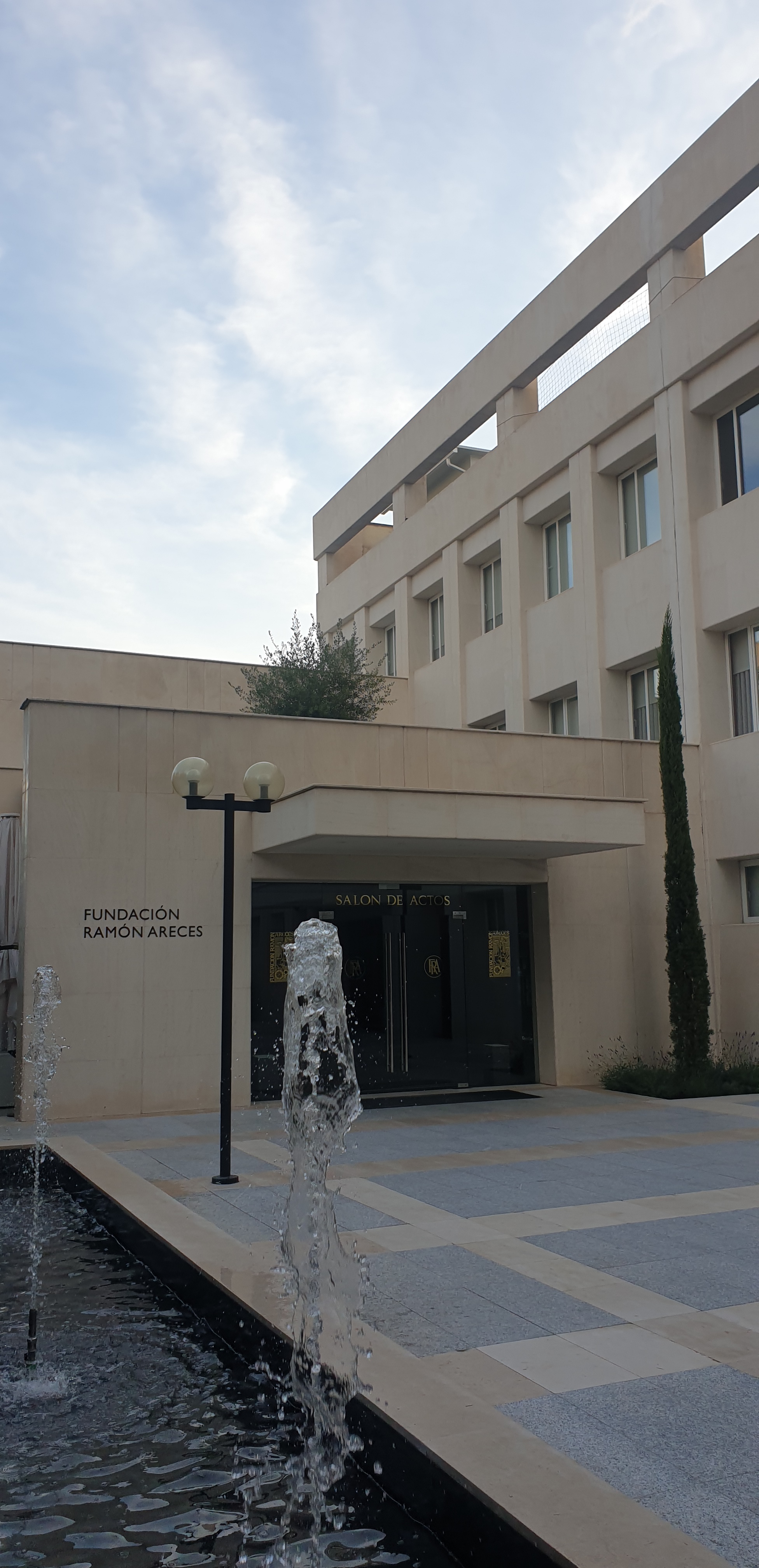
I recently had the opportunity to listen to Prof. Matthew Kraft from Brown University deliver a conference on the topic: “Lessons from a decade of reforms on the teacher evaluation system in the US”. The conference was held at the great Fundación Ramón Areces in Madrid.
This foundation dedicated exclusively to the promotion of science in all its aspects is the non-profit of the Corte Ingles retail giant. They are constantly inviting guest speakers, organizing conferences, funding research and scholarships, etc. The Fundación has a great building in the leafy residential Viso neighborhood of Madrid.
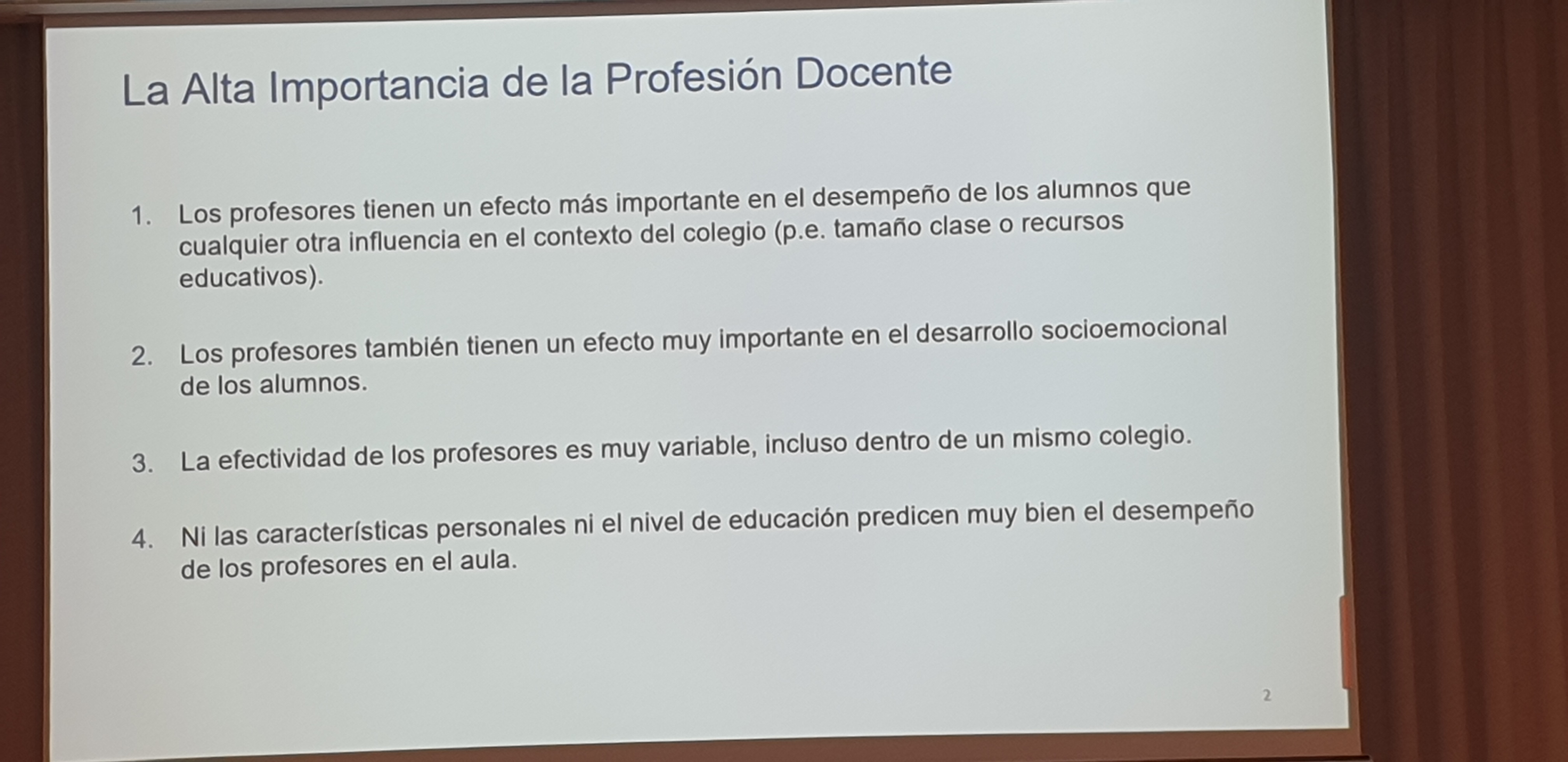
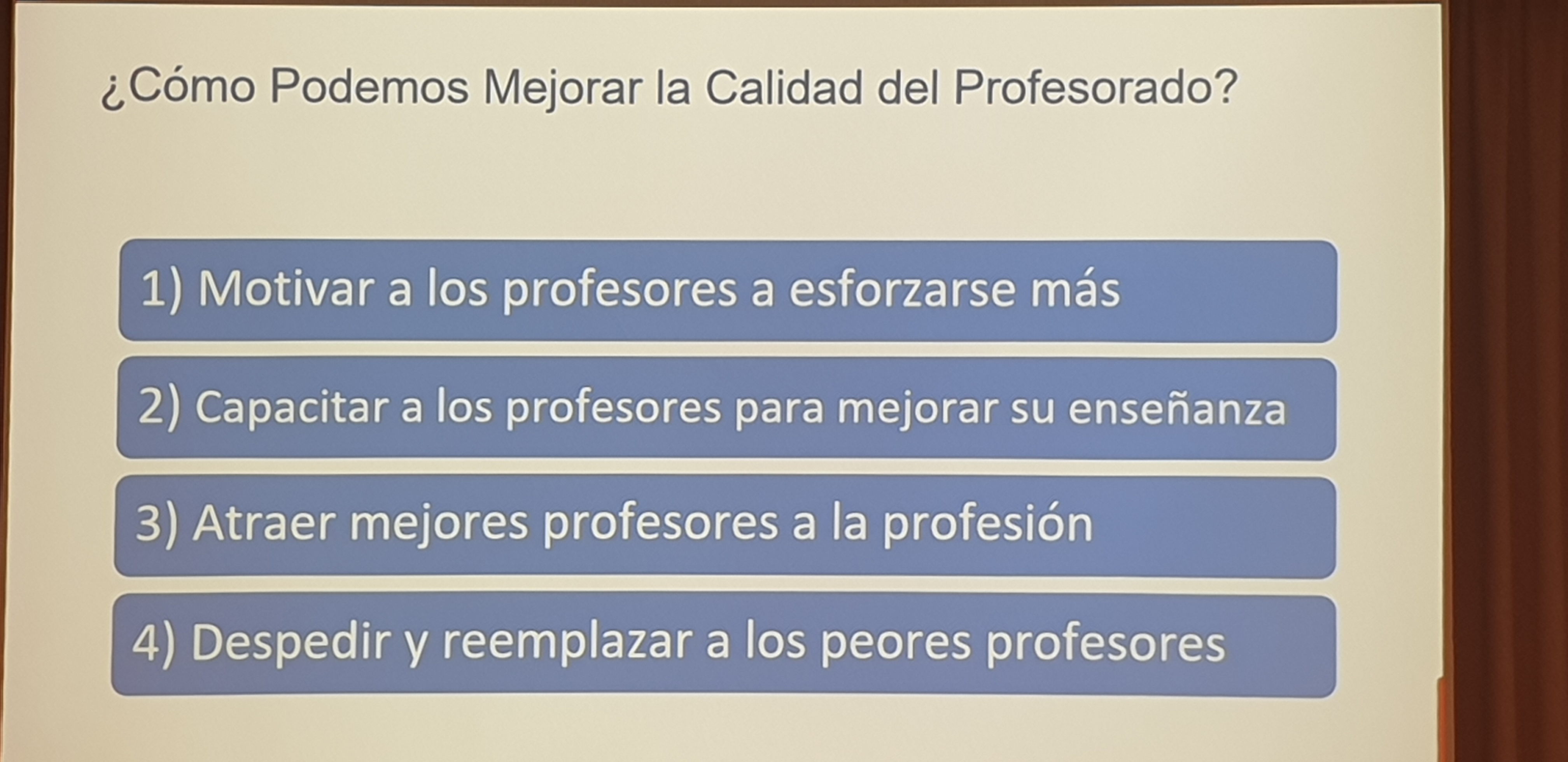
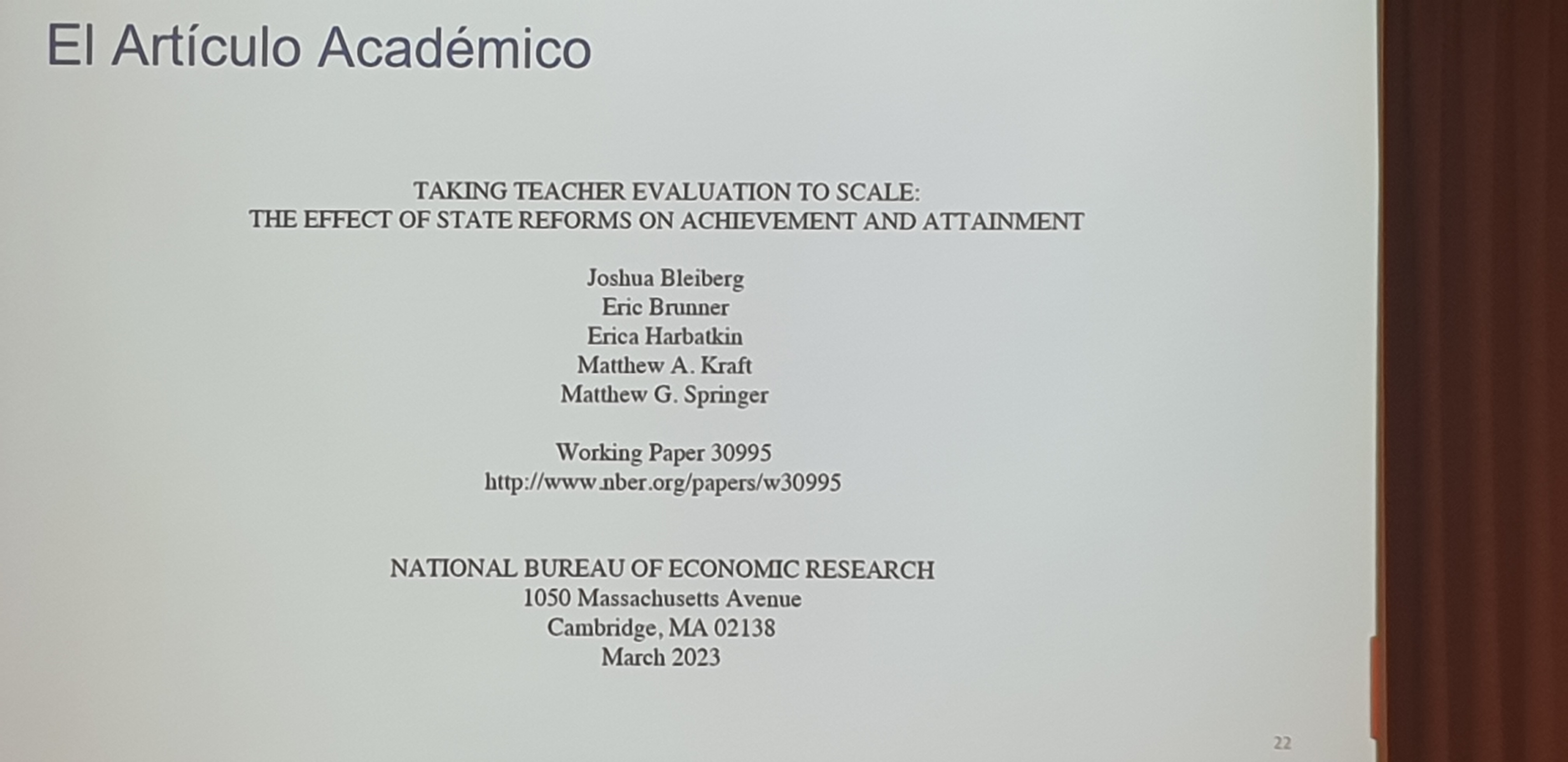
Prof. Kraft spoke about the sad failure of Obama´s “Race to the Top” education program from the standpoint of teacher evaluations in the public high school system. (You can check out some of the slides, and a link to the conference, and the data below if you want the nitty gritty).
At the end of the day, Kraft’s conclusions are that we need to not just focus on teacher evaluations, but on the whole school ecosystem if you want success. Key takeaways are the importance of mentors and coaches for teachers, as well as focusing on the health of the school’s culture and environment. Kraft pointed out unseen factors like the importance of socioemotional wellbeing, in school performance.
It was great to hear Prof. Kraft’s holistic and organic approach to improving education – from a hard-core quantitative data background! something we continue to learn and to implement, and something politicians and school administrators need to appreciate.
Oh, some tidbits: Prof. Kraft did his whole presentation in perfect Spanish! He mentioned The Widget Effect published in 2009, as well as Time magazine Dec. 8, 2008 article How to Fix America’s Schools…


 Antonioyrocinante's Blog