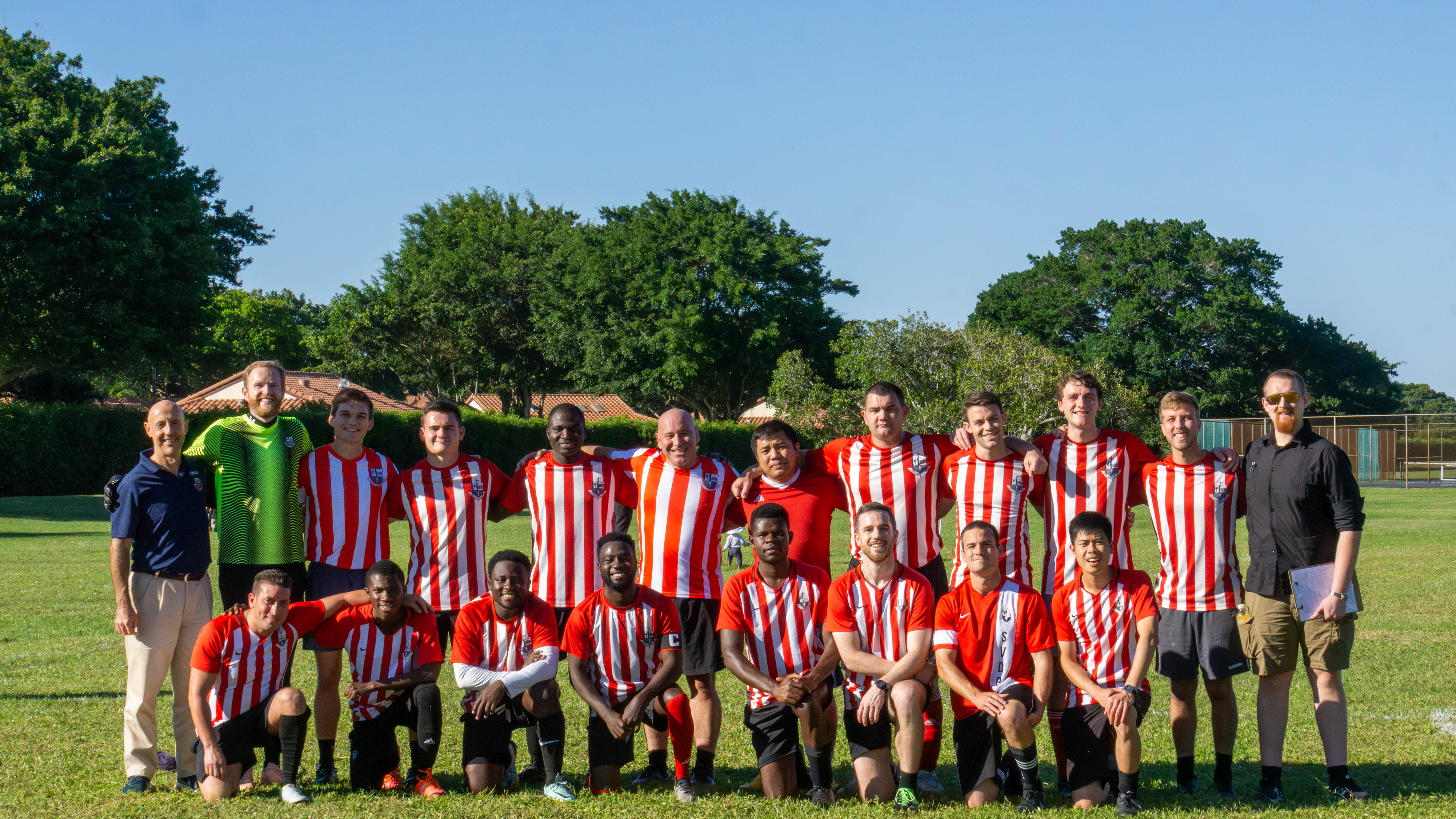
Football, fútbol, soccer brings the world together

In this polarized world, something brings people together on a global level: Football, fútbol, soccer.

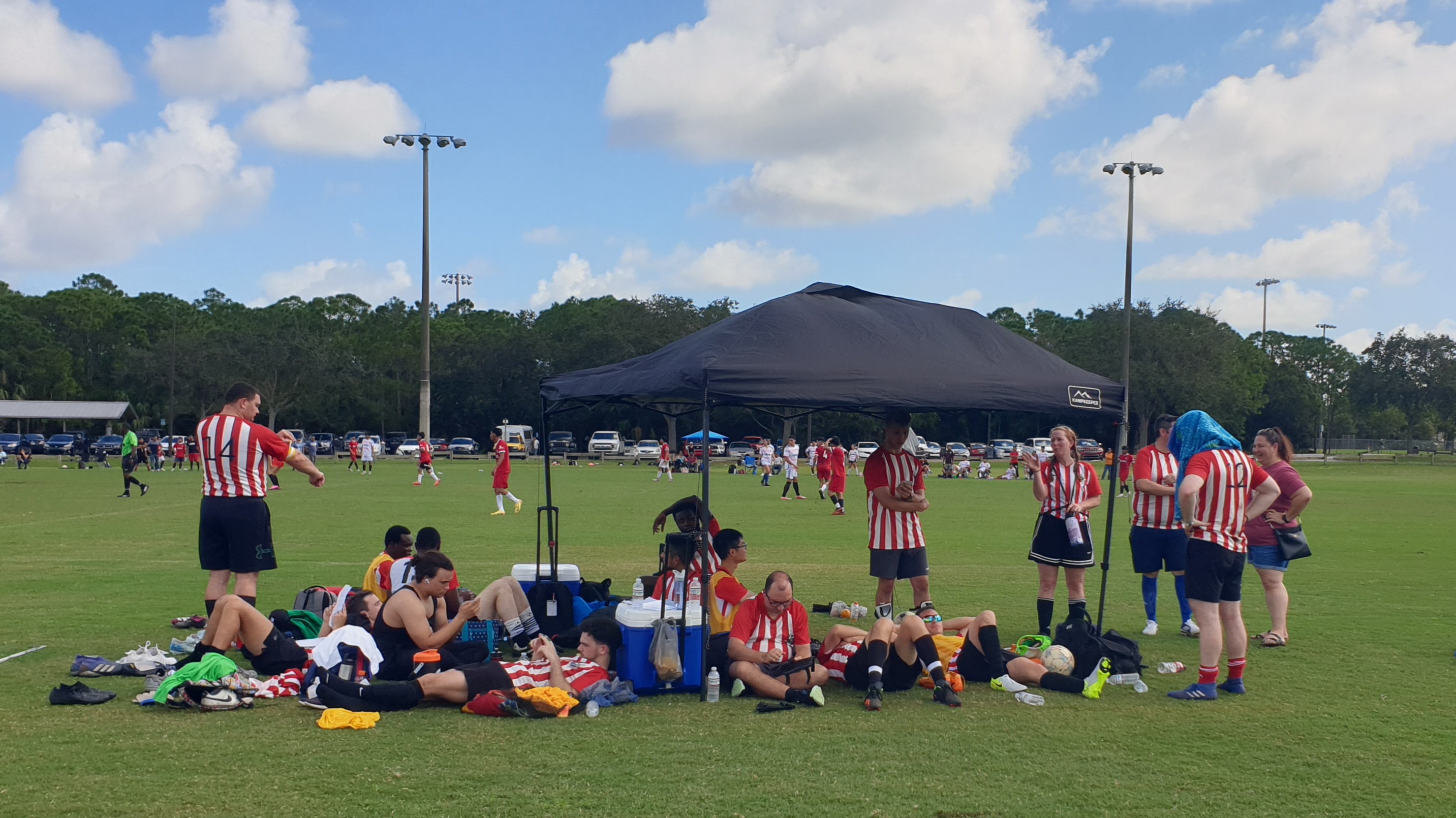
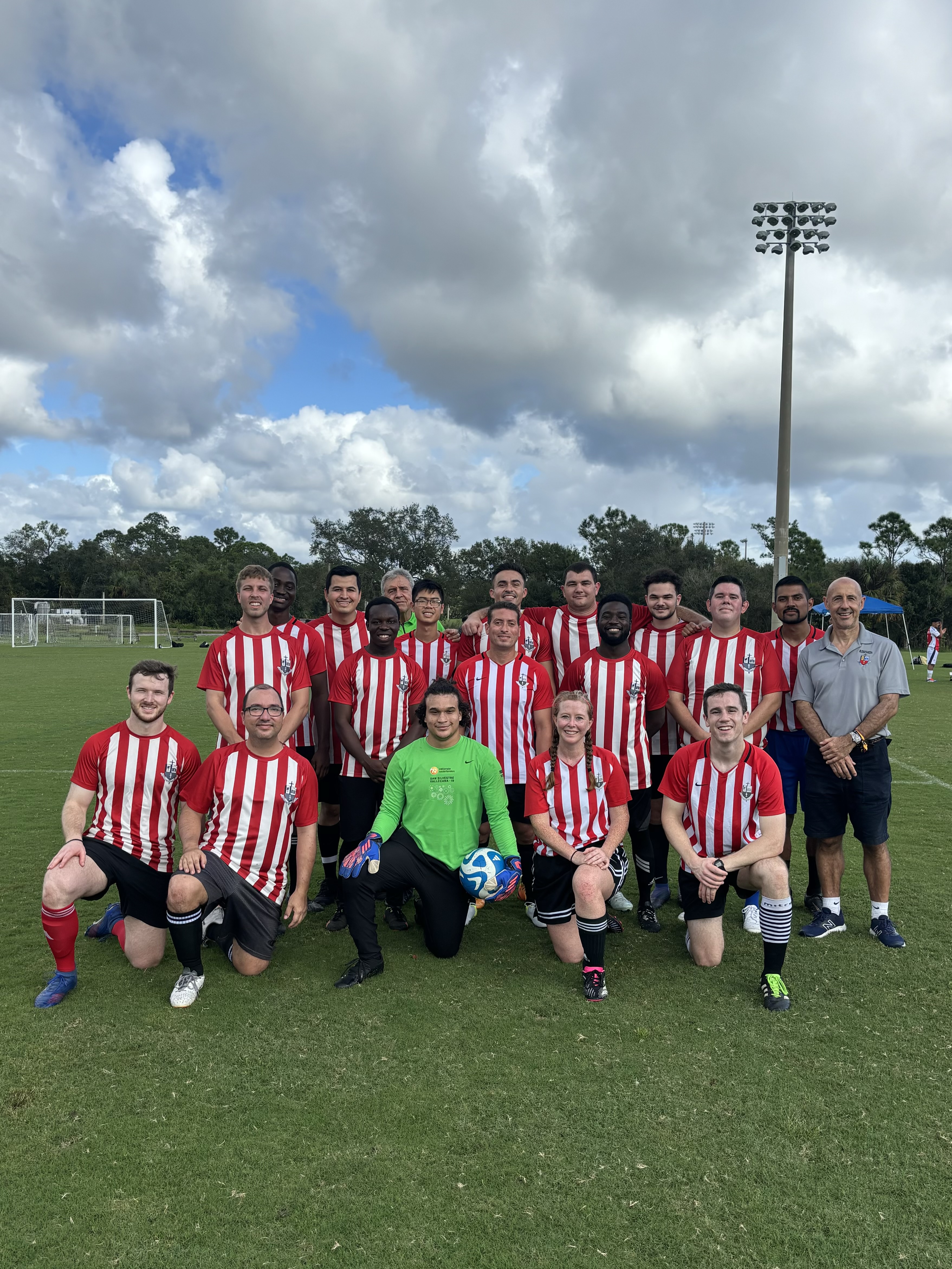
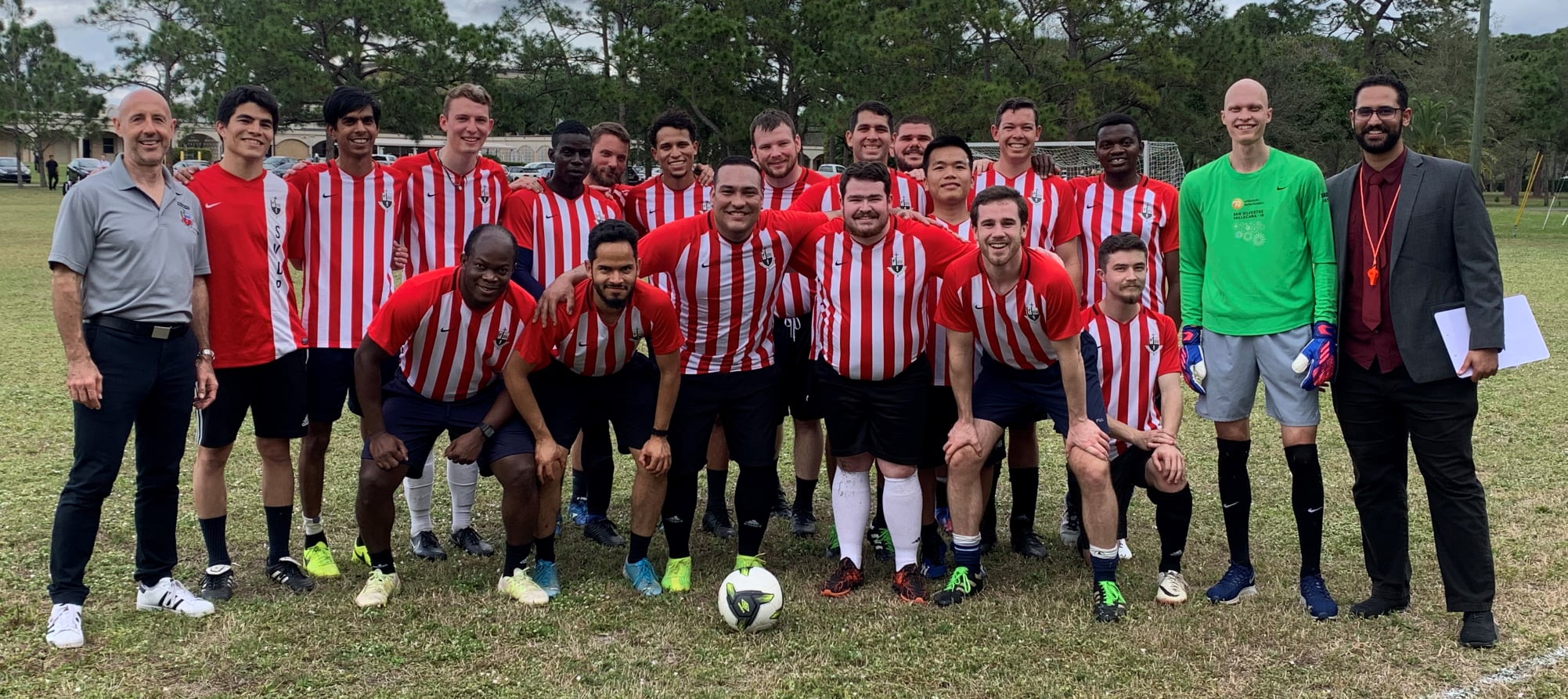
At a recent soccer tournament, I overheard a couple of our men chatting (in Spanish) with players from another team, explaining the seminary to them. The men, with a nervous, embarrassed laugh, explained they were “ilegales.” Our men took it in stride and continued the good-hearted banter. That conversation made it worthwhile for me to get up at five fifteen on a Saturday morning for a soccer tournament, the trophy we won, as they say, was gravy on top.

Every cloud has a silver lining. Every Fall, our soccer team usually plays our Miami counterpart (read about that here). With a new term calendar in our school, that game was cancelled. So, the students found the Diocese of Palm Beach Young Adult Soccer Tournament. We signed up.

The tournament involved 12 teams from the Palm Beach area.

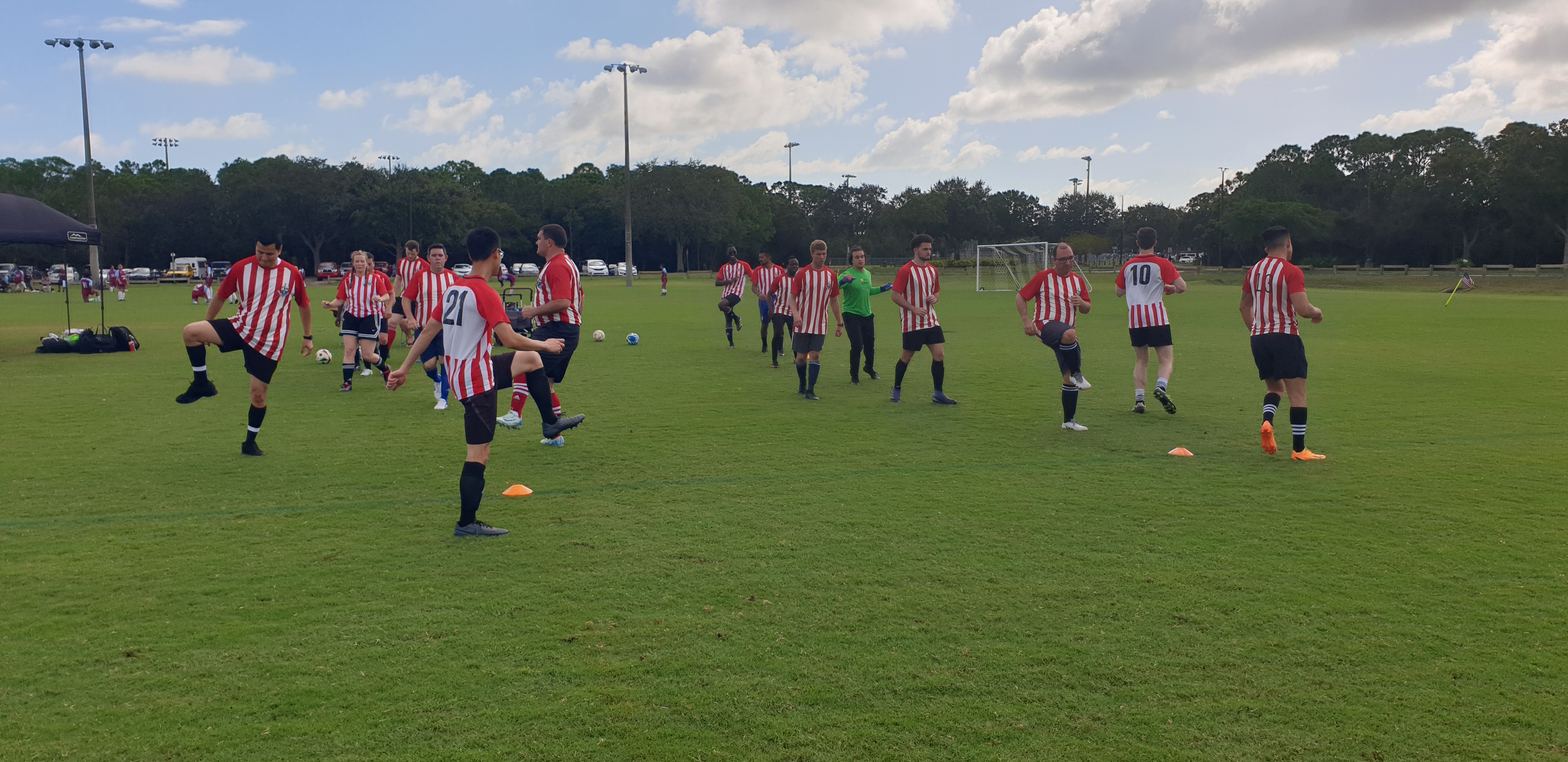
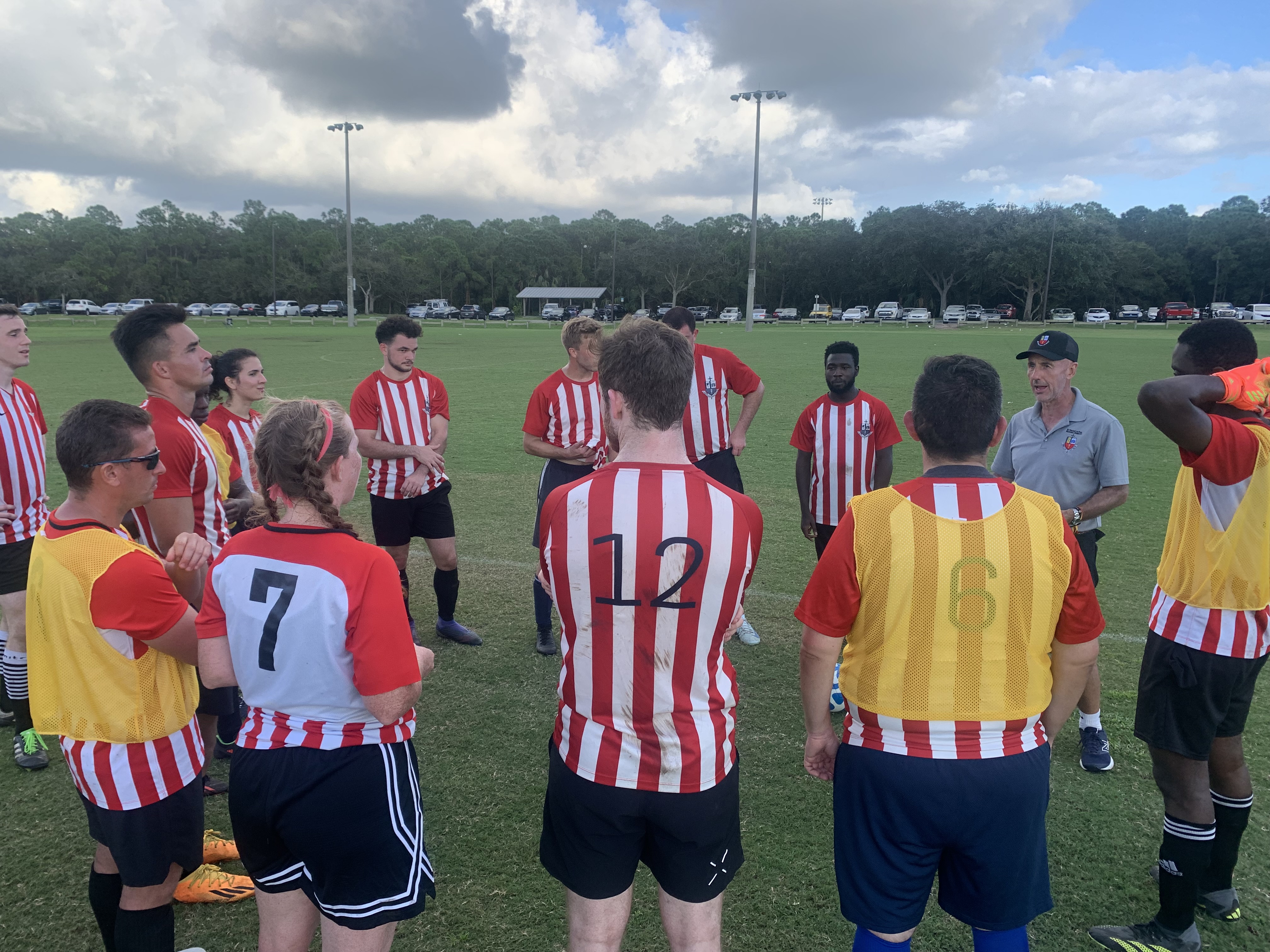
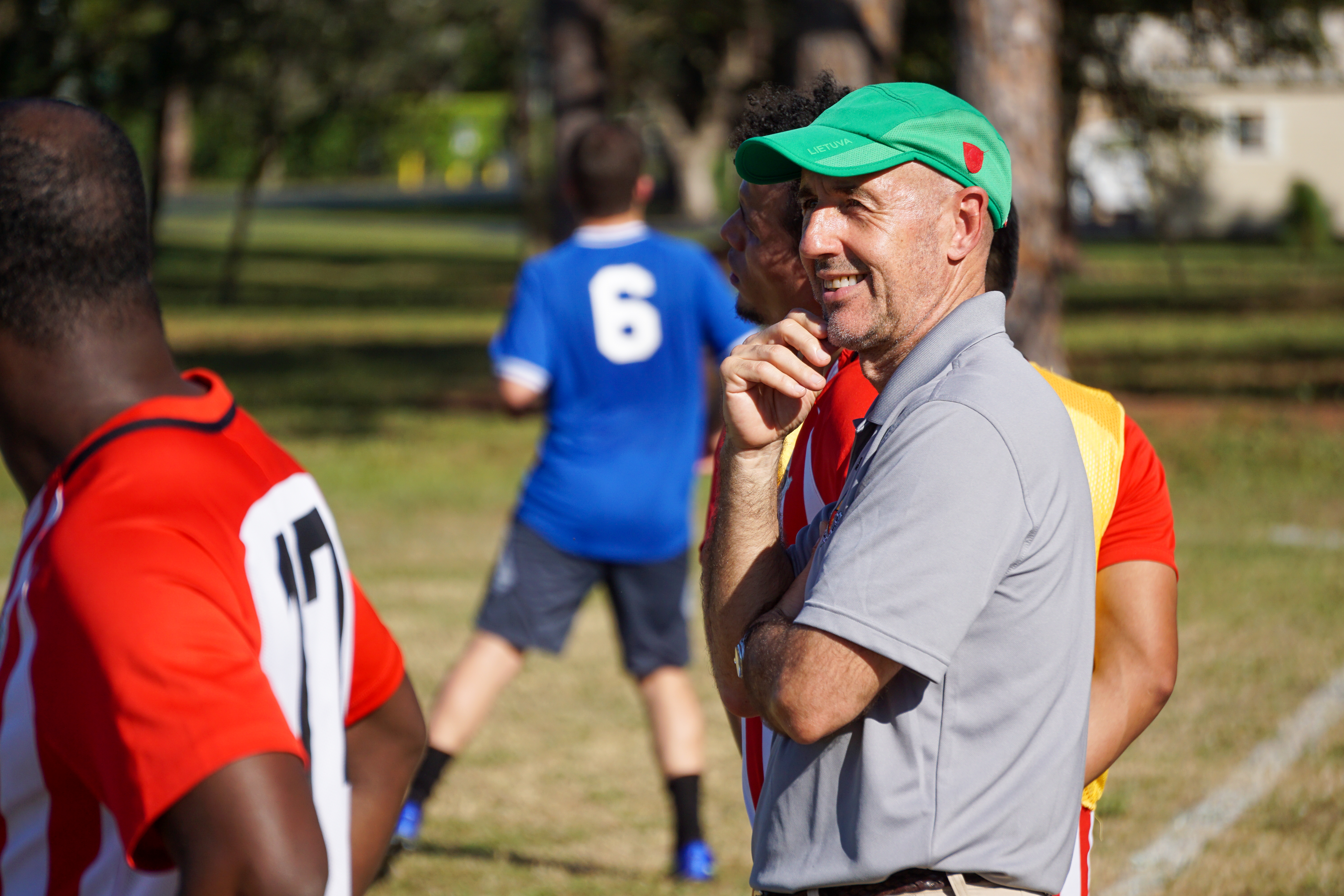
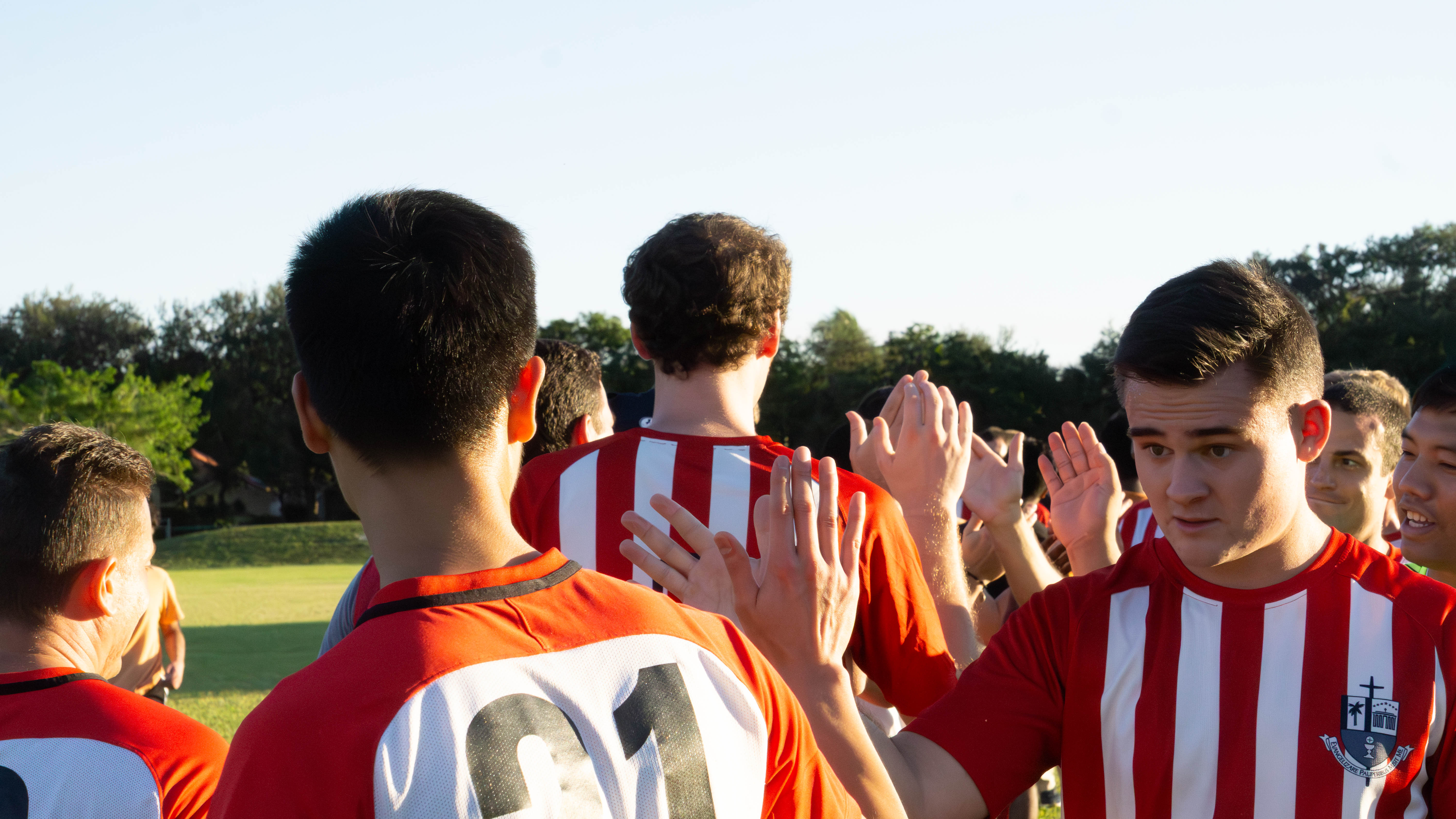
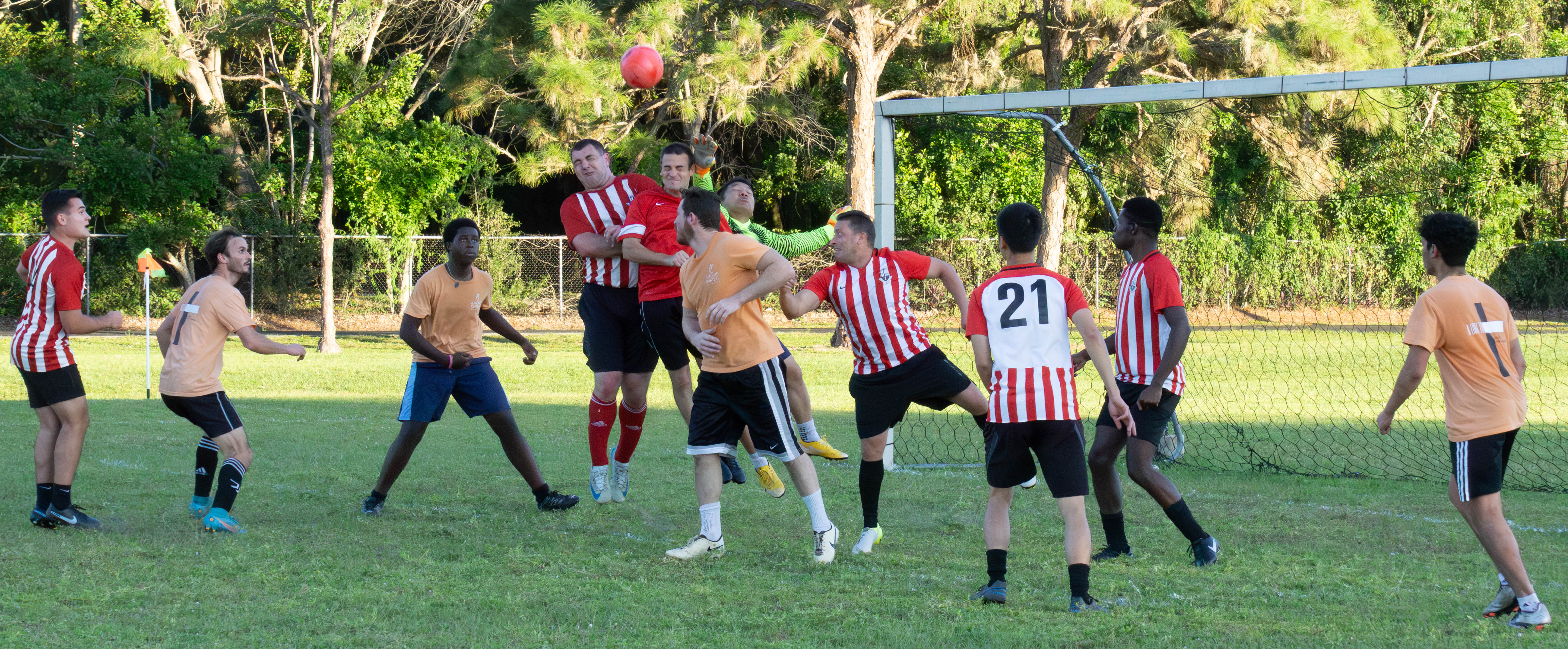
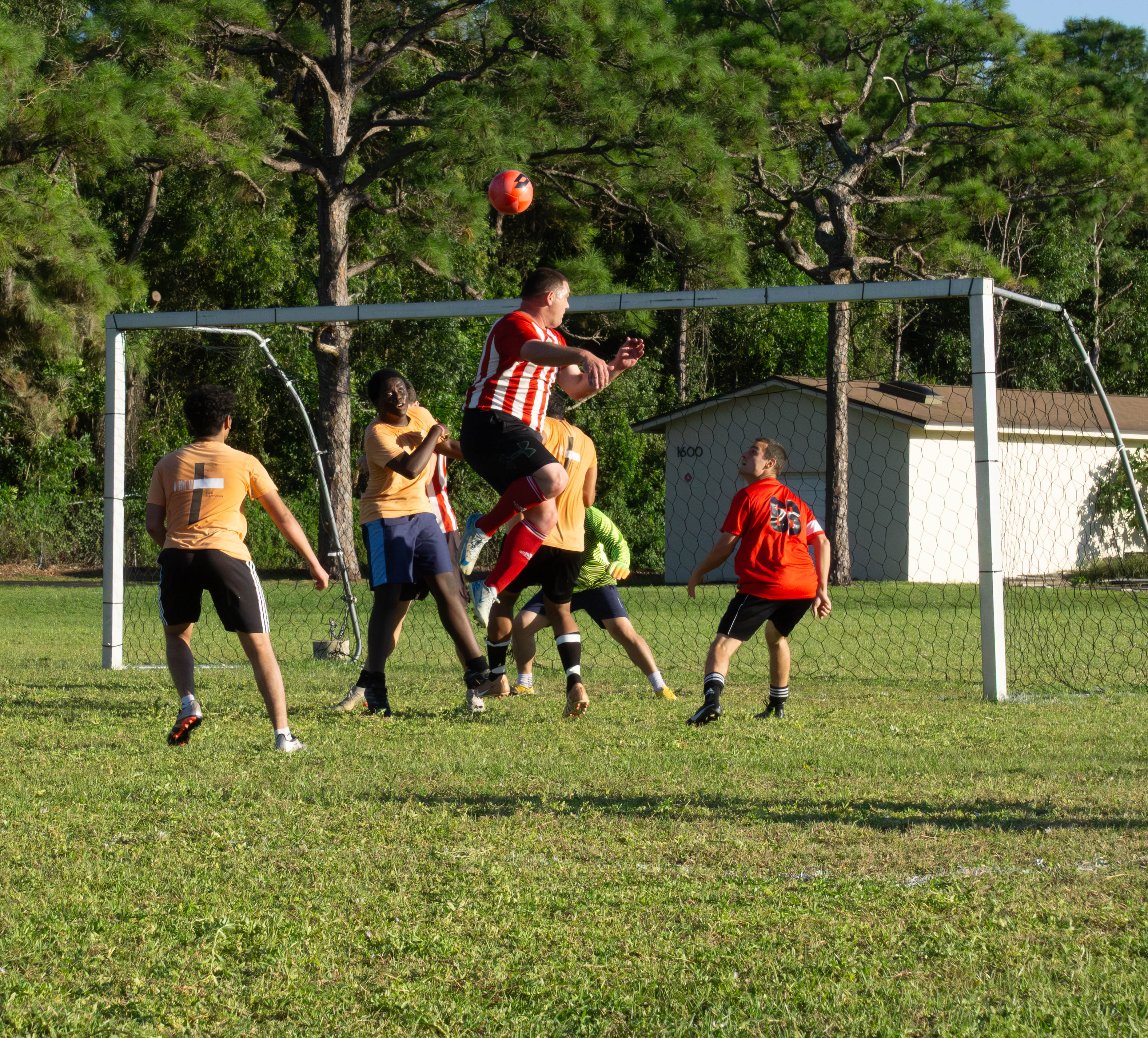
Early Saturday morning, after weeks of training, we drove to Halpatiokee Park in Stuart. The day started with a wonderful outdoor Mass. Five games followed. We won all our succeeding games 3-2 then 2-1. As our opponents got harder, our wins became narrower. The quarterfinal was 1-0, and the semifinal 0-0, which we then lost on a nail-biting 9 shot penalty shootout.

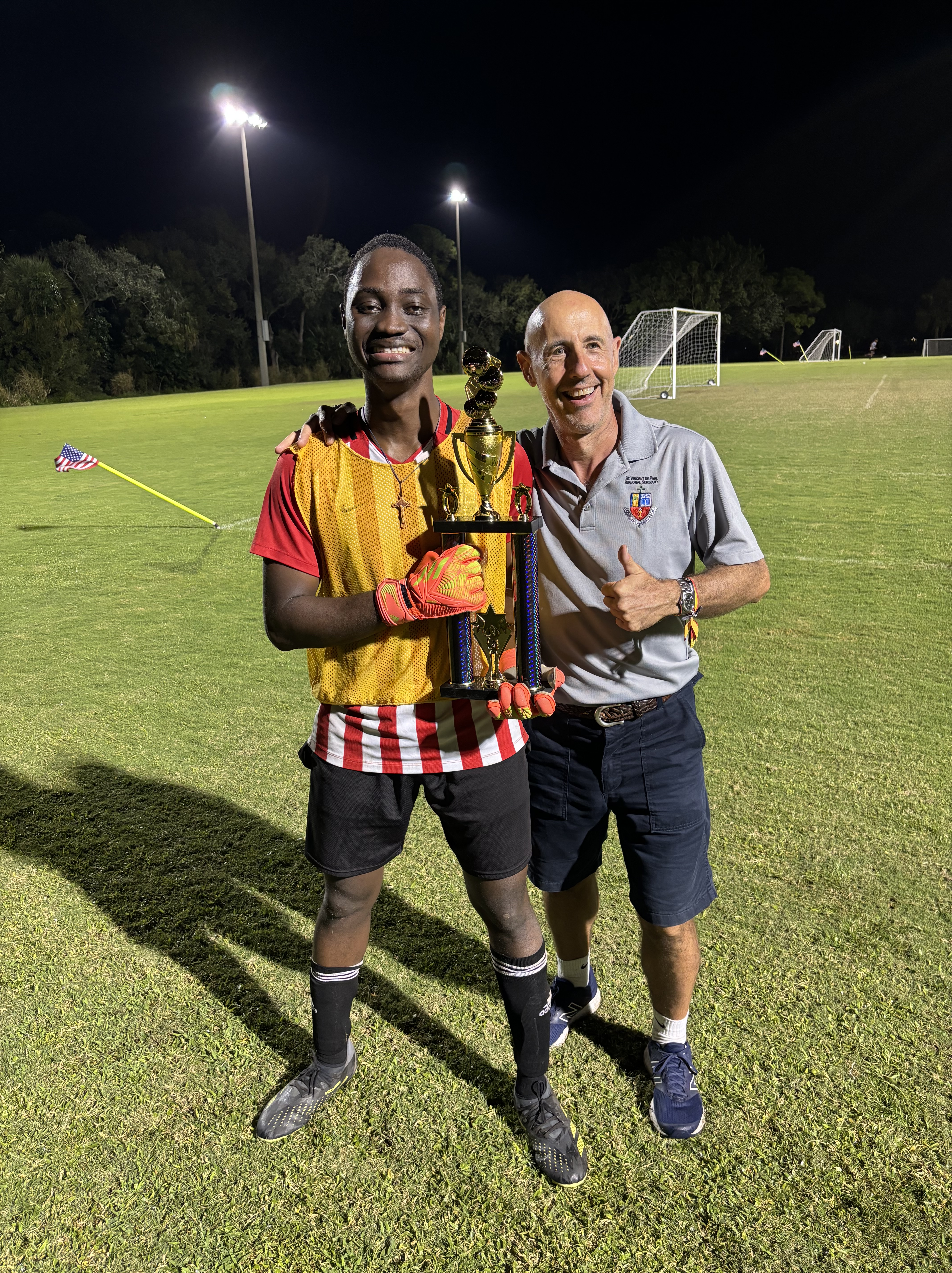
With all these games, our starting-and only-goalie got a massive leg cramp. We had to pull him out of the game. Gilbert, one of our players-not a goalie-selflessly volunteered to go under the arches, and what a job he did, stopping critical shots.

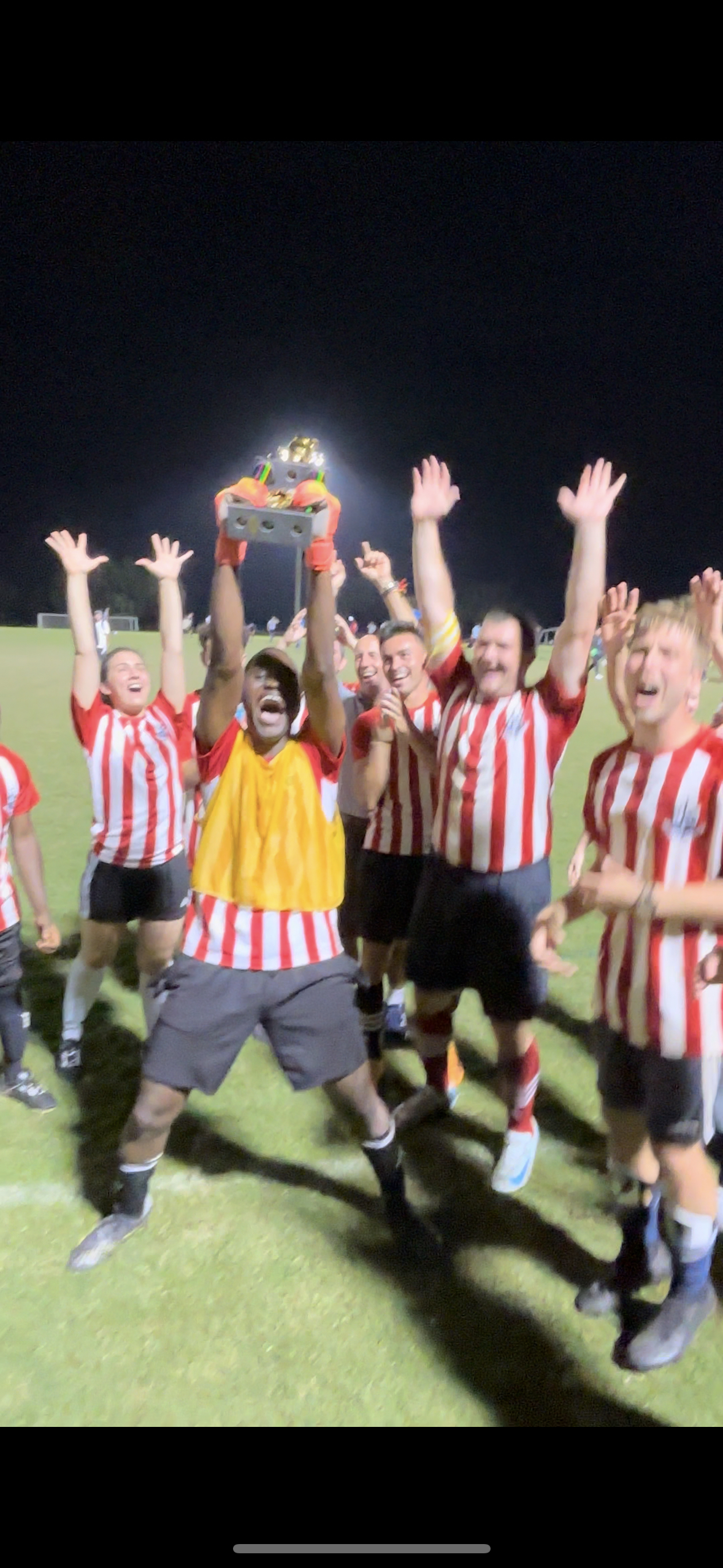
It was now time to decide the third and fourth place teams, and who would take home a trophy. By now it was well past 6, so the captains decided to change the game to another penalty shootout. We scored on the last goal, and Gilbert made sure to stop the last shot, making him the hero of the tournament!

After an extraordinarily long day and five games, that third place trophy tasted like victory, we were elated. What a marvelous celebration of community, and the common ground football brings us to.

The social media video. Credit: Thomas Hammen

Teaching outside the classroom (Part 2)

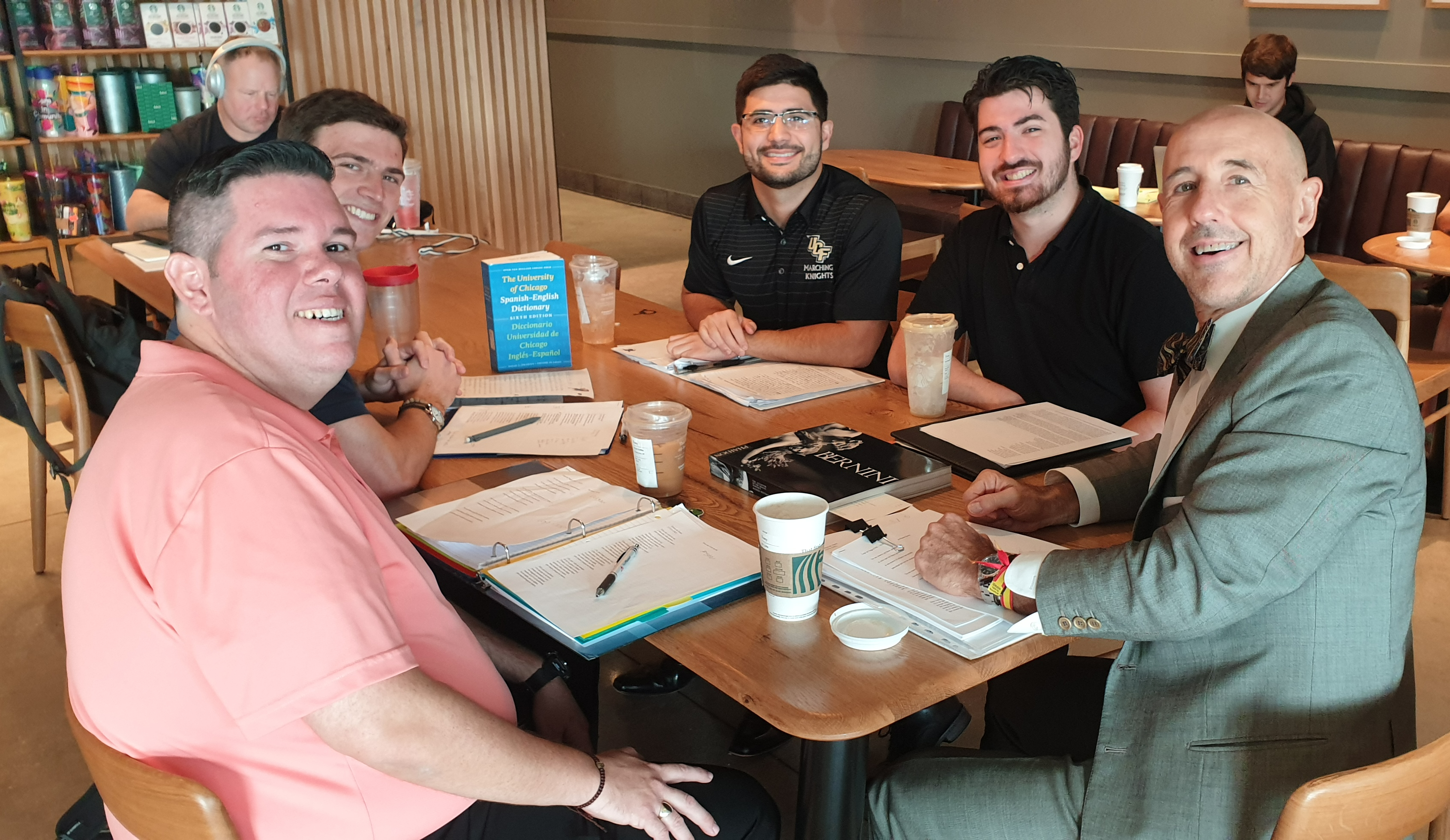
Discussing mystical literature in Starbucks!

The first part of Teaching outside the classroom was about coaching soccer, about teaching values, and teamwork, and all those “soft” skills which the classroom is not the ideal venue for. (You can read about it here)

Basically a classroom is just a room, four walls, nowadays likely packed with technology, in which your students and you meet. It is easy, you build a building, make lots of these rooms and you have a school! But we now know that these places are not the best, and not the most conducive to learning. So whenever we can, we get out of there!

Sometimes we just step outside to the garden or the dining room, steps away from the classroom. But if the course has few students and the content for the day’s class is propitious, we go to our local coffee shop (which unfortunately in our case is a Starbucks, but hey even that is better than the sterile walls of a classroom).

Outside the classroom the students seem to think “better,” more fluidly, they engage differently with the subject. I do not have the science to prove it, but those classes seem more enriching for the students.

We recently had a lesson on the great mystic Santa Teresa de Jesús and her poetry. This lesson, with only four students in the class (Advanced Spanish Language and Culture) was worth taking to the coffee shop. It worked out great, so much so that a week later I took my other section!

So if you have a small class and can do it, get out of the classroom! You are welcome.

On the importance of time management -Bonus Power Point!

It is all about priorities

Time management is a myth, you cannot manage time, time passes inexorably. What you can do, is manage what you do with your time.

Are you tired of always running around doing a thousand things, feeling like you are on a merry go round?

I used to have this problem, especially when I had my company -Inter Tape- in the 90s and early aughts, with the accompanying physical expense: stress and all that. Tired of the chicken without a head feeling, I hired a great team to give us a Time Management workshop during a company retreat. My life was changed! I loved the idea of being able to control my environment as much as possible, all very Stoic. I did further research, and my life became considerably more livable.

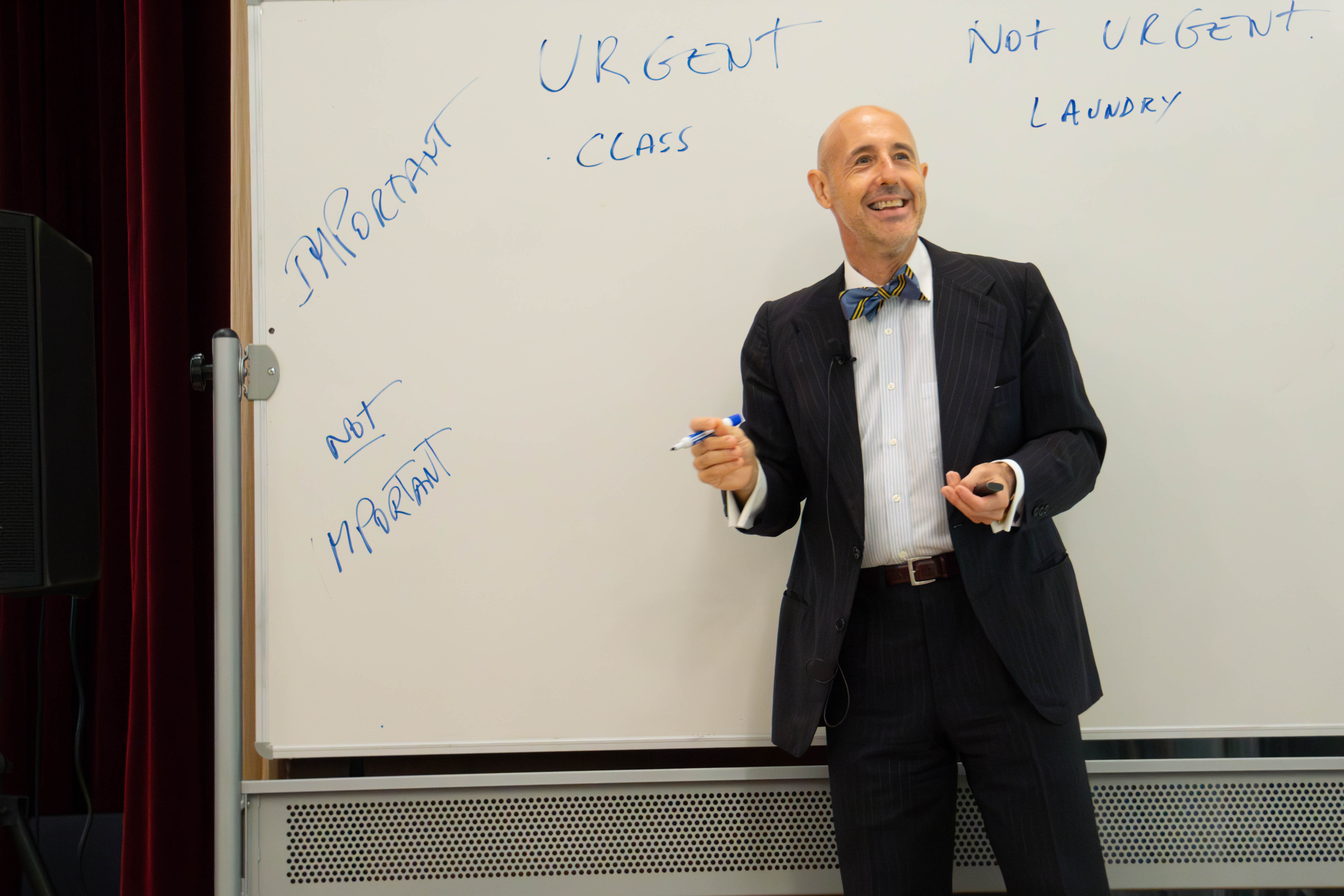
Fast forward a few years and a change of career. I was teaching at the University of North Carolina when I noticed my students were freaking out about homework, assignments, life, parties, etc. So I gave them my time management workshop (a shorter version, adapted to a class period). They must have liked it since they asked me to do it at many of their fraternities and sororities. Eventually my Dean of Students found out I was giving this workshop to my classes and last week he asked me to do this presentation for the whole school. It was a bit overwhelming, but a lot of fun. I hope the students got something out of it…

The main points are to figure out your Long-, Medium-, and Short-term goals, write them down and put them where you can see them. Second step is to find out how you are spending your days, with the objective of finding out your “time thieves” (Tik Tok videos? Call of Duty?). Then prioritize your work into four quadrants, what is important and urgent, important, and not urgent, urgent, and not important and not urgent nor important. Another key is to write down absolutely everything you must do so you can see it and get it done. For more information check out the attached Power Point presentation!

You are welcome.

Making a point

Advantages of teaching in a small school, coaching and Podcasts

Next year will be my professional Platinum anniversary, my 20th year teaching. During that time, I have instructed little kids from 7- to 10-year-olds -exhausting- to university. Basically, I have taught 10 years in secondary (high school) and 10 in university (those little kids were my boss’ and she asked me to go to their school to teach the Spanish classes, it was an amazing experience but I don’t have the patience). Each type of school has different pros and cons.

St. Vincent de Paul is a small school and I love many the advantages that brings:

Something I would never be able to do at a bigger school would be to teach and coach at the same time (other than at secondary schools, where many times you are required to coach), but I have already written about this (for example: here)

Every month we have a special birthday lunch when everyone that has a birthday that month, students, faculty, staff, is celebrated. The kitchen staff prepares a great lunch, and the Student Council prepares a video. I was recently cast in the birthday video, the last of the year, where the theme has been fighting the many iguanas we have on campus. (if you want to skip to my Oscar winning performance, go to minute 4:24 but you would miss a hilarious film and a great tour of school)

Another thing going on is that the students have started a podcast, and they recently invited me to participate. It is called In-Formation, and while it is an easy pun, it is very informative. You can listen to it here. It is an honor to follow an illustrious list of guests including the rector, a couple of students about to graduate, a bishop, etc. To listen to the podcast click below:

https://www.svdp.edu/information-podcast

So, while there are drawbacks to working in small schools such as lack of diversity of students, fewer courses to teach, etc. I really enjoy the benefits of teaching at such a special small school.

On the importance of first lines.

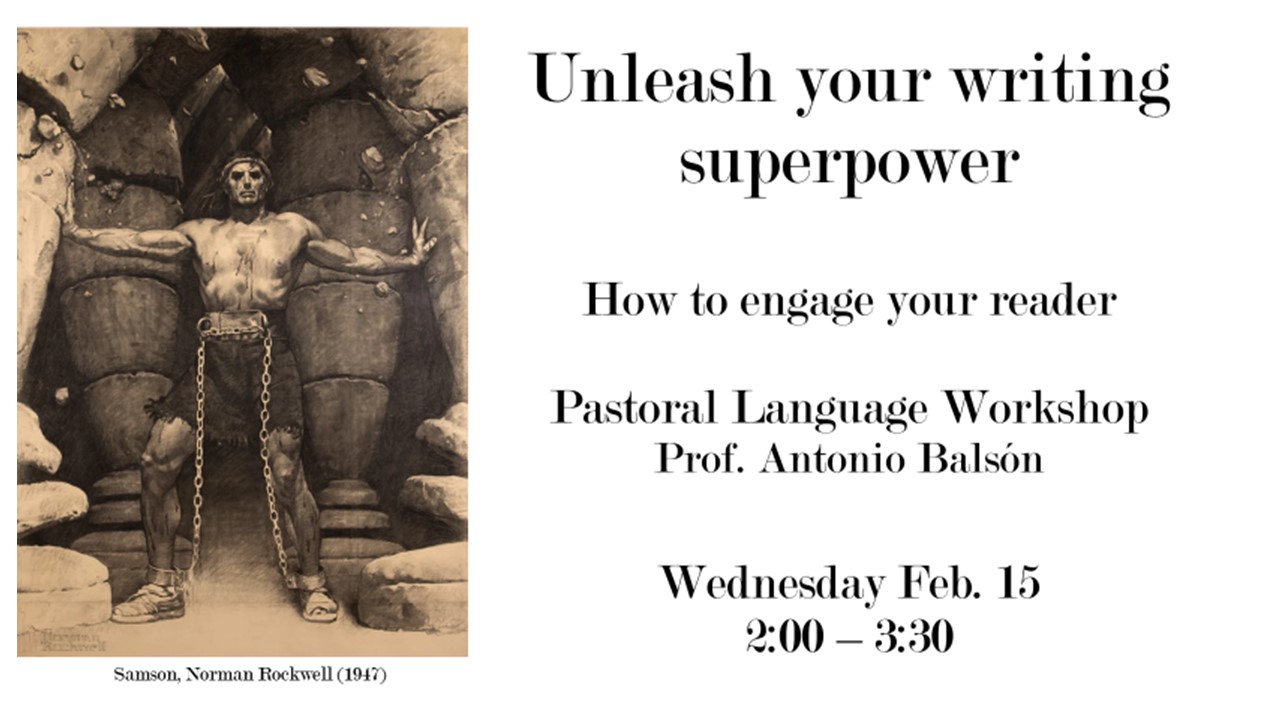
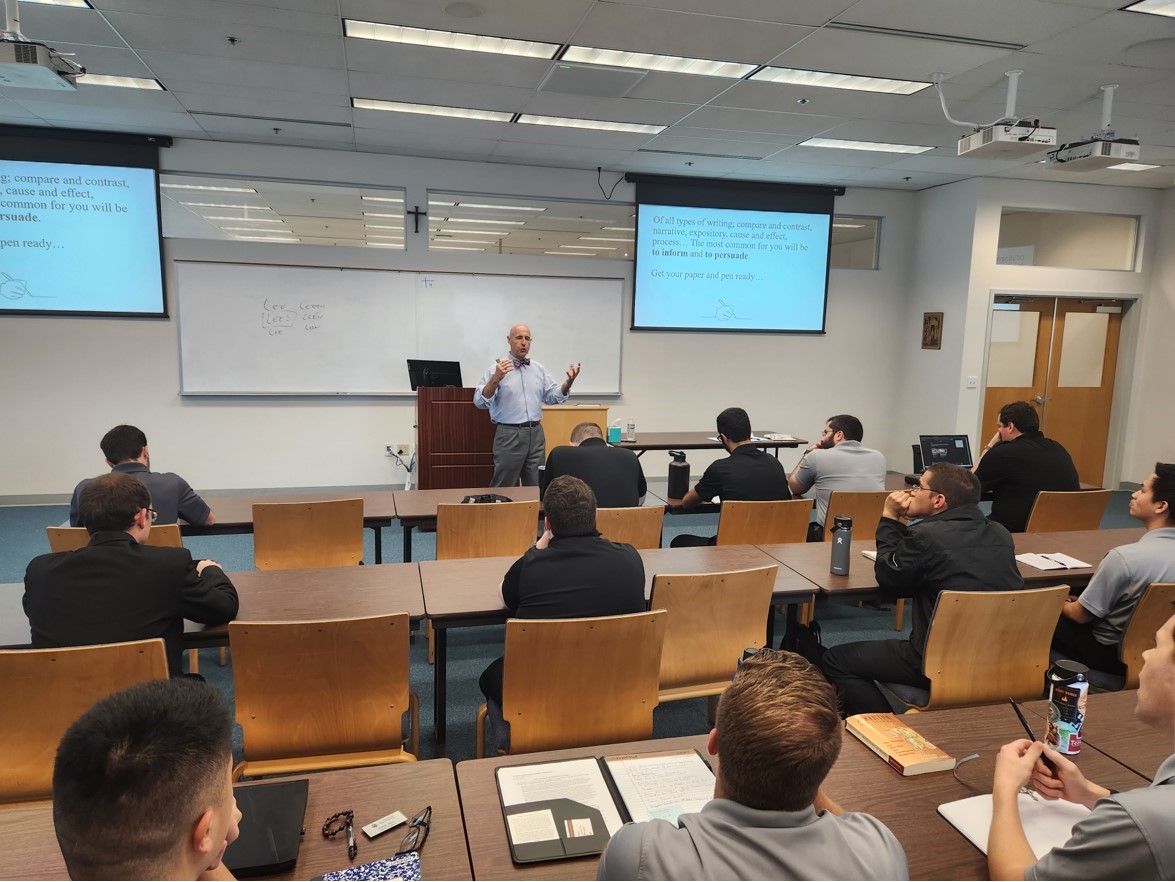
You might not know this, but first lines are really important, first lines in writing specially. I recently had an opportunity to expound on this at a Language Dept. workshop at school.

We started by talking about how skillful writing hacks your brain so that you might not know your brain has been hacked. We showed a few examples of great first sentences -of course, there are many, many more. (Try to figure out the author and book, answers below – don’t cheat!). (We played a similar game on this blog on my post about Russian Literature, check it out here.)

  1. “Here is a small fact: You are going to die.”
  2. “En un lugar de la Mancha, de cuyo nombre no quiero acordarme, no ha mucho tiempo que vivía un hidalgo de los de lanza en astillero, adarga antigua, rocín flaco y galgo corredor.”
  3. “Happy families are all alike; unhappy families are all unhappy in their own way.”
  4. “Muchos años después, frente al pelotón de fusilamiento, el coronel Aureliano Buendía había de recordar aquella tarde remota en que su padre lo llevó a conocer el hielo.”
  5. “He was an old man who fished alone in a skiff in the Gulf Stream and he had gone eighty-four days now without taking a fish.”
  6. “Lees ese anuncio: una oferta de esa naturaleza no se hace todos los días.”
  7. “Call me Ishmael.”

We had a good time going over those sentences and what made them good first sentences. Then we looked at how to write good sentences in general and especially for academic writing. The hands-on part of the workshop involved the students writing a sentence each until we had a first paragraph!

We had a good time and I hope the students left understanding the importance of first sentences!

Answers:

  1. The Book Thief. Markus Zusak
  2. Don Quijote de la Mancha, Miguel de Cervantes
  3. Anna Karenina, Leo Tolstoy
  4. Cien años de soledad, Gabriel García Márquez
  5. The Old Man and the Sea, Ernest Hemingway
  6. Aura, Carlos Fuentes
  7. Moby Dick. Herman Melville

A (brief) return to coaching

St. Vincent de Paul is a graduate School with only 120 odd resident students, so we do not have a formal athletic program. The guys do sports, but on their own. Except for a once a semester soccer game against the St. John Vianney College Seminary in Miami.

Last year, due to Covid we did not play. This year seeing a need, I volunteered to coach the SVdP Shepherds.

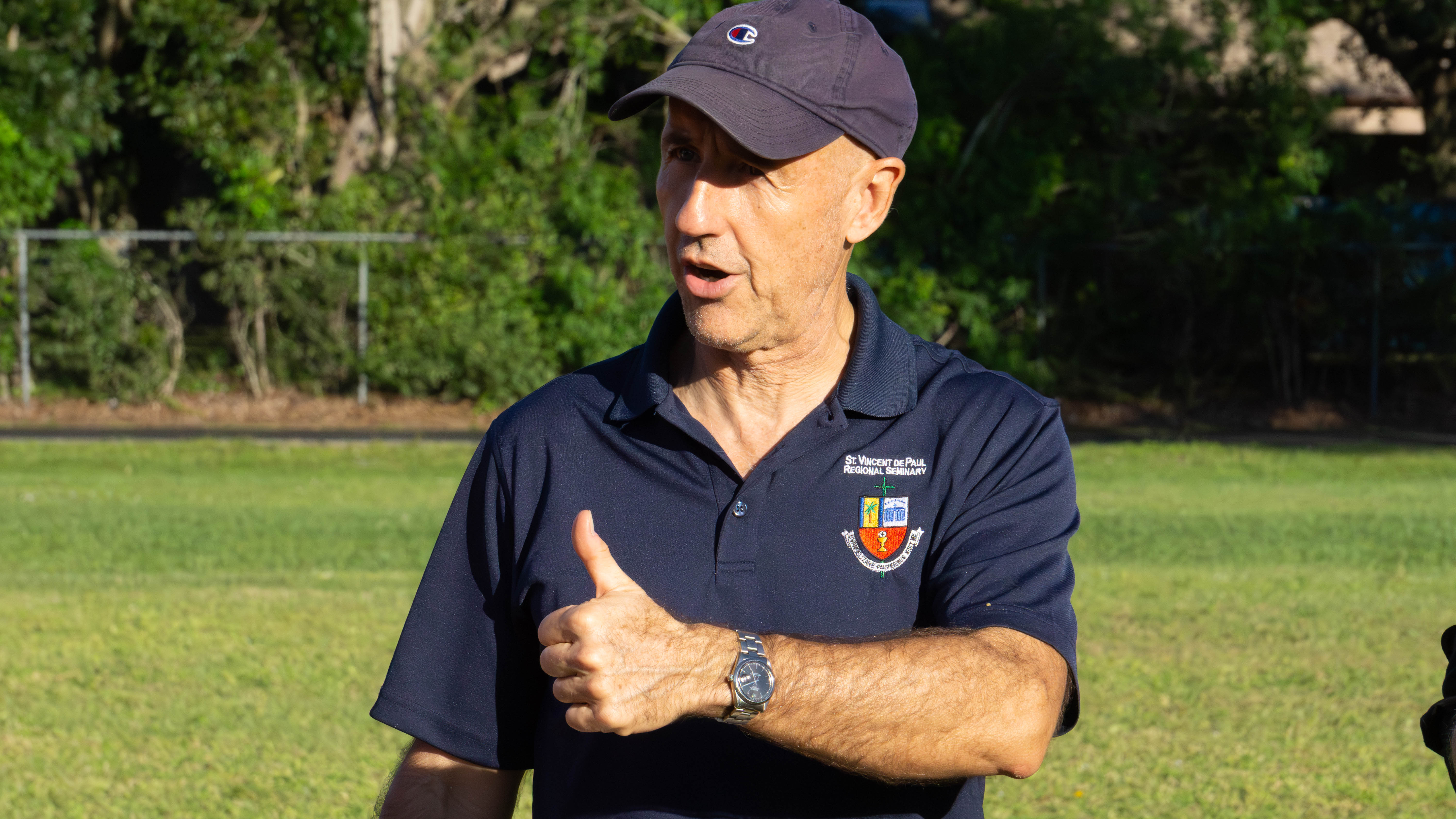
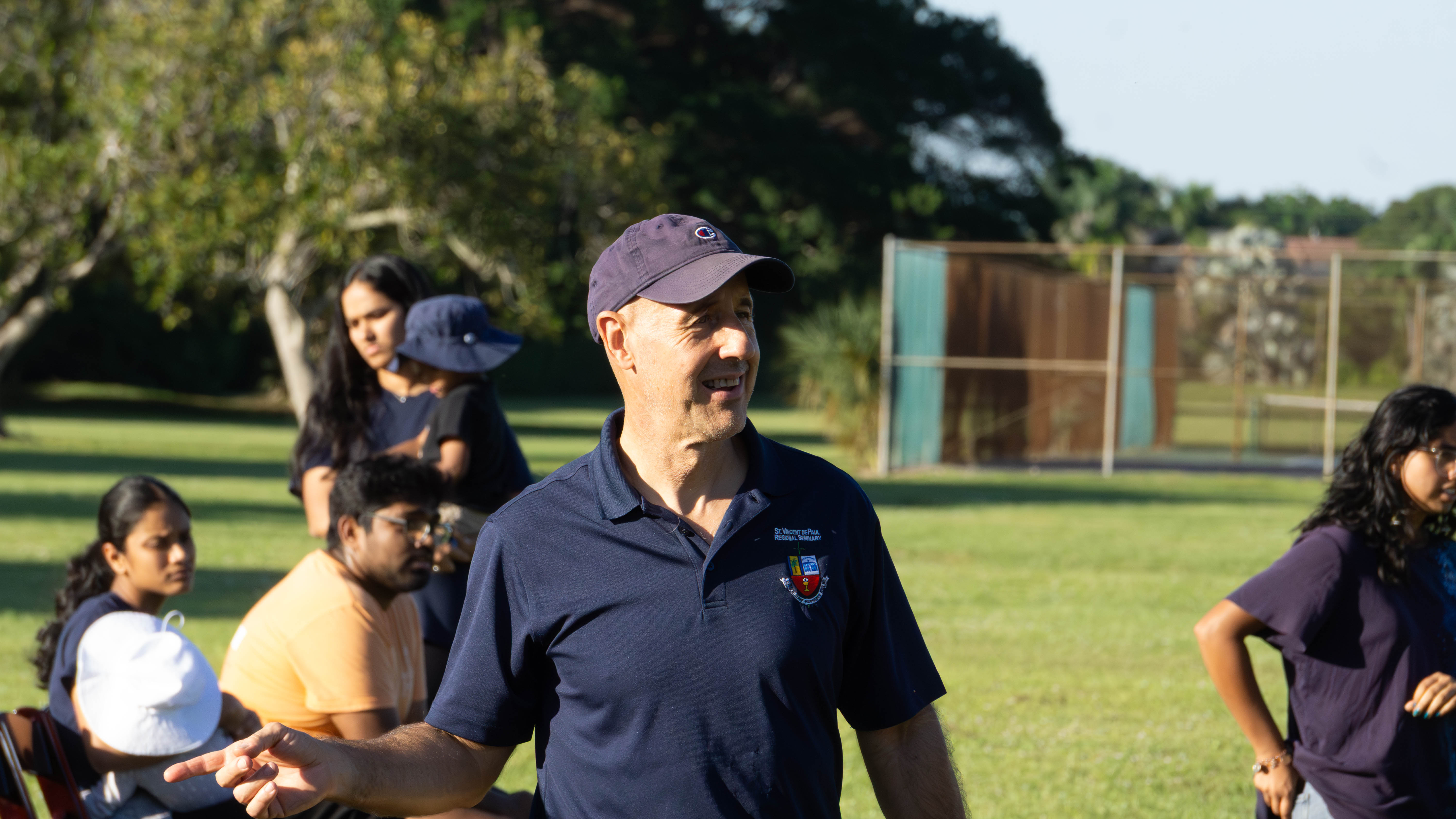
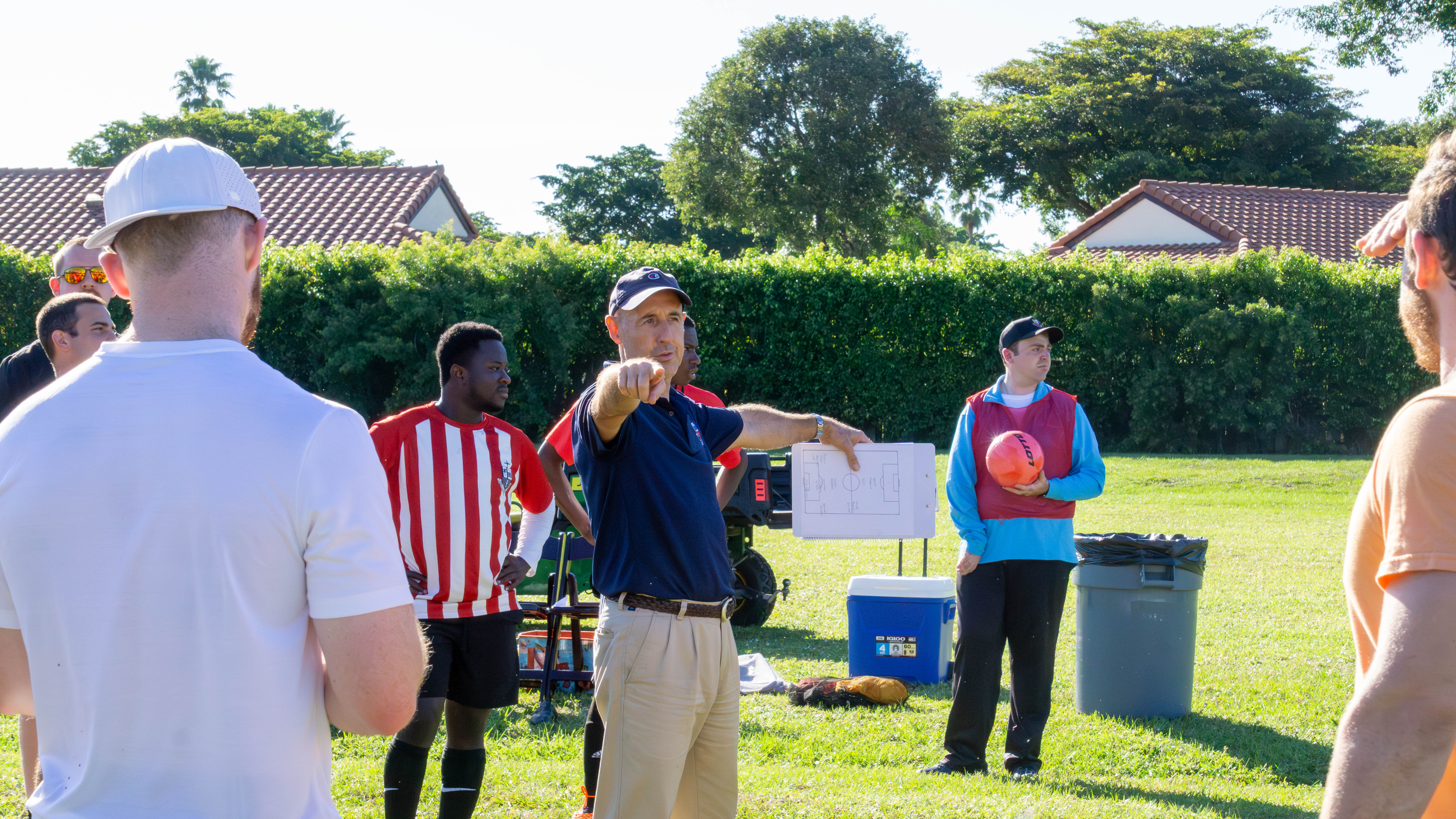
I have been coaching (on and off) for 17 years. At this point what I enjoy the most about coaching is building the team, working first on communication and trust, then on skills, technique, and strategies and all the other bits necessary to succeed as a team.

What a pleasure to return to the field, to work with the guys at skills that we do not teach in the classroom.

Unfortunately, we did not have a lot of time to practice, but we did the best we could.

We lost the game 3 – 4, but I am really proud of the men, we played a far superior game, we played as a team! But halfway through the first half while we were winning 2 – 0, we lost steam, we lost our shape, and the Miami guys took advantage of that. In the second half we came back and scored the third goal, but it was too late.

I was blessed to have a student volunteer as an assistant coach! Misho led the warmups, worked with our goalie, and helped to organize practices, helped me with strategy on game day, what a blessing!

All in all, it was a great experience, and I can’t wait to start preparing next year’s game!!

PS: The initiated will notice our colors are red and white stripes. This is our traditional kit, and in NO WAY my decision. I would have been fine just wearing plain all white 😉

Photo Creds: Carmela Grande, Chris Holsom.