Who was the first American (US) saint?

Don’t worry, I had no clue either. It was Mother Cabrini, who was Italian, but aren’t most Americans immigrants? (When was the last time you saw a native North American?)

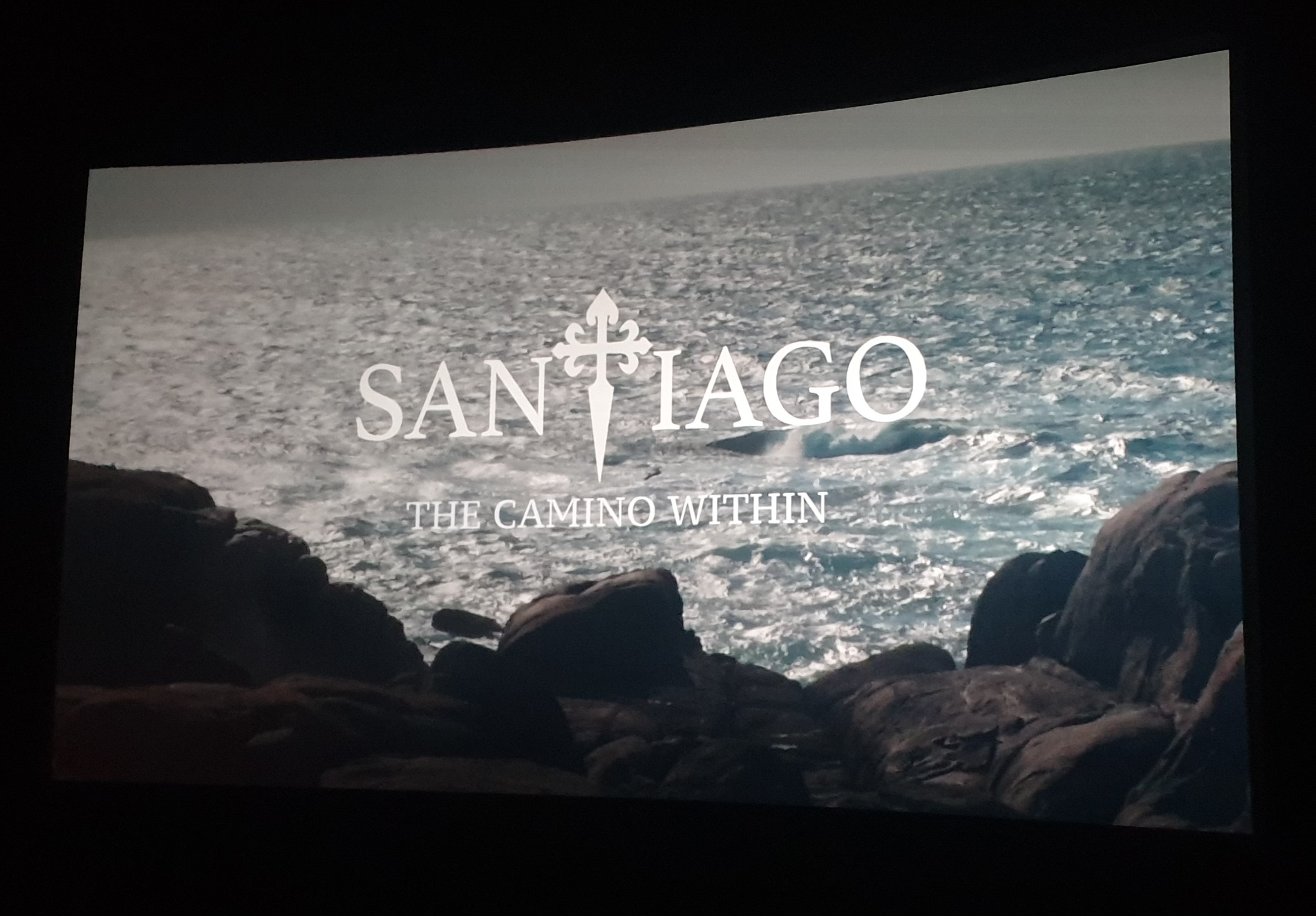
At any rate, they made a movie about her -about time, for she was an amazing woman! The main problem with “Catholic” films is that they tend to be chronically underfunded, and it shows. Unless you are Mel Gibson and have access to Hollywood money, your production is going to be underfunded. See for example last year’s Santiago: the Journey within.

We can serve our weakness or we can serve out purpose, not both.

Cabrini

But Cabrini is not about production budgets, it is about the message of this tenacious, gritty, woman, who worked and worked and worked to help (initially) poor Italian immigrant orphans, but built a massive worldwide organization of schools, hospitals, and all sorts of charity work.

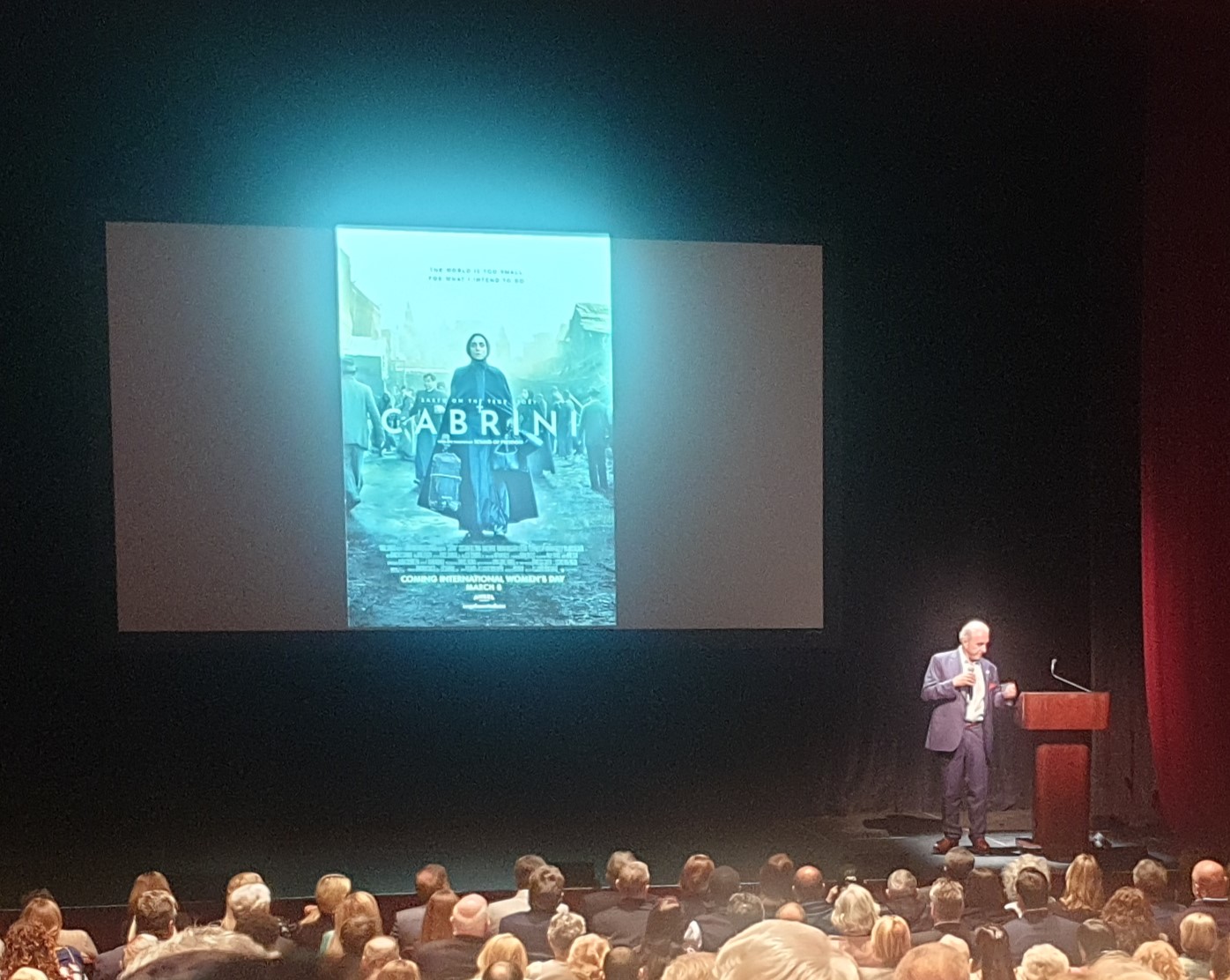
Apparently, one of the financiers of the film, Eustace Wolfington, is a Palm Beach resident, so they invited me to a prescreening at the beautiful Kravis Center, followed by a Q&A by the director Alejandro Monteverde, cinematographer Gorka Gómez Andreu and the phenomenal actor that plays Cabrini, Cristiana Dell’Anna.

The world is too small for what I am going to do

Cabrini

The next day, as I was making my daily coffee at the espresso machine, I was telling one of my students who happens to be of Italian heritage from New York, about the film. He knew about the patron saint of immigrants and told me that he would, in the future, love to have a relic of Cabrini… Later in the day, I was telling a colleague about the film. She opened her desk drawer and there, surrounded by paper clips, toothpaste, and assorted office material was, voilà … a relic of Saint Cabrini. I hear she has since given it to the student.

At any rate, the film is coming out March 8th, so book it to a theatre near you. Do not be a stickler for the production and just focus on the message. You are welcome.

We are bold, or we die.

Cabrini

Preparing for the Camino, and Santiago The Journey Within

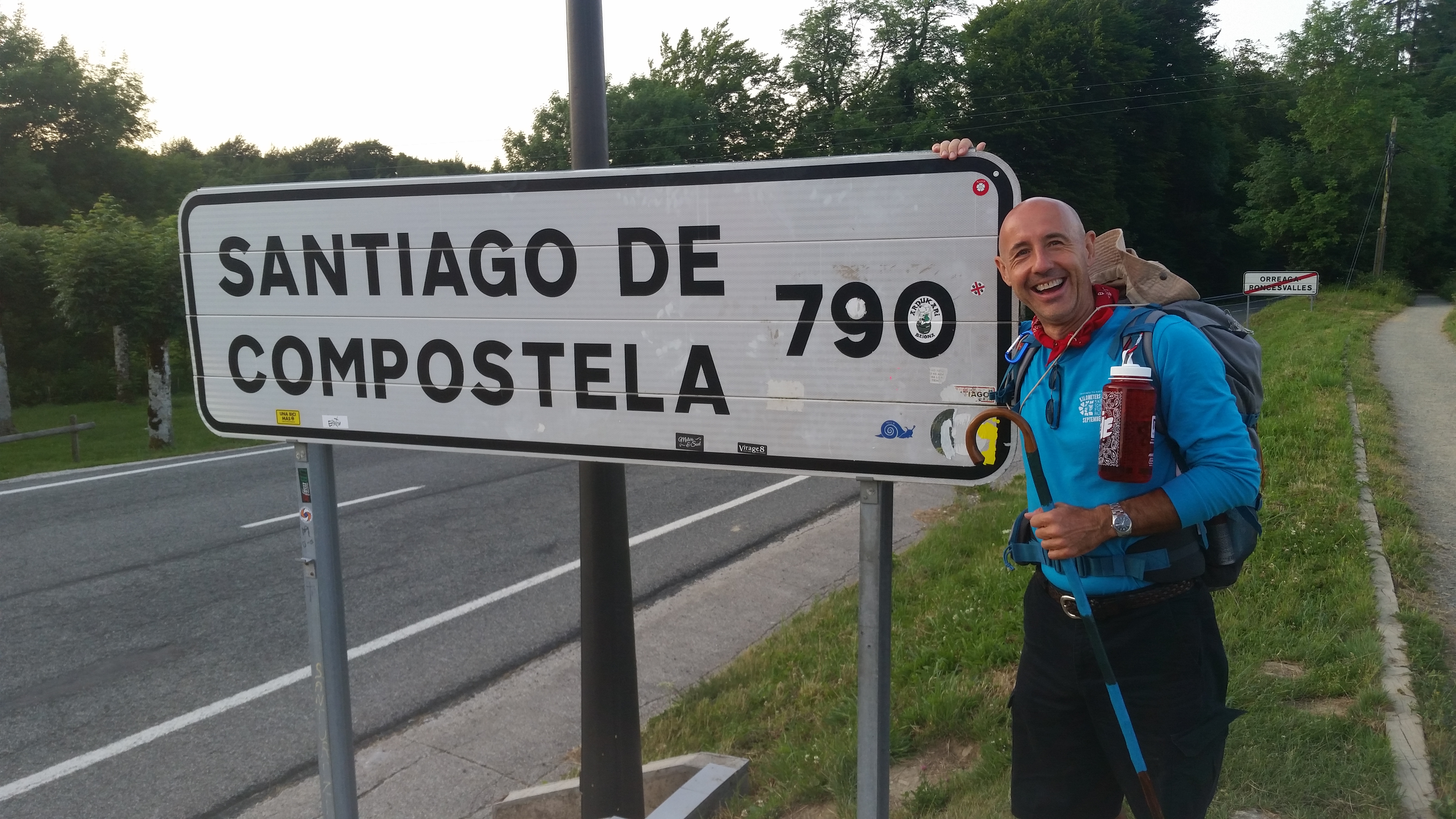
If you type “preparing for the Camino” on the Interweb you are going to get hundreds, maybe thousands of articles and videos on what to pack for the Camino, how to get in shape for the Camino -guilty as charged, even I have written about this. What you are less likely to find is how to really prepare for the Camino, not for the exterior journey, folks in the Middle Ages did it without Gore-Tex, superhightech gear, and without cellphones, but for the interior journey, the one you do not need any gear for.

Yes, there is some overlap: the less you pack, the happier your body will be and not surprisingly, the happier your soul, you, are going to be.

Basically you want to get your mind and your soul (your mind, unfortunately- if you have cleared your head and are living in the present moment, good for you!). So if you have to ask forgiveness, do so before you leave, if you have to settle things, try to do so beforehand. Again, the lighter you travel, the better.

Back in the Middle Ages, there were some guidelines about preparing for the spiritual journey, which have been lost, since the Camino became a bit of a hippie, gofindyourself trek in the early eighties.

My dear Richard Rohr recently wrote about pilgrimage in his daily meditations (if you are not yet receiving them sign up here) and he mentioned the Medieval tradition:

First of all, you had to make amends with everyone you had ever wronged. Also, if you went on pilgrimage holding any kind of unforgiveness, it could not be a good pilgrimage. You couldn’t leave your town until you’d forgiven everyone who’d ever wronged you. Certainly, this is an attitude that we can pray for at the beginning of any pilgrimage: that God would keep our hearts open and loving, because a pilgrimage can’t just be a tourist trip. The meaning of a pilgrimage is an interior journey. Primarily, it’s an interior journey enacted exteriorly.”

Secondly, and a practical, interesting thing, is that if they were going to go on pilgrimage, pilgrims had first to ask permission of their wife, husband, and family. The idea was that they had to leave everything in right relationship at home. If they had any material debts, they also had to pay those before they left. They couldn’t go on pilgrimage until their spiritual and physical debts were paid, and they had permission from all the right people.

Next, they had to go to confession before leaving. Sometime in the course of a pilgrimage, celebrating some kind of reconciliation was deemed very appropriate. Again, there’s that cleansing, that letting go. Perhaps those of us who’ve already been down to the Grotto [1] have seen the basin of water on the far end with the words that Mary spoke to Bernadette. It states, “Go wash your face and cleanse your soul.” What a symbol of reconciliation! It’s a prayer. Above all else, pilgrimage is praying with your body, and it’s praying with your feet. It’s an exterior prayer, and the exterior prayer keeps calling you into the interior prayer.

Rohr writes a week’s worth of content which you can check out here.

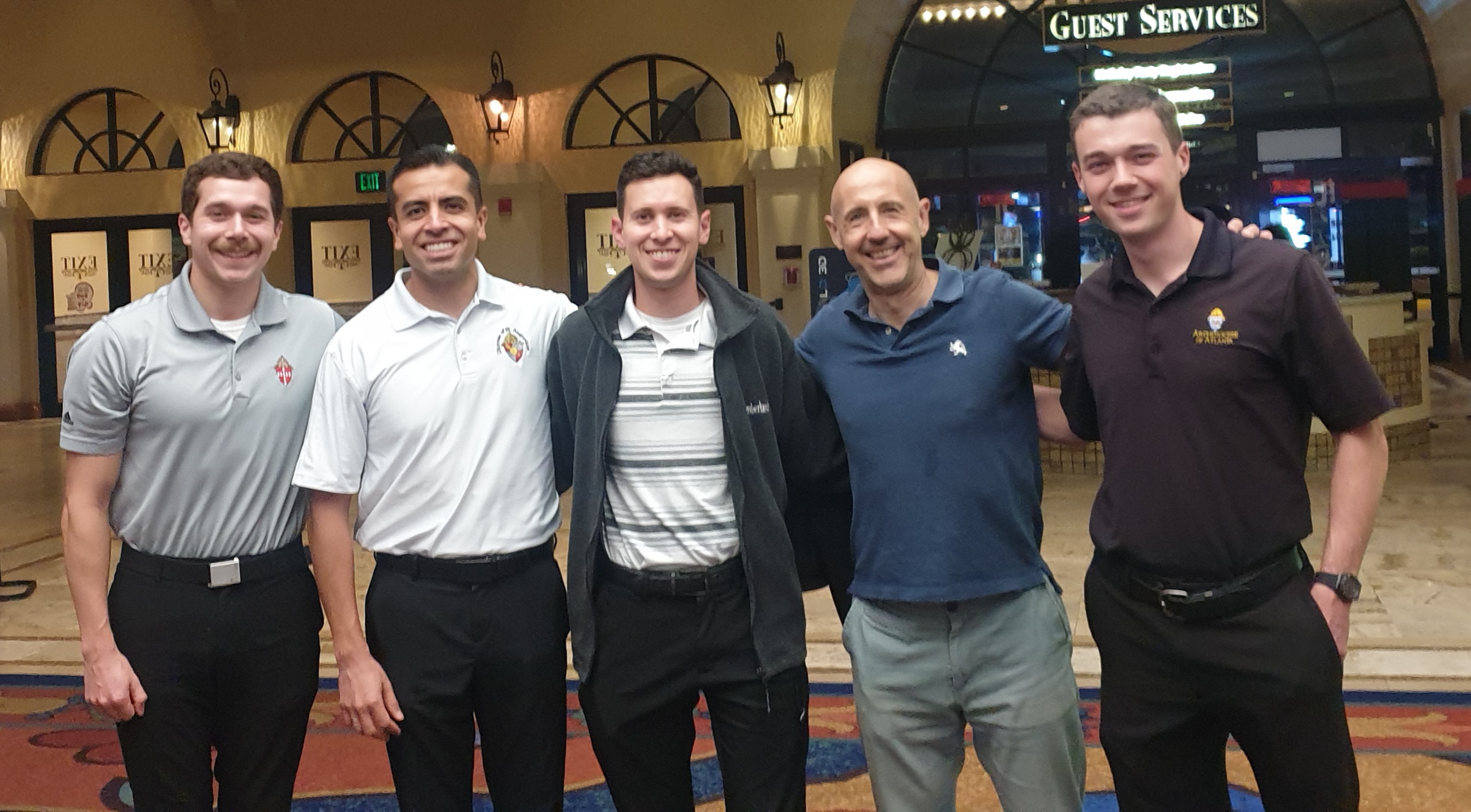
As I was thinking about this blog post, my students invited me to see Santiago The Journey Within, a reflection more than a documentary on the Camino. The film, led by Bishop Donald J. Hying, has beautiful photography and music, but sadly lacks a narrative, a connecting thread, which makes it difficult to immerse oneself in the film. Also the last 45 minutes of the film is just Bishop Hying talking about the Camino at a university conference. Beautiful words, but less than gripping action.

There you have it. Make sure your mind is ready as much -if not more- than your backpack!

¡Buen Camino!

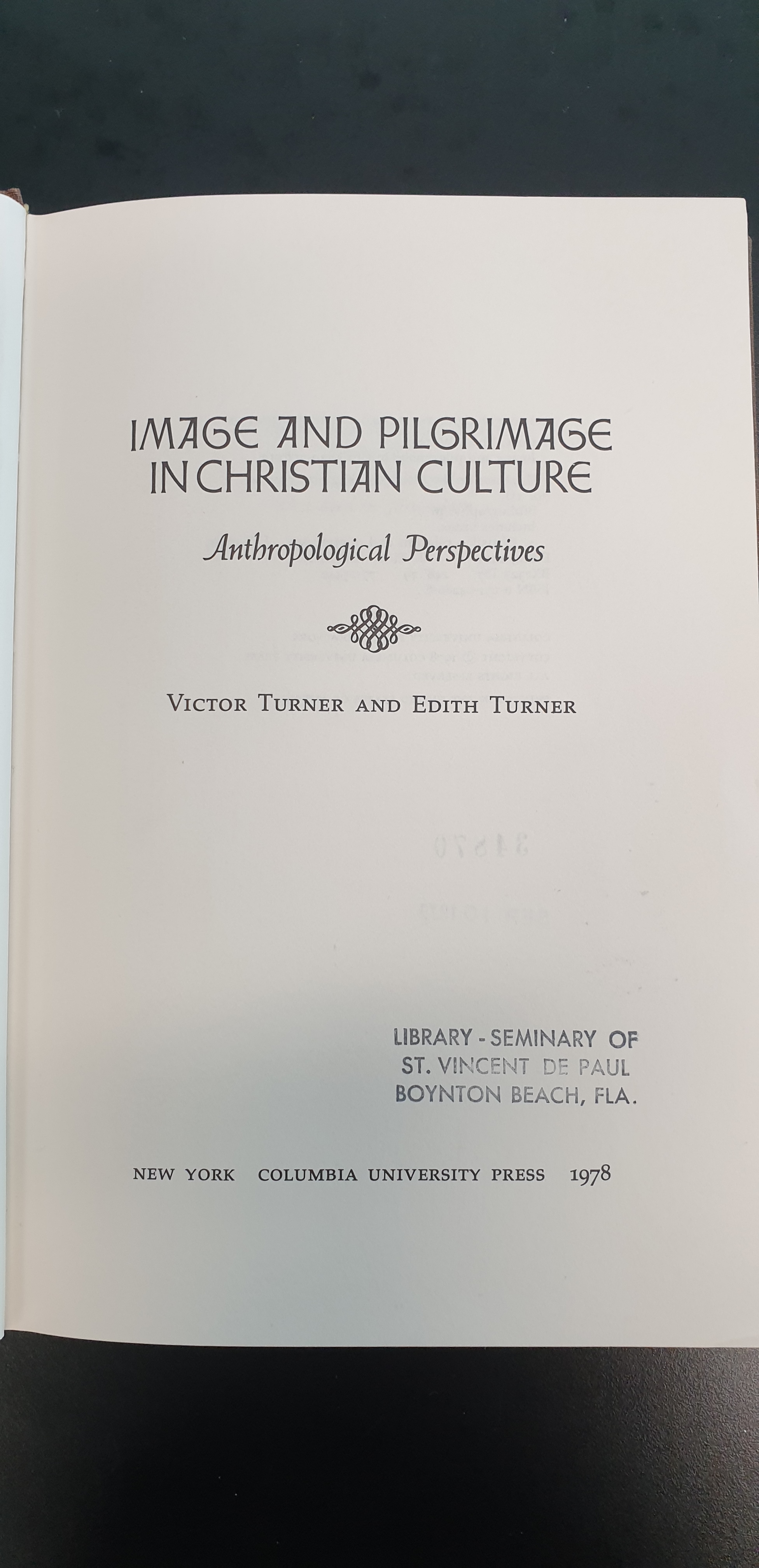
PS: If you are really into this, you can read Image and Pilgrimage in Christian Culture by Victor Turner and Edith Turner.