You should be meditating.

Stop, inhale, focusing on the air entering your nostrils or your lungs. Exhale, focusing on the air leaving your lungs or your nostrils. There, you did it!! For a brief time, you didn’t worry about what’s for dinner, your bills, the weather, what you were going to tell your boss, your customer, or your friend. You didn’t think about politics, and you weren’t scrolling through social media. You had a moment —albeit a very short one—of meditation. The trick is to do that exact exercise with your breathing for 5, 10, 20 minutes, or half an hour. The longer you do it, and the more often you do it, the better you will feel.

My dear friend Paco encouraged me to try meditating while I was in a deep, dark depression over ten years ago. It was not easy for a hyperactive fellow like me to embrace it, but now I cannot live without some quiet time every day. And although I have written about meditation here before, it was usually in passing while talking about health and mental health in general.

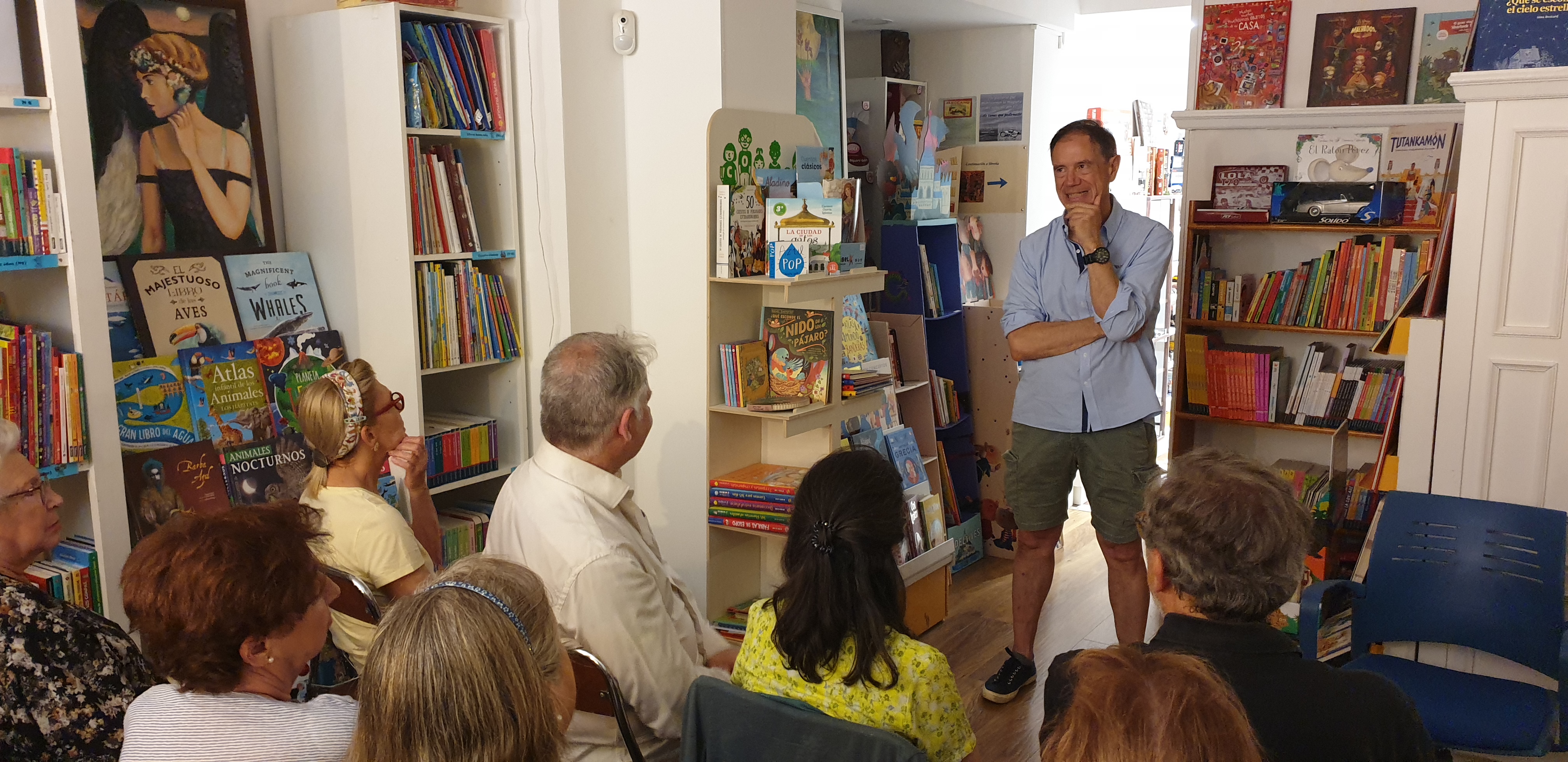
This all comes to mind because I recently had the opportunity to see and hear Paco give a presentation on Christian Meditation at the Antonio Azorín bookstore in El Escorial. He filled the room and had a wonderful talk. I originally thought the attendees were curious about meditation, but during the Q&A, I realized some of them were very advanced, although from different “schools” of meditation —see below.

There are many labels for meditation, just like there are many different philosophies and methods: Mindfulness Meditation, Mantra Meditation, Zen Meditation (Zazen), Vipassana Meditation, Transcendental Meditation (TM), or Body Scan Meditation. The ancient Fathers and Mothers of the desert, the early Christians, also developed a method of meditation which nowadays is called Christian meditation, or even centering prayer. Some recent Catholic proponents of meditation might be Thomas Keating, Thomas Merton, or Richard Rohr.

Whichever way you choose to sit down in silence is fine. Of course, nowadays you can use an app on your phone to time your sits, or to guide you. I have been using Insight Timer for years, and I love it!

Every class I teach at school starts with one minute of silence. This time is a buffer between whatever the students were doing before and class, between English and Spanish; it is a moment to regroup, to breathe, and for me, it is a minute of meditation.

Recently, Maria Popova also wrote about the importance of spending time alone and in silence, not exactly meditation, but close to it. Check it out here.

So carve out a few minutes from your day: when you wake up, before you go to sleep, in the middle of the day, or, paradoxically, if you are really busy, more than once a day. Whatever works for you, sit down, and start focusing on your breathing. You are welcome.

Oh, you should definitely check out this video of Villanova’s Fr. Martin Laird on the benefits of meditation. It is a bit long, but worth it!!

The Marginalian by Maria Popova, a blog about a blog, would that be a metablog?

As a blogger myself, I must admit that I do not subscribe to many blogs, newsletters, etc., just a handful:

Although not technically a blog, I get the Center for Action and Contemplation’s Daily Meditation, originally written by Richard Rohr, but as he is getting older, it is now written partly by him but also by the CAC team. Check it our here, and subscribe!
Every week I also get Un salto a Galicia about travel to the northwest corner of Spain, Galicia. (Click here)

But what I want to talk about today is The Marginalian by Maria Popova.

Every week Popova writes brilliantly about how an author talks about certain things. Some recent examples are:

Philosopher R.L. Nettleship on Love, Death, and the Paradox of Personality

The Poetic Physicist Alan Lightman on Music and the Universe

Iris Murdoch on Unselfing, the Symmetry Between Art and Morality, and How We Unblind Ourselves to Each Other’s Realities

Dervla Murphy’s Fierce and Poetic Account of Traversing the World on Two Wheels in the 1960s

Popova combines her own beautiful writing (yes, this hack is jealous) with quotes from the authors featured and gorgeous illustrations. It makes for an enlightening read.

Popova is so inspiring, that I have added her Wednesday email into my reflection time, my mediation, my Lectio Divina, if you will.

If you are not yet subscribed, I cannot recommend it enough. Check it out here.

You are welcome.

Art as meditation, Sphinx Virtuosi

Richard Rohr recently explained in his daily email about the transformative power of art (see below). Although this is something we have known for a long time, I was just thinking the same thing recently.

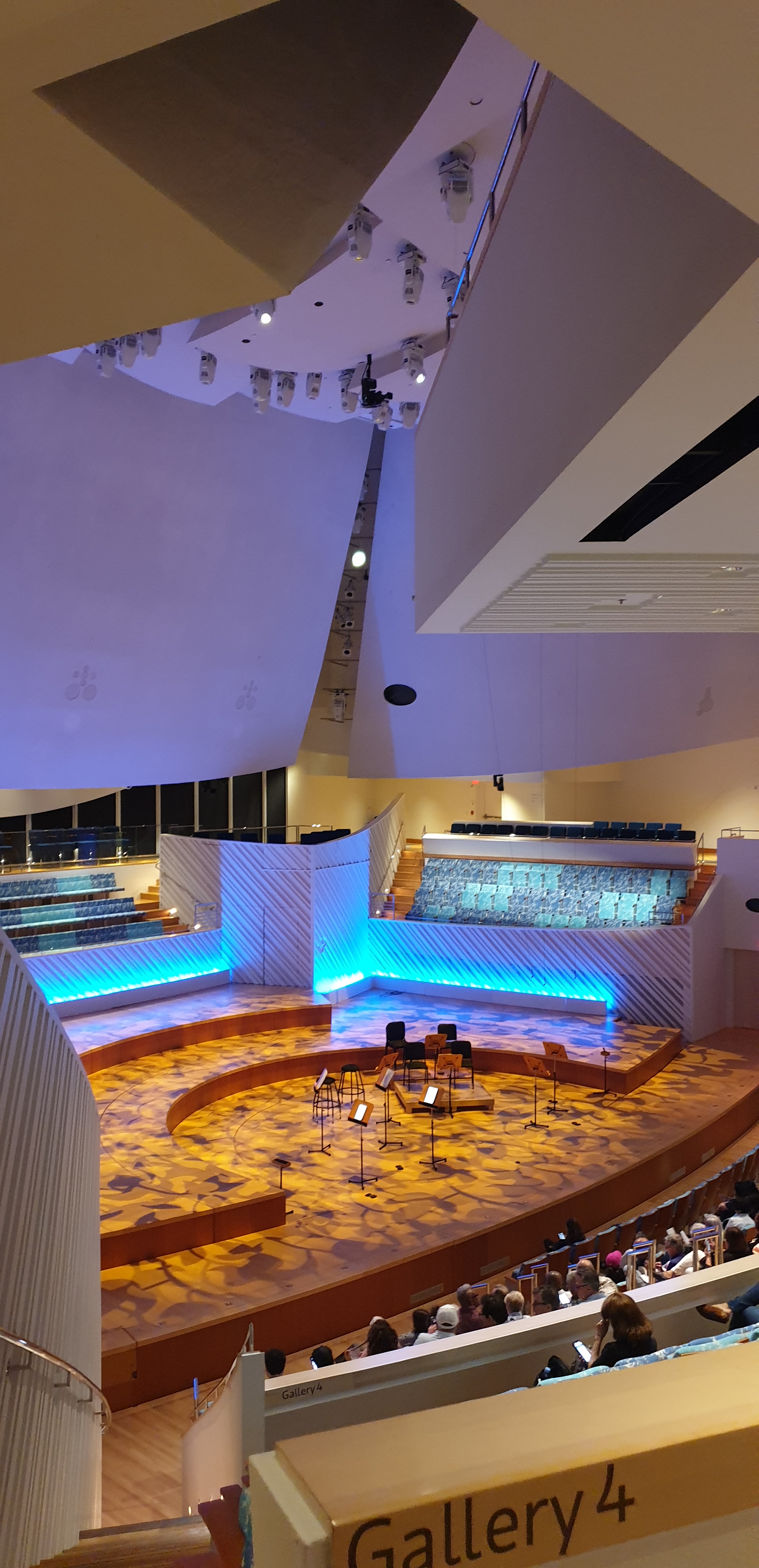
My dear friend, old student, Film Club founder, and overall formidable fellow, Guillermo recently invited me to see him perform with his orchestra, Sphinx Virtuosi, at the New World Center in Miami.

When the art hits, when it envelops you, your attention is focused on the art. You are not thinking about bills, work, what’s for dinner, etc. At that moment, at that point, you are as close to the divine as you are possibly going to be. The beauty of this moment is that it happens without conscious preparation, you just hit the moment, and it is beautiful.

The Sphinx concert featured their amazing musicians, all of which are at the top of their game, with musicians, fellows, from the New World Orchestra in a fluid collaboration. William is not my only old student playing in the Sphinx Virtuosi, Tommy Mesa whom I have mentioned before (here) and Celia Hatton who, like Guillermo, plays the viola, were also my students. Having a drink after the show I met Canadian-Caribbean violinist Maithena Girault.

So go immerse yourself in art, the more you appreciate art, the more chances you are going to have of being transformed by it. It could be a concert, in a museum, any form of art has the power and potential to elevate you. Be open to it.

You are welcome.

The Streets of New Orleans, The New Orleans Gospel Stars, gospel music as a meditation.

It was love at first sight. The streets, the feel, the vibe, I stayed at a dingy little hotel in the French Quarter, the Andrew Jackson, my room stank of weed, every morning I had breakfast at the Clover Grill Diner before heading to work. In the mid-90s I went to New Orleans two years in a row for a conference. I do not remember much about the conferences, but New Orleans stayed in my heart. But I was not new to New Orleans, for years I had listened to its music, its magical, powerful, beautiful music which my dad loved and played constantly. As a result of this, I got hooked on the New Orleans sound, listening to Branford and Wynton Marsalis, Harry Connick Jr., Jon Batiste and so many more.

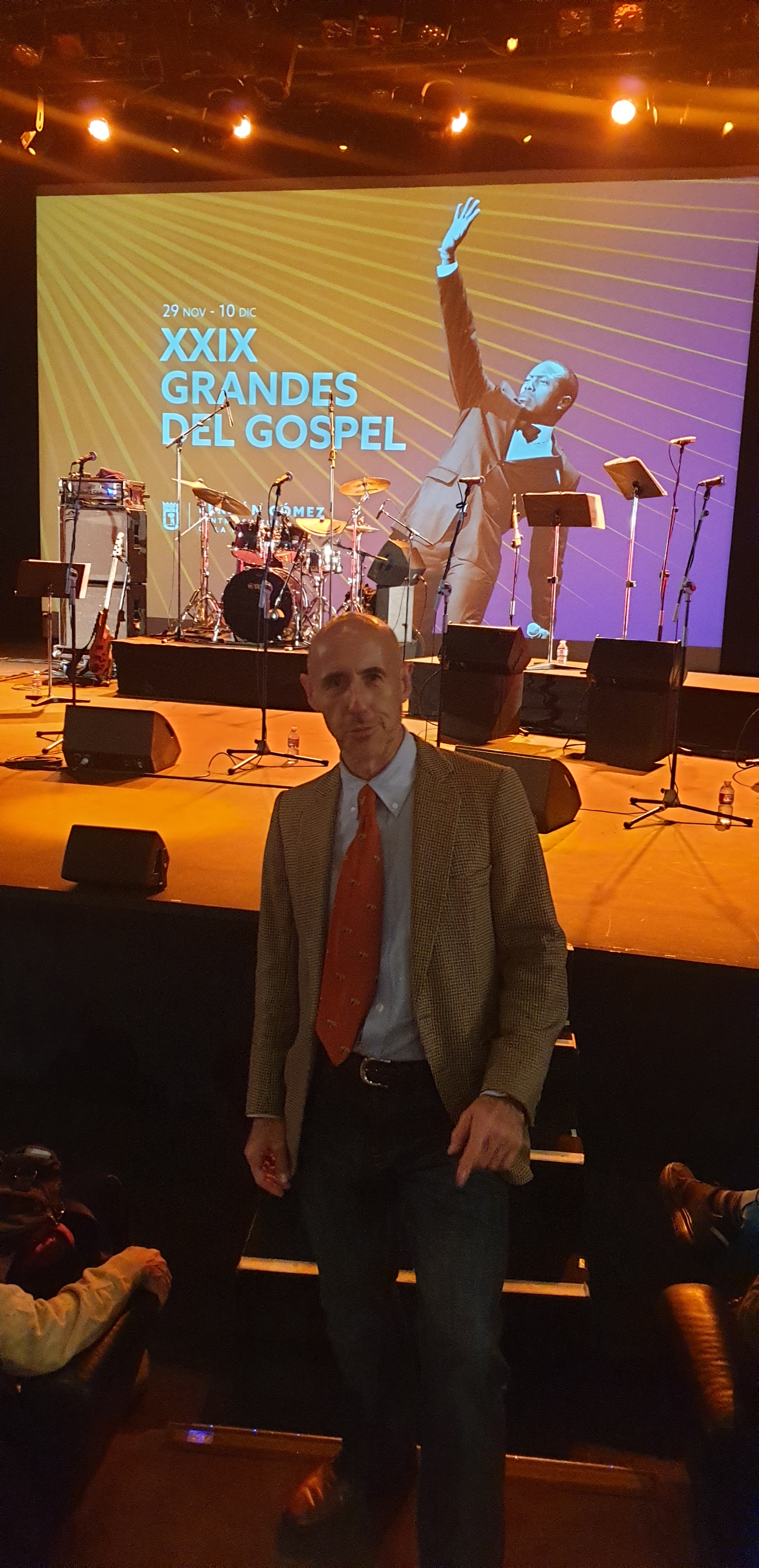
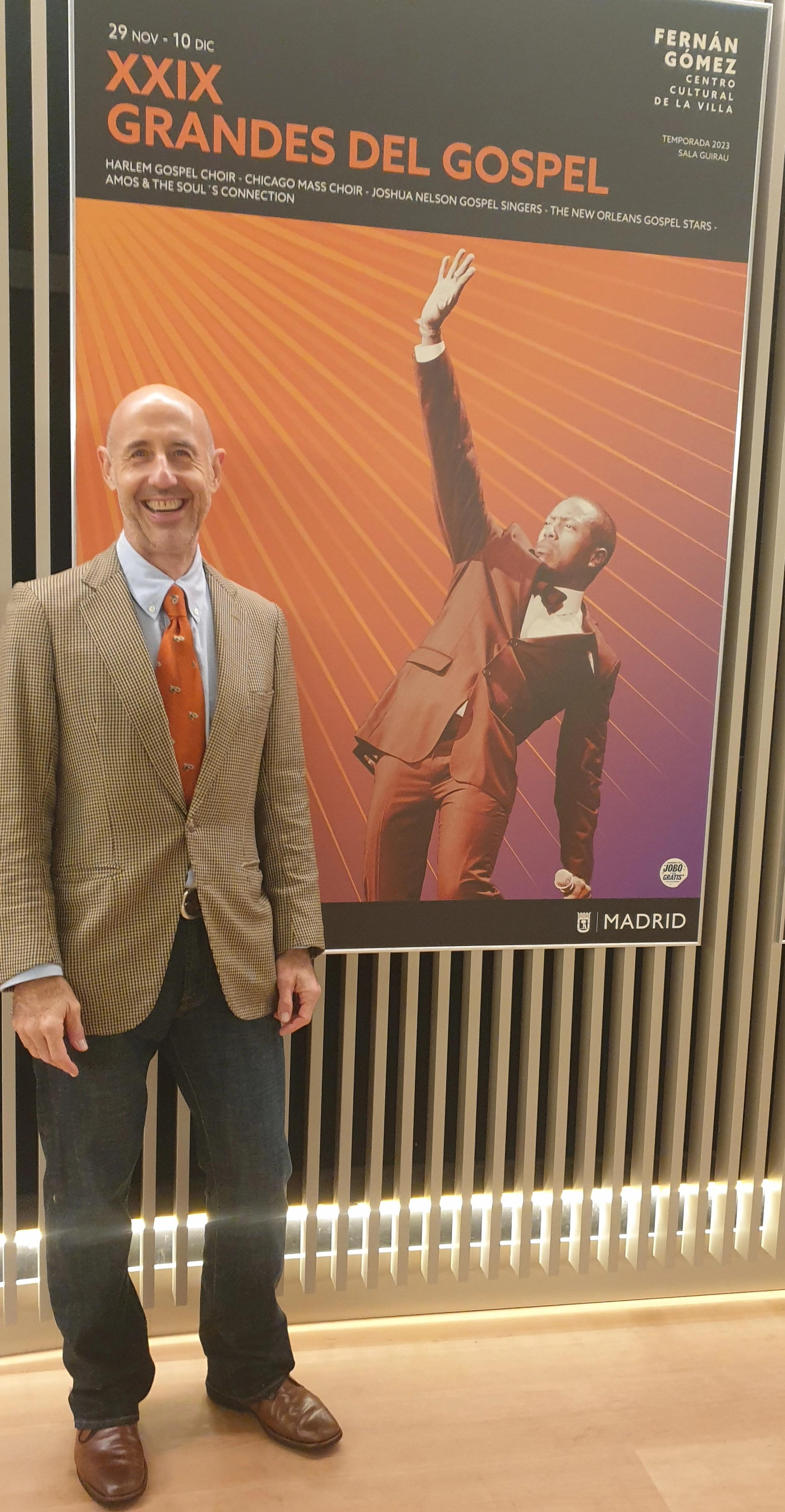
The other day I saw a poster for a Gospel Choir concert in Madrid, and Celia and I immediately invited my niece and my nephew to the concert.

It was a blast! The brass marched into the hall playing a beautiful version of “Just a Closer Walk with Thee” which I know and love from Van Morrison’s version, then the rest of the band walked in and ignited the crowd with their rhythm and energy. “What a Wonderful World” was nice, but nobody can come close to Louis Armstrong on that one. At the end we got the classic: “Oh Happy Day.” For the grand finale: “When the Saints Come Marching in.” The normally conservative Madrid crowd was all standing and dancing! What a show!

Richard Rohr writes in his daily reflection about this music:

worship in the Black church can create a communal contemplative experience

CAC faculty member Barbara Holmes

My niece and nephew enjoyed it. I loved traveling back to my dear New Orleans, as I had not been there since the start of this blog in 2011 (check it out here) when I applied for my PhD in Tulane.

Here is a clip of the amazing New Orleans Gospel Stars, enjoy:

Saying farewell is hard. Fr. George and emotional healing.

“Goodbyes are only for those who love with their eyes. Because for those who love with heart and soul there is no such thing as separation.”

Rumi

Life is a story, a narrative, with a beginning and an end, and in between (hopefully) many chapters, some longer and some shorter. When a chapter finishes, or is left unfinished, it is emotional. It is emotional because you are back to a blank page, you can start a new chapter -you should start a new chapter.

Saying goodbye is a process shared by all humanity, the emotions that we share when we say farewell. Books, films, plays, operas, ballets, songs, poems (especially poems), you name it, have been devoted to saying goodbye, how we deal with it, how we process, the whole messy procedure. And here is the space for magic to happen in the space left by the person who has left. As you let go of the person leaving, you are on the threshold, you are now open to growth, to seeing what you can take from the friendship, or whatever it was, and make yourself a better person, a more understanding person. Or you can become bitter and insecure.

It is in these transitional moments of our lives that authentic transformation can happen. Otherwise, it is just business as usual and an eternally boring, status quo existence. 

Richard Rohr

From family members, to loved ones, friends that sometimes you love as much as family, or even someone you have recently met but with whom you connected with, and everybody in between. Saying goodbye is hard.

The key word there is connection; the moment you share, you laugh, you cry, everything forms a connection with the other person.

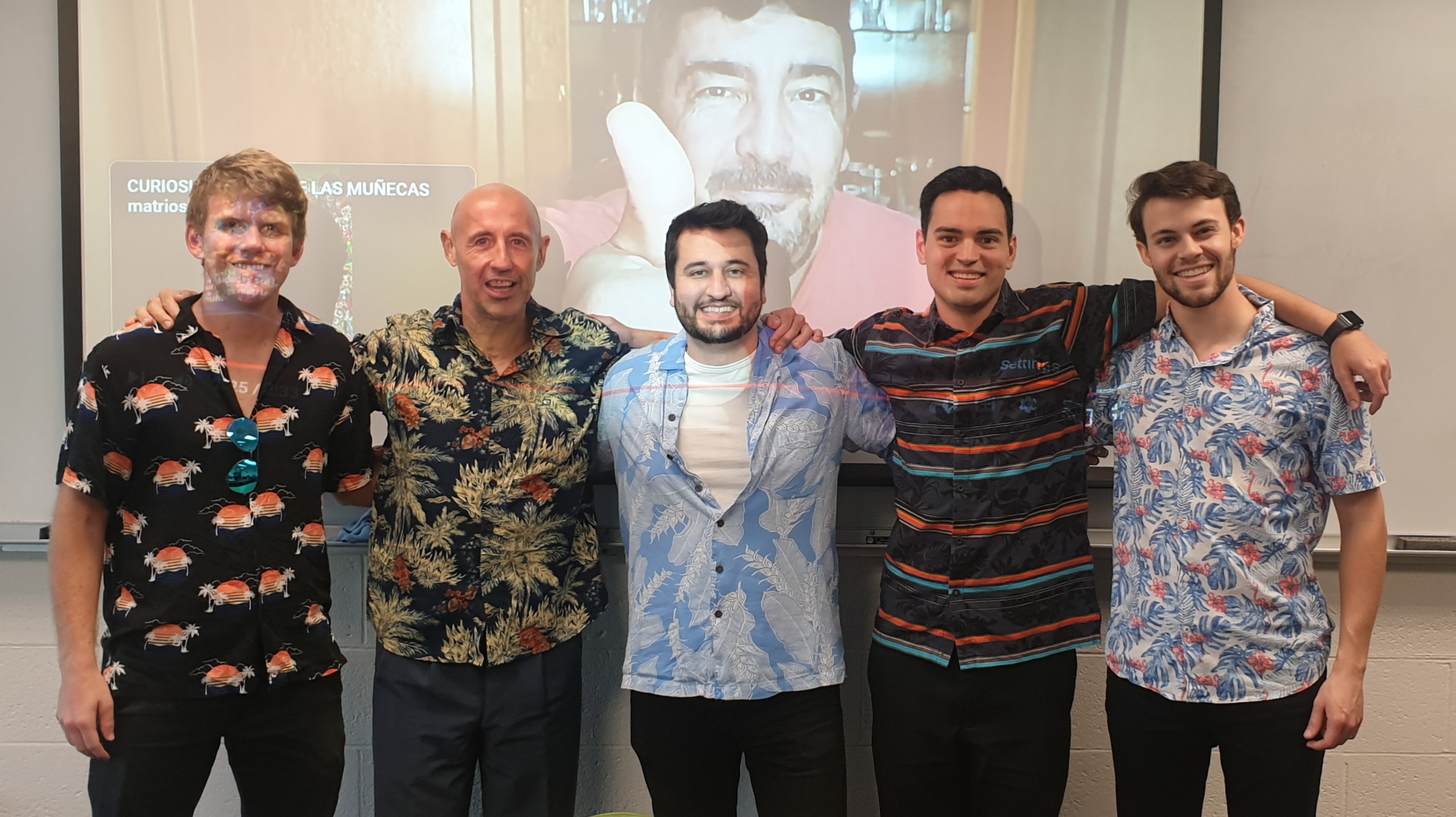
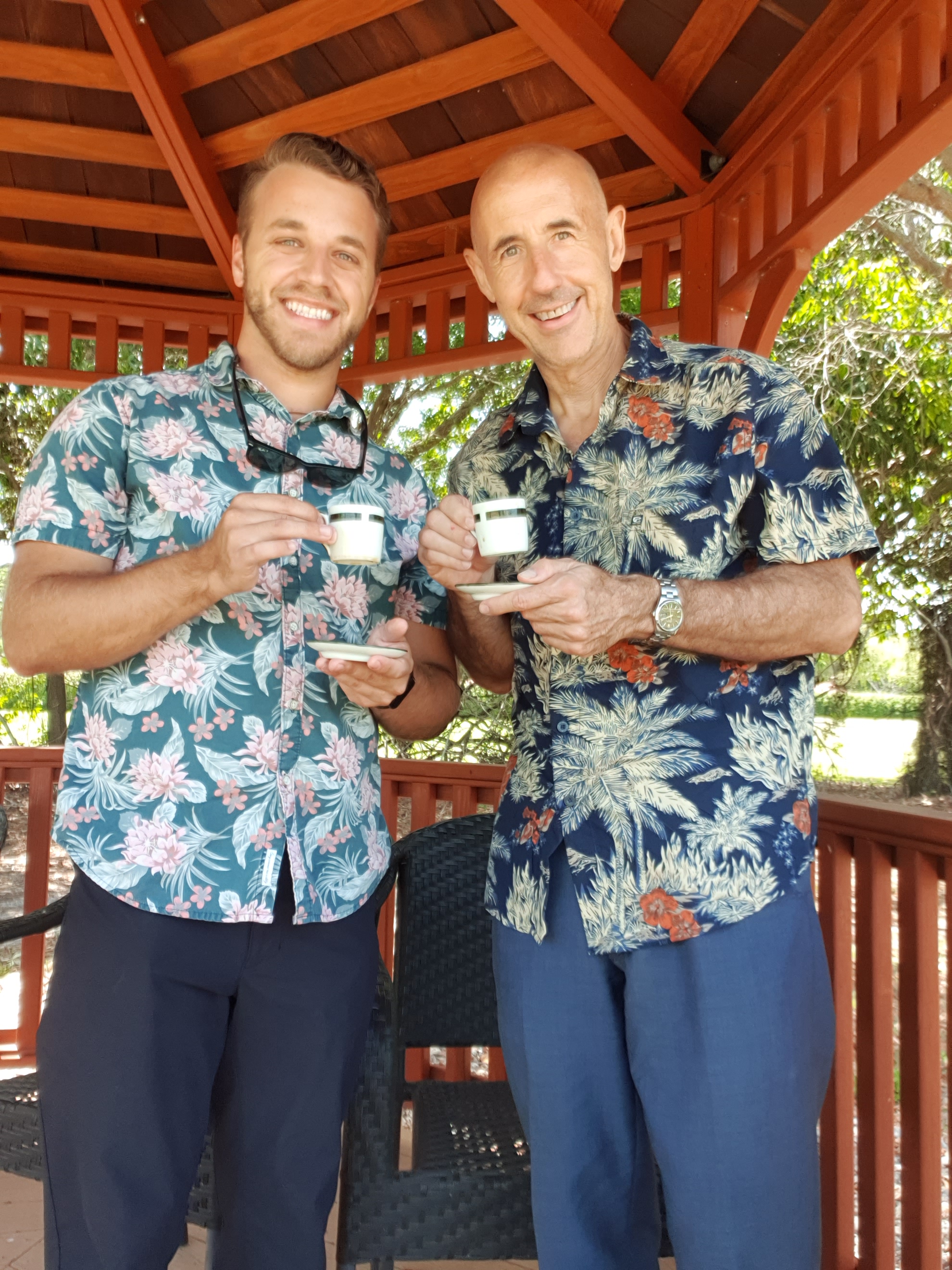
Fr. George generously invited me to go paddle boarding with him last Fall, it became a bit of a tradition, going out early in the morning for an hour or so, and then getting a coffee at Willy Cafe before heading to work. We connected. Now he is leaving our school and going back to Orlando. As a proper surfer, Fr. George is known to wear Hawaiian shirts when not in his clerics; The other day, to celebrate him, we all agreed to wear Hawaiian shirts in his honor, it was fun and moving at the same time!

Words are so clumsy at explaining the feelings, the void left in your heart when someone leaves, dies, ghosts you, whatever.

Of the many, many words to express goodbyes, I like Rumi’s quote at the top and this poem a lot. What are your favorite farewell songs, poems, books? Let me know in the comments.

[i carry your heart with me(i carry it in]

E. E. Cummings

i carry your heart with me(i carry it in

my heart)i am never without it(anywhere

i go you go,my dear;and whatever is done

by only me is your doing,my darling)

                                                      i fear

no fate(for you are my fate,my sweet)i want

no world(for beautiful you are my world,my true)

and it’s you are whatever a moon has always meant

and whatever a sun will always sing is you

here is the deepest secret nobody knows

(here is the root of the root and the bud of the bud

and the sky of the sky of a tree called life;which grows

higher than soul can hope or mind can hide)

and this is the wonder that’s keeping the stars apart

i carry your heart(i carry it in my heart)

Preparing for the Camino, and Santiago The Journey Within

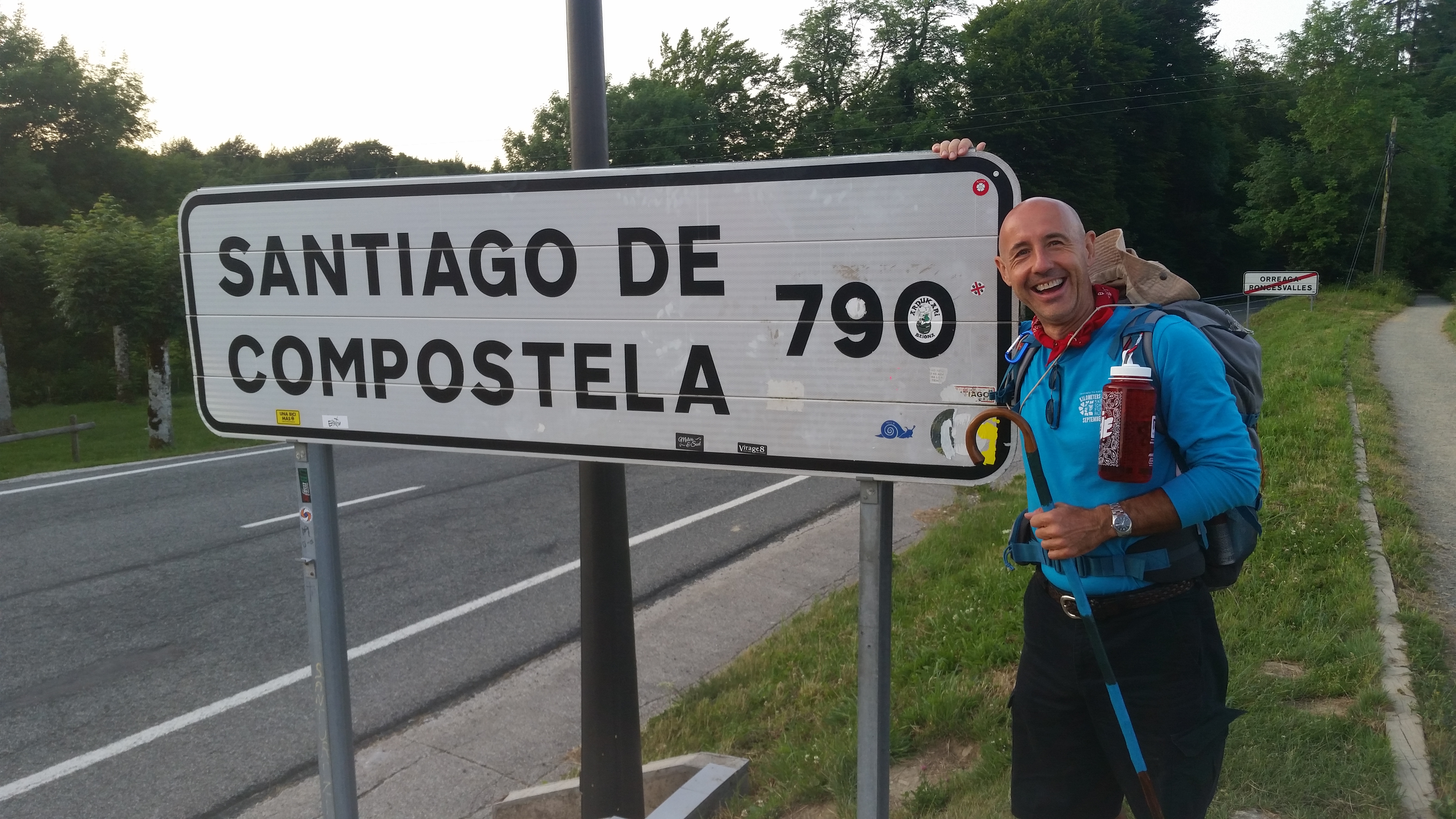
If you type “preparing for the Camino” on the Interweb you are going to get hundreds, maybe thousands of articles and videos on what to pack for the Camino, how to get in shape for the Camino -guilty as charged, even I have written about this. What you are less likely to find is how to really prepare for the Camino, not for the exterior journey, folks in the Middle Ages did it without Gore-Tex, superhightech gear, and without cellphones, but for the interior journey, the one you do not need any gear for.

Yes, there is some overlap: the less you pack, the happier your body will be and not surprisingly, the happier your soul, you, are going to be.

Basically you want to get your mind and your soul (your mind, unfortunately- if you have cleared your head and are living in the present moment, good for you!). So if you have to ask forgiveness, do so before you leave, if you have to settle things, try to do so beforehand. Again, the lighter you travel, the better.

Back in the Middle Ages, there were some guidelines about preparing for the spiritual journey, which have been lost, since the Camino became a bit of a hippie, gofindyourself trek in the early eighties.

My dear Richard Rohr recently wrote about pilgrimage in his daily meditations (if you are not yet receiving them sign up here) and he mentioned the Medieval tradition:

First of all, you had to make amends with everyone you had ever wronged. Also, if you went on pilgrimage holding any kind of unforgiveness, it could not be a good pilgrimage. You couldn’t leave your town until you’d forgiven everyone who’d ever wronged you. Certainly, this is an attitude that we can pray for at the beginning of any pilgrimage: that God would keep our hearts open and loving, because a pilgrimage can’t just be a tourist trip. The meaning of a pilgrimage is an interior journey. Primarily, it’s an interior journey enacted exteriorly.”

Secondly, and a practical, interesting thing, is that if they were going to go on pilgrimage, pilgrims had first to ask permission of their wife, husband, and family. The idea was that they had to leave everything in right relationship at home. If they had any material debts, they also had to pay those before they left. They couldn’t go on pilgrimage until their spiritual and physical debts were paid, and they had permission from all the right people.

Next, they had to go to confession before leaving. Sometime in the course of a pilgrimage, celebrating some kind of reconciliation was deemed very appropriate. Again, there’s that cleansing, that letting go. Perhaps those of us who’ve already been down to the Grotto [1] have seen the basin of water on the far end with the words that Mary spoke to Bernadette. It states, “Go wash your face and cleanse your soul.” What a symbol of reconciliation! It’s a prayer. Above all else, pilgrimage is praying with your body, and it’s praying with your feet. It’s an exterior prayer, and the exterior prayer keeps calling you into the interior prayer.

Rohr writes a week’s worth of content which you can check out here.

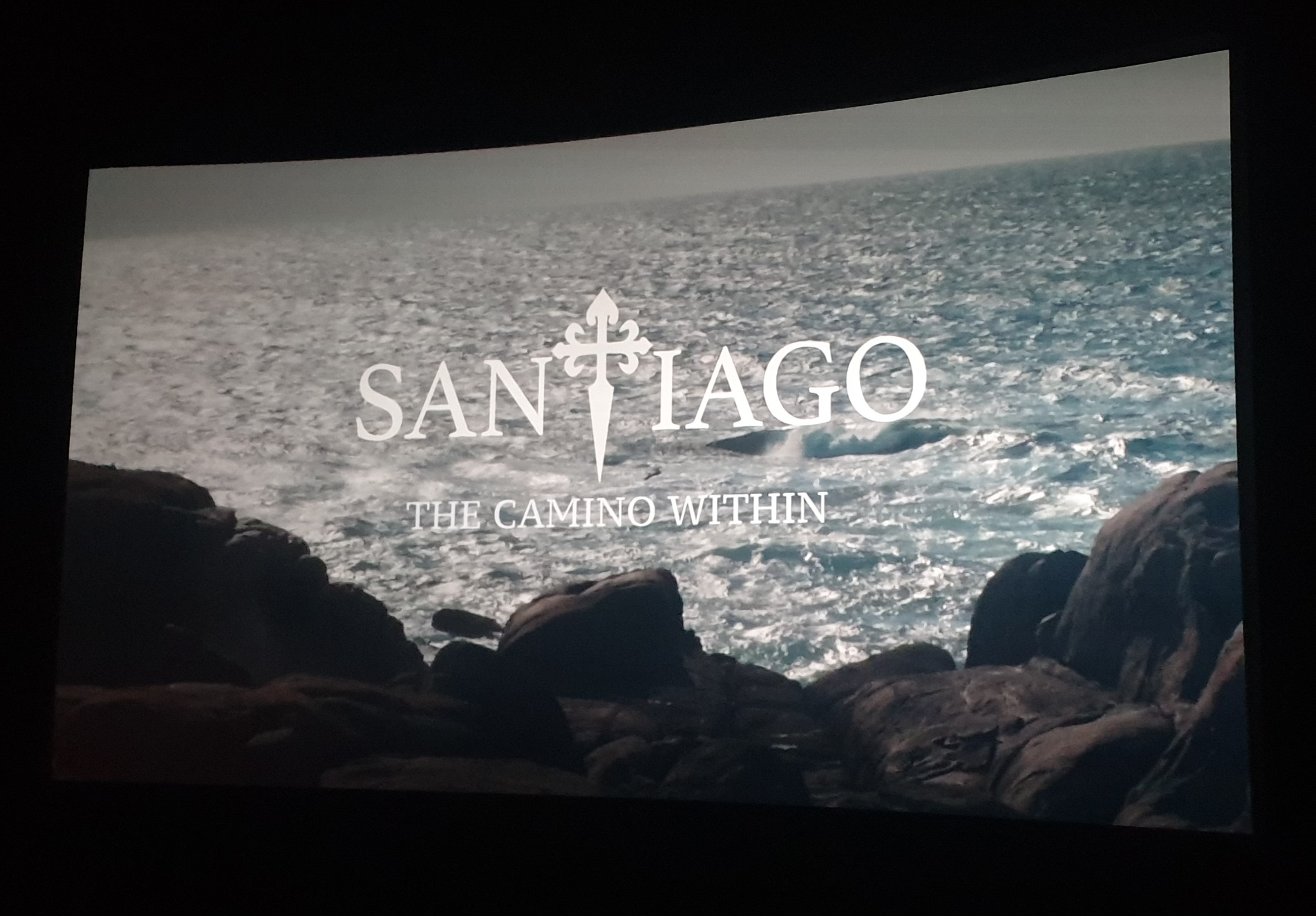
As I was thinking about this blog post, my students invited me to see Santiago The Journey Within, a reflection more than a documentary on the Camino. The film, led by Bishop Donald J. Hying, has beautiful photography and music, but sadly lacks a narrative, a connecting thread, which makes it difficult to immerse oneself in the film. Also the last 45 minutes of the film is just Bishop Hying talking about the Camino at a university conference. Beautiful words, but less than gripping action.

There you have it. Make sure your mind is ready as much -if not more- than your backpack!

¡Buen Camino!

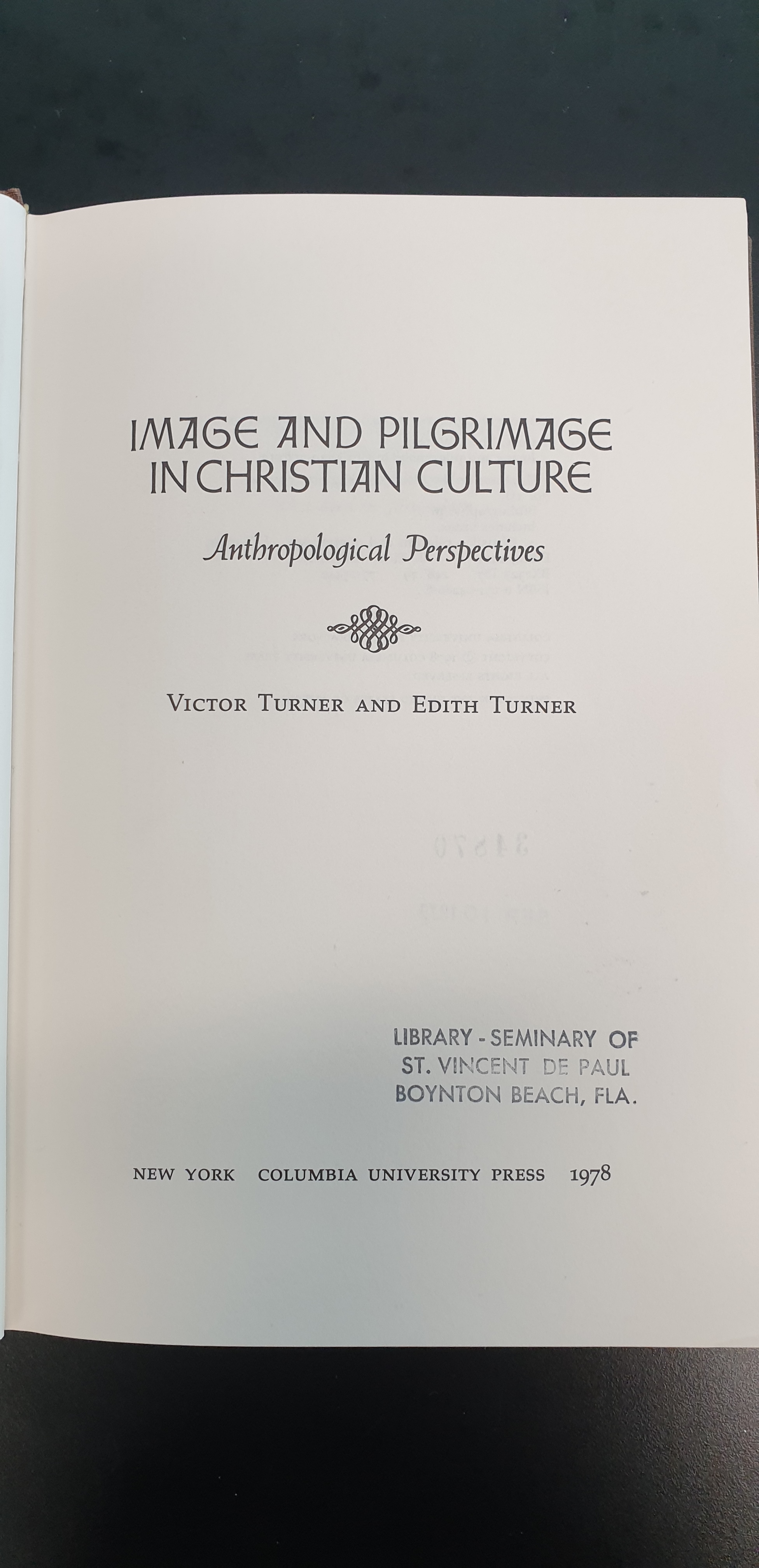
PS: If you are really into this, you can read Image and Pilgrimage in Christian Culture by Victor Turner and Edith Turner.

Why I hate Christmas, call me The Grinch

Richard Rohr’s great little book

If you read my Thanksgiving post, you might have gotten the idea that I am a Grinch. Well, I am.

Before we go any further, I hate the lights, the mass euphoria, the presents, and most importantly the assumption and expectation of happiness. “It’s Christmas, you will get presents, everything looks pretty and everything is lit up; therefore you must be happy”. This is stressful, at least for me.

On the other hand, I love the spirituality of the celebration of the birth of Jesus, of the Winter solstice, and most of all, I love Advent.

Madrid, like most cities during Christmastime is chaos. Everybody is out; apparently enjoying the pretty lights, and walking around, and stopping for a coffee, and buying presents, and getting drunk, and singing and getting drunk and singing. Jesus, your emotional wellbeing, your financial wellbeing, silence, reflection, and meditation are nowhere to be seen.

This year I found a great little book: Preparing for Christmas, Daily meditations for Advent, by my guru, Richard Rohr. In it he reflects on the daily reading, and then à propos of the reading writes a meditation for the reader. Some of them are:

What expectations and demand of life can you let go of so that you can be more prepared for the coming of Jesus.

or

What attachments in your life can you let go of to make more room for God?

Or, last one:

What perceptions of Jesus and Christ do you have that need to be changed?

This is excellent food for thought and meditation and this is part of the journey of Advent. You see, the presents and the lights no not make you a better person, you are lucky if you feel grateful for getting another sweater, another tie. What is enriching is the journey to Christmas, the spiritual preparation, the reflection, and the meditation.

So, it is not that I hate Christmas, I just hate the commercial, superficial Christmas.

Summer reading recap

Confession time: I have a problem that started around high school, I cannot stop reading. I read anywhere, anytime. I have books and magazines strategically placed around the house: the dining room table, the bathroom, bedside table, etc.

My summer reading was -as usual- an eclectic mix of books, here are some reviews:

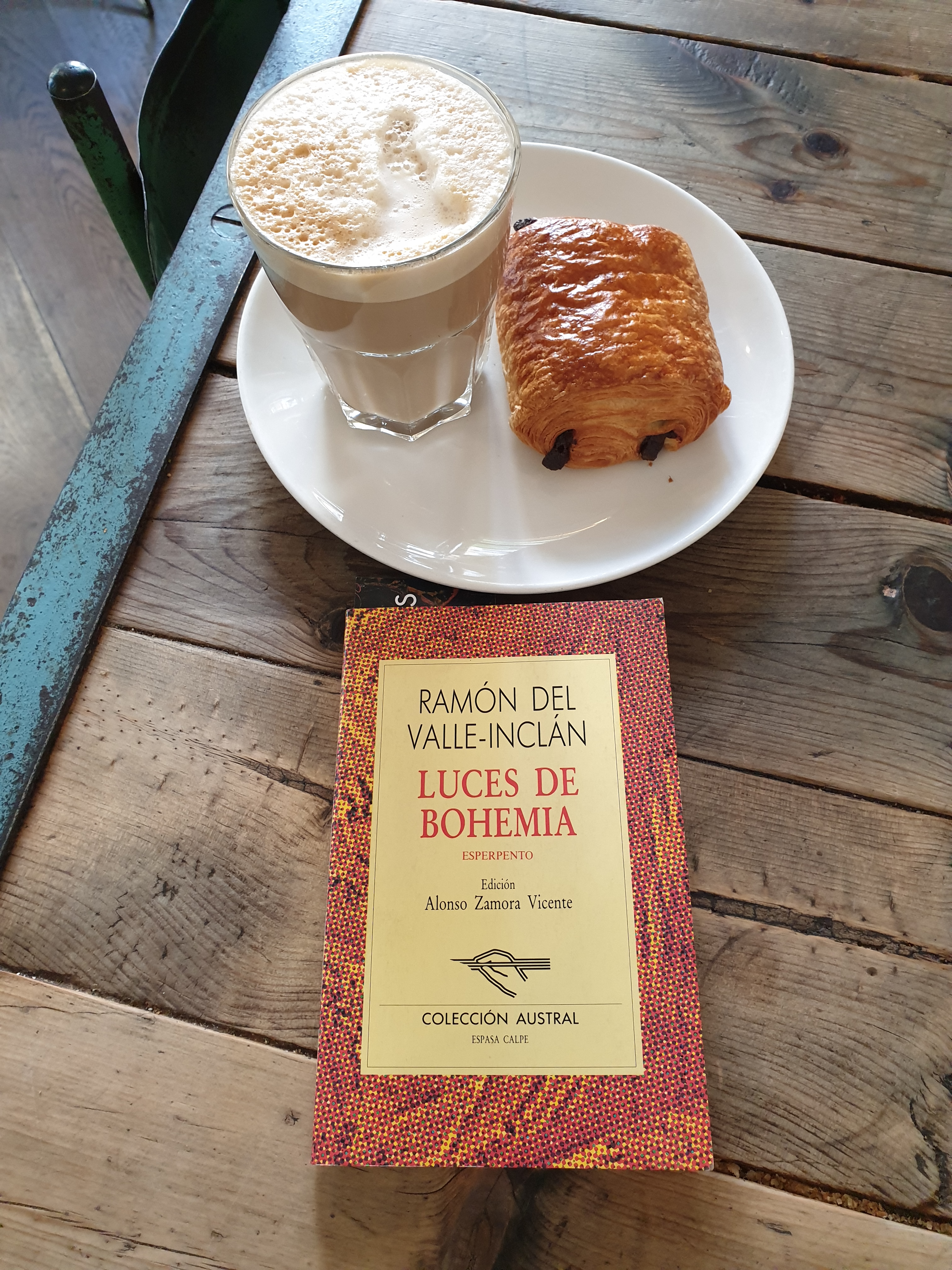
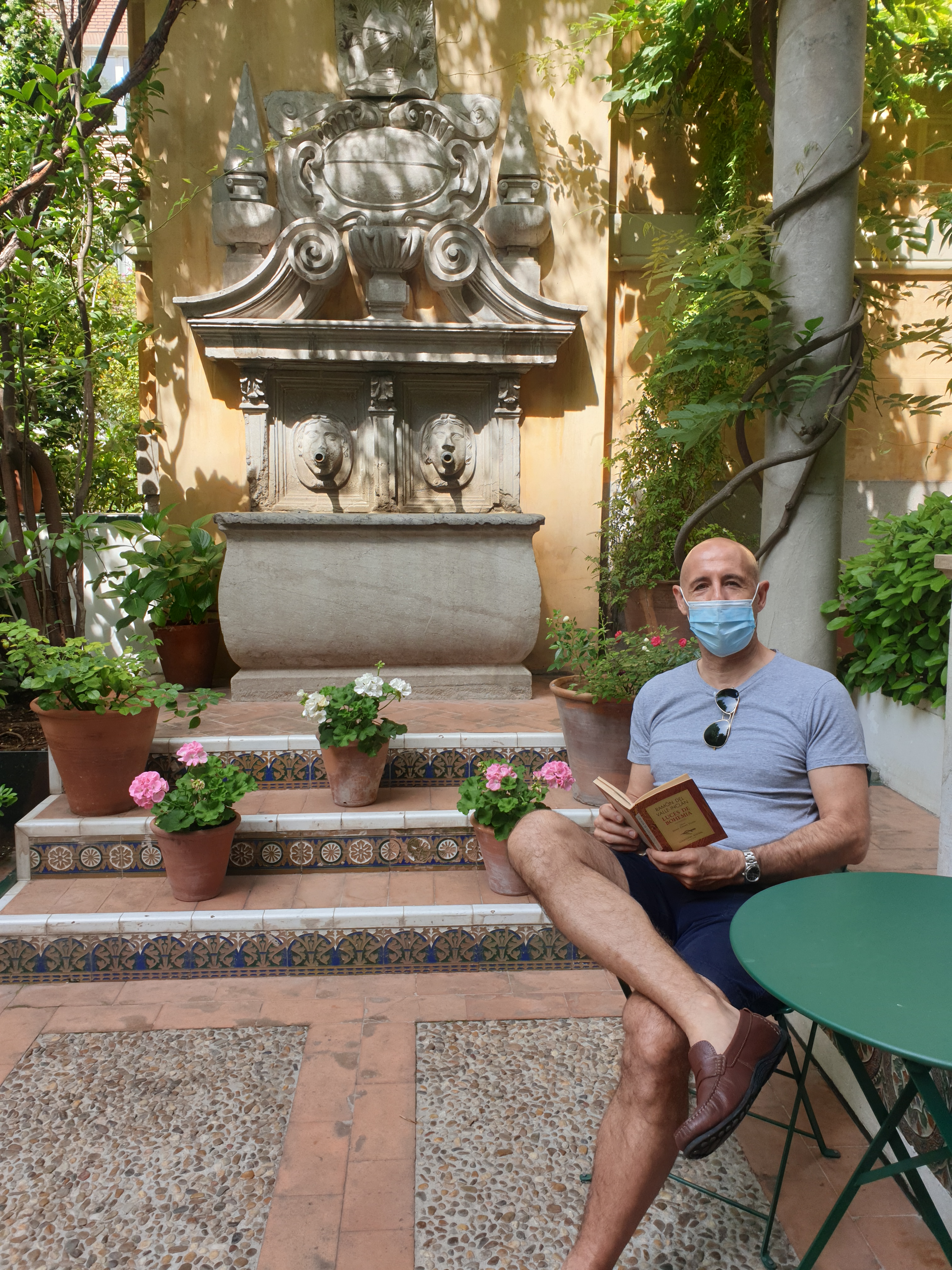
Ramón del Valle Inclán Luces de Bohemia. I am a bit ashamed to disclose that I have a PhD in Spanish Literature and I had never read this (to my defense, my specialty was 18th C. literature, and my sub-specialties were Colonial Satire and Medieval Spanish Satire). I was surprised how fresh this book felt. Although it was written in the 1920s it might just as well have been written today. It is a satirical but profound glimpse of Spain at that time. It also introduces the concept of “esperpento” which offers a distorted and grotesque view of the world which paradoxically acts as a corrective lens to better appreciate the situation.

A critical factor of the Camino de Santiago is weight. The library of the albergue in Roncesvalles (the first stop of the Camino Francés) is full of Bibles that pilgrims with the intention of reading have “donated” because of its excessive weight and bulk. This year I carried Junichiro Tanizaki’s In Praise of Shadows which is a beautiful study of Japanese aesthetics and culture, a gorgeous essay on the philosophy of traditional Japanese interior design.

Back in Madrid I read Henri Brunel’s The Most Beautiful Zen Stories – The original is in French, and I do not think there is an English translation. The book, as the title explains has short and sweet stories, but always with a bit of a sting – a question, maybe, unanswerable, at the end.

My beach reading was a gift from my dear friend Paco Navarro: Walter Kempowski’s All for Nothing (Alles umsonst in the original German). A story about a family during the last days of WWII in Germany. A great read about family dynamics, history, the human condition, and war.

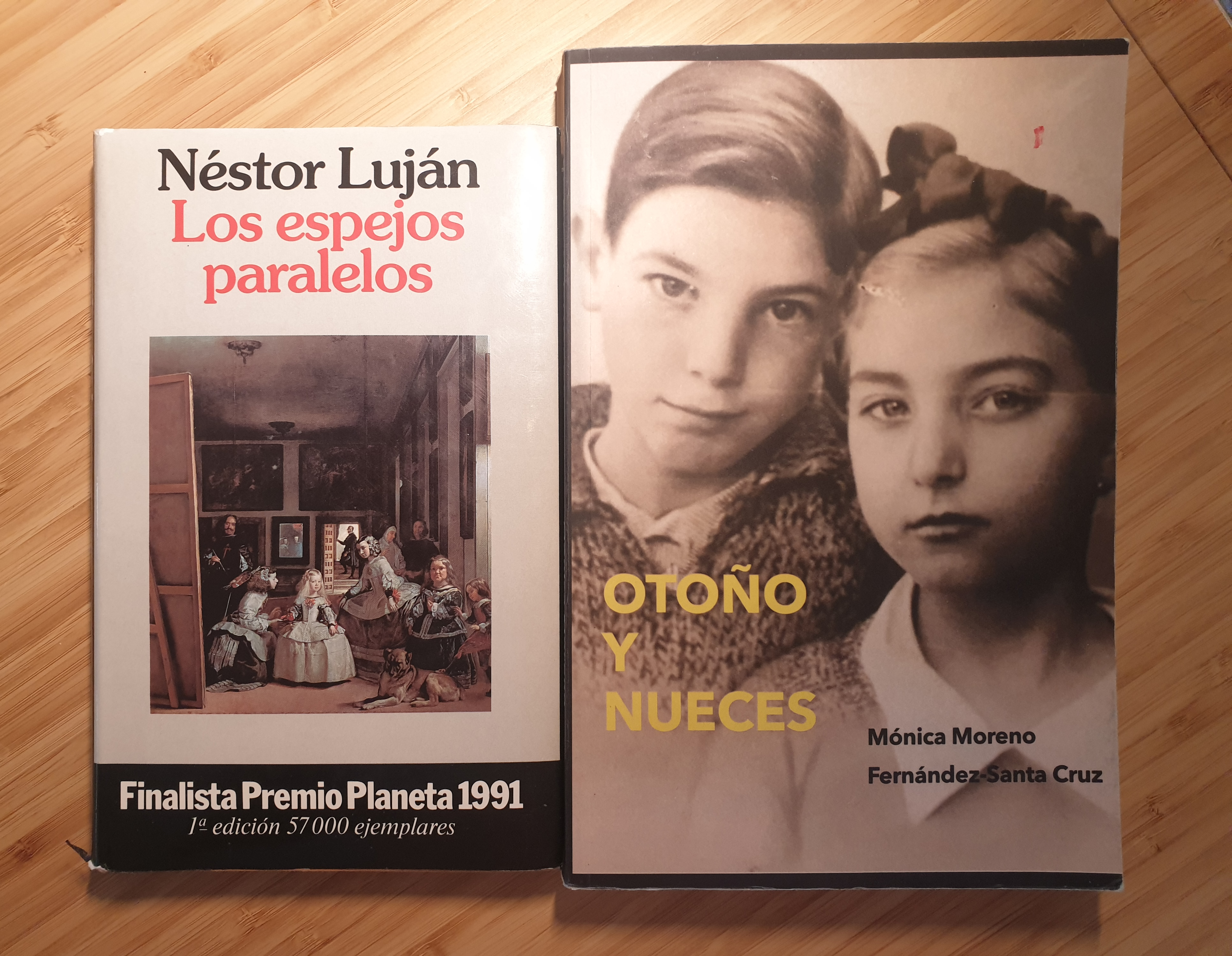
Back in my mom’s country house I dug into another war, this time the Spanish Civil War, from the hand of dear friend Monica Moreno, who writes about love and family during that fratricidal war in Otoño y nueces. Her first adult novel after a handful of YA books, is well documented and intimate. Get it on Amazon here!

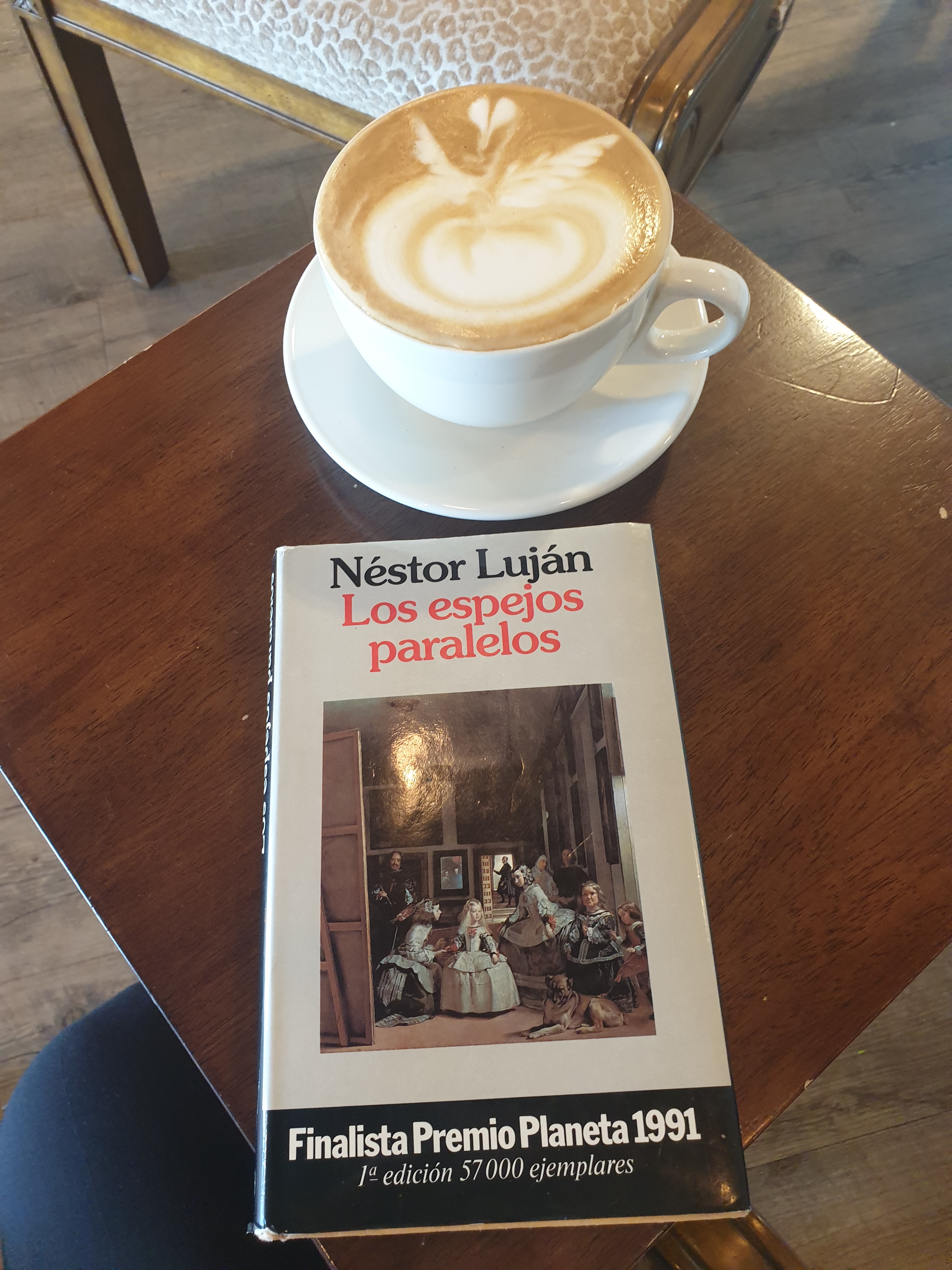
Back in Florida I explored Velazquez’s masterpiece painting Las Meninas through Néstor Luján’s Los espejos paralelos, which brings the painting to life through each of the characters, including the dog! Luján takes us to the dark hallways of Madrid’s old Alcazar palace, life in the court of Philip IV, and Madrid. A delightful read –specially if you are a fan of Velazquez and Las Meninas!

My last book before Fall was Richard Rohr’s The Divine dance which reflects on the deep spirituality of the Trinity and how love flows through the universe and us!

So there are a few reading recommendations in case you needed any, you are welcome.

Saudade in Aramaic, multiculturalism, and meditation

About a year ago I wrote about the pros and cons of multiculturalism (you can read that blog here), it mostly dealt with the professional difficulties I have in Spain with my US professional and academic qualifications. Today I would like to explore the concept of home for multicultural folks.

One of the issues many multiculturals face is that we live far from our native home. In my case, I work in the U.S., but my family and friends are still all in Spain. This makes for a difficult concept of what to call home.

These thoughts came to mind the other day catching up on Richard Rohr’s Daily Meditation (if you are not already subscribed, I could not recommend it more, click here) and he was talking about Dr. Douglas-Klotz’s Aramaic translation of The Sermon on the Mount. Douglas-Klotz explains how:

Lawile can mean “mourners” (as translated from the Greek), but in Aramaic it also carries the sense of those who long deeply for something to occur, those troubled or in emotional turmoil, or those who are weak and in want from such longing. Netbayun can mean “comforted,” but also connotes being returned from wandering, united inside by love, feeling an inner continuity, or seeing the arrival of (literally, the face of) what one longs for.

Dr. Douglas-Klotz (Richard Rohr Daily Meditation Sat. July 24, 2021)

These words led me to the Portuguese and Galego concept of Saudade and the Galego concept of Morriña, which also convey a deep longing. You see, when I am in the US I miss Spain, but after a while of being in Spain, I miss my work in the US. There it is in simple words, not much that can be done about it, although Richard Rohr does recommend this beautiful exercise:

When in emotional turmoil—or unable to clearly feel any emotion—experiment in this fashion: breathe in while feeling the word lawile (lay-wee-ley) [longing]; breathe out while feeling the word netbayun (net-bah-yoon) [loving]. Embrace all of what you feel and allow all emotions to wash through as though you were standing under a gentle waterfall. Follow this flow back to its source and find there the spring from which all emotion arises. At this source, consider what emotion has meaning for the moment, what action or nonaction is important now.

Dr. Douglas-Klotz (Richard Rohr Daily Meditation Sat. July 24, 2021)

Where are you on your journey? Richard Rohr (continued)

Spirituality and cigars, why not?

Where are you on your journey of self-fulfillment? Where are you on your journey of peace, inner and outer? Where are you on your journey of finding the real you? Not your things, your mind, or your TikTok likes, but your soul.

If you are on this journey, and I hope you are, and it is a journey, I hope that you pay attention to yourself, that you spend time alone cultivating, discovering yourself, call it what you will, your spirit, your soul. The first step on this long road usually comes about due to failure, breakage: a failed relationship, financial struggle, accidents, whatever. Without this fall, why would you need to rebuild? To re-calibrate? To question anything? Just go on your merry way with your ego, enjoy.

Otherwise, with every so-called failure, you release your ego; you embrace peace, you let go, you become more aware of your inner self. You rebuild and grow –and here is the catch- not necessarily stronger in the selfish way of thinking, but more vulnerable, wiser.

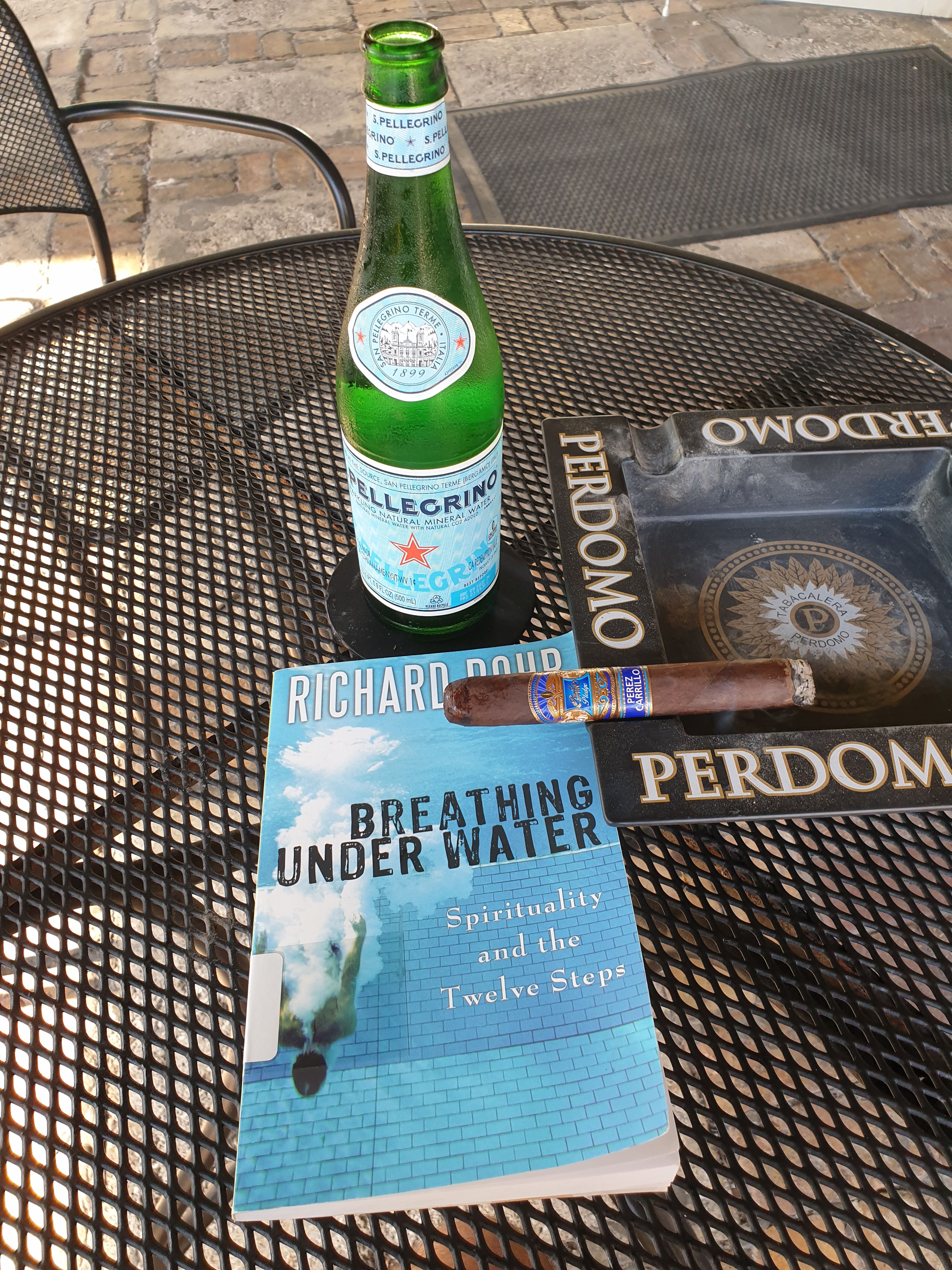
Why are you on such a metaphysical rant, Antonio? You might ask, and I am happy that you ask. You see, I have just read Richard Rohr’s Breathing Under Water and my mind has been expanded.

In his book, Rohr studies Alcoholics Anonymous Twelve Steps from a spiritual perspective and re-frames your pre-conceived ideas of alcoholics!

The book is epigraphed by three quotes from three of my favorite guides:

“I did not come for the healthy, but for those who need a doctor.”

Jesus (Luke 5:31-32)

“Alcohol in Latin is “spiritus” and you use the same word for the highest religious experience as well as for the most depraving poison.”

Carl Jung, letter to Bill Wilson (1961)

And

“These are the only genuine ideas, the ideas of the shipwrecked. All the rest is rhetoric, posturing, farce.”

José Ortega y Gasset

The first step is the hardest to take: “We admitted we were powerless over alcohol – that our lives had become unmanageable.” Most of the time our ego blinds us to our problems. This is why many times only a violent awakening will make us reach for much needed help. That is the first step, realizing you have a problem, it is much easier to dismiss it than to deal with it, and its roots…

Rohr analyzes every step in detail weaving spirituality into each rung of the ladder. It is an illuminating book that everybody should read. Yes, you too.

We all have our addictions our sins, it does not have to be alcohol or drugs –although many times it is. Rohr sees how “breakage” and coming out of it is deeply healing and spiritual. In Japan, when they break a plate or a bowl many times they glue it back together with gold covered adhesive, making the piece much more valuable. They call it Kintsugi, and it makes for beautiful, unique pieces!

“The secret of life, though, is to fall seven times and to get up eight times.”

― Paulo Coelho, The Alchemist
Enjoying mi reading