Once a tour guide, always a tour guide; a Tonxo Tours update

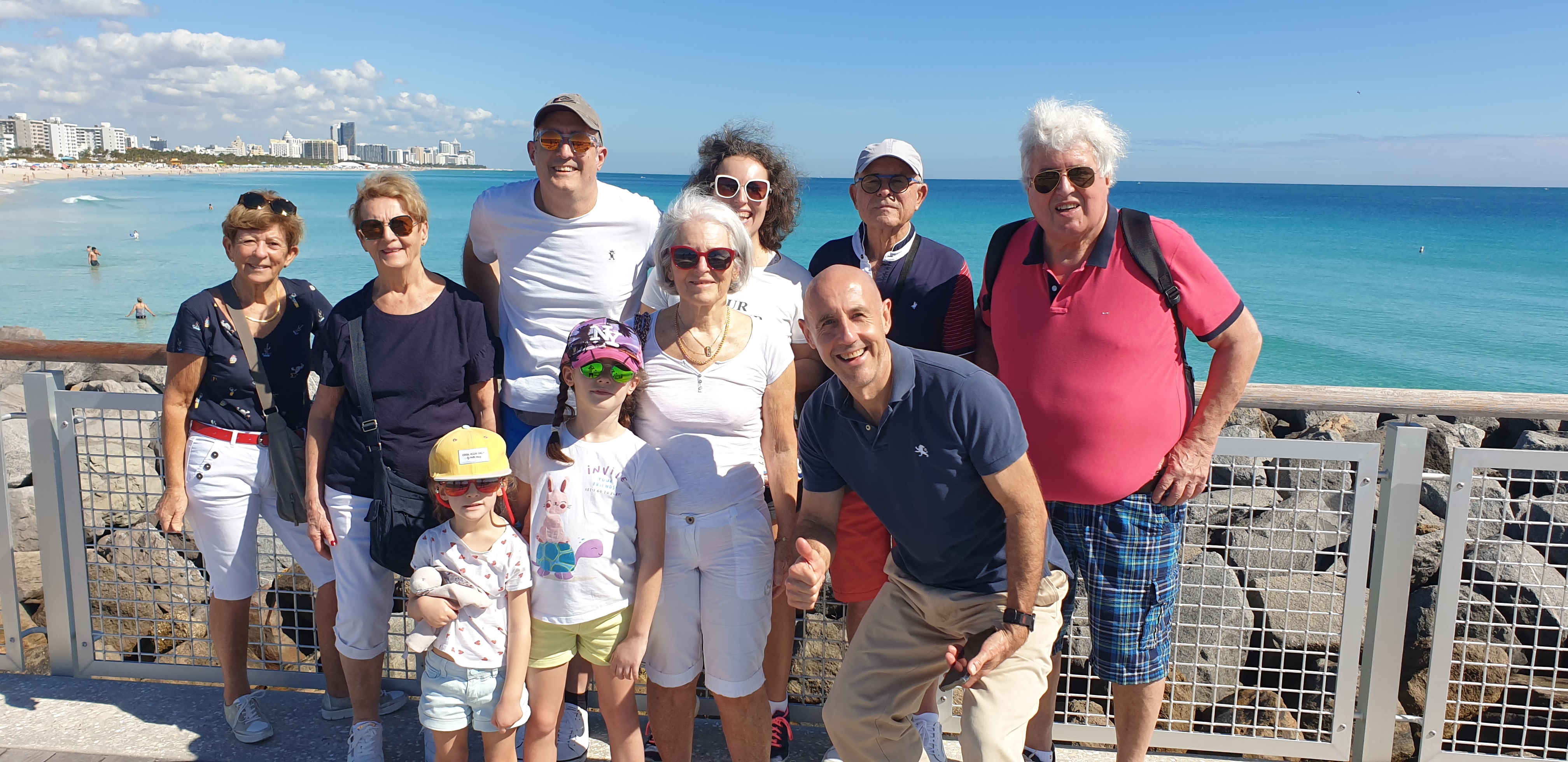
Although nowadays I am terribly busy teaching, I still enjoy giving tours on my spare time, and I even gave a couple of tours of my school!

Now that I investigate it, I have not given a Tonxo Tours update in a long time (check out the last one here).

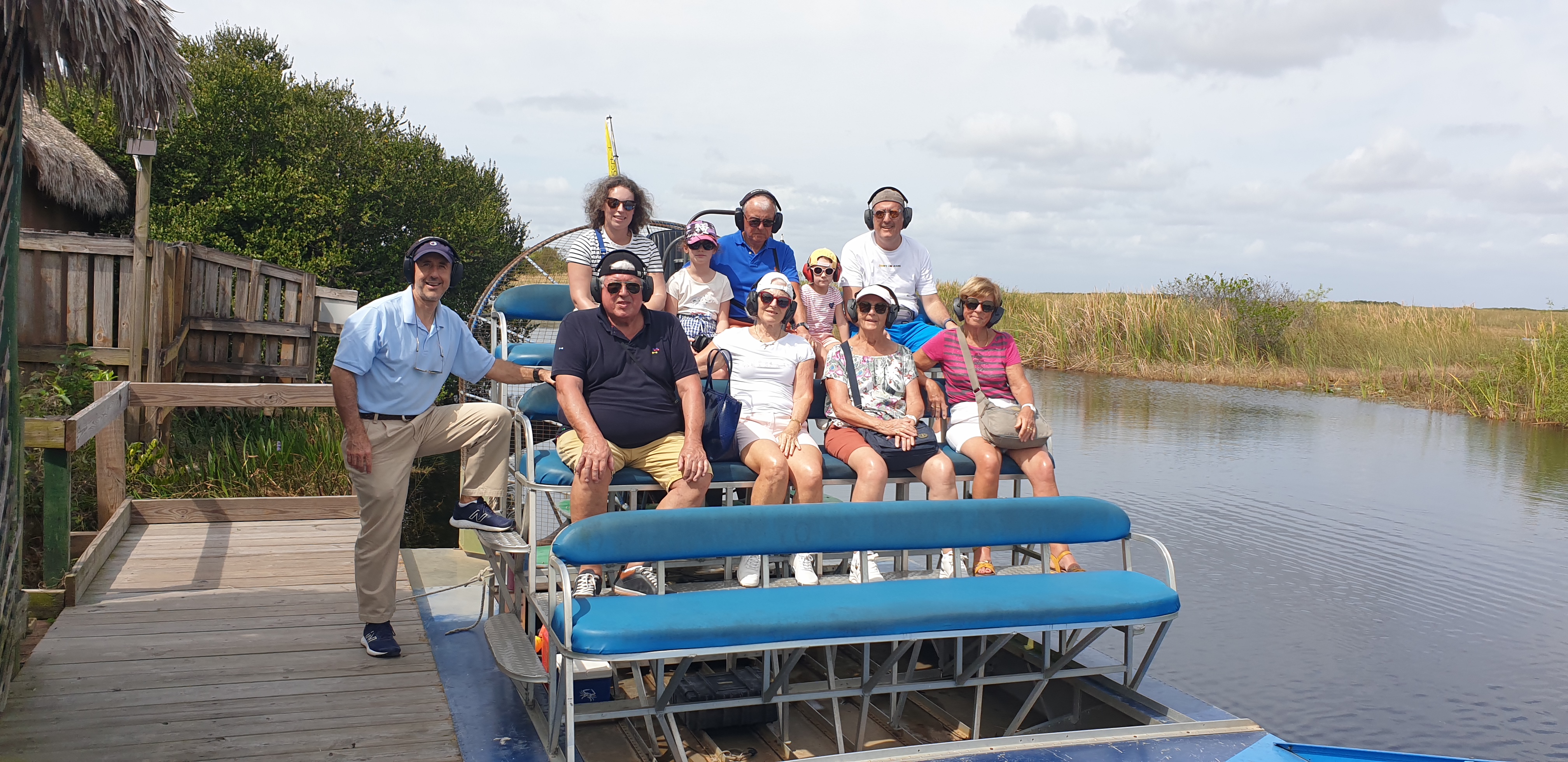
Since that update, I have given tours of the Everglades, which I love, and I have gained a lot of depth and confidence as I learn more about South Florida and Miami in general. This is normal for every destination; each tour is better than the previous one (usually…) as one learns more and more.

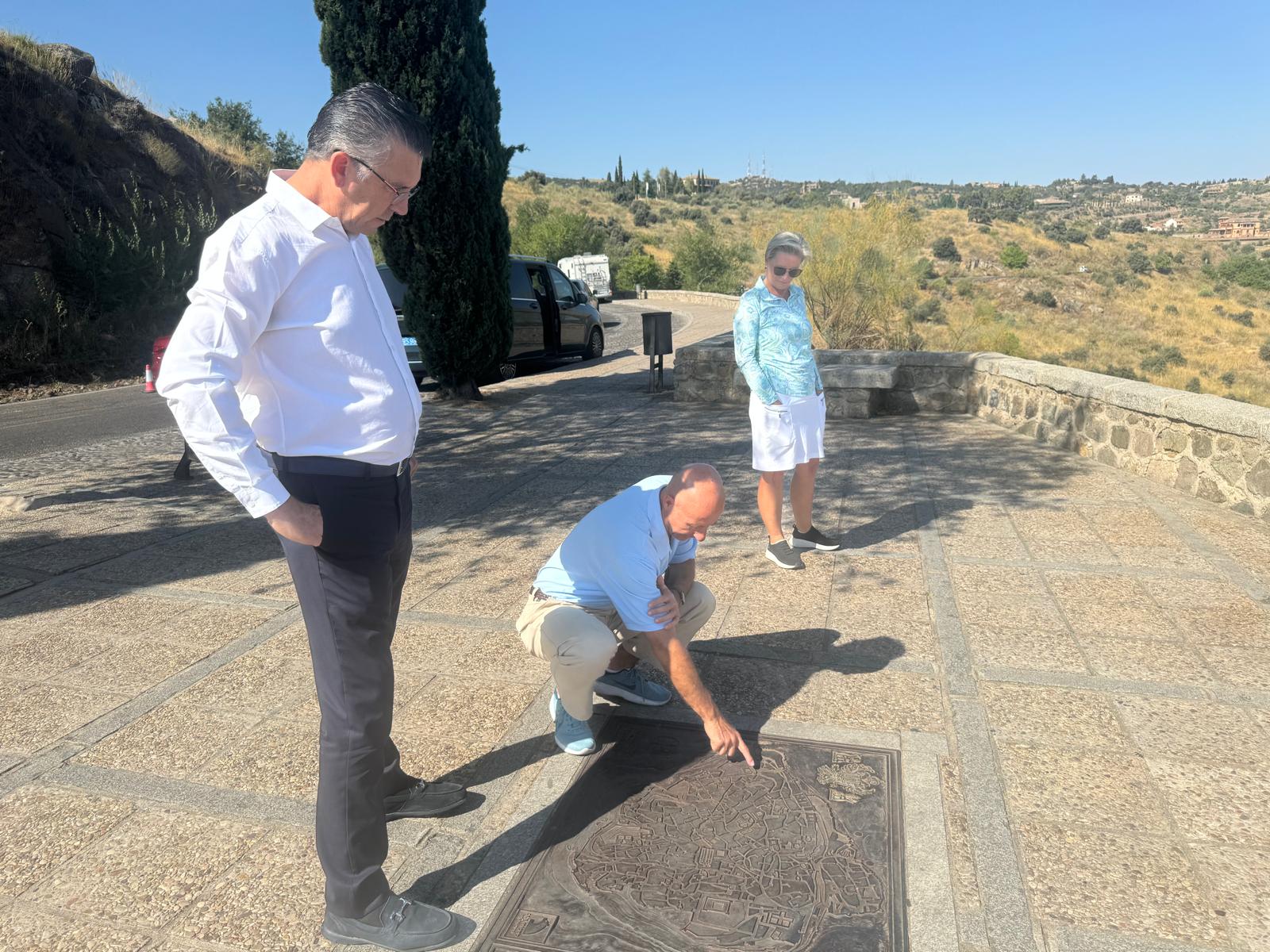
This Summer I had a few tours of Madrid, and I had a lovely multi day tour with a fantastic couple that included my happy place: El Escorial, as well as Toledo and Segovia, where we started by visiting the last Hieronymite monastery of Santa María del Parral led by my old friend Hermano Martín.

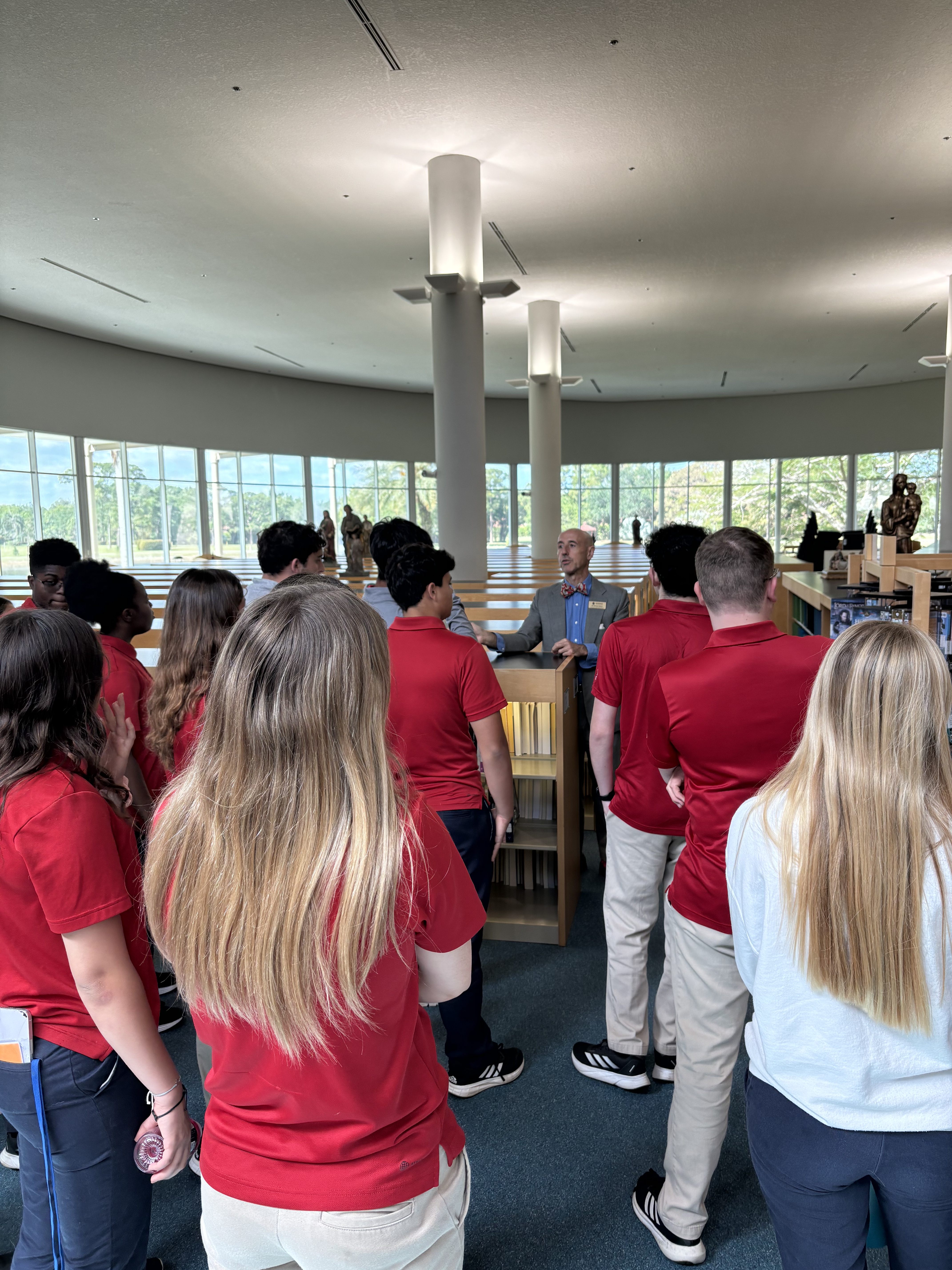
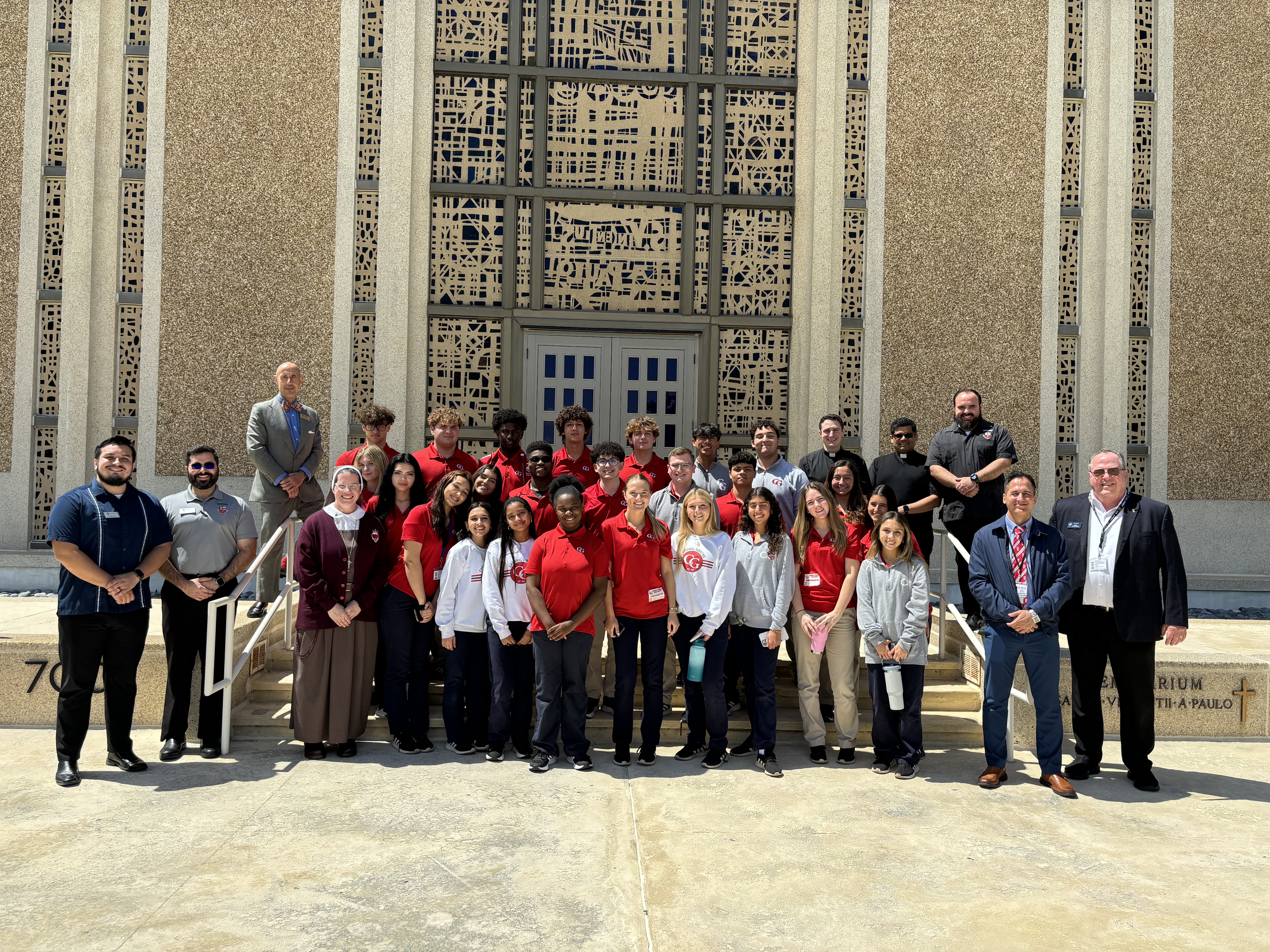
At some point the Development office at school connected the dots when they needed to show the school to a visiting high school and to a group of visitors, and they contacted me to do it! I was in between classes, and after some reviewing of history and other tidbits, I did it. It is not Toledo, with its labyrinth of narrow streets, or Madrid with its overwhelming history, or Miami, where your main concern is that your customers do not get run over, but it was a lot of fun and I really enjoyed it!

So, if you need a tour in South Florida, Spain, or even St. Vincent de Paul Regional Seminary, give me a holler!

La cerca de Felipe II – It’s not that kind of wall.

There is a lot of talk lately about walls, and there are a lot of walls, no need for me to mention them here.

But I recently explored a lesser-known wall, which had a quite different purpose than most walls…

You see, Felipe II, in the 1500s decided to build an almost 32-mile wall around his Escorial Palace (the largest Renaissance building in the world, read about it here), but not to keep people out, there were plenty of gates, but to keep wildlife in, as in hunting game, so he could hunt it!

This wall, the Cerca de Felipe II was not finished in his lifetime, nor his son’s Felipe II, nor his grandson’s Felipe IV, but continued being built into the Bourbon dynasty in the 18th Century!

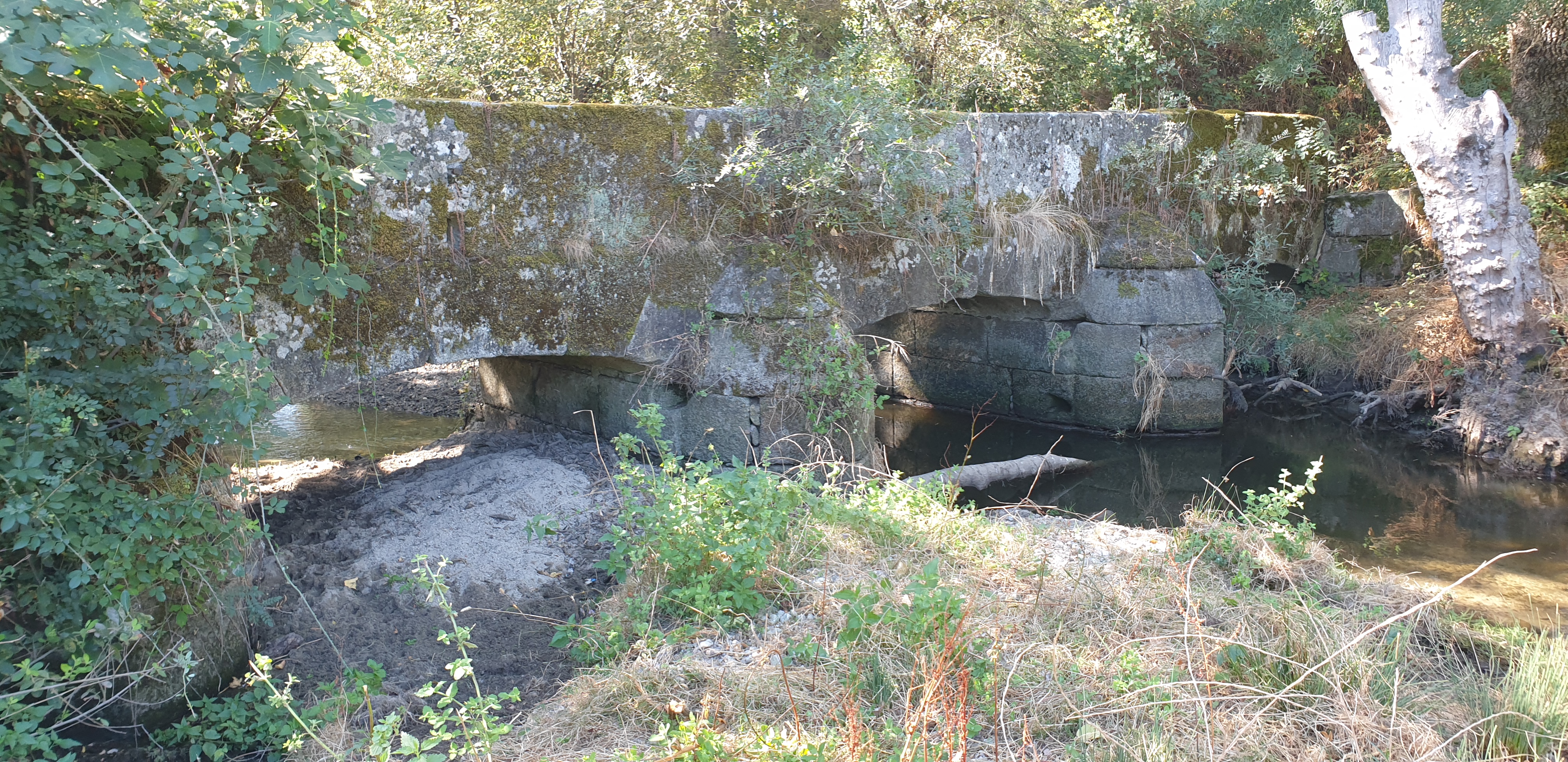
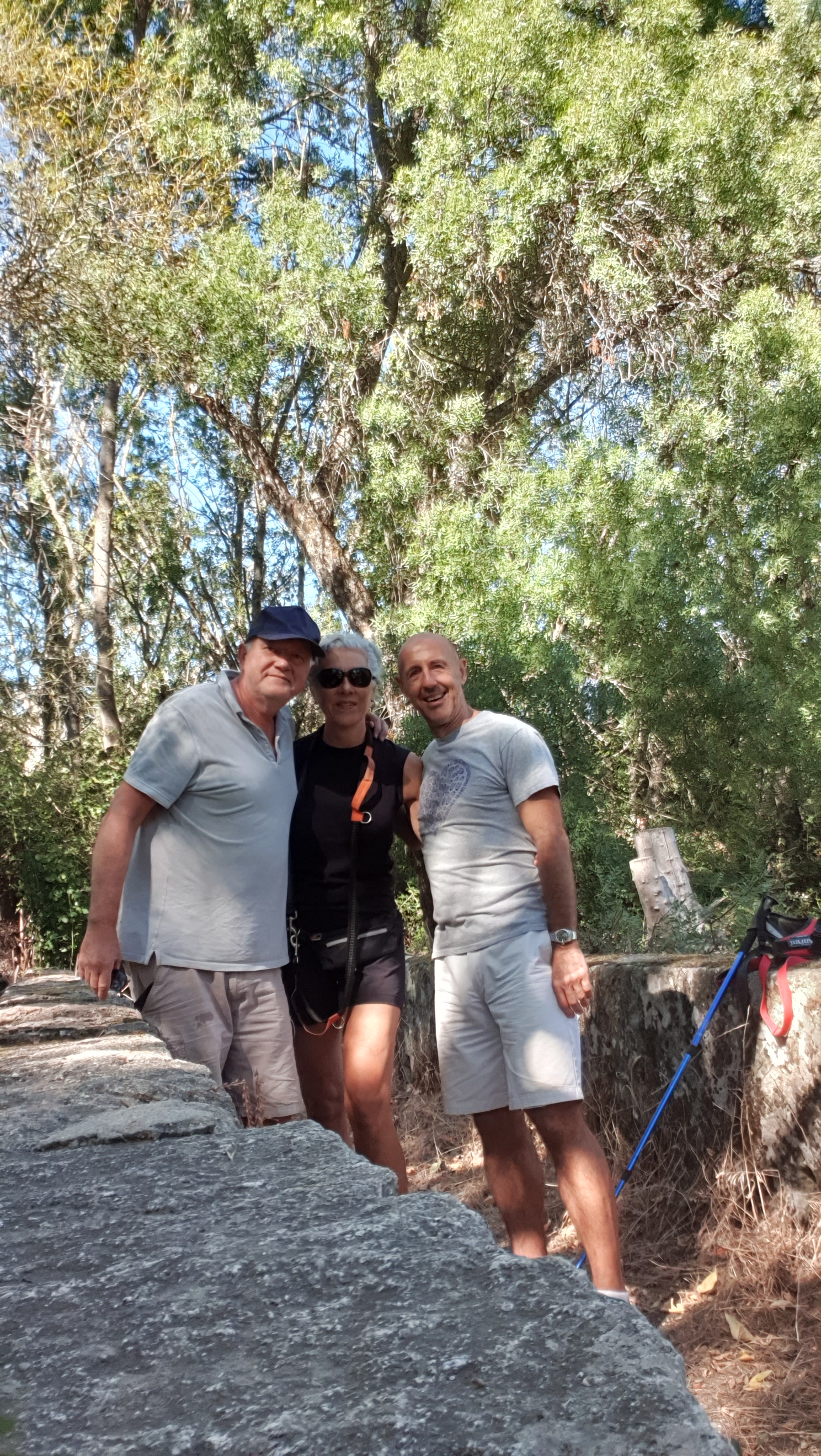
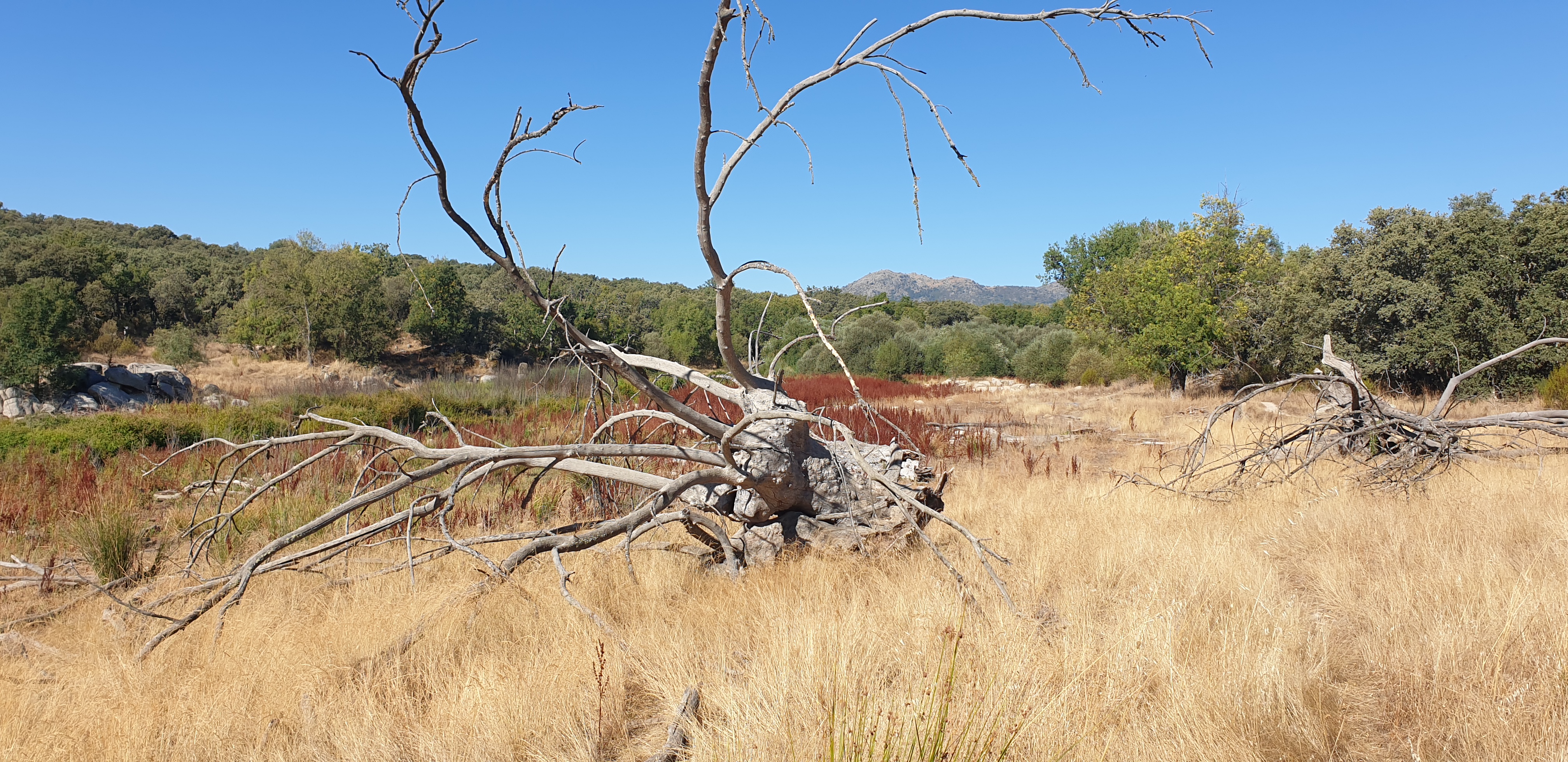
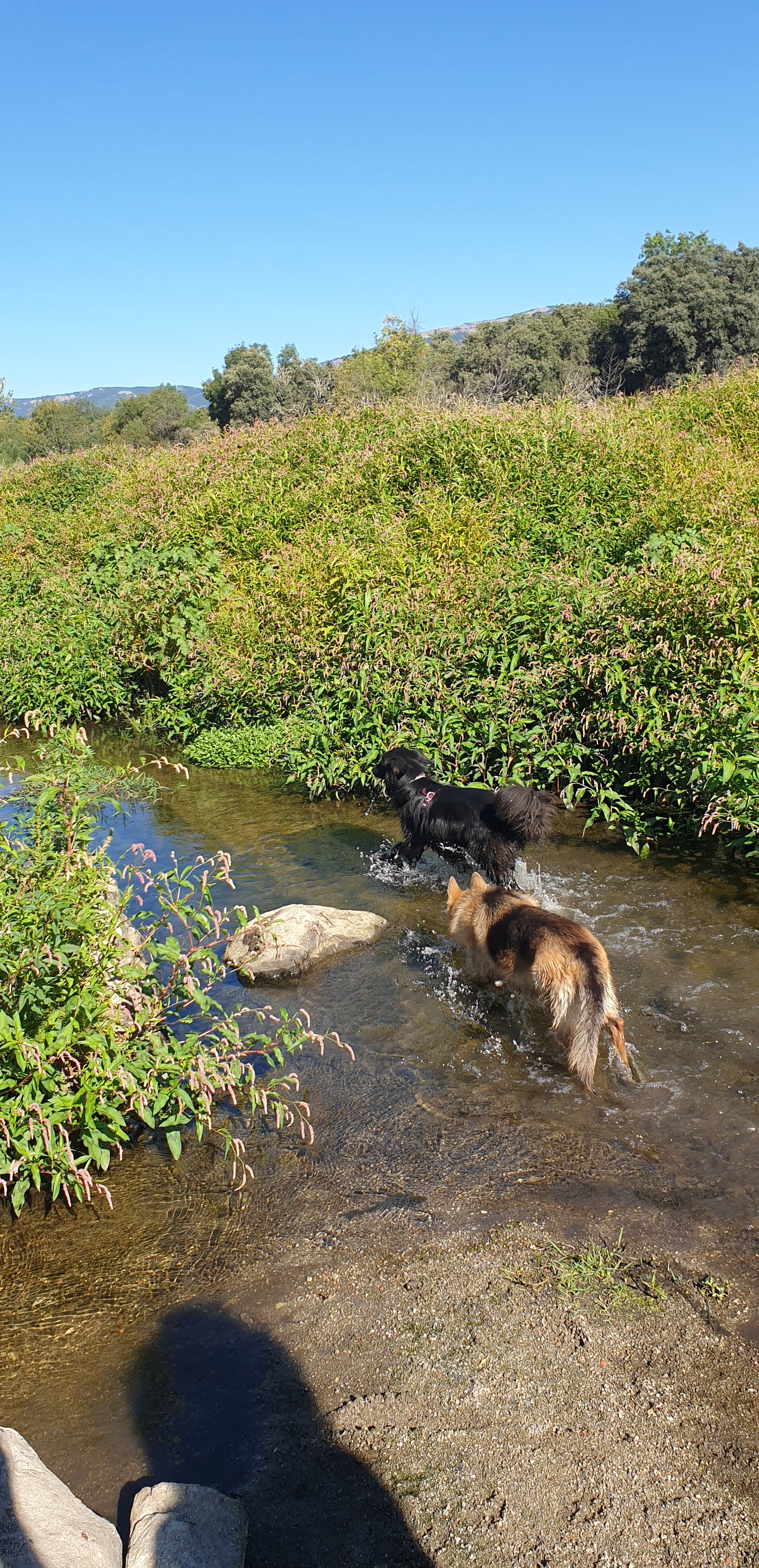
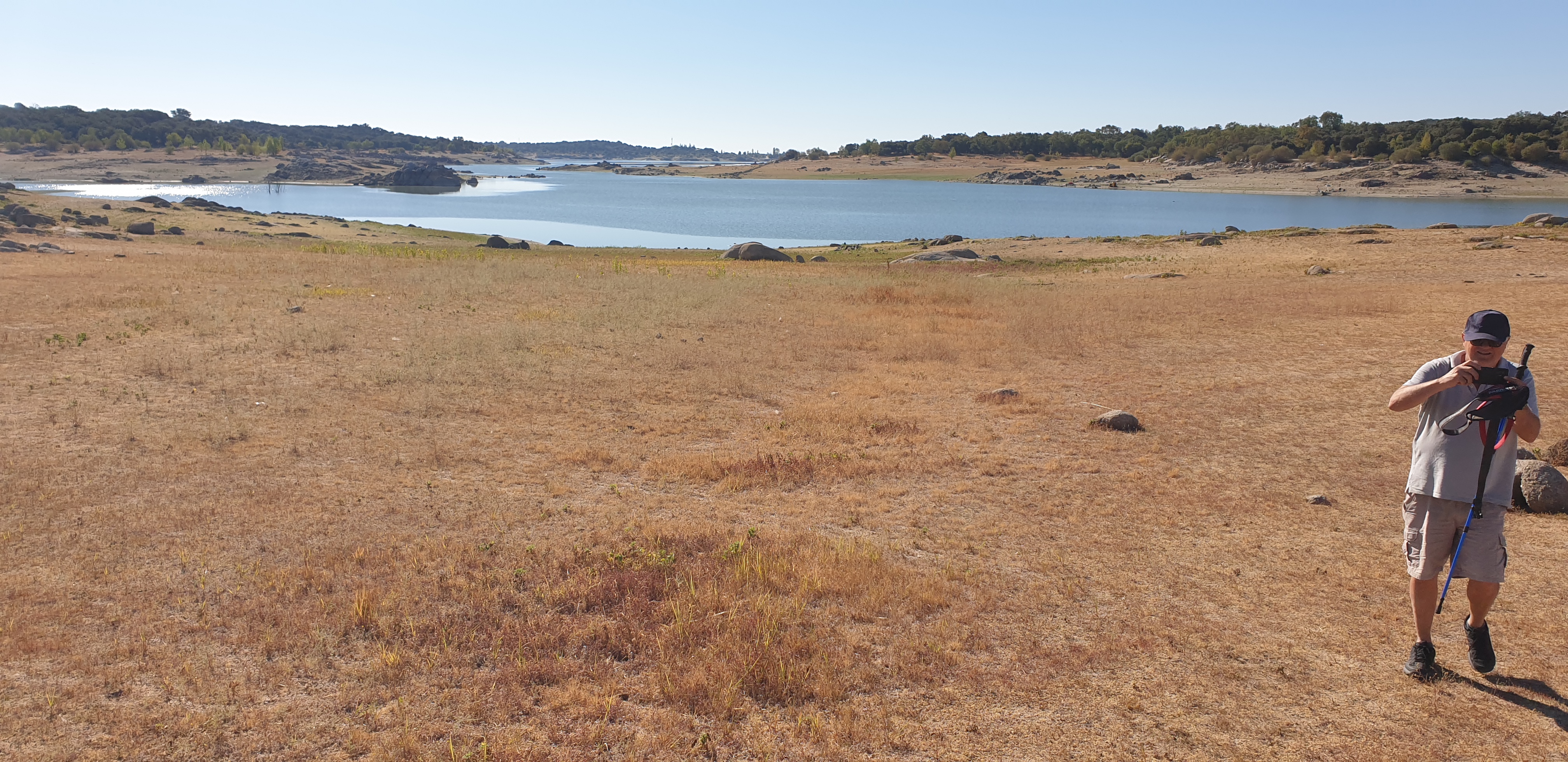
My exploration partner Jaime and his sister Teruca led the way, taking advantage that the Valdemorillo reservoir is exceptionally low due to maintenance work on the dam. After a nice walk we found the wall and a bridge!

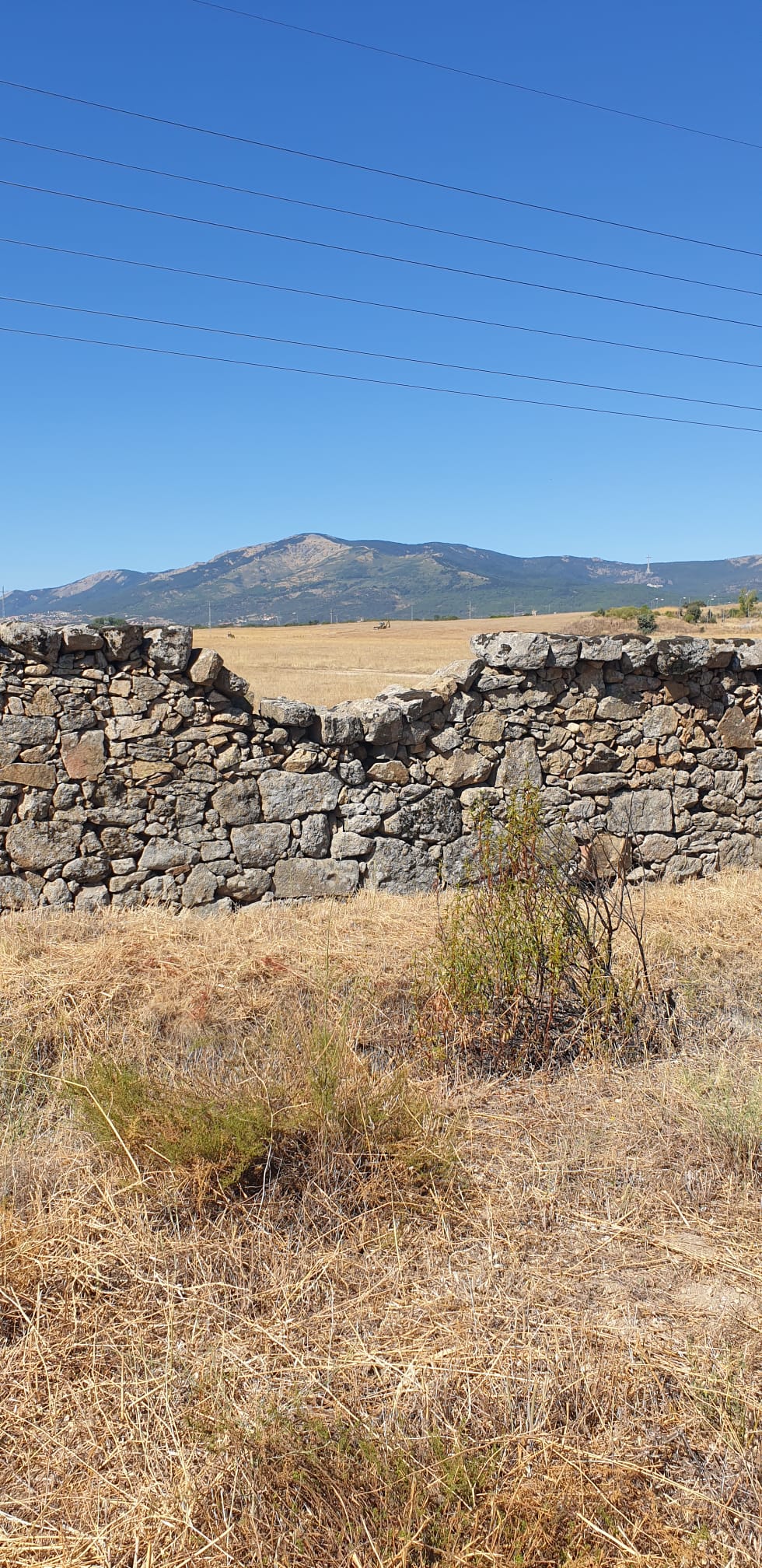
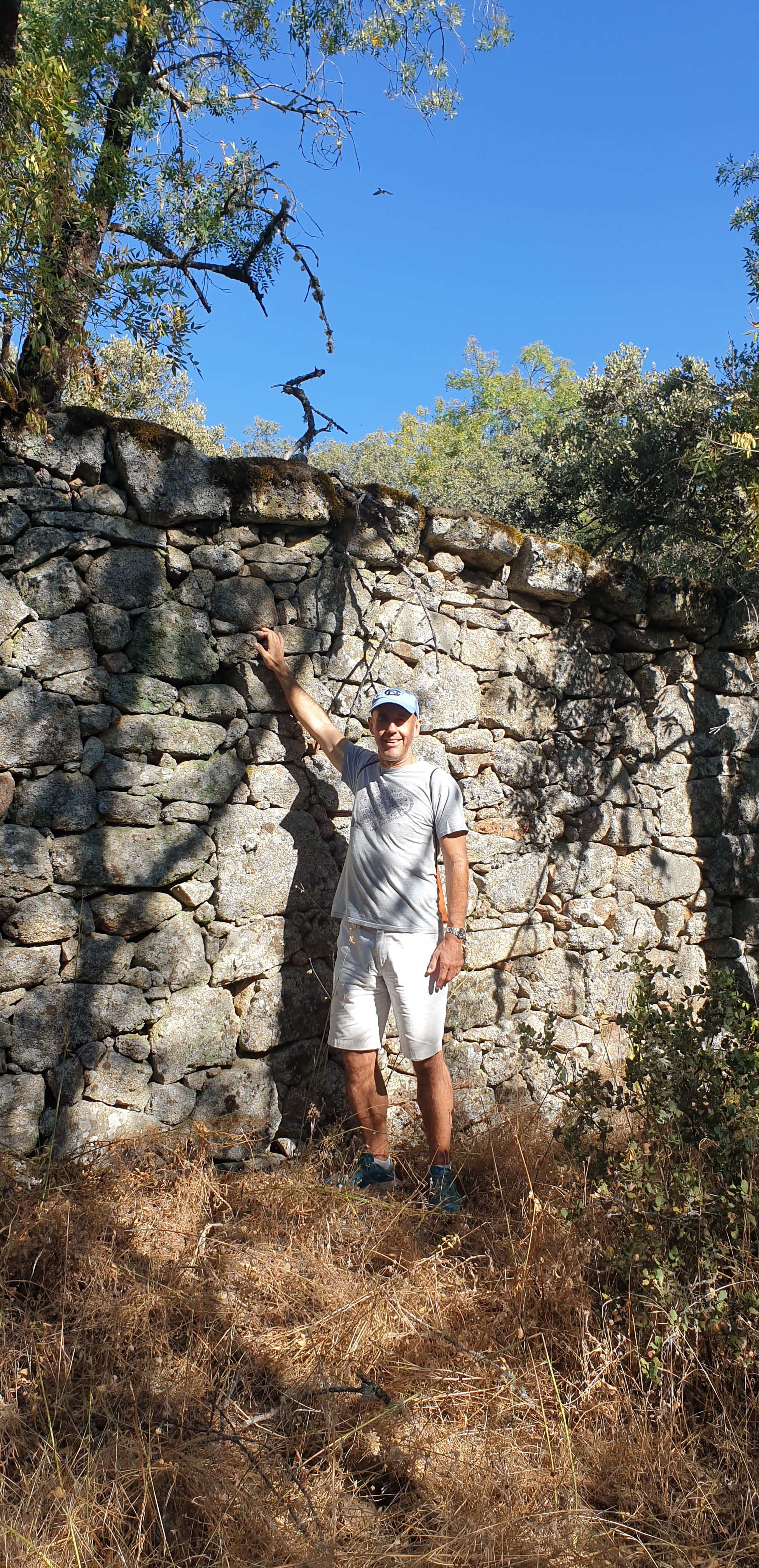
The wall is impressive! Over 8ft tall (2,5 mts), 20 inches wide, and not a drop of cement to be seen for 32 miles!

This reminded me that I had driven past an excellently maintained part of the wall -and a gate- near our village since I was a kid! The wall has “dips” which back in the day would have sand ramps on the outside to allow animals to jump into the walled area. Once in, the animals could not escape, ergo more hunting game for the king.

At any rate, the wall nowadays about 50% gone, but some remaining bits are in excellent shape as you can see from the photos.

Musings on modern art.

Confession time: I do not always understand modern art, it does not move me, it does not make me question anything, it does nothing for me -maybe giggle. Having said that, I do not agree with the “I could have done that”, “My toddler could have done that”, “A drunk monkey could have done that” variations. It does take some creativity to come up with the idea to make/paint something.

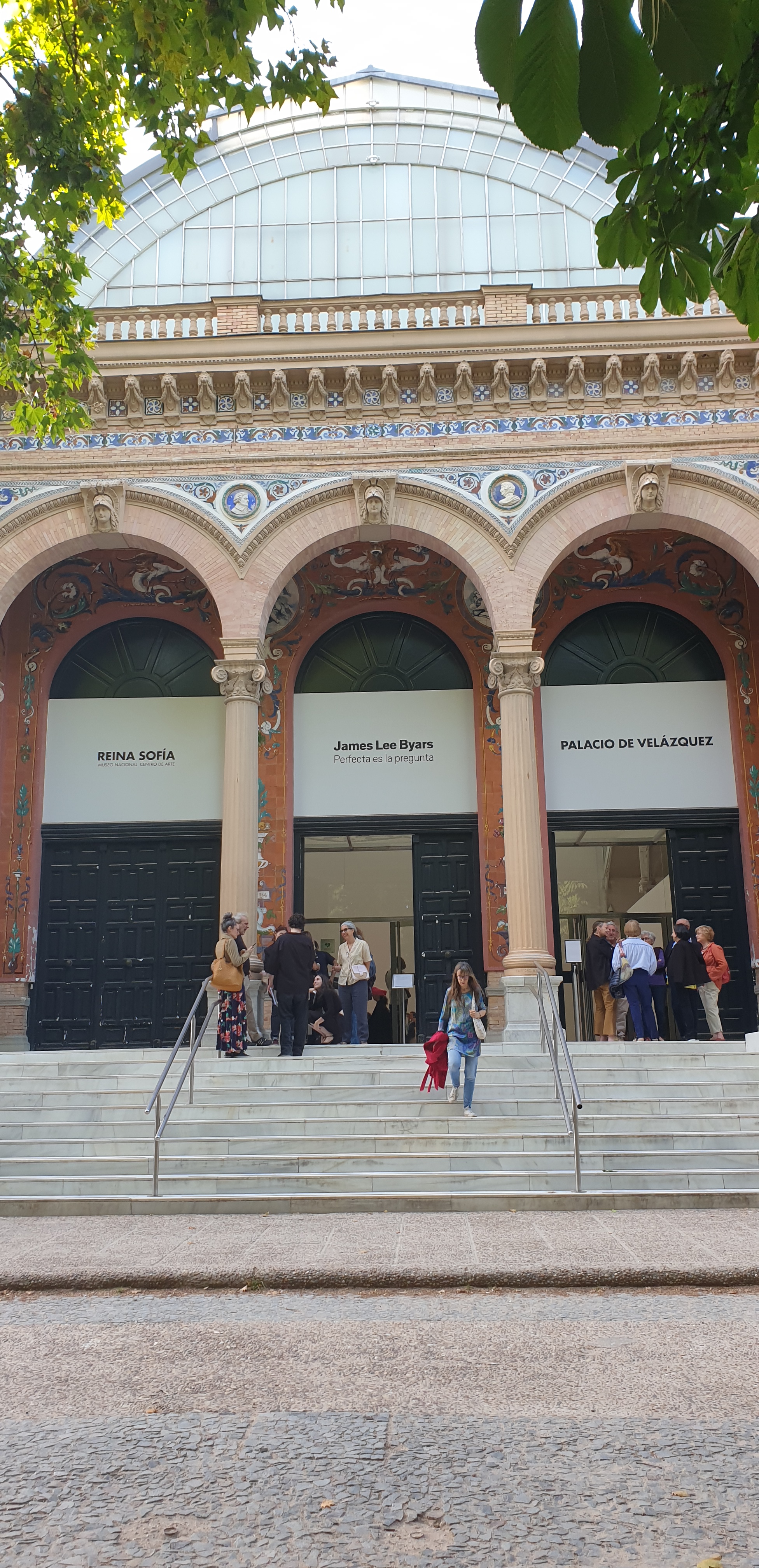
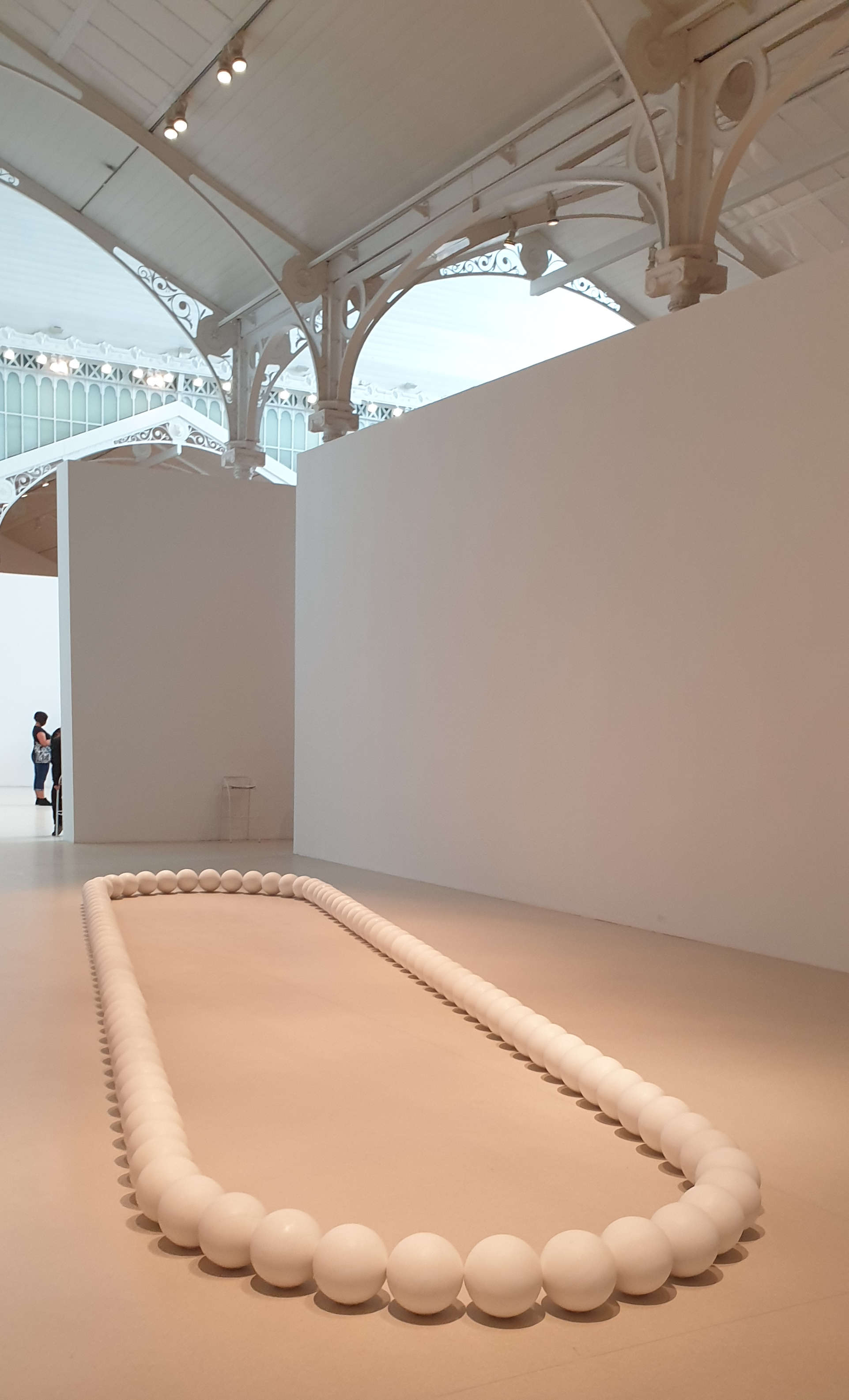
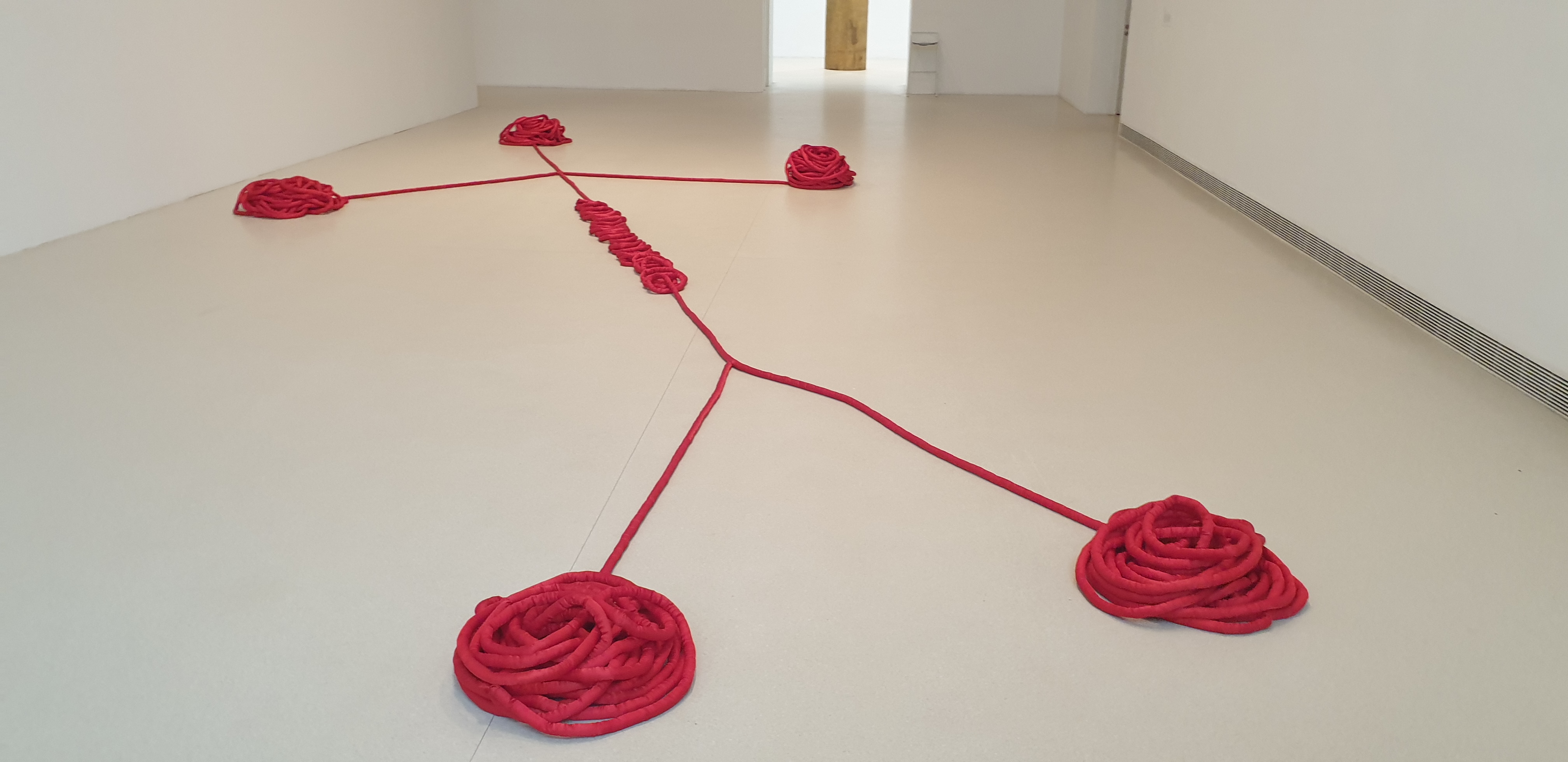
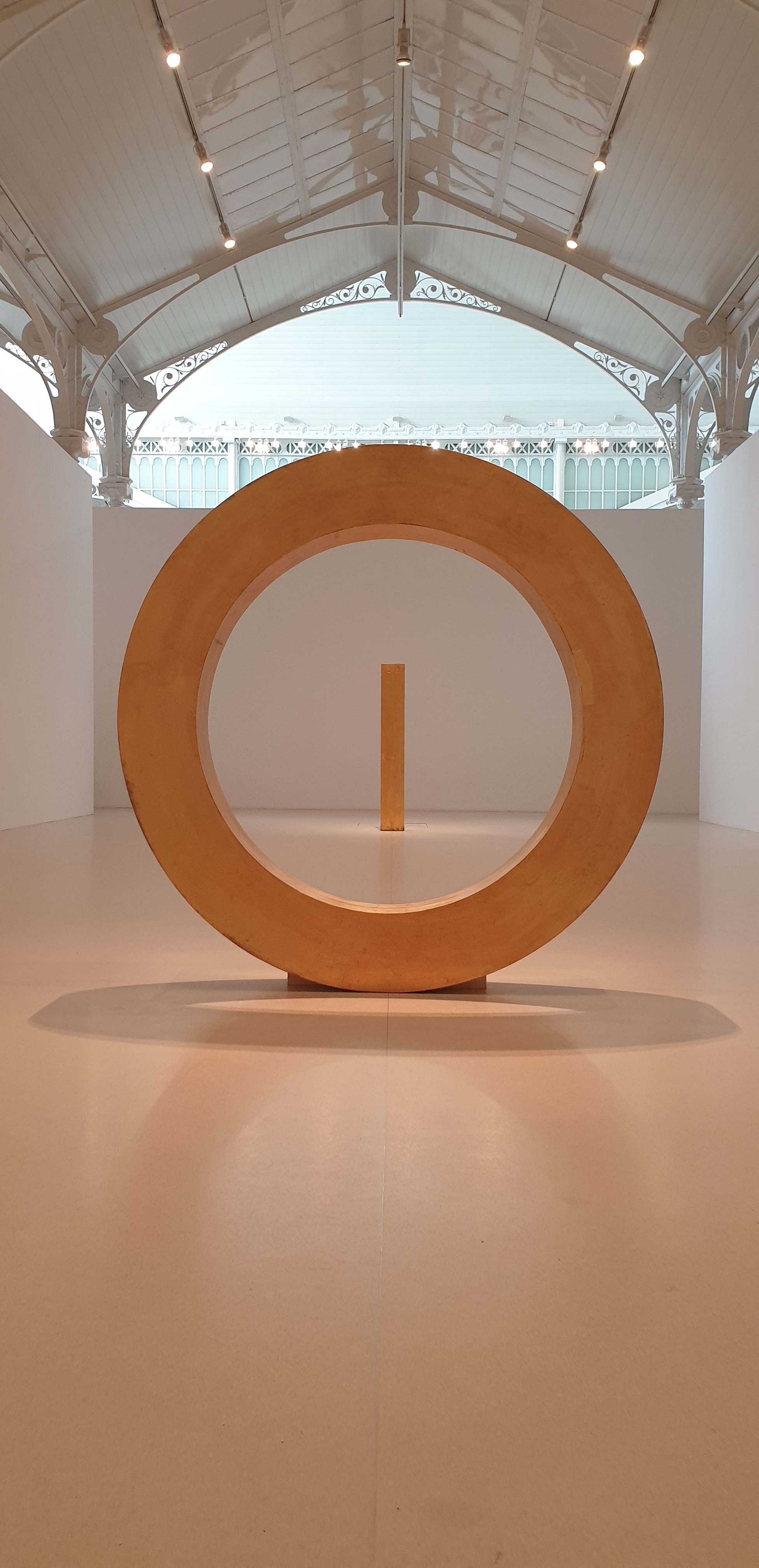
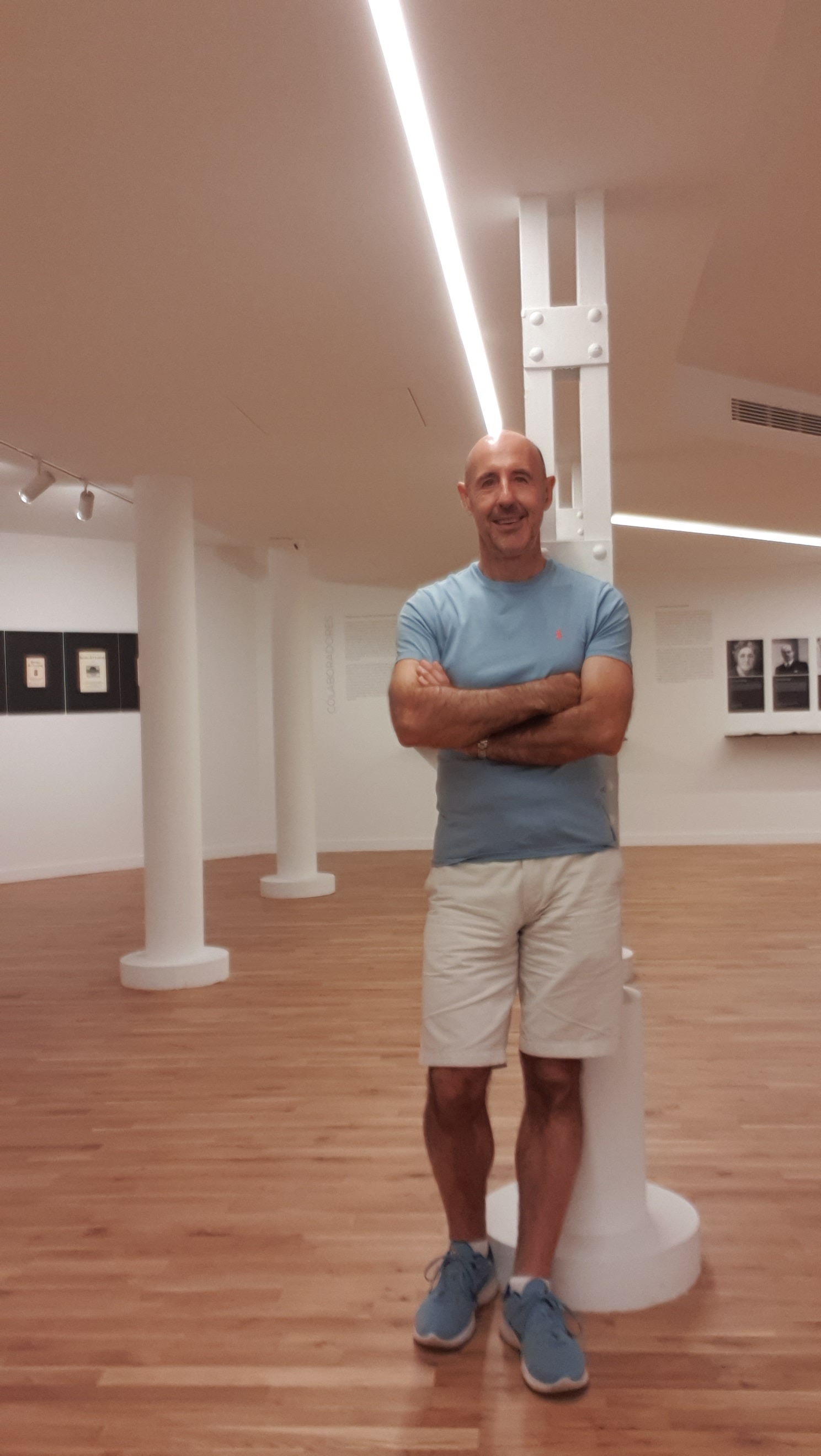
Walking around the Retiro park recently, Celia and I dropped by an exhibition at the beautiful Palacio (or Casa) Velazquez by renown modern artist James Lee Byars. Having just come from seeing the Colecciones Reales a few days earlier (check that our here), the contrast was, to say the least, amusing.

The show included fixed pieces, which ranged from interesting to outright questionable, (half a golden sphere, seriously?). More interesting were performance numbers with people walking around the gallery and performing different activities. I did stop by a fire extinguisher wondering if it was part of the exhibit or part of the emergency equipment of the building.

Did I miss anything? Please enlighten me in the comments below.

Colecciones Reales, musings on new museums

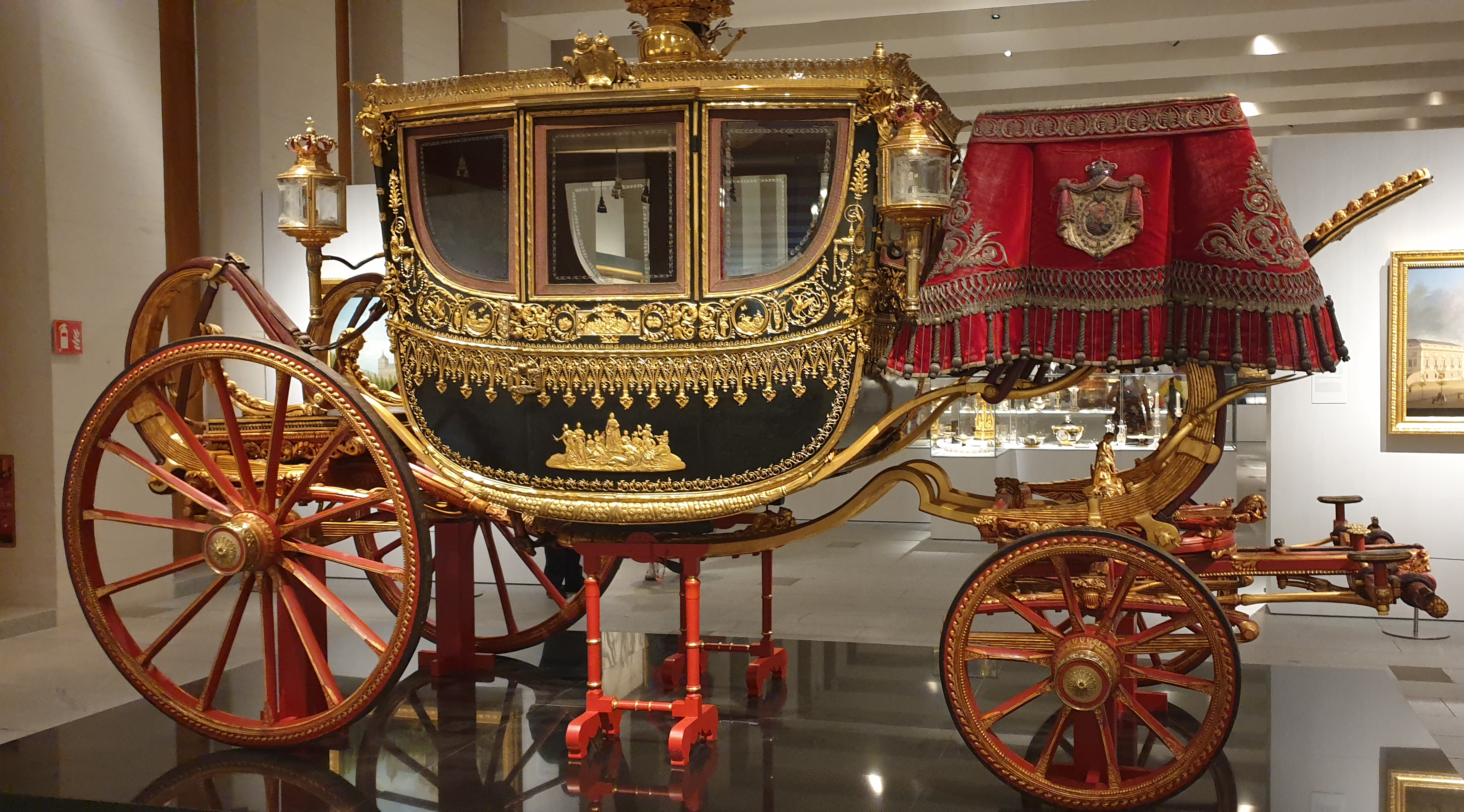
New museums are rare, most of the stuff worth seeing is already being shown. Another key issue is that for most modern museums the building is more interesting than what is inside -think of Guggenheim Bilbao, or even NY- It is rare to find a new museum where both the container and what it contains are both at the same level of excellence. One such exception is the massive collection of “stuff” the Spanish Royal family has -which technically belongs to all Spaniards, as it is part of the national heritage which is being shown in the brand new Colecciones Reales Museum in Madrid.
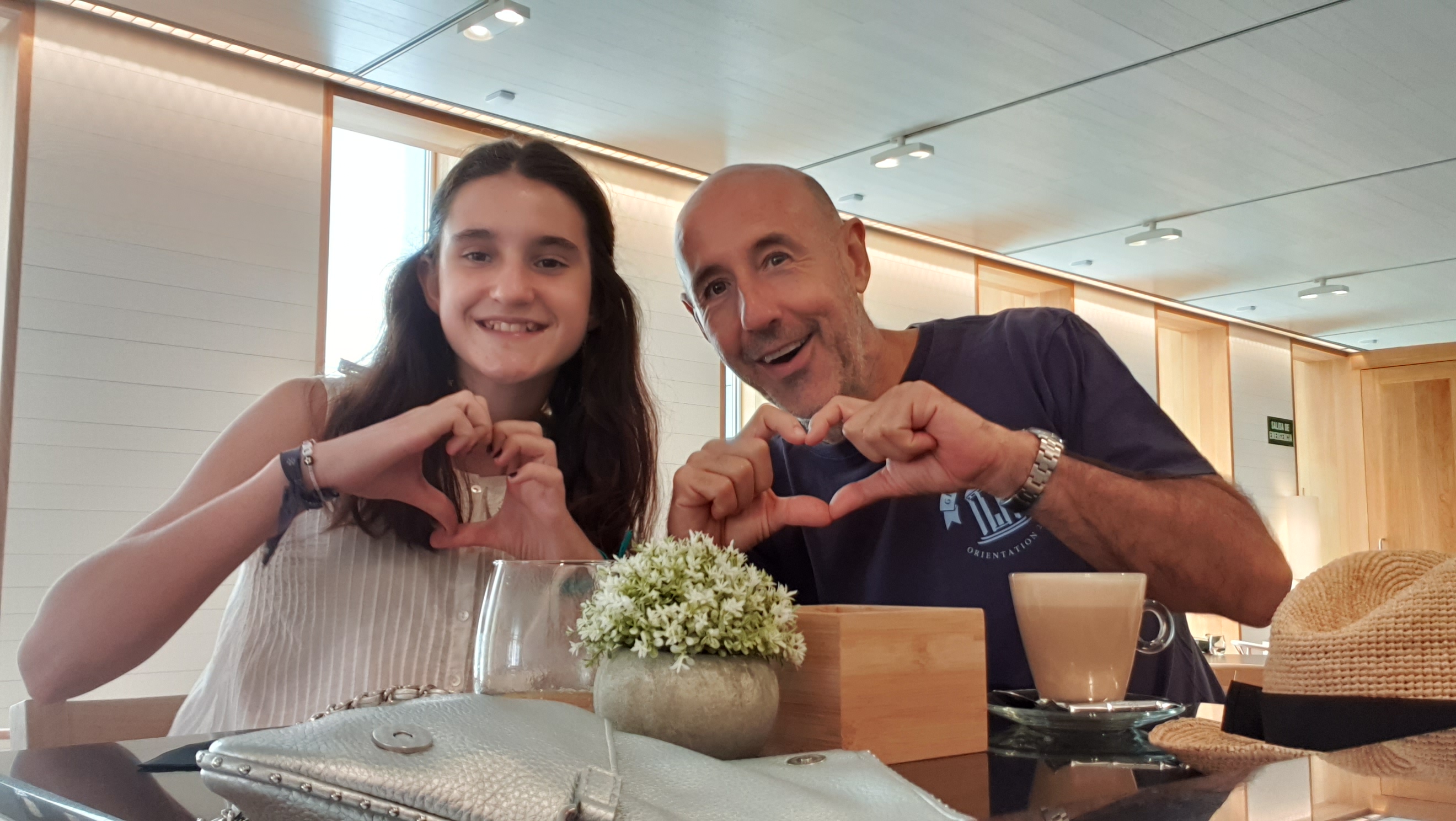
This museum has been pending since 1934 with the advent of the Second Republic, but it was finally constructed right above the Royal Palace gardens and next to the Cathedral. It opened in June of 2023. Celia and I finally got a chance to go, and it was free since the museum was celebrating the 10th anniversary of the crowning of King Felipe VI. I liked it so much, I returned the next day with my niece!

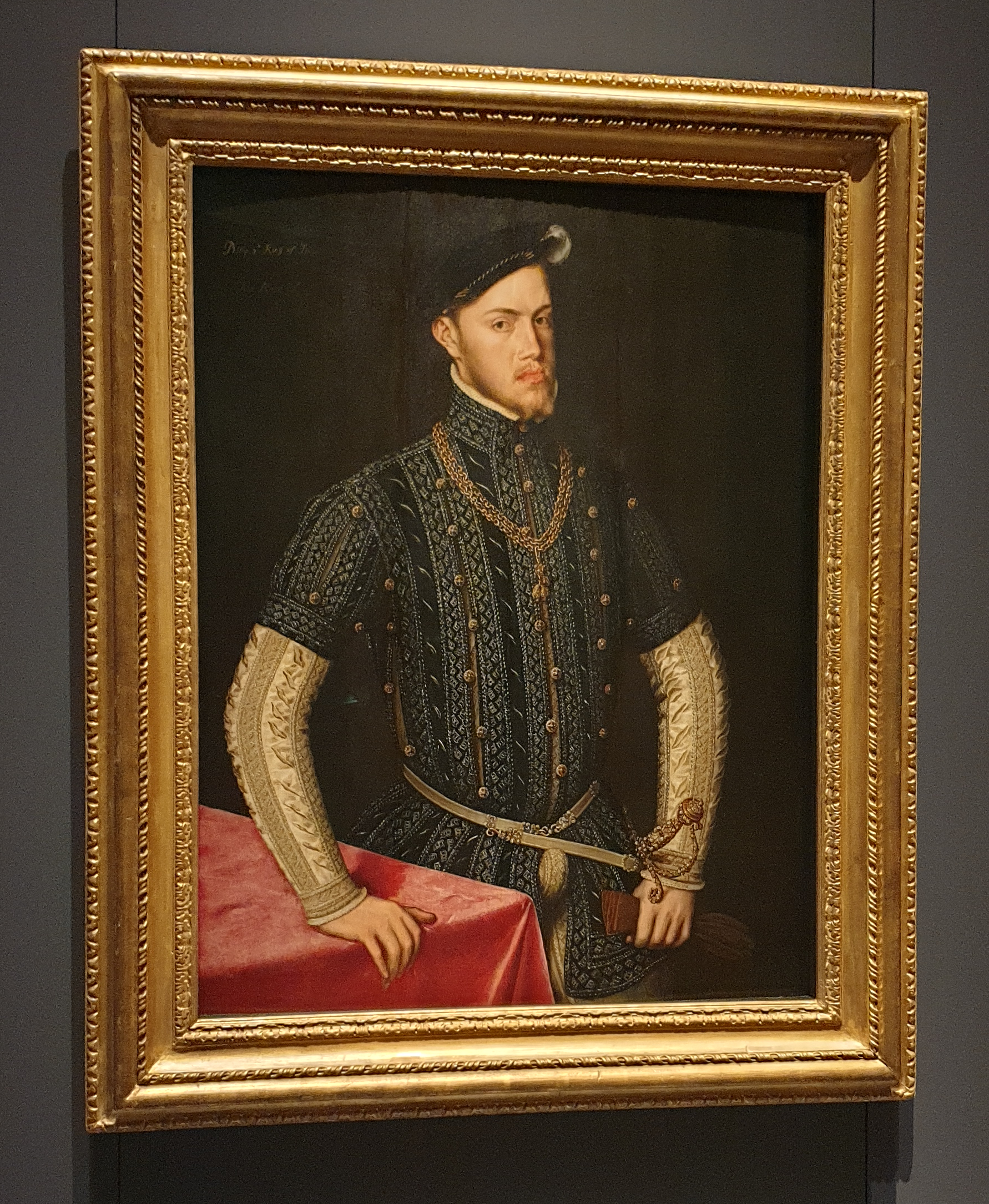
The museum is massive all in concrete and granite with some wooden accents, it is really cool. The collection has artifacts from the Trastámara dynasty, the Hapsburgs, and the Bourbons. The collection includes carriages and cars, a ton of tapestries, a fountain! some religious items, books, a set of Solomonic columns, dinning sets, and obviously a ton of paintings, including a huge Velazquez horse, and oh, a Caravaggio!

The museum includes the de rigueur coffee shop and gift shop, and it is worth the visit, even if it is not free when you go.

The Importance of Being Earnest

Although I went to a business school for university, I took all the literature and history courses I could take. That should have been a big flag, as usual, I missed it.

One such class was a Victorian literature course which changed my perspective on life. I was introduced to Alfred Lord Tennyson (you can read about that here), the whole pantheon of Victorian writers and poets and of course Oscar Wilde, precisely The Importance of Being Earnest, a Trivial Comedy for Serious People, and specifically Lady Bracknell’s hilarious interrogation of John Worthing (Ernest). That reading was around 40 years ago. After reading and rereading the play, reciting that same exchange in different venues, I finally got to see a theatre production -albeit in Spanish.

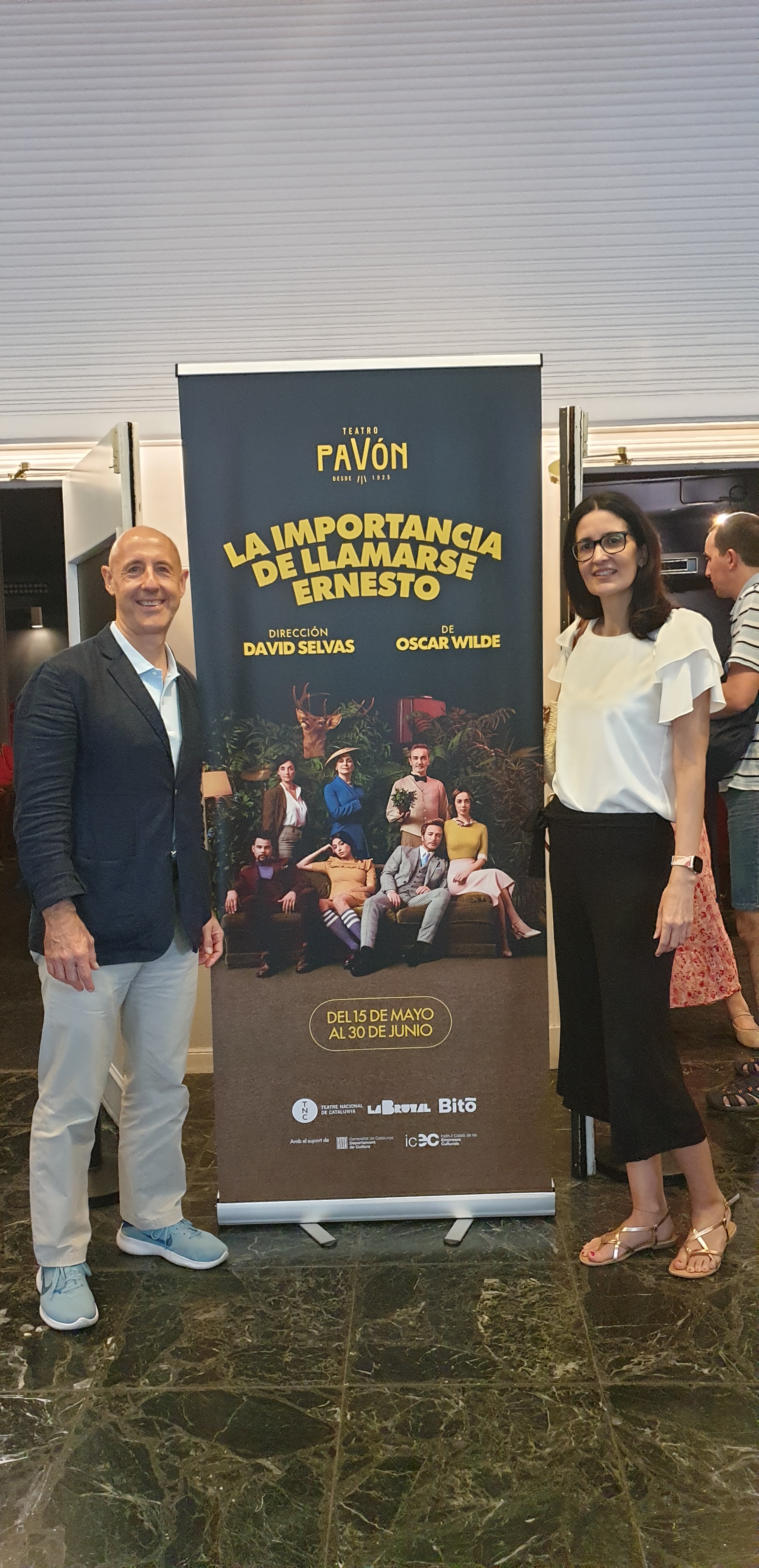
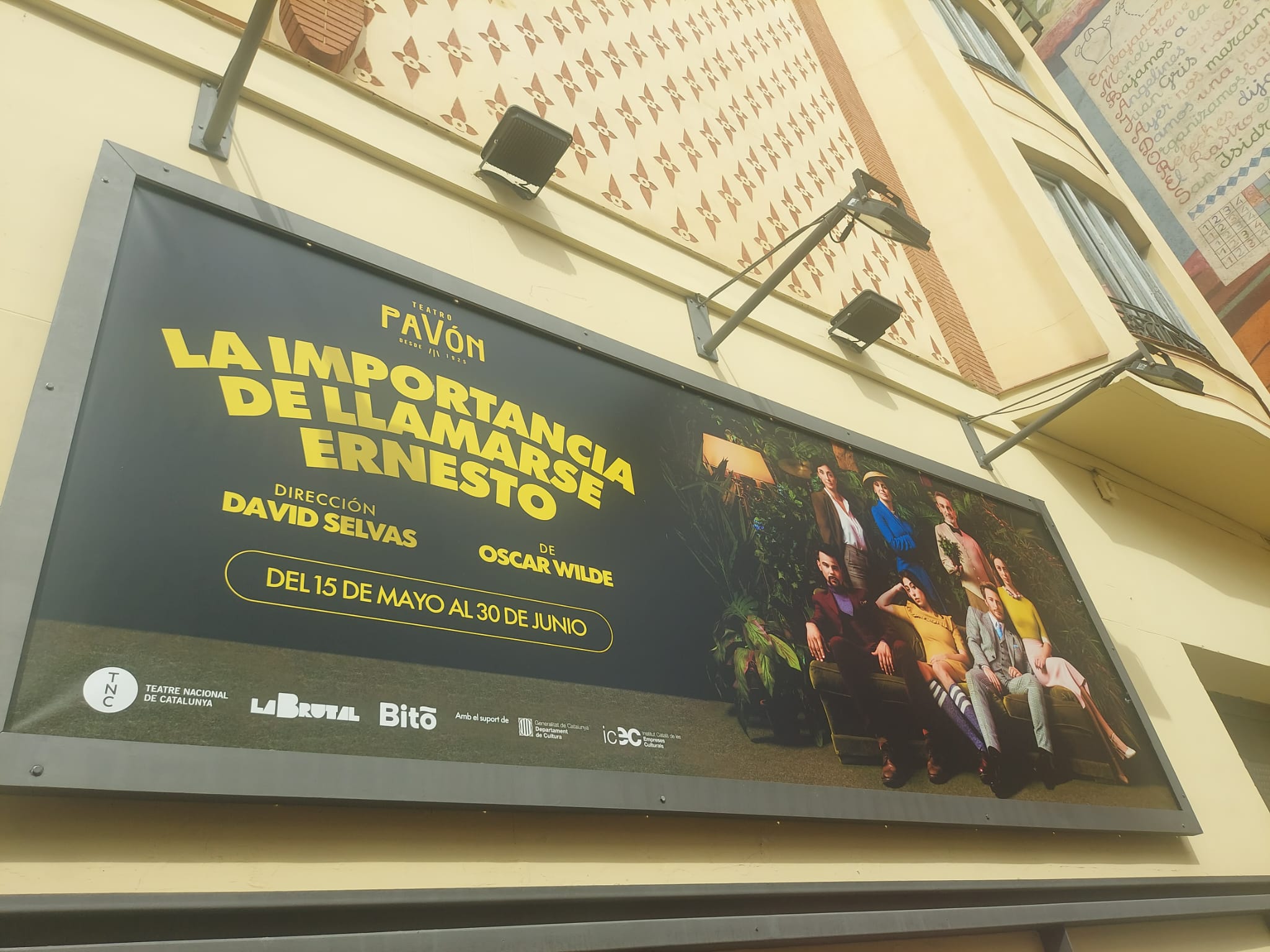
Celia and I went to the Teatro Pavon in the trendy Latina district to see the play. Besides the translation, it was modified as a bit of a musical with about half a dozen songs thrown in. I guess the director felt the need to make the play a bit more “fun” than it already is…

“I am sick to death of cleverness. Everybody is clever nowadays.”
― Oscar Wilde, The Importance of Being Earnest

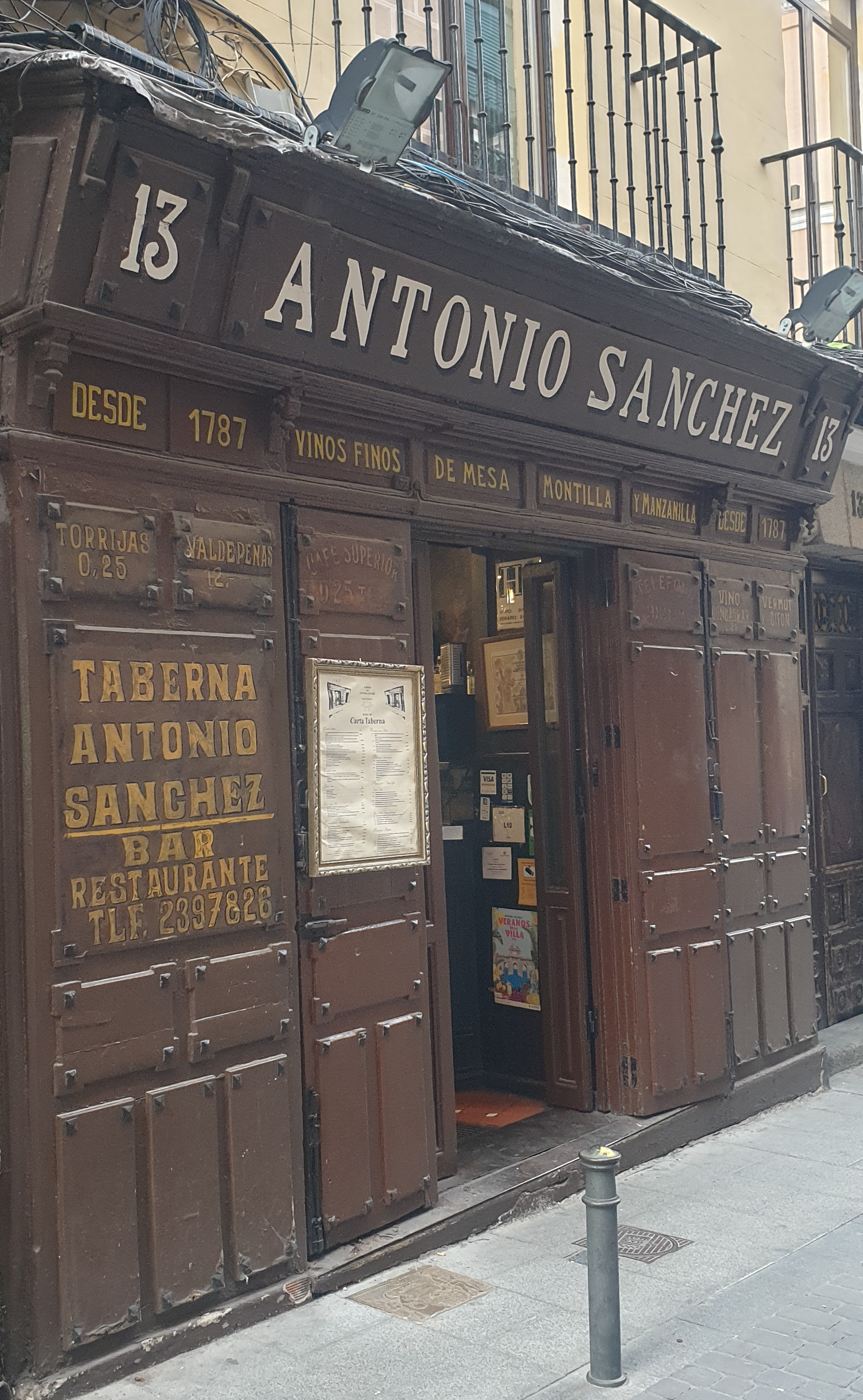
At any rate, the play was hilarious, well performed, even with the musical numbers and we really enjoyed it. After the play we enjoyed an apperitif at trendy Plaza de Cascorro and then had oxtail for dinner at Madrid’s oldest tavern, Antonio Sanchez!

“I hate people who are not serious about meals. It is so shallow of them.”
― Oscar Wilde, The Importance of Being Earnest

If you have not read this play or seen it in the theatre or in various film versions, do it. You are welcome.

“I do not approve of anything that tampers with natural ignorance. Ignorance is like a delicate exotic fruit; touch it and the bloom is gone.”― Oscar Wilde, The Importance of Being Earnest

Stop. Breathe. Breathe again.

Stop. Breathe. Breathe again. In that time, did you miss anything? A multimillion-dollar deal? A major life event? So what is the rush? What is the constant need to be doing something? It is going to be ok, even if you stop to breathe for a few minutes.

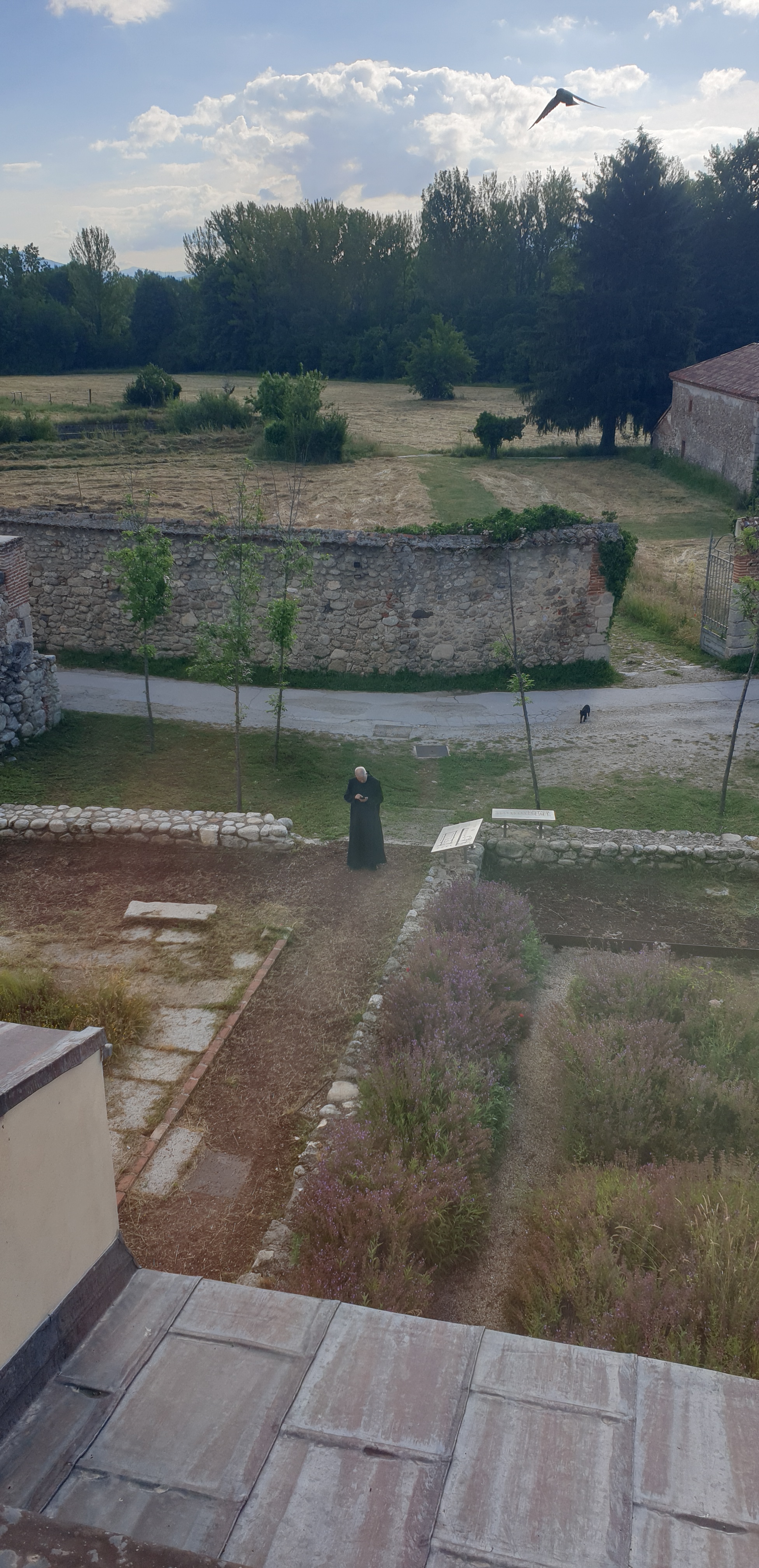
Of course, if you want to take that to a really healing level, you should take a few days off for a silence retreat, a technology detox, a news cleanse, a silent retreat, call it what you will. For the last five or so years, I have had the privilege of taking a few days off and heading North, over the Guadarrama mountains to the Monasterio de El Paular.

Although the Benedictine monks ask you to pray with them at least three of their five prayers, I always enjoy going to all five, including the 6:30am Maitines. There is a great beauty in reciting the Psalms and praying together in a slow, contemplative rhythm.

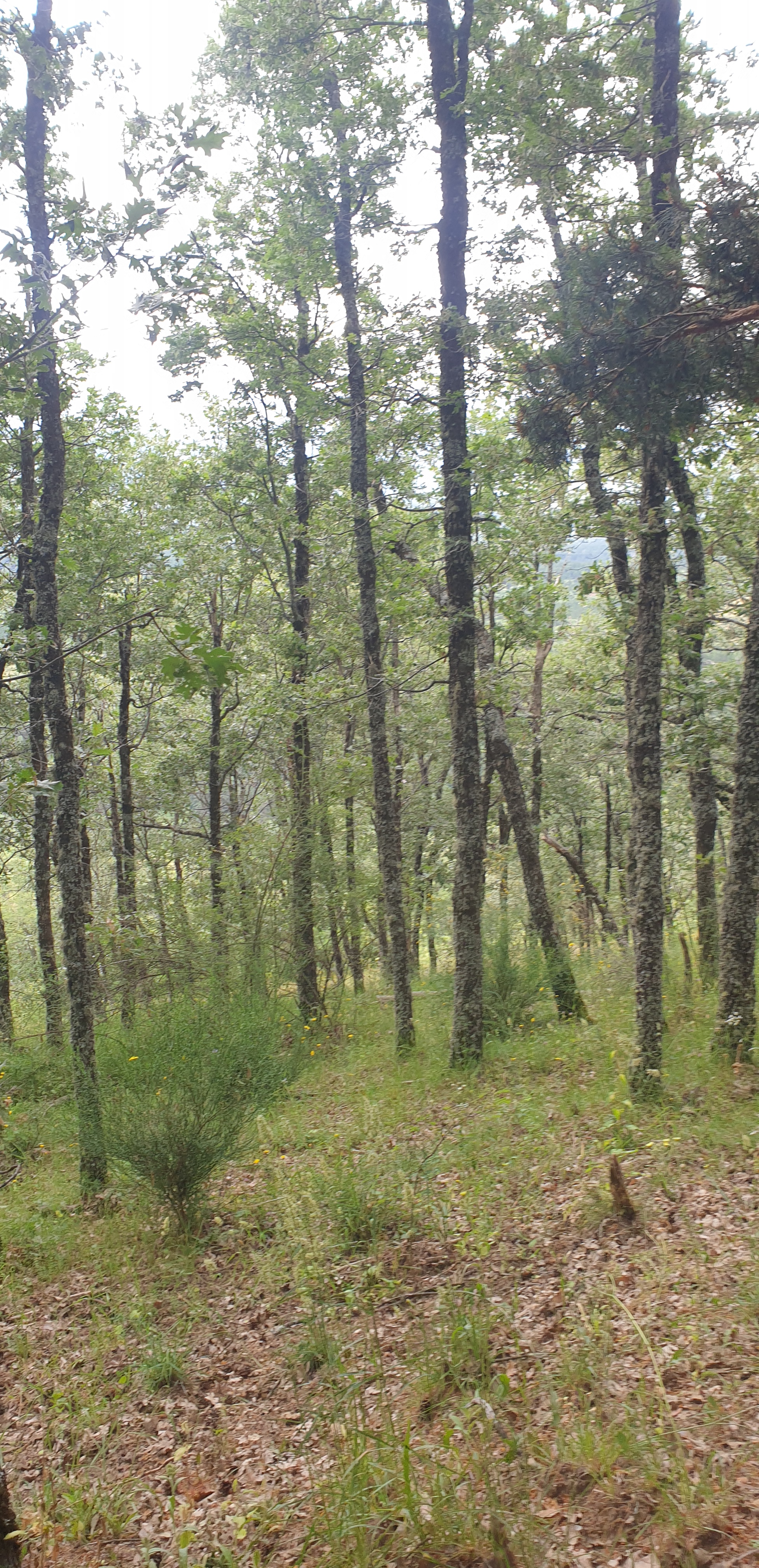
When you are not praying you are free to go hiking in the mountains. This year I went up to the Reventón for the first time to check out El carro del diablo, a huge rock with a legend about the cathedral of Segovia and, you guessed it, the devil. I also went up to the Puente de la Angostura bridge which I had not visited in years.

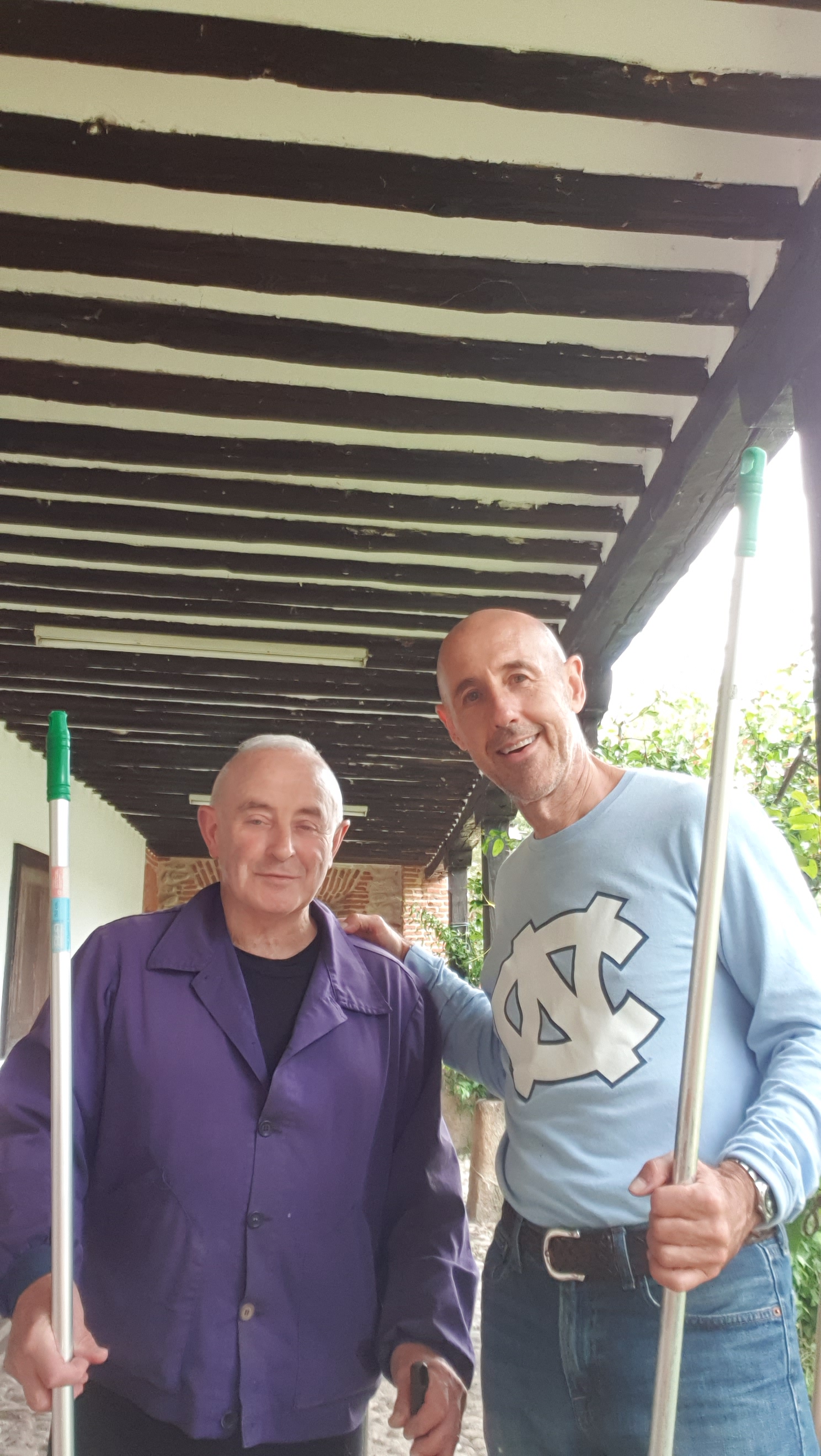
A particularly healing aspect is when the monks ask you to work with them. This time we had to sweep the farmhouse porch for the upcoming fiesta of St. John’s dinner. Brother Enrique and I spent the morning cleaning and fixing up area for the party.

The rest of the time you are meditating, reading, writing, enjoying the Vicente Carducho paintings in the cloister, praying. It is an amazing experience. You should try it. Here is the link for the monastery or find one near you!

https://www.monasteriodeelpaular.com/

You are welcome.

Fundación Ortega-Marañón, an oasis in the city.

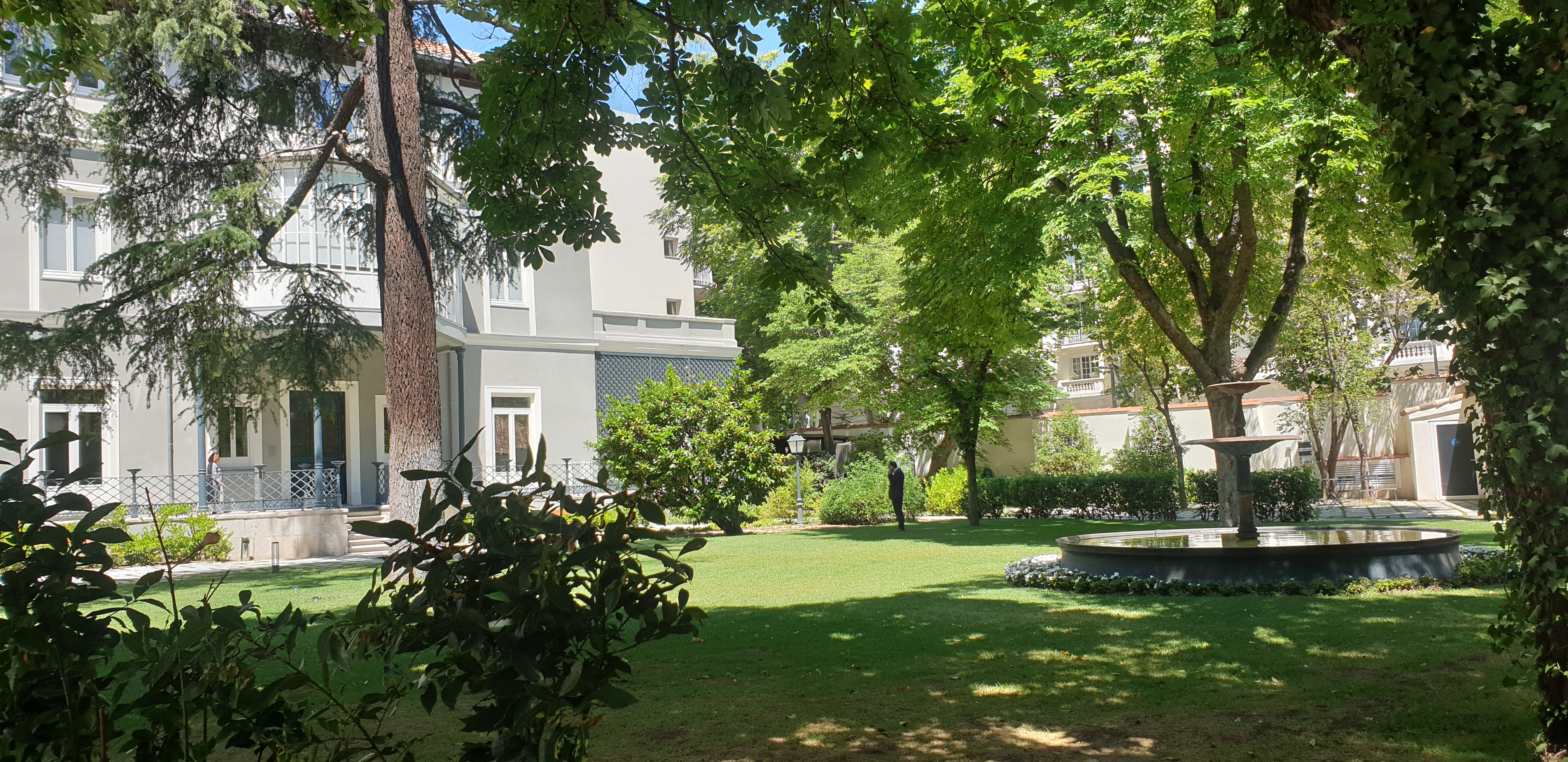
Few things are as rewarding as walking around the concrete jungle that is a city, and finding an oasis, a quiet corner, a patch of grass, trees. Madrid, as beautiful as it is, is still a concrete jungle, and the other day I discovered the Fundación Ortega-Marañón, one such oasis, literally around the corner from my mom’s house in the Chamberí neighborhood.

José Ortega y Gasset is considered Spain’s top 20th C philosopher and Gregorio Marañón was a humanist doctor. Their respective nonprofits joined forces and merged in 2010. They are housed in an old palazzo with a beautiful garden and in what used to be the Residencia de Señoritas, a women’s college dorm which sits right behind the palazzo. They have done a beautiful job with the construction, preserving both the palazzo and the dorm.

Yo soy yo y mi circunstancia, y si no la salvo a ella no me salvo yo.

José Ortega y Gasset

During my visit, there was a great exhibition on the Revista de Occidente, Gasset’s literary magazine. With the title Claridad, claridad, it explained the trajectory and writers that participated in the magazine. It was very well done, and I was all alone. After my visit I was able to sit in the garden and read my book, what an oasis in the city.

Fundación Masaveu, a great little (free) place to discover in Madrid

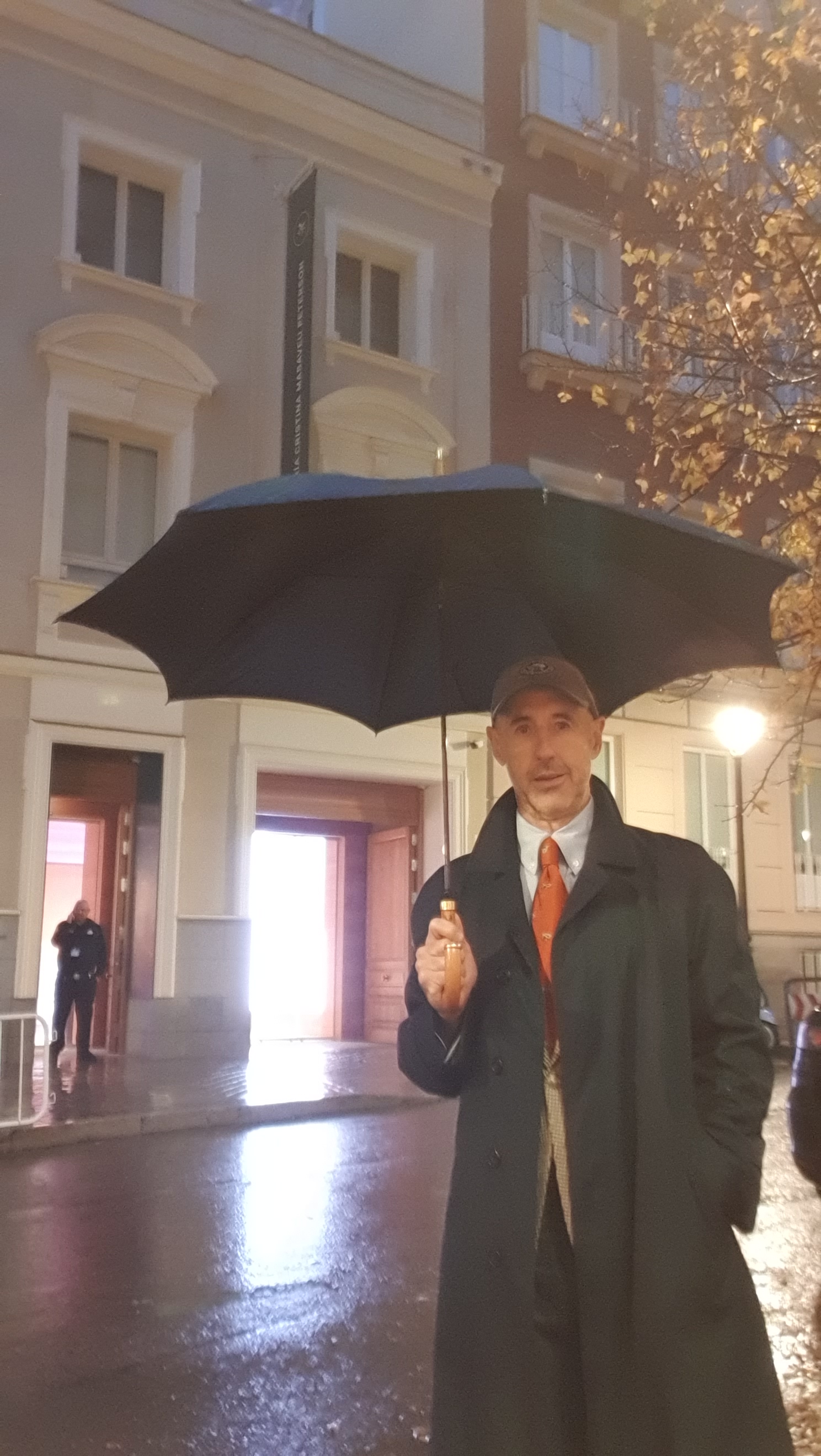
In front of the Fundación Masaveu

Fundación Masaveu has a cute little exhibition space in a quiet street in Madrid where my sister took me to on a rainy afternoon this past Christmas.

The Masaveu family fortune started with a textile shop in Oviedo, but grew to build a cement factory, a bank, etc., etc. They are rooted in Asturias, but obviously have this outpost in Madrid.

They had a few exhibitions running which were fascinating. One was on 18th C paintings of flowers and a bigger one on Luis Fernández, a XX C Spanish painter. Beyond the exhibits, there is an intriguing massive Jaume Plensa statue in a tiny patio.

Unfortunately, they do not allow photos in the building, so I dutifully complied, you can see the photos from their website here.

Yes, I know I am always writing about how culturally enriching it is to live in a city. Here is another testament to my statement!

So, if you are in Madrid, and you want to discover a great little (free) exhibition space, try this one! You are welcome.

Museo Arqueológico Nacional MAN

When one of your best friends is a noted fine antique art restorer and he invites you to walk around the Museo Arqueológico Nacional, something you had not done since you were a schoolboy, you drop everything and go!

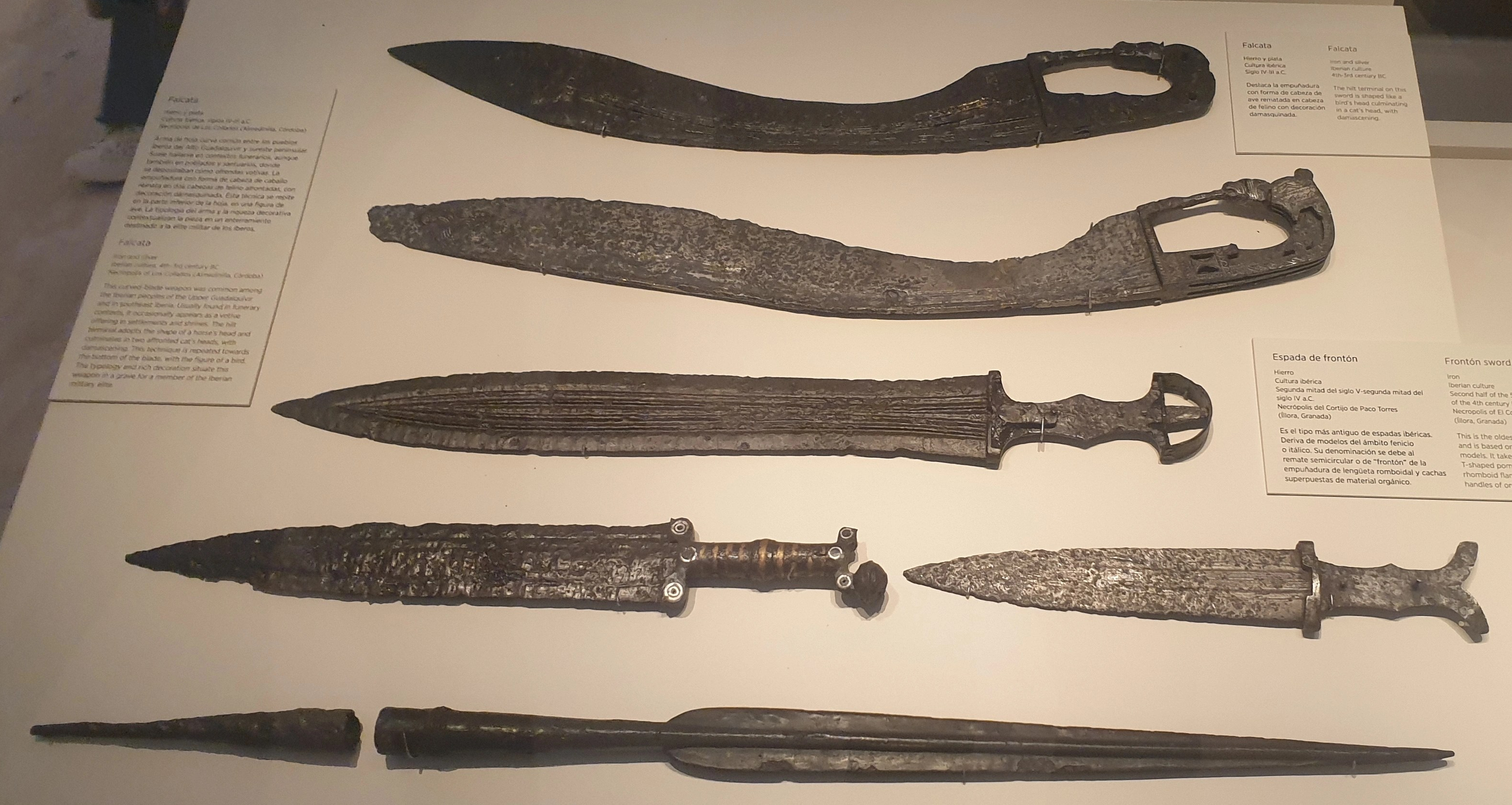
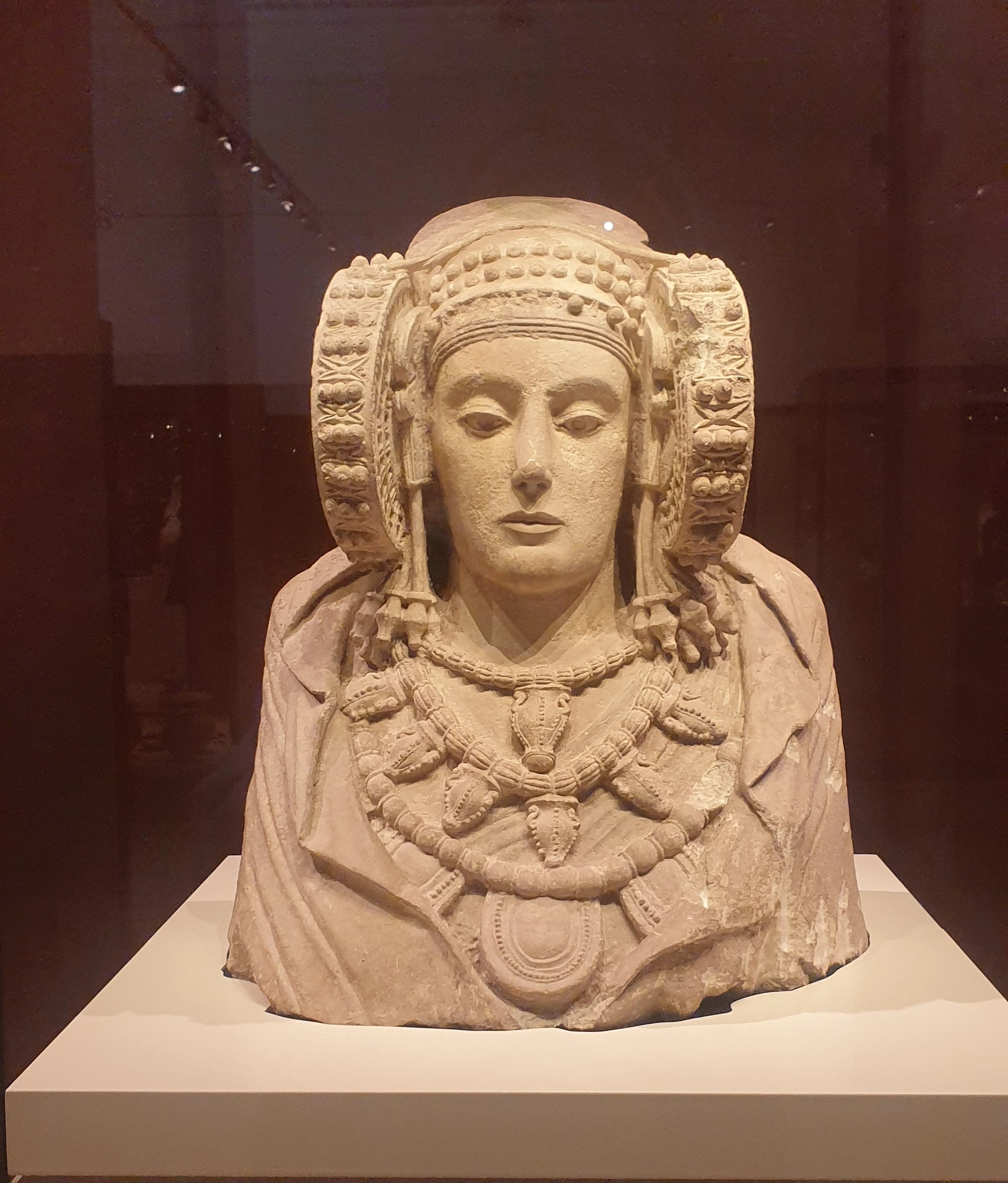
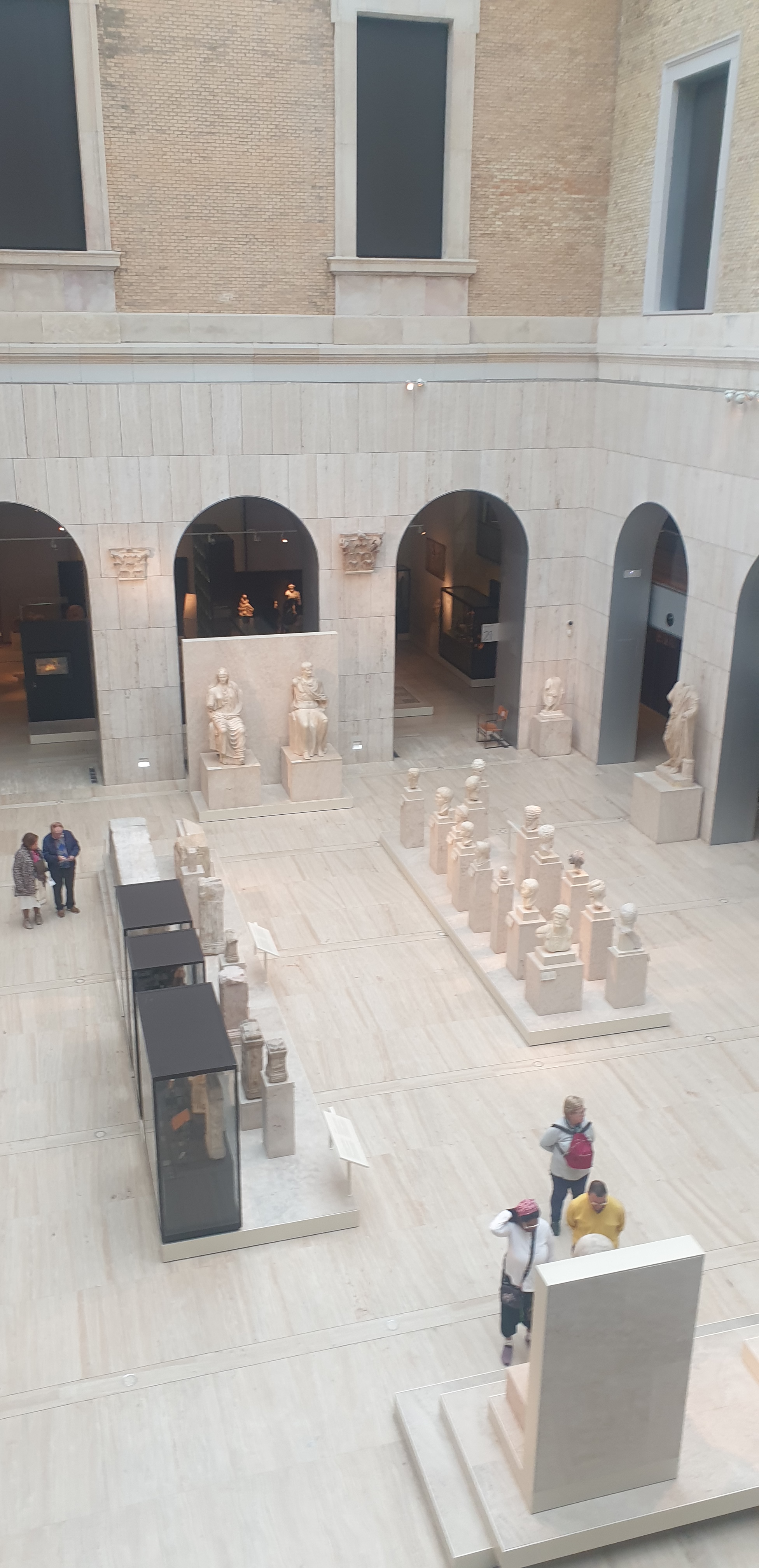
First, what a wonderful job they have done renovating it! The museum shares building with the National Library -One side Library, one side Museum. In it you will find everything from prehistoric bones to early 19th C artifacts. Of course, the main exhibits are from Spain’s first inhabitants, the íberos, with their rich sculptures, like the Dama de Elche -the museum’s undisputed jewel, and their falcata swords feared by the Romans… (Jaime restored a bunch of these curved swords and told me everything about them).

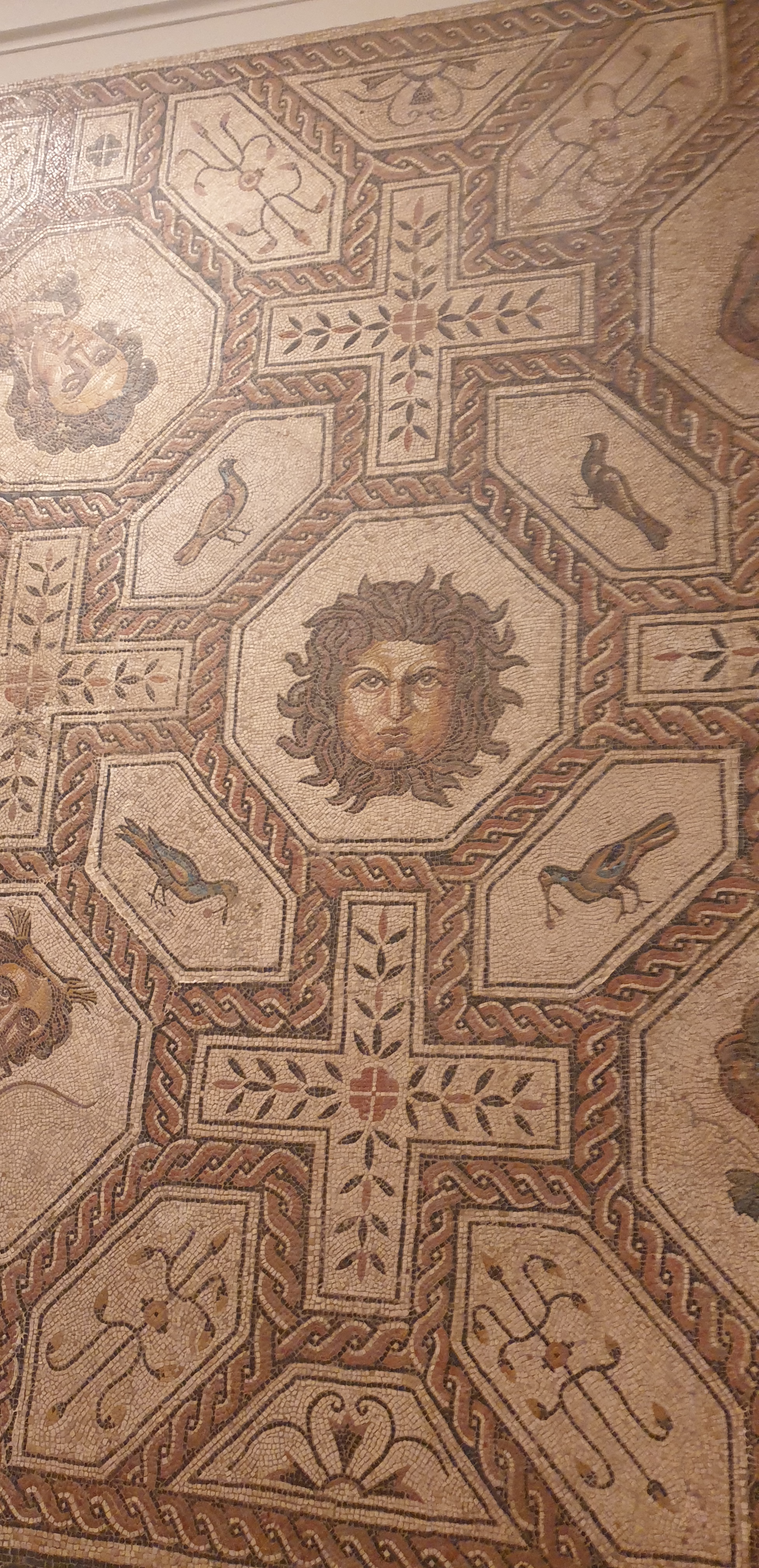
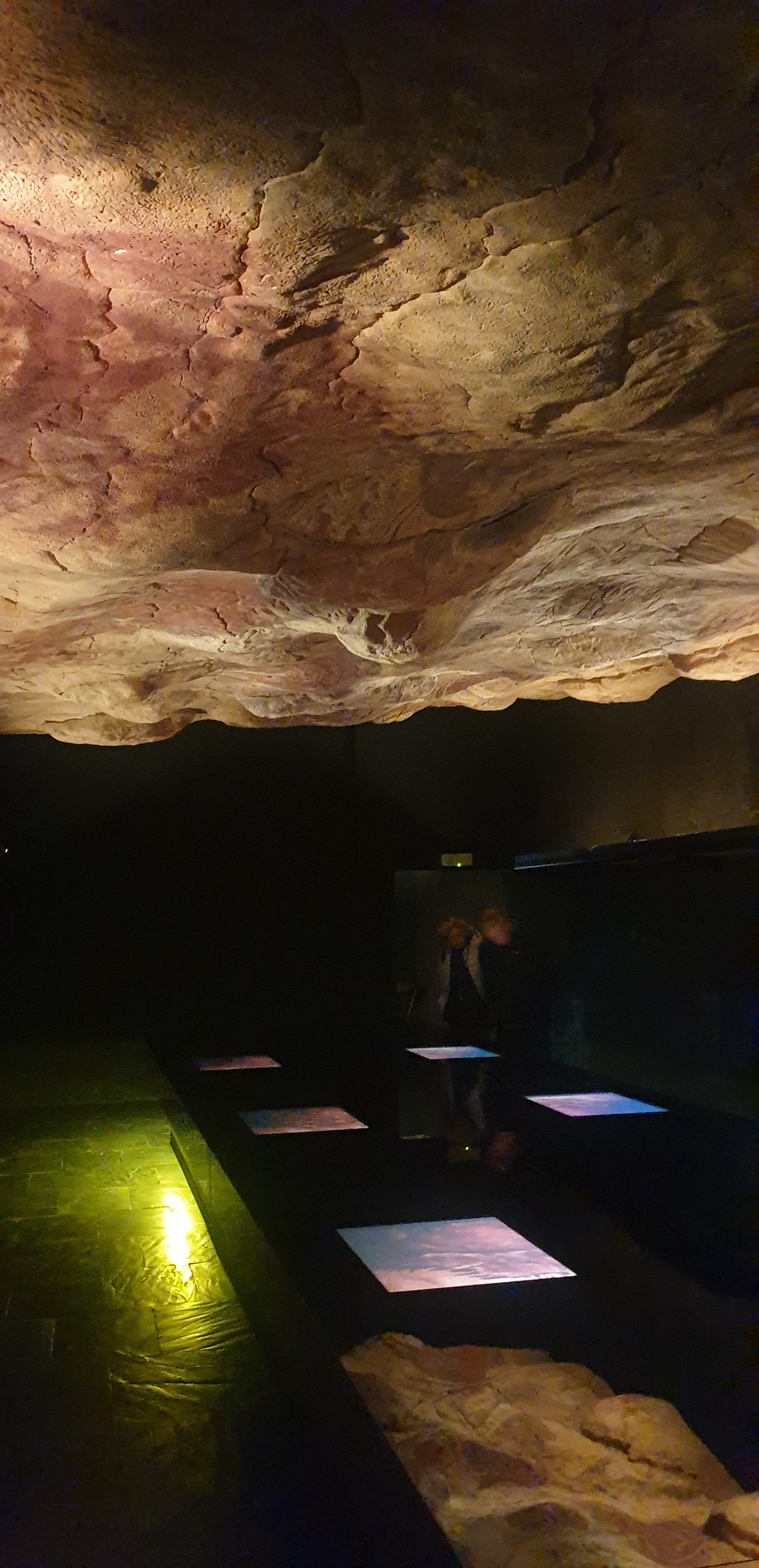
The room of Roman mosaics is mind blowing, the Greek room, the Romanesque room also, and on and on. The whole museum is jaw dropping! And if that was not enough, under the garden, they have recreated the Altamira caves with their prehistoric paintings, it is literally a cave with the painting on the walls and ceilings.

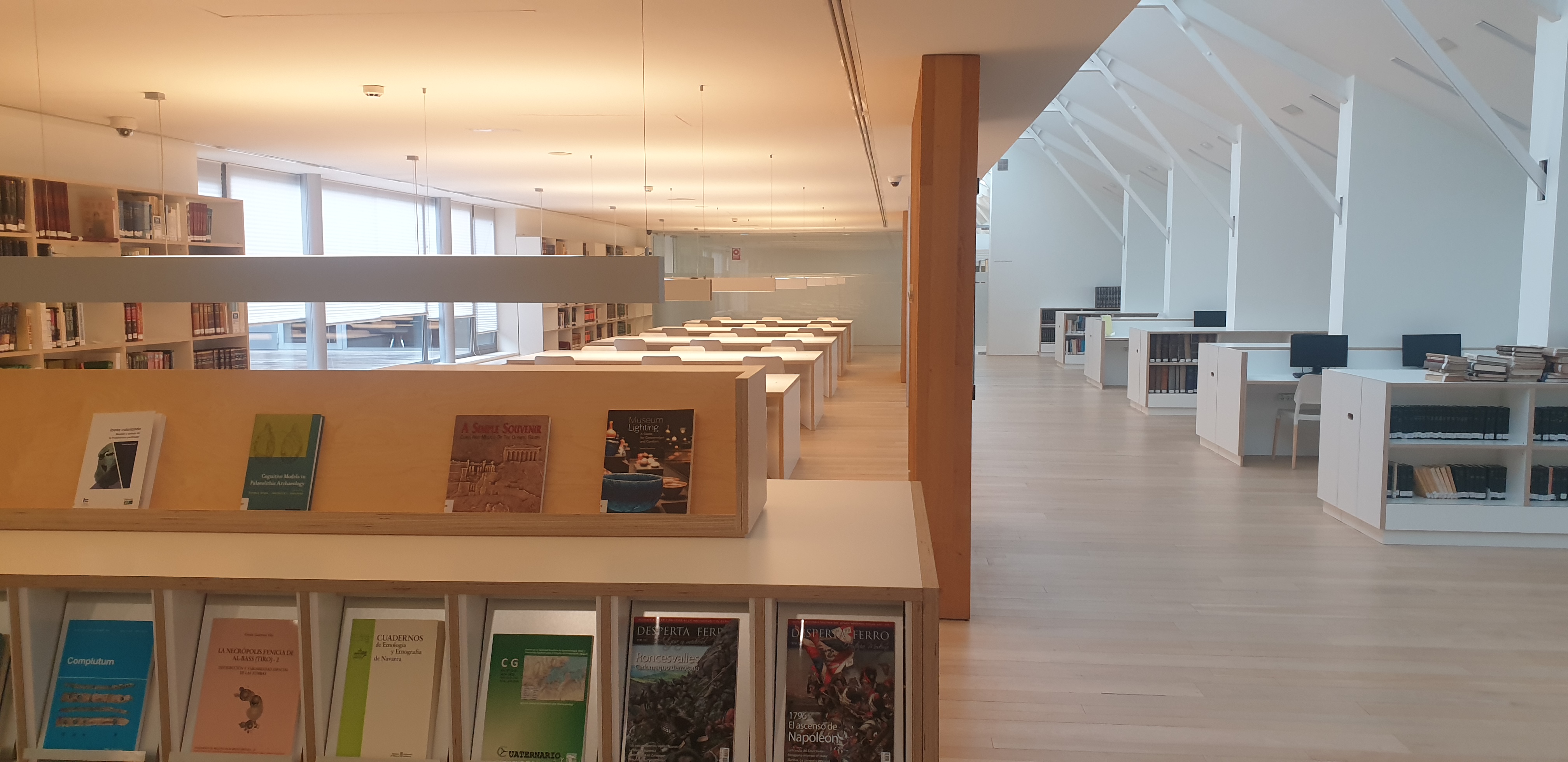
Jaime even introduced me to some of his colleagues and showed me the labs and workshops, even the library where he works when he collaborates with them.

So, if you are in Madrid, do not miss the Museo Arqueológico Nacional, also, it is on Calle Serrano, a main shopping street so you can kill two birds with one stone!!

You are welcome!

Culture in cities, Fundación Juan March; Antes de America.

One of the principal reasons I love cities is their fantastic cultural offering -lots of it free. So, when I am in Madrid, I make the most of it and try to go to as many culturally stimulating events as possible.

The other day I went with my nephew to the Antes de America exhibit at the phenomenal Fundación Juan March. What this exhibition sets to show is the influence of pre-colonial art on post-colonial art. It was a massive display showing pre-colonial artifacts next to the artifacts it inspired: from furniture to posters, record covers, pottery, all sorts of stuff.

Although the brochure claims the exhibit highlights art from Tierra de Fuego to Alaska, most of the material was Mesoamerican. Admittedly, that is also the region with the richest concentration of cultures -I am guessing because of the weather, but I am not a paleontologist or any kind of scientist, so what do I know?

One of the more important things I learnt from this exhibition was how prevalent ancient American art is in our modern culture. You might see a cool geometric design on a poster for a concert, for example, but in fact it was done hundreds of years ago by a tribe, people, culture that is no longer with us.

With hundreds, maybe thousands of pieces on show, there are bound to be some misses and I did find a couple of choices somewhat questionable. But again, this is not my field of expertise, I am just an old, white guy.

In conclusion, the exhibit is phenomenal in volume and content, if you are in Madrid before March 10, 2024, I highly recommend a visit. The Fundación has a cute little coffee shop in the basement and a cute little library you can borrow books from! And of course, the obligatory gift shop which sells the massive catalogue from the exhibition (yes, I got one!).