Teaching beyond the classroom; a night at the opera.

If you are a teacher, you are not only teaching your subject matter: you are teaching your behavior, your attitude, your presentation. More importantly, you are teaching your whole field. So, if you are teaching a science, then you are teaching the whole scientific method. In my case, I am not only teaching language, but I am also teaching culture, diversity, and the humanities.

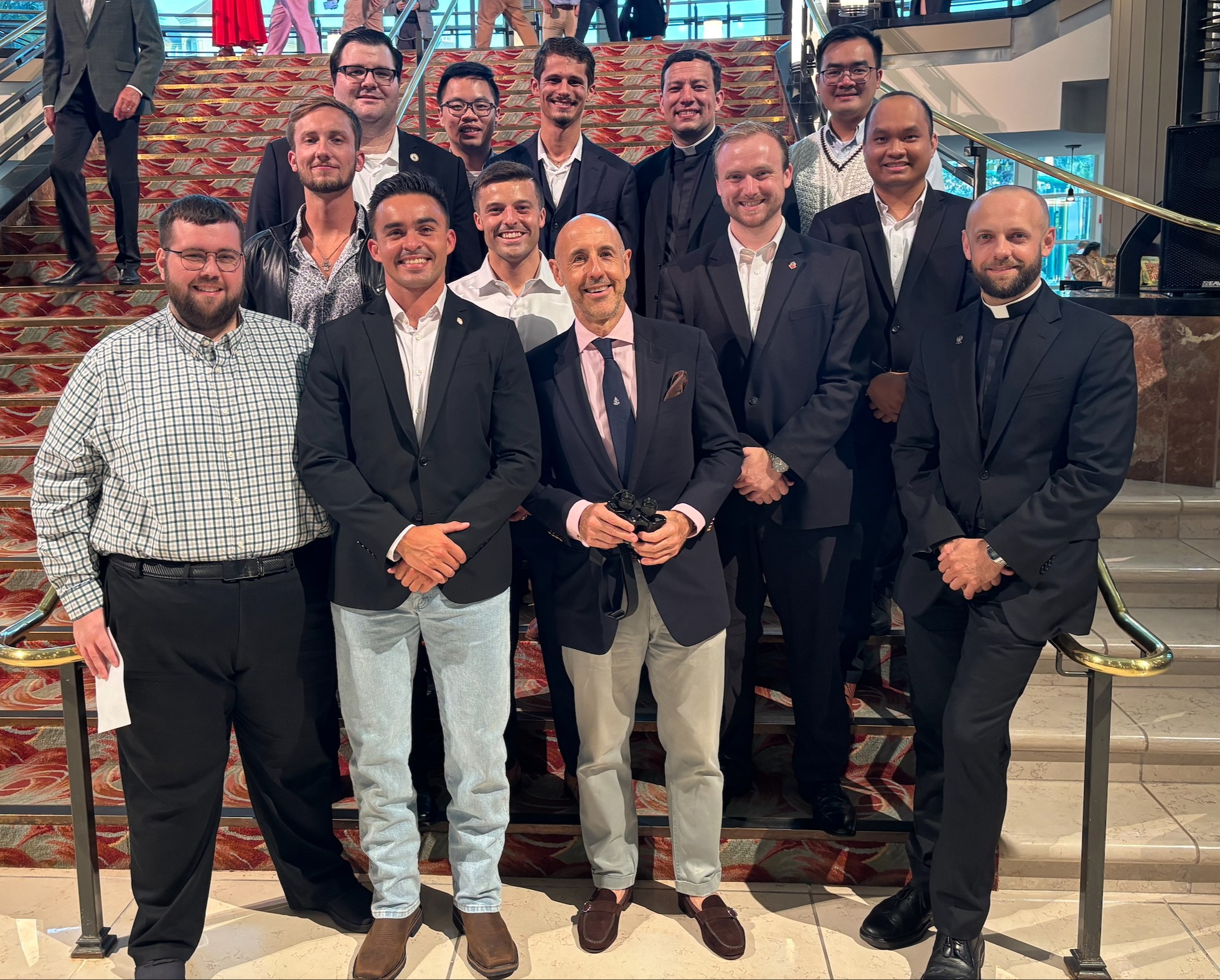
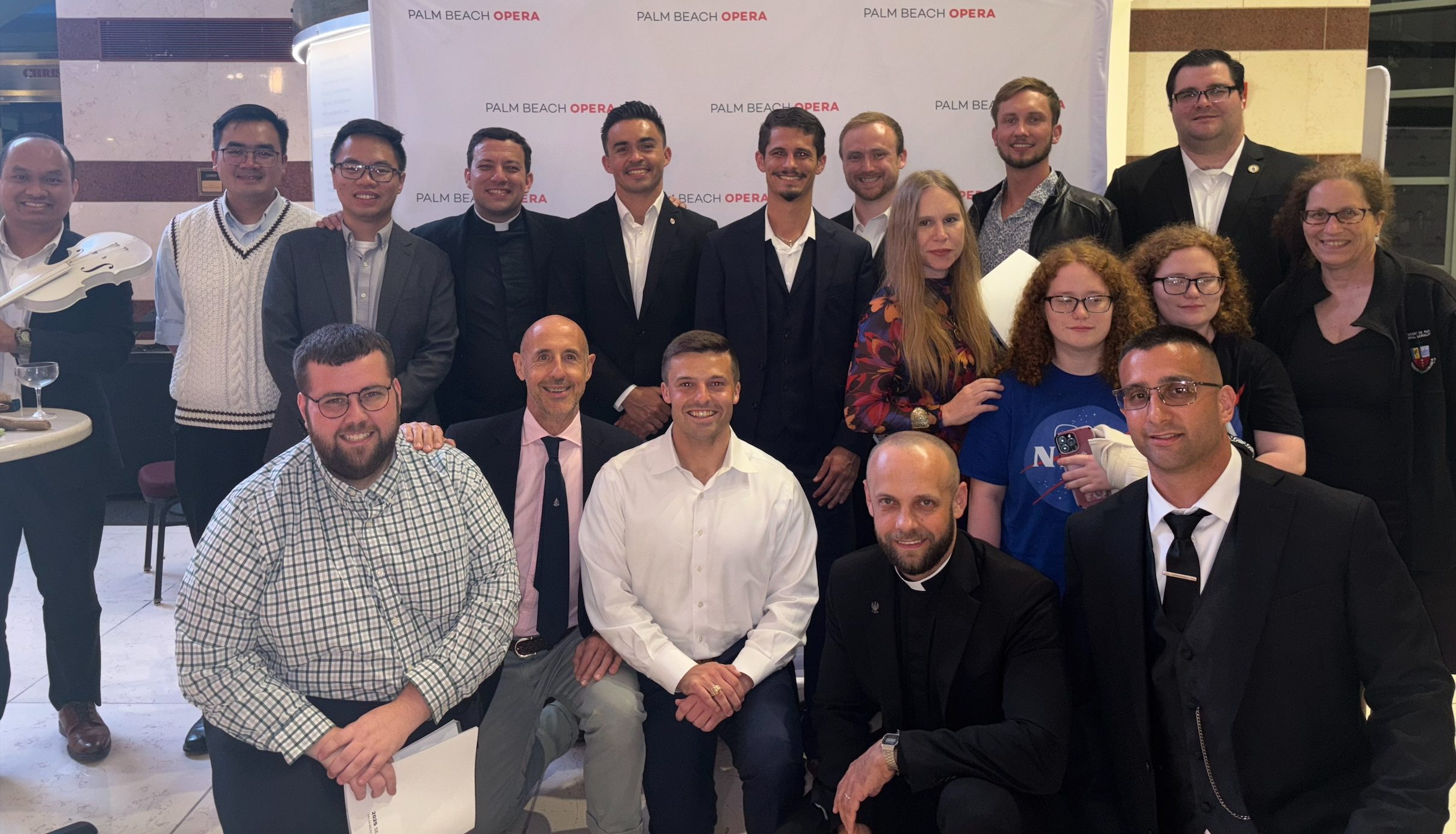
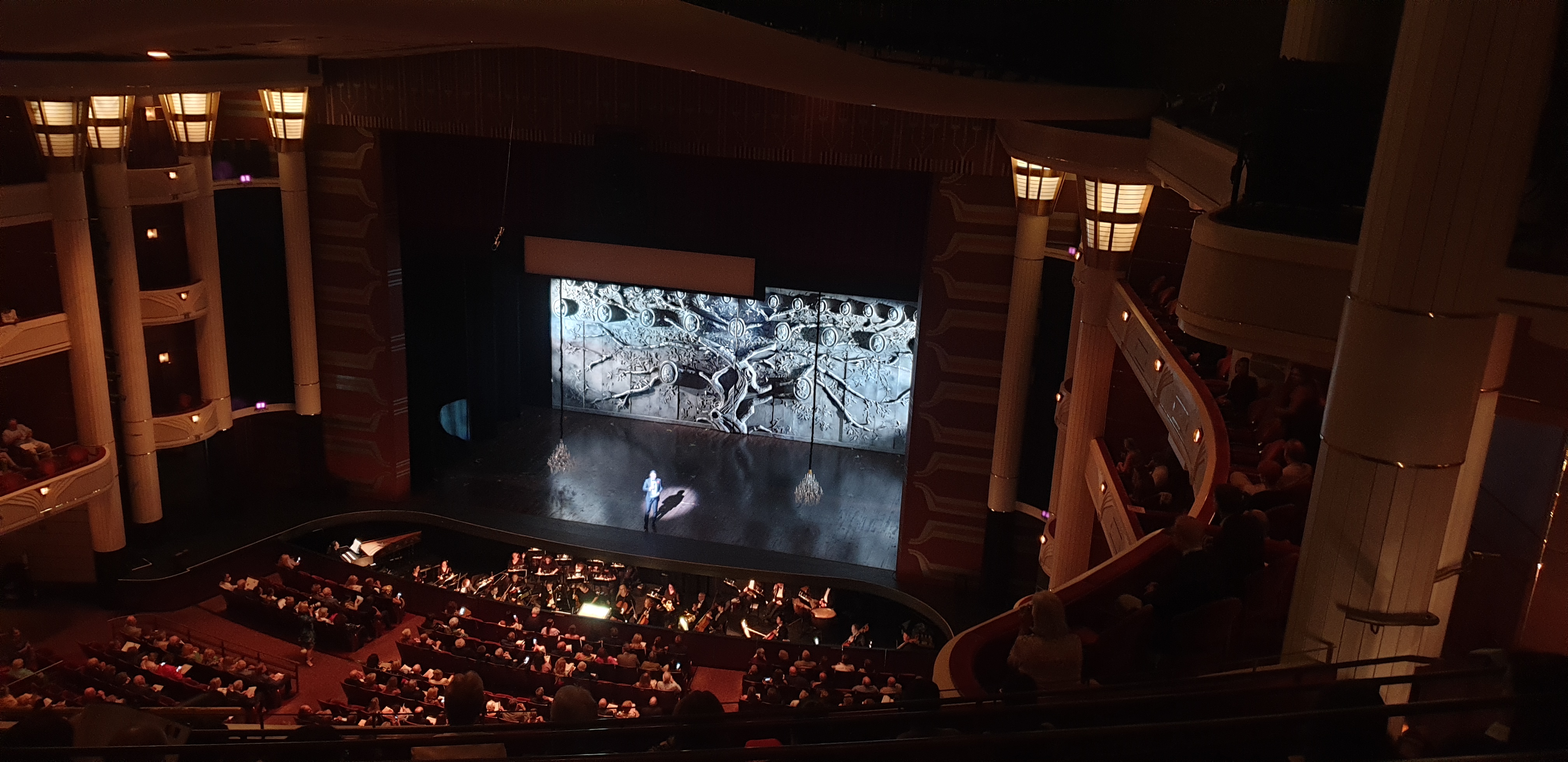
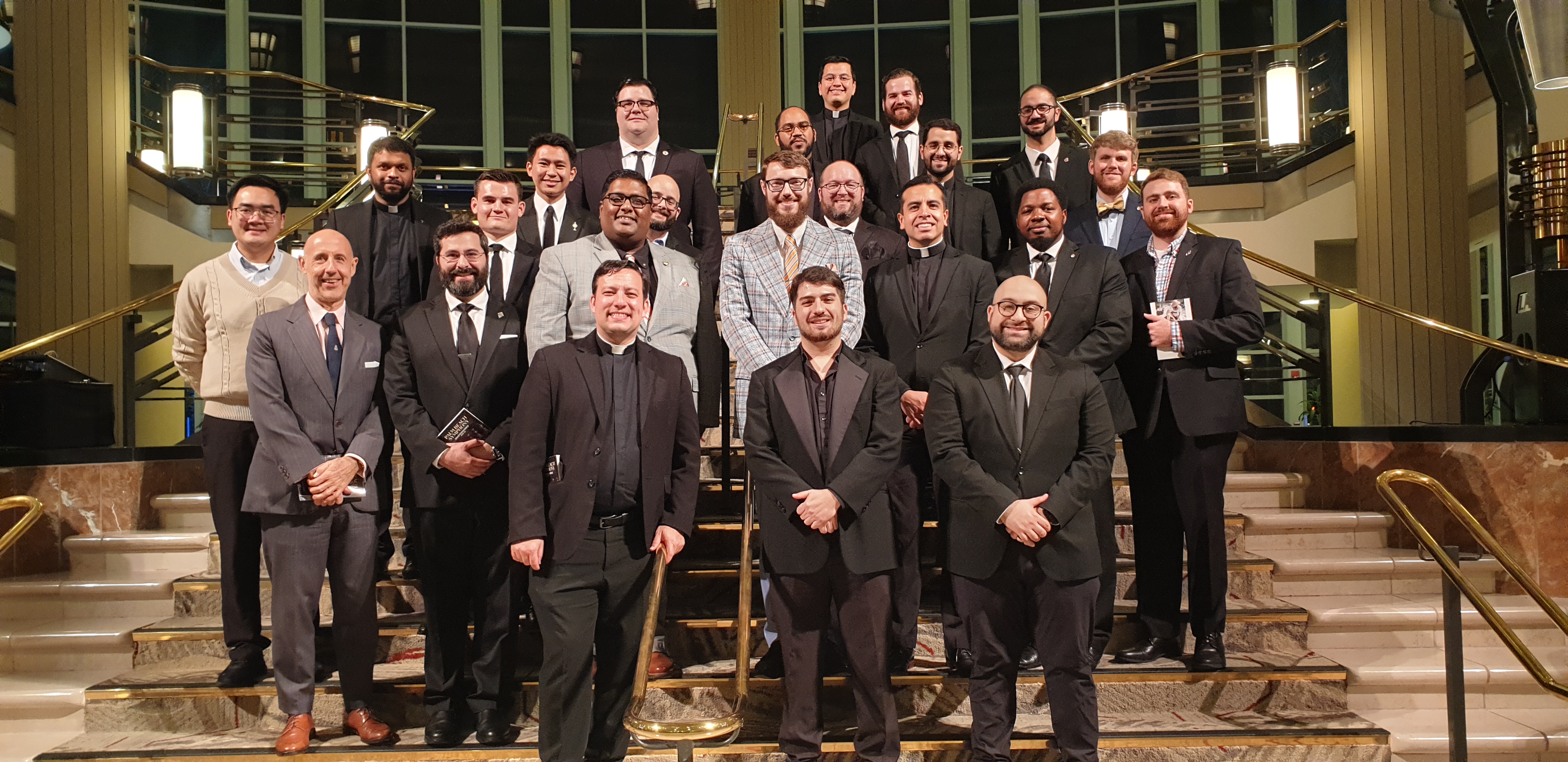
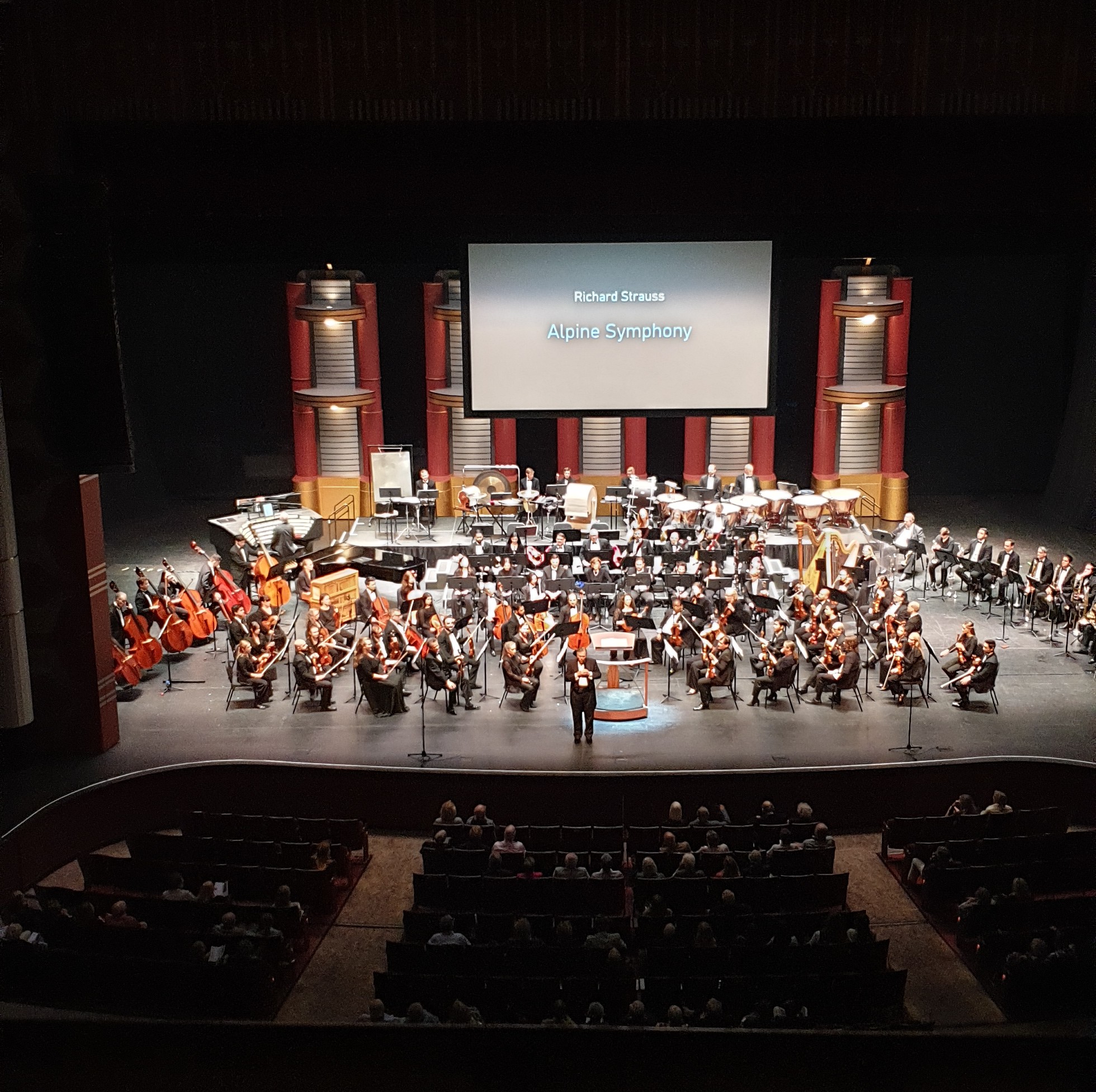
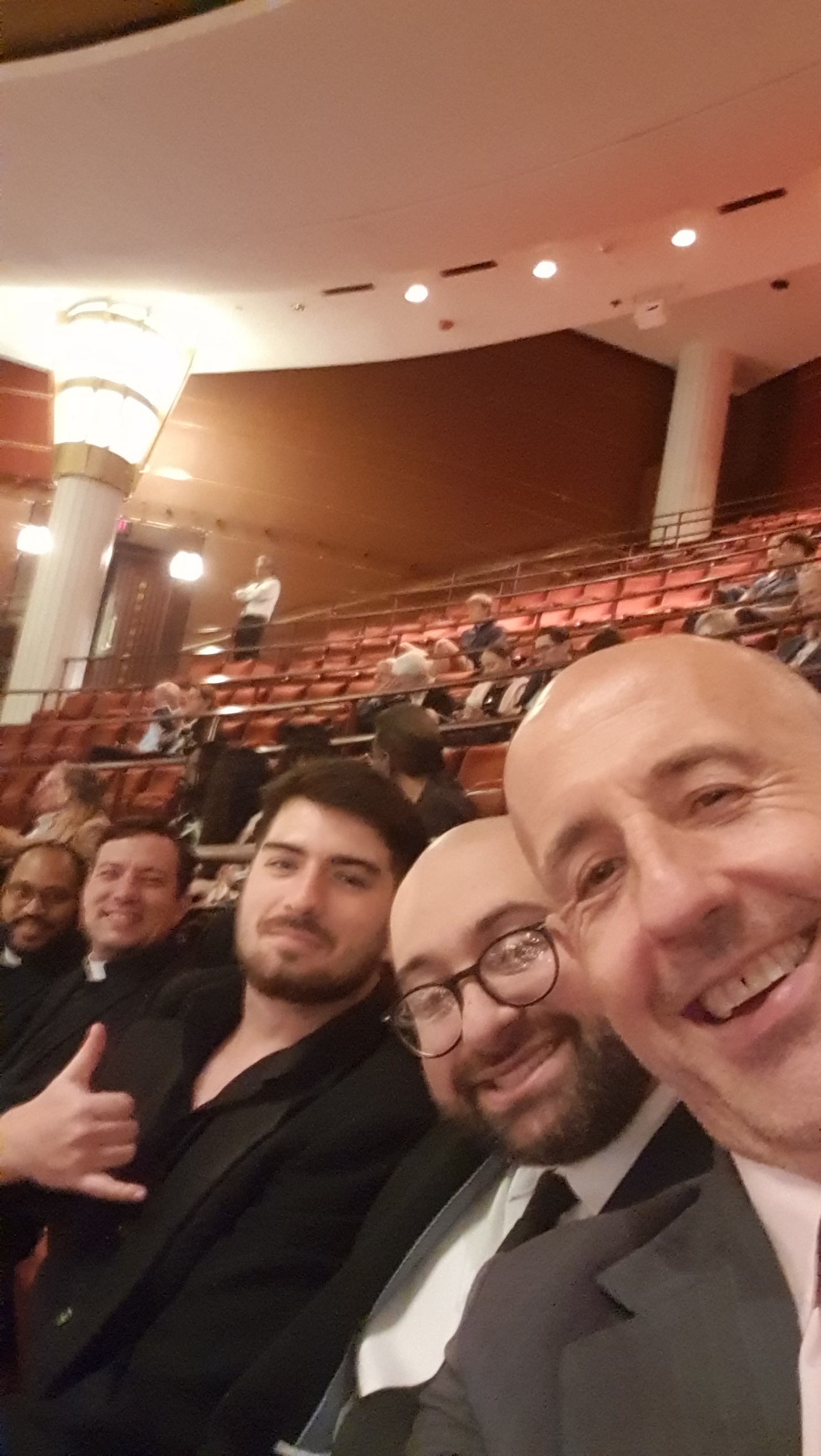
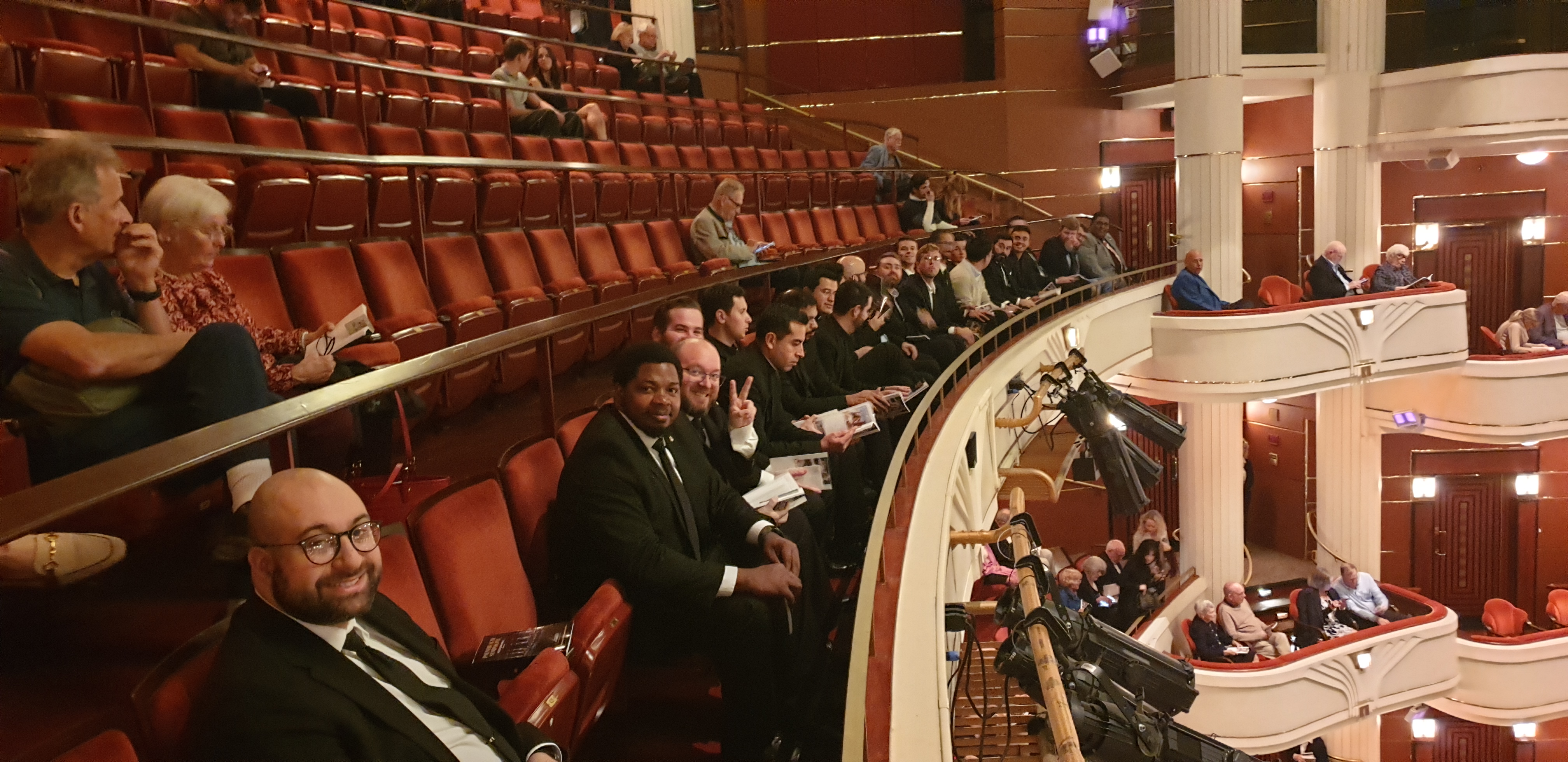
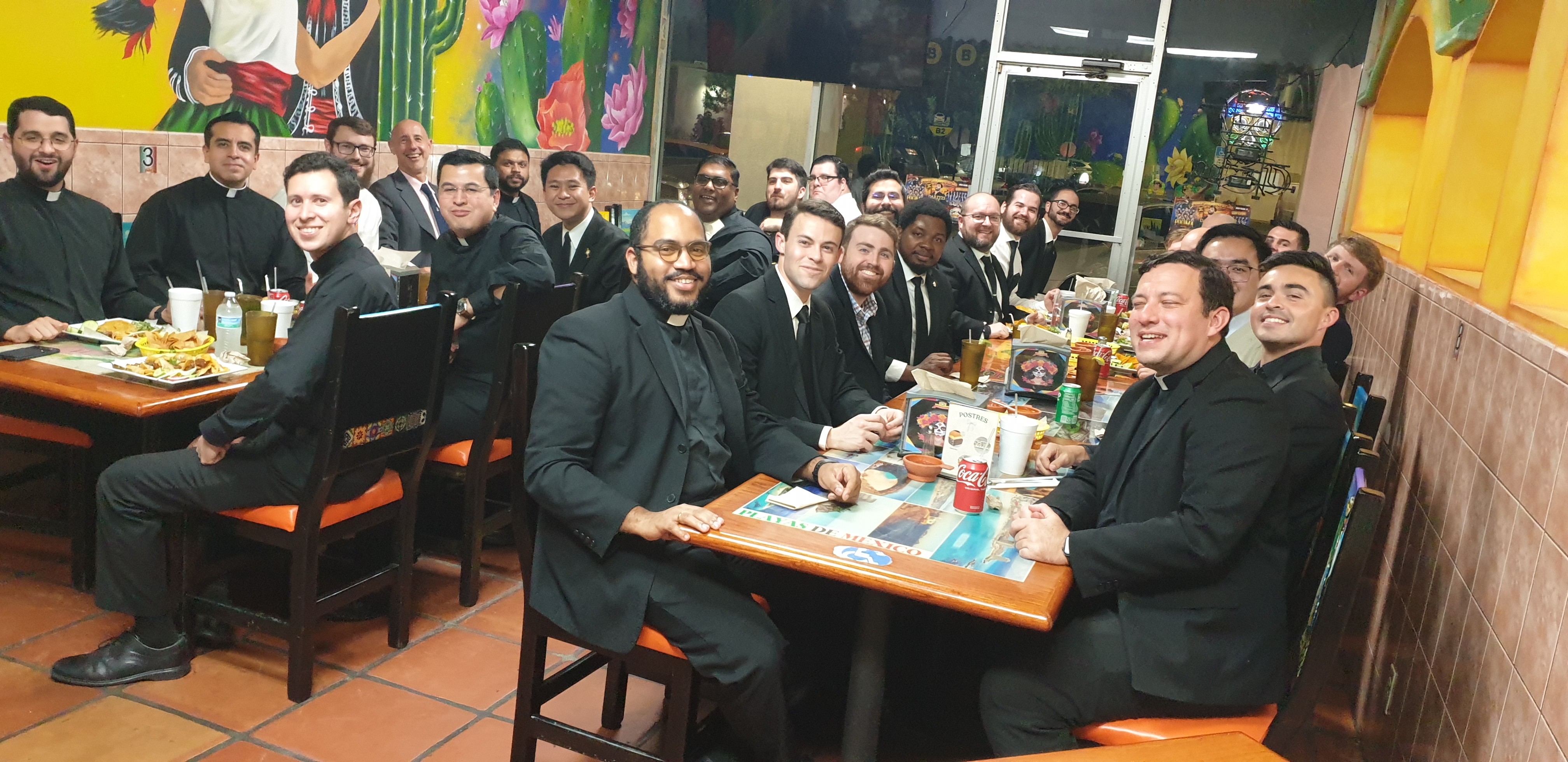
With this excuse, the Philosophy faculty and I recently arranged a field trip to the Palm Beach Opera’s Marriage of Figaro. It was fantastic. For most of the students (if not all), this was their first time at the opera, and they were pleasantly surprised. The key takeaway is that the students appreciate a new art form for them, understanding the beauty of art. Especially an art where the artist is the instrument, so no two can ever be the same!

Unlike, say, The Magic Flute, Mozart does not have any blockbuster songs in this opera, but the whole thing is very melodious and easy to enjoy. The story is funny but moralistic -this is the Enlightenment after all! So the students were never bored; they were able to enjoy the story and the music. Coincidentally, we had just studied the Enlightenment in class, reading Benito Jeronimo Feijoo, so to see the students making connections is extremely rewarding. Mission accomplished.

If you have a chance to have your students make connections outside the classroom, across different fields, let them rip! You are welcome.

Here are two of my favorites, Cecilia Bartoli and Renée Fleming, doing one of the more famous duets:

The best opera? The most famous opera? La Traviata at Palm Beach Opera

There are some tunes that you would recognize instantly, even if you have never been to the opera. One of them is the party song at the beginning of La Traviata; it is the subject of viral popup chorales, flash mobs, and opera recitals everywhere.

As children, we did not listen to La Traviata at home. My dad preferred the “epic” operas: Wagner, Aida, Nabucco… He had the vinyl box sets by the big conductors of the time, Karajan, Abbado, and the like.

I had the classical music radio show at the university radio station and would, once in a while, play opera songs. But I became enamored with La Traviata through an 80s film: The Music Teacher, which led me down a wonderful rabbit hole to discover Maria Callas, Renée Fleming, and possibly my favorite Violetta: Kiri Te Kanawa.

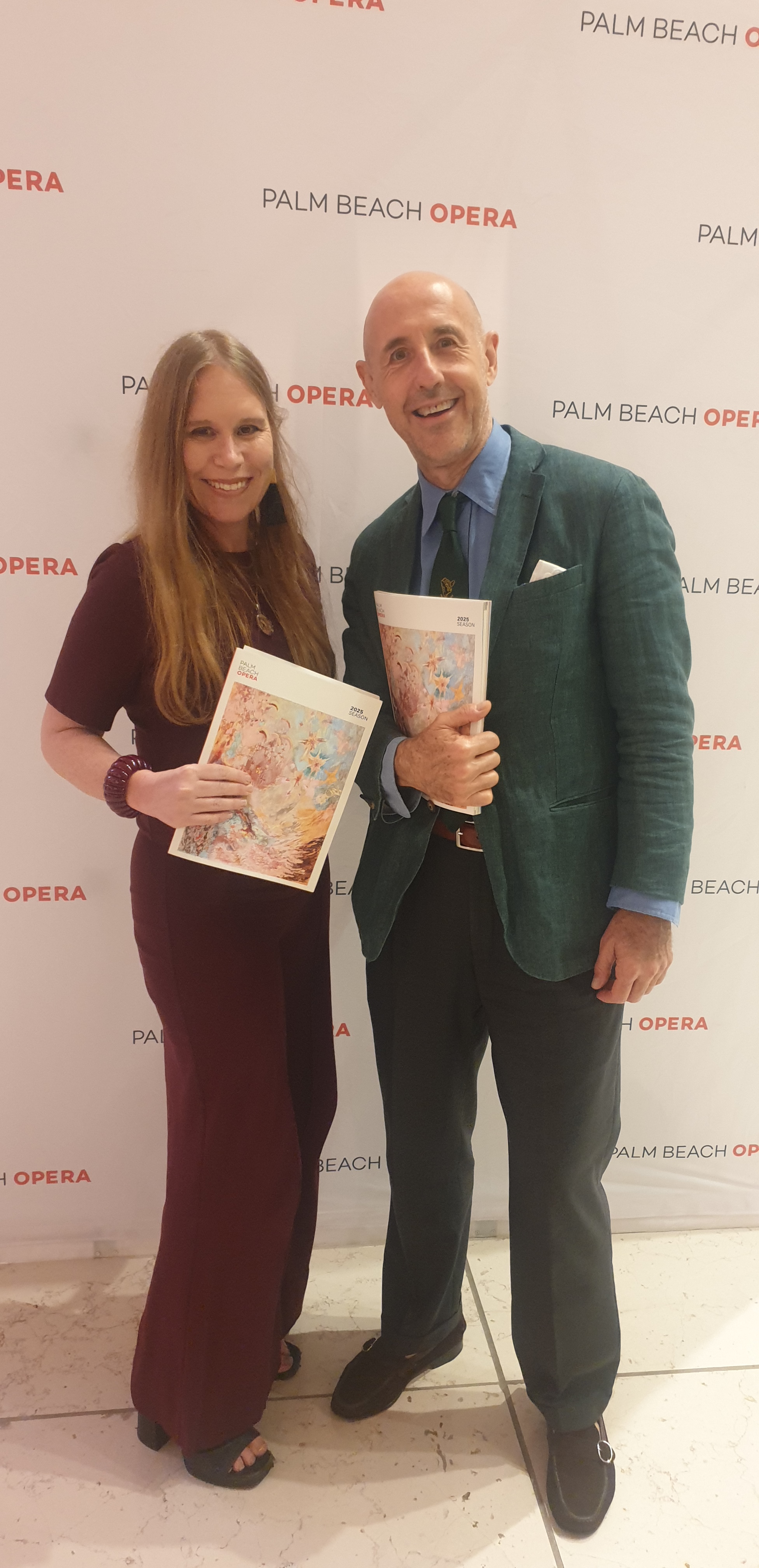
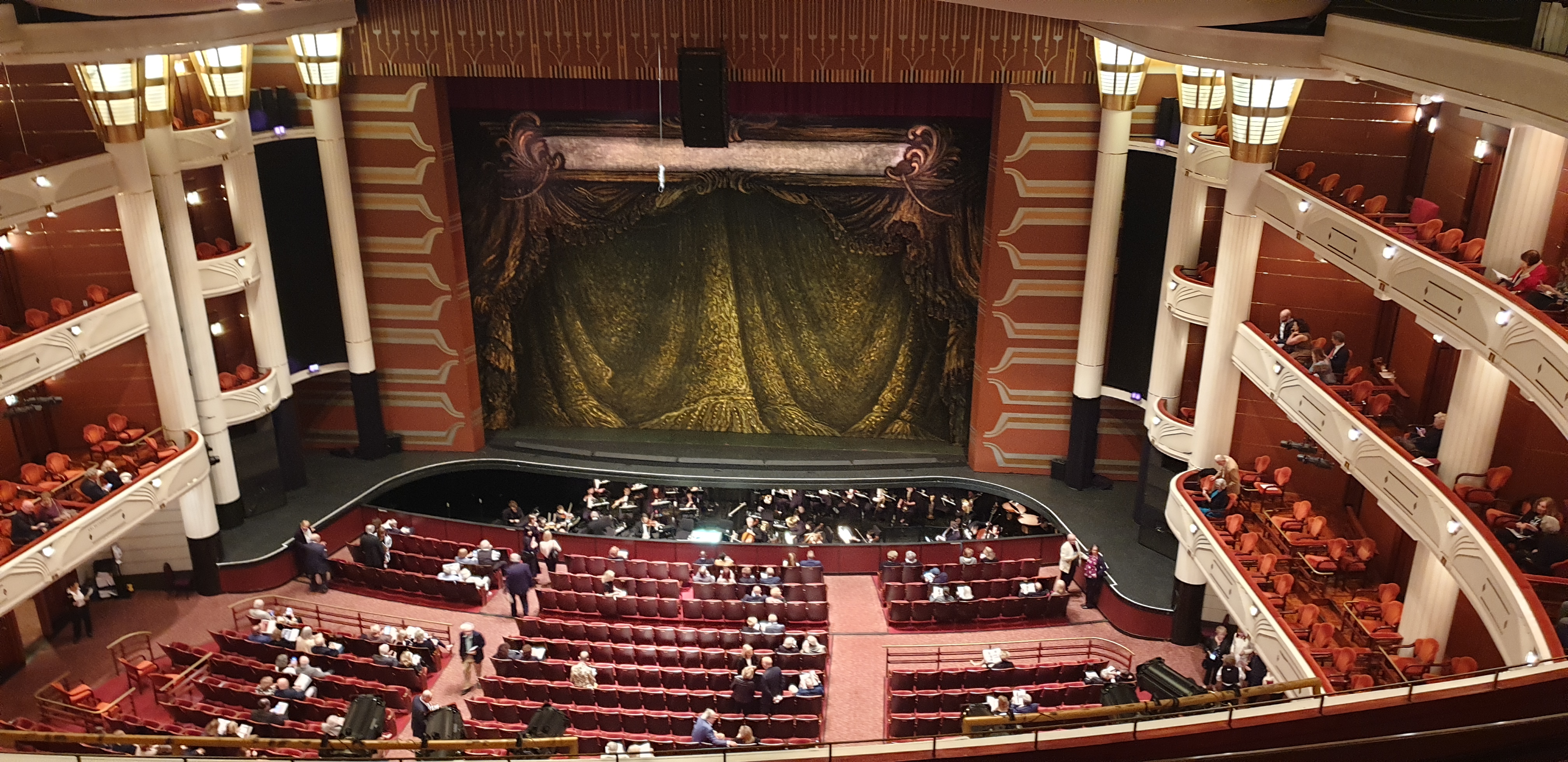
At any rate, I again had the chance to see La Traviata at the Palm Beach Opera last week in the Kravis Center with Caitlin, a work colleague and fellow opera fan.

The production was amazing! Gabriella Reyes, in her pro debut, hit it out of the ballpark, despite taking the current liberty of pushing the Sempre libera finale to E flat above high C notwithstanding that Verdi wrote it in high C, she is forgiven for following the trend. Mario Chang from Guatemala did a perfect job as Alfredo, and unexpectedly Michael Chioldi surprised as Alfredo’s dad, Giorgio Germont, totally channeling his best Gattopardo.

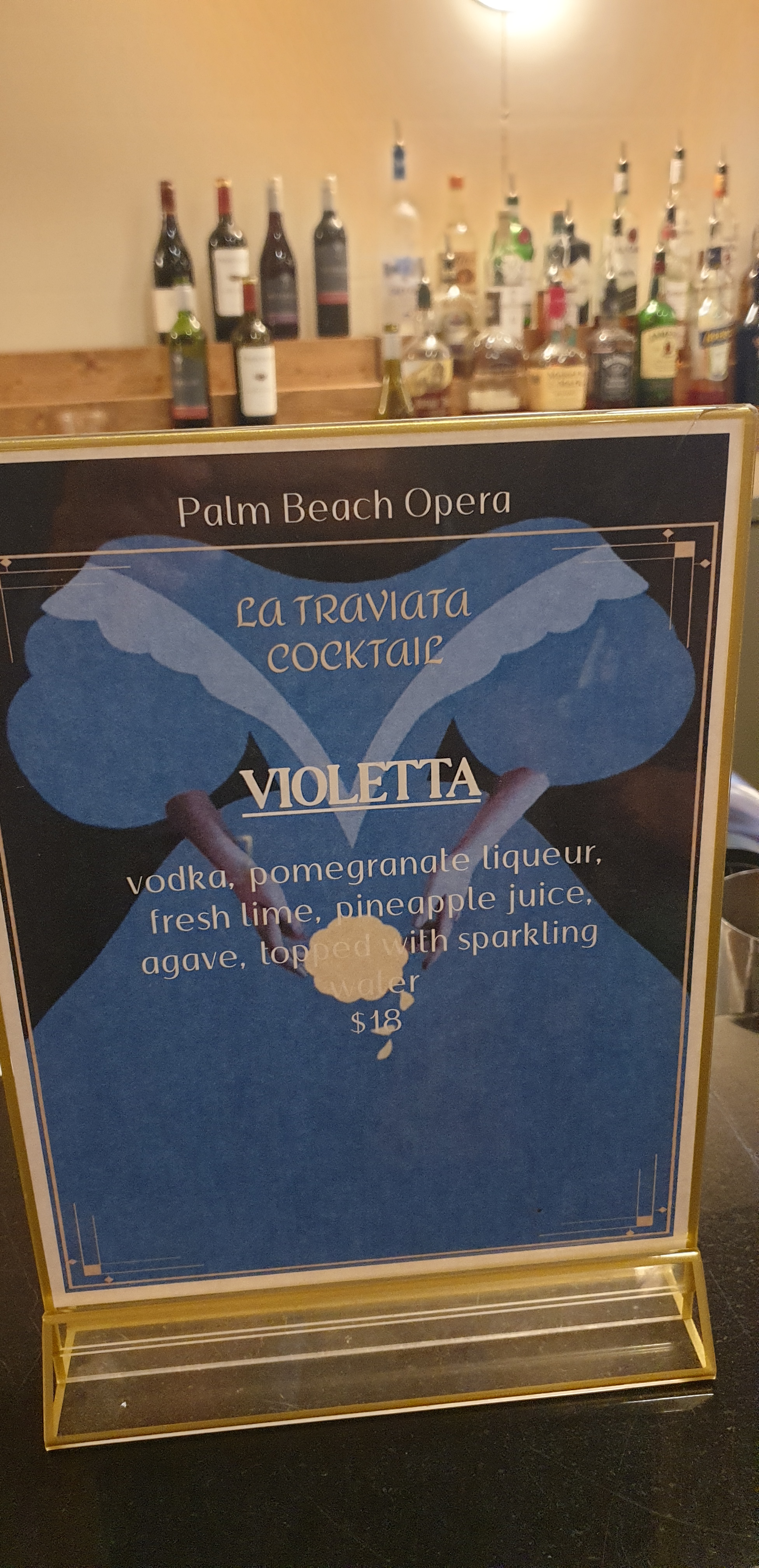
Palm Beach Opera was impressive in their attention to detail: the décor, the photocall, even crafting an apropos cocktail, the Violetta, which I must say, was delicious.

So if you get a chance to see La Traviata, do not hesitate to go. You are welcome.

Who was the first American (US) saint?

Don’t worry, I had no clue either. It was Mother Cabrini, who was Italian, but aren’t most Americans immigrants? (When was the last time you saw a native North American?)

At any rate, they made a movie about her -about time, for she was an amazing woman! The main problem with “Catholic” films is that they tend to be chronically underfunded, and it shows. Unless you are Mel Gibson and have access to Hollywood money, your production is going to be underfunded. See for example last year’s Santiago: the Journey within.

We can serve our weakness or we can serve out purpose, not both.

Cabrini

But Cabrini is not about production budgets, it is about the message of this tenacious, gritty, woman, who worked and worked and worked to help (initially) poor Italian immigrant orphans, but built a massive worldwide organization of schools, hospitals, and all sorts of charity work.

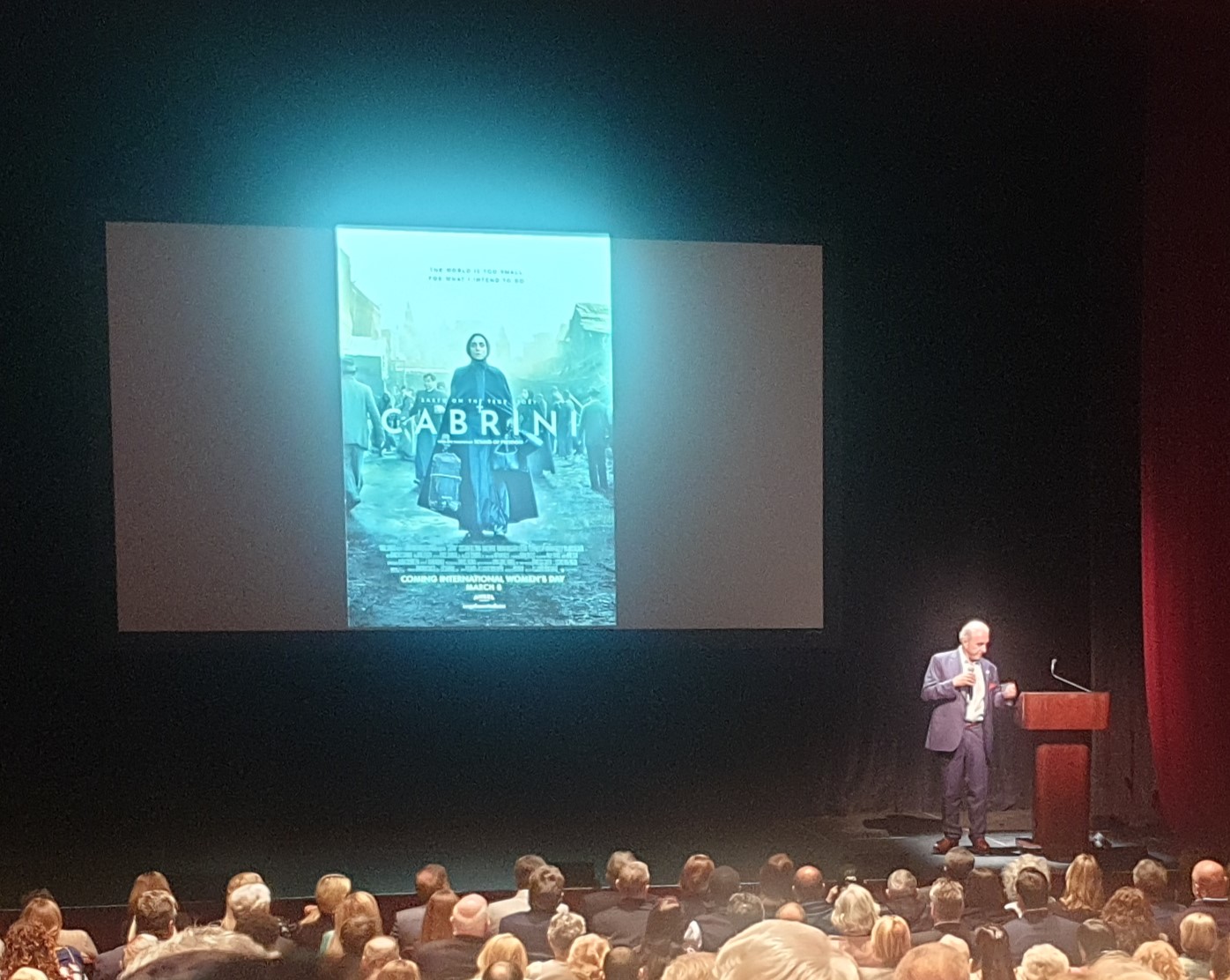
Apparently, one of the financiers of the film, Eustace Wolfington, is a Palm Beach resident, so they invited me to a prescreening at the beautiful Kravis Center, followed by a Q&A by the director Alejandro Monteverde, cinematographer Gorka Gómez Andreu and the phenomenal actor that plays Cabrini, Cristiana Dell’Anna.

The world is too small for what I am going to do

Cabrini

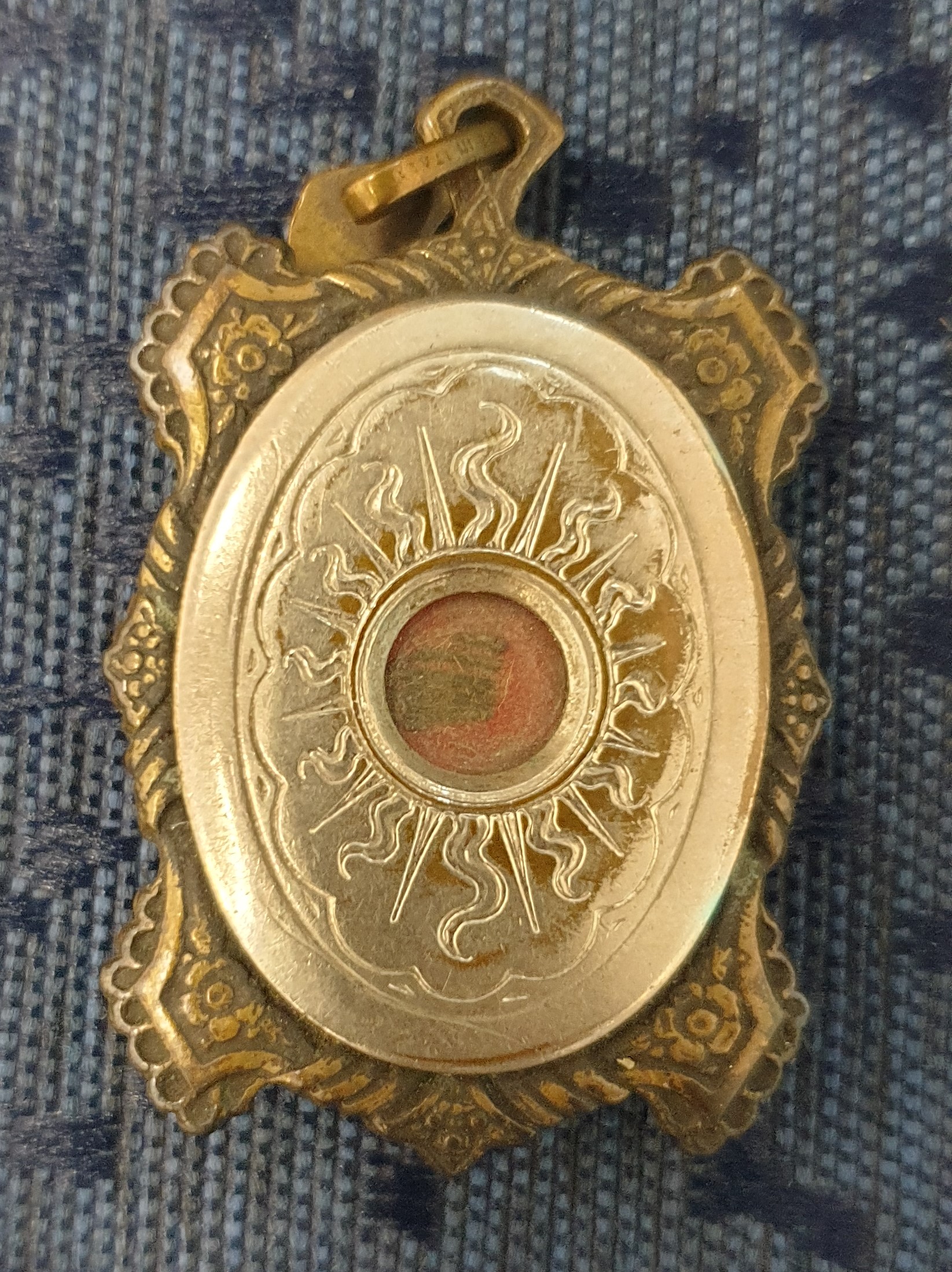
The next day, as I was making my daily coffee at the espresso machine, I was telling one of my students who happens to be of Italian heritage from New York, about the film. He knew about the patron saint of immigrants and told me that he would, in the future, love to have a relic of Cabrini… Later in the day, I was telling a colleague about the film. She opened her desk drawer and there, surrounded by paper clips, toothpaste, and assorted office material was, voilà … a relic of Saint Cabrini. I hear she has since given it to the student.

At any rate, the film is coming out March 8th, so book it to a theatre near you. Do not be a stickler for the production and just focus on the message. You are welcome.

We are bold, or we die.

Cabrini

West Palm Beach as an oasis of art and culture.

If you pay attention and follow this blog you will notice that the main topics covered are The Camino, academics and education, Literature, art and culture, and then a lot of random thoughts and stuff.

This reflects who I am, of what drives me, what makes me tick. And as such it is -I guess- remarkably reliable. The reason for my passion for art and culture lies in the emotions involved and invoked by art.

Fortunately, a lot of art is now accessible from the comfort of your home: film, books, and so forth. But, a lot of art has to be shared, you have to get out to experience it. I am blessed to live near Palm Beach, which is -I have said this before- an oasis of art and culture in this suburban wasteland that is South Florida.

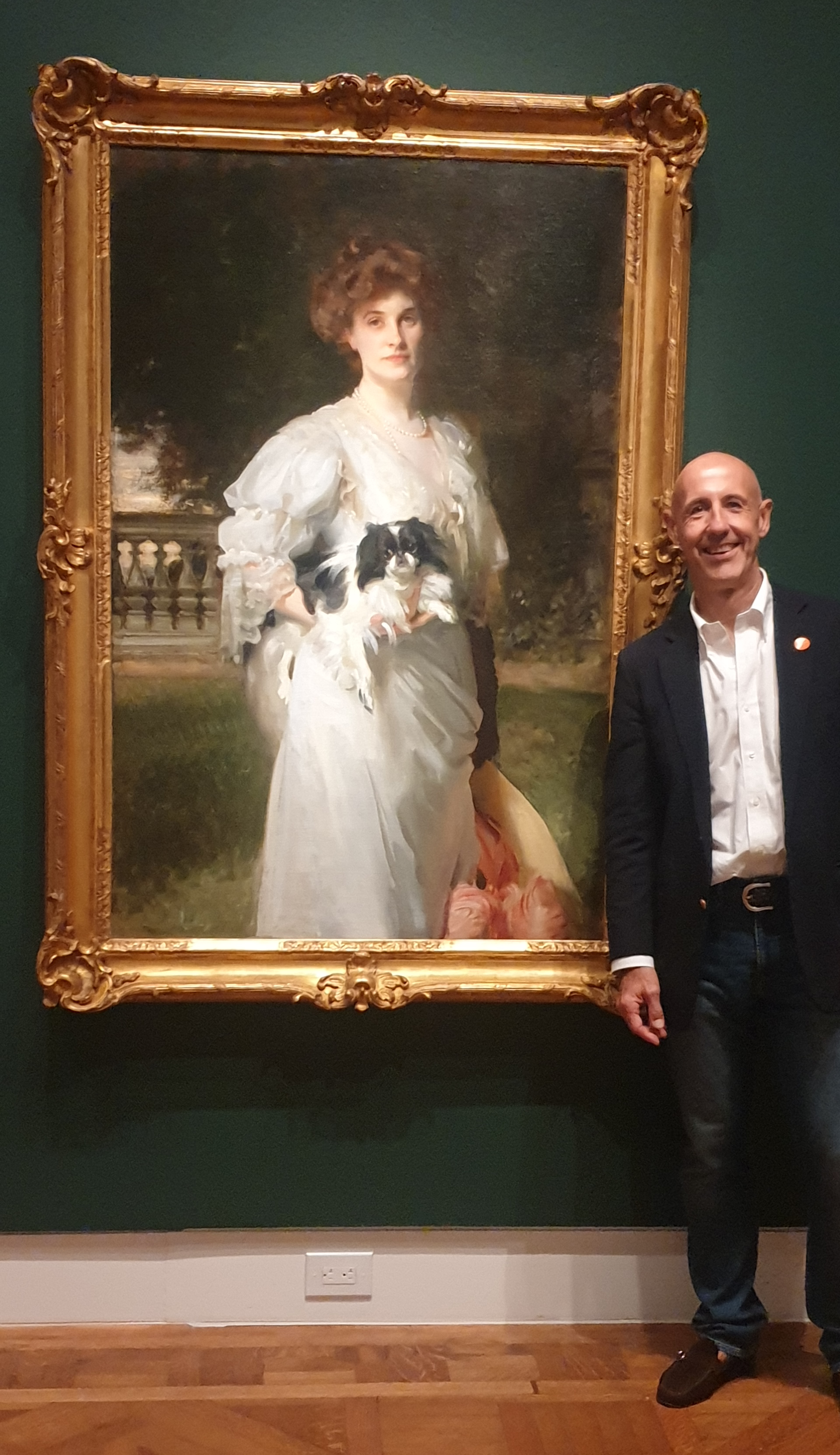
The Norton Museum gets a lot of attention in this blog because it is a jewel of a place which I love. I recently went to see their latest addition: John Singer Sargent’s painting of Amy Phipps Guest. It is a beautiful painting with illumination reminiscent of Sorolla (they were contemporaries and not only did their careers overlap, their technique is eerily similar).

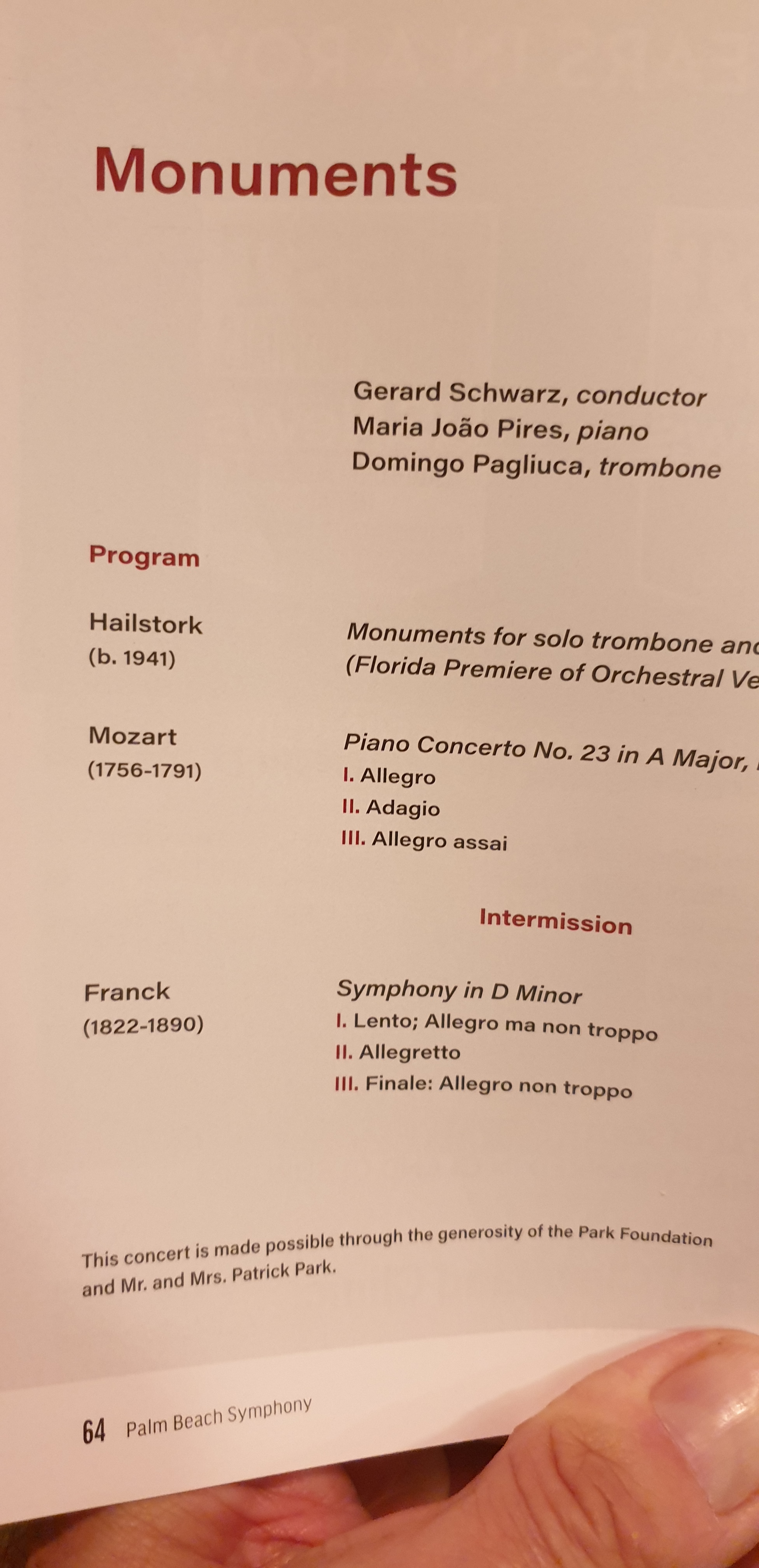
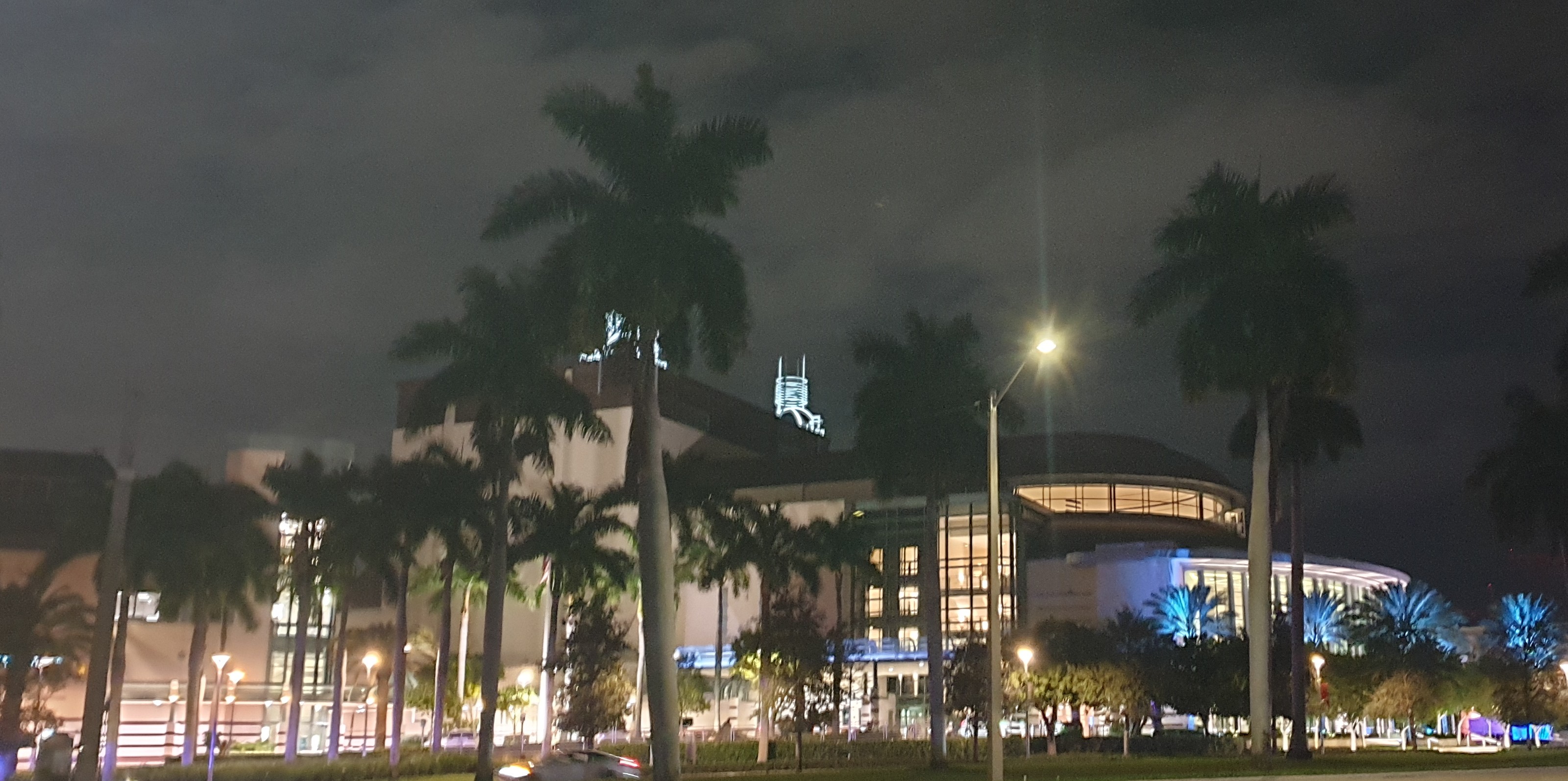
Another cultural treasure of Palm Beach is the Palm Beach Symphony, which I saw perform Handel’s Messiah in December. I recently saw them perform their season finale, at the Kravis Center, their “home”, which included Mozart’s Piano Concerto #23, Franck Symphony in D minor, and Hailstork’s Monuments for solo trombone

In conclusion: thank God for Palm Beach.