You should be meditating.

Stop, inhale, focusing on the air entering your nostrils or your lungs. Exhale, focusing on the air leaving your lungs or your nostrils. There, you did it!! For a brief time, you didn’t worry about what’s for dinner, your bills, the weather, what you were going to tell your boss, your customer, or your friend. You didn’t think about politics, and you weren’t scrolling through social media. You had a moment —albeit a very short one—of meditation. The trick is to do that exact exercise with your breathing for 5, 10, 20 minutes, or half an hour. The longer you do it, and the more often you do it, the better you will feel.

My dear friend Paco encouraged me to try meditating while I was in a deep, dark depression over ten years ago. It was not easy for a hyperactive fellow like me to embrace it, but now I cannot live without some quiet time every day. And although I have written about meditation here before, it was usually in passing while talking about health and mental health in general.

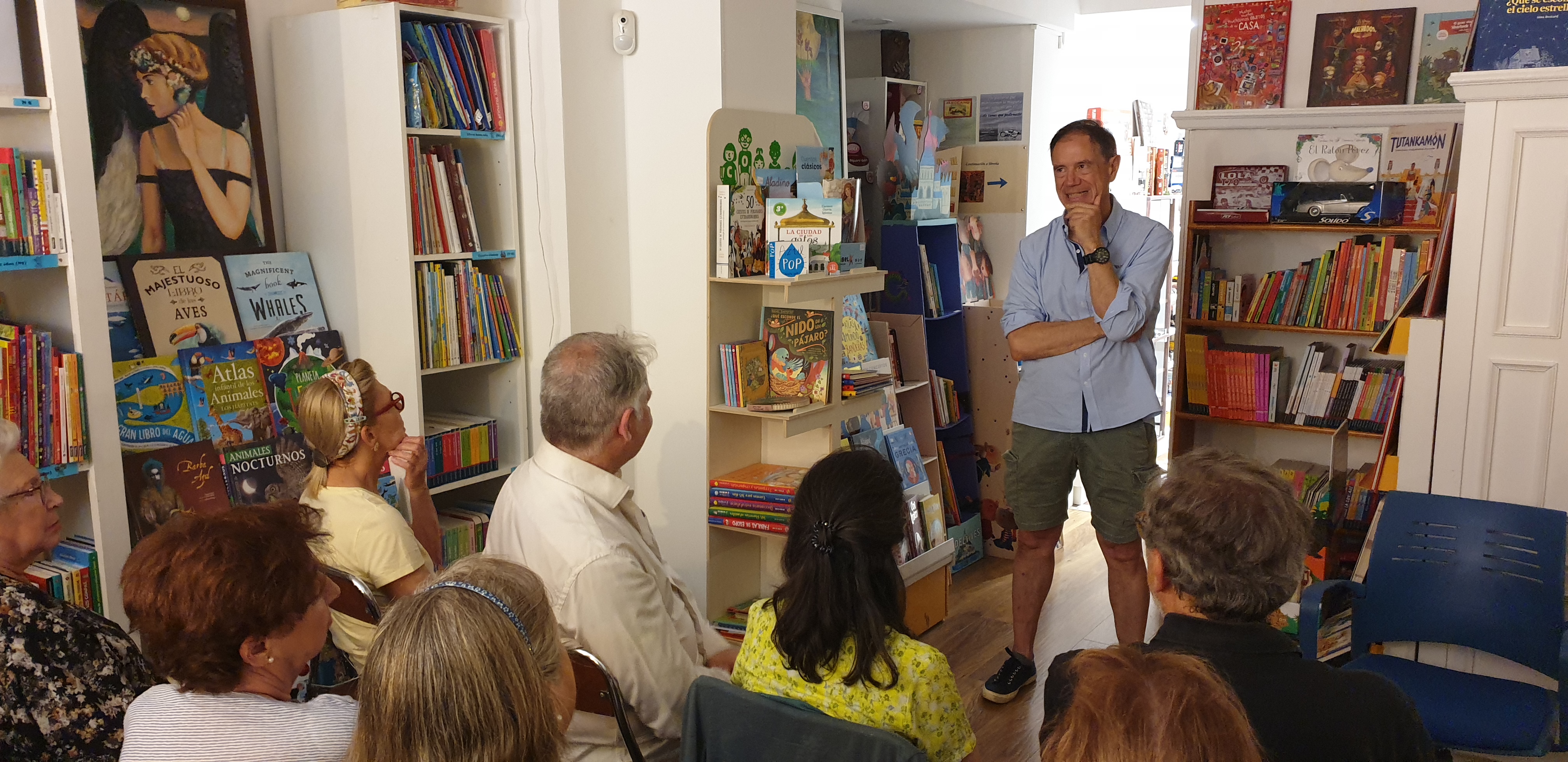
This all comes to mind because I recently had the opportunity to see and hear Paco give a presentation on Christian Meditation at the Antonio Azorín bookstore in El Escorial. He filled the room and had a wonderful talk. I originally thought the attendees were curious about meditation, but during the Q&A, I realized some of them were very advanced, although from different “schools” of meditation —see below.

There are many labels for meditation, just like there are many different philosophies and methods: Mindfulness Meditation, Mantra Meditation, Zen Meditation (Zazen), Vipassana Meditation, Transcendental Meditation (TM), or Body Scan Meditation. The ancient Fathers and Mothers of the desert, the early Christians, also developed a method of meditation which nowadays is called Christian meditation, or even centering prayer. Some recent Catholic proponents of meditation might be Thomas Keating, Thomas Merton, or Richard Rohr.

Whichever way you choose to sit down in silence is fine. Of course, nowadays you can use an app on your phone to time your sits, or to guide you. I have been using Insight Timer for years, and I love it!

Every class I teach at school starts with one minute of silence. This time is a buffer between whatever the students were doing before and class, between English and Spanish; it is a moment to regroup, to breathe, and for me, it is a minute of meditation.

Recently, Maria Popova also wrote about the importance of spending time alone and in silence, not exactly meditation, but close to it. Check it out here.

So carve out a few minutes from your day: when you wake up, before you go to sleep, in the middle of the day, or, paradoxically, if you are really busy, more than once a day. Whatever works for you, sit down, and start focusing on your breathing. You are welcome.

Oh, you should definitely check out this video of Villanova’s Fr. Martin Laird on the benefits of meditation. It is a bit long, but worth it!!

Mind, body, and soul, meditation, exercise, and yoga and more (not in any order)

Read good books, life is too short to read trash!!

Read good books, life is too short to read trash!!

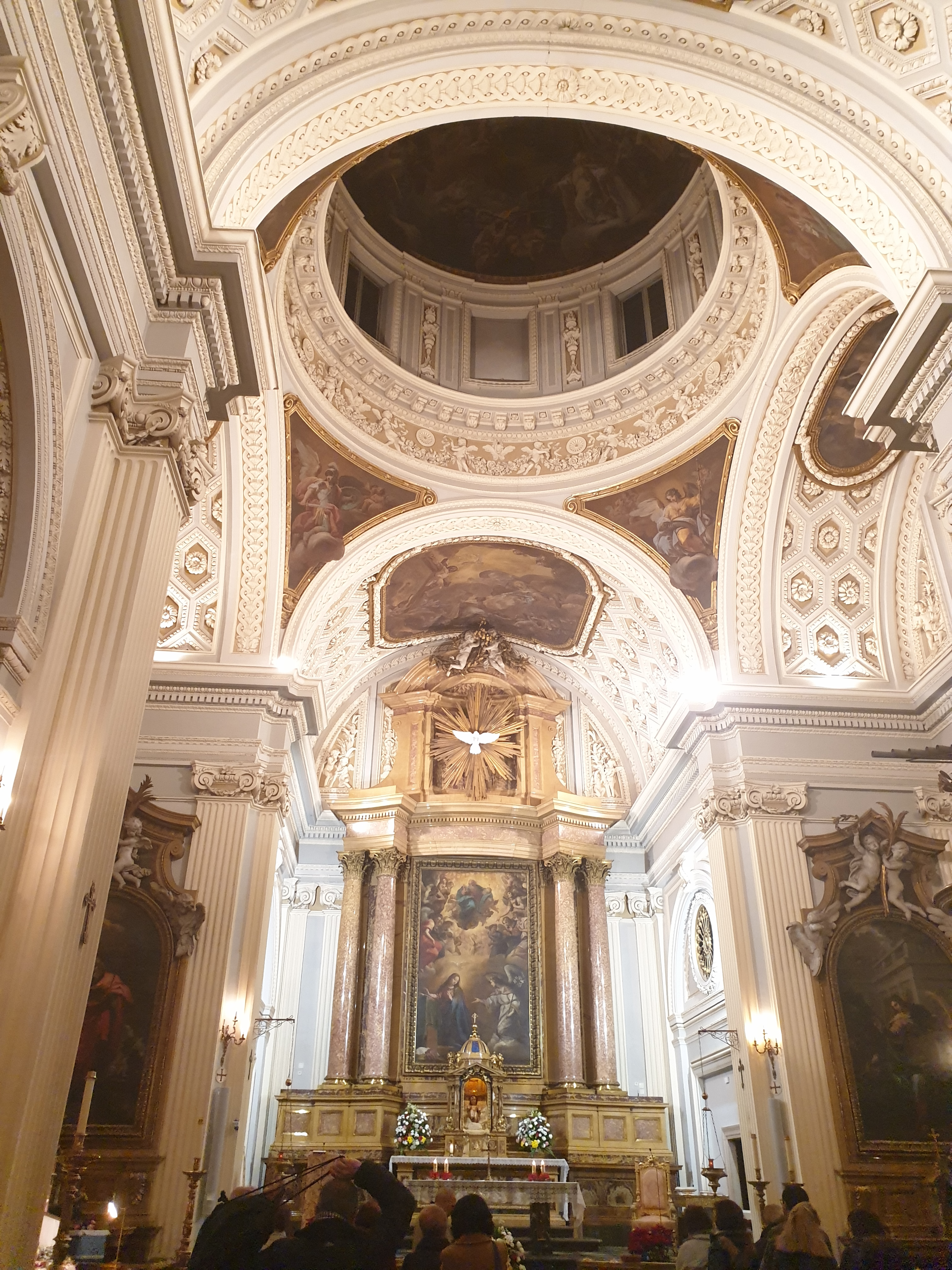
Going to church, any church will boost your soul

Going to church, any church will boost your soul

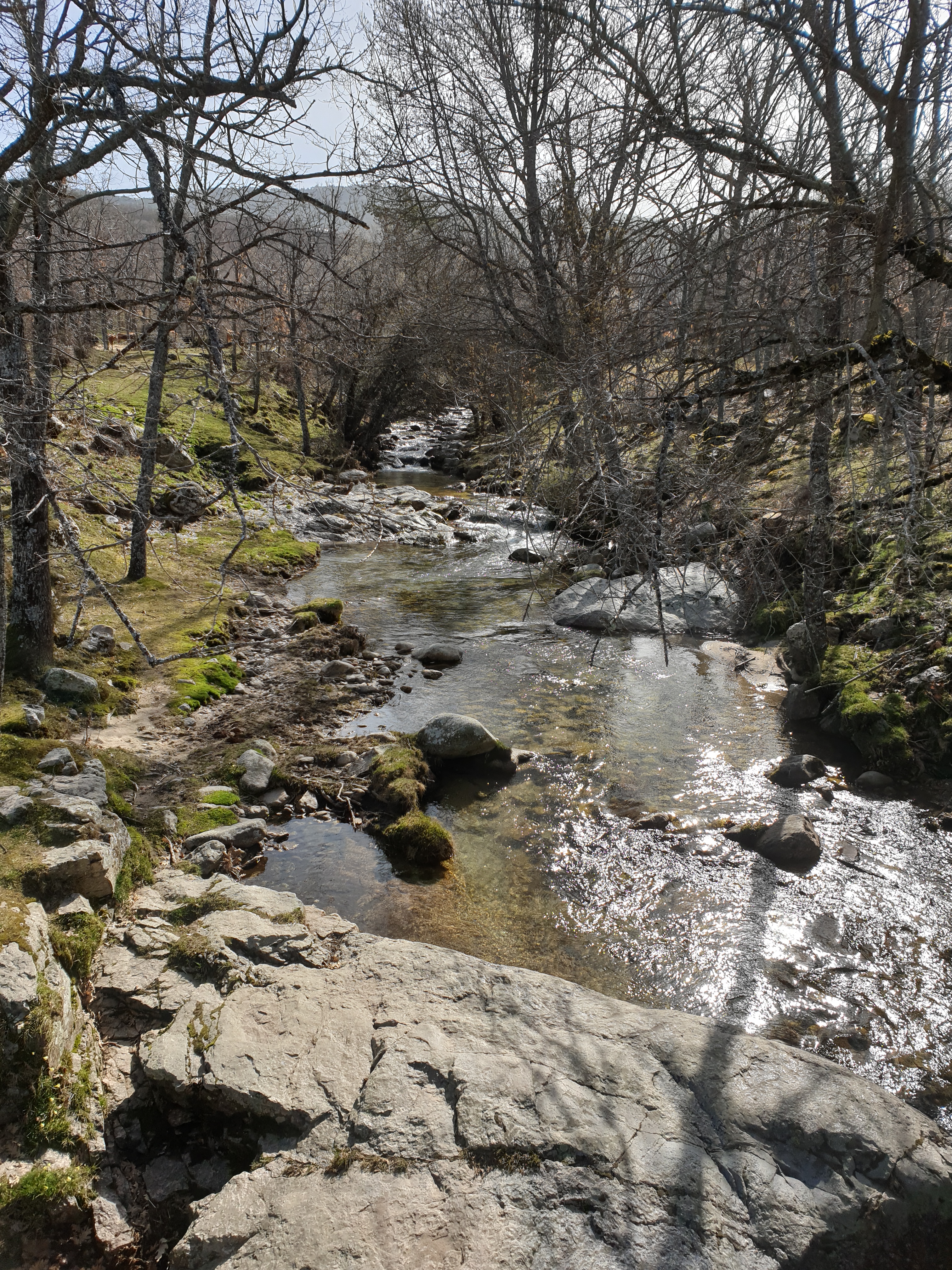
A walk in the mountains

A walk in the mountains

Last outdoor meditation of the day

Last outdoor meditation of the day

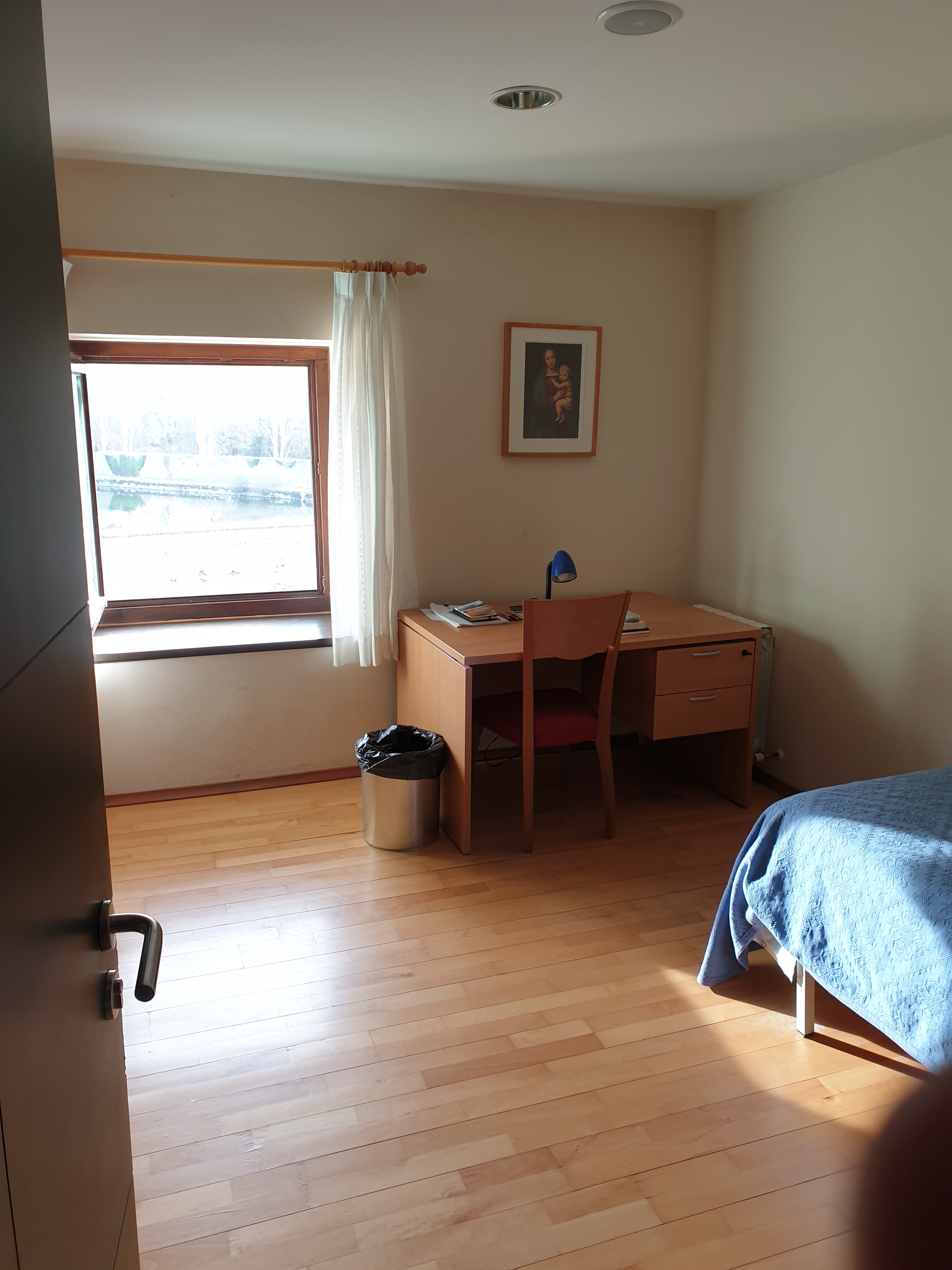
A simple cell in a monastery helps you focus

A simple cell in a monastery helps you focus

The Camino will change your life. Source: Club Renfe magazine

The Camino will change your life. Source: Club Renfe magazine

High fiving all around

High fiving all around

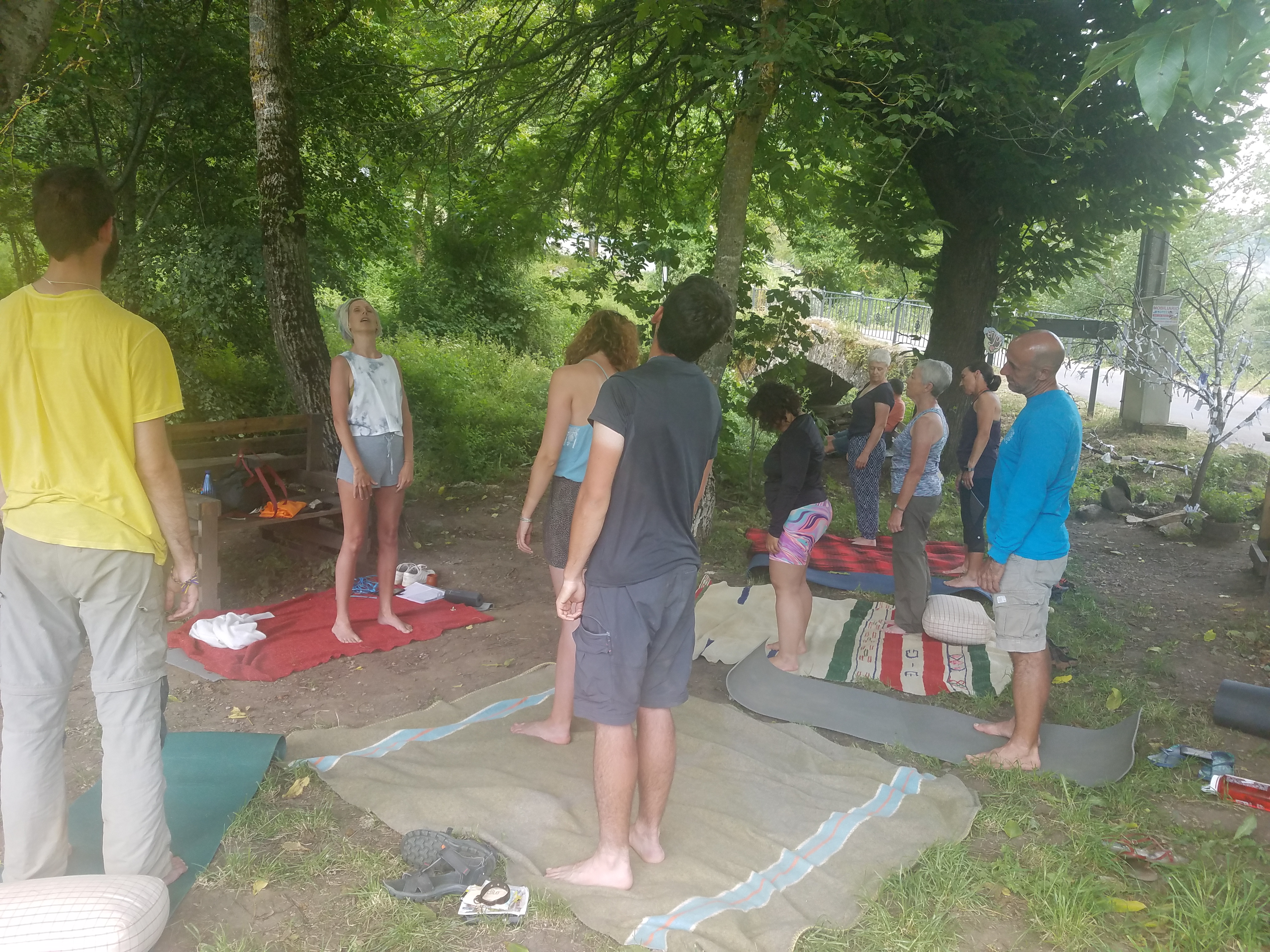
Practicing Yoga on the Camino, wonderful session!

Practicing Yoga on the Camino, wonderful session!

Richard Rohr's wonderful lessons

Richard Rohr’s wonderful lessons

For a few years, since 2010 to be precise, I have been actively seeking inner peace, not just talking about it with a drink in one hand and a cigar in the other, looking at the stars. It is only with breakage that one slowly lets go of the ego and matures through Kierkegaard’s three stages that we have seen before (the aesthetic, the ethic and the spiritual). I believe that all of philosophy and religion is based on understanding the existence of the ego and separating from it. We see it in the Stoics, in Jesus, Buddha, good literature, etc. etc.

With my divorce and the life changes brought about by that trauma, I started seeking solace and understanding. My knee-jerk, basically subconscious, reaction was going to church on Sunday– and have not missed a Sunday since (maybe a couple but only for reasons of force majeure). Other organic resolutions were to crank my exercise, to work with a therapist, starting with the amazing Dr. Nemser and others since, and volunteering. I started reading Scripture every night, and speaking of reading, I started seeking more profound books. Then I got hooked on Richard Rohr’s daily meditation. Then I started yoga. With time I started meditating, then came walking the pilgrimage to Santiago (I can’t wait for my fourth this Summer) eventually, back in Spain, my retreats to El Paular Monastery and starting a gratitude diary. Has it worked? All I can say is that I am happy to be on this path.

All these actions have gradually made me know myself better, which is to say my mental construct of myself: my ego. Understanding this is the first step in breaking away from that tyrant. You see, we are born ego-less, just living the moment, enjoying life. This is what Paul Tillich calls the Ground of Being, where we will return -hopefully- just before dying (if this is of interest, I recommend Kathleen Dowling Singh, The Grace in Dying). Then as we grow up we develop a strong sense of self, necessary to establish oneself as an independent being. This is one of the reasons I love teaching adolescents when this ego creation is on full blast. Once we establish ourselves we don’t really need the ego any more, but we stick with it, most of us until we die. Only through trauma, breakage, do we realize that the ego is not necessary, in which case we start to let go of it. That is where I find myself.

The church part is easy, you just go. While I do not necessarily enjoy all the dogma, I do enjoy the chance to reflect, the ceremony, the sermon if it is good and eventually the community. In fact, my church in Boston, Our Lady of Victories and here in Madrid, San Fermín de los Navarros both asked me to participate more actively by reading or being an altar helper. This tiny contribution to the community goes a long way in making one feel helpful.

I started seriously meditating in 2016. It is painful to quiet the mind –the ego- by making it sit still for twenty minutes, but eventually you manage. The trick is to be very still and focus on your breathing: feeling it, visualizing it, maybe quietly reciting a mantra to help you focus on the breathing. I use the Insight Timer app and it really helps and motivates.

The gratitude diary works like this:

  • Monday: write three good things that happened over the weekend.
  • Tuesday: Write about a good moment in your life.
  • Wednesday: Set a task and accomplish it!
  • Thursday: Write a letter (in your diary, or you can send it) to someone you are grateful for.
  • Friday: Write three good things that happened during the week.
  • Saturday and Sunday are off.

About the life changing experience that is the Camino de Santiago I have already waxed poetic many other times on this blog, so scroll down to read it!!

The Yoga bit is really enriching. As opposed to the US where Yoga is basically a workout, my teacher in Madrid, embraces it as it should be: a way of life, a philosophy. So there are lots of breathing exercises and meditation, and in between some movement ashanas. When a class is not available I use the Down Dog app on my phone

Last weekend I again managed to escape to El Paular Monastery to spend four days with the Benedictine monks. This is as simple a life as you will ever live. Praying five times a day, walking in the mountains, eating in silence, working in the monastery, meditating. If you get a chance to do a retreat, do not hesitate, the silence is worth it!!

In conclusion, yes, I am in the search for spirituality. Many folks say we they are in spiritual journeys, the truth is more that they are spiritual beings in human journeys.


Mind, body and soul, exercise, yoga and meditation

For a few years, since 2010 to be precise, I have been actively seeking inner peace, not just talking about it with a drink in one hand and a cigar in the other staring at a sunset. It is only with breakage that one slowly lets go of the ego and matures through Kierkegaard’s three stages that we have seen before (the aesthetic, the ethic and the spiritual). With my divorce and the life changes brought about by that trauma, I started seeking solace and understanding. My first, basically subconscious moves were to exercise, to work with a therapist (the amazing Dr. Nemser), I went to church on Sunday – and have not missed a Sunday since (maybe a couple but only for reasons of force majeure), and volunteering. I started reading Scripture every night, then I got hooked on Richard Rohr’s Daily Meditations, I tried to find inspiring readings, revisiting Tolstoy’s The death of Ivan Illich, Milton, Jalics, etc. With time I started meditating, then I started yoga, then came walking the pilgrimage to Santiago…

Little by little I started realizing in my body, mind and spirit that all these things were connected, that working with one affected the other two. Yoga, even weightlifting quieted my mind, meditating relaxed my body and spirit. Breathing helped me stretch during yoga. I realized that while we are made up of many different things, we are in fact one totality of being with a single energy.

I started yoga lessons in North Carolina about six years ago. It was the perfect thing for saturdays after friday night soccer games. And just like that I was hooked. I normally find a gym or a studio that has lessons, but in a pinch I use an app called Down Dog which is very scalable!

For meditation, I usually wait until the end of the day so I have nothing left to do that day. Or I parcel out a time to mediate. I sit and breathe, focussing on my breathing for twenty minutes. I use a great app called Insight timer where I can time myself, take courses, dial into guided meditations – and it keeps track of your progress!

Then I started using these techniques with my athletes when I coached, most recently and successfully the tennis players at the Hun School. Yoga on days in between games, a bit of meditation before games, it all translated to happier, less injured, more understanding players.

Volunteering has been a key factor in my recent growth and maturity. First at Community Servings in Boston cooking for sick, homebound families. In Chapel Hill I volunteered every monday night for four years at the Ronald McDonald House. In Naples I helped out the St. Vincent de Paul charities. Now in Madrid I’m helping at the Ronald McDonald Family Room at the La Paz Hospital in Madrid, for families with premature babies.

My second pilgrimage to Santiago I really focused on walking, meditating, stopping at churches for contemplation, doing yoga after the day’s walk. It really was magical, and I noticed a holistic improvement!

Healing is a long process that there is no way to rush. Acceptance, gratitude, patience, forgiveness, compassion, perspective, humility, understanding, generosity, none of these knock on your door overnight. One must consciously work at healing, it is slowly working for me, give it a try!