The Quixotic in David Lynch’s The Straight Story

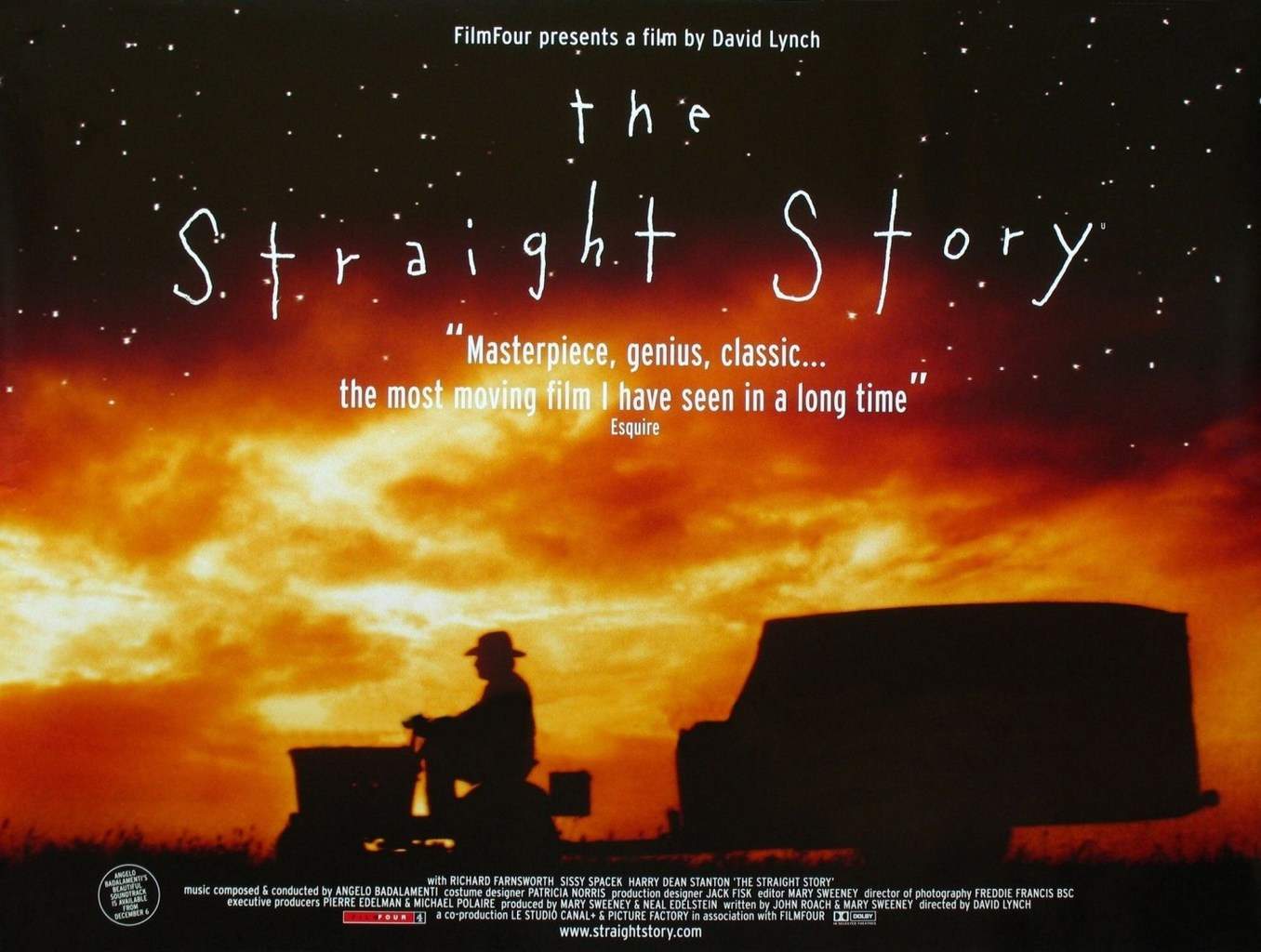
The Straight Story poster

When people think of David Lynch, they think of surreal, dream sequences and noir-style classics like Blue Velvet or Mulholland Drive. Because it is in essence a documentary, The Straight Story is the exception to the rule. It is based on the real story of a fellow, Alvin Straight—thus the name—who travels to visit his brother 300 miles away on a riding lawnmower!!

Due to Lynch’s recent passing, we just celebrated a David Lynch month in Film Club, and it was fantastic, a little homage, our tribute. We saw Elephant Man, Blue Velvet, The Straight Story, and Mulholland Drive.

One of the many things I learned during this month’s research is how much of a jokester Lynch was—what a character! But did he know how much of a Quixotic journey his film represents?

The few outward, visible clues that Straight Story is a Midwestern, late 20th-century Quixote story are that Straight is an older, skinny, rough-bearded fellow with an existential need to embark on this trip. Like Don Quixote, he has a false start to his adventure, returning home before starting his quest. He has a cohort of naysayers -hanging out at the local hardware store, the hardheadedness, a boring home life; although he has a loving daughter in Sissy Spacek, a phenomenal, but underrated actress.

The Straight Story poster

Along the way, he has many adventures: he encounters a group of cyclists, reminiscent of Quijote’s encounter with the herd of sheep, the lady who keeps running over deer, a few close encounters with 18-wheelers, giants? Etc.

But at the end of the day, this is a story of a man seeking his redemption, it is a physical representation of an inner journey, it is an existential, transcendental quest. It is important to know that while most road films represent an escape, in this case, like in Quijote, the journey is a necessary trip of personal realization.

The film is beautifully shot with great photography of the vast Midwest, not unlike the plains and hills of La Mancha. Straight camps out most nights, and like Quijote depends on the charity of strangers to progress on his trip.

One could argue that most road trip films are in some way Quixotic, but I argue that Lynch’s Straight Story is particularly so.

Sphinx Virtuosi and the freshness of American classical music

The fact that America is a relatively recent addition to the Western artistic canon is a good thing; it brings a certain freshness and hopefulness that is wonderful.

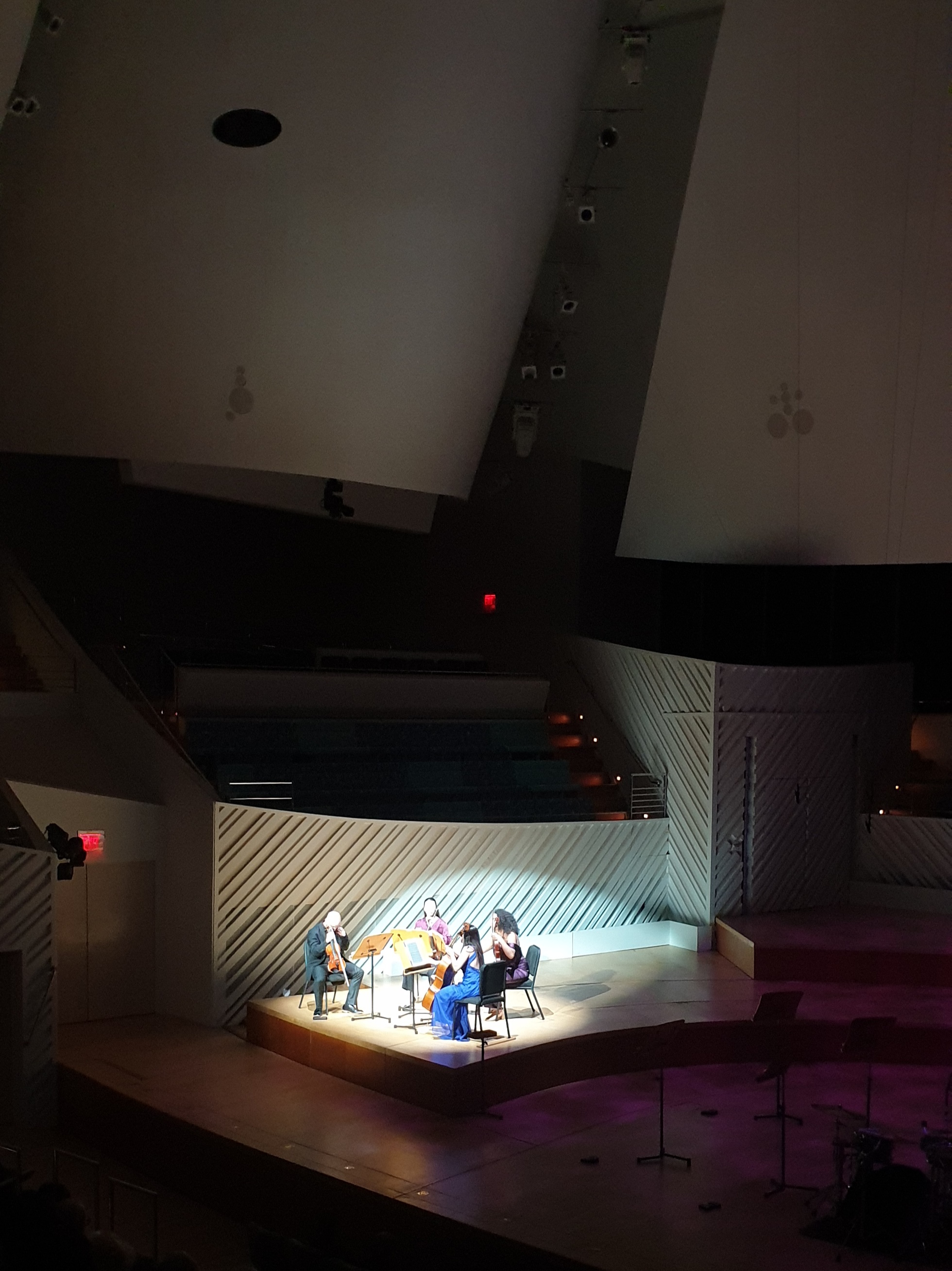
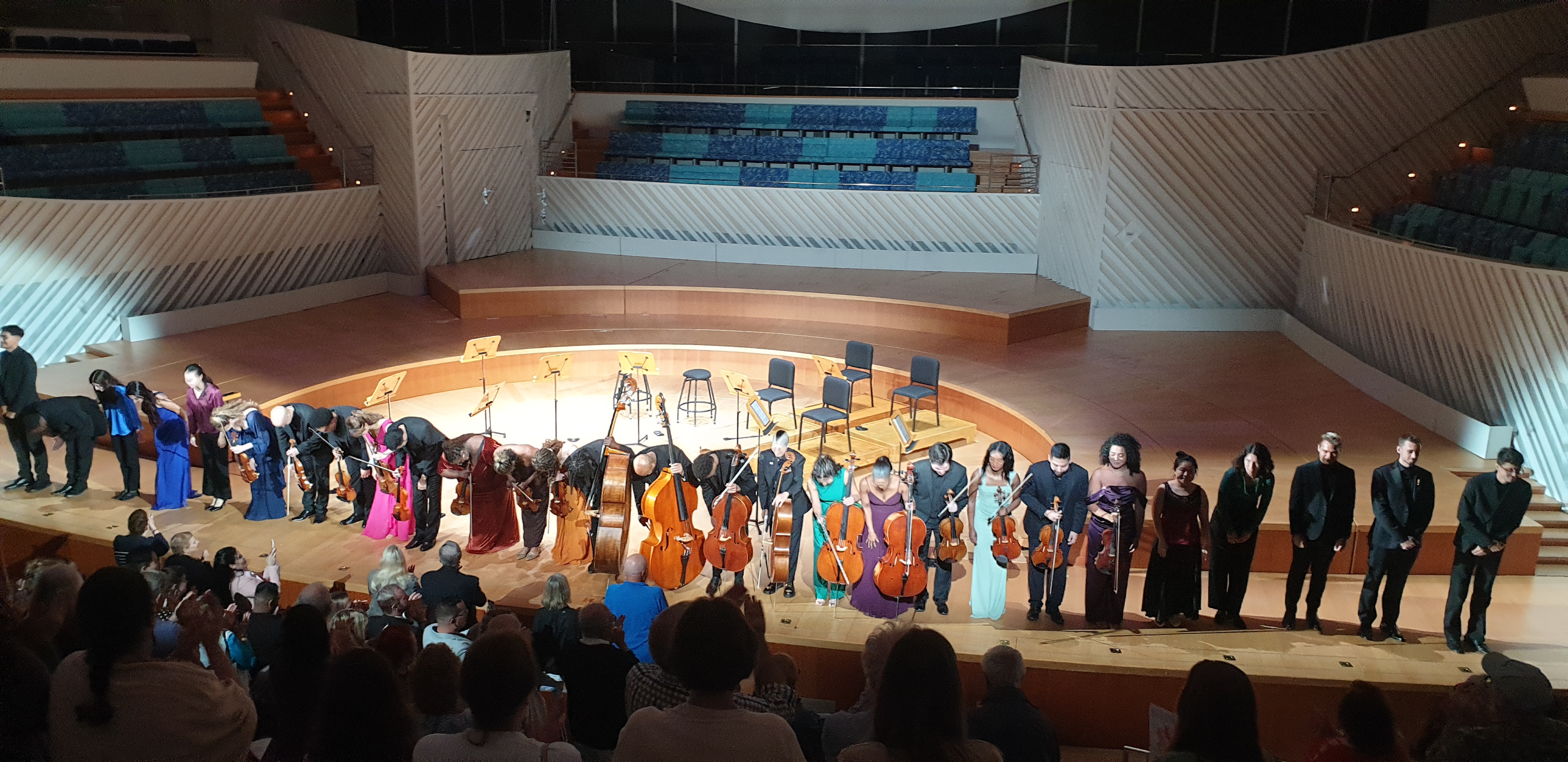
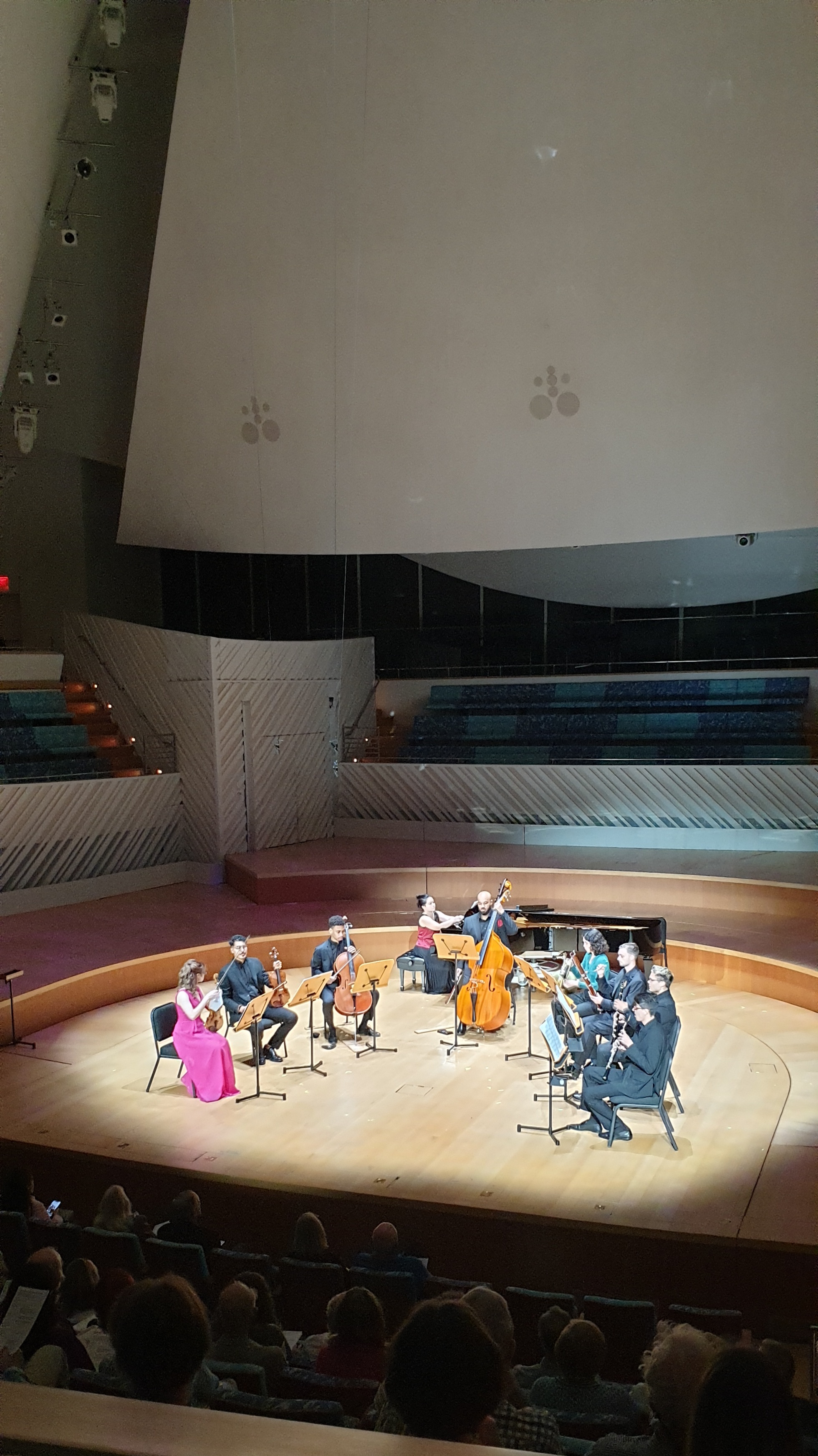
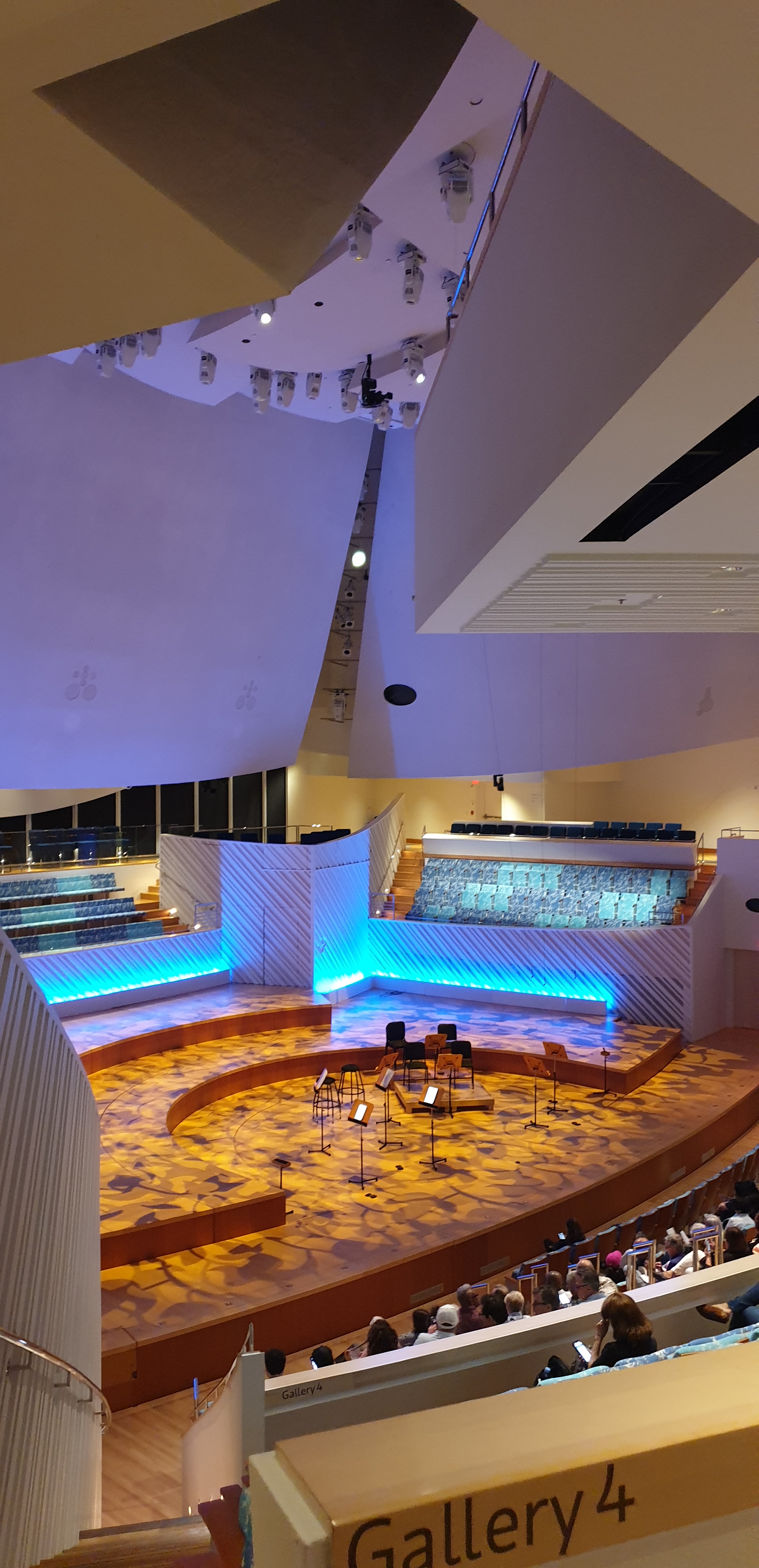
I recently had an opportunity to enjoy a full program of classical American music played by the amazing, creative, and innovative Sphinx Virtuosi at the New World Center in Miami Beach.

Although driving down to Miami is dreadful, seeing the Sphinx Virtuosi always makes it worth it.

The opening number, Scott Joplin’s Overture to Treemonisha, was an inspiring, hopeful number. Other numbers featured music inspired by Peru and Venezuela. You can see the whole program here.

For me, this is more than a regular concert. Three of my old students play in this orchestra! Bill Neri, the ultimate violist, is also the founder of Film Club and a dear friend. Tommy Mesa is a prodigy cellist whom I have already written about here. Celia Hatton is another firecracker violist who was also in my Spanish classes! To see these young professionals flourish in such a demanding but beautiful field is an incredible reward.

American Form/s is a musical tapestry depicting the many sounds of American classical music. Vibrant, varied, storied, and new, the self-conducted string orchestra Sphinx Virtuosi takes audiences on a journey through classically-framed infusions of soul, bluegrass, jazz, blues, and elements of rag. Works range from reimaginings of Joplin’s joyous landscapes to the complex rhythms of Curtis Stewart and brilliant influences of immigrant composers like Teresa Carreño. Experience the intricate harmonies and world influences of Derrick Skye’s writing, as well as modern interpretations of soul-stirring spirituals and more in this program carefully and collaboratively curated to celebrate the richness of the American musical landscape.

Sphinx Virtuosi: American Form/s

Andrei Tarkovsky’s The Mirror

You have been a member of Film Club for 4 years now, you have seen many movies throughout your life, and you have even taken a couple of film classes -in graduate school! So you consider yourself a bit of a film connoisseur, a snob. You have seen the mesmerizing photography of The Proposition, the achingly beautiful La Grande Belleza, The Godfather trilogy, Oscar winners, you name it. Then you watch Andrei Tarkovsky’s The Mirror, and you realize that you have never seen a film like that, that you had no clue of what can be done with film, of how a story can be told through film. You feel like a beginner, an amateur. And it’s a 1975 film!

Imagine sitting on a long road trip and your travel partner reciting childhood stories, dreams, memories, and the like, nonstop, with no transitions, oh, and with beautiful music playing like Bach’s St. Matthew’s Passion. And that partner is Russian, so they have a very acute sense of the absurdity of life, and of history; of the Spanish Civil War, of WWII, that film is The Mirror.

If you read the reviews, they all mention stream-of-consciousness as the driving technique in this film, but this being a film, not printed page, it does not fully convey the power of the images, the ambiguity, the anxiety, and most importantly the beauty of the film.

Although the film is not about Magical Realism, it feels that way, like you are reading a Gabriel García Márquez novel (I have yet to see a good representation of Magical Realism on film, if you have a recommendation, drop in the comments, thanks). Yes, the camera work, the tracking angles, the lighting, it is all there, and you can talk about the technical bits, but at the end of the day, it is a beautiful film, one that blows your mind and changes the way you experience film forever.

I cannot wait to see more Tarkovsky films.

A weekend celebration of friendship and love

In the early 90s I was working at a boutique investment bank in Madrid, when a new intern straight out of college came in from Atlanta. I was only a few years out of college and had just returned to Madrid a few months before. Quill and I hit it off grandly! We went out, partied, I taught him to ski (remember, he was from Atlanta) and to ride a motorcycle. We had a great time, and we became close friends.

Daniel was the Director of the Writing Studio at Walnut Hill; I admired his capacity for quick wit and deep thought. I once had him give us a master class on Neruda’s 20 Poemas de amor, I was flabbergasted by how he dissected Neruda’s work. We left Walnut Hill at about the same time. He teaches English at Emory in Atlanta.

Bob was my student at Walnut Hill. After graduation he went to the New England Conservatory where I would occasionally go to his recitals and concerts. He eventually landed a position with the Atlanta Symphony, and we sort of lost touch for a few years until Film Club reunited us.

Bill was also my student at Walnut Hill, he plays the viola. He checked in with me when he went to audition for the Naples Symphony. We had dinner and a cigar, and caught up. When he read my blog post about JoJo Rabbit, he was inspired to start Film Club with a few other misfits.

Bob got married this weekend, so I got on a plane to Atlanta and went to see all these dear, dear friends.

Quill took me to lunch to an amazing Venezuelan restaurant where I had the best arepa I have had in a long, long time. I last saw him when I rolled into Atlanta on my motorcycle looking at PhD programs in 2011. We caught up, chatted, and remembered old times.

Daniel met me for coffee at a great little coffee shop aptly called The Reading Room. We sat al fresco and caught up on our lives since leaving old Boston.

Bob was getting married, so he did not have a lot of time for chitchat, but we did have a few conversations. Also, I talk to him every month during our Film Club meetings!

Bill invites me to his concerts when his orchestra plays in Miami, plus he spent his Summer in Madrid, but I still loved seeing him and hanging out with him. And I also get to see him in Film Club!

The wedding was beautiful. Although I have been to a few weddings, you could really feel the love in this one. Yes, everything was perfect down to the last detail: The ceremony was intimate and included one of Bob’s best friend on the piano (so you know it was good), Alina’s dress was perfect for her, the cocktails were delicious, as was dinner, the dancing was on point, etc., etc. but all that means little compared to the joy of love being celebrated. I really enjoyed it!

My heart is still overflowing with the love and friendship I experienced this weekend.

Art as meditation, Sphinx Virtuosi

Richard Rohr recently explained in his daily email about the transformative power of art (see below). Although this is something we have known for a long time, I was just thinking the same thing recently.

My dear friend, old student, Film Club founder, and overall formidable fellow, Guillermo recently invited me to see him perform with his orchestra, Sphinx Virtuosi, at the New World Center in Miami.

When the art hits, when it envelops you, your attention is focused on the art. You are not thinking about bills, work, what’s for dinner, etc. At that moment, at that point, you are as close to the divine as you are possibly going to be. The beauty of this moment is that it happens without conscious preparation, you just hit the moment, and it is beautiful.

The Sphinx concert featured their amazing musicians, all of which are at the top of their game, with musicians, fellows, from the New World Orchestra in a fluid collaboration. William is not my only old student playing in the Sphinx Virtuosi, Tommy Mesa whom I have mentioned before (here) and Celia Hatton who, like Guillermo, plays the viola, were also my students. Having a drink after the show I met Canadian-Caribbean violinist Maithena Girault.

So go immerse yourself in art, the more you appreciate art, the more chances you are going to have of being transformed by it. It could be a concert, in a museum, any form of art has the power and potential to elevate you. Be open to it.

You are welcome.

The Holdovers, an ode to Stoicism.

One of the many blessings of Film Club, beyond the fellowship and deep discussions, is that every few months you watch a jewel of a film. This month’s theme was Boarding Schools, and the repertoire was: Louis Malle’s Au Revoir les Enfants (1987), Netflix’s version of Matilda (2022)(ok, not a boarding school, but it might as well be), Robin Williams’ classic Dead Poets Society (1989) and a film I had never heard of: The Holdovers (2023).

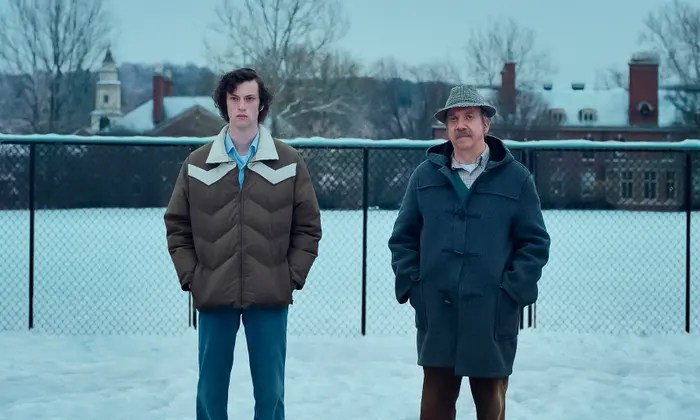
There are many factors that make The Holdovers a fantastic film -at least for me: it is filmed in two main locations I know and love well, New England boarding schools, and Boston, my beloved old Bostonia, Paul Giamatti, wonderful photography, and an insightful narrative.

As I mentioned the film starts in a New England boarding school (it was filmed in half a dozen of them, including a scene in Waltham, home of my alma mater Bentley College), so we have the whole school as the cast. Christmas break arrives and the cast is narrowed to five students who are stuck in school over break with a teacher (Giamatti) and the cook. The dad of one of these holdovers, the CEO of a helicopter manufacturer will eventually pick up his son and the rest of the boys -except one, Angus Tully (Dominic Sessa) to take them skiing. The brunt of the story is then the three holdovers: the student, history teacher Mr. Hunham, and the cook, Mary Lamb (Da’Vine Joy Randolph).

Yes, the film touches on the inequalities of the “legacy students” -children of wealthy alumni, family dynamics, class inequalities, etc. But those are accessory to the plot.

What could these three different people have in common? You might ask. Well, what we all have in common: our brokenness. And this is where the film shines. The big clue comes when Hunham, gives his two Christmas companions copies of Marcus Aurelius’ Meditations “For my money, it’s like the Bible, the Koran, and the Bhagavad Gita all rolled up into one.” At the end of the film, we will see a box full of the books, Hunham’s go to present, apparently.

Stoicism is less a philosophy and more of a way of life: understanding what is under our control, and if it is beyond our control, there is not much we can do about it but accept it. (I recently wrote about this here). Of course, it is difficult for us to become full, real stoics, it is a lifetime process. Our three protagonists -eventually only the two men in their “field trip” to Boston, struggle with their issues. Despite the obvious age difference, we see these two men are basically the same, a mirror image in their brokenness.

As any good film does, The Holdovers makes the viewer consider their lives and how to deal with their issues, and at the same time enjoy a wonderful cast, beautiful photography, great early seventies music and Paul Giamatti.

Enjoy the 70s style trailer:

70s style trailer is classic!

Seven Samurai vs The Magnificent Seven a cultural perspective

Unless you want to see hundreds of articles comparing these two films, do not type this into your interweb search engine. As usual, I want to give it a bit of a twist and look at the cultural angles of these two films beyond the obvious.

Or maybe not so obvious; yes, here is a Japanese and the Western remake that ensued, but what I found interesting was the approach from each filmmaker’s culture.

Kurosawa is meticulous in his approach to his film, showcasing Japanese traditional arts and crafts, even down to calligraphy, flag making, or traditional rice planting! The film underlines Japanese social strata particularly the difference between the farmers and the Samurai class. Coincidentally, we recently saw Jiro Dreams of Sushi in Film Club, and despite the many differences: 2011 documentary vs 1954 fiction, Seven Samurai reflects Japanese artistry and attention to detail, much like sushi making is.

The Magnificent Seven does not have the cultural weight to pull, so it focusses more on the ethical issues of good and bad and on character development, it is Hollywood after all. But the filmmaking compared to Kurosawa is sloppy, even careless. The film is basically pulled off by Yul Brynner, Steve McQueen and Charles Bronson’s magnetic charisma added to James Coburn to round off a magnificent cast.

Of course, the first big difference is that Samurai is almost three and a half hours long compared to the more normal two hours of The Magnificent Seven, so the cutting corners is evidently evident.

Another main difference is that the weapons used in Samurai are swords and spears with only a minor use of a couple of muskets whereas Magnificent revolves around revolvers and rifles, which changes the dynamic of the conflict and the engagement.

Overall, Seven Samurai is a work of art, a masterpiece of cinema, whereas Magnificent Seven is just another Western.

On the importance of keeping the flame of curiosity burning strong.

Stay curious my friends

Hmm, the Interweb is full of encouragement to keep you curious, who knew? And yet we continue the death scroll of doom on social media, we stick to our thoughts and convictions, we are unable to change our minds, we are right, and we already know everything.

The other day I went to a lecture about the martyrs of La Florida given by my dear friend and colleague Fr. Cristian Sáenz SJ who is a scholar of Early Church History, and he mentioned that his hobby was researching the martyrs of La Florida (I have attached the lecture below, because it is awesome, and he is awesome!). But this comment got me thinking about the importance of keeping the flame of curiosity burning strong regardless of your age.

For me that involves not only reading across different disciplines; from current events and pop culture to Enlightenment and Romanticism texts, to articles about the films we watch in Film Club (pro tip: go to Google Scholar, there are many available academic texts that you can access skipping the self righteous academic databases) -and obviously the films themselves, but to then see if there are any dots there to connect. You would be surprised.

The key process here is to digest and process all new information, how it makes you feel, does it change anything? Does it agree or disagree with previously held beliefs? This digestion happens in silence, in contemplation, or in conversation.

Although I am focusing here on intellectual curiosity, go ahead try new food, listen to new music, talk to people you have not met before. In other words, push beyond your comfort zone, try new things and experiences. You are welcome.

Keep calm and stay curious

Happy second birthday Film Club!!

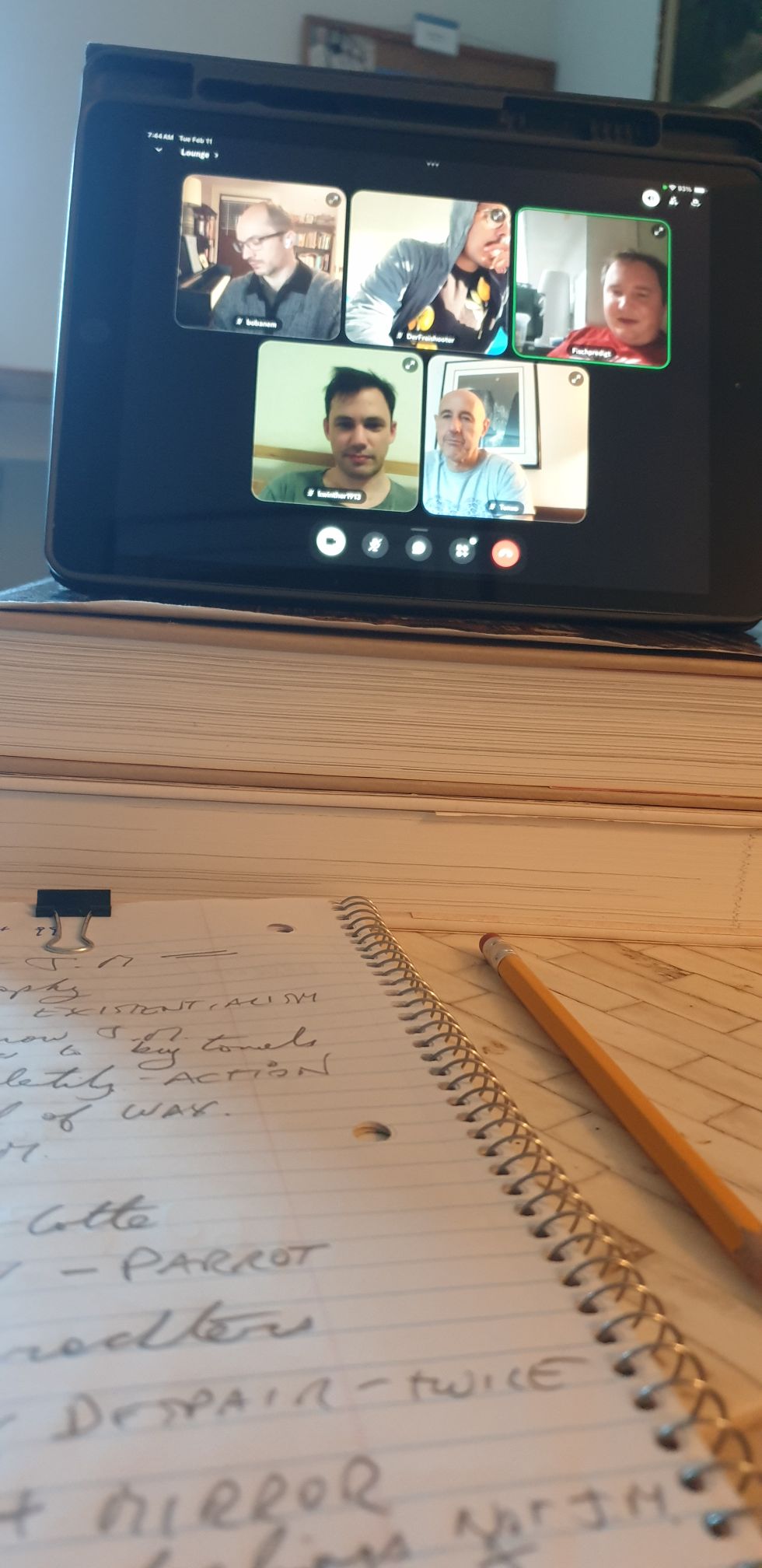
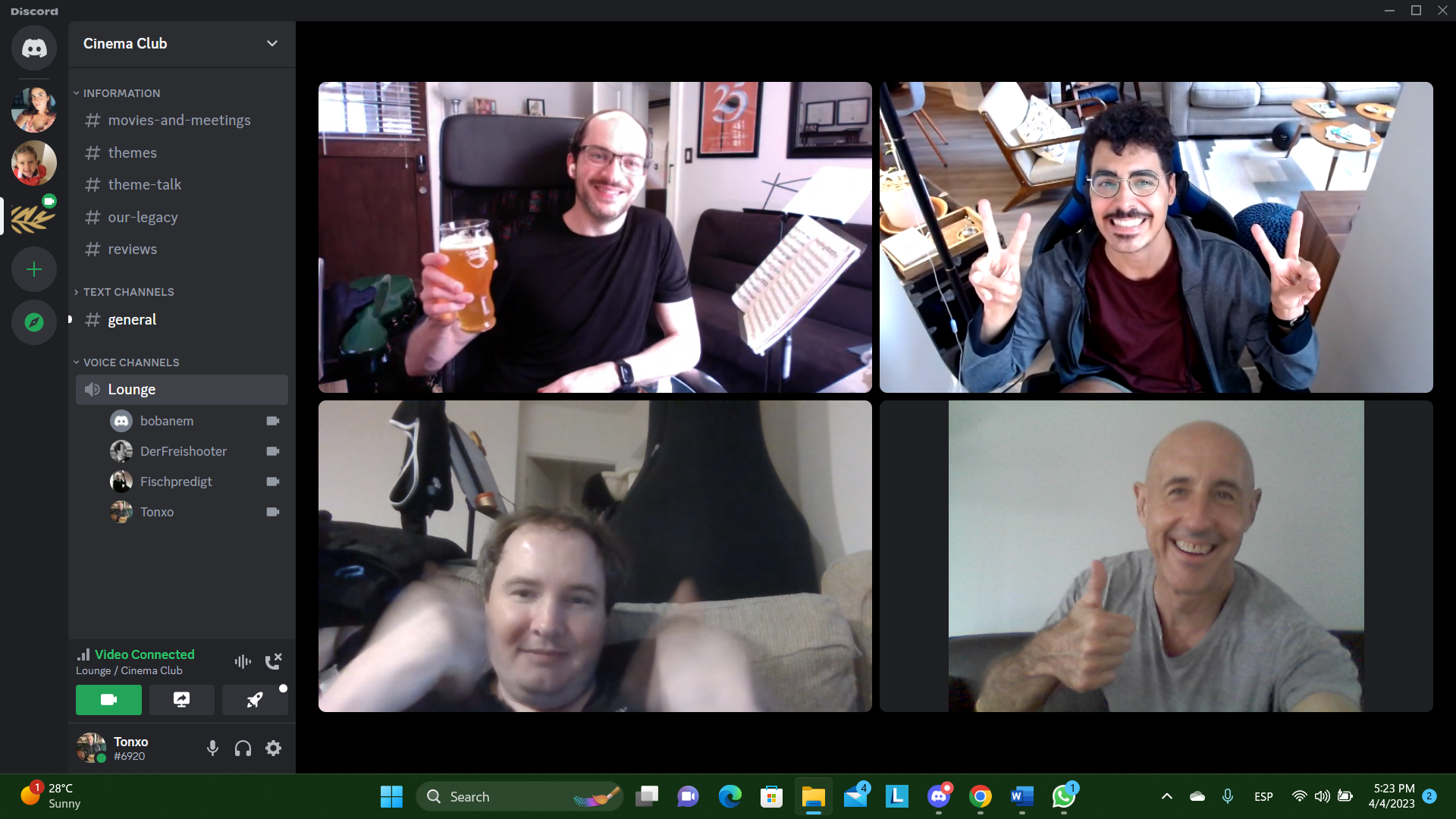
Well, what an honor it is to celebrate the second anniversary of Film Club! It is such a pleasure to sit (in the interweb) with three brilliant film lovers and just talk about the 7th art. It is one of the highlights of the month for me. If the weather cooperates, I will set up on my back porch, prepare some cheese, crackers, a little vino, a square of chocolate and a cigar. Then sit back and enjoy the meeting. We take turns talking about each movie. Of course, the best bits are when we disagree. By now we have a good sense of who is going to like which films, so we have an excellent rapport.
This month we are slowing down a bit to only two films: Kurosawa’s Seven Samurai and the American Western it inspired: The Magnificent Seven.

And the movies! Every month exploring four films in whatever genre we choose for our turn. I ventured off from a genre in July, to explore Meryl Streep’s acting. It was sad we could only watch four of her films, August Osage County was so good I wrote about it here. Another innovation this year was inviting a guest curator, Russian Literature, Film, and Culture professor Anthony Anemone (yes, he is the dad of one of our members) who recommended four brilliant films and had a great presentation for each.

I would write more about the films we watch every month, but I do not want this blog to be a film review blog, there are plenty of those and only one with my silly stories, so there.

Here is what we have watched this year. (For last year’s list, click here)

War (March)

Bridge over the River Kwai (1957)

The Deer Hunter (1978)

Come and See (1985)

Tropic Thunder (2008)

Crime and Punishment (April)

The Killing (1956)

Dirty Harry (1971)

Before the Devil Knows You’re Dead (2006)

Un Prophete (2009)

Art (May)

Tambien la Lluvia (2010)

Inside Llewyn Davis (2013)

Mr. Turner (2014)

Portrait of a Lady on Fire (2019)

Meryl Streep (July)

Kramer vs Kramer (1979)

Sophie’s Choice (1982)

Julie & Julia (2009)

August: Osage County (2013)

Fantasy (August)

Princess Mononoke (1995)

Tale of Tales (2015)

A Monster Calls (2016)

The Green Knight (2021)

The System is Broken (September)

Brazil (1985)

I, Daniel Blake (2016)

Judas and the Black Messiah (2021)

The White Tiger (2021)

Spy (October)

Dr. No (1962)

The Lives of Others (2006)

Tinker Tailor Soldier Spy (2011)

An Officer and a Spy (2019)

RomCom (November)

Roman Holiday (1953)

Hannah and Her Sisters (1986)

The Birdcage (1996)

Punch Drunk Love (2002)

Childhood (December)

Paper Moon (1973)

Stand by Me (1986)

Moonrise Kingdom (2012)

Moonlight (2016)

Russian/Polish as Curated by Tony Anemone (January)

Taxi Blues (1990)

Hipsters (2008)

Ida (2013)

Leviathan (2014)

Documentaries (February)

Jiro Dreams of Sushi (2011)

Icarus (2017)

Gunda (2020)

Fireball: Visitors from Darker Worlds (2020)

Women (March Women’s month)

Todo Sobre mi Madre (1999)

Lady Bird (2017)

Revenge (2017)

TAR (2022)

On the importance of building community

Surprisingly, although I have repeatedly written about community in my blog, I have never dedicated a full post to it. Well, here you are:

It used to be that when you were born you had automatic community for life. Even if you lived in a big city, your neighborhood was your community, you would go to the same grocers, church, cafés, etc. Now, especially in the increasingly hyper-capitalist suburban individualist world, the concept of community has pretty much vanished.

Maybe because of the importance of community and the lack thereof, the US is obsessed with the concept of community. Sadly, for all the talk, community is another word they cannot spell.

With the different buttresses that community offered mostly gone, the only one that continues (mostly) standing is work. So, work has become -in many cases- our only community touchstone. Gone are the neighbors, the churches, the meeting points. We just drive from our isolated house to work and back. Of course, many folks have strong communities built around church and clubs and different associations, but even these are discrete and rarely connected, which means that you have your church friends, your work friends, your café friends -if you are lucky- and so on, but not the network, the rich tapestry that used to define community.

I have been keenly aware of this problem since I moved back to suburban US in 2005. It would eventually become one of the factors that led me to depression. Since then, I try to build strong communities wherever I go. My efforts other than work, fall on volunteering, church, and of course Film Club! Yes, I chat to some people at the gym, at yoga class, and at my café, but those venues have not surprisingly given any tangible results.

Like pretty much everything else in life, you have to actively work at building your community, it is not going to magically fall on your lap one day, a wonderful support network where you can express yourself and get any sort of help from moving a sofa to a comforting chat. Nope, you have to work for it. But more importantly than working to form your own little support group, your real community will flourish when you build community for others.

Notice that I did not mention family, which is of course the cornerstone of community. But when you move away from home, that most important foundation is only available on the phone or during visits -if you are lucky enough to visit.

The result of the erosion of community systems is that folks are increasingly lonely, alienated, and sadly, eventually depressed. So go work genuinely and honestly on your community, the results will be worth it!