You should be meditating.

Stop, inhale, focusing on the air entering your nostrils or your lungs. Exhale, focusing on the air leaving your lungs or your nostrils. There, you did it!! For a brief time, you didn’t worry about what’s for dinner, your bills, the weather, what you were going to tell your boss, your customer, or your friend. You didn’t think about politics, and you weren’t scrolling through social media. You had a moment —albeit a very short one—of meditation. The trick is to do that exact exercise with your breathing for 5, 10, 20 minutes, or half an hour. The longer you do it, and the more often you do it, the better you will feel.

My dear friend Paco encouraged me to try meditating while I was in a deep, dark depression over ten years ago. It was not easy for a hyperactive fellow like me to embrace it, but now I cannot live without some quiet time every day. And although I have written about meditation here before, it was usually in passing while talking about health and mental health in general.

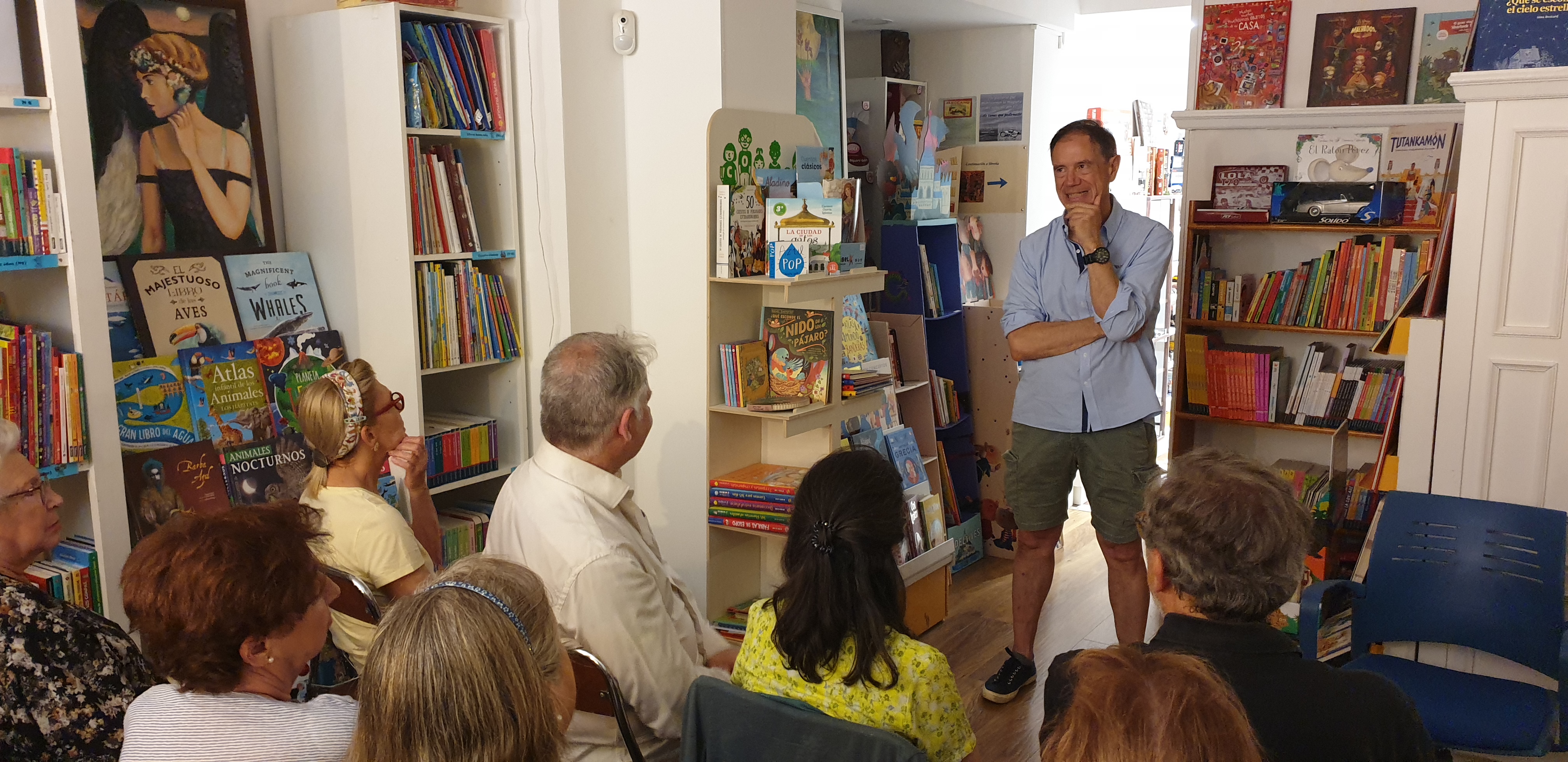
This all comes to mind because I recently had the opportunity to see and hear Paco give a presentation on Christian Meditation at the Antonio Azorín bookstore in El Escorial. He filled the room and had a wonderful talk. I originally thought the attendees were curious about meditation, but during the Q&A, I realized some of them were very advanced, although from different “schools” of meditation —see below.

There are many labels for meditation, just like there are many different philosophies and methods: Mindfulness Meditation, Mantra Meditation, Zen Meditation (Zazen), Vipassana Meditation, Transcendental Meditation (TM), or Body Scan Meditation. The ancient Fathers and Mothers of the desert, the early Christians, also developed a method of meditation which nowadays is called Christian meditation, or even centering prayer. Some recent Catholic proponents of meditation might be Thomas Keating, Thomas Merton, or Richard Rohr.

Whichever way you choose to sit down in silence is fine. Of course, nowadays you can use an app on your phone to time your sits, or to guide you. I have been using Insight Timer for years, and I love it!

Every class I teach at school starts with one minute of silence. This time is a buffer between whatever the students were doing before and class, between English and Spanish; it is a moment to regroup, to breathe, and for me, it is a minute of meditation.

Recently, Maria Popova also wrote about the importance of spending time alone and in silence, not exactly meditation, but close to it. Check it out here.

So carve out a few minutes from your day: when you wake up, before you go to sleep, in the middle of the day, or, paradoxically, if you are really busy, more than once a day. Whatever works for you, sit down, and start focusing on your breathing. You are welcome.

Oh, you should definitely check out this video of Villanova’s Fr. Martin Laird on the benefits of meditation. It is a bit long, but worth it!!

La cerca de Felipe II – It’s not that kind of wall.

There is a lot of talk lately about walls, and there are a lot of walls, no need for me to mention them here.

But I recently explored a lesser-known wall, which had a quite different purpose than most walls…

You see, Felipe II, in the 1500s decided to build an almost 32-mile wall around his Escorial Palace (the largest Renaissance building in the world, read about it here), but not to keep people out, there were plenty of gates, but to keep wildlife in, as in hunting game, so he could hunt it!

This wall, the Cerca de Felipe II was not finished in his lifetime, nor his son’s Felipe II, nor his grandson’s Felipe IV, but continued being built into the Bourbon dynasty in the 18th Century!

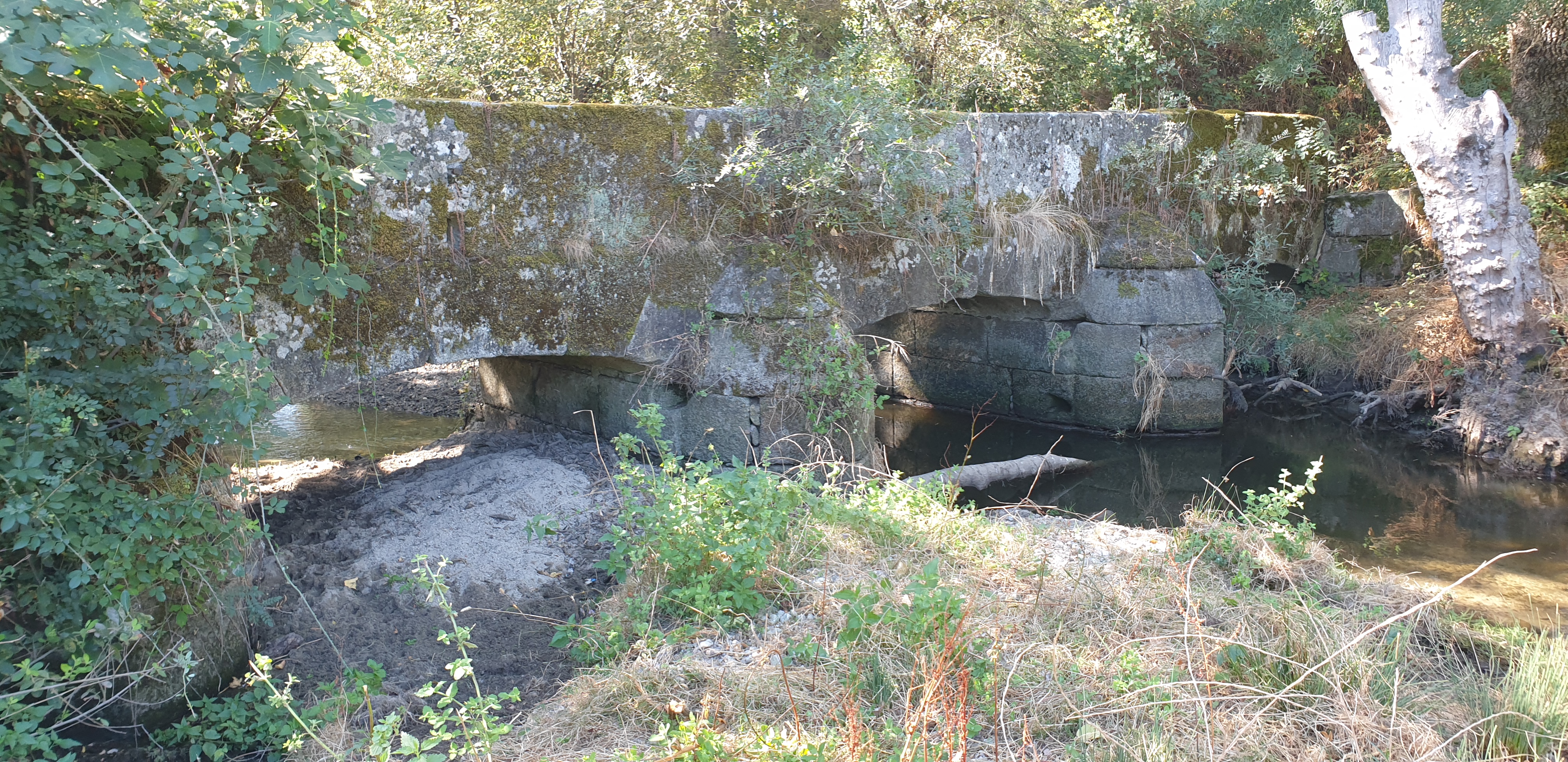
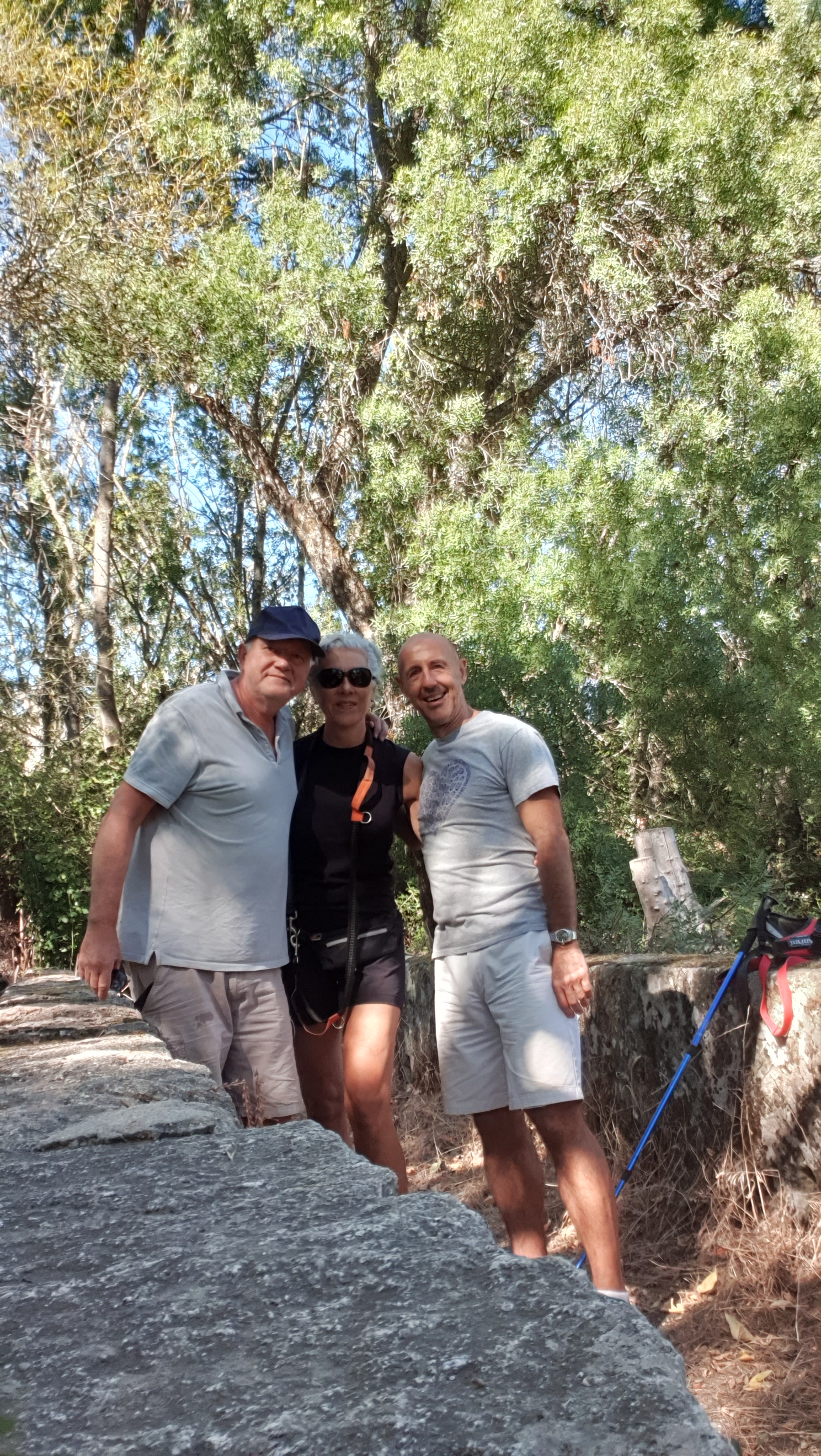
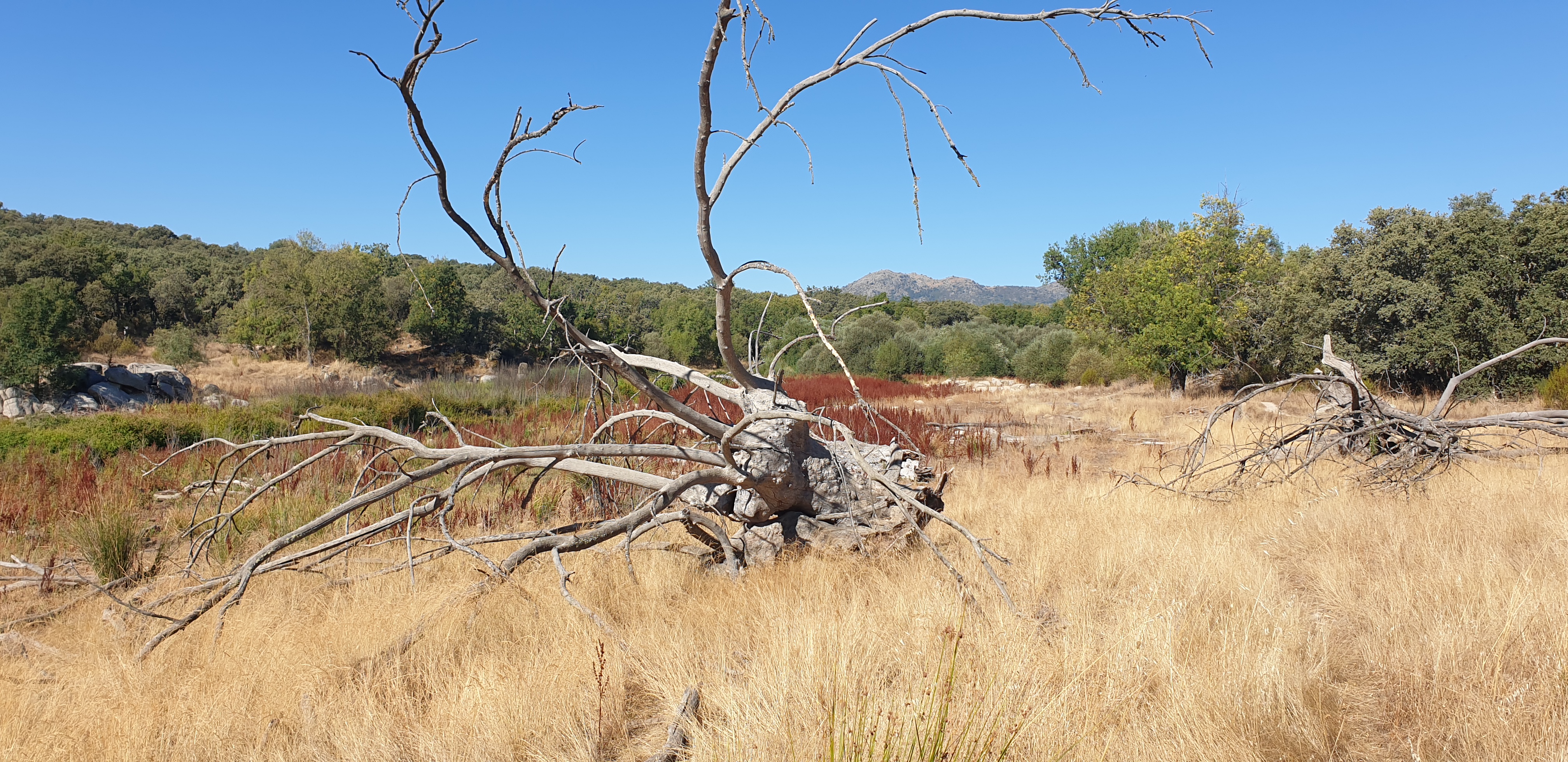
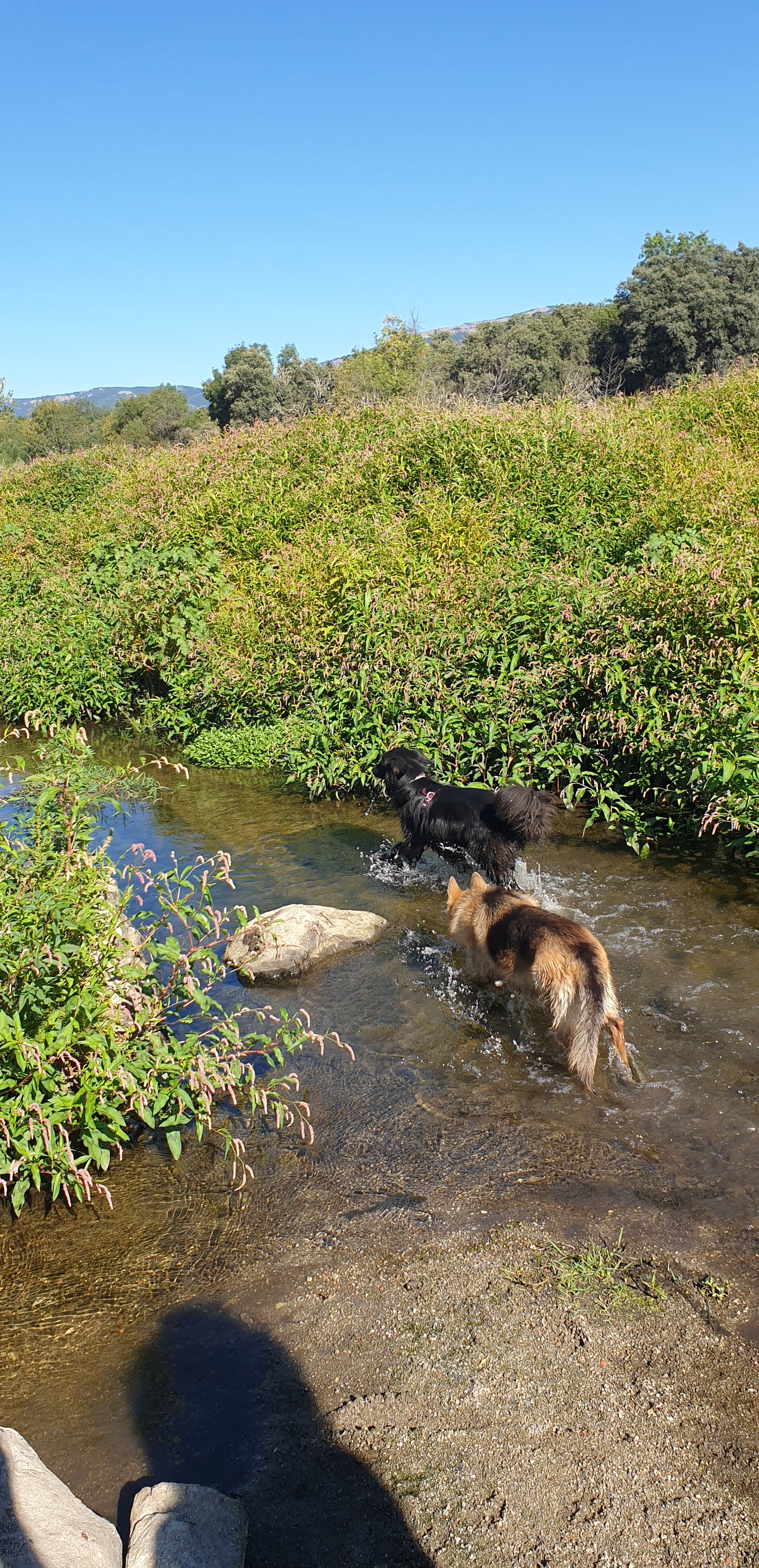
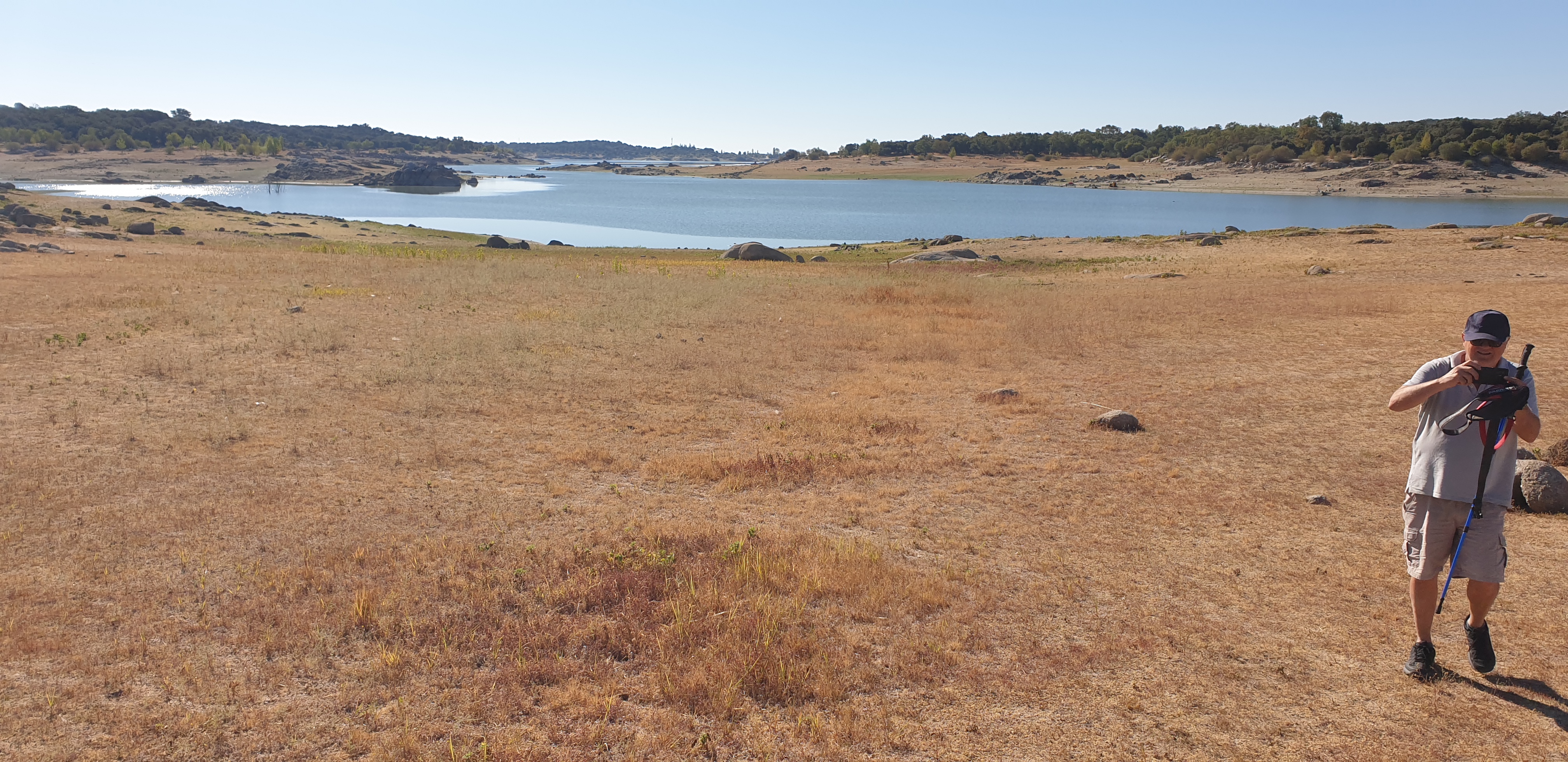
My exploration partner Jaime and his sister Teruca led the way, taking advantage that the Valdemorillo reservoir is exceptionally low due to maintenance work on the dam. After a nice walk we found the wall and a bridge!

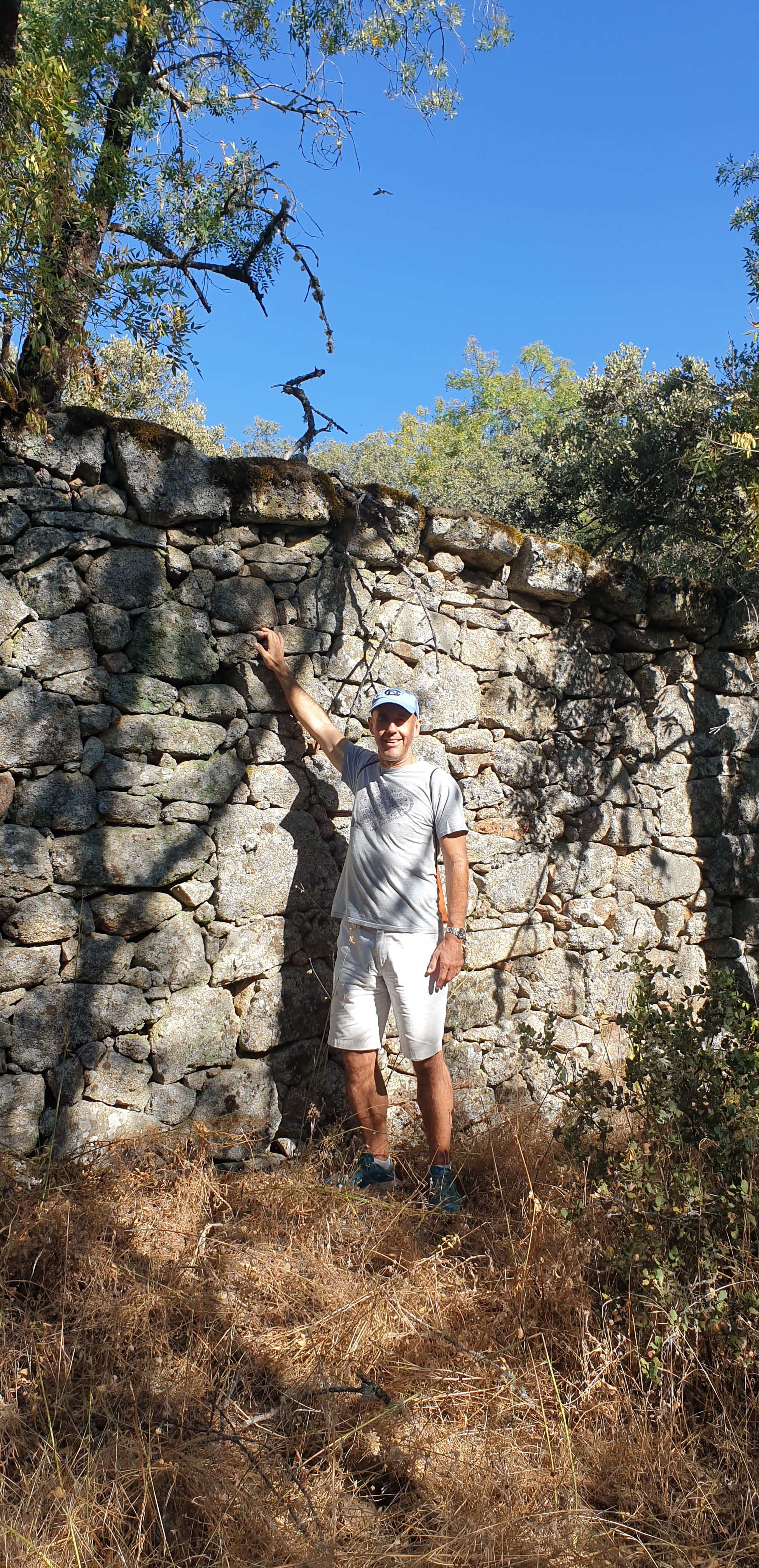
The wall is impressive! Over 8ft tall (2,5 mts), 20 inches wide, and not a drop of cement to be seen for 32 miles!

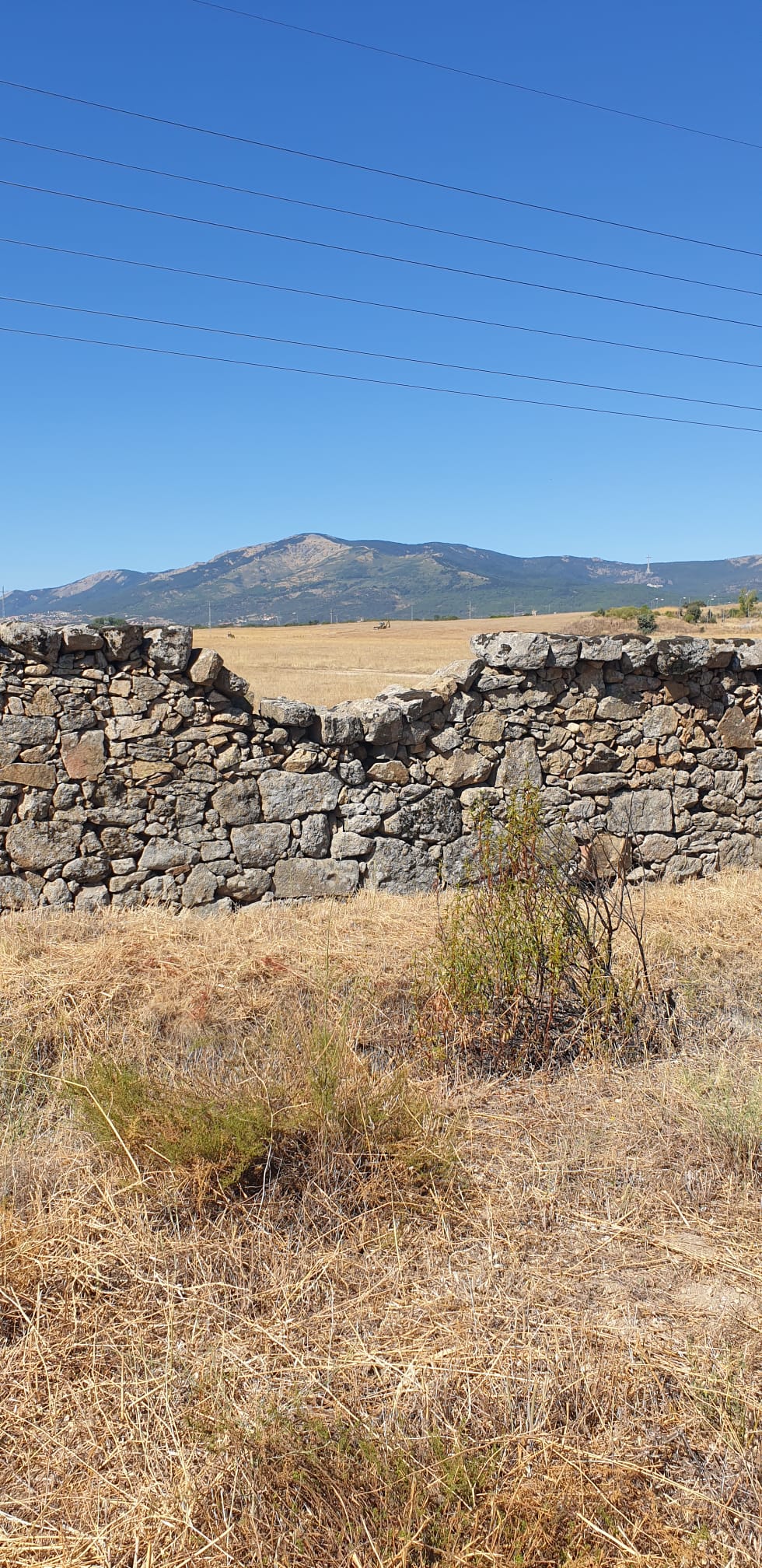
This reminded me that I had driven past an excellently maintained part of the wall -and a gate- near our village since I was a kid! The wall has “dips” which back in the day would have sand ramps on the outside to allow animals to jump into the walled area. Once in, the animals could not escape, ergo more hunting game for the king.

At any rate, the wall nowadays about 50% gone, but some remaining bits are in excellent shape as you can see from the photos.

Finding a treasure (and I need your help)

In case you did not know this, my field of academic research is Francisco de Isla, an 18th C Spanish Jesuit who wrote Fray Gerundio de Campazas, Spain’s best-selling novel of the century.

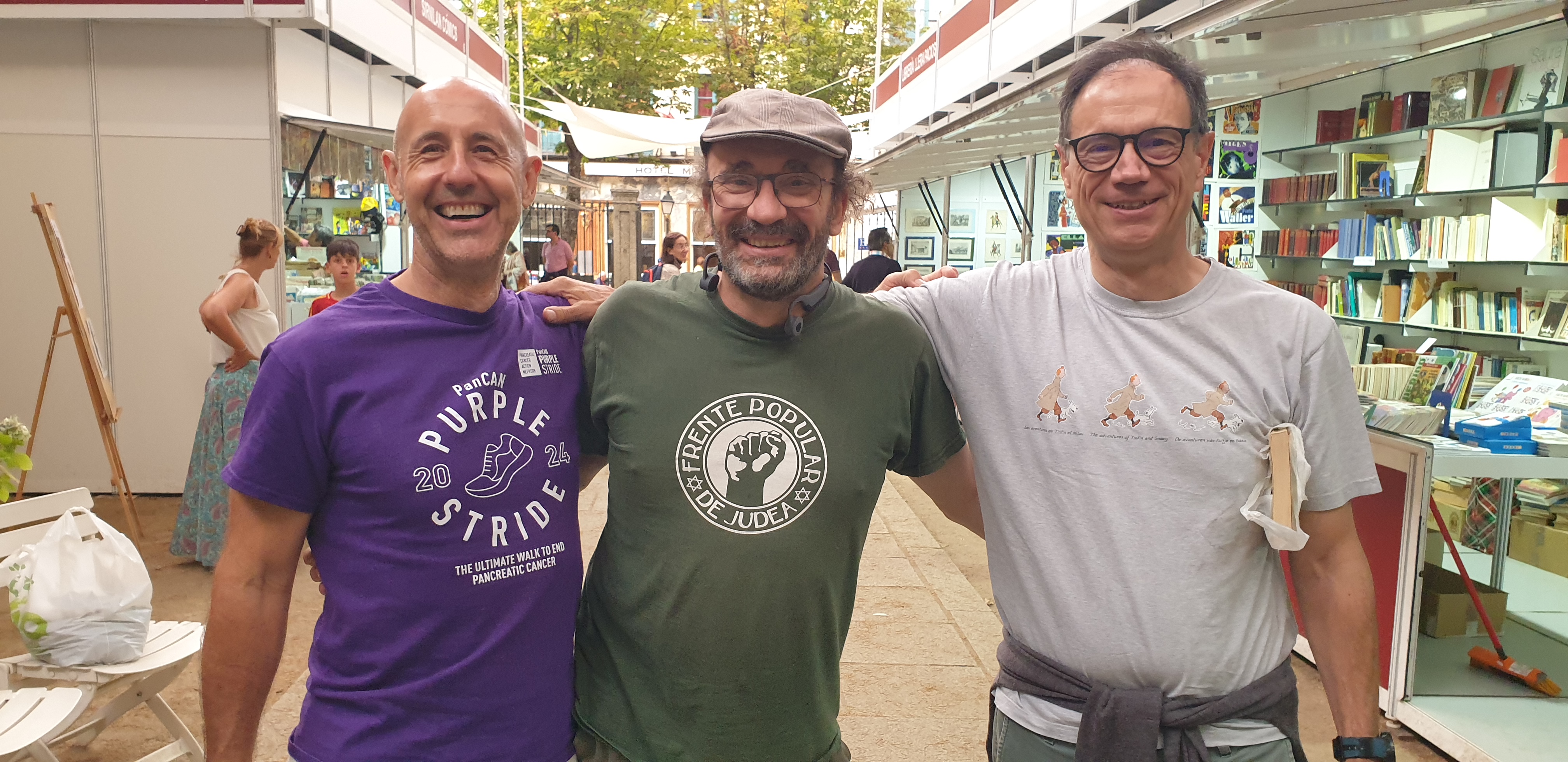
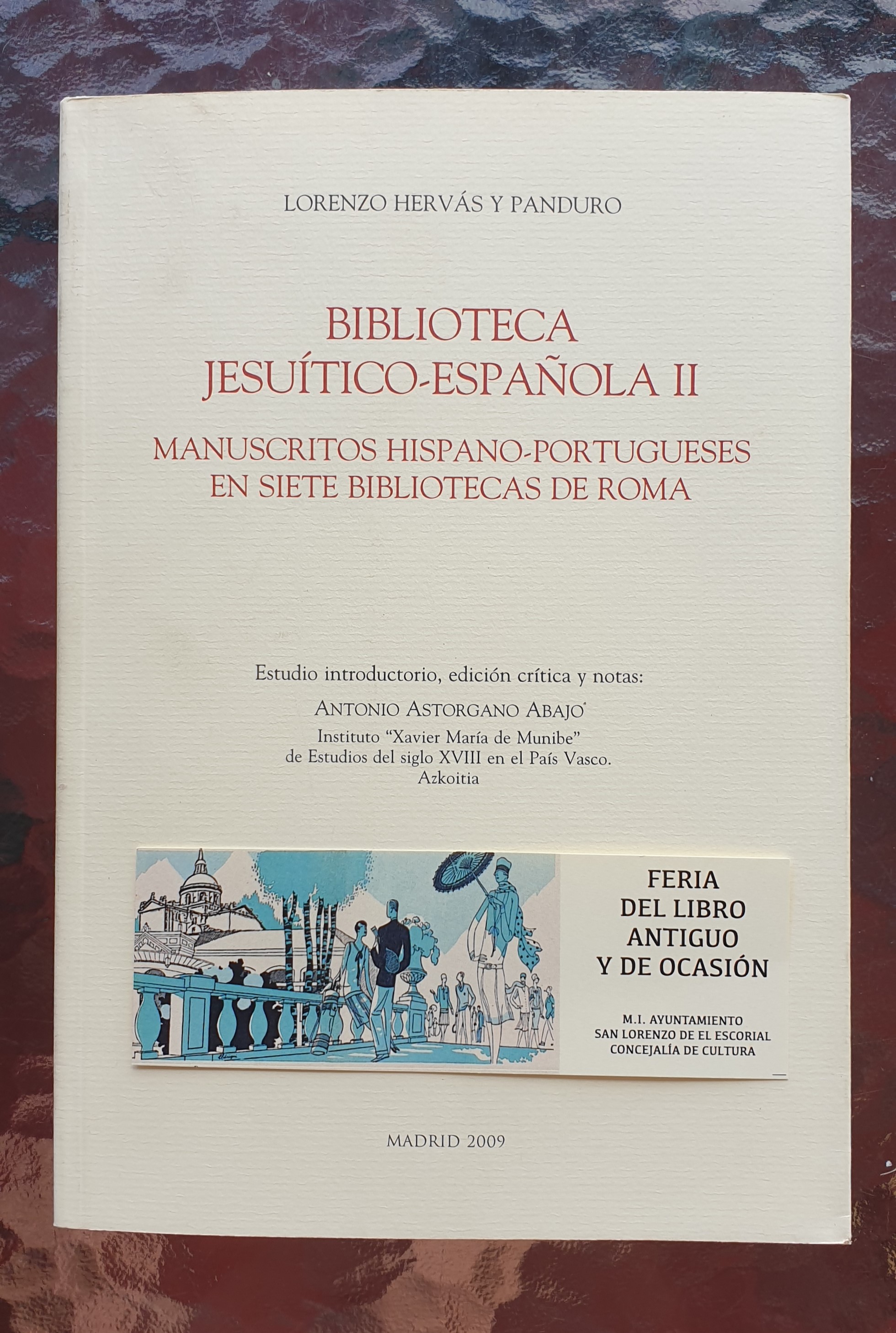
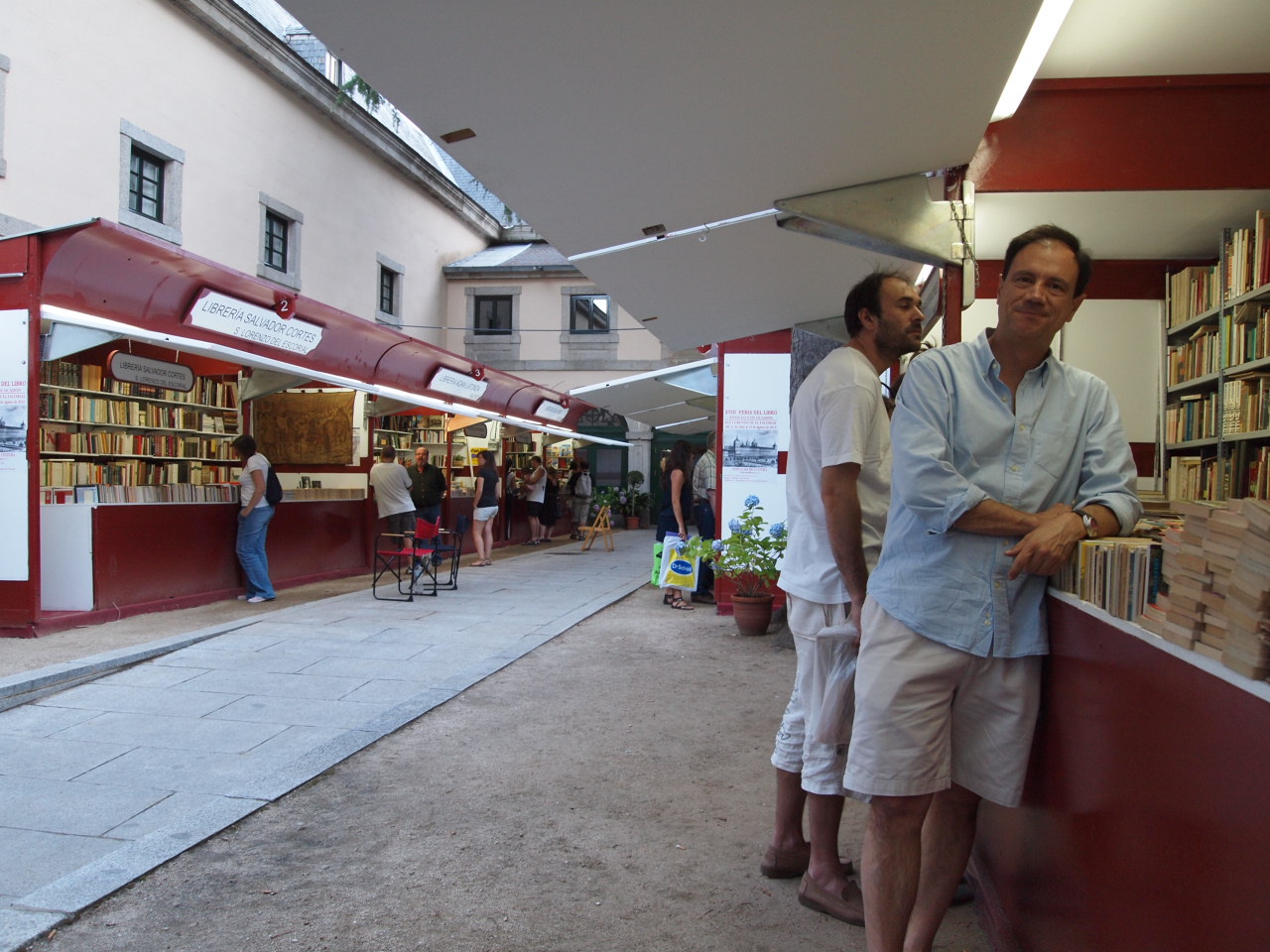
Every Summer for the last few years, my friend Paco and I go to El Escorial to visit their old and antique book fair – and have dinner after. I normally just have a browse and rarely buy anything, as my reading list is already far too long. But this time, I found a gem.

The Biblioteca Jesuítico Española by Lorenzo Hervás y Panduro is basically a bibliography of Spanish and Portuguese manuscripts found in seven Roman libraries and then some. And guess what? It has a bunch of references to our man Isla. Manuscripts found in different libraries in Rome, Toledo, Madrid, even Loyola in the Basque Country. Not bad for 10 Euro!

Then something special happened. I noticed the bookseller’s T shirt, referencing Monty Python’s Life of Brian. When I pointed this out to Paco, he knew exactly the shop where the fellow bought the shirt!! So we had to take a photo!

So now I must figure out which libraries I want to investigate their Isla manuscripts. This will be based on if I can find some sort of research grants to go investigate. This is where you come in: do you have any tips on how to look for research grants? Let me know in the comments, please.

Thanks!

On Pizza

Disclaimer: Google recently had a pizza doodle which included a cute game, but I was planning this blog before that. Ok, now we can move on.

Like languages, pizza is a relatively modern variation of an ancient dish, basically jazzed up flatbreads that you can taste all around the Mediterranean basin: Coca in Spain, pita in Greece, etc. Of course, pizza wins the popularity contest due to Southern Italians immigrating everywhere and taking their recipes with them, grazie.

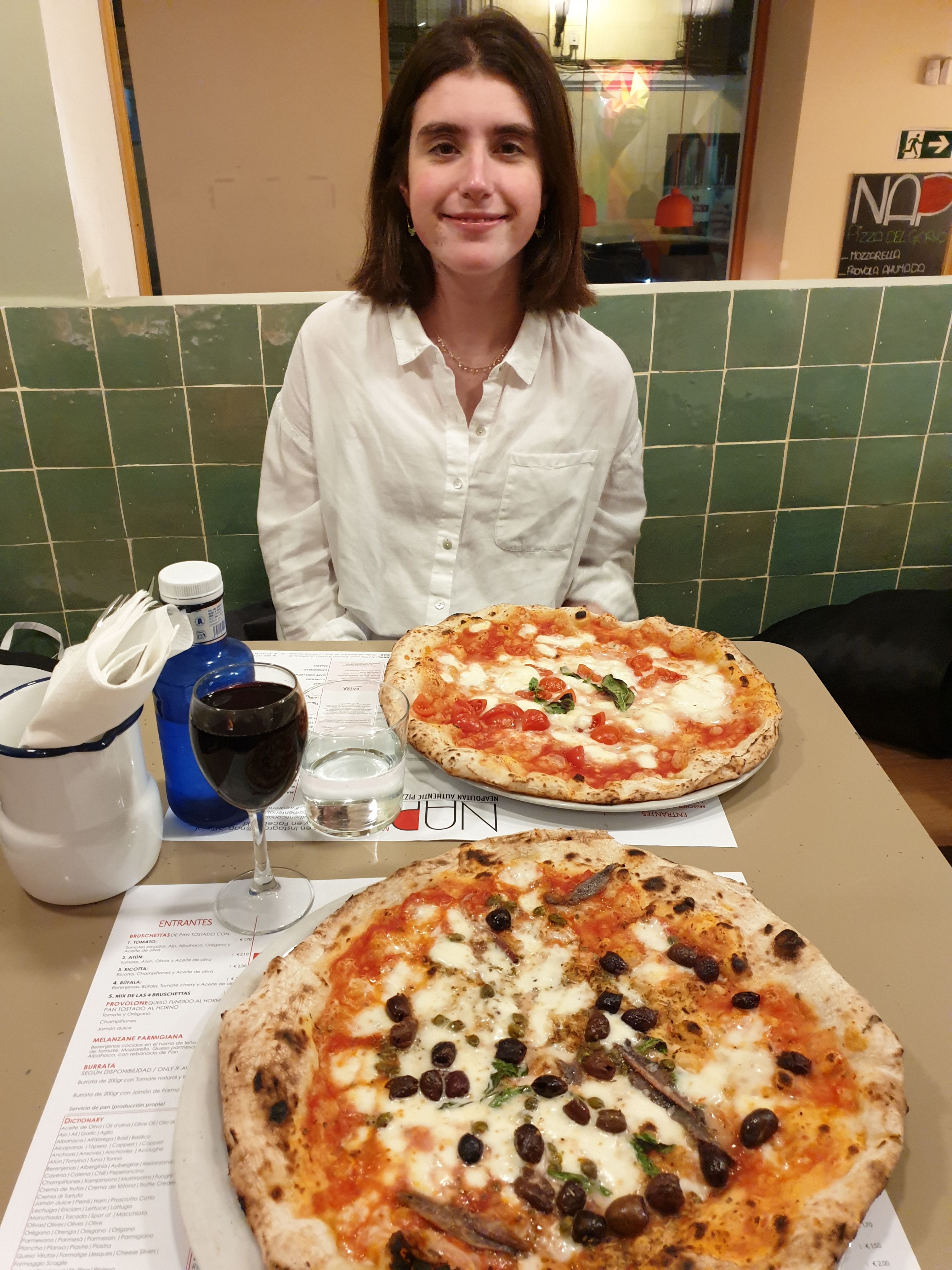
Growing up in Franco’s Spain, I was not exposed to pizza until high school in London, specifically Pizza on the Park on Hyde Park Corner (now closed and turned into a fancy hotel). It was love at first bite! American pizza during college was different, but still delicious, the most memorable one being Pizzeria Regina in Boston’s North End. Through the years, as I moved around, I discovered great pizza joints, Napoli in El Escorial, The Upper Crust in Boston, Italian Pizzeria (IP) in Chapel Hill -they also showed European football, which was a great plus!, and NAP in Madrid.

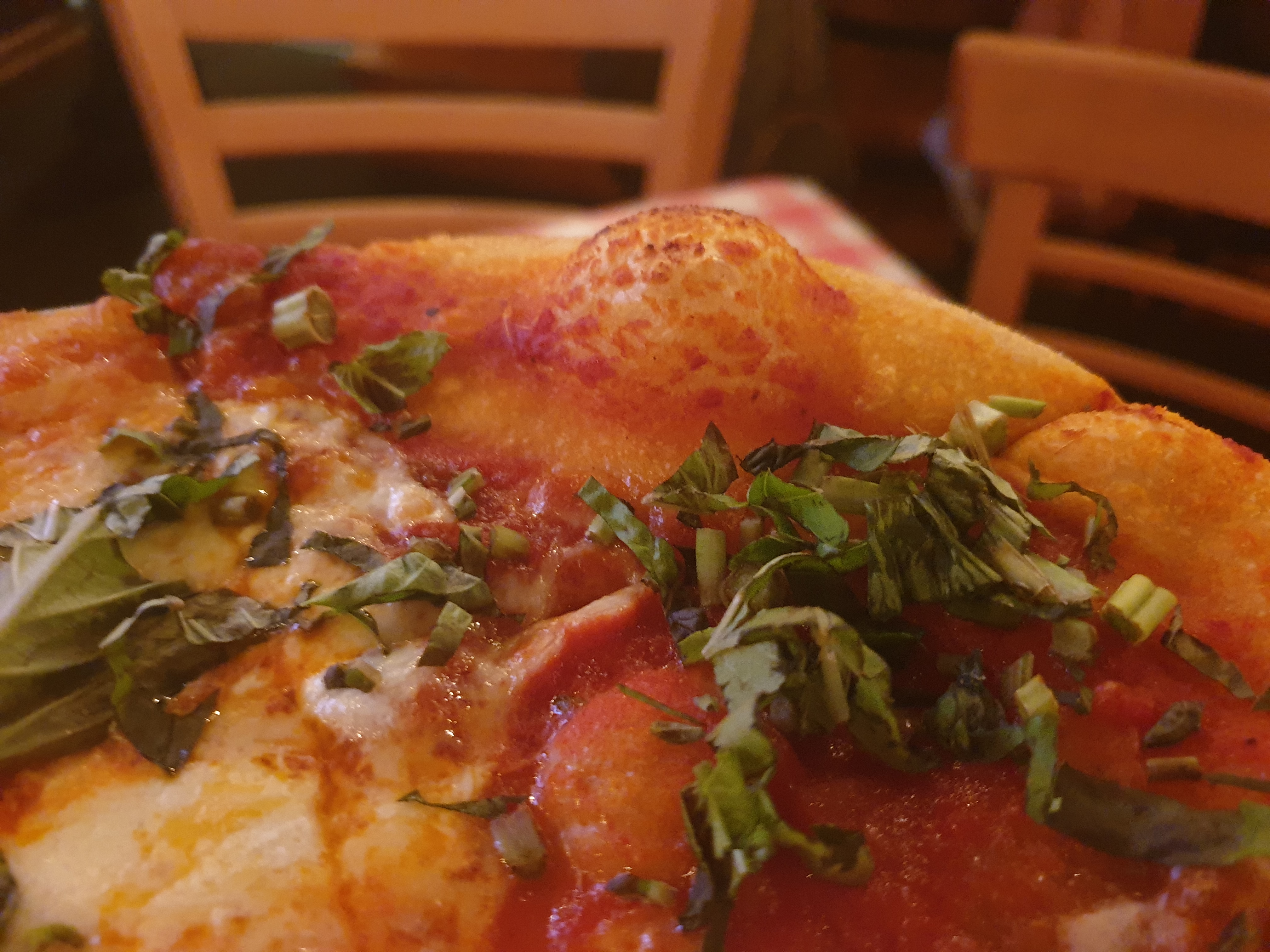
In my old age, my taste buds require simple, few, but delicious ingredients, (I have written before about the “Minder is meer” less is more adage) so nowadays I only eat Margherita pizza which should only have three ingredients plus the dough: mozzarella cheese, tomato sauce (which should have a bit of garlic), and basil (plus obviously olive oil and salt).

Due to its heavy New Yorker population, South Florida has decent pizza. Almost every week I meet my friend Manuel for some great pizza at County Line in Juno Beach. Here in Boynton, there is Pizza Rox which makes a textbook pizza and has a great selection of local beers, and Frankie’s. Recently I have also discovered my friend Arlene’s great pizza place in West Palm Beach, Pizza Al Fresco set in a lovely Spanish patio with awesome staff!

My pizza fever has been compounded by a guy called David Portnoy who does pizza reviews on the internet. I confess that I have gotten to the point where I can guess the points he is going to give the pizza he is reviewing before he does! Check out his pizza review app Onebite and one of his many reviews below!

The secrets to a great pizza are a screaming hot oven (800 F – 450 C), fluffy, airy dough so you get the bubble – you need the bubble! And simple, excellent ingredients. Enjoy.

What is your favorite pizza place? What are your thoughts on pizza? Let me know in the comments!

My happy place, El Escorial


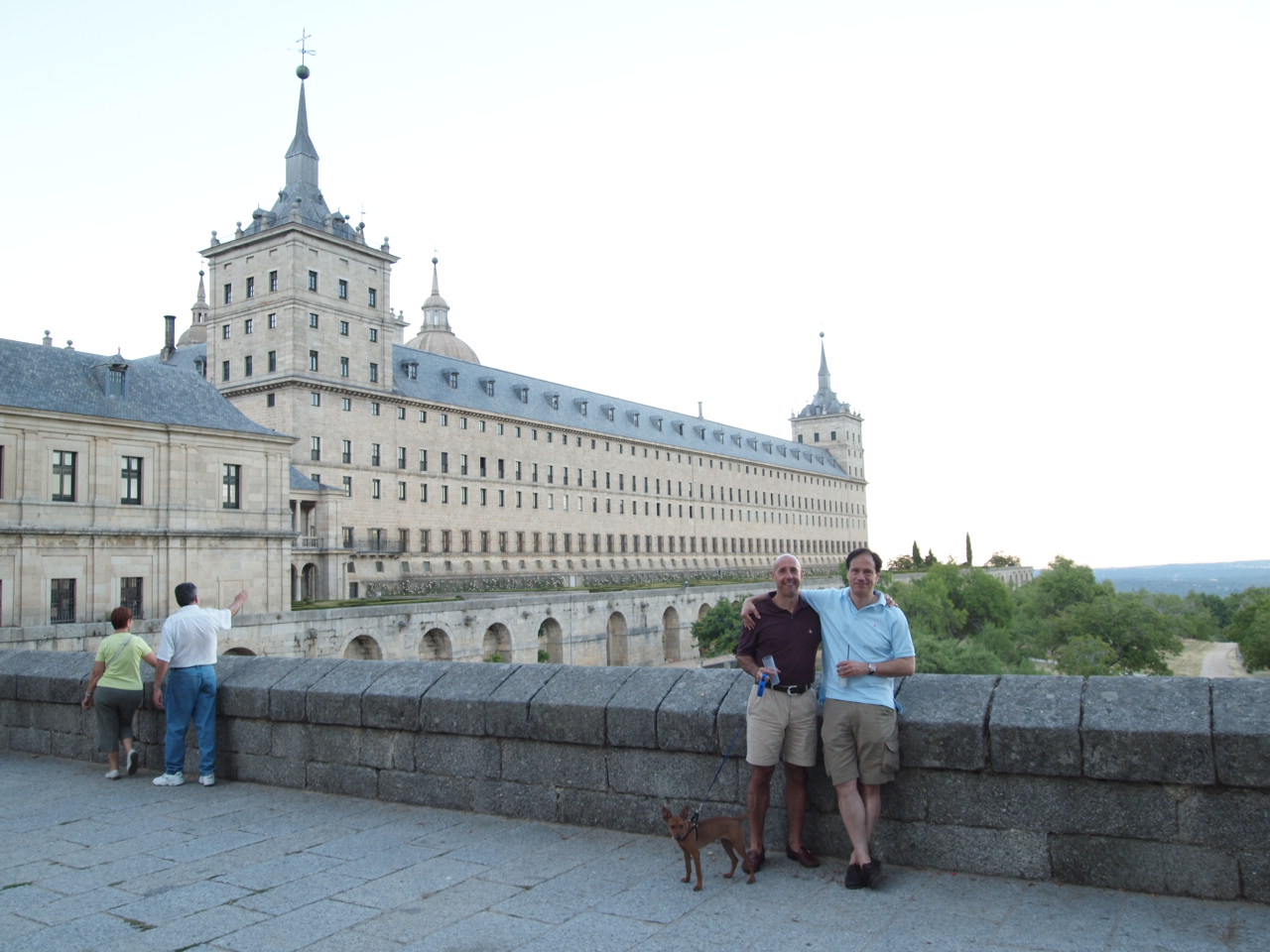
Although I have talked about it in various posts, I have never dedicated a  post to my favorite building, my happy place, and arguably the most important building in Spain, El Escorial.

I am blessed in that my parents bought a house not far from this place when I was a boy. My restless dad would often take me here for quick excursions, to walk around the palace, the village or the surrounding countryside. As soon as I could drive (17 with my British license) I started going there on my own: to walk around, to read, to write.

Possibly the main reason El Escorial is so special is that it is a monastery that is a royal palace and a royal palace that is a monastery. So it is huge by monastery standards but it is austere and spartan by palace standards. But it is more than a palace and a monastery: it has one of the finest libraries in the world, a magnificent basilica, a pantheon with (most) Spanish kings (and reigning queens), a school, an art museum, etc.

It was built by my favorite Spanish king Philip II. He had such drive and desire to build it that he spent a fortune to have it built as fast as possible. It was built in 21 years from 1563 to 1584. The result is arguably the finest representation of Renaissance architecture in Spain (his dad Carlos V, built another great Renaissance palace in Granada, but that’s a different story). What happens with most huge old buildings is that they took so long to build that they were started in a certain style and finished in another style altogether -and oftentimes, other styles in between. This is most visible in cathedrals. Oh yes, Philip II is the one who sent out the Invincible Armada, in fact, you can see the desk where he worked -and where he received the news of his defeat.

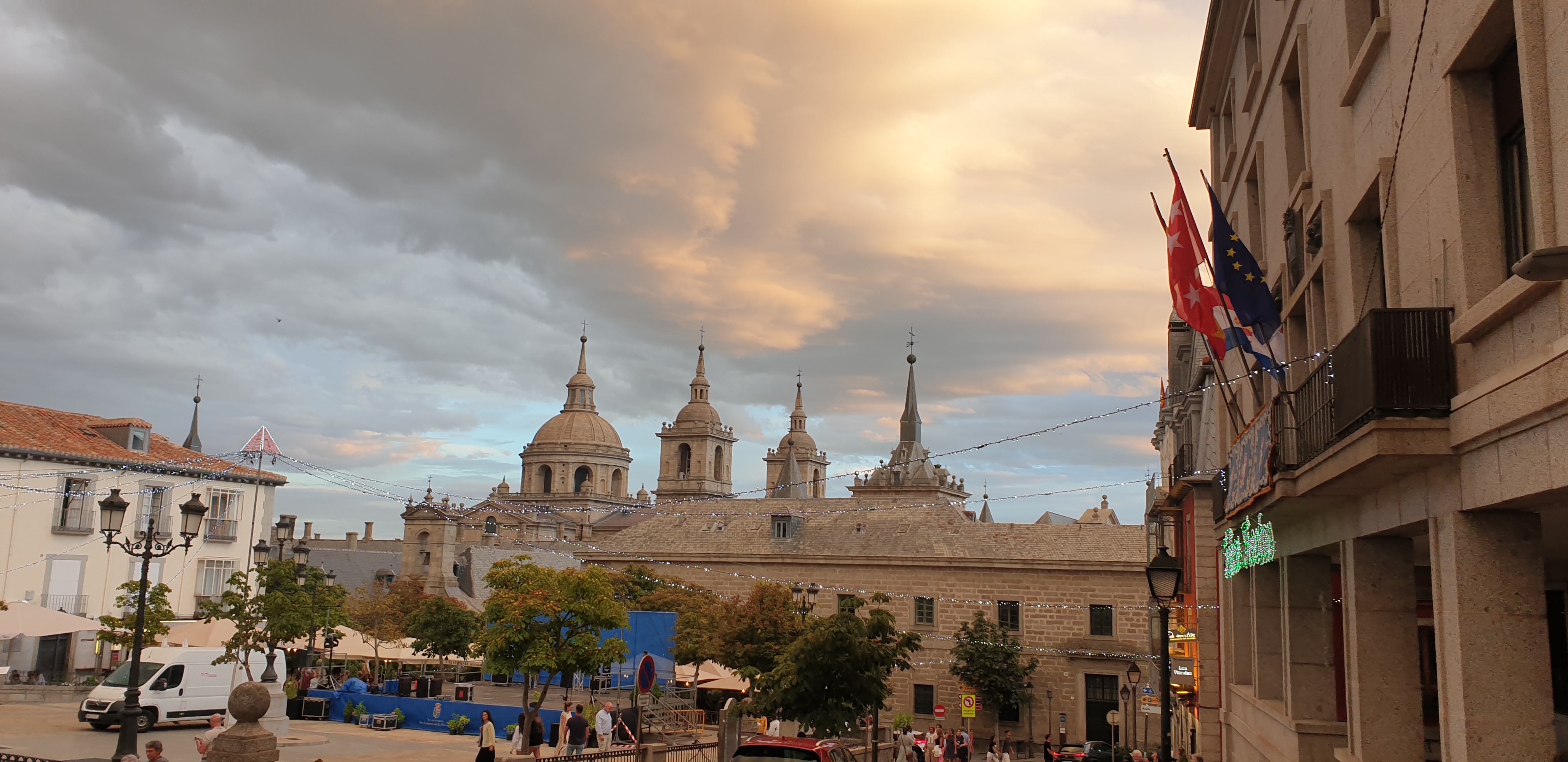
The palace is built entirely of local granite, has 14 courtyards, and thousands of windows, doors, blah, blah, blah. As you can see from the photos, it is amazing, grandiose but sober. There are plenty of books and web sources about it, so I do not need to add to the mountains of information. There is also the village where the palace is. It is a beautiful little village with great food, little bookshops, and cafés. The combination of countryside, palace, and village is really magical. When a group of the king’s scouting committee where checking out where to build the palace they were caught in a fierce storm that they interpreted as a signal. So they figured that is where they should build. There was a semi-abandoned mine there (Escoria means slag, mining residue, thus Escorial). Plus there is evidence of pre-roman, Celtic settlements in the area, adding to the mysticism and aura of the place. I could go on for hours and hours, but a. I will spare you and b. you can hire me to give you a tour!

Many years ago, chatting with a work colleague and friend we discovered that we were both fans of El Escorial, so we soon founded the Asociación A. de Amantes de El Escorial. (The A. stands for apocryphal, but don’t tell anyone), it is a bit of a joke, but we now go at least twice a year for Asociación “meetings” that involve dinner and a walkabout!

Why is this my happy place? Maybe its the radiation from all the granite, maybe the fond memories of walking around, maybe the relaxing qualities of the beautiful renaissance lines, I really couldn’t tell you.


Tonxo Tours first birthday!

As we sit in our quarantine, as I sit at home, Tonxo Tours has quietly turned one year old! So it is only befitting that I write a quick report on our first year of existence – Although it already existed informally and for many of my friends and friend’s friends who had gotten a tour from me.

My first memories of giving tours was as a teenager living in London, whenever friends or families of my dad’s work came to town I was often asked to take them to see the Changing of the Guard at Buckingham palace. At that time I also took a lot of tours of museums, palaces, etc., so obviously that must have left some valuable residues. In university I started showing Madrid and Spain to my friends who came to visit. One friend showed up with English Rock groups who we would take out during their visits. A friend once showed up with the Monaco Olympic Sailing Team for me to show them around a bit! Then, living in New York and Boston I continued showing people around those cities. With experience and learning, every tour became better and better. Fast forward a couple of decades and many tours of Madrid, Barcelona, Boston and New York later, and I finally made Tonxo Tours a reality. As they say: turn your hobby into your work and you will not have to work again.

This first year has been the expected mix of wins and frustrations. I must admit the wins and the rewards have far outweighed the frustrations. I was lucky to start off right away finding a couple of sources of business: a couple of Internet platforms and a local transport company whose customers ask for tours. I created a homemade website and logo with my trademark bow tie, and I was in business. In my first year I have shown Madrid to over 200 people. My most popular tour has been Old Madrid, I have shown the Prado Museum a few times, the Royal Palace, a handful of other museums, and I have also gone out of town to El Escorial, La Granja and Segovia. I developed a game to play when children come on the tour. I have used the same game adding activities as a university orientation team-building game which I did with my uni, the European School of Economics. I did a tour with a woman in a wheelchair (she had broken her foot doing the Camino de Santiago), I have done tours in minivans and buses with 50 people,  one customer with a chain of pastry shops in Belgium wanted to see the pastry shops in old Madrid, that was fun-and tasty! I have done tours in Spanish, English and French, and I have even done a couple of tours in Italian, which, with only one semester of training, was tough (see the video below for proof). The experience has been so much fun and so rewarding!

Unfortunately due to the Covid-19 I have had to cancel a handful of tours I had booked.

And I have learnt. What a learning curve! Like many things, being a tour guide involves psychology, salesmanship and, of course, knowing your stuff. I cannot wait for many more tours and many more years!

Please spread the word! My favorite and best marketing tool is word of mouth!!

Feel free to share my web www.tonxotours.com and Instagram and Facebook tonxotours


(Belated) Summer Summary

You guessed it, things have gotten pretty busy again, enough to postpone my Summer Summary into November. Not that anything earth shattering happened over summer, but still, I enjoy writing and reminiscing about it.

Summer started with a bit of a rush. I only had one week between the doctoral hooding ceremony and the movers coming in to take my few possessions to Florida. They arrived on Tuesday and I drove through torrential rain into Naples in one long day. Wednesday we emptied the truck. Thursday I opened some boxes and did some paperwork at my new school, Seacrest Country Day. Friday I drove to Miami for a flight to Madrid. Saturday morning I arrived in Madrid in time to go to my nephew’s First Communion.

The month of June was spent in Madrid, visiting friends, walking around the city, going to my favorite gym, exploring great art exhibits, taking my niece and nephew to Bernabeu stadium – for their first time – to see the old glories of Real Madrid beat the old glories of Ajax Amsterdam. As much as I love all cities, Madrid is home, it is the city I know best, and she knows me.

It felt odd to go to Mallorca without my father, but we still managed to enjoy it. The beach, the pool with the children, siesta on the balcony, evening walks, the food, beautiful village church on Sundays, running in the pine forest with the Mediterranean in the background, great people at the hotel, watching the Euro cup with my nephew Jimmy, relaxing gin and tonics at night in the bar. The whole experience is very special.

July was in the country – more and more like suburbia each day – at La Navata, great friends, wood fired paellas, cigars and drinks with my sister at night, great little village church on Sundays, a lot of work on the garden, rural outdoor gym, long bicycle rides on my vintage mountain bike, classic bar for coffee in the morning, and as always, a couple of visits to El Escorial with my dear friend Patxi.

August 1 I was back in Florida and ready to start a new school year.

Summer recap and back to school

Well, it has certainly been a different summer, and I am happy to be back to my boring, monastic Chapel Hill lifestyle. When I was a child summers went on forever, but now they are like the weather in Boston, you blink, and its over.

Madrid was home base for the summer, although this year I rarely got out of the house other than to grab a coffee in the morning and around the block to the gym in the afternoon.

My ten days in Greece were my real break. Caught up with old friends, made new friends and enjoyed my beloved old Greece with its special sunlight, and sea, and food.

We passed July in the country house at La Navata where I spent the mornings on babysitting duty for one, two or all three of my sister’s children. We would walk down to the village to buy bread and the newspaper and to have a coffee – Cola Cao – chocolate milk for the kids. During the afternoons I would work on my dissertation, finishing chapter 3. There were a couple of excursions: one to El Paular Monastery and the nearby hills, and of course a couple of visits to El Escorial with my dear friend Paco.

Another highlight of the Summer was having my sister and her two oldest here in Chapel Hill for a fortnight! We had a blast! (see previous blog post).
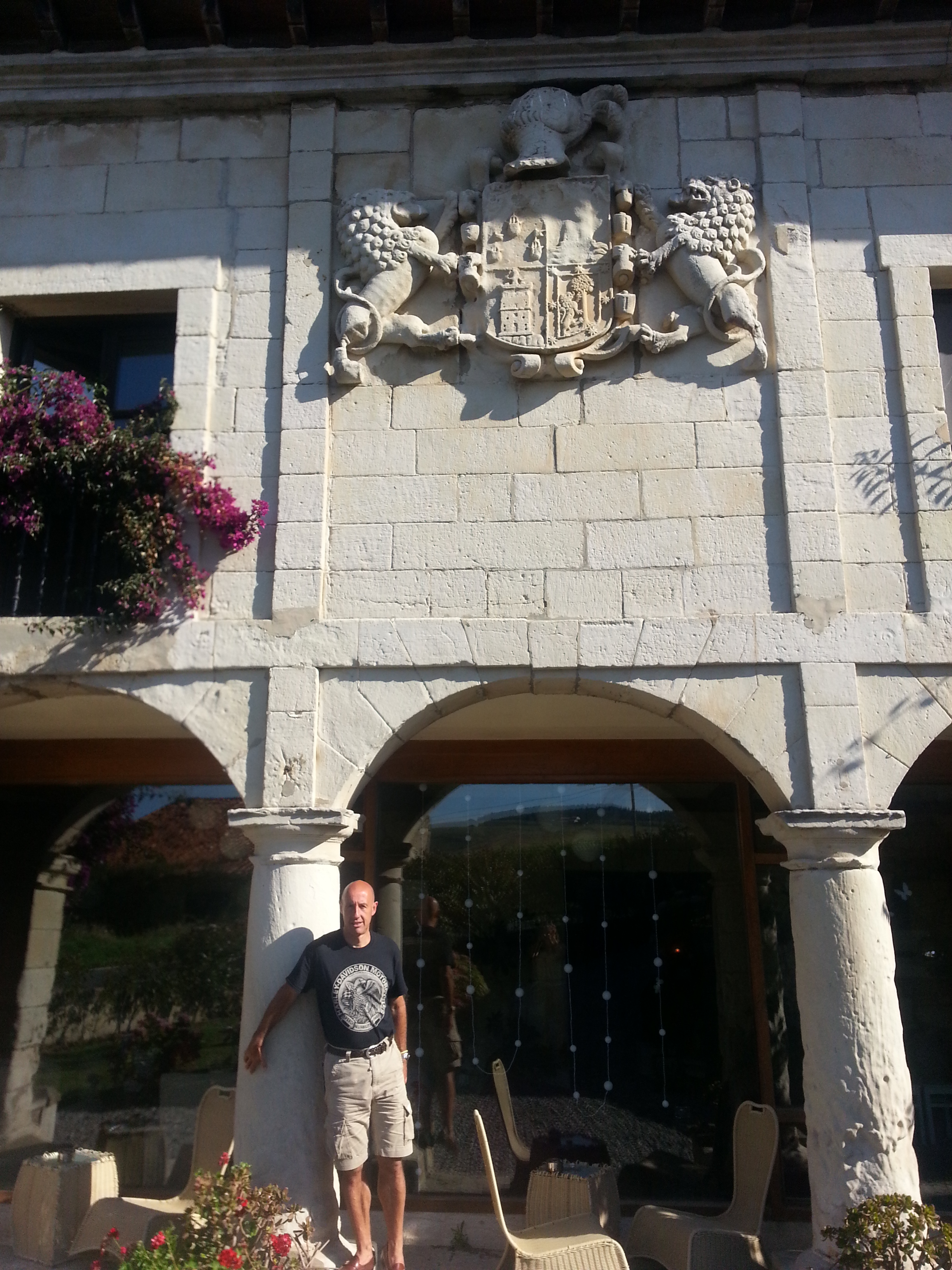
And then I had my 50th birthday. Well, at least it was better than my 49th, this time I did not get arrested for speeding. To celebrate, I gave this old blog an upgrade! So now it is http://www.antonioyrocinante.com without ads or Wordpress’ promotions. But I must confess it was difficult to pass my first birthday without my father.

Classes started three weeks ago, so we are back to the grind. I am teaching a section of Spanish 204, Advanced Intermediate, the first non required class. Mostly students that want to major or minor in Spanish. It has 12 great students. The downside? Class is at 8:00 am. My other section is Spanish 300, which is Composition. Of course you can’t have a course where you only write, it is like the guys at the gym that have these explosive upper bodies but Tweety Bird legs, as my cousin Arnold would say, so I have to work on integrating all facets of language development into the class.

Start of school also means that I have to get going on my dissertation again. I am starting the fourth – and last chapter (I still have to write the intro and conclusion). I am very excited, but this also means that I will not have much time to blog.

My other project, as I have mentioned before is getting a job for next year, as this should be my last year at UNC. I hope to defend my dissertation in the Spring. As is normal, I have mixed feelings: Of course I want to finish and see what the next chapter in my narrative holds, but on the other hand I love Chapel Hill and UNC and my friends and colleagues here.

So for now it is over and out from Chapel Hill.

WordPress upgrade

Summer Summary

Well, I have been so busy writing my thesis prospectus all summer that I have not had time to update this old blog! But the prospectus (the first draft at any rate) is now well on its way after my Thesis Director recommended some corrections today at the Daily Grind Café. But now back to my summer.

The month of June I was in Madrid going to the Biblioteca Nacional every day and getting some phenomenal research accomplished. Some highlights of June were: celebrating my father’s birthday, going to Alfredo’s new place (see previous post), going to Pedro Espina’s new restaurant Soy to say hi to my old friend and Spain’s best sushi chef, my old student Jacob’s visit to Madrid (see previous post), and pretty much every moment spent in the city enjoying the smells and sounds and tapas and sights.

In July I went with my family to our beloved Mediterranean island of Mallorca. As you can read in other year’s posts it is a great time. Very low-key: great breakfasts, beach, poolside lunch, siesta, workout, pool time, nice Mediterranean dinner, a lovely evening walk, and a drink and some reading for me, repeat. This year around my nieces and nephew were one year older, so more fun, and we had the World Cup to follow – despite Spain’s early departure we enjoyed all the underdog teams putting in great performances! Unfortunately we were only in Mallorca for a couple of weeks.

Back in the mainland we went straight to my parent’s house in the countryside (see previous posts about La Navata). If Mallorca is low-key, this is even more low-key, my routine here is a pre-breakfast swim to wake up, breakfast on the porch, walking to the village for bread, newspapers and to have my coffee in the old café, helping my niece and nephew with their Summer homework, (which this year included reading Le Petit Prince with my niece!), hanging out, lunch and siesta, punching out a page of my prospectus, working out, swimming, dinner and drinks, cigars and chatting – or reading, if nobody is around for conversation. The only routine breakers are driving my mom to the market, going to church on Sundays, and occasionally hanging out with old friends. One of these traditional outings is dinner at El Escorial with Paco Navarro. We walk around, eat, enjoy a coffee and then walk around some more. It is one of my favorite outings and one we have not missed in years!

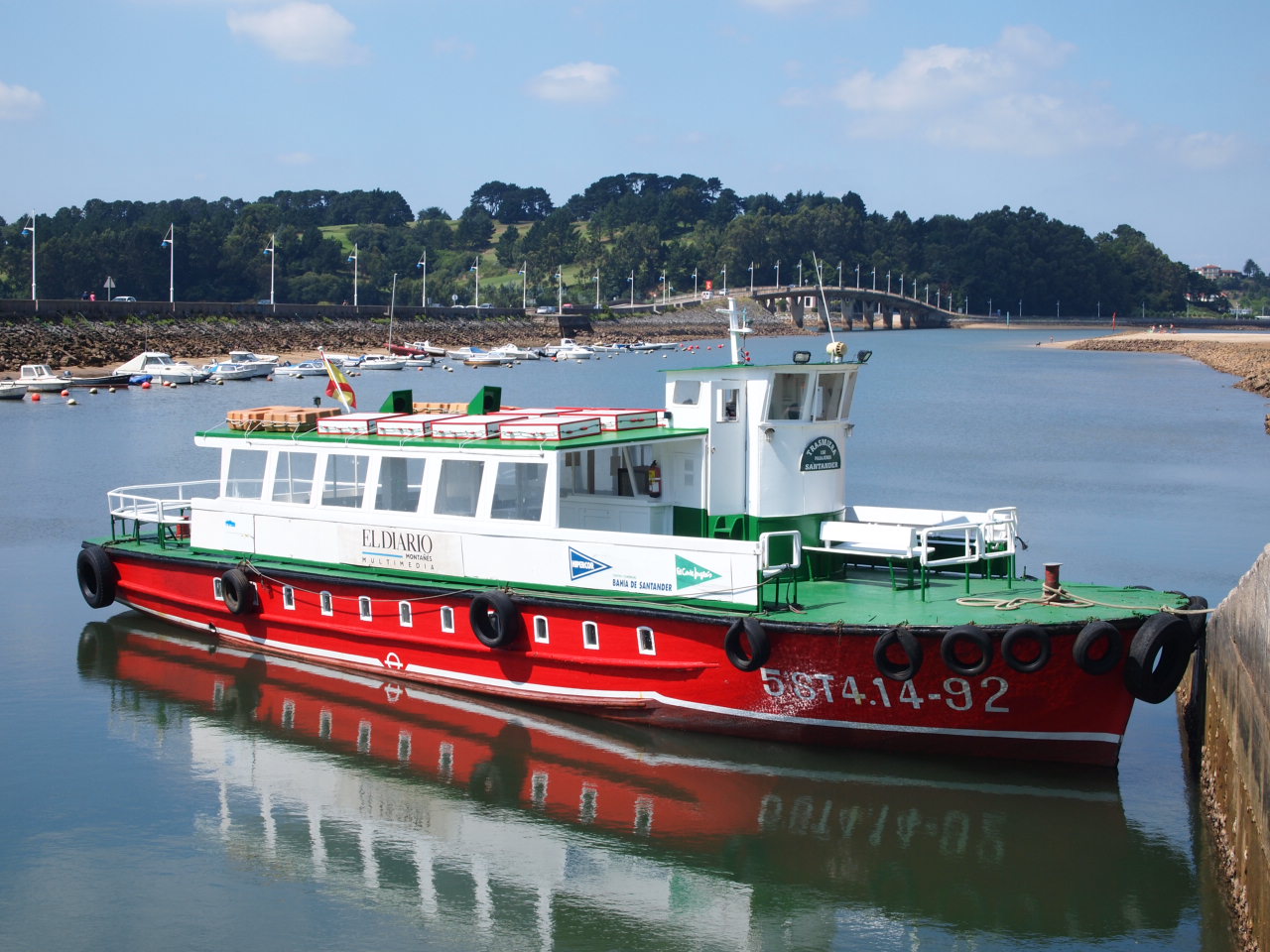
Then my sister asked me to go hang out with her and her kids in the North Shore of Spain while her husband stayed working in Madrid. I took the train – and the harbor taxi, and had a wonderful week with them. They stay in this old manor house in this cute old village and the only choices they have to make is which beach to go to and which restaurant to have lunch at! Paradise.

The last week I was in Spain I received a request from my Medieval Literature Professor to take a photo of a painting in the cathedral at Toledo. I jumped at the opportunity and I spent a wonderful day alone walking around the old imperial city. I had not been to “the Jerusalem of the West” (for the Jewish, Arab and Christian cultures that thrived in the city) in four years and it was wonderful to slip into the many churches and museums alone with no schedule. I had a nice lunch and a coffee overlooking the Tajo River. It was a very healing experience. I don’t think the photo Prof. Domínguez asked me for came out very well, but still, the excursion was worth it for me.

But by August 5 I was back in old Chapel Hill wrapping up my prospectus and settling down… And now I am back in school teaching two sections of intermediate Spanish 203 and happy to be in my quiet monastic life.

Dad's birthday lunch!

Dad’s birthday lunch!

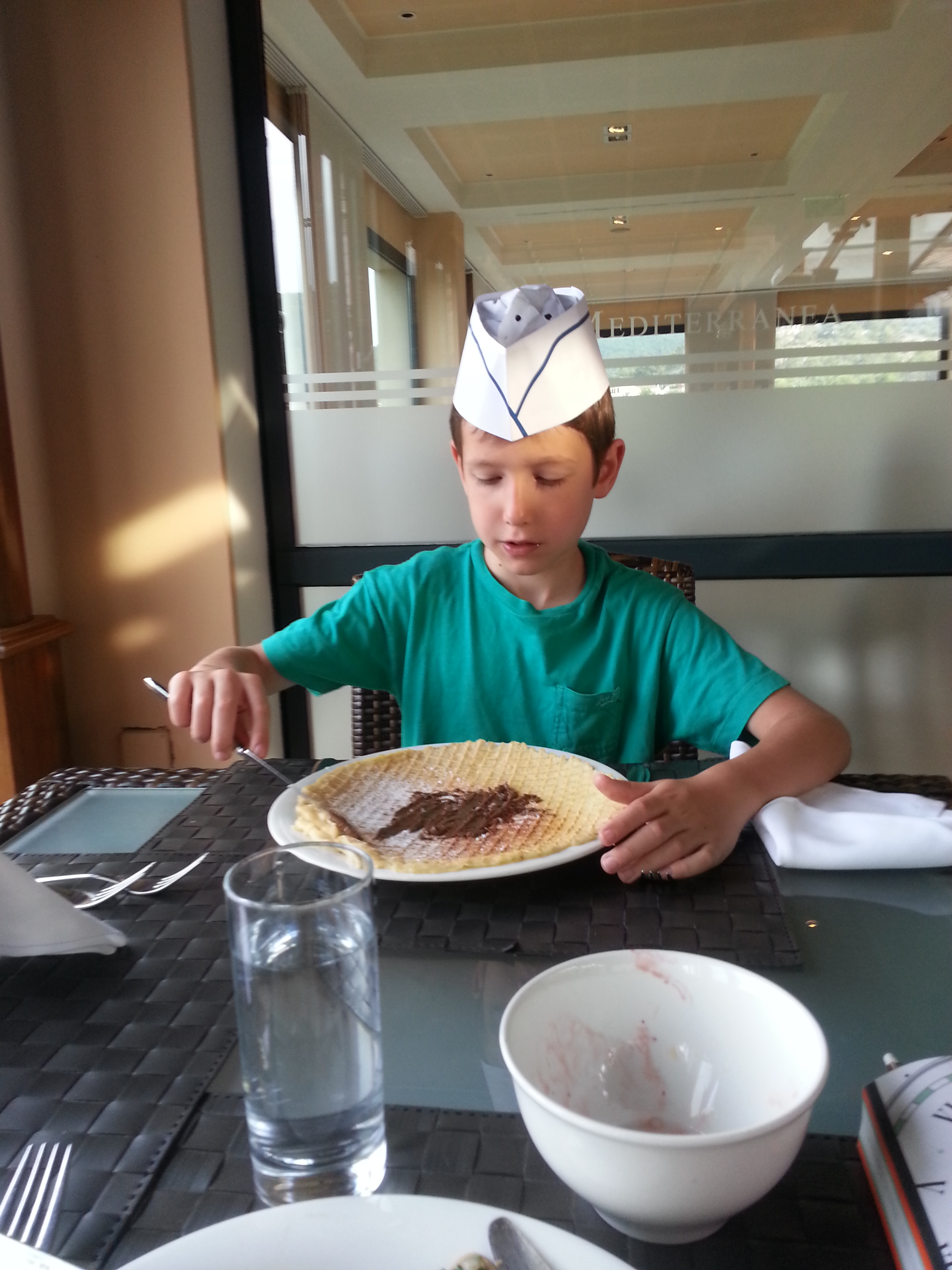
Breakfast w Jimmy

Breakfast w Jimmy

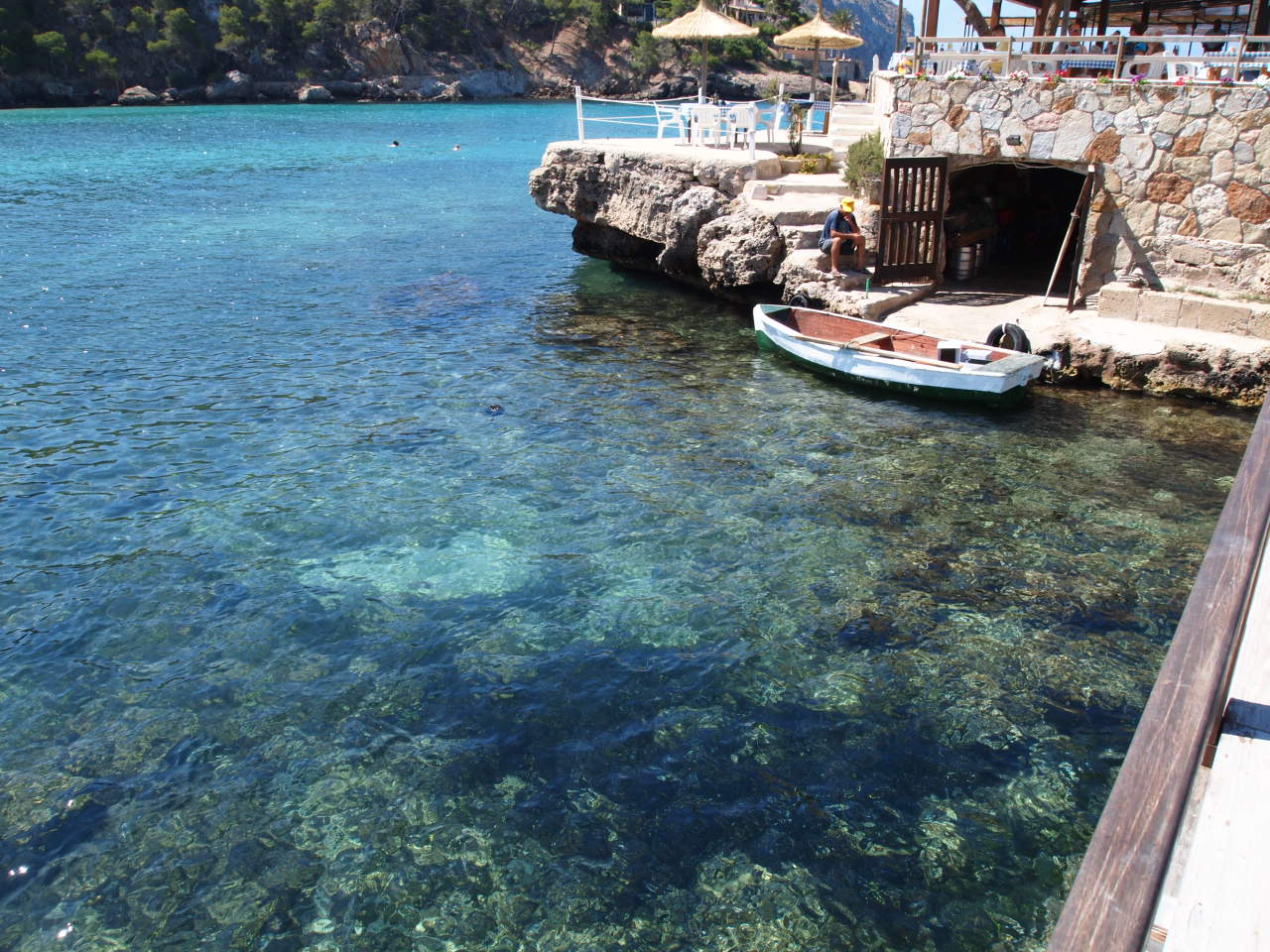
Chiringuito Camp de Mar

Chiringuito Camp de Mar

20140629_211219 Camp de Mar

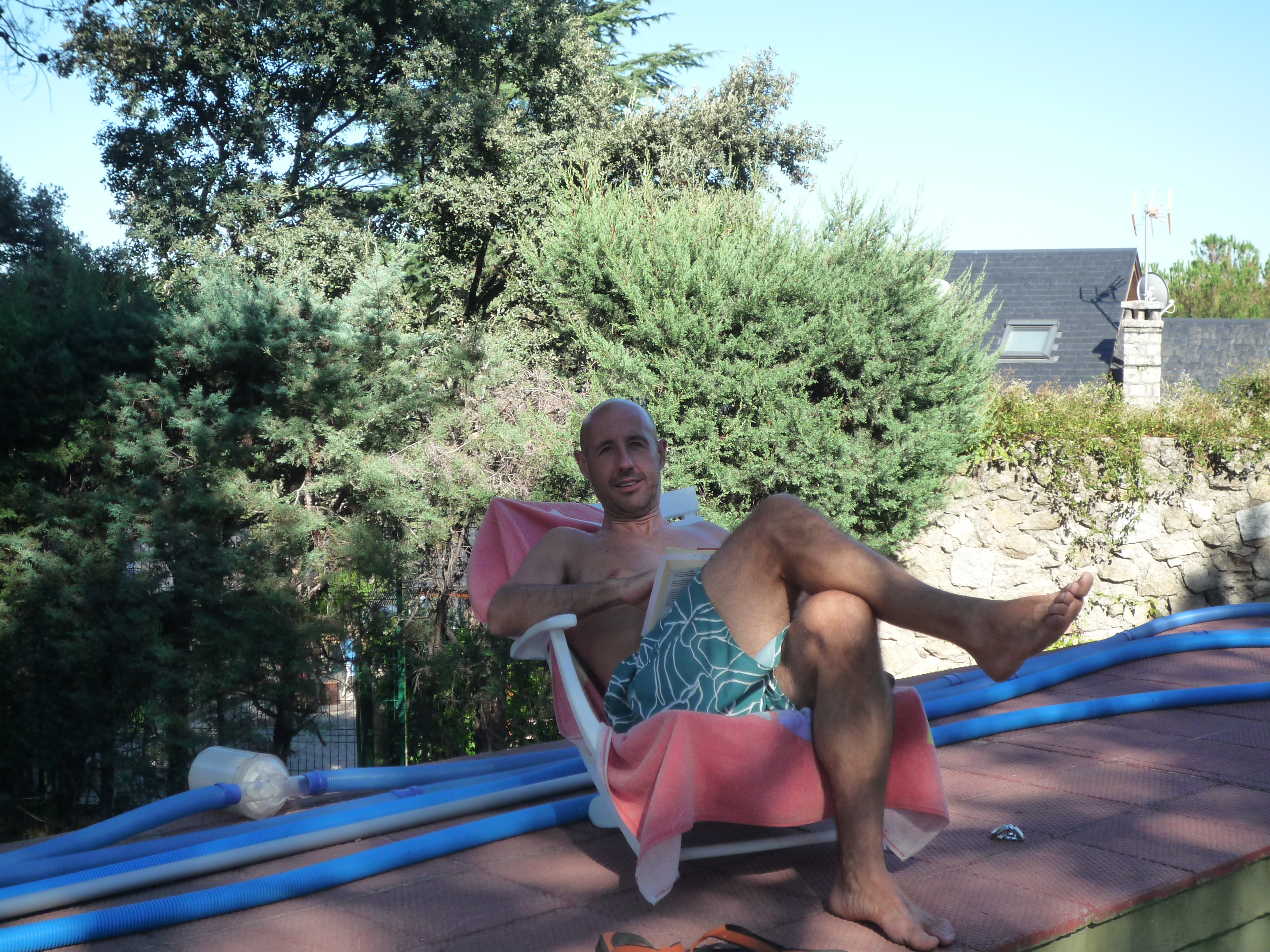
Always reading

Reading in Santander

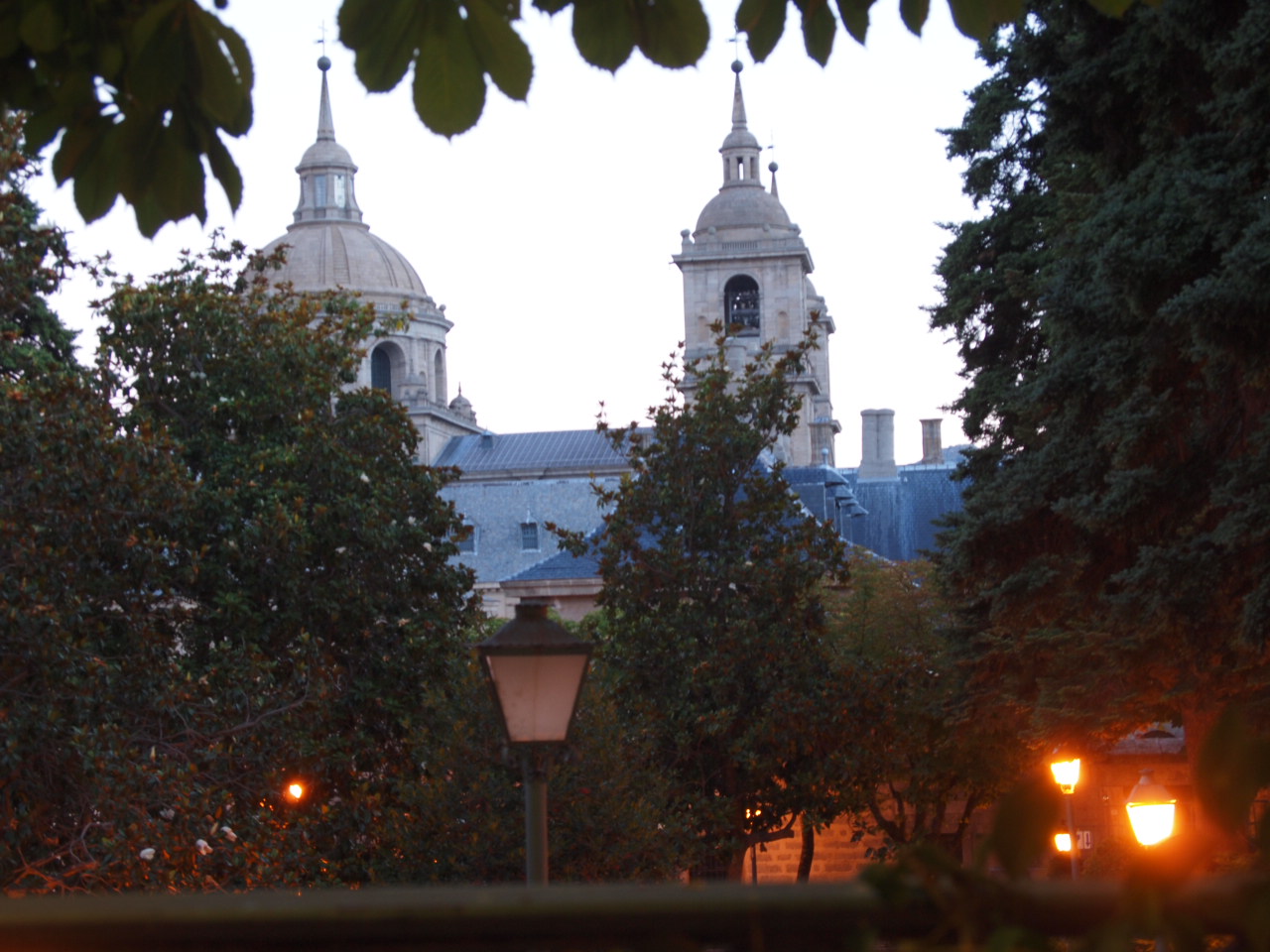
Dinner at El Escorial OLYMPUS DIGITAL CAMERA

With the photographer's dog!

With the photographer’s dog!

Camp de Mar

Walking back from the beach

Walking back from the beach

Harbor taxi!

Harbor taxi!

Lunch?

Lunch?

at the Cinco calderas

at the Cinco calderas

Las cinco calderas

Las cinco calderas

Toledo Cathedral

Toledo Cathedral

Toledo Cathedral

Toledo Cathedral

Reading Lists – and the exam that follows…

Reading is hard work, you just can't see it!

Reading is hard work, you just can’t see it!

Patxi at the old and used book fair at El Escorial

Patxi at the old and used book fair at El Escorial

Many of my followers have asked me about the reading lists for my Ph.D. and what is all the fuss about. So here is a brief description: I have finished my first year of the Ph.D. program where I had to take classes. This year, is devoted to preparing for my Ph.D. exam which should be in the Spring of ’14. The exam is based on three reading lists. My first list is XVIII Century Spanish satire, where I have to read about 20 or 30 books of primary reading and another 20 or 30 of theory and critical reading on the topic. My thesis director, the wonderful and extremely patient Prof. Irene Gómez Castellano will guide me with the reading. My secondary or complementary list is on Medieval Spanish satire with the same amount of reading. Prof. Domínguez, the generous and equally patient God of Medieval Spanish literature (seriously, he wrote the book on  it!) will help me with that.  And the final list has to be a transatlantic one. American lit. students have to study a Peninsular topic and vice versa, so I will be reading Colonial lit. with the extremely knowledgeable, razor-sharp but funny Prof. Perelmuter. The exam consists of a morning oral exam with the three reading tutors and a weekend written section with a question for each list. Passing that exam would make me All But Dissertation (ABD) and I have two years to research and write my dissertation.

So I have spent most of my summer (and my summer money) reading and finding books that will fit my reading list. I have toiled in used book stores around Spain breathing musty, old books. I have found some gems, and some that I could not afford, original prints and such. Many of the books I need have long  been out of print, and finding them is a bit of a hit or miss game. I found a handful of books a couple of days before departing Spain at the annual old and used book fair in El Escorial! By the end of the summer I had fifty-four books – enough that I had to fill a second suitcase, albeit a small one. All these are a bit less than a third of the books I need. If I add some books that I already have, I might have, at best, less than half of the material I need to read by April/May… will keep you posted. For now, it is time to get back to reading!