Identify and leverage your resources. A trip to see the Dutch Masters.

I write a lot about teaching hacks and do this, and do that, but at the end of the day, you can summarize my hacks and advice into one: recognize and identify your resources and then leverage them.

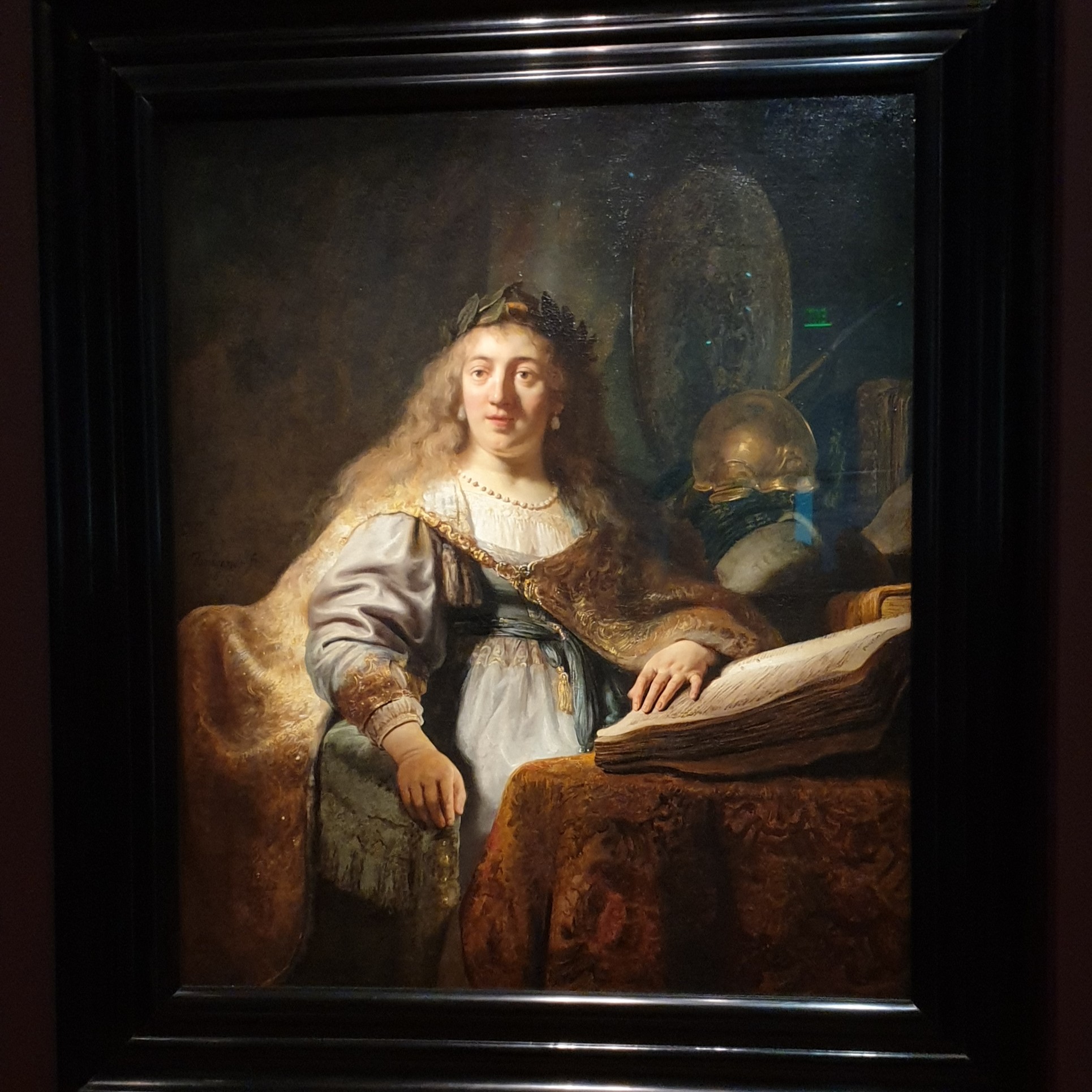
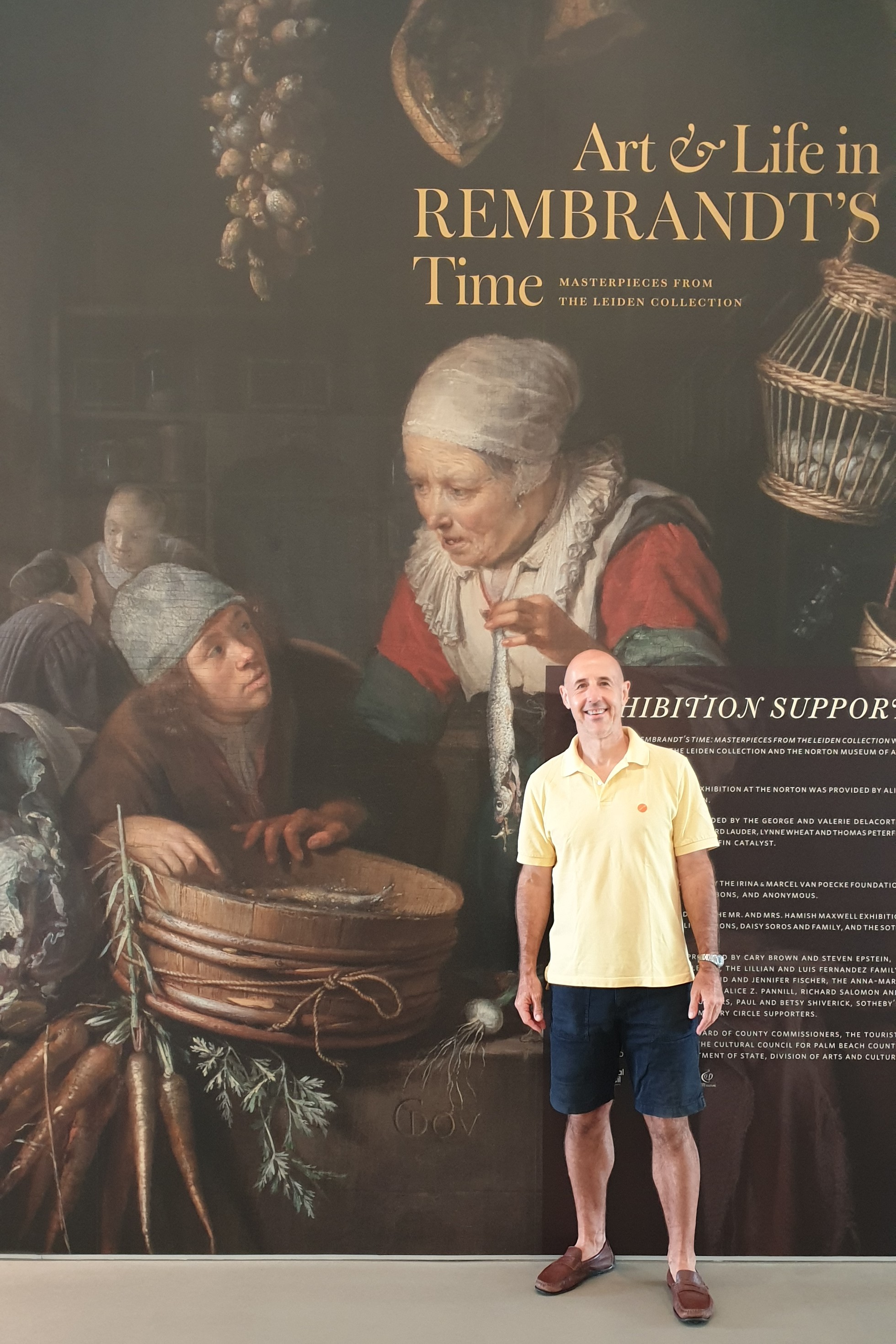
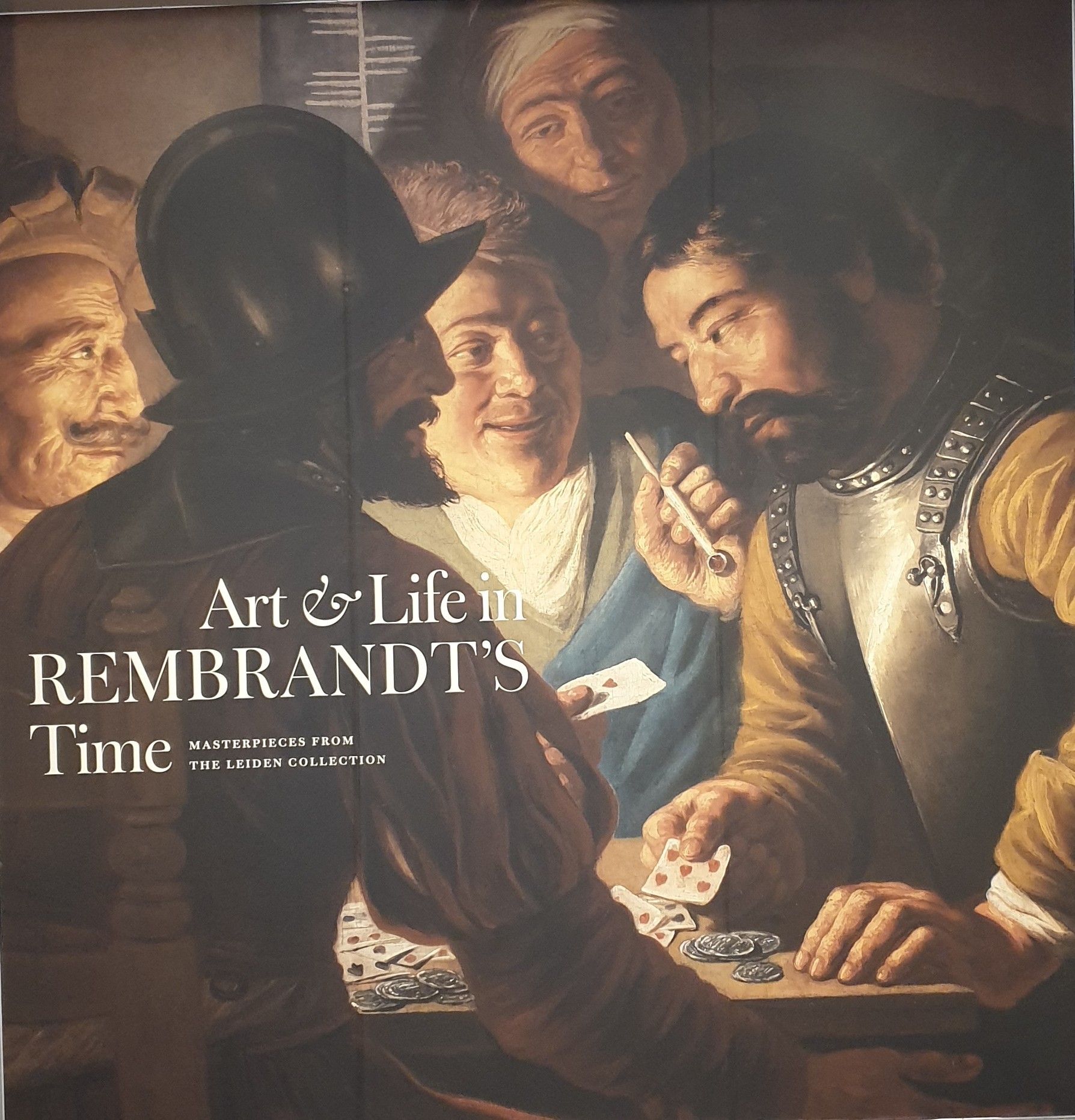
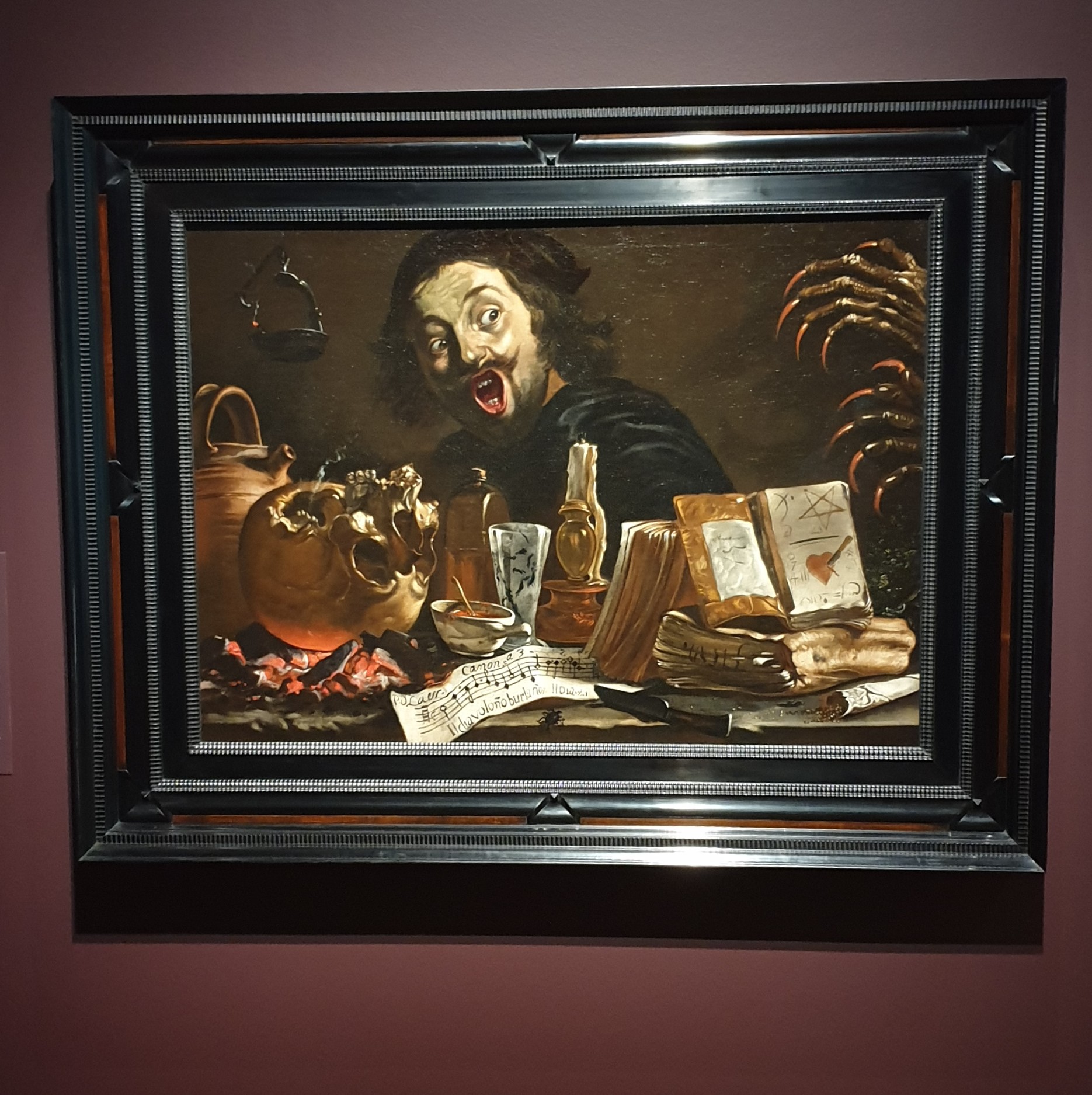
If you read this blog, you know I recently loved the exhibit of the Dutch Masters at the Norton Museum. The Dutch Masters beautifully portray the chiaroscuro, tenebrism, emotion, color, and realism that characterize the Baroque. Since we are currently studying the Baroque in our Advanced Spanish class, this exhibit was a perfect excursion for us to better understand this movement, period, literature, and art.

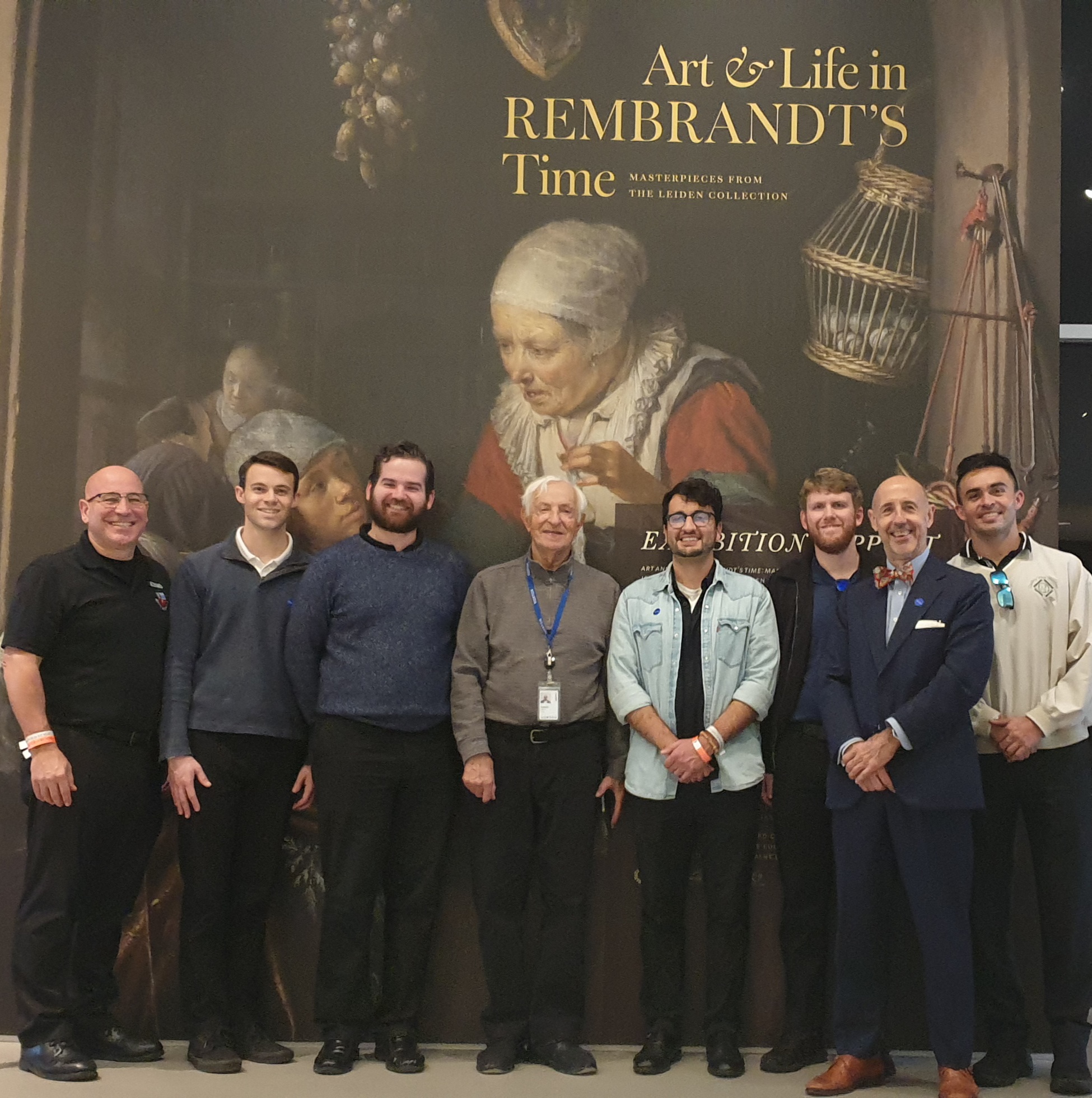
After clearing all the permissions and bureaucratic hurdles, off we went to the Norton in West Palm Beach and loved it!

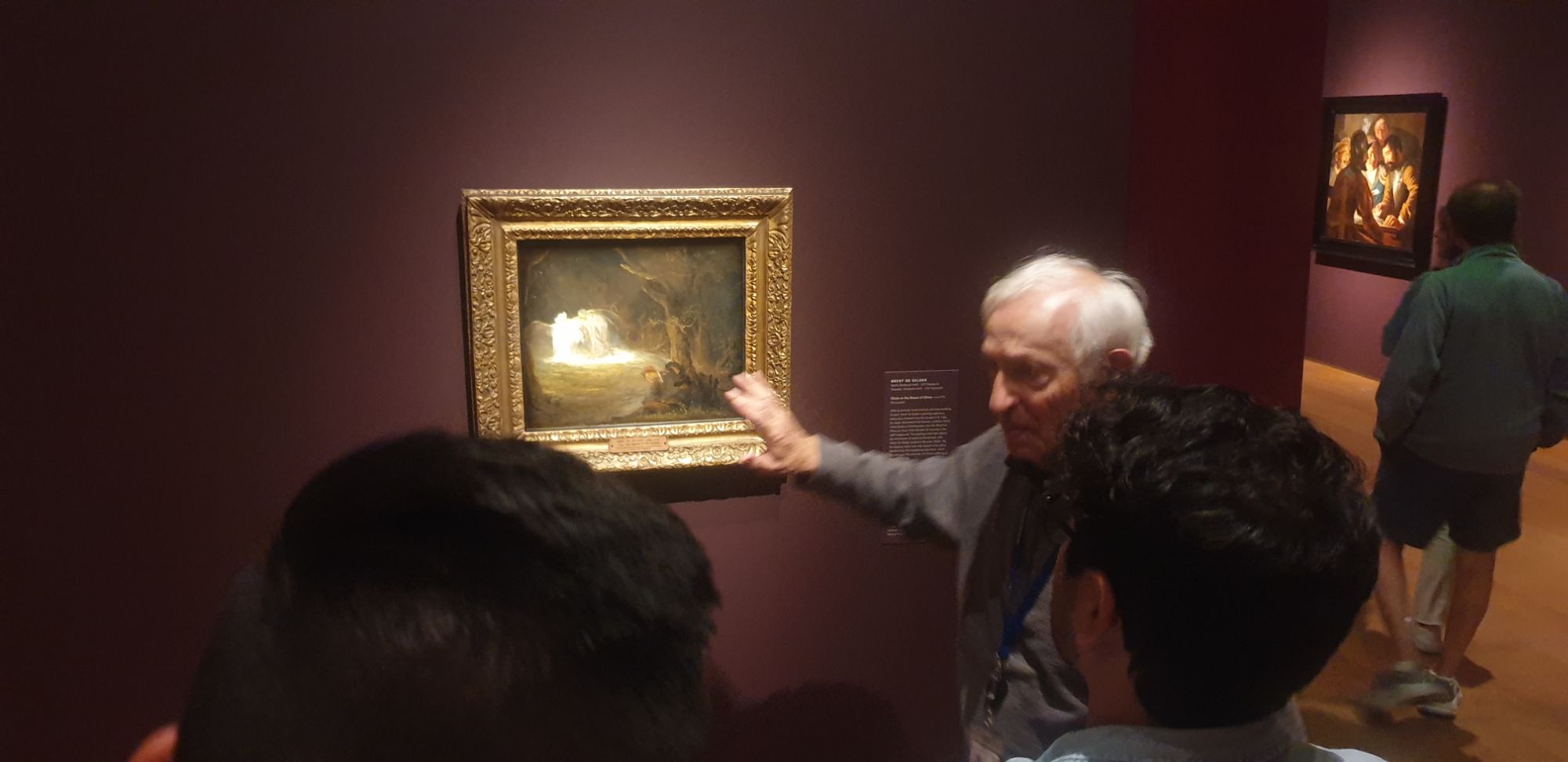
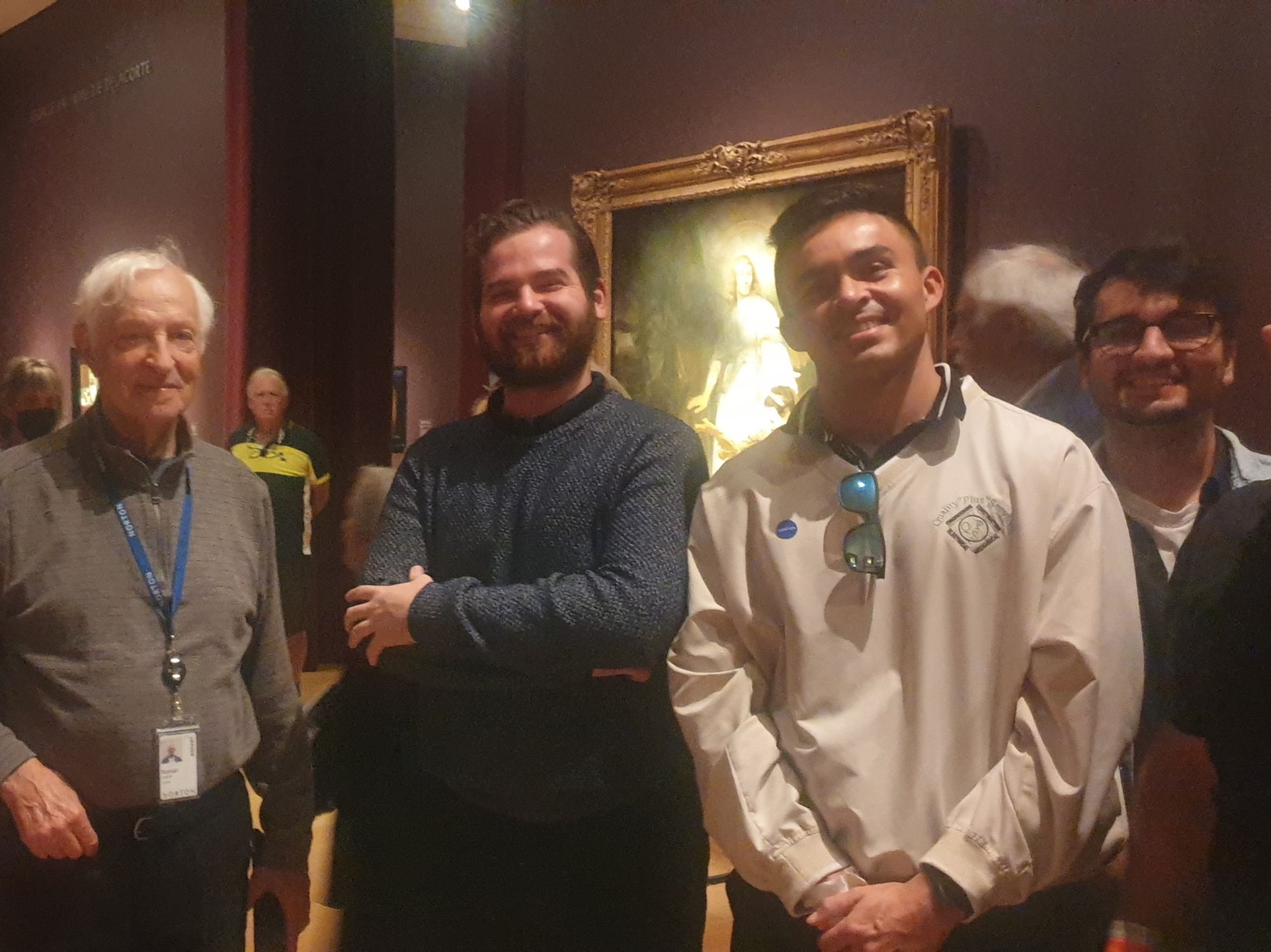
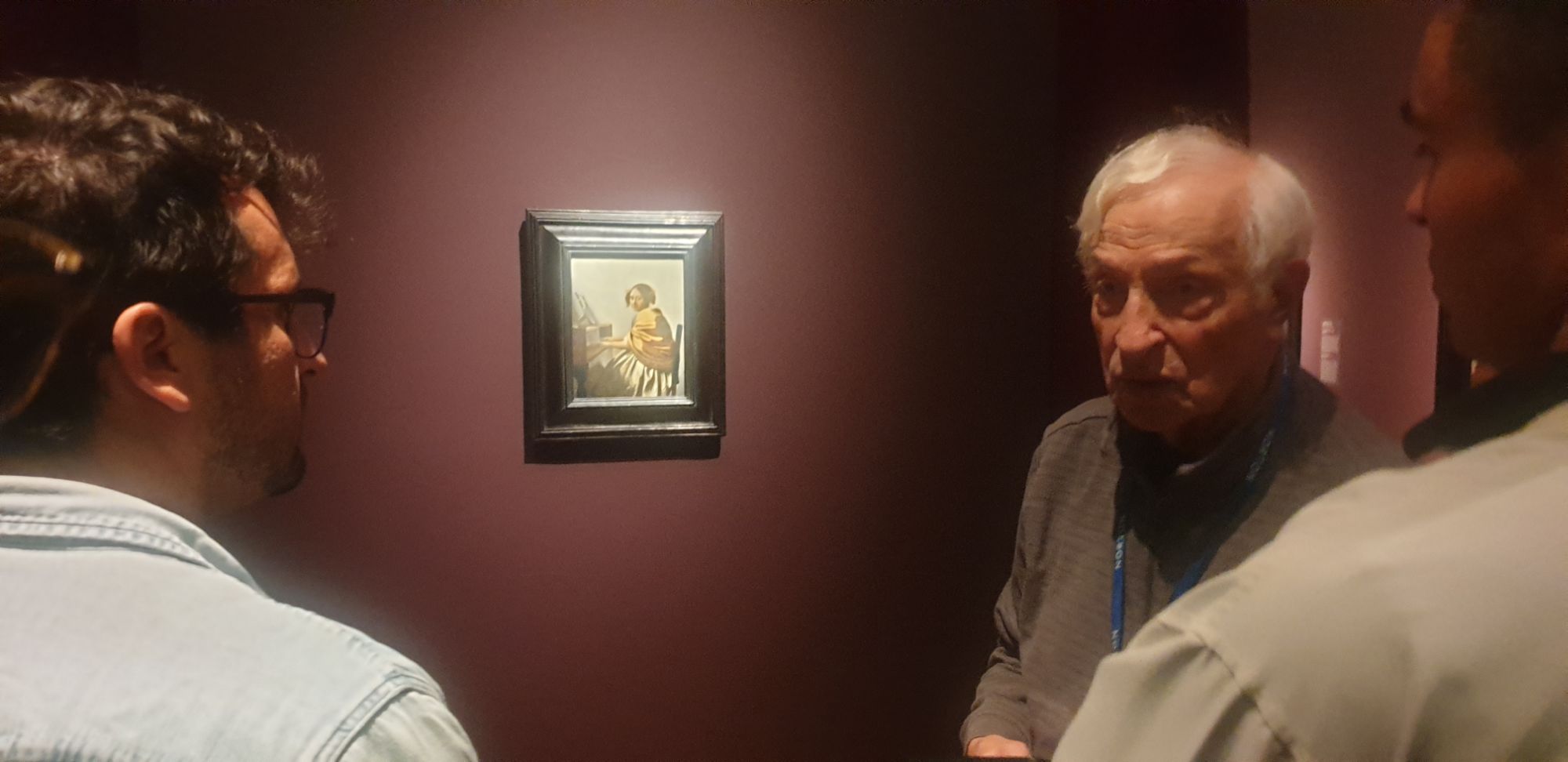
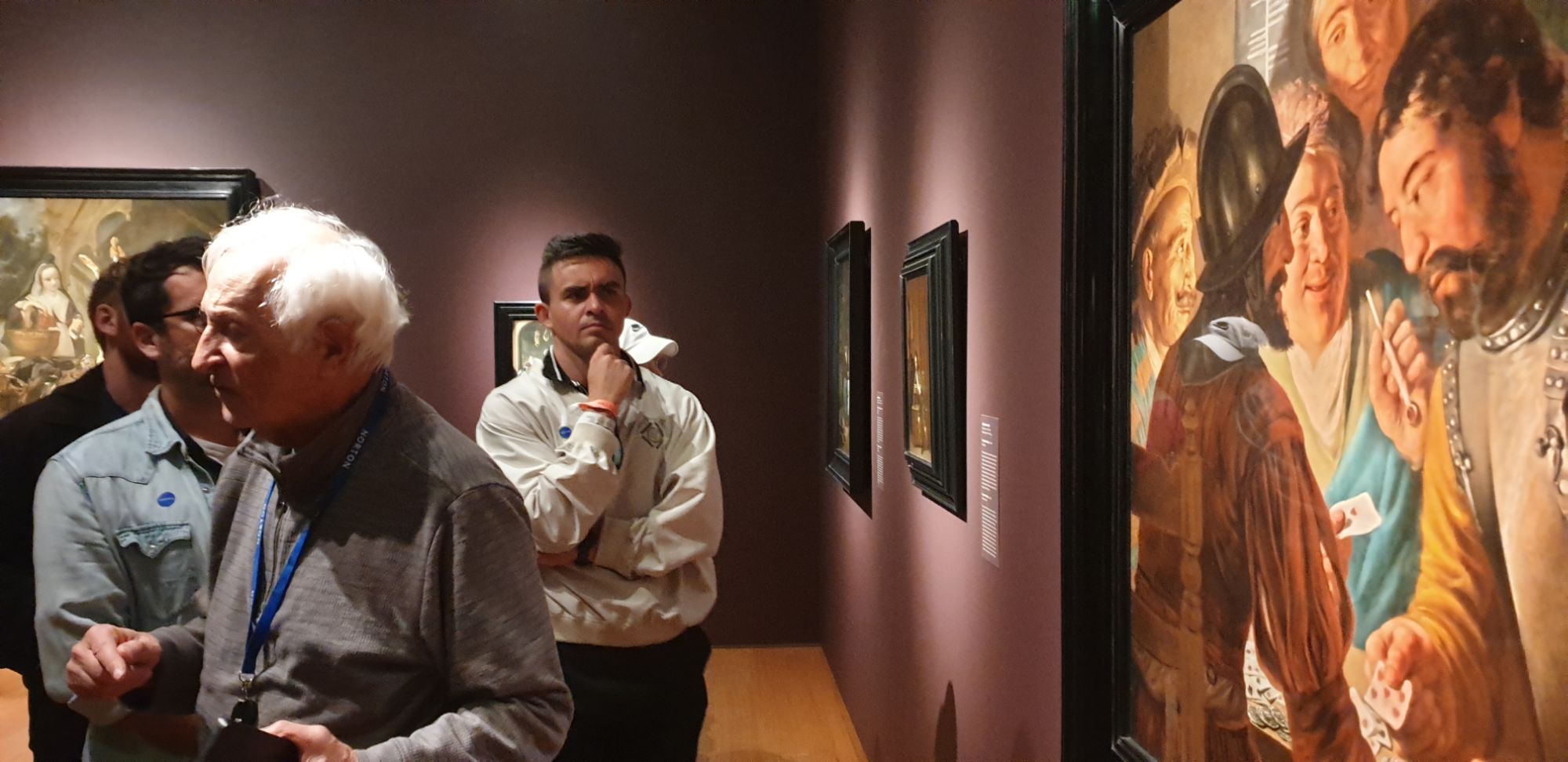
Roman, a sweet retired Polish fellow, was our patient and generous docent. He was knowledgeable and understanding. The students answered all the questions Roman asked about Biblical stories, and we all enjoyed the visit.

If you have the blessing, privilege, and responsibility of being a teacher, find your resources and lean on them. You are welcome.

Rembrandt and the Dutch Masters at the Norton Museum

Years ago, I heard that the three most influential artists in history were Velázquez, Goya, and Rembrandt. I am not an artist, so I cannot opine, but it does make a lot of sense. Velázquez and Goya —I am fairly familiar with them, since I spend a lot of time at the Prado Museum (which only has one Rembrandt). Rembrandt and the Dutch Masters are fascinating, but I am less familiar (although I did spend time at the Rijksmuseum back in the Mesozoic era).

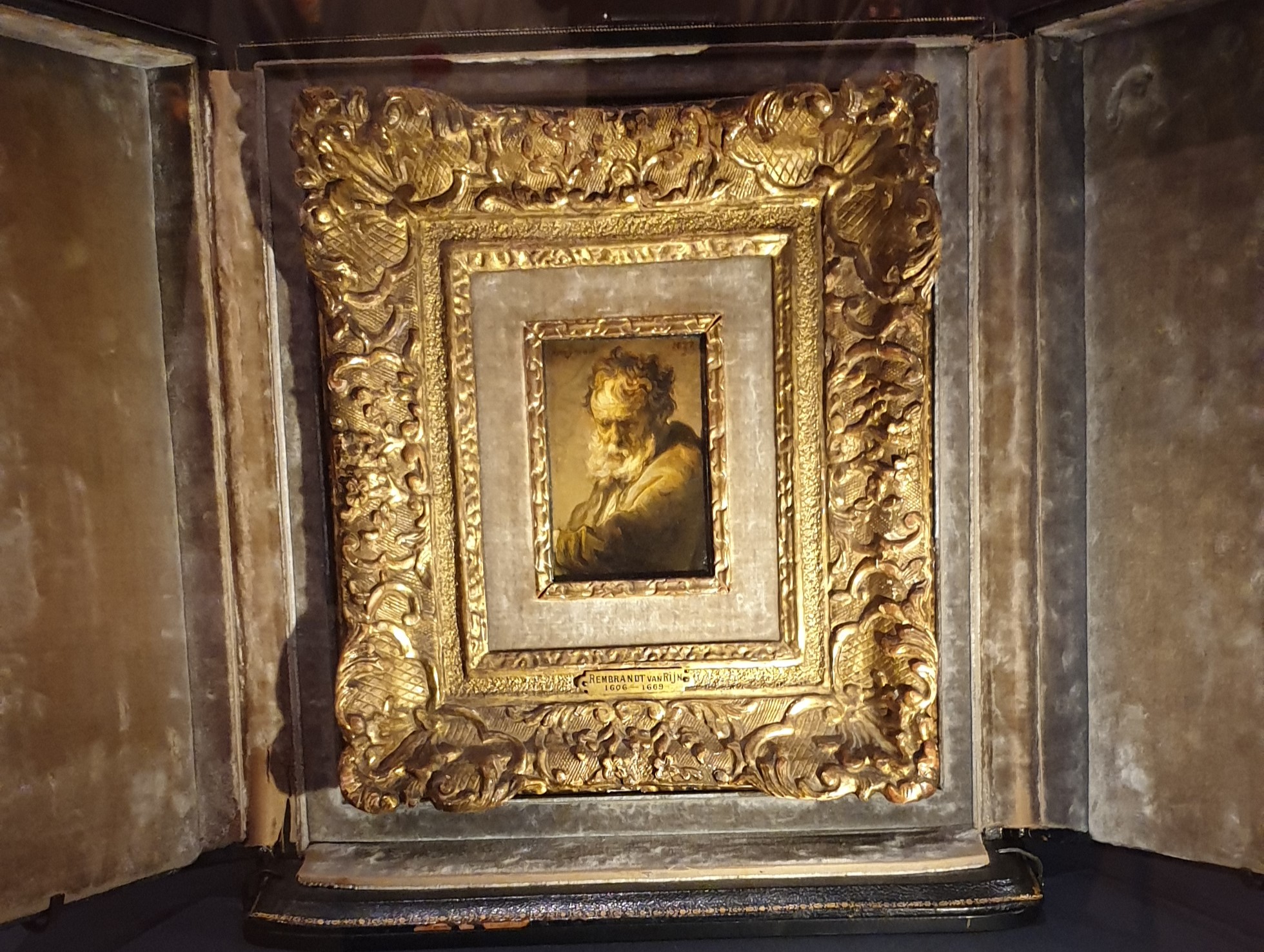
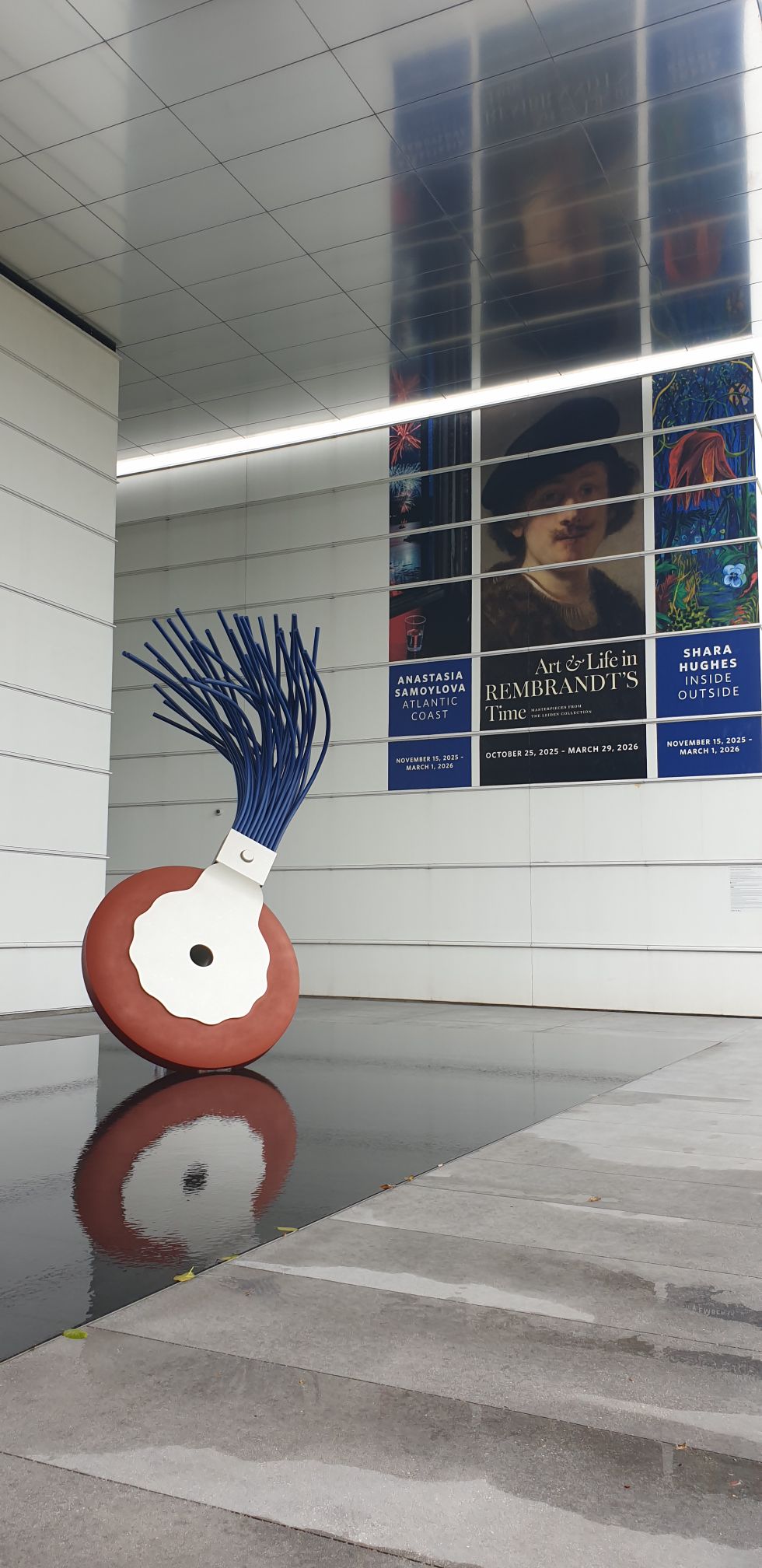
The Norton Museum has just opened a phenomenal exhibit on Rembrandt and the Dutch Masters from the largest private collection, The Leiden, and I have already seen it twice and hope to see it a few more times. I have already scheduled a visit for one of my classes!

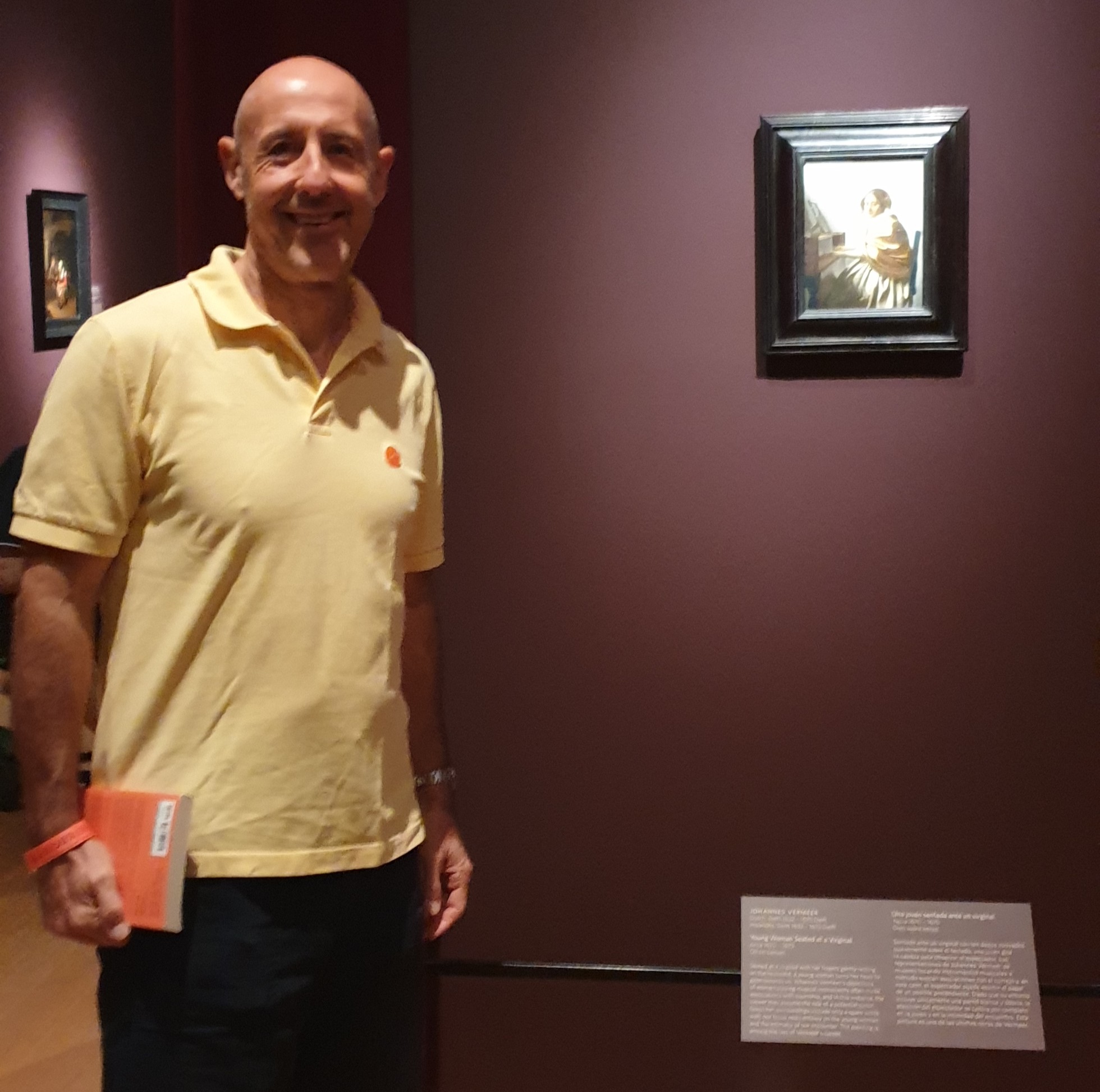
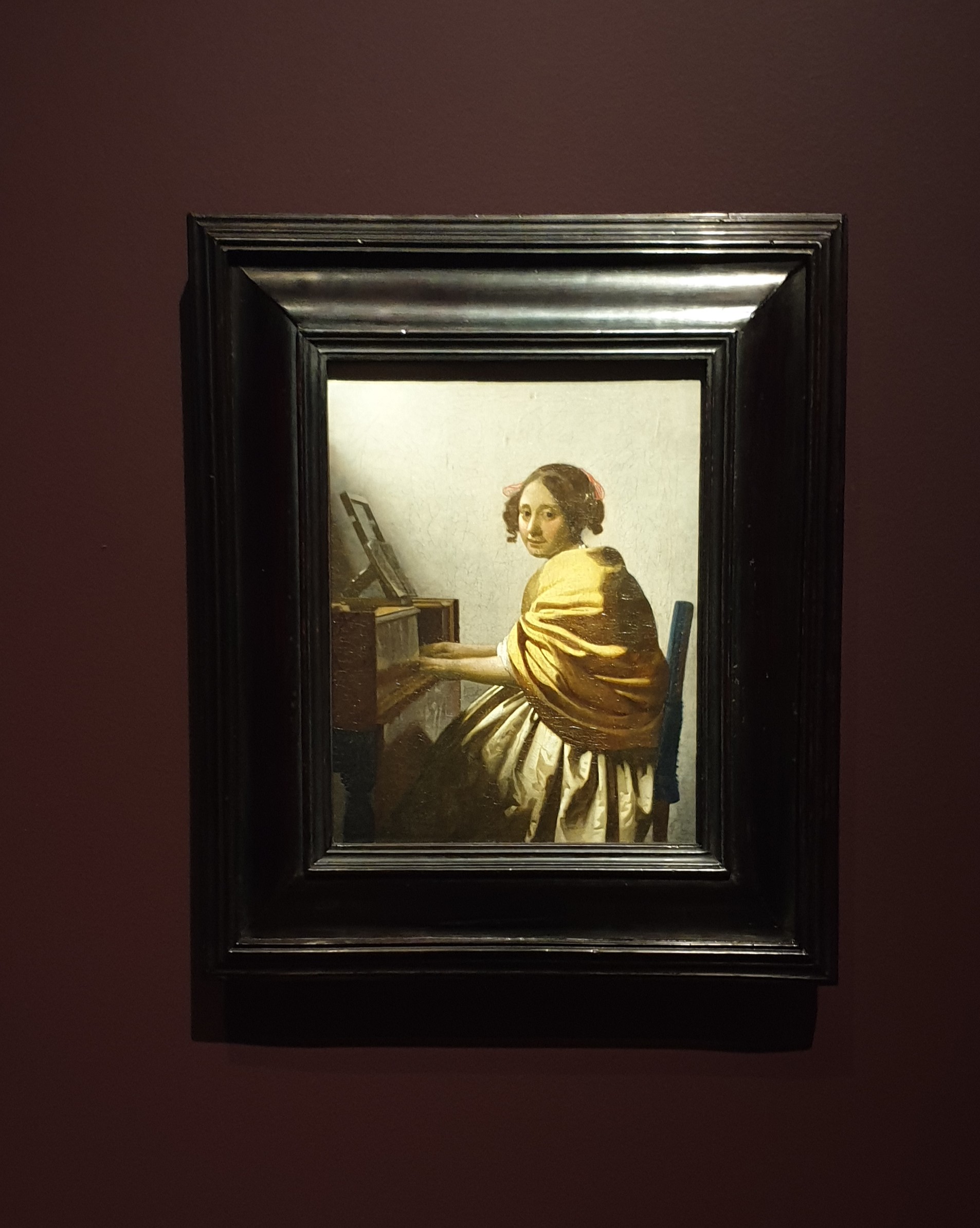
The exhibit is phenomenal; it includes many Rembrandts, various other Dutch Masters, and, as a bonus, a Vermeer!

The works are mostly from the 17th century, although there are a handful from the 18th. So, Dutch Baroque, which is a bit different from the rest of European Baroque, especially Italian and Spanish, but still plays with the chiaroscuro. Jesus at the Mount of Olives is a great example of that technique.

Yes, the Vermeer is my favorite; it is just a girl, a piano, and a chair, but it does so much more than any of the other paintings. It is tiny, but the girl’s gaze, her hair with its almost transparent bow, her dress, two tiny pearls on her neck, the trademark light pouring from a high window. I have written before about the victory of minimalism, but this might take the cake!

So if you are in South Florida before March 29, reserve your ticket and see this exhibition. You are welcome.