Yes, I live in a sort of self-imposed exile. No, I do not live in political exile like some of my friends. I do not live in economic or some other sort of exile; mine is occupational. I cannot do the work I do here at home. On top of that, it is no secret that for me, South Florida has very few redeeming qualities. So I could live a bitter and resentful life. However, I try to find the positive and leverage it.
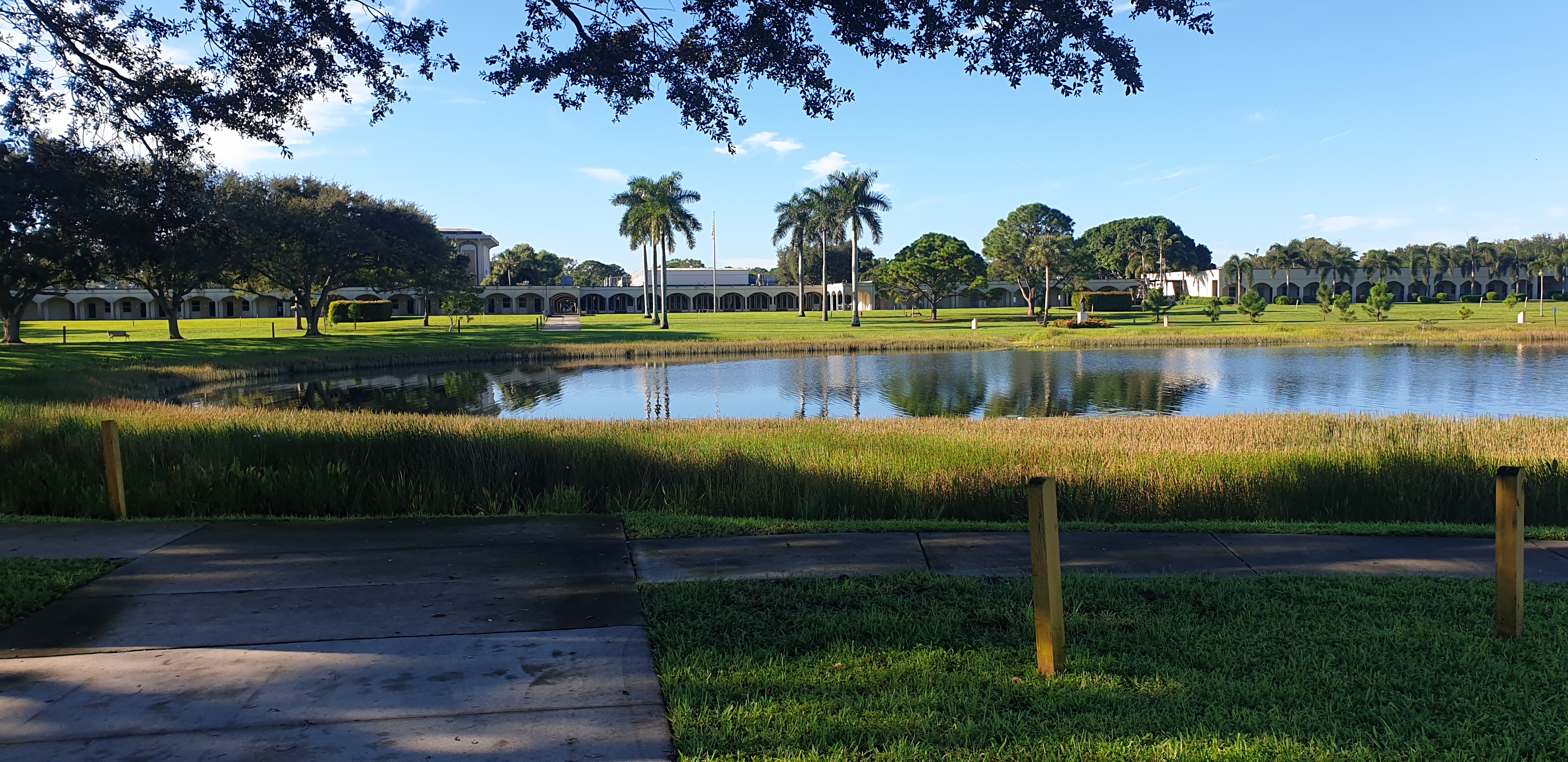
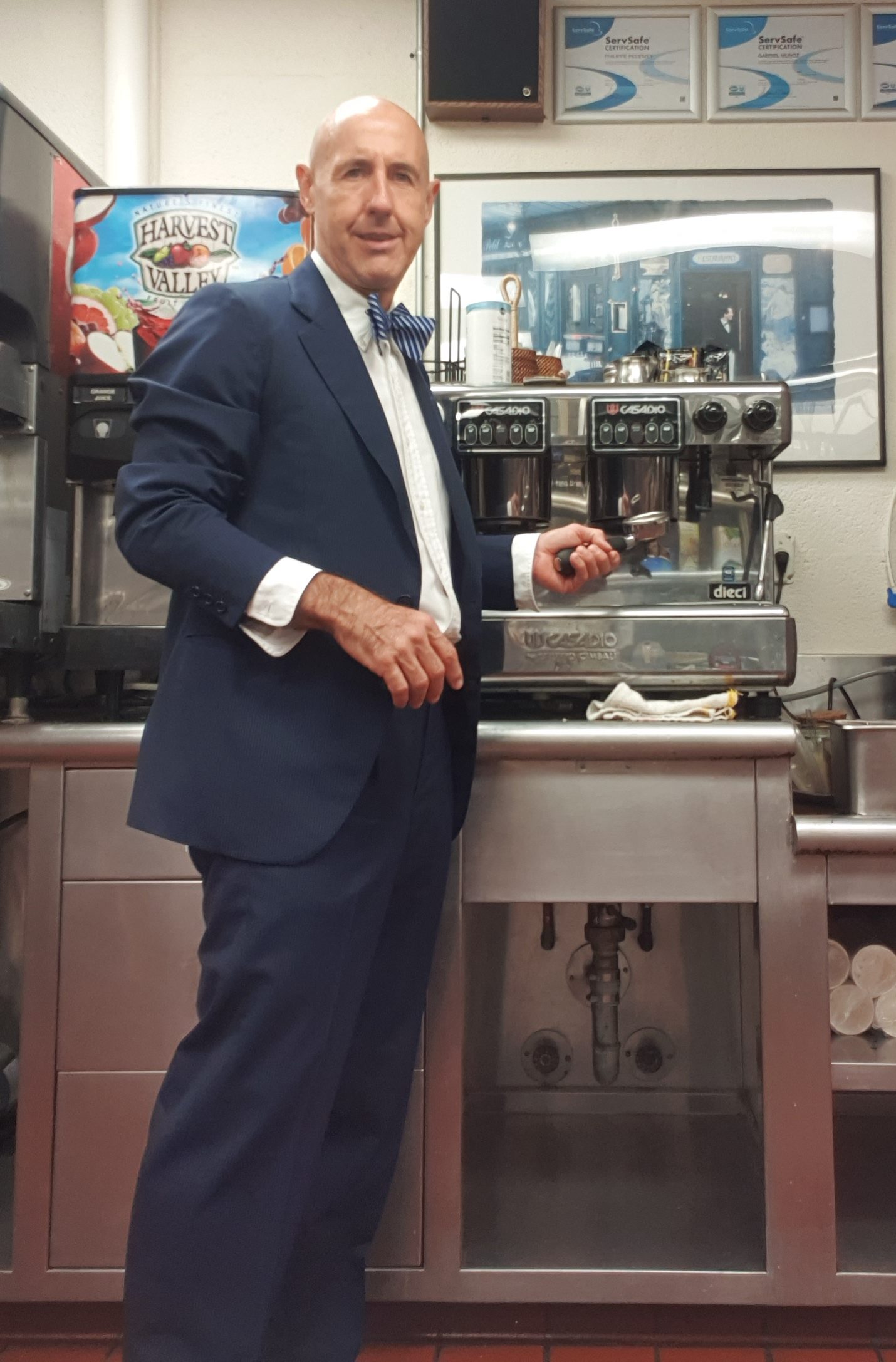
One of the many blessings I enjoy every day is walking from my office, across campus to the refectory, where I make myself a coffee with steamed milk in a professional espresso machine (and grab a cookie to dunk). We have a 73-acre campus which used to be an emergency landing strip for WWII pilots learning to fly out of what is now Florida Atlantic University in Boca Raton.
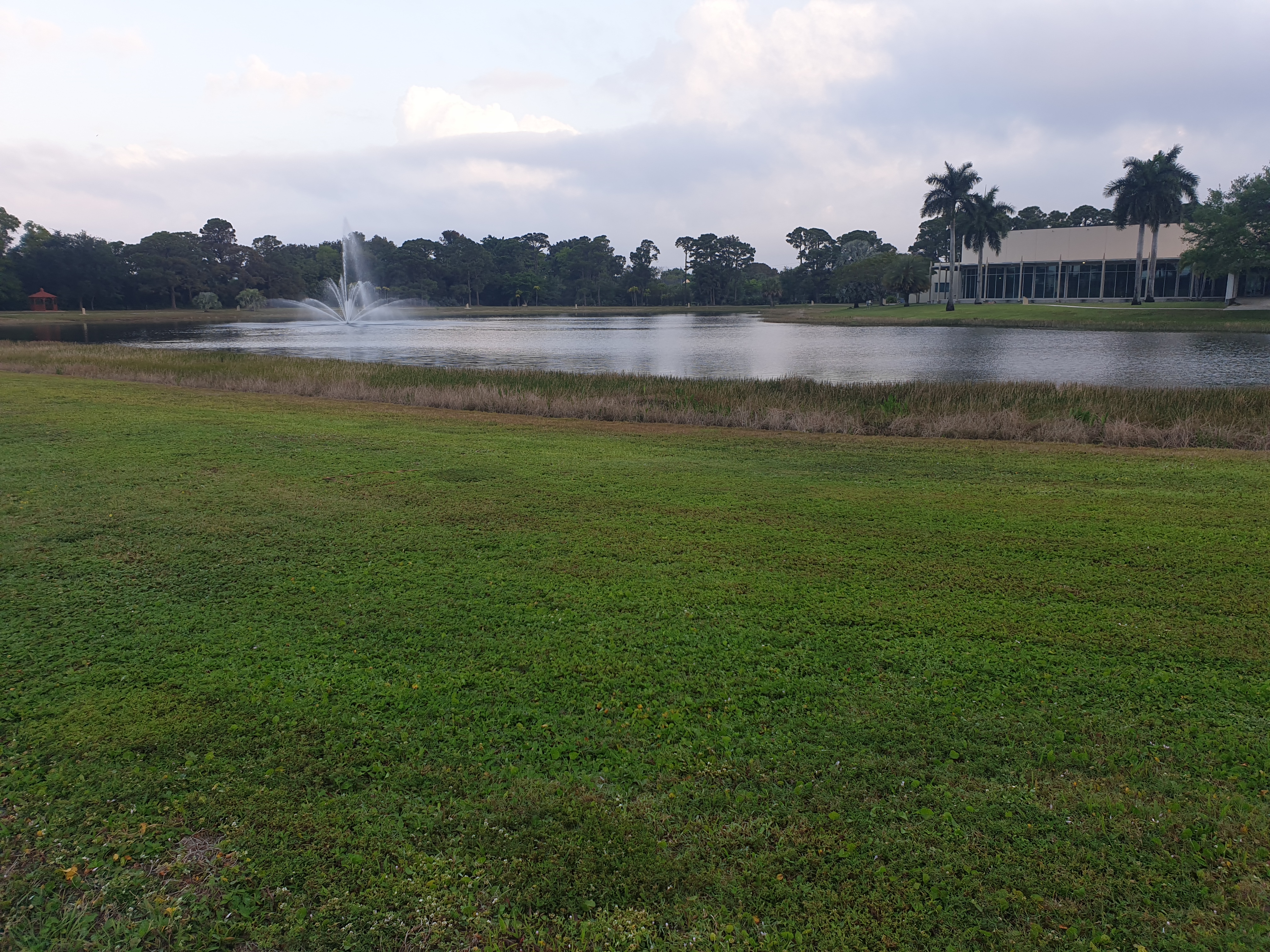
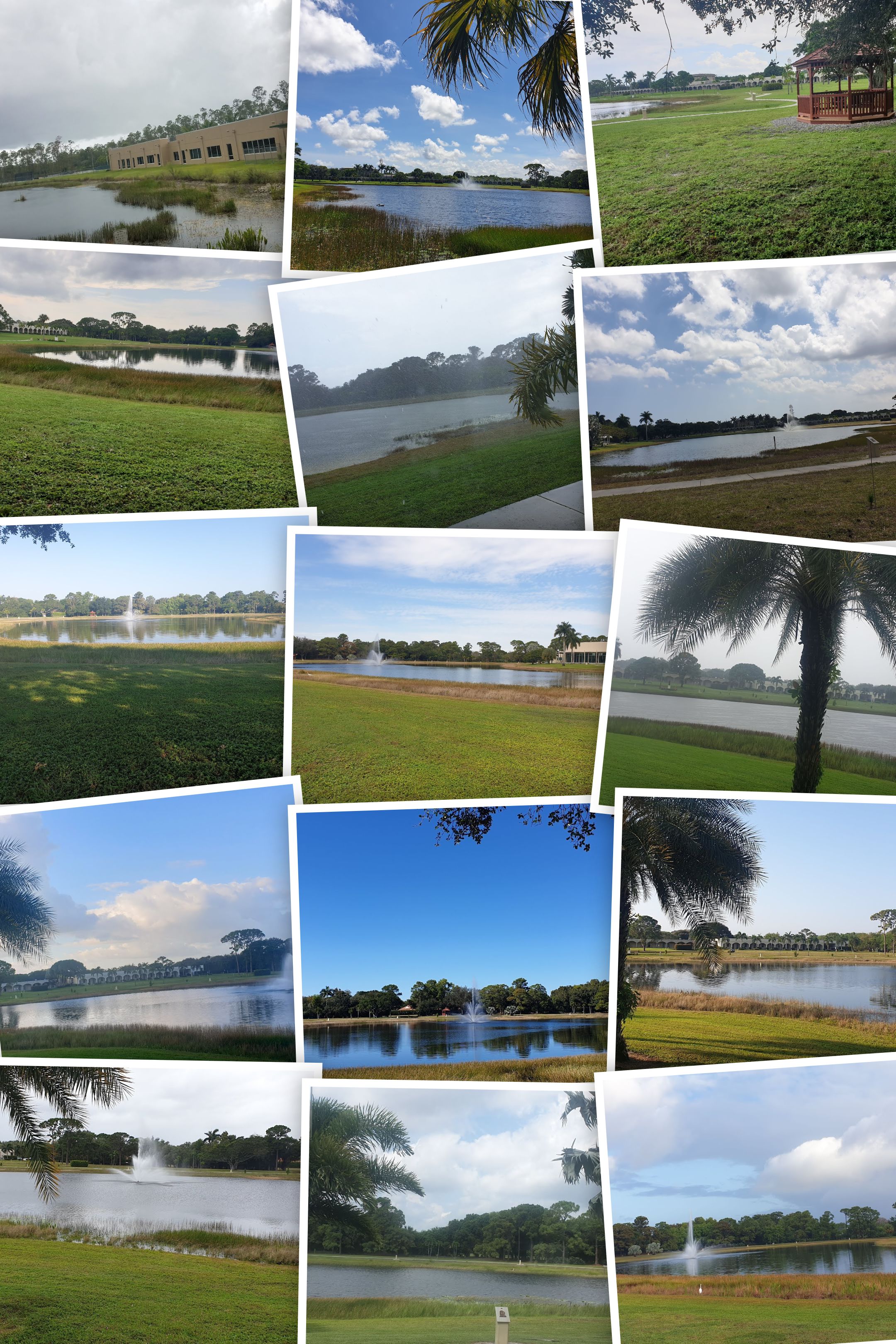
About in the middle of our campus is a lake with a fountain, plenty of fish, and a wonderful path around it! So every morning I walk along the lake, and it is beautiful! Every day is different, cloudy, bright, rainy (this is Florida after all). There are all sorts of wildlife: birds, squirrels, and, if you are lucky, turtles!!
That walk is my first meditation of the day; it is a walk of thanksgiving, of gratitude, of joy, it is splendid!
So, while I could be doing that walk moaning and complaining that I am not home, I choose to enjoy that walk and thank God. I invite you to find your blessings and leverage them. You are welcome.
When writing reviews for this blog, I sometimes struggle with sharing too much about a place I love. Not that I am making any place TikTok famous, blogging is not TikTok after all, and my readership, while loyal, is not exactly viral; nevertheless, one still has a bit of pride in thinking that they can influence some readers to follow one’s recommendations.
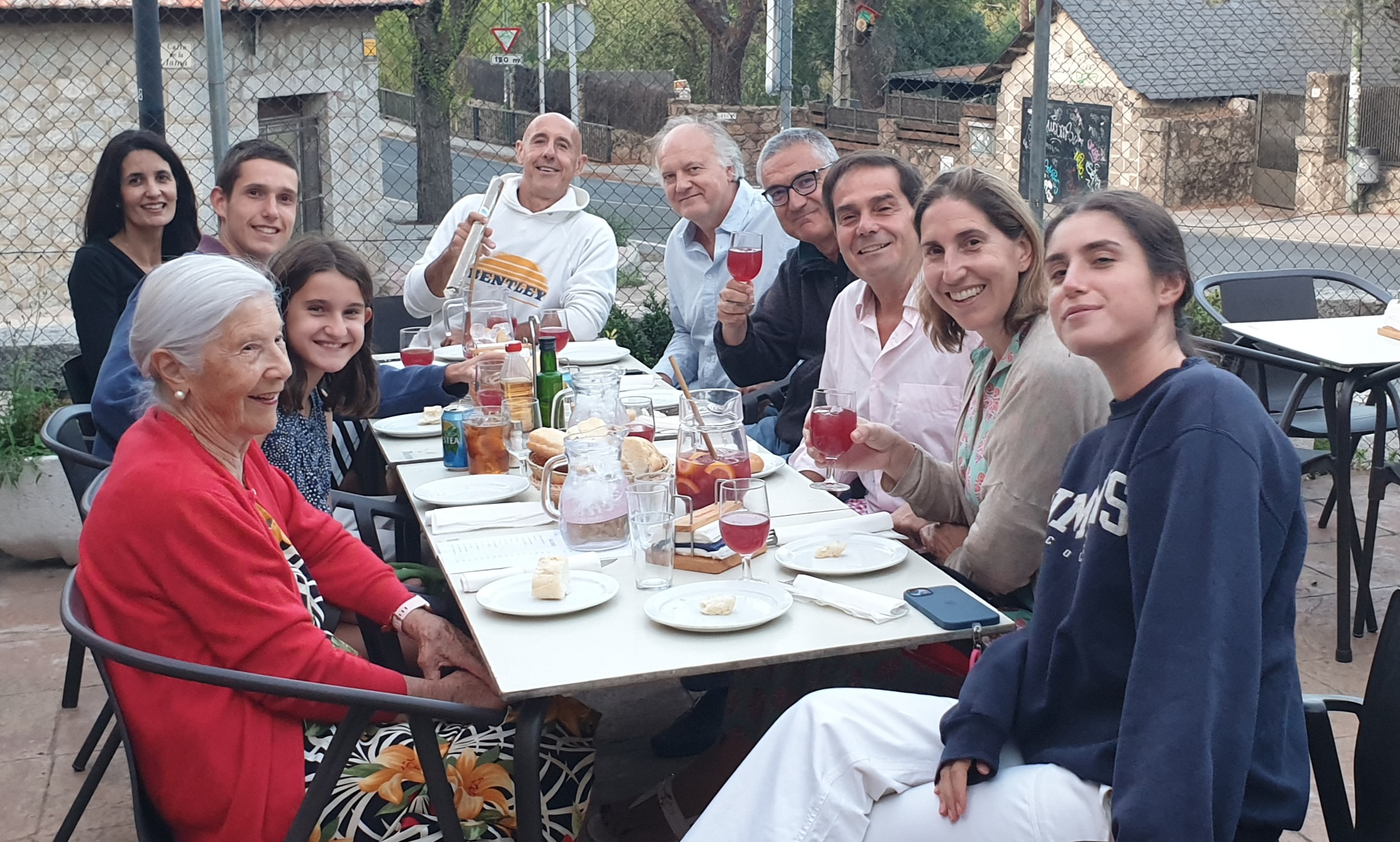
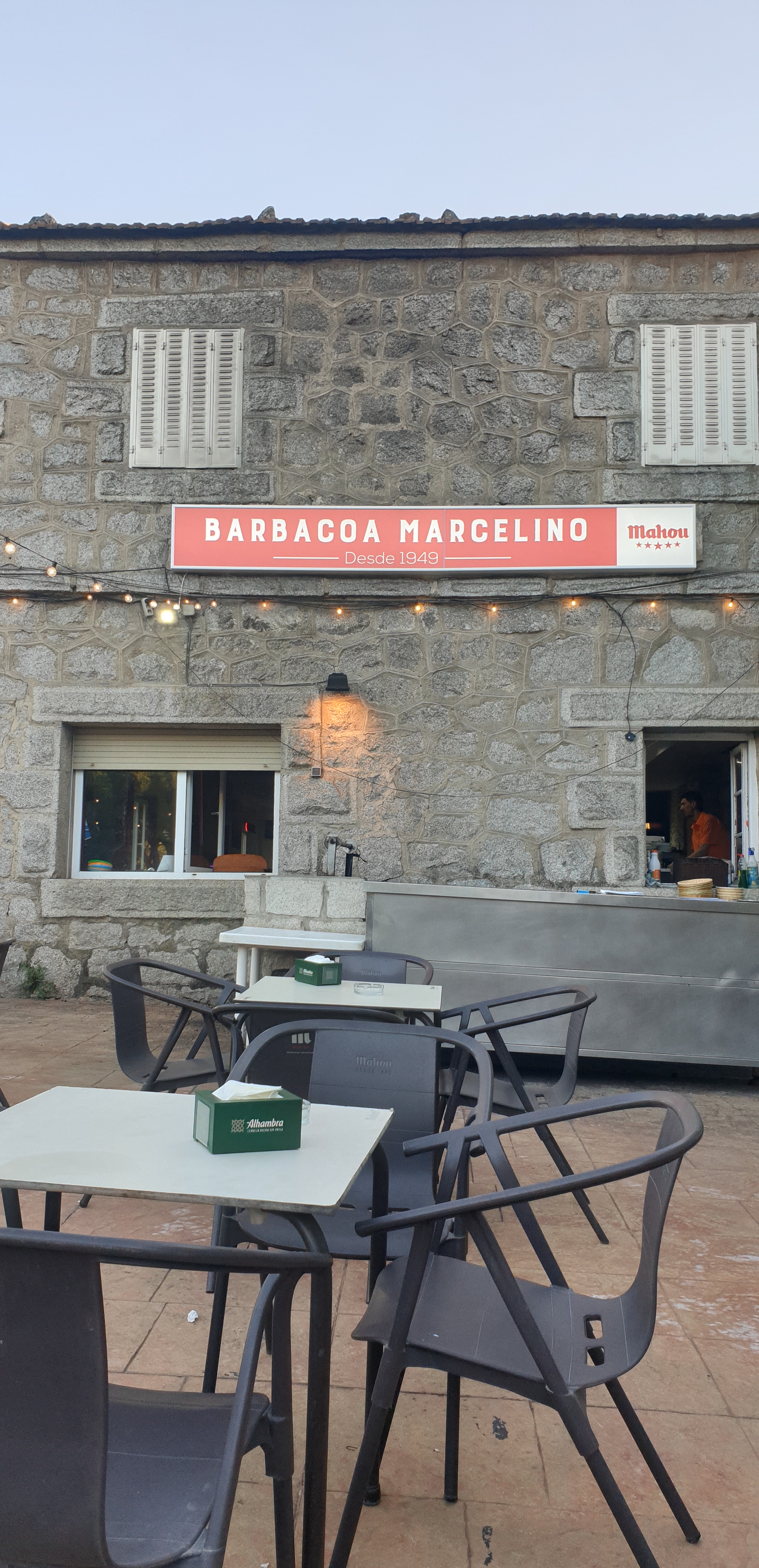
This is the case with Bar Restaurante Marcelino in the tiny village of La Navata, North of Madrid. Marcelino, which has been around for ages, is the best barbacoa in the Sierra de Guadarrama. You can find fancier places, regional, and international foods, and more famous places, or with better views, but none have the combination that makes Marcelino so special.
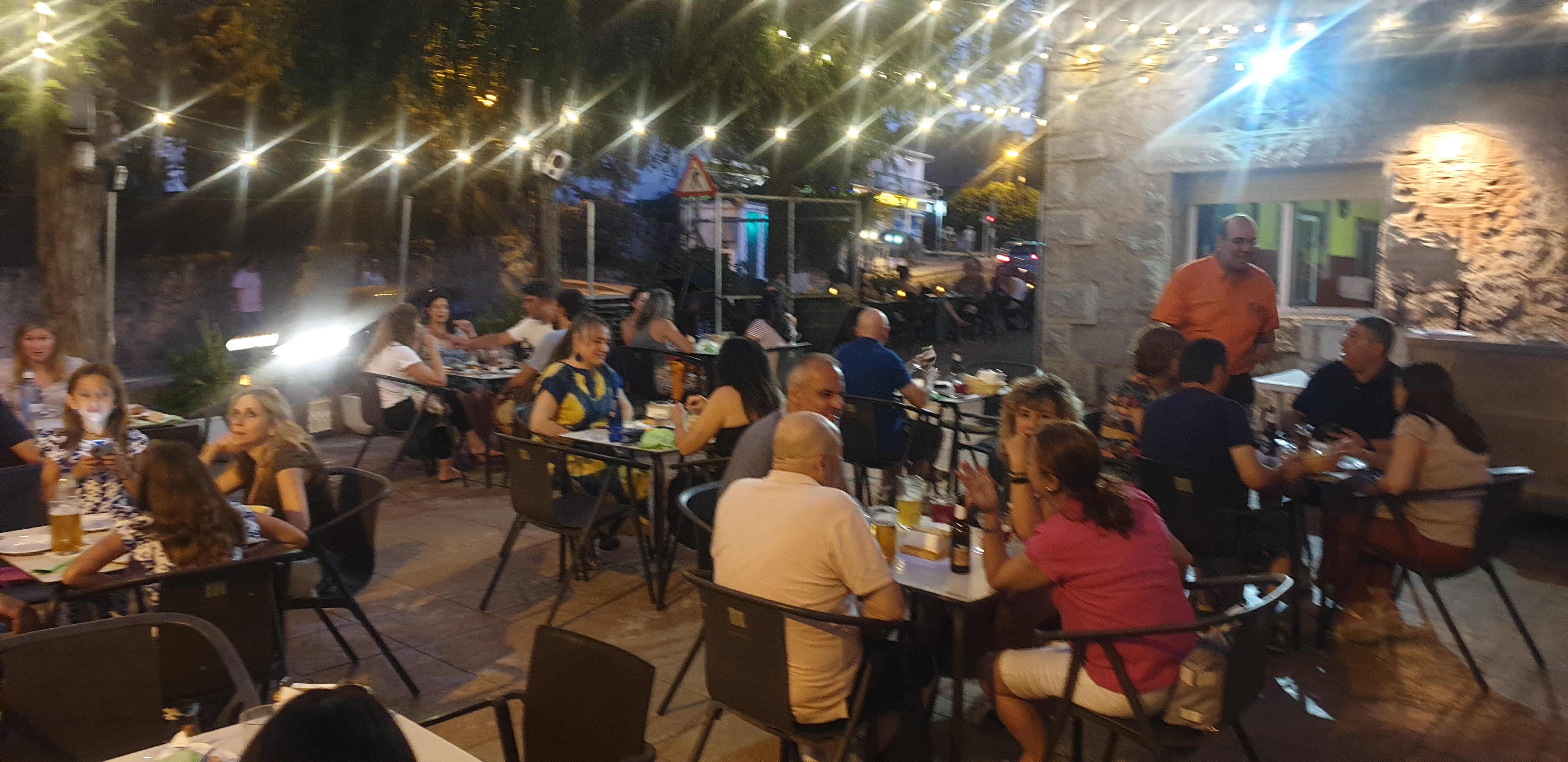
Marcelino is housed in the original 1949 granite building, which was the preferred construction method in this area of the Sierra de Guadarrama. It has a huge “terraza,” an outdoor area split into two areas: the regular café, and the Barbacoa for the evenings.
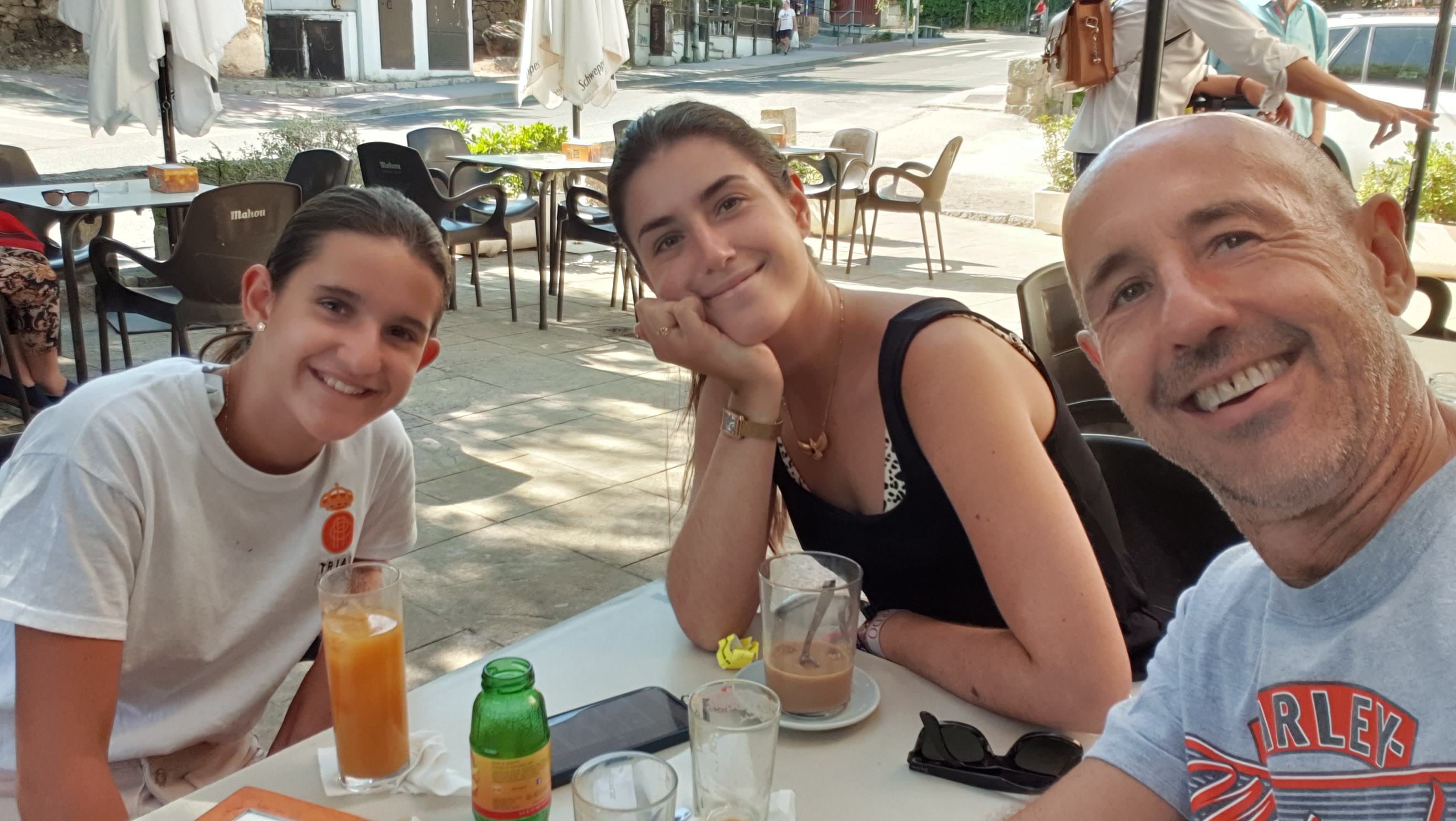
While I am on vacation at my mom’s house during the summer, I walk down the hill every day for my coffee —and if I am lucky, a churro. Some days in the afternoon, I walk down with Celia for an afternoon snack. But the real highlight is the Barbacoa at night.
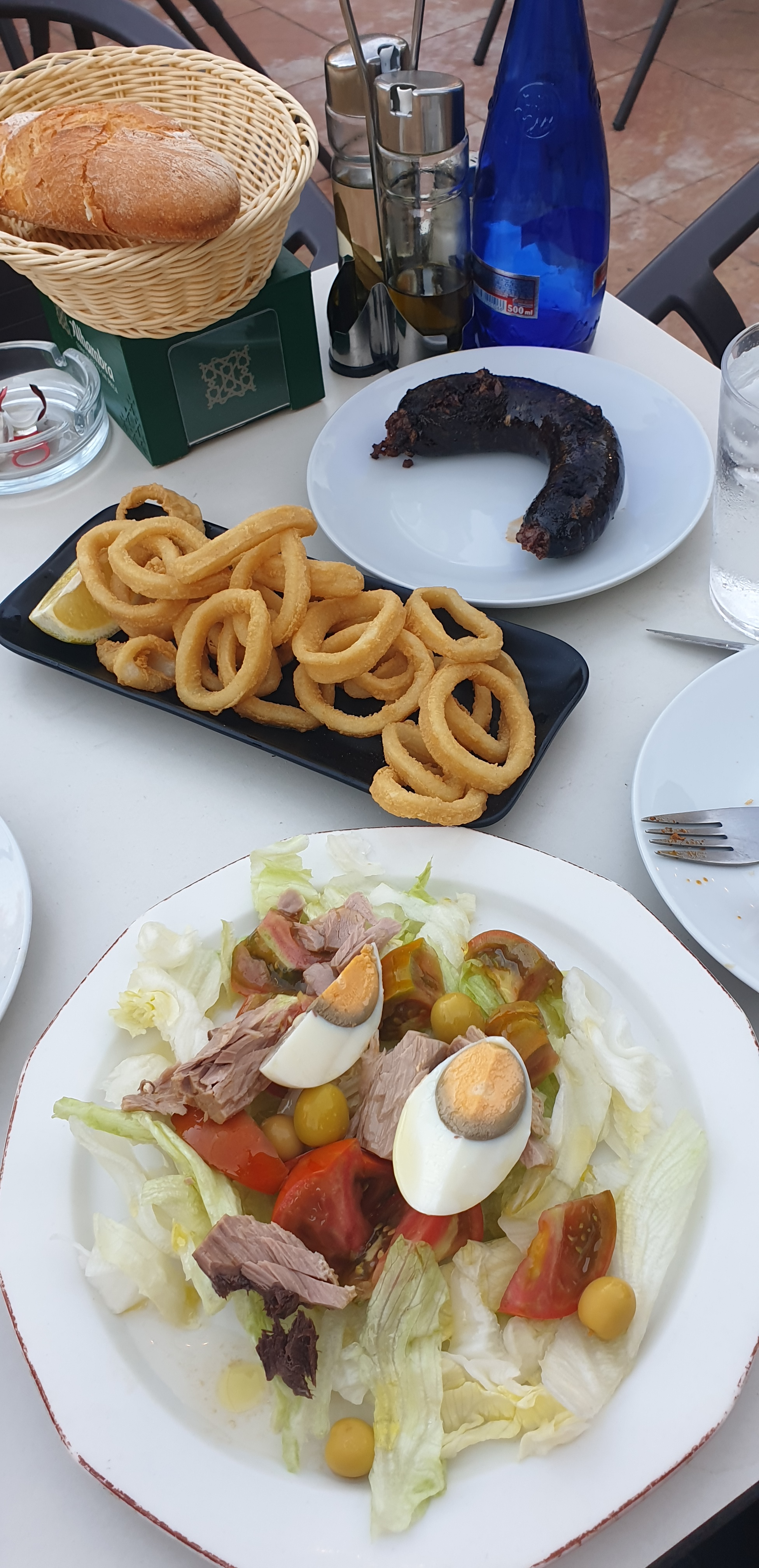
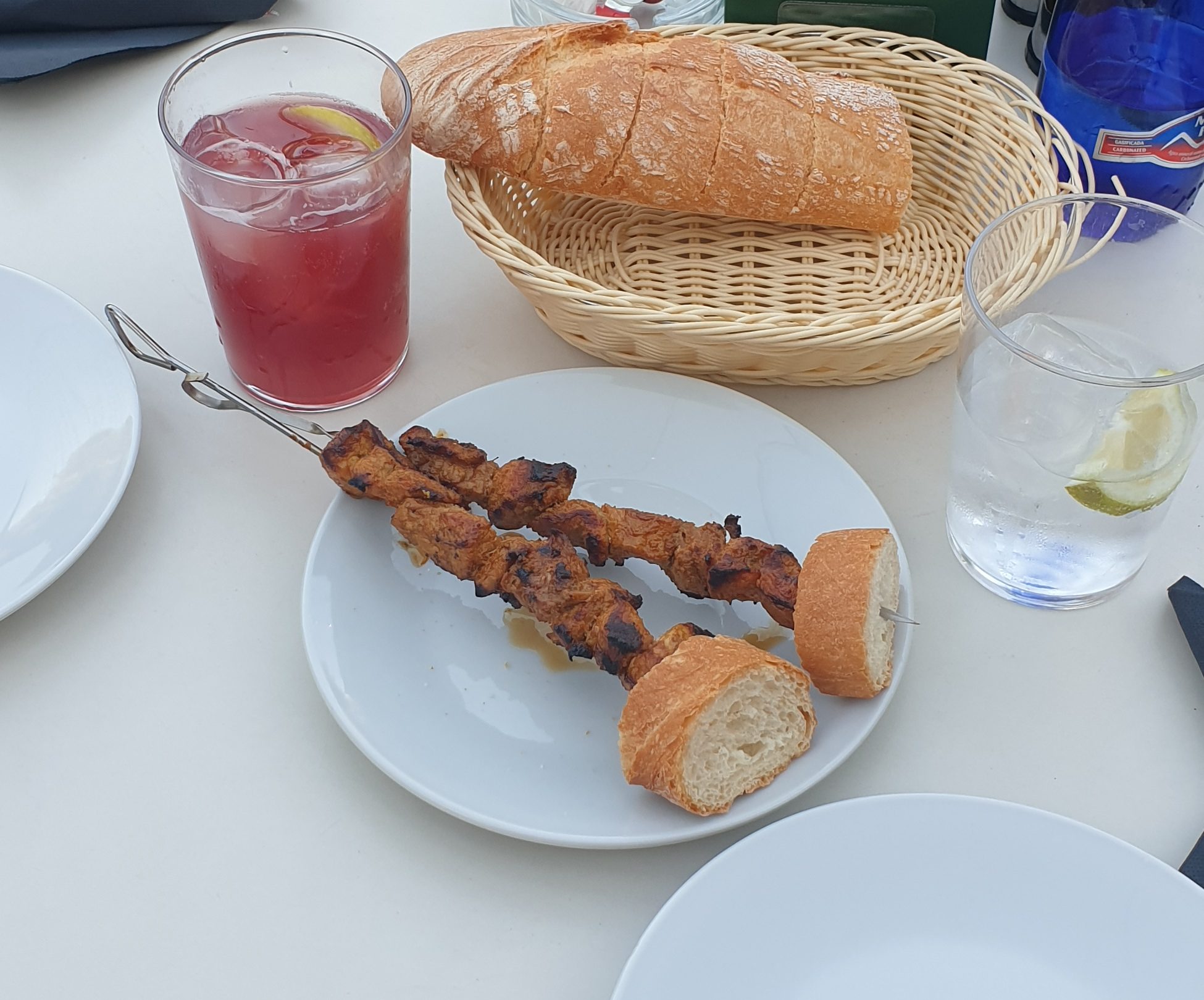
We are talking old school —with old school service, open air, oak charcoal, with the best available meats on the market (I know because we share the same butcher, but that is for another blog post). Chorizo, morcilla (black or blood sausage), Pinchos morunos (kebabs), lamb chops, etc.…
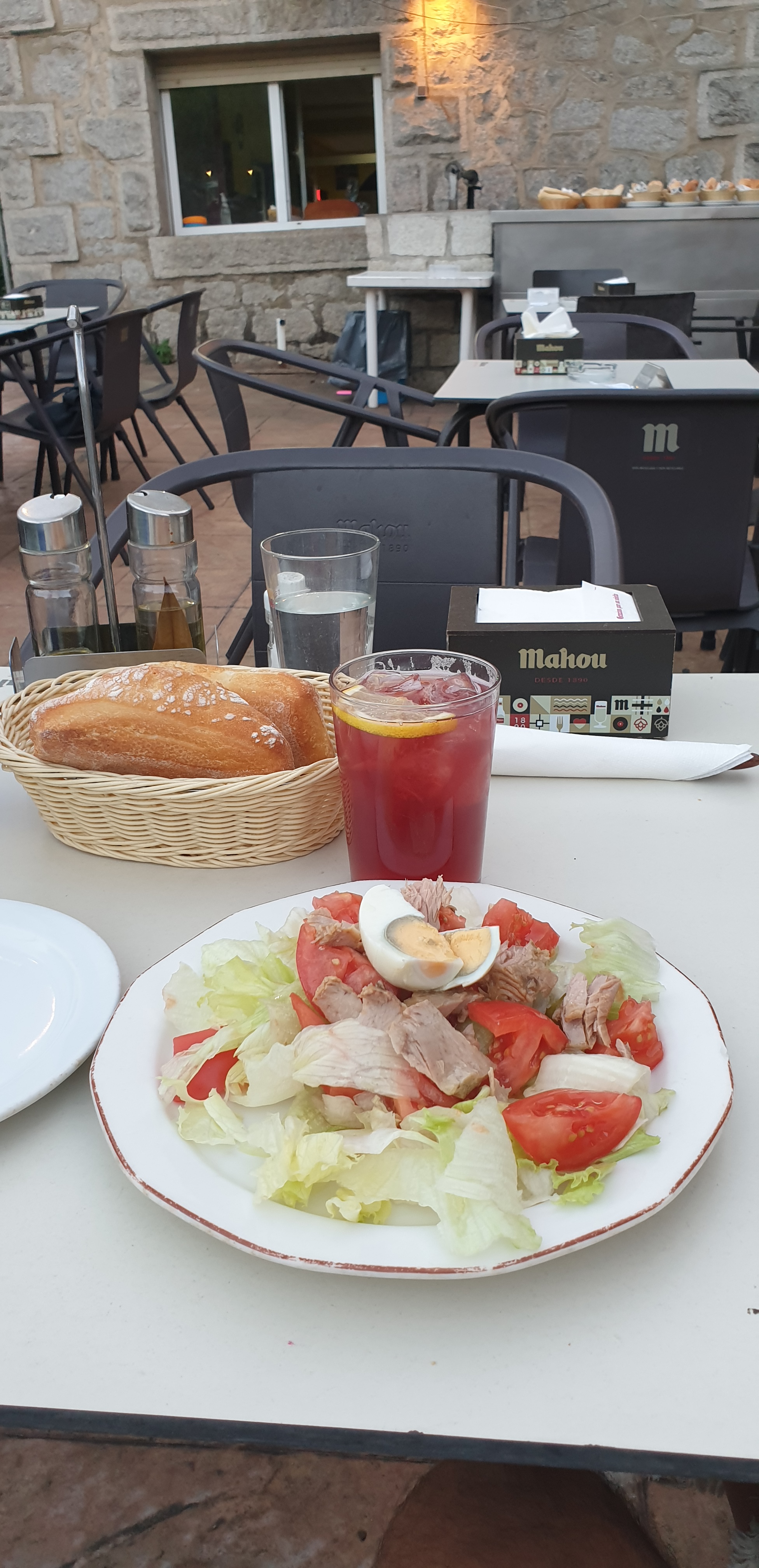
The vibe is relaxed, although you do need to make reservations. Enjoy a sangría, a Tinto de Verano, or a cold beer, get some appetizers, and enjoy the best barbacoa in the Sierra! You are welcome.
Are you schlepping it on the day-to-day? grinding the 9 to 5? Or are you taking opportunities to experience beauty, to marvel, to wonder? It might be a simple, quick gesture such as looking at a cobweb, and marveling at its beauty, or taking a few deep breaths in the morning. If you are rushing through life to get more things done, you might be sacrificing your enjoyment of life.
Being Mediterranean, living in the US is a constant cultural shock. Despite my many years living here, I never got used to it. The go go go, work work work mentality is quickly exposed as this society’s Puritan, Calvinist, Protestant DNA. The first sign of this is when you notice that your colleagues at work do not take a coffee break mid-morning, they continue chugging from their Big Gulp gallon of coffee. You notice when you have not finished your meal at a restaurant and the waiter brings you the bill -kicking you out- with a courteous “Whenever you are ready” and you have not even ordered dessert!!
I had this discussion years ago with one of my students, when they mentioned a book they were reading for one of their classes: Joseph Pieper’s Leisure; The Basis of Culture. I just finished reading it.
Pieper condones the work for work mentality, the worker bee lifestyle. Writing in mid-20th C Germany, Pieper saw with concern the evolution of the labor trends at the time.
Leisure, it must be remembered, is not a Sunday afternoon idyll, but the preserve of freedom, of education and culture, and of that undiminished humanity which views the world as a whole.
Joseph Pieper
Pieper does a great job of defining leisure as not being idle, and how philosophy, a sense of wonder, is the root of culture. He advocates for education in the Humanities, Classics, Philosophy. However, Pieper is careful to note that we must give meaning to leisure. While making work a religion is bad, so is being a sloth (his word!)
Pieper’s second essay is The Philosophical Act, which follows on the Leisure essay. Both essays weave the beautiful tapestry that is Humanism. Not only beauty but thought as well. In this essay, Pieper underlines the importance of wonder and of hope in our “philosophizing.”
This is a short and highly recommended read. It will help you understand what leisure and philosophy is -it is not that boring, scary stuff you read in old books!
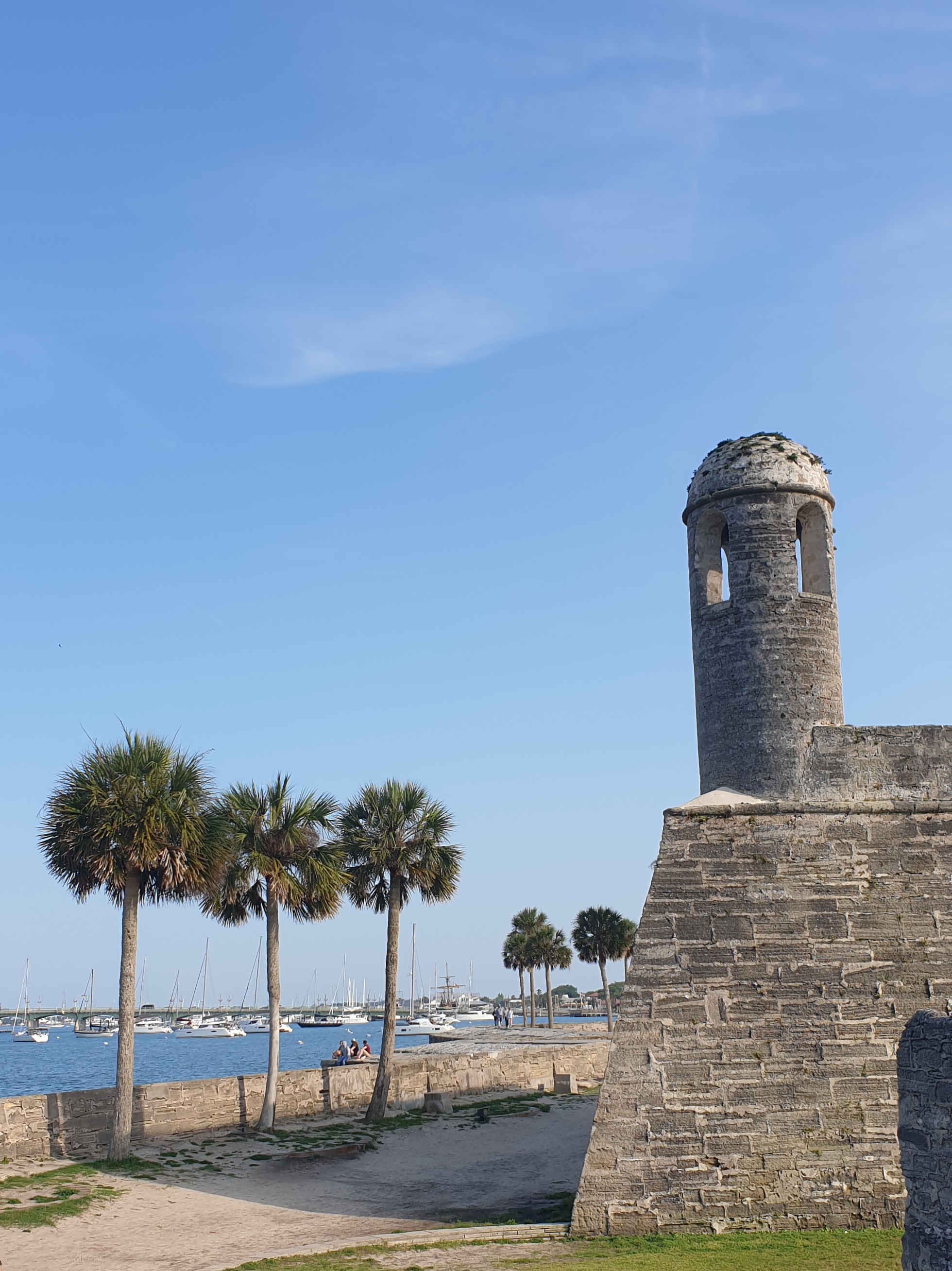
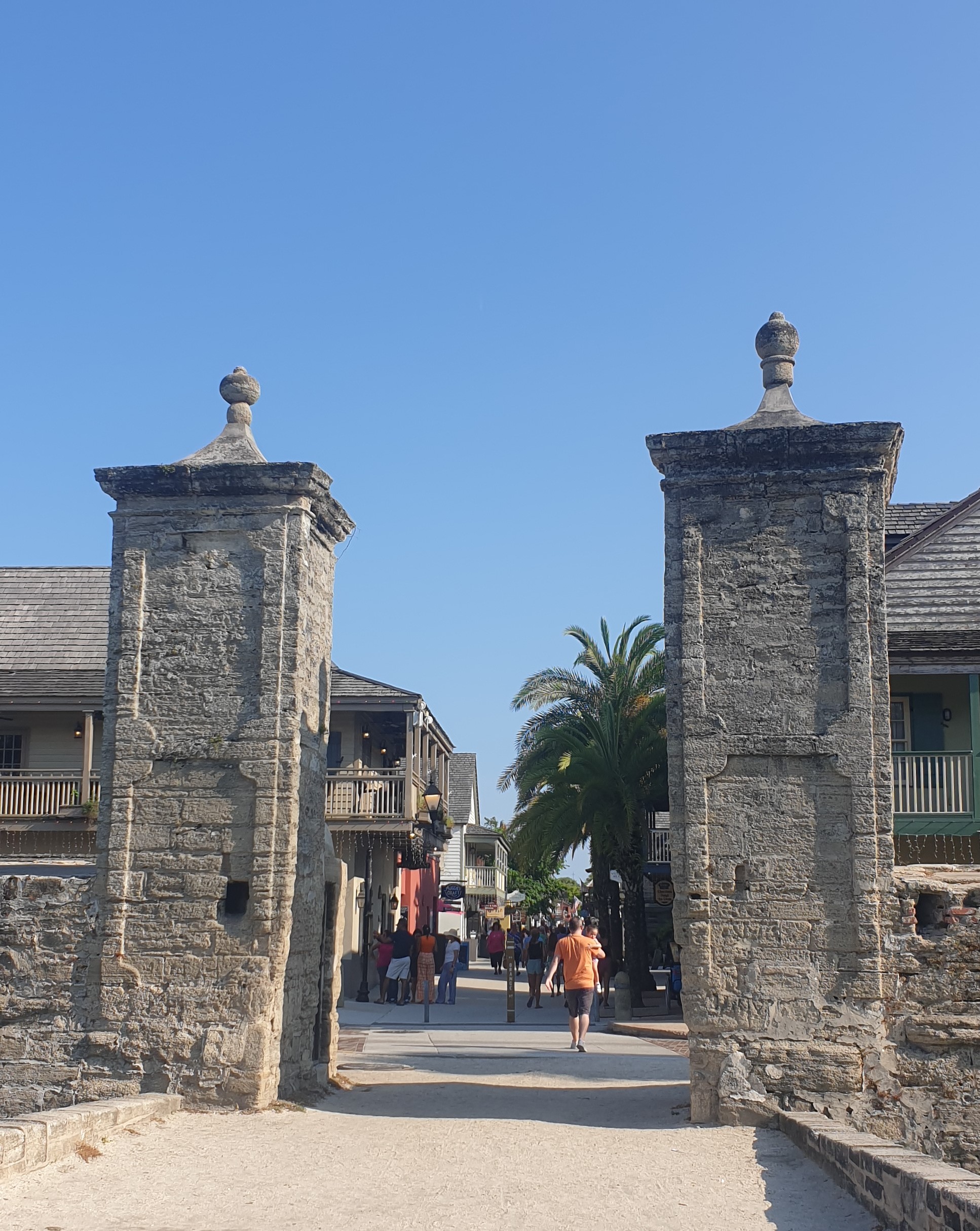
Saint Augustine, Florida, 1565, and it is definitely worth the visit. Paradoxically, it is not even in the top 10 most visited places in Florida. Miami is first because of all the tourists that go on cruises from there and Spring Break students. Orlando is second because of a certain mouse (and other attractions). Fort Lauderdale because of more cruises and Spring Break university students… and so on. Apparently, people do not go to Florida to learn about history. But I finally managed an excursion, and I loved it.
After a boring 4-hour drive -Florida has no elevation and most roads are as close to straight as you could imagine. I arrived in North Florida, which has different vegetation and feel from Southern Florida, and its endless suburban sprawl.
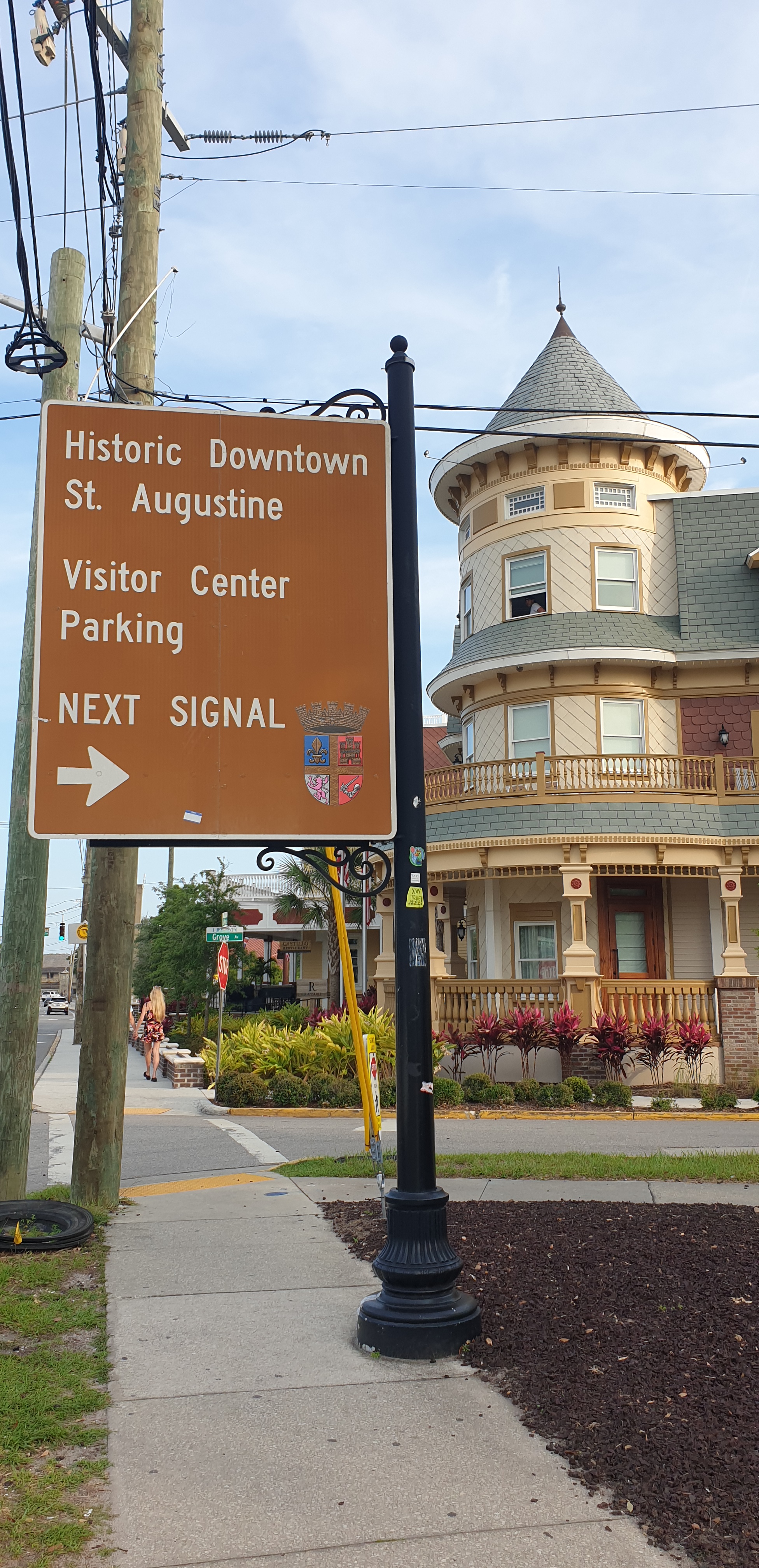
I stayed at the 1001 Nights, a Victorian Bed and Breakfast downtown. This old Luddite was a bit troubled that I never spoke to a person when I made my reservation, and when I got there, I had a code for the front door and one for my room door, so I did not see anyone until breakfast the next morning. But the place was really cute, and my room was great! Highly recommended, with a great breakfast included!
After dumping my bag, I did one of my favorite things in the world: I went exploring.
First, the Castillo de San Marcos, later called Fort Marion by the Americans. Obviously as defensive technology improved, so did this castle, so what we see today is the 18th C. Spanish construction, which resembles other Spanish castles like the one in Jaca, the one in Pamplona and San Felipe del Morro in San Juan, Puerto Rico. This whole castle is built of coquina stone -literally seashells crushed and pressed into stone through millennia!
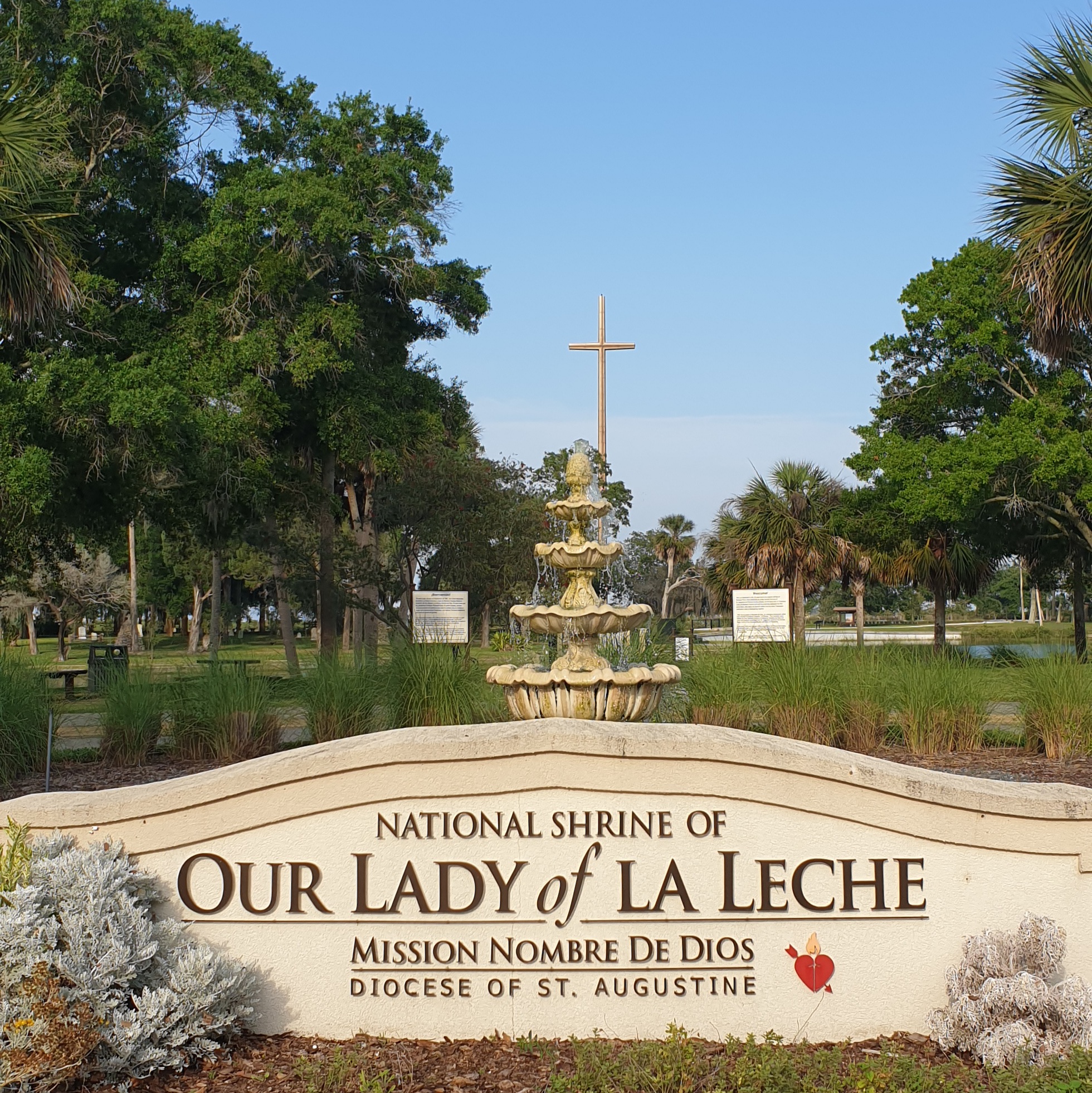
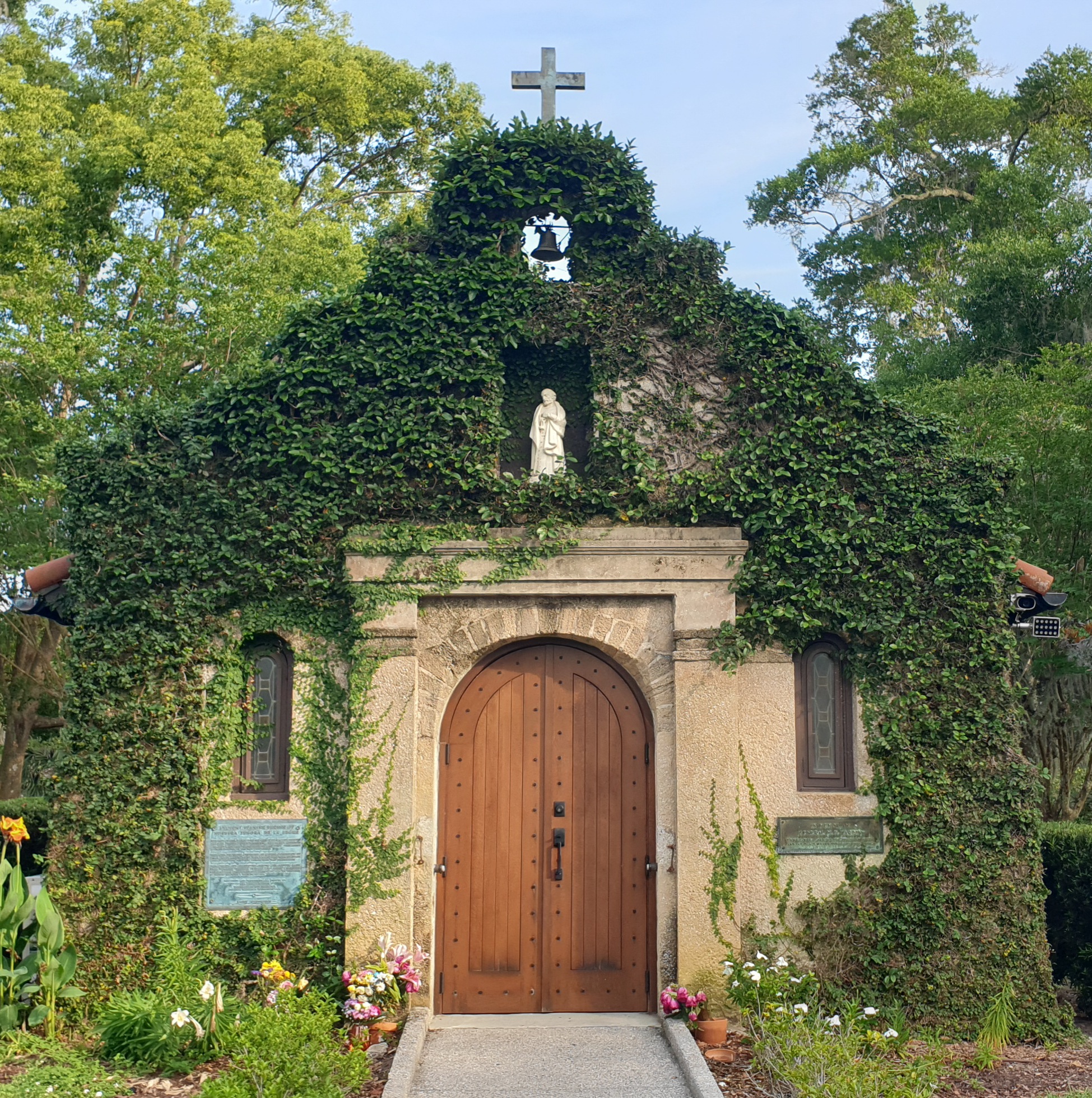
Then I walked to Nuestra Señora de la Leche, the oldest church in the US and the site of the first mass on US soil. The original chapel is not there anymore, but the whole site is a wonderful garden with a supernatural spiritual feel to it, a lovely old Chapel and a mundane modern one.
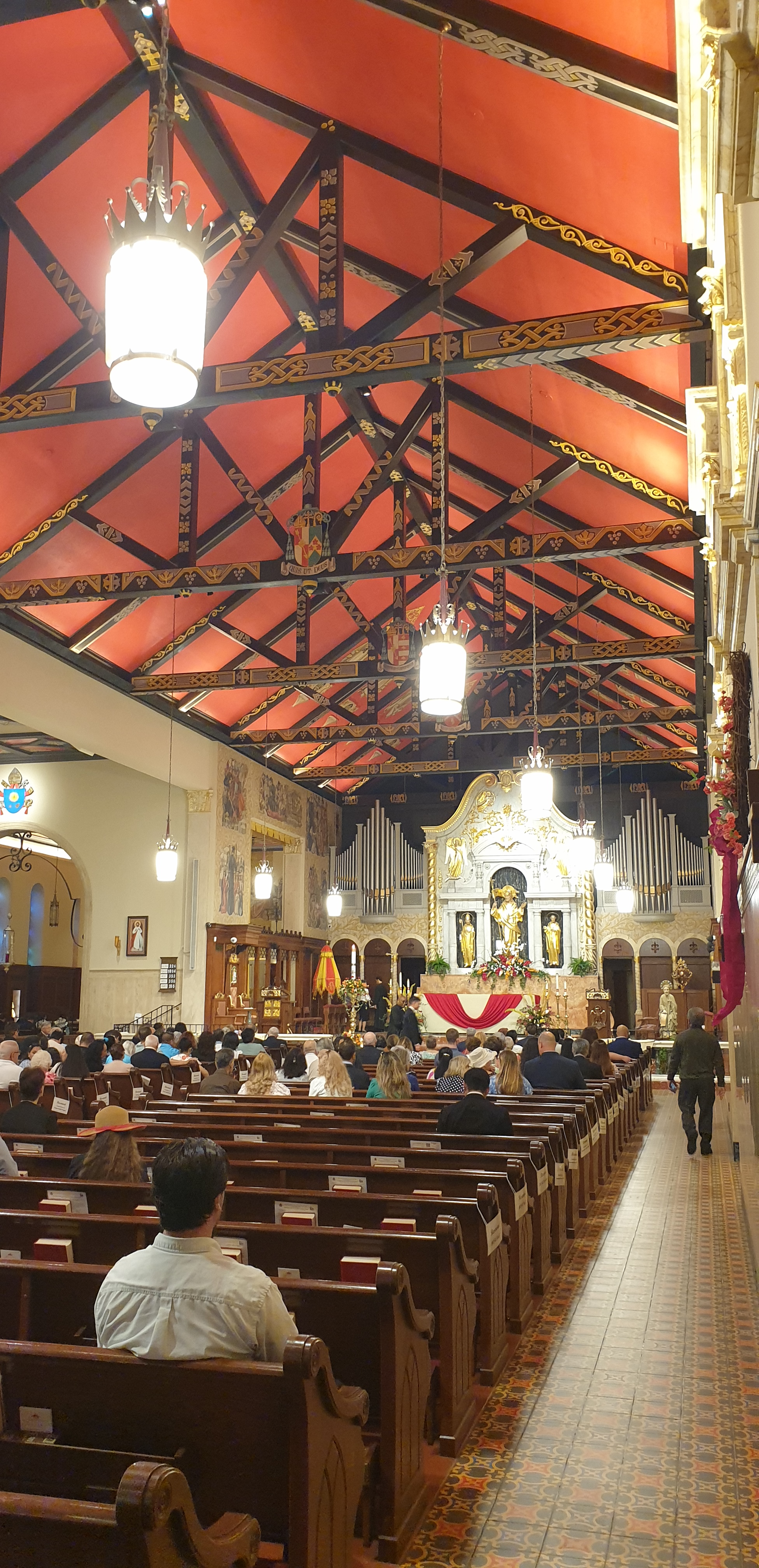
The old village with all the old Spanish houses has fallen victim to that most vulgar American capitalist disease: tourism i.e.: gaudy shops, bad and overpriced restaurants, $7 ice cream cones, etc. Surprisingly, the narrow streets try hard to maintain their historic dignity despite this transgression. Certain corners fight unbreeched: the Plaza de la Constitución holds its ground, celebrating “La Pepa” Spain’s first Constitution signed in Cadiz in 1812 after kicking out Napoleon. It is a charming square. Right on that square is the Cathedral, where I went to the ordination of two of my students, it has a lovely wooden ceiling!
Yes, there are museums, beaches, breweries, and many other attractions, making St. Augustine a perfect weekend getaway destination. If you like history and don’t mind paying $7 for an ice cream.
Recommendations:
Avoiding tourist traps, I had dinner at Ann O’Malley’s, an old Irish pub just outside St. George Street, the main strip. The sandwich was outstanding, the beer perfect, the staff friendly and professional.
I also had coffee next to the Cathedral at The Kookaburra Downtown, fantastic!
If you are a keen reader of this blog, you might remember that I mentioned before that my dad was an international banking executive. This added to the fact that his brother-in-law (my uncle) was a top tailor (to the king and other celebrities) means that my dad was always impeccably dressed. Top it all off with the fact that we lived in London in the early to mid-eighties where he had access to Jermyn St. Shirts, and you get the full picture.
As would be expected, I inherited his shirts as soon as they were slightly worn, which was awesome! But there was one main issue with these shirts: they had French cuffs that required cuff links…
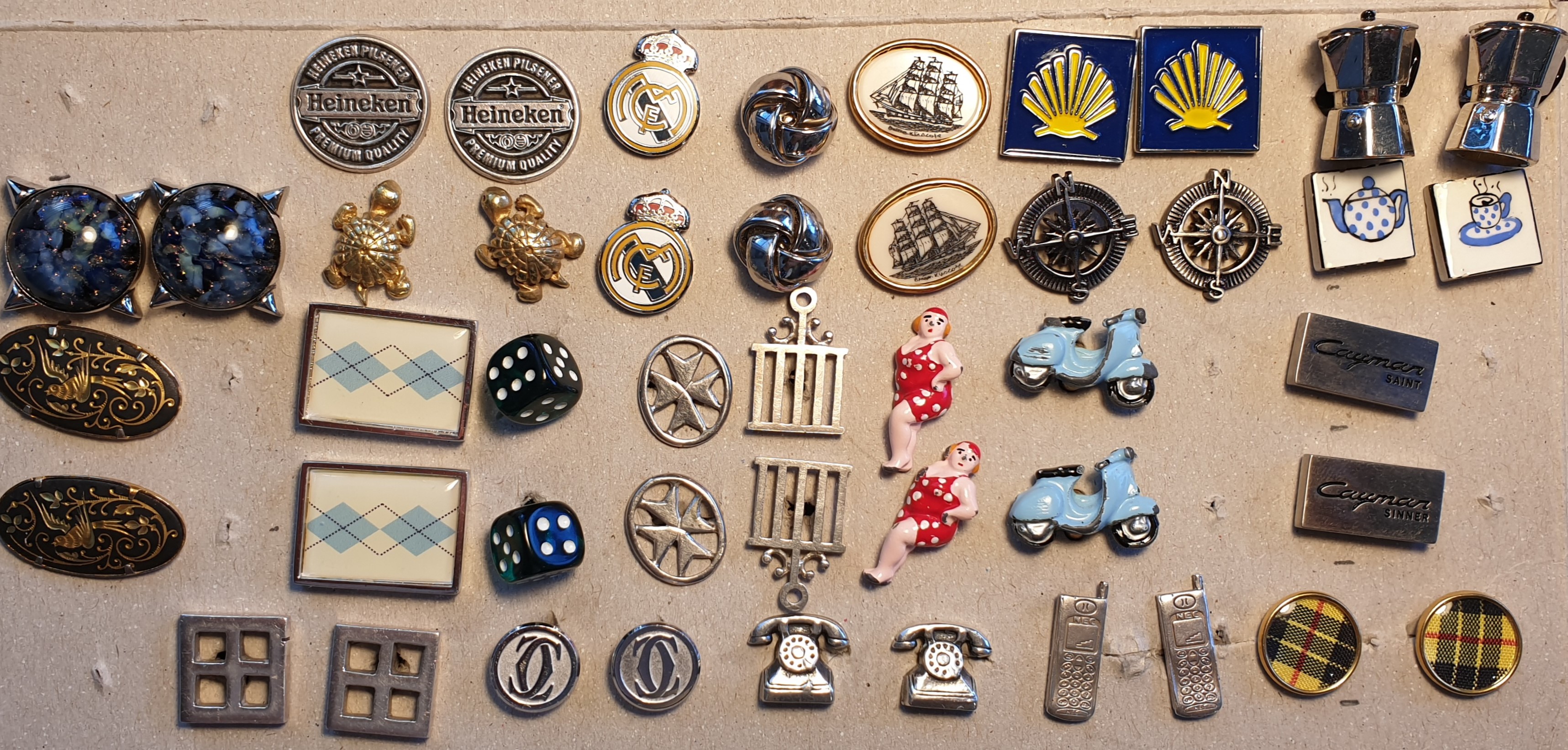
So, over the years I have accumulated a little collection of cuff links, mostly given to me, some purchased, some exchanged with other cuff link wearers, some lost, some broken.
Hard core traditionalists insist on wearing “chain” cuff links where a small chain holds together the two buttons. The problem with these is that they take much longer to put on since there is no place to leverage power to push the button through the buttonhole. Stiff cuff links with a swinging barrette are easy to slip on. A third variety are silk knots, these come in many colors and combinations and are fairly easy to put on, although they are frowned upon by serious sartorialists, I occasionally wear them with no shame!
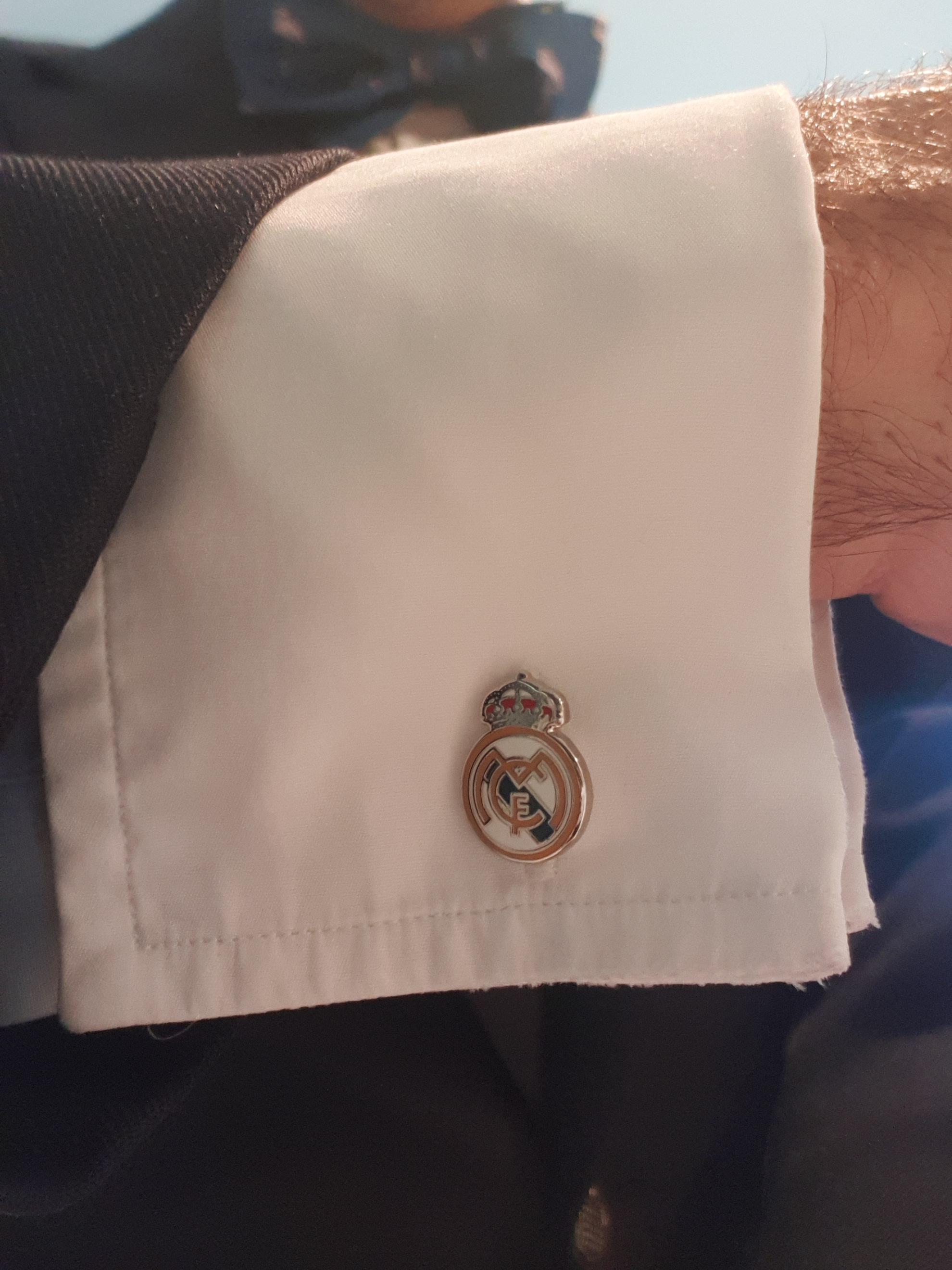
An added plus of interesting cuff links is that they are automatic conversation starters, you just need to pay attention to the wearer of cuff links to see if there is a story there. You guessed it, many of mine do have stories, from just showcasing my passions: coffee, Real Madrid, the Camino, etc., to personal stories of who gave them to me, etc.
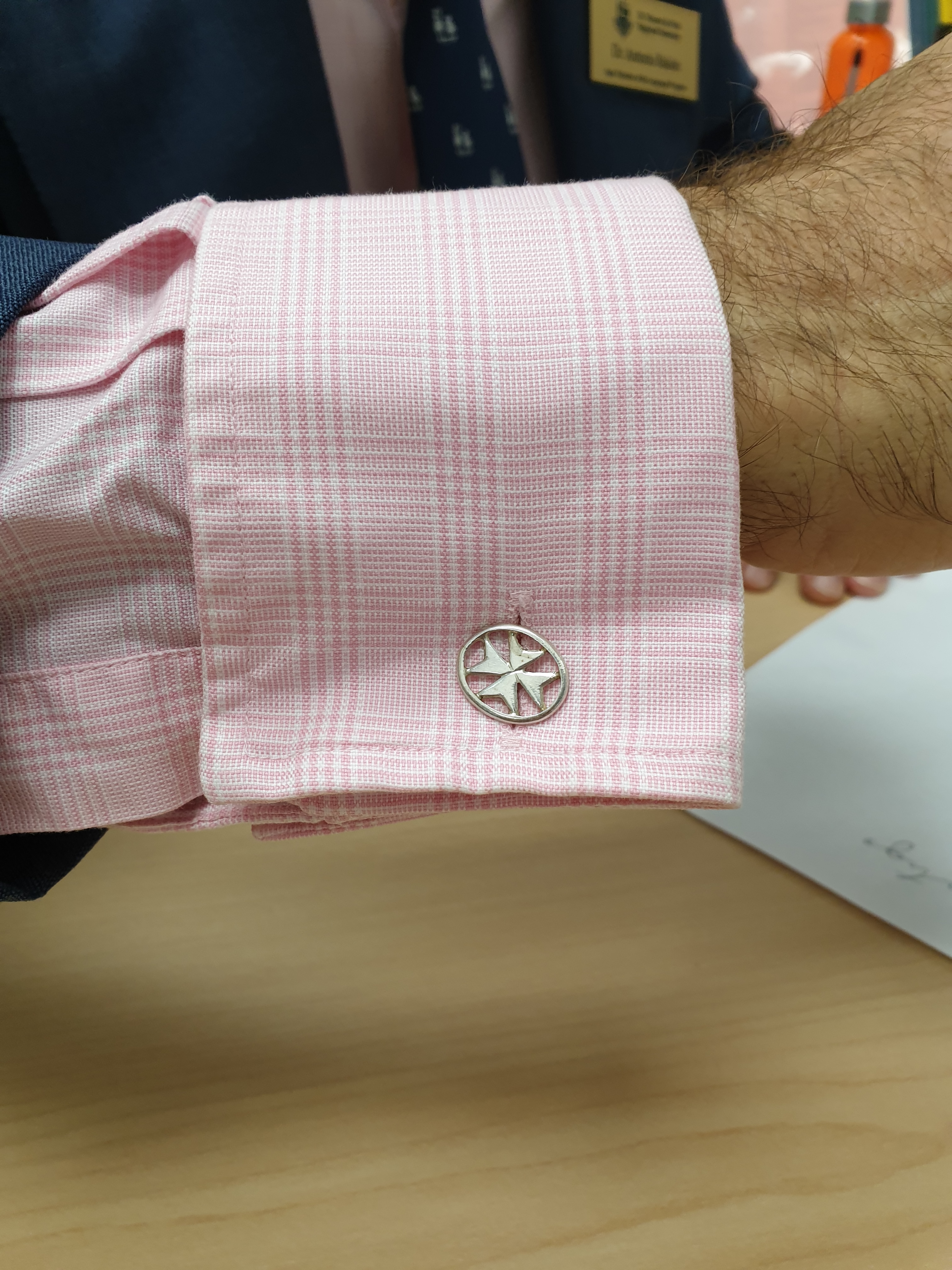
Can you guess my favorite cuff links in the picture? Hint: My girlfriend gave them to me so I would not lose my true North…
Do you wear cuff links? What is your story? Share in the comments below!!
As everybody knows, books are living creatures, and as such, they have their own lives. This is the story of a wonderful book.
Luis Correa-Díaz came into my life socially, during a visit to Chapel Hill a couple of years ago. Knowing that he is from Chile, when saw an old -ancient- National Geographic with the main story on Chile, I did not hesitate to send it to him, as a bit of a nostalgic curiosity. What I did not expect was that he was going to pay back that silly gesture by sending me his latest book of poems: Valparaíso, puerto principal.
I treasured this book, waiting for the right time to dive in, which was during my recent silence and meditation retreat (see previous post). As I took the book out to the monastery’s cloister garden, I was filled with excitement. Before digging in, that anticipation of starting a new book, I was called to the fountain… ¿how about some photos for the blog? So, I got clicking, until, in and adventurous and risky pose, the book was blown into the fountain (yes, I know you were expecting that, I did too, but I took my chances…)
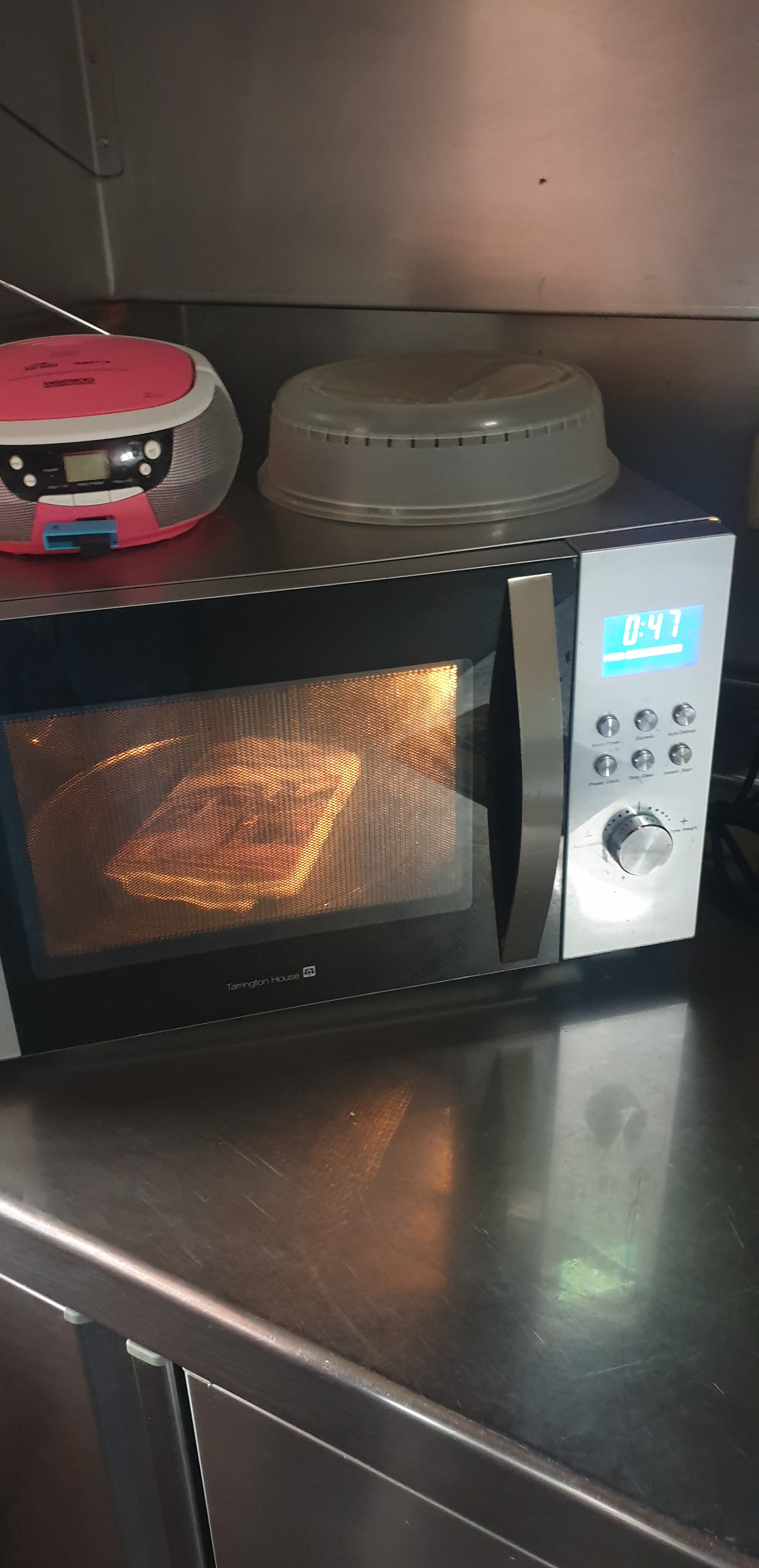
A quick rescue and a rush to the monastery kitchen soon had the book in the microwave oven for an ER intervention. Coming out steaming hot -literally- I blew the steam out making sure the words stayed put on the page. This had to be done a few times to ensure the book dried quickly. It survived, albeit with stiff, wavy pages that say: “I had an adventure” and “my owner is an idiot”.
What I love about Correa-Díaz´s writing is that it appears casual, carefree, with all sorts of English words, Millennial English words -even emoticons thrown in. But as those happy-go-lucky words sink in you see, no, you notice the feeling, the emotion of those words. In this case, his beloved Valparaiso as a home he no longer lives in (exactly how I feel about my Madrid). His writing is peppered with references to Teilhard de Chardin or Madonna, to the local coffee shops, where you can almost smell the coffee suffusing from the old walls, plus all the local references that one has to be a local to identify, reminiscent of the best Gabriel García Márquez.
This book will make you miss Valparaíso, even if, like me, you have never been there. This is what the Portuguese and Brazilians call saudade, or the Gallegos morriña (you can read about that feeling here), there is no comparable word in English, sorry.
Those of you who follow this blog at all might know that it started as a way to chronicle my Harley-Davidson (RIP) ride from Boston to Austin, Texas and back looking for a PhD program in Spanish Literature in 2011. After the trip I just kept writing and writing. I write about anything that interests me in any way: Academics and education, literature, The Camino de Santiago, culture, cities, food, cigars, travel and adventure, etc. Today is restaurant review day:
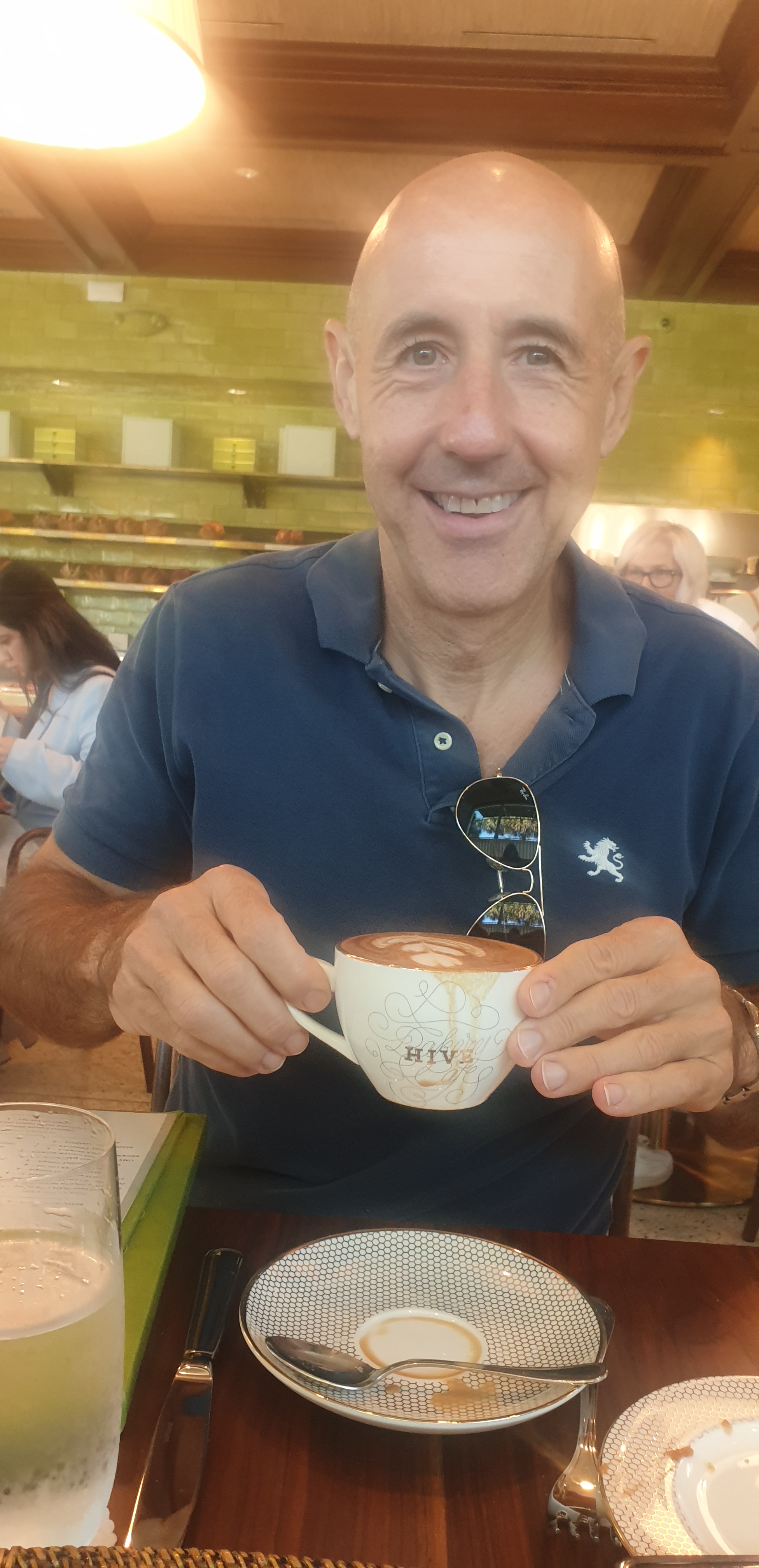
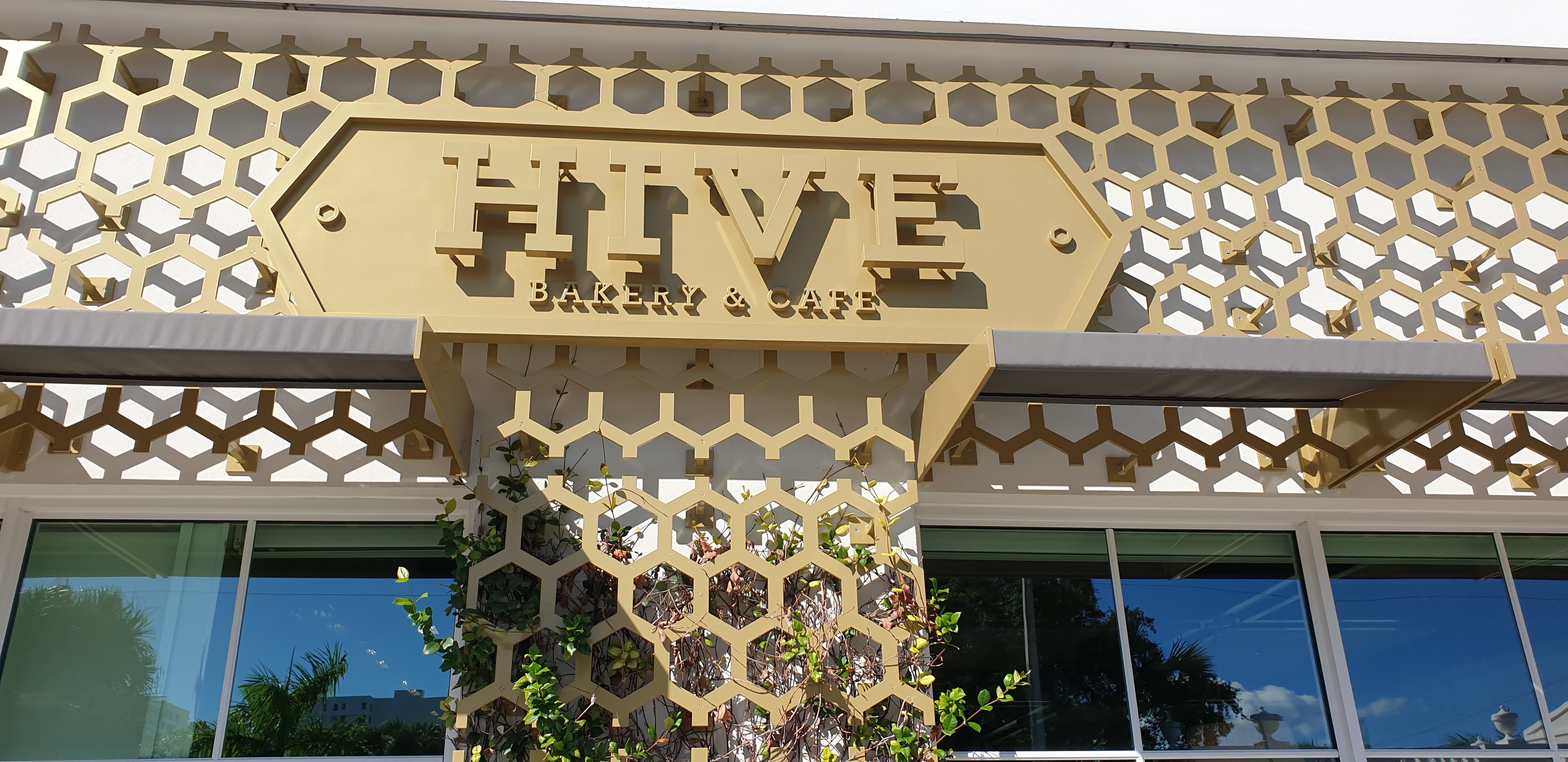
I recently had the opportunity to have breakfast with a dear friend in West Palm Beach at Hive Bakery and Café.
The restaurant is on iconic Route 1 (South Dixie Highway) across the street from the Norton Museum (which I have written about a lot, click here). The whole block is owned and run by the same folks. They have a home decoration store and business, and a clothing store.
Hive sits on a nice corner and has the obligatory artsy design (with a beehive pattern, get it?). Inside it is warm, well lit, and airy, very pleasant, with all the de rigueur décor. Your eyes immediately catch the counter full of delicious looking pastries. This being 2022, and West Palm Beach, the food was healthy but delicious, you will not find greasy diner breakfast fare here. The coffee was top notch, well made with quality coffee. My pain au chocolat looked very elegant, crunchy on the outside, but it missed the buttery softness inside. The service was attentive and professional. It was a perfect experience.
So, what is wrong with this place? Nothing. And that is the problem: it has no character, no personality, no charm, it is all Instagram perfect, there is nothing exceptional, it is sterile. Critically, it has no narrative, or the narrative is boring. Everything was good but not remarkable. If I never go back, I will not miss it, I will not miss the food, the people, nothing. It seems to me that nowadays everything is designed to perfection, consultants develop the perfect menu, accountants establish the perfect everything to maximize revenues, everything is so impeccable that it is boring.
When I get the chance to go out, I will always choose a place that has something, usually a combination of extraordinary (not expensive) food, character, personality, history, sense of humor, great staff, or an indescribable factor that makes you want to come back again and again. Hive is not that place.
Confession time: I had never been to Rome before last week when my girlfriend invited me for a few days. I had been to Milan, Lake Cuomo, and Sicily, I spent a lot of time for work in Florence. But I had never been to Rome.
My mind was blown. The absolute beauty, even in the apparent anarchy and chaos of traffic, mopeds, rental scooters, and tourists. Every little piazza, every big piazza, every sculpture, every cobble stone street, one is surrounded by inebriating beauty.
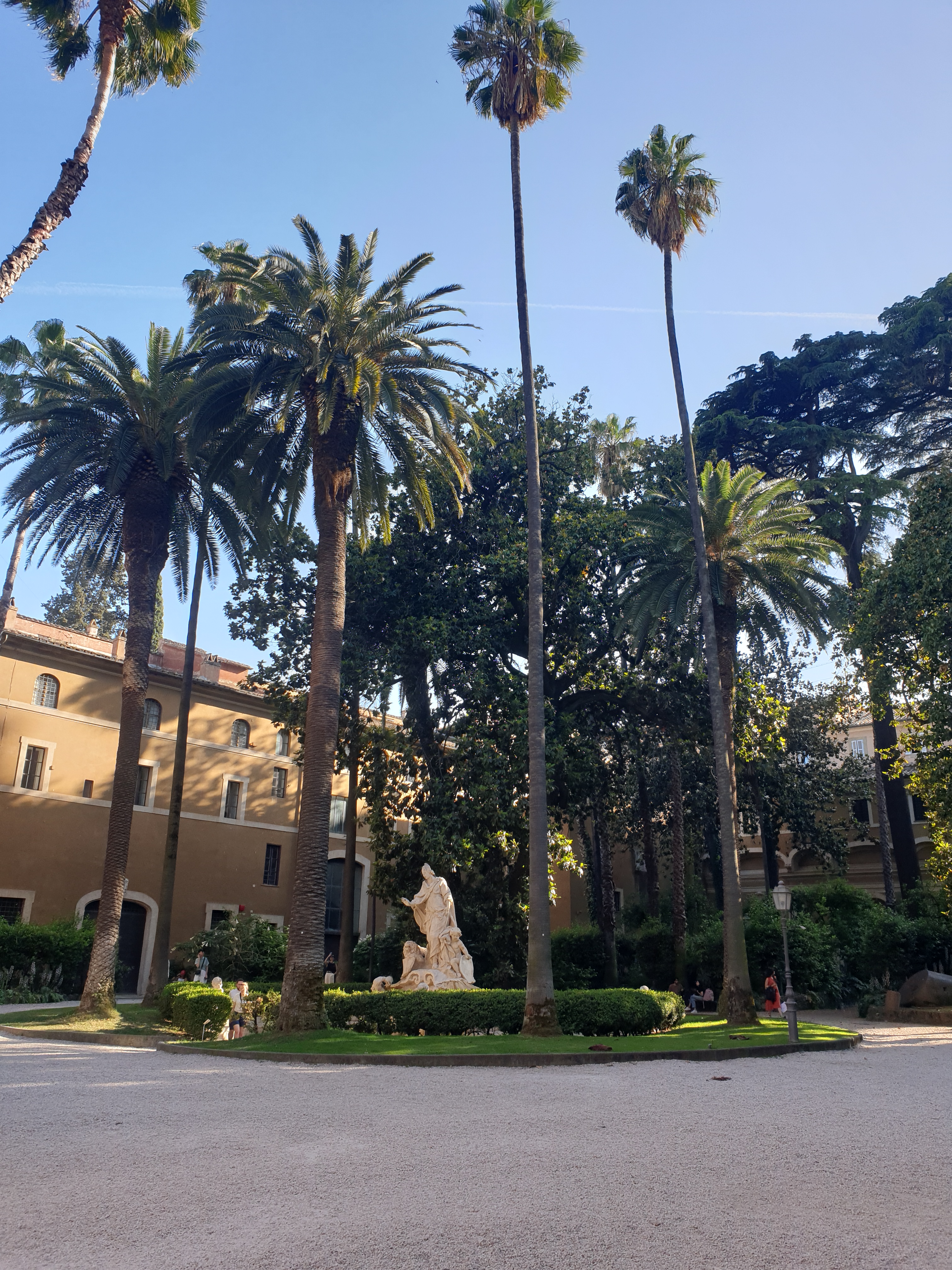
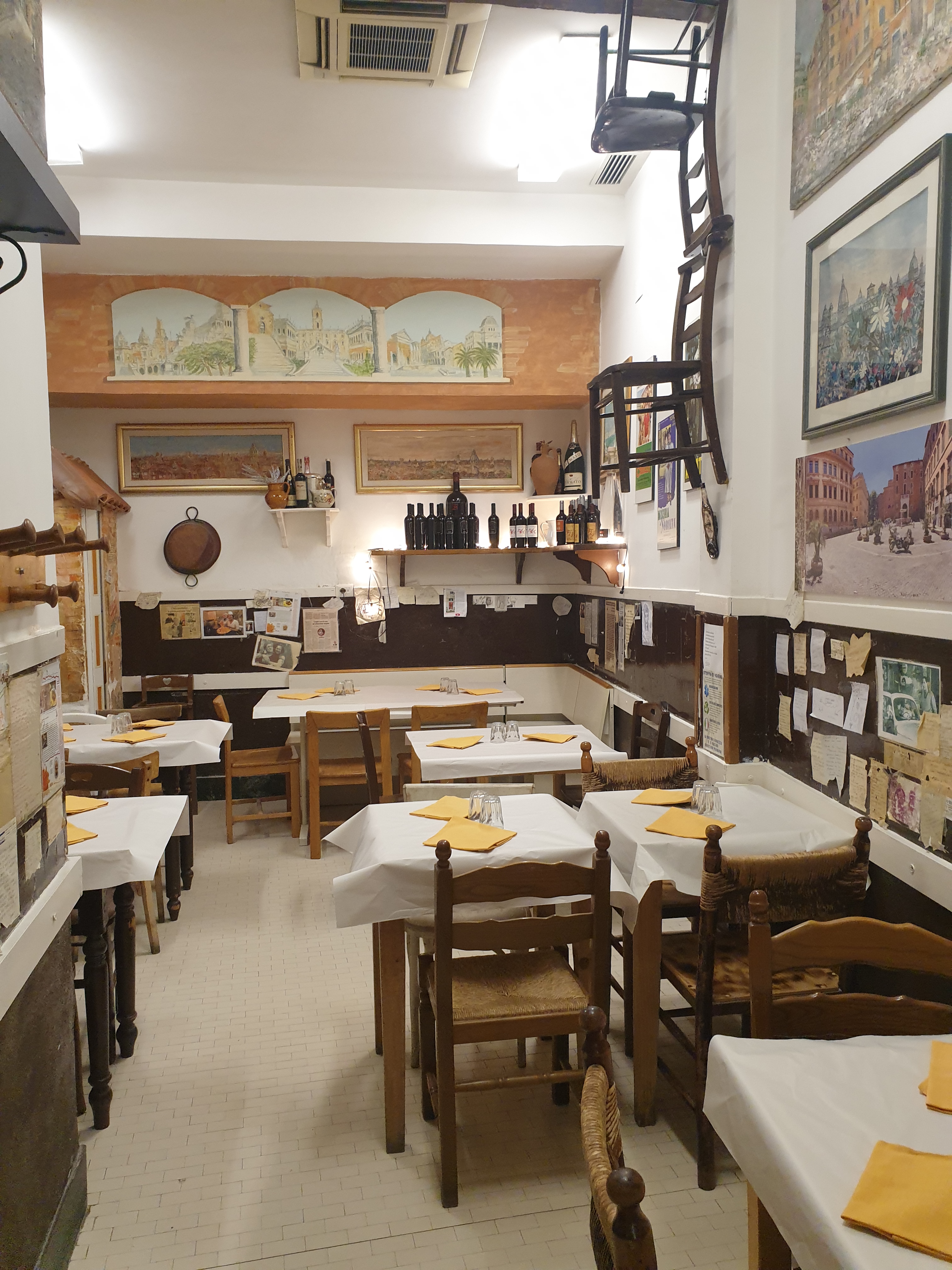
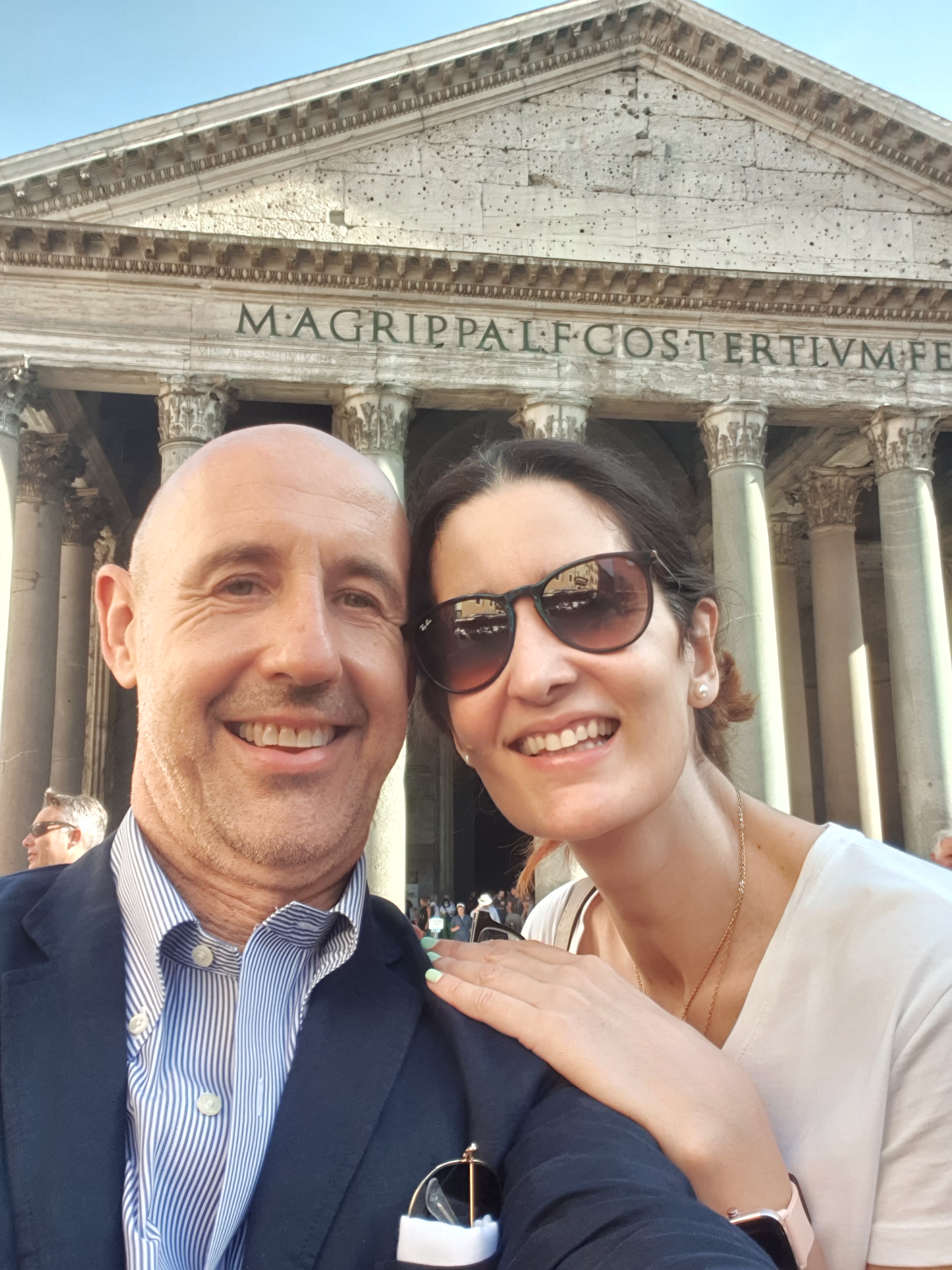
We stayed at a cute and quirky hotel on Largo de Torre Argentina, where Julius Caesar was assassinated, and although Celia had been there before, she was still game to walk all over town to the Pantheon, Forum, Jewish neighborhood, Piazza Venezia, Colosseum, Trastevere, Isola Tiberina, Piazza Navona, Spanish Steps, Trevi, Villa Borghese, the Vatican, St. Peter’s, Piazza del Popolo, Castel St. Angelo, and church after church, you name it, we saw it!
We had delicious meals: my first real carbonara, my first real Jewish artichokes, amazing! Excellent coffee, great wines, an Aperol Spritz when evening started, lick your fingers pastries and gelato, you get the idea.
Two memorable experiences were seeing Velazquez’s Inocencio X at the Doria Pamphili Gallery and Michelangelo’s Pieta in St. Peter’s. Although I was a bit disappointed in the Sistine Chapel: the crowds and the noise make it difficult to enjoy, if on top of that the Vatican cops are yelling “Silenzio!!” and “Move along!!” on their megaphones, then the moment is totally lost, sad.
Overall, I am still in awe. My senses are still aglow with the beauty, tastes, and sounds. I can’t wait to go back, which I should because I dropped a coin in Trevi fountain.
My favorite? Michelangelo’s Pieta in St. Peter’s, but that might merit its own blog post.
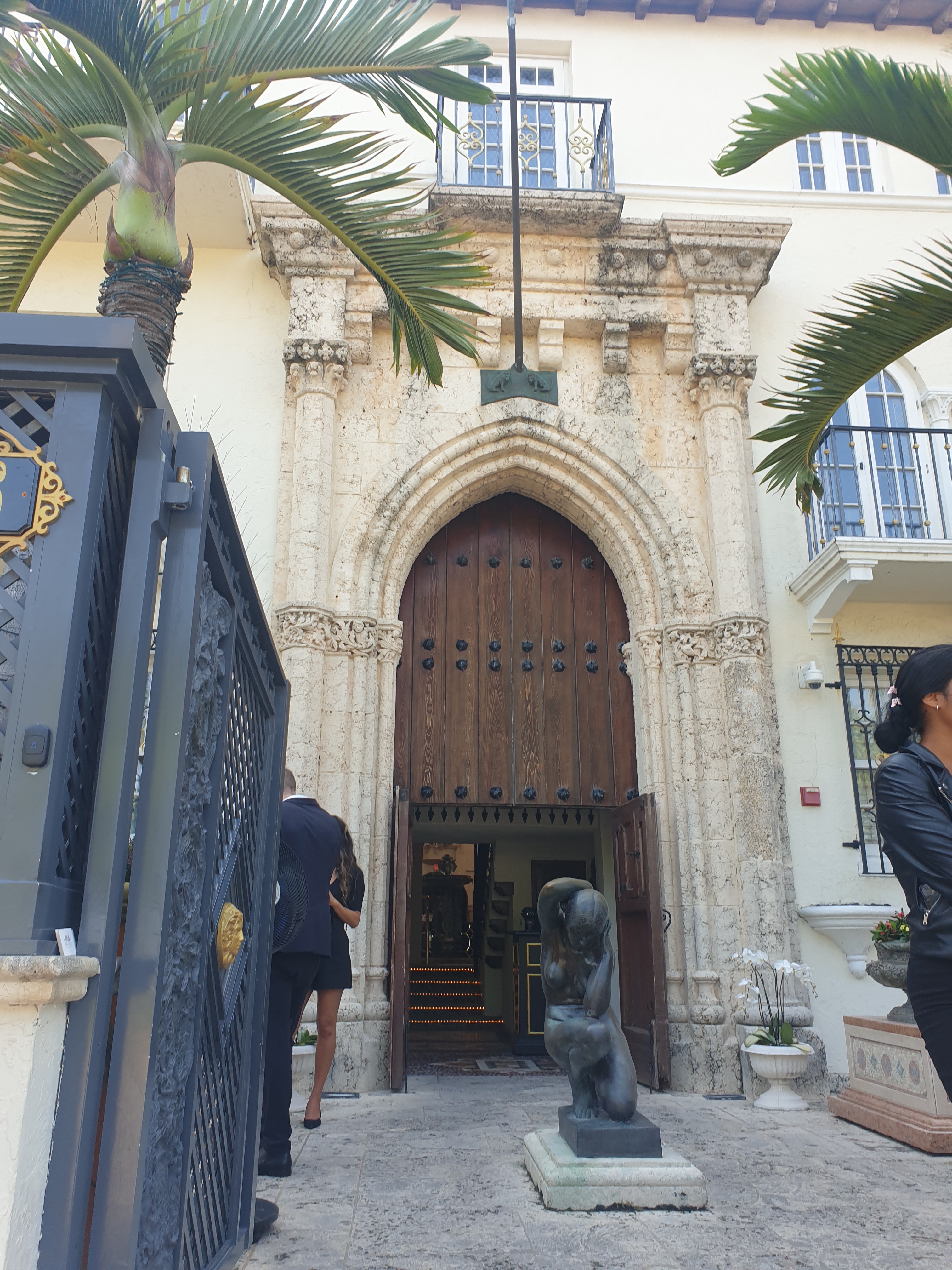
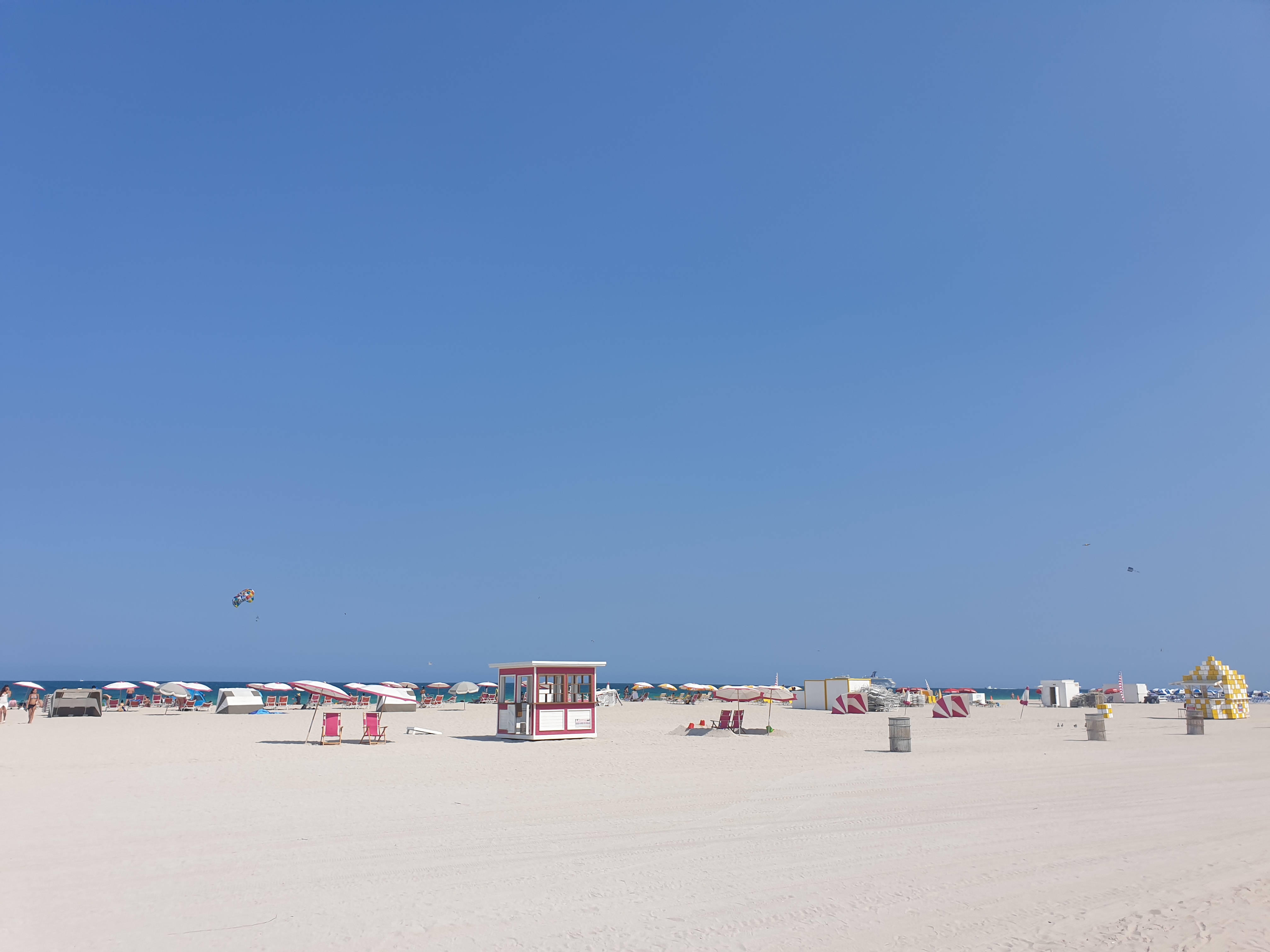
Miami is fun. It is just that getting in and out is such a headache. But once you are there it is playful fun. The other day I had the chance to walk around, right before the Formula 1 Grand Prix weekend.
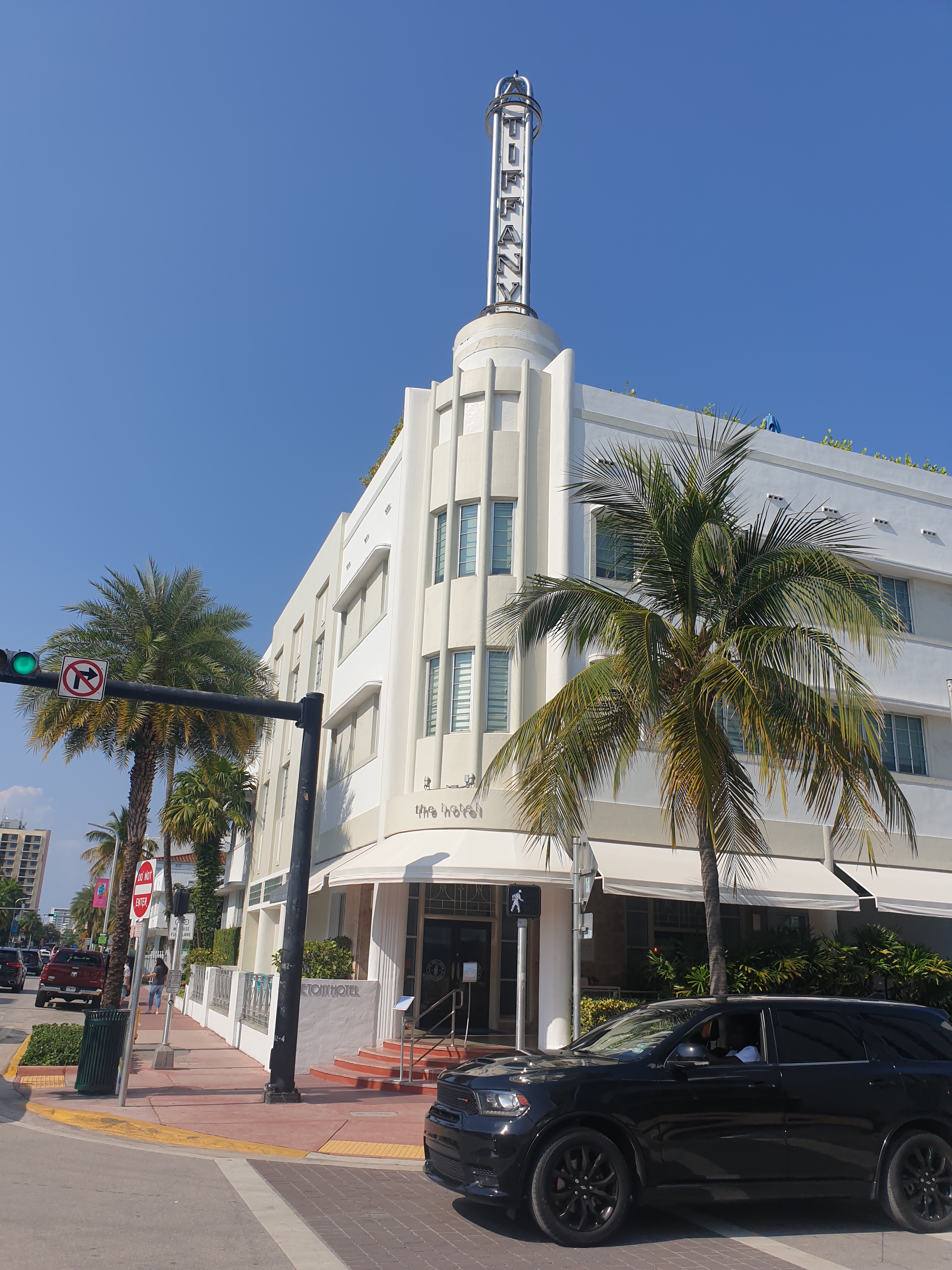
South Beach might be the first thing we think of when we think of Miami; the Art Deco architecture, the amazing beach, the people. I testify to all of them.
If I had to define Miami, I would talk about the vibe, the throbbing energy, the vibrancy. It is a bold, loud, colorful place. The food options are improving constantly, better representing the cultural melting pot it is (haha pun intended).
Sure, if you walk around South Beach most of the folks are turistas, but, and here is one of Miami’s tricks: it is difficult to separate the turista from the local, granted part of it is because of the general lack of clothing one sees, but it also speaks to the diversity of the locals and their hedonist lifestyle.
A fairly unique feature of Miami is the “Ventanita” a window on the side of a restaurant, shop, or bar where you can order a coffee “cafecito”, a fruit juice, and in some cases a shake or a smoothy. These ubiquitous “ventanitas” allow you to have a quick coffee “sportello” style on the sidewalk or sitting at a nearby bench -so long as it is in the shade!
Other areas of Miami are more touristy like Bayfront and Bayside, but the beauty of Miami Beach is the mingling of folks. Enjoy!
There are books that I re-read with certain regularity: The Old Man and the Sea, Voltaire’s Candide, the Rubaiyat of Omar Khayyam (you can read about that one here), Don Quixote only three times.
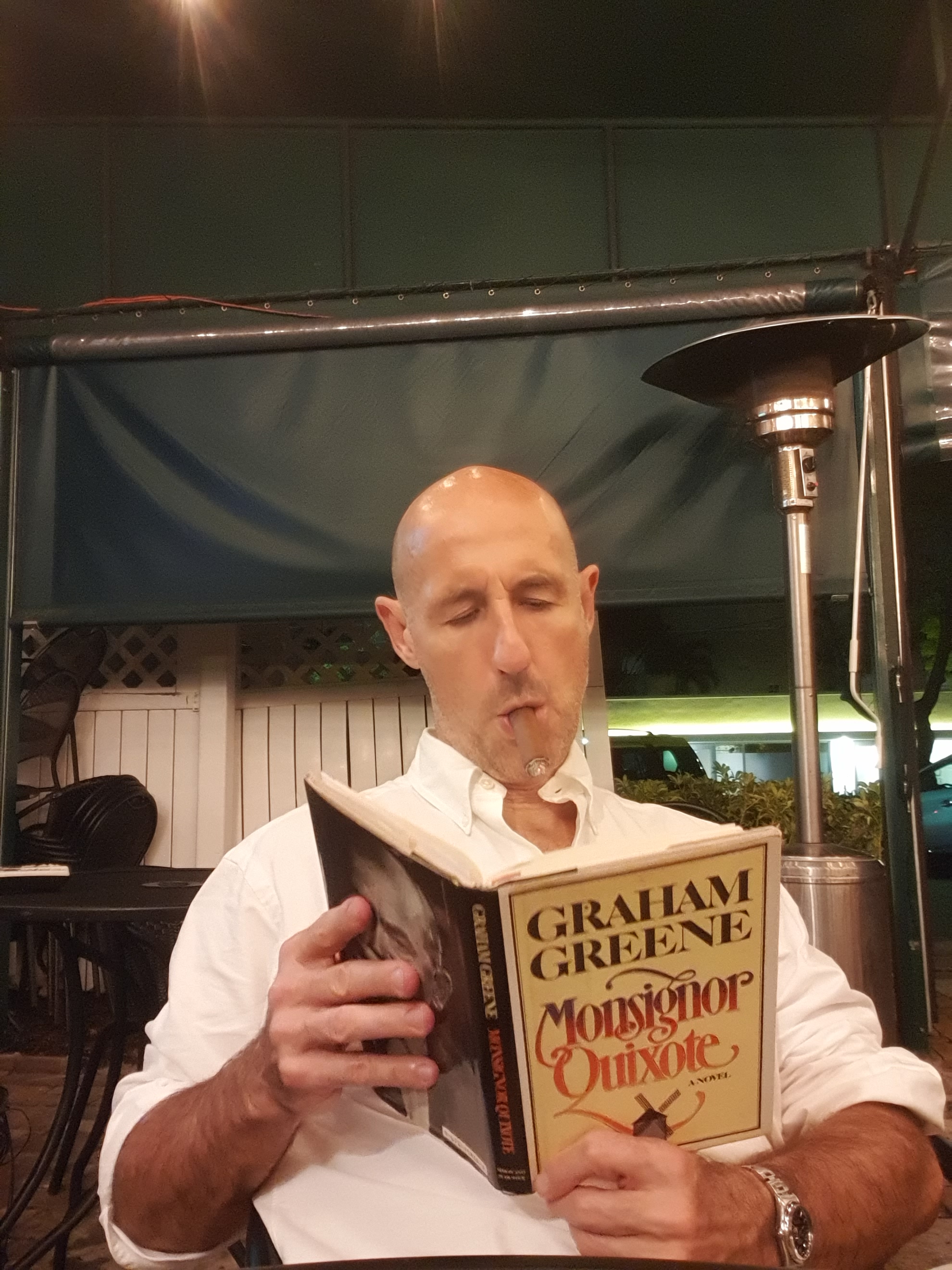
But I recently came across a book I had read as a teenager in the 80s and decided to revisit: Graham Greene’s Monsignor Quixote.
As you can see from the title -I will try not to spoil anything- in a fictional meta-reality, Monsignor Quixote deals with the adventures of a descendant of Don Quixote. There is a Rocinante and a Sancho. Greene converted to Catholicism at 22 in 1926 (you can read his bio here) and this novel deals precisely with -no spoilers- with religion, theology, and the Church in early ‘80s, post Franco Spanish society (It was published in 1982). The book is an easy, quick read, and, since I am always on the lookout for the far reaching effects of Don Quixote, I re-borrowed Monsignor Quixote (thanks Sue) and thoroughly enjoyed it.
My more faithful readers know that one of my research interests is the influence of Don Quixote on Existentialist philosophy. So my antennae are always poised to pick up on this theme. Monsignor Quixote does not disappoint! The references to the links between Don Quixote and Existentialism might have been written unknowingly by Greene, which I doubt, but they are there either way:
There is a heartfelt reference to Miguel de Unamuno who was a big fan of Don Quixote and a proto-Existentialist (read San Manuel Bueno, Mártir). This is an indication that Greene understands Cervantes.
There are explicit mentions of Monsignor Quixote acknowledging his existence, which is a big step in understanding who one is.
The novel deals with our doubts and beliefs, the Existential anguish that drove Kierkegaard (but not in those words), the father of Existentialism -which would make Cervantes the great-grandfather of Existentialism (read about that here).
Finally, as any alert reader would expect of a novel with the name Quixote in it, it talks of madness. Of course, folks -specially those who have not read the novel- often confuse Don Quixote’s drive and purpose with madness (which drives me mad). I will not elaborate but Don Quixote knows who he is, it is just that nobody understands what he is doing, so they call him mad. This leads me to my first and hopefully last political statement ever on this blog: Former President Trump was often called Quixotic, for whatever reason, and the people who labeled Trump like that have obviously never read, and/or never understood Cervantes’ novel!! A similar point is seen in the film Easy Rider when Jack Nicholson as George Hanson says:
Oh, yeah, they’re gonna talk to you, and talk to you, and talk to you about individual freedom. But they see a free individual, it’s gonna scare ’em.
I guess I could have written a more academic article about this book, and maybe I will, but for the time being, enjoy.

































 Antonioyrocinante's Blog