Which shoes to wear on the Camino (Part III)(With free Camino shoes spreadsheet!)

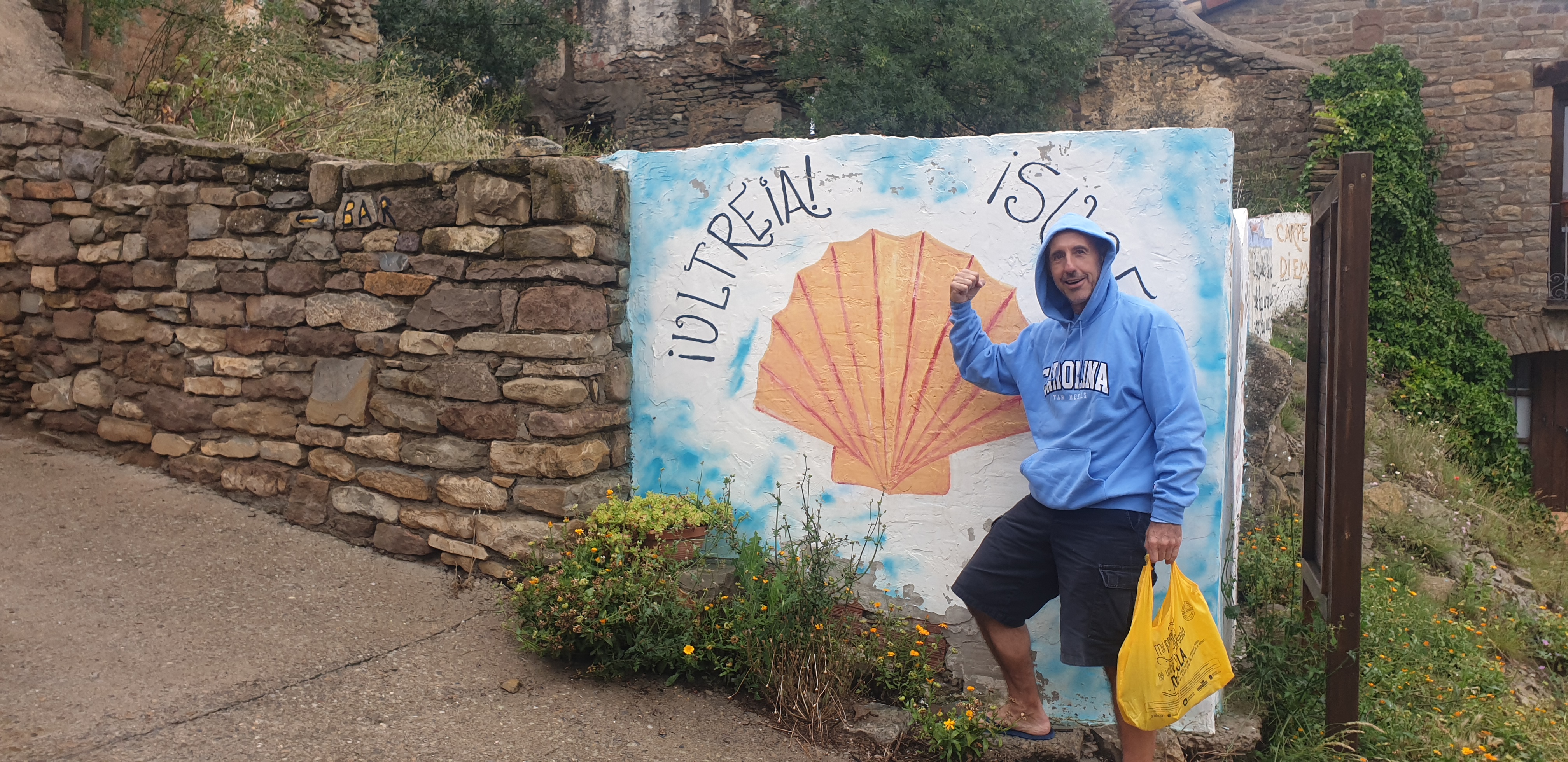
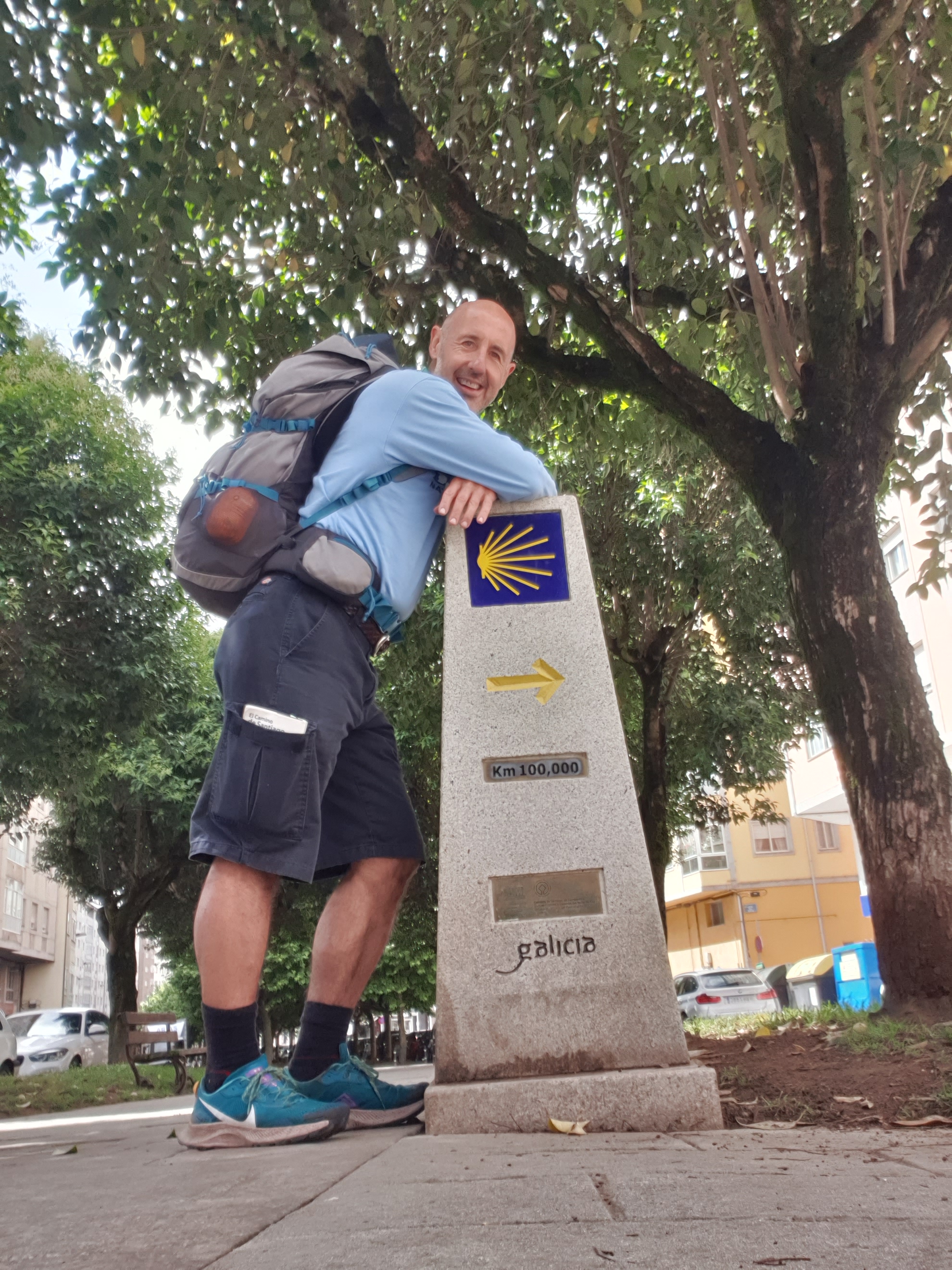
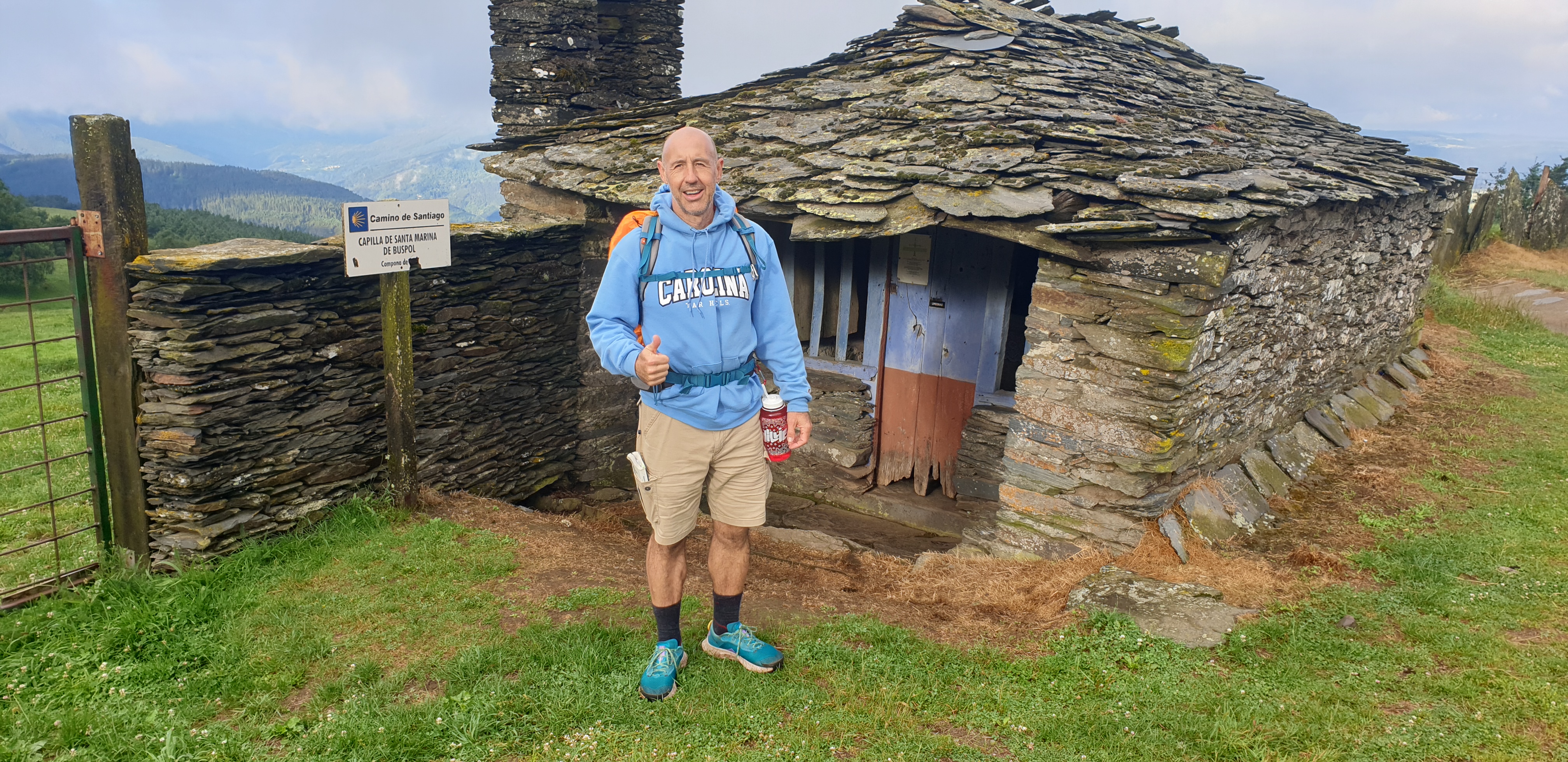
Enjoying my Nike Juniper trail shoes

Which shoes should I wear on the Camino? This is arguably the most asked question by folks preparing for the Camino. Everybody who has walked the Camino has an answer and is happy to tell you all about it. But nobody who has walked the Camino has your feet. So you can only answer the question.

Not surprisingly, one of the most viewed posts on my blog tackles precisely this question, you can read it here: Which shoes to wear on the Camino?

But I am nothing if not professional, and I noticed the spreadsheet on that post was from 2022; with the mad advancements in shoe technology and rampant Capitalism, I should do a new one. So I did, voila.

There is little to add to that original post, but I do have some thoughts that I did not elaborate on back then:

Some pilgrims are more prone to blisters and foot issues than others. I am not a specialist, but it might depend on how much training you have done in those shoes, how appropriate those shoes are for your particular circumstances, weight, stride, mileage, etc.

The shoe is only 50% of the equation; your socks are the other 50%. I use mostly wool with no stitching or seams. I still wear some Darn Tough socks from my first Camino in 2017! Then I got some Icebreakers from New Zealand, which are 60% Merino wool. You want the socks to fit properly to eliminate friction between the shoe, the sock, and your feet.

Sam, the first (and only) person to tell me about Camino prep, told me to lather Vaseline on my feet before putting on my socks. It works for me, in 4 full Caminos I have only gotten a couple of blisters, and they were my fault, not the shoes nor the socks…

During my Camino Aragonés, I walked some stages with Juan Gameros, a hardcore Mexican mountain guide (follow him on Insta: juan_gamerosmx). He wore Injinji toe socks, and he swore by them!

So you must find your magical shoe/sock combo that works for you.

In the attached spreadsheet, I only ranked 25 shoes by going to some random Internet rankings. The number of shoes and the number of criteria prove that there are shoes for all types of feet.

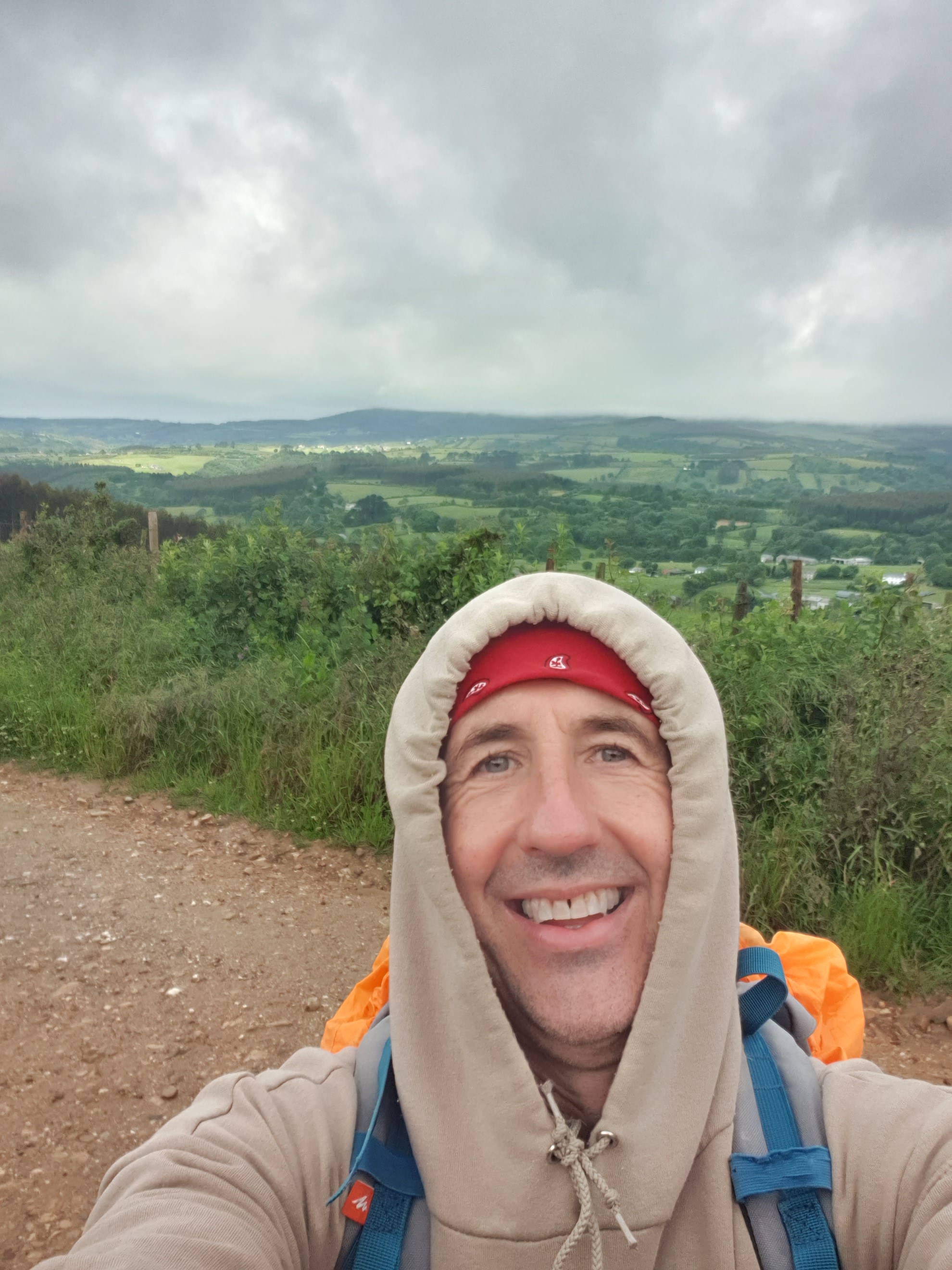
I was delighted with the Nike Pegasus Trail 3 from last year (read about it here); So this year Celia gave me a pair of Nike Juniper Trail II. I have already taken them out a couple of times and I can’t wait to walk the Camino this Summer!

Buen Camino

  • The spreadsheet is in Excel format so you can sort, add, or manipulate it as you want, enjoy!

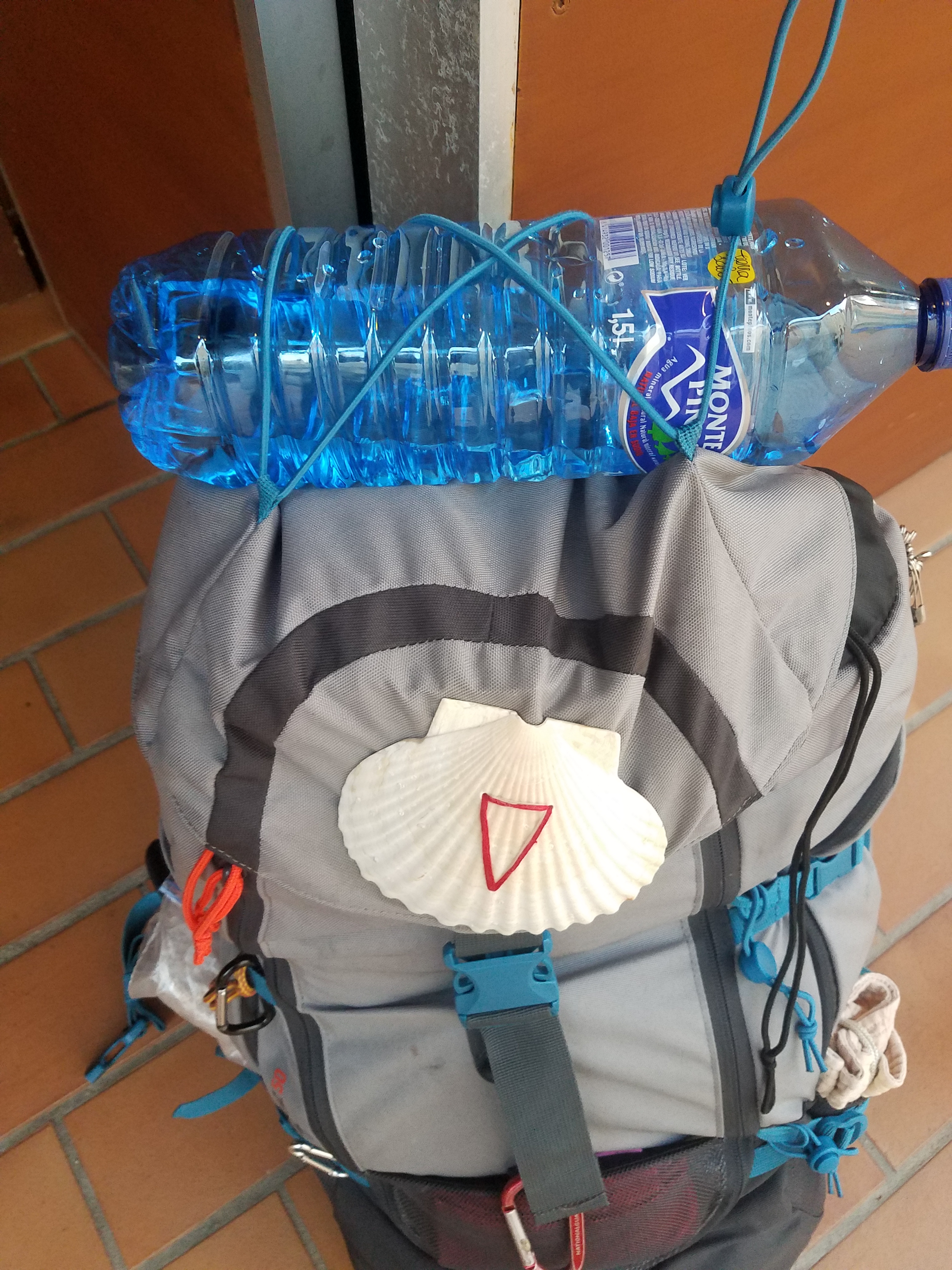
The evolution of my Camino packing

Pilgrims have been walking to Santiago from all over Europe since about the year 800, before Hoka running shoes, before high tech fibers, before ergonomic backpacks, before electronic watches that measure your heart rate, every step you take and your lymphocytes, before, before, before. So chill.

On top of that, most people walk really short Caminos, so your choices are not that critical; you are going to walk for 5 days, eating much better food at half the price of whatever you are eating at home, sleeping on decent beds, showering with decent water pressure, with a fully stocked pharmacy in almost every village you walk through should you need any medicine, and enjoying free, high speed Wi-Fi internet connections so you can post on Instagram. You will not be roughing it (unless you choose to).

As I prepare for my fifth Camino, here are some thoughts on my packing and the evolution of my packing philosophy.

One of your realizations on the Camino might be how happy you are with so little, only with what you are carrying on your back. So packing is or should be an exercise in minimalism. Here are some thoughts:

There are laundry facilities in all albergues, some might be modern washer driers, some might only have manual washing options. If you are not willing to hand wash your own socks, underwear, and t-shirt –ask yourself if you want to be on the Camino. So you do not need to pack a lot of clothes. I pack 3 pairs of wool, no stitching socks, 3 underwear, 3 (long sleeve) cotton T shirs -yes, I am a snob and hate the feel of modern fibers. 2 pairs of cargo shorts (the side pocket is perfect for guidebook, maps, etc.) and a sweatshirt. My first Camino, optimist that I am, I did not pack a sweatshirt, and it was freezing in June in Burgos, so I had to buy one!

Did I tell you I am a snob? My sleeping bag is my favorite bedsheet folded in half and sewn together like a sleeping bag. It is much heavier than a modern sleeping bag, but it is far comfier, with matching pillowcase, of course.

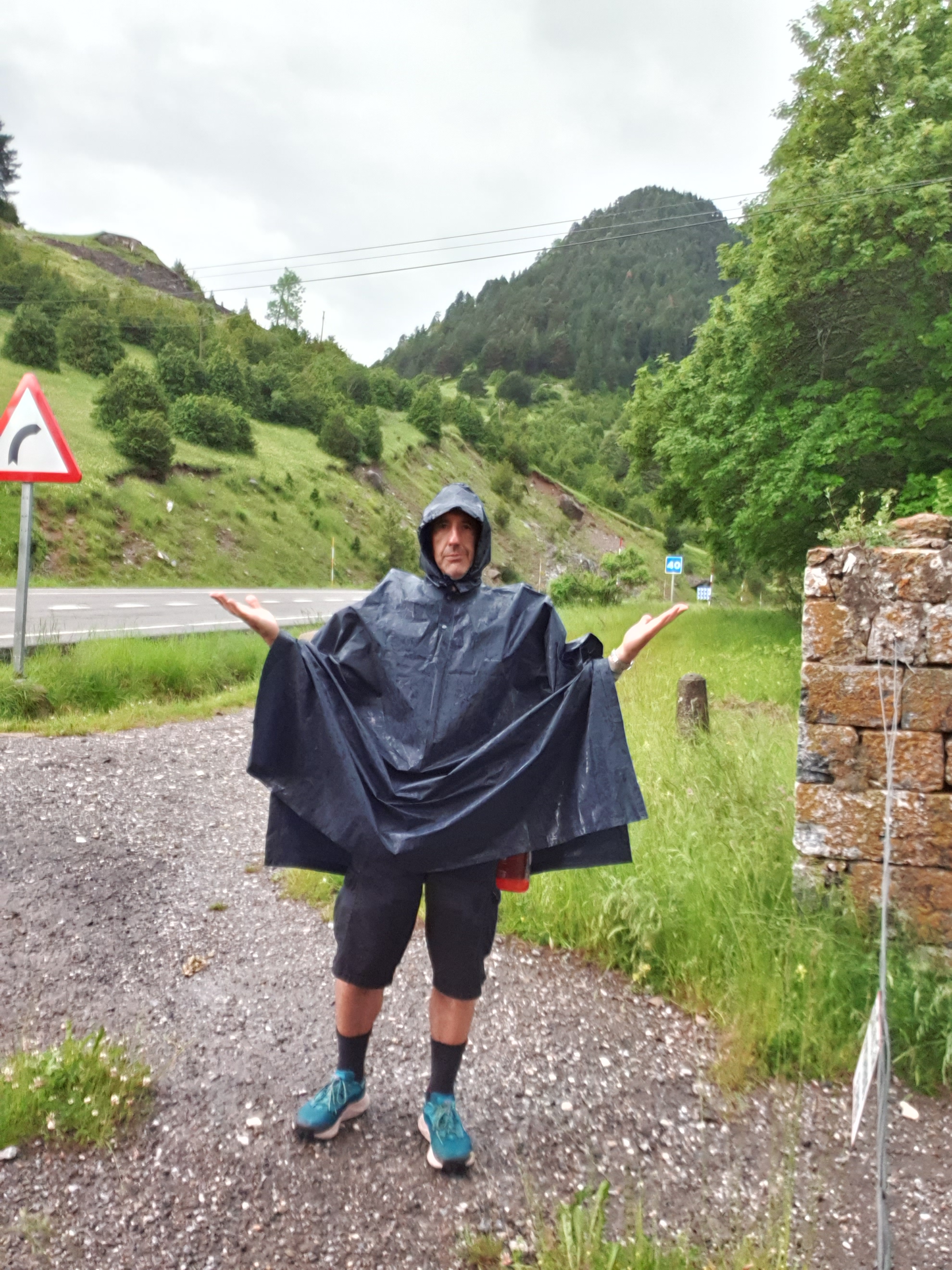
If it rains you are going to get wet. Yes, you can buy a $200 jacket that will keep you dry, good for you. For a few bucks you can have a poncho that will also cover your pack. (although you should also have a rain cover for your pack). Be ready to activate your rain protocol quickly as summer showers might pop up unannounced. (You do not want your poncho at the bottom of your pack.

Bag of mixed nuts (trail mix) in a side pocket for a snack if the walk between villages is too far.

Bandanas (x 3) great for picking up sweat, as an impromptu hat, etc.

Sun hat, people have died on the Camino from sun strokes. On the climb up from Castrojeriz you read the sad story of a fellow who basically got skin cancer -on that climb.

Swiss Army Knife, you are only going to use it to maybe slice some bread to make a bocadillo (Spanish sandwich) or to open a bottle of wine, but it gives you great peace of mind knowing that you have it.

Bathing suit! If you find a spot for an after-hike dip, or a municipal pool, you will need it.
Lightweight towel.

Flip flops. My first Camino I carried sandals for the après-Camino, but then I realized that most of the population of Southeast Asia only wear flip flops. So I ditched the sandals, I now wear my cheap flip flops all the time.

Silk long johns. Some evenings it does get chilly, long johns to the rescue. They weigh nothing and take up zero space.

A few feet of thin rope. No rope space for your laundry? Bring your own line…

Water bottle. A lot of people use bladders, on a sweltering day you will quickly run out of water and those are difficult to fill in a village fountain… you have been warned.

Savon de Marseille: use it for your body, shampoo…or clothes, 3 in 1. If you get it in Spain, it is called jabón Lagarto, every supermarket has it.

Small first aid kit, you might need a few things to take care of blisters, etc. More for peace of mind on the trail.

Small book and writing/drawing notebook.

Sunglasses.

Rule of thumb is your pack should never exceed 10% of your body weight and should never exceed 10 kg (22lbs). My pack is a 50 liter, but I have plenty of space. Also remember to pack the heavy stuff in the bottom of your pack so it will sit in your lumbar area.

Now, having said all this, forget it! Each person is different with unique needs and expectations, experience, etc. So, make your own Camino, and your own pack. Buen Camino!!

Historia mágica del Camino de Santiago by Fernando Sánchez Dragó; lesser known myths of the Way of St. James.

Yes, I might be mildly obsessed with the Camino de Santiago, the way of St. James, as you can see from all the posts on the Camino in this blog (go to the search feature and type Camino, I do not like to categorize the blog).

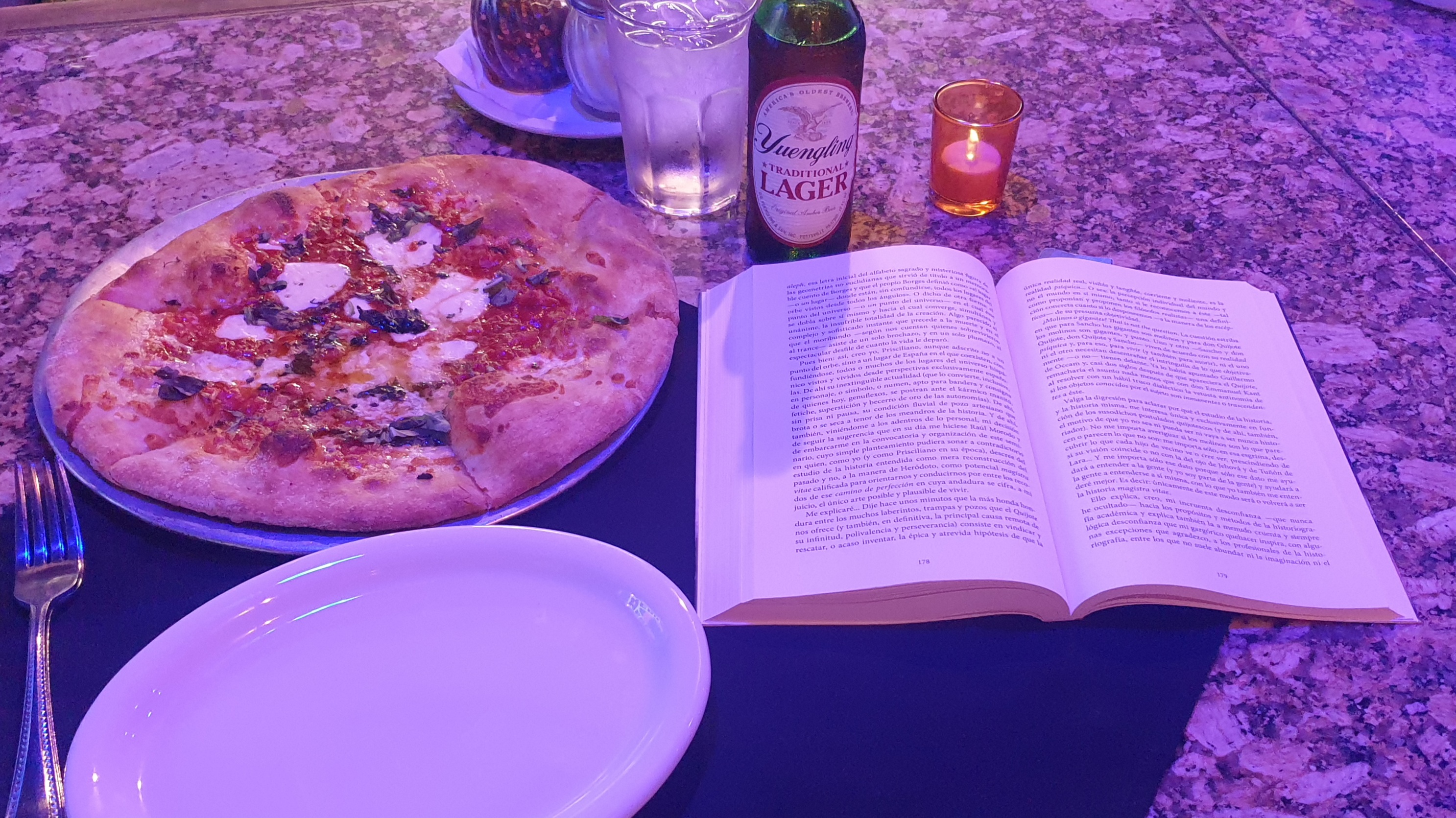
My sister, who knows me well, gave me the perfect Christmas present, a book: Historia mágica del Camino de Santiago by Fernando Sánchez Dragó.

Sánchez Dragó was a huge celebrity in Spain. For years he was a book reviewer on TV, so he was very famous. He was also a writer, winning, in 1992, the Planeta award, which is the top book award in Spain for La prueba del laberinto. “Sánchez Dragó died on 10 April 2023, at age 86, after suffering a heart attack at his residence in Castilfrío de la Sierra.” (Wikipedia)

But I had never read any of his work. My mind was blown.

The book is a psychedelic baroque explosion, dealing with all the “conspiracy theories” of the Camino. The Celtic origins of the Camino, druids, Romans, Egyptian gods, Freemasons, Solomon’s Temple, early church history, the Cluny monks, architecture, Crusaders, the walking stick used by early pilgrims, the meaning of the seashell, etc., etc.

The main argument of the book revolves around Priscillian, (in Latin: Priscillianus; Gallaecia, c. 340 – Augusta Treverorum, Gallia Belgica, c. 385, Wikipedia) Bishop of Avila who in 380 was the first heretic executed by the Church. Is he the one buried in Santiago de Compostela, and not St. James?

Of course, this is no way changes the Camino, you can think what you want about it, and, in fact all sorts of folks with all sorts of beliefs walk the Camino. This book is just a revelation as far as the history of the Camino, it brings together the early history of the region of Galicia and how the Camino came about. Like most things, the story is much more complex and nuanced than what meets the eye…

Which Camino: Francés, Norte, Primitivo or Aragonés?

Having just finished my 4th Camino, the Aragonés, here is a bit of a comparison between the Francés, Norte, Primitivo and Aragonés to build on my previous analysis of the Francés and Norte (click here for that post):

I loved the Aragonés! It is wild and beautiful, we were very few pilgrims on the trail -about a dozen or so, most days I did not bump into any pilgrims! There are very few albergues and they are stage distance apart (with few exceptions), so we were the same pilgrims every evening at the end of the stage.

At around 7 days before it joins the Francés at Puente la Reina, it is a bit short. That is the worst thing about the Aragonés.

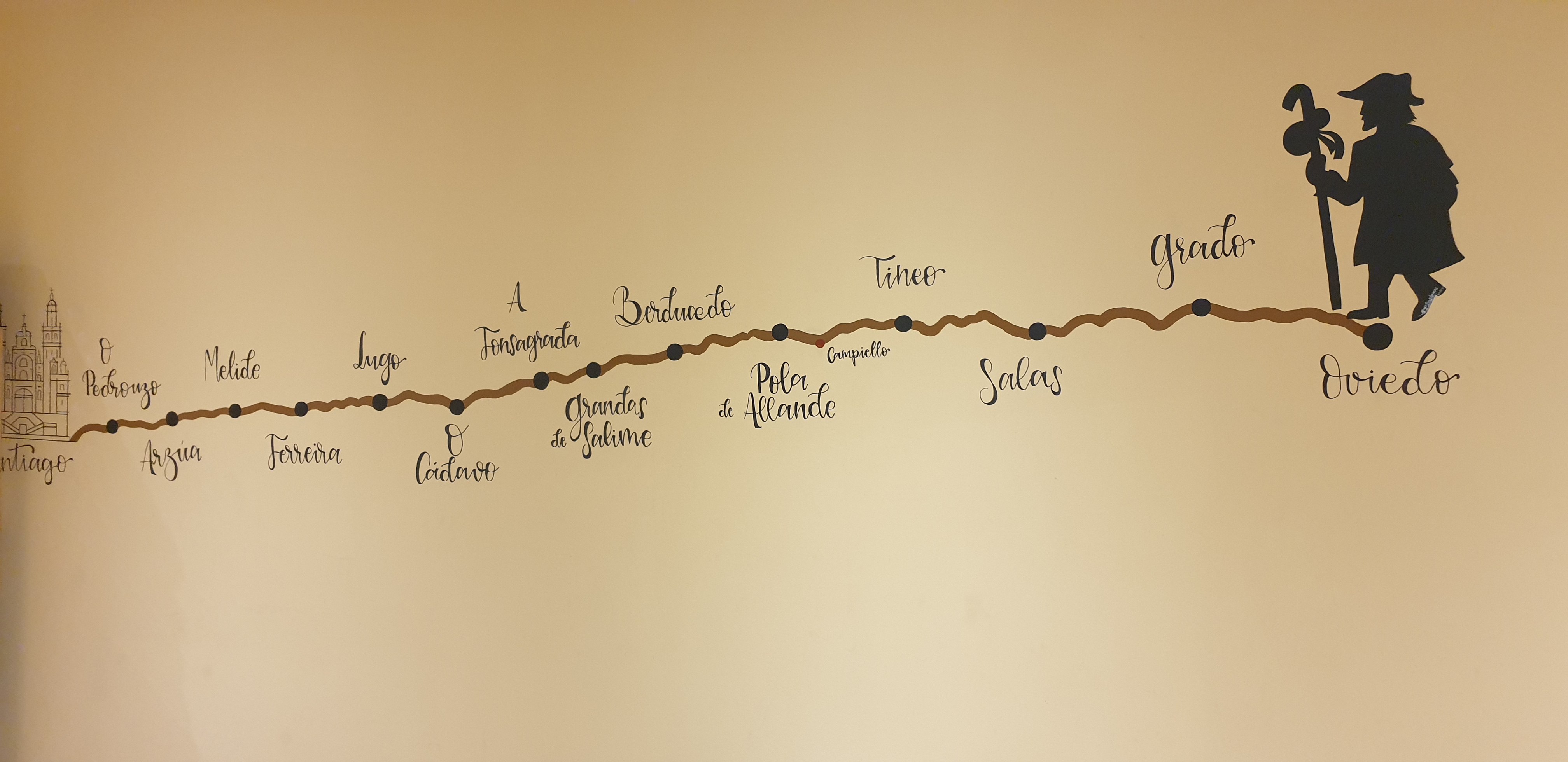
My all time favorite so far is the Primitivo due to the rugged beauty and the three days right in the middle which are quite hilly and “uncivilized.” It lacks the “spiritual” component of the Francés but makes up for it in natural beauty. At around a dozen days from Oviedo to Santiago it is a perfect “full” Camino.

The Norte is canonically the most beautiful: beautiful beach, beautiful forest, San Sebastian, beautiful beach, beautiful forest, Bilbao, beautiful beach, beautiful forest, Santander, Gijón… you get the idea. Plus, the food. While popular, this route still has far fewer pilgrims than the Francés.

The Francés is like Classic Coke: the most popular, the best known, the oldest (not really, just in modern terms, it was the first one to be rehabilitated in the 80s), and it is the most spiritual: most churches are open -unlike other Caminos, the change of orography makes this Camino “feel” longer. And the cities, with their Gothic cathedrals are impressive: Pamplona, Burgos, and León.

So, my ranking for now is: 1, Primitivo, 2, Aragonés, 3, Norte, and 4, Francés. Of course, you could start your Camino with the Aragonés and then hook up with the Francés, but you would miss crossing the Pyrenees, and the Navarra hills to Pamplona. On the other hand, by then the early crowds will be a bit more spread out…

Yes silly, of course I am thinking of next year’s Camino, but you will have to stay tuned to this blog for more!

Camino de Santiago #4 Camino Aragonés and why you should walk the Camino, (or at least walk)

“We should take wandering outdoor walks, so that the mind might be nourished and refreshed by the open air and deep breathing.” — Seneca

Somebody recently asked me what my happy place was, the answer was easy: walking on the Camino. I just walked my fourth.

The Camino Aragonés, is the route taken by pilgrims from the South of France, Italy, and Eastern Europe. In France it is known as the way of Toulouse since that was the meeting point of all the Southern European ways.

This choice was personal for me, for although there are many Caminos to choose from, my grandfather, Antonio Balsón was from Aragón, which gave this Camino a bit more meaning for me.

After two trains and two buses I arrived at the high mountain refuge of Somport -literally on the French border. I walked around France a bit, looking to get my credencial stamped but there was nobody around.

Massive rain the next morning forced me to walk down the mountain on the road instead of the path since this was basically washed out by the rain. Fortunately, only about 4 cars passed in two hours.

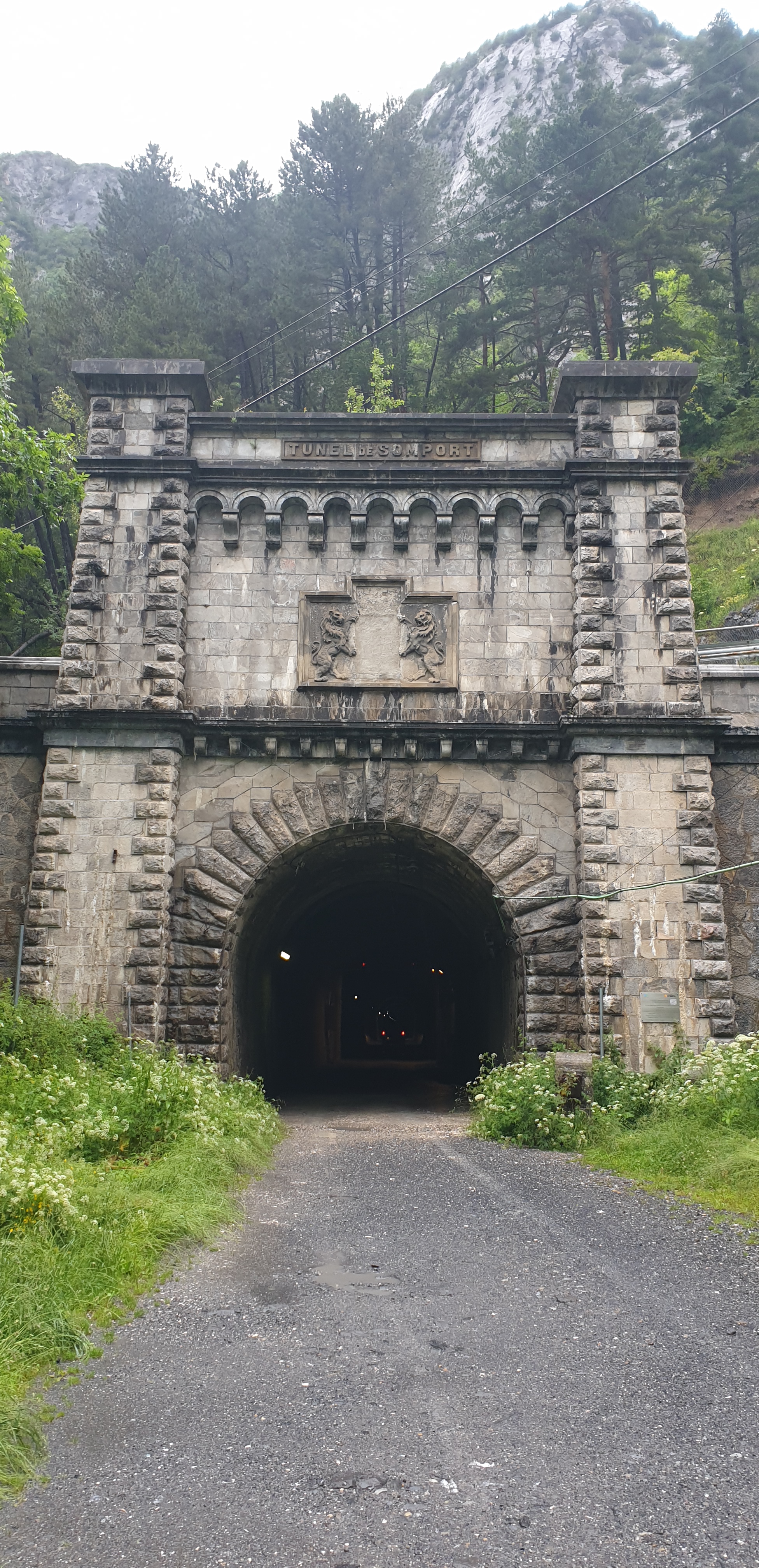
The descent was beautiful despite the rain and walking on the road, so on a sunny day on the path it must be glorious. The Camino passes an old railroad tunnel that connected Spain to France, but it was closed in the 70’s (there are now plans to re-open it). There is an amazing old station which has now been refurbished as a fancy hotel. The end of the stage was in Jaca, ancient capital of Aragón with its old churches and fort. I enjoyed a great swim and a bit of a spa at the municipal pool, I will write another post on that…

After the first day’s descent the next few days hiking was on beautiful rolling hills, through forests and wheat fields. Since last year’s Camino Primitivo Albergue Review gets a lot of hits, I will also write a dedicated post to reviewing the albergues on the Aragonés, stay tuned.

A few days into the Camino, it crosses into Navarra, where food is even more idolized than in Aragón, making for glorious midday snacks!

After six stages the Camino merges into the French Way. But although this Camino is short, it is intense and beautiful. We were about 10 pilgrims on the Camino, so we basically got to know each other at the albergue stops. Most days there is only one end of stage village, and that village only has one albergue so your options as a pilgrim are fairly limited. It is also quite rugged with many long stretches of hiking between villages, which forces you to plan your snacks and water well, but it also makes for good walking. I loved this Camino for its ruggedness, and it has automatically moved up to be my second favorite after the Primitivo.

It is the long stretches of walking that cleanse your mind and your soul. There is nothing else to do but walk, every day. My average day on the trail was 7 hours and a half (27,3 km / about 17 miles average per day for a total of around 164km, just over 100 miles), so you have time to think, meditate, sing, look at the birds and the scenery, it is a total break. This is not a secret, even the ancient romans knew this as the quote by Seneca at the beginning show.

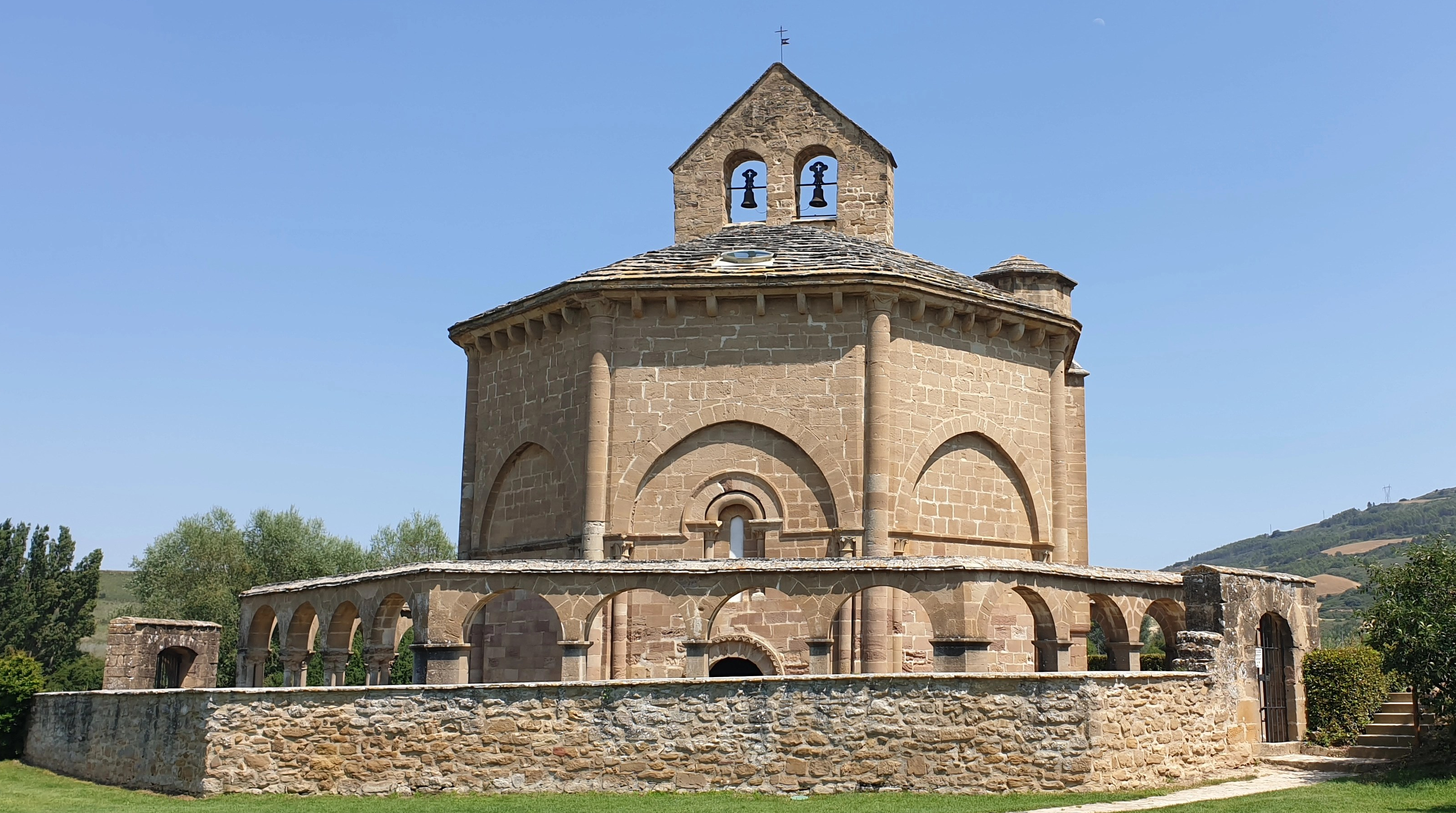
Since I already walked the French way in 2017, and I was somewhat pressed for time I stopped at Puente la Reina and made Santa María de Eunate my “spiritual” ending, in lieu of the Cathedral at Santiago.

Preparing for the Camino, and Santiago The Journey Within

If you type “preparing for the Camino” on the Interweb you are going to get hundreds, maybe thousands of articles and videos on what to pack for the Camino, how to get in shape for the Camino -guilty as charged, even I have written about this. What you are less likely to find is how to really prepare for the Camino, not for the exterior journey, folks in the Middle Ages did it without Gore-Tex, superhightech gear, and without cellphones, but for the interior journey, the one you do not need any gear for.

Yes, there is some overlap: the less you pack, the happier your body will be and not surprisingly, the happier your soul, you, are going to be.

Basically you want to get your mind and your soul (your mind, unfortunately- if you have cleared your head and are living in the present moment, good for you!). So if you have to ask forgiveness, do so before you leave, if you have to settle things, try to do so beforehand. Again, the lighter you travel, the better.

Back in the Middle Ages, there were some guidelines about preparing for the spiritual journey, which have been lost, since the Camino became a bit of a hippie, gofindyourself trek in the early eighties.

My dear Richard Rohr recently wrote about pilgrimage in his daily meditations (if you are not yet receiving them sign up here) and he mentioned the Medieval tradition:

First of all, you had to make amends with everyone you had ever wronged. Also, if you went on pilgrimage holding any kind of unforgiveness, it could not be a good pilgrimage. You couldn’t leave your town until you’d forgiven everyone who’d ever wronged you. Certainly, this is an attitude that we can pray for at the beginning of any pilgrimage: that God would keep our hearts open and loving, because a pilgrimage can’t just be a tourist trip. The meaning of a pilgrimage is an interior journey. Primarily, it’s an interior journey enacted exteriorly.”

Secondly, and a practical, interesting thing, is that if they were going to go on pilgrimage, pilgrims had first to ask permission of their wife, husband, and family. The idea was that they had to leave everything in right relationship at home. If they had any material debts, they also had to pay those before they left. They couldn’t go on pilgrimage until their spiritual and physical debts were paid, and they had permission from all the right people.

Next, they had to go to confession before leaving. Sometime in the course of a pilgrimage, celebrating some kind of reconciliation was deemed very appropriate. Again, there’s that cleansing, that letting go. Perhaps those of us who’ve already been down to the Grotto [1] have seen the basin of water on the far end with the words that Mary spoke to Bernadette. It states, “Go wash your face and cleanse your soul.” What a symbol of reconciliation! It’s a prayer. Above all else, pilgrimage is praying with your body, and it’s praying with your feet. It’s an exterior prayer, and the exterior prayer keeps calling you into the interior prayer.

Rohr writes a week’s worth of content which you can check out here.

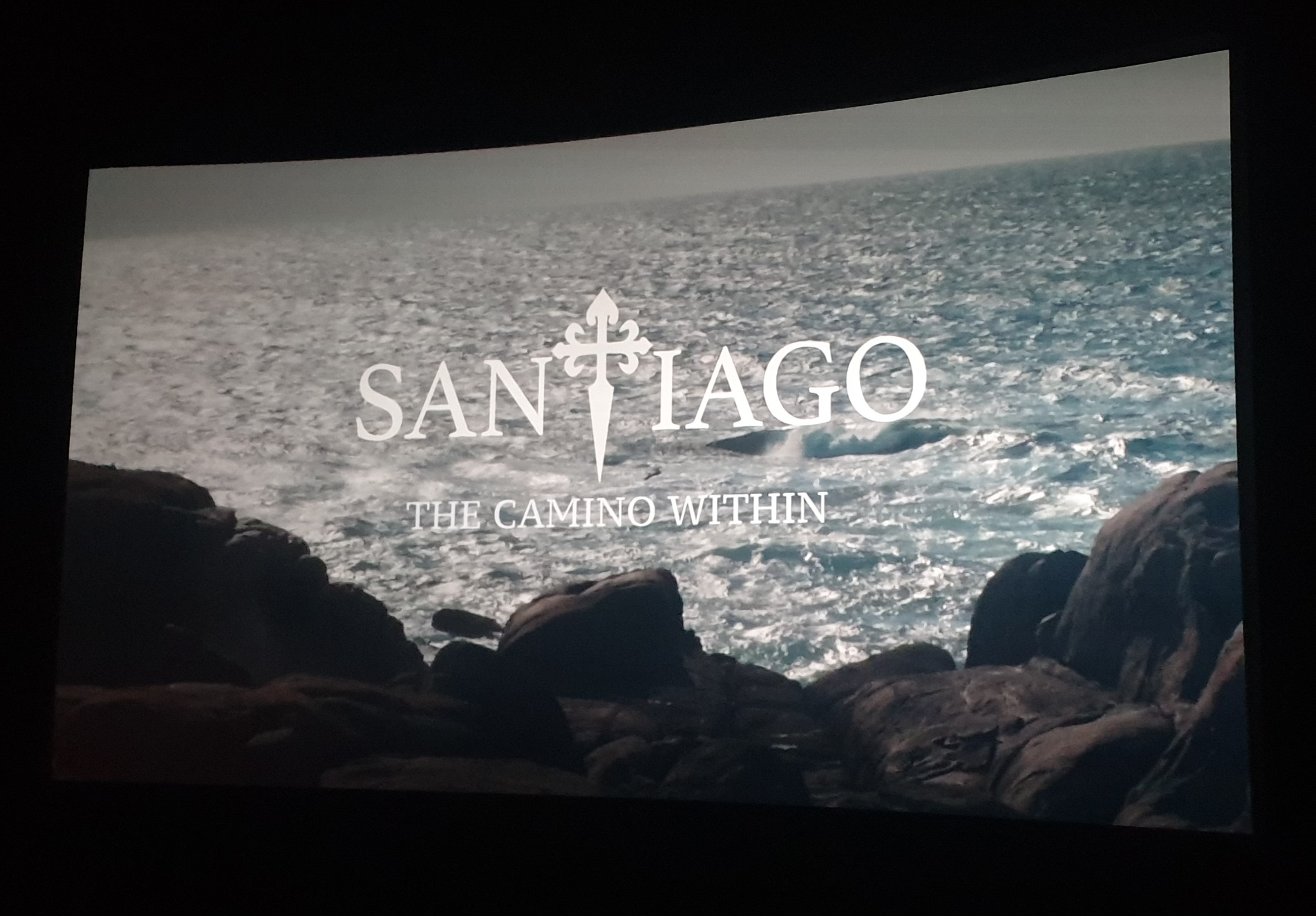
As I was thinking about this blog post, my students invited me to see Santiago The Journey Within, a reflection more than a documentary on the Camino. The film, led by Bishop Donald J. Hying, has beautiful photography and music, but sadly lacks a narrative, a connecting thread, which makes it difficult to immerse oneself in the film. Also the last 45 minutes of the film is just Bishop Hying talking about the Camino at a university conference. Beautiful words, but less than gripping action.

There you have it. Make sure your mind is ready as much -if not more- than your backpack!

¡Buen Camino!

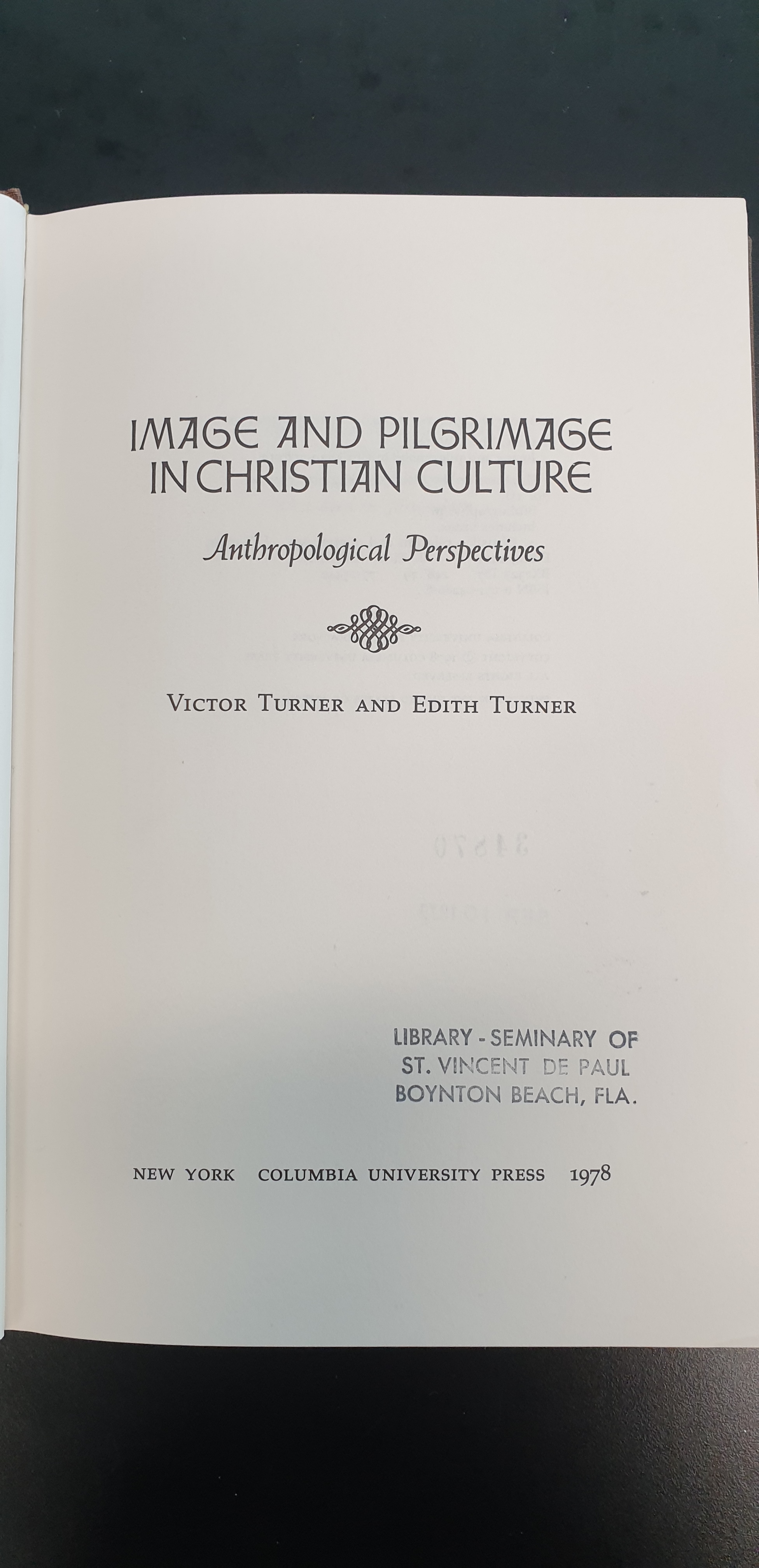
PS: If you are really into this, you can read Image and Pilgrimage in Christian Culture by Victor Turner and Edith Turner.

Should you walk the Camino?

Many of the people I have met since I did my first Camino in 2017 tell me how much they want to do it. Most folks will never get around to walking it. Well, I am here to guide you.

What is your motivation to walk the Camino? In my case, I had dreamt about it for years, but it took my father’s passing for me to finally commit. Maybe you have heard from a few pilgrims that it was a cool experience? Or maybe you have a higher motivation. Although it is bad Camino etiquette to ask pilgrims why they are walking (it is none of your business, you can read more pointers here), most folks do it in between jobs, after college, to “find themselves.”

You 100% should walk the Camino. For clarity, for healing, for your mental, spiritual, and physical health, to get to know the country in a way not even Spaniards know, for culture: history, architecture, art, food, etc., to disconnect from civilization (you are not walking the Appalachian trail), but just walking for hours on end each day means that you are not looking at a screen for those hours, and yes, for fun.

Your first task is committing, maybe therein lies the issue.

Your next step is to figure out how much time you have. For the full enchilada, you are going to need thirty something days. Or you can do a shorter Camino like the Primitivo which will take you around 12 days. Any less and you are really cheating yourself out of the transformative experience that is the Camino. Sure, you only need to walk 100 km (62 miles) -less than a week- to get your Camino certificate, your Compostela, but if you are walking the Camino to hang a certificate on your wall, you might as well just go to Disney World.

Once you know how much time you have, take a look at all the different Caminos, you can start in Paris, Geneva, Madrid, Lisbon, Bordeaux, you name it. The Camino starts at your doorstep.

Money. The Camino in Spain is relatively inexpensive. You can get away at 30 Euros a day. You will need more if you want to stay in hotels instead of Albergues, and much more if you are going to walk in France or anywhere else in Europe. On the other hand you will need much less if you camp and/or if you make all your own meals.

Then you make your travel plans: planes, trains, buses, whatever.

And your equipment, there are a million YouTube videos on this, even I have written about it here.

That’s it, you are on your way, Buen Camino!

What shoes to wear on the Camino – Part II

This is a follow up on my surprisingly popular What shoes to wear on the Camino post (which you can read here).

This Summer I walked my third full Camino, the Primitivo (you can read about that here) and it was awesome! It is a relatively short Camino of 320 km (200 mi.) which I managed in 11 days. Part of what made it great was my shoes…

This year I switched from Salomon to the Nike Pegasus Trail 3, and they were fantastic: great support, cushioning, grip, comfort, weight (or lack thereof). Overall a 10. I did get one blister, but it was not the shoe’s fault, it was the wearer’s fault for doubling up a stage and walking 40 plus km (25 miles) with the last 20 km (12 mi) on tarmac on a warm day; I deserved it.

Let me reiterate that if you are walking the Camino in the Summer, you normally do not need boots, unless they are really lightweight, and you need the ankle support. Trail running or hiking shoes are the best option, much lighter, more breathable, etc.

Of course, every foot is different, but I wholeheartedly recommend this shoe!

Have you done the Camino with Nike Pegasus Trail 3? What was your experience like? If not, what shoes do you recommend? Let us know in the comments!

Buen Camino!!

A mystical experience on the Camino

The only good thing about the A Pociña de Muñíz albergue when I stopped for breakfast was that while they ripped me off with a 2 Euro filtered coffee when their real coffee machine sat idle right there, was that they recommended that I take the Soutomeride variant that goes through an ancient forest and by an equally ancient church instead of by the “main” Camino.

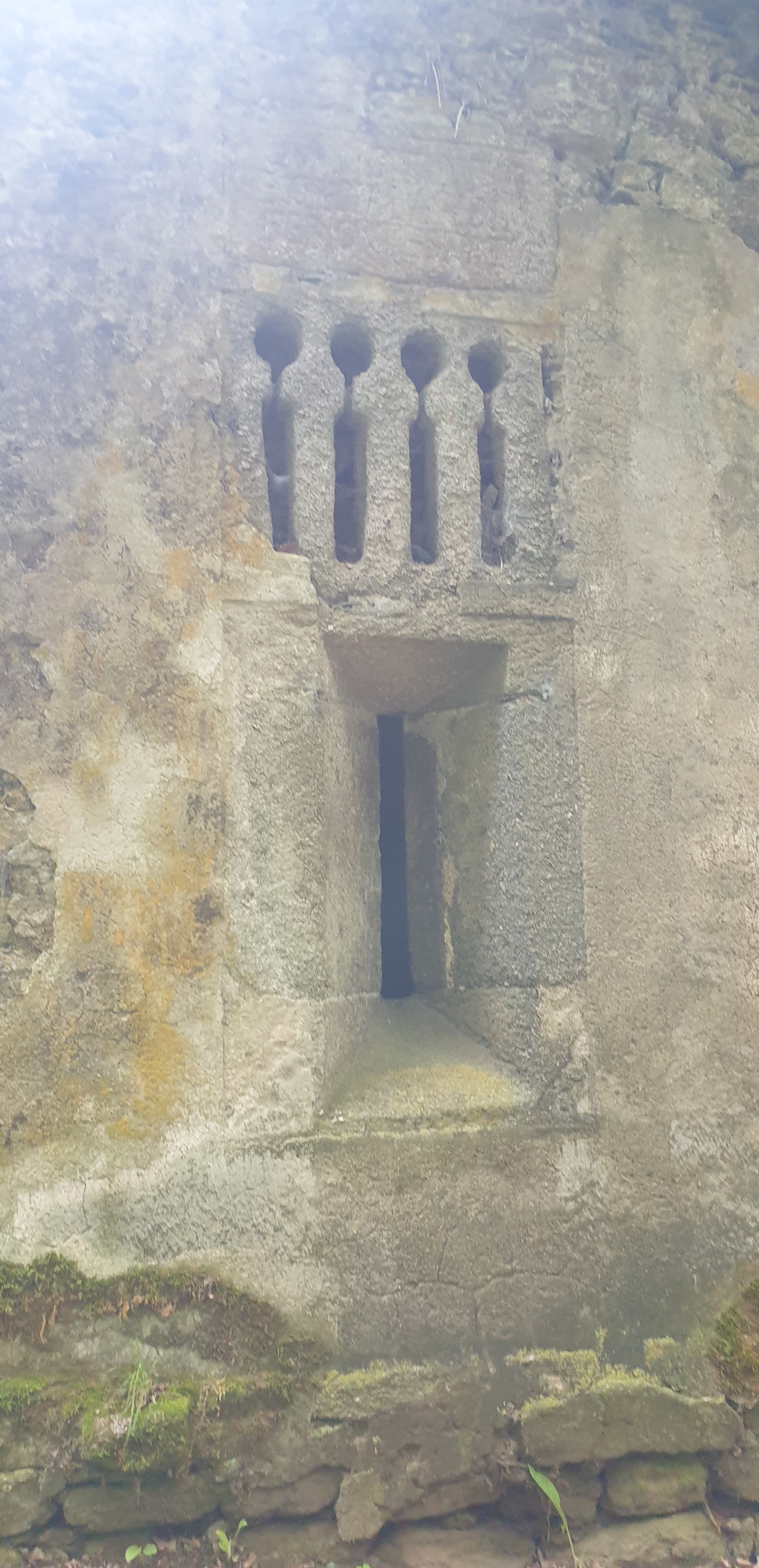
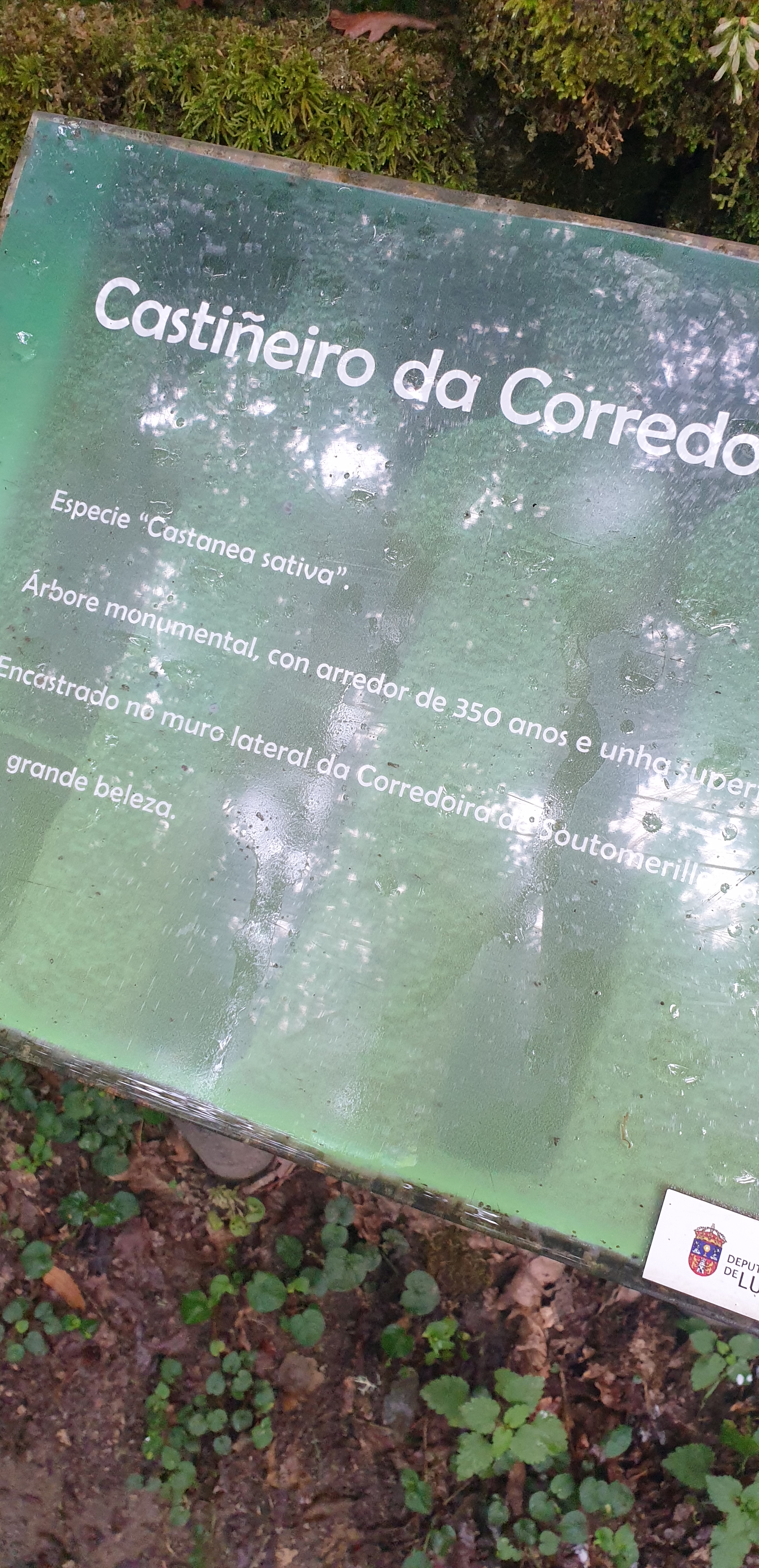
So there I was, still fairly early in the morning, walking and meditating as I entered this age-old forest with 350-year-old chestnuts, among long ago ruined buildings covered with every plant imaginable that I arrived at the back of the aforementioned church of San Salvador de Soutomerille. I was stopped in my tracks by the beauty of four pre-Romanesque horseshoe windows. Never had I seen such beautiful, old windows on a building, in what appeared a semi abandoned church in the middle of an enchanted forest.

But wait. At that moment as I approached the church taking a picture of the window, I heard an angelical voice coming from inside.

What is going on? How can this old church that probably does not even have electricity, in the middle of a forest have music? Do they have some sort of record player? Spotify? And the voice, it is angelical, and the music, sounds like Hildegard von Bingen. I am mystified, baffled, confused, and ecstatic all at the same time. The singing stops and I slowly walk around the tiny church. There, by the door is Ingrid, a German pilgrim and amateur singer who was singing through a broken panel on the door to check out the acoustics. A very human and perfectly reasonable occurrence, but for me it was a mystical experience.

You do not believe my story? Turn up the volume and watch the video below…

BTW if Ingrid or anybody that knows German pilgrim, amateur singer Ingrid reads this please leave a comment below!

Camino de Santiago #3, the Camino Primitivo

The Camino Primitivo is not only the original Camino, but also the most intense. Yes, it is half the distance of the other “main” Caminos, The Francés and the Norte, but what it lacks in length, it makes up plenty in beauty, ruggedness, physicality, and authenticity.

As you know I had been planning this Camino since I finished the North route last year. It did not disappoint. Here is the story:

Around the year 800, a hermit in Galicia called Paio (or Pelagius) was guided by lights and angels to St. James’ tomb. After telling his local bishop, king Alfonso II “El casto” went to check out what the fuss was about, thereby creating the first pilgrimage. As the Reconquista developed, new routes were established leading to the North and eventually the Francés route, which is today the most popular.

So, I took a train to Oviedo, the ancient capital of Spain during the Moorish occupation. It is a high-speed train only halfway, as the mountains that separate the plateau from the shore has not been breached by the high-speed line yet, making it is a five-hour journey. I arrived in Oviedo just in time to run to the albergue -an old seminary- before it closed!

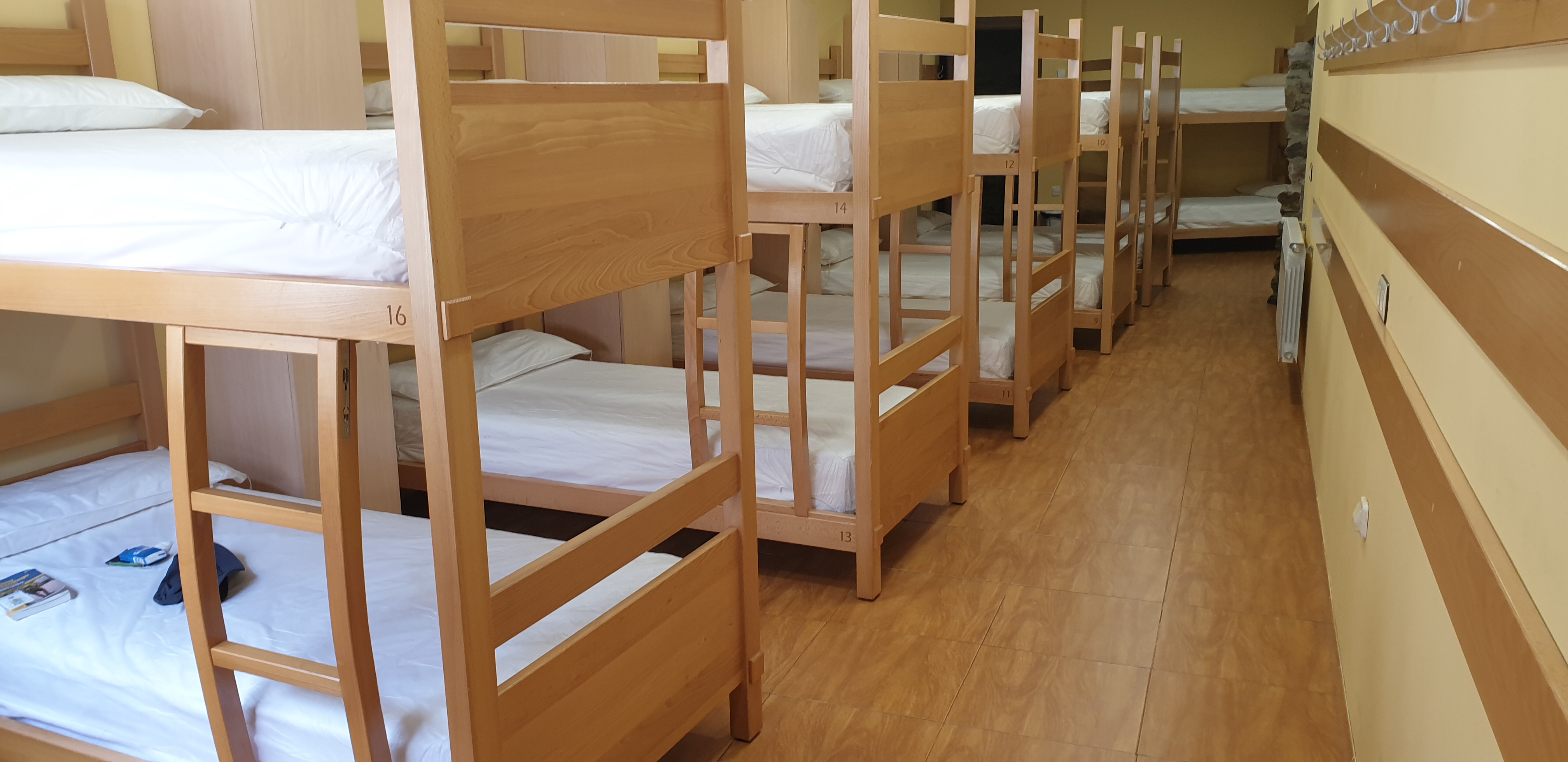
I shared room with Vicente, a retiree from Valencia whom I would continue to bump into well into the Camino.

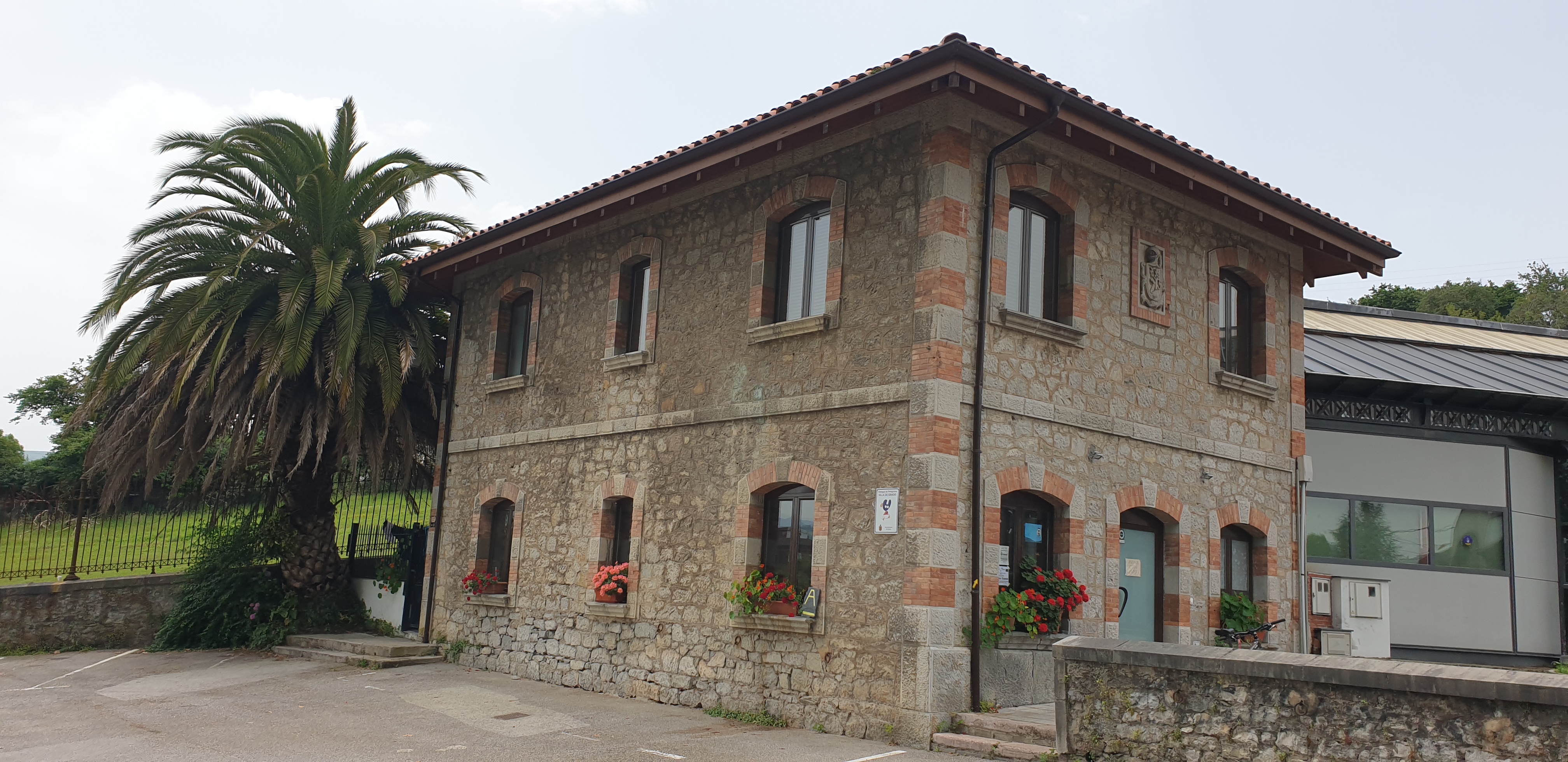
Downtown Oviedo is lovely, clean, and full of sculptures! It is so cool! The walk out of town was pleasant enough, and soon you are in the middle of the countryside in total pilgrim mode. The first day is an easy 24Km to Grado, where I had been years ago with my Land Rover. A dip in the frigid river quickly got rid of the day’s hiking inflammation. The albergue is an old horse brokerage house, and there is a cute town square with restaurants and a working church where the priest is happy to give me a pilgrim’s blessing.

The second day brings the first important climbs of the pilgrimage. With hot temperatures and sun, the last climb took a toll, but fortunately I would not have to tackle it first thing next morning.

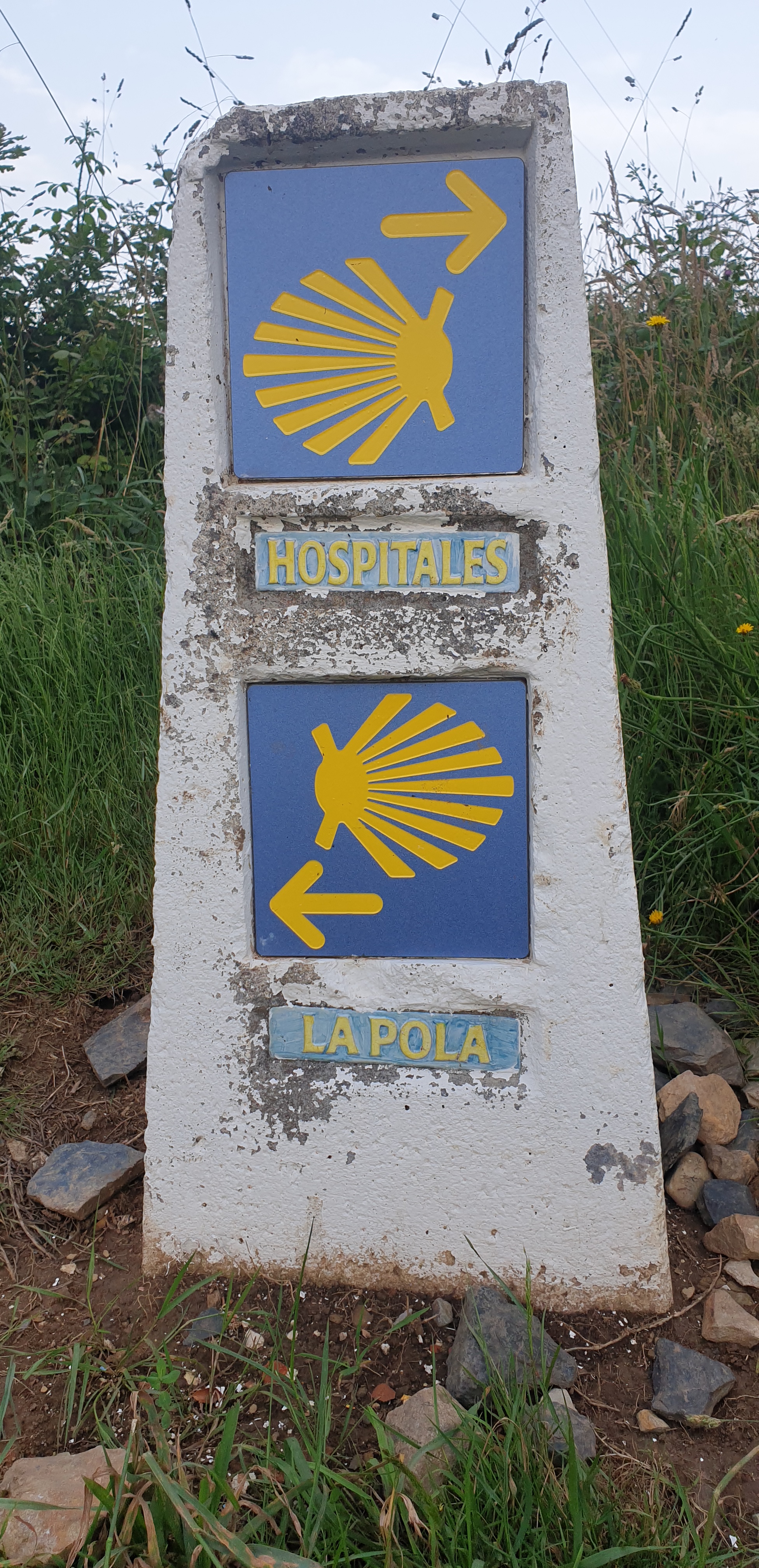
The next five days are a thing of beauty. I chose the Hospitales variant which takes you up over the tree line for a day of ridging 1000 mts over sea level. Amazing, you do not even miss the cafés! The following three or four days are just as impressive: natural, rugged, and fairly uncivilized. although without the altitude,

About halfway through you cross the grassy paths of Asturias to the dense forests of Galicia. After the city of Lugo with its amazing Roman walls, you have a day of a lot of asphalt, although the views are lovely, your feet pay the price. Then you have a final day of hillside living, before merging into the popular Camino Francés with all the “tourists” doing just the last 100 km (62 miles) to say they have done the Camino. So, the last three days are crowded and rainy on top of that.

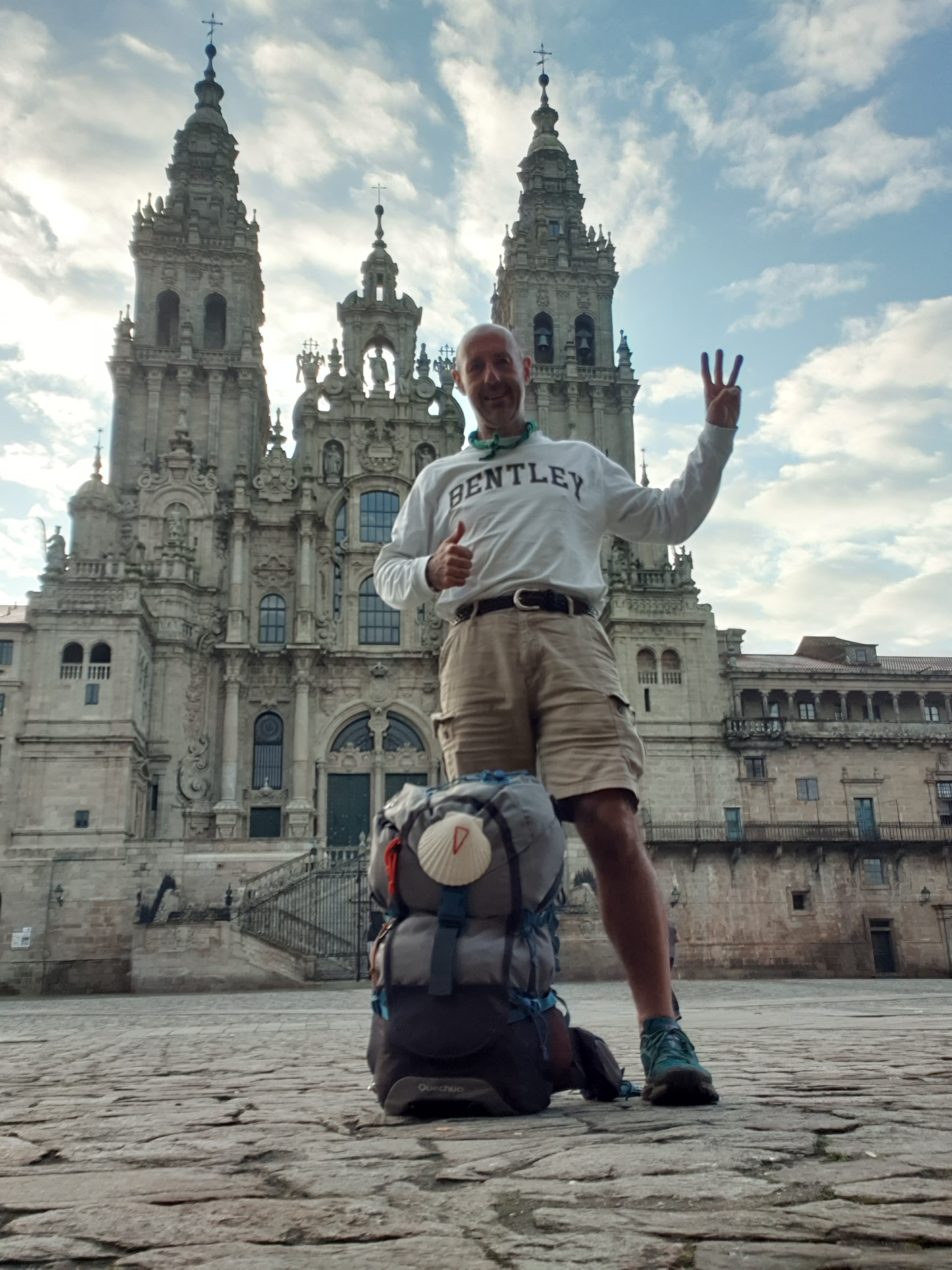
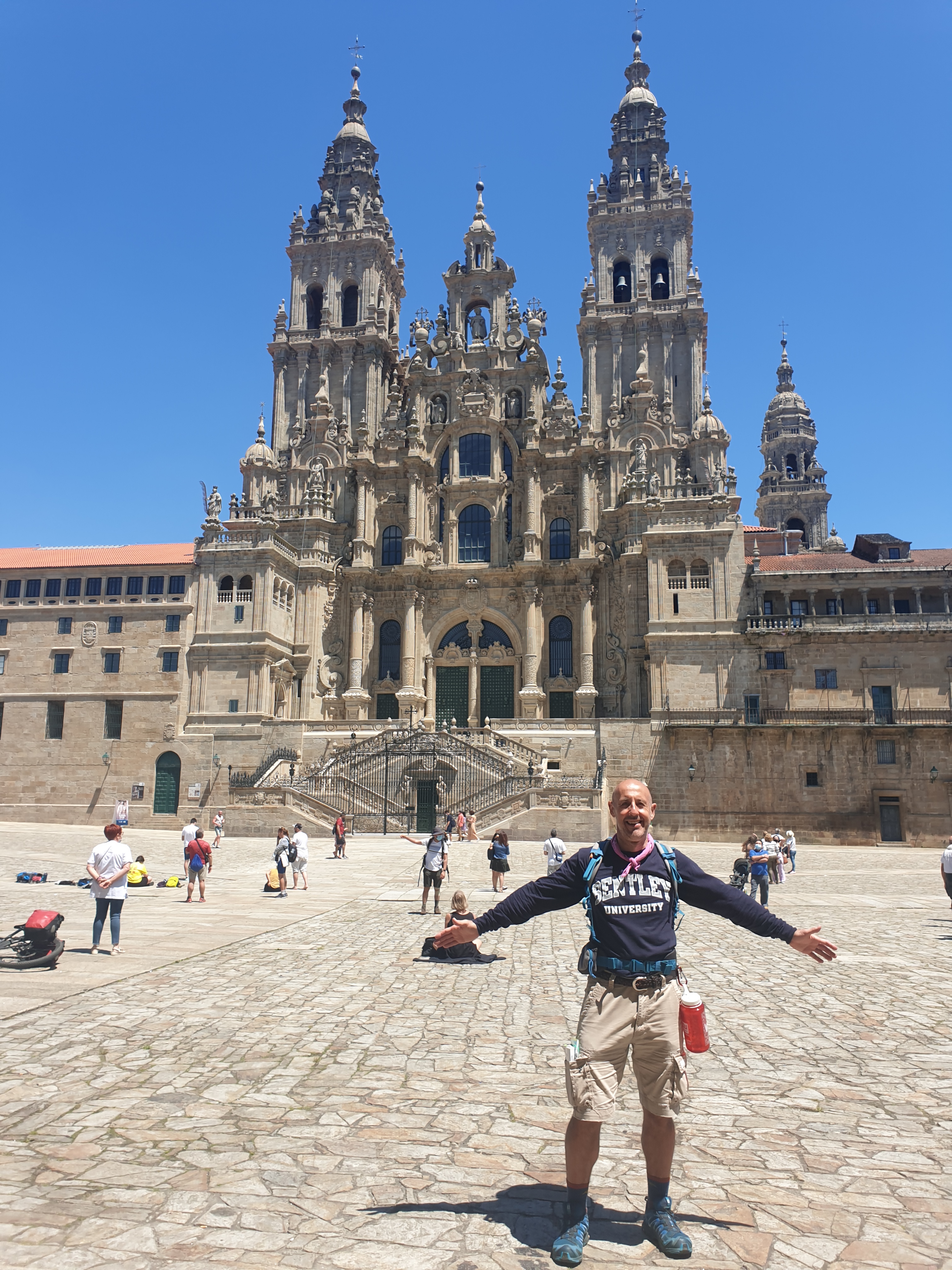
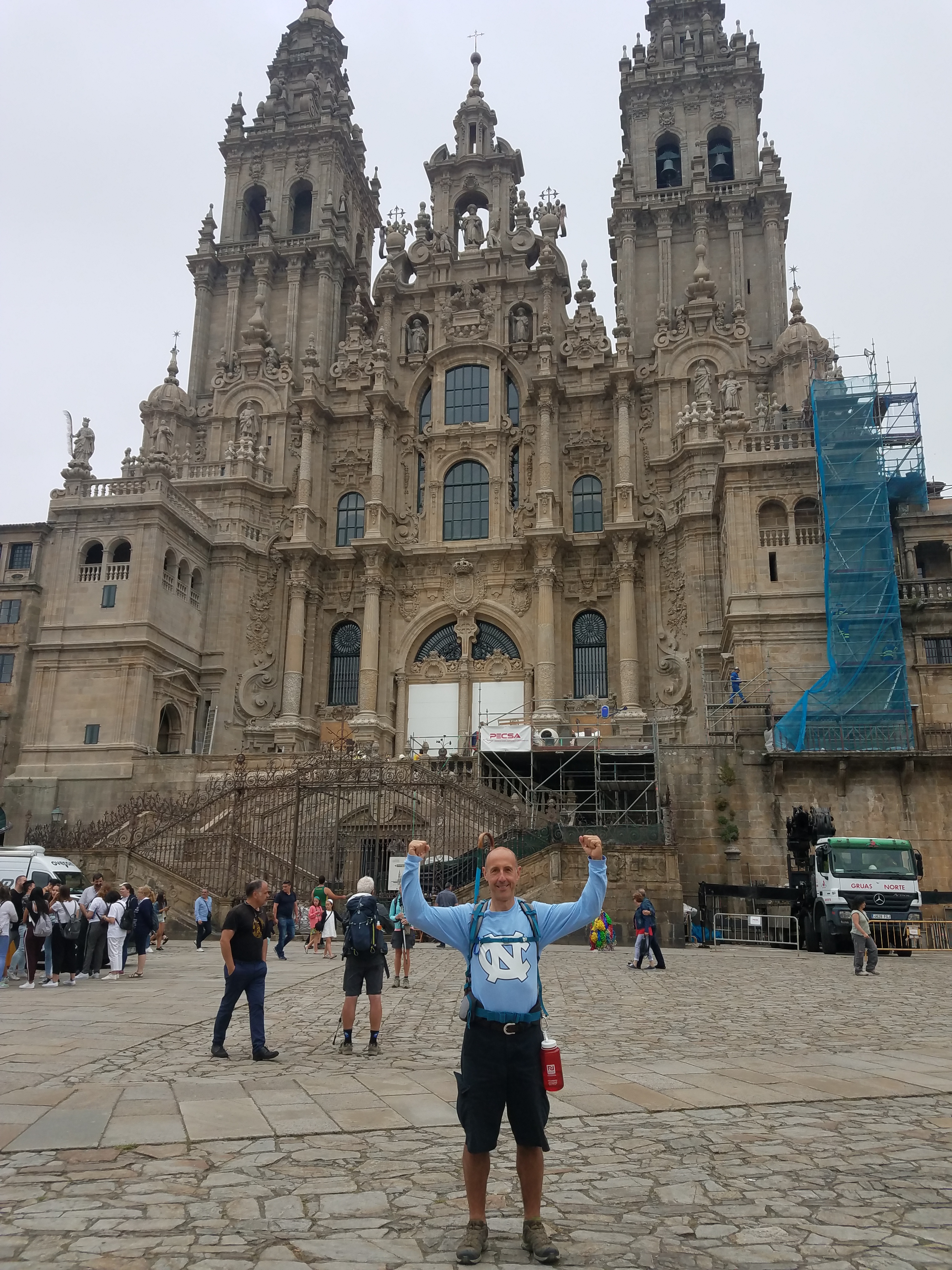
But nothing compares to arriving at the plaza del Obradoiro and standing in front of the Cathedral. For me it was 310 km (200 miles) in 11 days.

The Cathedral has been totally renovated and I could finally go down to the crypt to see the tomb of St. James third time is the charm –it had been closed for restoration all my previous times. Lunch was at the amazing Santiago market, where I had the best hake I have ever tasted. With no train spots available that day, a flight to Madrid that afternoon ended my adventure.

How does it compare to the other Caminos? Well, the obvious facts are that while shorter, it is indeed more intense, beautiful, natural, and rugged. I loved every step of it, even the hard climbs and descents.