Sándor Marai, the best author you have never heard of —existentialism from another angle. (Warning: spoilers)

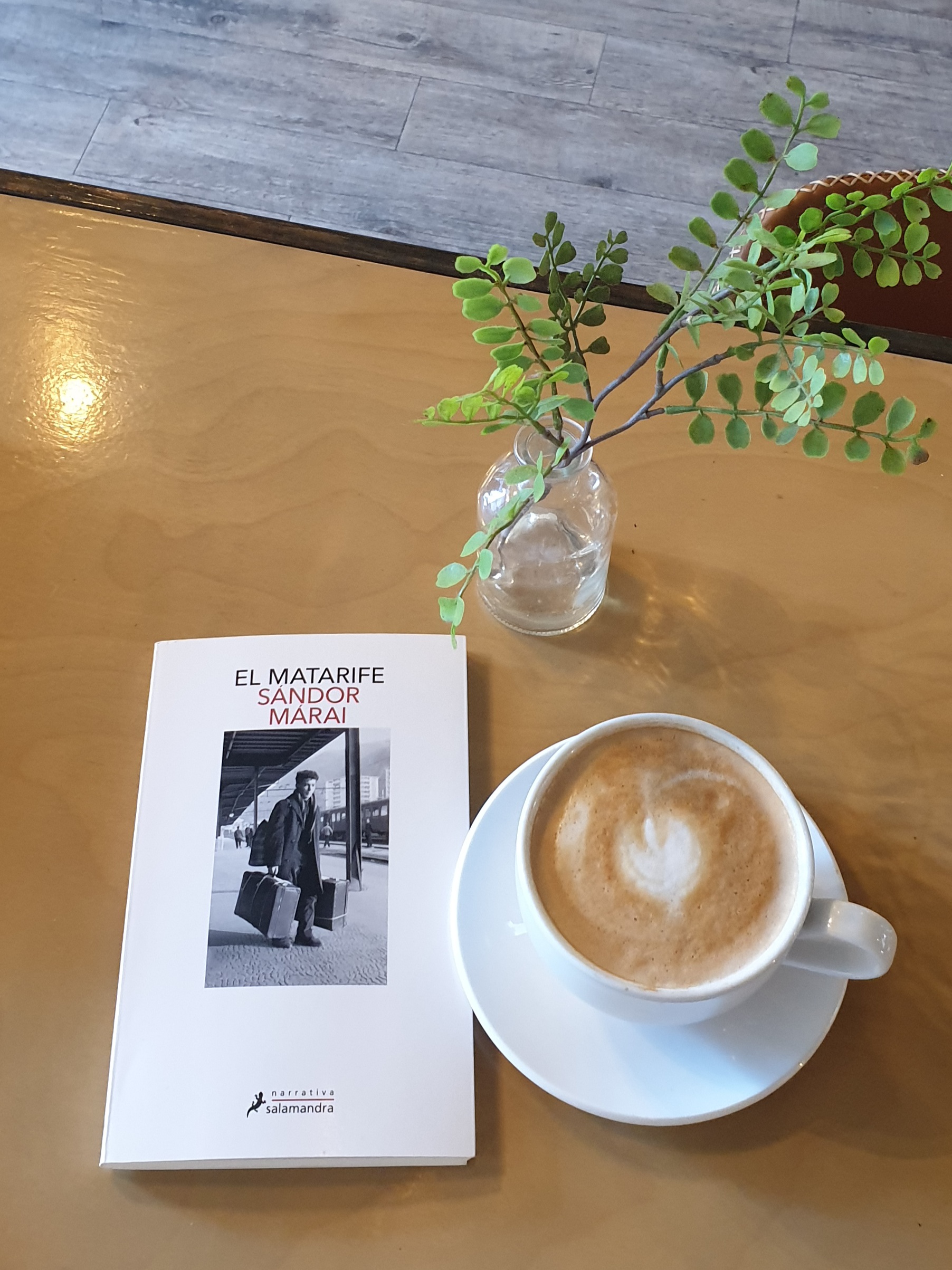
Sandor Marai – El matarife

Last Summer, when I returned from Budapest, gushing with excitement from my visit, my sister gifted me Sandor Márai’s first novel, El matarife (The Slaughterer, The Butcher). I had never heard of him, but I was quickly absorbed by the Joseph Roth-like, turn of the (20th) Century style, which I love, and you can read about here.

Most protagonists in Existentialist literature have either lofty or uncertain, questionable motives. Yes, they might be murderers, think of Raskolnikov or Meursault, but either they try to justify their motives or, following Existential absurdity, they simply do not care. Other, more lofty existentialists, such as Don Quixote or Unamuno’s San Manuel Bueno, are not afraid to stand up for their beliefs.

In El Matarife (A mészáros in Hungarian) (1924) —which has yet to be translated into English! Marai creates a different narrative. Otto, who, as the title implies, will become a slaughterer, a butcher, enjoys killing, firstly cattle in Berlin’s market, then enemy soldiers and civilians during WWI. And eventually, as expected, he becomes a serial killer, who then kills himself.

The beauty of this book lies in Marai’s buildup of the narrative. We know Otto is a little different when, as a child, he enjoys seeing an ox get slaughtered. I remember being traumatized as a child seeing my neighbor’s pigs slaughtered, and that was a festive, community event! We also notice Otto is a detached fellow, no real friends, no girlfriend, no wife. Otto seems conscious of his behavior, which even earns him an Iron Cross from the Emperor himself!

Enough spoilers, if you can get your hands on some Marai, it will not disappoint. You are welcome.

Embers, originally published in 1942, was eventually published in English in 2001. It did garner critical acclaim, and I have it on the reading list.

On grilling

It might be our reptilian brains, our primal instincts, but few things taste as good as grilled foods. It does make sense: fire + food, no middleman, no fancy sauce, no nothing.

Now, I got the secret to buying great secondhand stuff from Spencer, a brilliant and wise old student of mine: You have to watch Craigslist like a hawk. And I did, patiently waiting and searching for the right barbeque. When it popped up, I snatched it up.

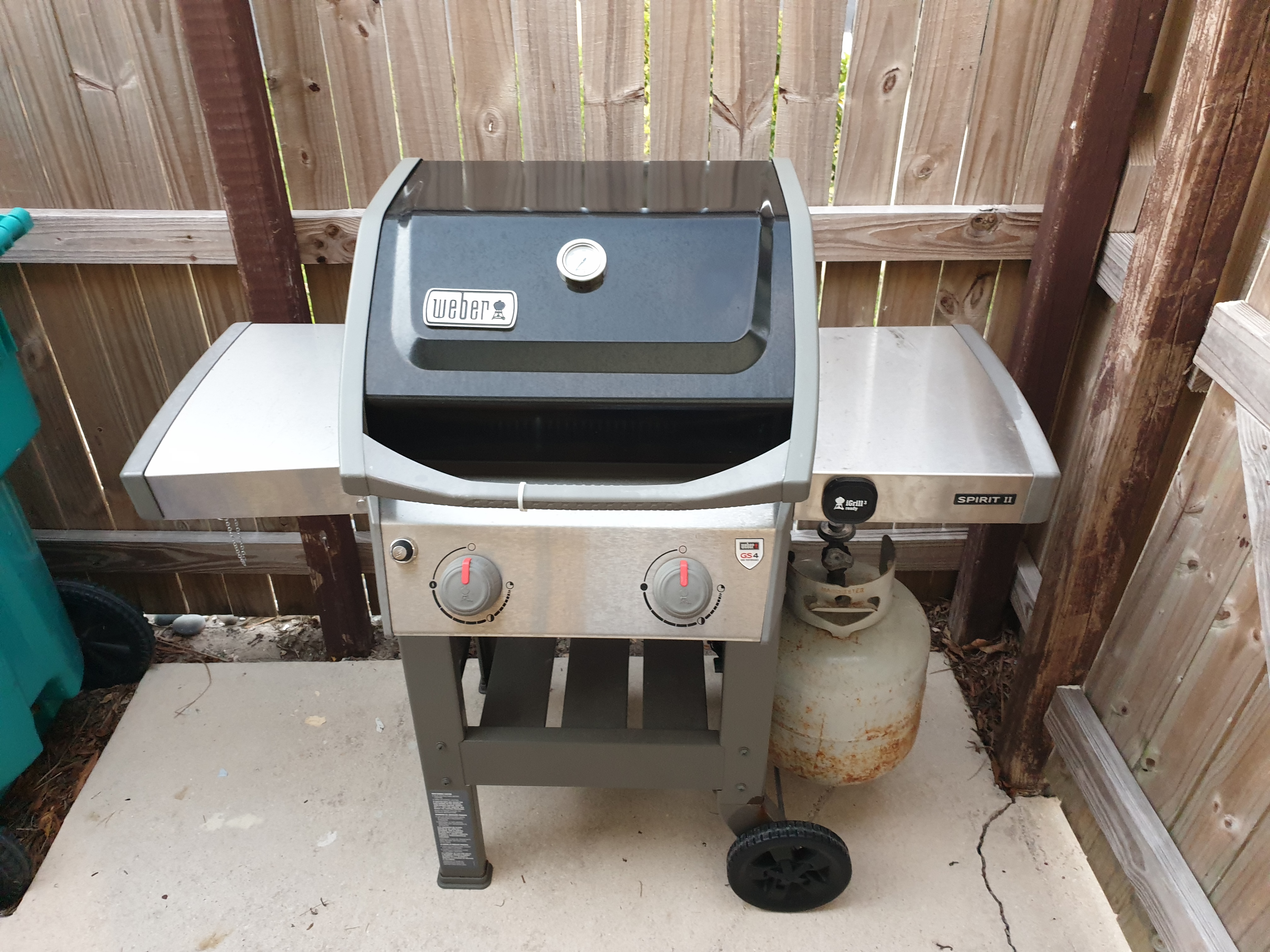
It is a baby gas Weber grill (Spirit II E-210), but it is all I need, and it fit my teacher’s budget. I know, of course the charcoal ones are far better, but to cook for one person, it is a bit of a production, so I confess to falling for the convenience of pressing a button and presto!

I invited my friend Manuel to dinner in order to properly inaugurate (for me) the grill. I rarely eat red meat, so when I do it is a treat. I went to the butcher in town, The Butcher and the Bar, and bought a pound of filet mignon from grass fed, Florida cows.

Of course, I washed and cleaned the grill as the obsessive-compulsive, anal-retentive Virgo that I am, and we were ready to fire her up!

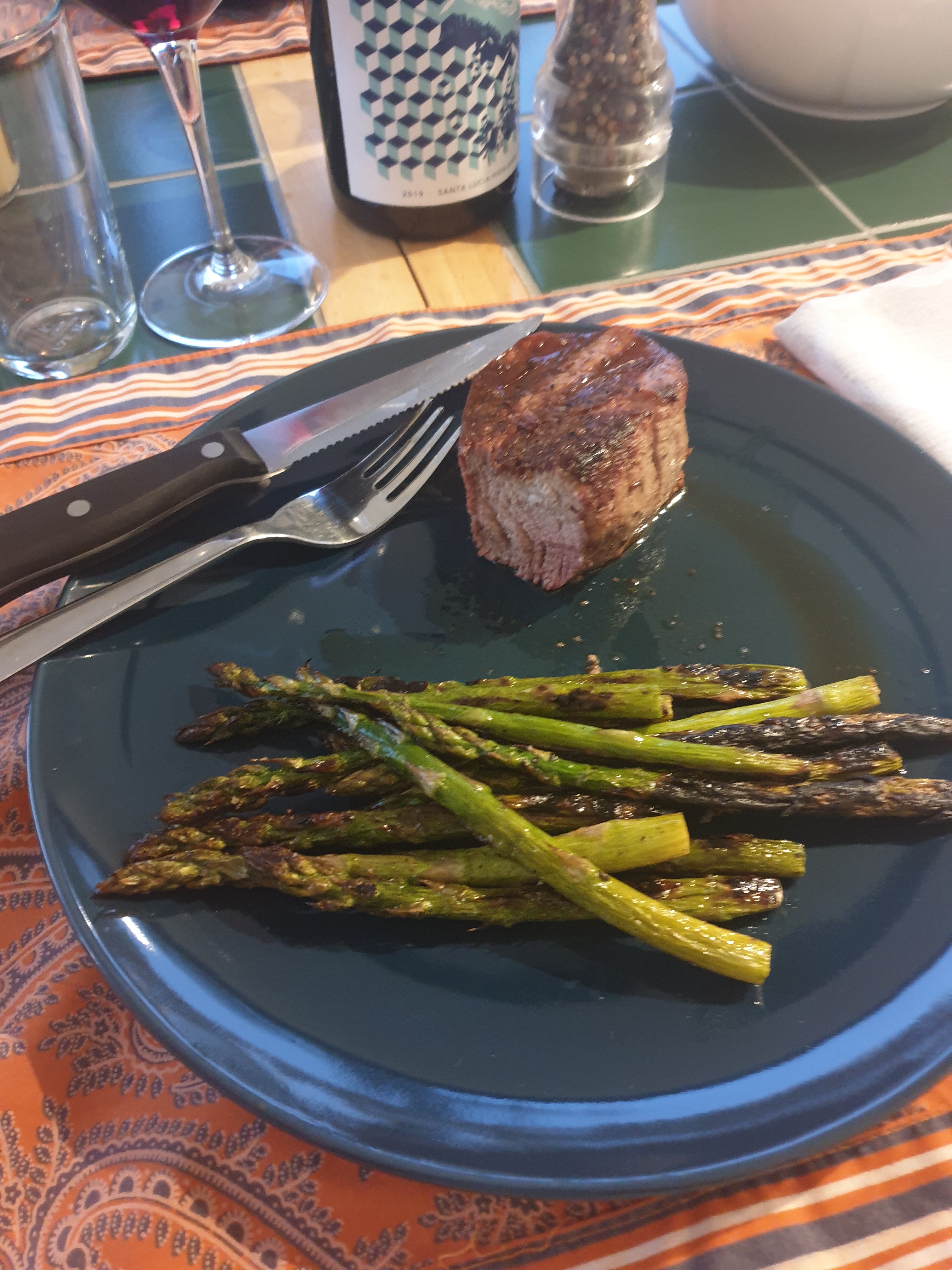
It did not disappoint. The steaks (and the asparagus we threw with them) came out perfectly. My main concern was that being a small grill it was not going to have the heat to sear the meat, but I was wrong (as usual) (see the photos). Since then, I have also done swordfish, and it has also been delicioso!

So, if you are in SW Florida and want to put some shrimp on the barbie, hit me up!

What’s in a name?

“What’s in a name? That which we call a rose
By any other name would smell as sweet.”

William Shakespeare, Romeo and Juliet (Act II, Scene ii)

Years ago my brother Theo in London sent me some links to a famous butcher in Dorset called Balson, which happens to be the oldest business in England. No, I do not have any relation to the Balson family of Dorset. There is also an American author called Balson, and a few other Balsons around. Nope, no relation.

One of the hobbies my father picked up when he retired was genealogy. He set out to investigate his family’s origins, and he took it quite seriously. He took a course at the prestigious Consejo Superior de Investigaciones Cientificas (CSIC) and he proudly displayed his diploma and class picture on his home office wall.

He traveled around Spain visiting churches to gather data from birth, death and wedding certificates. He even went to Salt Lake City in Utah to research the Mormon genealogy vault / database where billions of family histories are stored – they denied him access. He still managed to research his family into the mid 18th Century before losing track. Not bad. His main findings were that the family originated in rural Lerida,

the area between Barcelona and Zaragoza. The original first name was Anton, which through the generations became Antonio – my grandad’s and uncle’s name. The family moved to Zaragoza by the 1800s and to Madrid by the early 20th Century, where my grandad settled and created a family.

So long story short: No butchers, no authors, but still an awesome family heritage.