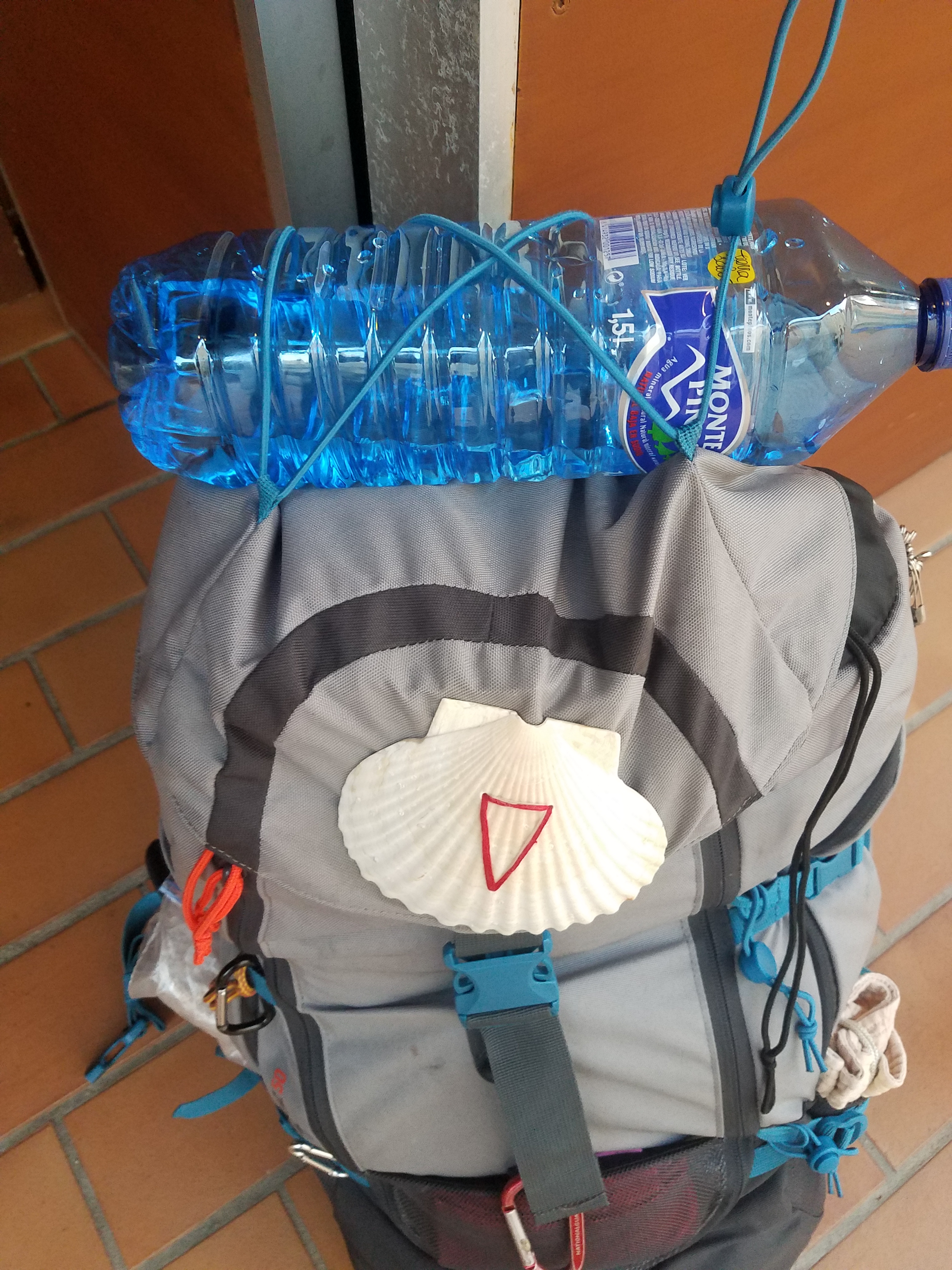
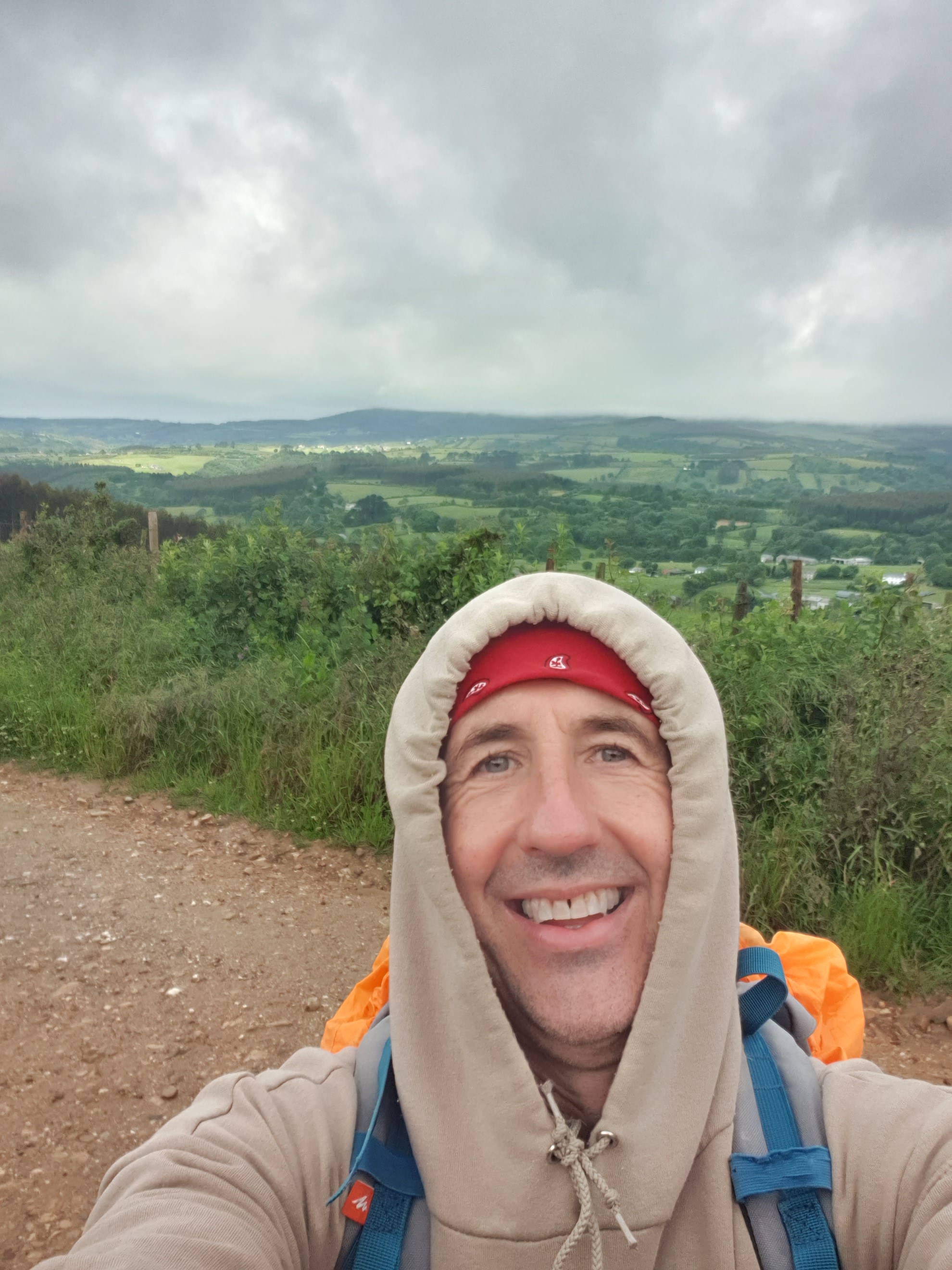
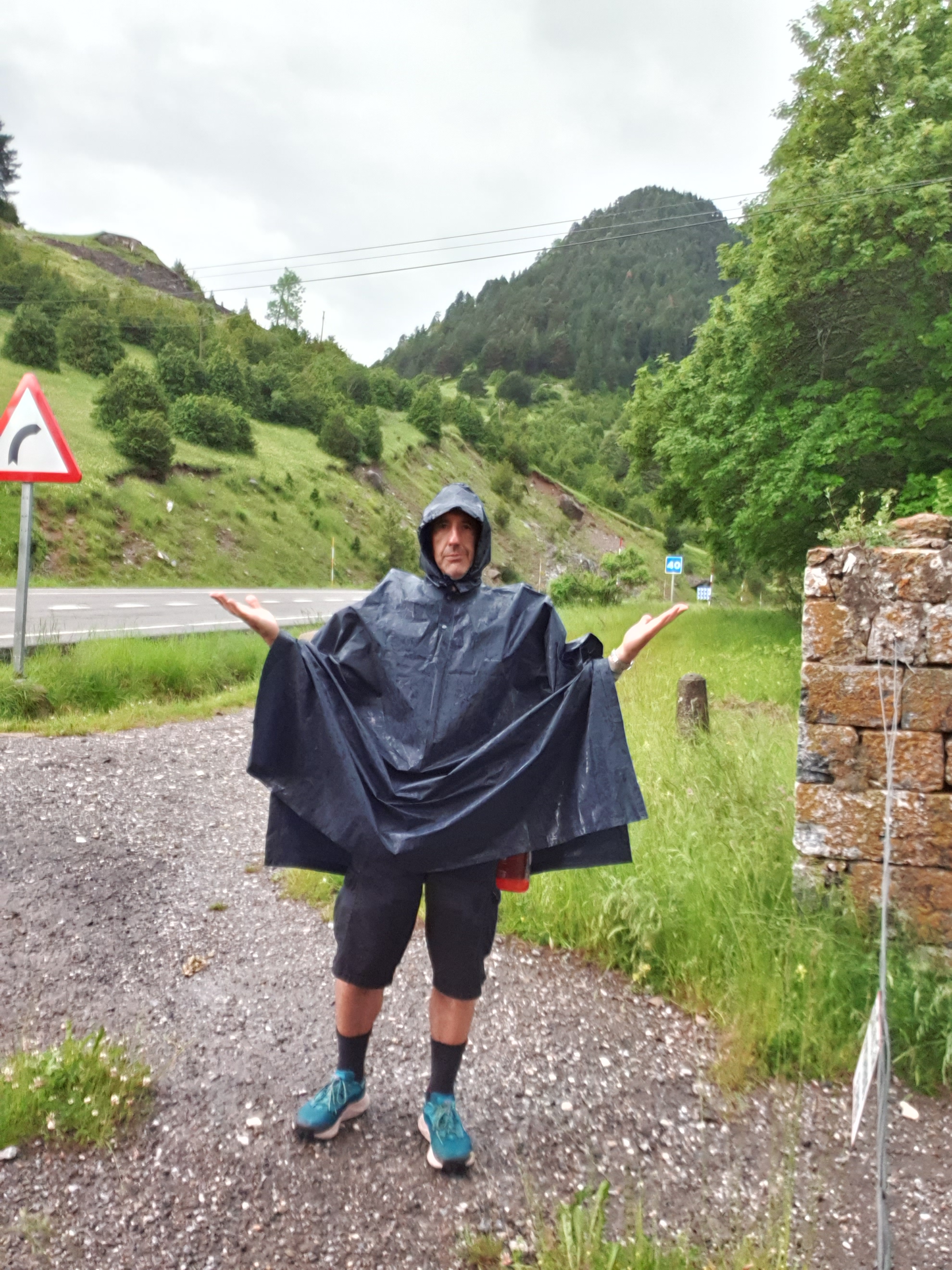
The evolution of my Camino packing

Pilgrims have been walking to Santiago from all over Europe since about the year 800, before Hoka running shoes, before high tech fibers, before ergonomic backpacks, before electronic watches that measure your heart rate, every step you take and your lymphocytes, before, before, before. So chill.

On top of that, most people walk really short Caminos, so your choices are not that critical; you are going to walk for 5 days, eating much better food at half the price of whatever you are eating at home, sleeping on decent beds, showering with decent water pressure, with a fully stocked pharmacy in almost every village you walk through should you need any medicine, and enjoying free, high speed Wi-Fi internet connections so you can post on Instagram. You will not be roughing it (unless you choose to).

As I prepare for my fifth Camino, here are some thoughts on my packing and the evolution of my packing philosophy.

One of your realizations on the Camino might be how happy you are with so little, only with what you are carrying on your back. So packing is or should be an exercise in minimalism. Here are some thoughts:

There are laundry facilities in all albergues, some might be modern washer driers, some might only have manual washing options. If you are not willing to hand wash your own socks, underwear, and t-shirt –ask yourself if you want to be on the Camino. So you do not need to pack a lot of clothes. I pack 3 pairs of wool, no stitching socks, 3 underwear, 3 (long sleeve) cotton T shirs -yes, I am a snob and hate the feel of modern fibers. 2 pairs of cargo shorts (the side pocket is perfect for guidebook, maps, etc.) and a sweatshirt. My first Camino, optimist that I am, I did not pack a sweatshirt, and it was freezing in June in Burgos, so I had to buy one!

Did I tell you I am a snob? My sleeping bag is my favorite bedsheet folded in half and sewn together like a sleeping bag. It is much heavier than a modern sleeping bag, but it is far comfier, with matching pillowcase, of course.

If it rains you are going to get wet. Yes, you can buy a $200 jacket that will keep you dry, good for you. For a few bucks you can have a poncho that will also cover your pack. (although you should also have a rain cover for your pack). Be ready to activate your rain protocol quickly as summer showers might pop up unannounced. (You do not want your poncho at the bottom of your pack.

Bag of mixed nuts (trail mix) in a side pocket for a snack if the walk between villages is too far.

Bandanas (x 3) great for picking up sweat, as an impromptu hat, etc.

Sun hat, people have died on the Camino from sun strokes. On the climb up from Castrojeriz you read the sad story of a fellow who basically got skin cancer -on that climb.

Swiss Army Knife, you are only going to use it to maybe slice some bread to make a bocadillo (Spanish sandwich) or to open a bottle of wine, but it gives you great peace of mind knowing that you have it.

Bathing suit! If you find a spot for an after-hike dip, or a municipal pool, you will need it.

Lightweight towel.

Flip flops. My first Camino I carried sandals for the après-Camino, but then I realized that most of the population of Southeast Asia only wear flip flops. So I ditched the sandals, I now wear my cheap flip flops all the time.

Silk long johns. Some evenings it does get chilly, long johns to the rescue. They weigh nothing and take up zero space.

A few feet of thin rope. No rope space for your laundry? Bring your own line…

Water bottle. A lot of people use bladders, on a sweltering day you will quickly run out of water and those are difficult to fill in a village fountain… you have been warned.

Savon de Marseille: use it for your body, shampoo…or clothes, 3 in 1. If you get it in Spain, it is called jabón Lagarto, every supermarket has it.

Small first aid kit, you might need a few things to take care of blisters, etc. More for peace of mind on the trail.

Small book and writing/drawing notebook.

Sunglasses.

Rule of thumb is your pack should never exceed 10% of your body weight and should never exceed 10 kg (22lbs). My pack is a 50 liter, but I have plenty of space. Also remember to pack the heavy stuff in the bottom of your pack so it will sit in your lumbar area.

Now, having said all this, forget it! Each person is different with unique needs and expectations, experience, etc. So, make your own Camino, and your own pack. Buen Camino!!

Preparing for the Camino, and Santiago The Journey Within

If you type “preparing for the Camino” on the Interweb you are going to get hundreds, maybe thousands of articles and videos on what to pack for the Camino, how to get in shape for the Camino -guilty as charged, even I have written about this. What you are less likely to find is how to really prepare for the Camino, not for the exterior journey, folks in the Middle Ages did it without Gore-Tex, superhightech gear, and without cellphones, but for the interior journey, the one you do not need any gear for.

Yes, there is some overlap: the less you pack, the happier your body will be and not surprisingly, the happier your soul, you, are going to be.

Basically you want to get your mind and your soul (your mind, unfortunately- if you have cleared your head and are living in the present moment, good for you!). So if you have to ask forgiveness, do so before you leave, if you have to settle things, try to do so beforehand. Again, the lighter you travel, the better.

Back in the Middle Ages, there were some guidelines about preparing for the spiritual journey, which have been lost, since the Camino became a bit of a hippie, gofindyourself trek in the early eighties.

My dear Richard Rohr recently wrote about pilgrimage in his daily meditations (if you are not yet receiving them sign up here) and he mentioned the Medieval tradition:

First of all, you had to make amends with everyone you had ever wronged. Also, if you went on pilgrimage holding any kind of unforgiveness, it could not be a good pilgrimage. You couldn’t leave your town until you’d forgiven everyone who’d ever wronged you. Certainly, this is an attitude that we can pray for at the beginning of any pilgrimage: that God would keep our hearts open and loving, because a pilgrimage can’t just be a tourist trip. The meaning of a pilgrimage is an interior journey. Primarily, it’s an interior journey enacted exteriorly.”

Secondly, and a practical, interesting thing, is that if they were going to go on pilgrimage, pilgrims had first to ask permission of their wife, husband, and family. The idea was that they had to leave everything in right relationship at home. If they had any material debts, they also had to pay those before they left. They couldn’t go on pilgrimage until their spiritual and physical debts were paid, and they had permission from all the right people.

Next, they had to go to confession before leaving. Sometime in the course of a pilgrimage, celebrating some kind of reconciliation was deemed very appropriate. Again, there’s that cleansing, that letting go. Perhaps those of us who’ve already been down to the Grotto [1] have seen the basin of water on the far end with the words that Mary spoke to Bernadette. It states, “Go wash your face and cleanse your soul.” What a symbol of reconciliation! It’s a prayer. Above all else, pilgrimage is praying with your body, and it’s praying with your feet. It’s an exterior prayer, and the exterior prayer keeps calling you into the interior prayer.

Rohr writes a week’s worth of content which you can check out here.

As I was thinking about this blog post, my students invited me to see Santiago The Journey Within, a reflection more than a documentary on the Camino. The film, led by Bishop Donald J. Hying, has beautiful photography and music, but sadly lacks a narrative, a connecting thread, which makes it difficult to immerse oneself in the film. Also the last 45 minutes of the film is just Bishop Hying talking about the Camino at a university conference. Beautiful words, but less than gripping action.

There you have it. Make sure your mind is ready as much -if not more- than your backpack!

¡Buen Camino!

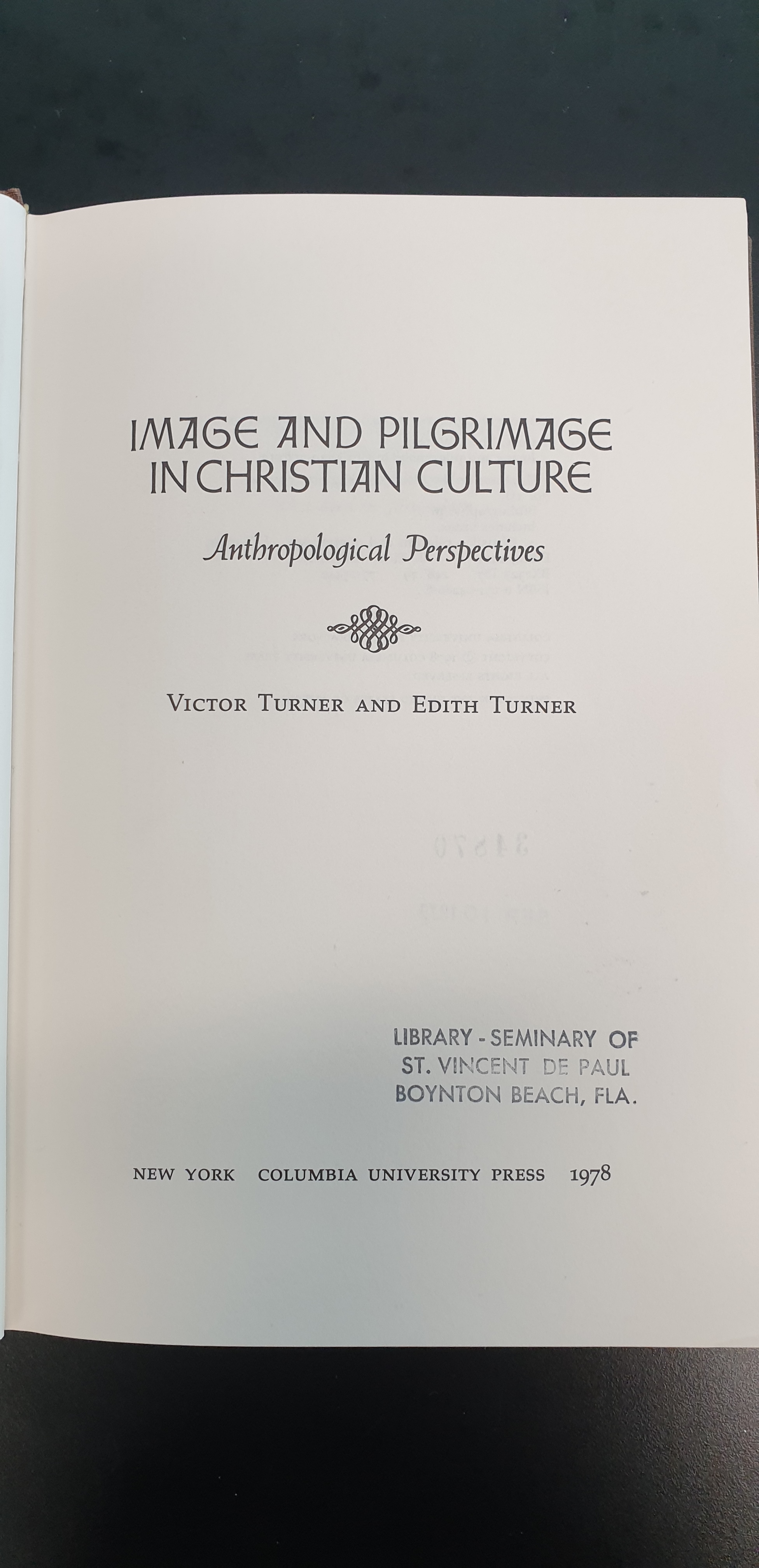
PS: If you are really into this, you can read Image and Pilgrimage in Christian Culture by Victor Turner and Edith Turner.

Camino Etiquette, Dos and Don’ts

The Camino is a totally individual experience whatever your purpose might be (sport, religious, spiritual, cultural, culinary, etc. or any combination of those), but it is also a shared experience. More importantly, the Camino is a physical space and a shared physical space. This means that it helps if certain social considerations are kept. Here are some of my observations and recommendations:

Dos

Be polite to all pilgrims and acknowledge them with a “Buen camino”. If they are sitting by the Camino, you might want to ask if they are ok or if they need a snack or some water.

Even on the “Donativo” albergues, please be generous with your donation, ie: never leave less than €5.

If you use the albergue’s kitchen, please leave it as you found it, or cleaner.

Banana peels and apple cores are totally biodegradable, so they are ok in nature, just not in the most visible part of nature. Put them out of sight.

Be polite about asking for a credencial stamp. It is quite rude to ask for a stamp at a bar / coffee shop if you do not purchase anything, regardless of how cool the place is, so go ahead, get a café con leche, or a bottle of water – you are going to need it! And don’t be pushy, the business gets nothing from stamping your credencial, so be patient.

Tipping in Spain. Hospitality workers in Spain have, by law, full contracts, which means (unlike in the US) that they make a full salary, they do not live from tips. Having said that, it is customary and always nice to leave some change on the table/counter. Those coins are weighing you down on the Camino anyway!

Hospitaliarios – the people who run the albergues are volunteers (except at the private ones, which are normally family run). So treat them nicely, they are there for you, not for a paycheck.

Pay attention to your shoes when you walk into the albergue. You might have to leave them outside – never wear them into the dorm area.


Don’ts

Do not ask pilgrims why they are doing the Camino. It sounds like a good ice-breaker, but while we all have our reasons, some might be more personal than others, and you really might not want to know. It is one thing for American college kids that are “finding themselves”, but not everybody is necessarily so open. If they want to, they will tell you.

Do not walk around the albergue in your underwear. No matter how sexy you or your underwear might be, nor how hippie the albergue is. Think about it, it is a downhill experience if we all went that way. (If in doubt read Immanuel Kant’s Universal Law).

Beds at the albergue are for people not backpacks. Your sweaty, dusty, muddy, wet, backpack belongs on the floor, a chair at best, but never on the bed.

If you cannot wait for the next village or the next bar to go to the bathroom, please find the most secluded spot and try to be as discreet as possible with your poop and the paper you use. A bush next to the Camino is not a good idea. And the paper flying around isn’t either. Don’t contribute to the eyesore.

Try not to make noise if you are going to bed later than most people or getting up before most people. Try to have whatever you need handy so you can access it quietly. I was deeply embarrassed one night when I had to rummage in my backpack for my earplugs.

Feel free to add or comment below!