Russian literature quiz

Match the titles of the books with their corresponding first line.

  1. Happy families are all alike; every unhappy family is unhappy in its own way.
  2. Well, Prince, so Genoa and Lucca are now just family estates of the Buonapartes.
  3. On an exceptionally hot evening early in July a young man came out of the garret in which he lodged in S. Place and walked slowly, as though in hesitation, towards K. bridge.
  4. Towards the end of November, during a thaw, at nine o’clock one morning, a train on the Warsaw and Petersburg railway was approaching the latter city at full speed.
  5. Please allow me to introduce myself, I’m a man of wealth and taste, I’ve been around for a long, long year, stole many a man’s soul and faith.
  6. In the big building of the Law Courts, during a break in hearing the case of the Molinsky’s, the members and the prosecutor met in Ivan Yegorovich Shehek’s office, and the conversation turned on the celebrated Krasovski case.
  7. It was a wonderful night, such a night as is only possible when we are young, dear reader.
  1. Fyodor Dostoevsky, White Nights
  2. Leo Tolstoy, Anna Karenina
  3. Mikhail Bulgakov, Master and Margarita (trick question, this is the opening of the Rolling Stones’ Sympathy for the Devil, which is based on this book)
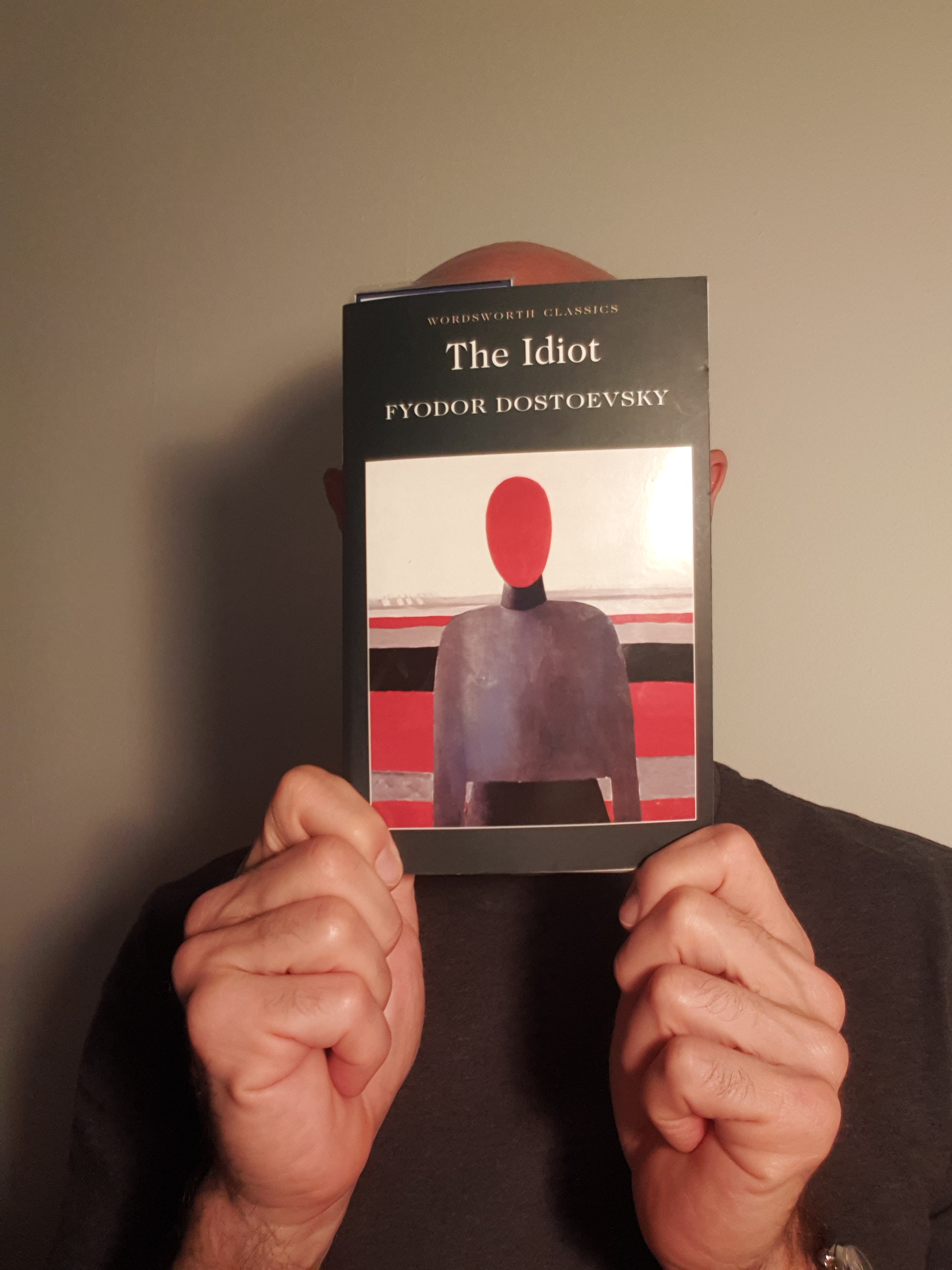
  4. Fyodor Dostoevsky, The Idiot
  5. Leo Tolstoy, War and Peace
  6. Fyodor Dostoevsky, Crime and Punishment
  7. Leo Tolstoy, The Death of Ivan Ylich

Answers: 1-B, 2-E, 3-F, 4-D, 5-C, 6-G, 7-A

How did you do? As you can see this is a thorough test of your knowledge of Russian literature. In reality, it is a test of my knowledge (or lack thereof) of Russian literature, since these are the only books by Russian authors that I have read.

“The strongest of all warriors are these two — Time and Patience.”

― Leo Tolstoy, War and Peace

Having said this and confessed my weak literacy in this deep ocean of work, I love what little I have read of Russian literature. In fact, at one point, I naively fancied doing my PhD in Comparative Lit. studying Spanish and Russian. Granted, this thought only lasted until I realized there was no way I was going to learn Russian in any level required to pursue a PhD, so… about 15 seconds (yes, I am a bit slow).

“Taking a new step, uttering a new word, is what people fear most.”

― Fyodor Dostoevsky, Crime and Punishment

One of the many reasons I love Russian Literature are the many links to my beloved Don Quixote. While this is not unusual, think of Moby Dick, Madame Bovary, and authors like Unamuno, Graham Greene, Foucault, and now even Salman Rushdie! Dostoevsky is clearly and heavily influenced by The Knight of Sad Countenance. Oh by the way, if you this will not be a profound, critical literary analysis, just my chaotic ramblings, sorry.

“No one’s fate is of any interest to you except your own.”

― Mikhail Bulgakov, The Master and Margarita

My first dip into Russian literature was, predictably, War and Peace which blew my mind. The intricacy of the descriptions, the narrative arc, the character development, the whole package! Tolstoy puts you in 19th C. Russia, down to the smells, the samovar ritual, the clothes, the temperatures, etc.

“If you look for perfection, you’ll never be content.”

― Leo Tolstoy, Anna Karenina

Then came The Death of Ivan Ylich and my mind was blown even further. Here was all the richness of War and Peace, but in a short story. Crime and Punishment came in 2007, and at this point there was little of my mind that had not been blown to smithereens! In my opinion this is a psychological thriller at its best! If Tolstoy puts you in Russia, Dostoevsky puts you inside Raskolnikov’s mind!

“Beauty will save the world”

― Fyodor Dostoevsky, The Idiot

A couple of years later my dear friend Irina recommended Bulgakov’s Master and Margarita, and I was just flabbergasted, bowled over, dumfounded. This is deep, funny, magical, wonderful reading.

Anna Karenina, I found more personal than War and Peace, it struck a chord in my heart, not only in my mind. Basically, a similar narrative arc, character development, etc. of War and Peace, but from a much more intimate, psychological perspective.

And now, I just started Dostoevsky’s The idiot. The start is promising, to begin with, there is a narrator interrupting the narrative. I love it and will keep you posted (if I have any brain left to write).

PS: I did not forget Chekhov. But as we say in Spain, that is flour from another sack…

Please leave any comments and recommendations below!!

On yoga and enlightenment

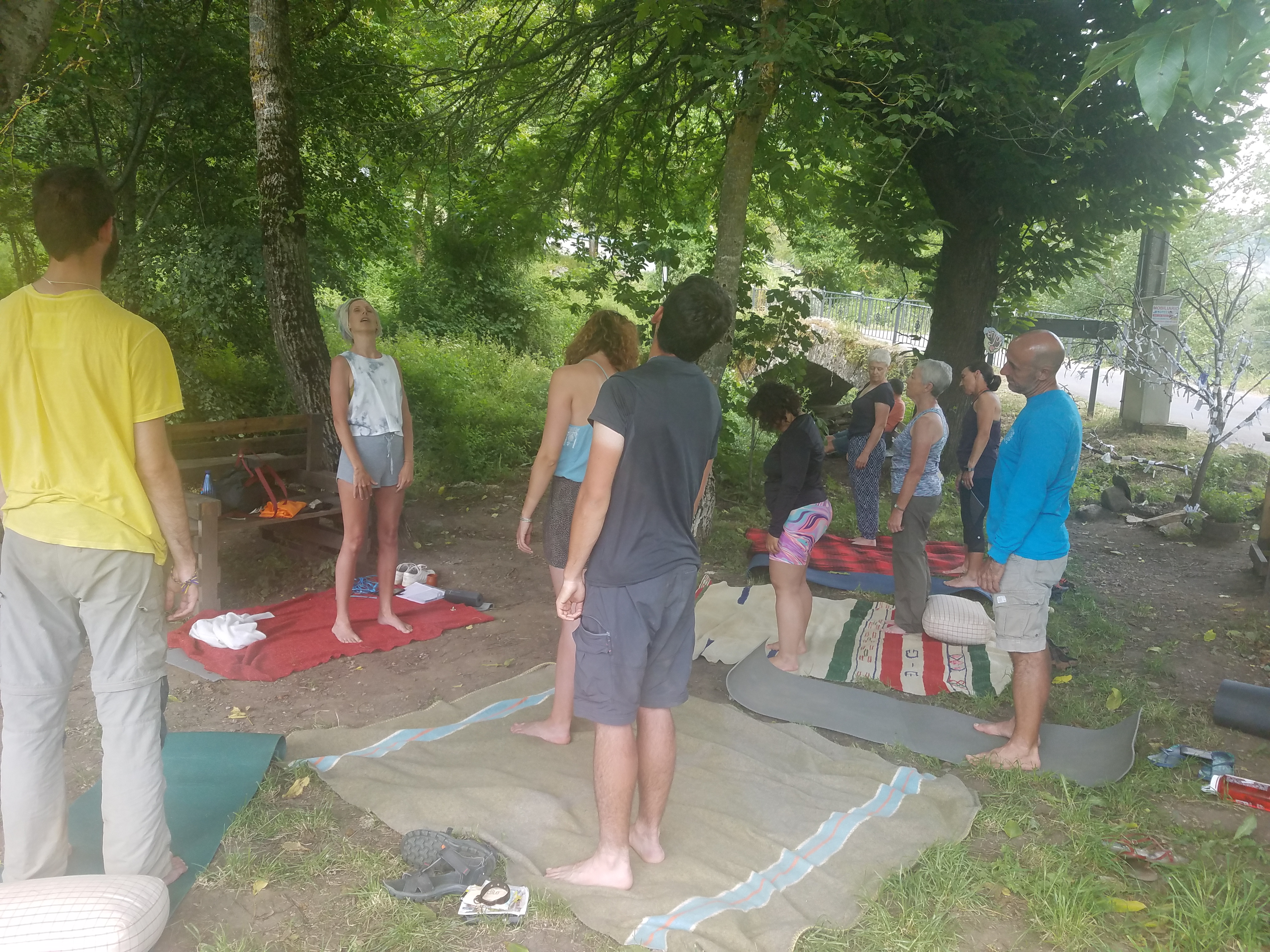
Like most people, I had heard a lot about yoga, my dear friend Paco used to practice in the 90s! So, on a whim I signed up for a class at my gym. That was in Chapel Hill about seven years ago, and I loved it! Since then, I have tried to have a weekly practice, usually at my gym, first in Chapel Hill, then in Naples and eventually Madrid. During the Camino de Santiago, if there was a patch of grass after a day of walking, I would do some rough poses (a flow would be an overstatement). A tiny village I stopped at even had a little, hippie yoga studio, Project Brigid, and they had a marvelous class under the trees, by a gurgling stream, bliss.

During the lock down I used the Down Dog app, which is rather good, even in the free section, but like everything digital and remote, it does not come close to an in-person class.

Back in Florida, my gym is not doing group classes, so, missing yoga terribly I did some research and found a studio down the road: Anuttara Yoga.

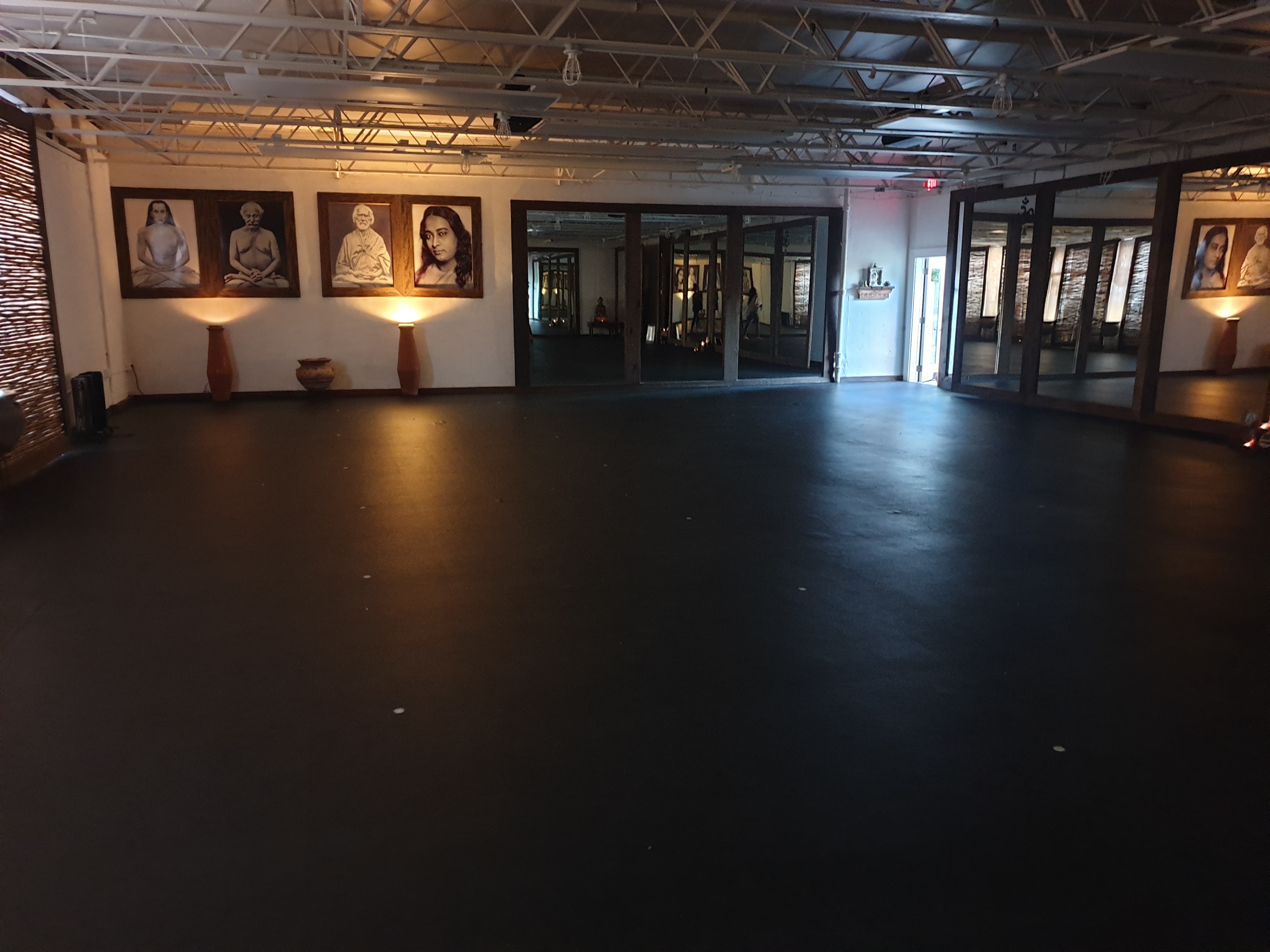
This place is amazing, they have a huge patio and garden where they have classes. Classes have an attendance limit, we are all separated and apparently, they have invested in some state-of-the-art ventilation system. This is difficult to know because the room is hot, ridiculously hot.

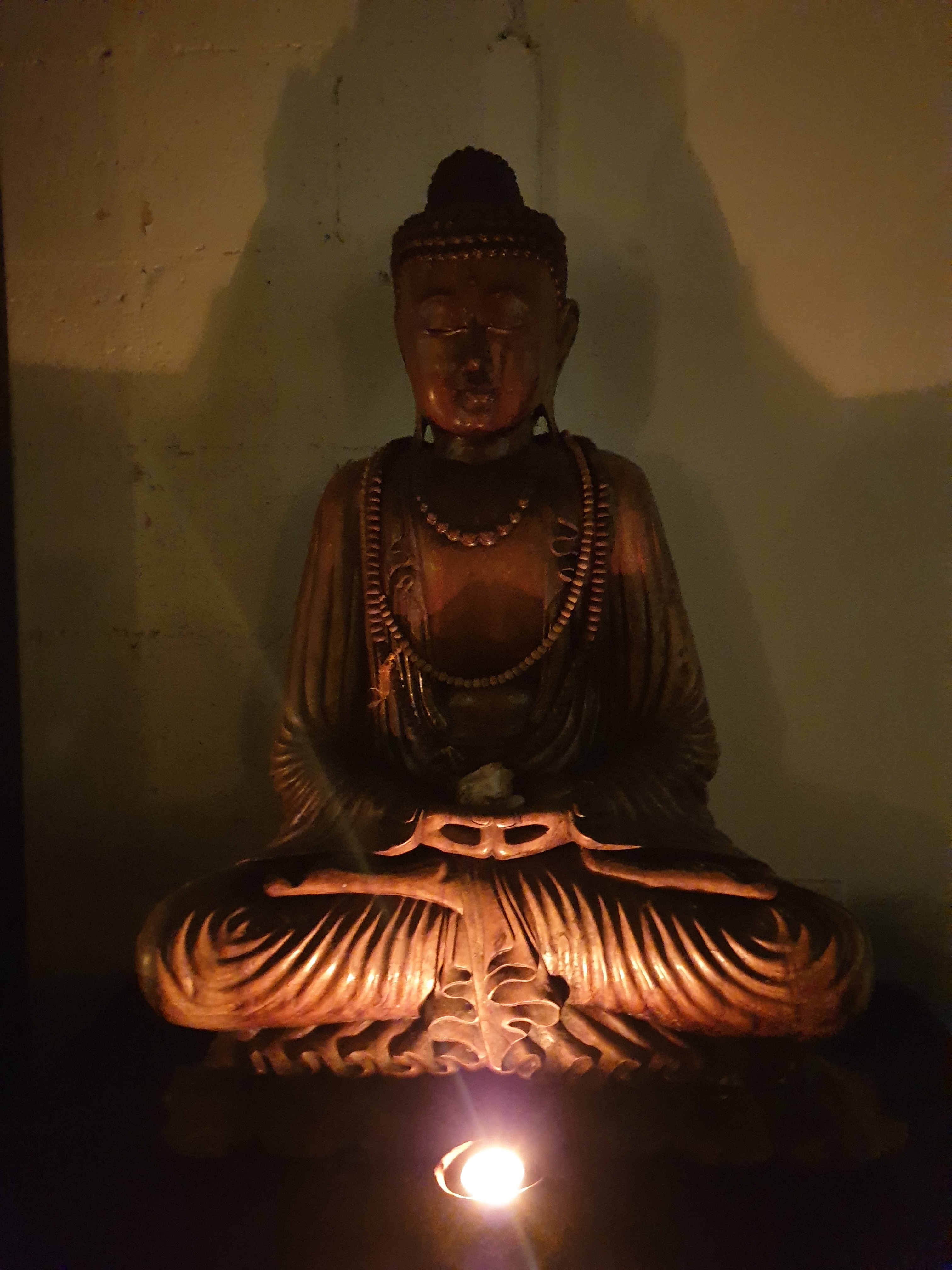
Granted these are my first classes in a real yoga studio, as opposed to a gym, but I love the vibe. Obviously, unlike your local gym, a yoga studio is on a whole different level. While I am not a granola eating vegan flower child, I have nothing but respect for those who are, and I do love the philosophy, and the aesthetic.

Classes are an hour and half! In the aforementioned heated room. Did I say room? I meant oven. Although I have been practicing for seven years, I still consider myself a beginner. That, and I am as stiff as a brick, so I really struggle with my flexibility. My particular class is 45 minutes of Hatha yoga –traditional, engaging poses, breathing, etc. and 45 minutes Raja yoga. Contrary to Hatha, Raja is dis-engagement, holding your poses for longer periods, on the ground as opposed to standing up, it is almost meditative, if the feeling of almost ripping your muscles allows you to concentrate on your breathing, that is. The first couple of classes were tough, but with practice, I am focusing on my breathing and making the experience almost meditative.

For me, yoga is another step towards enlightenment, another part of the puzzle to improve, to be a more forgiving, more patient, wiser person. Technically yoga is the intersection of body, mind, and soul. I am working on it…

Norton Museum of Art

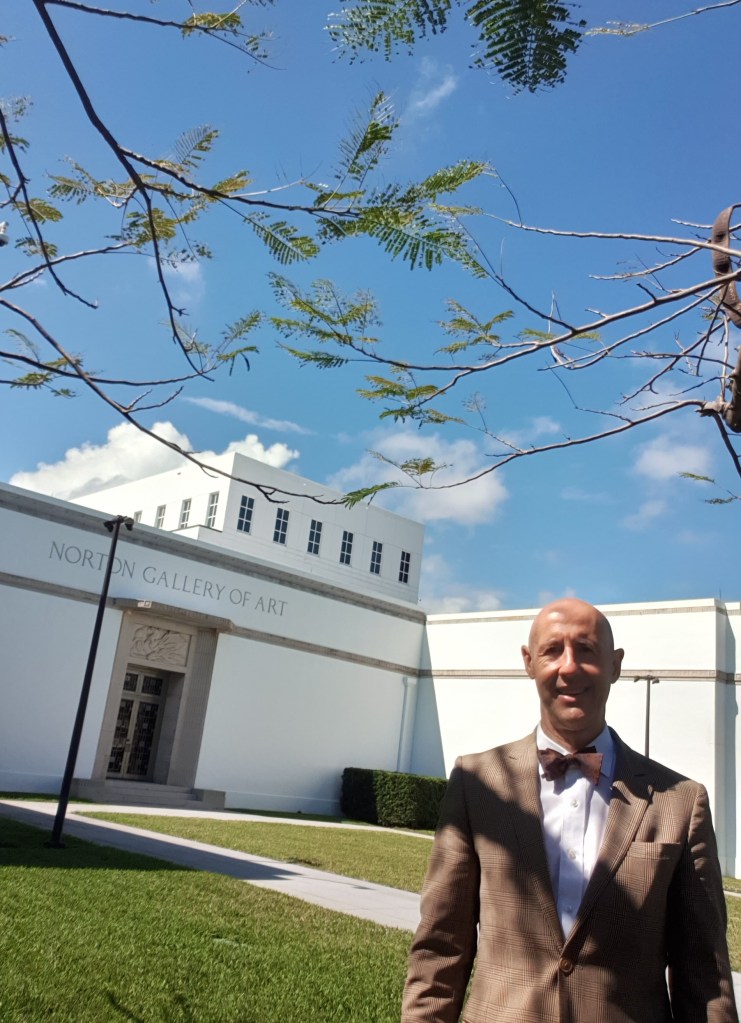
The other day I finally had a chance to visit the Norton Museum of Art in West Palm Beach. I was thinking I was going to visit a small museum with a couple of obligatory Impressionists, a couple of Cubist pieces, maybe a few pieces from between the wars, plus some modern random stuff. Well, as usual, I was wrong!

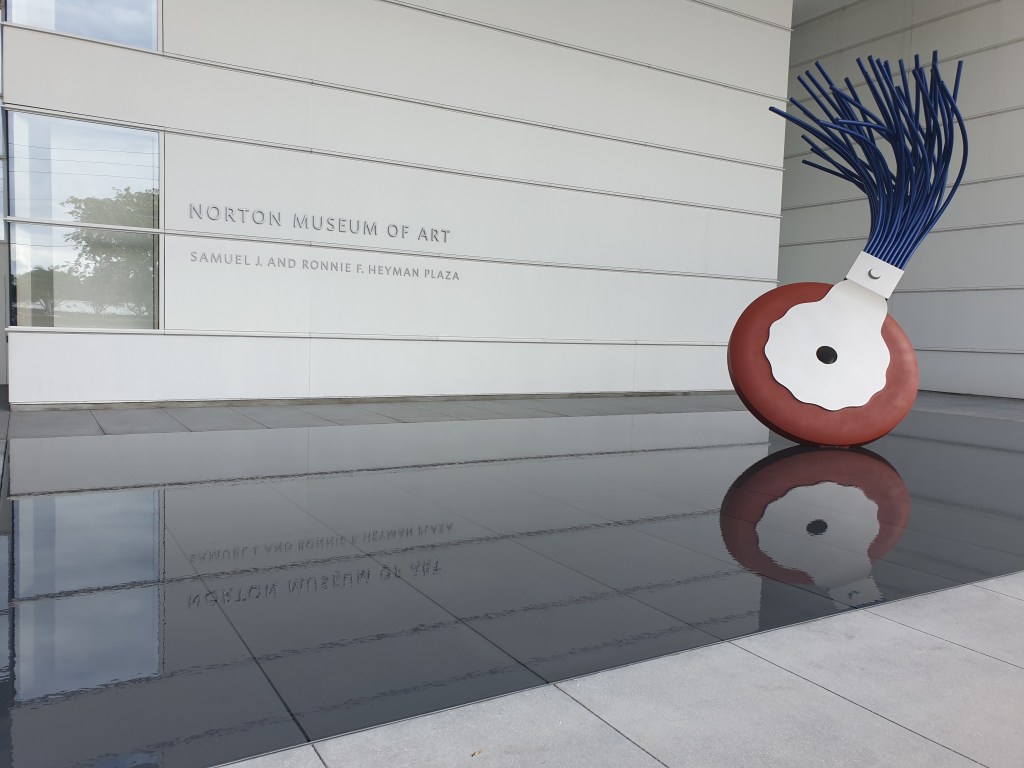
To begin with, the museum is quite large – much larger than say, the Baker Museum in Naples. It consists of a three-floor modern building (designed by Foster) attached to the Art Deco original, plus a sweet garden with a nice modern sculpture collection.

After the necessary Covid protocols: temperature and hand sanitizing, I paid the steep $18 fee (plus $5 for parking). My museum viewing strategy, started years ago (possibly induced by the Guggenheim in NYC) is to take the elevator to the top floor and then work my way down. What was my surprise when I landed on the third floor and I saw a couple of massive 17th and 18th C. portraits! (The first painting you come to is an early 20th C. Orientalist, but probably because it was the only one of the genre there and they did not know where to put it). The third floor has a surprising collection of 16th to 18th C. paintings including Rubens and Tiepolo, and some sculptures, including a gorgeous Spanish wood carved Virgin Mary.

The second floor is mostly Chinese art where I am quite lost. There are Shang, Ming, Jin, and Qing Dynasty pieces which are all gorgeous.

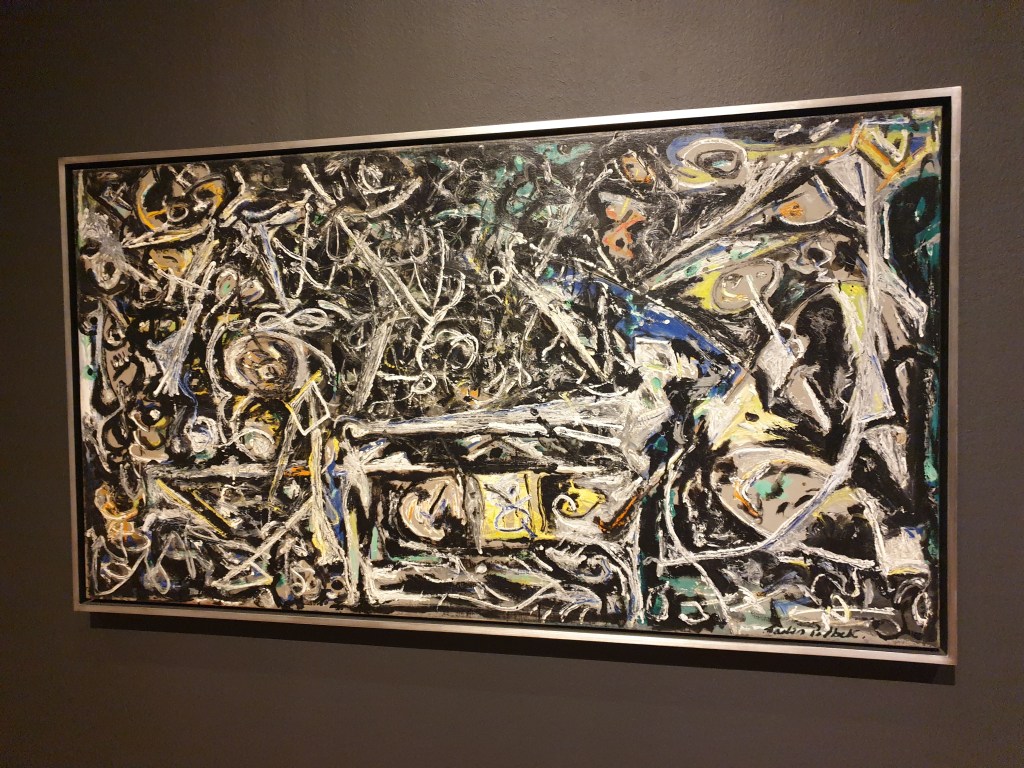
The ground floor is where the majority of the collection is. And what a great collection it is! (for a smaller, private museum in Florida). Sure, you have your unavoidable Cézanne, Miró, Picasso (sculpture and painting!) and Monet, but also rarer Gaugin, Brancusi, Gris and so forth. The American art collection is solid:  A couple of Georgia O´Keeffes, Norman Rockwell, an early Jackson Pollock, Calder, less known but highly influential Milton Avery, even a Man Ray chess set! The old and new buildings are seamlessly connected, so you do not really know what part of the building you are in, unless, like me, you stumble into the old patio, which is a beauty.

A big part of the ground floor is dedicated to Contemporary art and the usually massive installations they require (maybe to compensate for technique? – no, to be fair, I must confess my old fashioned taste and lack of knowledge on the Contemporary art front.)

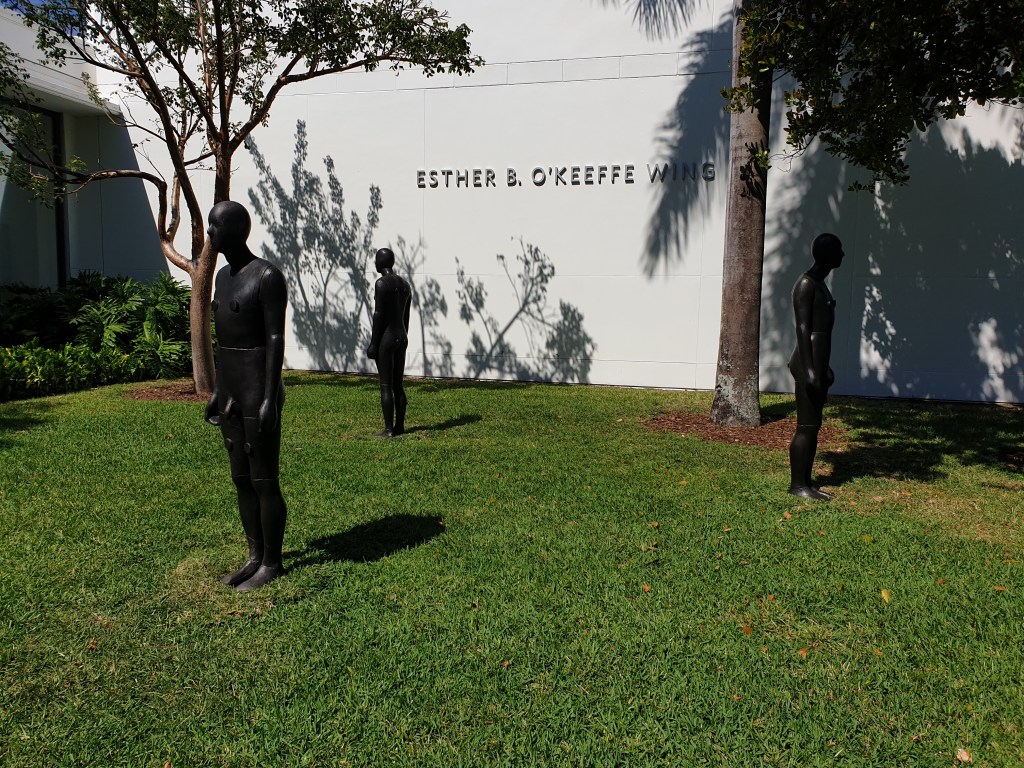
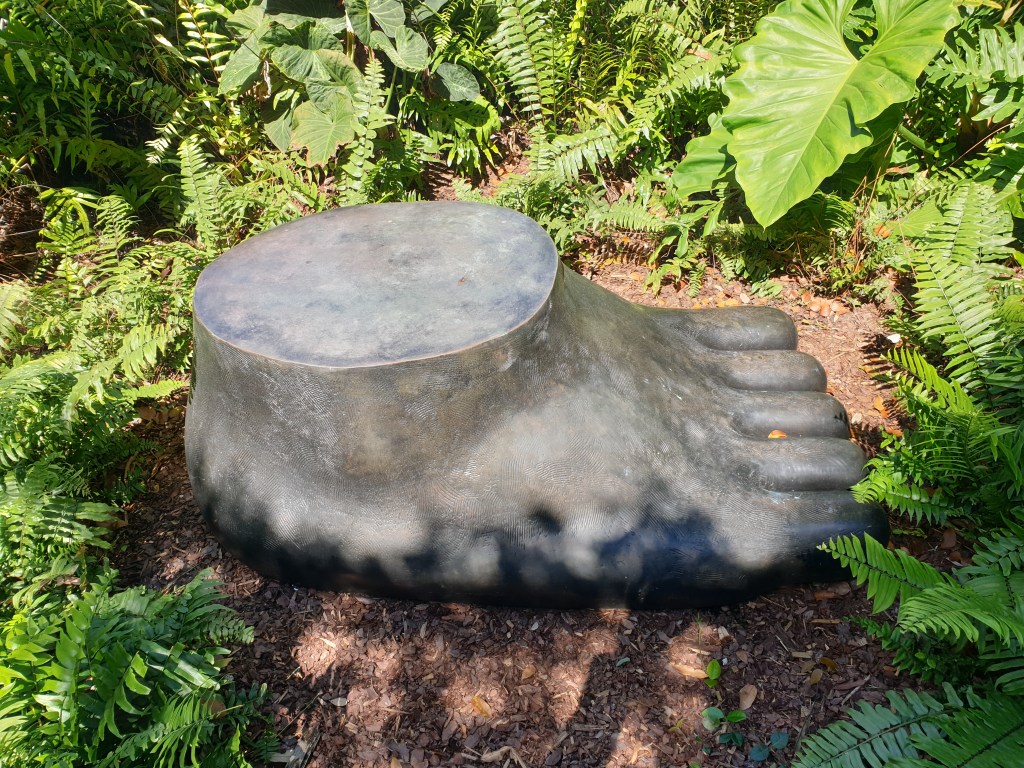
The garden and sculpture collection are also delightful. Who knew that Keith Haring did sculpture? well at least one, it is here!

There is the de rigueur over-priced cafeteria, but it is spacious and modern, and the food is good. You can sit indoor (as soon as Covid allows) or outside.

So all-in-all a highly recommended visit if you happen to be an art lover in South East Florida.

On poetry

Although I started this blog years ago with some poetry: Frost’s The Road Not Taken and Cavafy’s Ithaka, I have not written as much about poetry as I should have, given how much I enjoy it, and compared to other arts. Sure, I recently wrote about Omar Khayyam’s Rubaiyat, but that is still not enough for my liking. So here is an attempt to fix that.

My first conscious appreciation of poetry came in college with Pablo Neruda. To this day I am still moved by his words, and Tu Risa is still one of my favorite poems. Alfred Lord Tennyson’s Ulysses is also right up there as well as the two poets mentioned at the beginning. But the list of favorite poets is a long one: Lorca, Bequer, Espronceda, Benedetti, Mistral, Pessoa, Milton, Manrique, Dante, EE Cummings, Wordsworth and Coleridge, Blake, Elizabeth Bishop, and on and on. But one does not have to go to the big guns to find poetry that will amaze you. Naïf, amateur or student writers can take you places you would not think. Sometimes poetry hits you when you least expect it: I was surprised and blown away by 22-year-old Amanda Gorman at Biden’s Inauguration. Quadriplegic Ramón Sampedro, euthanasia’s cause célèbre in 90s Spain also wrote some sweet lines. Check out this poem in the namesake movie:

For me, the beauty of poetry is the capacity it has to transport you in a few words, in a verse. Never mind words, Haikus only have seventeen syllables – three lines!! I love Haikus: although I knew and had read them before, I actually became a follower of Haiku poetry by reading, wait for it… Jack Kerouac’s book of Haikus! (although he does not always follow the 17-syllable rule), since then I have read and enjoyed Bashō, the master. I am in awe of poets since I cannot write my way out of a paper bag (thank you for reading this, it means a lot).

Years ago, at Walnut Hill School I got a glimpse, a backstage tour of the poetry world from the brilliant poet and teacher Daniel Bosch. I once invited him to my advanced Spanish class to talk about Neruda’s Veinte poemas de amor…, which we were studying at the time, and he blew our minds!! Daniel also wrote a hilarious poem when I got my citizenship: Song for a New American. To this day it is framed and on my wall!!

I write all this because I have just read …del amor hermoso by Chilean author and teacher Luis Correa-Díaz, and it is wonderful. His capacity to write about love, apparently in a playful manner, but not really. His poems are soaked in ecclesiastical vocabulary and structure which gives his writing an extra edge and throws you off the traditional expectation as a poetry reader. This is apparently three books in one, which again is a bit unsettling: where there originally three separate books? Is it all another manipulation of my expectations? Another old-fashioned trick, which still works is that he “found” the poems in a manila envelope, and the ones he did not find are “anonymous”. Never mind the trickery, the poems are lovely and they keep you reading and paying attention.

Vizcaya Museum and Gardens

The phenomenon of old mansions becoming museums is not a new one. A rich sod builds an incredible mansion and at some point, subsequent generations cannot afford the massive maintenance required and taxes imposed, so they sell it to a foundation or to the government who -if it is good enough- turn it into a museum, or the family turns it into a private museum and on top of that rent it for events, etc. This is the case of the Vizcaya Museum and Gardens in Miami. What is rare in this case is that there are very few historic homes in Florida. Rich folks like to hang out together so they can talk about their toys, so Newport Rhode Island, or New York’s Upper East Side or the North Shore of Long Island, remember The Great Gatsby? has a higher concentration of mansions or palazzos, as the Italians call them- than all of Florida put together. There are a number of reasons for this: First, the so called “robber barons” built their fortunes -and consequently their extravagant homes- in the 19th Century, but Southern Florida did not get a railroad until the 1920s. So you could say Florida missed the train. Other factors are the terrible weather, hurricanes, and humidity which would discourage most people from building down here.

An adventurous visionary was James Deering, heir to the International Harvester fortune who purchased a massive plot in Coconut Grove, South of Miami. Together with his artist/designer friend Paul Chalfin they traveled through Europe and Egypt buying everything they liked, and then built Villa Vizcaya to house everything.

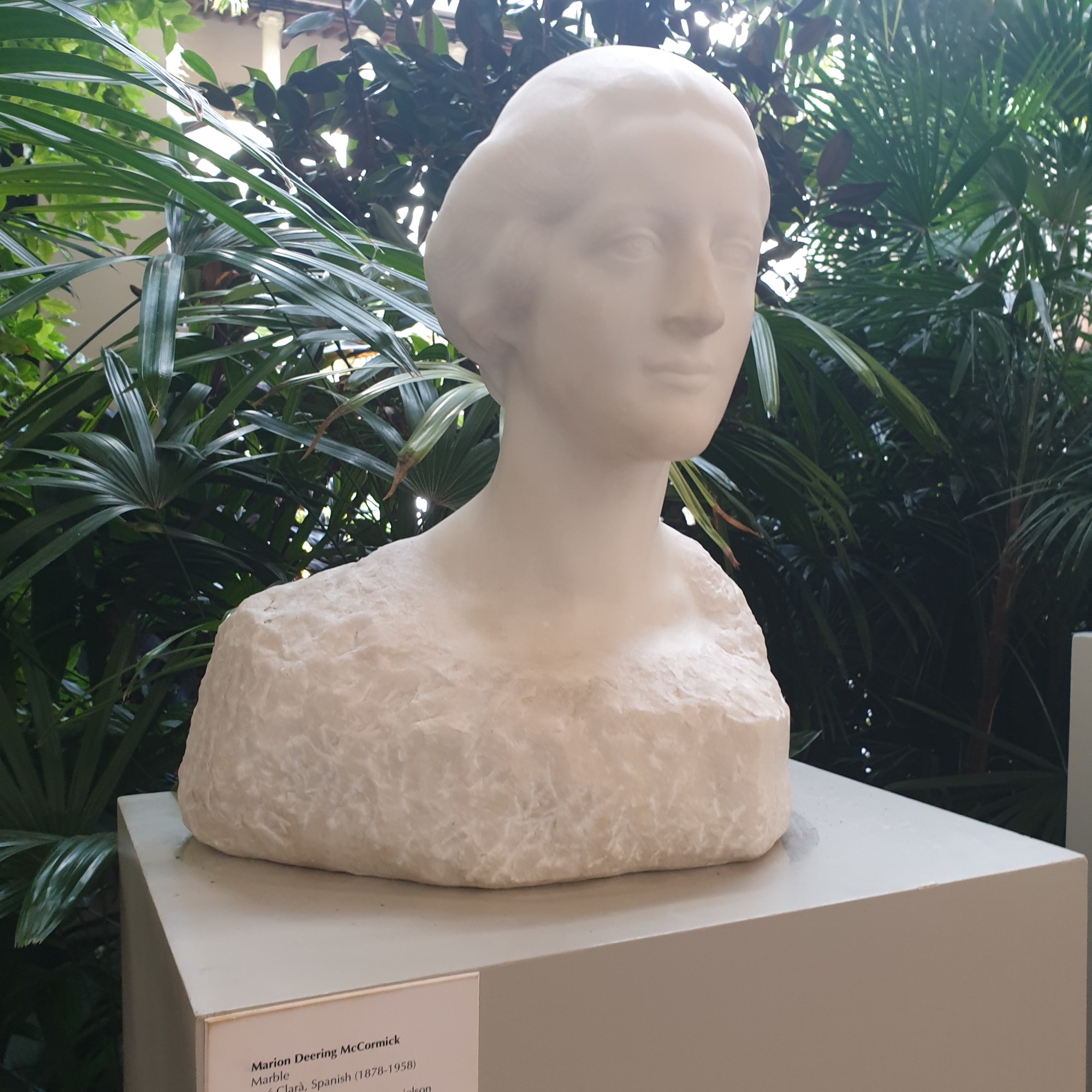
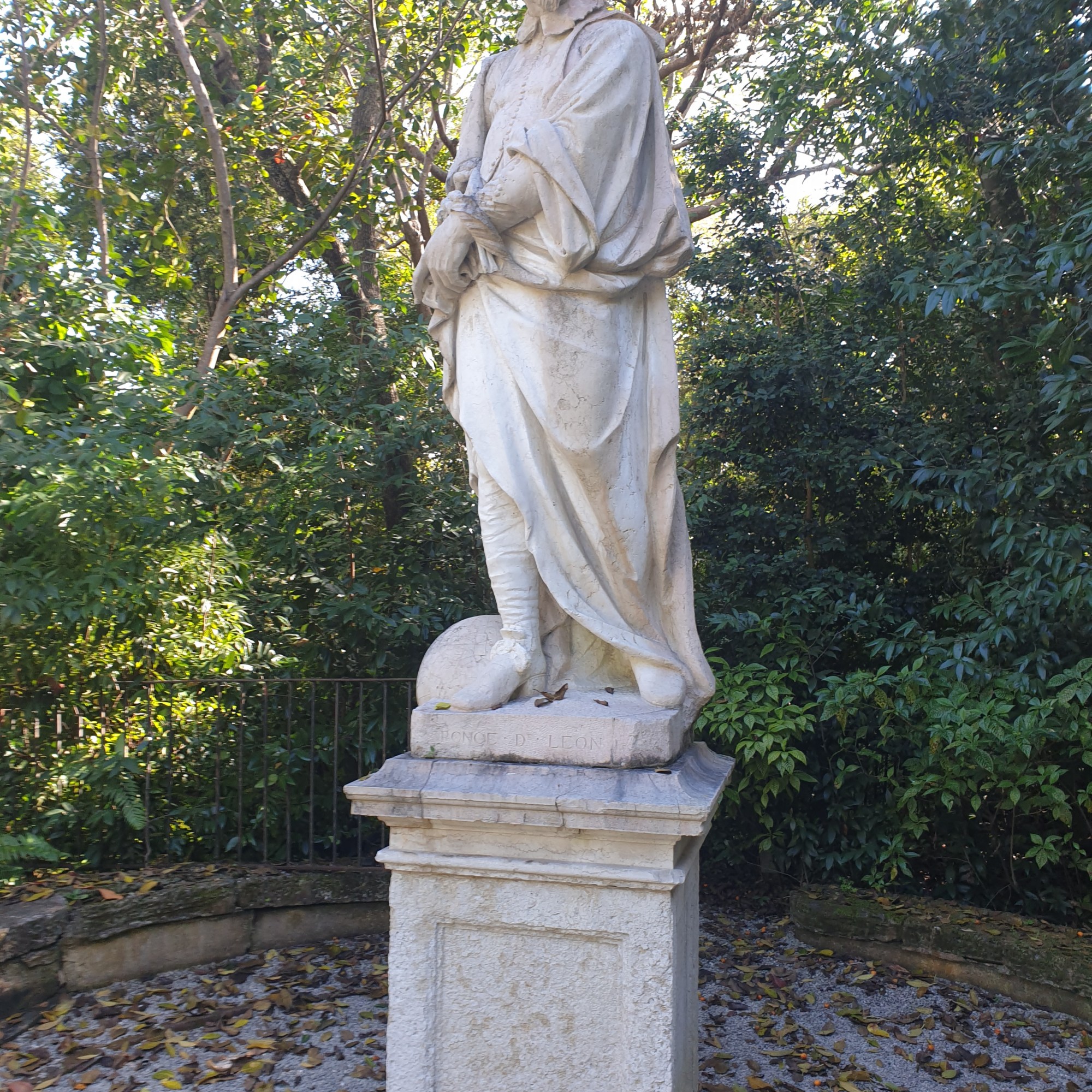
As you can see from the photos: the building is in the Renaissance style with a large patio and gorgeous rooms. The gardens are spectacular, with grottos, formal gardens with local flora, etc. While there is no one particular item that makes you say wow, the aggregate is beautifully integrated. Probably due to the disgusting humidity in Florida, you will not find any master level painting. But there are plenty of nice sculptures, tapestries, furniture, and other decorative arts.

So, all in all, a wonderful, highly recommended visit.

Downtown Miami

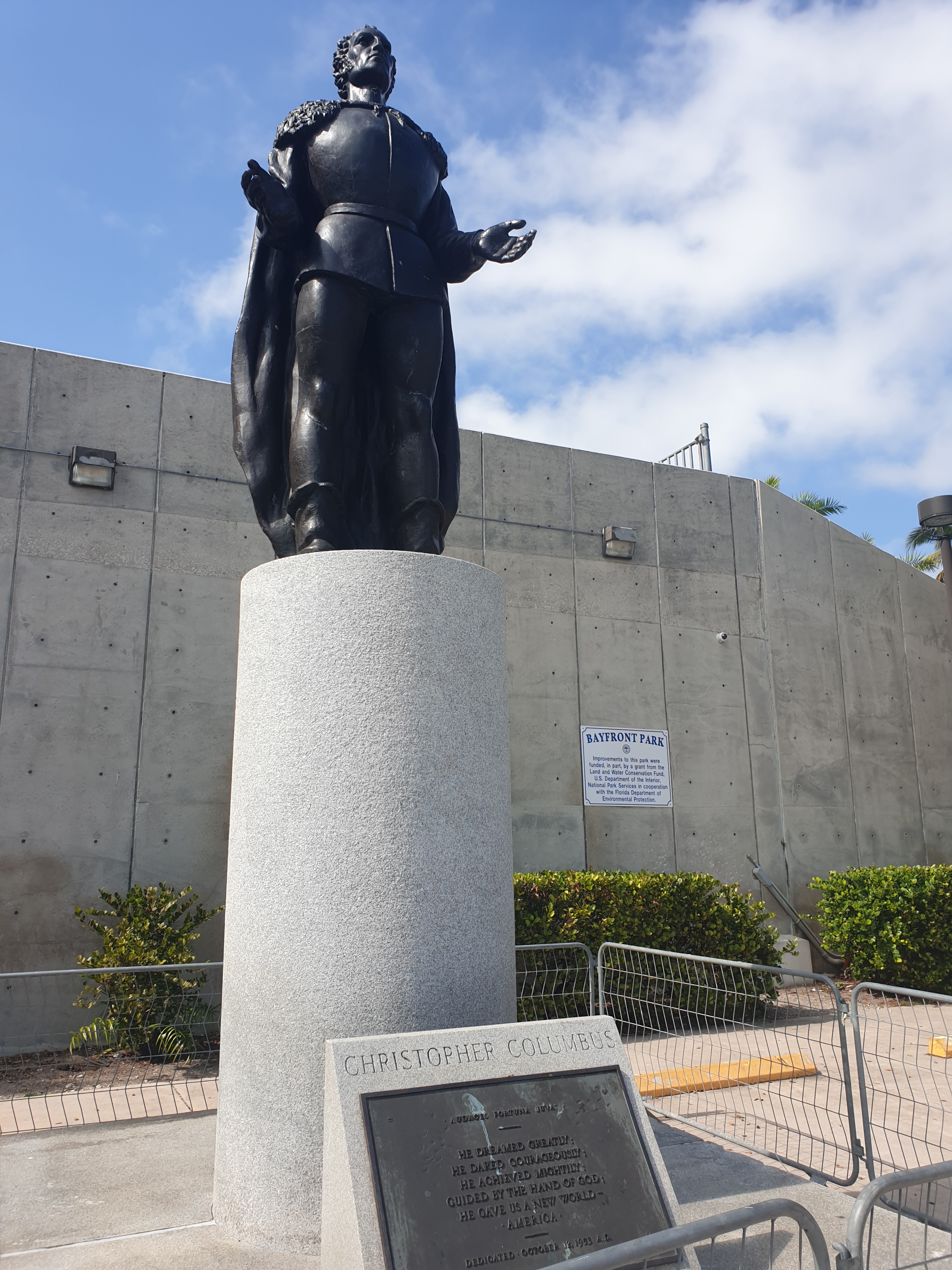
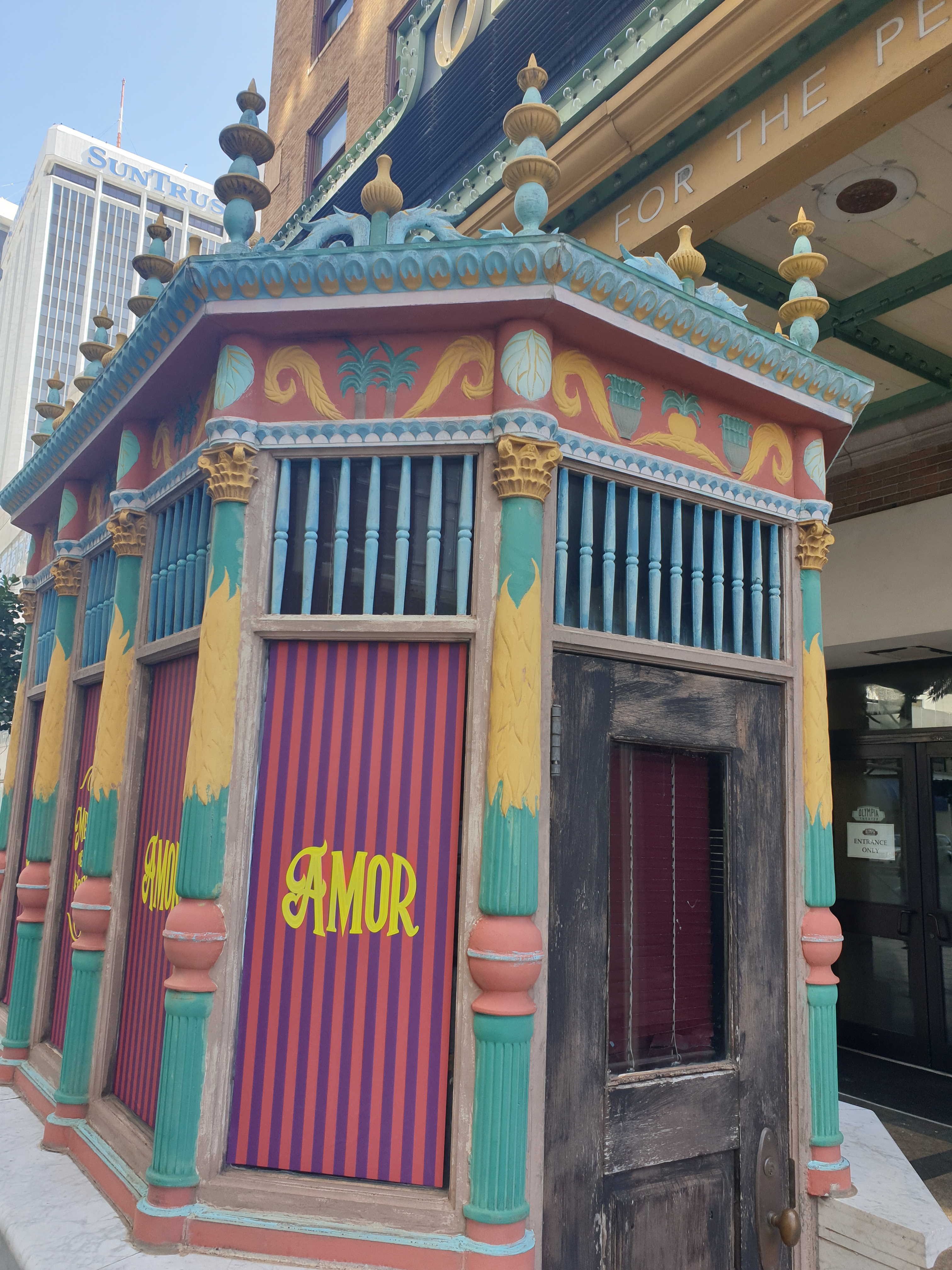
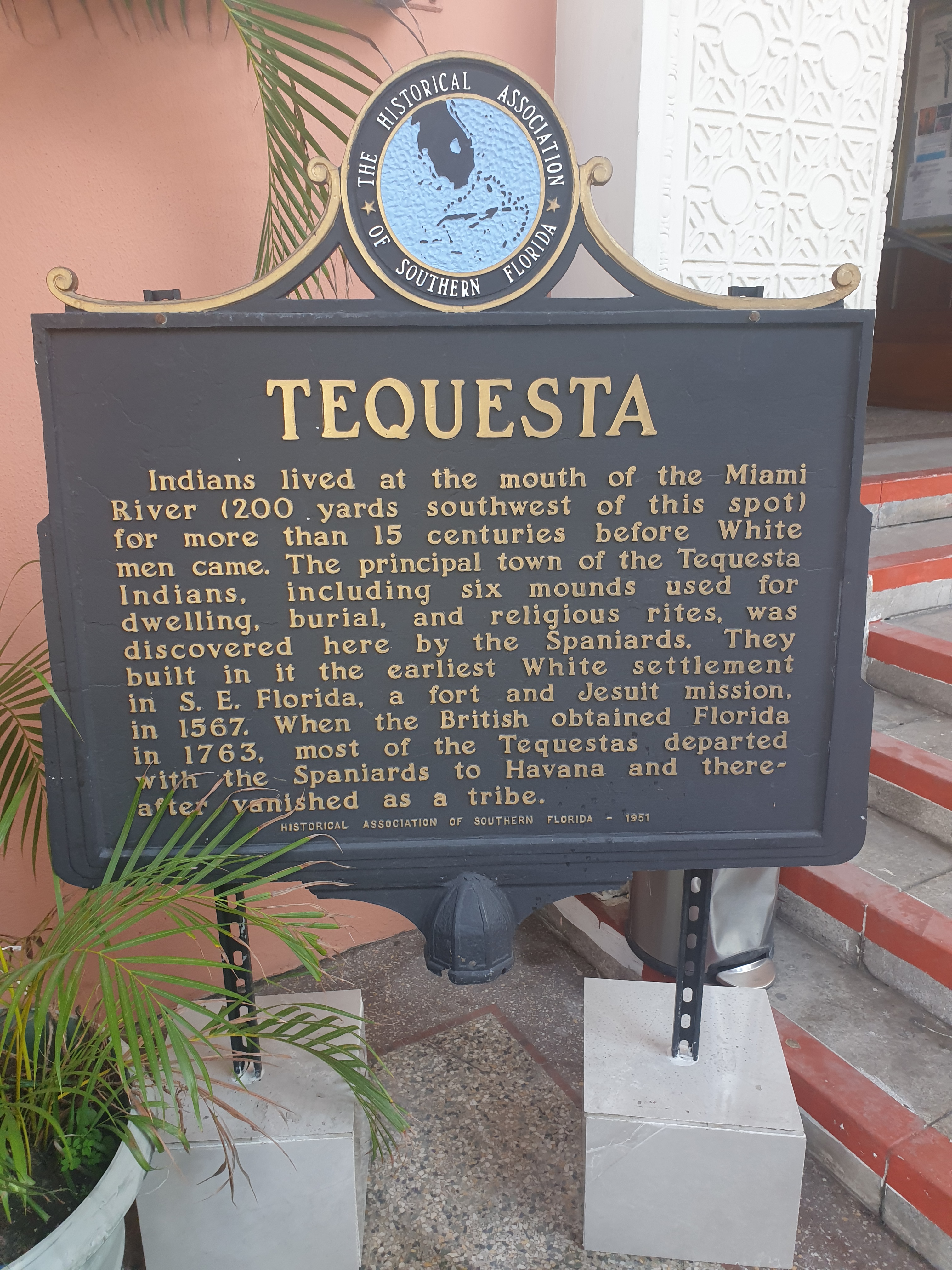
I have been to Miami many times, but I had never been a tourist in Miami. That changed on Presidents Day. My goal is to discover Miami from a historical, chronological viewpoint. This meant starting from the mouth of Mayaimi river (now obviously Miami) where the Tequesta tribe lived. Nowadays that is the heart of old downtown, a gritty area dominated by 80’s vintage office and apartment buildings.

An oasis in this concrete jungle is the Gesú church. This beautiful Jesuit church sits where the original Jesuit mission was. It is the oldest in South Florida and is certainly worth the visit. Other spots to explore are Freedom tower, modeled after the Giralda, the old minaret, now bell tower of Seville’s Cathedral. It used to house the Miami News, but is now part of Miami-Dade College.

The main tourist trap, I mean attraction, is the Bayside Marina, mall, restaurants, etc. It is a sprawling, generic, commercial area, full of tourists, obviously. This is the spot to have a mediocre, overpriced meal, to go on a celebrity homes cruise, a motorboat cruise, or just a regular old “booze” cruise.

The American Airlines Arena, home of the Miami Heat, is also downtown, as is the Perez Art Museum if you are into Contemporary Art, the History Miami Museum, etc. Stay tuned for more chapters as we continue to explore Miami, layer by layer!

Meditation, the cosmic egg, and Kierkegaard

Rohr

It is difficult to pinpoint when I became interested in the intersection of spirituality, philosophy, and wellbeing. I know I was curious about these issues as a teenager, so I guess it has been a lifelong pursuit, adding ingredients into the mix as I learn and mature.

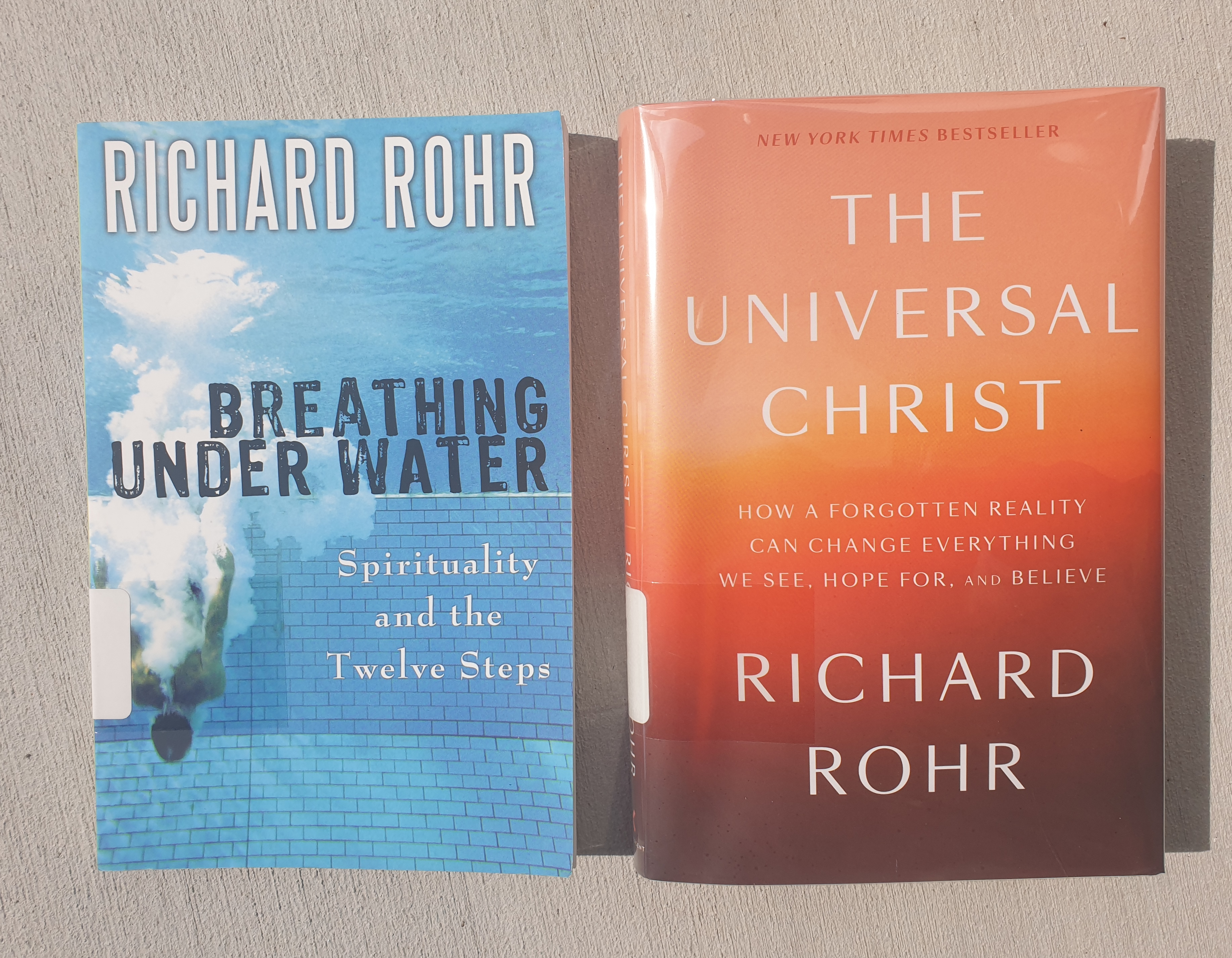
In 2012, thanks to the great Dr. Mulkern, I started reading Richard Rohr. Rohr is a Franciscan friar who has written over thirty books on religion and spirituality. I have mentioned him many times in this blog. You can subscribe to his brilliant and illuminating daily email by clicking here. A couple of years later my dear friend Paco introduced me to meditating, I have not stopped since –although I am bad at it, that is ok.

Briefly and roughly: 19th C Danish philosopher Kierkegaard (also often mentioned in these pages) proposes three stages of life: An ego driven, superficial youthful stage called the Aesthetic, the more mature ethical stage in which we worry about right and wrong, and finally the Religious, where we connect with our spiritual self. These are not supposed to be linear, although it makes sense if they are. Also, there are people who stay in one stage all their lives…

The “cosmic egg” appears in many different mythological traditions giving birth to the world, and/or the universe. Richard Rohr’s interpretation is of three eggs one inside the other, like Russian Matryoshka dolls. In his theory, the smallest egg, “My Story”, is a me centered, ego-driven narrative, which revolves around my status, my things, my Instagram followers, etc. you get the idea. The next bigger egg is “Our Story” which revolves around group mentality: my country, my religion, my football team, my race. Definitely, “Our Story” is a step up from “My Story”, but there are bigger and better things out there: “The Story” is the universal story that connects all of us, it is the transcendental stage where everything makes sense, it is the place of love, forgiveness. wisdom, listening, and understanding. It is what is. You can read his explanation here.

A couple of Rohr’s books

Interestingly, these three “eggs” or stories match Kierkegaard’s stages perfectly. The trick here is that to progress from one stage to the next the only way is through pain, through breakage, through loss and vulnerability (check out my post on vulnerability here). If you do not pay your dues, you might stay in your ego centered little universe your whole life. You have to be willing to suffer and listen to the pain to come out on the other side, wiser. This never-ending effort to transcend, to enlightenment, requires a very conscious effort which is where meditation, reading, religion, community, exercise, volunteering, even diet is important –but not the only- ingredients.

The Story is not limited to any one religion or denomination, and all healthy religions and even philosophies will be tellingit on some level. For example, forgiveness is one of the patterns that is always true. It always heals, whether you are Hindu, Buddhist, Catholic, or Jewish, gay or straight, Black or white. There is no specifically Catholic or Indigenous way to feed the hungry or steward the earth. Love is love, even if the motivation and symbols might be different.

The complete cosmic egg is uniquely the work of God and healthy religion. Biblical tradition, at its best, honors and combines all three levels of story: personal journey as raw material, communal identity as school and training ground, and true transcendence as the integration and gathering place for all the parts together. We call it holiness, which is the ultimate form of wholeness.

Richard Rohr’s “Daily Meditation” 01-27-2021

Film news (revisiting Iñárritu and Tarantino, and discovering Penn)

PC: The Top 100 Project

PC: The Top 100 Project

After many years of not watching any films, I am slowly catching up on my film viewing. This Christmas break was particularly fruitful in that respect.

When I thought of writing about my recent film experiences, I realized I have actually used this blog for a total of seven posts about the seventh art (my readers love my humor). Antonioyrocinante started in 2011 but my first film post is not until 2015 (which proves my film viewing drought). If you are so inclined, you are welcome to look up my posts on:

The Man Who Killed Don Quixote by brilliant ex-Monty Python Terry Gilliam

Almodovar

Wes Anderson’s Castello Cavalcanti (technically an ad for Prada)

Jojo Rabbit, a satire on Nazis

Torrente, el brazo tonto de la ley

Casablanca

Wes (Anderson) and Woody (Allen)

My recent “discoveries” have been from some of my favorite auteurs and a new one!

I have been a fan of Alejandro Iñárritu since his 2000 Amores Perros and have not missed any of his films: 21 Grams, Babel, Rudo y Cursi, Biutiful, Birdman and The Revenant.

On the Tarantino front I am lagging a bit, not having seen his last two works The Hateful Eight (2015) and Once Upon a Time in Hollywood (2019). I did, however, recently view Inglourious Basterds and loved it! What I enjoy about Tarantino is the almost comic book graphic aspect. While Almodovar plays with color to imbue his films with texture and depth, Tarantino uses them to contrast the scene, which tend to be very dramatically framed – like they would be in a comic book. Other films like The 300, Sin City or some of the super hero genre use this comic book approach, but in these cases it is very much a literal use of comic book visuals.

From a narrative perspective Iñárritu tends to use overlapping and intersecting stories, whereas Tarantino bets for a more twisty turny story. Either way, the viewer is in for a roller coaster ride!

One key element all of these directors share – and I did mention it before on my Woody Allen post- is their abilities to squeeze the maximum out of their actors. For example: Tarantino with DiCaprio or Brad Pitt in Django Unchained and Inglourious Basterds, and Iñárritu with Michael Keaton or Javier Bardem in Birdman and Biutiful.

My recent discovery (although the movie dates back to 2007, sorry) has been Sean Penn as a director. It is not unusual for intelligent, restless actors to get behind the camera, and Penn is no exception. Into the Wild is a straightforward enough story with a proper beginning, middle and ending, but Penn does a great job of telling that story, creating suspense and emotion. Although I have not read Jon Krakauer’s book, Penn does a fine job of telling this story.

Simmons College (now University)

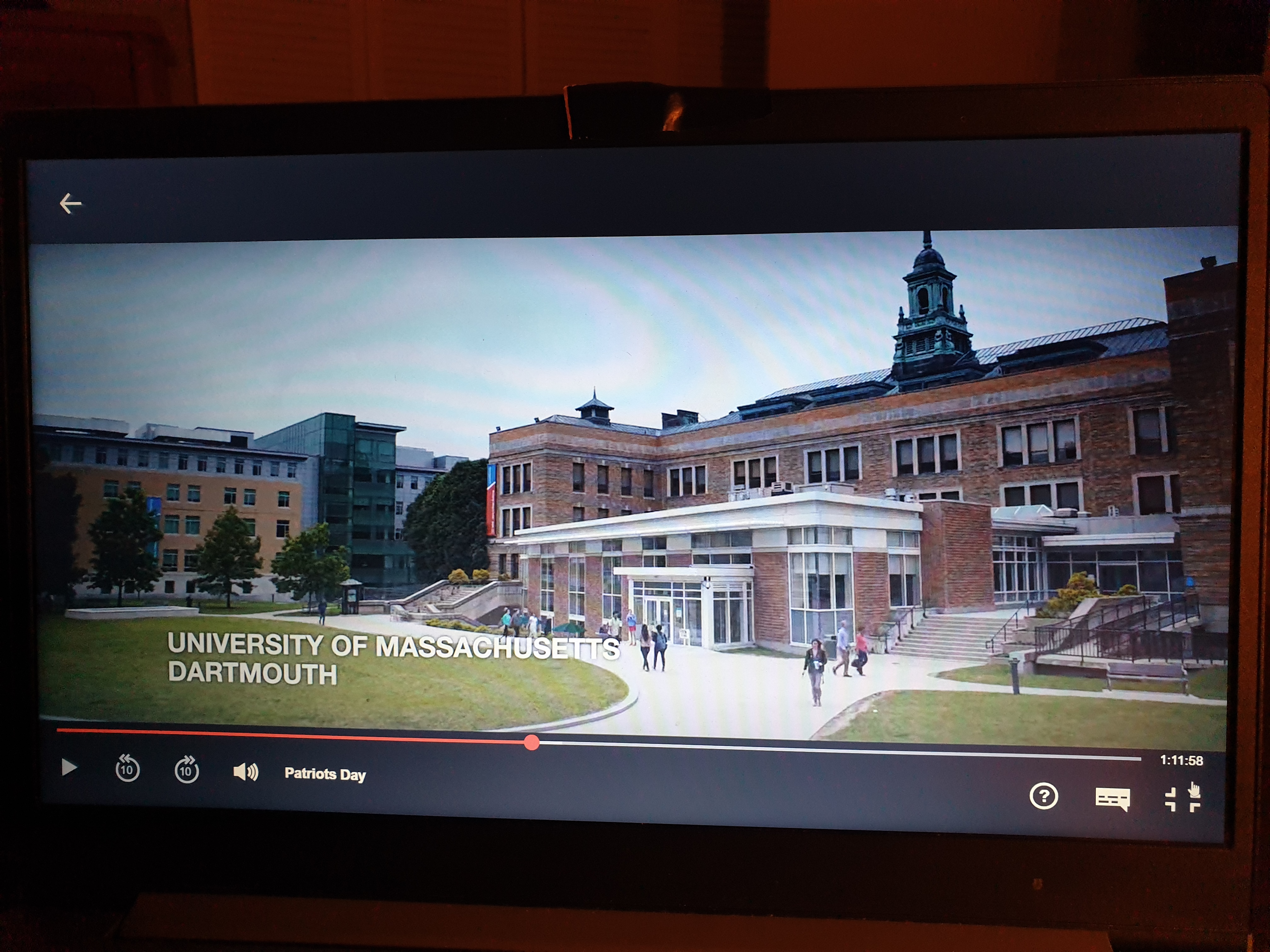
Simmons University acting as UMass Dartmouth

If you at all follow this blog, one of the best in the inter-web, you know I have lately been catching up on my film viewing.

I recently watched Patriots Day starring Mark Wahlberg and Kevin Bacon, about the Boston Marathon bombings of 2013. Without spoilers, one of the bombers is a student at UMass Dartmouth, and when they show a panorama shot of the university, it is not UMass Dartmouth at all, (According to Imdb, UMass Dartmouth did not allow filming on its campus) it is my beloved Simmons College (now University) where I got my Masters!! And I realized I had never written about that experience on my blog.

My teaching adventure started by being a substitute teacher at Newburyport School District in 2005. I got my first real job teaching at Milton High School in the Fall of 2006. The school was rough, I had a lot to learn in a tough environment. Fortunately, I had a great boss who supported me, she recommended that if I wanted to pursue a career in teaching I should get a master’s degree. So I did my research: Only a few universities had evening programs for Spanish: Boston College, Boston University and Simmons. Guess which one had the best value and was closest to home?

Going back to school -as a student- was a bit daunting, something I had not done in exactly 20 years, but I was committed and loved the idea of learning in an academic setting. I loved my teachers; they were outstanding, tough but caring. My learning curve was steep, but I enjoyed every minute! Surprisingly, I thrived, I loved it. I was lucky to study Don Quixote and Golden Age literature under Louise Cohen, Spanish film with Dolores Pelaez-Benitez, Latin American lit with Raquel Halty and Modern Latin American lit with Danisa Bonacic. I must confess it was the first time in my life I saw As, never mind straight As! I looked forward to class, I did my research and wrote my essays with enthusiasm.

My cohort was a blast: Paul, Corrinne, Andrea, Laura, John, even the undergrads were nice, I am still in touch with them thanks to social media!

Photo Cred. Andrea

Simmons campus is small, but it is a proper campus, right in the middle of Boston, next to The Museum of Fine Arts and next door to the Isabella Stewart Gardner Museum, where Simmons students have free access. I would often arrive early to have a walk around the museum! The library had been recently renovated and was a great place to work and study before class. Simmons Library Science program is considered one of the best in the country. They also have a full Olympic pool where I would sometimes swim.

Although I loved every class and every teacher, I was particularly fond of Louise Cohen and her amazing mastery of Don Quixote and Golden Age Literature. It was for her class that I wrote about Don Quixote being the grandfather of Existentialist philosophy, which you can read in this blog by clicking here.

You might ask, “wait a minute, isn’t Simmons a women only college?”. The answer is yes, but only for undergrad programs, my MA was co-ed.

Prof. Halty was the department chair would host our cohort for dinner in her beautiful Weston home during the Christmas holidays. After my graduation I stayed in touch with my professors. Prof. Halty became my mentor in helping me get into a PhD program, she was also incredibly supportive during my breakdown.

In conclusion, Simmons College was a fantastic experience for me. A small school in the heart of Boston, with top level professors, great colleagues, and amazing facilities.

New England (the region) and Manchester by the Sea (the film)

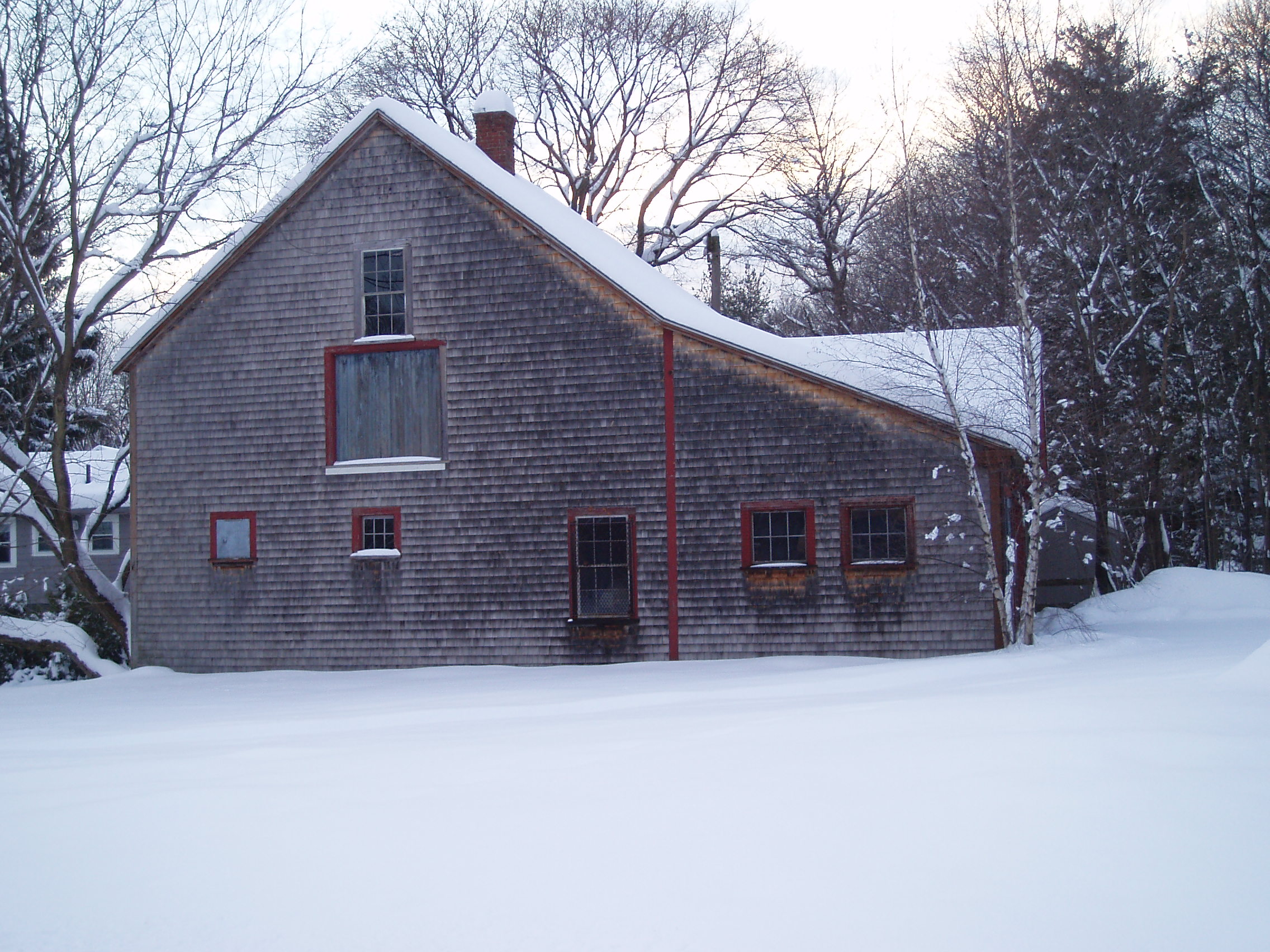
Yes, I know it was released in 2016. So I am a little late on my movie viewing, OK? I recently watched Manchester by the Sea and loved it. It is a deeply human story set on the North Shore of Boston, in winter, an area I know and adore.

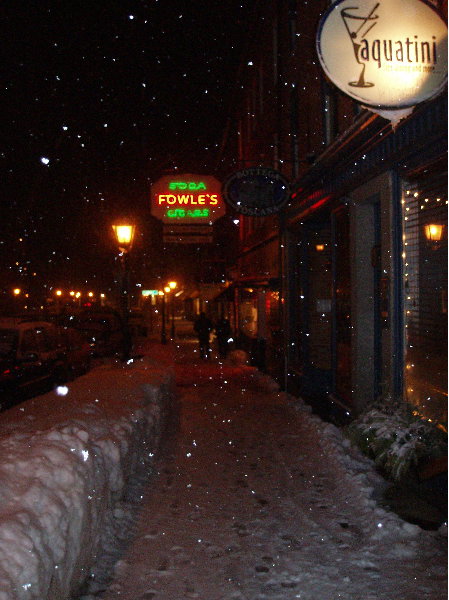
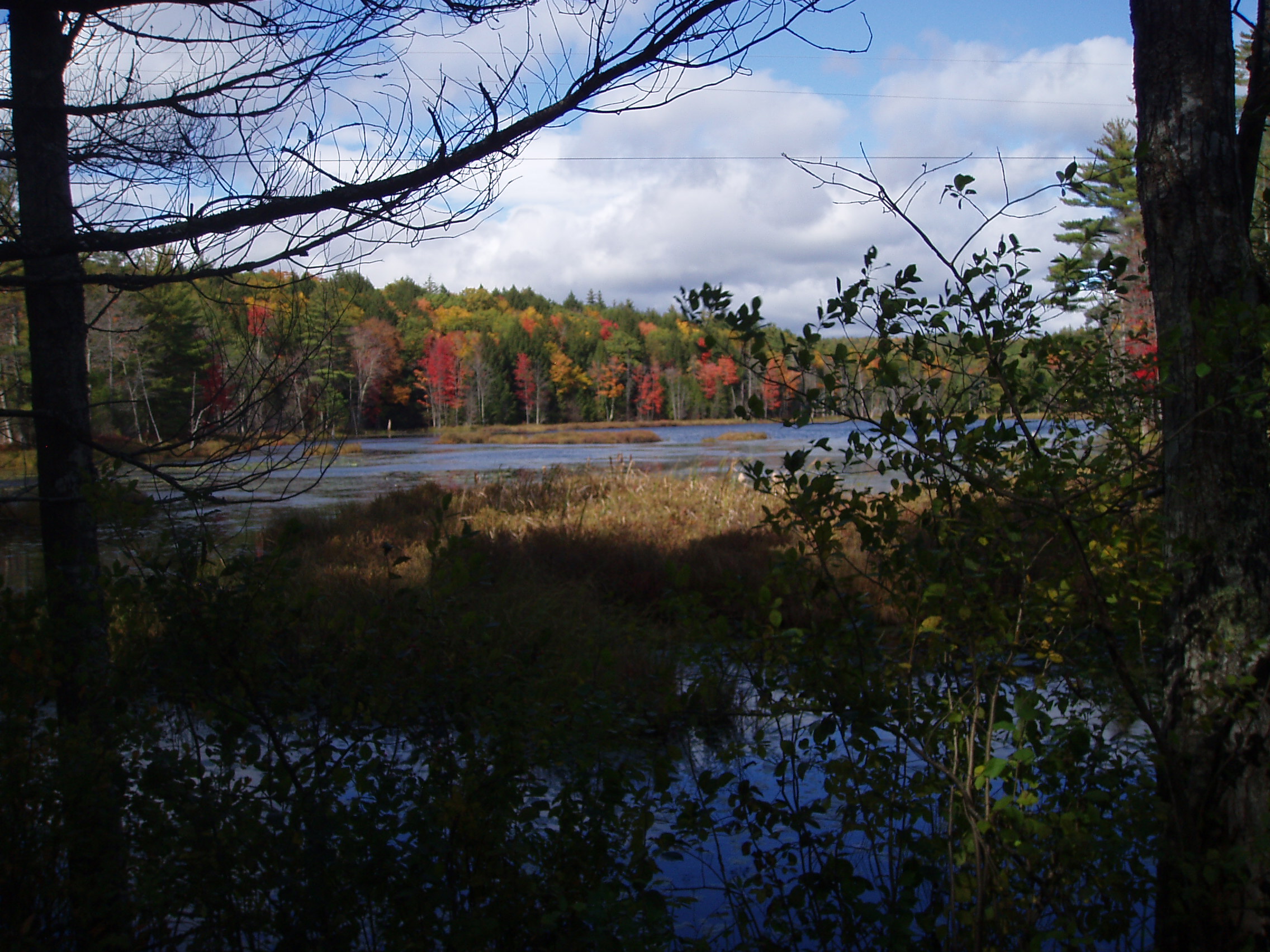
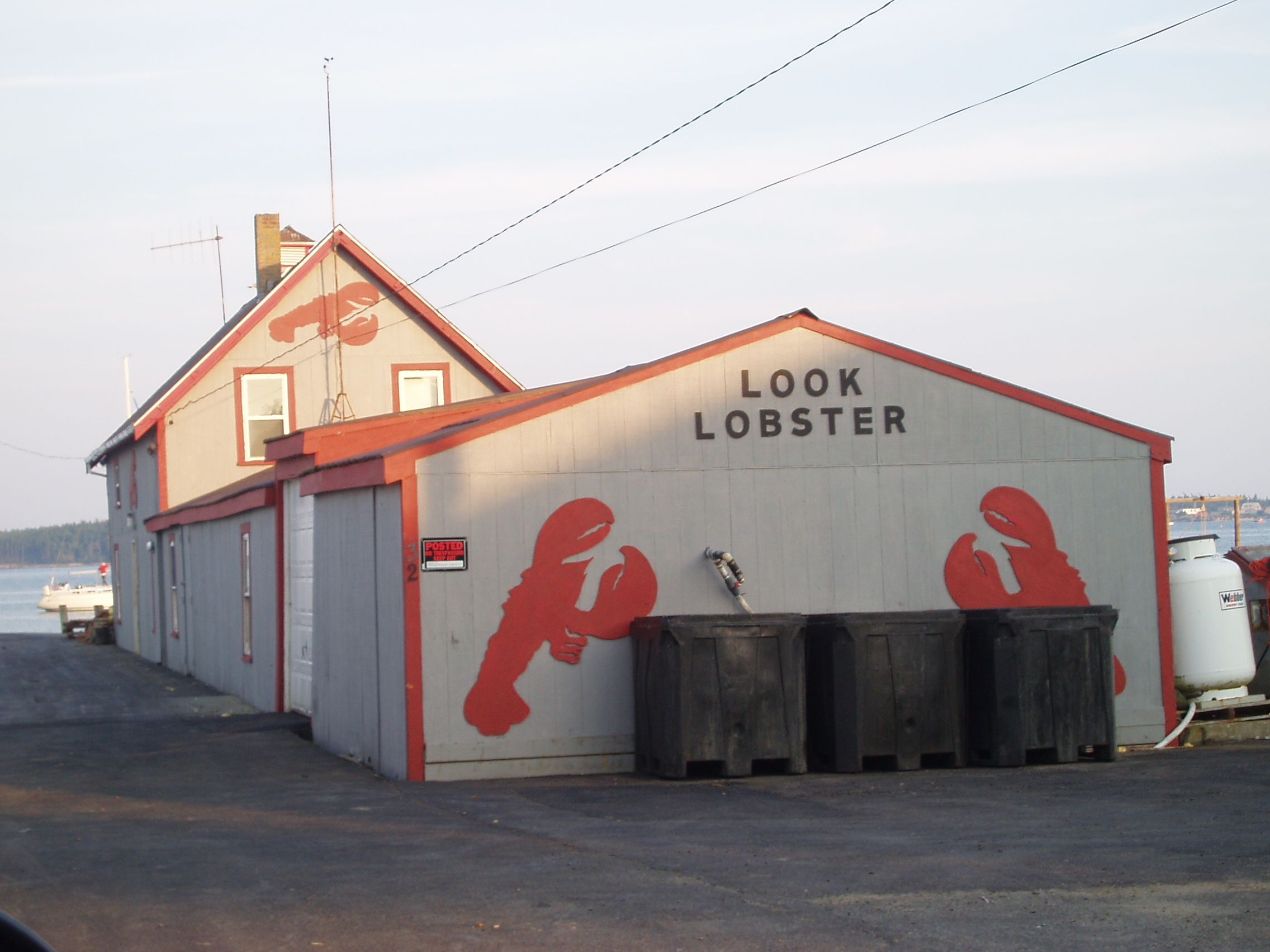
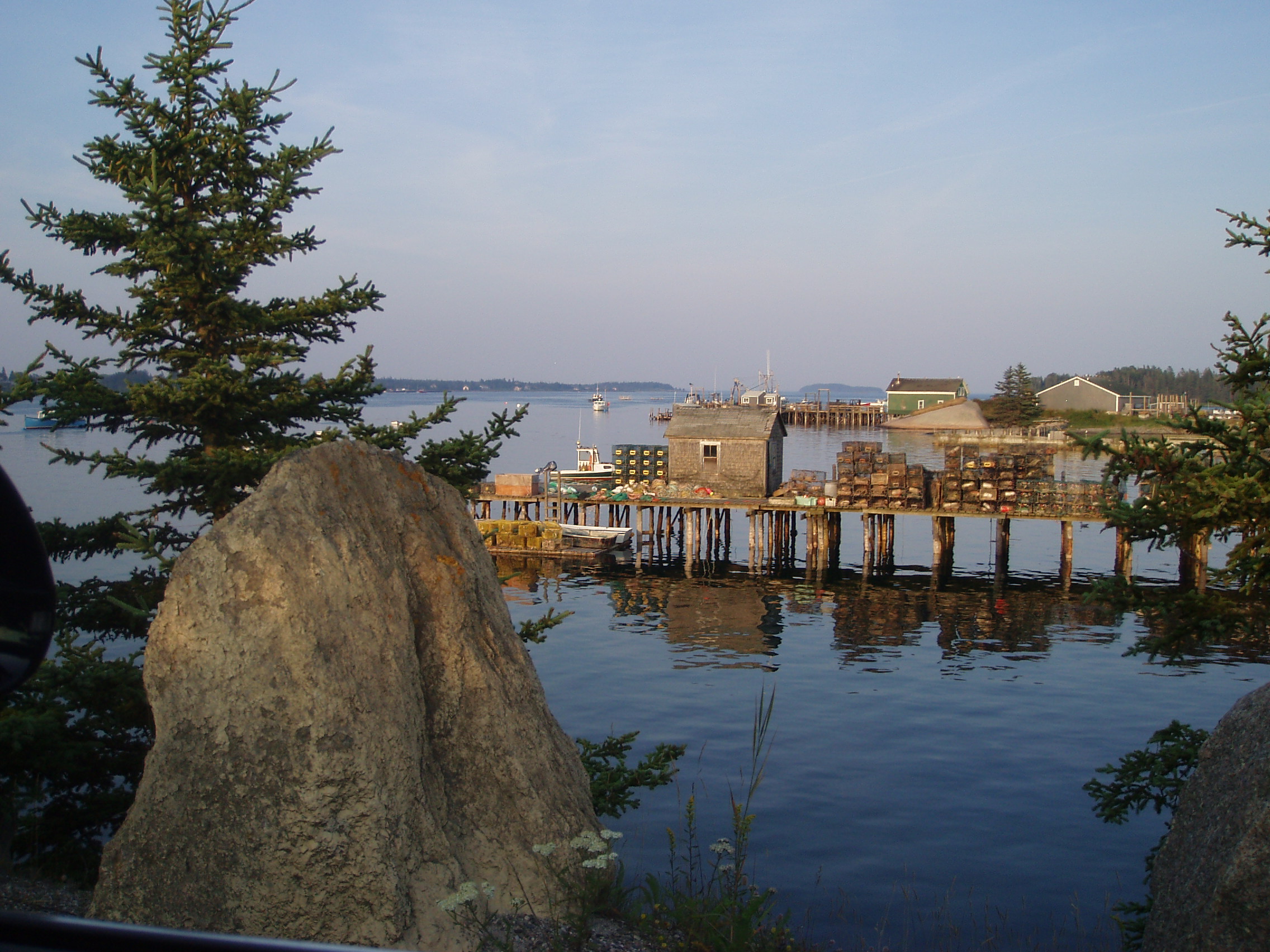
I first fell in love with New England when I moved to Boston for college in 1983. I fell in love with the Fall, with Boston, with the picture-perfect towns all around, with Walden Pond and Cape Cod, the Berkshires, New Hampshire’s White Mountains, lobster rolls, clam chowder, Dunkin Donuts, pretty much everything. After college I got the opportunity to work in Boston for a couple of years. I lived in a tiny apartment in the Back Bay and worked on the waterfront in the financial district. It was then that I really had a chance to further explore and discover. With a group of friends, the infamous Boston Gourmet Society, we would spend Summer weekends at the beach in Maine, and Winters skiing in Sugarloaf, renting a ski chalet for the season.

In 2005 I went back, and with added maturity, I really got to appreciate New England. We lived in Newburyport and Milton. Then I moved back to old Back Bay in Boston, I worked in those places and then Natick, and Cambridge and enjoyed it thoroughly. Loved the history, the food, the culture, yes, even the people!

My work during my first stay in Boston was in the financial sector, but on the second round, as a teacher and coach I got to visit schools for soccer, tennis, and fencing all over the Boston area, including Concord, Newport Rhode Island and Exeter New Hampshire! It was beautiful to see the seasons and the foliage, the towns, the forests, and the seashore.

The film Manchester by the Sea takes place during the bleak New England Winter, where everything is frozen, even the ground! Casey Affleck (not the sexy one, the one that can act) nails his performance. It is a tough, emotional film but I highly recommend it. For me it was a double whammy. As an emotional person, I really connected with the plot, and the photography of New England, specially of the North Shore, really drove home the film for me.

So, there you have it, two recommendations in one blog post: New England (the region) and Manchester by the Sea (the beautiful town AND the film). Enjoy.