
The assassination of character, the closing of The Parrot

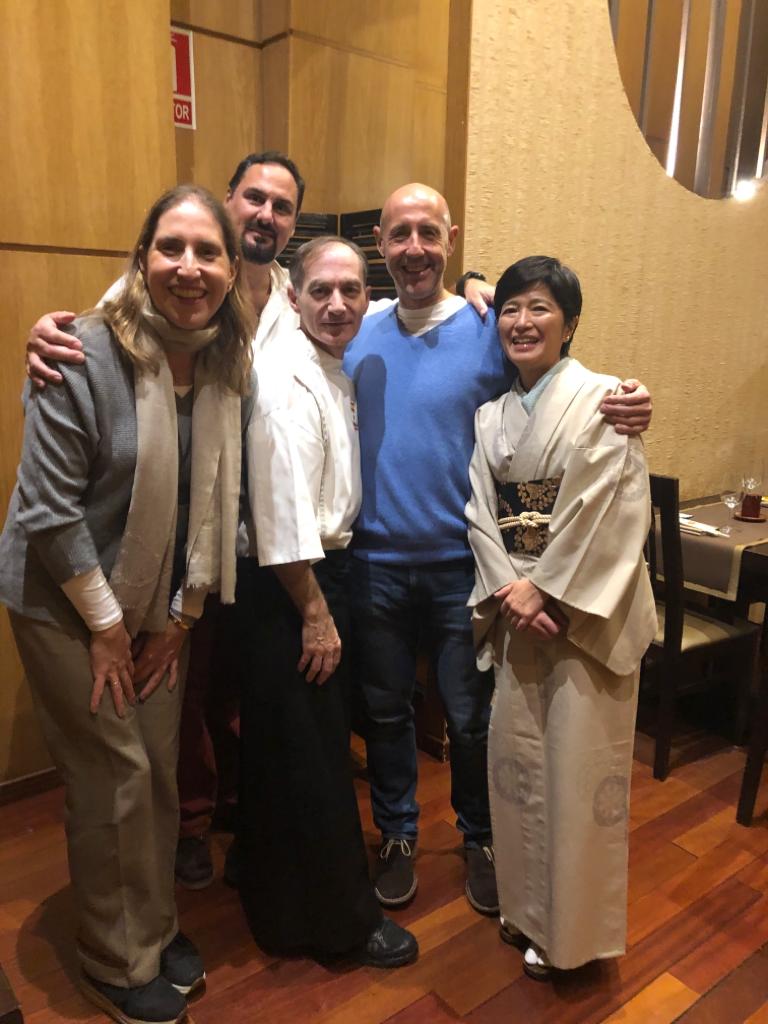
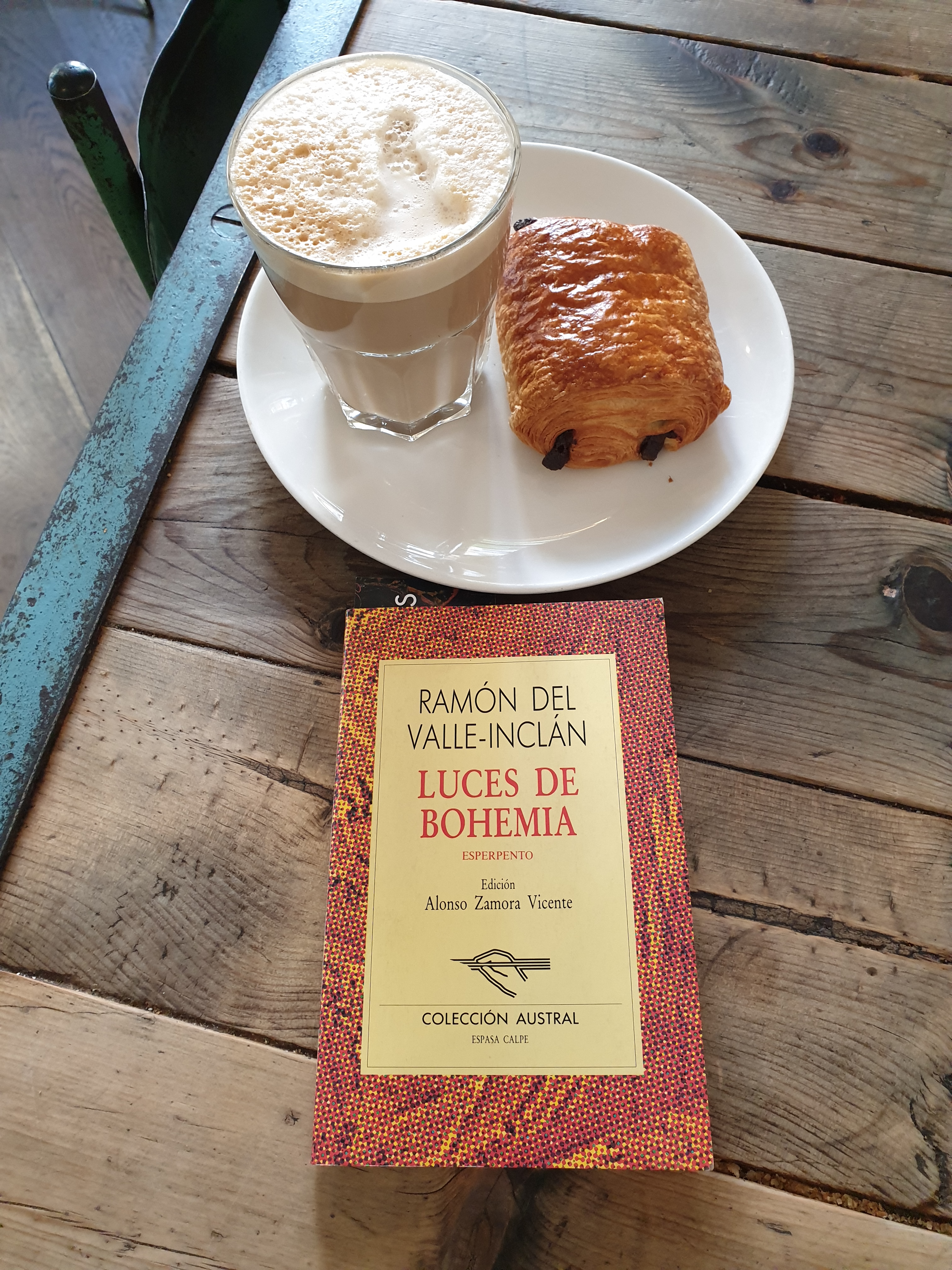
Over the last few years, I have seen some of my favourite places close. This week The Parrot, my favourite bar in Naples, Florida, where I lived for two years was closed as the new landlord wanted to make the venue more upscale. Covid finished Ye Olde Waffle House on Franklin Street in Chapel Hill where I would regularly go for breakfast. Over the years, other favorite places have succumbed to landlord’s greediness, to developers plans, and so on.

The problem is not just that these amazing, authentic venues close, which is bad enough in and of itself. What comes after is even worse; an anodyne, generic, Instagram ready, boring venue with zero personality, with zero charisma, with zero vibes, overrated and overpriced.

What made these places special to begin with was not a specific décor (although that added character), or a basic but tasty menu, or as bob Seger would say Old Time Rock and Roll, it was, of course, the people, the staff. You made connections and eventually relationships just by going to the same place all the time. When you replace all that with a desire for profit, your employees are more concerned with results and policy than with getting to know you and serving you from the heart.

The result is a place that transmits no emotion, staff that has a limited range of interactions because they have been trained with a “corporate” mentality as opposed to a hospitality mentality. You see, when your only metric is profit, you lose humanity. Unfortunately, we are seeing the victory of greed, but at what price? The loss of community.

Libraries (continued)

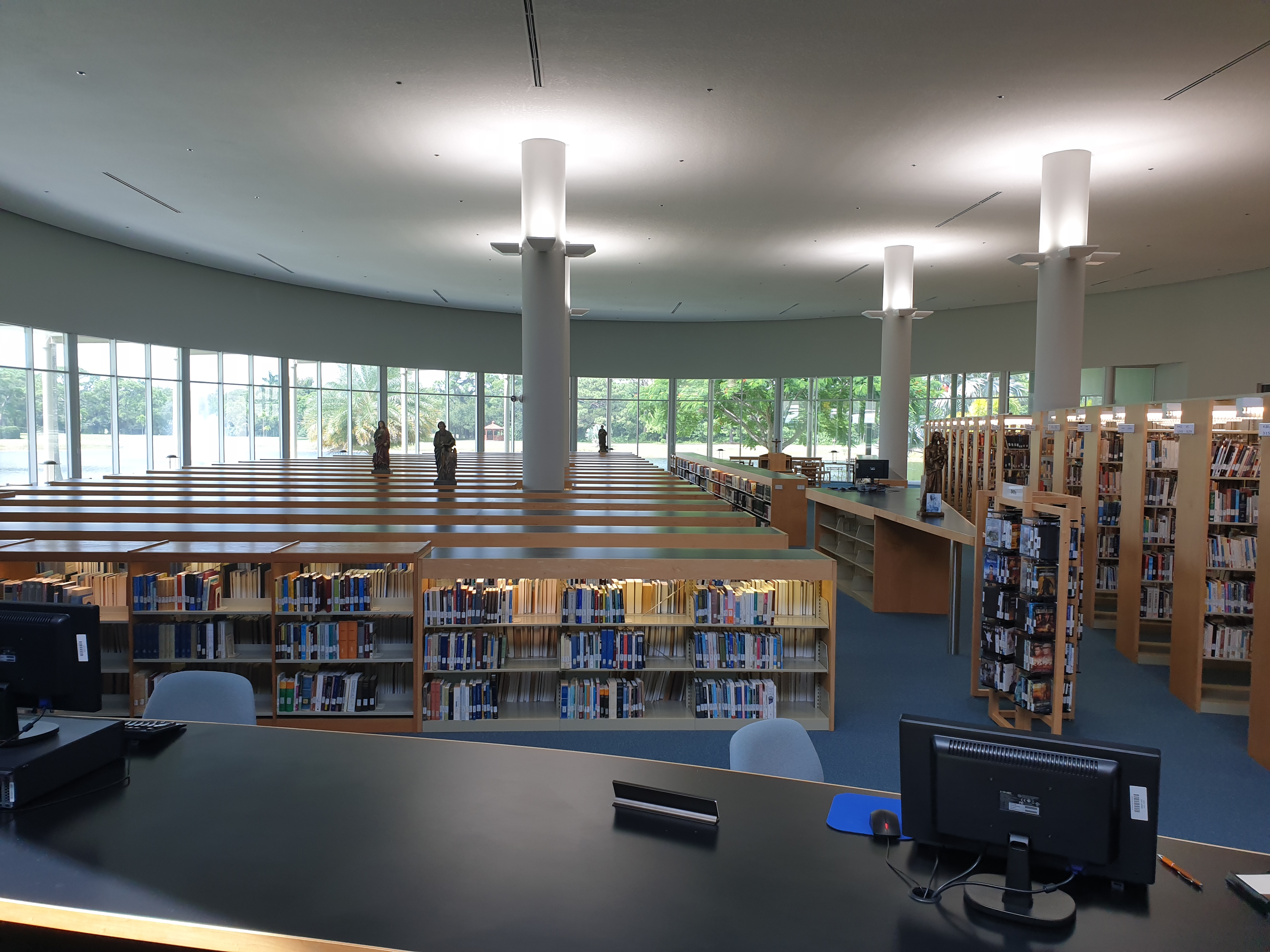
I have the privilege of working on a beautiful campus. There is a pond smack in the middle, there are a couple of gazebos for meditating, there is a beautiful chapel (arguably the most beautiful building in Boynton Beach), there is even a tree swing! There is also a beautiful library. It is not a massive library, it is rather quaint by university standards but still, it is a lovely library.

This is where it gets interesting: In order to get to my office, you have to go through or around the library, through is the much faster route.

So not only do I walk by the periodicals section where I can -at a glance- look at the new magazines coming in, then I lower my blood pressure by walking through the peaceful, quiet stacks, and right before getting to my office, there is a shelf with free books that the library no longer wants. This is my perdition.

I wrote about libraries and bookstores recently (ok, a year and a half is recently for dinosaurs like me), but that was before I had to work next to the goodie room that is the “Free books” shelves outside my office!

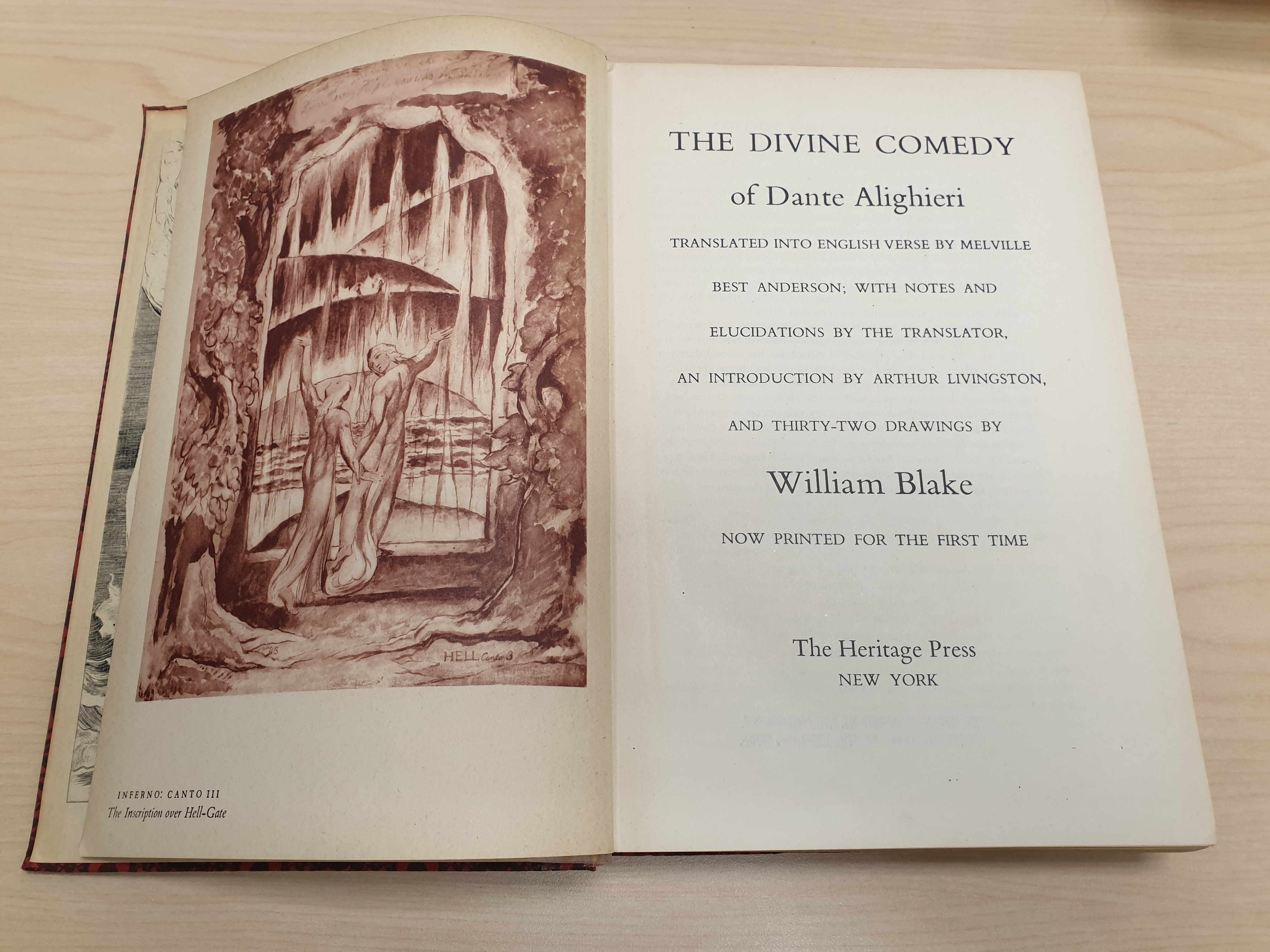
Over the months I have collected many varied books. My most recent find – and the detonator for this blog – was a first edition 1944 Divine Comedy with drawings by William Blake. Last year a retired history professor went into an assisted living facility, and he donated his whole library! It was chock-full of great books of which I got a good number of. And since my office is next door to these books, I always have first choice. In fact, sometimes I have even help the librarian stack the free books as he rolls them out!

Bentley College (now University)

This blog was born with the start of my search for a PhD program, so that process and the subsequent studies were very well documented here. Eventually, a few months ago I wrote about my master’s experience at Simmons, but I have never written about my bachelor’s degree.

I was living in London when I had to choose university. I really wanted a small liberal arts school in New England to study Business (at the time I did not appreciate that liberal arts and business do not mix that well. That was a mistake, which I can write about in a later post). My final choice was Bentley College (now University), just outside Boston, and what an experience it was!

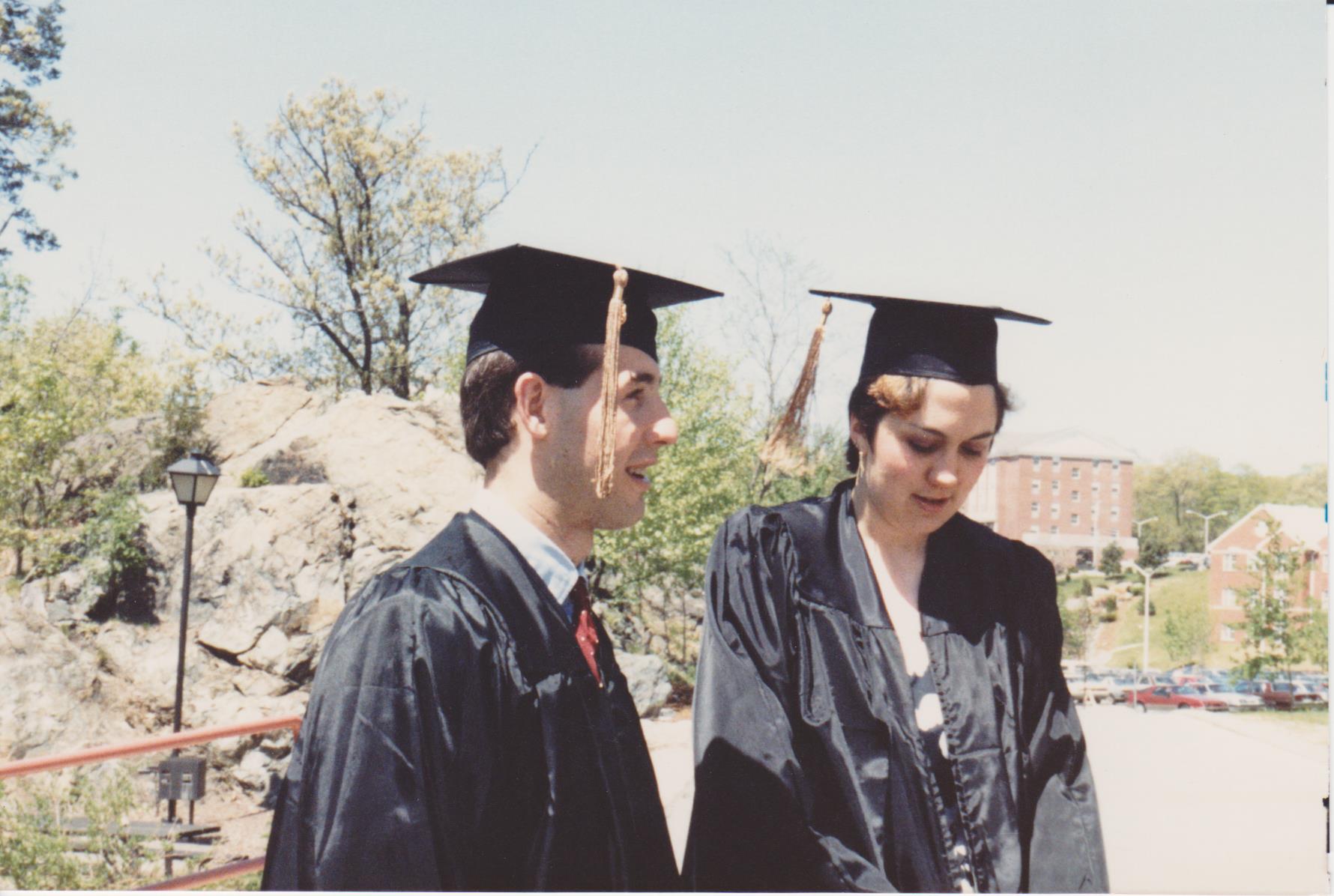
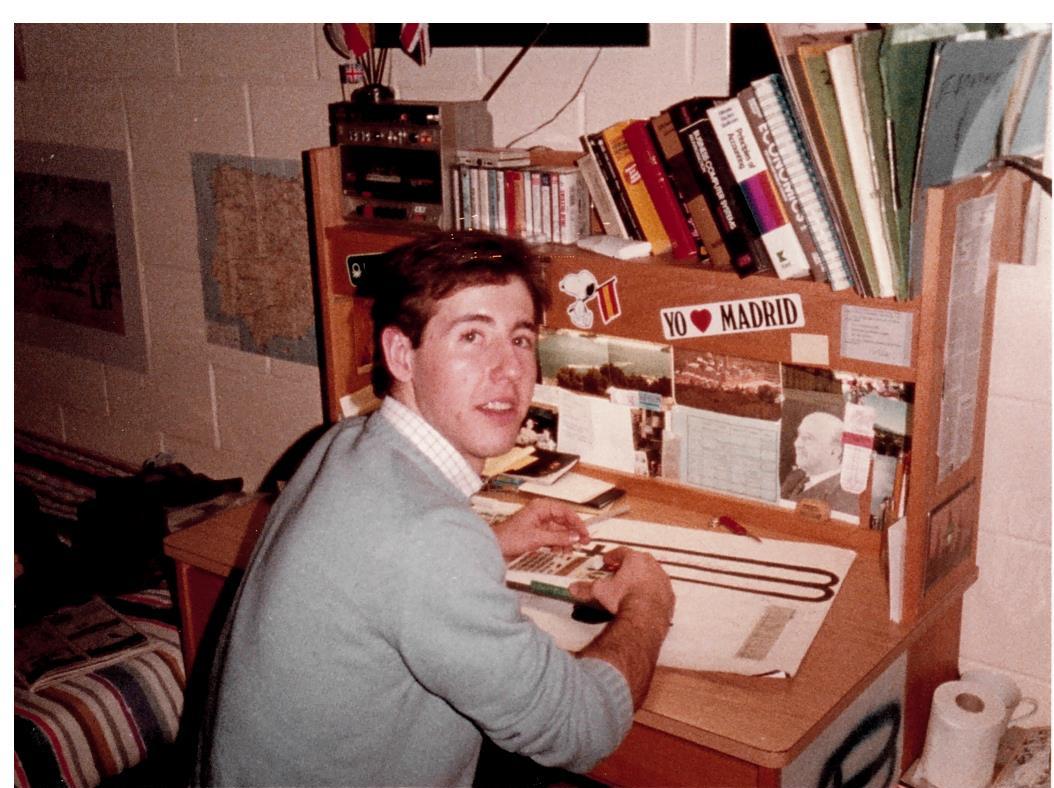
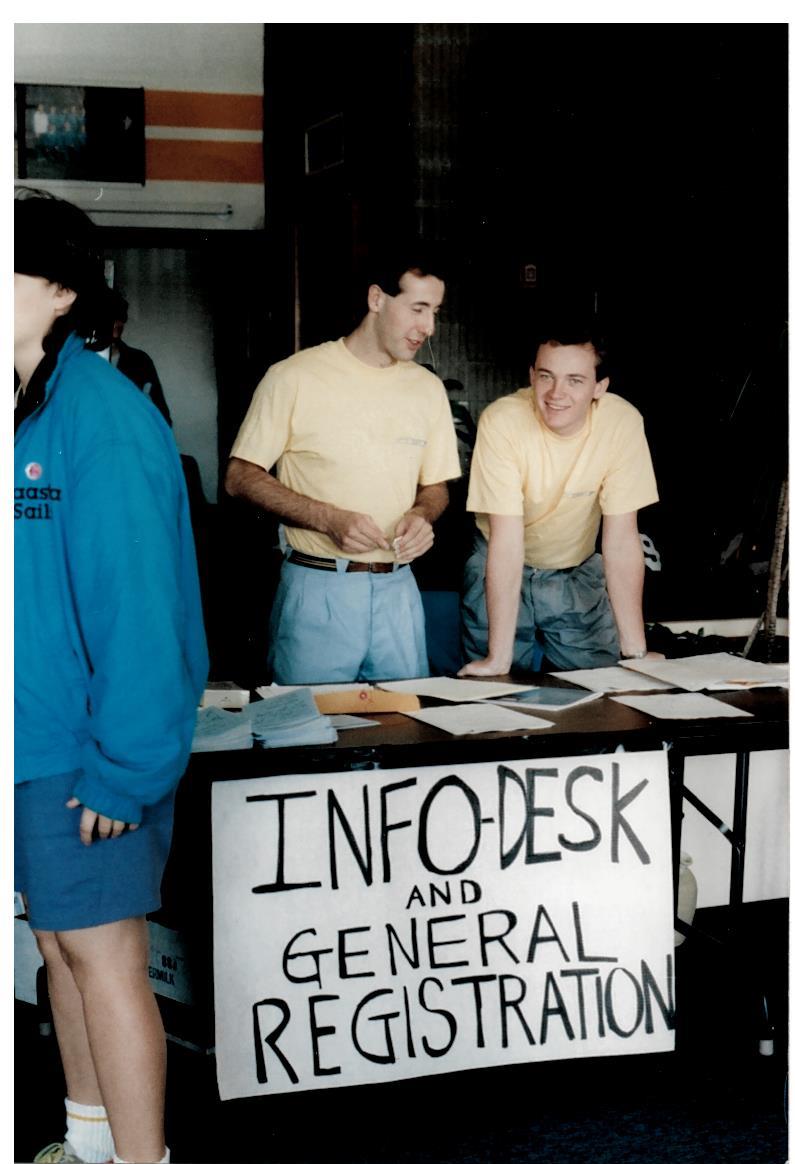
Bentley was the perfect space for me to bloom. I loved my management courses (not so much my accounting, finance, number courses in general) and I really developed my leadership skills, becoming President of the International Club, International Representative to the Student Government, and finally Student Government Representative to the Board of Trustees, where I met Jere Dykema, my first mentor. I also grew into my art appreciation, spending Saturdays at the Boston Museum of Fine Arts, and what little pocket money I had on Season Tickets to the Boston Ballet, DJing the Classical Music Program at the College radio station WBTY “Sunday Night at the Pops”, writing a weekly column in the Vanguard newspaper, playing soccer with the International Club, establishing the Model United Nations program, debating the Oxford Union, and generally just walking around, taking in the history, architecture, and vibe of all the different Boston neighborhoods.

But the most important part of my university days was the connections and friends I made. Most of my best friends to this day I met in college –you know who you are. I also made great relationships with professors, like Aaron Nurick who would become a mentor, and with administrators like the great Bob Minetti.

In conclusion, yes university is about education and learning, but more importantly, at least in my case, was to grow as a person and to make lifelong friends.

La Grande Bellezza (The Great Beauty) 2013

La Grande Belleza

Thanks to Film Club, I am seeing many more films now than I have in years . Having said that, I really do not want to make antonioyrocinante into a film blog, there are enough of those already.

But I just saw La Grande Bellezza, (yes it is a 2013 film, I am a bit slow) and I have to tell you about it – beware, there might be spoilers.

This is an exquisite film, as beautiful as Rome, the city where it is filmed: exuberant, colorful, rich, fun… but there is a gaping void in it, a melancholy, sad void represented by protagonist Toni Servillo as Jep Gambardella.

You see, all the beauty in the world is sterile, meaningless without love, without a deep spiritual connection. Director Sorrentino is not subtle about this: The film opens with a quote from Céline’s Journey to the End of the Night

Traveling is very useful: it makes your imagination work. Everything else is just disappointment and trouble. Our journey is entirely imaginary, which is its strength.

To drive home that point, the opening scene combines ethereal views of Rome combined with David Lang’s otherworldly song I lie. The fact that the song is in Yiddish should lead you to the great spiritual journeys of Israel, of Job. Life is nothing if not a spiritual journey to yourself, to the divine in you, to your Grande Belleza, Namaste.

Let’s stop there. Let me know your thoughts in the comments, or go see the film and then let me know.

On Bow ties

No, I did not always wear a bow tie.

Before I started my professional career I had a bow tie, a single bow tie gifted to me by an old girlfriend who bought it in Barneys, the real Barneys on 19th St. only four blocks from my Chelsea apartment where I lived while I looked for a job in Wall Street in 1987 (Hint: it did not happen, although I did get a great job in Boston a few months later).

I did not even know how to tie it. I had to walk over to Barneys twice before learning how to tie it by myself. Now I can tie it with my eyes closed – literally!

It took a few years for me to get a second bow tie, then a third, a fourth, you know how it goes. Eventually it became a bit of a trademark and developed as my “look”. In crowded conference halls, trade shows, and schools I was the bald guy with the bow tie. Of course, it helps that bow ties are characteristically academic, so wear a bow tie and automatically become more “academic”.

Nowadays I mostly wear bow ties for teaching. An old teacher trick is to have some sort of flamboyant item of clothing to guarantee that your students fixate on you as the most exciting thing to look at in the classroom -keep in mind that you can easily be replaced by a fly buzzing around the room! Surprisingly, this even works at the grad school level where I teach now.

Even the logo for Tonxo Tous, my moonlighting job as a tour guide in Spain is a bow tie!

Occasionally I will wear a regular tie to mix it up, and for my church ushering job on Sundays at mass, but otherwise it’s bow ties all the way!

So, if you are stuck with what to get me for Christmas, problem solved!

Tonxo Tours update

Here is a mysterious story for you…

If you follow my blog (thank you, I really appreciate it) you know I now have a deeply rewarding, full time job, which means that Tonxo Tours has become a bit of a side gig, which I can only indulge in during a few days at Christmas time and during Summer. I still love sharing my love for Spain, especially Madrid and its surroundings. I also get a kick out of promoting it. I love taking photos to put up on the Instagram (tonxotours) and I also love recording short videos explaining bits of Madrid which I also post to Insta and to the Tonxo Tours YouTube site. Here are a couple of my recent clips, and you can watch the rest here!

The videos are not great quality, in fact they are all home made with little to no edits, because I believe the story is what matters here, so unless you are a video snob, enjoy!

So, if you are in Spain for Christmas or Summer, hit me up and I would love to show you around!

Here is a quick one with a special guest: my niece!

The Proposition

I’ve been in Film Club for a few months and I love it! I have re-visited some oldies, seen some interesting new (for me) films, and a couple of films I did not particularly care for. But last month I saw a film I must write about.

The theme for June was Westerns: Fort Apache (1948), The Wild Bunch (1969), The Proposition (2005), and the remake of 3:10 to Yuma (2007). Ignorant of me, I did not know there was such a genre as Australian Westerns like The Proposition. As the opening credits ran and I saw it was written by Nick Cave, I mentioned it to my dear friend Theo who knows Cave and his work well. His comment: “It’s a grim tale.”

Grim indeed, but at the same time deeply mesmerizing. The photography is married to the soundtrack in a way I have not noticed in most films. Another of the Film Club member’s opinion was “hypnotic”. Yes, there was one scene I could not bare watch, but the overall work is masterful, intelligent, and beautiful despite the violence.

Without spoilers, the plot weaves family, colonization and the Aborigines, morality (the key element I found in the films I saw) and the concept of justice.

The brilliant cast includes Guy Pierce, John Hurt with a stellar performance (and the only hilarious stingers of the film) and a spiritual death, and a perfectly cast Emily Watson who knocks it out of the park as an English rose.

So, if you have not seen this jewel and do not mind some (ok, a lot of) violence, make this movie the next one you see. You are welcome.

Arthur Burns: Love. Love is the key. Love and family. For what are night and day, the sun, the moon, the stars without love, and those you love around you? What could be more hollow than to die alone, unloved?

A few (blissful) days in Mallorca

Although last year we anchored overnight in the wild and gorgeous Es Trenc bay, I missed Mallorca; the intense smell of pine trees, the deafening song of thousands of cicadas, the mesmerizing Mediterranean, the unexplainable beauty of the light, the deliciousness of the food, and the quiet night sky.

This year I managed to join my family for a few days in the same cala -small bay- we have been going to since I was a child. It is very comforting to know the area, the folks at the restaurants, and the hotel staff.

The beach is small, but it has silk soft white sand and crystal-clear water. The defining characteristic of this spot is an island in the middle of the tiny bay which hosts a great little restaurant which specializes, obviously, in fish. This island has a rock jutting into the sea where you can jump from. Every day we swim over to the rock and jump, it is possibly the best moment of the year for me. The feeling of absolute freedom for the second that I am in the air.

Otherwise, it is a quiet time. We enjoy an amazing breakfast spread, we hang out at the beach all morning with a quick mid-morning break for a cortado* at the beach bar, we have a jump in the hotel pool before a pool-side lunch, a little siesta, a workout at the gym or a run in the hills, and hanging out at the pool for the rest of the afternoon until we mobilize for a nice dinner at a local restaurant (this year we spotted Chelsea forward Timo Werner and retired German mid-fielder Bastian Schweinsteiger at our favorite Italian joint!). We have travelled the island many times before, so we do not feel an urging need to explore, just to chill and hang out. I cannot wait for next year!

* Cortado, which means “cut” is an espresso with a dollop of milk to “cut” the acidity of the coffee.

Wait for it…

Summer Adventures, Camino de Santiago (#2)

My last Camino de Santiago had to be cut just short of finishing because of time constraints. After a fallow Covid year, I was rearing to get back on the Camino, the Camino del Norte, following the North Shore of Spain until it turns Southwest towards Santiago de Compostela. That turn inland is just where I finished in 2019.

I picked up just where I left off, on the ria (fjord) that separates Asturias from Galicia on the latter side, Ribadeo. A cute town with a nice marina and old buildings ranging from Medieval to Modernist – these were financed by “indianos” folks that made it big after emigrating to America, mostly Cuba, and returning full of cash. Since I could not find the right transportation to get there, I ended up driving myself. I shared the ride on BlablaCar to help me with the cost of my gas guzzler old Land Rover Discovery.

The first day was, like the next four, rainy, but I was so happy to be walking again. It meant wearing a poncho that keeps the rain out but somehow also gets you all wet inside. I have not figured out if the moisture is sweat from wearing a plastic sheet over you, or water that gets in. But I refuse to spend over 200 € for a real rain jacket. I try to keep my Camino as close to the Medieval pilgrims who would have done it, at least as close as I can get in the XXI C.

Breakfast at the albergue was a rare treat: tortilla, good coffee and fresh squeezed OJ. My guide recommended pushing 34km to Mondoñedo for the quality of the Albergue and the town. Although it was a bit of a challenge for my first day, it was worth it. I only met four other pilgrims along the way. Before Mondoñedo is Lourenzá which is a nice village which has an amazing monastery! The albergue in Mondoñedo, as the guide promised, was awesome and I even had space to do some post hike yoga! When I sat down at the cathedral for mass, seeing as I was a pilgrim, I was asked by the sacristan if I wanted to read the first reading and the Psalm. What an honor! Of course I accepted although I was wearing my long sleeve T-shirt, shorts, and after hike flipflops! (I always wear long sleeve T-shirts to protect me from the sun and to keep me warm, as the case might be)

One of the reasons I walk the Camino is to honor and remember my dad, who always talked of doing it. So I always make sure that I am walking on June 20, his birthday. On that day, he walks especially close to me.

Day two is still raining and starts with a brutal two-hour climb -fortunately on good ground. Eventually it stops raining and I walk through ancient, magical forests for hours, without seeing a single pilgrim all day (except a German couple at the only café on the Camino). Vilalba, my destination, is quiet as it is Sunday evening when I arrive. I go to the evening mass and dine at the only place open in town.

Day three is, as I said before, rainy. But a pilgrim churns on regardless. I finally meet a genuinely nice pilgrim from Gerona, and we chat for a while.

One of the rewards of the Camino is seeing interesting architecture, mostly churches, but also occasionally homes or other buildings. During this stage, I walk to a gorgeous early Gothic church in the middle of a forest, by a river, San Esteve (see photos). Albergue Witericus at the end of the day is an old, restored farmhouse in the middle of a forest. I spend the rest of the rainy evening there, chatting with the wonderful innkeepers, reading, and writing my diary, dining the vegetable soup from their garden and an omelet from their chicken’s eggs!

Day four starts dry but soon changes to pouring rain. The Camino crosses the cute village of Miraz with its manorial tower, and 18th C. church and then climbs into the hills. This day also hits the highest point of the Camino del Norte in Galicia, a mere 700 mts (2.300ft). I finally meet the fellow that keeps overtaking me as he is doing the Camino running!! He is a lovely chap and stops to walk with me for a while. I end my day at Sobrado with its amazing Cistercian monastery which still operates with fourteen monks -one of them a brit! I obviously stay for very mystical Vespers with them, before dinner at a local restaurant.

Day five is finally sunny. Cold but sunny, so there is an extra spring in my step. At Arzúa I connect with the Camino Francés, which carries a stream of people. Fortunately, after clearing the village there is no one for the rest of the day. My final albergue is a lovely, restored old house and there is only me and a fellow from Honduras. The only attraction in the village is a bar decorated fully with empty beer bottles! I am the only customer there and spend over an hour chatting with the owner about politics, and the meaning of life, extremely rewarding.

My last day is sad as this Camino has been noticeably short for me, but I get to celebrate it with an amazing breakfast on the trail. I enjoy walking alone, meditating, breathing the fresh air. As we approach Santiago, the concentration of pilgrims increases, but that is part of the Camino. My last coffee stop is the same as when I finished the Camino Francés in 2018, the cortado is just as delicious as I remembered.

Tired of albergues and ready to fulfil one of my Camino dreams, I book my overnight in Santiago at the Parador. This luxury hotel is housed in the original, medieval “Hospital de peregrinos” which yes, was a hospital, but also served as a hostel for those who could not afford where to stay in Santiago. In fact it is technically the oldest hotel in the world. I celebrate my arrival in Santiago with a long, long bath. And only after did I venture for a meal, a walk and eventually mass in the recently restored cathedral that houses the remains of St. James.

In conclusion, I wish my walk would have been longer, but again, family obligations kept me from extending my walk to Finisterre. Otherwise, I love the spiritual journey of self-discovery that is the Camino, walking in nature for days on end, meeting interesting people with their stories, seeing amazing architecture that spans almost a thousand years, and eating great food. But do not get me wrong, the Camino is not a walk in the park, it requires you to walk for miles on end every day. My average this outing was 31.6 km per day (that’s close to 20 miles a day). You start the day with boundless energy, but the last couple of hours of an eight-hour day, day after day are a difficult slog that tests your mental and physical endurance.

Teacher of English certification

Although I have taught Spanish, French and English for years, I felt that my teaching of English needed some TLC (Tender Loving Care), so I signed up for a Teacher of English as a Foreign Language certification course.

I did some research and found a great program at the University of Toronto Institute for Studies in Education. They have various Teacher of English as a Foreign Language certification courses, designed for different regions like Korea, China, or the Middle East, so the training is specific for those learners. Since I do not foresee working in those countries just yet, I just signed up for the plain vanilla course. Technically it is for teaching English abroad, but at the end of the day you have to teach to the people who want and need to learn regardless of where they might be. Geography is not an issue. Of course, living in a target language country makes it easier for the learner to immerse in the language and culture, but that is about it.

The program is well set up with a solid introduction to the English language, history, grammar, and then on to language learning theory, classroom management, assessments, etc. It is a very neat course and I highly recommend it. After sixteen years teaching, a lot of the material was review, which was still good for me to have. It was also good to explore some of the language learning theories that I only knew from hearsay like, for example, Jim Cummins BICS and CALP (Basic interpersonal communication skills versus Cognitive Academic Language Proficiency). It is difficult to organize such a generic course especially for me since I am currently teaching graduate school. But overall, I highly recommend it!