Spanish Baroque in Boca Raton

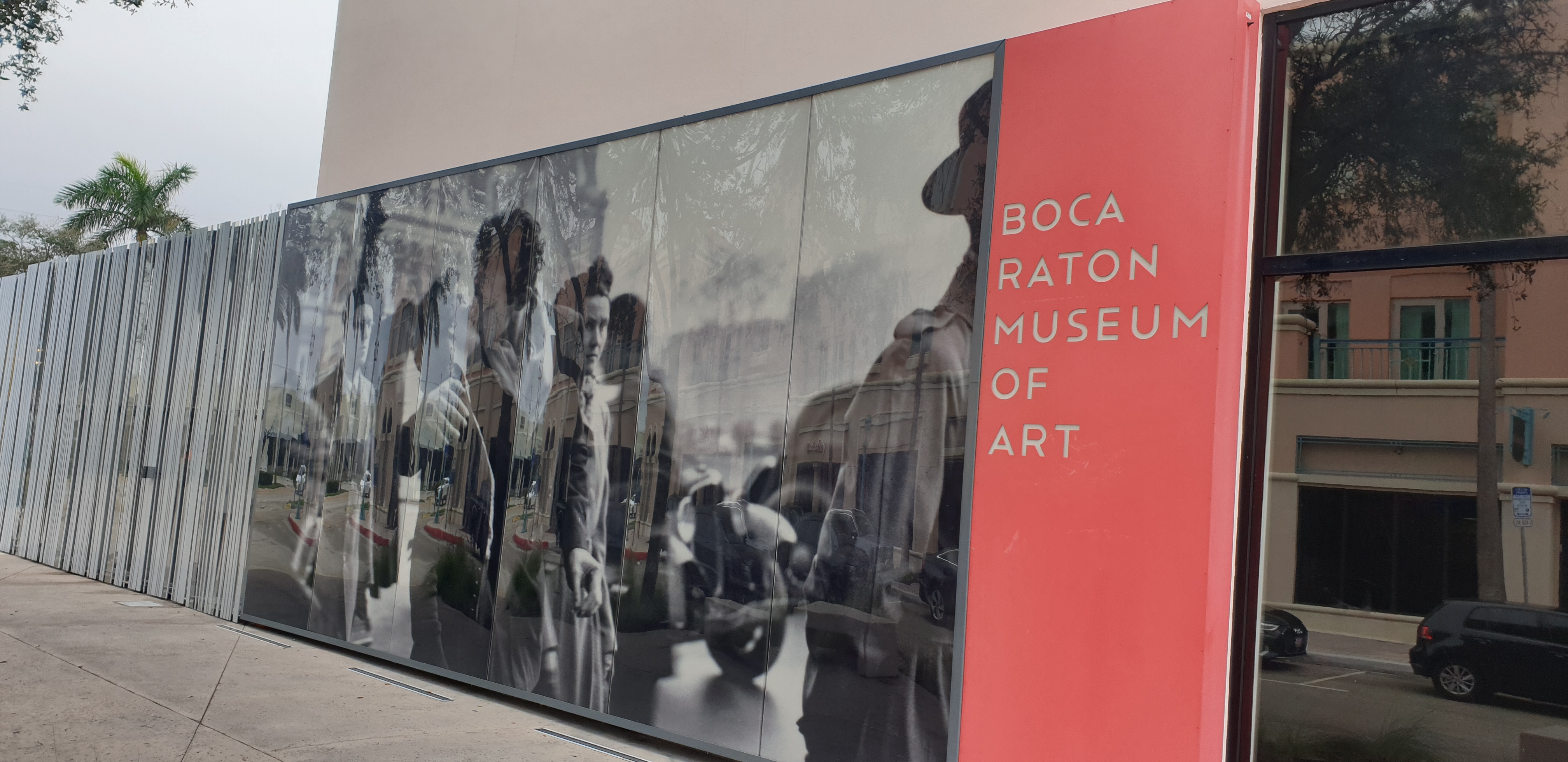
As soon as I found out that the Boca Raton Museum of Art had an exhibit about the Spanish Baroque, I booked a visit for my classes and then went to check it out for myself.

The paintings are courtesy of the Hispanic Society of America in New York, which has organized this exhibit, and which will then travel to a couple more cities.

Splendor and Passion: Baroque Spain and Its Empire is a small but very good-quality exhibit. You are welcomed by a local artist’s interpretation of Velazquez’s Meninas, and then you enter to discover paintings by the real Velazquez, Murillo, and el Greco (whom I would put more into late Renaissance than Baroque, but I am nitpicking). If you love the chiaroscuro, if you love Baroque art, this one is for you!

The Boca Raton is a fairly small museum, with most of the collection being 20th C art. But since you are already there, you might as well check it out.

So, if you are in this suburban wasteland that is South Florida, and you need a little injection of beauty, art, and culture, head over to the Boca Raton Museum of Art. You are welcome.

Ávila, a great excursion from Madrid

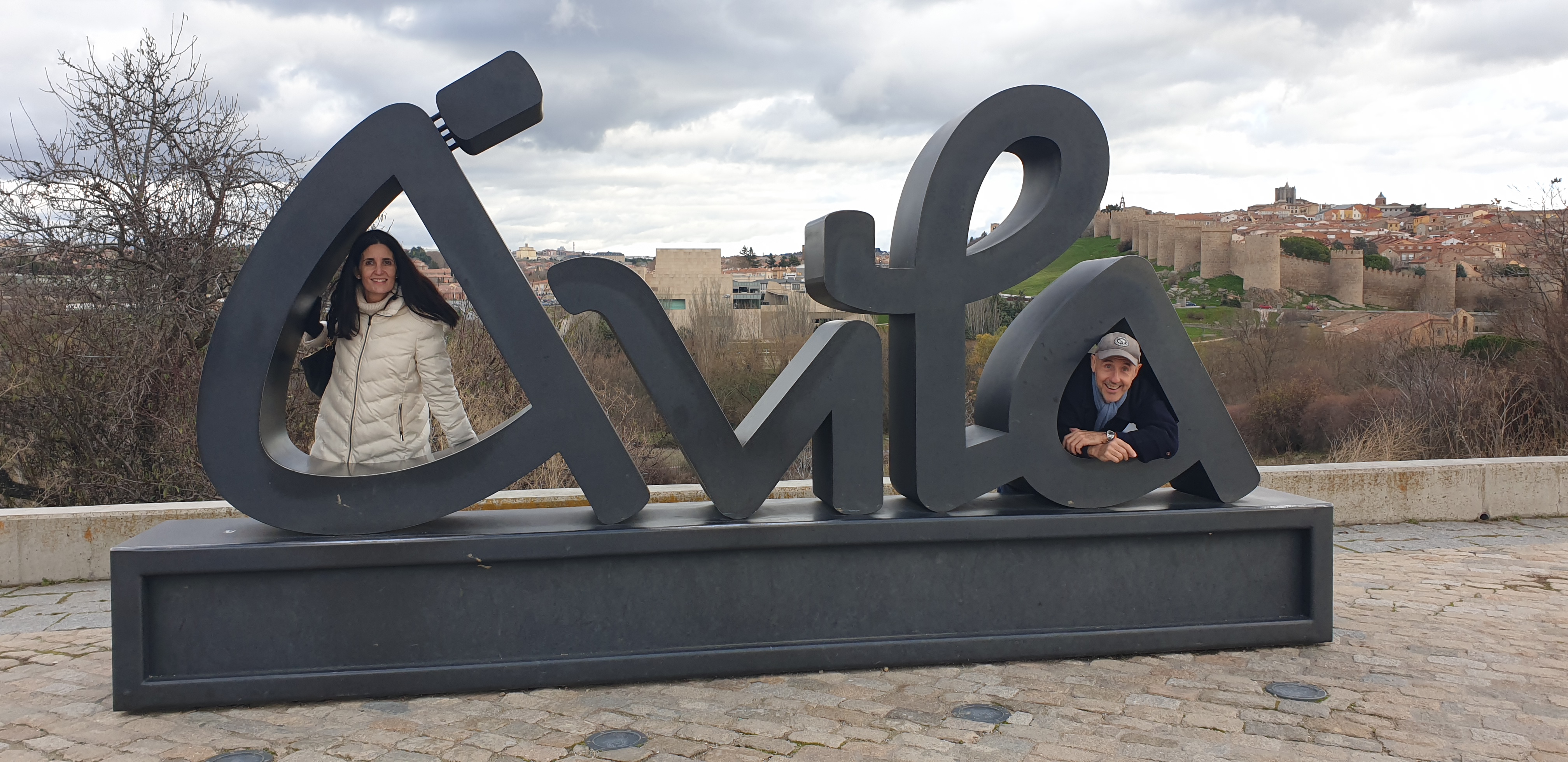
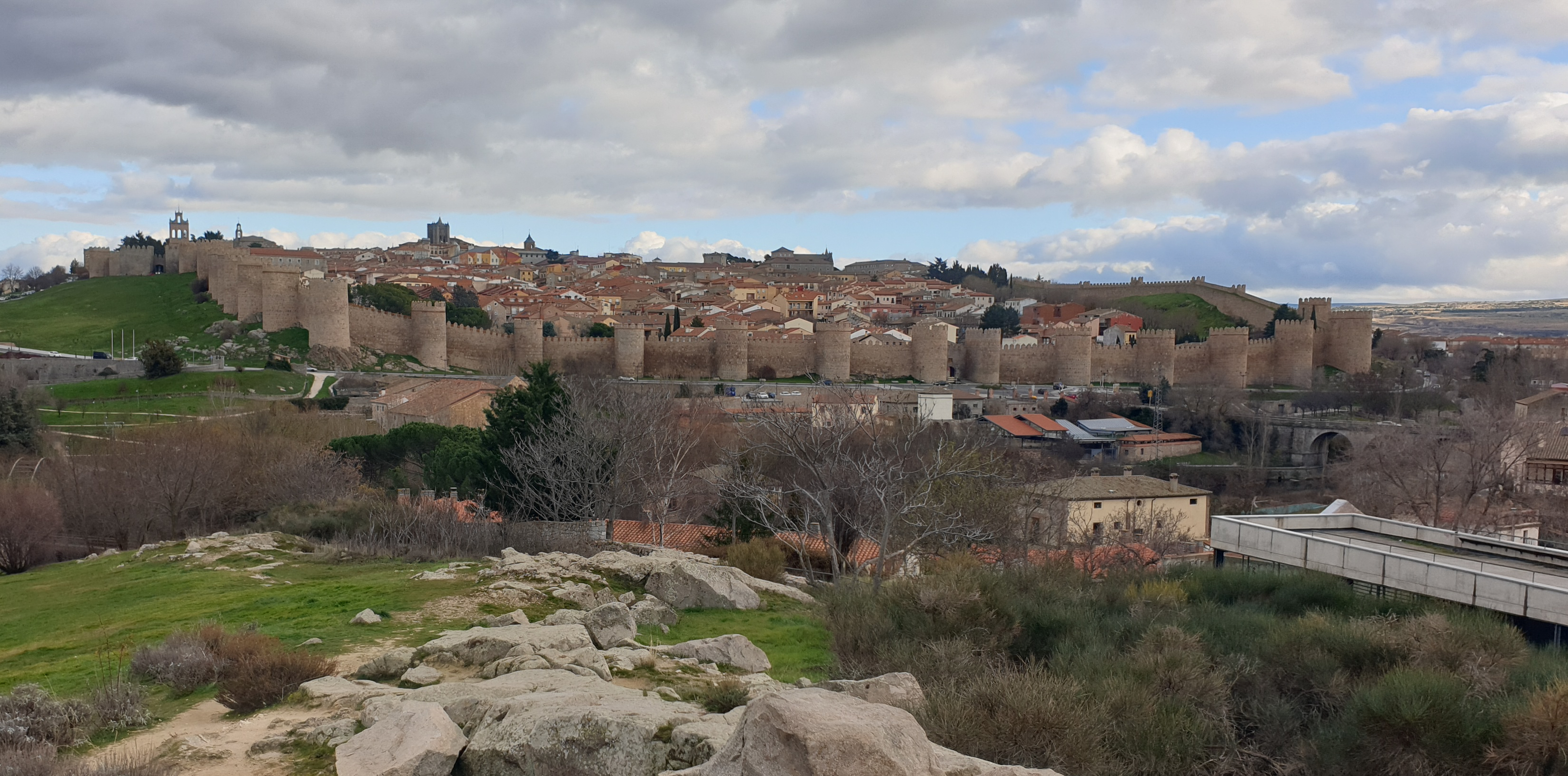
If you are Catholic, you probably know Ávila from Saint Teresa. Otherwise, you might know this city because of its history, Medieval wall, or its sweets. Avila is a UNESCO World Heritage site and it is less than two hours North of Madrid, and a great and recommended visit.

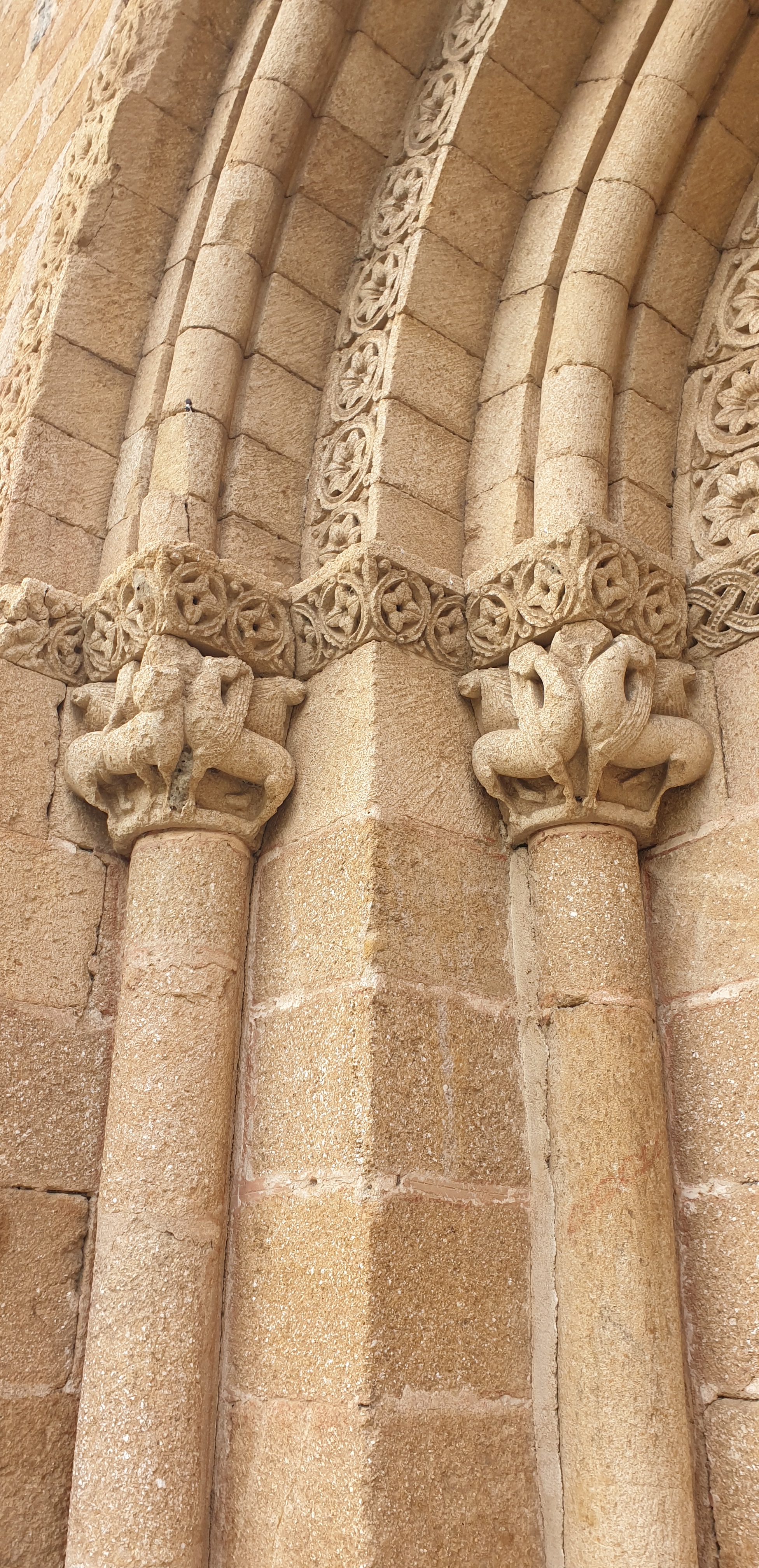
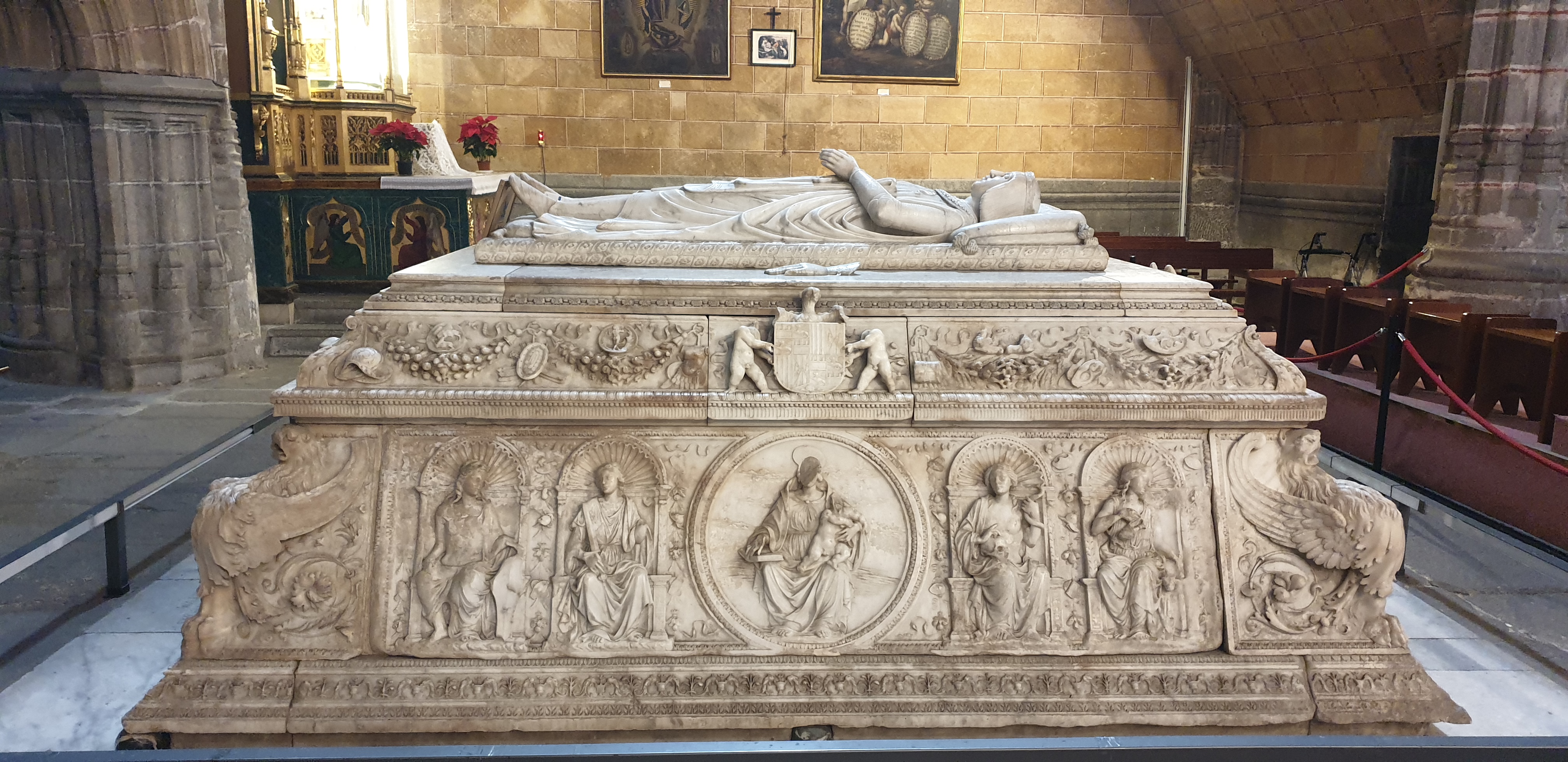
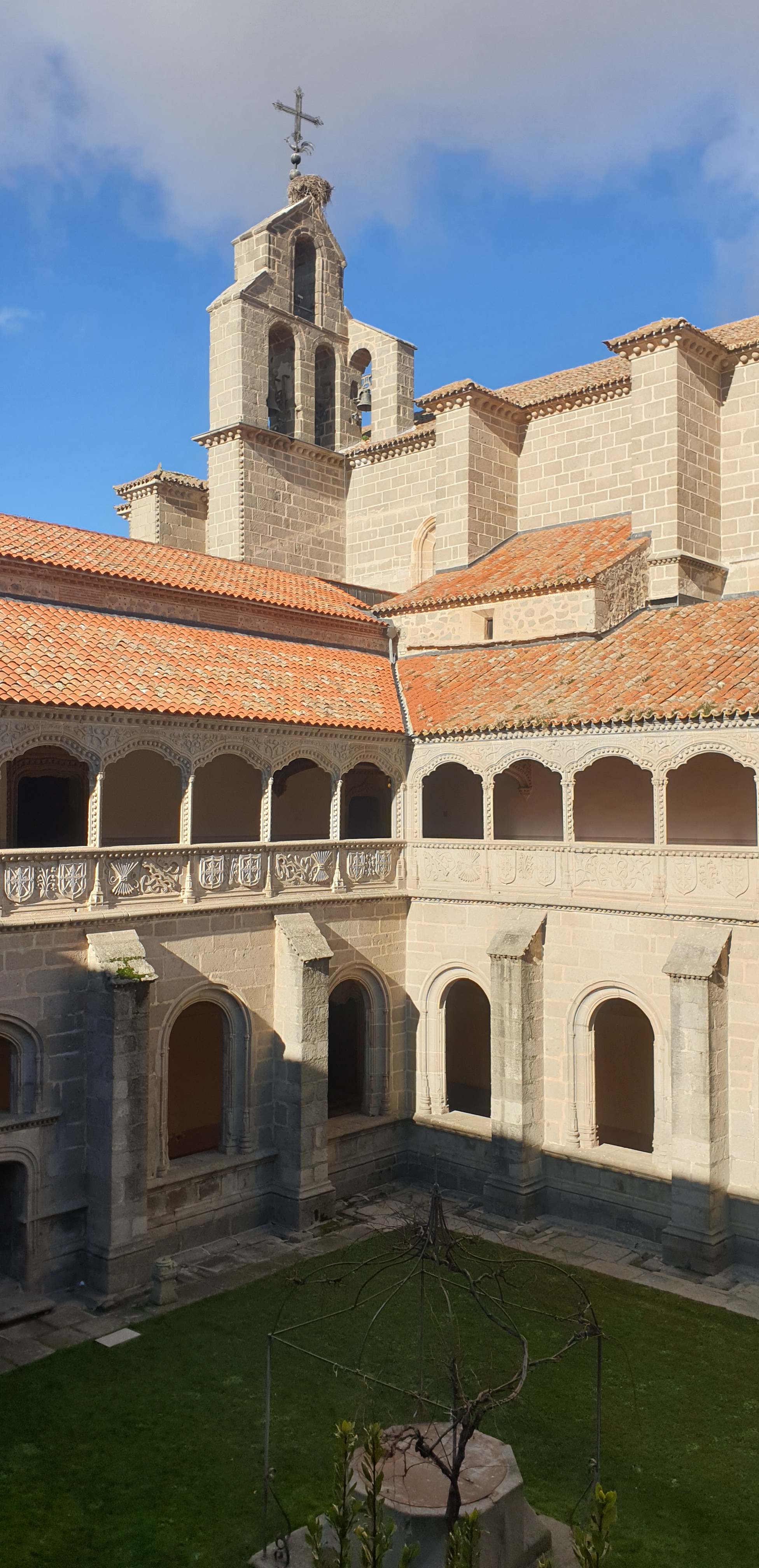
It had been a long time since I visited this city, but I recently had a getaway with Celia. We took the train from Madrid, which was an adventure, having to change trains in El Escorial. We hit the city running, visiting El Real Monasterio de Santo Tomás straight from the train station. Sto. Tomas has one of the purest Gothic churches in Spain with an altarpiece by Berruguete, possibly the most famous Spanish artisan in this field, it also houses the tomb of the Infante Juan, Ferdinand and Isabella’s teenage son, three beautiful cloisters, etc.

We had the traditional steak for lunch and explored Saint Teresa’s home, now turned into a chapel -although they have kept her original room! We toured the Medieval wall, one of the finest in Europe, the Gothic cathedral, St. Teresa’s convent, all the beautiful little streets, sweet shops, and many palazzos, and squares. Since the visit was during Christmas, we got to see a few amazing Nativity scenes as well.

So, although Toledo and Segovia are better known day trips from Madrid, Ávila is in a remarkably close third position.

The Marginalian by Maria Popova, a blog about a blog, would that be a metablog?

As a blogger myself, I must admit that I do not subscribe to many blogs, newsletters, etc., just a handful:

Although not technically a blog, I get the Center for Action and Contemplation’s Daily Meditation, originally written by Richard Rohr, but as he is getting older, it is now written partly by him but also by the CAC team. Check it our here, and subscribe!

Every week I also get Un salto a Galicia about travel to the northwest corner of Spain, Galicia. (Click here)

But what I want to talk about today is The Marginalian by Maria Popova.

Every week Popova writes brilliantly about how an author talks about certain things. Some recent examples are:

Philosopher R.L. Nettleship on Love, Death, and the Paradox of Personality

The Poetic Physicist Alan Lightman on Music and the Universe

Iris Murdoch on Unselfing, the Symmetry Between Art and Morality, and How We Unblind Ourselves to Each Other’s Realities

Dervla Murphy’s Fierce and Poetic Account of Traversing the World on Two Wheels in the 1960s

Popova combines her own beautiful writing (yes, this hack is jealous) with quotes from the authors featured and gorgeous illustrations. It makes for an enlightening read.

Popova is so inspiring, that I have added her Wednesday email into my reflection time, my mediation, my Lectio Divina, if you will.

If you are not yet subscribed, I cannot recommend it enough. Check it out here.

You are welcome.

How often do you think of the Roman Empire?

How often do you think of the Roman Empire? This was a silly viral question/meme that became quite the sensation last year on the interweb.

I must confess that maybe because of my work in the field of Literature and Culture, I end up thinking of the Roman Empire quite frequently.

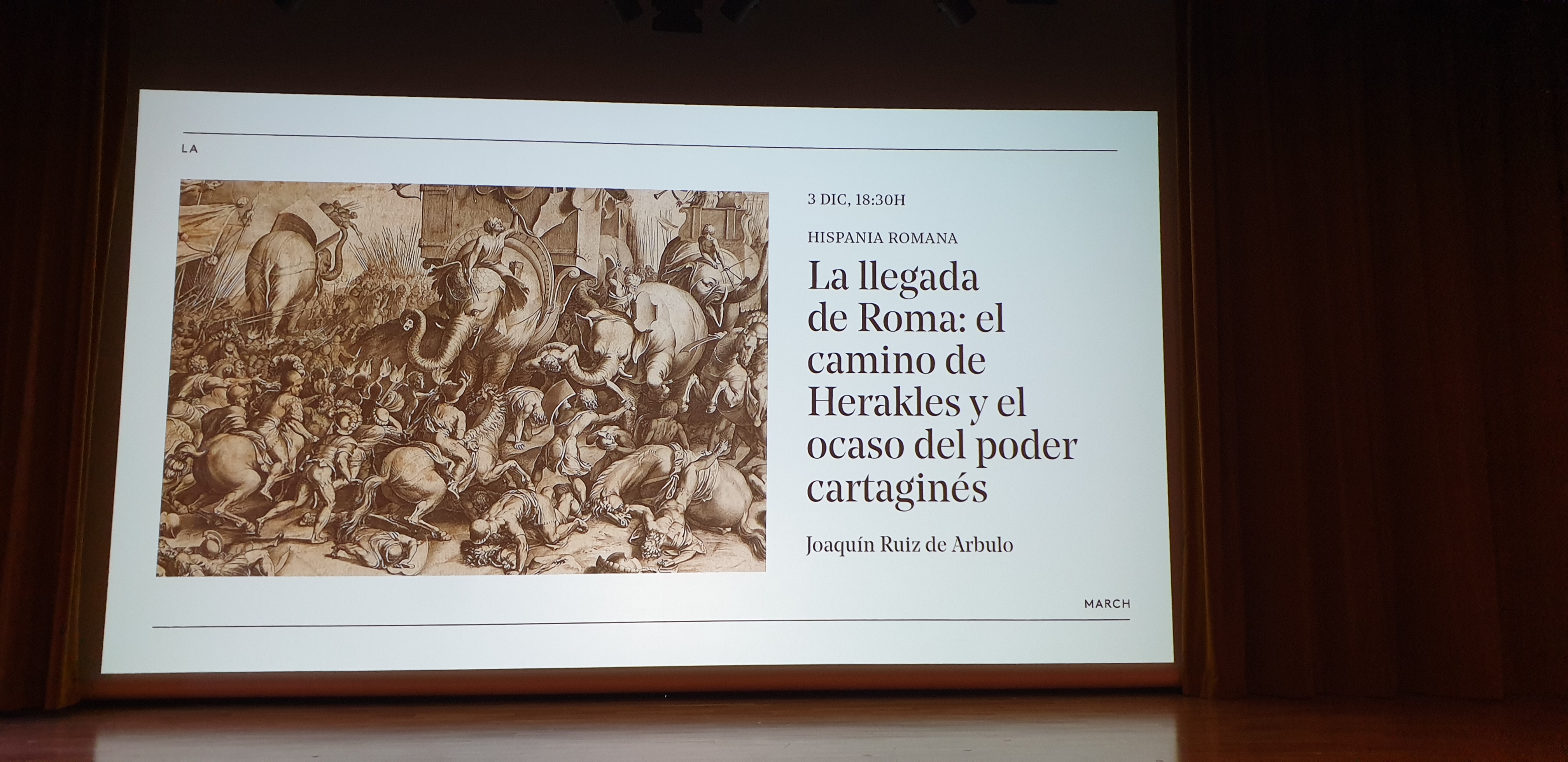
One such occasion was a couple of weeks ago when I had the opportunity to listen to a conference by Universitat Rovira i Virgili professor of Classical Archaeology Joaquín Ruiz de Arbulo at the Fundación Juan March. His conference La llegada de Roma: el camino de Herakles y el ocaso del poder cartaginés about the arrival of Romans to the Spanish península was fantastic.

Ruiz de Arbulo explained that by the time the Romans arrived in Spain, there were already Celts, Phoenicians, Carthaginians, Greeks and Massaliotes, which was a Greek tribe from modern day Marseille. Despite being a leading academic in his field, Ruiz de Arbulo spoke clearly and simply, listening to him was mesmerizing. He had a great Power Point explaining how tuna fished in Cadiz was dried and sold in Egypt, and how stuff from the Eastern Mediterranean ended up on Spanish shores long before the Romans even got here, how traders and sailors had a temple in Rome, etc.

In conclusion: I do think about the Roman Empire a fair bit. How about you? Let me know in the comments -and no, I am not going to try to bring back that old internet meme, although it might make my blog a bit more popular!

A night at the theatre: Luces de Bohemia

One of my favorite plays, although I came to it rather late in life, is Ramón del Valle-Inclán’s Luces de Bohemia. (I wrote a short review of it here, although I found an error in my review: the concept of Esperpento defines chaotic Spain, not the world, as I wrote in my review).

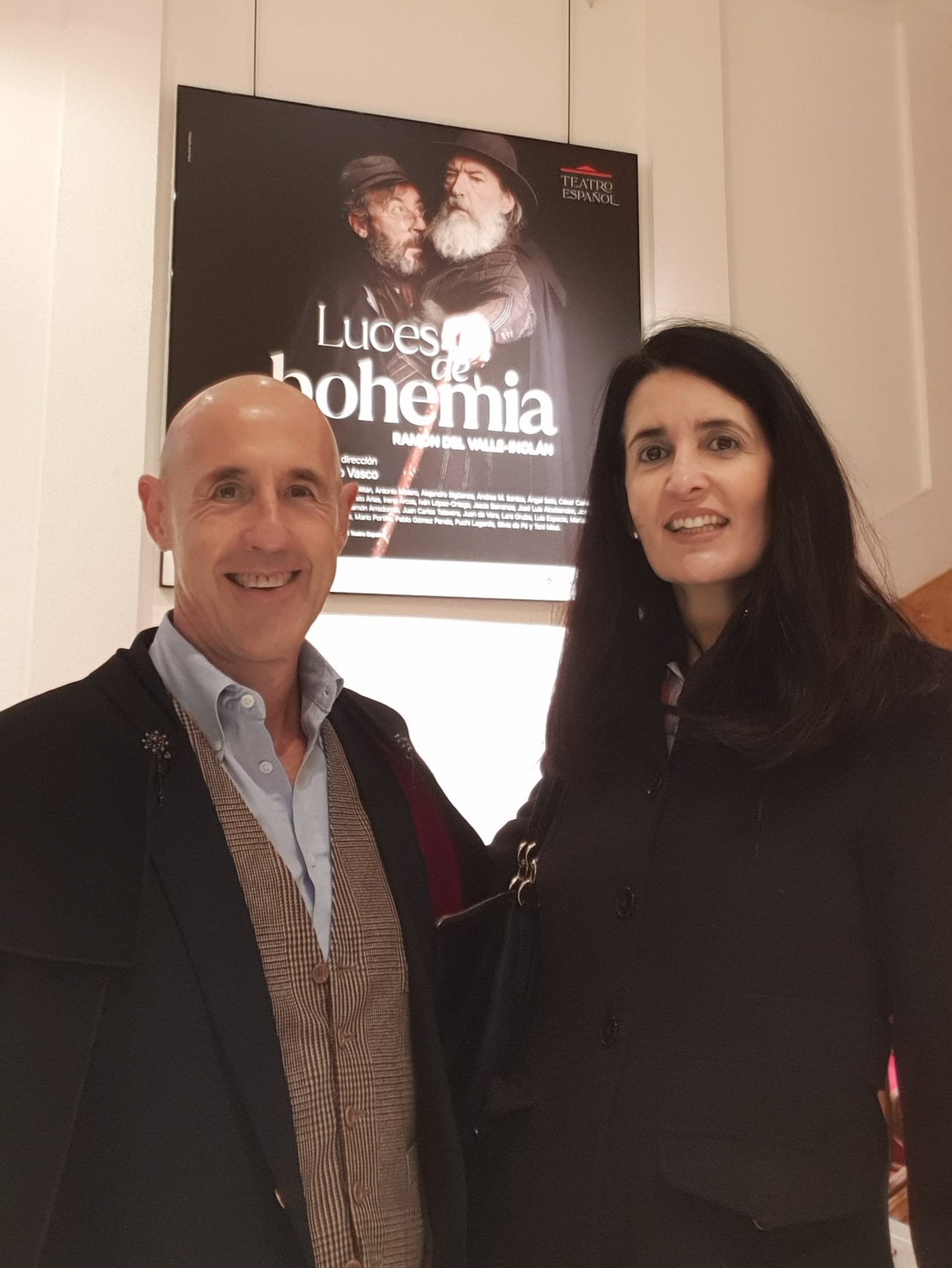
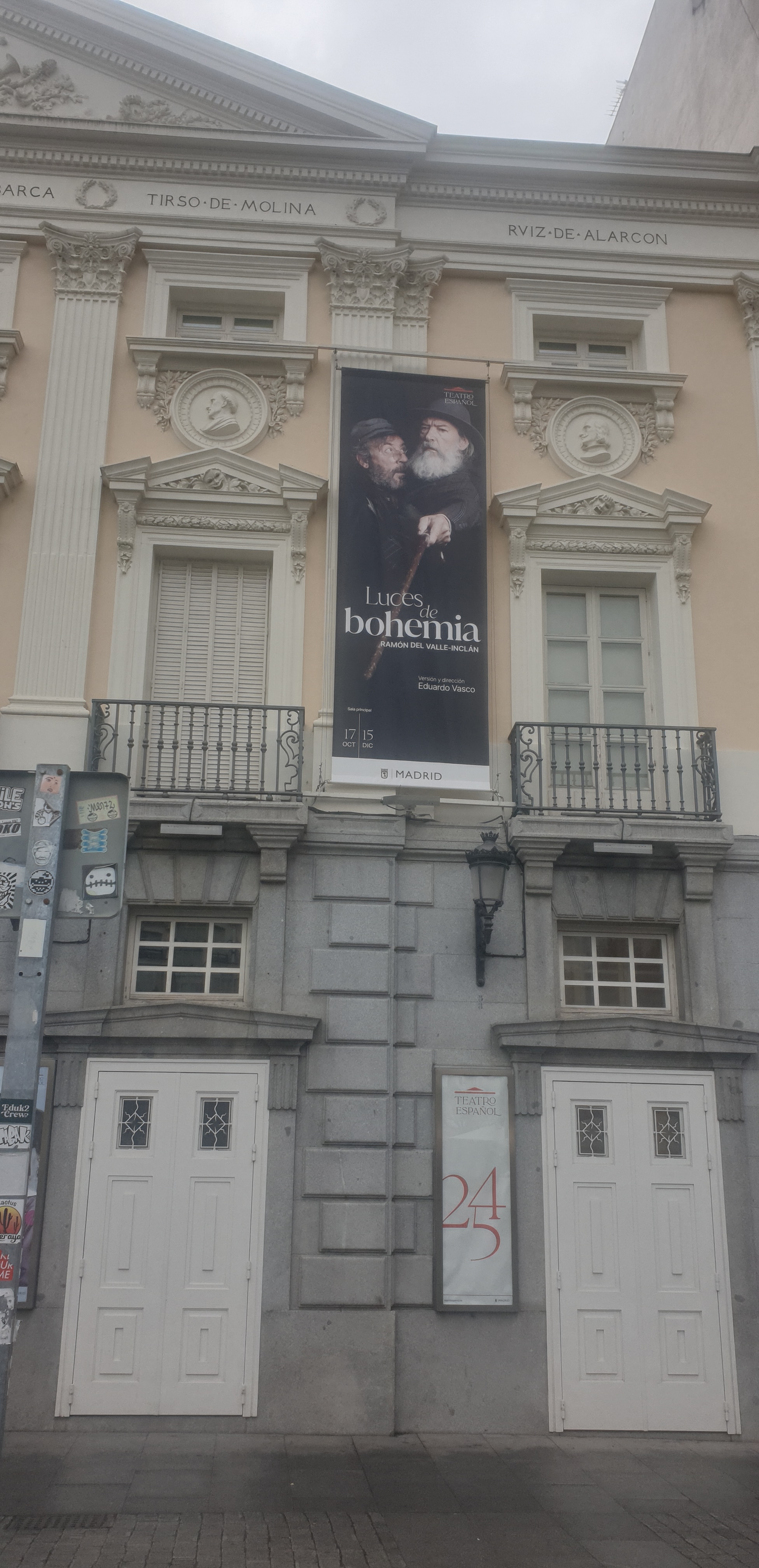
At any rate when I saw it was showing at the oldest working theatre in the world, the Teatro Español in Madrid (you can read about it here), I immediately bought tickets for Celia and I.

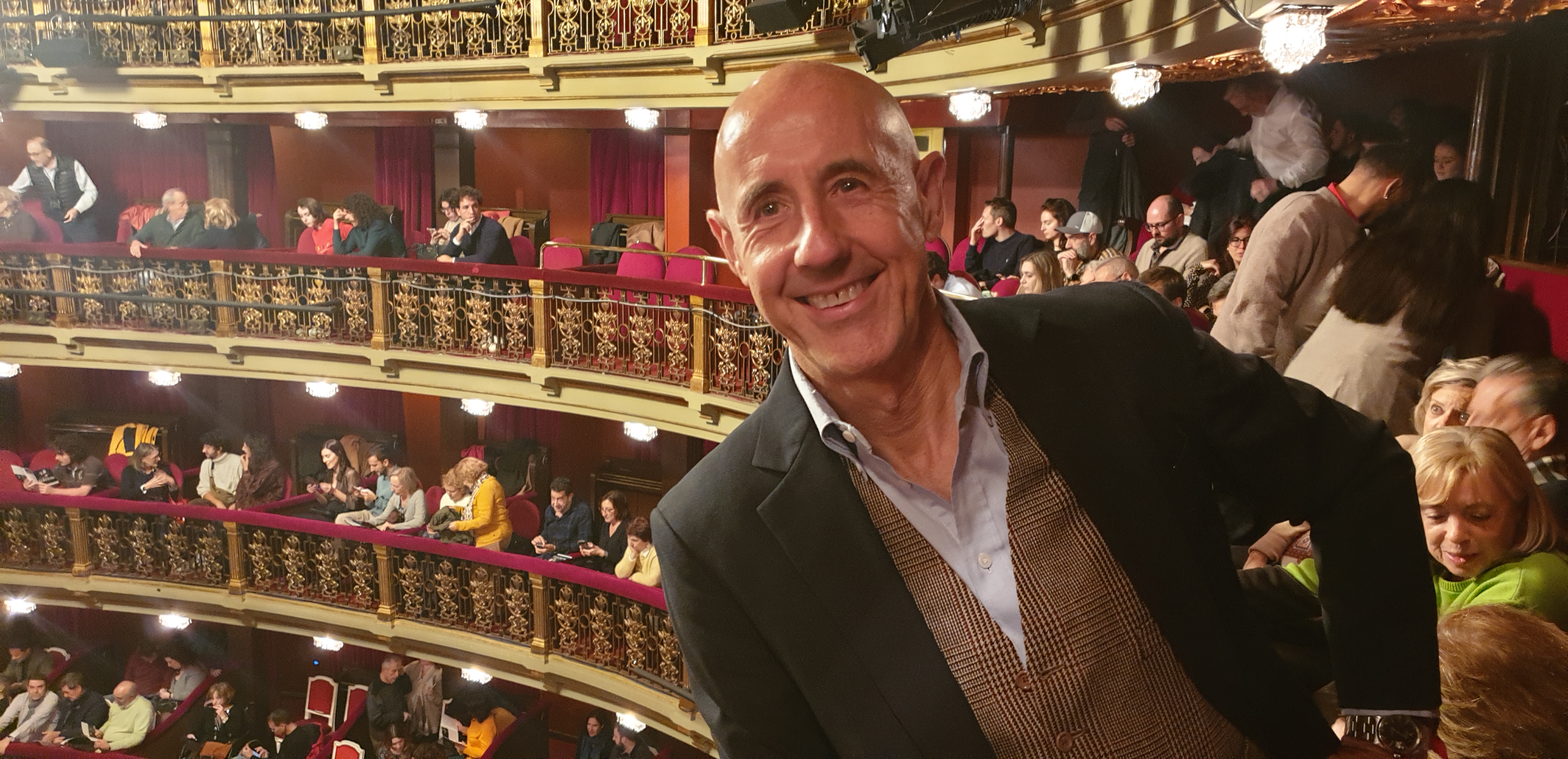
The play was wonderful, the lead, Max Estrella was exquisitely performed by Ginés García Millán. The stage was well set, minimalist obviously, but with good taste and enough elements to add texture and depth. It even had a live band, something rare in Spanish theatre in general. The play, although tragic, perfectly describes today’s Spain despite it being written a hundred years ago.

If you have never been to the Teatro Español, it is in a little square, right smack in the middle of downtown Madrid. A Saturday night in Christmas time, with all the tourists, domestic and international, it was literally unwalkable, everybody with their cameras taking photos of the Christmas lights… If you are thinking of coming to Madrid this Christmas, don’t, unless you get tickets to see Luces de Bohemia.

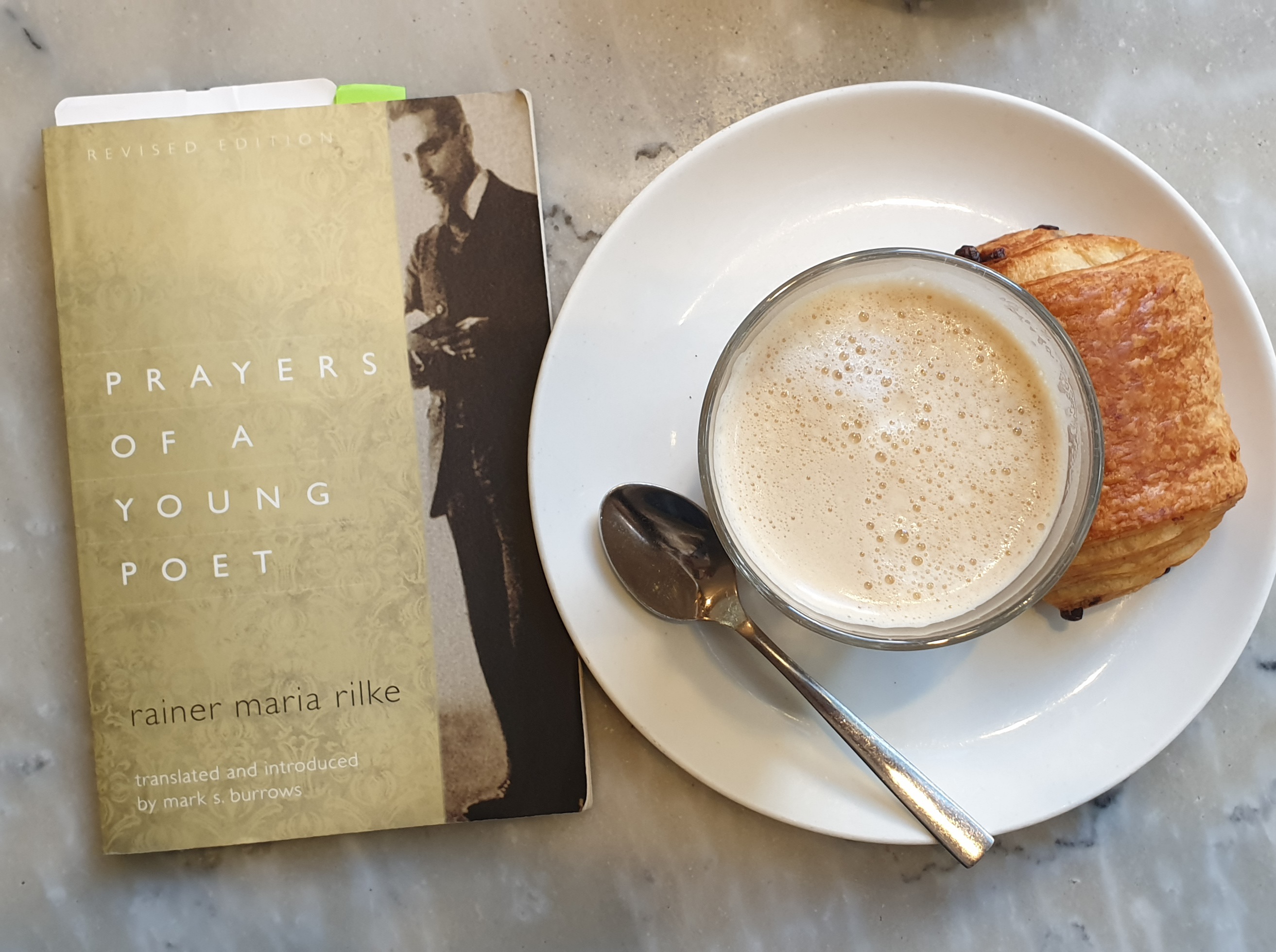
The monk in Rainer Maria Rilke’s Prayer of a Young Poet and Alyosha Karamazov; the same person?

One of the best things about having your own blog is that you can write whatever you want. Even if it is pseudo academic, or as one of my students says: Dr. B’s conspiracy theories. No double-blind peer reviews, no scientific method, no academic prestige to worry about, just my unadulterated thoughts, a hunch. So enjoy:

Why am I fascinated by the turn of the (20th) Century Central and Eastern Europe? I have written about it a couple of times (here and here).

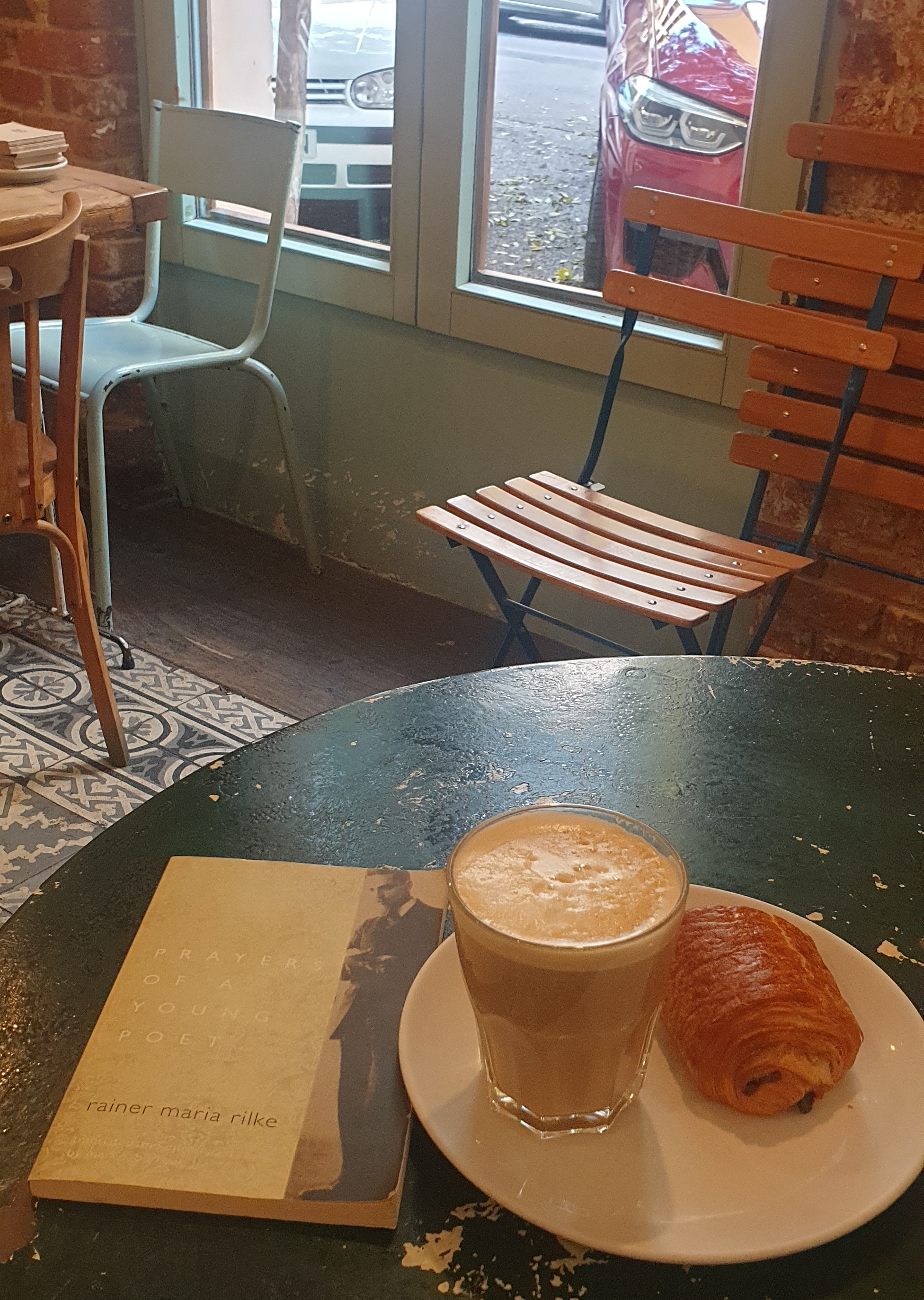
I just finished Rainer Maria Rilke’s Prayers of a Young Poet, and it blew me away!

Rilke authors this 68-poem collection in the voice of a nameless Russian Orthodox monk. The spirituality is palpable. Each poem has a brief footnote denoting where and/or when it was written: “2nd of October, beneath soft evening clouds”, “On the 5th of October, written down in the exhaustion of evening, having returned home after having been out among the people.”

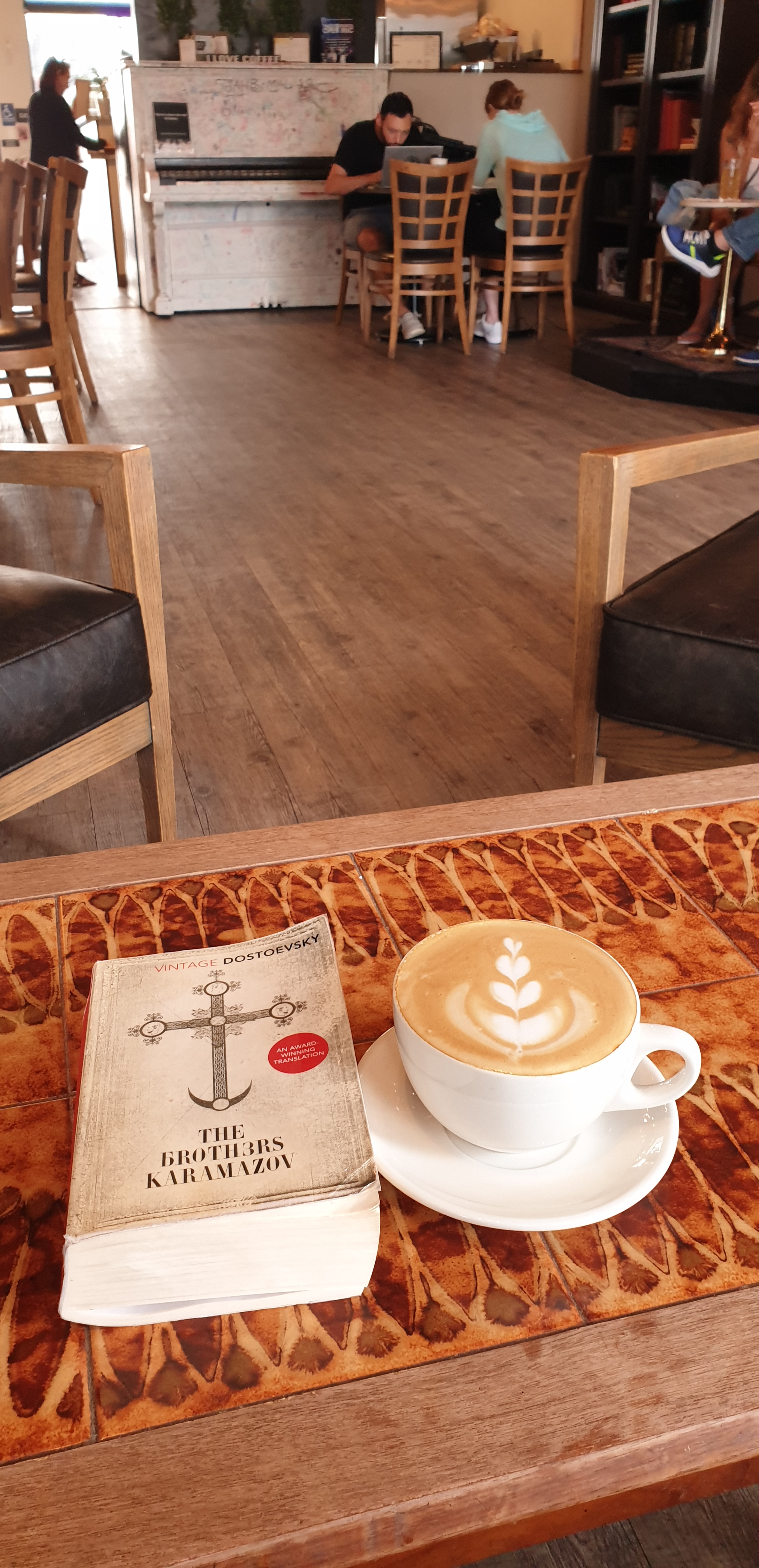
Perhaps due to my ignorance and lack of reading, I kept thinking of Alyosha Karamazov from Dostoyevsky’s novel.

What connects these poems and Alyosha Karamazov is a simple innocence, a pure love of life and humanity in lines like:

“I want to love things in ways no one has yet done.”

or

“The hour bows down and stirs me

with a clear and ringing stroke;

my senses tremble. I feel that I can–

and seize the forming day.”

So, that is my hunch, my thesis. That there is an existential connection between the monk, the narrative author of Prayers of a Young Poet and Alyosha Karamazov, as if he had drafted those poems. But, you say, there are hundreds if not thousands of Russian Orthodox monks and many of them are in literature. My answer to your comment is the first line of this blog post. Also, I am a romantic, can’t you see? And this connection is just beautiful, and delicate, and awesome!

Rilke travelled to Russia and was entranced by their culture, art, and most importantly their rich religious tradition. He also could have read Dostoyevsky’s masterpiece published in 1880, 19 years before the original publication of Prayers in 1899.

Yes, I could go on and on and get all academic, but this is a general interest blog, so there you have it. If you do want me to elaborate on my thoughts, let me know in the comments!!

On parties, galas in particular.

In the world of parties, fundraising galas have a special place, and I love them.

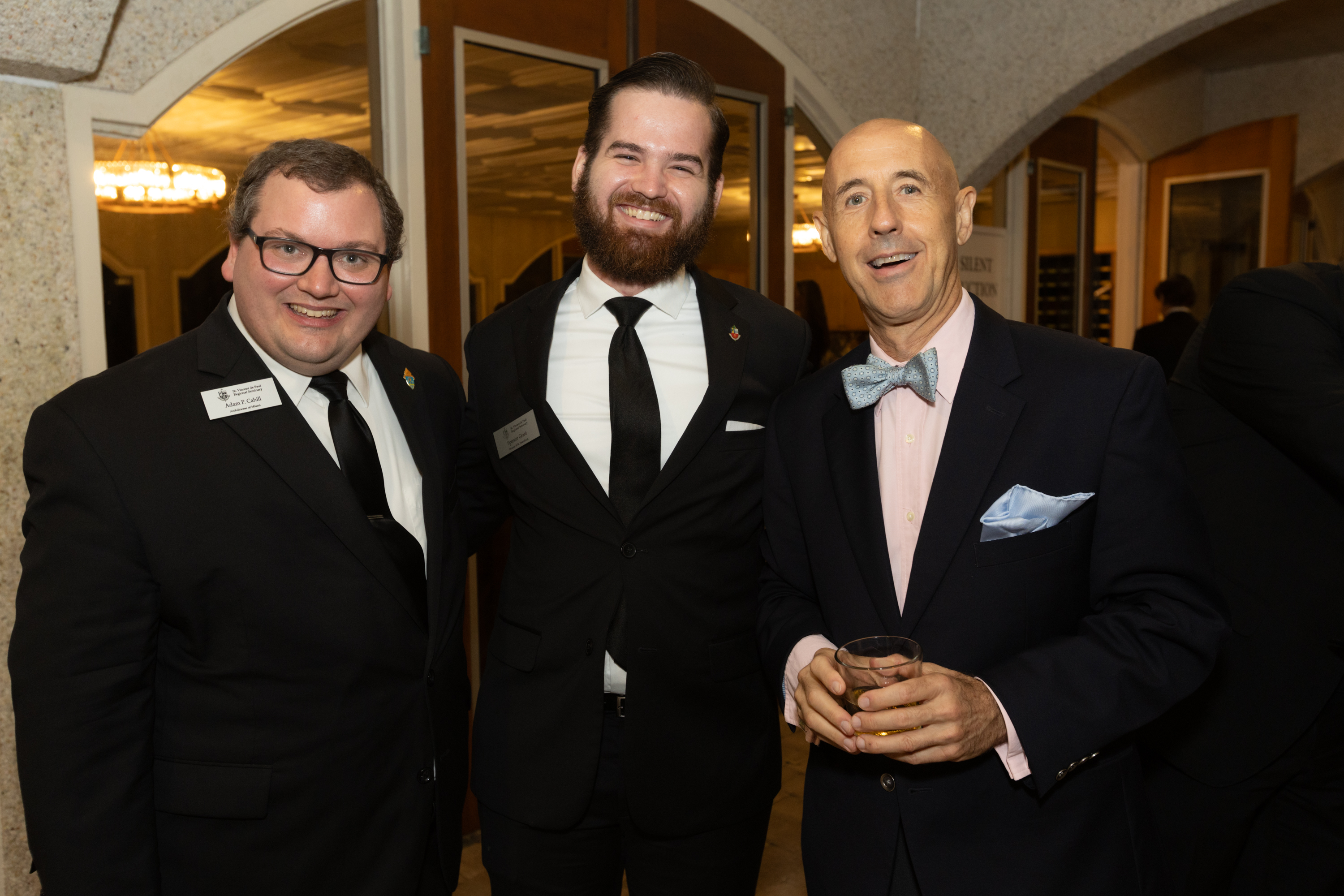
When I volunteered at the Ronald McDonald House of Chapel Hill, I worked at the gala, but at St. Vincent de Paul I have had the privilege of being an invitee!

So what makes a fundraising gala different? Consider the purpose: to raise money for your institution. That is going to make your guest list interesting i.e.: rich. Second, you are going to have other events within the party: an auction, a silent auction, and of course, the basic building block of parties: food, drink, music, possibly dancing; in our case a wonderful mass with ten bishops!

What I love the most about these parties is the socializing, the connections, the conversations, the banter, the joking, the good, positive vibe.

One of my few friends in the suburban wasteland that is South Florida I met at our gala five years ago and we are super friends! Plus a few acquaintances, and people that you only meet that one time, but have a nice conversation with.

It is a privilege for me to attend these galas and I love going and meeting people and chatting with different folks. The fact that the event is run by our students, and I get to chit chat and joke with them makes it even more fun!

A weekend celebration of friendship and love

In the early 90s I was working at a boutique investment bank in Madrid, when a new intern straight out of college came in from Atlanta. I was only a few years out of college and had just returned to Madrid a few months before. Quill and I hit it off grandly! We went out, partied, I taught him to ski (remember, he was from Atlanta) and to ride a motorcycle. We had a great time, and we became close friends.

Daniel was the Director of the Writing Studio at Walnut Hill; I admired his capacity for quick wit and deep thought. I once had him give us a master class on Neruda’s 20 Poemas de amor, I was flabbergasted by how he dissected Neruda’s work. We left Walnut Hill at about the same time. He teaches English at Emory in Atlanta.

Bob was my student at Walnut Hill. After graduation he went to the New England Conservatory where I would occasionally go to his recitals and concerts. He eventually landed a position with the Atlanta Symphony, and we sort of lost touch for a few years until Film Club reunited us.

Bill was also my student at Walnut Hill, he plays the viola. He checked in with me when he went to audition for the Naples Symphony. We had dinner and a cigar, and caught up. When he read my blog post about JoJo Rabbit, he was inspired to start Film Club with a few other misfits.

Bob got married this weekend, so I got on a plane to Atlanta and went to see all these dear, dear friends.

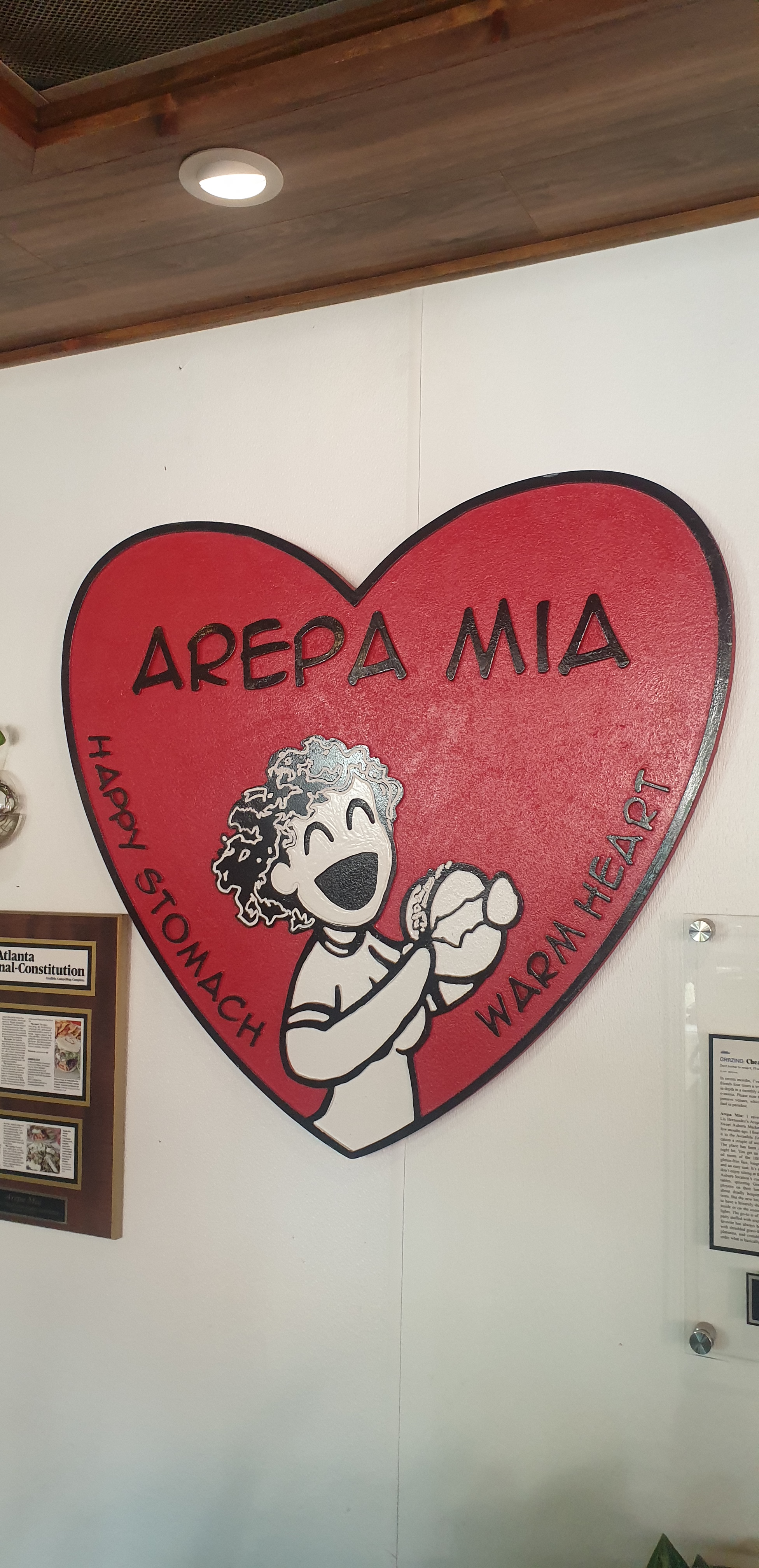
Quill took me to lunch to an amazing Venezuelan restaurant where I had the best arepa I have had in a long, long time. I last saw him when I rolled into Atlanta on my motorcycle looking at PhD programs in 2011. We caught up, chatted, and remembered old times.

Daniel met me for coffee at a great little coffee shop aptly called The Reading Room. We sat al fresco and caught up on our lives since leaving old Boston.

Bob was getting married, so he did not have a lot of time for chitchat, but we did have a few conversations. Also, I talk to him every month during our Film Club meetings!

Bill invites me to his concerts when his orchestra plays in Miami, plus he spent his Summer in Madrid, but I still loved seeing him and hanging out with him. And I also get to see him in Film Club!

The wedding was beautiful. Although I have been to a few weddings, you could really feel the love in this one. Yes, everything was perfect down to the last detail: The ceremony was intimate and included one of Bob’s best friend on the piano (so you know it was good), Alina’s dress was perfect for her, the cocktails were delicious, as was dinner, the dancing was on point, etc., etc. but all that means little compared to the joy of love being celebrated. I really enjoyed it!

My heart is still overflowing with the love and friendship I experienced this weekend.

Football, fútbol, soccer brings the world together

In this polarized world, something brings people together on a global level: Football, fútbol, soccer.

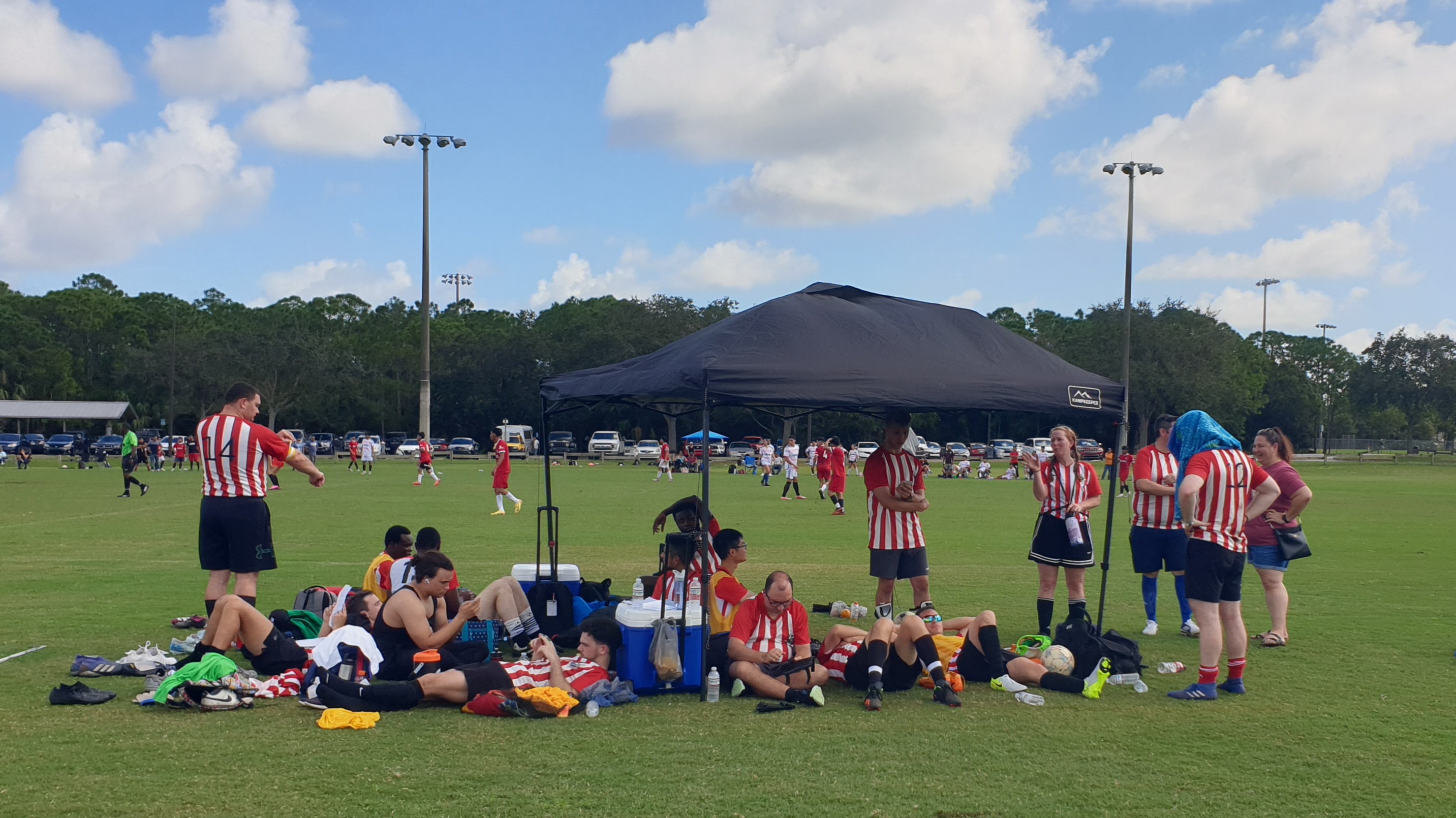
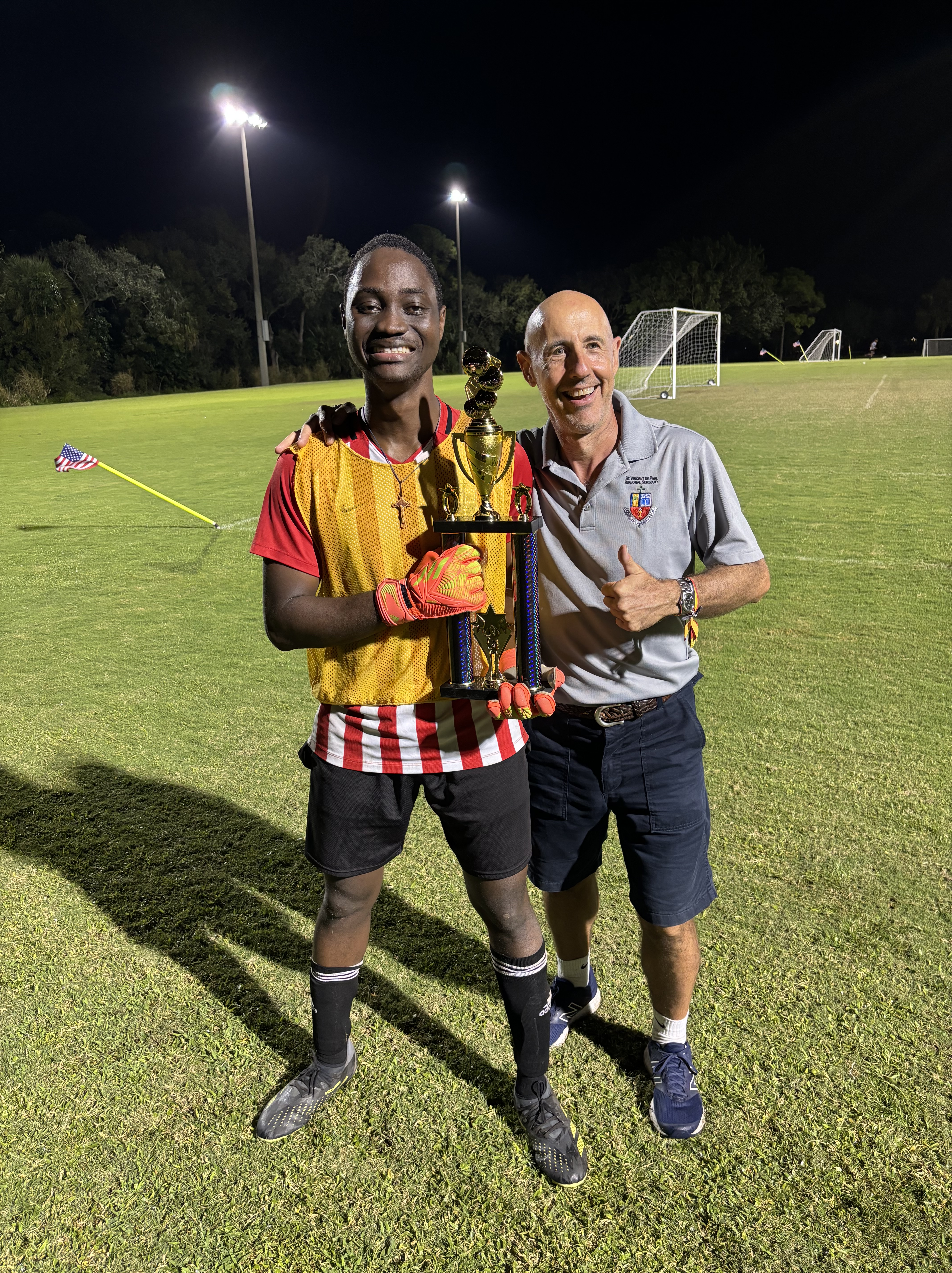
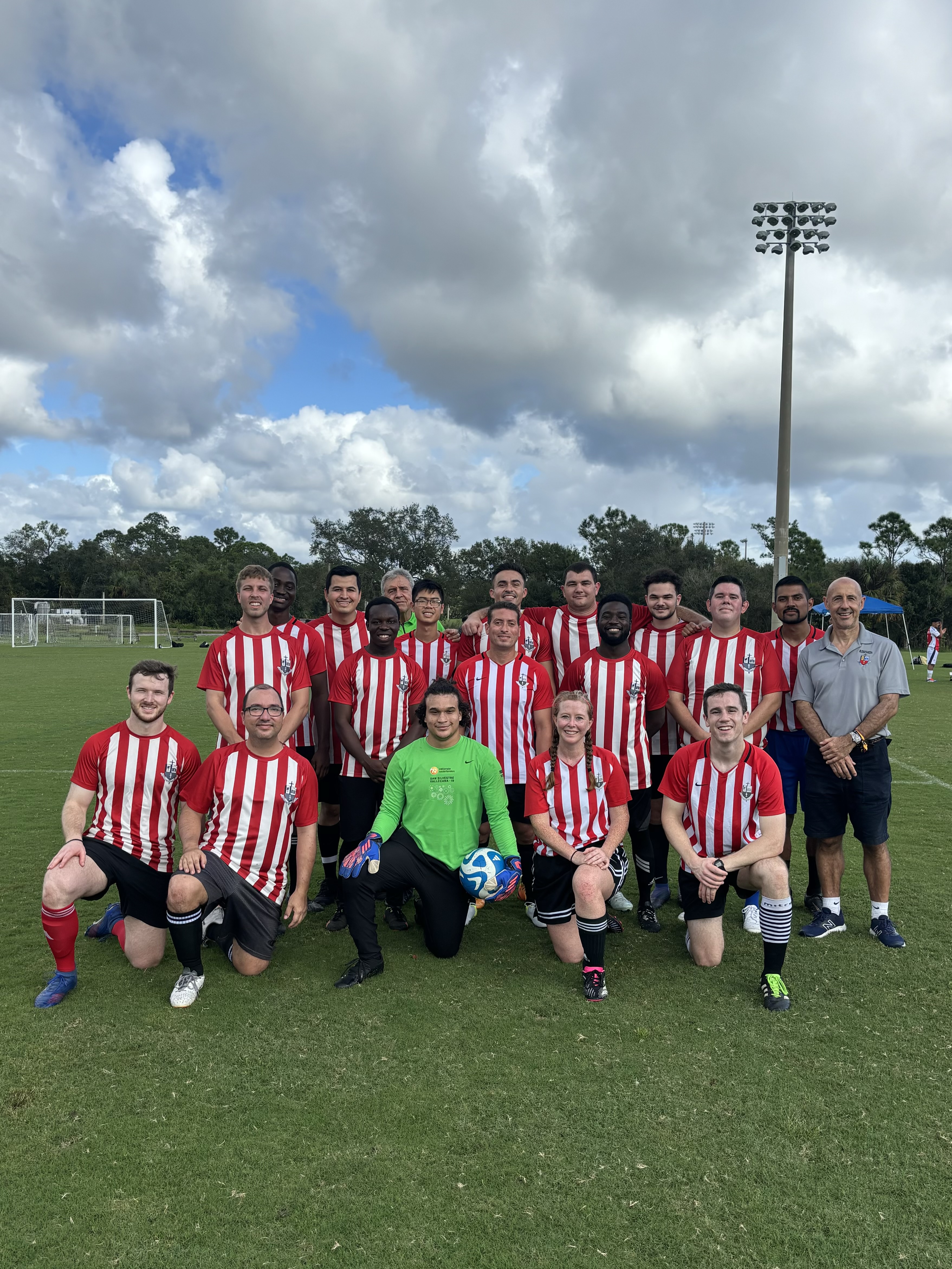
At a recent soccer tournament, I overheard a couple of our men chatting (in Spanish) with players from another team, explaining the seminary to them. The men, with a nervous, embarrassed laugh, explained they were “ilegales.” Our men took it in stride and continued the good-hearted banter. That conversation made it worthwhile for me to get up at five fifteen on a Saturday morning for a soccer tournament, the trophy we won, as they say, was gravy on top.

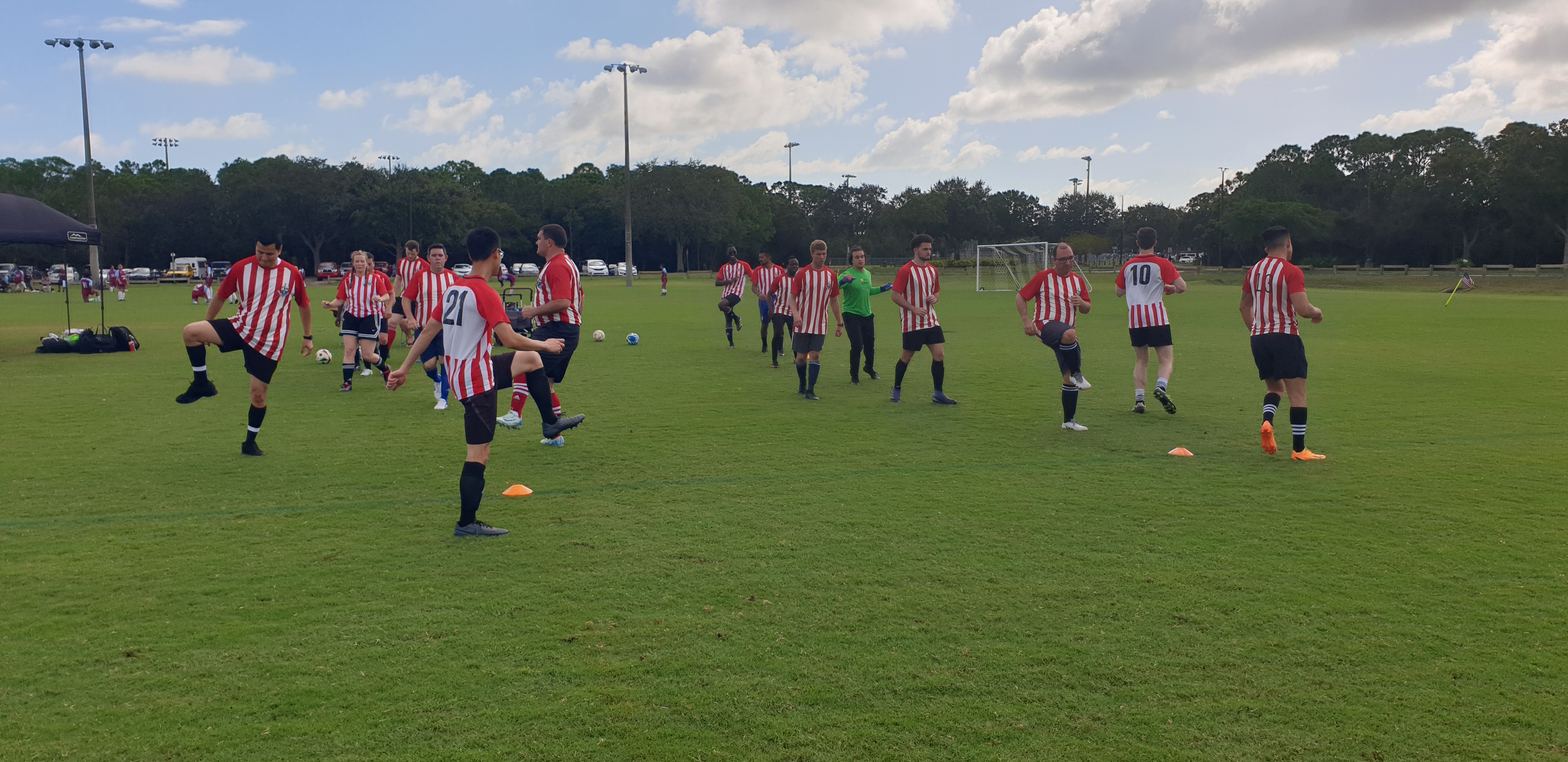
Every cloud has a silver lining. Every Fall, our soccer team usually plays our Miami counterpart (read about that here). With a new term calendar in our school, that game was cancelled. So, the students found the Diocese of Palm Beach Young Adult Soccer Tournament. We signed up.

The tournament involved 12 teams from the Palm Beach area.

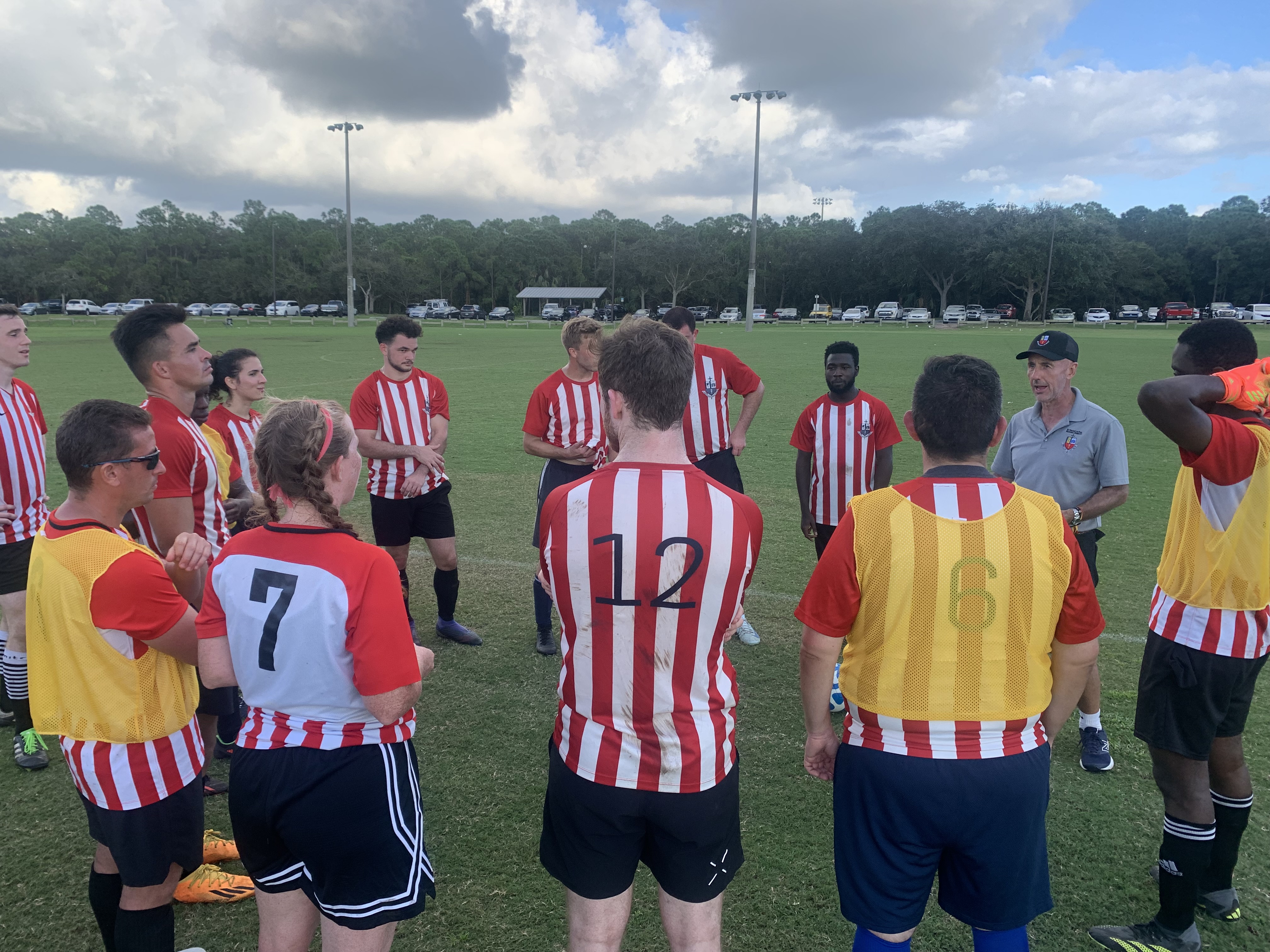
Early Saturday morning, after weeks of training, we drove to Halpatiokee Park in Stuart. The day started with a wonderful outdoor Mass. Five games followed. We won all our succeeding games 3-2 then 2-1. As our opponents got harder, our wins became narrower. The quarterfinal was 1-0, and the semifinal 0-0, which we then lost on a nail-biting 9 shot penalty shootout.

With all these games, our starting-and only-goalie got a massive leg cramp. We had to pull him out of the game. Gilbert, one of our players-not a goalie-selflessly volunteered to go under the arches, and what a job he did, stopping critical shots.

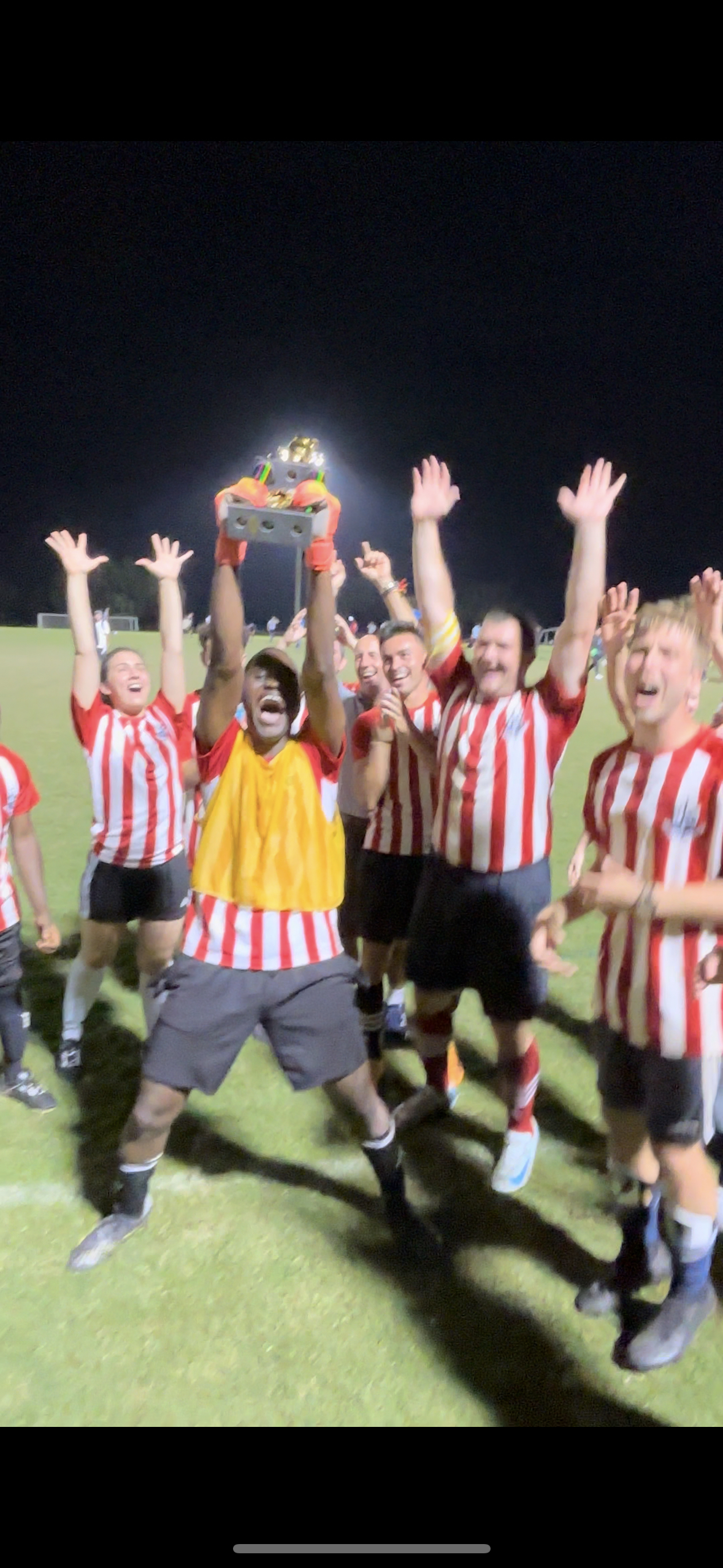
It was now time to decide the third and fourth place teams, and who would take home a trophy. By now it was well past 6, so the captains decided to change the game to another penalty shootout. We scored on the last goal, and Gilbert made sure to stop the last shot, making him the hero of the tournament!

After an extraordinarily long day and five games, that third place trophy tasted like victory, we were elated. What a marvelous celebration of community, and the common ground football brings us to.

The social media video. Credit: Thomas Hammen

Teaching outside the classroom (Part 2)

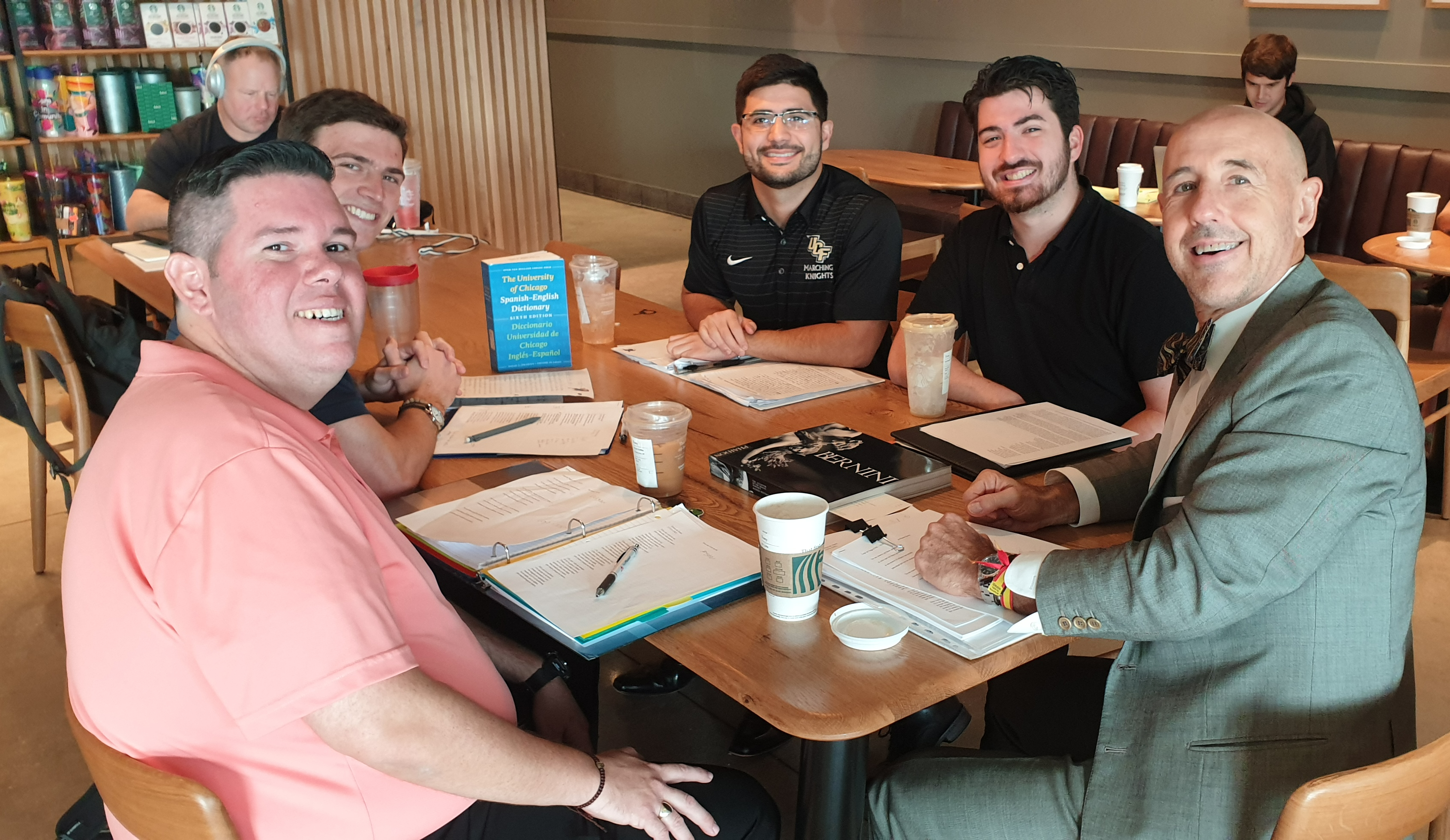
Discussing mystical literature in Starbucks!

The first part of Teaching outside the classroom was about coaching soccer, about teaching values, and teamwork, and all those “soft” skills which the classroom is not the ideal venue for. (You can read about it here)

Basically a classroom is just a room, four walls, nowadays likely packed with technology, in which your students and you meet. It is easy, you build a building, make lots of these rooms and you have a school! But we now know that these places are not the best, and not the most conducive to learning. So whenever we can, we get out of there!

Sometimes we just step outside to the garden or the dining room, steps away from the classroom. But if the course has few students and the content for the day’s class is propitious, we go to our local coffee shop (which unfortunately in our case is a Starbucks, but hey even that is better than the sterile walls of a classroom).

Outside the classroom the students seem to think “better,” more fluidly, they engage differently with the subject. I do not have the science to prove it, but those classes seem more enriching for the students.

We recently had a lesson on the great mystic Santa Teresa de Jesús and her poetry. This lesson, with only four students in the class (Advanced Spanish Language and Culture) was worth taking to the coffee shop. It worked out great, so much so that a week later I took my other section!

So if you have a small class and can do it, get out of the classroom! You are welcome.