Who was the first American (US) saint?

Don’t worry, I had no clue either. It was Mother Cabrini, who was Italian, but aren’t most Americans immigrants? (When was the last time you saw a native North American?)

At any rate, they made a movie about her -about time, for she was an amazing woman! The main problem with “Catholic” films is that they tend to be chronically underfunded, and it shows. Unless you are Mel Gibson and have access to Hollywood money, your production is going to be underfunded. See for example last year’s Santiago: the Journey within.

We can serve our weakness or we can serve out purpose, not both.

Cabrini

But Cabrini is not about production budgets, it is about the message of this tenacious, gritty, woman, who worked and worked and worked to help (initially) poor Italian immigrant orphans, but built a massive worldwide organization of schools, hospitals, and all sorts of charity work.

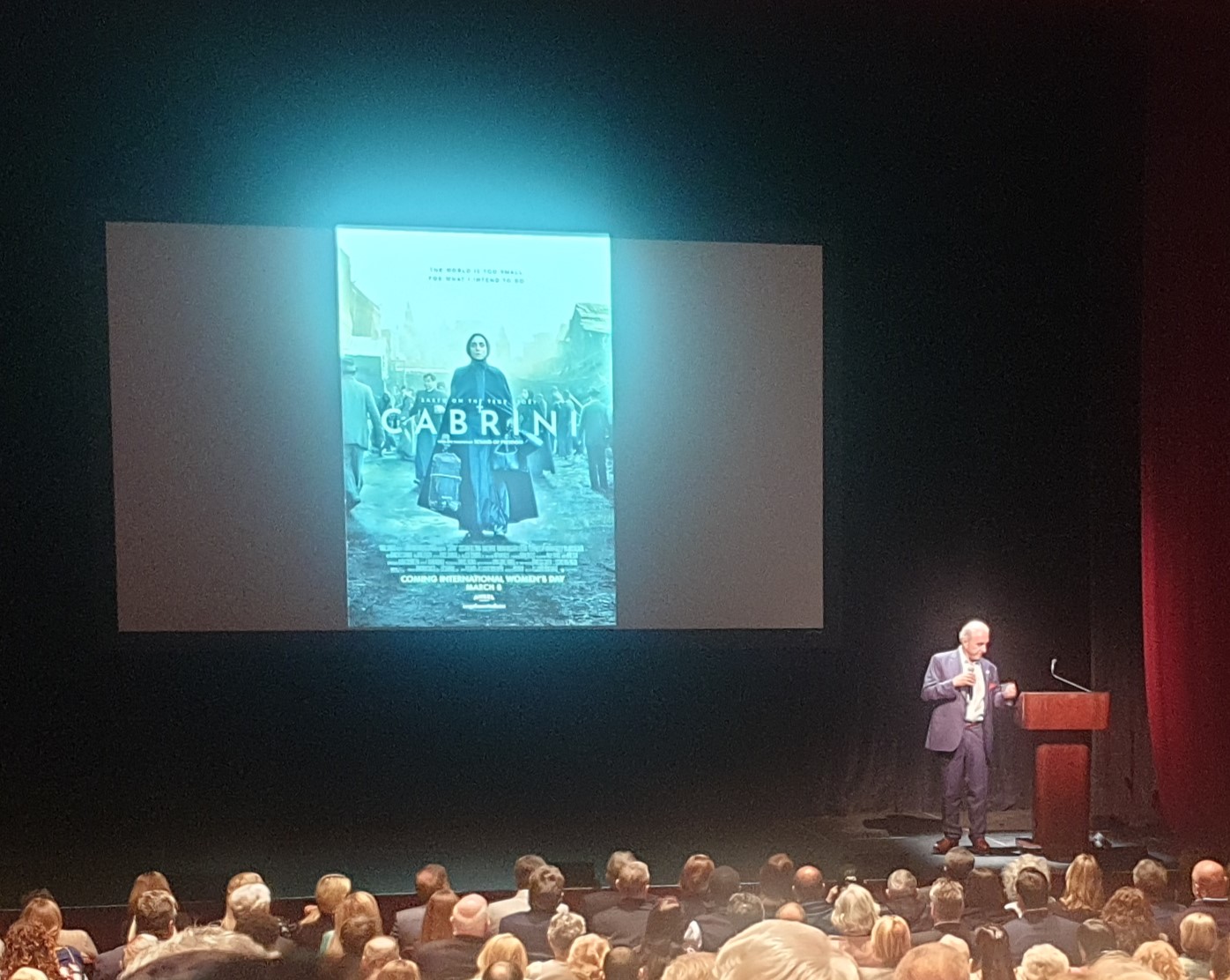
Apparently, one of the financiers of the film, Eustace Wolfington, is a Palm Beach resident, so they invited me to a prescreening at the beautiful Kravis Center, followed by a Q&A by the director Alejandro Monteverde, cinematographer Gorka Gómez Andreu and the phenomenal actor that plays Cabrini, Cristiana Dell’Anna.

The world is too small for what I am going to do

Cabrini

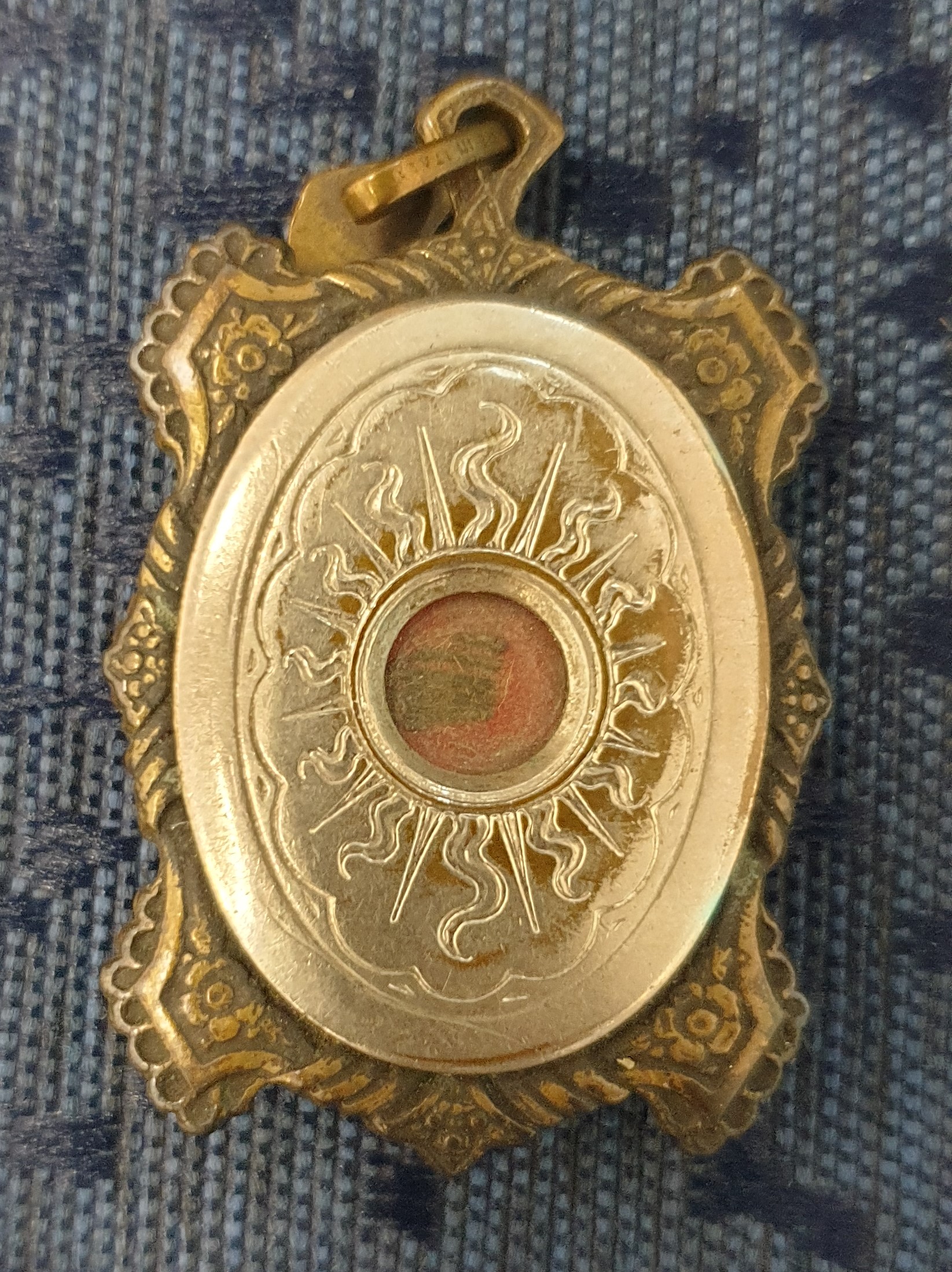
The next day, as I was making my daily coffee at the espresso machine, I was telling one of my students who happens to be of Italian heritage from New York, about the film. He knew about the patron saint of immigrants and told me that he would, in the future, love to have a relic of Cabrini… Later in the day, I was telling a colleague about the film. She opened her desk drawer and there, surrounded by paper clips, toothpaste, and assorted office material was, voilà … a relic of Saint Cabrini. I hear she has since given it to the student.

At any rate, the film is coming out March 8th, so book it to a theatre near you. Do not be a stickler for the production and just focus on the message. You are welcome.

We are bold, or we die.

Cabrini

Historia mágica del Camino de Santiago by Fernando Sánchez Dragó; lesser known myths of the Way of St. James.

Yes, I might be mildly obsessed with the Camino de Santiago, the way of St. James, as you can see from all the posts on the Camino in this blog (go to the search feature and type Camino, I do not like to categorize the blog).

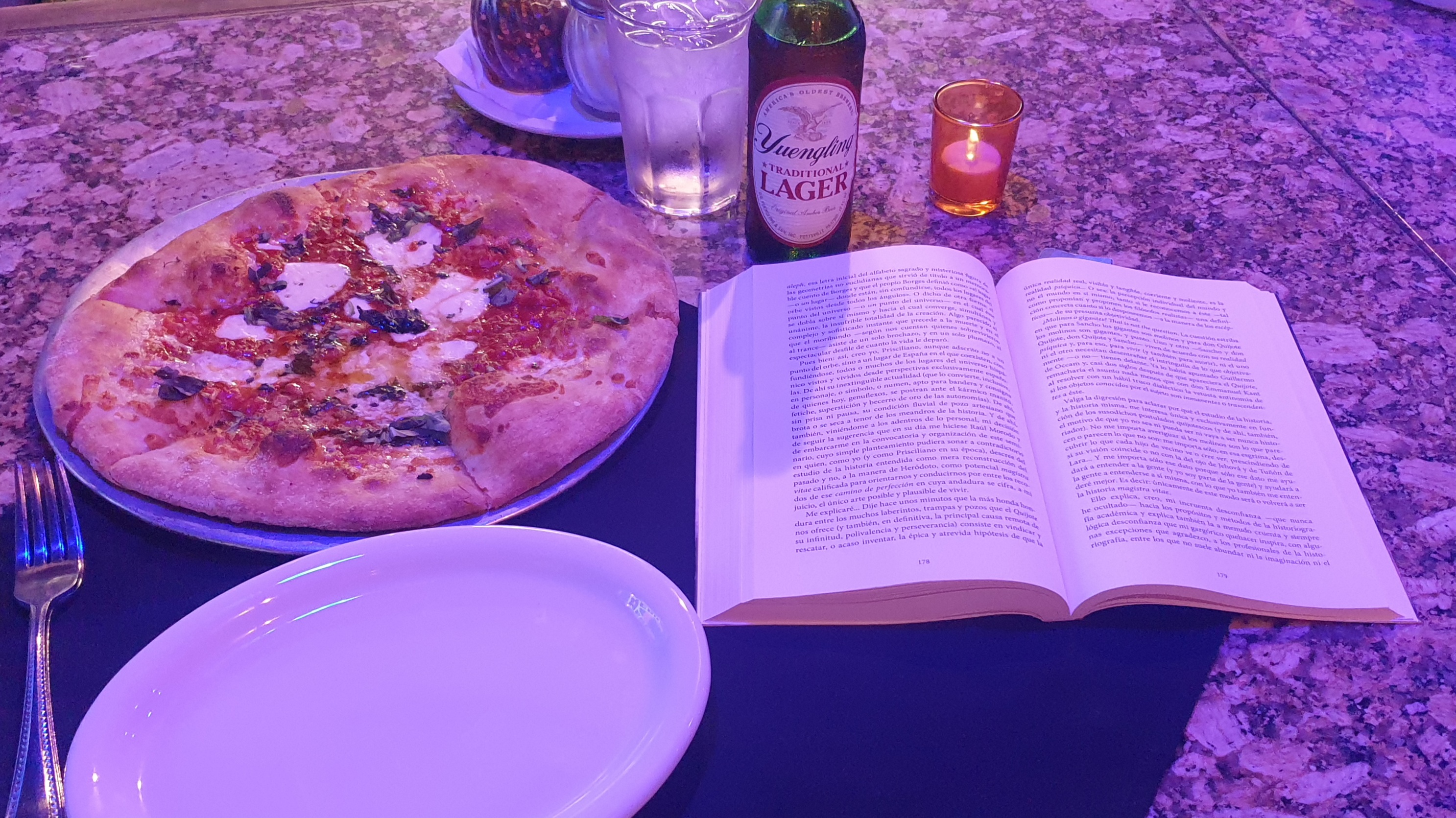
My sister, who knows me well, gave me the perfect Christmas present, a book: Historia mágica del Camino de Santiago by Fernando Sánchez Dragó.

Sánchez Dragó was a huge celebrity in Spain. For years he was a book reviewer on TV, so he was very famous. He was also a writer, winning, in 1992, the Planeta award, which is the top book award in Spain for La prueba del laberinto. “Sánchez Dragó died on 10 April 2023, at age 86, after suffering a heart attack at his residence in Castilfrío de la Sierra.” (Wikipedia)

But I had never read any of his work. My mind was blown.

The book is a psychedelic baroque explosion, dealing with all the “conspiracy theories” of the Camino. The Celtic origins of the Camino, druids, Romans, Egyptian gods, Freemasons, Solomon’s Temple, early church history, the Cluny monks, architecture, Crusaders, the walking stick used by early pilgrims, the meaning of the seashell, etc., etc.

The main argument of the book revolves around Priscillian, (in Latin: Priscillianus; Gallaecia, c. 340 – Augusta Treverorum, Gallia Belgica, c. 385, Wikipedia) Bishop of Avila who in 380 was the first heretic executed by the Church. Is he the one buried in Santiago de Compostela, and not St. James?

Of course, this is no way changes the Camino, you can think what you want about it, and, in fact all sorts of folks with all sorts of beliefs walk the Camino. This book is just a revelation as far as the history of the Camino, it brings together the early history of the region of Galicia and how the Camino came about. Like most things, the story is much more complex and nuanced than what meets the eye…

Build your community. One step at a time.

The US seems obsessed with the concept of community, but with a few exceptions, it is a country notably devoid of community. Technology, i.e., smartphones and social media have killed whatever remnants of community the car and consumer centric society had not killed. It is up to us to build community, and it is a slow process that requires time and patience.

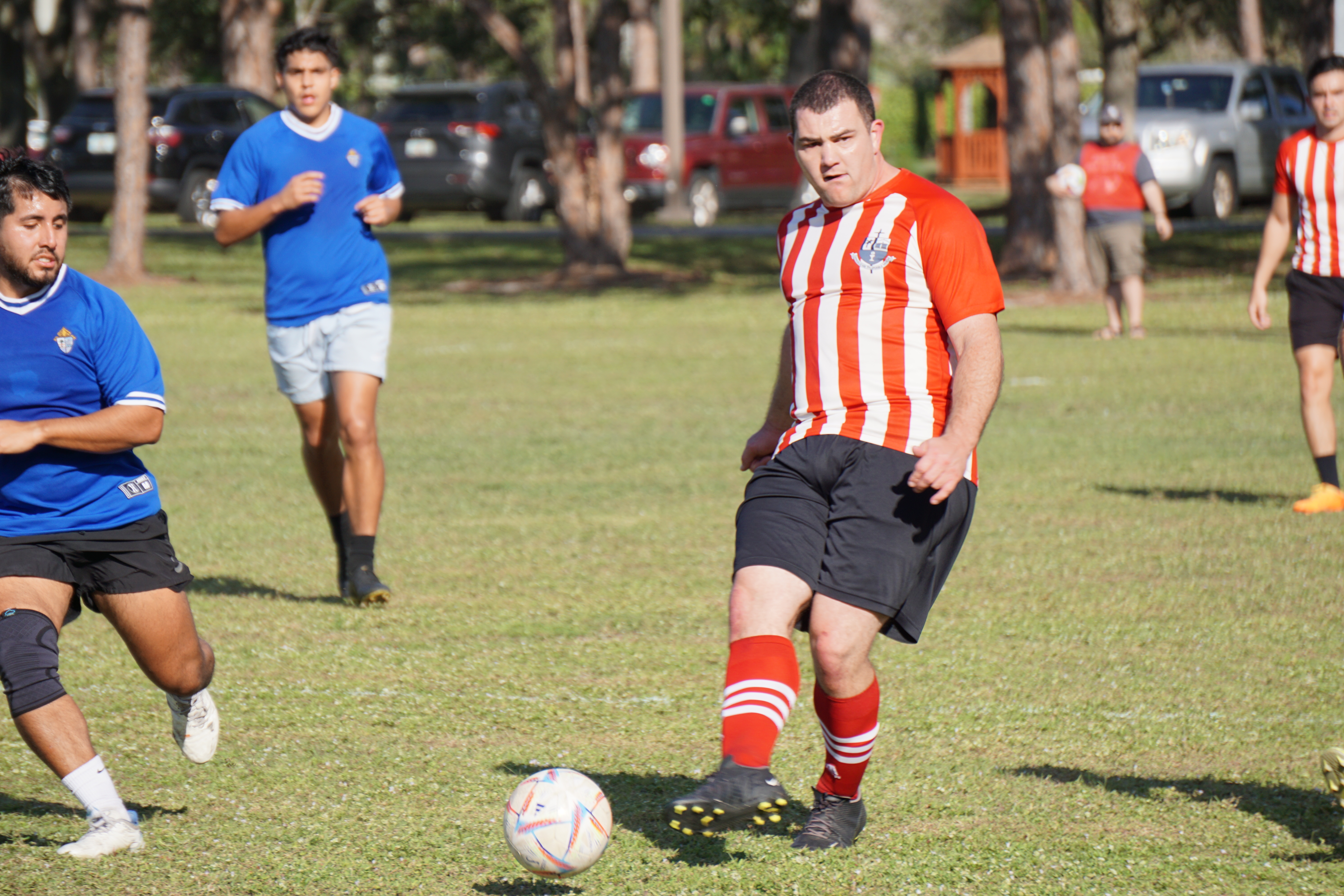
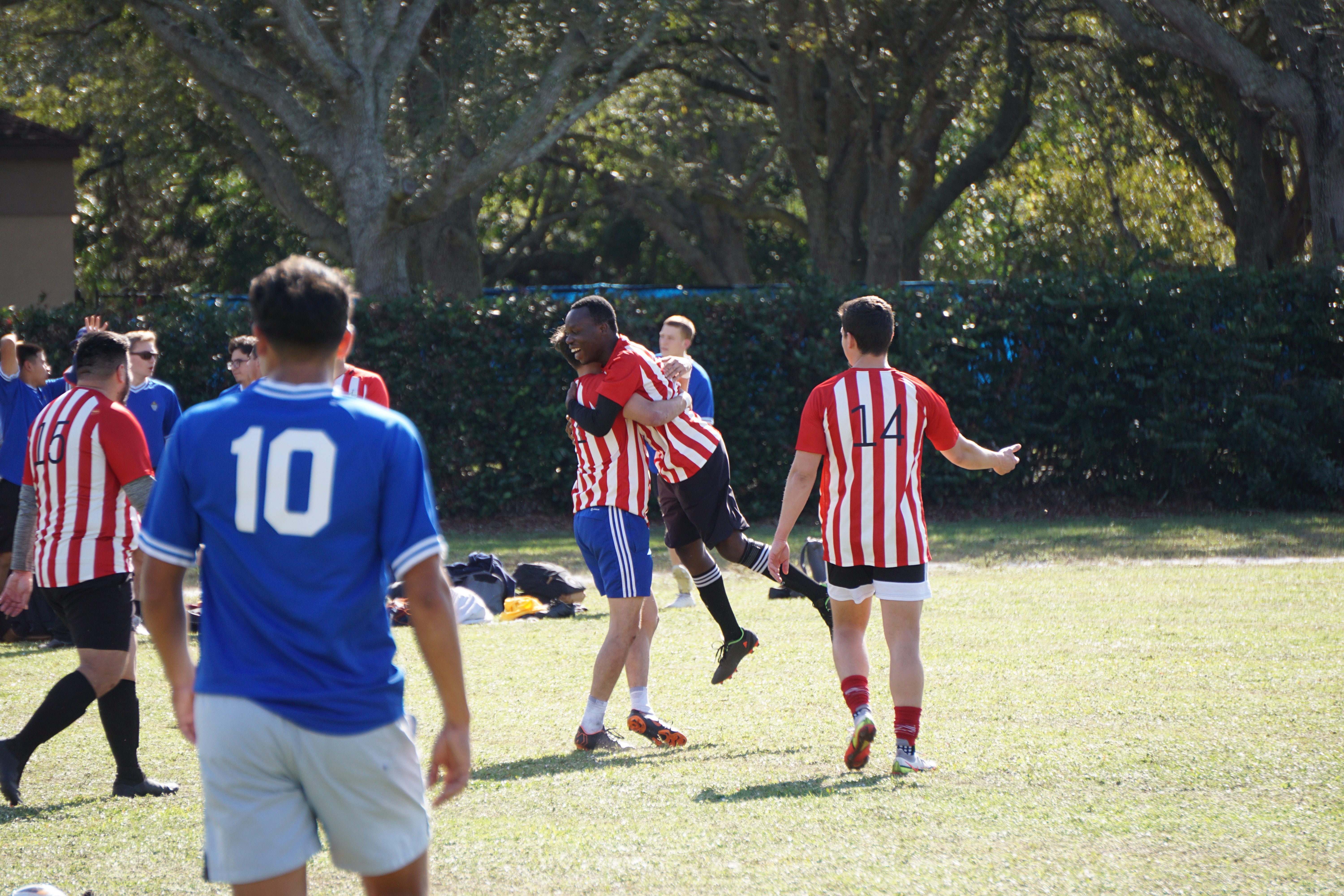
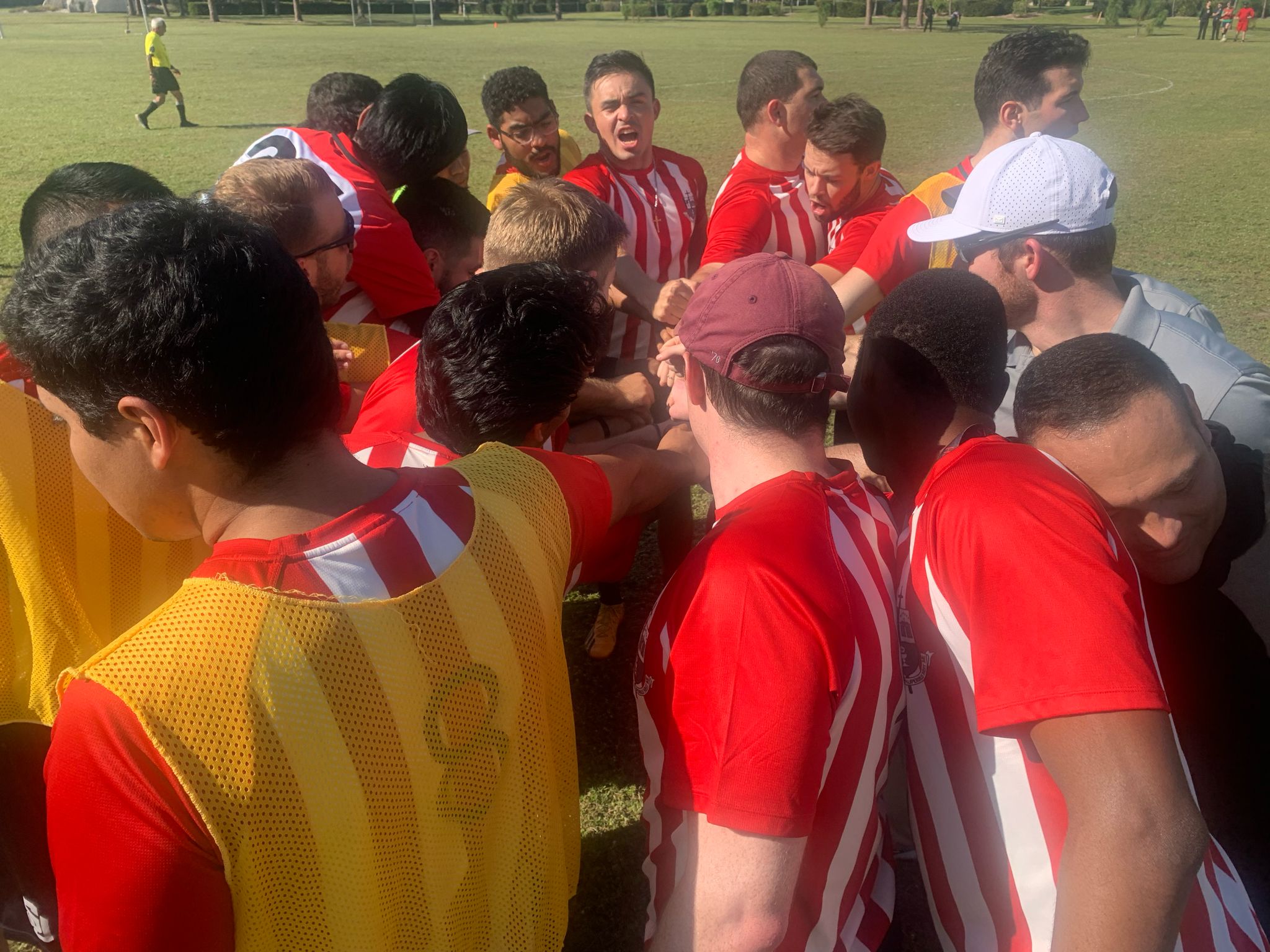
Community building is something I am rather keen on. Something I love to do. The first few minutes of our soccer team practice are always devoted to team building -sometimes with the most basic of games: name games; the other day I was shocked to learn that a new player did not know the names of all his teammates. Then we play team-building games, getting the players to know and trust each other. The result? We play better, so we won 4-1 against our Miami rivals.

Of course, there is much more to it than teambuilding, there are skills, and strategy, psychology, and game day decisions. But the key is to start with the basics, a community.

So, do not complain about the lack of community, build it. At every opportunity you get.

Fundación Masaveu, a great little (free) place to discover in Madrid

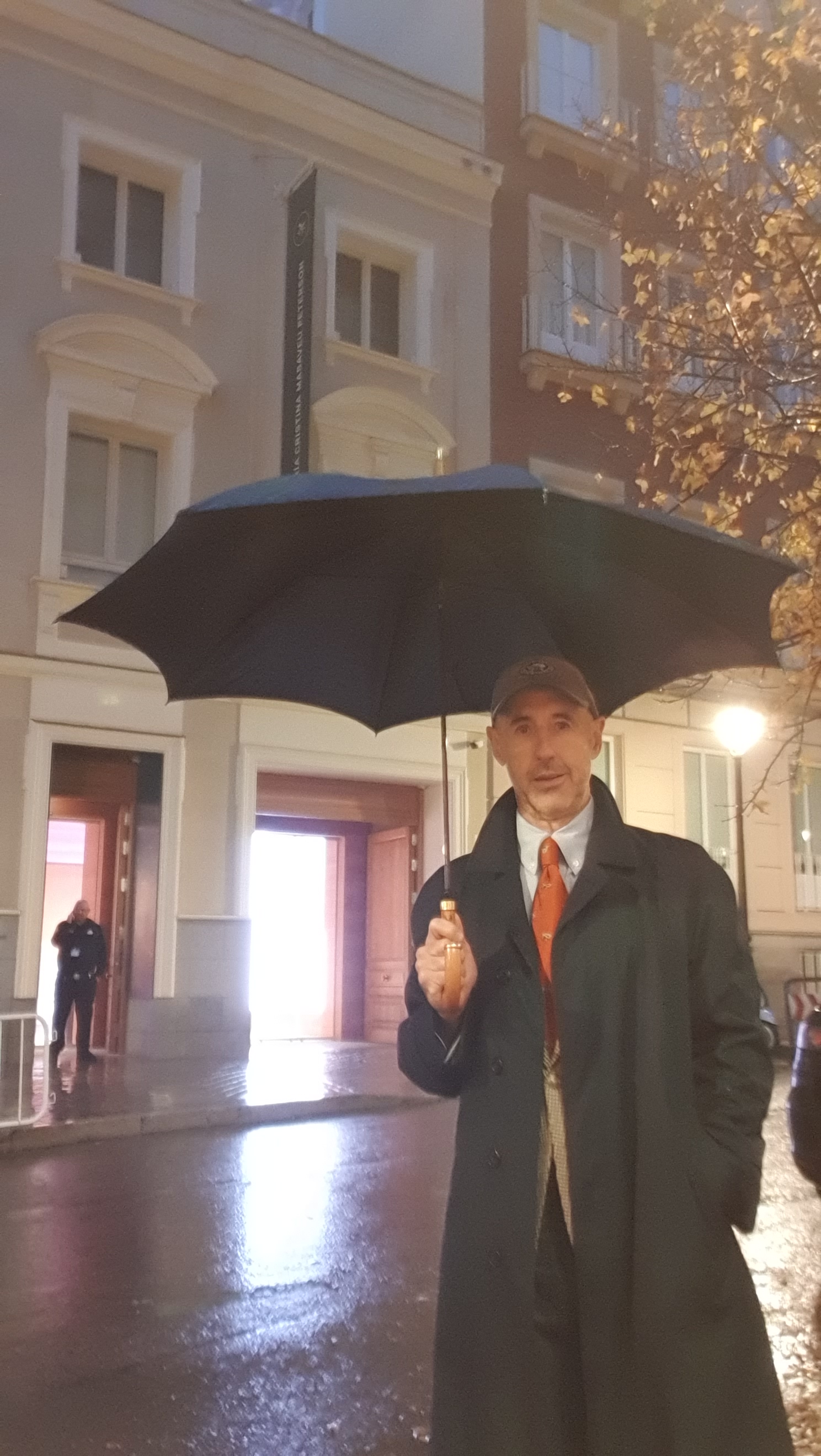
In front of the Fundación Masaveu

Fundación Masaveu has a cute little exhibition space in a quiet street in Madrid where my sister took me to on a rainy afternoon this past Christmas.

The Masaveu family fortune started with a textile shop in Oviedo, but grew to build a cement factory, a bank, etc., etc. They are rooted in Asturias, but obviously have this outpost in Madrid.

They had a few exhibitions running which were fascinating. One was on 18th C paintings of flowers and a bigger one on Luis Fernández, a XX C Spanish painter. Beyond the exhibits, there is an intriguing massive Jaume Plensa statue in a tiny patio.

Unfortunately, they do not allow photos in the building, so I dutifully complied, you can see the photos from their website here.

Yes, I know I am always writing about how culturally enriching it is to live in a city. Here is another testament to my statement!

So, if you are in Madrid, and you want to discover a great little (free) exhibition space, try this one! You are welcome.