Joseph Pieper, Leisure; The Basis of Culture and The Philosophical Act. Are you really living?

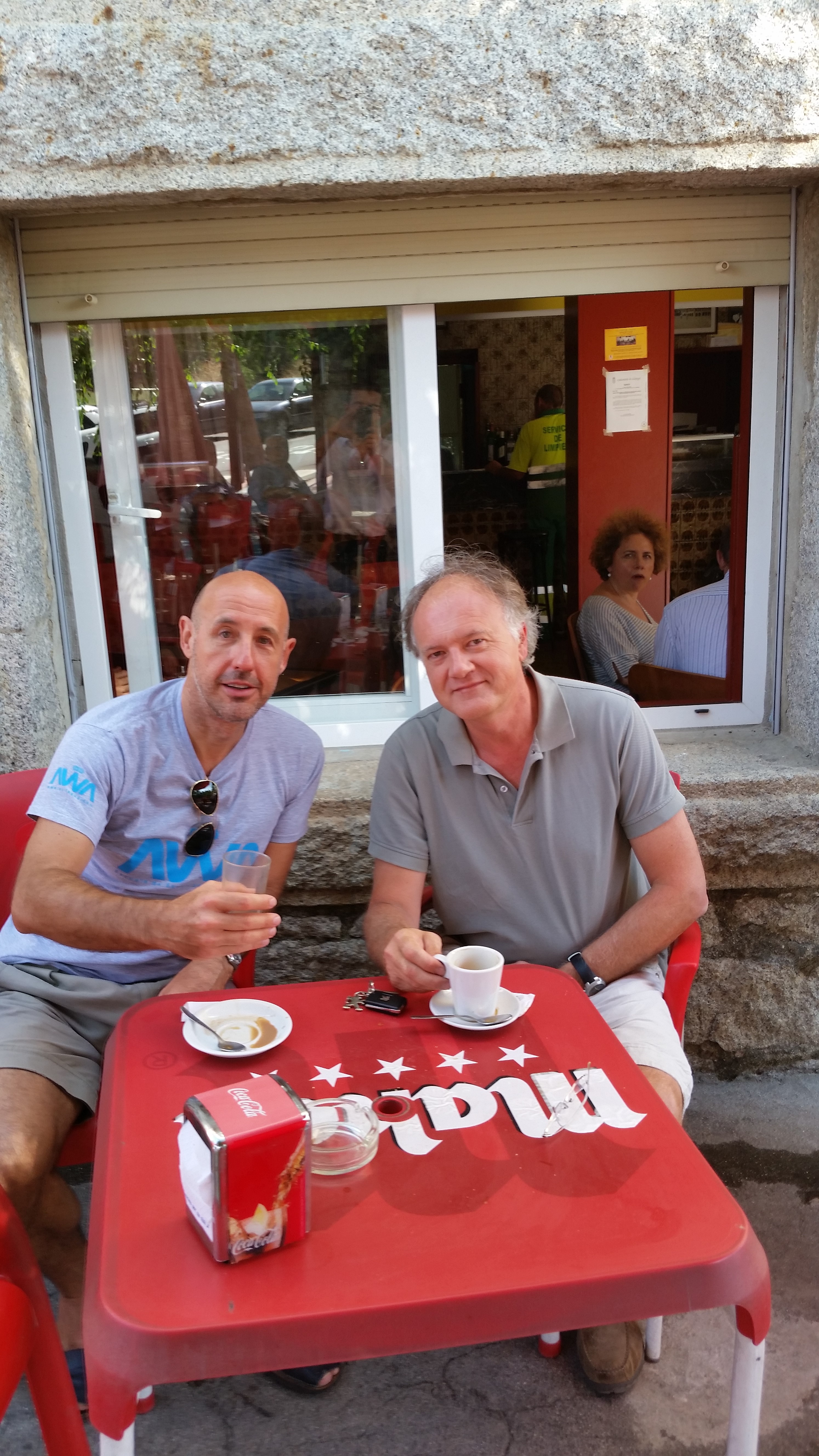
Piping hot coffee and Pieper

Are you schlepping it on the day-to-day? grinding the 9 to 5? Or are you taking opportunities to experience beauty, to marvel, to wonder? It might be a simple, quick gesture such as looking at a cobweb, and marveling at its beauty, or taking a few deep breaths in the morning. If you are rushing through life to get more things done, you might be sacrificing your enjoyment of life.

Being Mediterranean, living in the US is a constant cultural shock. Despite my many years living here, I never got used to it. The go go go, work work work mentality is quickly exposed as this society’s Puritan, Calvinist, Protestant DNA. The first sign of this is when you notice that your colleagues at work do not take a coffee break mid-morning, they continue chugging from their Big Gulp gallon of coffee. You notice when you have not finished your meal at a restaurant and the waiter brings you the bill -kicking you out- with a courteous “Whenever you are ready” and you have not even ordered dessert!!

I had this discussion years ago with one of my students, when they mentioned a book they were reading for one of their classes: Joseph Pieper’s Leisure; The Basis of Culture. I just finished reading it.

Pieper condones the work for work mentality, the worker bee lifestyle. Writing in mid-20th C Germany, Pieper saw with concern the evolution of the labor trends at the time.

Leisure, it must be remembered, is not a Sunday afternoon idyll, but the preserve of freedom, of education and culture, and of that undiminished humanity which views the world as a whole.

Joseph Pieper

Pieper does a great job of defining leisure as not being idle, and how philosophy, a sense of wonder, is the root of culture. He advocates for education in the Humanities, Classics, Philosophy. However, Pieper is careful to note that we must give meaning to leisure. While making work a religion is bad, so is being a sloth (his word!)

Pieper’s second essay is The Philosophical Act, which follows on the Leisure essay. Both essays weave the beautiful tapestry that is Humanism. Not only beauty but thought as well. In this essay, Pieper underlines the importance of wonder and of hope in our “philosophizing.”

This is a short and highly recommended read. It will help you understand what leisure and philosophy is -it is not that boring, scary stuff you read in old books!

On the importance of doing your work

The most important lessons in life you learnt as a child. One of those lessons was do your homework, do your work. There is no substitute. You might be able to get away without doing your homework once in a while. But if you want results, you have to do the work, put in the hours.

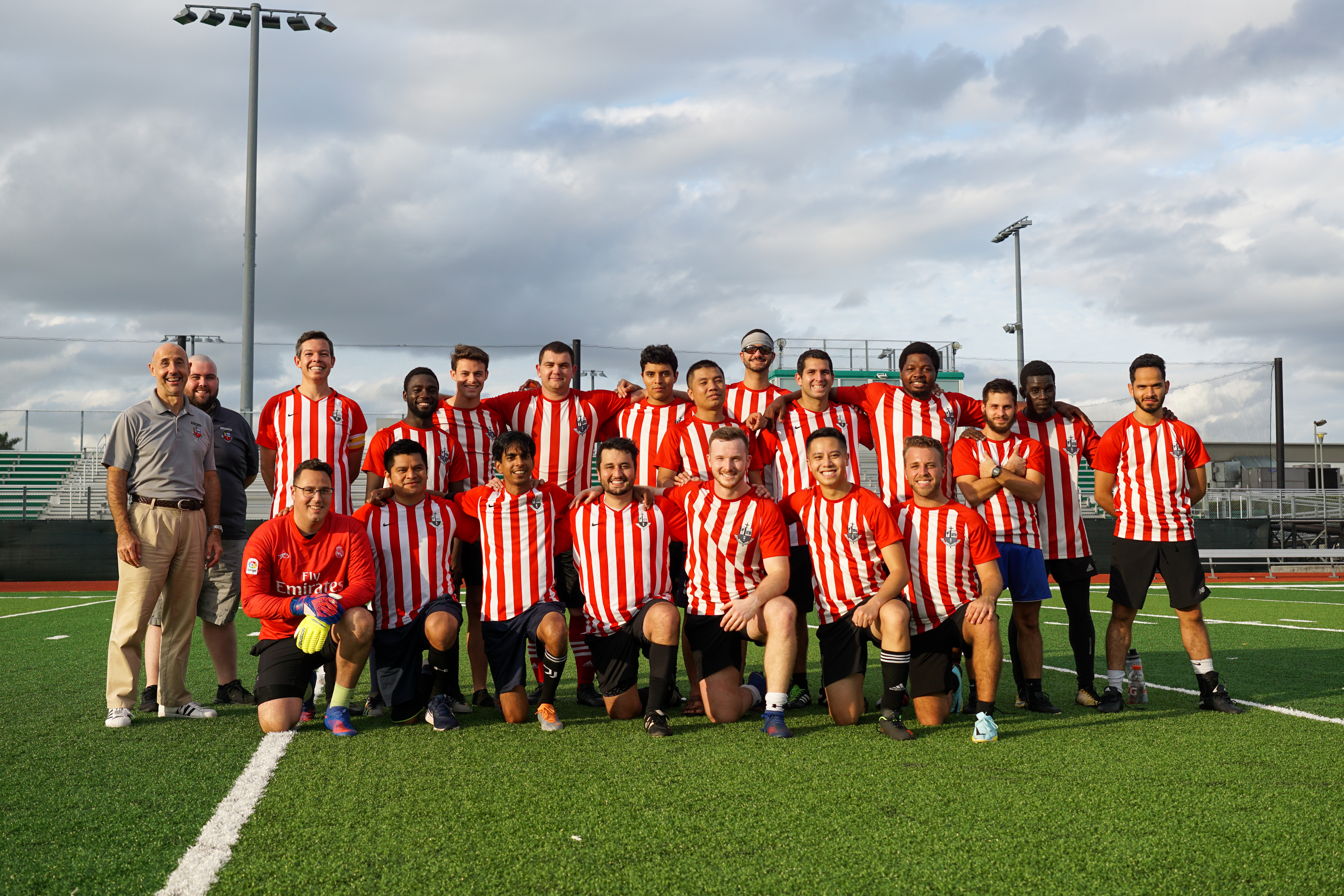
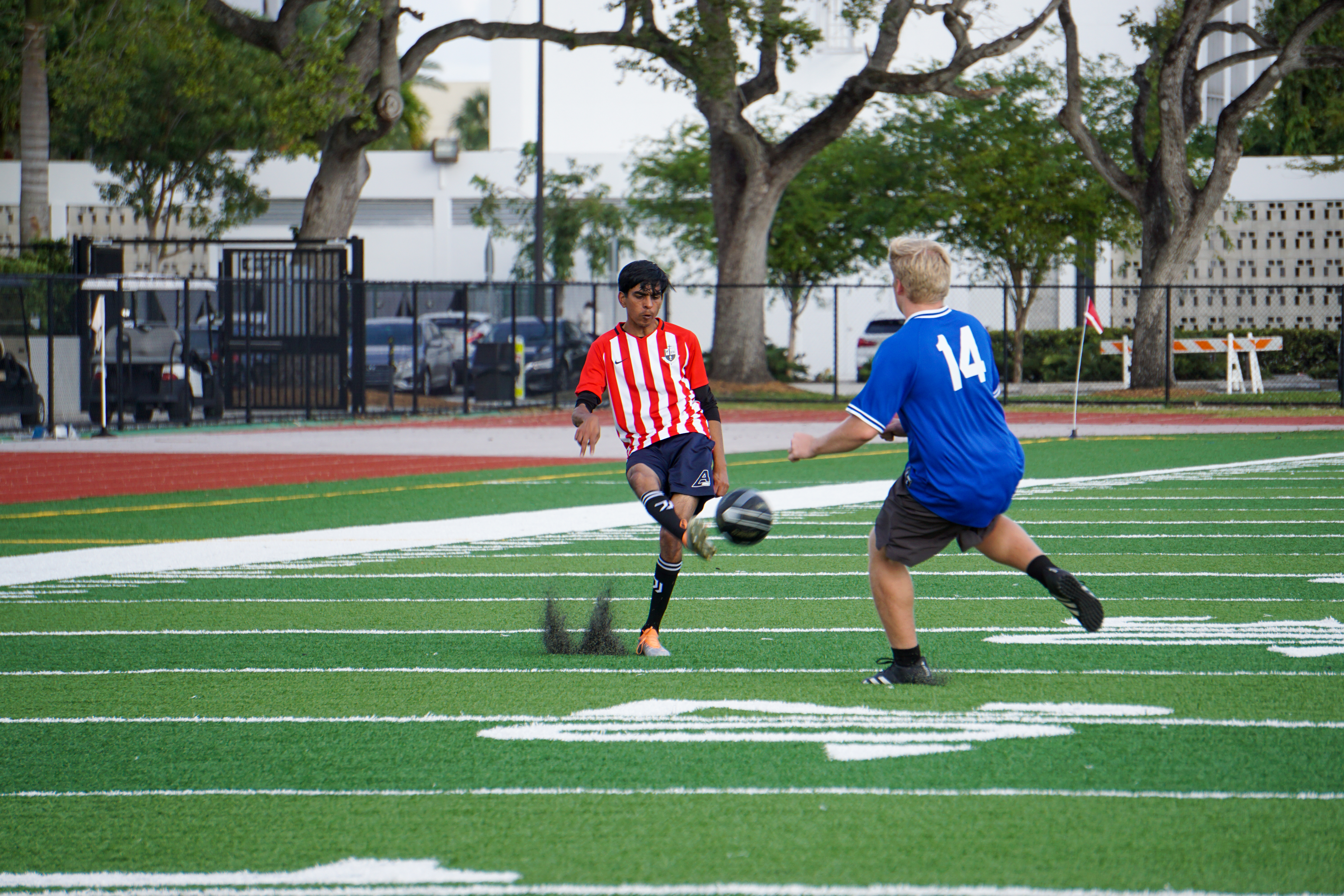
Last Spring, we lost the soccer game against our eternal foe, Miami’s St. John Vianney 3-4. This year we put in the work week after week. We practiced with dedication and enthusiasm, we even organized a scrimmage against a local team. We put in the work. The team was diligent and conscientious about practicing, not easy when you have a ridiculous grad-school workload, but they did it.

The result?

With only a few minutes to warm up and settle in after our drive to Miami (the referee, hired at the last minute had things to do, come on, this is Miami), our players -minus one of our forwards who suffered an accident travelling down (he is fine, just a sore neck)- jumped on to the turf field.

We won 0-6. Victory is sweet, revenge even better!

Congratulations to the team, Assistant Coach Josh, the faculty and staff that made the game possible, as well to our phenomenal photographer Dylan McKay!

On the importance of building community

Surprisingly, although I have repeatedly written about community in my blog, I have never dedicated a full post to it. Well, here you are:

It used to be that when you were born you had automatic community for life. Even if you lived in a big city, your neighborhood was your community, you would go to the same grocers, church, cafés, etc. Now, especially in the increasingly hyper-capitalist suburban individualist world, the concept of community has pretty much vanished.

Maybe because of the importance of community and the lack thereof, the US is obsessed with the concept of community. Sadly, for all the talk, community is another word they cannot spell.

With the different buttresses that community offered mostly gone, the only one that continues (mostly) standing is work. So, work has become -in many cases- our only community touchstone. Gone are the neighbors, the churches, the meeting points. We just drive from our isolated house to work and back. Of course, many folks have strong communities built around church and clubs and different associations, but even these are discrete and rarely connected, which means that you have your church friends, your work friends, your café friends -if you are lucky- and so on, but not the network, the rich tapestry that used to define community.

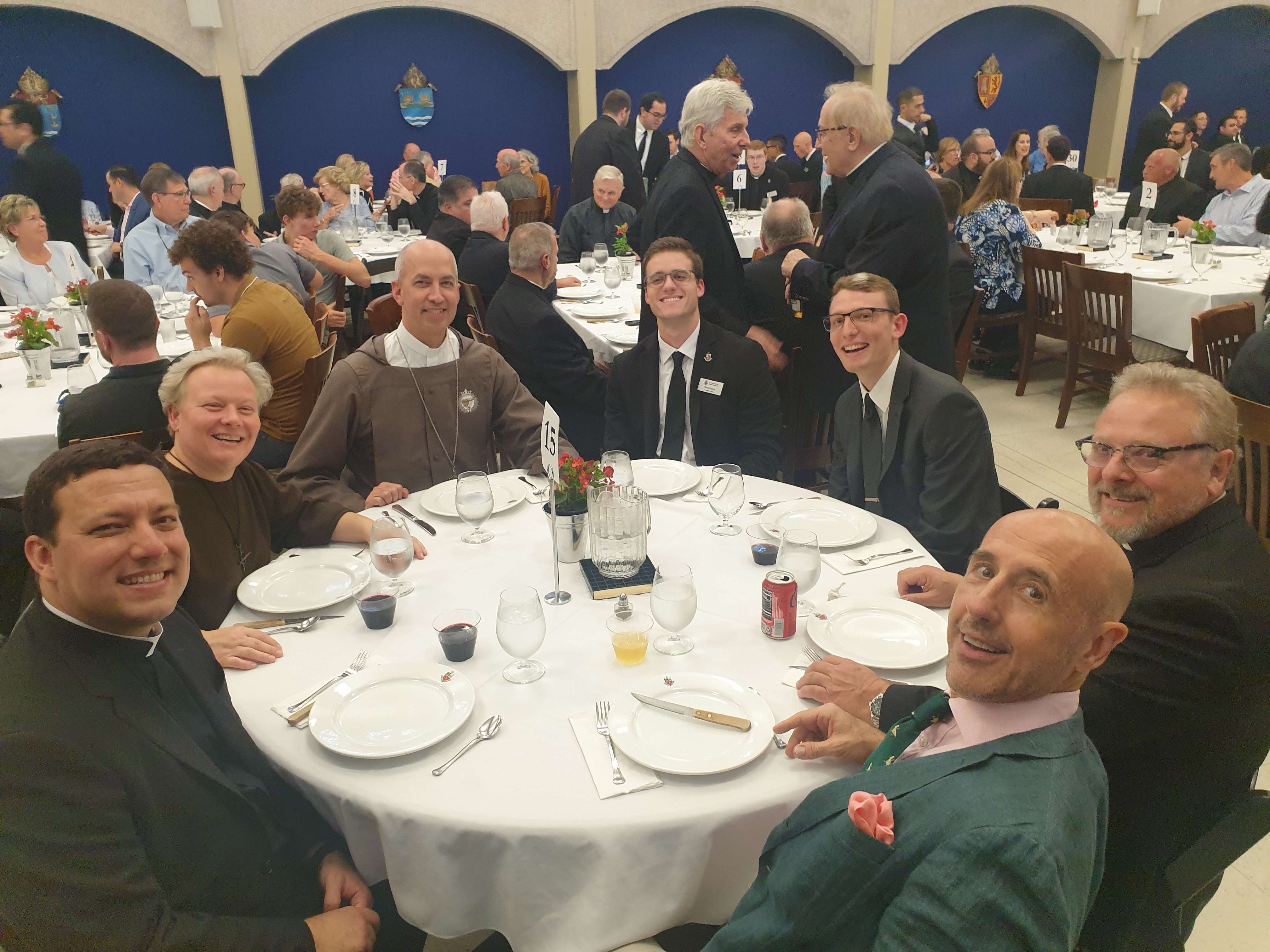
I have been keenly aware of this problem since I moved back to suburban US in 2005. It would eventually become one of the factors that led me to depression. Since then, I try to build strong communities wherever I go. My efforts other than work, fall on volunteering, church, and of course Film Club! Yes, I chat to some people at the gym, at yoga class, and at my café, but those venues have not surprisingly given any tangible results.

Like pretty much everything else in life, you have to actively work at building your community, it is not going to magically fall on your lap one day, a wonderful support network where you can express yourself and get any sort of help from moving a sofa to a comforting chat. Nope, you have to work for it. But more importantly than working to form your own little support group, your real community will flourish when you build community for others.

Notice that I did not mention family, which is of course the cornerstone of community. But when you move away from home, that most important foundation is only available on the phone or during visits -if you are lucky enough to visit.

The result of the erosion of community systems is that folks are increasingly lonely, alienated, and sadly, eventually depressed. So go work genuinely and honestly on your community, the results will be worth it!