My first visit to the South was likely New Orleans in the mid-1990s. And it was love at first sight: history, architecture, music (which I write about here), food, and as they say nowadays: the vibe. It has been a love story ever since.
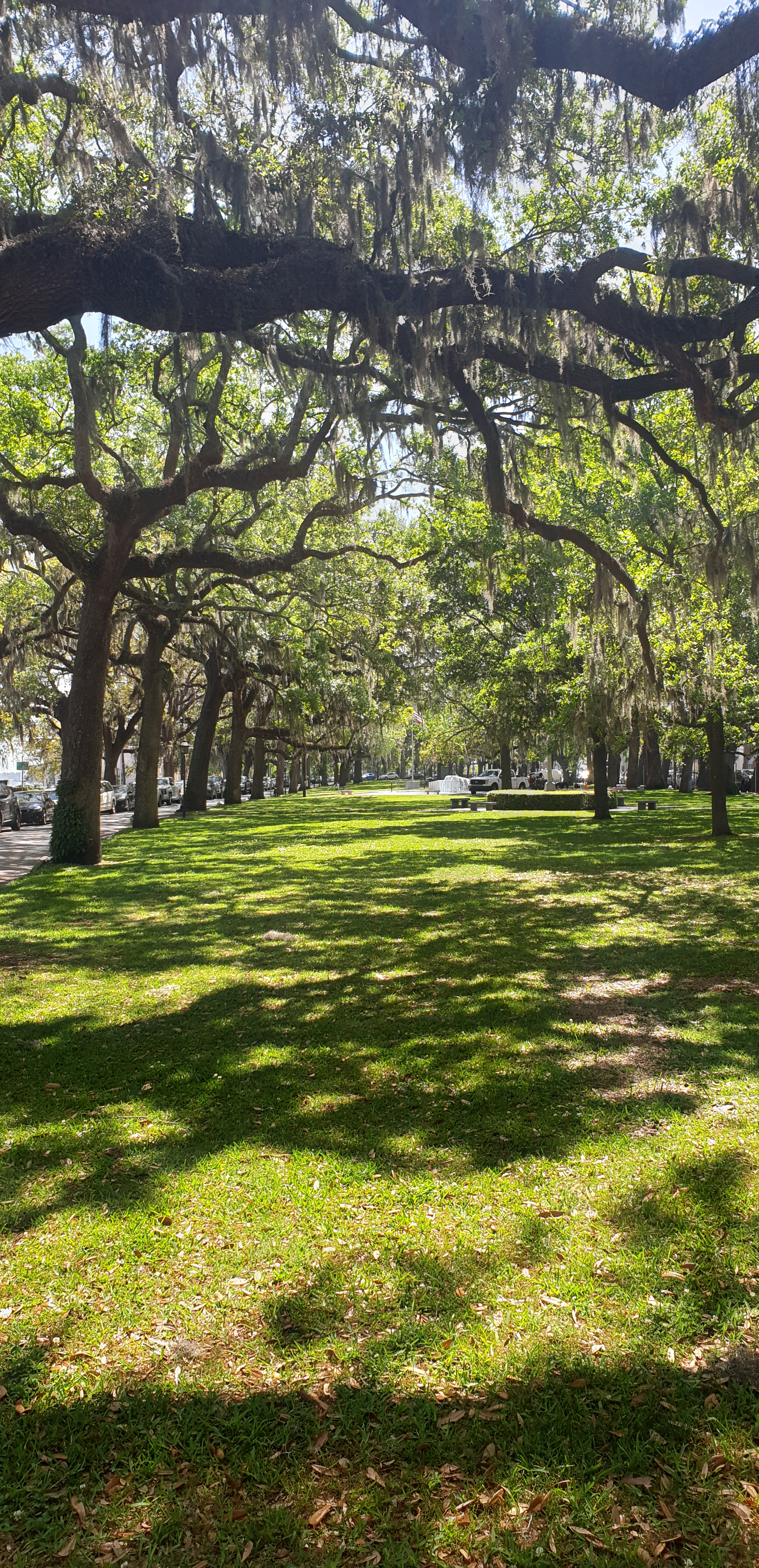
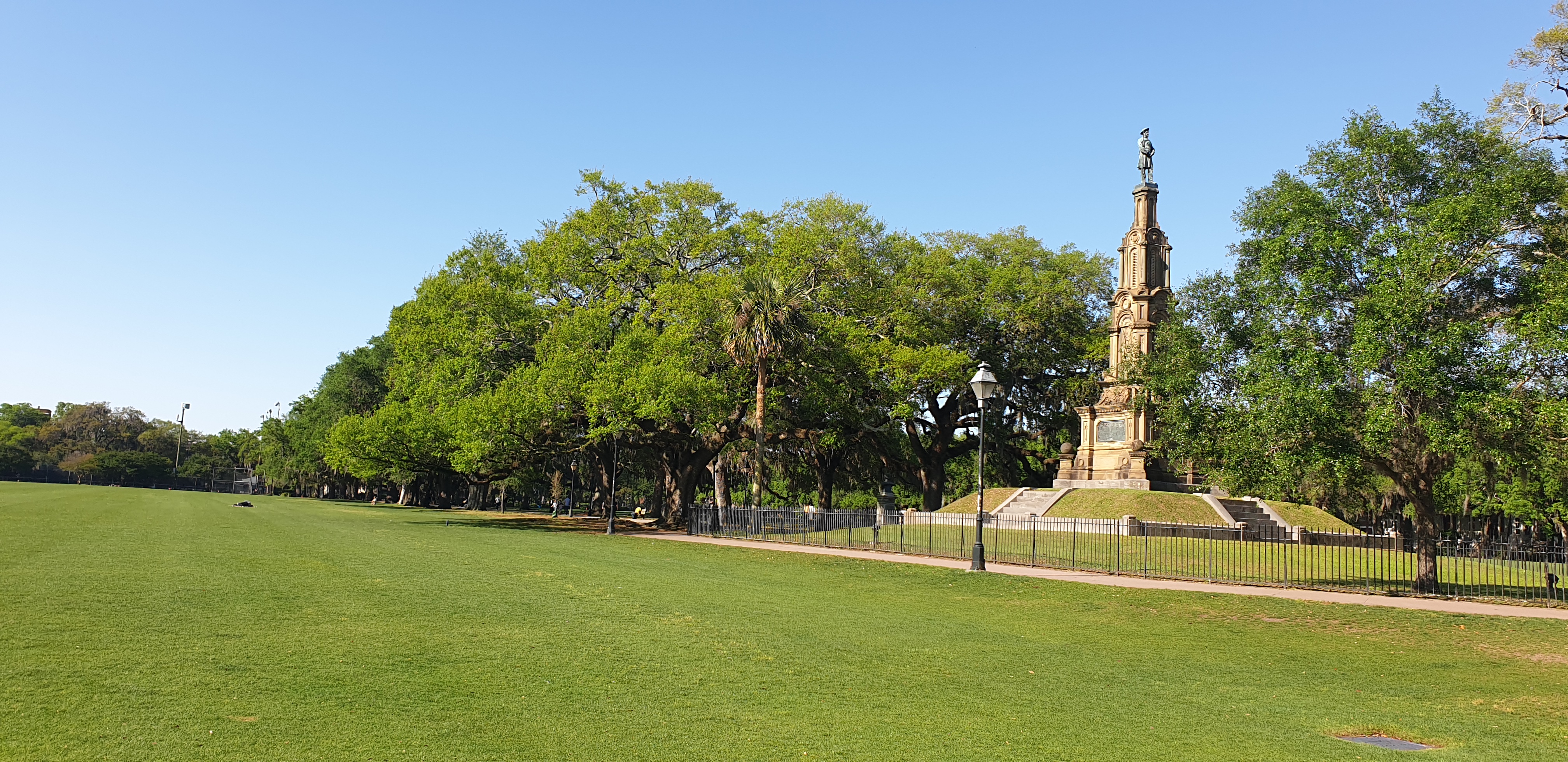
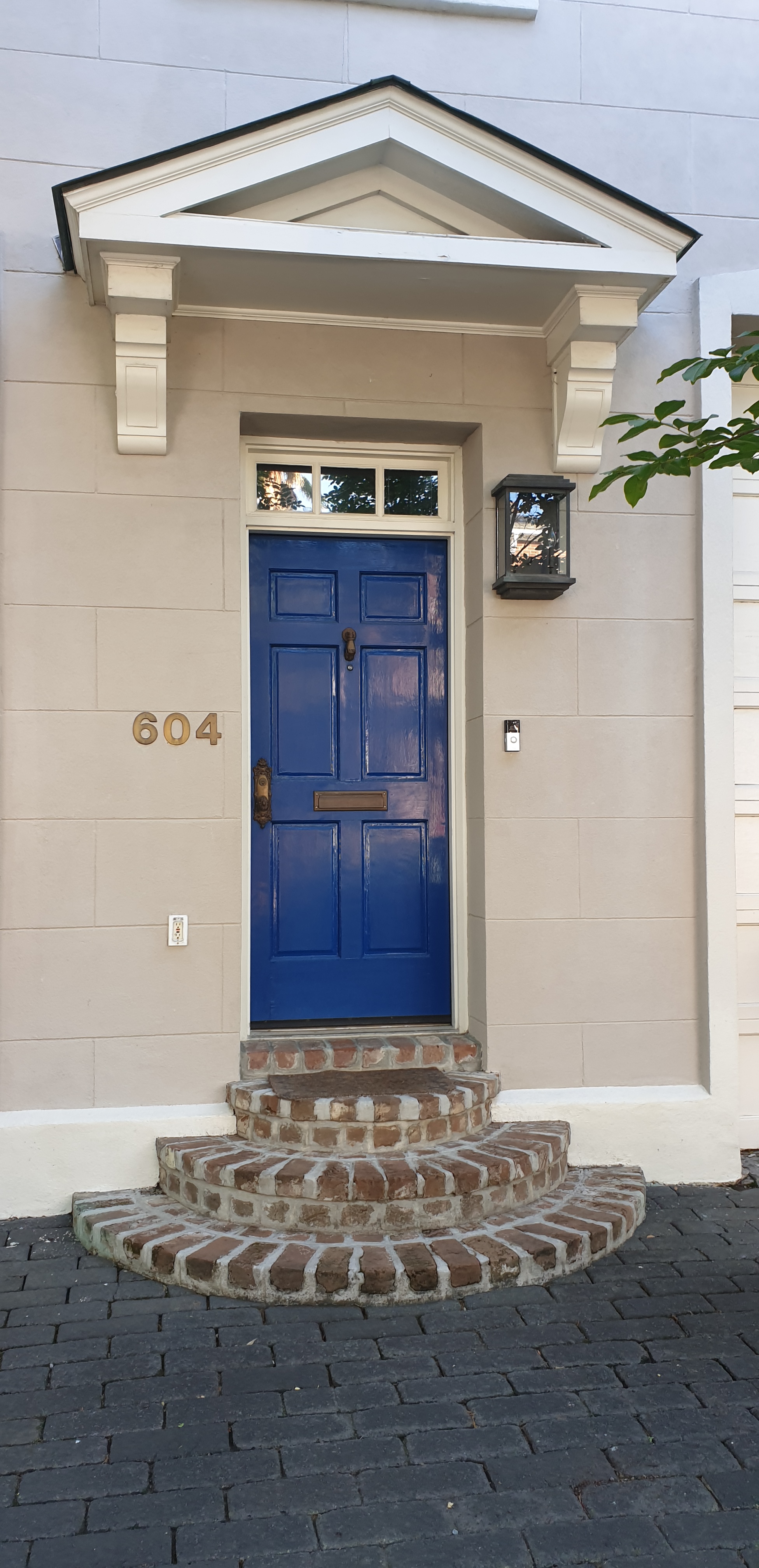
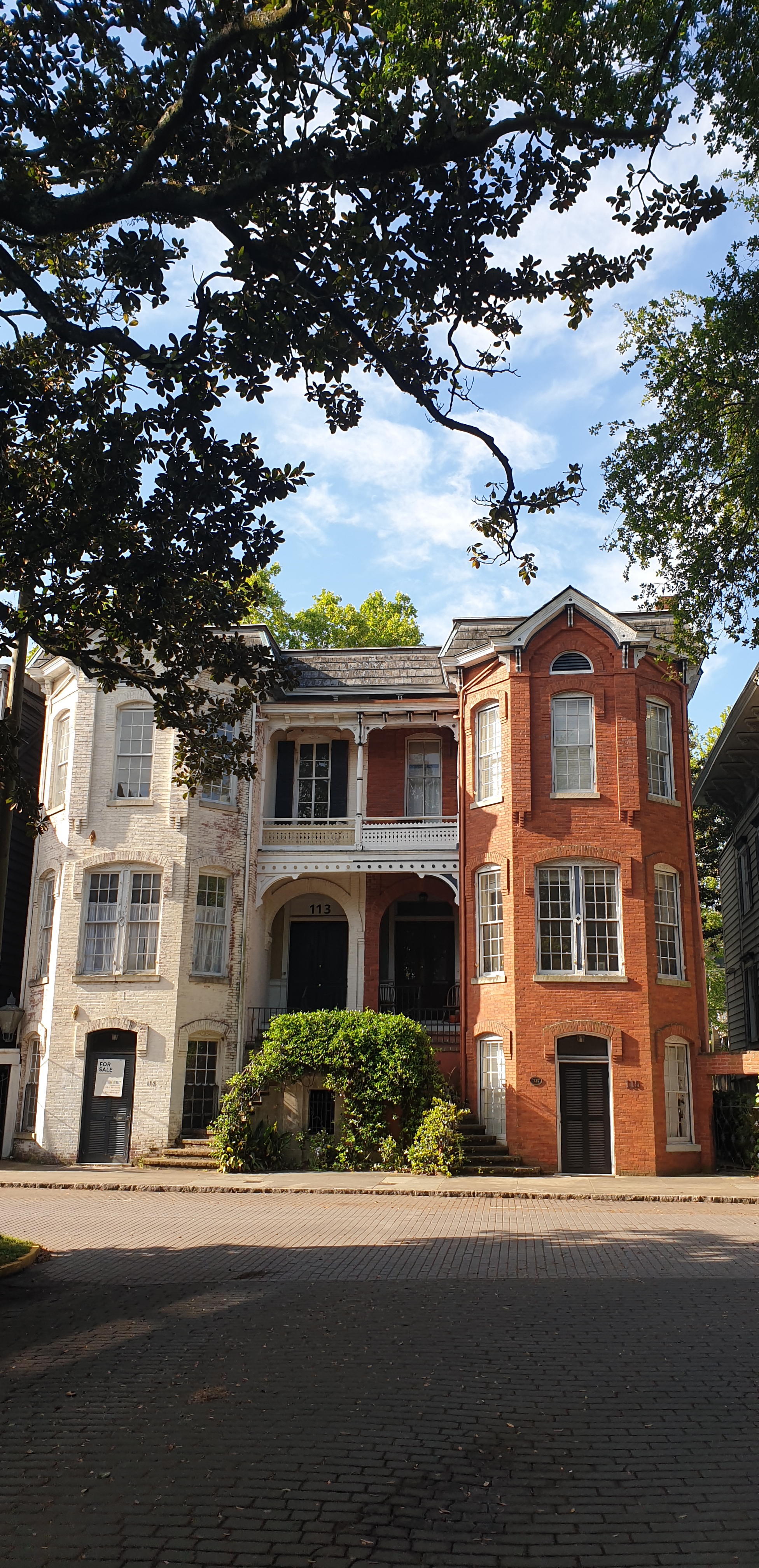
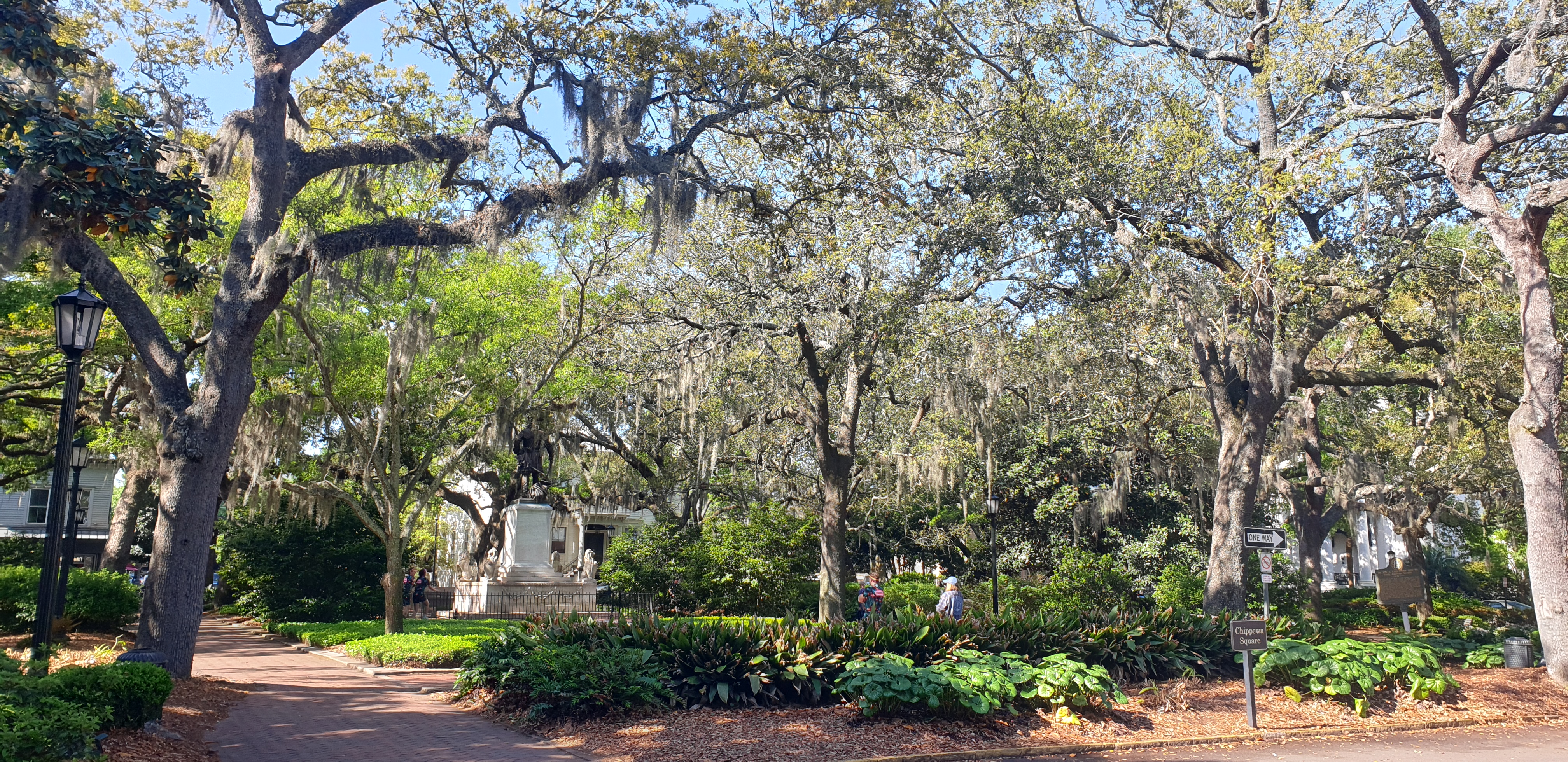
With the excuse of attending a conference in Savannah, Georgia, I spent some time exploring this enchanting city! I loved it! Architecture ranging from colonial to Georgian, Federal, Greek Revival, Gothic Revival, Victorian, Italianate, and Second Empire. Great southern gastronomy, cathedral, a beautiful series of squares, built to “cut” fires, which were common in the 19th Century, make for a city that is a living arboretum, with the characteristic Spanish moss hanging from old oaks.
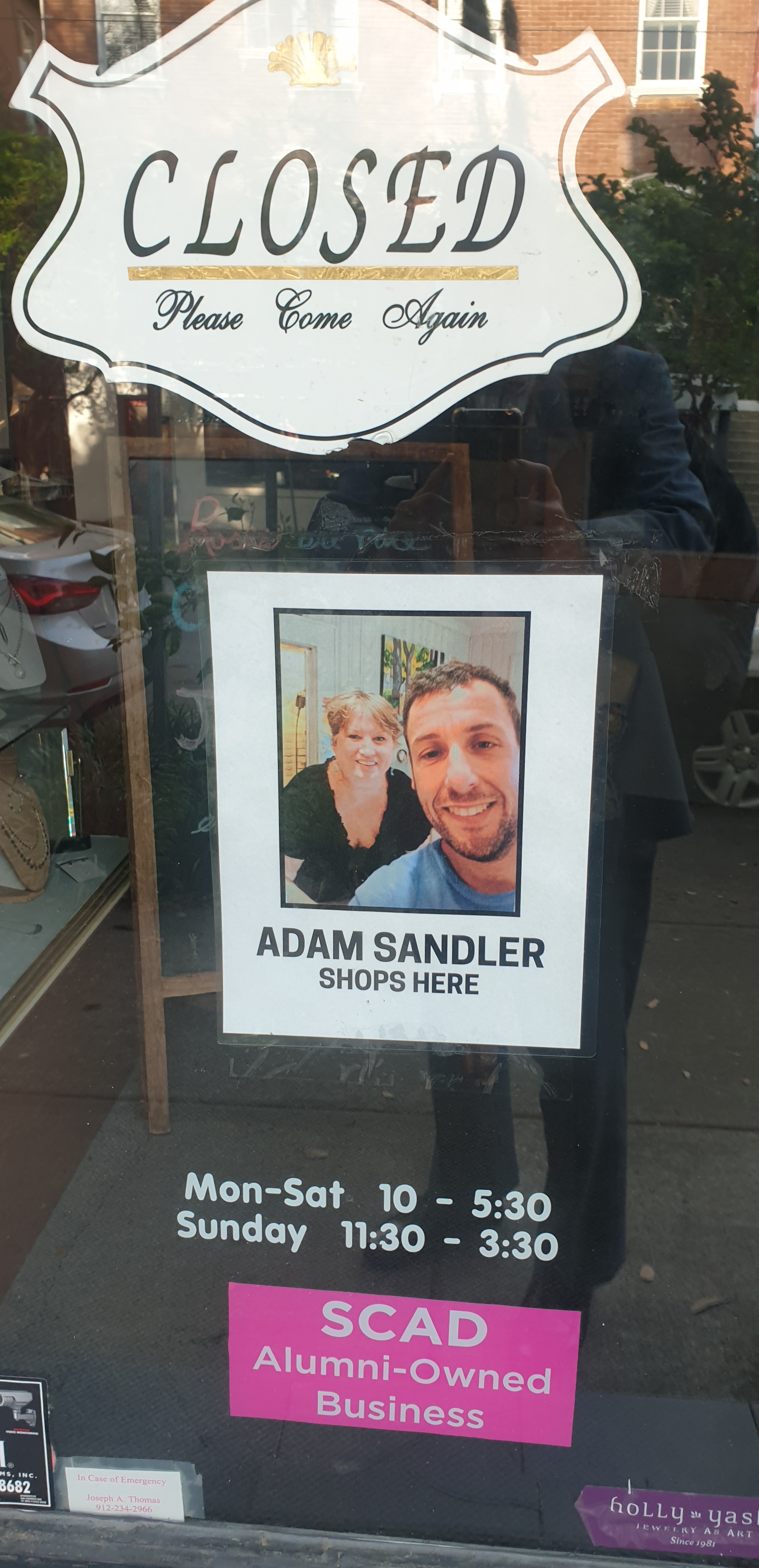
Like all old cities in the Southern US, Savannah must contend with its history of slavery, which was the labor that worked the cotton that made the city so prosperous. One of the elements that helps the city work through that aspect of its history is the Savannah College of Art and Design SCAD, as well as other universities that bring young talent from around the world to make the city a thriving, broad-minded, humanistic organism and give it a healthy mix of quirkiness and artsy to the serious and conservative history.
Yes, the city suffers from overtourism, but that is part of the price most cities must pay for fame nowadays. The fact that they allow open alcoholic beverages on the street does not help, as it attracts all kinds of tomfoolery from partygoers.
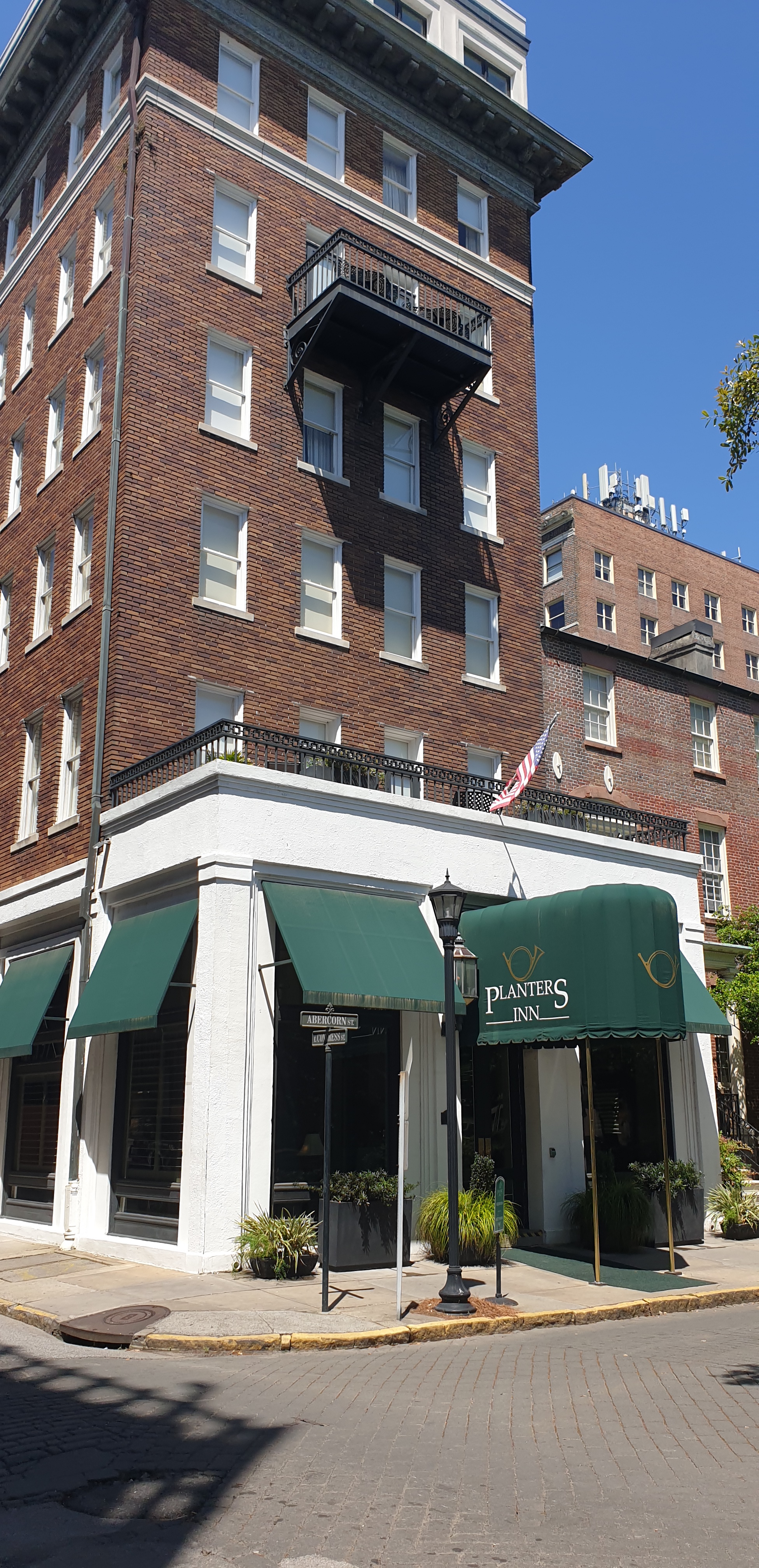
I stayed at the Planters Inn, a cute -if a little in need of renovations- hotel in the historic downtown Reynolds Square, which is perfect for walking around this very walkable city.
I could go on and on. If you are planning to explore the South, you must have Savannah on your list. You are welcome.
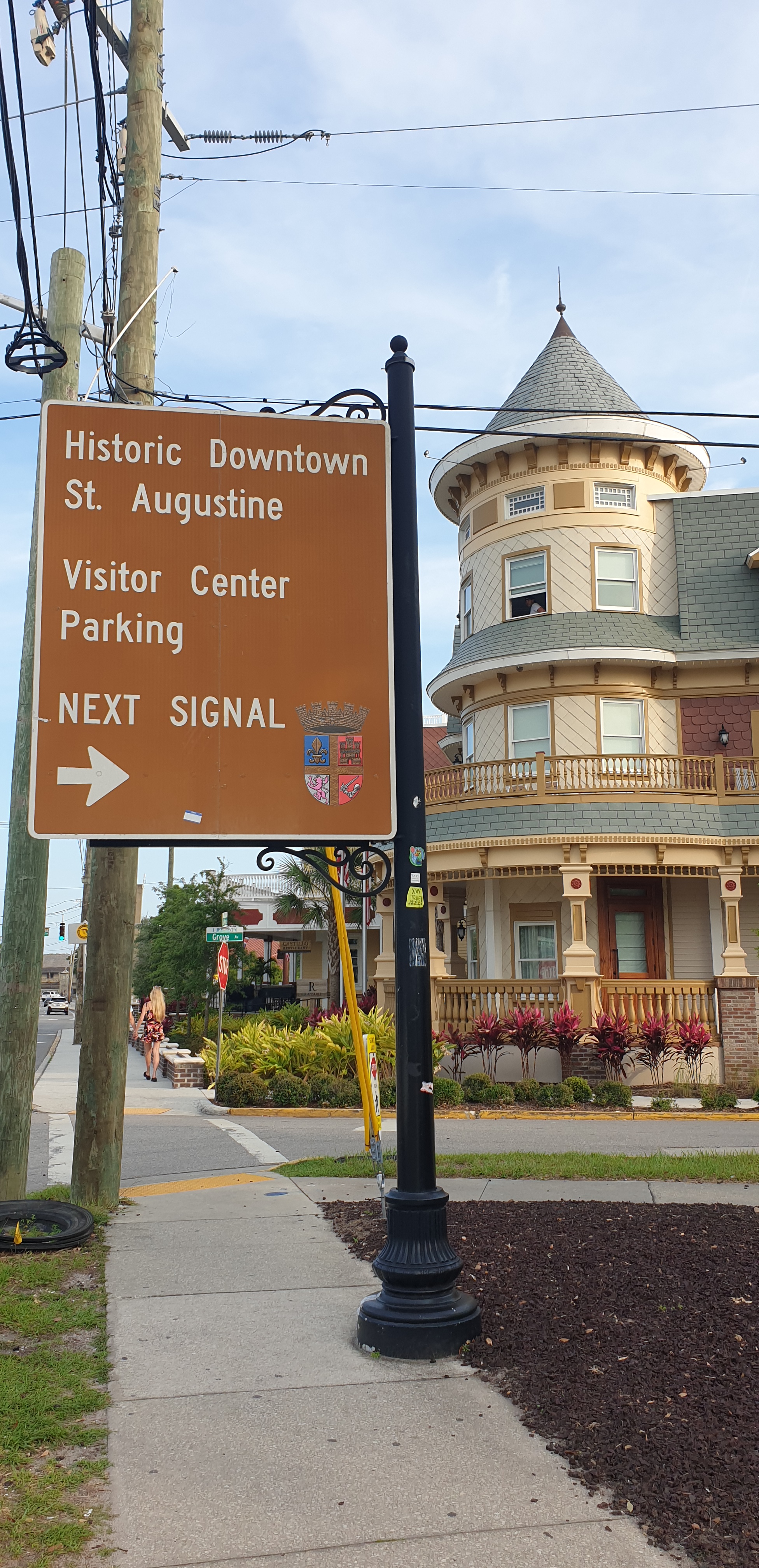
Saint Augustine, Florida, 1565, and it is definitely worth the visit. Paradoxically, it is not even in the top 10 most visited places in Florida. Miami is first because of all the tourists that go on cruises from there and Spring Break students. Orlando is second because of a certain mouse (and other attractions). Fort Lauderdale because of more cruises and Spring Break university students… and so on. Apparently, people do not go to Florida to learn about history. But I finally managed an excursion, and I loved it.
After a boring 4-hour drive -Florida has no elevation and most roads are as close to straight as you could imagine. I arrived in North Florida, which has different vegetation and feel from Southern Florida, and its endless suburban sprawl.
I stayed at the 1001 Nights, a Victorian Bed and Breakfast downtown. This old Luddite was a bit troubled that I never spoke to a person when I made my reservation, and when I got there, I had a code for the front door and one for my room door, so I did not see anyone until breakfast the next morning. But the place was really cute, and my room was great! Highly recommended, with a great breakfast included!
After dumping my bag, I did one of my favorite things in the world: I went exploring.
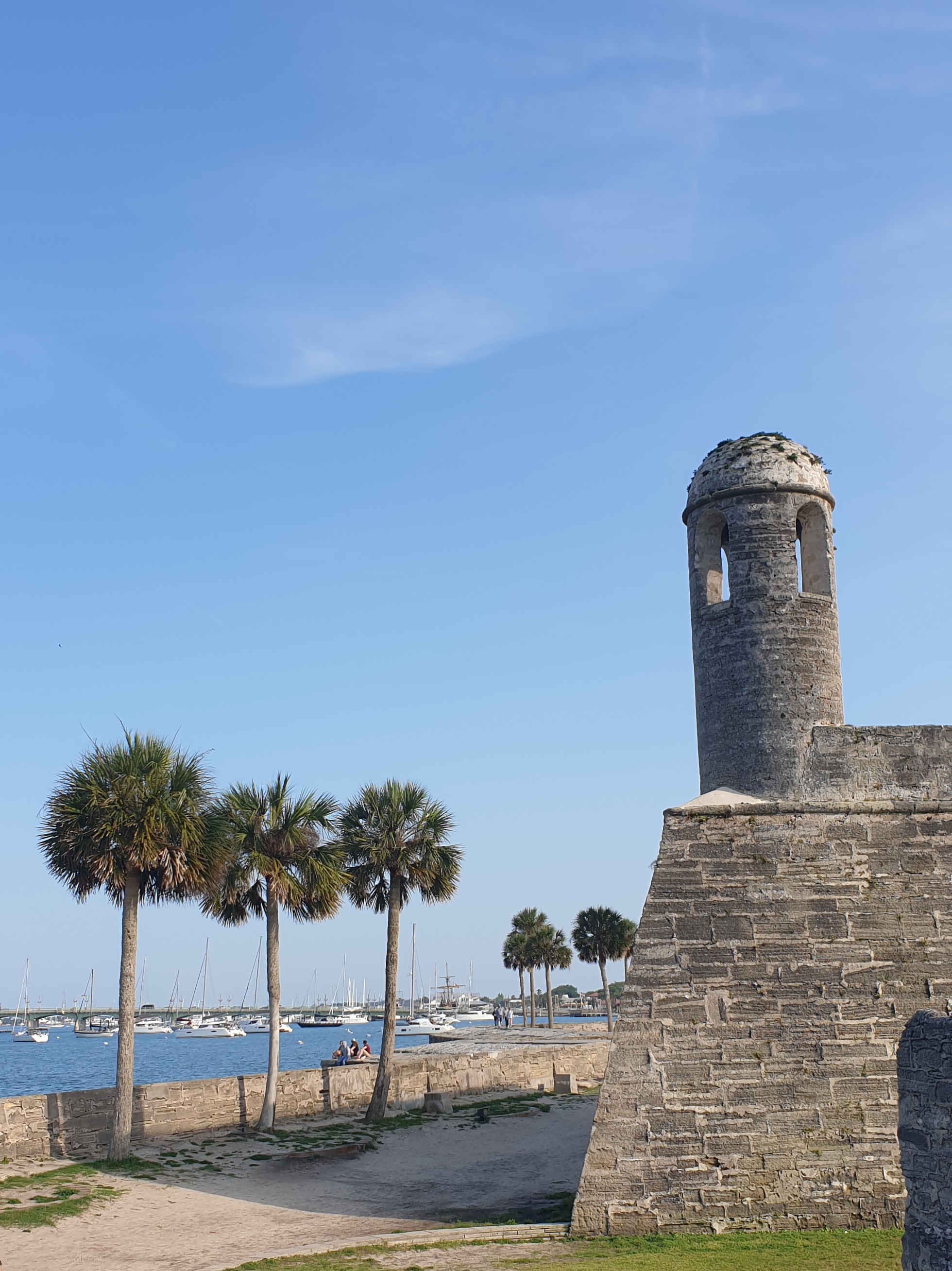
First, the Castillo de San Marcos, later called Fort Marion by the Americans. Obviously as defensive technology improved, so did this castle, so what we see today is the 18th C. Spanish construction, which resembles other Spanish castles like the one in Jaca, the one in Pamplona and San Felipe del Morro in San Juan, Puerto Rico. This whole castle is built of coquina stone -literally seashells crushed and pressed into stone through millennia!
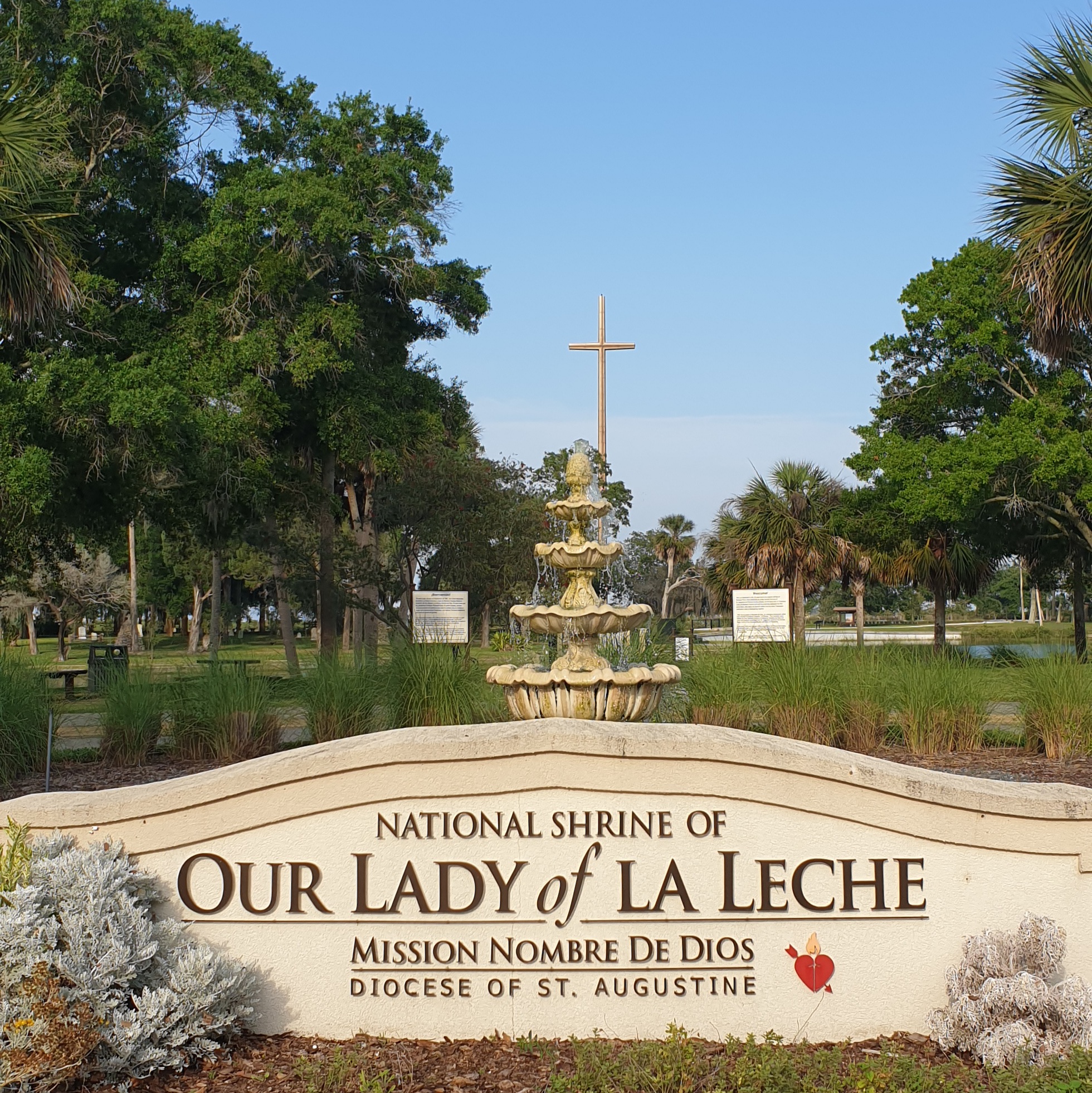
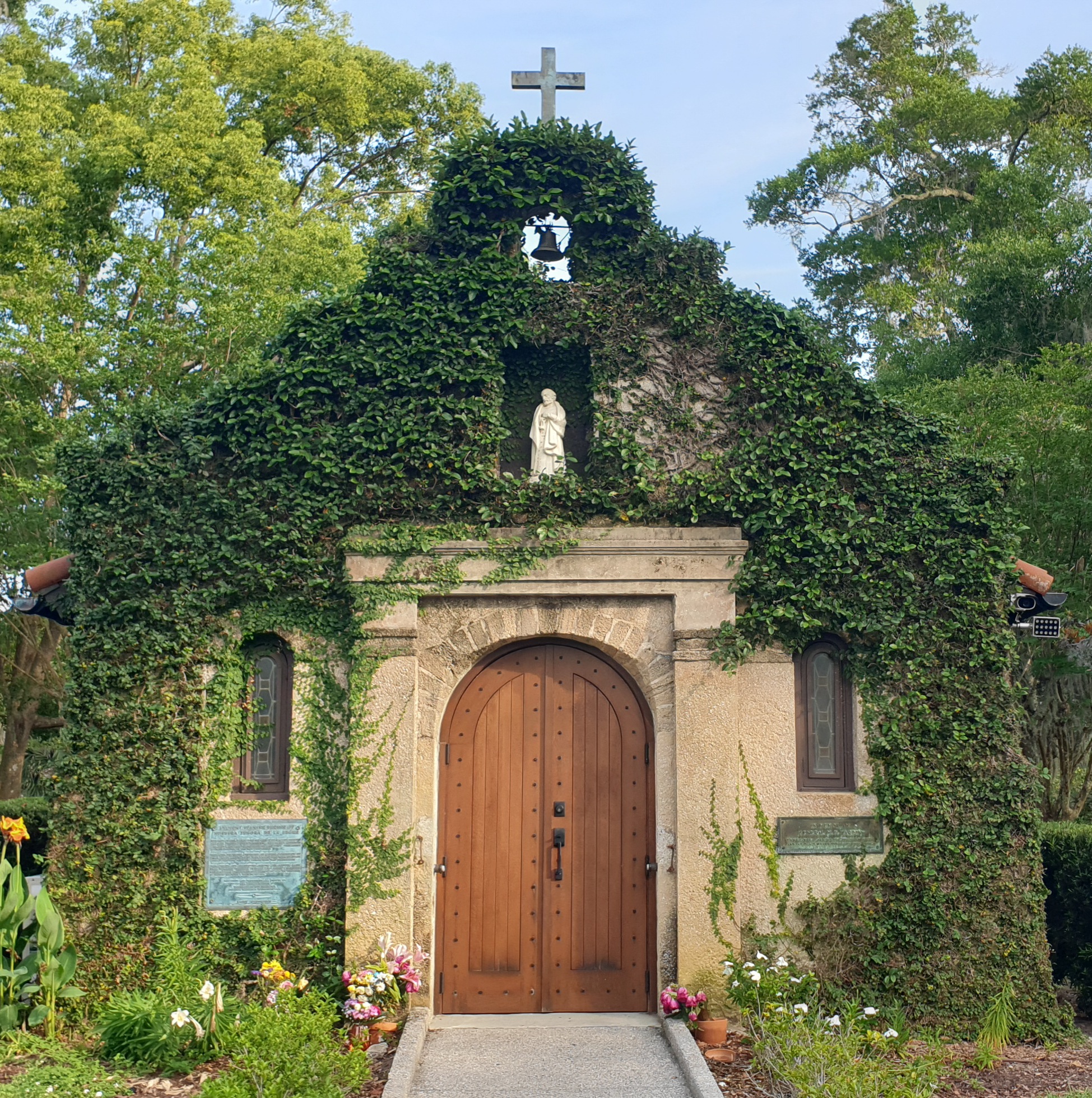
Then I walked to Nuestra Señora de la Leche, the oldest church in the US and the site of the first mass on US soil. The original chapel is not there anymore, but the whole site is a wonderful garden with a supernatural spiritual feel to it, a lovely old Chapel and a mundane modern one.
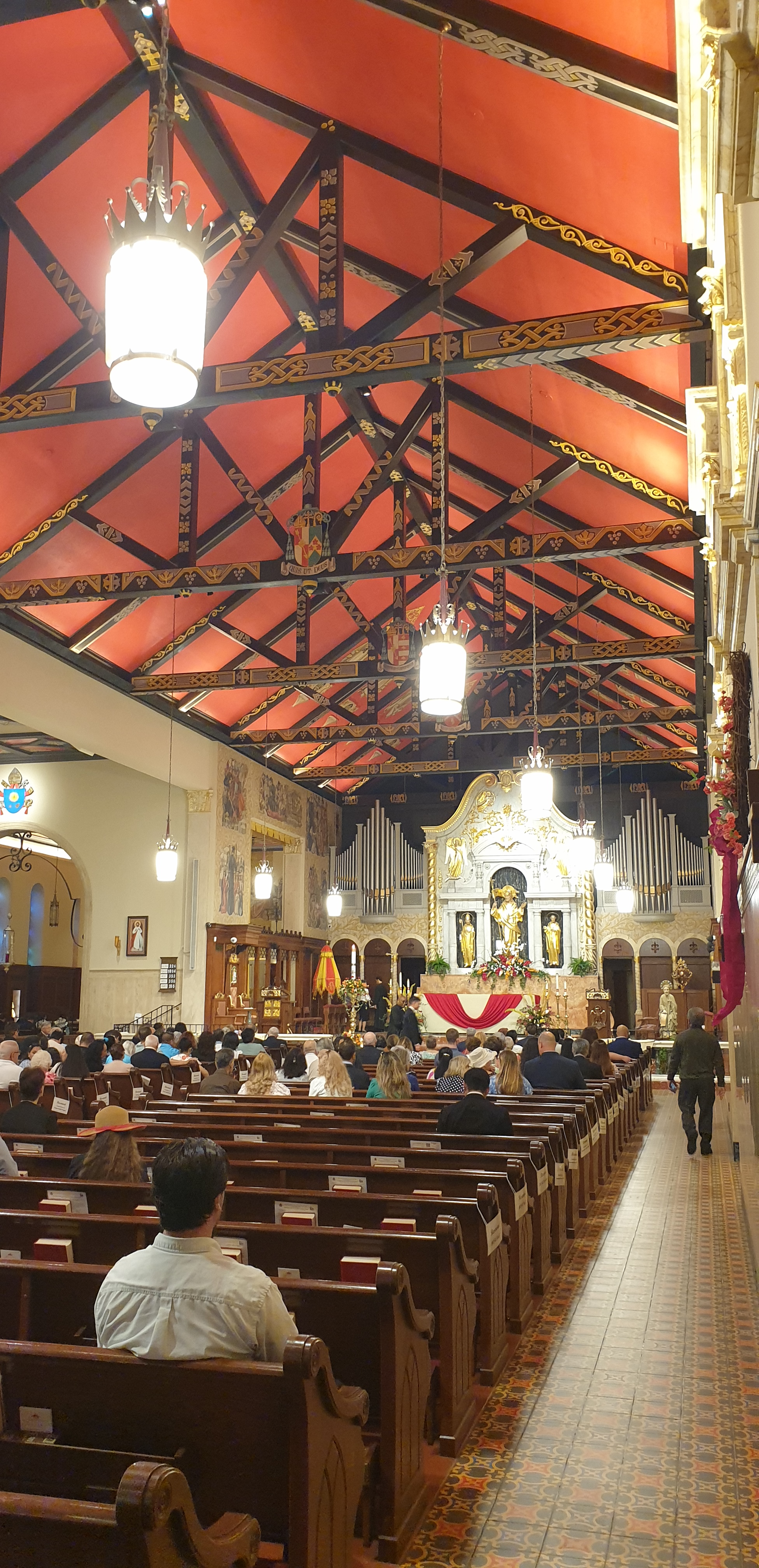
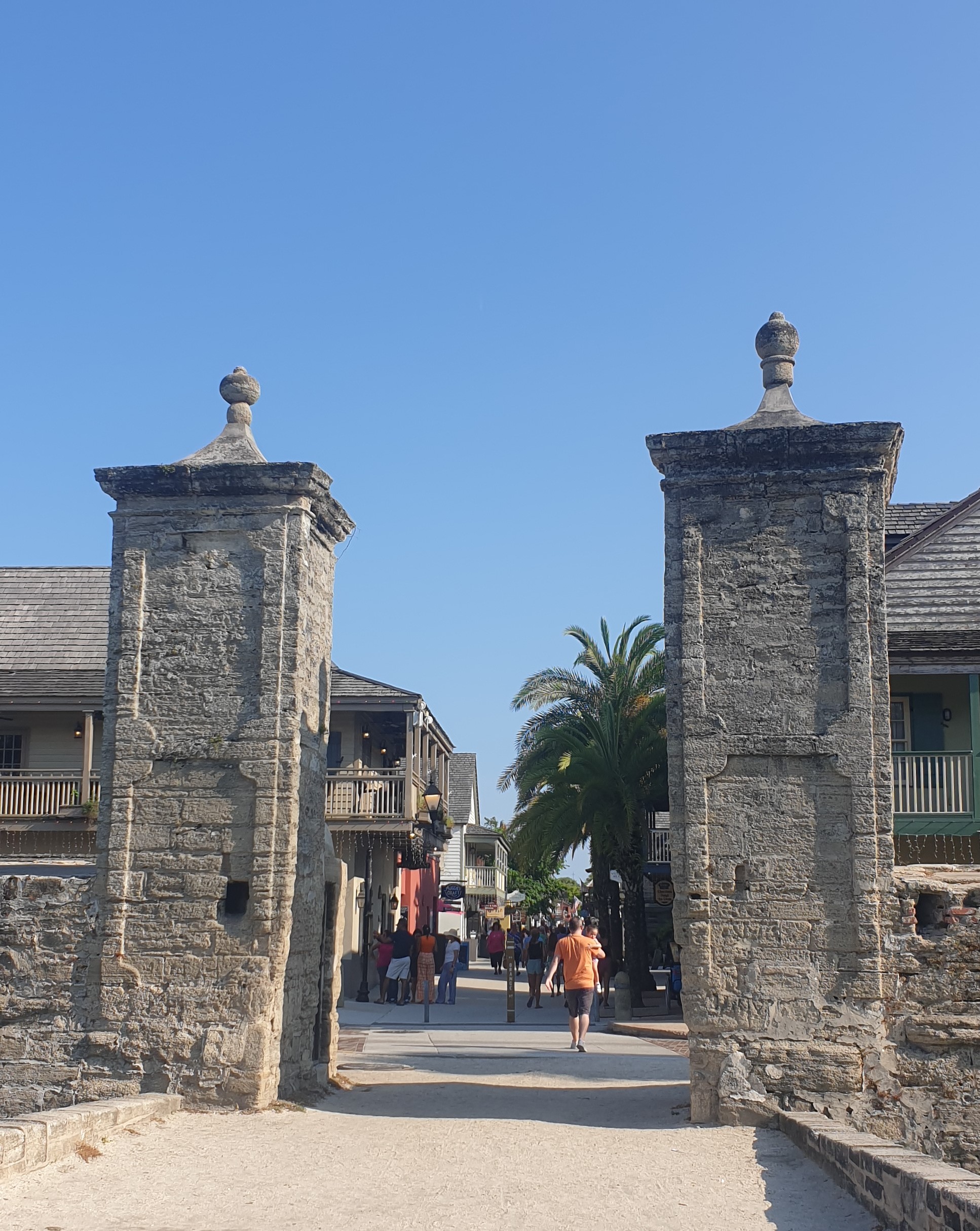
The old village with all the old Spanish houses has fallen victim to that most vulgar American capitalist disease: tourism i.e.: gaudy shops, bad and overpriced restaurants, $7 ice cream cones, etc. Surprisingly, the narrow streets try hard to maintain their historic dignity despite this transgression. Certain corners fight unbreeched: the Plaza de la Constitución holds its ground, celebrating “La Pepa” Spain’s first Constitution signed in Cadiz in 1812 after kicking out Napoleon. It is a charming square. Right on that square is the Cathedral, where I went to the ordination of two of my students, it has a lovely wooden ceiling!
Yes, there are museums, beaches, breweries, and many other attractions, making St. Augustine a perfect weekend getaway destination. If you like history and don’t mind paying $7 for an ice cream.
Recommendations:
Avoiding tourist traps, I had dinner at Ann O’Malley’s, an old Irish pub just outside St. George Street, the main strip. The sandwich was outstanding, the beer perfect, the staff friendly and professional.
I also had coffee next to the Cathedral at The Kookaburra Downtown, fantastic!










 Antonioyrocinante's Blog