



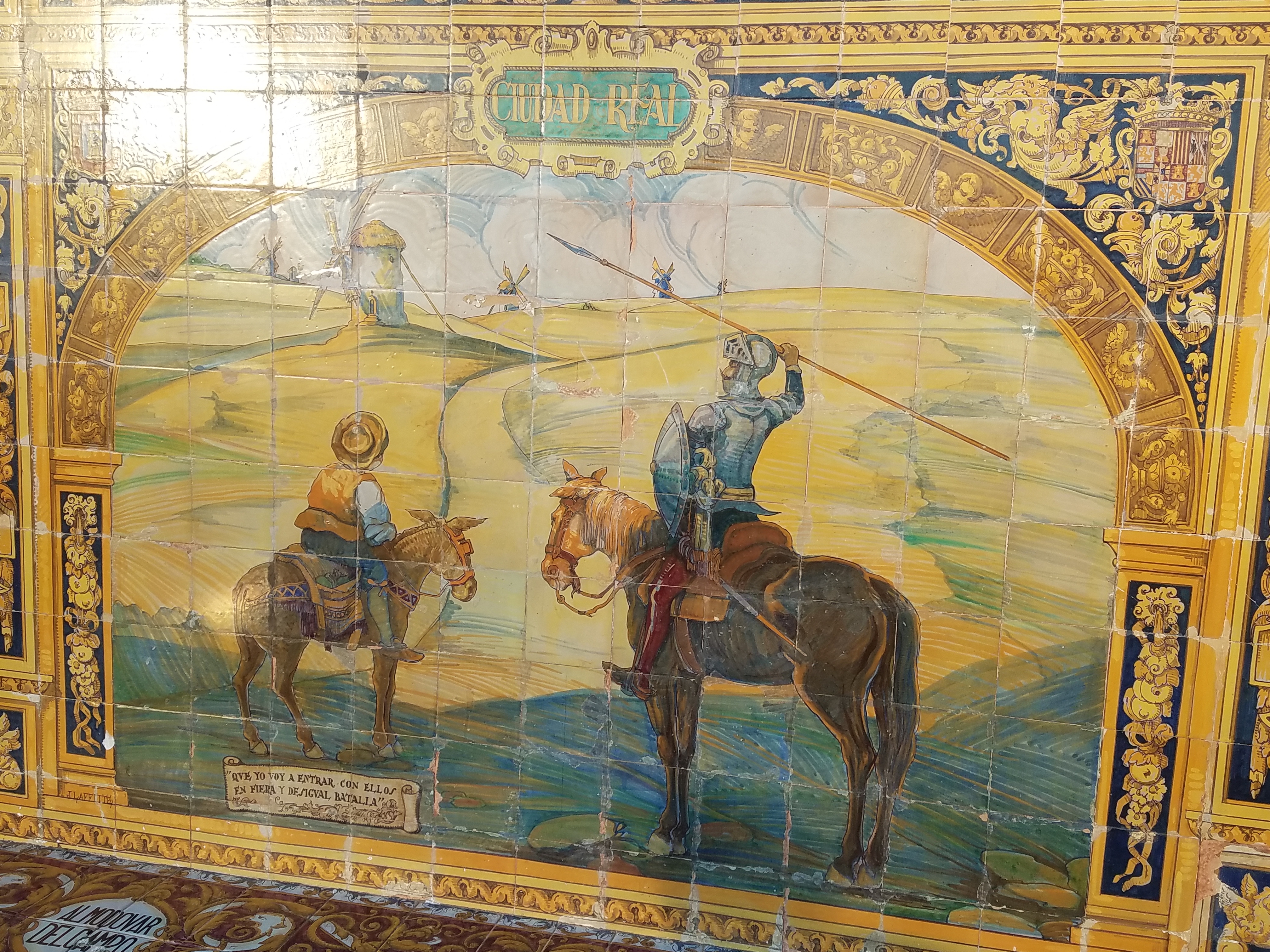
From the time of the ancient Greeks until the 15th century, the preferred format for literature was poetry; epic poetry, sonnets, pastourelles, so on. By the 15th century theatre took hold as the preeminent platform for writing; the different characters able to portray different points of view, and the fact that you did not need to know how to read to follow along, helped. The dominant format of the Enlightenment was the essay as we scrambled to put “order” into the world. And although my dear Cervantes basically “invented” the novel in 1600 (the word novella comes from the Italian, but these were not long narratives), this format did not fully flourish until the 19th century, and boy did it flourish!
A couple of factors that drove the popularity of the novel was that the printing press and paper making technology was well advanced, as well as the fact that many more people knew how to read.
The result are long, intricate novels with great character descriptions and narrative arches -Dickens, great philosophical dialogues –Dostoevsky, detailed historical dramas -Tolstoy. In fact, most European countries saw a great spike in novels in the 19th Century.
In Spain, Leopoldo Alas “Clarín” and Benito Pérez Galdós stand out. In France, Alexandre Dumas, Flaubert, Verne, and today’s featured author, Hugo among many others marked the 19th C. In Germany, Goethe led the Romantic movement! In Ireland, Joyce, Wilde, and Stoker represent. In Russia Dostoyevsky and Tolstoy are most famous, (click here for Russian lit) but not the only ones (Pushkin and Turnegev are in that list). In England, the list is too long to write down, but let’s just say: Jane Austen, Emily and Charlotte Brontë, Lord Byron, Lewis Carroll, Doyle, and of course, Dickens.
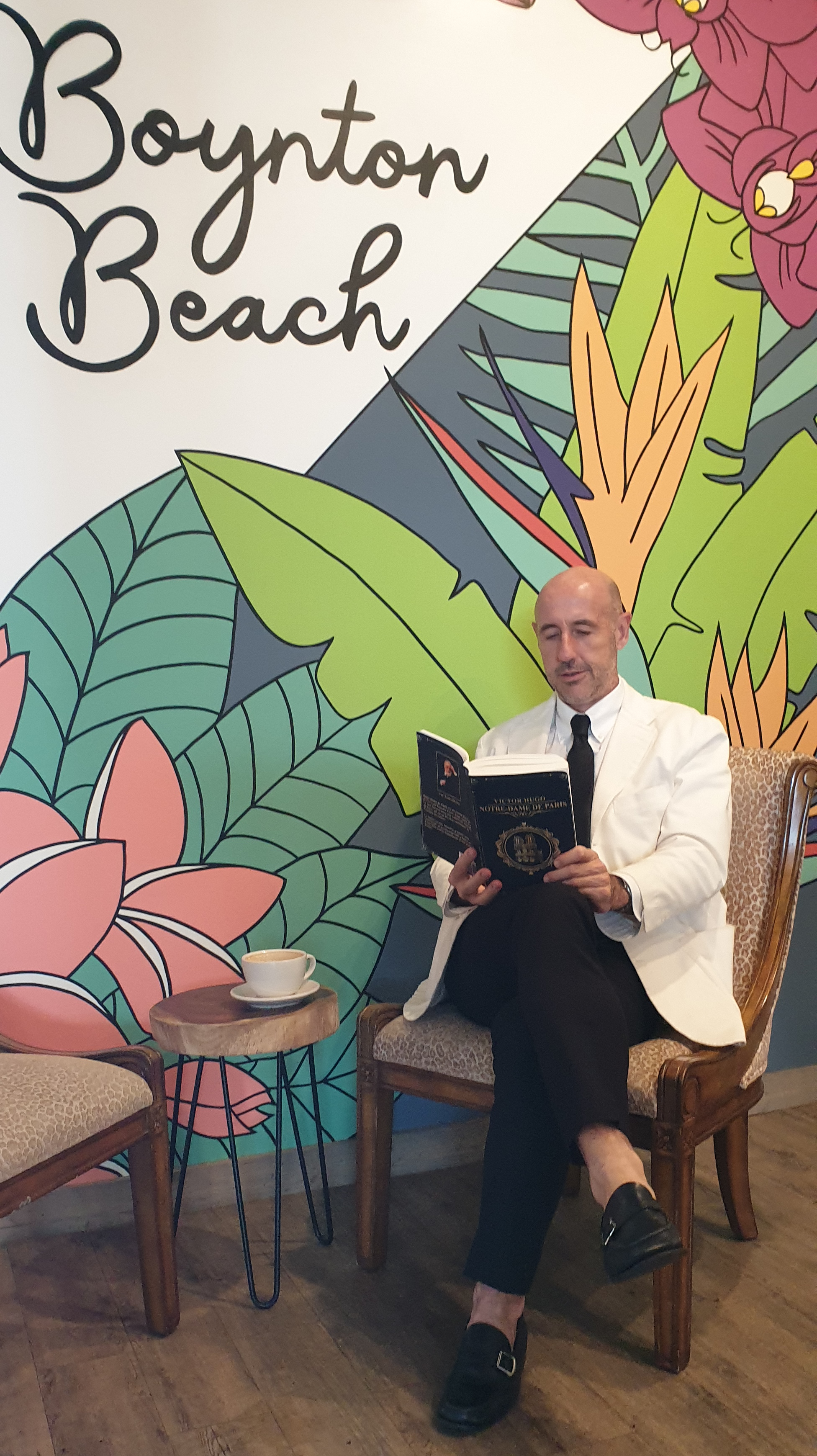
All this to say that I just read Victor Hugo’s Notre Dame de Paris written in 1833, and I have loved it! It is beautifully crafted, amazing, evil, charming, funny, stupid, great characters with, of course, Quasimodo being grotesque but with a beautiful heart. The Cathedral itself is very much a character in the novel, as Hugo was advocating for the preservation of Gothic architecture in a time when old buildings were being torn down to build new ones. The story fits more into the Romantic movement that the later Realist movement, what with all the darkness and gargoyles. I read a French edition that my sister gifted me for Christmas last year, sorry I am running a bit behind on my reading list.
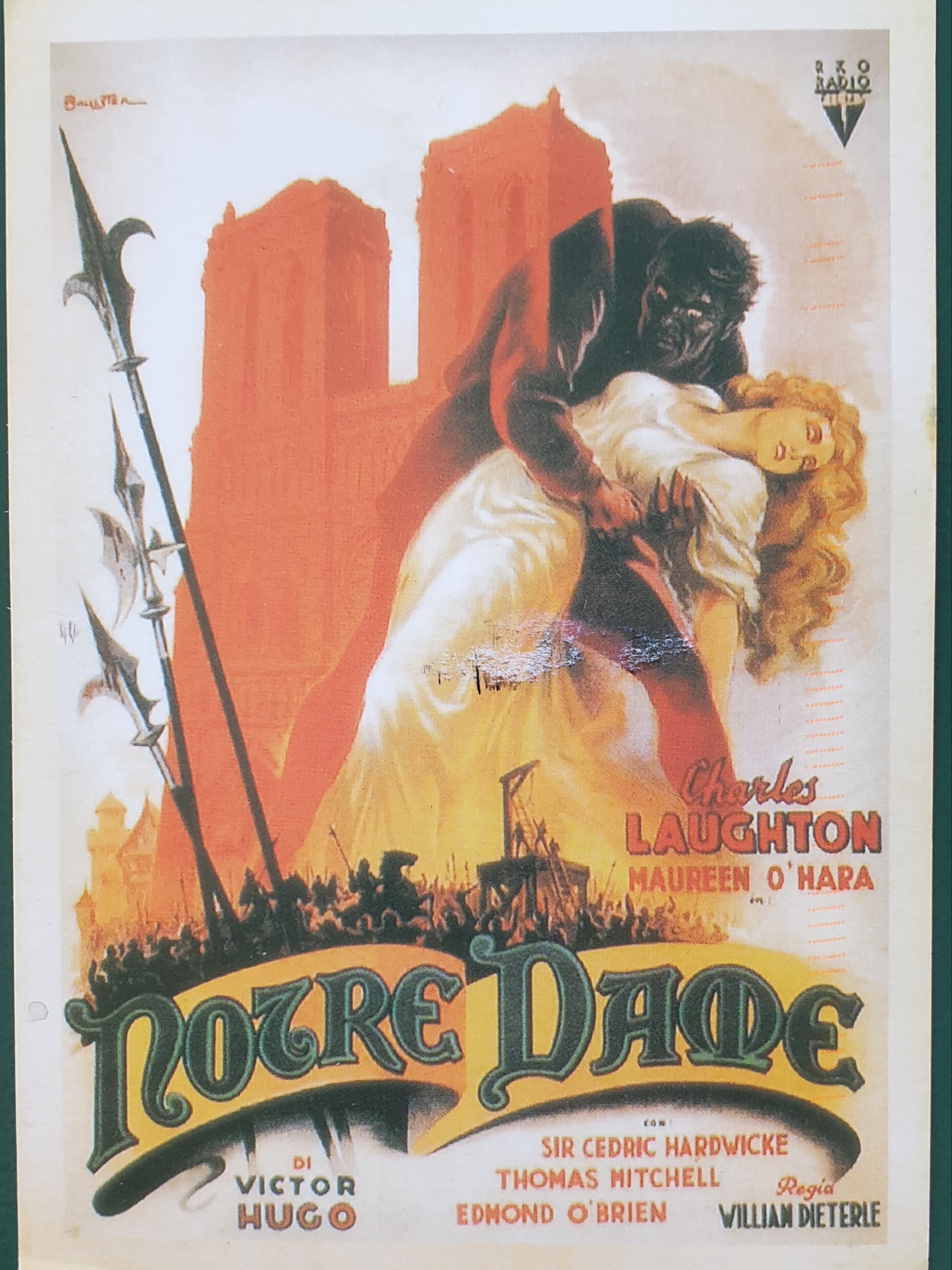
Confession time: I have not seen the Disney version so I cannot judge how faithfully it represents the book, but hey, it is a Disney film. There is also a ballet, a musical, an old film, etc.
Now go read some 19th c. novels!!! You are welcome.


 Antonioyrocinante's Blog