Don Quixote’s influence on Existentialist Philosophy Part II – José Ortega y Gasset

One of the most popular posts on this blog is Don Quixote’s Influence on Existentialist Philosophy, which is a bit embarrassing because it is not very good. I wrote it very early on in my master’s, and while the idea, the thesis is good, I did not develop it very deeply nor fully. It is mostly my gut feeling, my intuition that comes through.

I have thought and thought about this since 2008, and more importantly, I have read a lot that I would not have had the time to read for that little essay. I have read more Dostoyevsky, Sartre, Kierkegaard, El Quijote desde Rusia with three brilliant essays by Turgenev, Dostoyevsky, and Merejkowsky, more Unamuno, Graham Greene, and on and on.

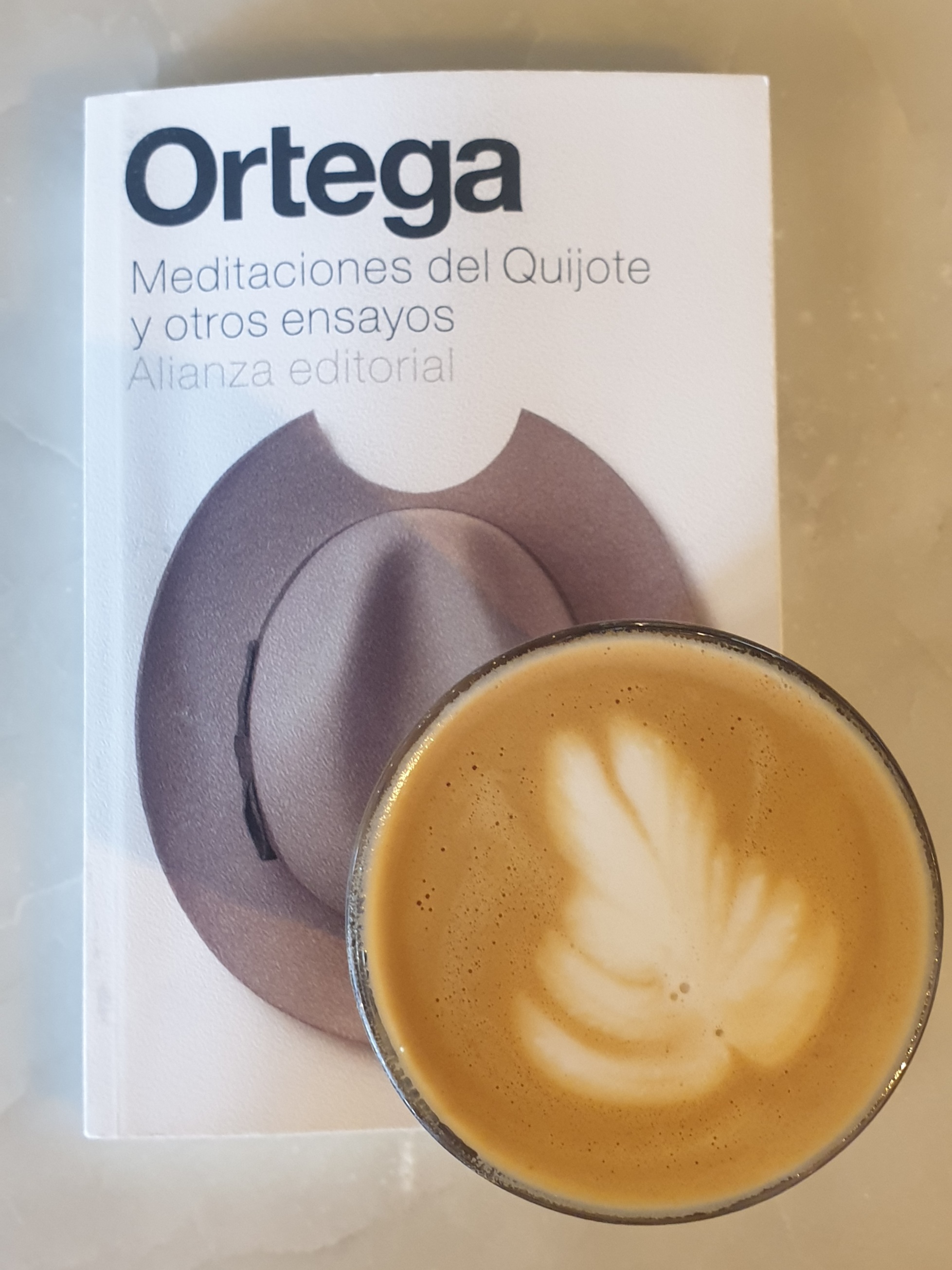
For Christmas, Celia gave me José Ortega y Gasset’s Meditaciones del Quijote y otros ensayos, which I had wanted to read for years.

All this reading confirms the theory that Cervantes crystallizes the thoughts of the preceeding centuries, from the ancient Greeks on Liberty to the early Christians on Free Will, where the Self is swimming in the primordial waters of philosophy, floating around until Cervantes’ electric genius gave abiogenesis form to Don Quixote, consciously creating his fortune, bringing about the concept of existentialism. The textbook example of this is the beginning of chapter VIII. Read it carefully, what does Quijote see? He sees them. What are they? Windmills or giants…

Don Quixote is the proverbial Tetrapod fish walking onto earth. It will be up to Kierkegaard, Dostoyevsky, Nietzsche, Unamuno, and Ortega before Simone de Beauvoir and Jean-Paul Sartre finally come up with the label that puts a nice bow on the Darwinian evolution of thought that delivers Existentialist theory.

Meditaciones has the famous quote “yo soy yo y mi circunstancia, y si no la salvo a ella no me salvo yo”.  So, yes, you are responsible for what you do in life, with life, but you also must deal with the circumstances surrounding your life. But Meditaciones is not what you expect. It is not a direct essay on Ortega’s thoughts on El Quijote -although it is also that- it is that in a meandering, roundabout way. Ortega talks about the Mediterranean culture, compares it to the Germanic culture as he lived in Germany for many years. This is evident when he quotes Nietzsche’s “Live dangerously”, which is, of course, the whole premise of Quijote’s adventures.

As a good philosopher, questioning El Quijote, Ortega ends up asking more questions than answering them. One key observation comes when he compares Cervantes to Shakespeare, something commonly done, as they were, after all, contemporaries. And here is the difference: Shakespeare explains himself, Cervantes not so much. Some of that difference might be due to the difference in genres: Theatre vs the modern novel, but nonetheless, there it is. Another common assumption is the Spanishness of Quijote, which leads Ortega to call Spain the “spiritual promontory of Europe”.

Another of Ortega’s brilliant observations, connections are between two Baroque masterpieces: Quijote and Velazquez’s Meninas, how we can step into each work and see it from the inside. This imaginary stepping into these makes them realistic. That realism is what makes us, and understanding ourselves in that work, that singularity, is what makes us heroes, a full hymn to Existentialism!

So what I wrote 17 years ago, although not the most brilliant, not the best written academic paper, still stands. Cervantes, by creating Don Quijote, is setting the cornerstone of Existentialist philosophy.
Spanish Baroque in Boca Raton

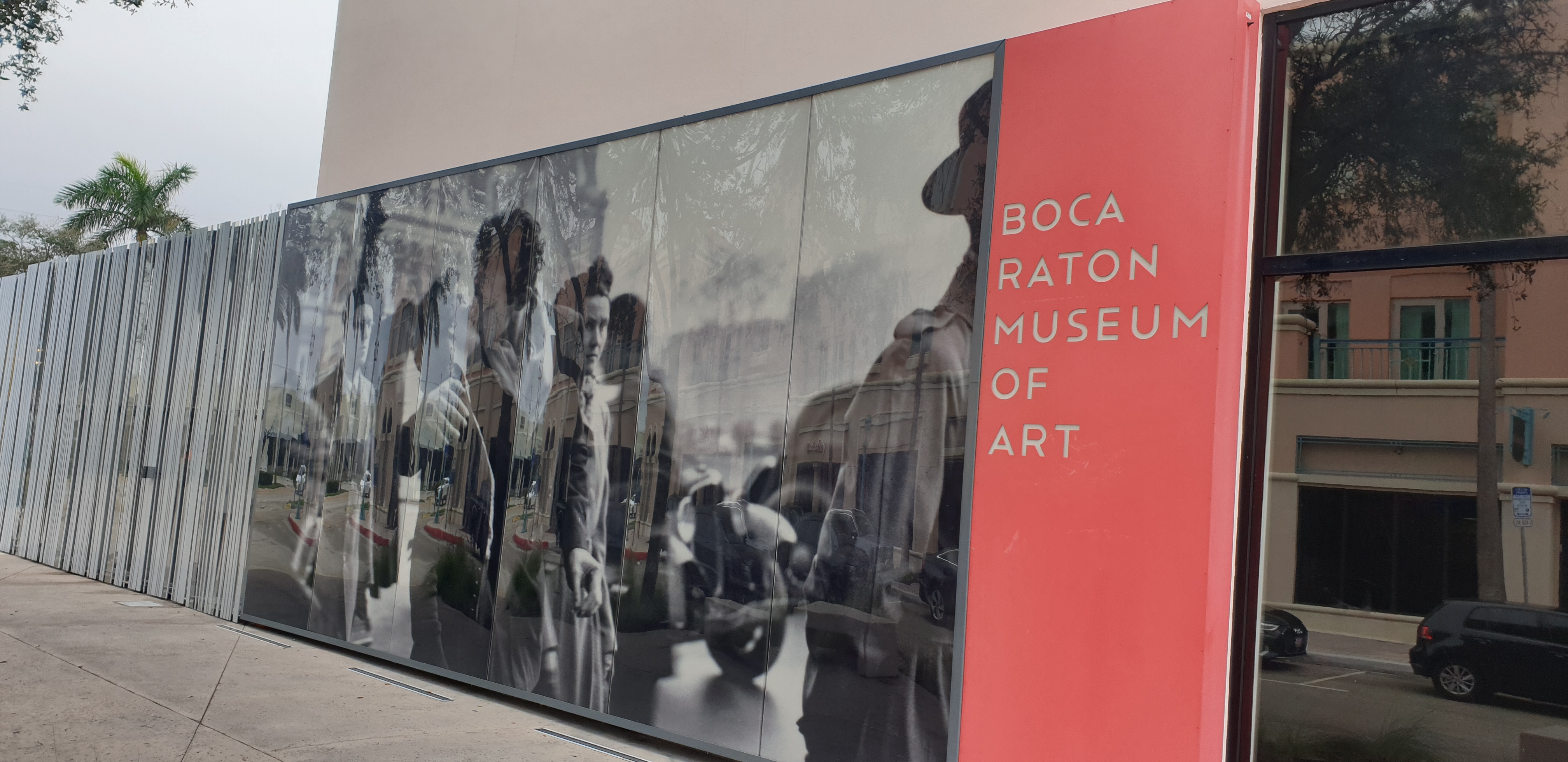
As soon as I found out that the Boca Raton Museum of Art had an exhibit about the Spanish Baroque, I booked a visit for my classes and then went to check it out for myself.

The paintings are courtesy of the Hispanic Society of America in New York, which has organized this exhibit, and which will then travel to a couple more cities.

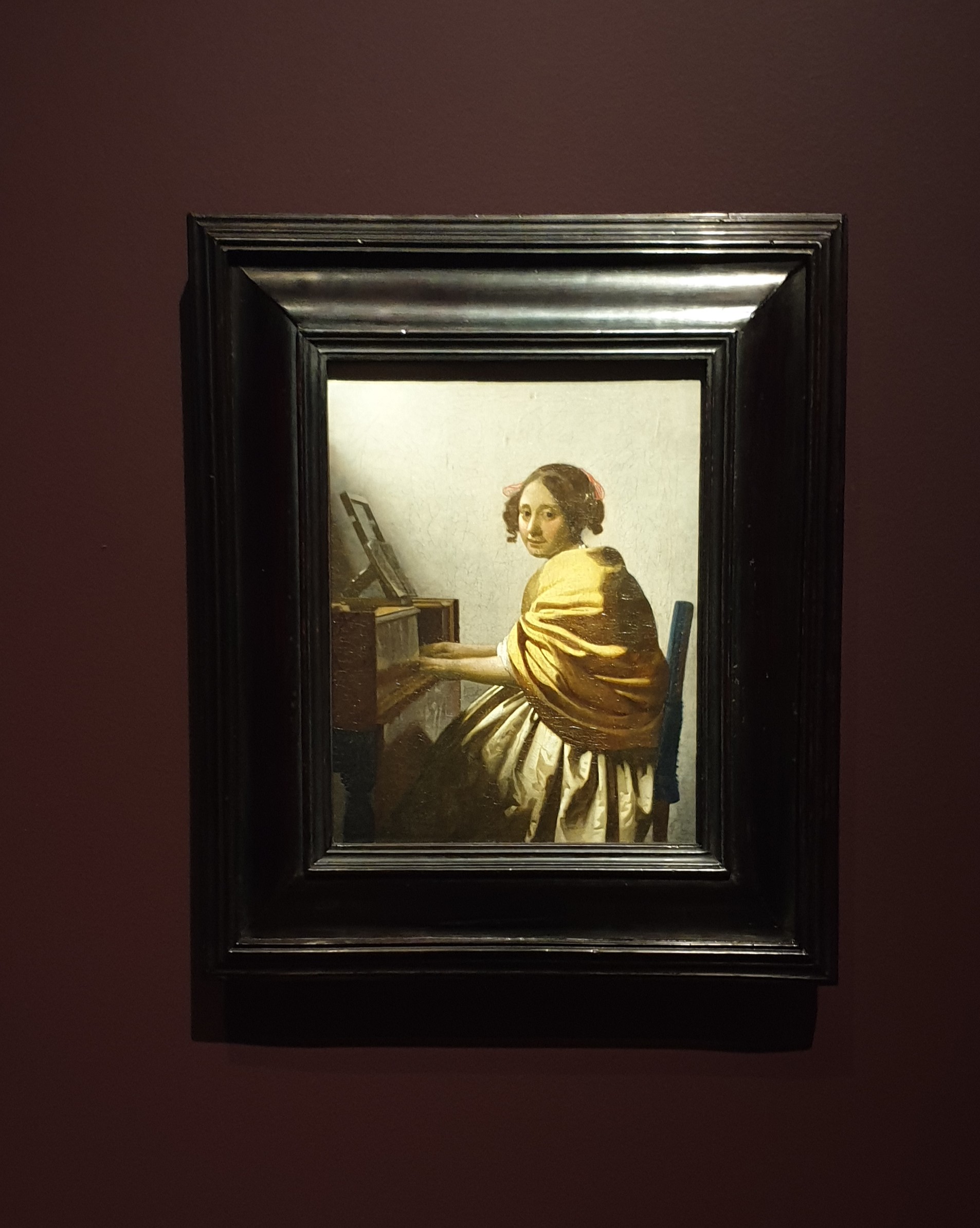
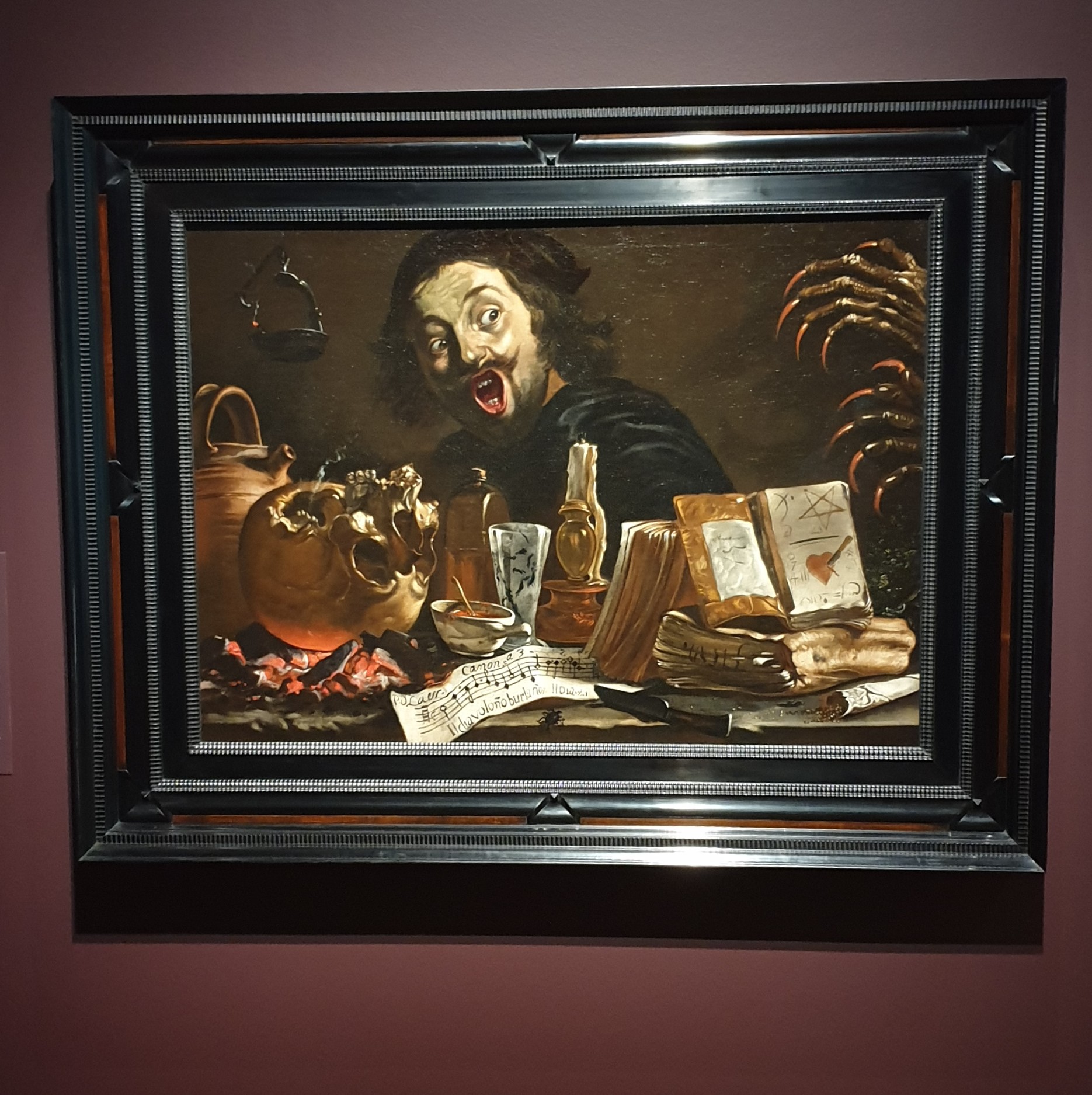
Splendor and Passion: Baroque Spain and Its Empire is a small but very good-quality exhibit. You are welcomed by a local artist’s interpretation of Velazquez’s Meninas, and then you enter to discover paintings by the real Velazquez, Murillo, and el Greco (whom I would put more into late Renaissance than Baroque, but I am nitpicking). If you love the chiaroscuro, if you love Baroque art, this one is for you!

The Boca Raton is a fairly small museum, with most of the collection being 20th C art. But since you are already there, you might as well check it out.

So, if you are in this suburban wasteland that is South Florida, and you need a little injection of beauty, art, and culture, head over to the Boca Raton Museum of Art. You are welcome.

Colecciones Reales, musings on new museums

New museums are rare, most of the stuff worth seeing is already being shown. Another key issue is that for most modern museums the building is more interesting than what is inside -think of Guggenheim Bilbao, or even NY- It is rare to find a new museum where both the container and what it contains are both at the same level of excellence. One such exception is the massive collection of “stuff” the Spanish Royal family has -which technically belongs to all Spaniards, as it is part of the national heritage which is being shown in the brand new Colecciones Reales Museum in Madrid.

This museum has been pending since 1934 with the advent of the Second Republic, but it was finally constructed right above the Royal Palace gardens and next to the Cathedral. It opened in June of 2023. Celia and I finally got a chance to go, and it was free since the museum was celebrating the 10th anniversary of the crowning of King Felipe VI. I liked it so much, I returned the next day with my niece!

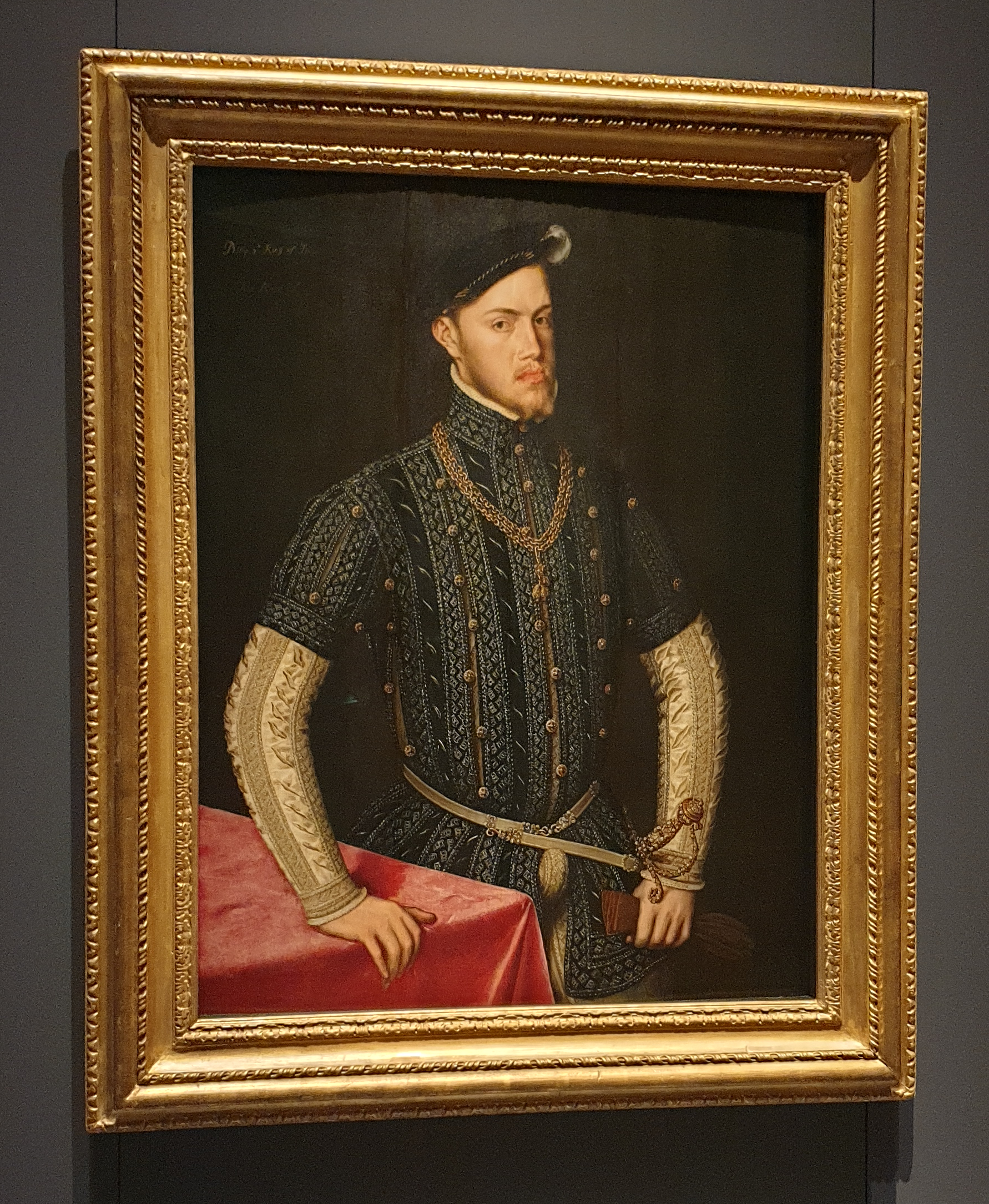
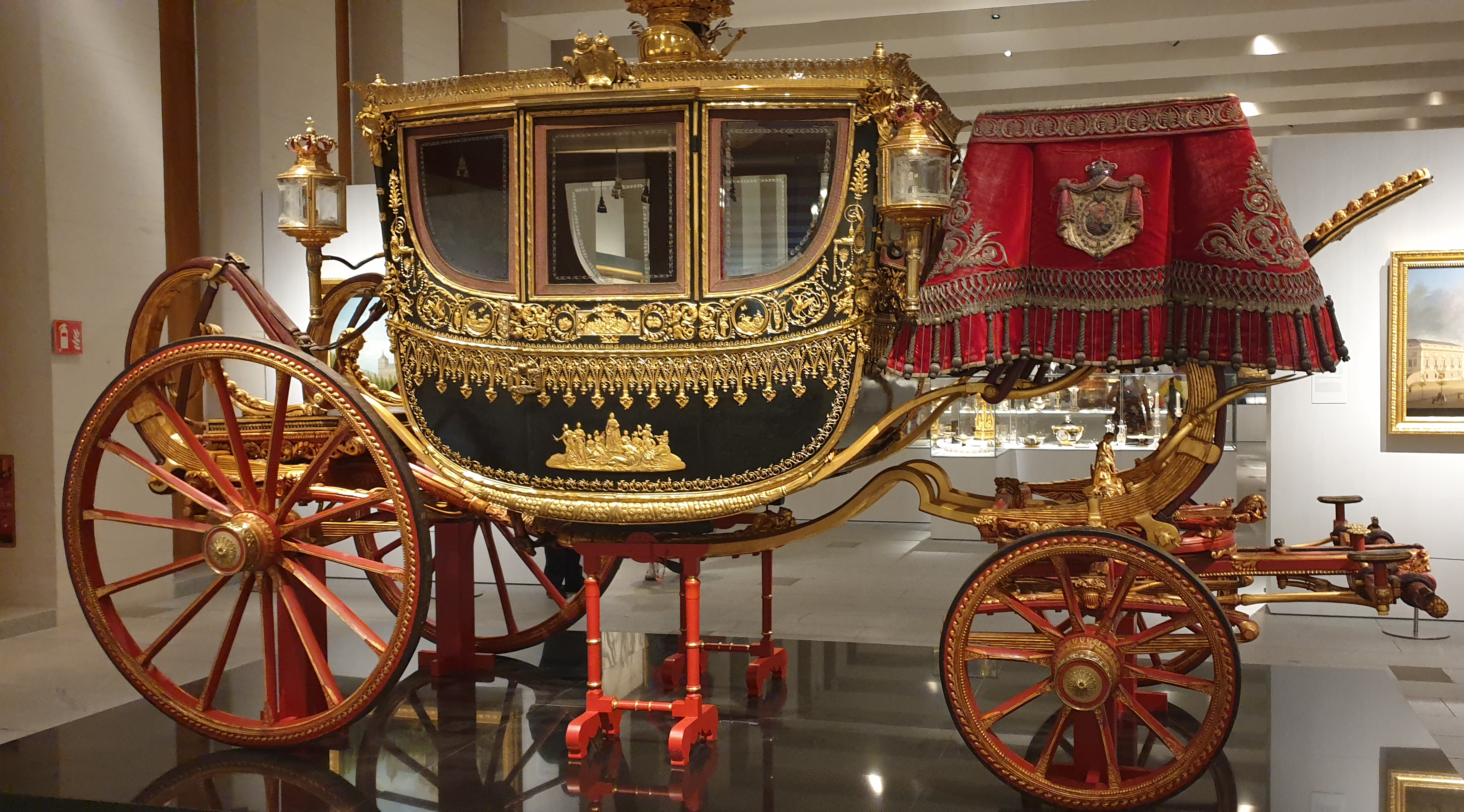
The museum is massive all in concrete and granite with some wooden accents, it is really cool. The collection has artifacts from the Trastámara dynasty, the Hapsburgs, and the Bourbons. The collection includes carriages and cars, a ton of tapestries, a fountain! some religious items, books, a set of Solomonic columns, dinning sets, and obviously a ton of paintings, including a huge Velazquez horse, and oh, a Caravaggio!

The museum includes the de rigueur coffee shop and gift shop, and it is worth the visit, even if it is not free when you go.

A Quiet Abiding: Jacobus Vrel’s Interior with a Sick Woman by a Fireplace

This world is driving us all crazy, it is polarized, violent, in a rush, inconsiderate, uneducated, younameit. But there are a few solutions, a few ways out. One is art. We need more art in our lives. Art makes us slow down, it makes us stop, stop and look, stop and listen, stop and touch, stop and smell, stop and taste.

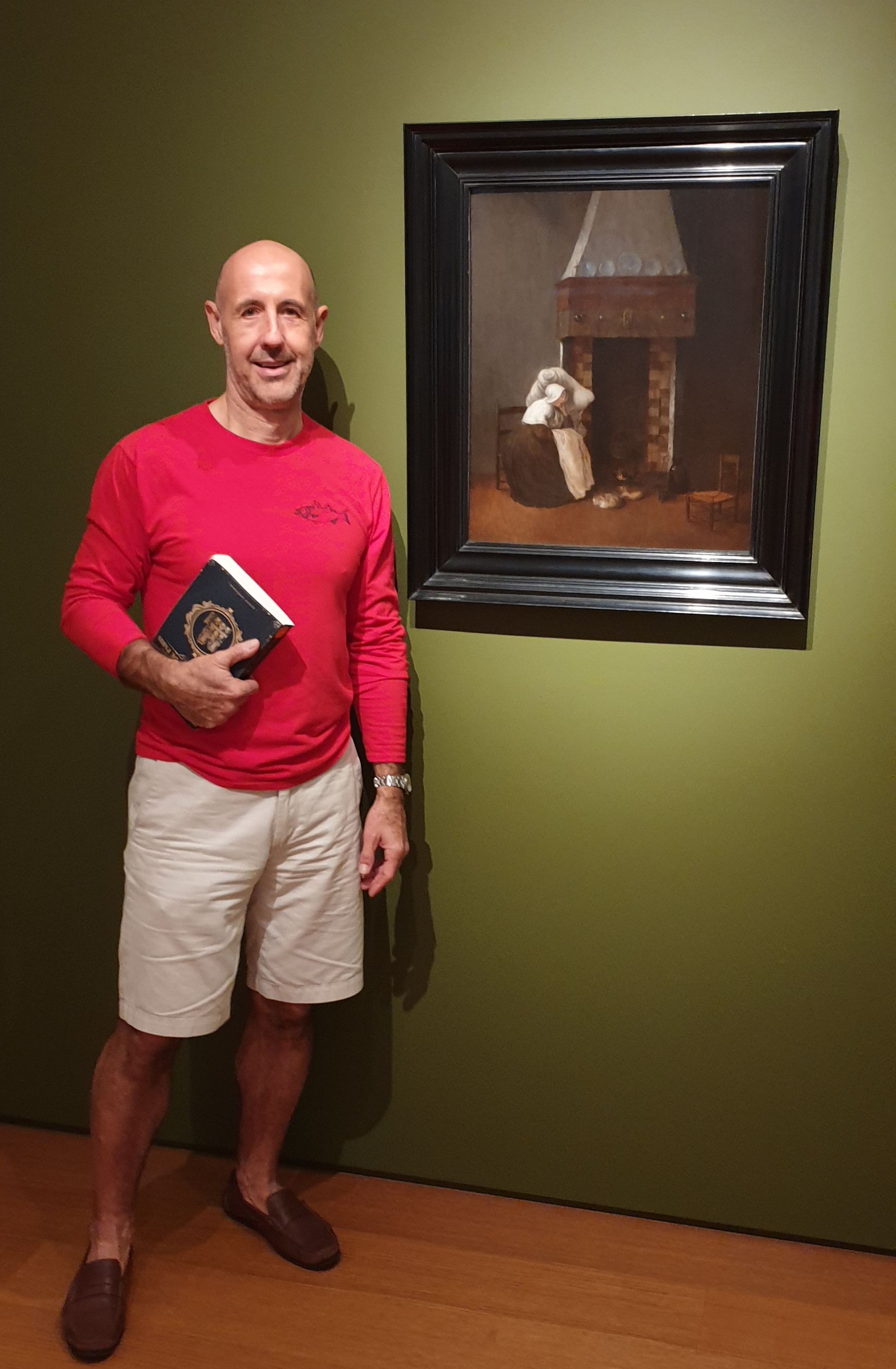
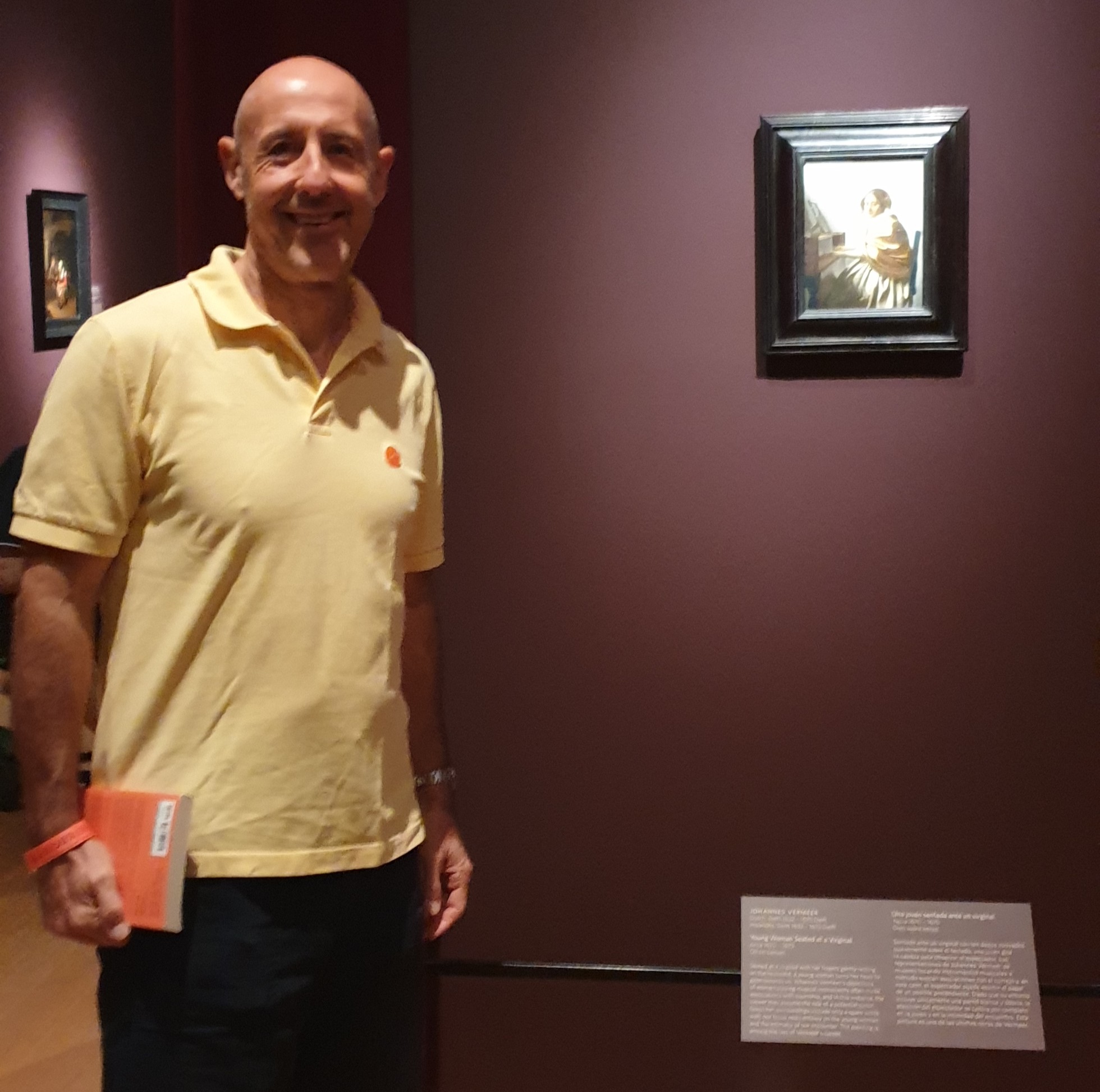
Last Saturday, although I was just coming out of a massive cold, I went to see A Quiet Abiding: Jacobus Vrel’s Interior with a Sick Woman by a Fireplace from the n at my oasis of culture and art: the Norton Museum of Art.

I arrived at the same time as the Chinese Dragon show was about to start in the garden to celebrate the Lunar New Year, but I went straight upstairs to see this painting, which will be on show at the Norton for two years.

Little is known about Vrel other than he barely preceded Vermeer, in fact the painting has an air of Vermeer, but apparently it is the other way around Vermeer has an air of Vrel.

The painting is beautiful, simple, quiet, and alluring. You want to make some tea for the sick old lady, some chicken soup. There is a weak fire in the fireplace, and that flickering flame, a handful of tiny brushstrokes, makes the painting, brings it all together, it is amazing!! A little like the flowers in infanta Margarita Teresa de Austria’s dress in Velazquez’s Meninas.

If you are around Palm Beach up until December 15 2024, do not miss this painting. You are welcome.

The best present ever, Rome.

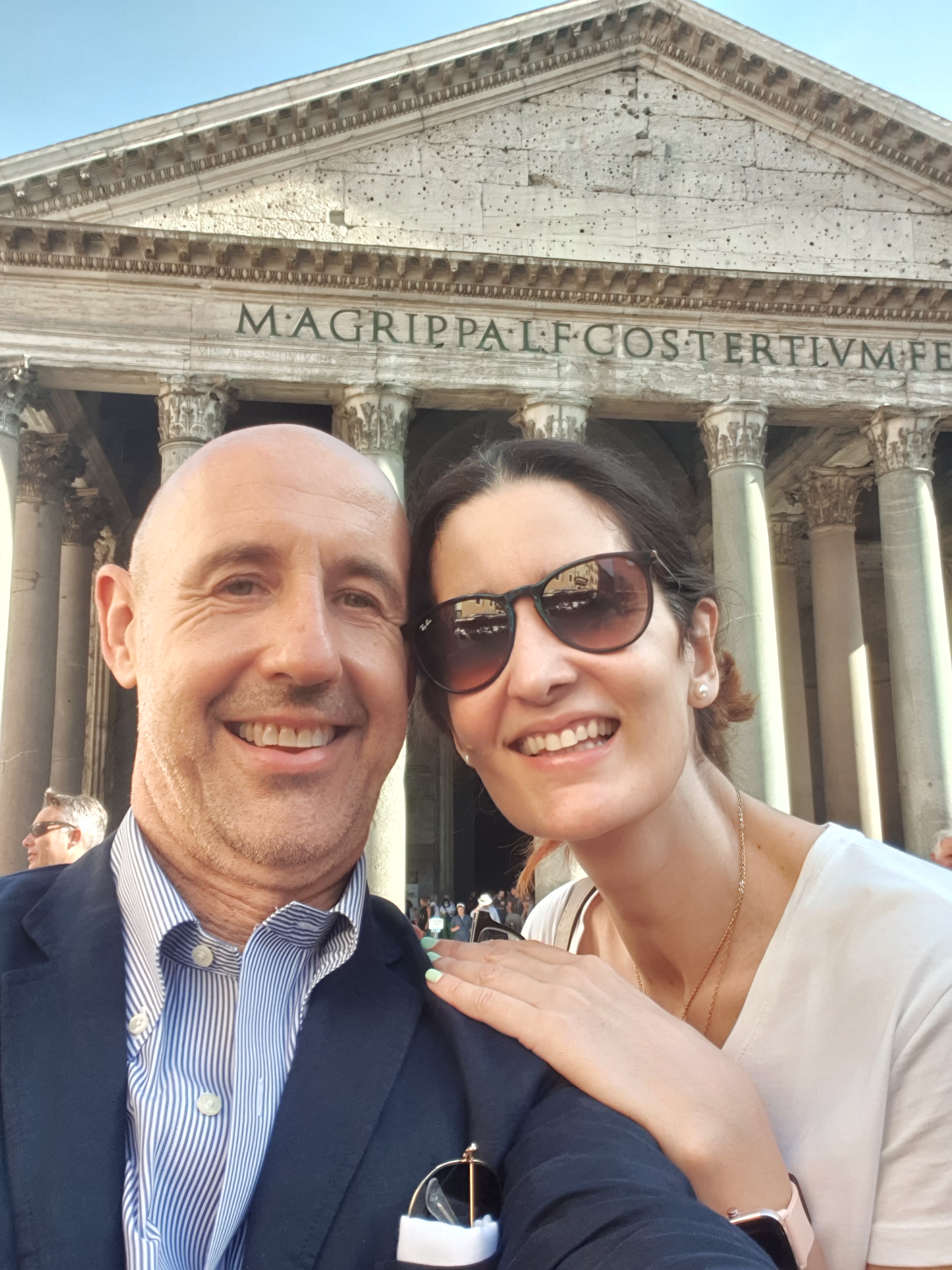
Confession time: I had never been to Rome before last week when my girlfriend invited me for a few days. I had been to Milan, Lake Cuomo, and Sicily, I spent a lot of time for work in Florence. But I had never been to Rome.

My mind was blown. The absolute beauty, even in the apparent anarchy and chaos of traffic, mopeds, rental scooters, and tourists. Every little piazza, every big piazza, every sculpture, every cobble stone street, one is surrounded by inebriating beauty.

We stayed at a cute and quirky hotel on Largo de Torre Argentina, where Julius Caesar was assassinated, and although Celia had been there before, she was still game to walk all over town to the Pantheon, Forum, Jewish neighborhood, Piazza Venezia, Colosseum, Trastevere, Isola Tiberina, Piazza Navona, Spanish Steps, Trevi, Villa Borghese, the Vatican, St. Peter’s, Piazza del Popolo, Castel St. Angelo, and church after church, you name it, we saw it!

We had delicious meals: my first real carbonara, my first real Jewish artichokes, amazing! Excellent coffee, great wines, an Aperol Spritz when evening started, lick your fingers pastries and gelato, you get the idea.

Two memorable experiences were seeing Velazquez’s Inocencio X at the Doria Pamphili Gallery and Michelangelo’s Pieta in St. Peter’s. Although I was a bit disappointed in the Sistine Chapel: the crowds and the noise make it difficult to enjoy, if on top of that the Vatican cops are yelling “Silenzio!!” and “Move along!!” on their megaphones, then the moment is totally lost, sad.

Overall, I am still in awe. My senses are still aglow with the beauty, tastes, and sounds. I can’t wait to go back, which I should because I dropped a coin in Trevi fountain.

My favorite? Michelangelo’s Pieta in St. Peter’s, but that might merit its own blog post.

My favorite painting

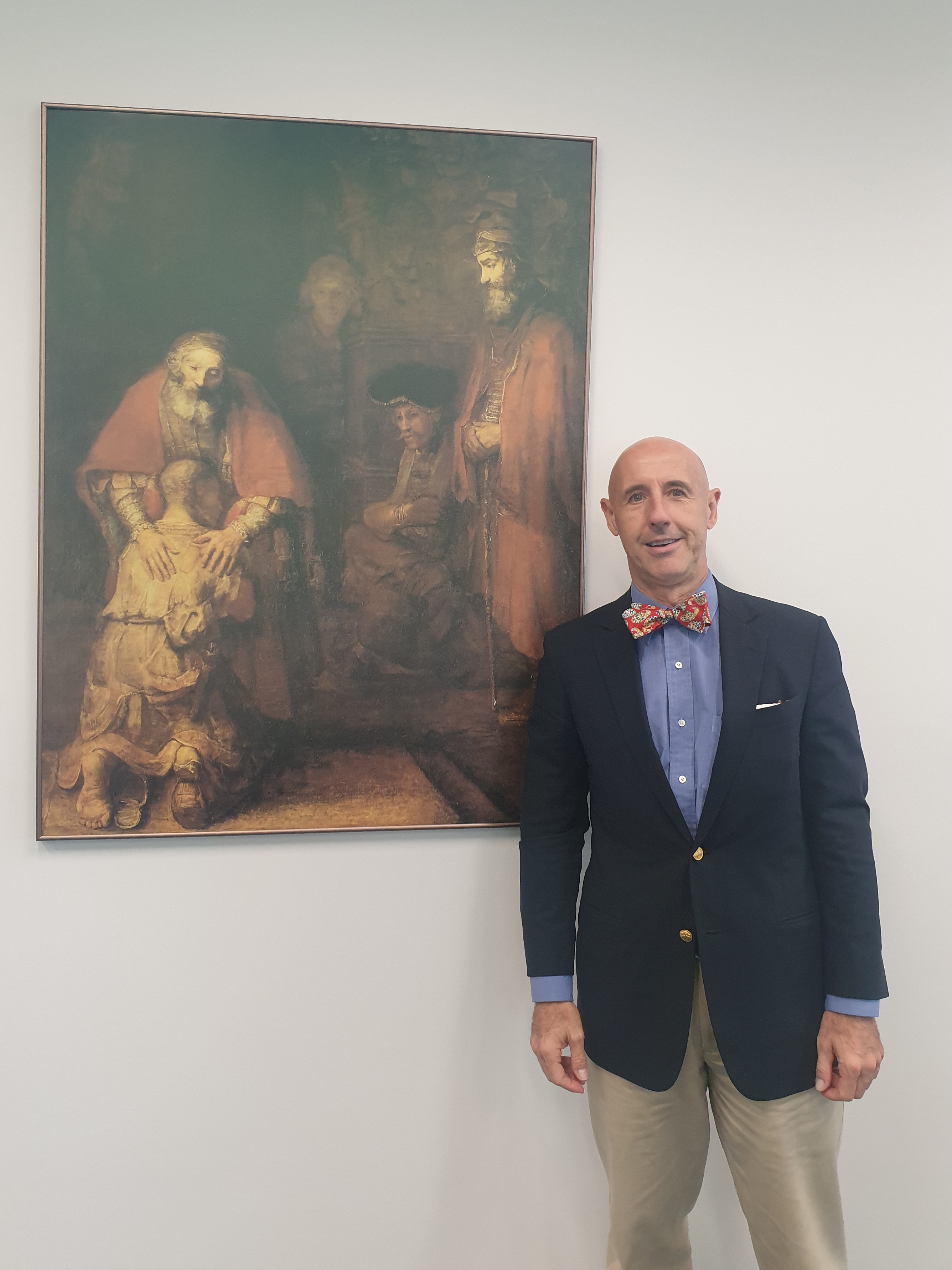
The Prodigal Son, from my friend Irina

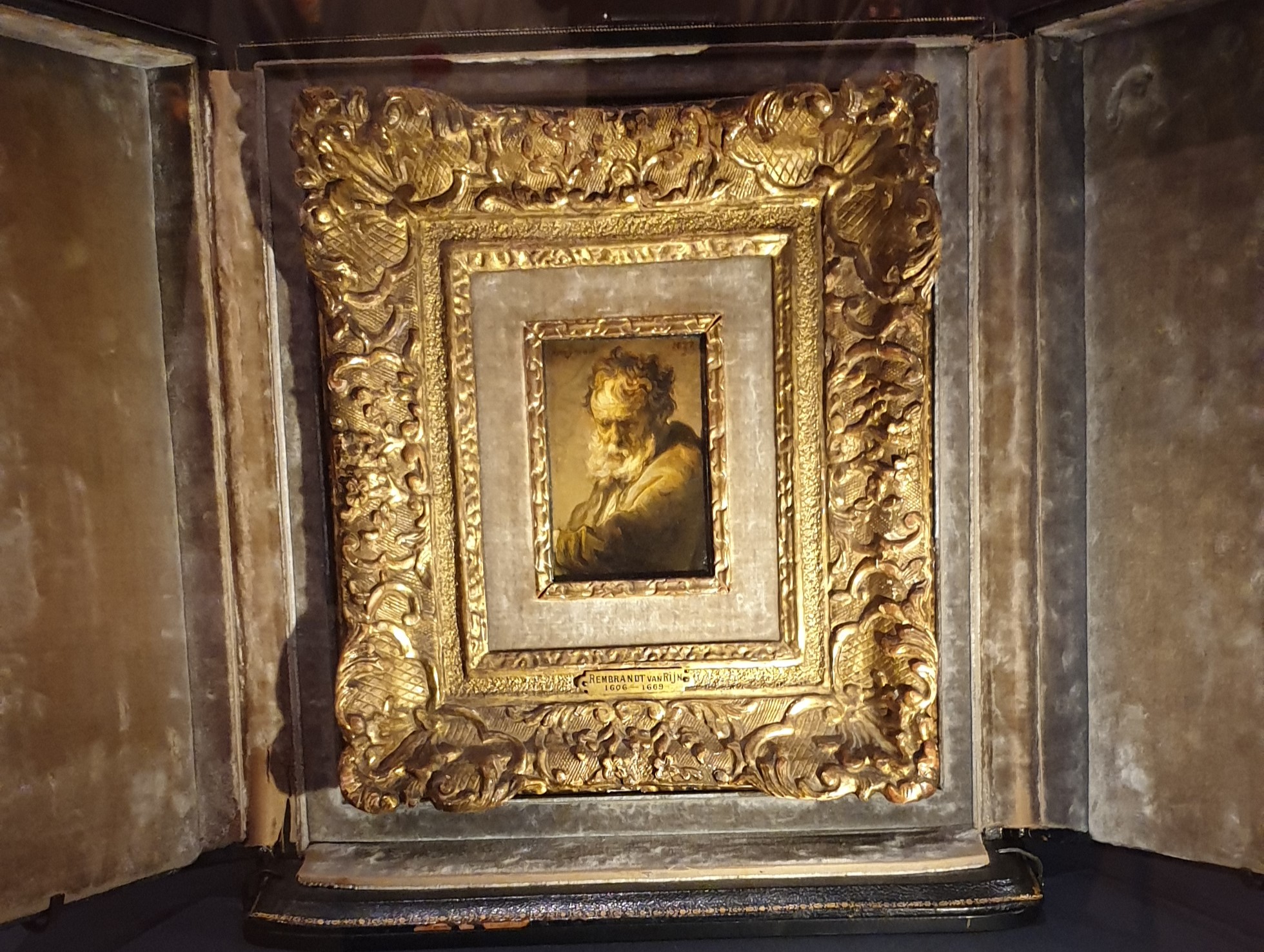
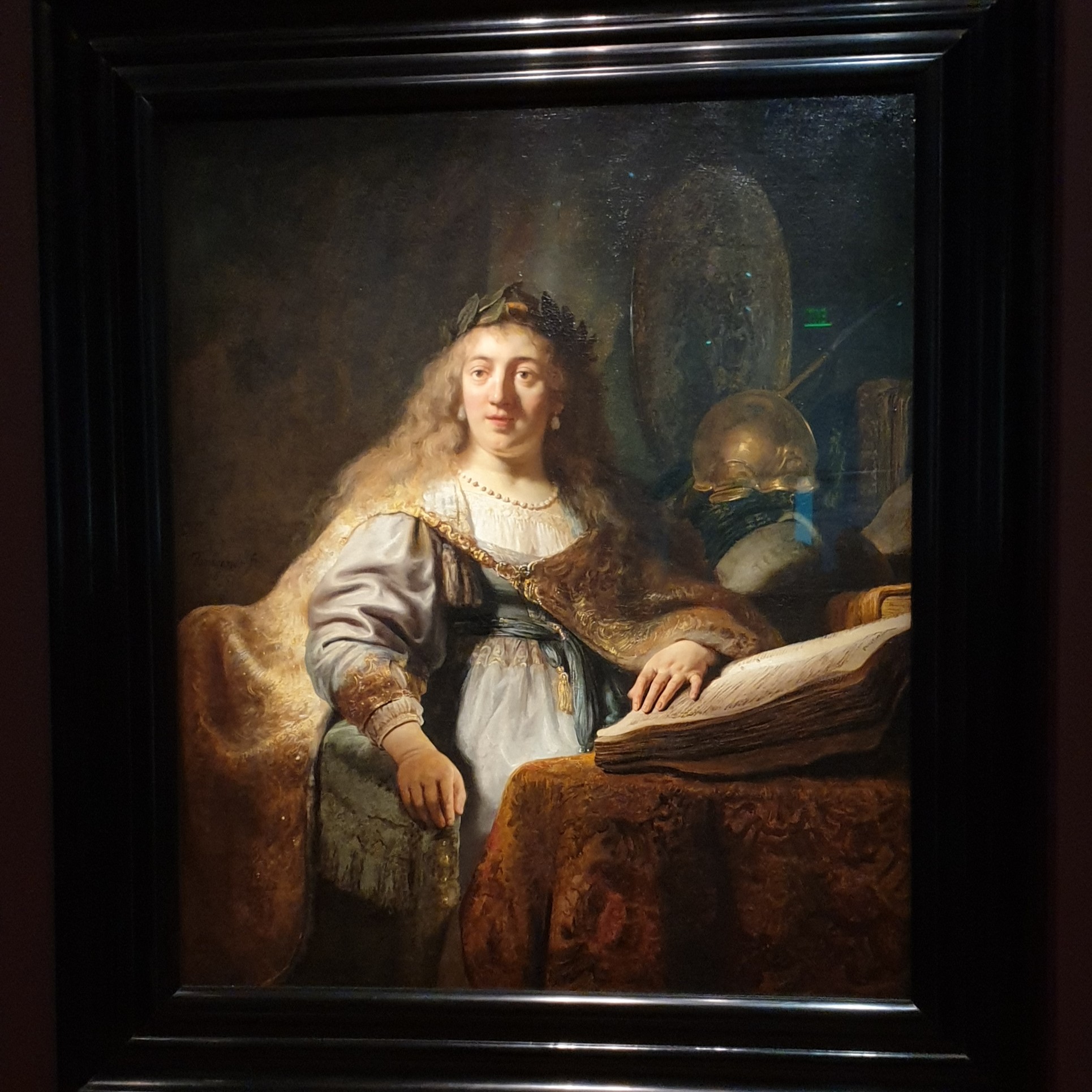
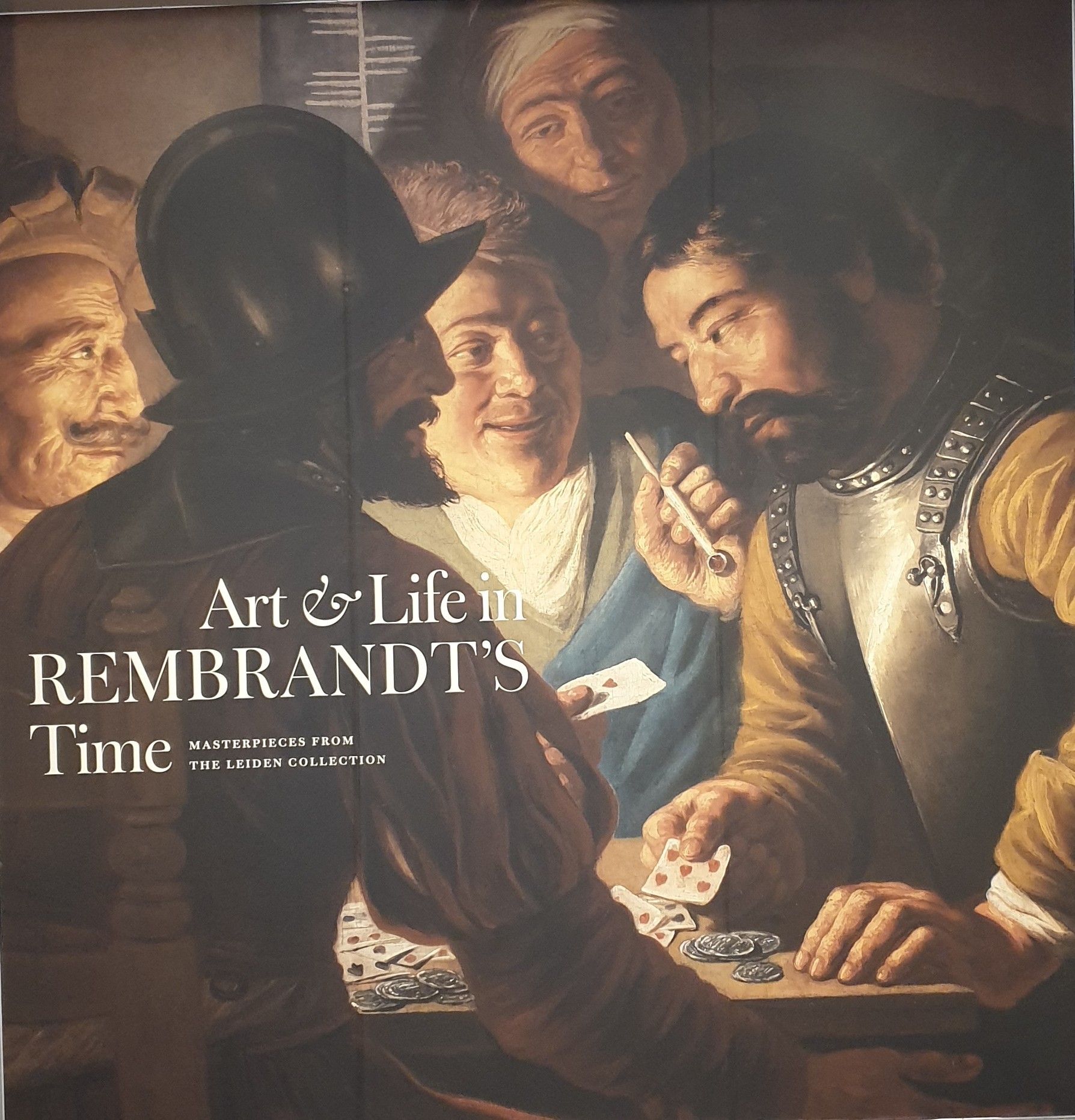
This might sound heretical coming from a Spaniard, but my favorite painting is not by Goya or Velazquez or Picasso or Murillo or Dalí or Miró, it is by Rembrandt (Leiden 1606 – Amsterdam 1669), and it is not even in a Spanish museum.

Unfortunately, I did not realize I was looking at what would be my favorite painting when I saw Rembrandt’s Return of the Prodigal Son when I was seventeen and visiting The Hermitage Museum in St. Petersburg with a handful of school friends. I was probably more concerned with looking at pretty girls or wondering about the evening’s plan with cheap Soviet Vodka -ah yes, the year was 1983, with Leonidas Brezhnev in charge of the Soviet Union!

Not long after, my father gave me a book: The Return of the Prodigal Son: A Meditation on Fathers, Brothers, and Sons by Henri Nouwen and I was deeply moved. I understood the painting and it became my favorite. Nouwen, a priest (1932-1996), threads the parable of the Prodigal Son (Luke 15:11–32) with the painting, covering each detail, each character in Scripture and the painting.

The father’s hands gently placed on the boy’s back, the brother’s jealous, angry stare, the servant, the mother, even another person almost invisible in the background, the son’s broken sandals, the capes, everything has a purpose and a meaning. The painting, painted in Rembrandt’s last years, is as spiritual as they get. It asks for your meditation, it questions our behaviors as sons and daughters. You feel the weight of the father’s hands on your back, their warmth. The painting forgives you.

What was my surprise when I discovered that a poster of the painting hangs in my school’s library, right outside my office! I walk by it many times every day, and every day I am reminded of Rembrandt, of the Prodigal son, and of my trip to Russia many years ago.

Some of my other favorite paintings are Velazquez’s Meninas in the Prado, pretty much anything by Goya, Velazquez´s Inocencio X in the Doria Pamphili Gallery in Rome, every Sorolla painting, I’ve already mentioned Frida Kahlo in this blog, etc., etc., etc., the list goes on and on. But this one wins.

What is your favorite painting? Comment below, I would love to know!

Poster next to my office!

Summer reading recap

Confession time: I have a problem that started around high school, I cannot stop reading. I read anywhere, anytime. I have books and magazines strategically placed around the house: the dining room table, the bathroom, bedside table, etc.

My summer reading was -as usual- an eclectic mix of books, here are some reviews:

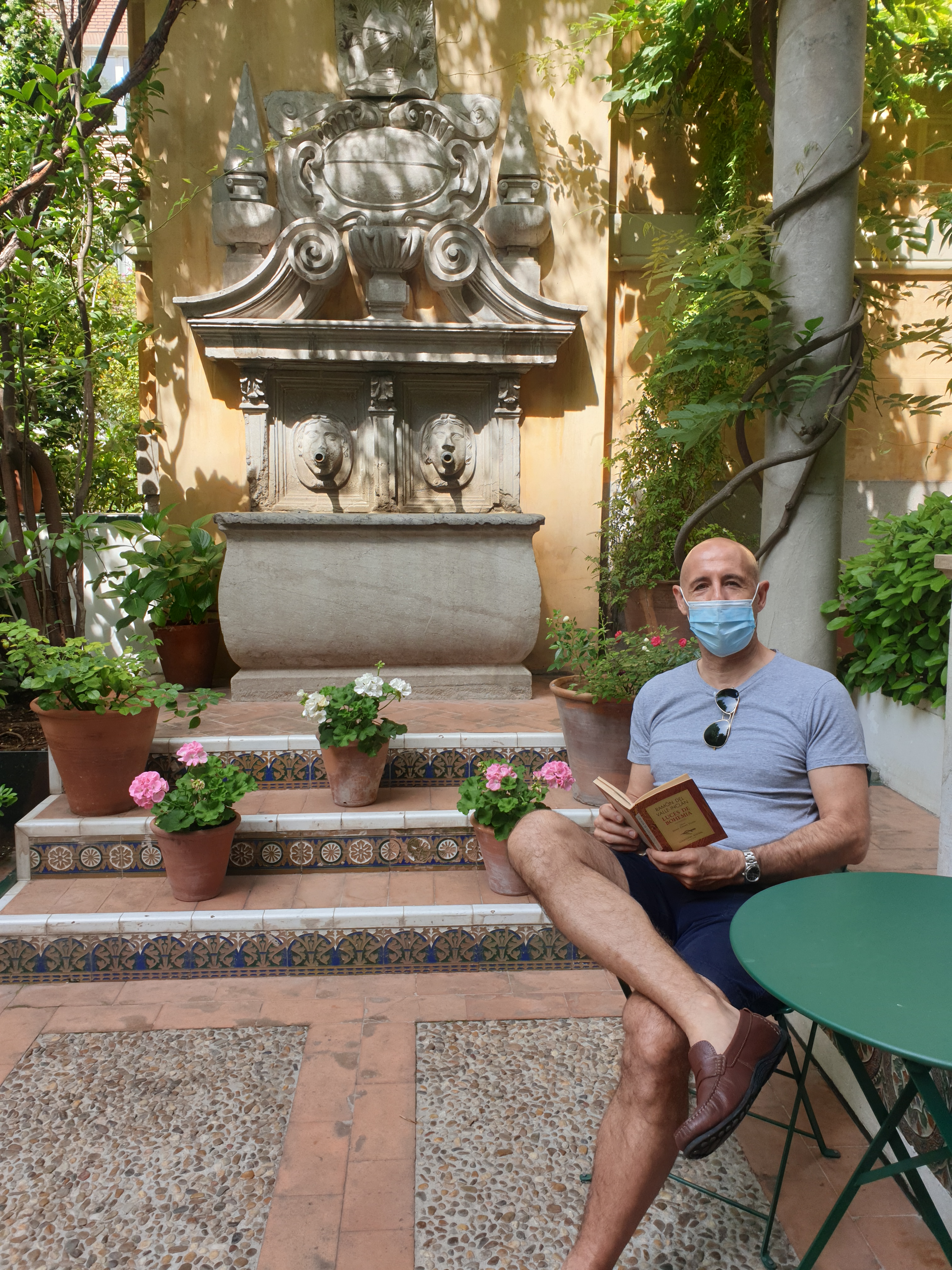
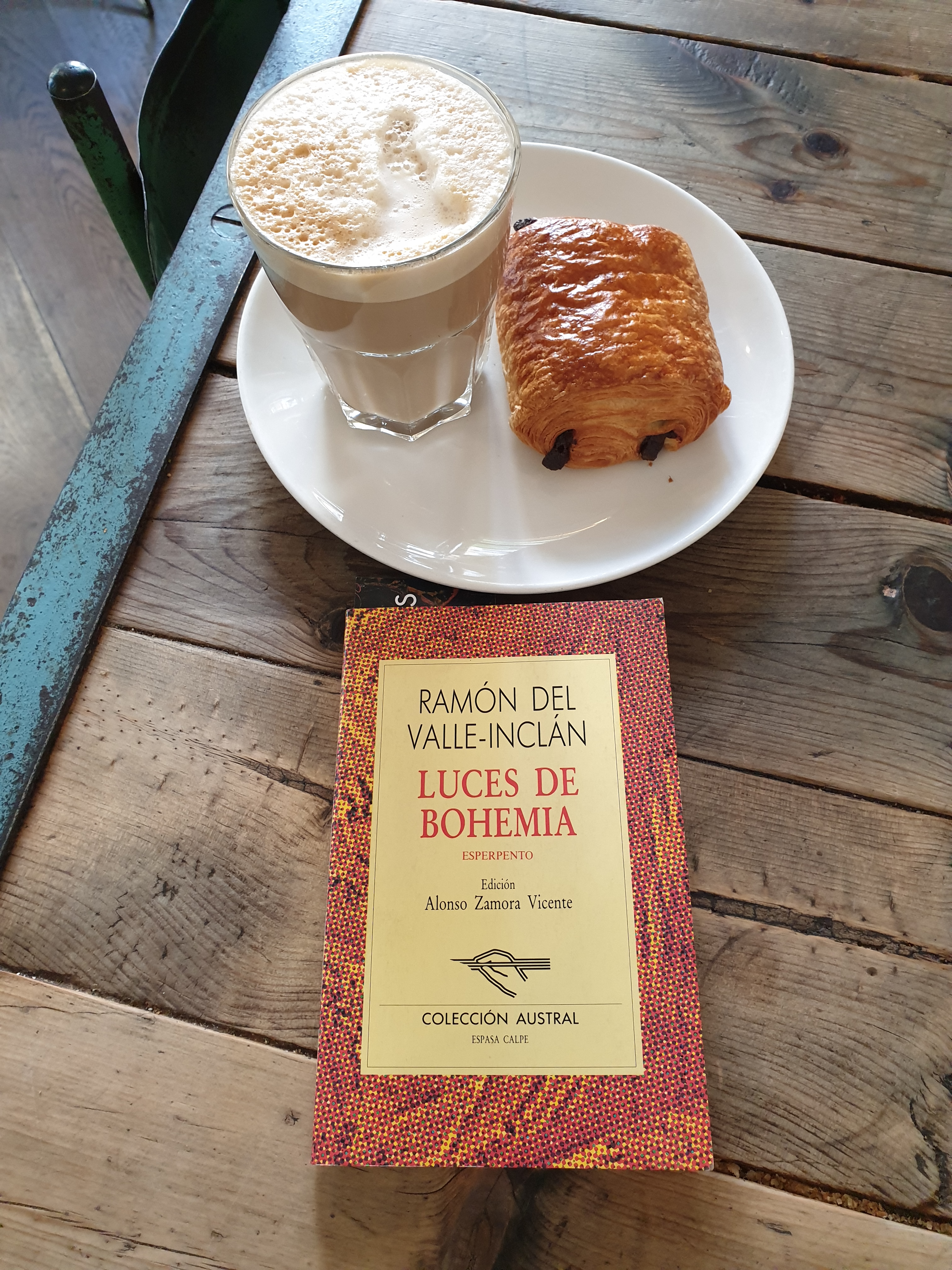
Ramón del Valle Inclán Luces de Bohemia. I am a bit ashamed to disclose that I have a PhD in Spanish Literature and I had never read this (to my defense, my specialty was 18th C. literature, and my sub-specialties were Colonial Satire and Medieval Spanish Satire). I was surprised how fresh this book felt. Although it was written in the 1920s it might just as well have been written today. It is a satirical but profound glimpse of Spain at that time. It also introduces the concept of “esperpento” which offers a distorted and grotesque view of the world which paradoxically acts as a corrective lens to better appreciate the situation.

A critical factor of the Camino de Santiago is weight. The library of the albergue in Roncesvalles (the first stop of the Camino Francés) is full of Bibles that pilgrims with the intention of reading have “donated” because of its excessive weight and bulk. This year I carried Junichiro Tanizaki’s In Praise of Shadows which is a beautiful study of Japanese aesthetics and culture, a gorgeous essay on the philosophy of traditional Japanese interior design.

Back in Madrid I read Henri Brunel’s The Most Beautiful Zen Stories – The original is in French, and I do not think there is an English translation. The book, as the title explains has short and sweet stories, but always with a bit of a sting – a question, maybe, unanswerable, at the end.

My beach reading was a gift from my dear friend Paco Navarro: Walter Kempowski’s All for Nothing (Alles umsonst in the original German). A story about a family during the last days of WWII in Germany. A great read about family dynamics, history, the human condition, and war.

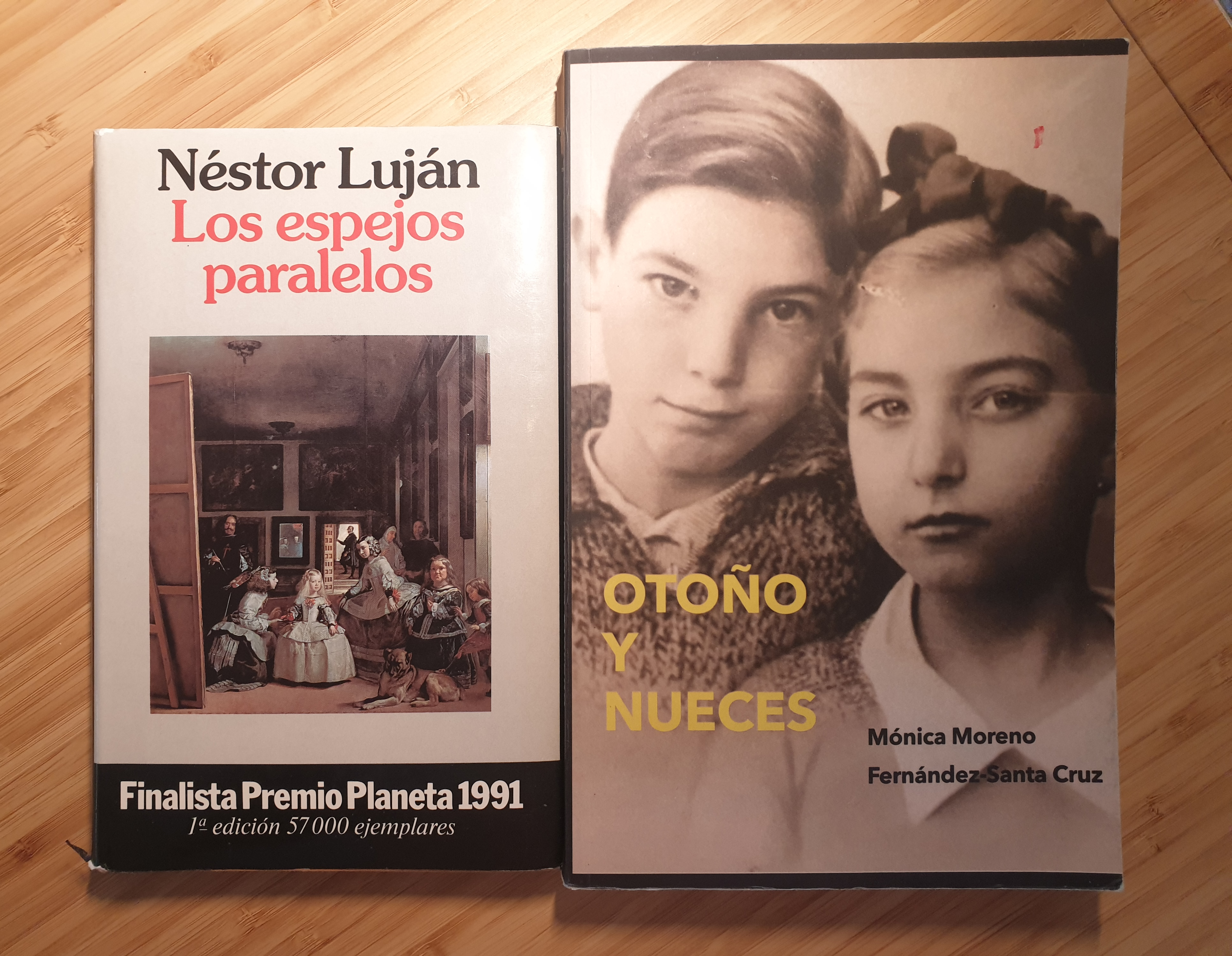
Back in my mom’s country house I dug into another war, this time the Spanish Civil War, from the hand of dear friend Monica Moreno, who writes about love and family during that fratricidal war in Otoño y nueces. Her first adult novel after a handful of YA books, is well documented and intimate. Get it on Amazon here!

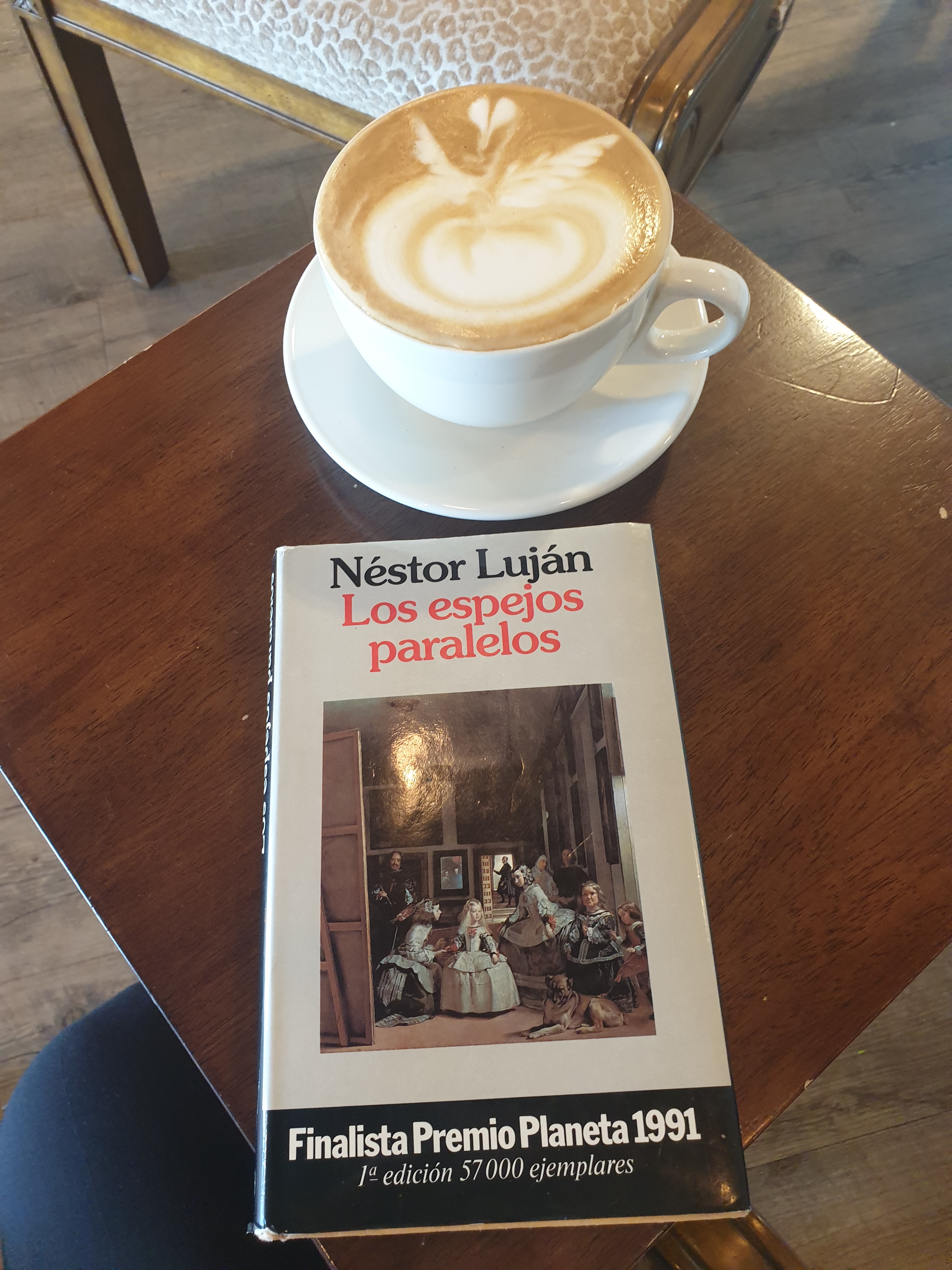
Back in Florida I explored Velazquez’s masterpiece painting Las Meninas through Néstor Luján’s Los espejos paralelos, which brings the painting to life through each of the characters, including the dog! Luján takes us to the dark hallways of Madrid’s old Alcazar palace, life in the court of Philip IV, and Madrid. A delightful read –specially if you are a fan of Velazquez and Las Meninas!

My last book before Fall was Richard Rohr’s The Divine dance which reflects on the deep spirituality of the Trinity and how love flows through the universe and us!

So there are a few reading recommendations in case you needed any, you are welcome.

Museo Lázaro Galdiano

A few years ago I wrote about the Museo Sorolla in Madrid, a hidden gem in the big city. A small, personal sized museum, which proves that there is no relationship between size and quality. A few blocks away is another such gem, the Museo Lázaro Galdiano. I re-visited it recently with my sister.

Hidden in plain sight, in the middle of busy Calle Serrano, better known for its shopping than for museums (although the Archeological museum is down the street). The museum in housed, as you might have guessed, in what used to be Lázaro Galdiano’s house. It is a big house, a huge house. In Spanish we call it a palacete, in English, you borrow the Italian word palazzo, at any rate, it is big. And it is full of wonderful art. From ancient Greek and Roman nick knacks to Goya and Velazquez paintings. Each gorgeous room is full of wonderful pieces: medieval art, paintings by Hieronymus Bosch, El Greco, Murillo, jewelry, weapons, ceramics, furniture, sculptures, etc. The house itself is a work of art, beautiful wooden floors, painted ceilings, central staircase, and gardens. It also has the obligatory gift shop, and a research library.

My sister Rocky and I were pleasantly surprised that here and there were pieces of modern, contemporary art. Call us old-fashioned, but in general, in contrast to the art surrounding it, the modern pieces did not measure up.

Finally, the museum publishes Goya, a serious art/academic magazine. Of course, my dear friend and Dissertation Director, Irene Gómez Castellano, has published an article in it.

While the lines at the Prado, the Thyssen, and the Reina Sofia are discouragingly long, you can generally just walk straight into the Lázaro Galdiano, and walk around at your own leasurely pace, and definitely get your money’s worth. When you finish, you are on glamorous Calle Serrano, and you can stroll to get a coffee or a meal!

The Ackland Art Museum

20160110_130721

Francis Bacon, Study for Portrait VI (1953)

In my four years in Chapel Hill, I have mentioned it in passing and I have written about my girlfriend Melanie de Forbin-Gardanne by Jean-Louis Le Barbier but I have not dedicated a blog entry to one of my favorite spots. The Ackland Art Museum. That needs to change.

20160403_132344

My Sunday morning ritual

I discovered the Ackland in 2012 when I went to visit UNC during my Spring break from BB&N. I remember walking upstairs and coming face to face with some Goya prints from the Caprichos series. My mind was blown. Those prints let me know that Chapel Hill might look like a southern college town, but that it has some cultural weight. It was a deciding factor in my going to UNC.

20151025_132507

El sueño de la razón produce monstruos. Goya

Once school started, I discovered that walking home after Sunday mass I passed the museum. My Sunday morning routine was set: church, coffee and reading across the street at the beautiful Carolina Inn, and then walk to the museum, walk around and sit and read with Melanie. I know I am going to miss my Sundays in Chapel Hill.

20151021_083228

My girlfriend for the last four years, I’m gonna miss you Melanie!

This year was a bit special, the museum had an exchange loan with the Minneapolis Institute of Art, and we had Francis Bacon’s Study for Portrait VI, based on Velazquez’s Pope Innocent X. It was a pleasure to enjoy it all year long. The painting reminded me of Pierre Boulez sur incises that the Ensemble Intercontemporain performed at Memorial Hall. The piece is one, total and complete, but you have to use your imagination to “fill in the blanks”. The blurriness of the Bacon painting is also very tactile, like it was smudged. Another thought on the painting is that it is the real portrait of Pope Innocent X, it is what Velazquez would have painted if he could really represent the guy he was painting: a shifty, double faced, shrewd politician, a warmonger pope with a mistress – that might be why Bacon paints his own bedframe in the background of the painting.

For four years I have taken all my classes to the museum. We see the Spanish and Hispanic art (Picasso, Carducho, the Goyas, one of Korda’s original Che prints, etc.), I also took my French class when I taught French, and there is a wealth of French artists in the Ackland. When I was my Dissertation director’s Graduate Research Assistant for her 18th C. literature class I organized a class at the museum, and they set up some of those Goya prints in a special classroom they have. It was a great experience.

20151025_133112

Picasso print

After four years, I got to know the staff, the security personnel, the student employees, they could not be a nicer group of people! Professional, attentive, kind, funny, just great. I have always been a fan of the smaller, more intimate museums like the Sorolla or the Lazaro Galdiano in Madrid, the Isabella Stewart Gardner in Boston or the Frick in New York, so now the Ackland joins that list!

My girlfriend

The first times I saw Mélanie I must confess I did not pay much attention to her. In my defense I must say that I was in a bit of a rush and that in that very room was Francis, yes, the Saint Francis, done by my old friend Vicente Carducho. Nearby was Aesop, no, not Velazquez’s Aesop, but a version by my old Boston buddy John Singer Sargent, even Picasso was there. Ok it was a silly dish with a Centaur, which he probably whipped up between a swim at the beach and lunch at Vallauris, but still. But what really captivated me was my granddad’s old paisan Francisco, yes Francisco de Goya, he was upstairs in a couple of his Caprichos prints. Imagine finding Goya in a village in the middle of North Carolina, my mind was blown and I fell in love with Chapel Hill and with the Ackland Museum. My story with Mélanie came later.

Mélanie and I were formally introduced by a common acquaintance, a curator in the museum, in the Winter of 2013. After that I quickly grew to like her. We started seeing each other every Sunday. I would go to mass, then I would grab a coffee at the Carolina Inn and do some reading, and then I would go see her for a while. That was over two and a half years ago and we are still going strong. Our secret? when I am not reading to her, I monopolize the conversation.

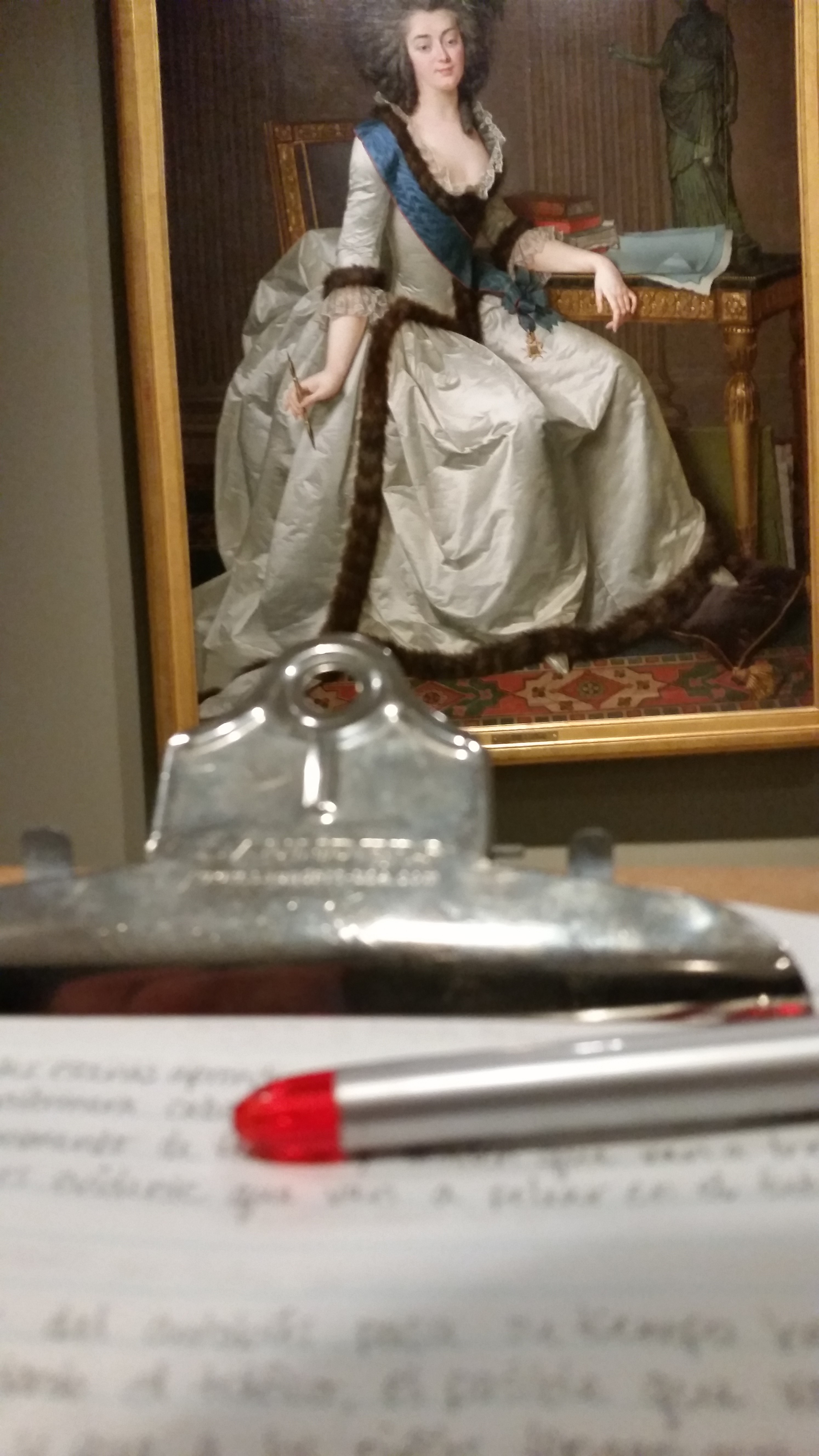
After visiting Melanie just about every Sunday for the last few years – except during summer, I can tell you a few things about her: She is French, if you must know, from the South of France, Provence. She is a Marquise, so less than a duchess or a princess, but more than a countess or a baroness. This means that she is not the first French noblewoman I fall in love with, but that is a different story and it was a long time ago. At any rate, she is 30, she has been 30 since I met her, in fact, she has been thirty since 1789 when she was painted. Not a single wrinkle, that’s French beauty for you. Yes she is rich, check out that dress, that is heavy silk, with a stoat or ermine trim! She is artistic. Can’t you see her blue drawing paper? Where do you think the word blueprints comes from? Yes she loves to write, see the stylus in her hand? although the artist forgot to paint in an inkwell or bottle, or was he trying to tell us something? Hmmm. She is religious, her sash and medal means she belongs to a religious order, you know, for the nobility. She is wise, see the statue of Athena, or is it Minerva? never mind. Some people say she is married, but I don’t see no ring – and wedding rings have been around since the ancient Egyptians and Celts – go listen to Beyoncé.

Her full name is Mélanie de Forbin-Gardanne, Marquise de Villeneuve-Flayosc. Some call her Madame, maybe because she is nobility, but to that I say read the previous paragraph. Being noble and rich goes hand in hand with being a bit of a celebrity, even if she does not like it one bit. So besides the gossip that goes with being 18th C French nobility, and the painting, and being a “Grand Lady”, writer Allan Gurganus wrote a bit of a story about her, which, by the way is totally ficticious!!!

But enough of this superficial silly talk. Mélanie has a heart of gold. She was extremely well educated, she loves the arts and culture, and philosophy. Therein lies the problem. The Estates-General has just met in Versailles, ending up in a tennis court after Louis XVI kicked them out of the Grands Salles, where they were meeting. Heads are about to roll, many heads, literally. If you look closely, Mélanie has a longing in her gaze, her eyes are almost watery. She could care less about the painting and the painter, and the dress and the furniture. She has read Kant and Hobbes and Locke and Voltaire. She knows we can have a better world, but these Enlightenment thinkers full of Reason are forgetting a small detail: love. My Mélanie knows we can, and should, have a better world with everything that entails. When I go see her on Sundays she tells me all this, just with her eyes.

I can’t wait for next Sunday to go see Mélanie.