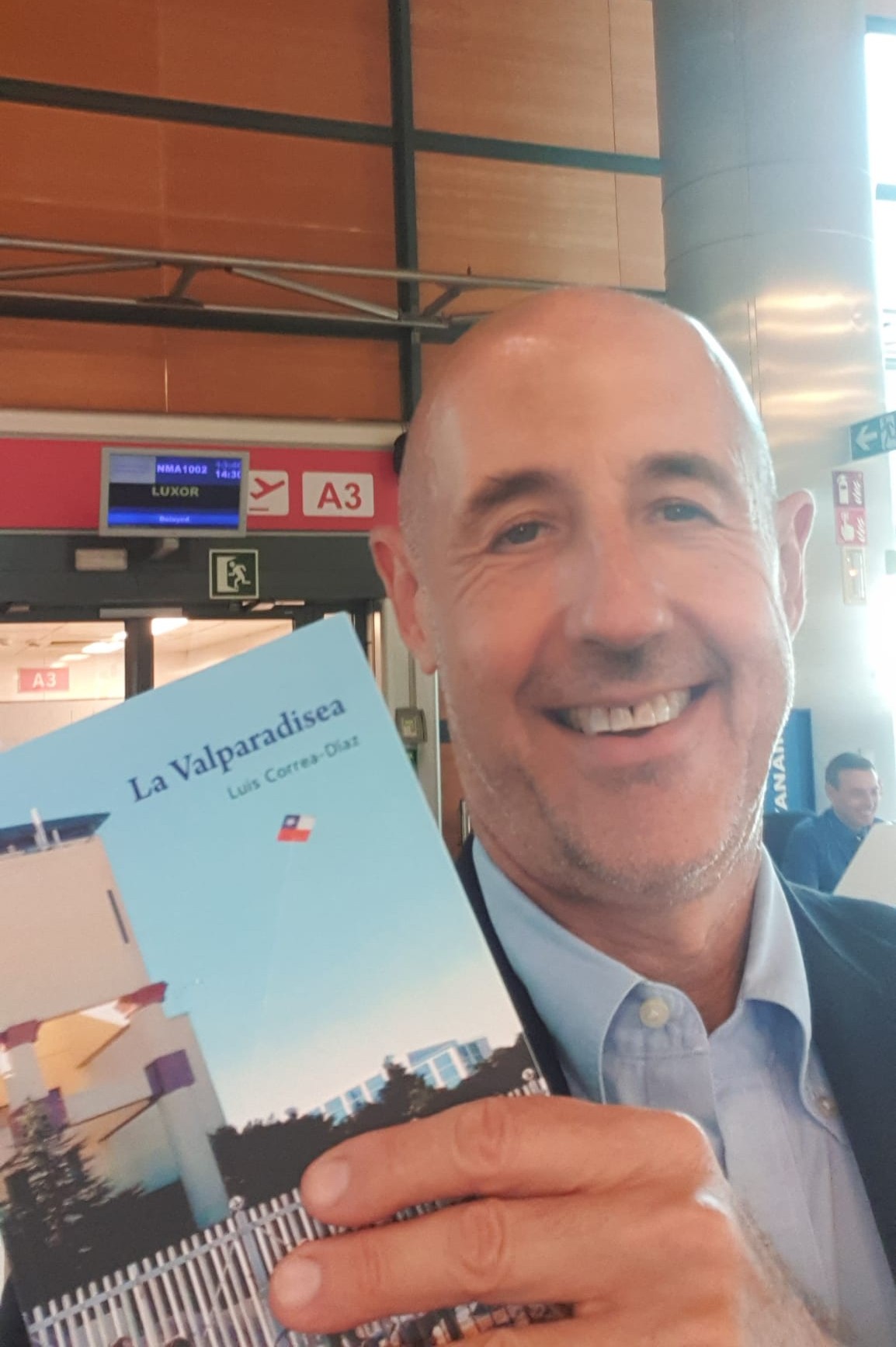
La Valparadisea Luis Correa-Diaz

La Valparadisea LCD

Hay tres tomas de Valparaíso en la película Los diarios de la motocicleta: La primera en la oficina de correos donde Ernesto Guevara, el futuro Ché, recoge una carta de su novia, cortando con él. La segunda es un trayecto en el funicular donde no hay siquiera diálogo entre Guevara y su amigo Granado. Y la tercera es en la playa, donde Guevara acepta que no le queda otra que seguir su aventura. Esto es todo lo que sé, o lo que sabía de Valparaíso hasta que empecé a leer los poemas de Luis Correa-Díaz. En su última entrega, La Valparadisea (Altazor, 2025) Correa-Díaz nos invita a una excursión en dron —droncito— y recoge los corazones rotos como el de Guevara, los trayectos en el funicular, sin diálogo, y las meditaciones en la playa.

Con Correa-Díaz siempre hay más. Sus líneas están llenas de referencias: Jorge Manrique junto a Starbucks, la Nueva Trova Cubana junto a Hieronymus Bosch, al Papa junto a Herzog y todo ello en las calles, plazas, cafés y urbanizaciones de Valparaíso.

Pero lo importante no son las calles ni los edificios, sino la gente que llena los poemas de LCD: Amigos, libreros, familiares, transeúntes, otros poetas, músicos, tenderos, camareros, la gente que hace una ciudad, que le dan el color, la textura, la profundidad y la memoria a los sitios.

La memoria y su hermana la melancolía son el tejido que colorea el tapiz que es La Valparadisea. Los recuerdos de Correa-Díaz, los recuerdos de nuestros hogares que tenemos los que vivimos en el exilio —aunque sea elegido.

Story of a Book, a return to poetry: Valparaíso, puerto principal by Luis Correa-Díaz

As everybody knows, books are living creatures, and as such, they have their own lives. This is the story of a wonderful book.

Luis Correa-Díaz came into my life socially, during a visit to Chapel Hill a couple of years ago. Knowing that he is from Chile, when saw an old -ancient- National Geographic with the main story on Chile, I did not hesitate to send it to him, as a bit of a nostalgic curiosity. What I did not expect was that he was going to pay back that silly gesture by sending me his latest book of poems: Valparaíso, puerto principal.

I treasured this book, waiting for the right time to dive in, which was during my recent silence and meditation retreat (see previous post). As I took the book out to the monastery’s cloister garden, I was filled with excitement. Before digging in, that anticipation of starting a new book, I was called to the fountain… ¿how about some photos for the blog? So, I got clicking, until, in and adventurous and risky pose, the book was blown into the fountain (yes, I know you were expecting that, I did too, but I took my chances…)

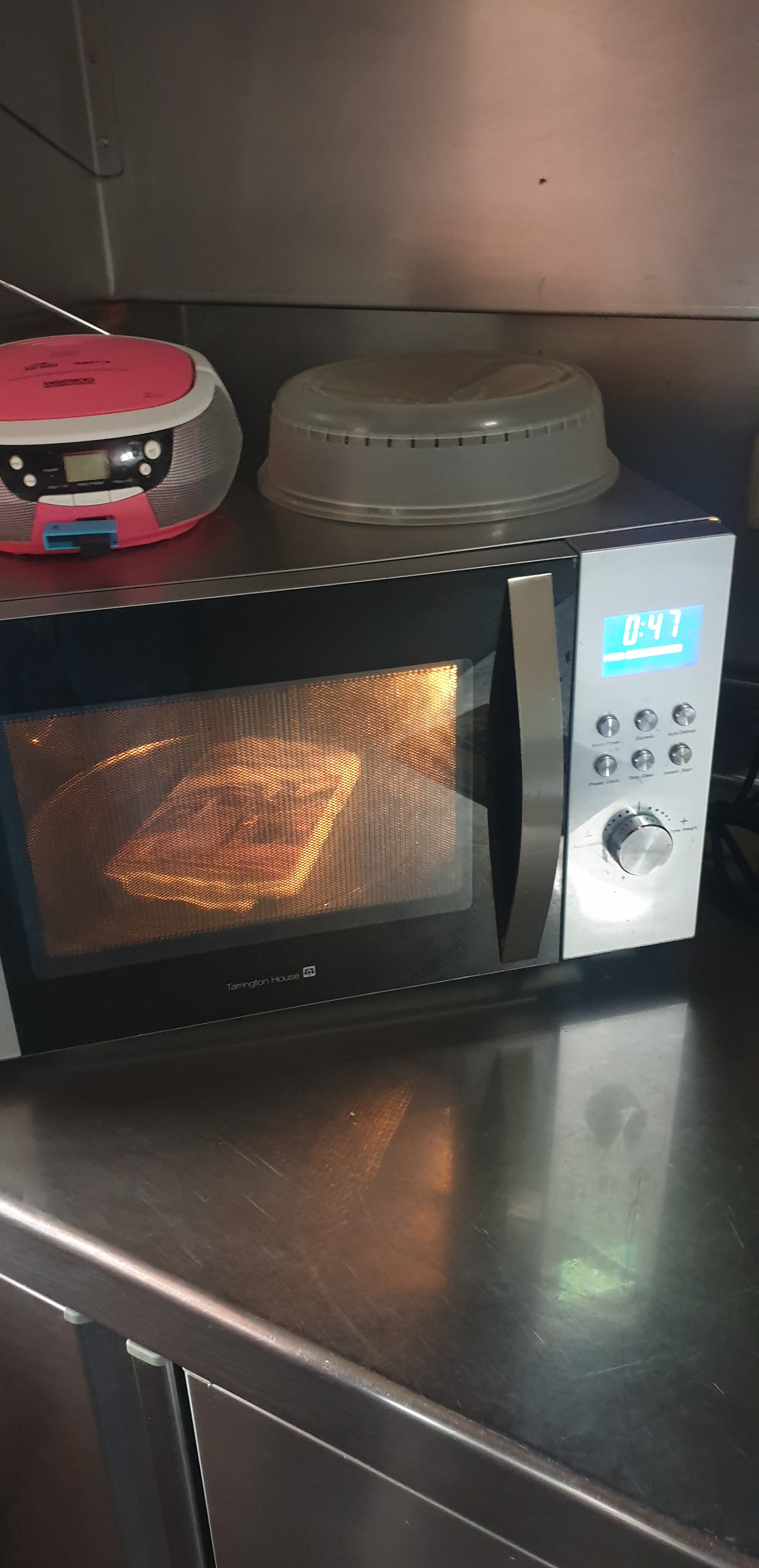
A quick rescue and a rush to the monastery kitchen soon had the book in the microwave oven for an ER intervention. Coming out steaming hot -literally- I blew the steam out making sure the words stayed put on the page. This had to be done a few times to ensure the book dried quickly. It survived, albeit with stiff, wavy pages that say: “I had an adventure” and “my owner is an idiot”.

What I love about Correa-Díaz´s writing is that it appears casual, carefree, with all sorts of English words, Millennial English words -even emoticons thrown in. But as those happy-go-lucky words sink in you see, no, you notice the feeling, the emotion of those words. In this case, his beloved Valparaiso as a home he no longer lives in (exactly how I feel about my Madrid). His writing is peppered with references to Teilhard de Chardin or Madonna, to the local coffee shops, where you can almost smell the coffee suffusing from the old walls, plus all the local references that one has to be a local to identify, reminiscent of the best Gabriel García Márquez.

This book will make you miss Valparaíso, even if, like me, you have never been there. This is what the Portuguese and Brazilians call saudade, or the Gallegos morriña (you can read about that feeling here), there is no comparable word in English, sorry.