Let’s talk about it.

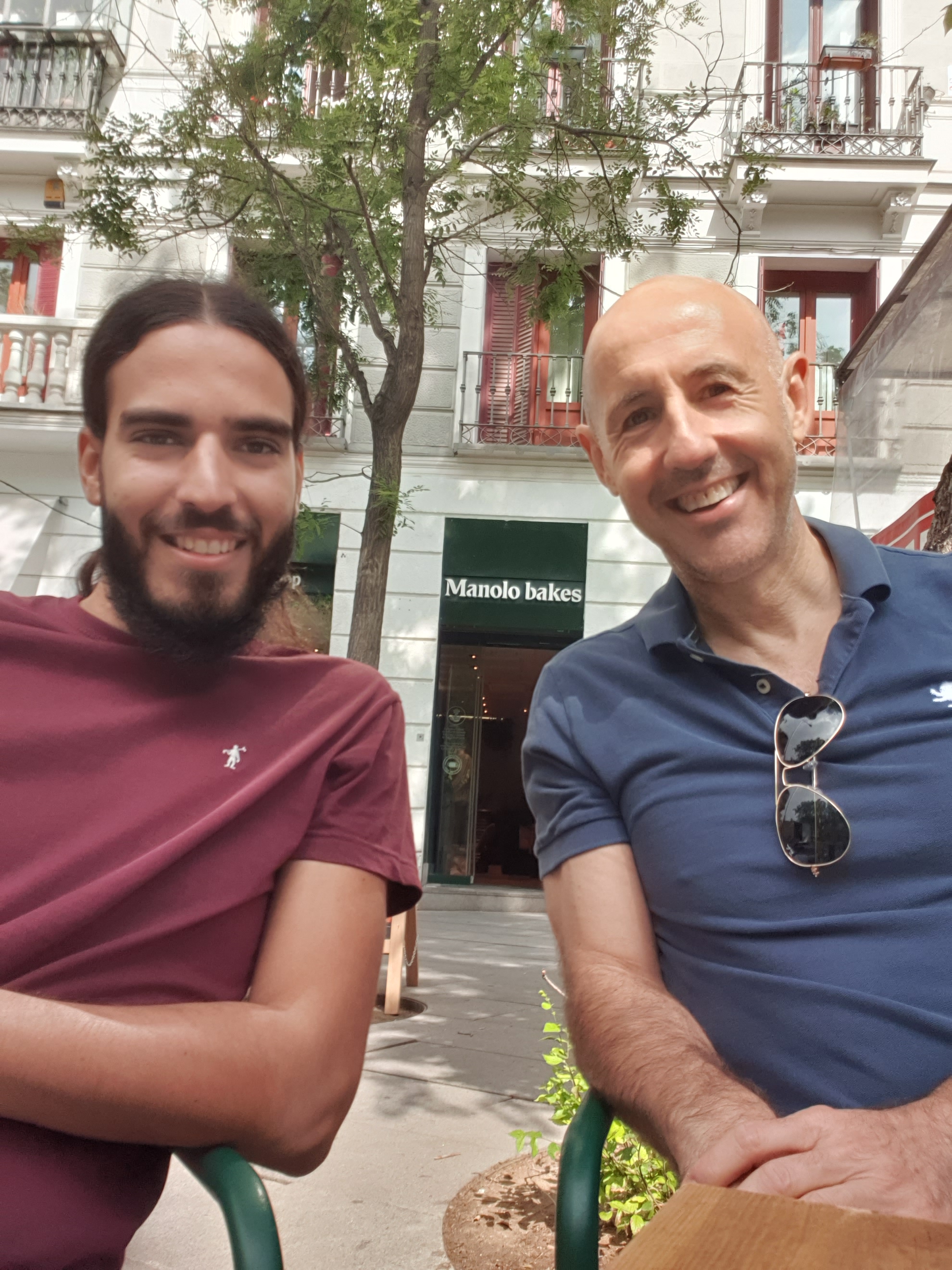
As the great Frank Sinatra would say, “Regrets, I’ve had a few.” One of them is not talking enough, not conversing enough, not listening enough. Communication, and especially effective communication, is critical for relationships, work, and life in general.

Conversation, from the early stages of a relationship, professional, personal, romantic, you name it, is vital and decisive, and as that relationship progresses through time, you must keep it going, keep it fresh, ask questions, and listen, listen, listen.

It was not until college that my favorite management professor, Aaron Nurick at Bentley College taught me to listen – he has been a mentor ever since! Still, I am far from being a great conversationalist or listener; normally, my ADHD kicks in, and I must focus and listen.

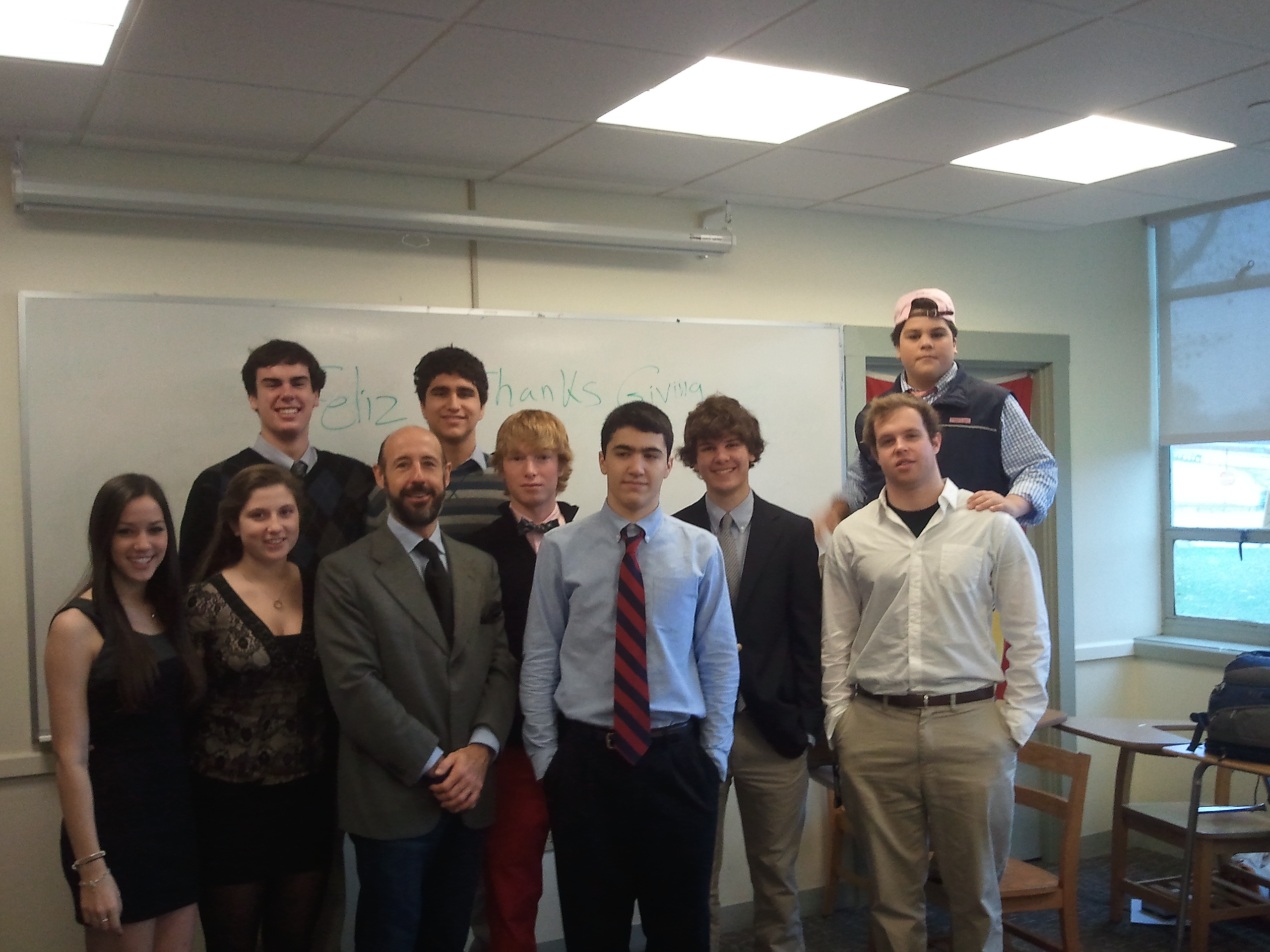
For the last seven years, I have taught at the university level, which means that my conversations with students are adult conversations (conversations with high school students are also rewarding, but the maturity difference makes for somewhat unbalanced discussions).

Your responsibility in keeping up your end of a conversation is not what is commonly called the “gift of gab,” which might be good to “break the ice,” but is rarely useful beyond that, but rather, as Socrates would say: knowing yourself enough to know how to steer a conversation. Know your strengths and weaknesses on your most personal level, which means knowing yourself. Counterintuitively, that will happen from being alone and spending time getting to know yourself.

So practice your conversational skills, your active listening skills, and you will be a richer person for it. You are welcome.

“The most fruitful and natural exercise for our minds is, in my opinion, conversation.”

― Michel de Montaigne, The Essays: A Selection

An evening at a Van Morrison concert

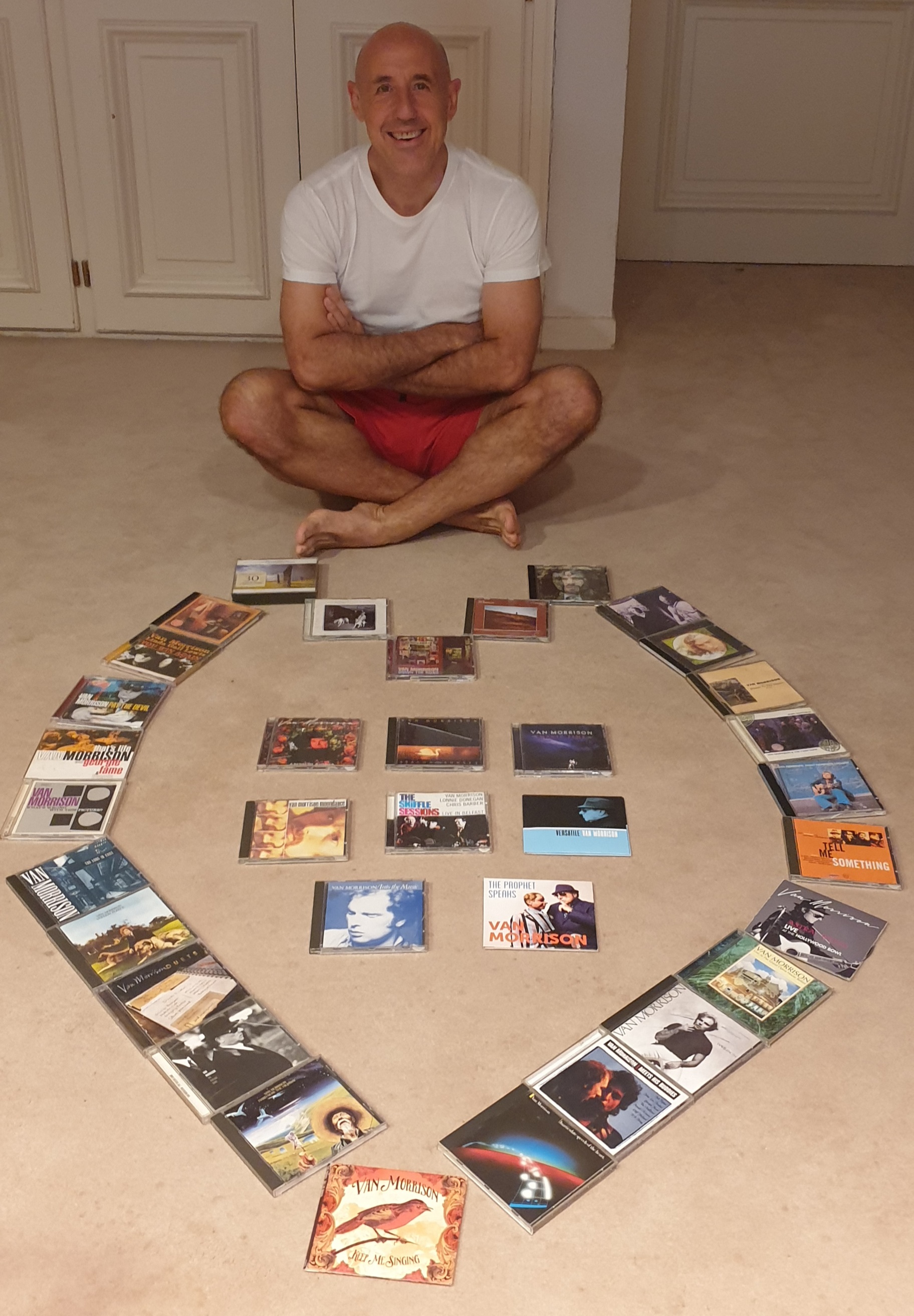
Van Morrison was featured in this blog back in June 2014 because he is my favorite contemporary musician. Well, it is time to revisit the Lion of Belfast, as I recently had the opportunity to see him at a concert in Madrid. I had not been to a Van Morrison concert since the mid-2000s!

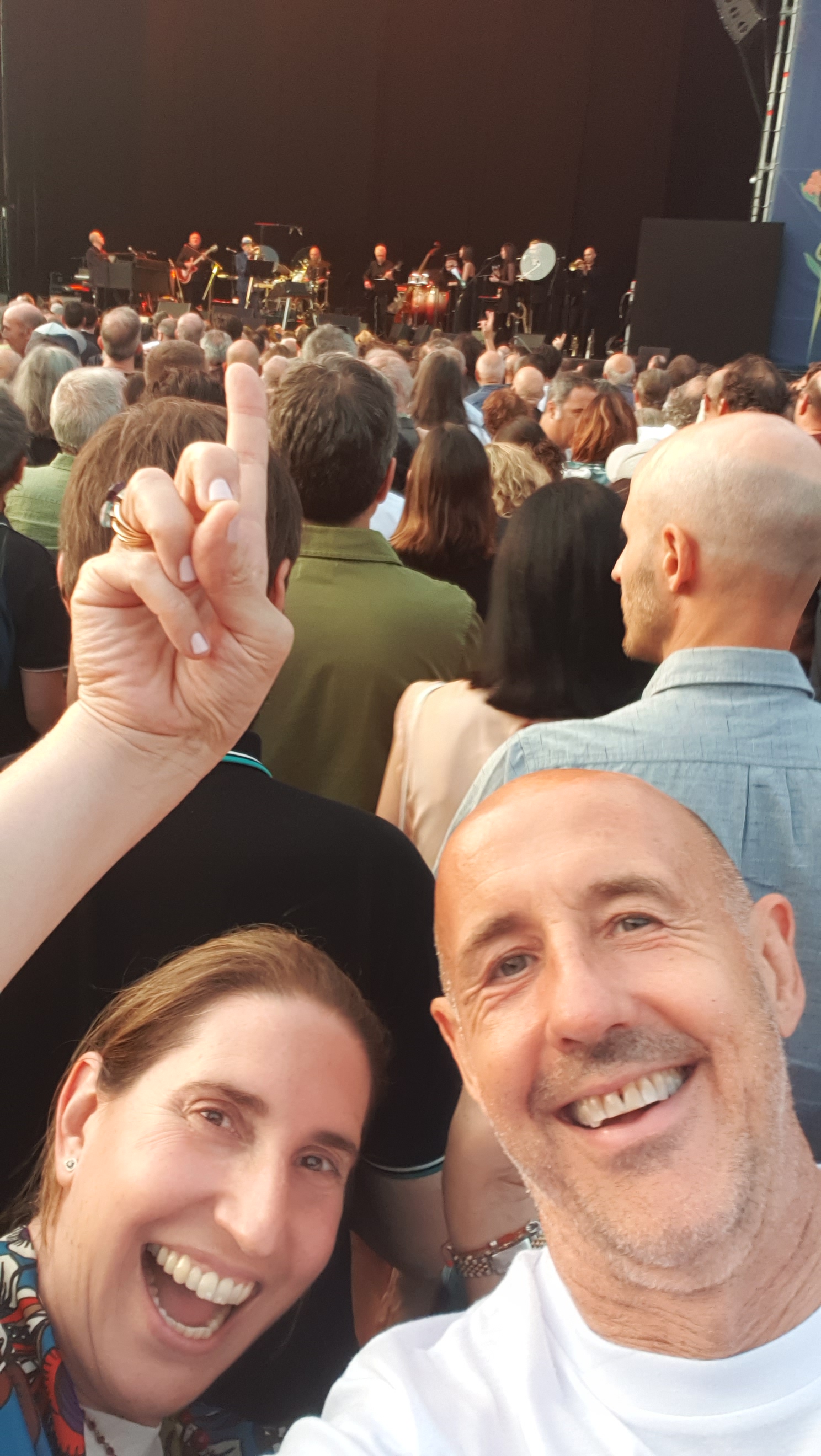
My dear friend Paco notified me, and I immediately bought a ticket, without knowing if I would be in Spain by June 4th. Fortunately, I was. A couple of days before, Paco’s wife pulled out of the concert, so I invited my sister, Rocky. We had a blast.

The concert was held at the university’s botanical garden, which features a large amphitheater-like stage area in the center. Surrounding it, they have placed all sorts of food trucks and bars, making for an awesome, cool (literally) experience on summer nights. They host a variety of concerts (see photos).

Van played a few of his big hits, such as “Days Like This,” “In the Afternoon,” or “Raincheck.” He also played a couple of his new songs, including “Cutting Corners.” He played a few covers, including Ray Charles’ “What Would I Do Without You” and Hank Williams’ “Cold, Cold Heart”.

Van had an amazing 9-piece band with him, which shone at the end of the concert, when they performed “Gloria”. Van then left them to each do their solos, which was mind-blowing and amazing!

Van sang for a very respectable hour and a half in the beautiful Madrid evening and light. This was my fourth time seeing Van the Man, and it was certainly my favorite concert. With his melodies, he takes you on wonderful spiritual journeys, letting you daydream in the beauty of the songs, he is really unique and unparalleled.

This was the playlist (thanks to setlist.fm)

Only a Dream

Cutting Corners

Back on Top

What Would I Do Without You (Ray Charles cover)

Days Like This

Real Real Gone

In the Afternoon / Raincheck / Sittin’ Pretty

Cleaning Windows

Green Rocky Road (traditional cover)

No Other Baby (Dickie Bishop and His Sidekicks cover)

Cold, Cold Heart (Hank Williams With His Drifting Cowboys cover)

Ain’t Gonna Moan No More

Broken Record

Wild Night

Help Me (Sonny Boy Williamson cover)

Gloria

Celebrating 20 years of teaching – some takeaways

This year marks my 20th year of teaching. It has been a total blessing. I have talked a lot about it here, but there should be at least some celebratory comments.

The first observation is that teaching is a vocational endeavor; if your heart is not in it, you will struggle and not be the best teacher for your students. I have taught almost 50/50 in secondary and university settings with brief stints in Middle school, and even primary school! (Read about it here.) My observation is that most teachers do it because they love it —we don’t do it for money. If you do not know if teaching is for you, try it out!

I have said this ad nauseam: all teaching is relational. We learn from a place of trust, that trust comes from the teacher-student relationship and that relationship comes from the teacher being open, better yet, vulnerable (within boundaries, of course), and honest.

Just because students are not masters of the subject matter does not make them stupid; they can see right through the teacher if you do not know the subject matter, regardless of your teaching style. So know and prepare your material, and if they ask something you do not know, get back to them with an answer. This recently happened to me, no shame in it.

Something that always motivates me is thinking of who I consider to be the best two teachers in history: Socrates and Jesus. They did not have hi-tech classrooms, which makes me always ask myself: Could I teach this with just a stick in the sand? If the answer is no, then I must rethink my lesson plan. Everything else on top of that is glitter and show…

I could probably write a book about this, but for now, I hope you liked this blog post.

So while not every moment of my 20-year teaching career has been easy, I am looking forward to the next 20, let’s go!!

About academic conferences, the Southeast Coastal Conference on Languages and Literatures.

Academic conferences were designed to share knowledge, to understand where your field stands, and where it is heading. But equally important is the opportunity they afford to meet new people in your field and to catch up with old colleagues.

This was the case at the recent Southeast Coastal Conference on Languages and Literatures hosted by Georgia Southern in Savannah, Georgia.

It all started when Grant, my mentor at UNC, who now teaches at Georgia Southern with his wonderful Sevillana wife Encarni, invited me to present at their conference. I was honored; I had never been invited to attend a conference! I had always just submitted a paper to a conference I wanted to participate in. Fortunately, I was already working on an article (you will have to wait for a post on that), so I agreed to go.

Savannah is a great place; you can read about it here.

The fact that this conference combines languages and literature means that you can learn about different aspects of language pedagogy. The Keynote speaker, Mary Risner from the University of Florida, spoke about the resources available online and innovative pedagogies and partnerships. Other great panels spoke about the study abroad experience and how to maximize it and “replicate” it in class, and so on.

My panel was wonderful. Bobby Nixon from Columbus State spoke about Spanish 70s horror films based on Becquer’s poetry, Adrianne Woods presented about the theatre of Buero Vallejo, and I presented about my main man, Isla, and the expulsion of the Jesuits from Spain.

But, as I mentioned earlier, the best part of conferences is reconnecting with old friends and colleagues. The evening’s reception was held at a great venue, a food truck plaza called Starland Yard. It was great to see dear friends from UNC and to meet new folks.

So, if you get a chance, write a paper and present it at a conference!! You are welcome.

Pros and cons of teaching in different sized schools

I am blessed to have a very varied teaching experience. I have taught in public and private high schools (and middle schools), I have taught in big and small (and tiny) universities, even in a lower school! Today let’s focus on universities.

Of course, big universities have all the prestige and apparent endless budgets. You are spoilt for choice: dozens of libraries to study in with every resource imaginable, Nobel prize winning professors, infinite dining options, excellent gyms and recreation facilities, et cetera, et cetera. Having said that, there is also a dark side: thousands of students make it much harder to make connections, much higher bureaucracy, and the politics make Washington DC look like a children’s playground.

On the other hand, smaller schools although limited in budget and infrastructure offer a massive human plus. Things get done faster, smaller classes, more chances to connect with colleagues, staff, and students, and in my case, the opportunity to coach the soccer team! Something impossible in a big school.

St. Vincent de Paul has only around 120 students and 20 something teachers, so the community is much tighter, everybody knows everybody and this makes for more and mostly better relationships.

If you are deciding, at the end of the day, as usual, it is up to how much you are willing to invest in the people around you: your colleagues, your students, your staff. Then it does not matter so much where you teach, what is important is how willing you are to make connections!

European School of Economics

The European School of Economics is a great little university. I had the privilege of teaching in their Madrid campus for two years from 2018 through 2020. Elio D’Anna, a visionary Italian founded the university with my kind of philosophy, that the student should actively own their learning process, which makes total sense, but it is not how most universities operate.

As I said, D’Anna is Italian, but the university is accredited in England, with campuses (campii?) in London, Milan, Rome, Florence, and Madrid. Students can rotate through the different cities during their studies.

Even more than the philosophy, I loved the small classes, which allowed me to tailor fit the program for my students. Most times, classes were small enough for us to meet at a local coffee shop. Outside of the sterile classroom walls, in a relaxed environment, students become more engaged and participative, and I would even wager better thinkers!

During my time there I taught all levels of Spanish. The students were actively interested in learning and inquisitive, they really engaged, which added to the immersion factor, meant that their Spanish really took off during their time in Madrid.

The school is really international, I had students from South Africa, Egypt, Botswana, all over Europe, Latin America, Japan, and of course local madrileños. The school has now moved to the quiet Retiro neighborhood, but when I taught there, it was in bustling Alonso Martinez Square!

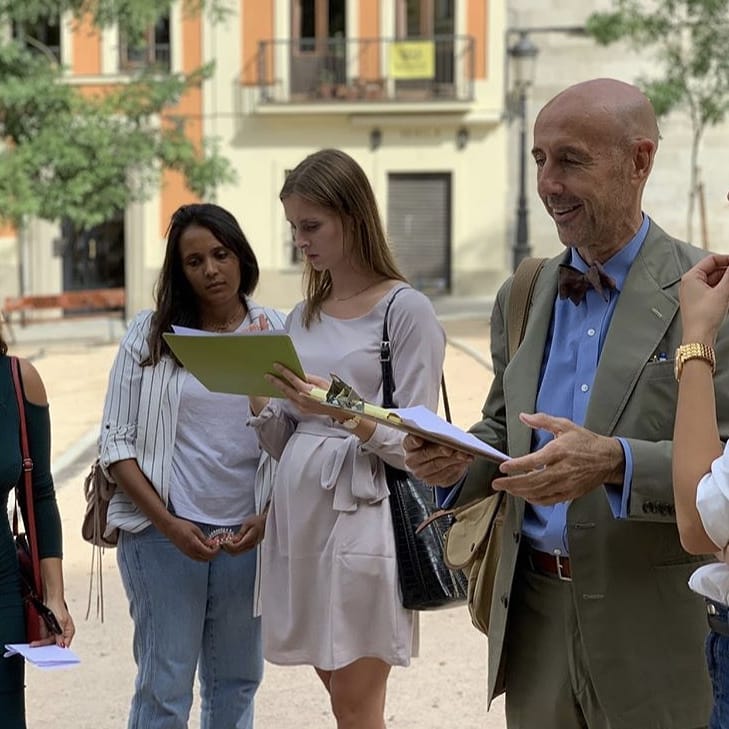
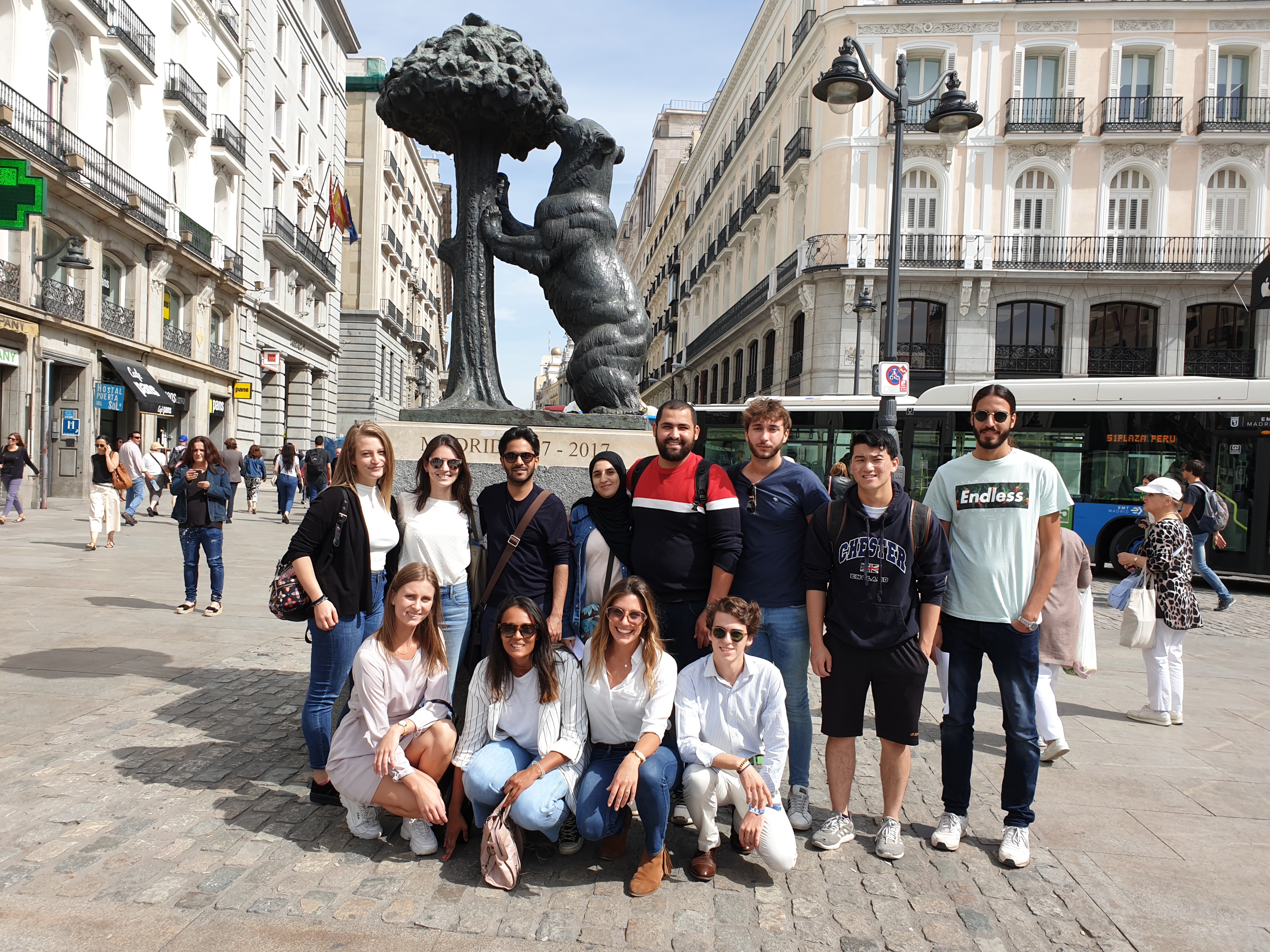
For the beginning of my second year at ESE, I organized a tour/team building activity around Madrid. We organized different activities at the different stops of the tour. We all had a lot of fun and the students bonded and got to know each other!

Sure, a small university obviously has some drawbacks, but at the European School of Economics, the advantages far outweigh any other considerations, I loved my time there and would recommend it to anyone thinking of studying business in Europe!

Bentley College (now University)

This blog was born with the start of my search for a PhD program, so that process and the subsequent studies were very well documented here. Eventually, a few months ago I wrote about my master’s experience at Simmons, but I have never written about my bachelor’s degree.

I was living in London when I had to choose university. I really wanted a small liberal arts school in New England to study Business (at the time I did not appreciate that liberal arts and business do not mix that well. That was a mistake, which I can write about in a later post). My final choice was Bentley College (now University), just outside Boston, and what an experience it was!

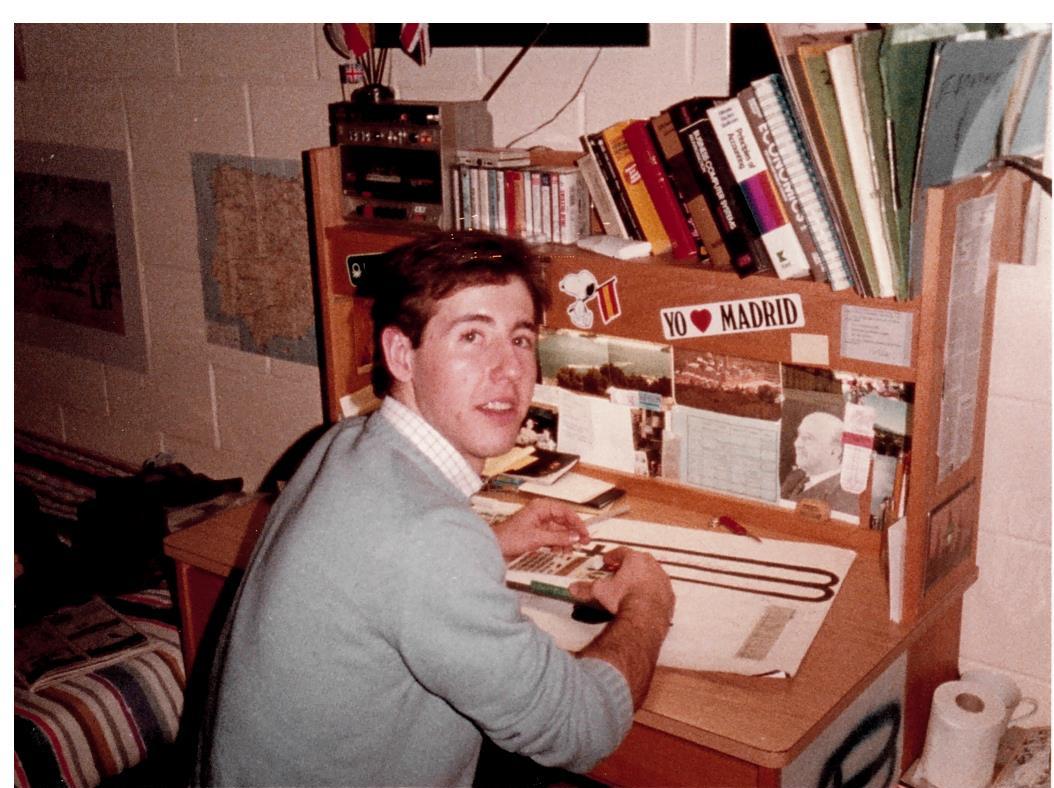
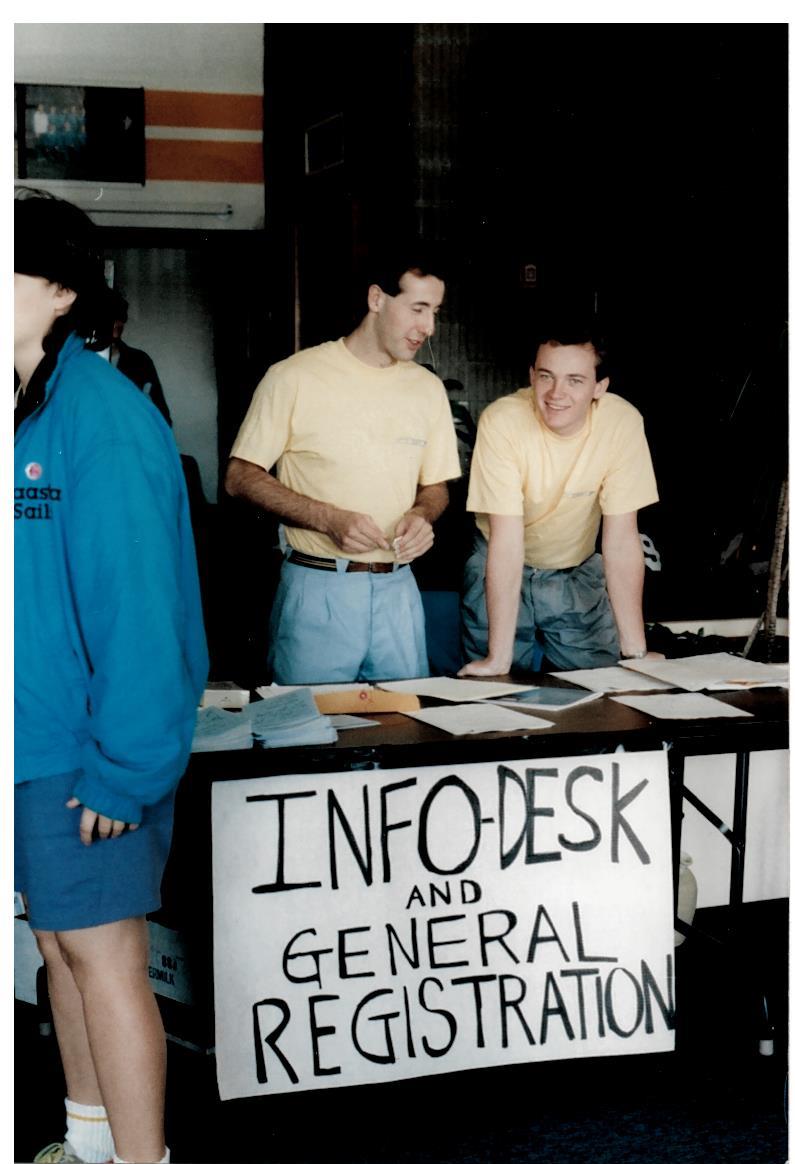
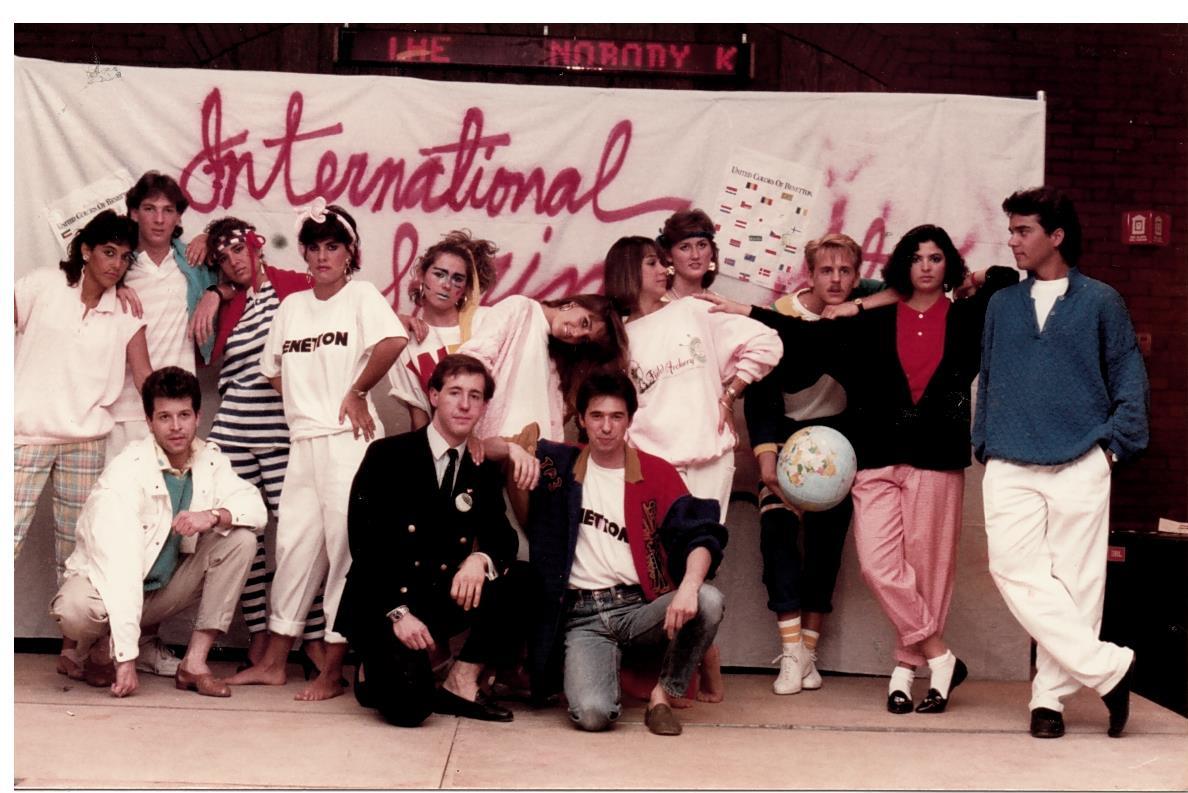
Bentley was the perfect space for me to bloom. I loved my management courses (not so much my accounting, finance, number courses in general) and I really developed my leadership skills, becoming President of the International Club, International Representative to the Student Government, and finally Student Government Representative to the Board of Trustees, where I met Jere Dykema, my first mentor. I also grew into my art appreciation, spending Saturdays at the Boston Museum of Fine Arts, and what little pocket money I had on Season Tickets to the Boston Ballet, DJing the Classical Music Program at the College radio station WBTY “Sunday Night at the Pops”, writing a weekly column in the Vanguard newspaper, playing soccer with the International Club, establishing the Model United Nations program, debating the Oxford Union, and generally just walking around, taking in the history, architecture, and vibe of all the different Boston neighborhoods.

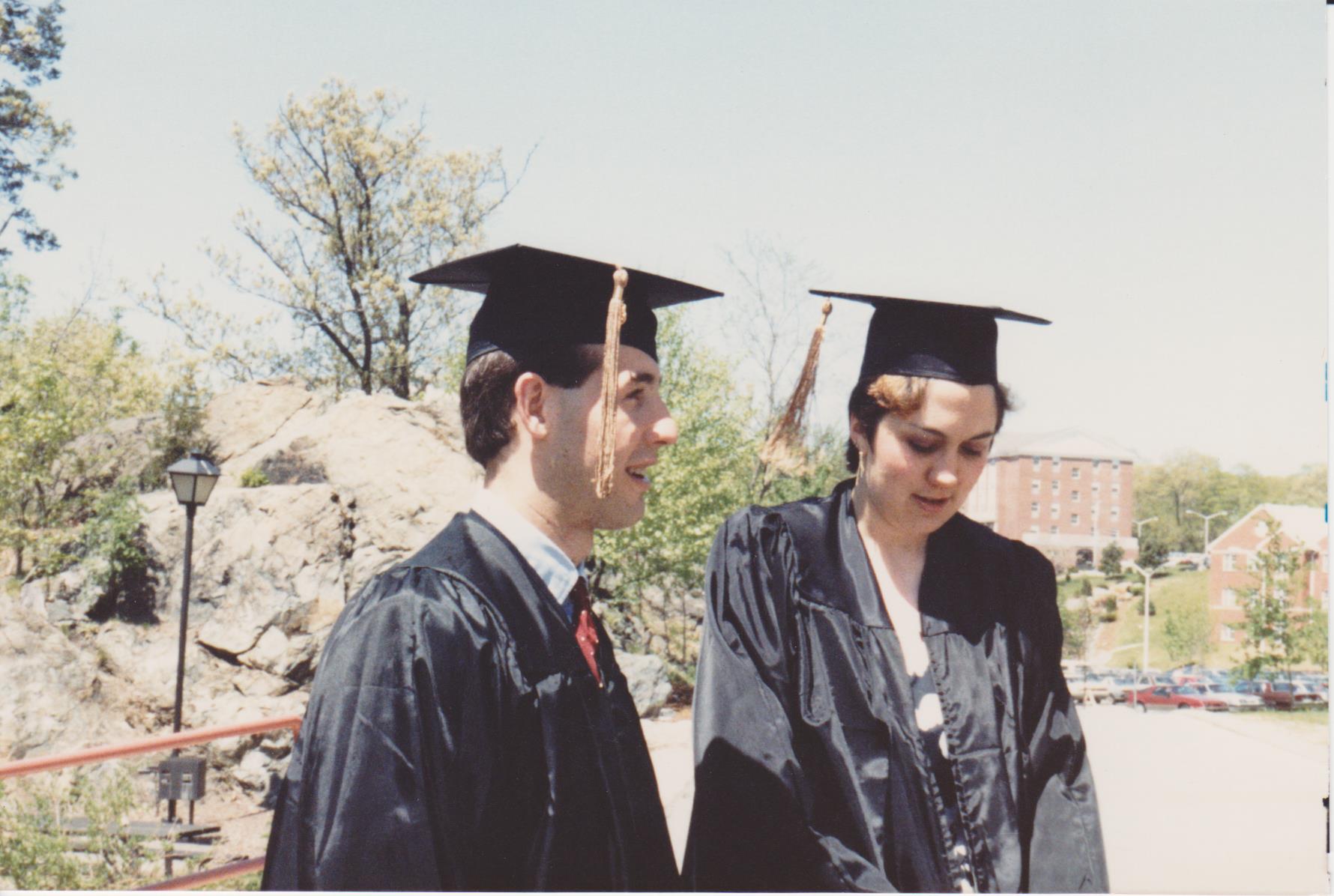
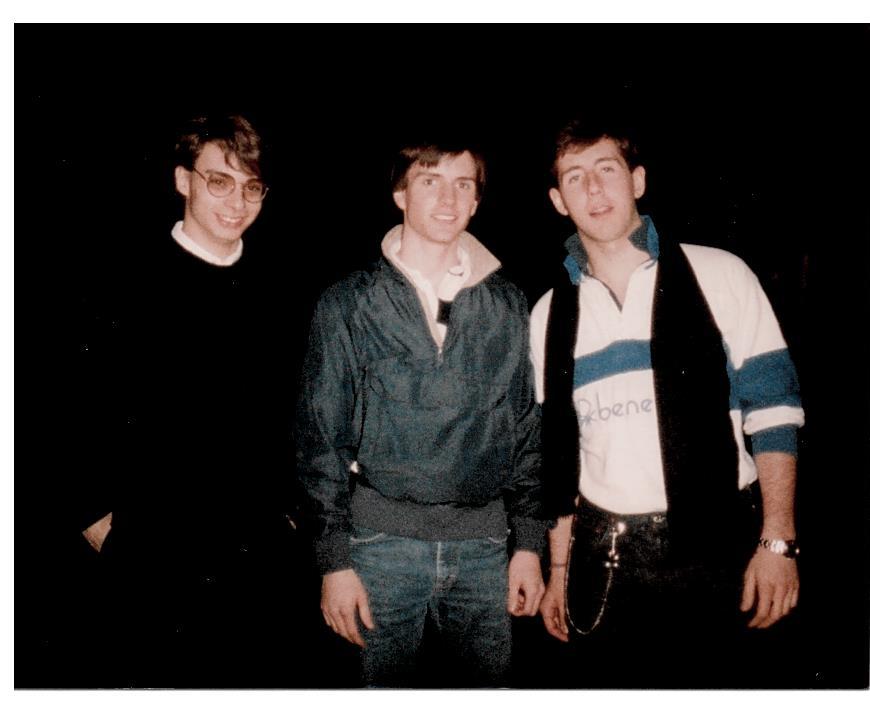
But the most important part of my university days was the connections and friends I made. Most of my best friends to this day I met in college –you know who you are. I also made great relationships with professors, like Aaron Nurick who would become a mentor, and with administrators like the great Bob Minetti.

In conclusion, yes university is about education and learning, but more importantly, at least in my case, was to grow as a person and to make lifelong friends.

Santiago de Compostela

One of the advantages of being a freelancer is that I can take a couple of days off when I can fit them in. So recently we escaped to Santiago de Compostela. I know this Northern jewel well, but last time I was there when I finished my Camino in June of 2018 I didn’t stick around and took the first train back to Madrid. This time we went for three days.

Santiago was built since Roman times mostly out of granite so if it rains and it gets dark the streets and the buildings take on a mystical glow, a very special shine. We were lucky it rained when we went!

Of course the main event is the Cathedral which has been there in one shape or form welcoming pilgrims since the Middle Ages, although the Romans already had a temple there. Other must sees include the square Plaza do Obradoiro (check out the live webcam!) that houses the Cathedral, town hall, parador and university, the awesome modernist market, the park, the contemporary art museum, the folk museum, and, of course, a bucket full of churches/monasteries. But really the best thing to do is to walk around the old town enjoying the atmosphere, the little shops, the bars and restaurants…

We were lucky to stay at the Parador, the original pilgrim’s hospital which is on the Cathedral square and is the oldest hotel in the world!

The other main attraction is food! Needless to say the seafood cannot get any fresher as Santiago is a few miles from the sea. The octopus, the barnacles, any fish is just perfect! There are two local wines to have: the crisp, seabreeze infused Albariño and the lesser known cousin Ribeiro made inland along the local rivers (thus the name).

The Cathedral was under extensive restoration efforts so we could not enjoy mass with the massive incense burner – the Botafumeiro, oh well, maybe next time.

The Job Search, Part I. University gigs, or what do Galileo Galilei, Einstein and Groucho Marx have in common?

Finding a job has been a fairly lengthy and tedious process, so I will break it up into two parts: Applying for university teaching positions, and Part II, looking for secondary school jobs.

Applying for that endangered species, the elusive, under paid, tenure track, university teaching job is quite a silly process, one basically has to start in the fall of your last year as a student. Although this is not entirely true, as we shall see… I was all geared up to join the ranks of the job seekers in August when the first question popped up: How many academic articles have you published? And where? Well, I did try to publish one a couple of years ago, in the fairly respected Boletín de la Biblioteca de Menéndez Pelayo. It was rejected, and I decided to move on and focus on my dissertation, which I deemed far more important than publishing anything. As usual, I was wrong. Tenure track university positions are so scarce nowadays that it is totally a buyers’ market, they get to set the rules. Also basically all universities are strapped for cash which is, as we shall see another crucial factor. So what one has published and where becomes a key deciding factor, who cares how good you might be as a teacher.

You see, years ago, I think it was my old Bentley College Dean and dear friend and mentor Bob Minetti explained to me how you have the big research focused universities and the “student centered” or “teaching centered” universities. This made perfect sense to me and it is what I have assumed as true ever since. Being passionate about teaching I figured these would be the schools I would apply to, that might value more my worth as a teacher than as a publishing machine. Now, with the cash crunch and oversupply of applicants, universities basically want candidates that have already published top articles in top journals, this is what will bring prestige, and thus money to their institutions. So do not believe the “student centered” or “teaching centered” spiel. That might have been years ago, they still preach that concept, but believe me, it looks like they could care less.

Besides the article business they want to see a Statement of Teaching Philosophy, a Research Statement, mock syllabi, etc. This is just a smoke screen, a distraction from what they really want. I am confident that if you have an earth shattering Teaching Philosophy Statement, and the best crafted (mock) syllabus, unless you have published at least one article in a respected, peer reviewed journal, you are nothing. They do not care about your teaching, if they do, it is not their priority. Which brings us to the fallacy of the teacher/scholar. Universities like to boast of their teacher/scholars. It is a very rare occurrence in nature to find a leading scholar who likes to spend hours, days in libraries, reading, writing – a rather lonesome job – I can guarantee you, who also loves to be in the classroom teaching and sharing what they are learning in their research, this requires a very different skill set and personality from the research oriented person. One is really either a teacher or a scholar, with maybe one in a hundred having both characteristics. My graduate school experience both at Simmons College (a small liberal arts school) and at UNC (a top research university) prove this point. So, to summarize, if you are looking to work in higher education, you have to ask yourself: am I a researcher or a teacher? Which is basically the ancient Greek saying from the Oracle at Delphi: “Know thyself”.

Going back to the academic journal issue. Basically the academic journal is nothing but the ID card for a club. One has always needed an ID to get into a club. Now, this is my theory: originally the universities taught in Latin. This was what set the educated from the masses. If you wanted in, you had to master Latin, sure, this was a lingua franca, but it was also a proof of membership, of how bright one was. Latin started losing its grip as early as the 13th C.[1] Eventually universities had to switch to the vernacular – and they are still smarting about that. So now you have to gain access by writing a long article, full of big words that you might not necessarily need, quoting second rate theorists like Lacan or Bakhtin. Remember that this is all my conspiracy theory, but then, why did Galileo Galilei publish his Dialogue for the general public and not for the cognoscenti? Ditto Albert Einstein who chose to publish his last thoughts on General Relativity in a “small journal after spurning the peer-reviewed process at a better-known journal, the Physical Review. To an editor at the Review: ‘I see no reason to address the erroneous comments of your anonymous expert’”.[2] In no way am I comparing myself to Galileo, Einstein, or Groucho Marx when he said: “I do not want to belong to any club that will accept people like me as a member”.[3]

Sorry about my rant. Now, back to my job search. Teaching two classes, writing my dissertation, preparing my job search materials, I wrote another article. At least I could say in my CV: “article submitted to…” (it eventually got rejected by an “anonymous expert” as Einstein would say).

Basically all university Spanish teaching jobs go through the Modern Language Association (MLA) job database. This year there were well over 200 different Spanish teaching jobs in the US. Most of those were for visiting professors, meaning you get a one year contract, non tenure track jobs, meaning you are “hired help” and treated as such, or for the “trendy” subjects, the ‘in vogue” topics. Of all those, there was only one posting for an 18th and 19th C Spanish Literature specialist. It was at Wake Forest, a perfectly good university. They sent me a nice email in December saying they were going to call me for an interview and another very nice email in April telling me they had chosen a candidate. I also applied to a more “generalist” position at Gettysburg College  (yes, that Gettysburg) only to receive a three line email that they had hired someone. All in all, I guess my heart was not into teaching at a university, and it showed. But I still had to “tick the box”.

This process led me to learn a few fascinating bits: I am a passionate teacher, I want to teach, to share, I love learning – from my students – not from some pompous punk that thinks they are the last Pepsi bottle in the desert because they got an article published. Universities are hiring very bright young things that might be good researchers and writers, but might not have a clue how to engage a room full of curious, sceptic students. Second: I do not want to be a member of that club, I would rather teach at a secondary school as I did in Boston before getting my PhD.

So I asked myself: At the end of a day teaching, would I rather go read an academic journal full of big words quoting Lacan and Bakhtin, or would I rather go coach soccer, tennis or fencing? The answer for me was clear, and that leads me to part II of this tirade.

[1] Paul F. Grendler. The Universities of the Italian Renaissance. Baltimore: JHU Press, 2002.

[2] Popular Science, November 2015

[3] Telegram to the Friar’s Club of Beverly Hills to which he belonged, as recounted in Groucho and Me, Da Capo, 1959, p. 321.

IMG_0866

Discussing job strategies with my Dissertation Director, the one and only Irene Gómez Castellano in Valencia with horchata and  fartons.