I write a lot about teaching hacks and do this, and do that, but at the end of the day, you can summarize my hacks and advice into one: recognize and identify your resources and then leverage them.
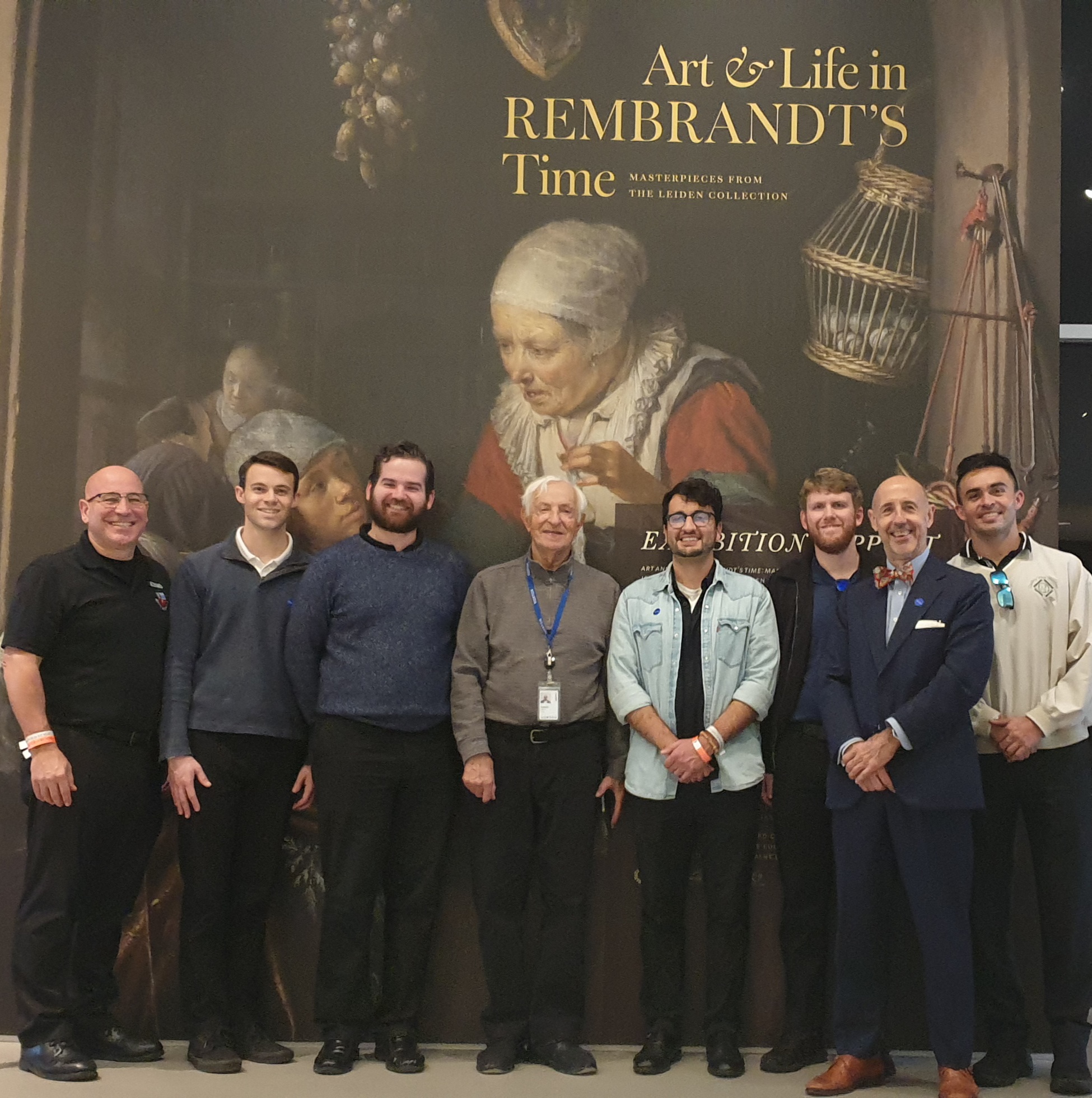
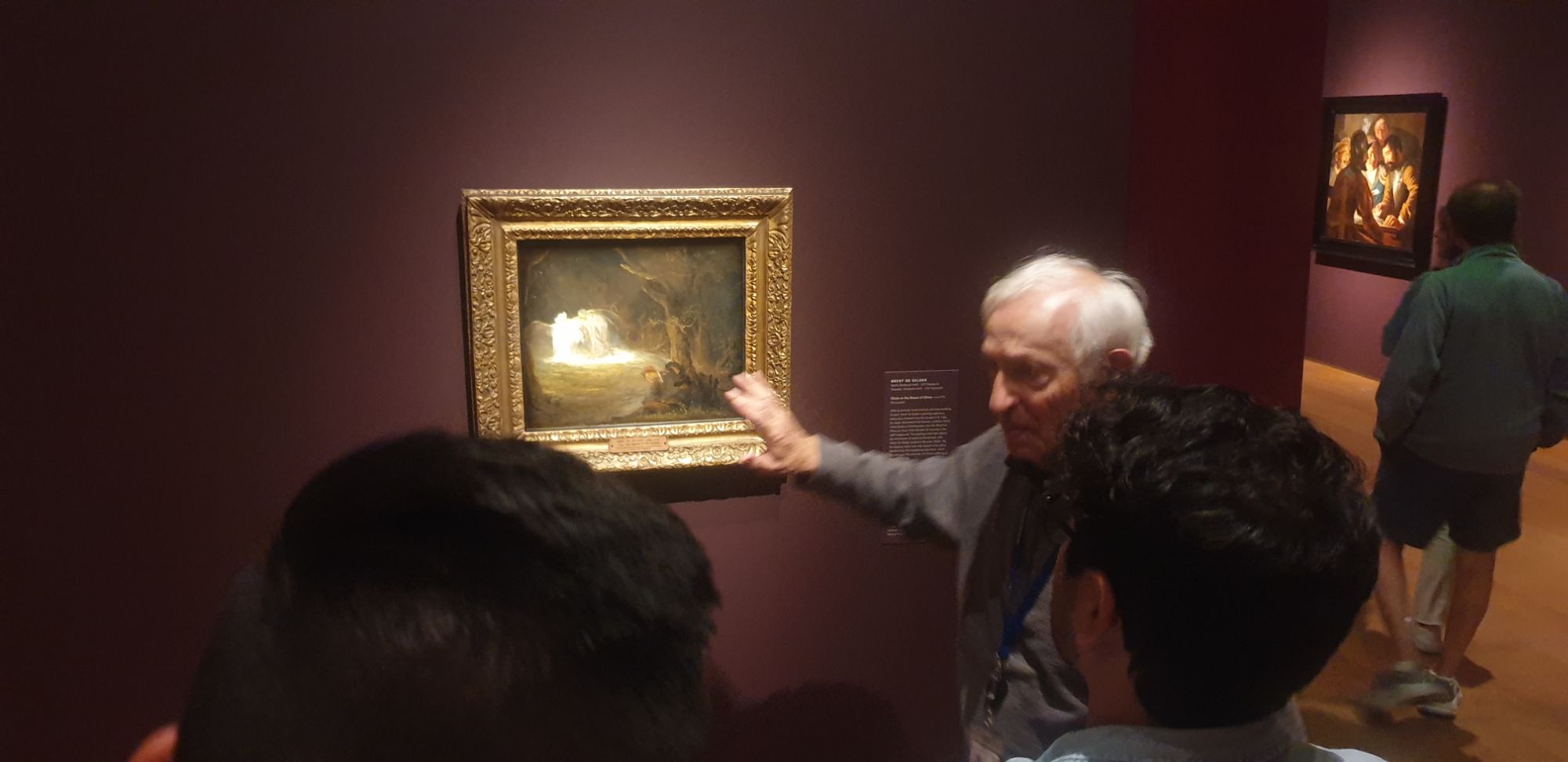
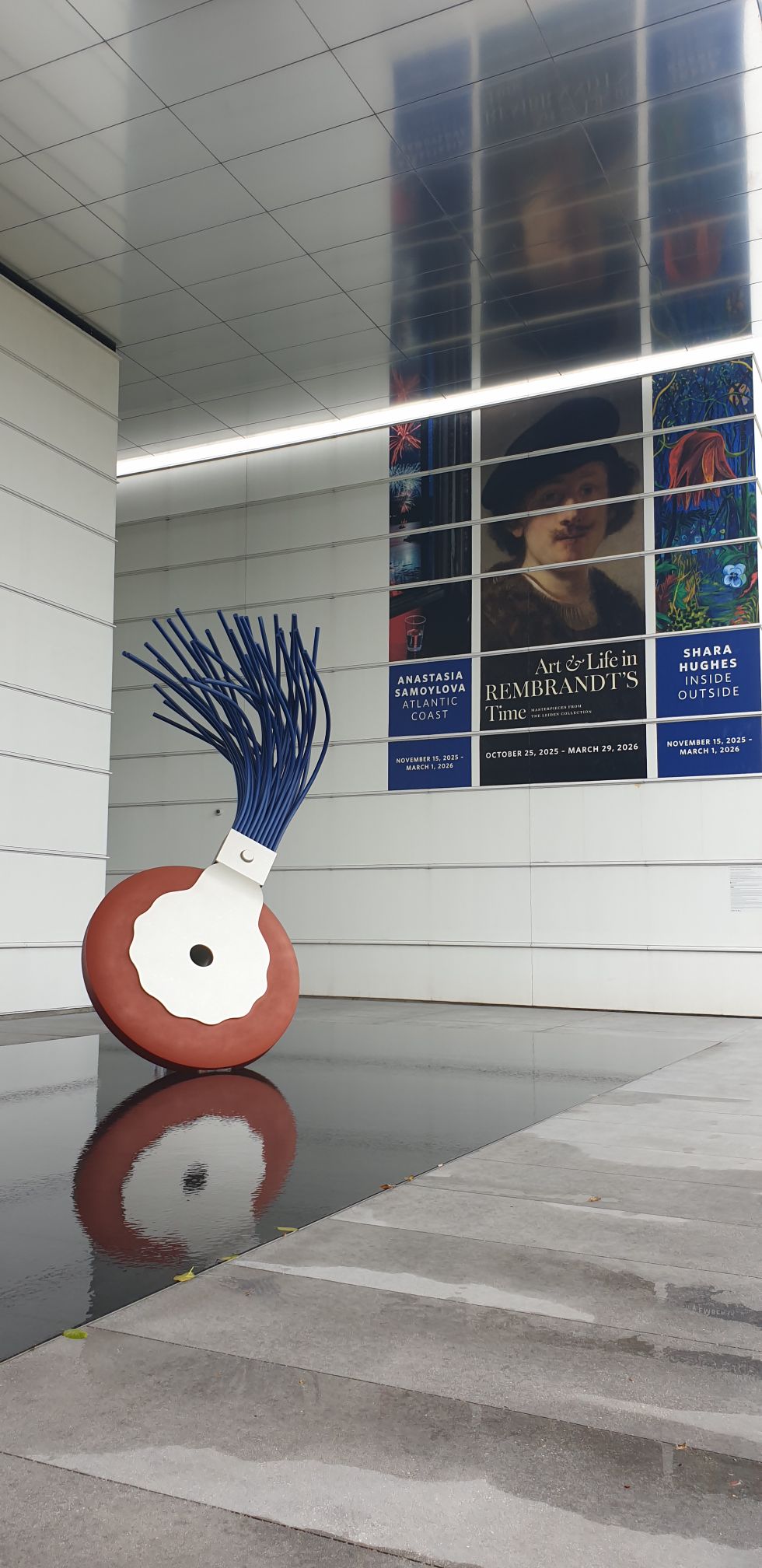
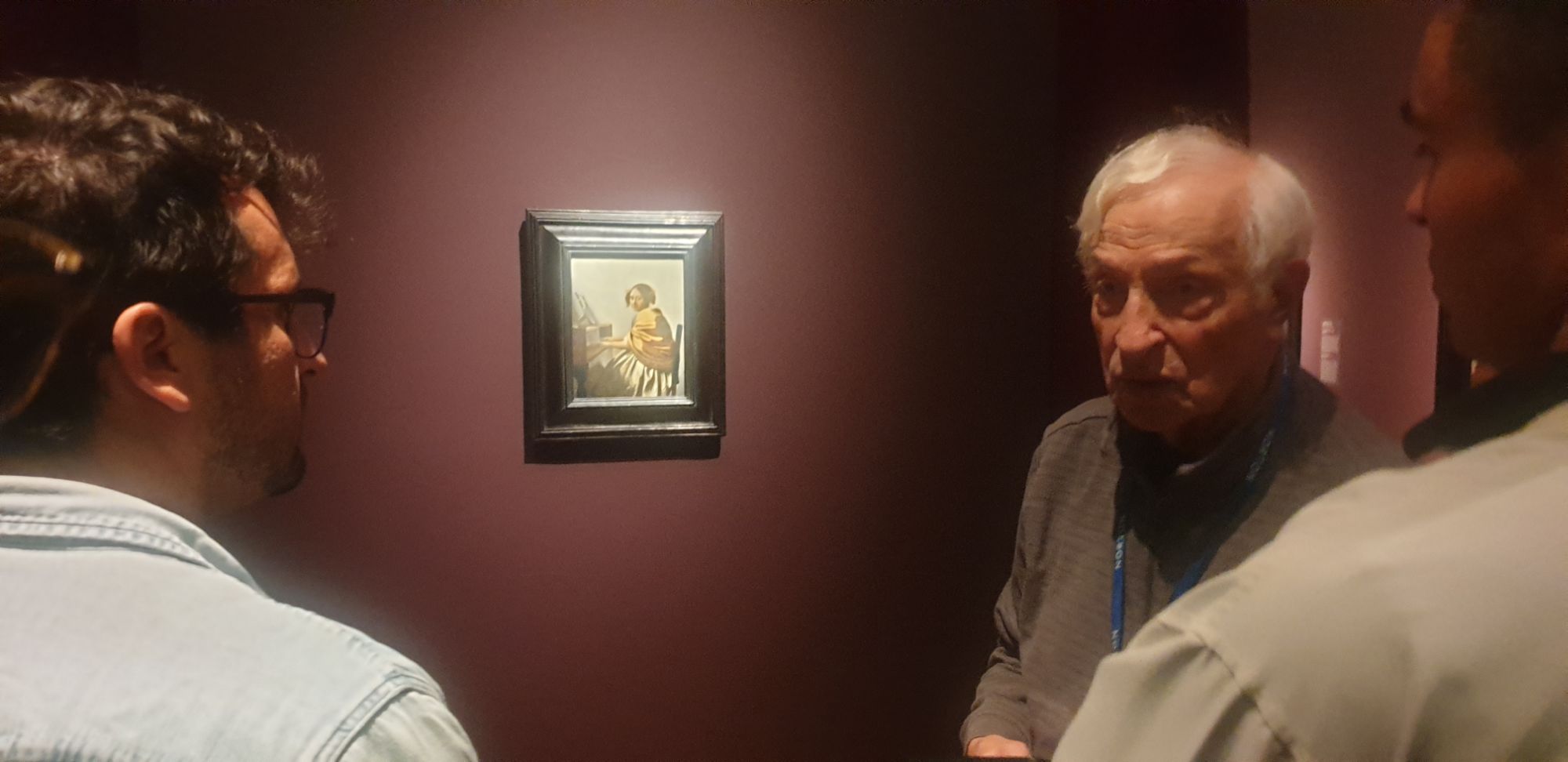
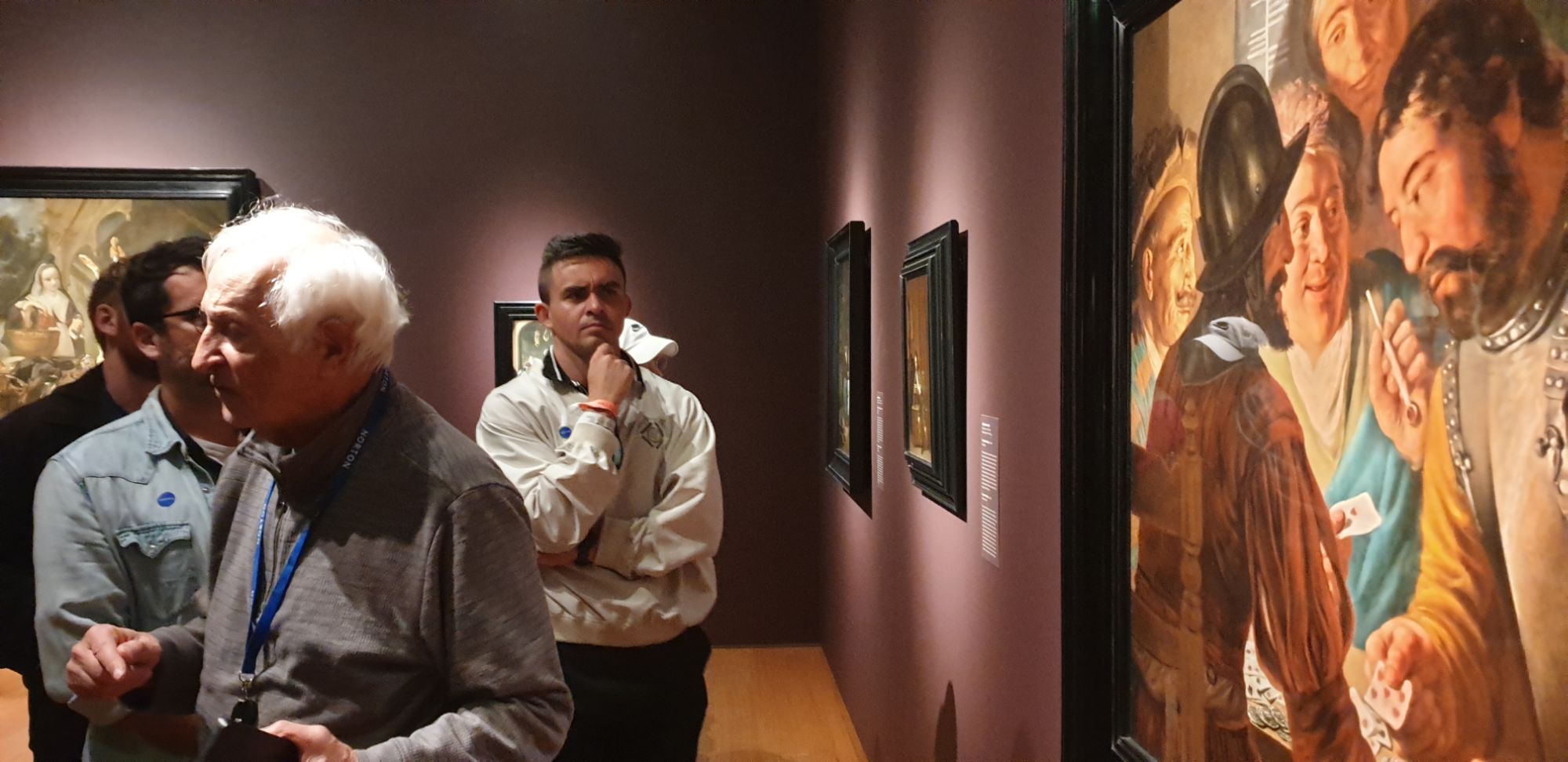
If you read this blog, you know I recently loved the exhibit of the Dutch Masters at the Norton Museum. The Dutch Masters beautifully portray the chiaroscuro, tenebrism, emotion, color, and realism that characterize the Baroque. Since we are currently studying the Baroque in our Advanced Spanish class, this exhibit was a perfect excursion for us to better understand this movement, period, literature, and art.
After clearing all the permissions and bureaucratic hurdles, off we went to the Norton in West Palm Beach and loved it!
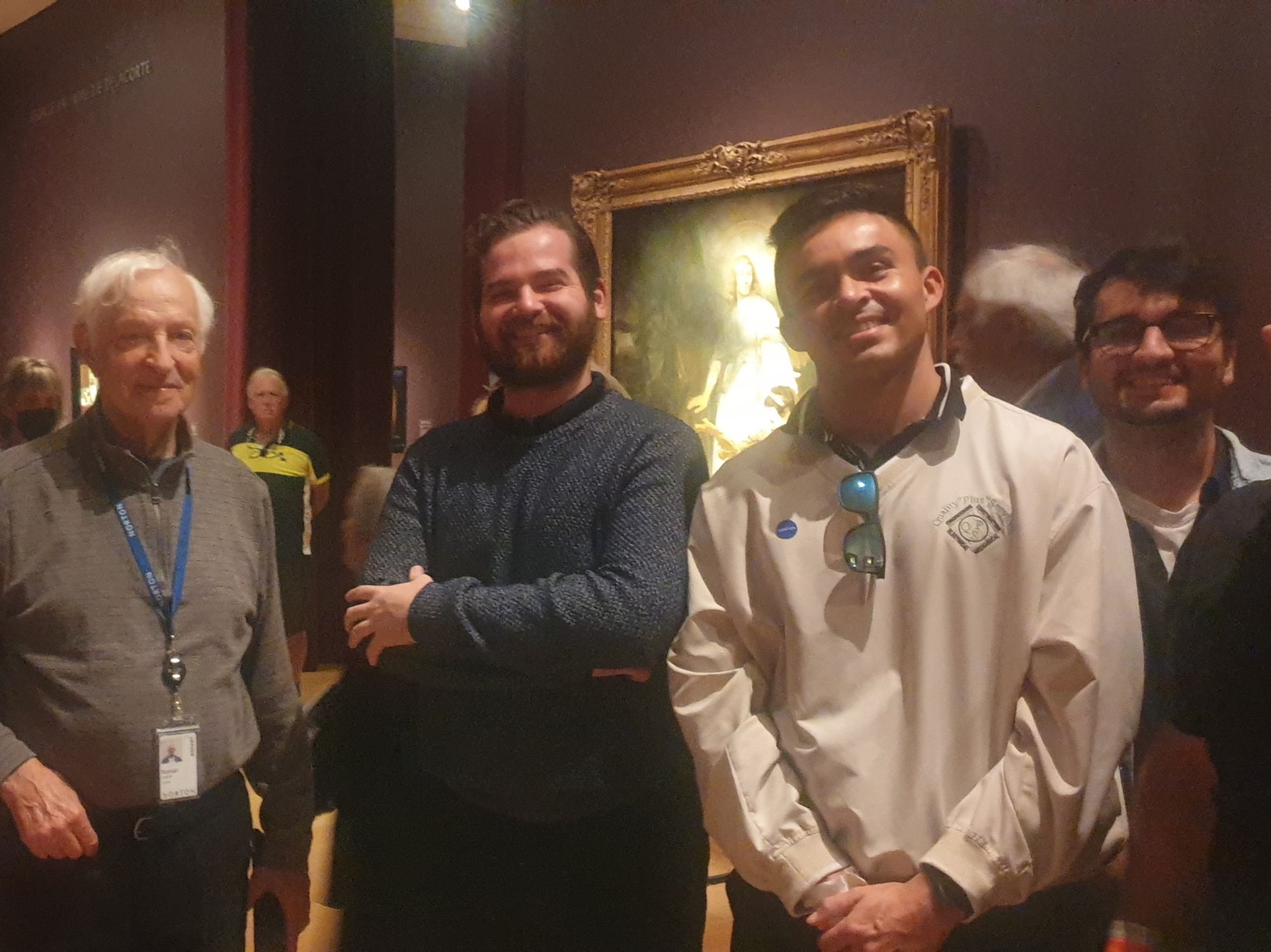
Roman, a sweet retired Polish fellow, was our patient and generous docent. He was knowledgeable and understanding. The students answered all the questions Roman asked about Biblical stories, and we all enjoyed the visit.
If you have the blessing, privilege, and responsibility of being a teacher, find your resources and lean on them. You are welcome.
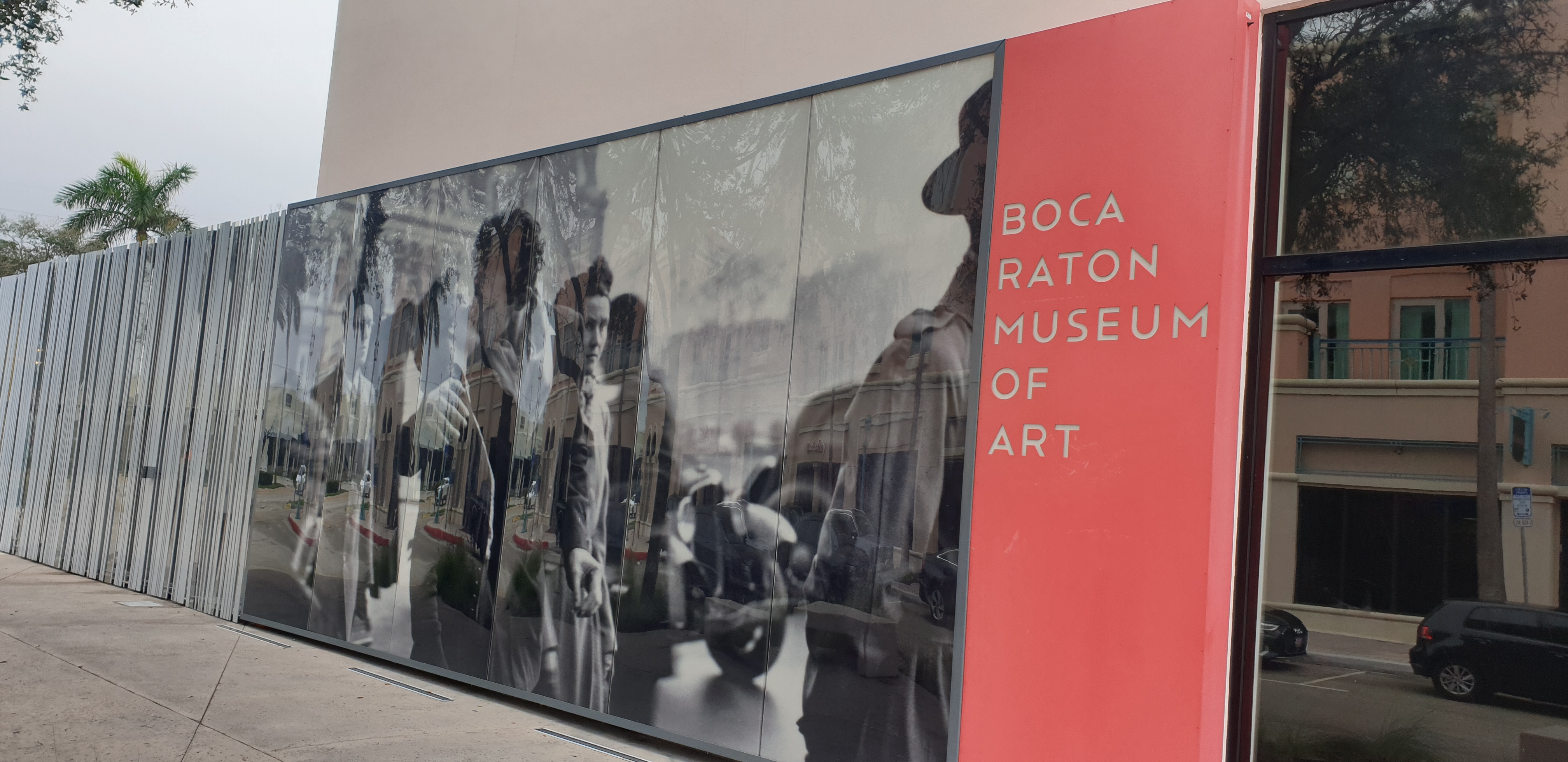
As soon as I found out that the Boca Raton Museum of Art had an exhibit about the Spanish Baroque, I booked a visit for my classes and then went to check it out for myself.
The paintings are courtesy of the Hispanic Society of America in New York, which has organized this exhibit, and which will then travel to a couple more cities.
Splendor and Passion: Baroque Spain and Its Empire is a small but very good-quality exhibit. You are welcomed by a local artist’s interpretation of Velazquez’s Meninas, and then you enter to discover paintings by the real Velazquez, Murillo, and el Greco (whom I would put more into late Renaissance than Baroque, but I am nitpicking). If you love the chiaroscuro, if you love Baroque art, this one is for you!
The Boca Raton is a fairly small museum, with most of the collection being 20th C art. But since you are already there, you might as well check it out.
So, if you are in this suburban wasteland that is South Florida, and you need a little injection of beauty, art, and culture, head over to the Boca Raton Museum of Art. You are welcome.
The first part of Teaching outside the classroom was about coaching soccer, about teaching values, and teamwork, and all those “soft” skills which the classroom is not the ideal venue for. (You can read about it here)
Basically a classroom is just a room, four walls, nowadays likely packed with technology, in which your students and you meet. It is easy, you build a building, make lots of these rooms and you have a school! But we now know that these places are not the best, and not the most conducive to learning. So whenever we can, we get out of there!
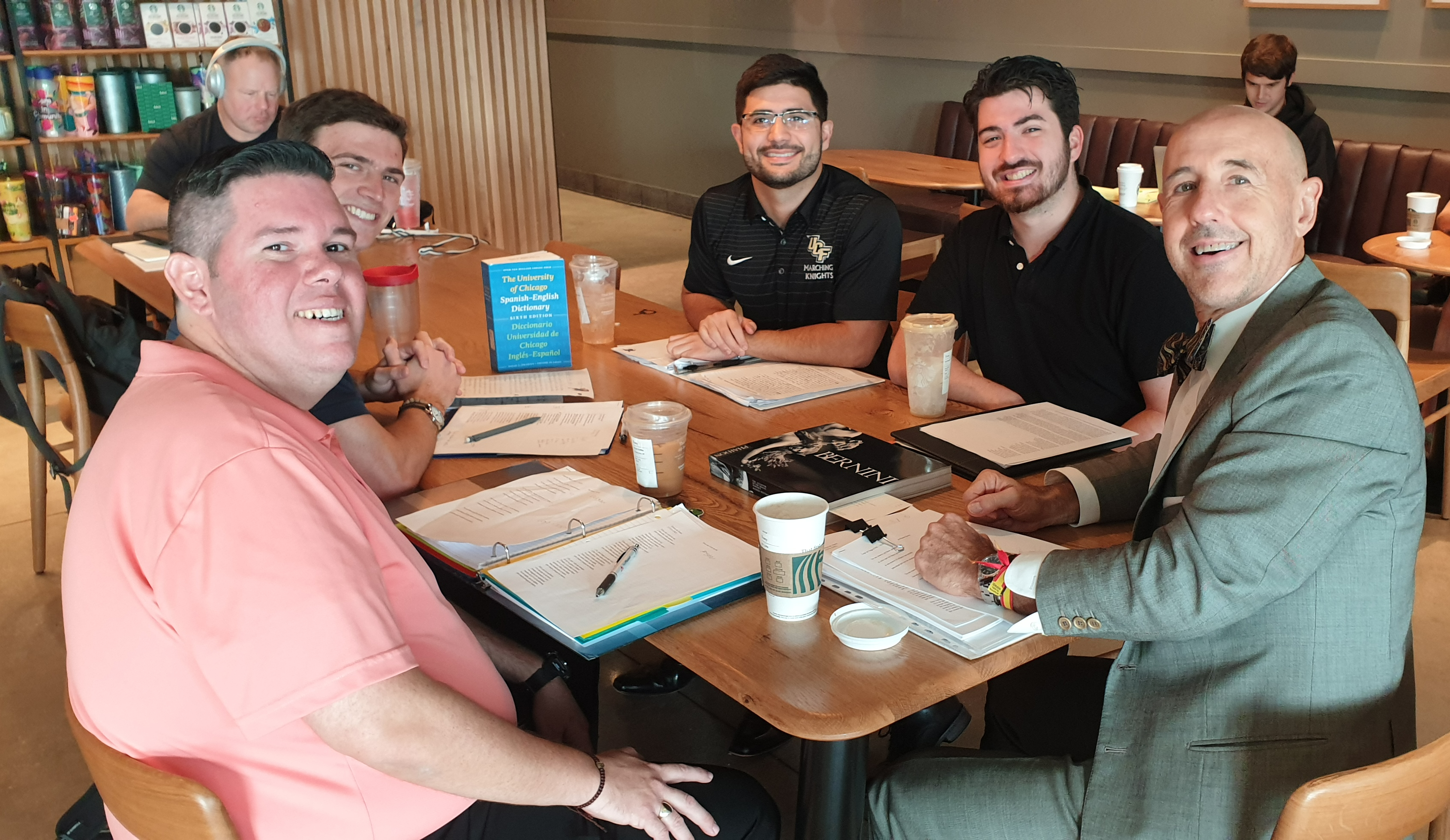
Sometimes we just step outside to the garden or the dining room, steps away from the classroom. But if the course has few students and the content for the day’s class is propitious, we go to our local coffee shop (which unfortunately in our case is a Starbucks, but hey even that is better than the sterile walls of a classroom).
Outside the classroom the students seem to think “better,” more fluidly, they engage differently with the subject. I do not have the science to prove it, but those classes seem more enriching for the students.
We recently had a lesson on the great mystic Santa Teresa de Jesús and her poetry. This lesson, with only four students in the class (Advanced Spanish Language and Culture) was worth taking to the coffee shop. It worked out great, so much so that a week later I took my other section!
So if you have a small class and can do it, get out of the classroom! You are welcome.
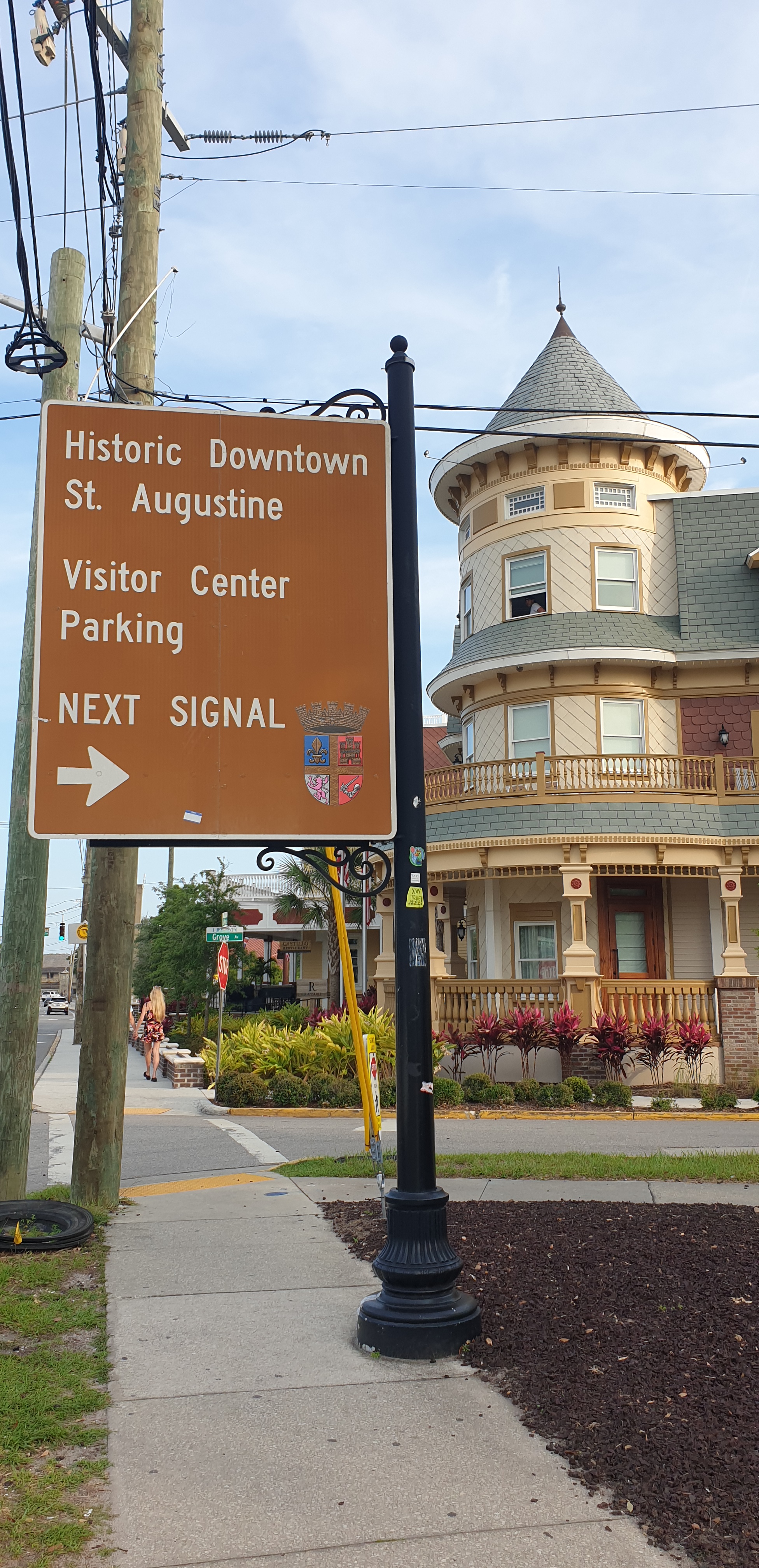
Saint Augustine, Florida, 1565, and it is definitely worth the visit. Paradoxically, it is not even in the top 10 most visited places in Florida. Miami is first because of all the tourists that go on cruises from there and Spring Break students. Orlando is second because of a certain mouse (and other attractions). Fort Lauderdale because of more cruises and Spring Break university students… and so on. Apparently, people do not go to Florida to learn about history. But I finally managed an excursion, and I loved it.
After a boring 4-hour drive -Florida has no elevation and most roads are as close to straight as you could imagine. I arrived in North Florida, which has different vegetation and feel from Southern Florida, and its endless suburban sprawl.
I stayed at the 1001 Nights, a Victorian Bed and Breakfast downtown. This old Luddite was a bit troubled that I never spoke to a person when I made my reservation, and when I got there, I had a code for the front door and one for my room door, so I did not see anyone until breakfast the next morning. But the place was really cute, and my room was great! Highly recommended, with a great breakfast included!
After dumping my bag, I did one of my favorite things in the world: I went exploring.
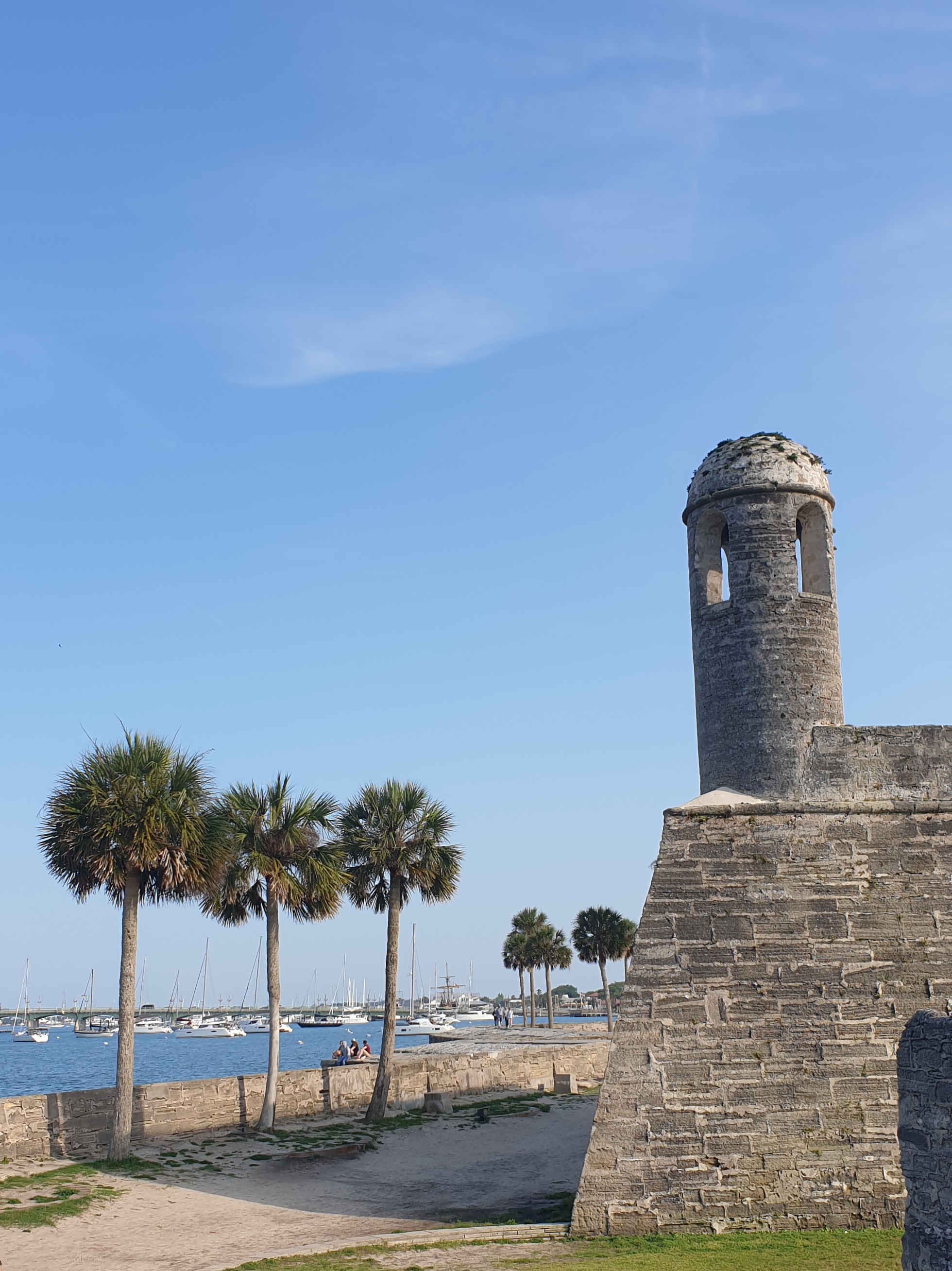
First, the Castillo de San Marcos, later called Fort Marion by the Americans. Obviously as defensive technology improved, so did this castle, so what we see today is the 18th C. Spanish construction, which resembles other Spanish castles like the one in Jaca, the one in Pamplona and San Felipe del Morro in San Juan, Puerto Rico. This whole castle is built of coquina stone -literally seashells crushed and pressed into stone through millennia!
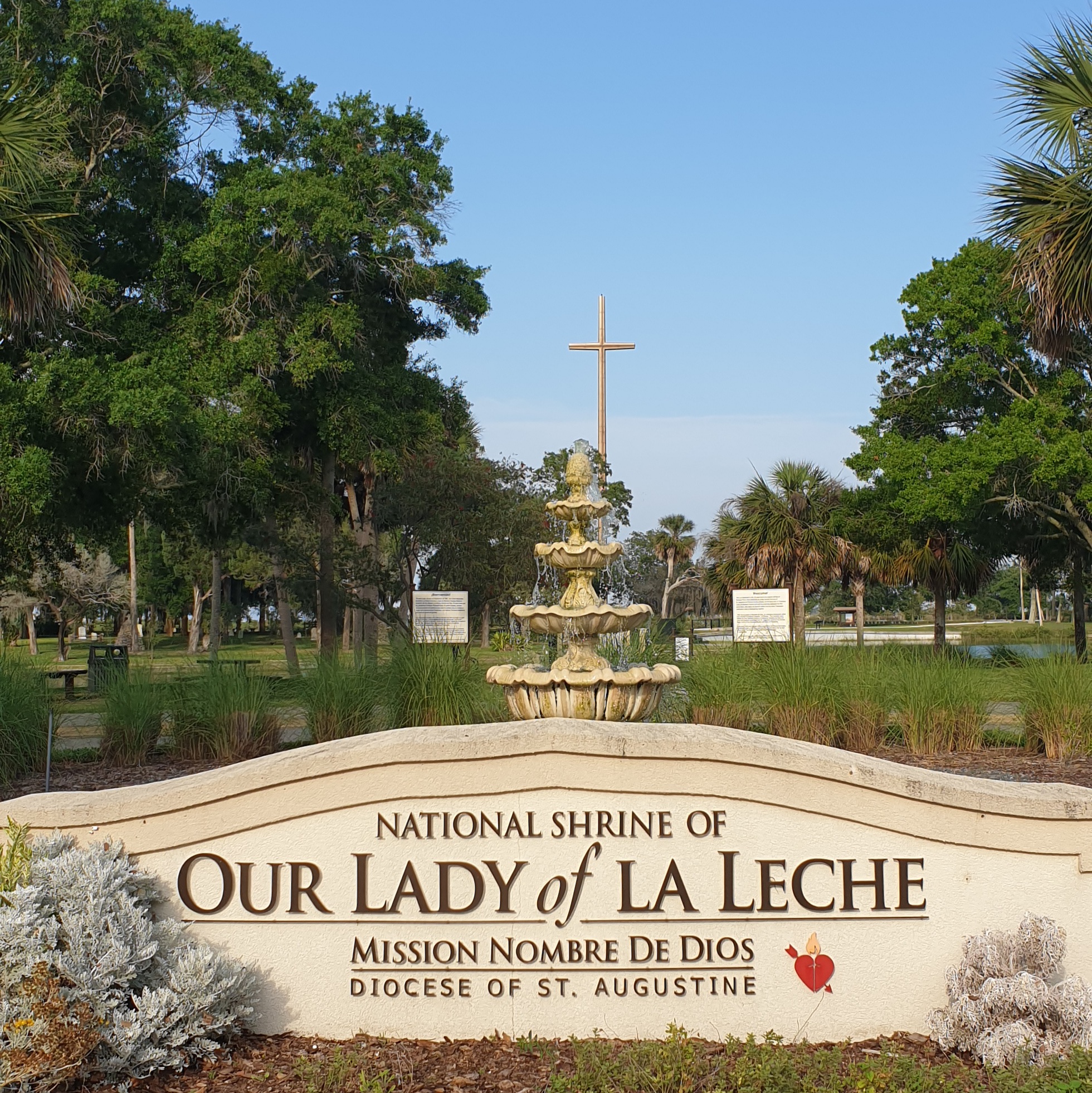
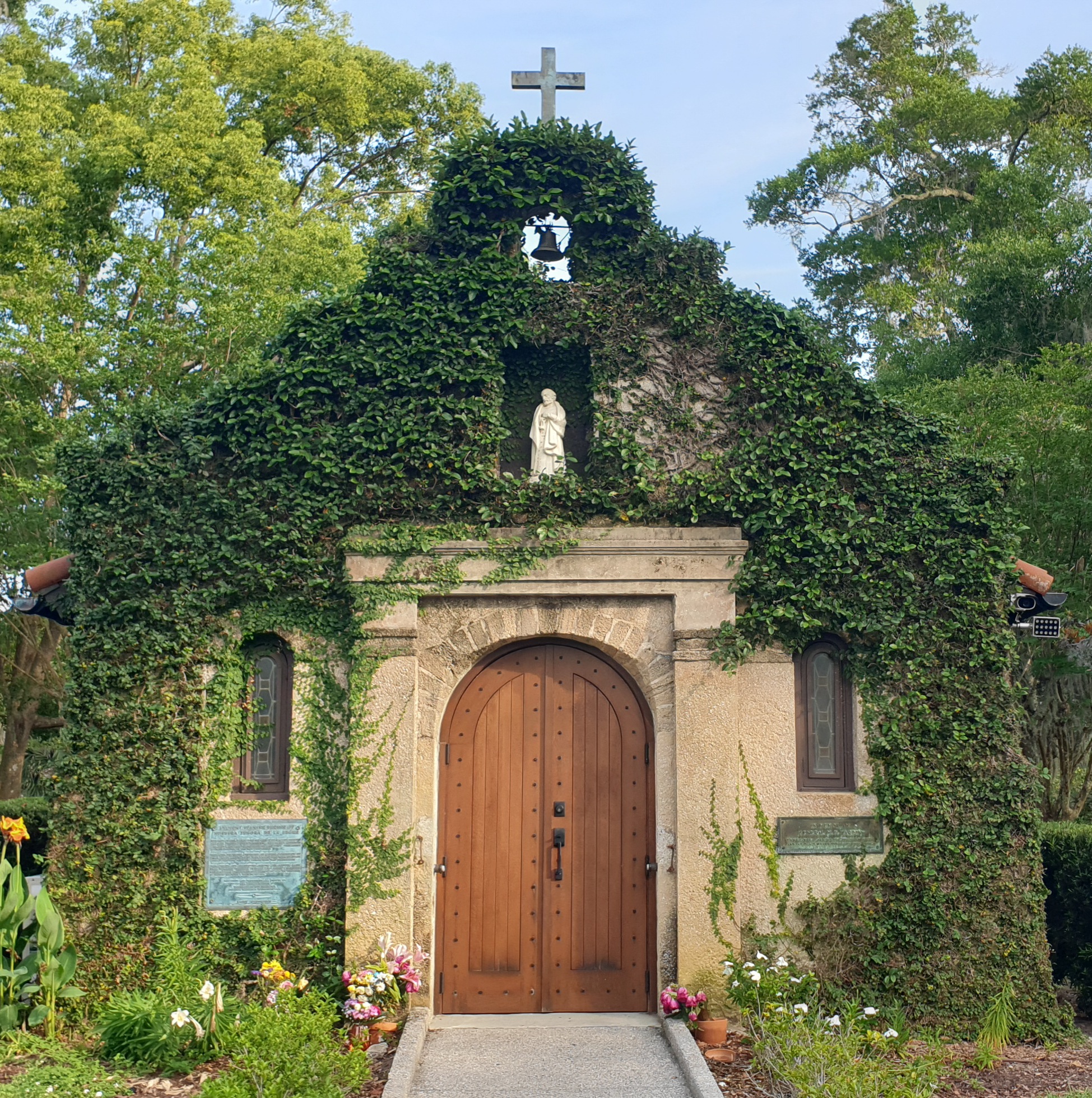
Then I walked to Nuestra Señora de la Leche, the oldest church in the US and the site of the first mass on US soil. The original chapel is not there anymore, but the whole site is a wonderful garden with a supernatural spiritual feel to it, a lovely old Chapel and a mundane modern one.
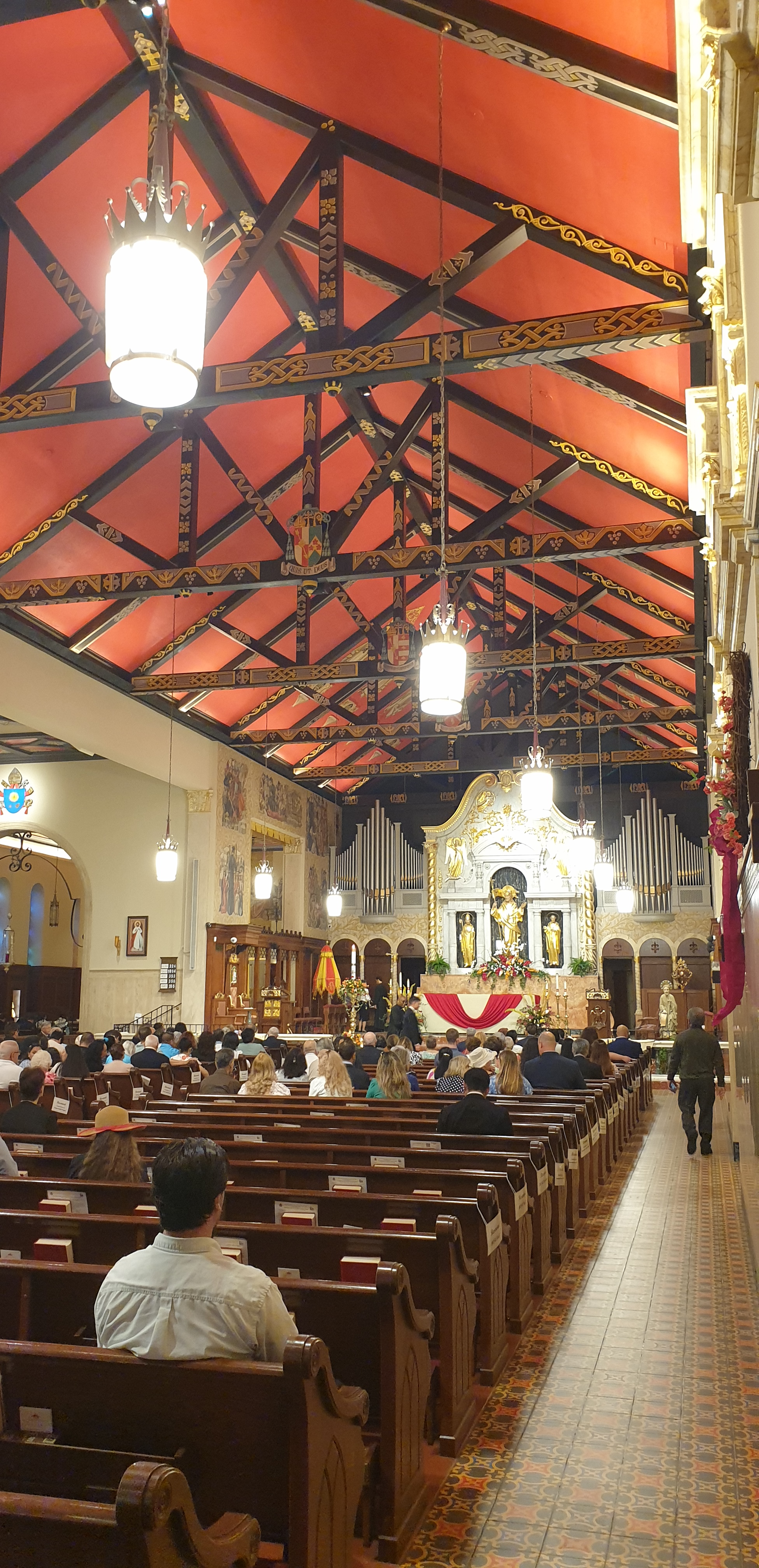
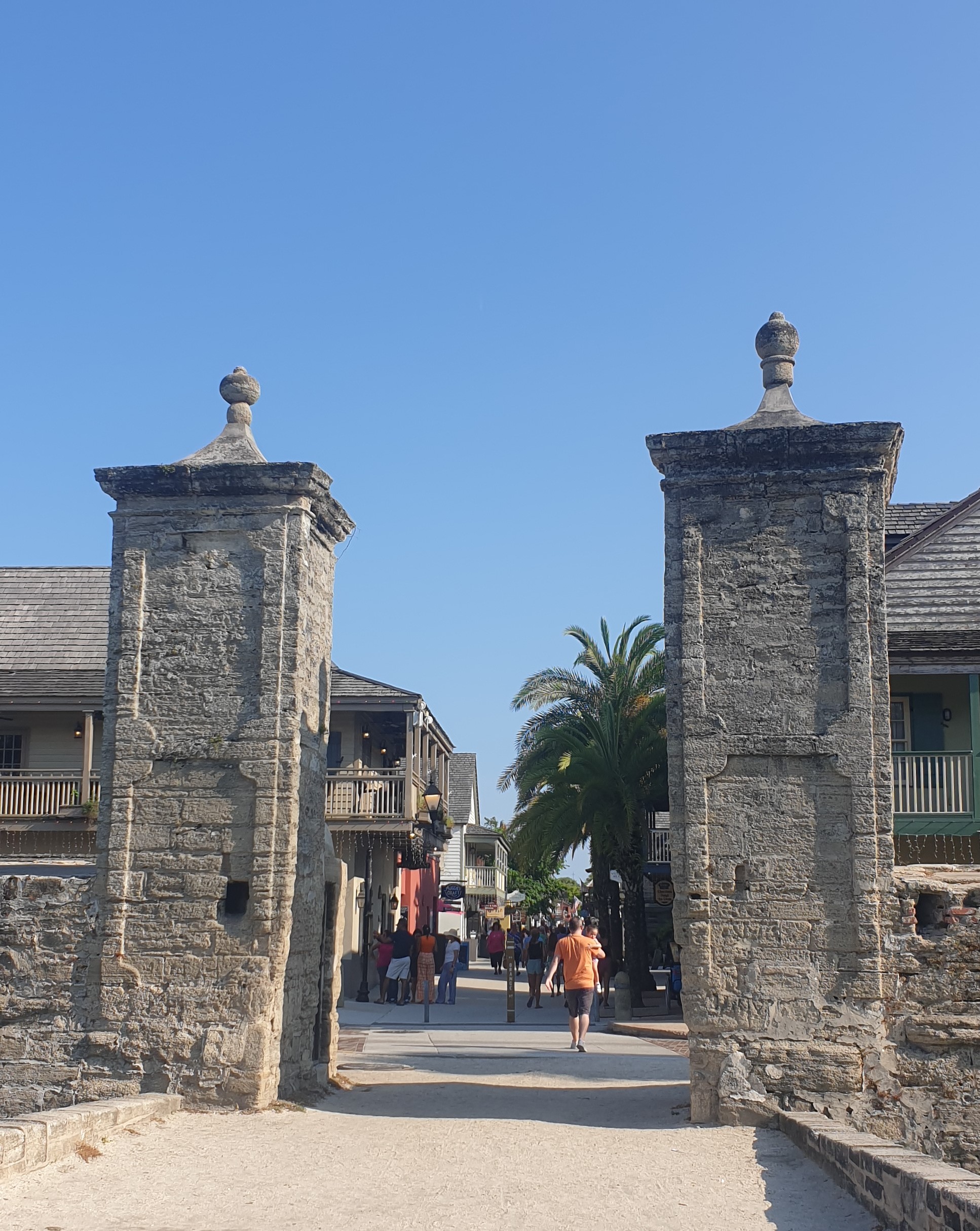
The old village with all the old Spanish houses has fallen victim to that most vulgar American capitalist disease: tourism i.e.: gaudy shops, bad and overpriced restaurants, $7 ice cream cones, etc. Surprisingly, the narrow streets try hard to maintain their historic dignity despite this transgression. Certain corners fight unbreeched: the Plaza de la Constitución holds its ground, celebrating “La Pepa” Spain’s first Constitution signed in Cadiz in 1812 after kicking out Napoleon. It is a charming square. Right on that square is the Cathedral, where I went to the ordination of two of my students, it has a lovely wooden ceiling!
Yes, there are museums, beaches, breweries, and many other attractions, making St. Augustine a perfect weekend getaway destination. If you like history and don’t mind paying $7 for an ice cream.
Recommendations:
Avoiding tourist traps, I had dinner at Ann O’Malley’s, an old Irish pub just outside St. George Street, the main strip. The sandwich was outstanding, the beer perfect, the staff friendly and professional.
I also had coffee next to the Cathedral at The Kookaburra Downtown, fantastic!
My dad could not stop talking about Walter Starkie. I never gave the fellow much consideration, that was my dad’s thing. My dad even found and bought some of his (many) books. But a few days ago, my aunt passed along a brief bio of Starkie –particularly in his time as Director of the British Institute in Madrid (attached). And I loved it! This fellow did more for Britain than you would think.
Mise en scene: Spain during WWII is a neutral country, at least on paper. After all, Franco won the (in)Civil War in 1939 with help from Hitler and Mussolini. Having said that, when Hitler asked Franco to let him transport his troops and tanks by train to Algeciras (next to British Gibraltar -but that is another story) to get to North Africa, Franco -to his credit- said no. But back to our story.
So, in a neutral but Axis friendly country, in 1940, during WWII, what could Britain do to exert some sort of “soft” power in Spain? The answer: send a phenom of nature, a genius, a virtuoso (literally), a wonder, and let him do his thing. Make sure he looks unassuming, a roly-poly, jolly, violin-playing academic fellow. Give him a fairly vague title like British cultural representative. Finally, give him carte blanche to do as he sees fit, oh and a generous budget, I am sure.
Ironically, Starkie was Irish, from a family of scholars and artists, he graduated from Trinity College in Dublin, with honors in Classics, History and Political Science, oh, and first prize in violin from the Royal Academy of Music in Dublin! After graduating he stayed at Trinity teaching Italian and Spanish. Samuel Beckett was one of his students! During WWI in Italy, he played violin for the British troops and met his wife. Back in England Y.B. Yeats made him director of the Abbey Theatre. From there he was sent to Madrid in 1940.
Starkie soon founded the British Institute – El Instituto Británico, “El British,” where my father, my uncle, and my aforementioned aunt went to school as children of a British Embassy employee (read more about my grandad here). Eventually my sister and I would also go to “El British.” Starkie made the school a center for conferences, concerts, presentations, so forth, which is precisely what Britain wanted in Spain: a cultural beachhead in Nazi friendly Madrid. Not only that, but as a Catholic (remember, Starkie was Irish), Starkie soon made friends with influential Jesuits Heras and Otaño, and eventually with government ministers. In fact, one of Starkie’s biggest victories was to have English as a language option (together with German) in Spanish secondary schools.
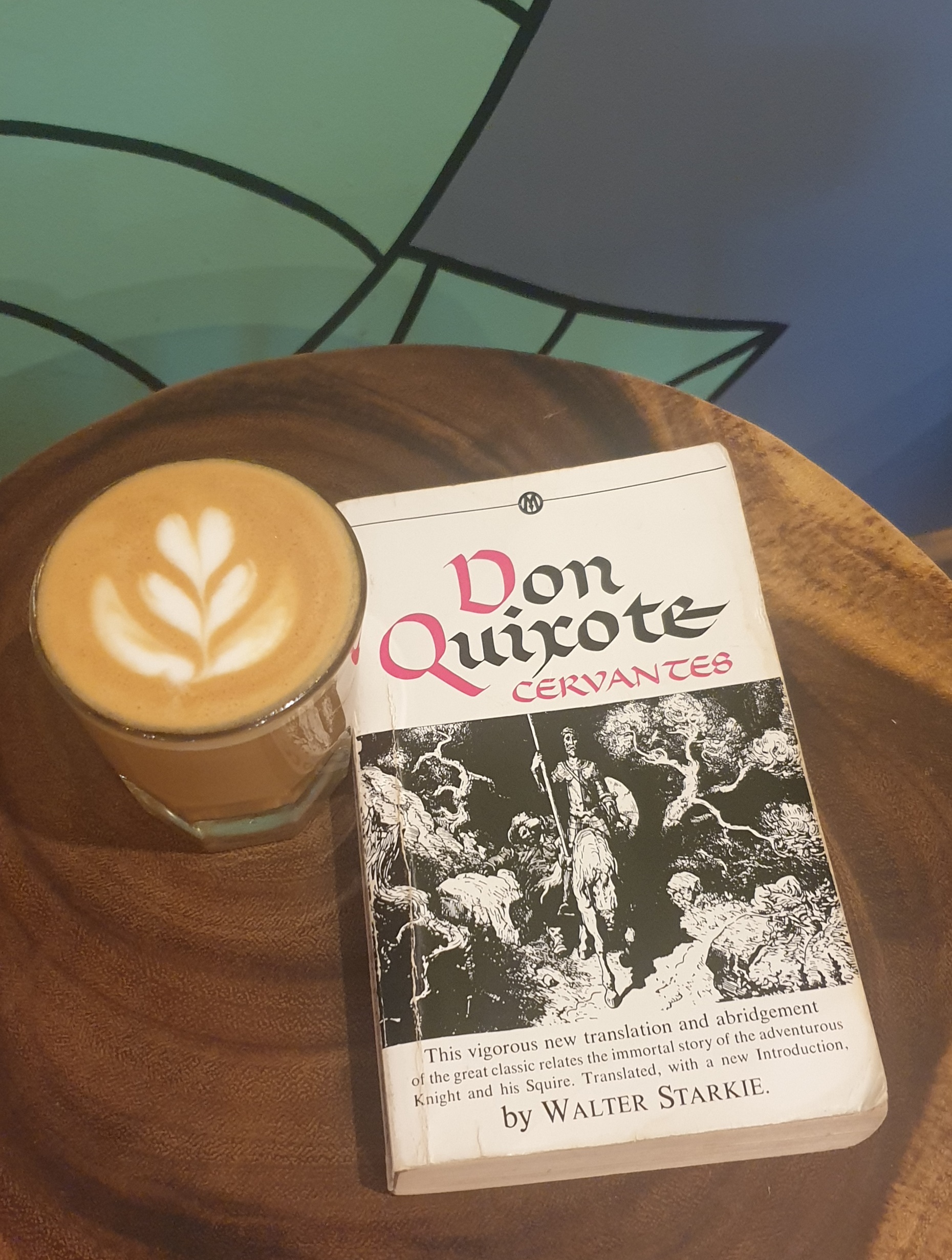
On any given day, Starkie could meet with a Spanish government official, play the violin with gypsies, whom he loved and wrote his most famous books about (Raggle-Taggle: Adventures with a Fiddle in Hungary and Romania (1933), Spanish Raggle-Taggle: Adventures with a Fiddle in Northern Spain (1934), and Don Gypsy: Adventures with a Fiddle in Barbary, Andalusia and La Mancha (1936)), host a conference, write or translate a book -like Don Quijote, and then go home, which served as a safe house for Jewish, Gypsy, and other prosecuted refugees on their way to America.
I asked my uncle what he remembered about Starkie. He told me how the Embassy’s country house was used as a safe house for downed plane crews rescued by the French resistance who were on their way back to the UK to fly again. But to get to this country house one had to drive by a gypsy settlement. Because of the friendship between Starkie and the gypsies, nobody ever dared go near that house to investigate what was going on, why there were cars and vans coming in and out at all times of the day and night, another point for Starkie!
So, besides the eventual victories on the battlefield, Britain scored a major victory in WWII by sending Walter Starkie to Spain.
Most of what I know about teaching Spanish I learnt from Tracy years ago, and I am eternally grateful for that. One of those things is the importance of music in the classroom as a teaching tool. Sure, we learn songs and watch YouTube videos, but a lesser-known quality of music is as a mnemonic tool.
It is a well-known fact that irregular verbs in any language are difficult to memorize; there are so many! They are so hard! So, one way of helping to learn and memorize them is with songs, even if they are silly, basic melodies.
Here are a couple of examples of using basic melodies to help memorize irregular verbs: one is for the past tense preterit, and the other one for affirmative “tú” commands. Enjoy.
The European School of Economics is a great little university. I had the privilege of teaching in their Madrid campus for two years from 2018 through 2020. Elio D’Anna, a visionary Italian founded the university with my kind of philosophy, that the student should actively own their learning process, which makes total sense, but it is not how most universities operate.
As I said, D’Anna is Italian, but the university is accredited in England, with campuses (campii?) in London, Milan, Rome, Florence, and Madrid. Students can rotate through the different cities during their studies.
Even more than the philosophy, I loved the small classes, which allowed me to tailor fit the program for my students. Most times, classes were small enough for us to meet at a local coffee shop. Outside of the sterile classroom walls, in a relaxed environment, students become more engaged and participative, and I would even wager better thinkers!
During my time there I taught all levels of Spanish. The students were actively interested in learning and inquisitive, they really engaged, which added to the immersion factor, meant that their Spanish really took off during their time in Madrid.
The school is really international, I had students from South Africa, Egypt, Botswana, all over Europe, Latin America, Japan, and of course local madrileños. The school has now moved to the quiet Retiro neighborhood, but when I taught there, it was in bustling Alonso Martinez Square!
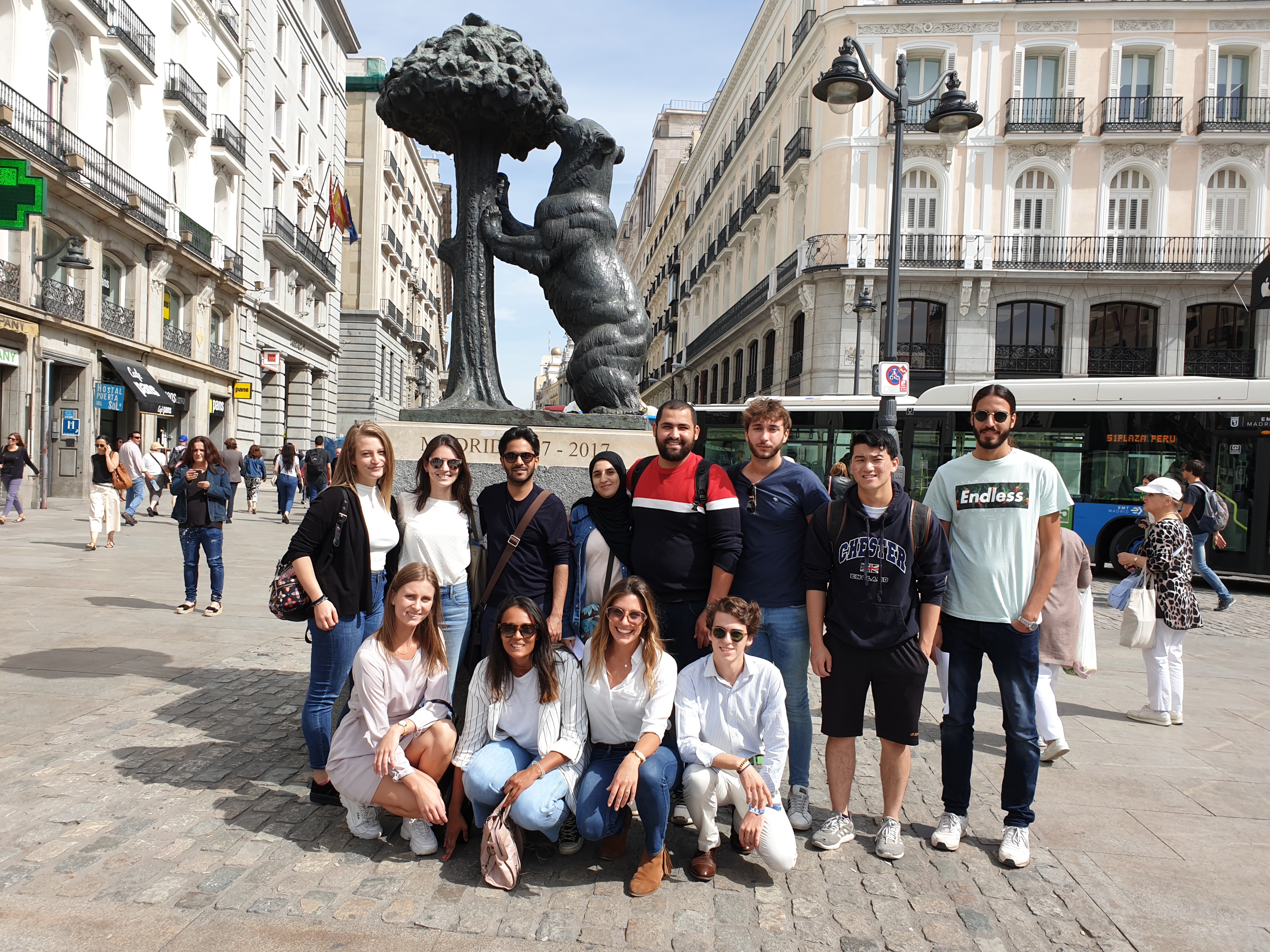
For the beginning of my second year at ESE, I organized a tour/team building activity around Madrid. We organized different activities at the different stops of the tour. We all had a lot of fun and the students bonded and got to know each other!
Sure, a small university obviously has some drawbacks, but at the European School of Economics, the advantages far outweigh any other considerations, I loved my time there and would recommend it to anyone thinking of studying business in Europe!
Although I have taught Spanish, French and English for years, I felt that my teaching of English needed some TLC (Tender Loving Care), so I signed up for a Teacher of English as a Foreign Language certification course.
I did some research and found a great program at the University of Toronto Institute for Studies in Education. They have various Teacher of English as a Foreign Language certification courses, designed for different regions like Korea, China, or the Middle East, so the training is specific for those learners. Since I do not foresee working in those countries just yet, I just signed up for the plain vanilla course. Technically it is for teaching English abroad, but at the end of the day you have to teach to the people who want and need to learn regardless of where they might be. Geography is not an issue. Of course, living in a target language country makes it easier for the learner to immerse in the language and culture, but that is about it.
The program is well set up with a solid introduction to the English language, history, grammar, and then on to language learning theory, classroom management, assessments, etc. It is a very neat course and I highly recommend it. After sixteen years teaching, a lot of the material was review, which was still good for me to have. It was also good to explore some of the language learning theories that I only knew from hearsay like, for example, Jim Cummins BICS and CALP (Basic interpersonal communication skills versus Cognitive Academic Language Proficiency). It is difficult to organize such a generic course especially for me since I am currently teaching graduate school. But overall, I highly recommend it!
Ah yes, that time again when one has to start thinking of finding a job. Since this will be (Insha’Allah) my last (academic) year at UNC. I have to start thinking of what I will be doing come September of 2016…
One of the few things I am certain of is that I am passionate about teaching, especially my language, my culture, my literature. I am hopeful that someone somewhere will need a Spanish teacher with over ten years teaching experience and a PhD in Spanish Literature for next year.
Narrowing down my job options, I would love to be the coordinator of an American university’s study abroad program in Spain – ideally in Spain, near my family. But I know I will thrive teaching at a small liberal arts college or at a secondary school where I can also be a “dorm parent” and coach, what they call in the business a “triple threat”.
Where? You ask. Well I must confess I have fallen in love with the South – who wouldn’t? and I do love the East coast, its history, culture, and relative proximity to Europe. But I would love to explore new grounds: Asia, Korea or Japan, the Middle East, Africa, Oceania, and of course old Europe, make me an offer!!
Experience? In my first job I was in charge of training / coaching / herding? the summer interns that came to Grantham Mayo and Van Otterloo in Boston. From then on in the late 80s I have always enjoyed the training and mentoring part of my jobs. During my stint as a stockbroker in Madrid since I was not doing much in the teaching/coaching/mentoring realm I volunteered to teach English at the Colegio de Huerfanos de la Guardia Civil in Madrid As a sales manager I was in charge of team training and later as consultant I would do the same around Latin America. Once I had my own company from ´94 to ´04 I loved all the training that happened for new employees. We even organized yearly retreats with a coach to help us improve. In 2005 I started my professional teaching career teaching at public schools, private schools and at UNC for the last three years.
They say in Spain “el movimiento se demuestra andando” (something like movement is proven by walking) so here are a couple of videos of me trying to teach. One at Walnut Hill, the oldest private arts school in the US and my first semester at UNC. In case you are really interested I have also included my abridged CV, feel free to ask for any more info!!
That’s right. That is what I researched and wrote about last semester for my Medieval Spanish Literature class. No, these are not drunk girls on Spring Break in Fort Lauderdale, and they are not drunk girls in New Orleans’ Mardi Gras. Philistines, lack of academic rigor… If you want to know about them, you will have to read on,
Having taken only one class this last semester, I only have one essay to show. As usual, remember that this is a rough, rough draft, so use at your own discretion and remember to cite. This work has not been published in a peer reviewed journal, or in any journal, for that matter. I hope you like it, as I did put an awful amount of work into it. If you do like it please comment, if you do not like it, I do not need reminding what a hack I am, thank you very much.

















 Antonioyrocinante's Blog