Stop. Breathe. Breathe again.

Stop. Breathe. Breathe again. In that time, did you miss anything? A multimillion-dollar deal? A major life event? So what is the rush? What is the constant need to be doing something? It is going to be ok, even if you stop to breathe for a few minutes.

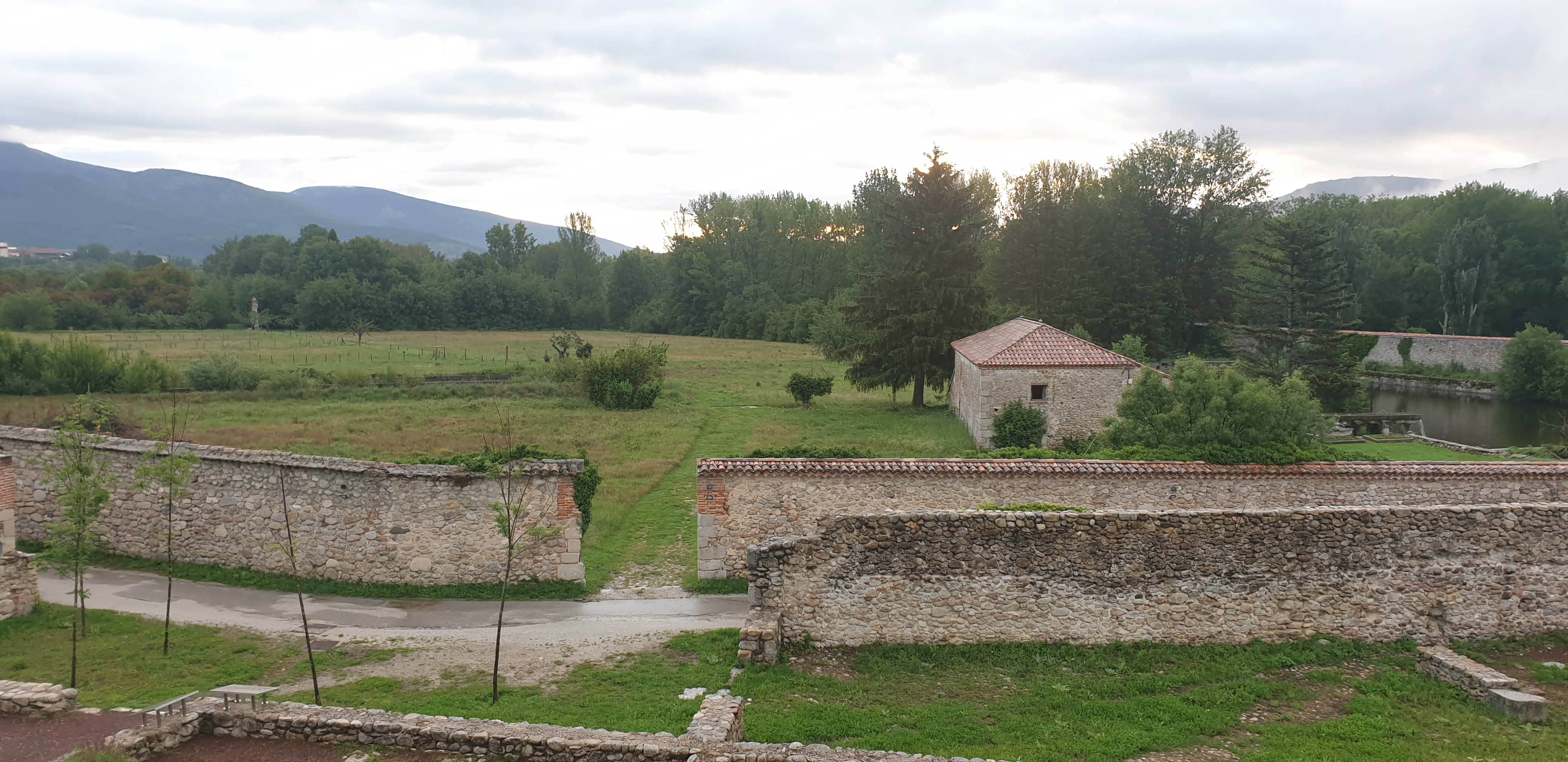
Of course, if you want to take that to a really healing level, you should take a few days off for a silence retreat, a technology detox, a news cleanse, a silent retreat, call it what you will. For the last five or so years, I have had the privilege of taking a few days off and heading North, over the Guadarrama mountains to the Monasterio de El Paular.

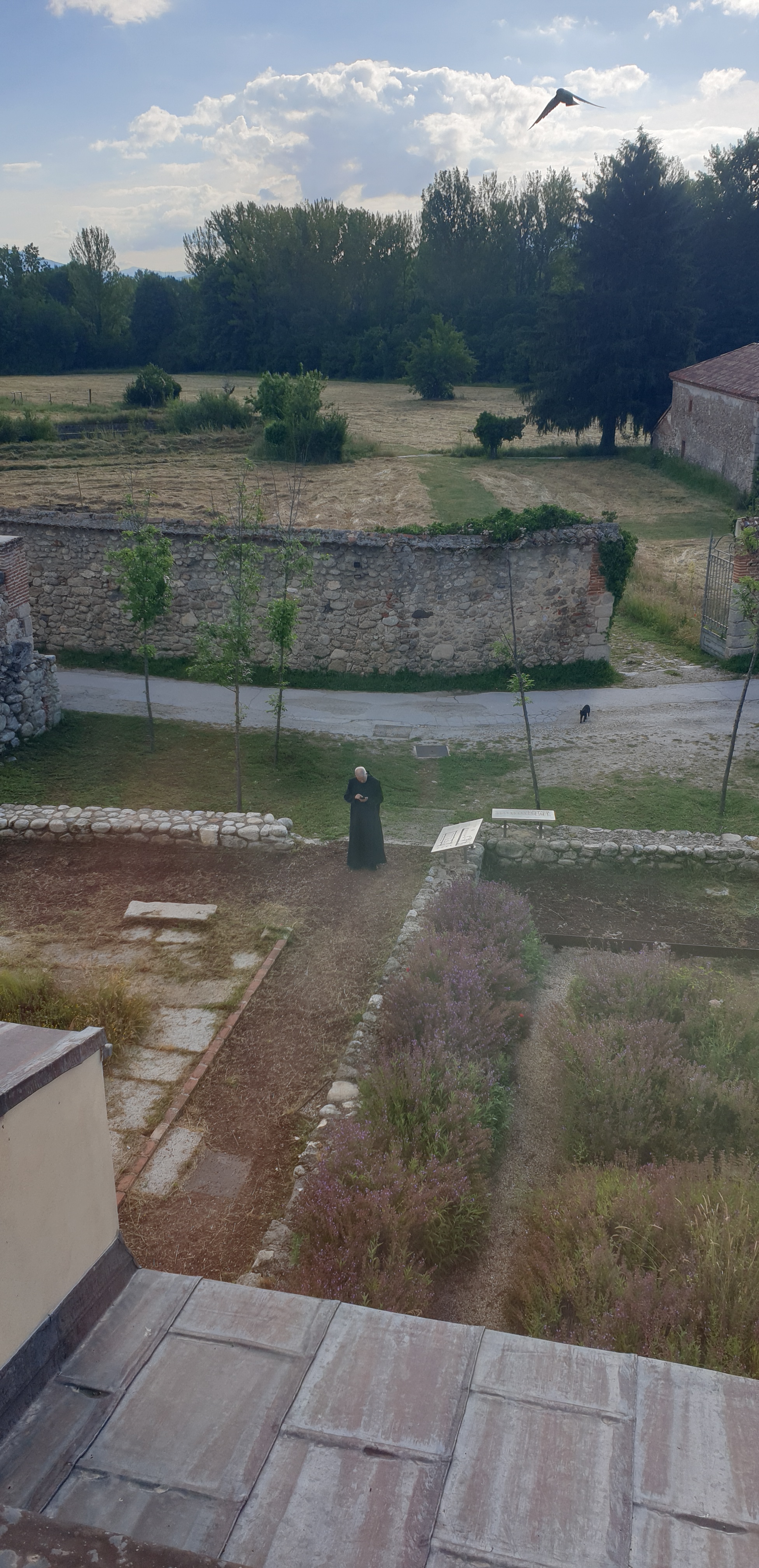
Although the Benedictine monks ask you to pray with them at least three of their five prayers, I always enjoy going to all five, including the 6:30am Maitines. There is a great beauty in reciting the Psalms and praying together in a slow, contemplative rhythm.

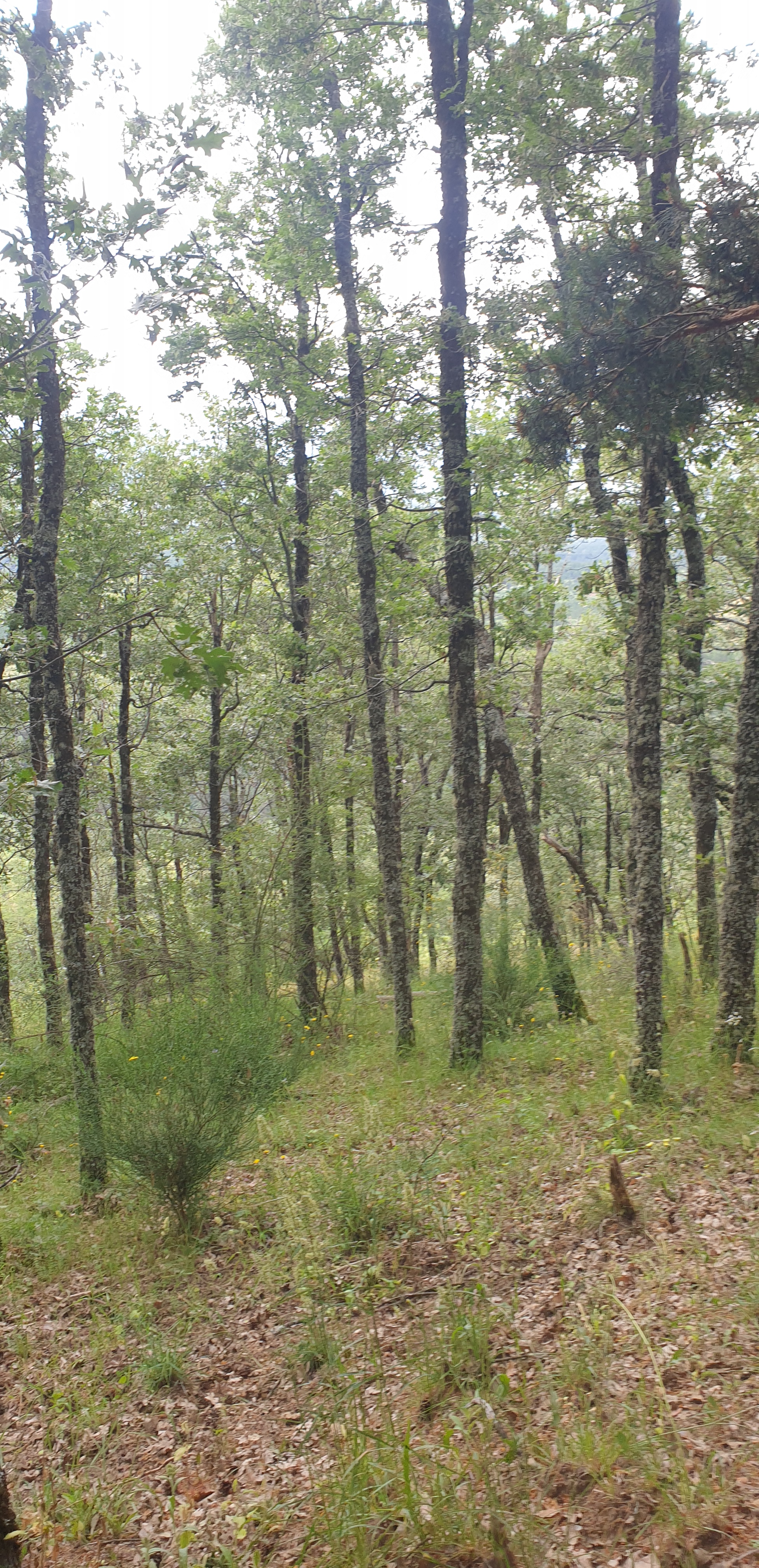
When you are not praying you are free to go hiking in the mountains. This year I went up to the Reventón for the first time to check out El carro del diablo, a huge rock with a legend about the cathedral of Segovia and, you guessed it, the devil. I also went up to the Puente de la Angostura bridge which I had not visited in years.

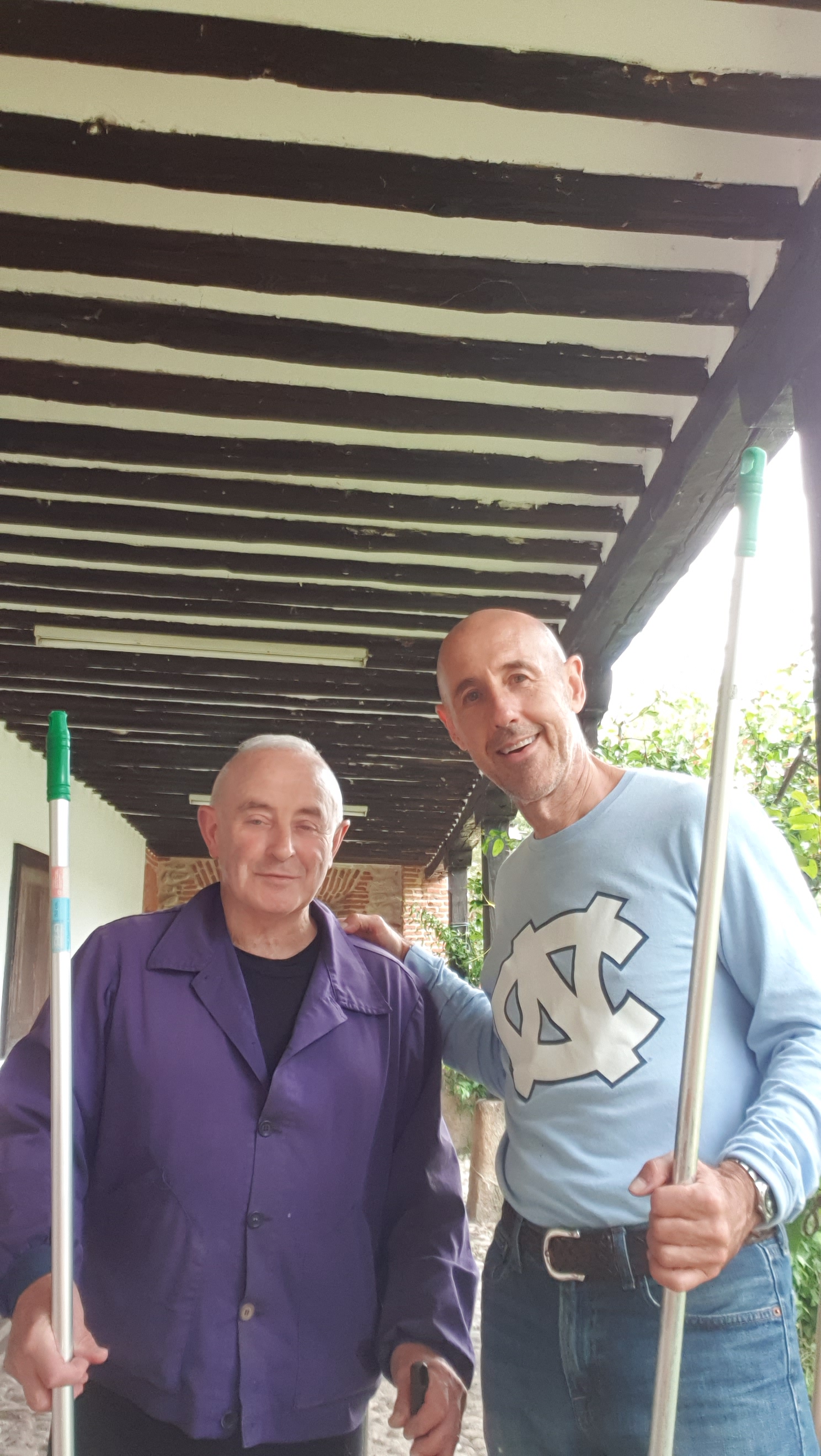
A particularly healing aspect is when the monks ask you to work with them. This time we had to sweep the farmhouse porch for the upcoming fiesta of St. John’s dinner. Brother Enrique and I spent the morning cleaning and fixing up area for the party.

The rest of the time you are meditating, reading, writing, enjoying the Vicente Carducho paintings in the cloister, praying. It is an amazing experience. You should try it. Here is the link for the monastery or find one near you!

https://www.monasteriodeelpaular.com/

You are welcome.

On the importance of silence.

Here is a paradox: We are surrounded by silence, and yet we choose not to listen to it. Our lives are lived at full volume all the time. Our devices keep chiming, beeping, buzzing. My new pet peeve is when you are having a conversation with someone, and they keep looking at their (smart?) watches to see all the notifications coming in. They might be physically in front of you enjoying (¿?) a coffee, but their attention is on everything coming into their watches!

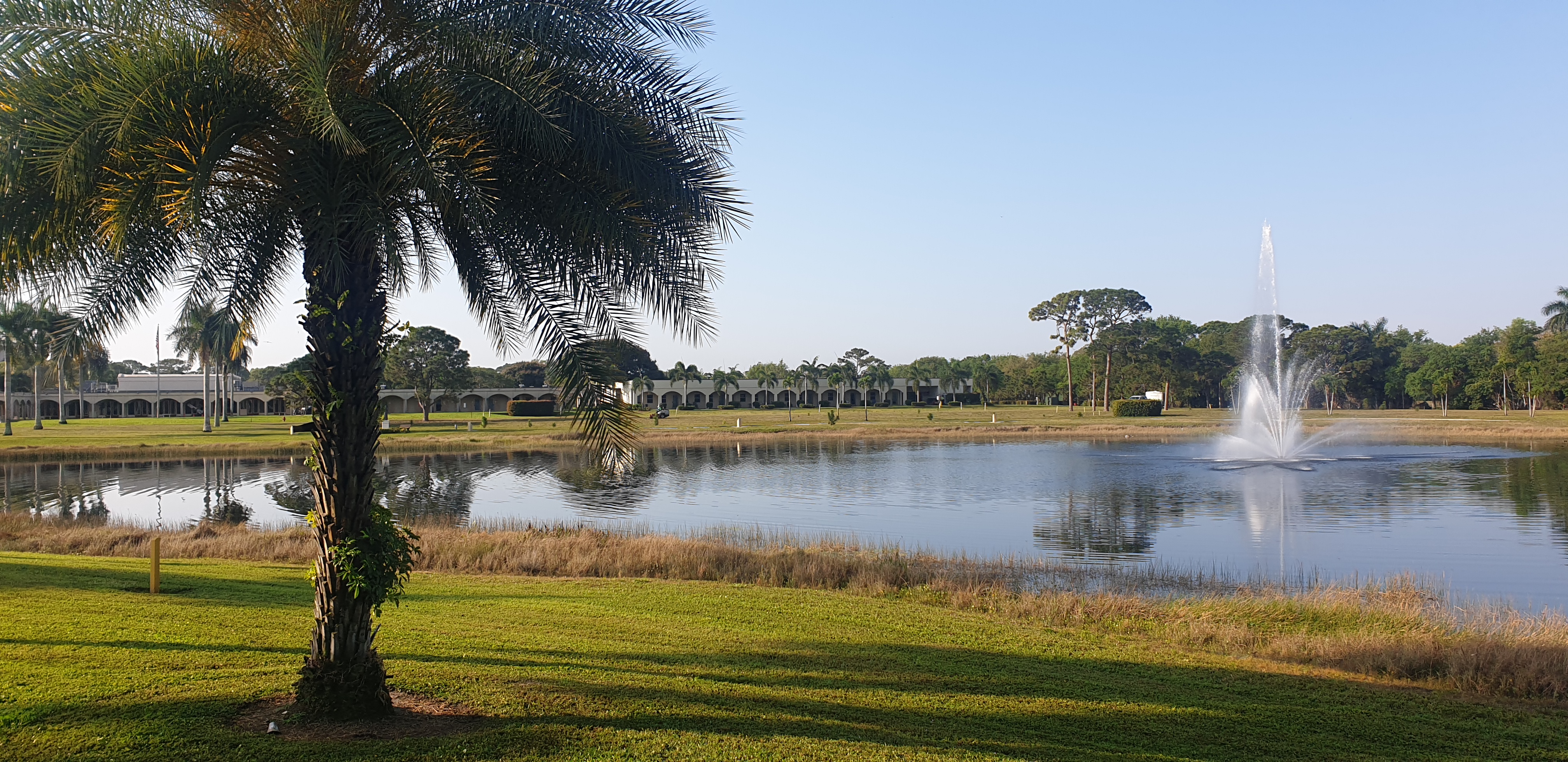
I like to think of myself as a minimalist (although my recent move demonstrates that I am not very good at it –although I try). I live alone, no TV, no pets, and yet I make my breakfast watching the previous night’s newscast on my tablet. I check out the news, this blog’s stats, incoming emails, the weather, Facebook and Instagram (follow me on Tonxob) on my different devices a few times a day. But I do try to listen to the silence: more and more: in the car I do not turn on the radio nor CD (yes, it is old like me), I do not listen to my earphones at the gym nor when I am running, walking or paddling, and of course I meditate a few times a day, where one is dealing with the noise inside the head. In the mornings I walk across campus to make myself a coffee, and that five minute walk by the pond has enough silence to carry me until lunch. In my classes we start with a minute of silence, just to center ourselves and transition to Spanish. You have to make the effort to find the silence or the noise will eat you up!

This post comes about because one of my students recently asked me to help him with an independent study translating Cuando todo calla, El silencio en la Biblia by my colleague and exiled Bishop of Managua Silvio Baez. I also recently picked up Shusaku Endo’s novel Silence, just because of the title!

But I crave silence. I miss the school assemblies at Seacrest Country Day school when we would sit in a Quaker circle and only speak if we were so inspired (although it was not a religious school). I miss the silence of the Camino, of the Paular Monastery.

It takes practice to listen to the silence, oh but the rewards, the clarity, the peace are totally worth the effort. Try it!

Here is a beautiful video on the rewards of listening to silence. It is Villanova’s Fr. Martin Laird’s chat : Out of silence something is born that leads to silence itself. It is a bit long, but definitely worth it

Yes, you need a silence and meditation retreat,

Unless, of course, you are a Zen master or a monk or a nun. This is my third such retreat, but my last time here was in February of 2020, the week right before the Covid lockdown. Since then, I started a new job far away in Florida which means I only come to Spain for the holidays and that time is pretty busy with family, friends, chores, etc. and although I had been meaning to get out here, things do not happen unless you make the commitment, so here I am.

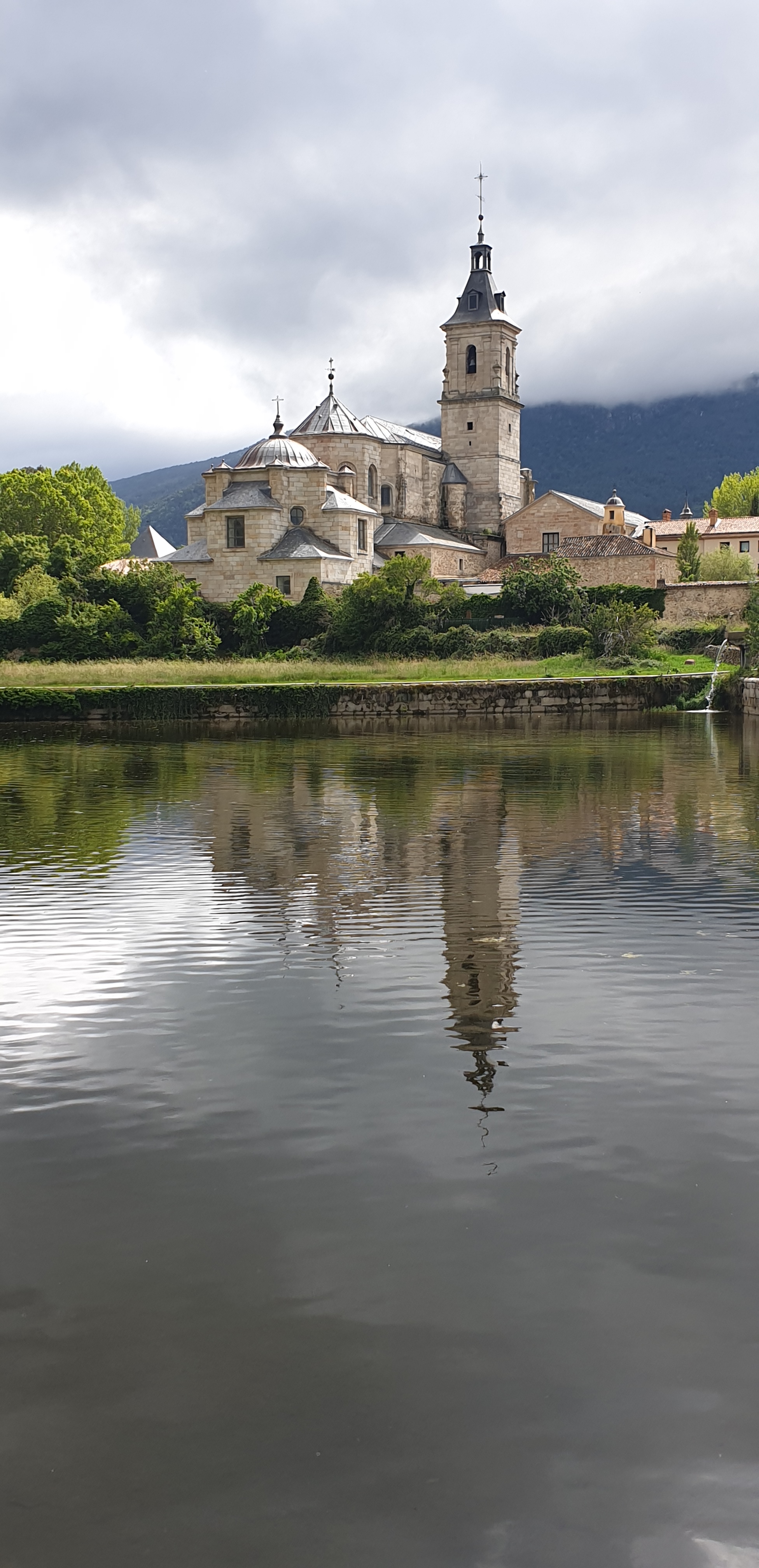
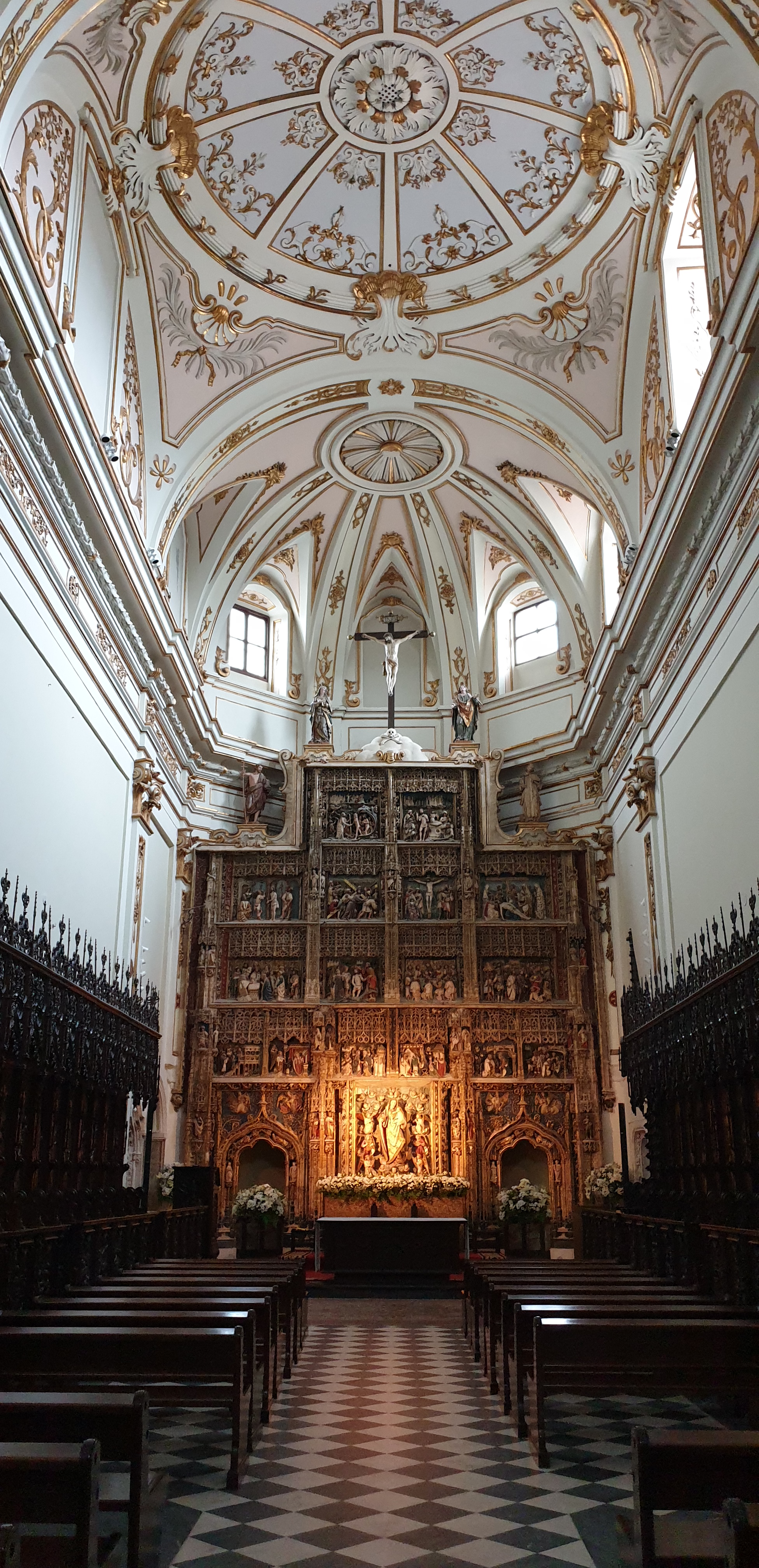
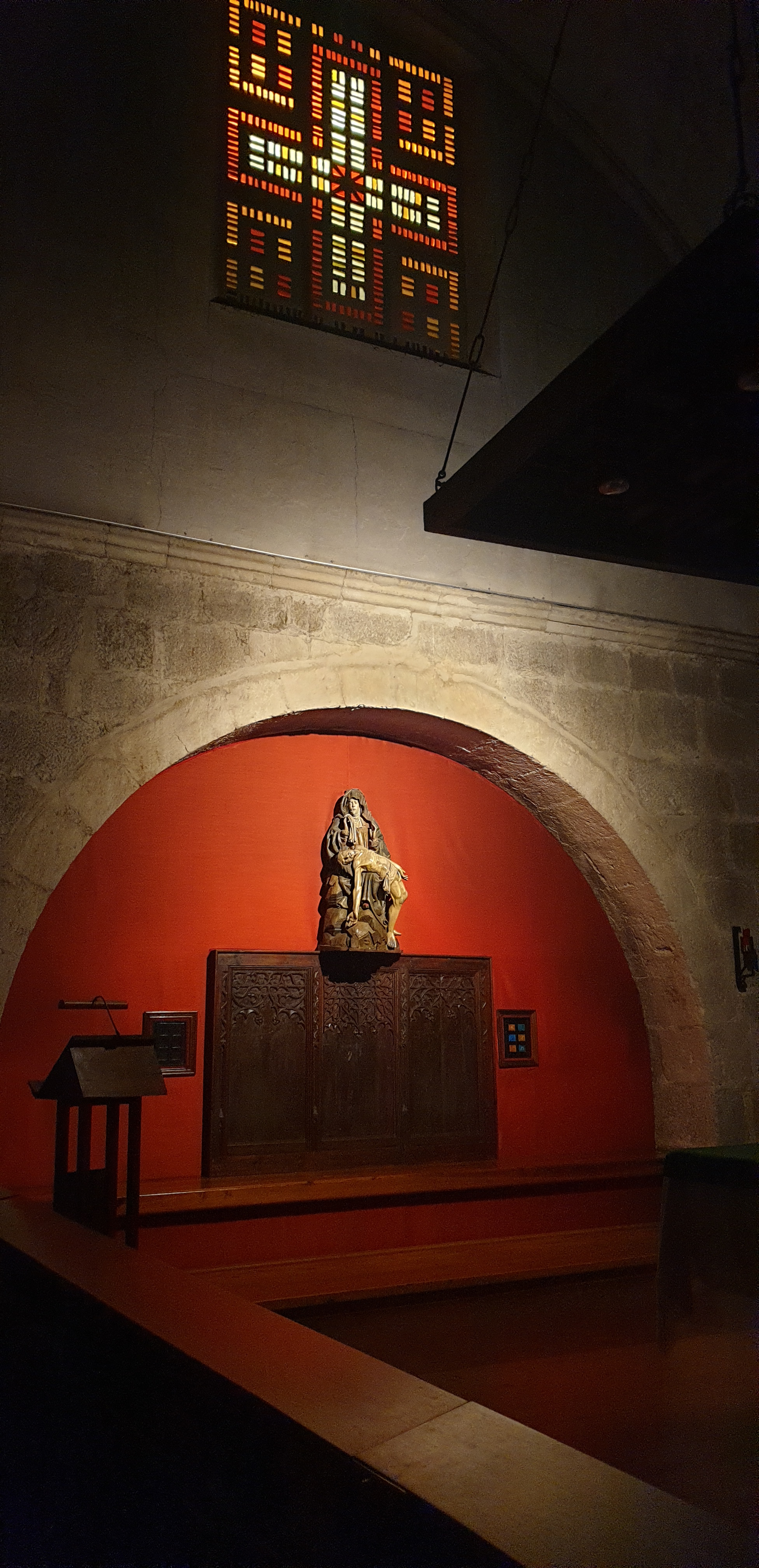
El Paular monastery is an ancient (1390) Medieval monastery built in the confluence of two or three streams where a hermit used to live. The monastery was originally of the Carthusian order, but it got dismantled in the 19th Century and re-started again in 1948 under the Benedictine order. It currently has eleven monks, which is a couple more than when I was last here!

The journey here brings you over the mighty Guadarrama mountains, specifically the 2000mt Navacerrada pass. That is your first threshold, leaving Madrid far away. The descent on the other side is your second signal that you are entering a new world. And then, there you are, face to face with what used to be a massive monastery, which is now a fraction of what it once was, but still beautiful and awe inspiring.

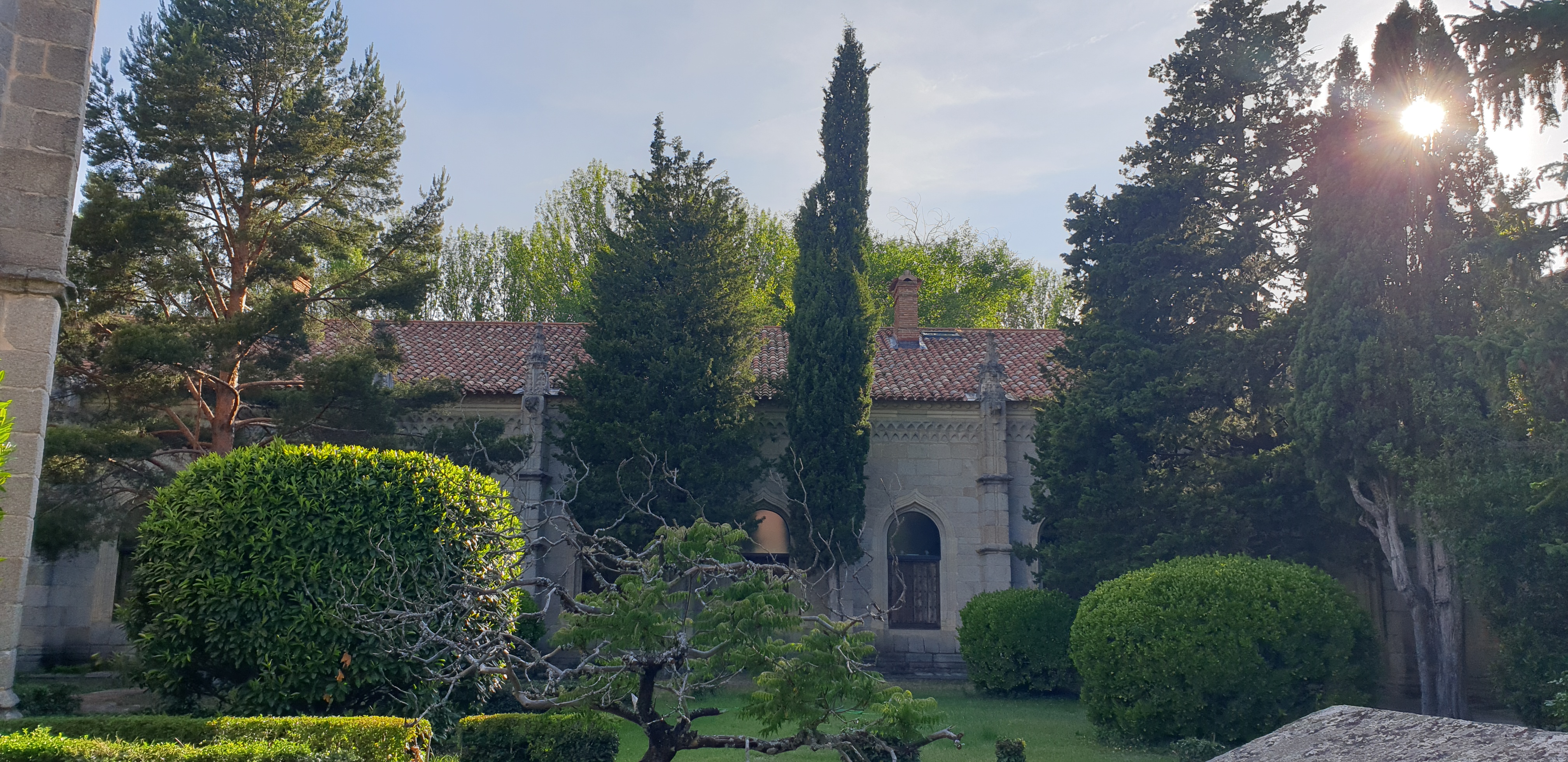
The first thing you notice stepping into the cloister is the silence, there are no TVs, radios, music, nothing other than the birds chirping. Then you notice the rhythm, the pace. There is no rush here, everything works pretty much the same way it did over six centuries ago. Then you notice the massive 52 Vicente Carducho paintings depicting the history of the Carthusian order!

As for the retreat, you get a cell which is a perfectly nice room with a bed and a desk, and a bathroom with great water pressure and even better views of the mountains!

You are encouraged to pray with the monks five times a day:

6:30 Maitines

8:00 Laudes before breakfast

2:00 Sexta before lunch

8:00 Vísperas before dinner

10:00 Completas

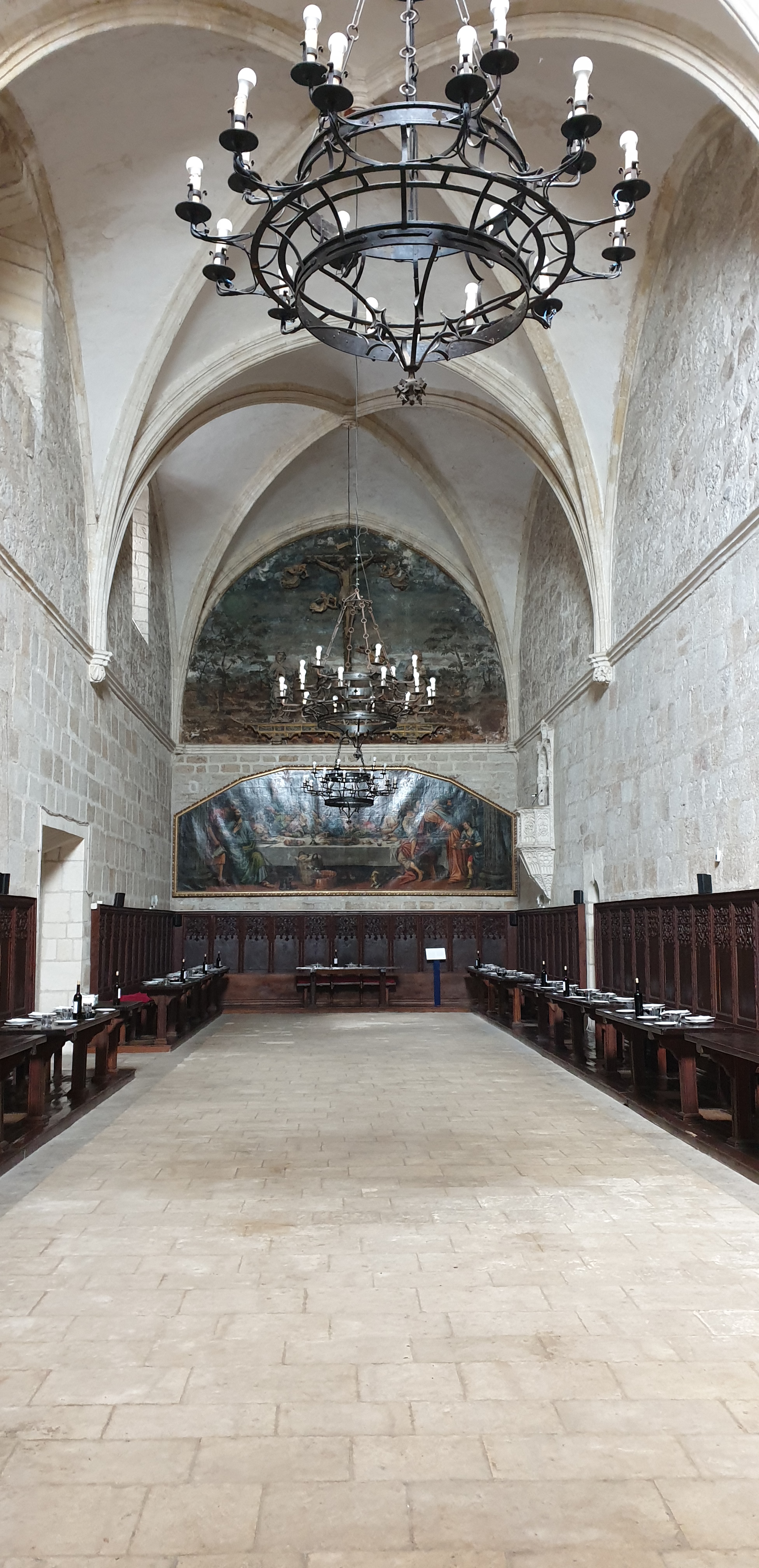
One does not talk with the monks unless the monks talk to you, which when they do is briefly. You eat your meals in silence in the refectory -well, there is a reader, yesterday they were reading Merton’s biography!

Other than that, you are free to go walking in the mountains, or to the village a couple of miles away, but that kind of breaks the silence –unless you did not pack enough socks and you have to venture into the village to get some. You spend most of the day reading, writing, meditating.

The abbot is my spiritual director, so when I come, we spend some time talking. Padre Joaquín, like all the monks emanates spirituality, patience, love. Being in the presence of the monks brings down your blood pressure, after all these guys have the key to happiness. It is scientifically proven that monks are the happiest people in the world!

Yes, I have my phone, but it spends a lot of time just sitting in my cell. I take it with me on my walks mostly so I can take photos. This is the beginning of feeling free… (to be continued)

A (much needed) silence and meditation retreat.

The last few months have been a bit challenging, so when the opportunity came to spend a few days in the Monasterio de El Paular in a retreat of silence and meditation, I jumped.

I have written before about El Paular, it’s magic and the wonderful monks since I have visited every summer for a few years,  But I had never spent more than a couple of hours there. Since I returned to Spain in the Fall, I called the monk in charge of retreats, the Guest Master, but could never find the right timing. Finally I chose a weekend with no other people staying over, and headed for the mountains…

Although the monastery is less than two hours away from Madrid, it feels a world away, as one has to go up the Guadarrama mountains (that would be where Hemingway based his For Whom the Bell Tolls) and down the other side. When I went, the mountains were all snowed, fortunately the road was clear, so I did enjoy a good drive up and down.

Once you enter the Monastery you notice your blood pressure drops and your serenity reaches levels you did not know were possible. You get a simple cell with a bed, a desk, a proper bathroom and amazing views of the mountains. I was free until vísperas (vespers) at 8pm so I went for a walk. My first steps of that walk where a rush, a tsunami of peace. In fact, it took a while to accept the silence as a companion.

As I mentioned in my posts about the Camino de Santiago, Medieval folk had a real spiritual affinity for choosing where to put churches, chapels or monasteries. This one is flanked by a gorgeous river and many streams which were running full during my visit. It is also at the base of the mountain, making it a very secure location. According to Feng Shui, if you were to draw a dragon using the available landscape, the best – and safest – place to build would be where the dragon’s genitals would be, that is where El Paular sits.

As advised by the Guest Master, I arrived early for Vísperas prayer. All 5 (6 when there is mass) daily prayers take place in a very cozy square chapel off of the cloister. The prayer breaks down into singing and speaking and into Latin and Spanish, but that really does not matter, as what matters is the repetition of the prayers that make the event magical.

Dinner comes right after vespers and happens in silence. A monk serves you and you eat while another monk reads a religious text. After special meals, the Abbot rings a little bell and you are allowed to speak, but not to get up from the table!

The final prayer, Completas (Compline) is a at ten, and you must keep silence until after Maitines (Maitins) at 6:30am the next day. You pray Laudes at 8am and have breakfast right after. Then the monks might have communal work. When I was there we had to clean up the monk’s tombs in the cloister and plant pansies that would withstand the cold. It was nippy out in the cloister, but the sun was shining and soon warmed us up. The work was rewarding as Abbot Miguel regaled us with stories of the dead monks and other folks buried there: an American fellow who was very fond of the monastery, or a child who drowned nearby, all very touching. After our work we snuck into to kitchen for a hot cup of coffee and madeleines made by the monks. I still had time for a walk in the forest before Sexta (Sext) and lunch.

And so the hours and the days pass: meditating, walking, eating in silence and praying. The weekend I was there the monks were celebrating Saint Scholastica, the sister of the founder of the Benedictine order. I had never heard of her, but her motto is very moving, something like whoever loves more has more power (más puede quien más ama) which became one of the cornerstones of my meditation while at the monastery. Once it got dark I would walk around and around the magnificent cloister which is surrounded by massive Vicente Carducho paintings (I think I will devote a blog post just for that bit…).

It is difficult to explain the monastic experience. The concept of time is totally different from that in the outside world, actually, outside might be the key word there as in the monastery it is all about inside you, your inner beauty, your inner holiness, your inner time, your inner everything!

On my last day I had a nice chat in the library with one of the senior monks. His advice to me? Empty yourself, a process the ancient Greeks called kenosis and something I have been working on since it was also recommended by Richard Rohr in his daily meditations.

Leaving the monks and the monastery was very sad, entering back into the crazy world we have created was tough, but I know I will be back to spend some of that special time with the monks at El Paular.