Budapest

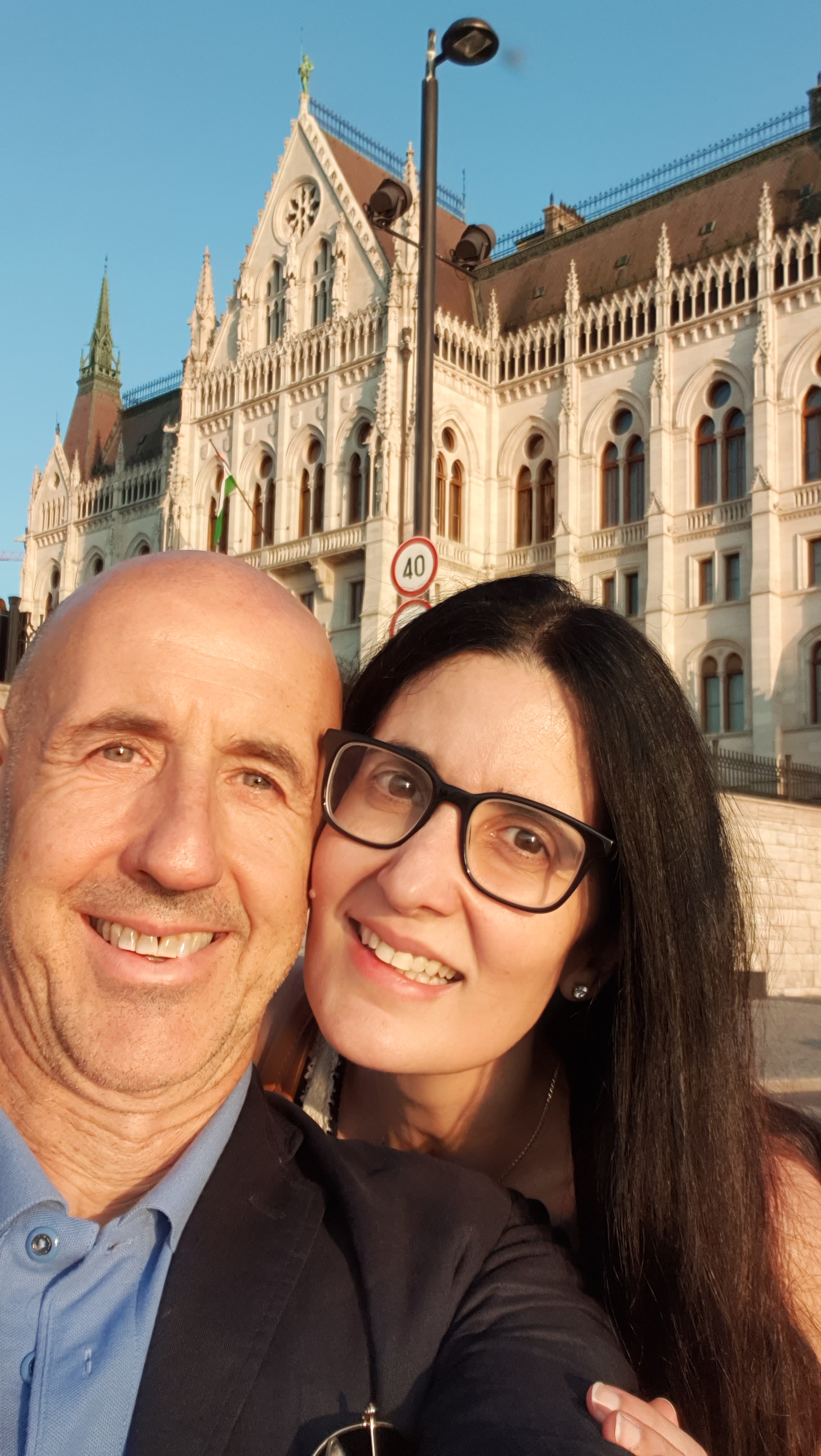
Budapest had long captivated me, and I have been fascinated by Hungary’s history, geography, culture, food, and people for many years. Well, I finally had the opportunity to go this summer for a few days. I loved every minute of my visit!

Celia and I stayed at the Alice Hotel, an old, restored palazzo on elegant Andrássy Avenue, a couple of blocks from City Park.

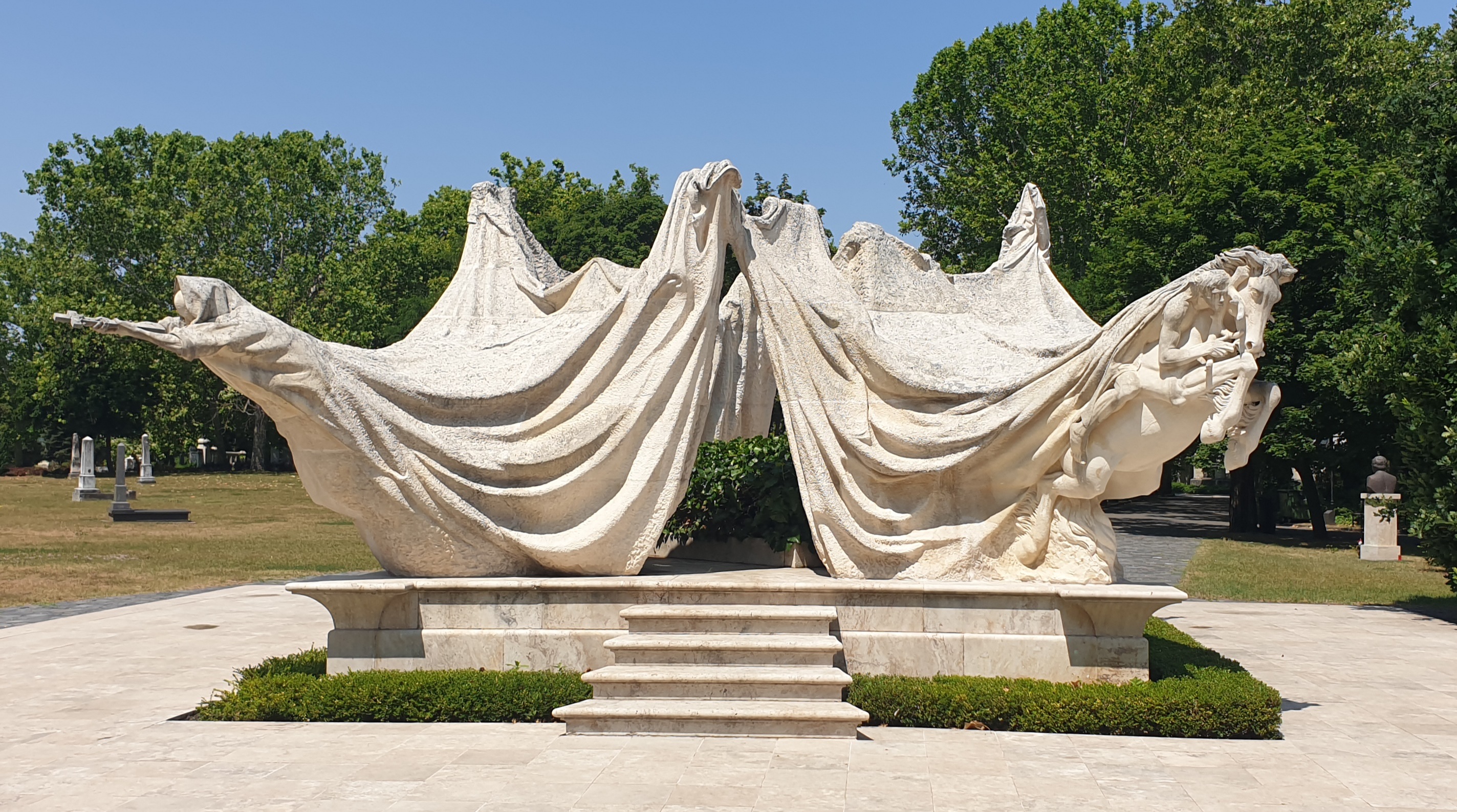
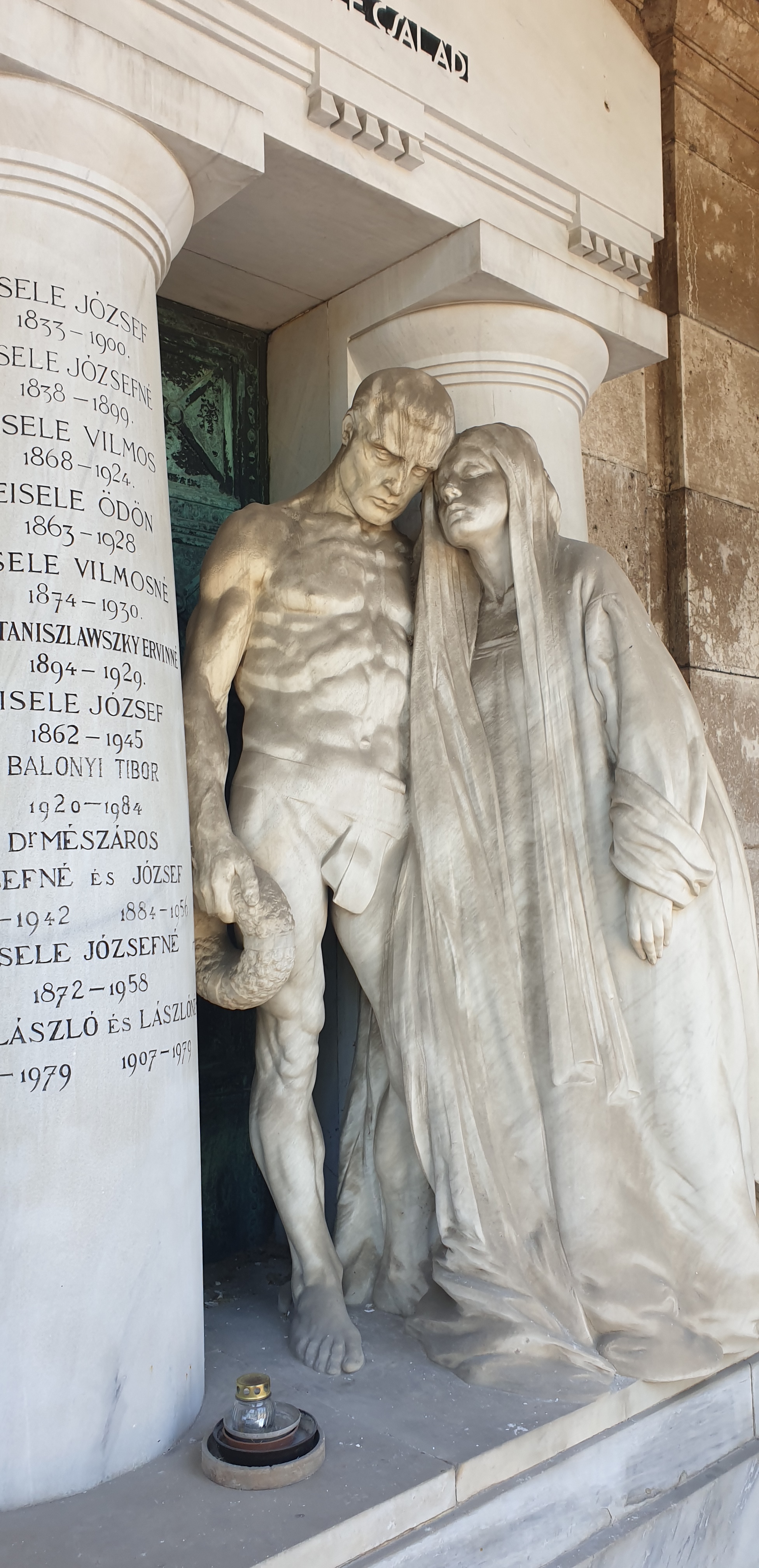
Yes, we visited all the obligatory sites: Parliament, Royal Palace, St. Stephen’s (and St. Stephen’s hand), St. Matthias, the Fisherman’s Bastion, the market, the funicular, the Synagogue, the cafés, Margaret Island, the baths, etc., etc. But more importantly, we explored further: the Cemetery, which is amazing, the different neighborhoods, walking and exploring both Buda and Pest, sneaking into university buildings, and having coffee with the locals at neighborhood cafés. This is where you get to know the country, its people, and its culture. And it is beautiful.

We ate with the Budapesti: Goulash, chicken paprikash, sausages, funnel cakes, palinka, all the pickled foods you can think of, including the tiny peppers that look like innocent baby tomatoes and then blow a hole in your skull because it is the spiciest thing you will ever eat, etc., etc.

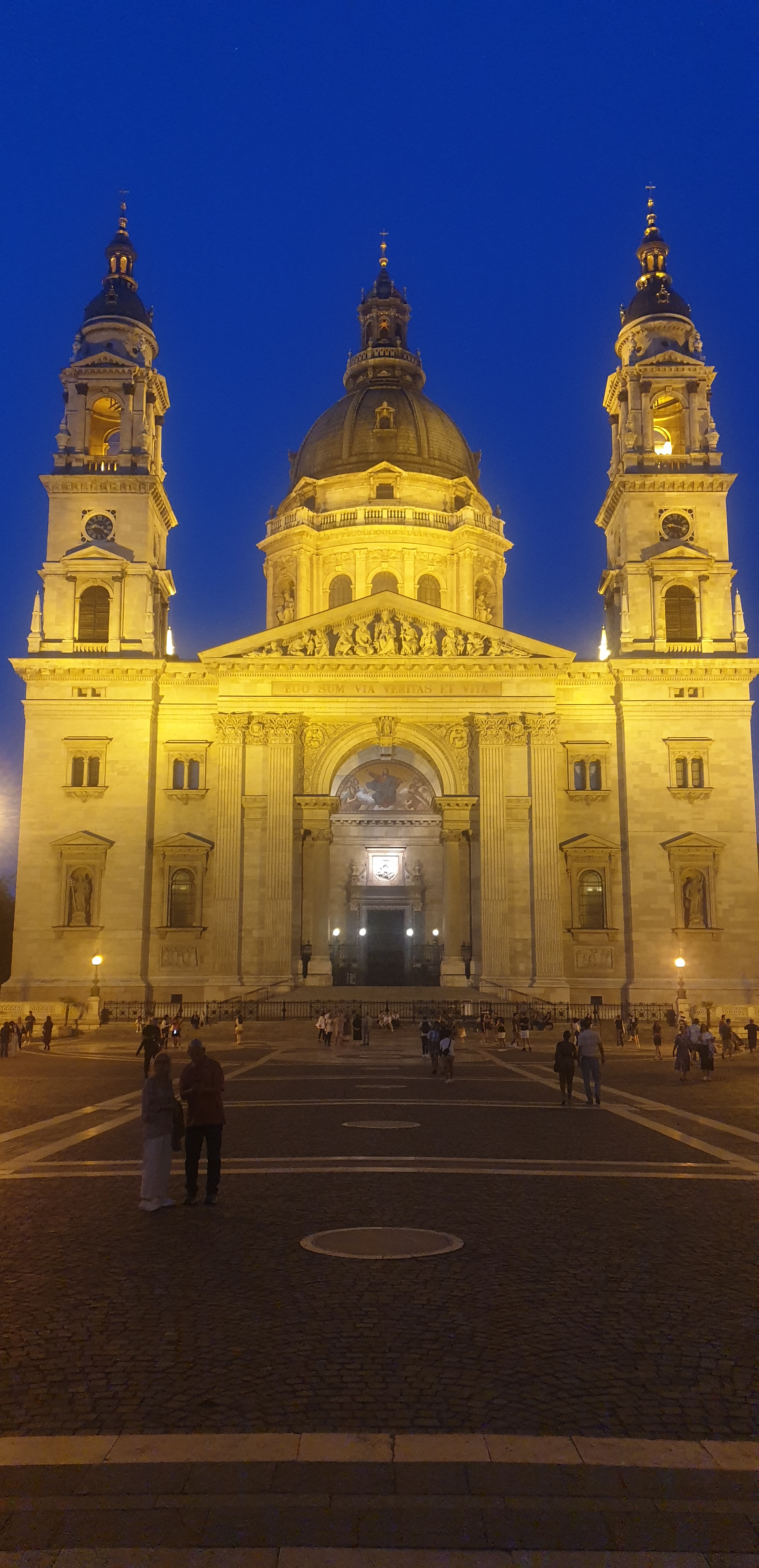
We returned to the cathedral one evening for an awesome organ concert which featured Mozart, obviously Budapest’s treasured child, Liszt (who also lived in Madrid for a stint), and of course, Bach, including the Toccata and Fugue as the grand finale!!

We became great users of the subway / public transport system which includes the oldest subway in continental Europe (London was first).

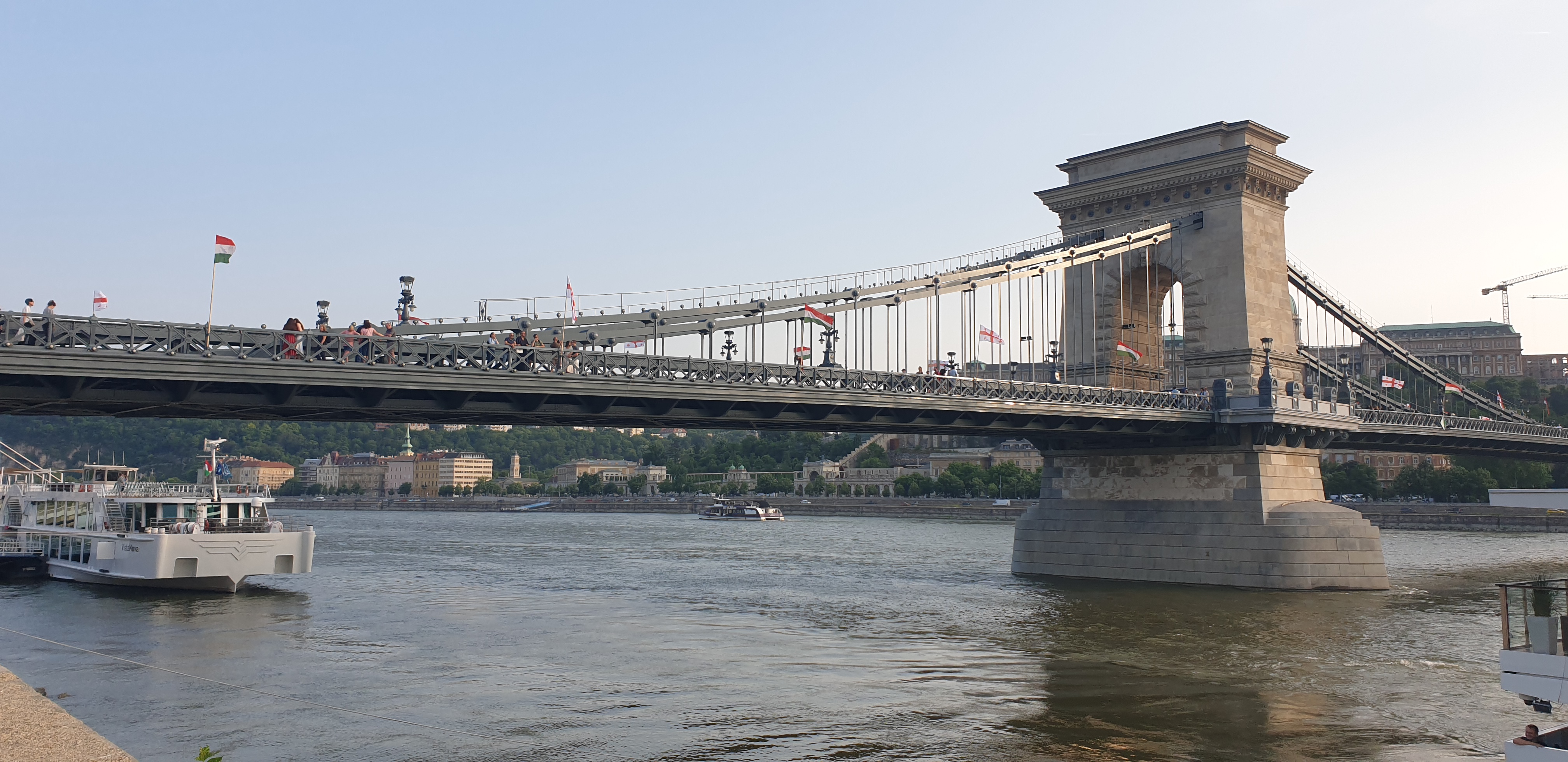
Probably one of the most moving moments for me was walking along the Danube and tripping (metaphorically) with the “Shoe Memorial,” bronze sculptures of shoes lined up along the Danube in remmeberance of when the Nazis shot jews into the river —having ordered them to take off their valuables and shoes beforehand.

Overall, it was an amazing experience, and I highly recommend a visit.

Which shoes to wear on the Camino (Part III)(With free Camino shoes spreadsheet!)

Enjoying my Nike Juniper trail shoes

Which shoes should I wear on the Camino? This is arguably the most asked question by folks preparing for the Camino. Everybody who has walked the Camino has an answer and is happy to tell you all about it. But nobody who has walked the Camino has your feet. So you can only answer the question.

Not surprisingly, one of the most viewed posts on my blog tackles precisely this question, you can read it here: Which shoes to wear on the Camino?

But I am nothing if not professional, and I noticed the spreadsheet on that post was from 2022; with the mad advancements in shoe technology and rampant Capitalism, I should do a new one. So I did, voila.

There is little to add to that original post, but I do have some thoughts that I did not elaborate on back then:

Some pilgrims are more prone to blisters and foot issues than others. I am not a specialist, but it might depend on how much training you have done in those shoes, how appropriate those shoes are for your particular circumstances, weight, stride, mileage, etc.

The shoe is only 50% of the equation; your socks are the other 50%. I use mostly wool with no stitching or seams. I still wear some Darn Tough socks from my first Camino in 2017! Then I got some Icebreakers from New Zealand, which are 60% Merino wool. You want the socks to fit properly to eliminate friction between the shoe, the sock, and your feet.

Sam, the first (and only) person to tell me about Camino prep, told me to lather Vaseline on my feet before putting on my socks. It works for me, in 4 full Caminos I have only gotten a couple of blisters, and they were my fault, not the shoes nor the socks…

During my Camino Aragonés, I walked some stages with Juan Gameros, a hardcore Mexican mountain guide (follow him on Insta: juan_gamerosmx). He wore Injinji toe socks, and he swore by them!

So you must find your magical shoe/sock combo that works for you.

In the attached spreadsheet, I only ranked 25 shoes by going to some random Internet rankings. The number of shoes and the number of criteria prove that there are shoes for all types of feet.

I was delighted with the Nike Pegasus Trail 3 from last year (read about it here); So this year Celia gave me a pair of Nike Juniper Trail II. I have already taken them out a couple of times and I can’t wait to walk the Camino this Summer!

Buen Camino

  • The spreadsheet is in Excel format so you can sort, add, or manipulate it as you want, enjoy!

What shoes to wear on the Camino – Part II

This is a follow up on my surprisingly popular What shoes to wear on the Camino post (which you can read here).

This Summer I walked my third full Camino, the Primitivo (you can read about that here) and it was awesome! It is a relatively short Camino of 320 km (200 mi.) which I managed in 11 days. Part of what made it great was my shoes…

This year I switched from Salomon to the Nike Pegasus Trail 3, and they were fantastic: great support, cushioning, grip, comfort, weight (or lack thereof). Overall a 10. I did get one blister, but it was not the shoe’s fault, it was the wearer’s fault for doubling up a stage and walking 40 plus km (25 miles) with the last 20 km (12 mi) on tarmac on a warm day; I deserved it.

Let me reiterate that if you are walking the Camino in the Summer, you normally do not need boots, unless they are really lightweight, and you need the ankle support. Trail running or hiking shoes are the best option, much lighter, more breathable, etc.

Of course, every foot is different, but I wholeheartedly recommend this shoe!

Have you done the Camino with Nike Pegasus Trail 3? What was your experience like? If not, what shoes do you recommend? Let us know in the comments!

Buen Camino!!

Camino Etiquette, Dos and Don’ts

The Camino is a totally individual experience whatever your purpose might be (sport, religious, spiritual, cultural, culinary, etc. or any combination of those), but it is also a shared experience. More importantly, the Camino is a physical space and a shared physical space. This means that it helps if certain social considerations are kept. Here are some of my observations and recommendations:

Dos

Be polite to all pilgrims and acknowledge them with a “Buen camino”. If they are sitting by the Camino, you might want to ask if they are ok or if they need a snack or some water.

Even on the “Donativo” albergues, please be generous with your donation, ie: never leave less than €5.

If you use the albergue’s kitchen, please leave it as you found it, or cleaner.

Banana peels and apple cores are totally biodegradable, so they are ok in nature, just not in the most visible part of nature. Put them out of sight.

Be polite about asking for a credencial stamp. It is quite rude to ask for a stamp at a bar / coffee shop if you do not purchase anything, regardless of how cool the place is, so go ahead, get a café con leche, or a bottle of water – you are going to need it! And don’t be pushy, the business gets nothing from stamping your credencial, so be patient.

Tipping in Spain. Hospitality workers in Spain have, by law, full contracts, which means (unlike in the US) that they make a full salary, they do not live from tips. Having said that, it is customary and always nice to leave some change on the table/counter. Those coins are weighing you down on the Camino anyway!

Hospitaliarios – the people who run the albergues are volunteers (except at the private ones, which are normally family run). So treat them nicely, they are there for you, not for a paycheck.

Pay attention to your shoes when you walk into the albergue. You might have to leave them outside – never wear them into the dorm area.


Don’ts

Do not ask pilgrims why they are doing the Camino. It sounds like a good ice-breaker, but while we all have our reasons, some might be more personal than others, and you really might not want to know. It is one thing for American college kids that are “finding themselves”, but not everybody is necessarily so open. If they want to, they will tell you.

Do not walk around the albergue in your underwear. No matter how sexy you or your underwear might be, nor how hippie the albergue is. Think about it, it is a downhill experience if we all went that way. (If in doubt read Immanuel Kant’s Universal Law).

Beds at the albergue are for people not backpacks. Your sweaty, dusty, muddy, wet, backpack belongs on the floor, a chair at best, but never on the bed.

If you cannot wait for the next village or the next bar to go to the bathroom, please find the most secluded spot and try to be as discreet as possible with your poop and the paper you use. A bush next to the Camino is not a good idea. And the paper flying around isn’t either. Don’t contribute to the eyesore.

Try not to make noise if you are going to bed later than most people or getting up before most people. Try to have whatever you need handy so you can access it quietly. I was deeply embarrassed one night when I had to rummage in my backpack for my earplugs.

Feel free to add or comment below!