An Enlightenment dream

The Enlightenment arrived late to Spain; we loved the Baroque so much we stuck with it longer than we should have. After many efforts by many folks like Benito Jerónimo Feijóo, my man Francisco de Isla, and many others, king Carlos III finally changed all that.

One of the worries that had nagged Spanish monarchs since 1492 was that only a fraction of the gold and silver that arrived from the Americas actually made it to Madrid. Sevilla was the main drop off point, so a lot of the wealth stayed there (either legally or less legally). The solution? Build a canal from Sevilla to Madrid so more of the riches could make it to the capital.

In 1781 the plan was made: build a massive dam to feed a canal that would connect the 500 km (300 miles) from Madrid to Sevilla.

The dam was started, but as usual in Spain all sorts of problems arose; there was not enough labor, so soldiers were brought in who were replaced with prisoners… then there were financing issues… the 90 mt (300ft) dam was about halfway done, when a massive storm in 1799 wreaked tremendous damage. So, they just gave up on the whole thing and forgot about it.

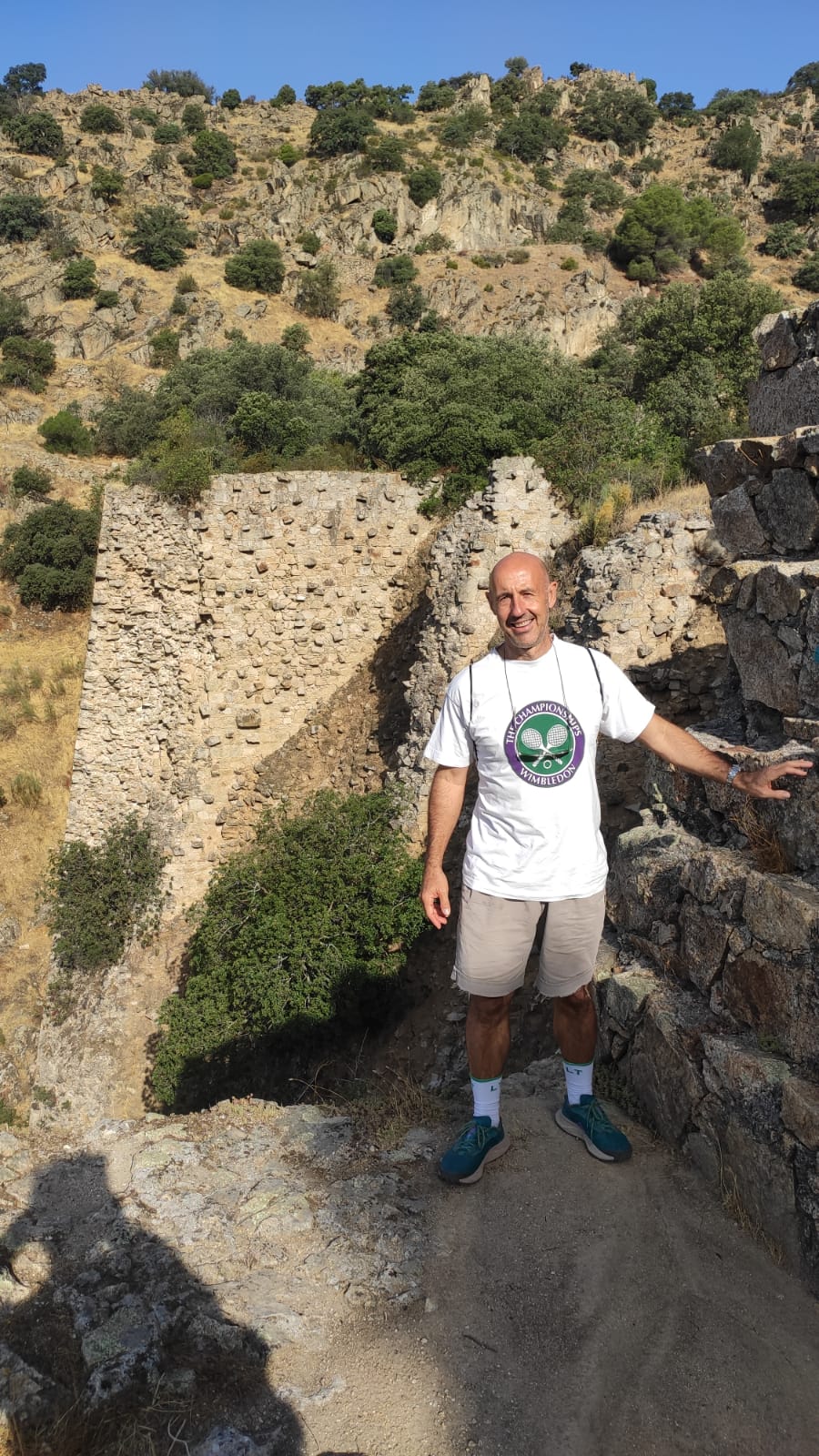
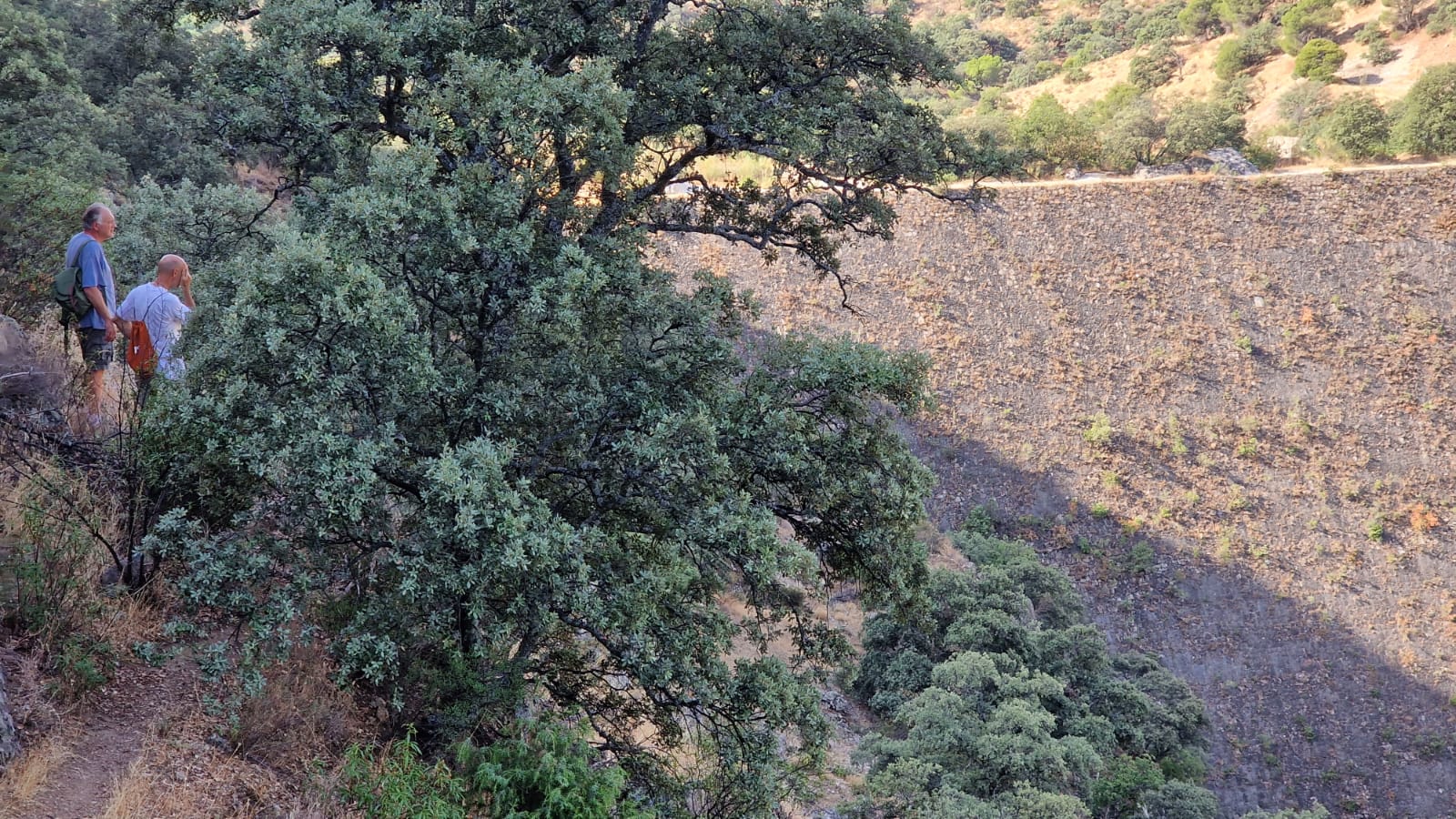
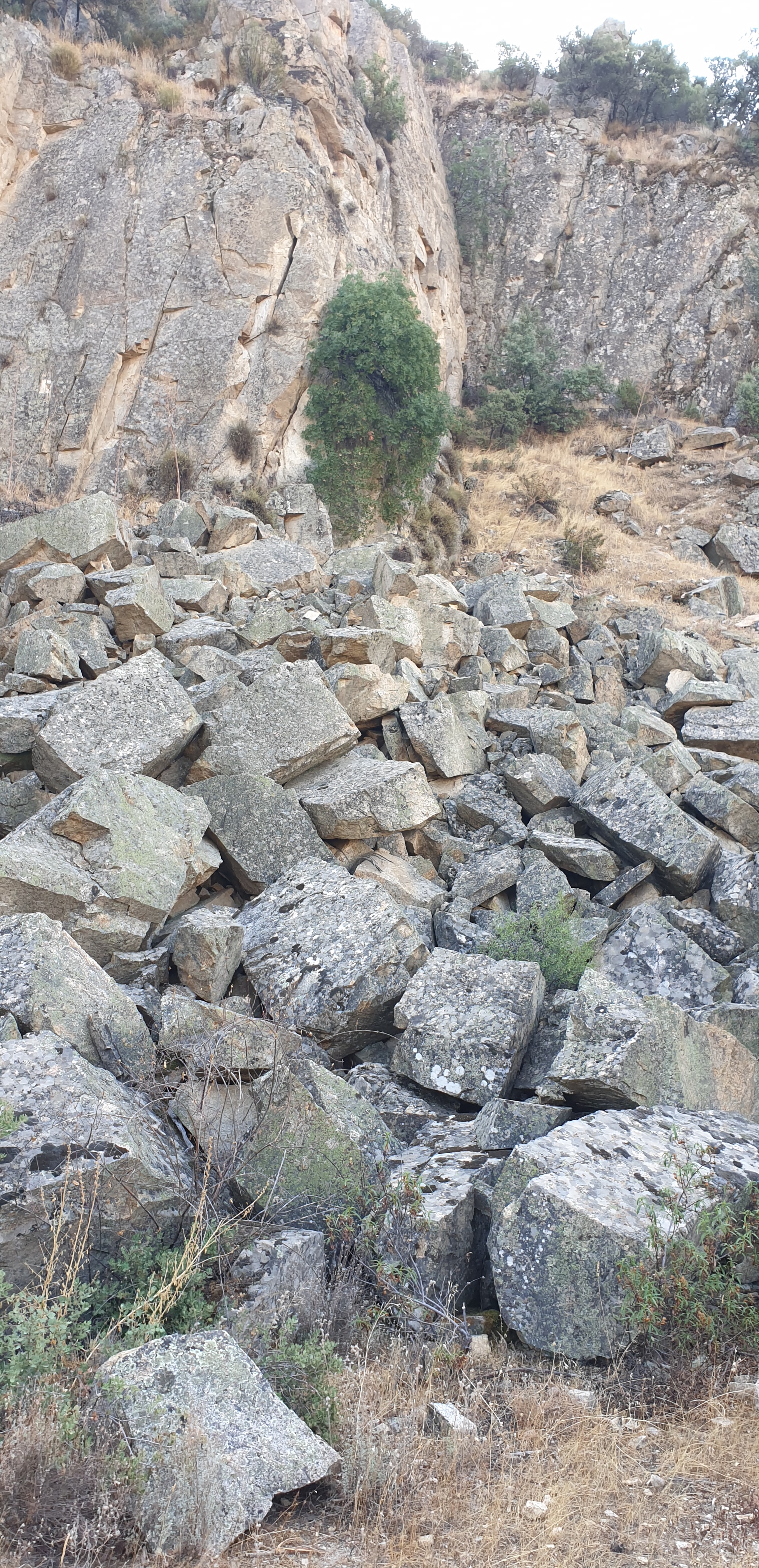
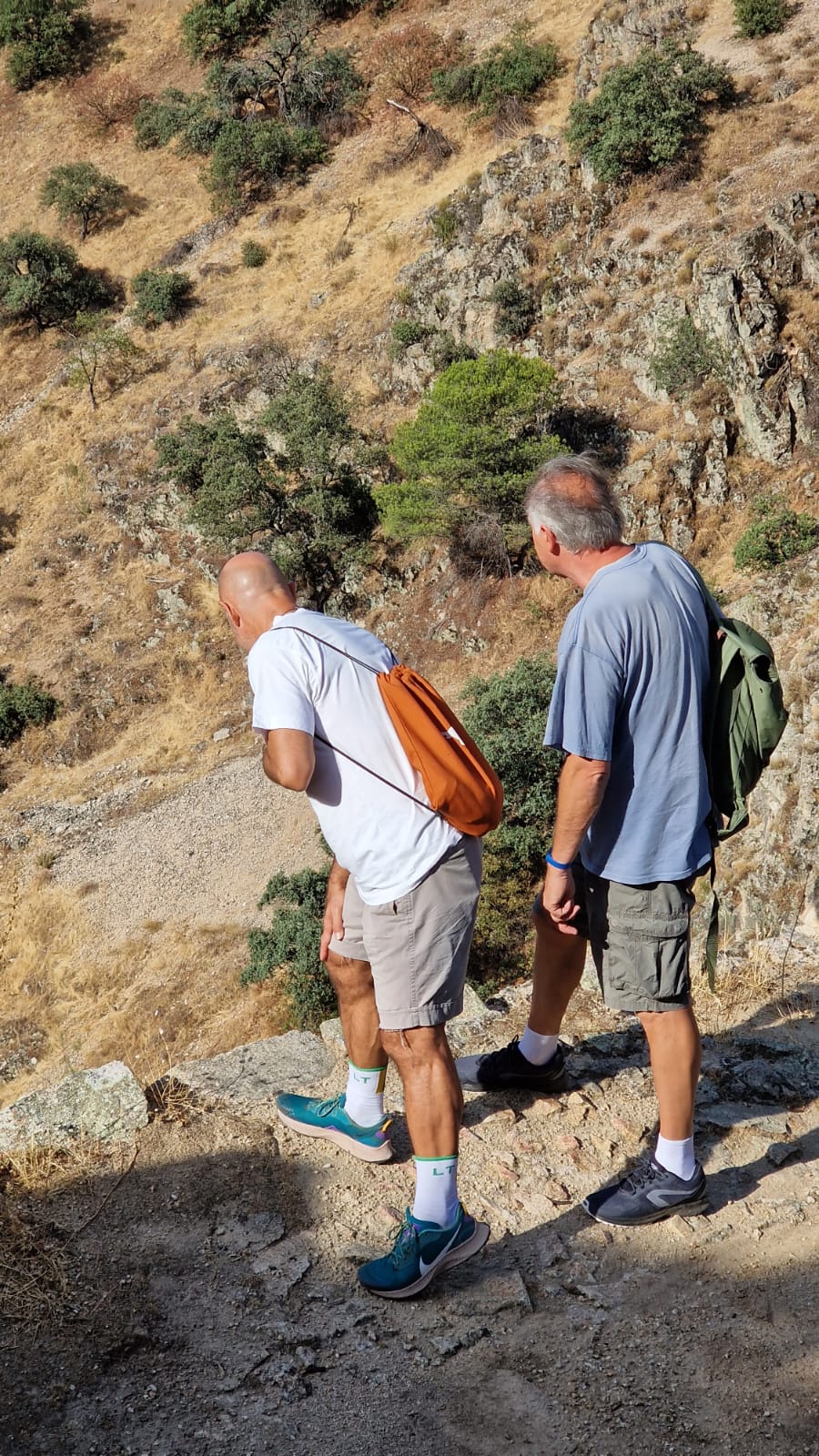
Well, this unfinished abandoned dam, la presa del Gasco is actually 8 km (5 miles) from my mom’s country home as the crow flies, and I finally had a chance to go with my friend Jaime and his brother Jose Mari. The walk, following the never used canal is easy, and once you turn a corner, and you see this behemoth, you are filled with awe at what was the most impressive hydraulic project in 18th C. Europe.

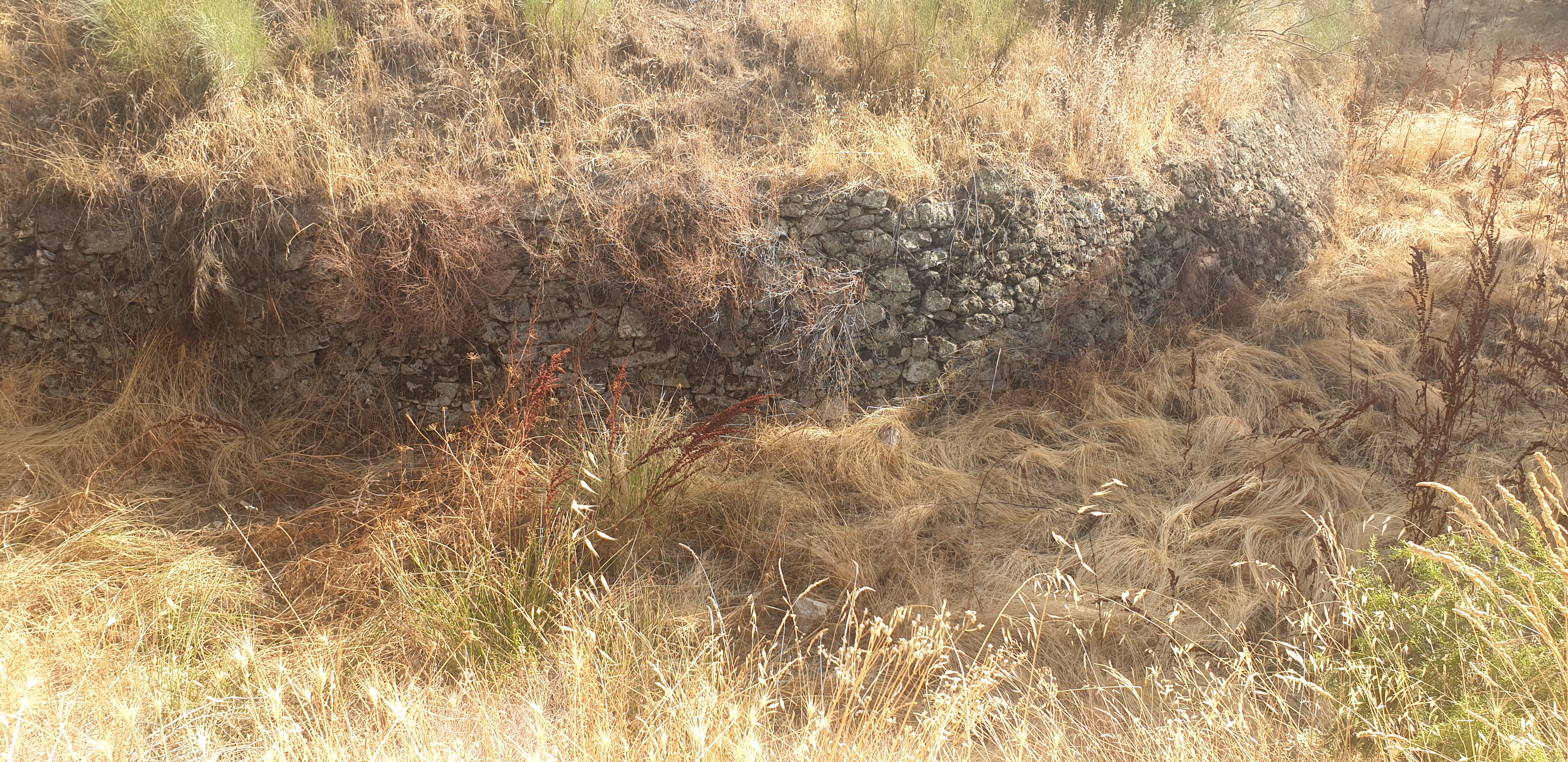
After walking around and checking it out in complete awe, we went to a restored part of the canal nearby where we had another little walk along the canal.

The sheer size of this construction, the perfect fit of the rocks, the ambitious plan, it is all baffling.

As usual in Spain, the local authorities do not want to declare this a heritage site, a protected historical site, a park, nothing, because of building and construction licensing possibilities, i.e.: money and corruption. Disgusting.

This is one excursion worth doing before the whole valley is filled with gaudy houses.
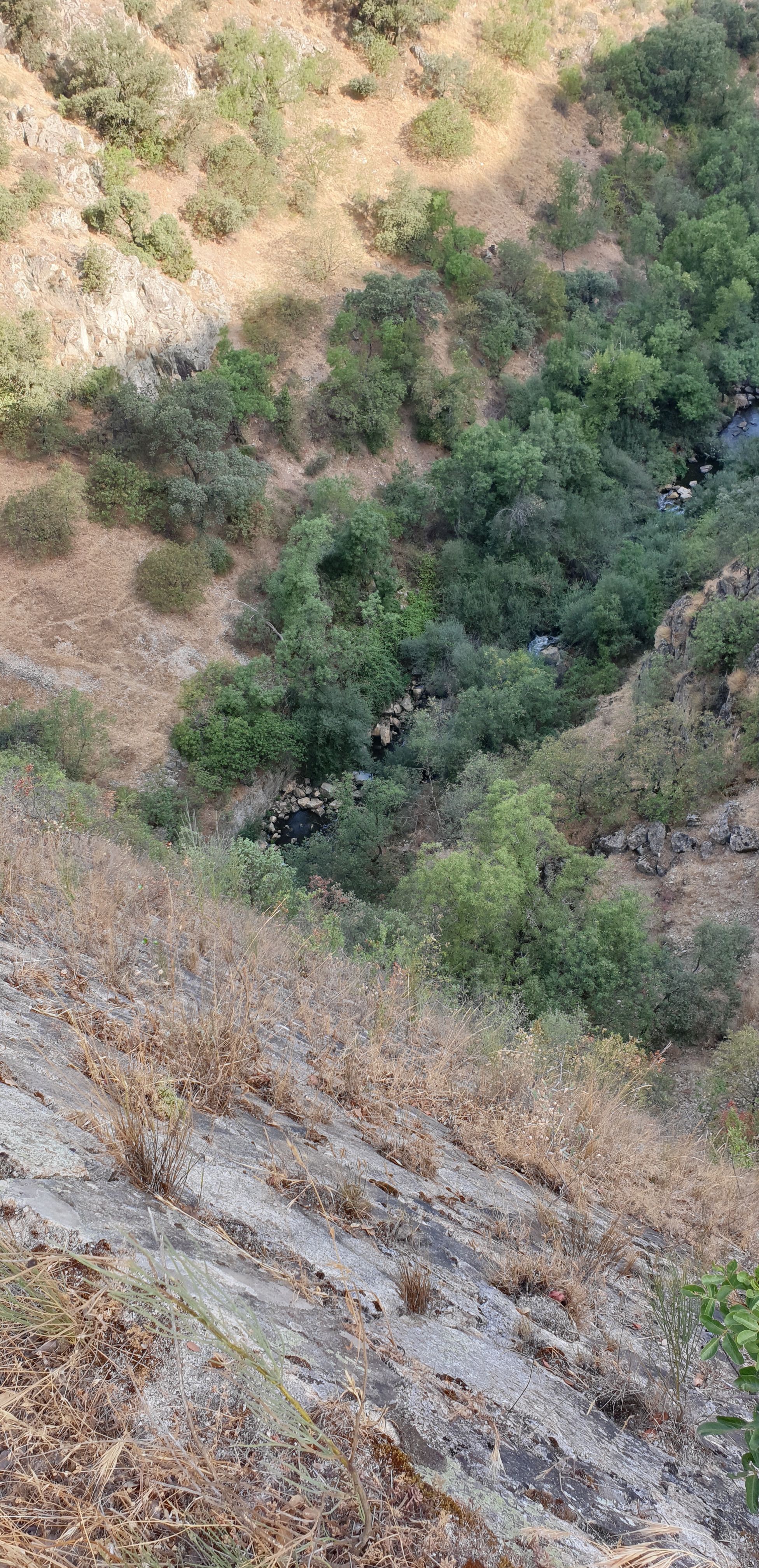
Peering into the void

Sevilla

It had been over fourteen years since I had been to Sevilla, but I recently managed a three-day getaway to that magic city by the Guadalquivir, and it never disappoints.

The reason for the trip was the various exhibits celebrating the 4th Centenary of native baroque artist Bartolome Murillo’s birth.

Back in 1992 Sevilla hosted the World Fair, called Expo ’92 coinciding with the 5th Centenary of Christopher Columbus departing on his little trip from that city along its navigable river. The Expo was a smashing hit. For it, Spain built its first high-speed train from Madrid, the AVE, which, reaching speeds of 300kph (186mph for those stubborn Imperialists) does Madrid – Seville in a nifty 2.5 hours! So obviously we took the train. Once there we stayed in a gorgeous loft overlooking the Archivo de Indias and the Cathedral with its amazing Arab Minaret turned bell tower, the Giralda.

Sevilla is a walking city, so that is what we did, walk around the park, by the river, along the old streets of the magical Santa Cruz neighbourhood, across the river into the Triana neighbourhood, peeking into the cute patios, checking out old palazzo Casa Pilatos, and the new “setas” designed to give shade to the main square on the hot summer days. Along the way we arrived at the Museo de Bellas Artes which is hosting the main Murillo exhibition. To say it is breathtaking is an understatement. The museum has gathered Murillos from around the world so you can really go deep into Murillo’s craft, style, personality, and nuances. It blew my mind.

But besides Murillo, Seville has amazing food. We stopped at old hangouts like Morales, Las Teresas and el Rinconcillo where I used to go with customers and suppliers, and enjoyed the arab influenced tapas, the bounty of the nearby Atlantic and Mediterranean, and local specialties like garbanzos with spinach or ox tail, all washed down with lovely local white wines and sherries.

Something else that is abundant in Seville is churches. There are churches and convents and monasteries on every block and each one is worth stopping in. It might seem glib to say but most of these temples are Baroque, it can be a bit overwhelming to see such a profusion of decoration: angels and leaves and thingys. It looks like there is no space left without a decoration, and that was precisely the goal, in fact it has a name: horror vacui in latin, meaning fear of emptiness. A main reason for the wealth of baroque art is that Sevilla was the landing port for all the ships coming in from America, so a lot of the silver and gold did not make it out-of-town, if you get what I mean.

If you have been to Sevilla you know one could write for hours about it. If you haven’t been, what are you waiting for?