


Solvitur ambulando; figure it out while walking

Recently, I had some technical issues to figure out at work, and I was struggling to find a solution. I took advantage of a day off during Fall break to go on a long walk, and voilà! the solution to all the little issues that had been bugging me, magically appeared in my mind. Coincidence? Of course not, walking in nature gives you the clarity you need to figure things out!

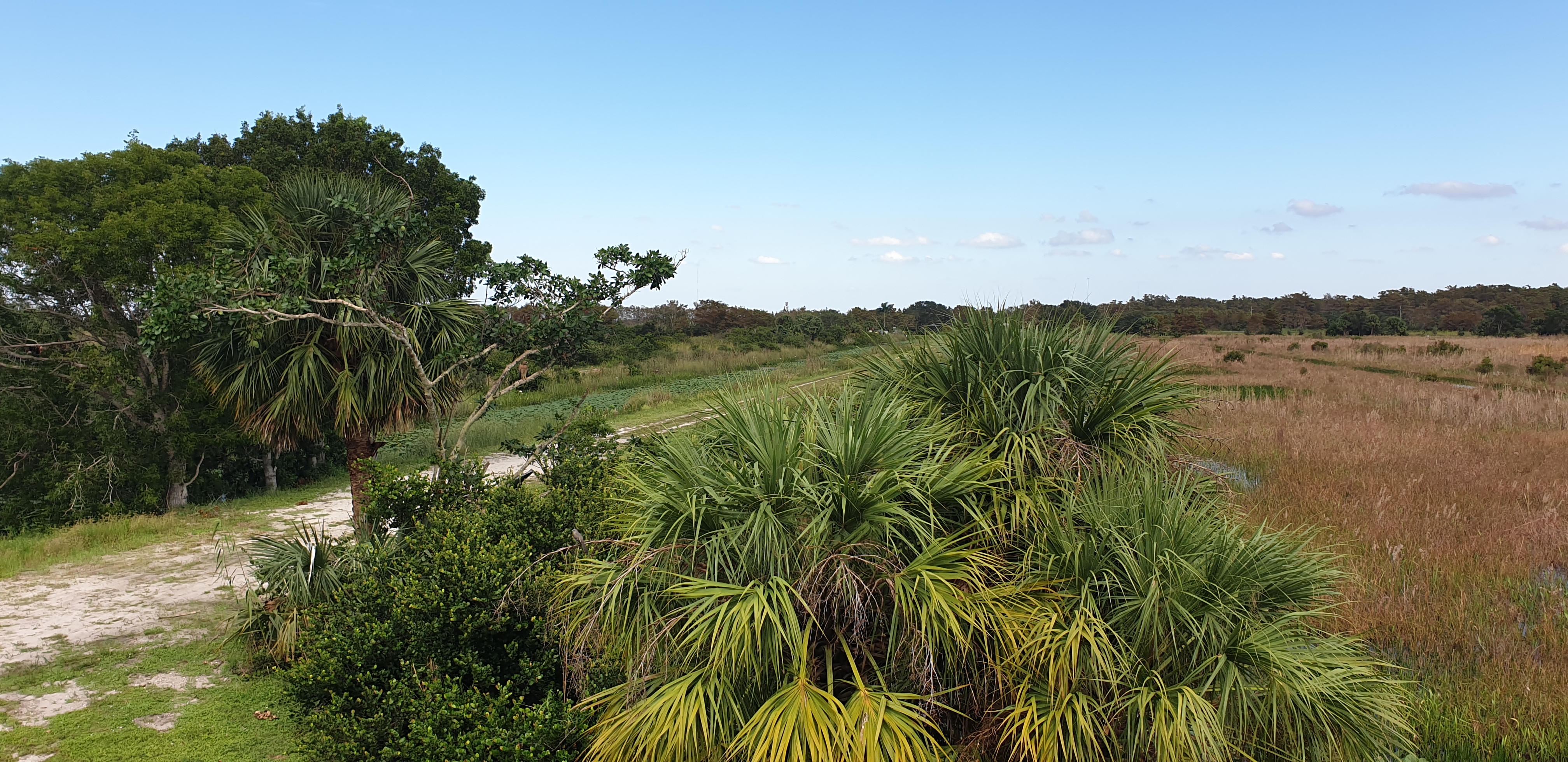
Although walking in Florida is not a lot of fun, it is flat, straight, and boring, the odd alligator, or other critters can add some excitement to an otherwise dreary walk. I am lucky to live a few miles from a massive park, the Arthur R. Marshall Loxahatchee National Wildlife Refuge, so a few times a year I manage to escape for a nice long walk.

For years I have written about walking to connect with nature, to clear your head and/or your spirit, but also to get inspiration and to solve problems. This is not new; I am not that original. In fact, the solvitur ambulando quote which roughly translates to “it is solved by walking”. is attributed to St. Augustine, so the early 400s.

But even before St. Augustine, Spanish (but Roman) philosopher Seneca said the same thing:

“We should take wandering outdoor walks, so that the mind might be nourished and refreshed by the open air and deep breathing.”  Seneca

So, if you are stuck with a problem, go for a walk. You are welcome.

Mahler, Roth, von Hofmannsthal, and Magris, fin de siècle Vienna and the fall of the Austro-Hungarian empire.

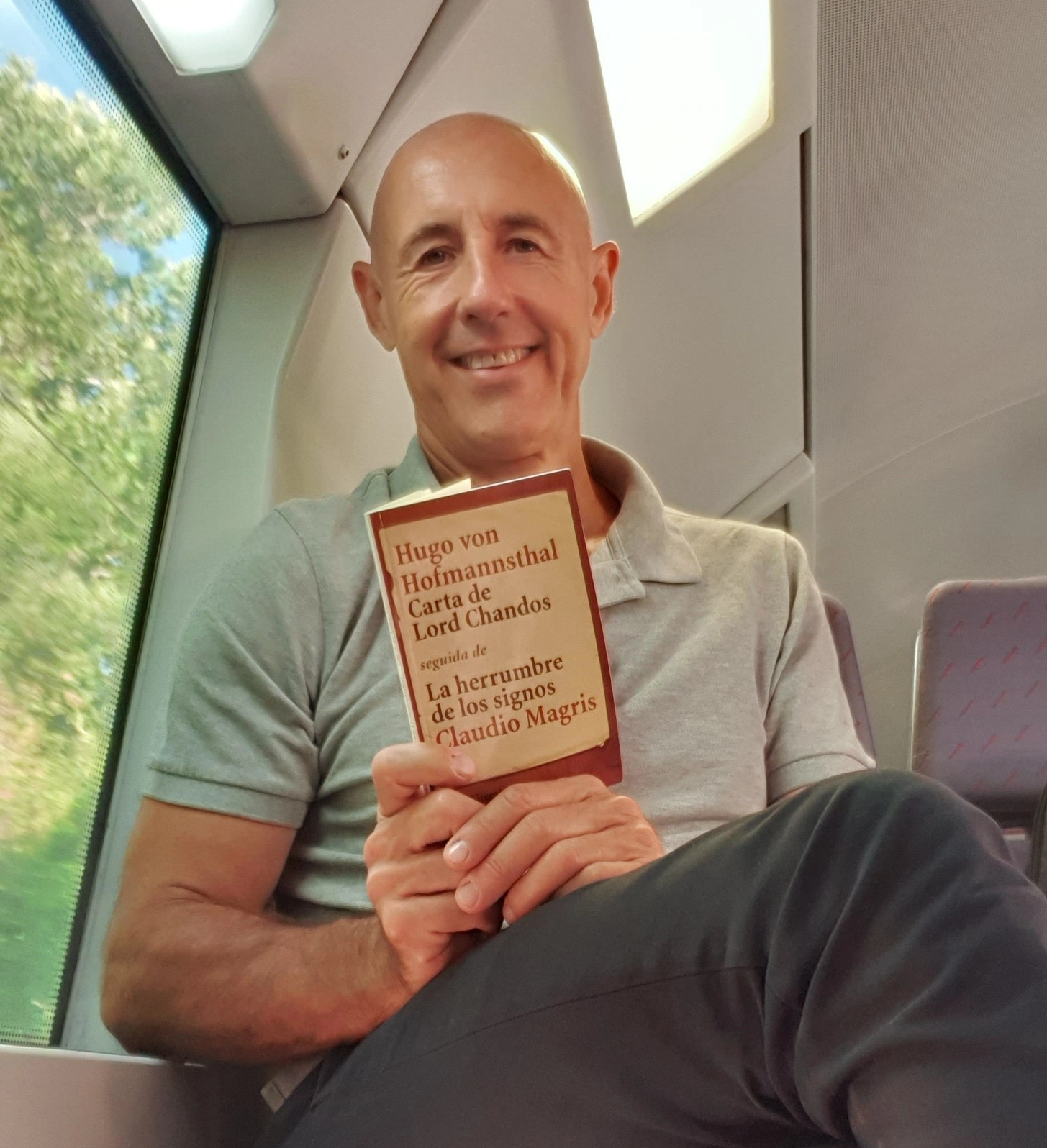
Lord Chandos on a train

A couple of years ago I wrote about Mahler and Joseph Roth and the coincidence that they both lived in the turn of the Century Vienna. It was very much a gut feeling post (you can read it here) since I am not a history scholar, even less an Austro-Hungarian history scholar specializing in the fall of the empire.

What you read on the Camino is very important. I usually choose spiritually enlightening books. (The Book of Job, Gemma Simmonds The Way of Ignatius A Prayer Journey through Lent (she was my sister’s teacher!), Willigis Jager The Wave is the Sea, even a collection of Zen stories!) They also have to be physically light and small due to backpacking requirements. This year under my friend Paco’s recommendation I took an intellectually challenging book: Hugo von Hofmannsthal Ein Brief (Brief des Lord Chandos) – Letter to Lord Chandos followed by Claudio Magris’ analysis of the Letter in La Lettera Di Lord Chandos.

Hofmannsthal’s (fictional) letter from Lord Chandos to Francis Bacon is a short (22 pages) but fascinating essay on language. Magris’ analysis of the letter is a mind-blowing tour de force of fin de siècle Vienna and the fall of the Austro-Hungarian empire and what was to follow in Europe. After a master’s and a PhD in literature, I was surprised to find that this is by far the densest reading I have ever encountered. It is rich, thick -but readable- and chock full of references: Kafka, Wittgenstein, Heidegger, Freud, and Nietzsche (obviously), Borges, Saussure, Kubrick, Eco, Pasolini, Plato, Seneca, and Cicero, Roth, Kierkegaard, Klee, Van Gogh… and a whole bunch of other names I confess I have no clue who they are. But the point is that Magris explains in philosophical and existential detail the fall of the Austro-Hungarian Empire, turn of the Century Vienna and what would follow in postmodern Europe. It was also very rewarding to read a real essay on what I wrote as a hack blog post…

In conclusion, this is a short, small book, perfect for travelling but dense and rich and glorious academic reading! Enjoy, you are welcome!

PS: If you want to read more about Chandos check out this article:

Greaney, Patrick. “On the Chaos in Chandos: Hofmannsthal on Modernity’s Threshold.” MLN 129.3 (2014): 563-573.