





“We should take wandering outdoor walks, so that the mind might be nourished and refreshed by the open air and deep breathing.” — Seneca
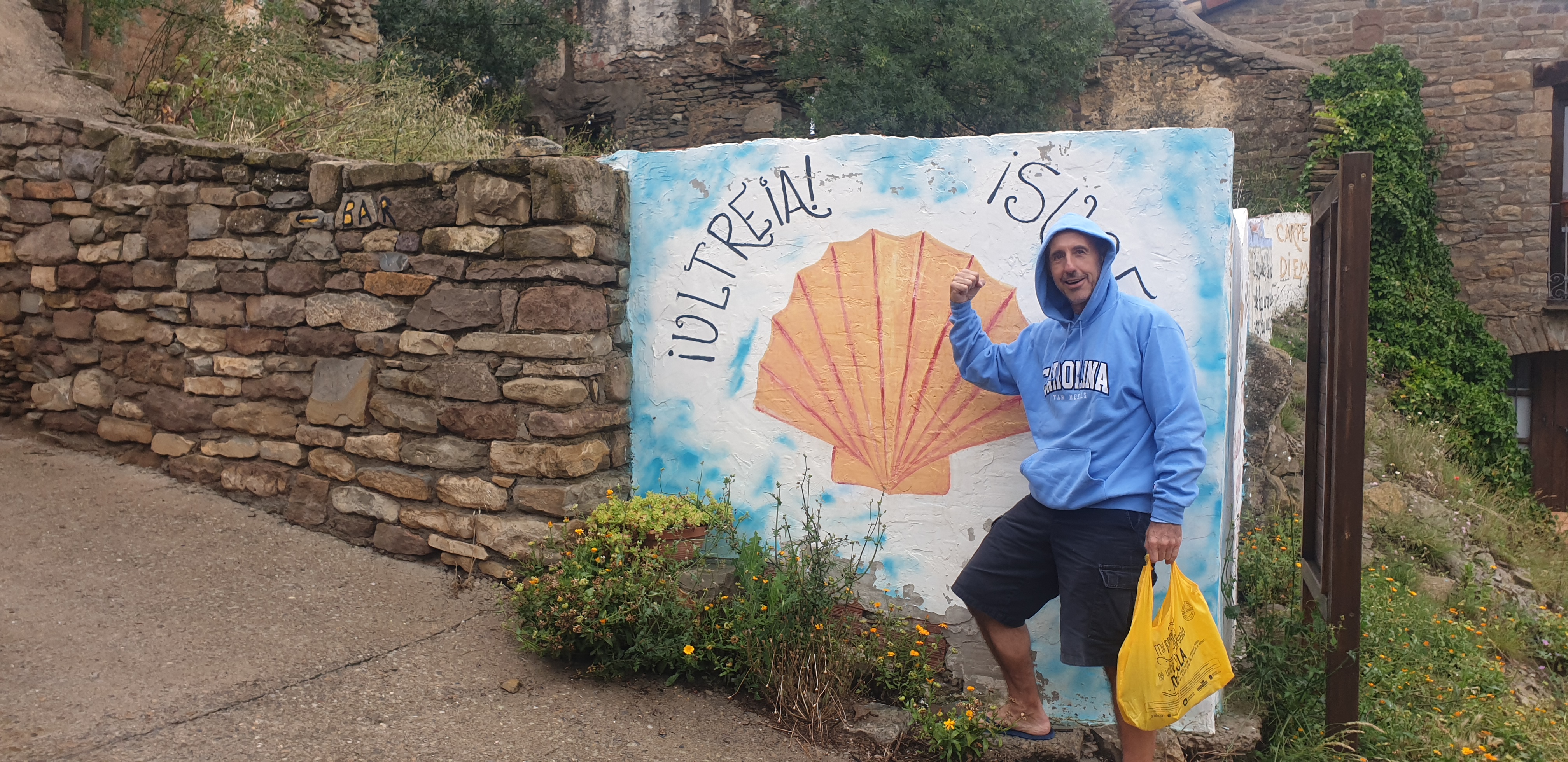
Somebody recently asked me what my happy place was, the answer was easy: walking on the Camino. I just walked my fourth.
The Camino Aragonés, is the route taken by pilgrims from the South of France, Italy, and Eastern Europe. In France it is known as the way of Toulouse since that was the meeting point of all the Southern European ways.
This choice was personal for me, for although there are many Caminos to choose from, my grandfather, Antonio Balsón was from Aragón, which gave this Camino a bit more meaning for me.
After two trains and two buses I arrived at the high mountain refuge of Somport -literally on the French border. I walked around France a bit, looking to get my credencial stamped but there was nobody around.
Massive rain the next morning forced me to walk down the mountain on the road instead of the path since this was basically washed out by the rain. Fortunately, only about 4 cars passed in two hours.
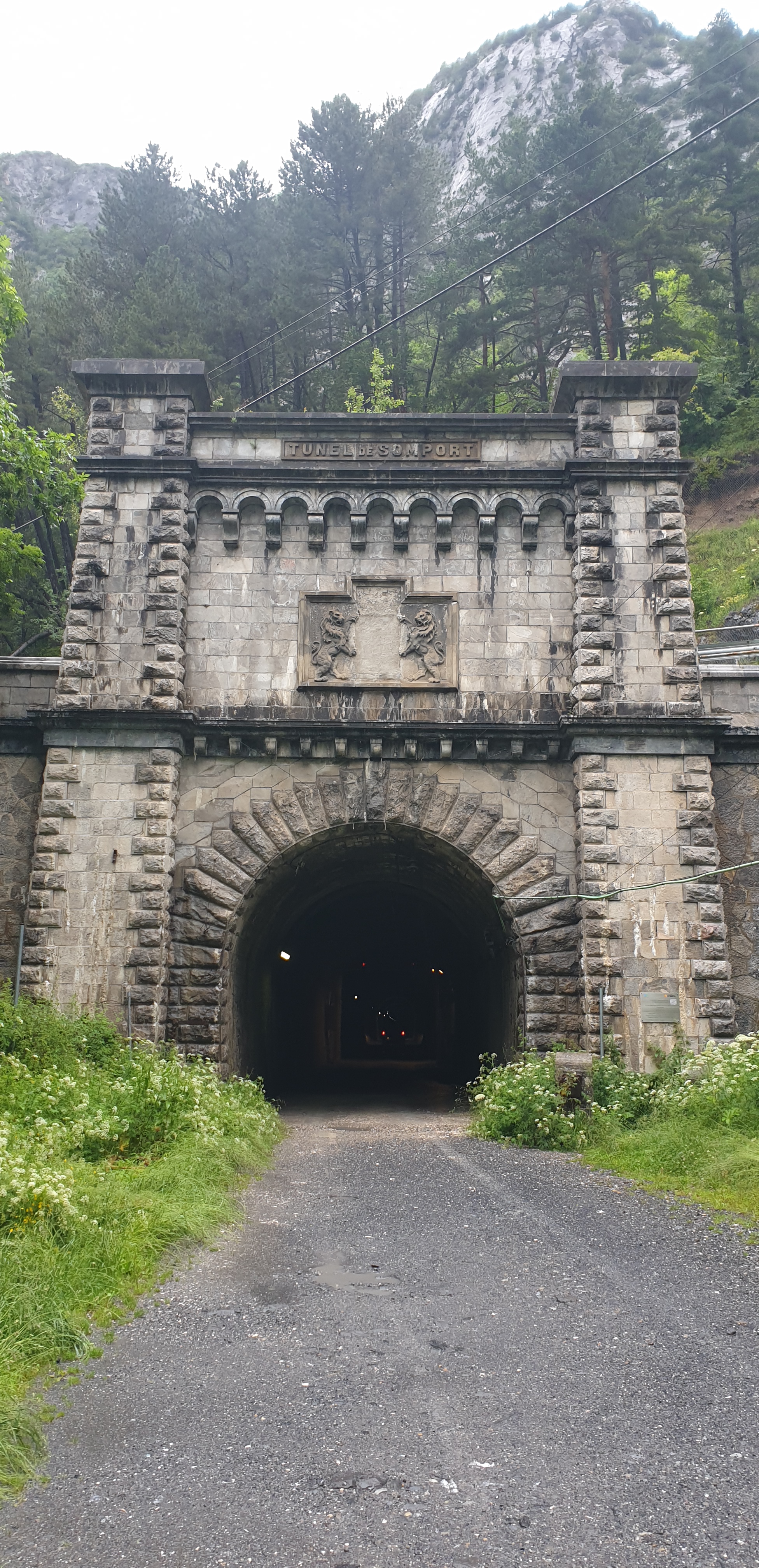
The descent was beautiful despite the rain and walking on the road, so on a sunny day on the path it must be glorious. The Camino passes an old railroad tunnel that connected Spain to France, but it was closed in the 70’s (there are now plans to re-open it). There is an amazing old station which has now been refurbished as a fancy hotel. The end of the stage was in Jaca, ancient capital of Aragón with its old churches and fort. I enjoyed a great swim and a bit of a spa at the municipal pool, I will write another post on that…
After the first day’s descent the next few days hiking was on beautiful rolling hills, through forests and wheat fields. Since last year’s Camino Primitivo Albergue Review gets a lot of hits, I will also write a dedicated post to reviewing the albergues on the Aragonés, stay tuned.
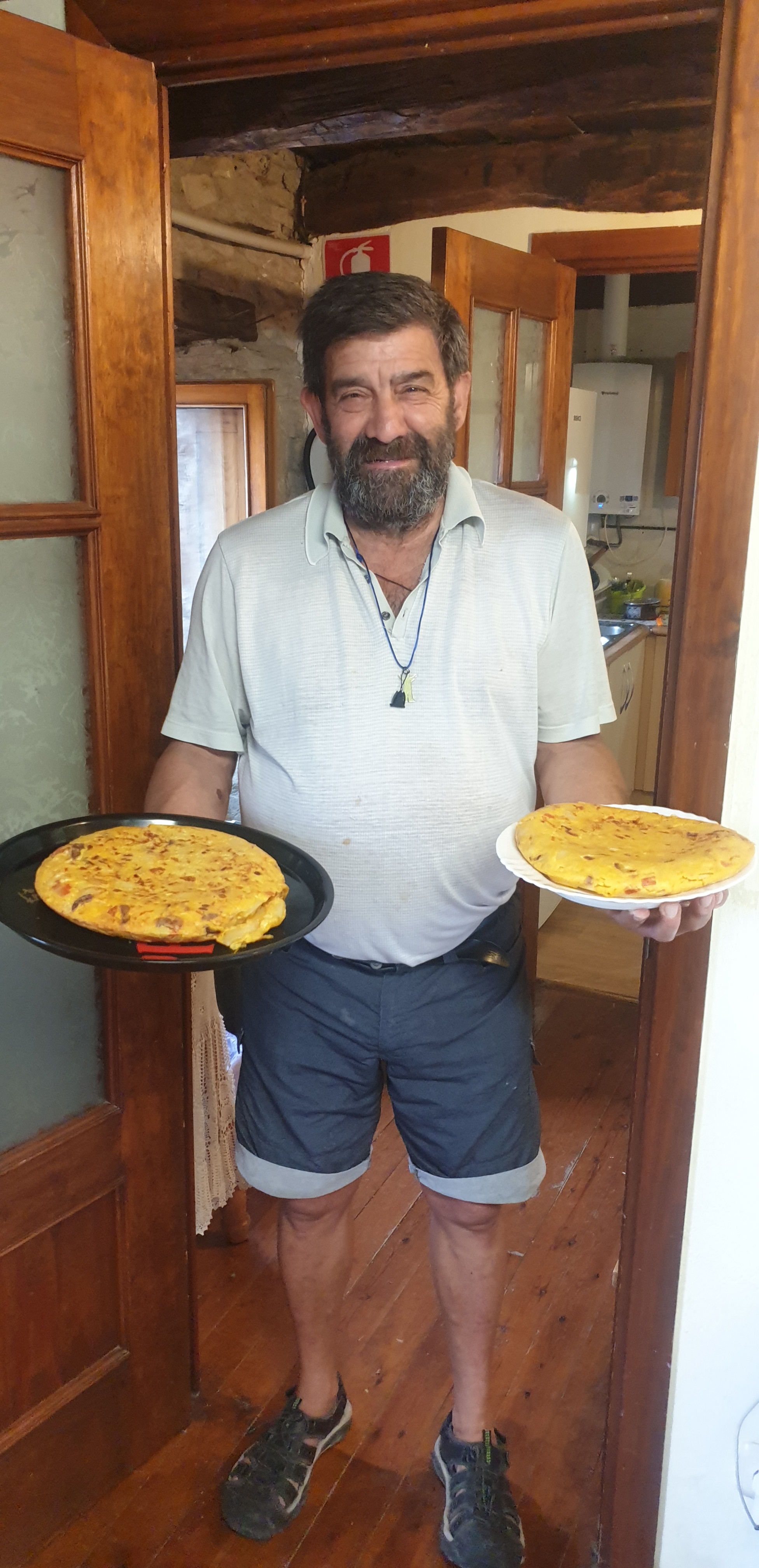
A few days into the Camino, it crosses into Navarra, where food is even more idolized than in Aragón, making for glorious midday snacks!
After six stages the Camino merges into the French Way. But although this Camino is short, it is intense and beautiful. We were about 10 pilgrims on the Camino, so we basically got to know each other at the albergue stops. Most days there is only one end of stage village, and that village only has one albergue so your options as a pilgrim are fairly limited. It is also quite rugged with many long stretches of hiking between villages, which forces you to plan your snacks and water well, but it also makes for good walking. I loved this Camino for its ruggedness, and it has automatically moved up to be my second favorite after the Primitivo.
It is the long stretches of walking that cleanse your mind and your soul. There is nothing else to do but walk, every day. My average day on the trail was 7 hours and a half (27,3 km / about 17 miles average per day for a total of around 164km, just over 100 miles), so you have time to think, meditate, sing, look at the birds and the scenery, it is a total break. This is not a secret, even the ancient romans knew this as the quote by Seneca at the beginning show.
Since I already walked the French way in 2017, and I was somewhat pressed for time I stopped at Puente la Reina and made Santa María de Eunate my “spiritual” ending, in lieu of the Cathedral at Santiago.

 Antonioyrocinante's Blog