A morning in Toledo.

Since we had gone to the Puy de Fou night show the evening before, and the theme park does not open until noon, Celia and I recently found ourselves with time to kill in Toledo on a Saturday morning.

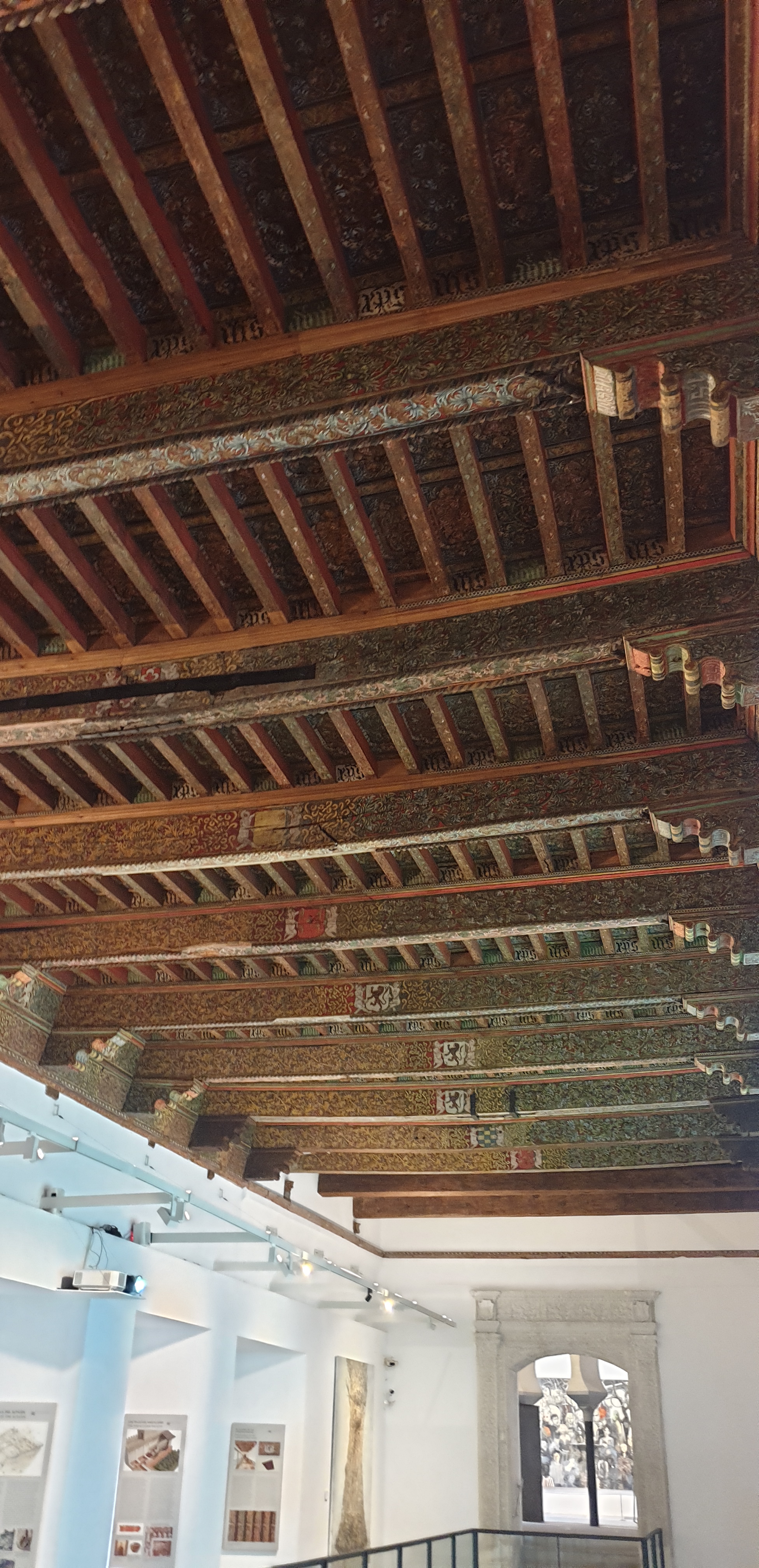
Our first stop was the Santa Fe Roberto Polo collection, which hosts the Centro de Arte Moderno y Contemporáneo de Castilla-La Mancha. This is a huge ancient church complex featuring Roman ruins, gorgeous, intricate ceiling paneling, and a beautifully delicate chapel, which is mixed with ridiculous modern art pieces that only add to the beauty of the old pieces and underscore the stupidity of the modern ones.

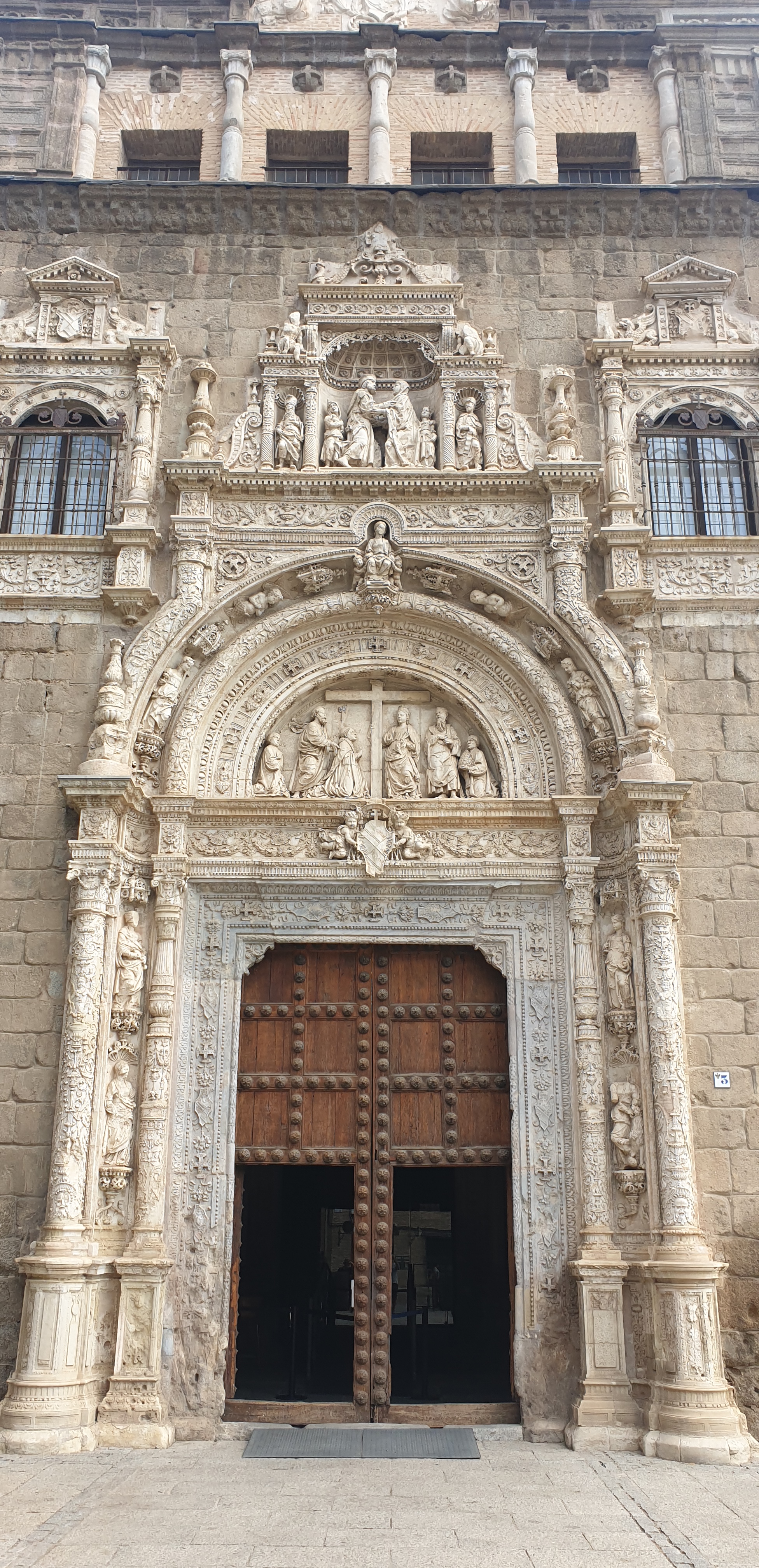
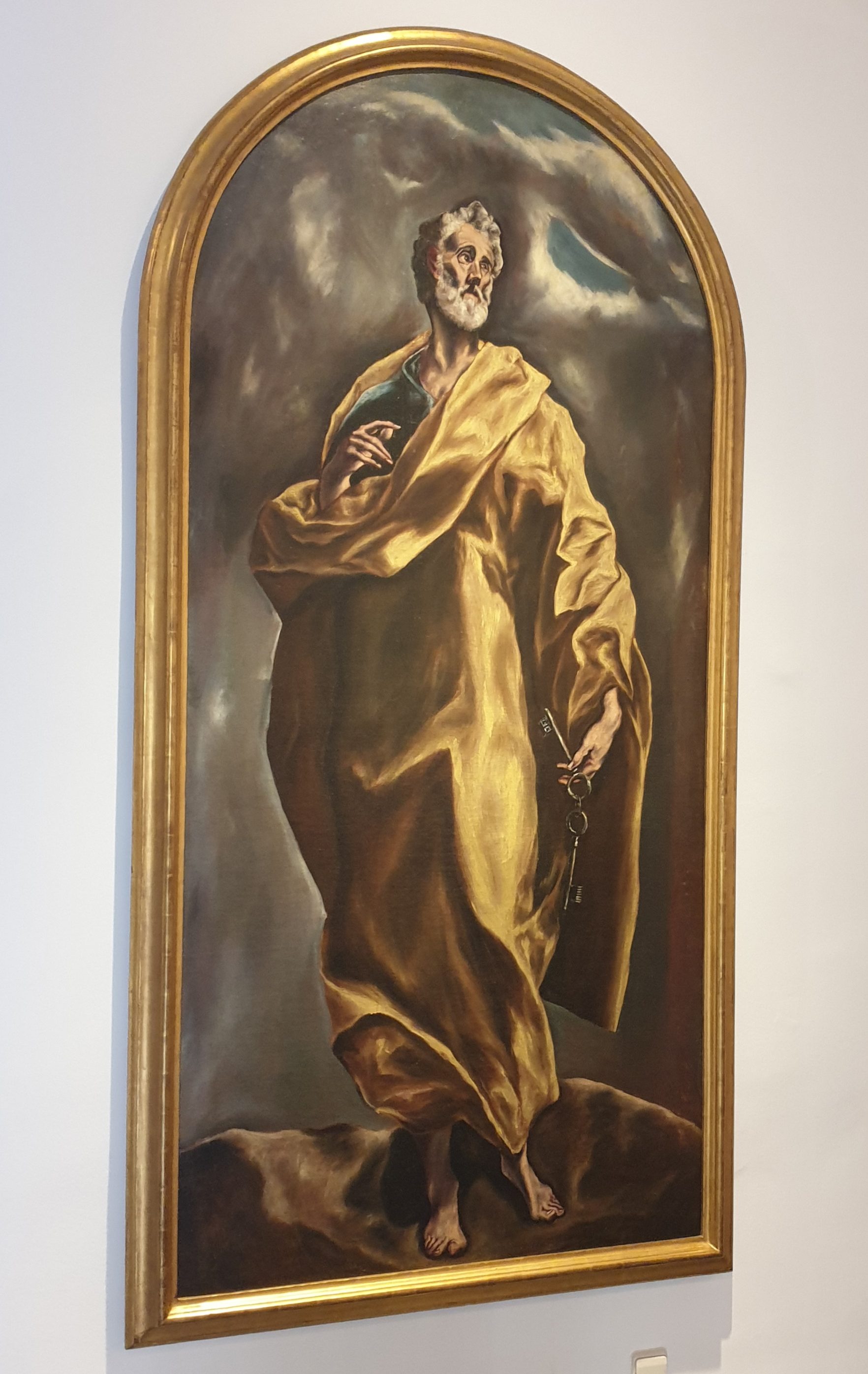
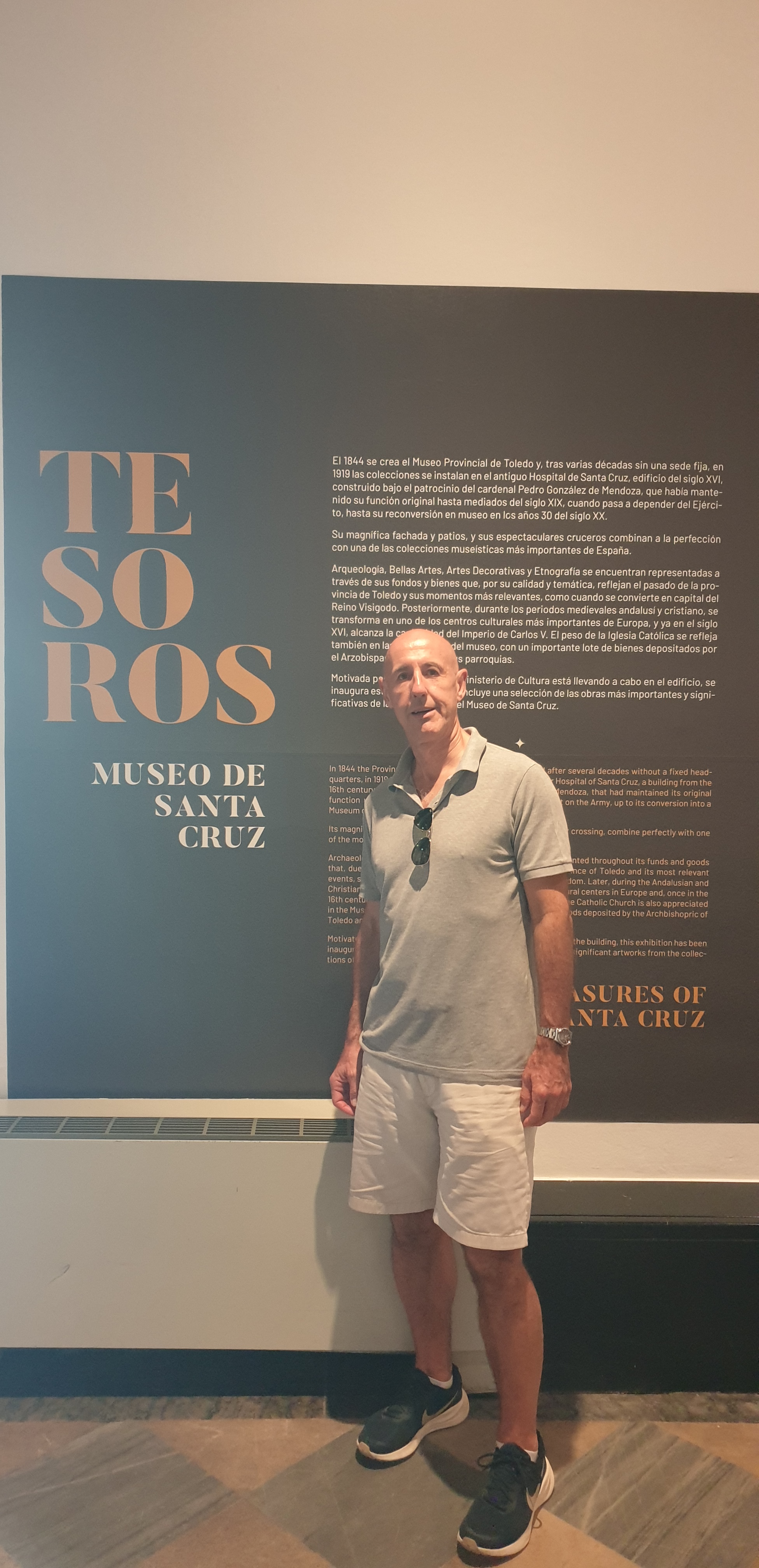
From there, we turned the corner to the Santa Cruz Museum, an astonishing Renaissance structure that once housed the late medieval Children’s Hospital. To our surprise, there was a phenomenal exhibit of fairly random pieces, including a feared pre-Roman falcata sword. But the real star of that exhibit was an El Greco painting of St. Peter, where I had a bit of a Stendhal moment —amazing!

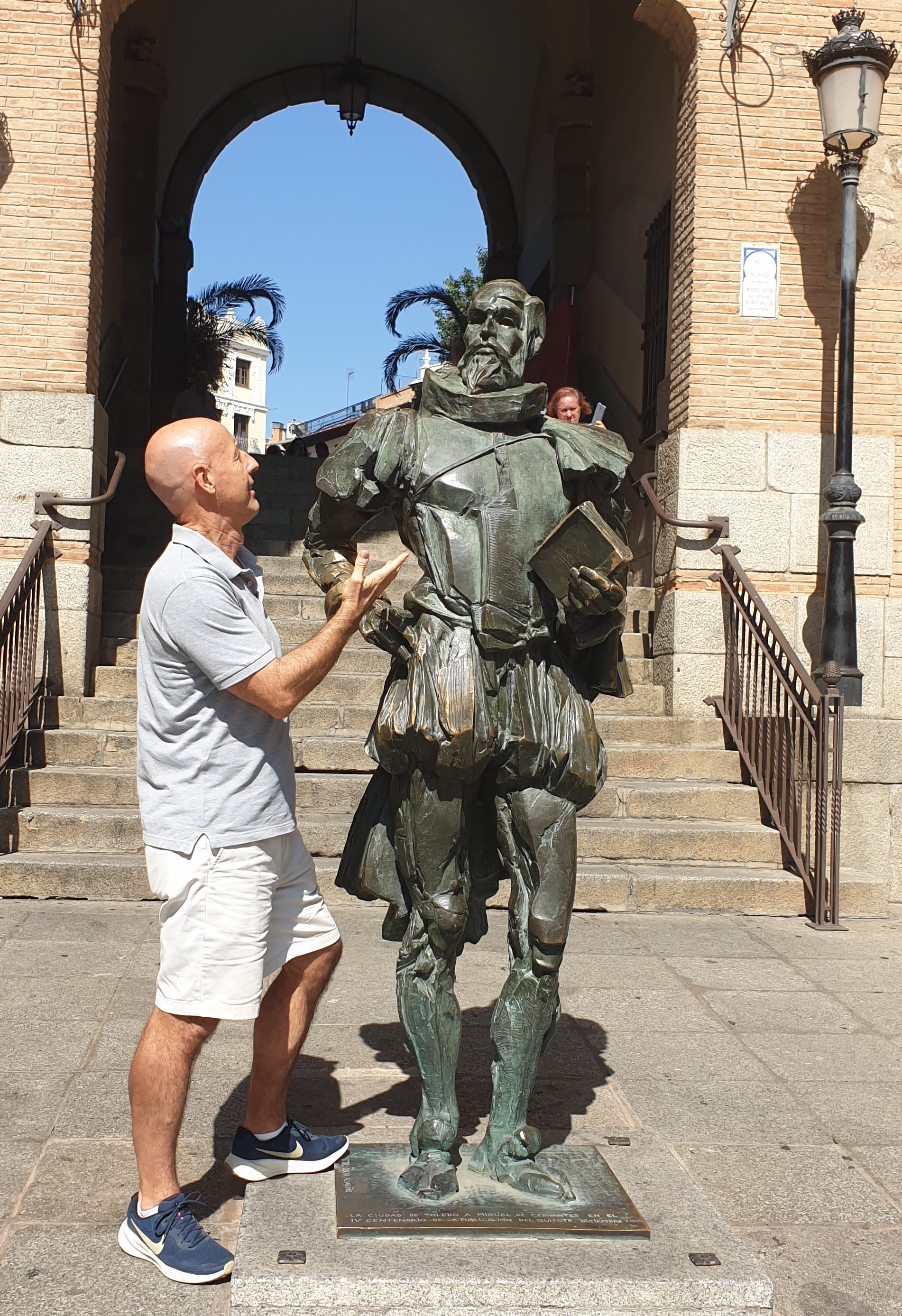
From there, we had time to walk across Zocodover Square, almost down to the Cathedral, before turning up on Trinidad Street to the Capilla de la Inmaculada Concepción for a moment of quiet contemplation and meditation (did you know that you should be meditating?). This chapel has perpetual adoration, which means that it is open 24/7 for people to pray. It is a quiet oasis in the tourist frenzy that is Toledo.

After that, we had to get back to the car to head out to Puy de Fou for a hot, blistering day of fun. You can read about that here.

The amount of mind-blowing, beautiful, culturally enriching things you can do in Toledo is almost limitless. That Saturday, that is what we came up with.

A very special visit to Toledo

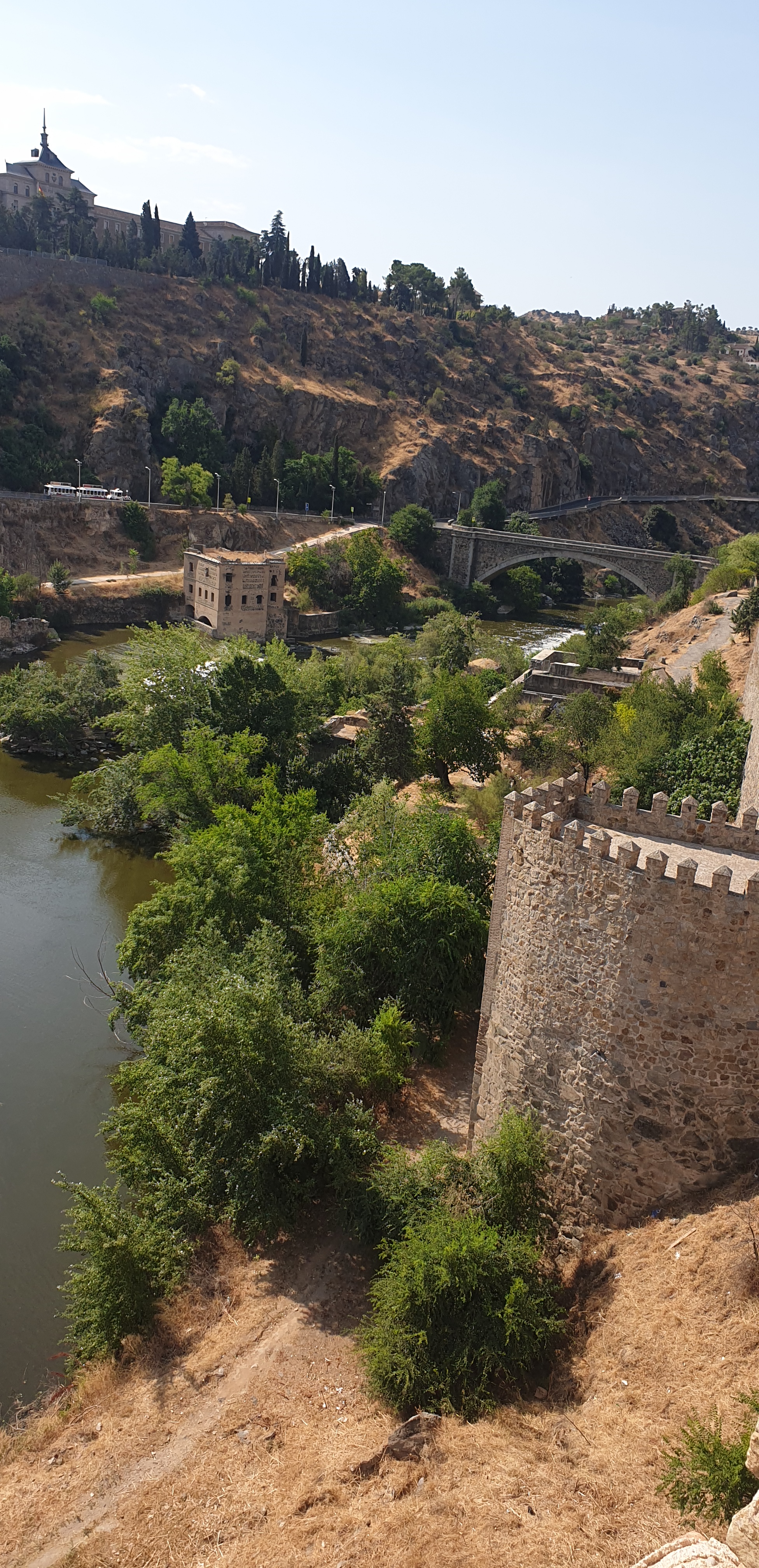
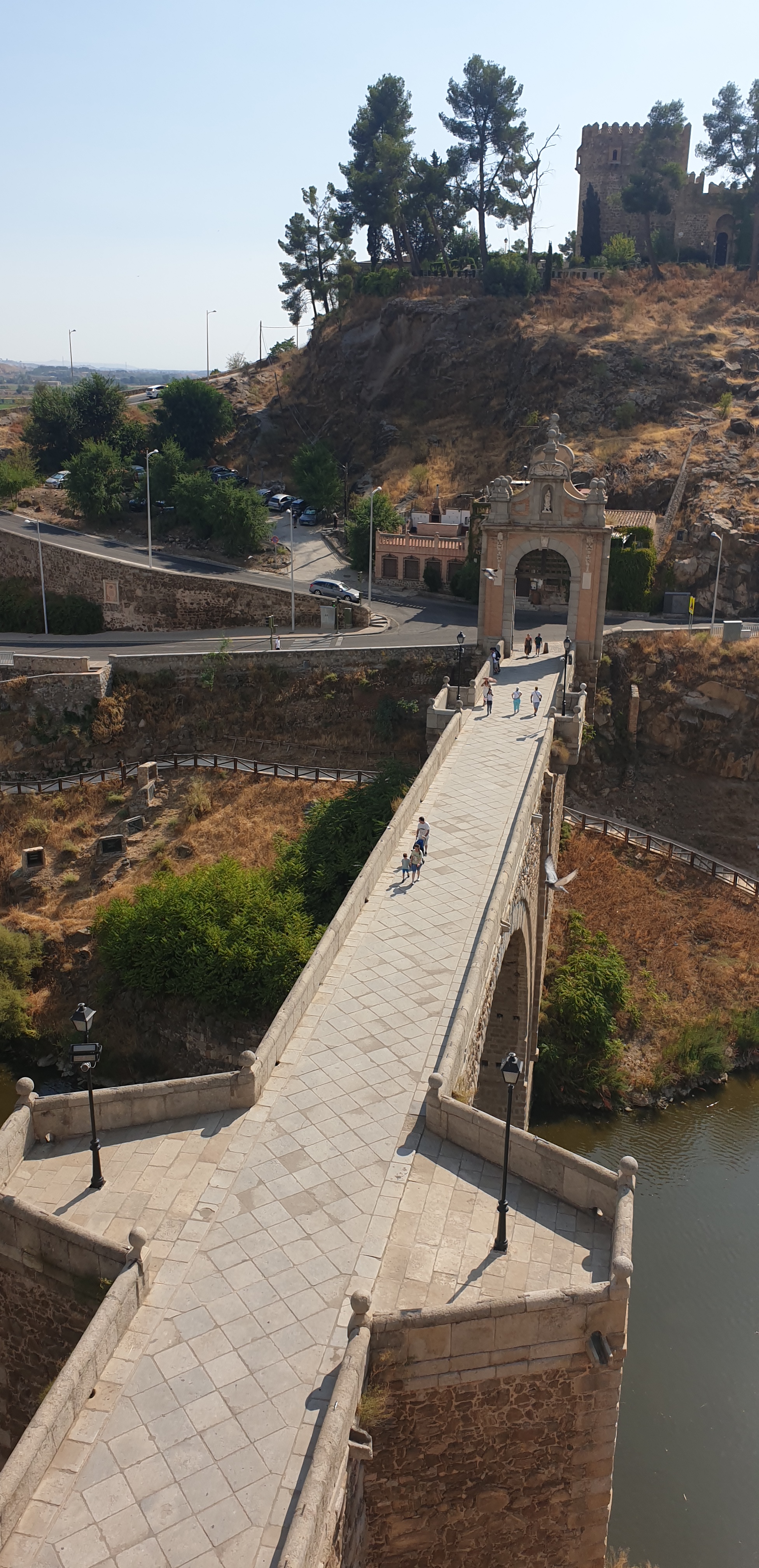
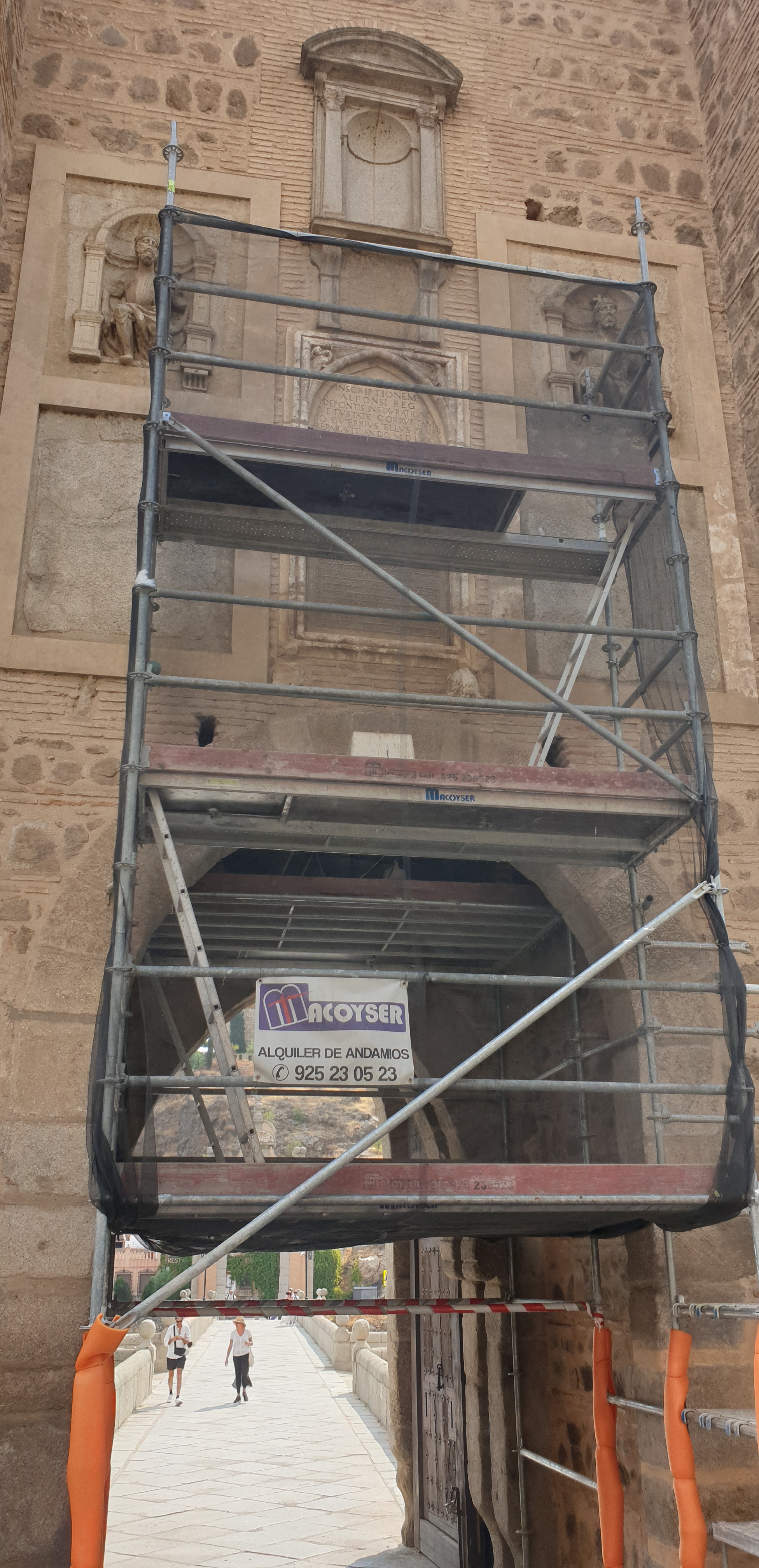
One of my dearest childhood friends is a top art and antiquities restorer (I have mentioned him before here). This year he invited me to spend the day with him in Toledo where he had to supervise the restoration of a bridge his company is working on. Little did I know that the bridge was just the opening act of the day:

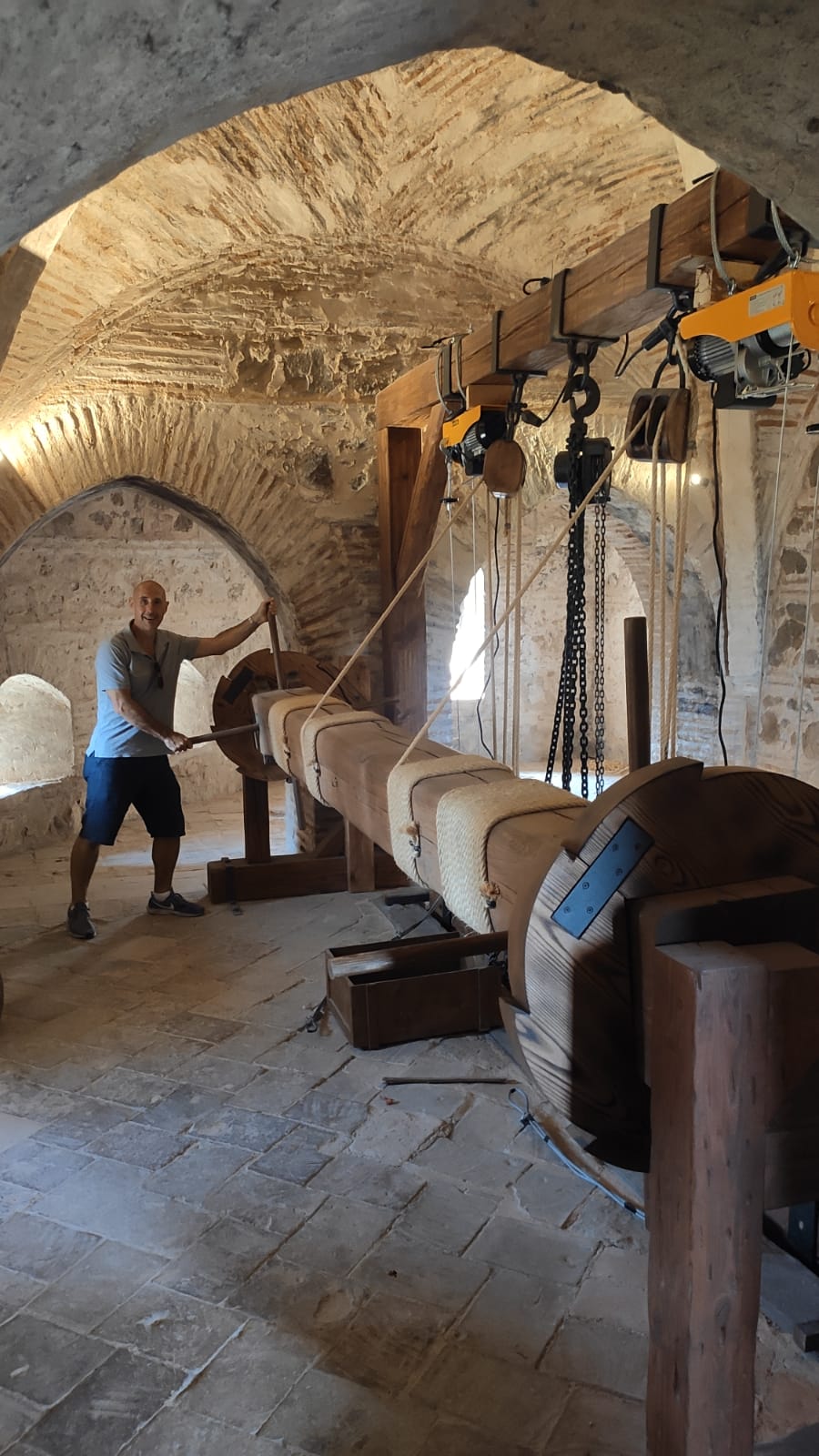
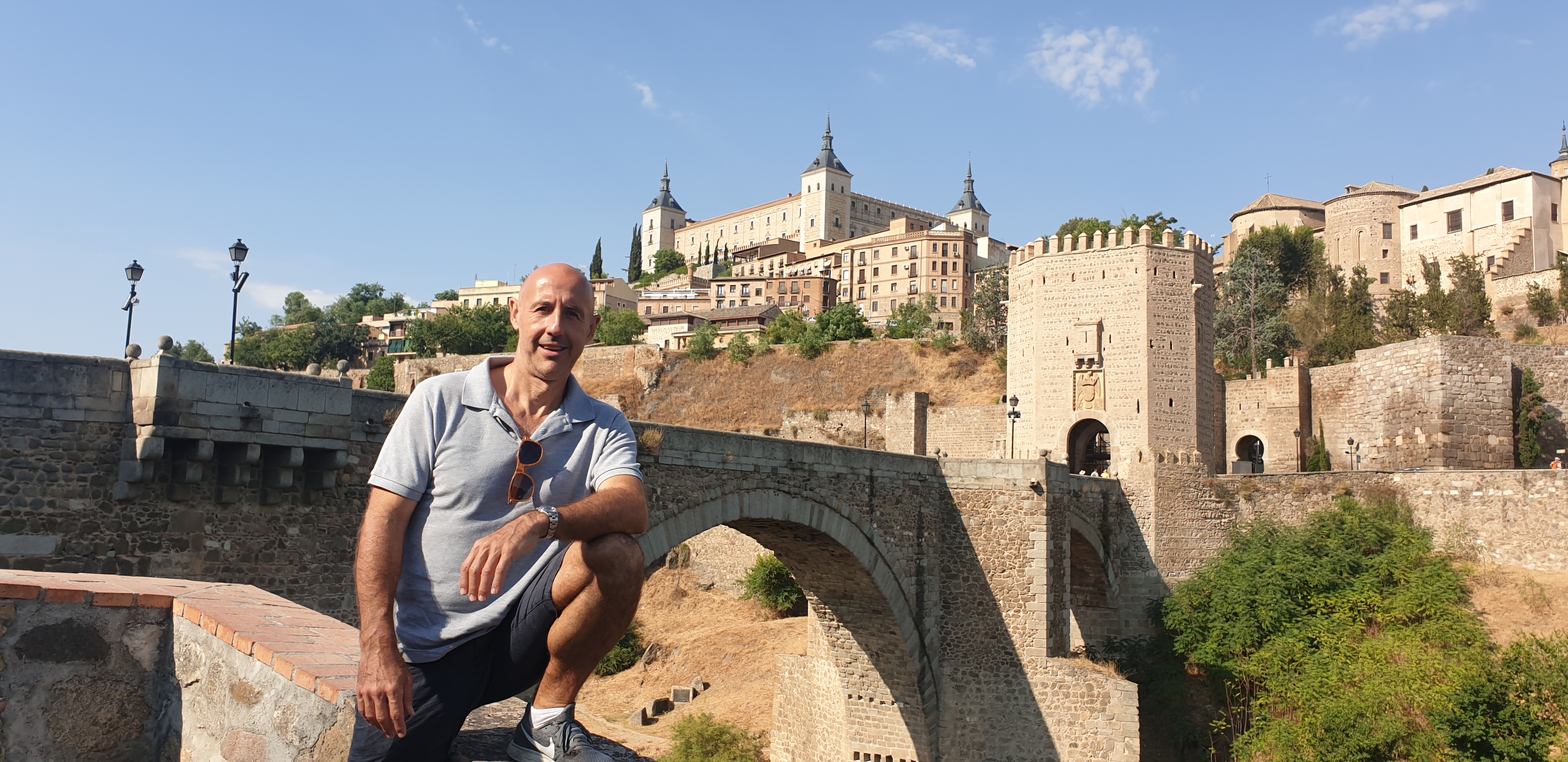
Our first stop was the bridge Tracer is restoring. The Puente de Alcántara started life as a Roman bridge before going through different modifications and updates. The medieval Order of Alcántara fortified it and protected it, giving it its current name -which is ironic since alcántara is bridge in ancient Arabic, so the bridge of bridge! Jaime’s company is working on the medieval tower, their work is impressive, but what really struck me was the formidable views from the top of the towers.

From there Jaime showed me a couple of churches -side by side- he worked on years ago: Santa Fé and Santa Cruz. In them we saw intricate Moorish arches, a beautiful, coffered ceiling, gorgeous renaissance entryways and staircases, a vaulted medieval ceiling, on and on, oh and some silly modern art that really showcases ancient workmanship!

But Jaime’s ace up his sleeve, his piece the resistance was taking me to the Cathedral where his old friend Jesús, the head of maintenance, gave us a very private and incredibly special tour.

Now, I have been to the Cathedral of Toledo a bunch of times, I have shown it to student groups, visiting friends, I even took some photos there for my dear professor Dominguez a few years ago. But this was beyond my wildest expectations, we barely stopped at the “regular” stuff other than for Jesús to point out some unique feature of whatever it was we were looking at.

We started by taking the elevator (the first one installed in Toledo) to the second floor of the Cathedral’s cloister, there we saw queen Isabella’s apartments, some excellent views, and we learned about the two falcons they have just adopted to deal with the pigeon issue.

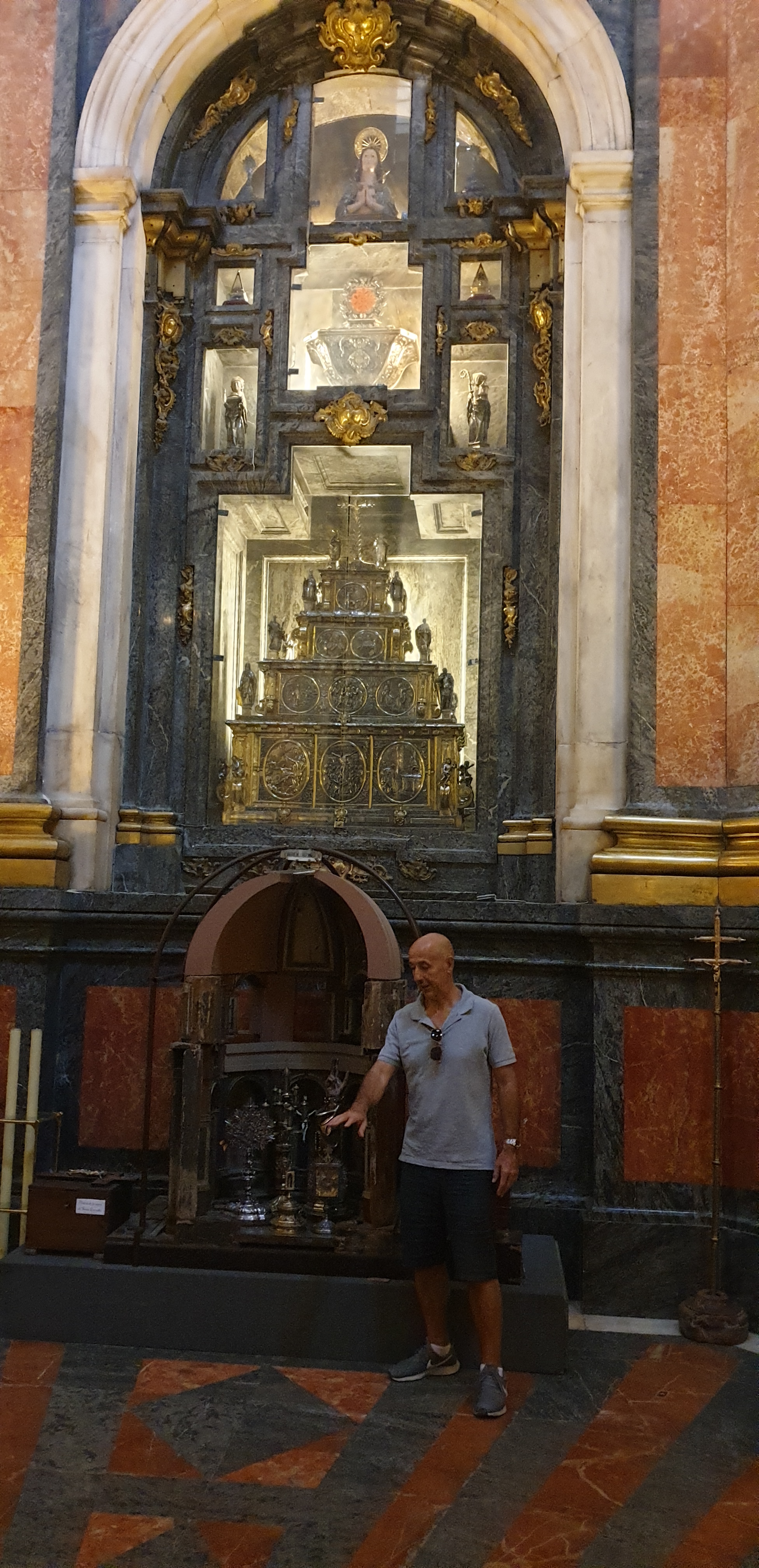
Then we walked around the cathedral with Jesús pointing out this and that, until we went into a “secret” room hidden behind an iron gate and a velvet curtain, then another iron gate to the Cathedral’s reliquary! I must confess this moment was really moving for me, mainly because I was not expecting such a room, with such a treasure inside, it was beautiful and amazing, my hands were trembling!

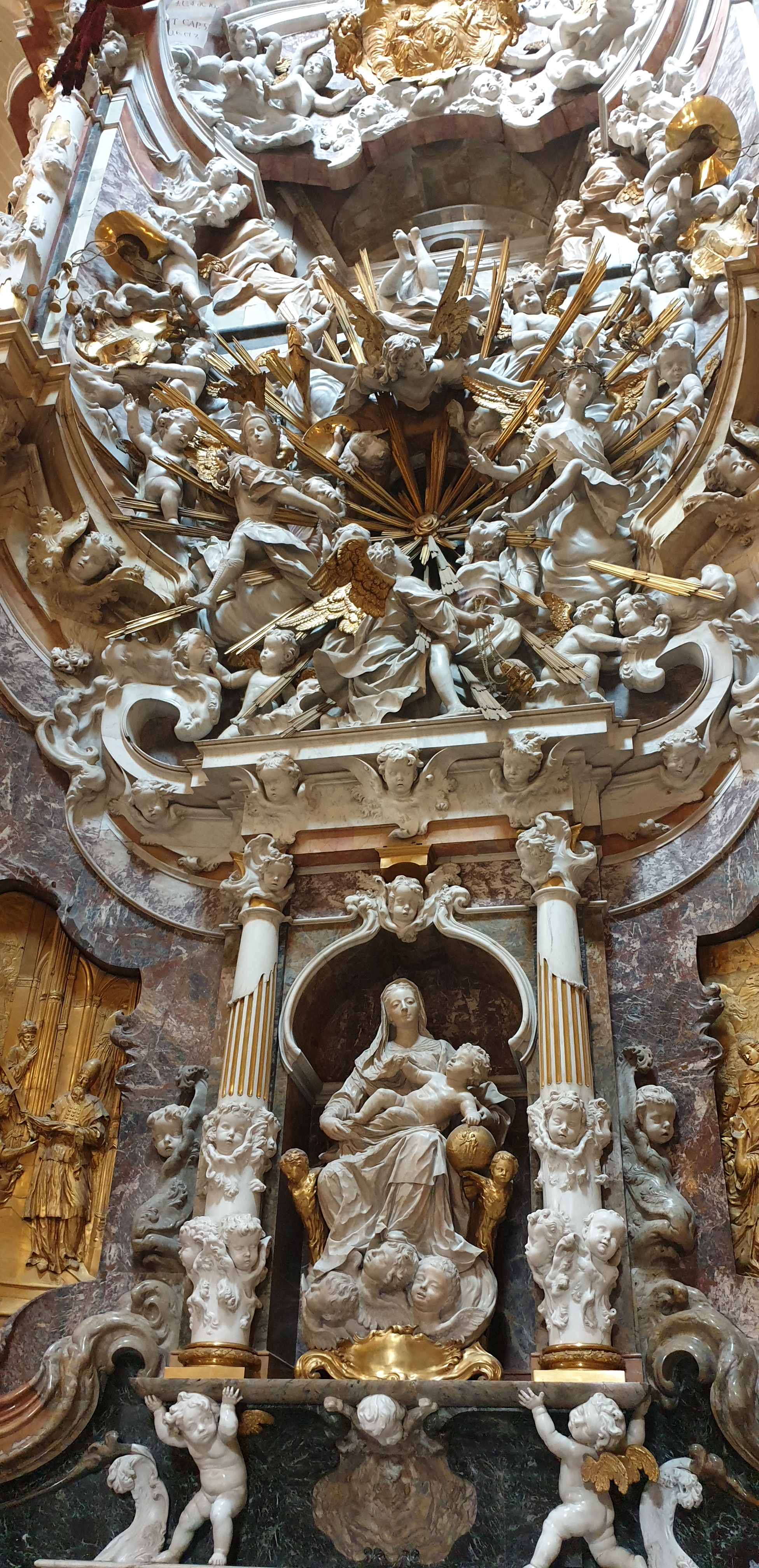
We ambled a bit more, checking out the image of “Lust” which I had photographed years ago for Prof. Dominguez, and the 18th C. “Transparente”.

After our visit, we walked around town a bit and we had lunch where Jaime used to eat when he was working there, but after the Cathedral, it was all a blur for me.

Sevilla

It had been over fourteen years since I had been to Sevilla, but I recently managed a three-day getaway to that magic city by the Guadalquivir, and it never disappoints.

The reason for the trip was the various exhibits celebrating the 4th Centenary of native baroque artist Bartolome Murillo’s birth.

Back in 1992 Sevilla hosted the World Fair, called Expo ’92 coinciding with the 5th Centenary of Christopher Columbus departing on his little trip from that city along its navigable river. The Expo was a smashing hit. For it, Spain built its first high-speed train from Madrid, the AVE, which, reaching speeds of 300kph (186mph for those stubborn Imperialists) does Madrid – Seville in a nifty 2.5 hours! So obviously we took the train. Once there we stayed in a gorgeous loft overlooking the Archivo de Indias and the Cathedral with its amazing Arab Minaret turned bell tower, the Giralda.

Sevilla is a walking city, so that is what we did, walk around the park, by the river, along the old streets of the magical Santa Cruz neighbourhood, across the river into the Triana neighbourhood, peeking into the cute patios, checking out old palazzo Casa Pilatos, and the new “setas” designed to give shade to the main square on the hot summer days. Along the way we arrived at the Museo de Bellas Artes which is hosting the main Murillo exhibition. To say it is breathtaking is an understatement. The museum has gathered Murillos from around the world so you can really go deep into Murillo’s craft, style, personality, and nuances. It blew my mind.

But besides Murillo, Seville has amazing food. We stopped at old hangouts like Morales, Las Teresas and el Rinconcillo where I used to go with customers and suppliers, and enjoyed the arab influenced tapas, the bounty of the nearby Atlantic and Mediterranean, and local specialties like garbanzos with spinach or ox tail, all washed down with lovely local white wines and sherries.

Something else that is abundant in Seville is churches. There are churches and convents and monasteries on every block and each one is worth stopping in. It might seem glib to say but most of these temples are Baroque, it can be a bit overwhelming to see such a profusion of decoration: angels and leaves and thingys. It looks like there is no space left without a decoration, and that was precisely the goal, in fact it has a name: horror vacui in latin, meaning fear of emptiness. A main reason for the wealth of baroque art is that Sevilla was the landing port for all the ships coming in from America, so a lot of the silver and gold did not make it out-of-town, if you get what I mean.

If you have been to Sevilla you know one could write for hours about it. If you haven’t been, what are you waiting for?