Camino Aragonés Albergue Review

Last year’s Camino Primitivo Albergue Review was quite well received and is in my top 10 posts this year, so I have decided to do the same with the albergues on the Camino Aragonés which I just finished. Like I did last year I will then post the reviews on Google Maps to share the knowledge.
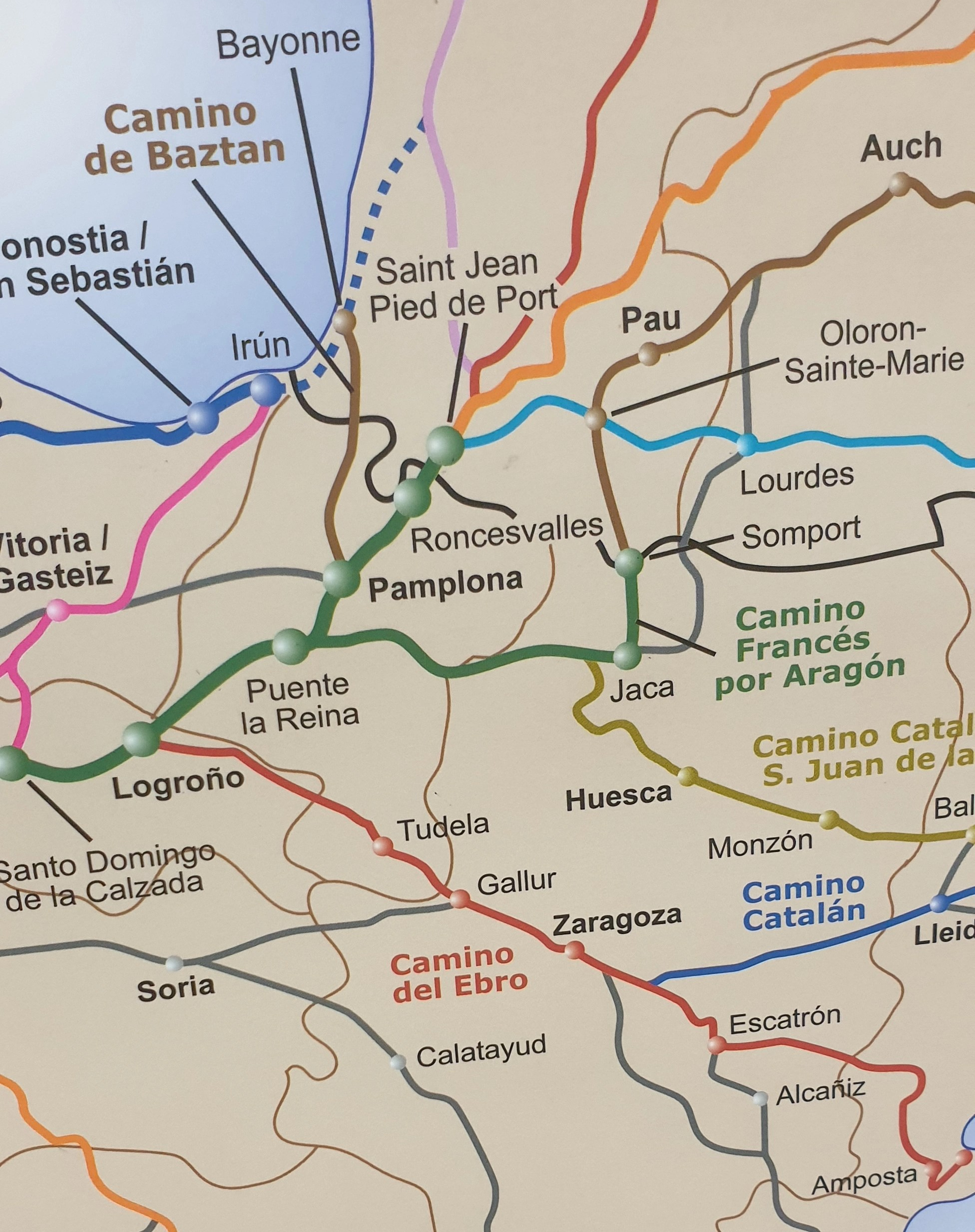
Notice the Camino Francés por Aragón

Somport – Albergue Aysa 2,5/5 stars

This is a tricky one. It does double duty as a high mountain refuge and for pilgrims. It sits feet, yards away from the French Border, and that is all you will find there besides a road maintenance shed and the closed down Customs building. The views are amazing, and it is the “unofficial” start of the Camino Aragonés, so you do not have much of a choice. Having said that, Pedro and his son Marc are not the most hospitable hospitaliers. Pedro had another pilgrim and I wait half an hour in a hallway while he prepared breakfasts; he could have invited us to at least sit down with a cup of coffee, or -and this might be pushing it- prepare our breakfast and then continue preparing everybody else’s breakfast since they all arrived much later. It is also a bit on the expensive side at Euro 27… supply and demand I guess when you are the only albergue at the top of the mountain….

Jaca – Municipal Albergue 4.5/5 stars

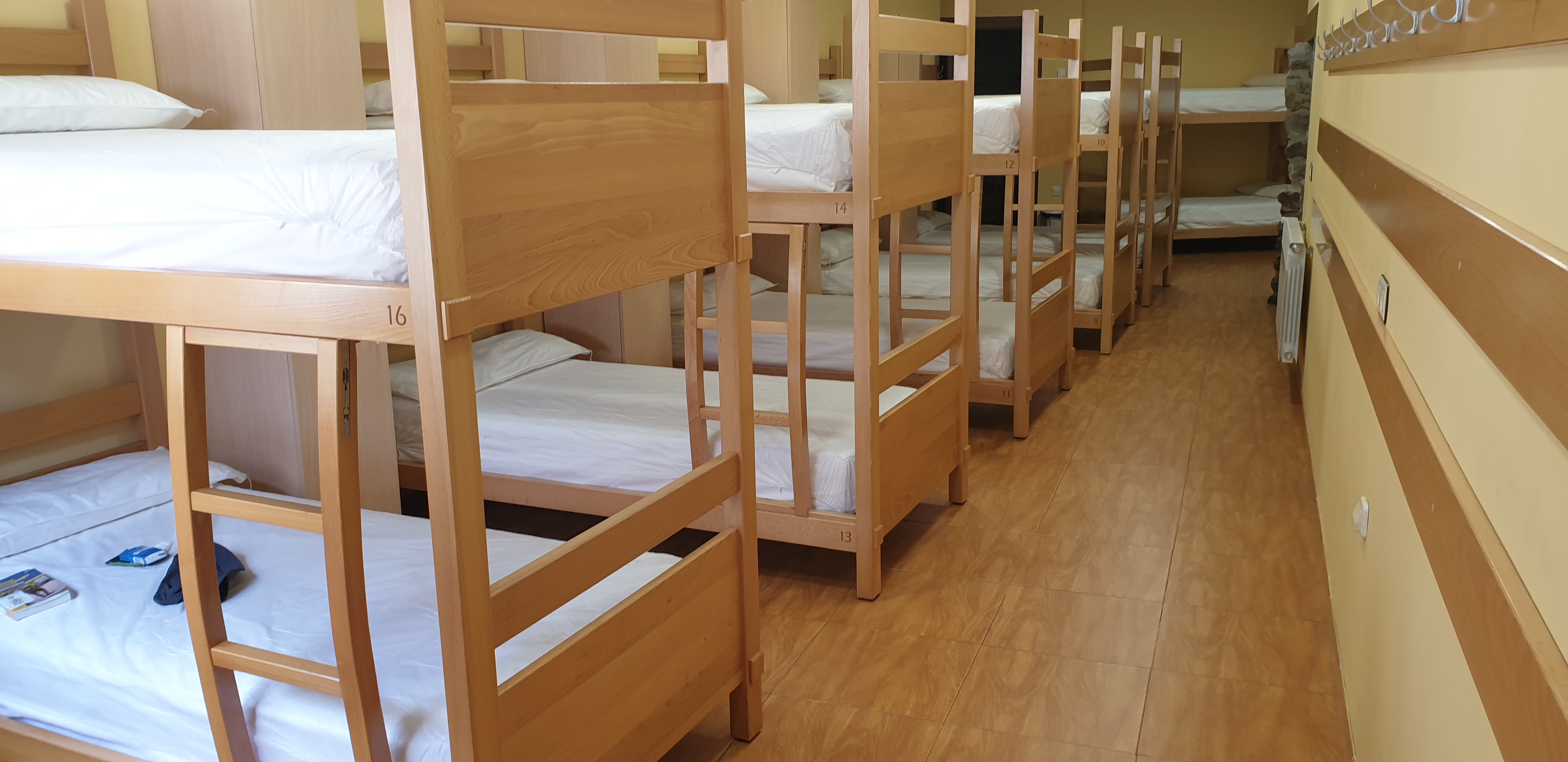
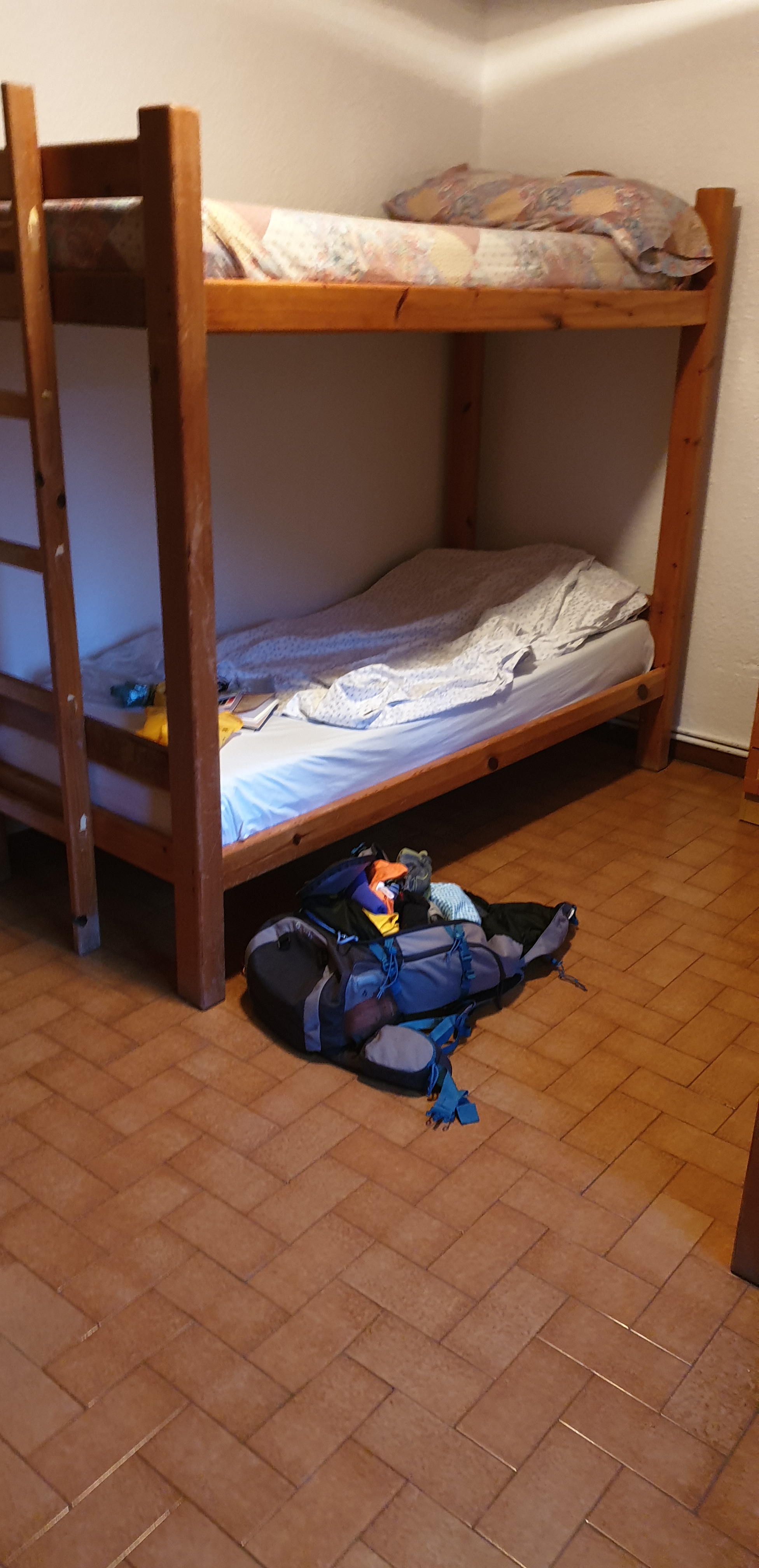
Marisol is a sweetheart hospitalier! The albergue checks all the boxes for a correct. large, urban albergue: right downtown, clean, good bathrooms, ample kitchen, and dining room, it even has a cute little garden. And the aforementioned Marisol knows everything about Jaca! A couple of pluses are no bunk beds, yeay! The beds are paired up with a night table in between and you can store your pack under the bed (this is a bit cumbersome since you have to move the mattress and lift the board to access the space, nobody I saw used this feature). The only thing missing from this albergue was a washer/drier, which in an urban, public albergue is expected, the only thing missing for the full five stars! 11 Euro.

Arrés – Municipal albergue managed by volunteers. 5 stars

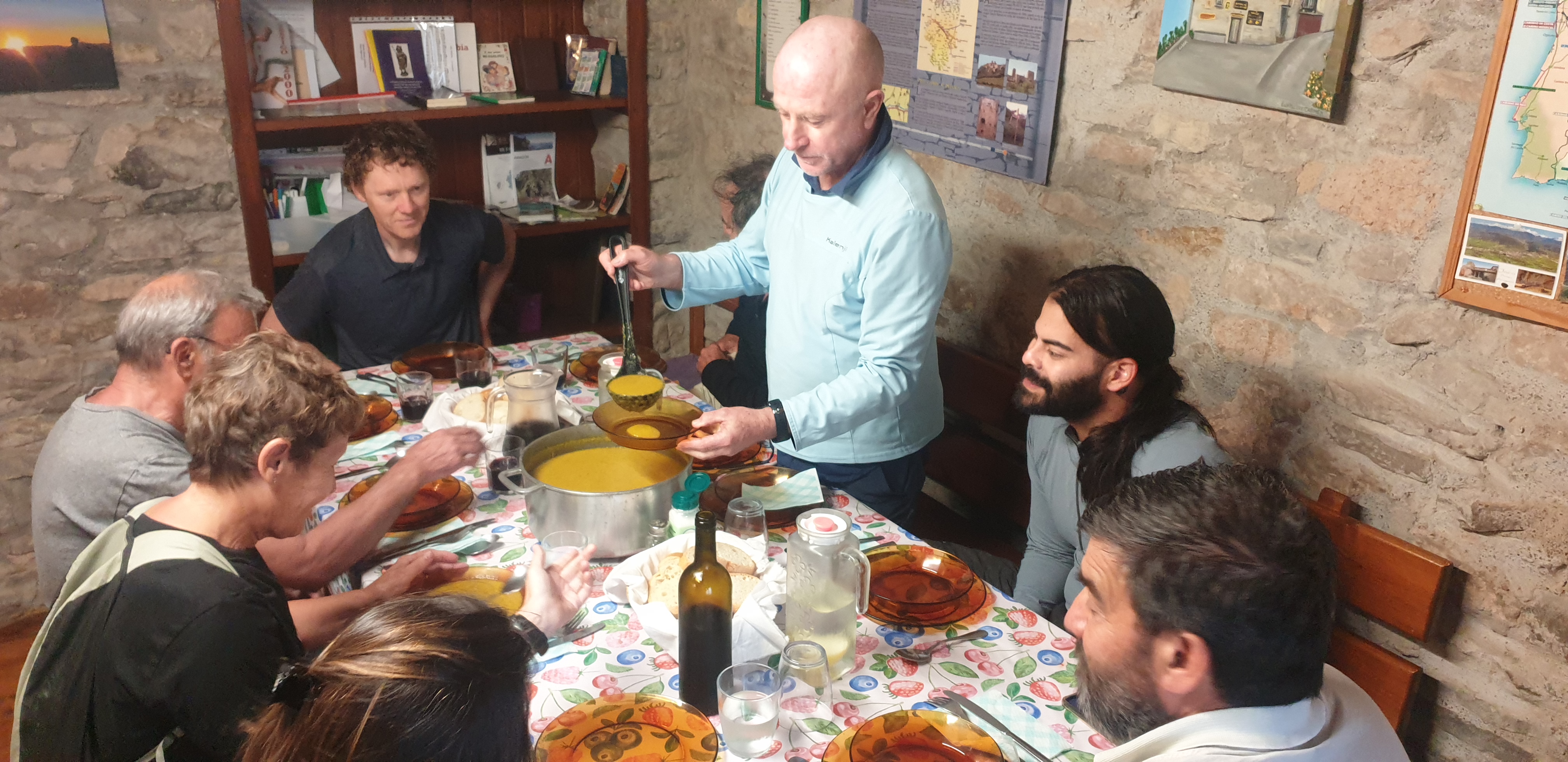
After a beautiful but looong climb you will suddenly hit this tiny, ancient, stone village. The albergue is the first building you will see; it is housed in an ancient stone building, carved into the stone -in fact, the toilets on the bottom floor have exposed rock! I was lucky to have Ray El Peregrino as the volunteer hospitalier, this guy is a rock star pilgrim who has walked every Camino!! And he cooked a great dinner: Hearty vegetable soup and tortilla española packed with onion, peppers, and chorizo. The albergue is fairly basic, but that is expected in a tiny, medieval village in the middle of nowhere. The hospitalier gives the pilgrims a tour of the tiny church before the community style dinner. Oh, and it is a “donativo” albergue, meaning that you put into the box what you can/want (the going rate for municipal albergues is around Euro 11, so that is about how much you should give, if you can, a little bit more if you consider that dinner and breakfast are included).

Ruesta – 3 stars

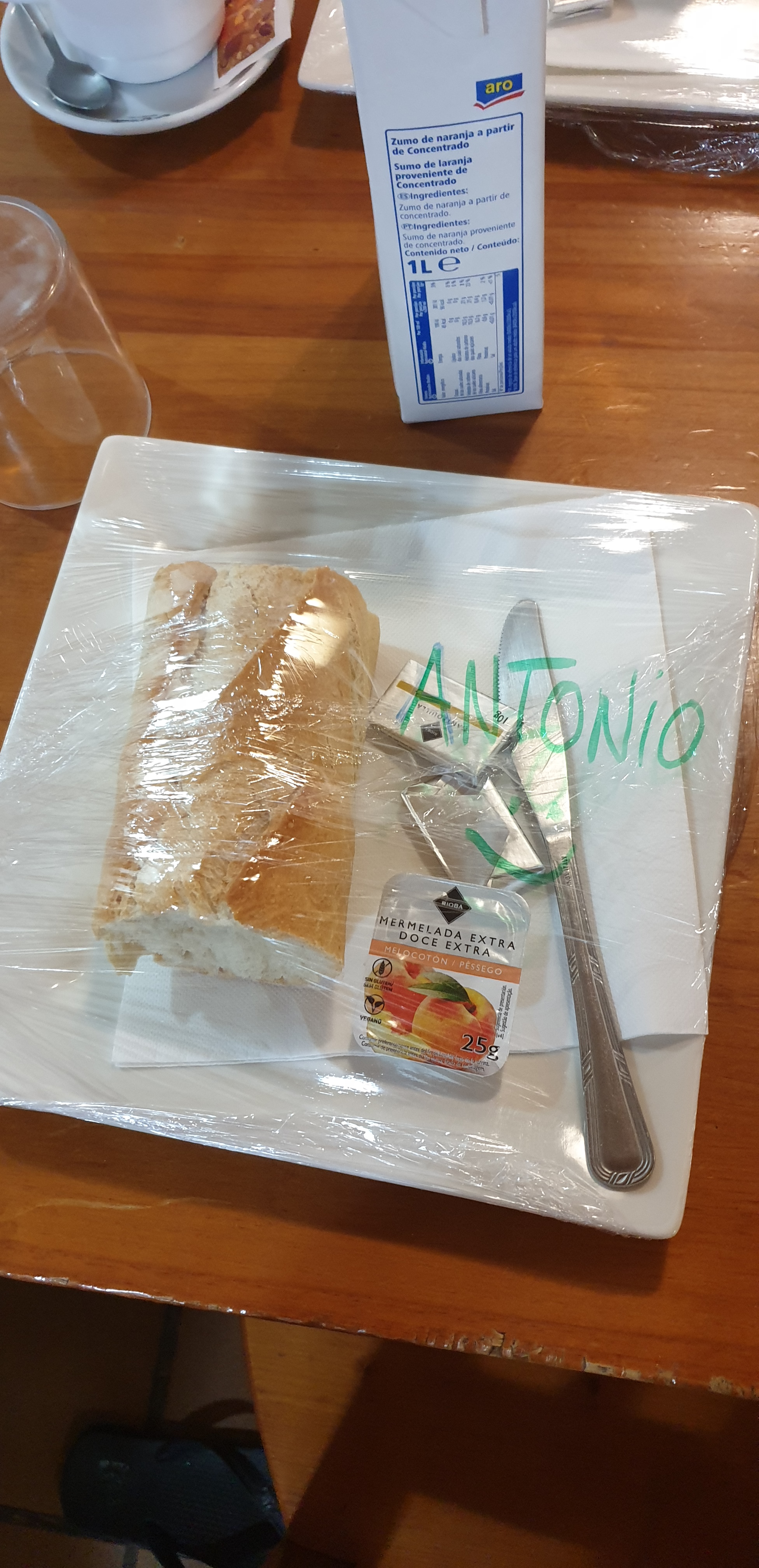
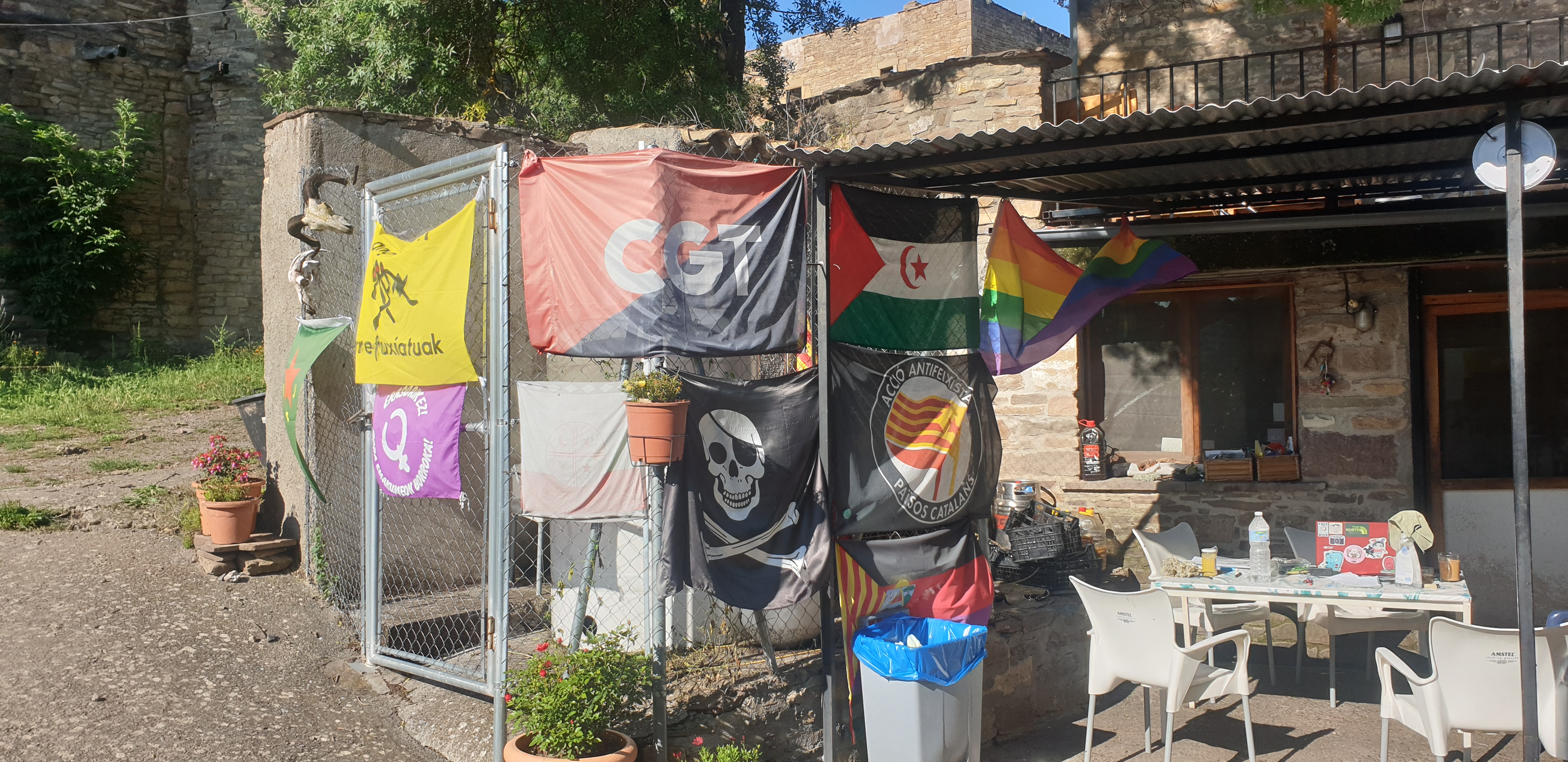
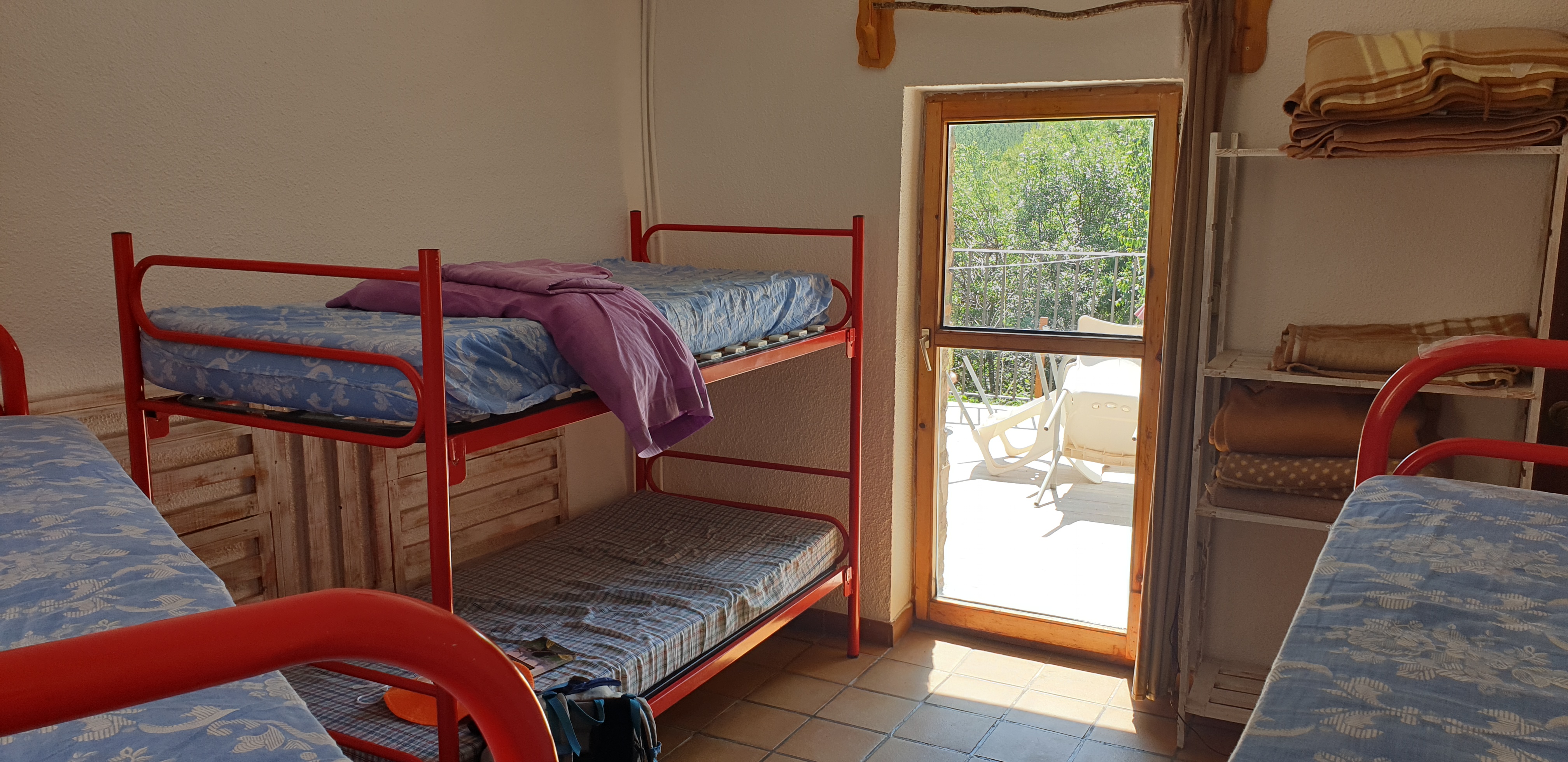
Ok, this is a good one: In the 1960s the government built a dam, flooding the fields where the good people of Ruesta earned their living from, so they were forced to leave, abandoning a beautiful medieval stone village. In 1988, the local government leased the village to the trade union federation CGT (Confederación General de Trabajadores), a bit of an anarcho-syndicalist trade union, with the condition that they rebuild, and eventually repopulate the village. So, guess who runs the local albergue? You guessed it the folks from the CGT, who, regardless of your political viewpoints, are really nice and sweet. I had a large room with an even bigger balcony where I was able to tie my rope and sun dry all my clothes! Dinner was community style with two options for appetizer and entrée (I had vegetarian lentils and the chicken, both delicious) and a few options for dessert. The one black spot was breakfast: a shrink-wrapped piece of bread with a patty of jam and one of butter, a coffee -probably made the night before and covered with a saucer, and the cheapest available tetra-brik orange juice. For Euro 4, breakfast could have included some cold cuts, etc.
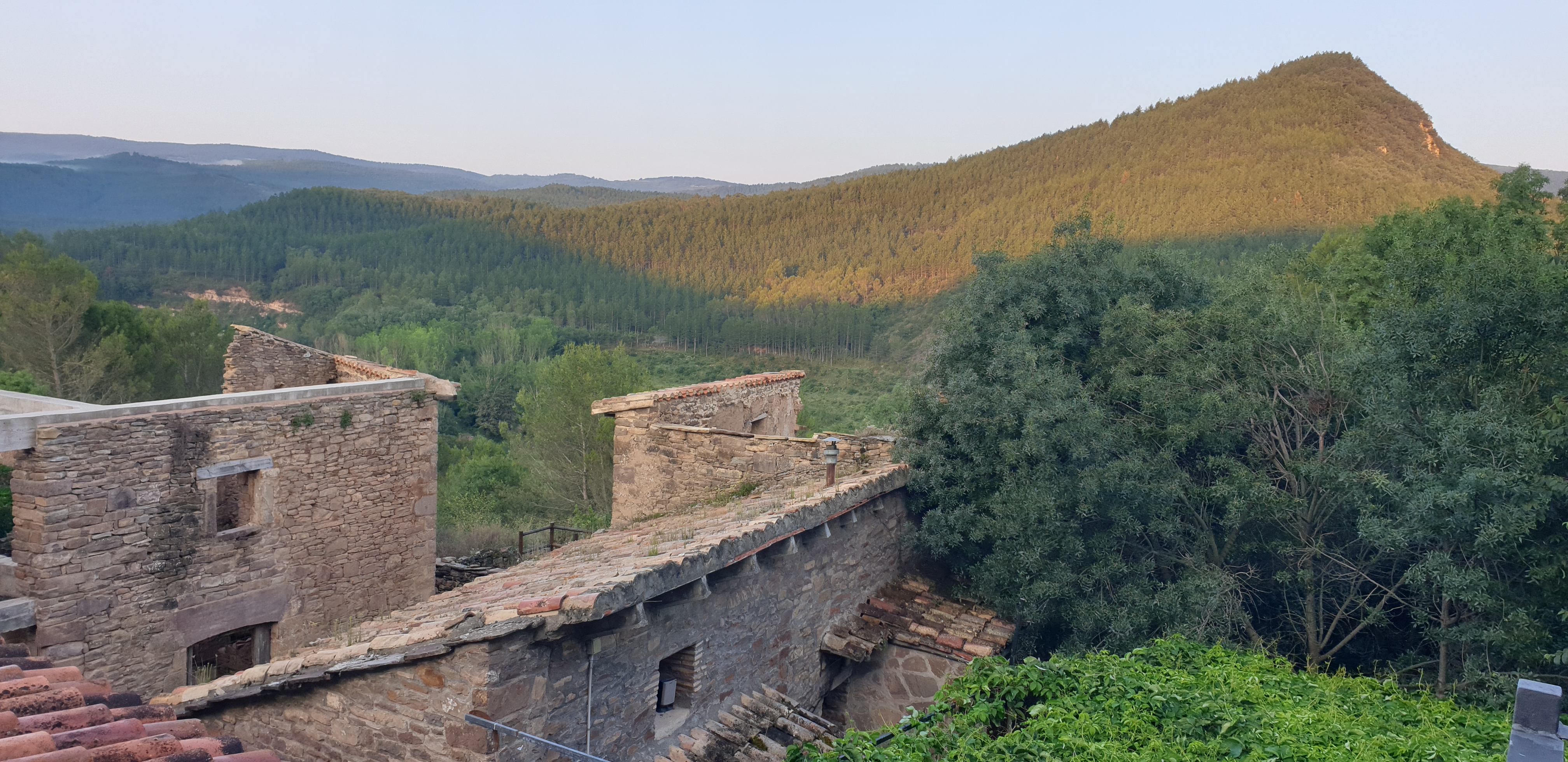
Sanguesa – Municipal Albergue 5 stars

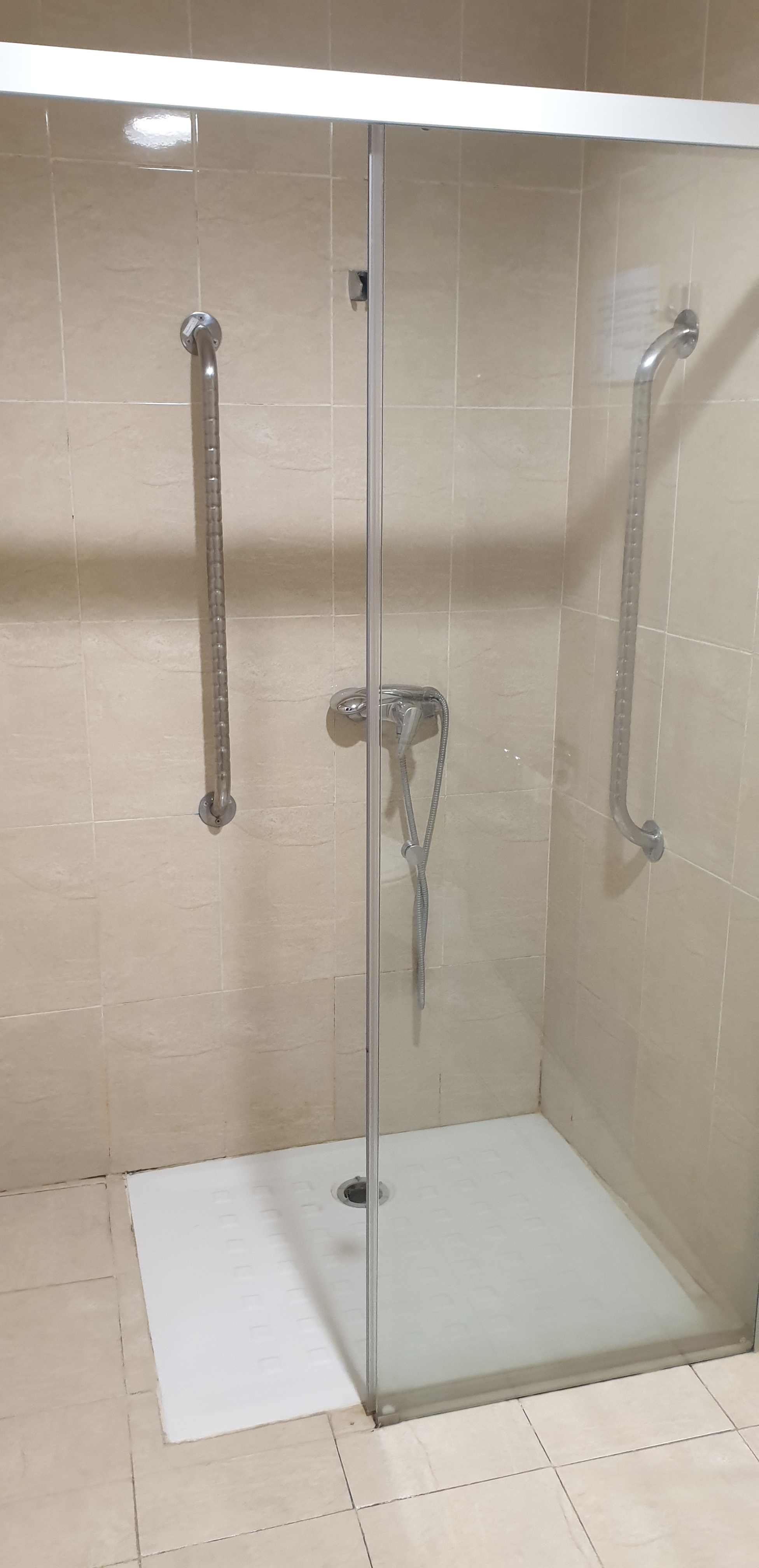
This is a no-nonsense, basic but correct albergue, and the first with a washer/drier! Maybe because the Navarra government cares just a bit more of their pilgrims than the Aragón one (let’s see if they get the hint…). This albergue, while small with 14 beds and (only two of them are bunks) is right downtown, has amazing showers, and a solid kitchen. The only problem is that there are more pilgrims than keys (probably because pilgrims inadvertently take them) so we had to always be knocking on the door, or asking pilgrims if they had a key!

Monreal – Private 4,5 stars (you have to be at the albergue at 5pm for your paperwork)

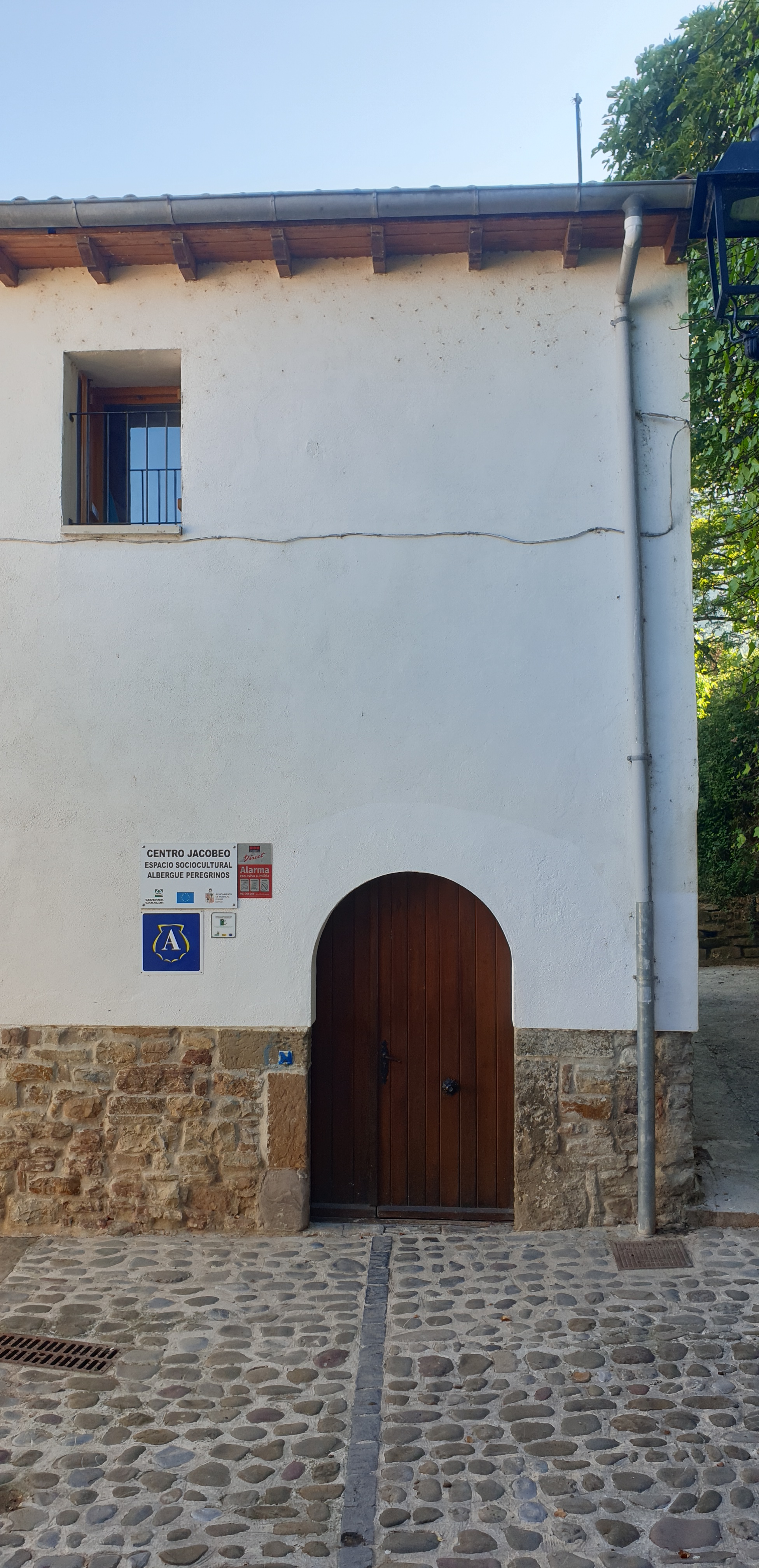
High up on a hill, and with a killer set of stone stairs to kill you off before you get to the door of this albergue, it is a perfectly lovely place. Renovated by the local trade school, it has exposed wooden beams. Aura the hospitalier is nice and generous with her advice and local knowledge, she also owns one of the two local bars/cafés. Unfortunately, the albergue is owned by an investment company in Pamplona so Aura is only there for a while each day to collect the cash and take a photo of your id.
Honorable mention:

Albergue Restaurante de Artieda

We stopped for our midday snack here and what a beauty this place is: hanging on the edge of the hill overlooking the Pyrenees. It is a private albergue with the best sandwich I remember having in a long time!

Camino Primitivo Albergue Review

Recommended stages on the Primitivo

One of the key skills one must have in life is to master the art of cut and paste. This year I decided to share my opinion of the albergues I stayed at, so before putting them up on Google or whatever, here they are. I like to stay in public albergues whenever possible, but sometimes my daily stage did not finish at a village with a public albergue, so I stayed private. I only saw one parochial / church albergue housed in the monastery at Cornellana, but my daily stage did not stop there.

Oviedo

This albergue which is run by the Asociación de amigos del Camino Astur-Leonesa is housed in the old seminary. So basically, it is a plug and play albergue, the infrastructure is all there, all that is missing is the future priests cramming for their Theology exams! The rooms house 2 bunk beds and are equipped with lockers and a handy sink in which to brush your teeth! Oh, and it is right downtown, so you are literally steps away from the Cathedral and the old part of town, right where the Camino starts. I shared a room with Vicente from Valencia whom I would continue bumping into throughout my Camino.

The old seminary is now an albergue in Oviedo

Grado

The public albergue is run by volunteers of the International Fraternity of the Camino de Santiago and it is housed in the old horse auction building – which explains all the iron rings attached to the wall next to the building. But do not fret, it was remodeled in 2016. It was a great little albergue, and the volunteer hospitalario Guy was great!

La Espina – El cruce (Private)

This is as basic and as homey as it gets. It is run by Carmen who had a space above her tiny supermarket and opened an albergue! It has one room with 10 beds which I shared with three American teachers. The village is pretty basic, so it comes in handy that there is a supermarket below the albergue where you can buy groceries and make your own dinner! Apparently, this is a good place to stop if you are planning to take the “Hospitales” variant (which coincidentally I did).

Campiello – Casa Ricardo (Private)

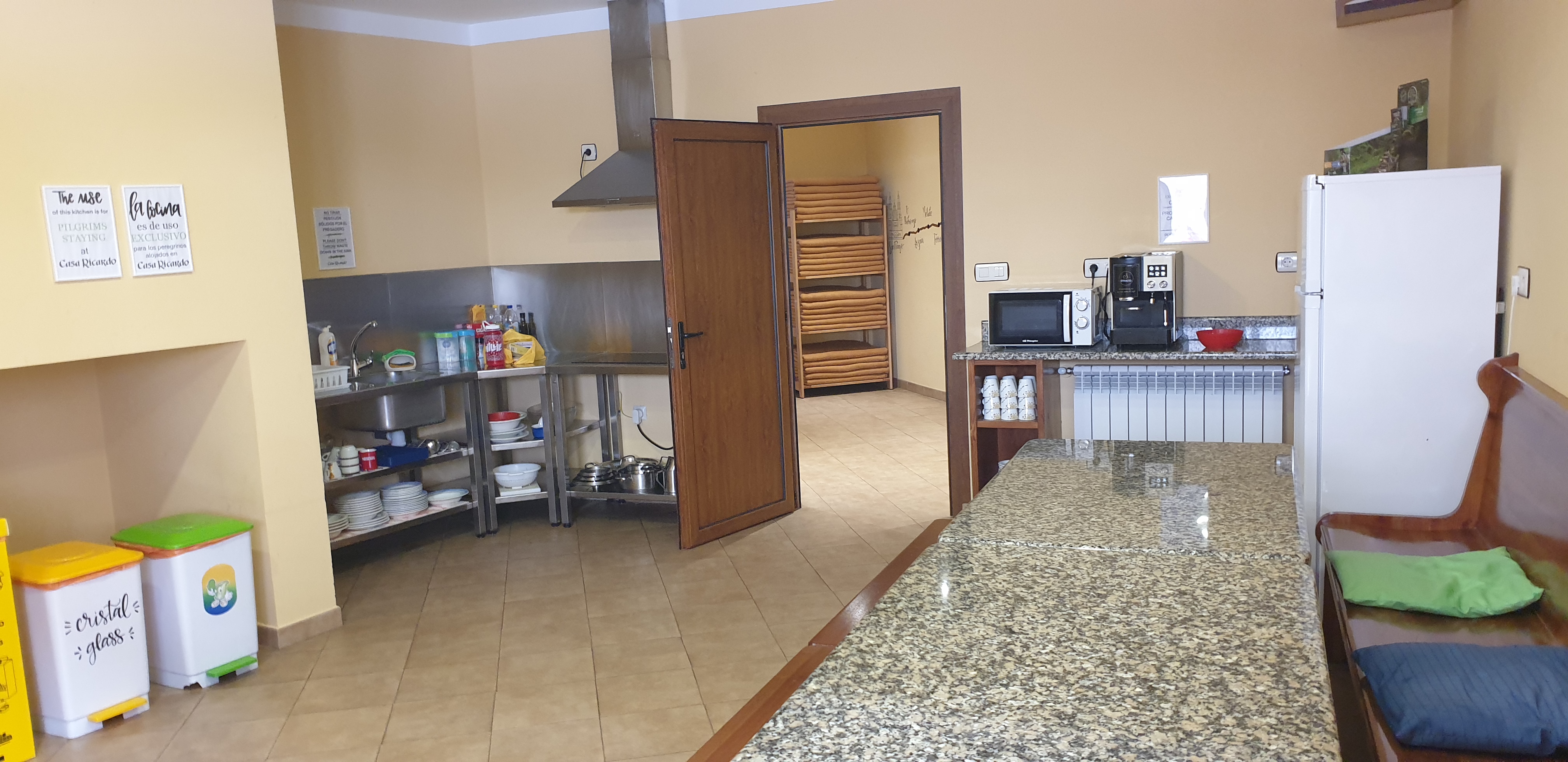
This has to be one of the top albergues I have ever stayed in! it is a restored farmhouse with great facilities: kitchen, bathrooms, patio and a great restaurant/bar and supermarket on the other side of the road. The sleeping room is relatively big but with brand new bunks and exposed stone walls it offered a great night’s sleep.

Berducedo – Camino Primitivo (Private)

After the exhausting (but highly recommended Hospitales variant) I unfortunately skipped the municipal albergue (there had been rumors on the Camino that there was a lack of beds in Berducedo) to go to the private Camino Primitivo . Camino Primitivo was a horrible experience despite good facilities, a despicable albergue only focused on squeezing every last euro from the pilgrim. You cannot order a la carte for lunch, you have to order the full 20 Euro menu (which was good, but way more than what I wanted), when I had an issue with other pilgrims over the washer/drier they did nothing to help our situation and worst of all: they had just done a fly treatment and the whole albergue was full of dead flies -and they did nothing to clean them up. The owner was simply rude, so I refused to stay there for dinner and went to the lovely Araceli instead where I chatted with a bicycle pilgrim (if such a thing still exists) and had a great meal.

What good laundry facilities look like

Castro – Albergue Juvenil de Castro

This restored schoolhouse run by a lesbian collective was a great acquittal of the Berducedo fiasco. These women were generous, funny, hospitable, and when I told them a sad story (they asked for it), affectionate. I loved it. They also had a simple but delicious “meal plan”: they had a refrigerated showcase full of prepared foods; if you order a small plate you can choose two foods and it costs 3 Euro, the big plate with up to three combinations, 5 Euro. It was freezing that evening, so I had a big plate of spaghetti Bolognese. I loved my stay there.

Vilardongo – O Piñeiral (Private)

Another private choice, but what a place! This is a luxury albergue with amazing facilities (at regular albergue cost) each bunk bed has a little curtain to separate it, and since the place did not fill up and nobody came above me, I had a bit of a private “suite” for the night –nice!! The food was excellent, and they even had a little room with a yoga mat, where I was able to do some much needed yoga.

Castroverde

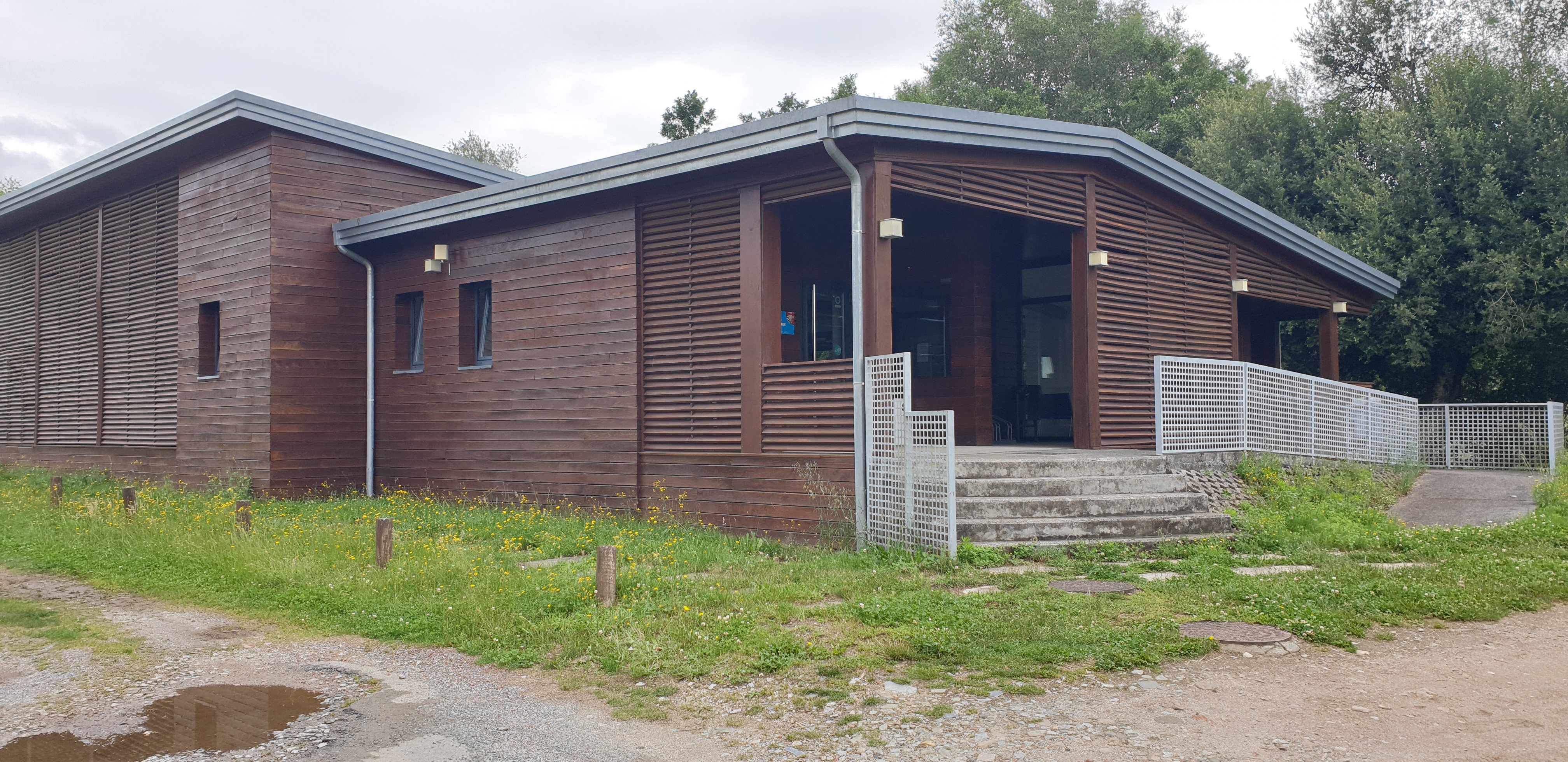
This is a Xunta de Galicia (i.e., public) albergue and it was impressive! Modern installations in a minimalist setting. It even has a stream running through the back yard where I was able to dip my legs to rid them of 8 hours of hiking worth of inflammation! Public albergues lack kitchen equipment to encourage you to eat in the village which I did for lunch, but a classic tuna empanada (pie) was the perfect dinner, and it needed no cooking!

Guntín

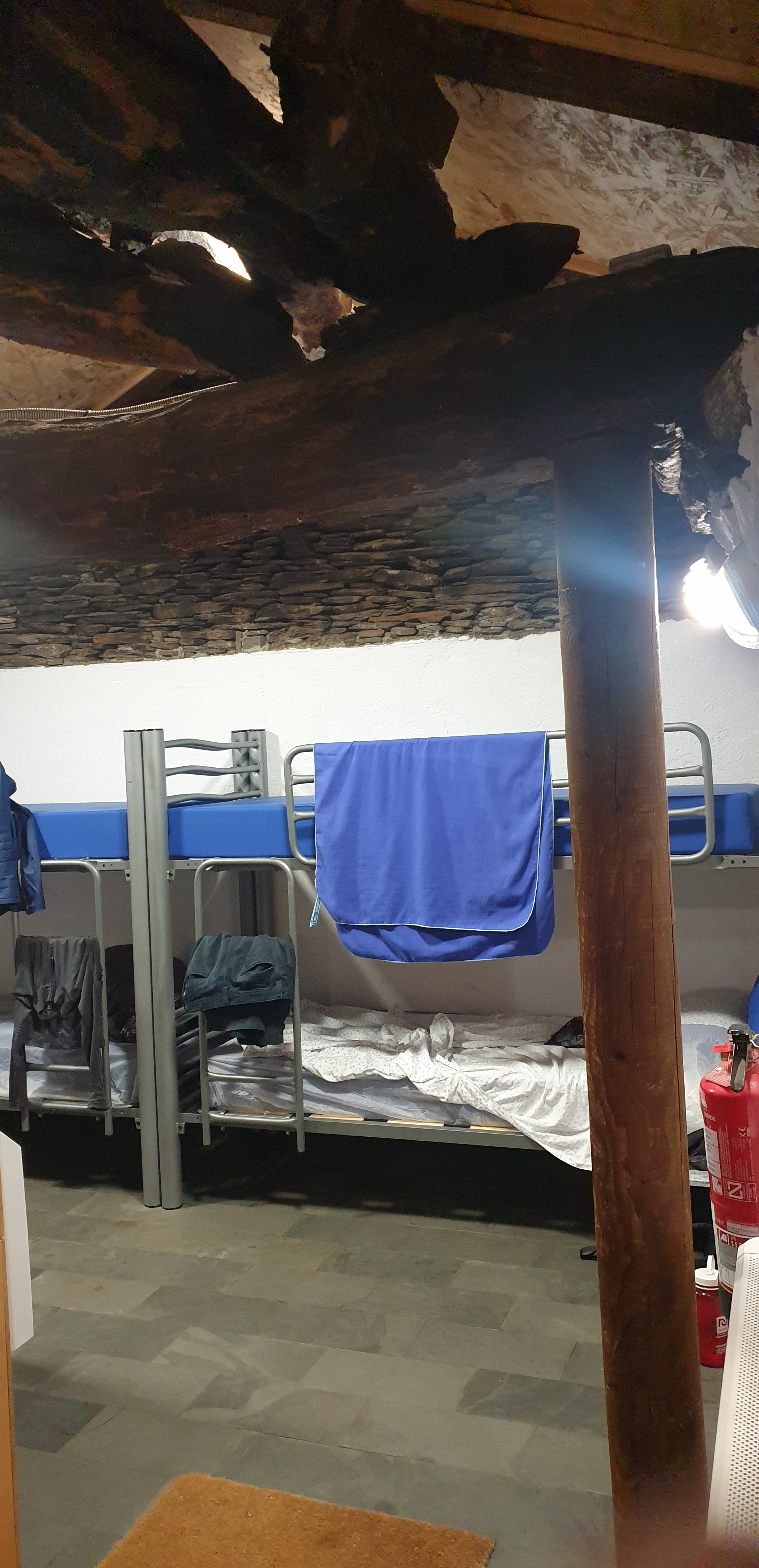
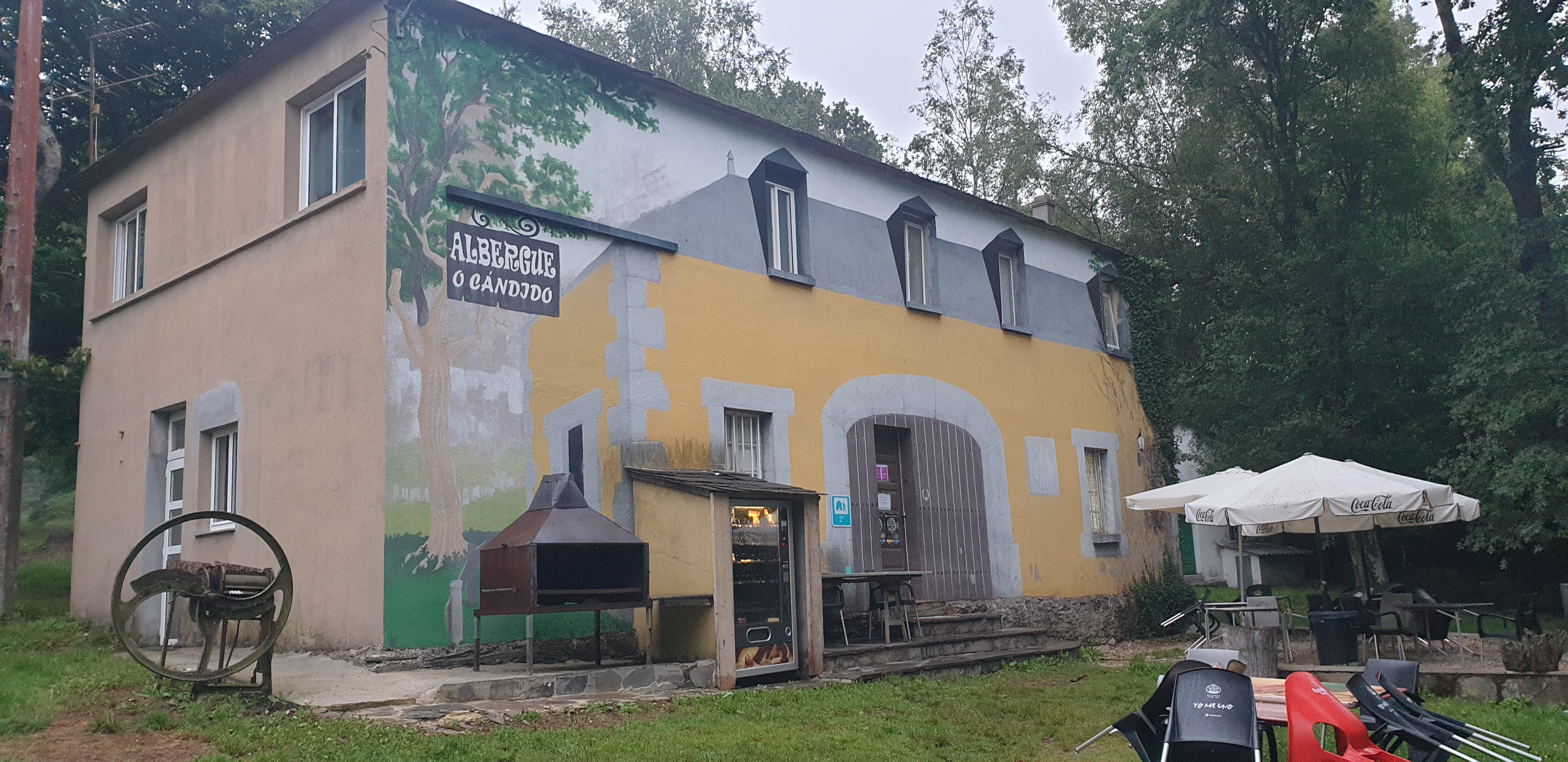
This might be the smallest albergue in the Xunta’s portfolio, only 12 beds! It is so small; the bathroom and showers are in a modern annexed outhouse! This albergue is literally in the middle of a forest but fortunately there is a great private albergue, O Candido across the trail. The exposed wooden beams in the ceiling really made this a rustic experience!

Boente – Albergue Boente (Private)

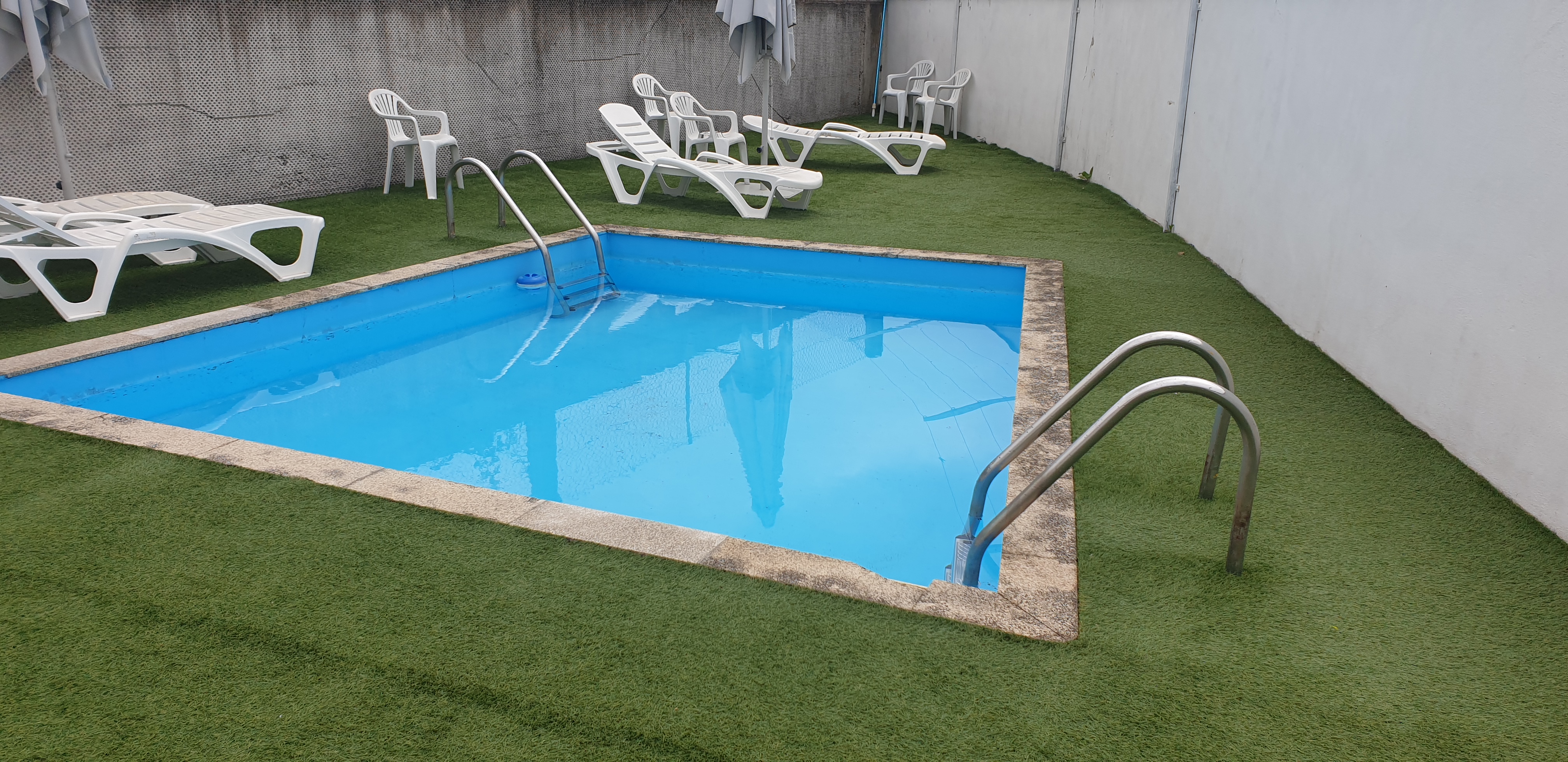
Once you merge into the last 100 km of the French Way, there are plenty of albergues. Pro tip: if you are a seasoned pilgrim doing more than the last 100km, try to stagger your stages so you only walk with the turistas for a few hours in the morning. What I mean by stagger is that you do not sleep in the main recommended end-of-stage towns. By doing this, you get a few quiet hours in the morning (the day trippers don’t get up early) and quiet afternoon. Boente is 6 km away from Melide, and it is far away enough that I had the albergue all to myself!! It also had a tiny, freezing pool where I had a quick dip to remove inflammation.

Monte do Gozo

This is the largest albergue in the Xunta’s portfolio, only 5 km to Santiago. It has 400 beds in a number of pavilions that are opened as needed. They only had one opened when I arrived, exhausted from a 42 km day. It is a Xunta albergue, so it is fairly standard and basic. Since the Monte do Gozo is a massive complex with an open-air auditorium, a private hostel concession, etc., there is a big industrial brewery where I had a great meal -and a beer! Before hitting Santiago the next morning!