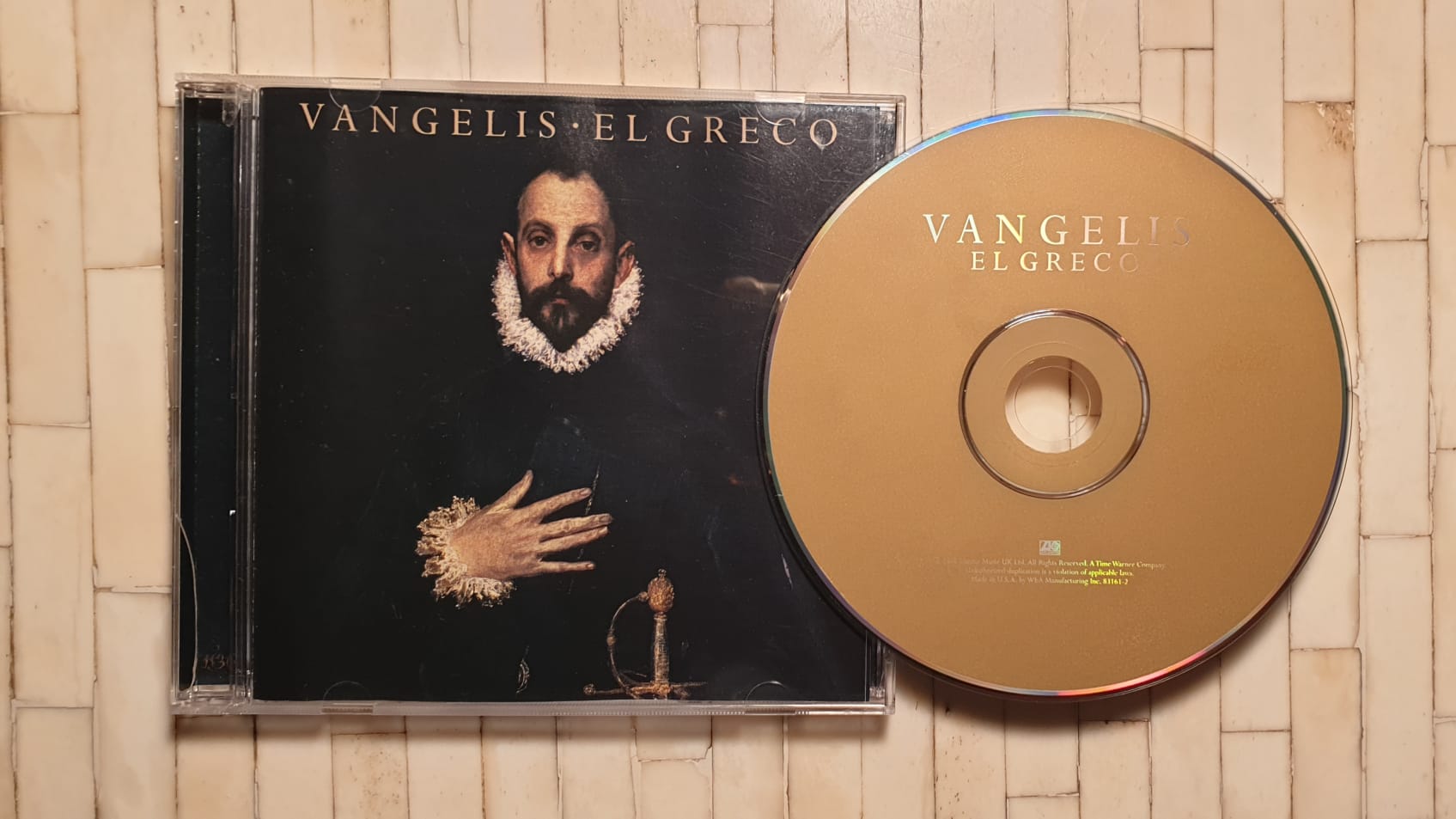
Vangelis – El Greco, and get ready to travel in time and space!

Yes, I enjoy listening to music beyond classical. I have written here about Gospel music and jazz, even pop. Every summer, I create a playlist of pop hits for my nephew and nieces, and I used to record a Jazz playlist for my dad every Christmas.

Occasionally, rarely, I will also listen to contemporary composers like Arvo Pärt. Thrifting the other day —one of my hobbies in this desolate suburbia— I found this CD by Vangelis. I had to give it a listen. While there are many electronic music composers, a few of them had their heyday in the 80s, like Jean Michelle Jarre, Kitaro, or Jean Luc Ponty, Vangelis is probably considered the most serious, possibly because he wrote the music for great films like Blade Runner, and of course, his most famous piece, the theme for Chariots of Fire.

In this record, Vangelis explores his fellow countryman, Domenikos Theotokopoulos, El Greco. Vangelis takes you back to Toledo during the transition from the Renaissance to the Baroque. With heavy, byzantine sounds, bells, and apparently simple layering, Vangelis manages to transport the listener to another city and another era, amazing!

The beauty of this album lies precisely in the journey, the long notes, the reminiscence of old instruments and melodies. When paired with the paintings of El Greco or the ancient narrow streets of Toledo, you become transfixed. You might be in bleak South Florida, but your soul and your senses are in 16th-century Toledo.

Stuff I struggle with: Posthumanism (and Transhumanism)

We recently explored AI for our Film Club theme, watching Fritz Lang’s seminal Metropolis (1927), Ridley Scott’s already classic Blade Runner, the more modern Her (2013) with the great Joaquin Phoenix, Scarlett Johansson’s voice, and finally Ex Machina (2014).

The main discussion, besides the fact that the common thread was that everybody wants to have sex with the robot, was the whole Posthumanism debate. This is something I have been pondering for a few years, specifically since I met Professor Francesca Ferrando, a leading voice in the field of Posthumanism, at a conference in 2024.

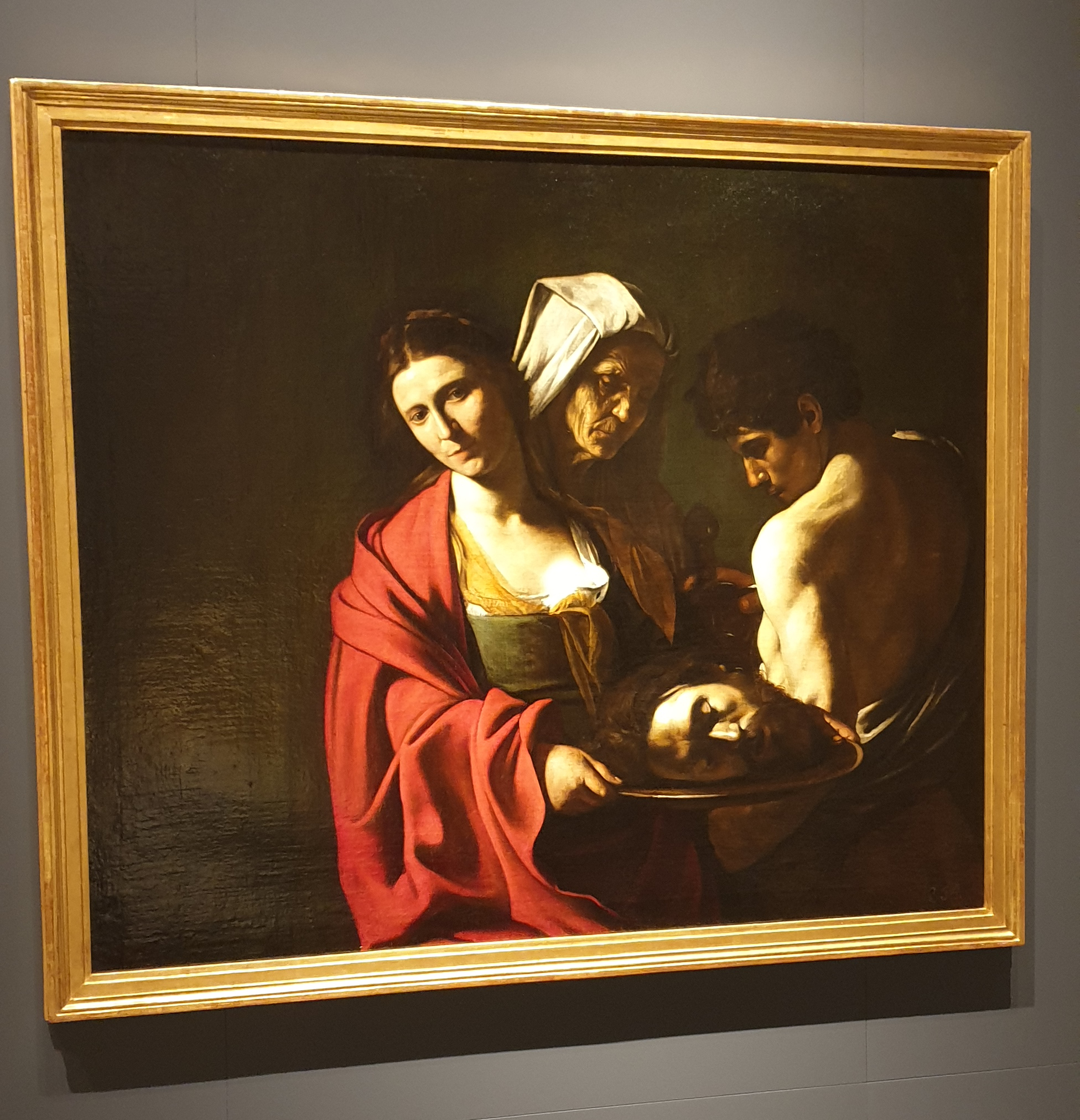
My main concern is the paradox, or rather, the oxymoron, of Humanism in a Posthuman world. I discussed this in relation to AI and Caravaggio here. This brings me full circle back to our original observation in Film Club that all our films boil down to Humanism.

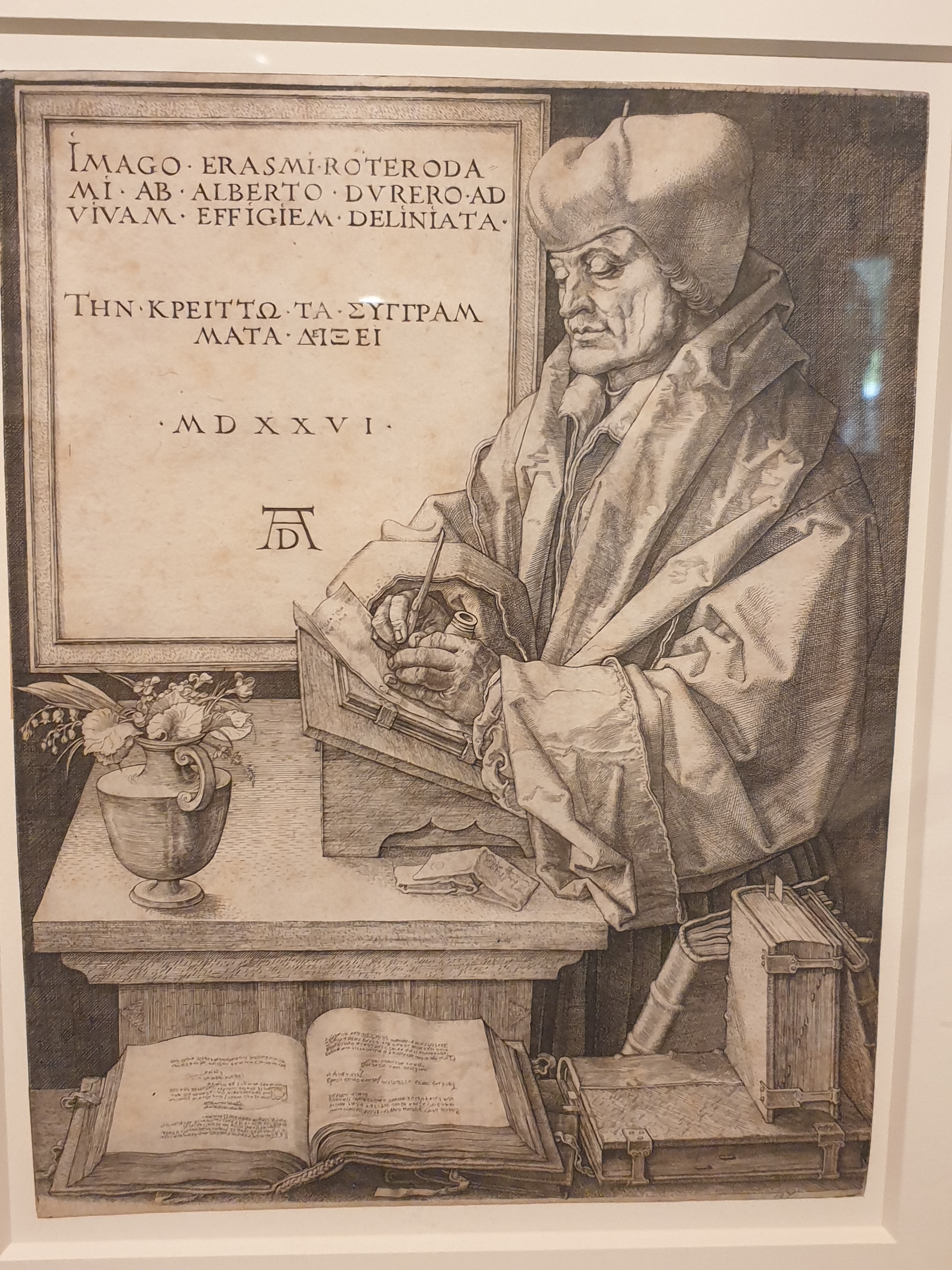
I am obviously oversimplifying here, but the basic premise of Posthumanism is that humans coexist with non-humans to the point where humans are no longer the driving force on the planet, as it is overtaken by technology and ecology. The tricky bit is how do you define co-exist, and how to define non-human. Maybe, as a Humanist, I struggle with the labeling. Posthumanism just seems too apocalyptic, too alarmist. I know I should worry, but this made me think about the concept of Humanism, which was only made up, as a label, in the 19th century. Greek writers and philosophers did not realize they were humanists; they were just doing their thing. Even Renaissance humanists like Erasmus, Luis Vives, or Dante did not consider themselves humanists. Of course, the word Humanitas and the study of it existed, but the folks who studied it did not call themselves Humanists.

In conclusion, and I realize I am only —at best— scratching the surface of this argument, there is only Humanism, everything else is academic labels (which I wish I had invented: Posthuman, or Transhuman, and then written a book about).

A morning in Toledo.

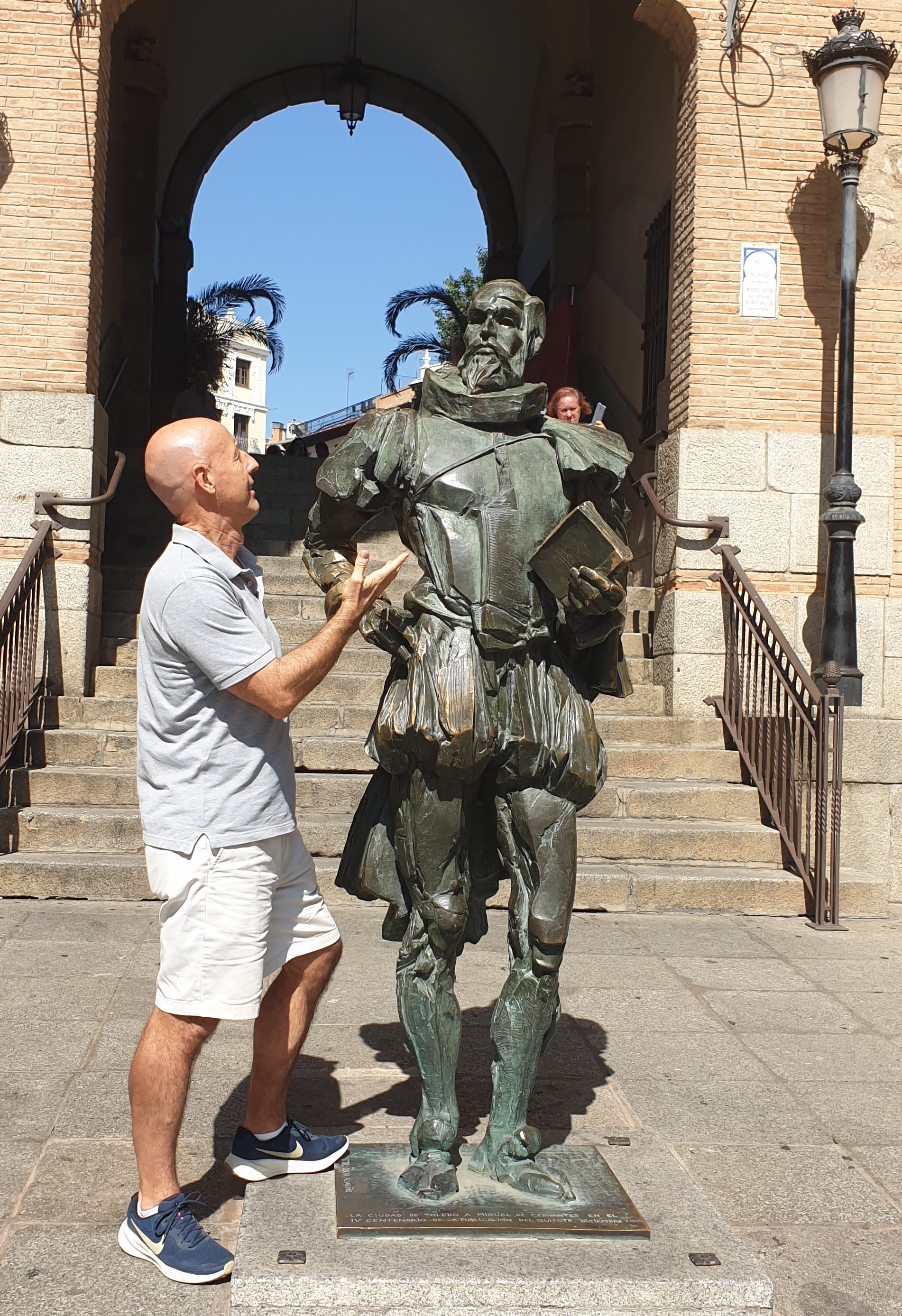
Since we had gone to the Puy de Fou night show the evening before, and the theme park does not open until noon, Celia and I recently found ourselves with time to kill in Toledo on a Saturday morning.

Our first stop was the Santa Fe Roberto Polo collection, which hosts the Centro de Arte Moderno y Contemporáneo de Castilla-La Mancha. This is a huge ancient church complex featuring Roman ruins, gorgeous, intricate ceiling paneling, and a beautifully delicate chapel, which is mixed with ridiculous modern art pieces that only add to the beauty of the old pieces and underscore the stupidity of the modern ones.

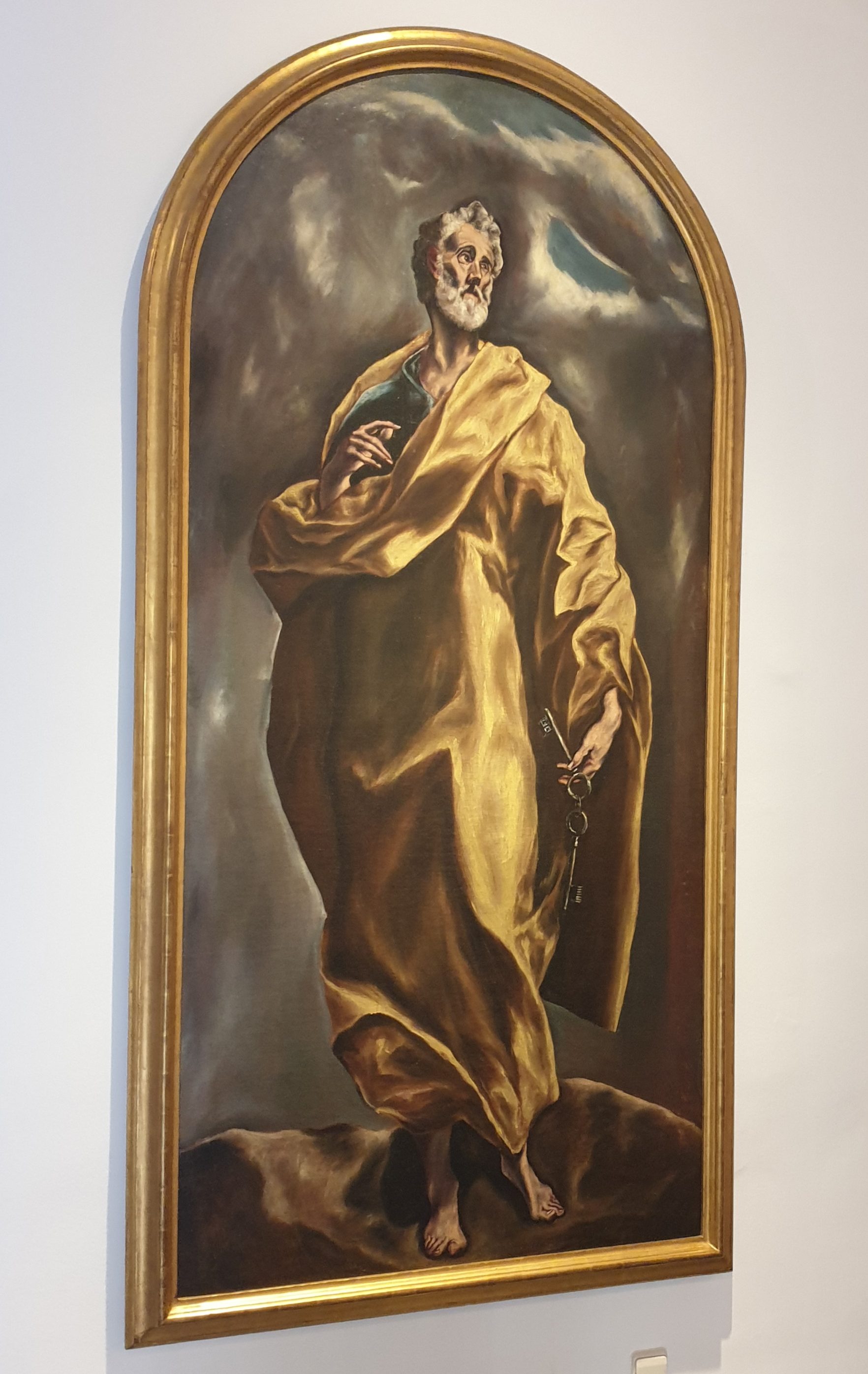
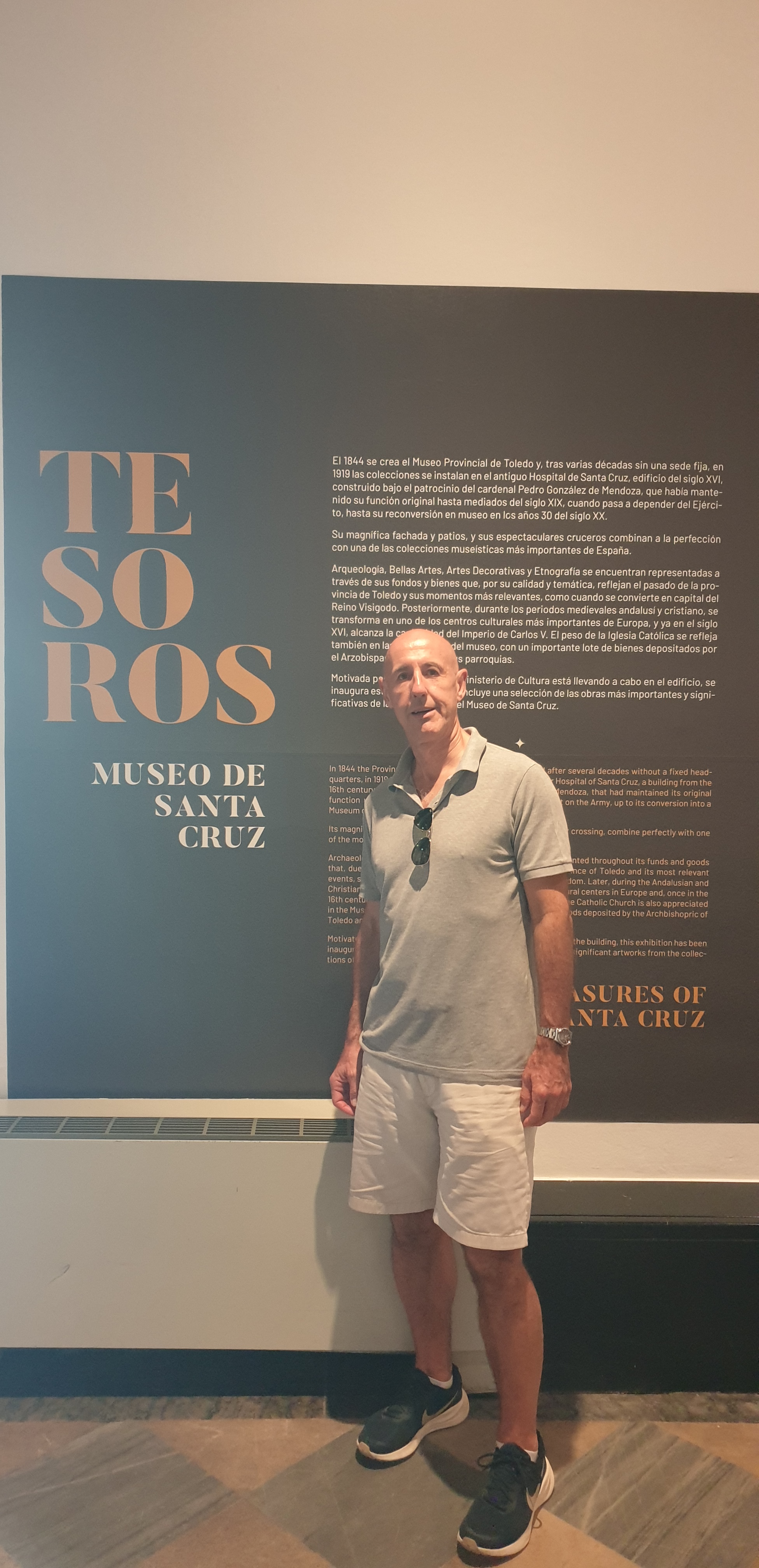
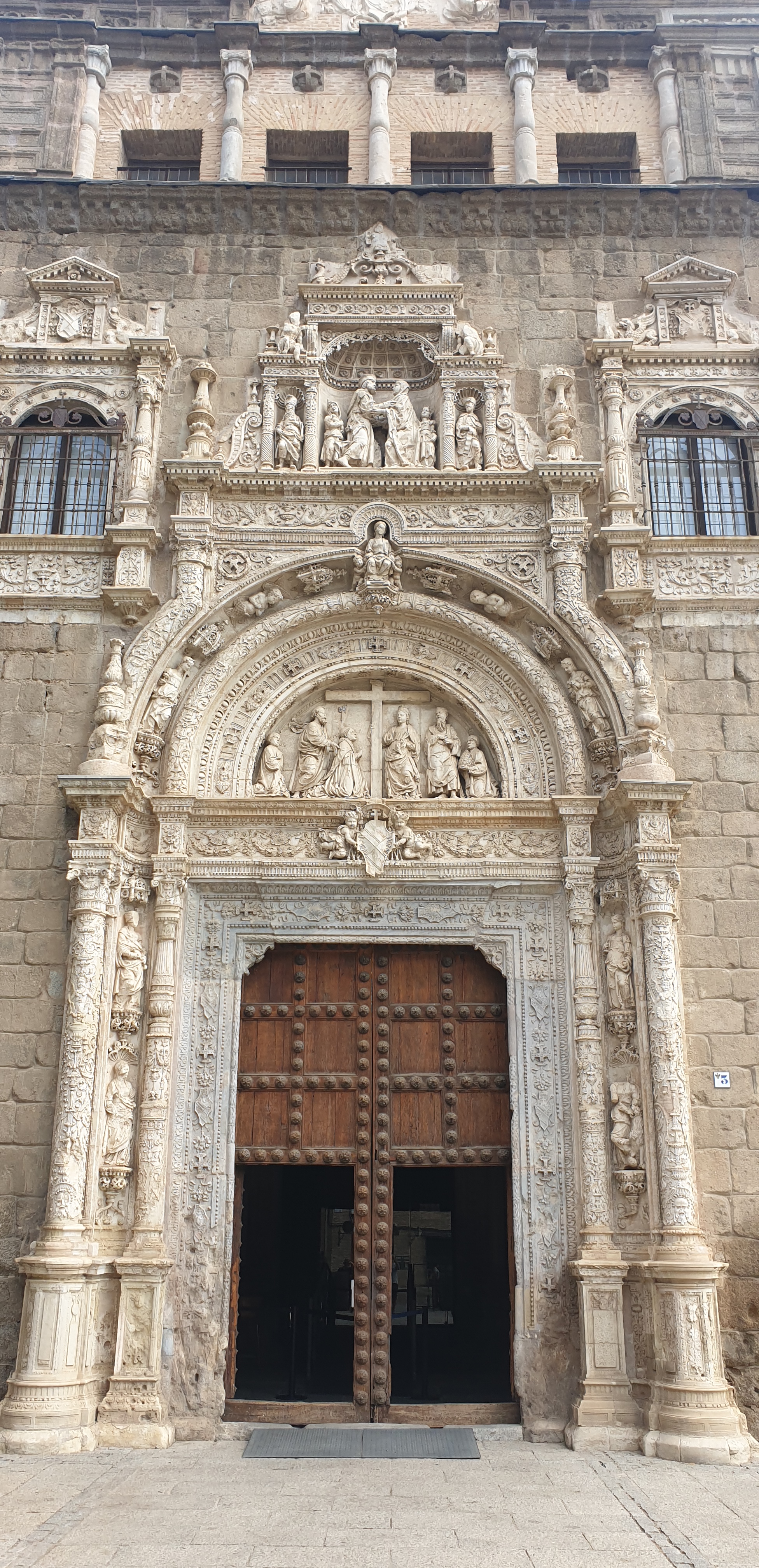
From there, we turned the corner to the Santa Cruz Museum, an astonishing Renaissance structure that once housed the late medieval Children’s Hospital. To our surprise, there was a phenomenal exhibit of fairly random pieces, including a feared pre-Roman falcata sword. But the real star of that exhibit was an El Greco painting of St. Peter, where I had a bit of a Stendhal moment —amazing!

From there, we had time to walk across Zocodover Square, almost down to the Cathedral, before turning up on Trinidad Street to the Capilla de la Inmaculada Concepción for a moment of quiet contemplation and meditation (did you know that you should be meditating?). This chapel has perpetual adoration, which means that it is open 24/7 for people to pray. It is a quiet oasis in the tourist frenzy that is Toledo.

After that, we had to get back to the car to head out to Puy de Fou for a hot, blistering day of fun. You can read about that here.

The amount of mind-blowing, beautiful, culturally enriching things you can do in Toledo is almost limitless. That Saturday, that is what we came up with.

Paolo Veronese at the Prado Museum

Back in a previous lifetime, I used to collaborate with a polymer extrusion company (sexy, I know) located just outside Florence. For work purposes, of course, I used to visit them every year, spending a week in Florence. Because of this, I am quite familiar with the Florentine Renaissance and less so, I must admit, the Venetian Renaissance.

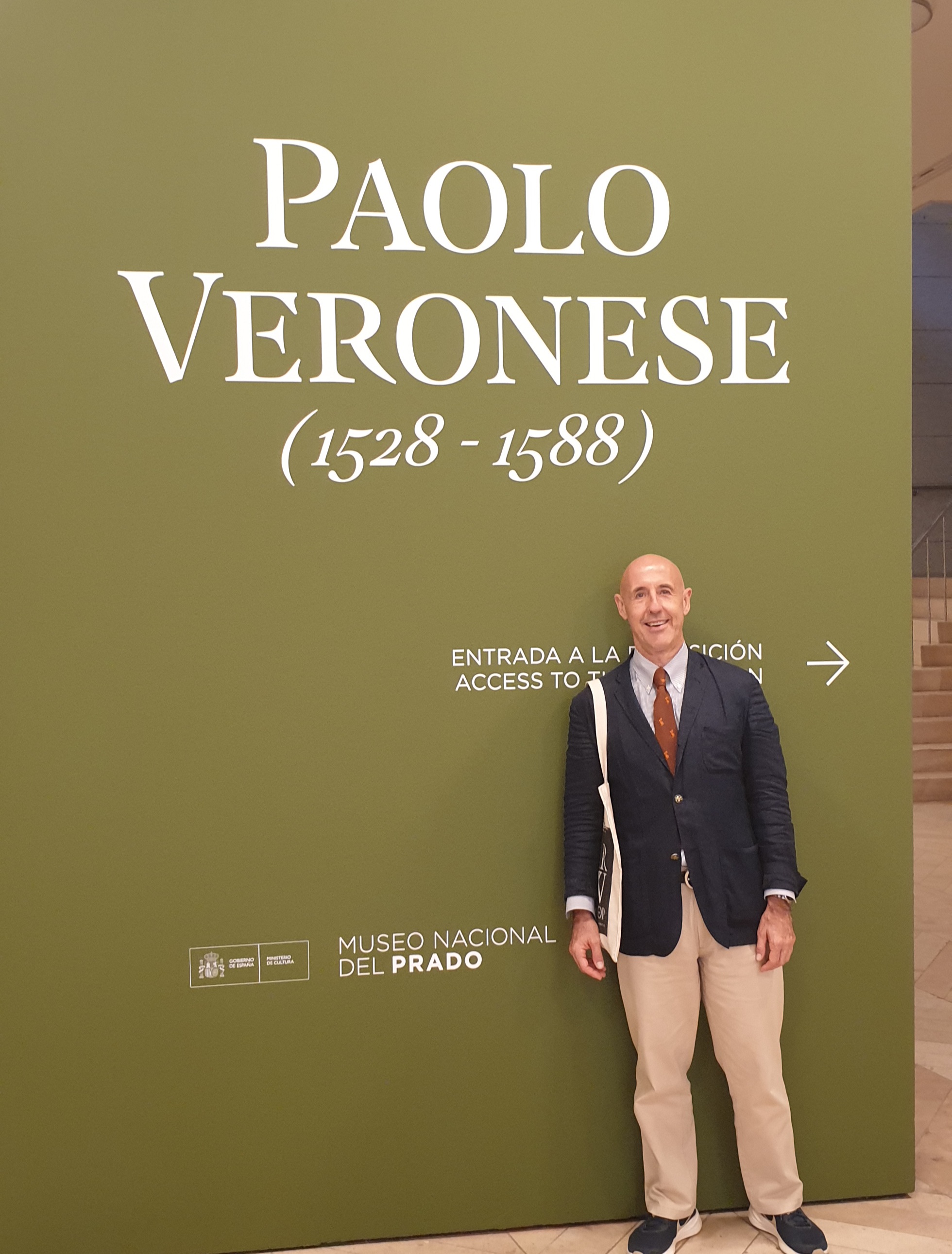
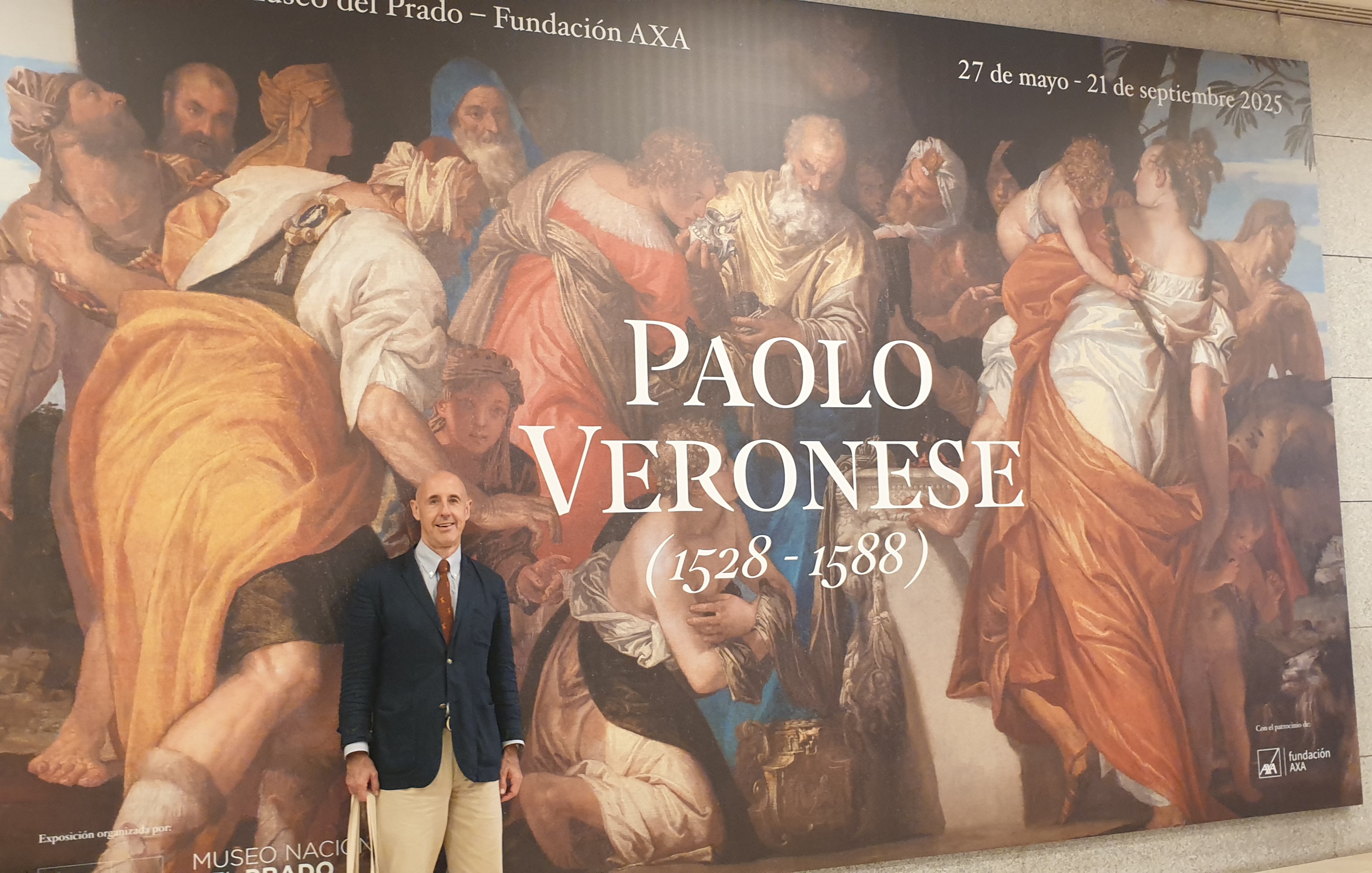
Fortunately, I recently had the opportunity to (partly) fix this by going with my sister to an amazing Paolo Veronese (1528-1588) exhibit at the Prado.

I was blown away!! There are over a hundred paintings from the Louvre, the Metropolitan Museum, the National Gallery in London, the Galleria degli Uffizi, the Kunsthistorisches Museum of Vienna, and, of course, the Prado.

When you mention the Renaissance, the first thing you think of, in painting, is perspective, depth; this is something Veronese has mastered. More importantly, I found the details, and even more importantly, the narrative capacity of the paintings —the ability to tell a story, really special. From a technical or art history perspective, the Renaissance started in Florence, giving them the edge, but Venice soon countered with brighter colors, as a young El Greco would learn. However, all this makes little difference, for a non-specialist like me, I just freaked out at the beauty.

This being the Renaissance, most paintings are of Biblical or Greek mythology stories, making it relatively easy to situate oneself.

So if you are in Madrid until September 29, see the Veronese exhibit at the Prado. You are welcome.

Spanish Baroque in Boca Raton

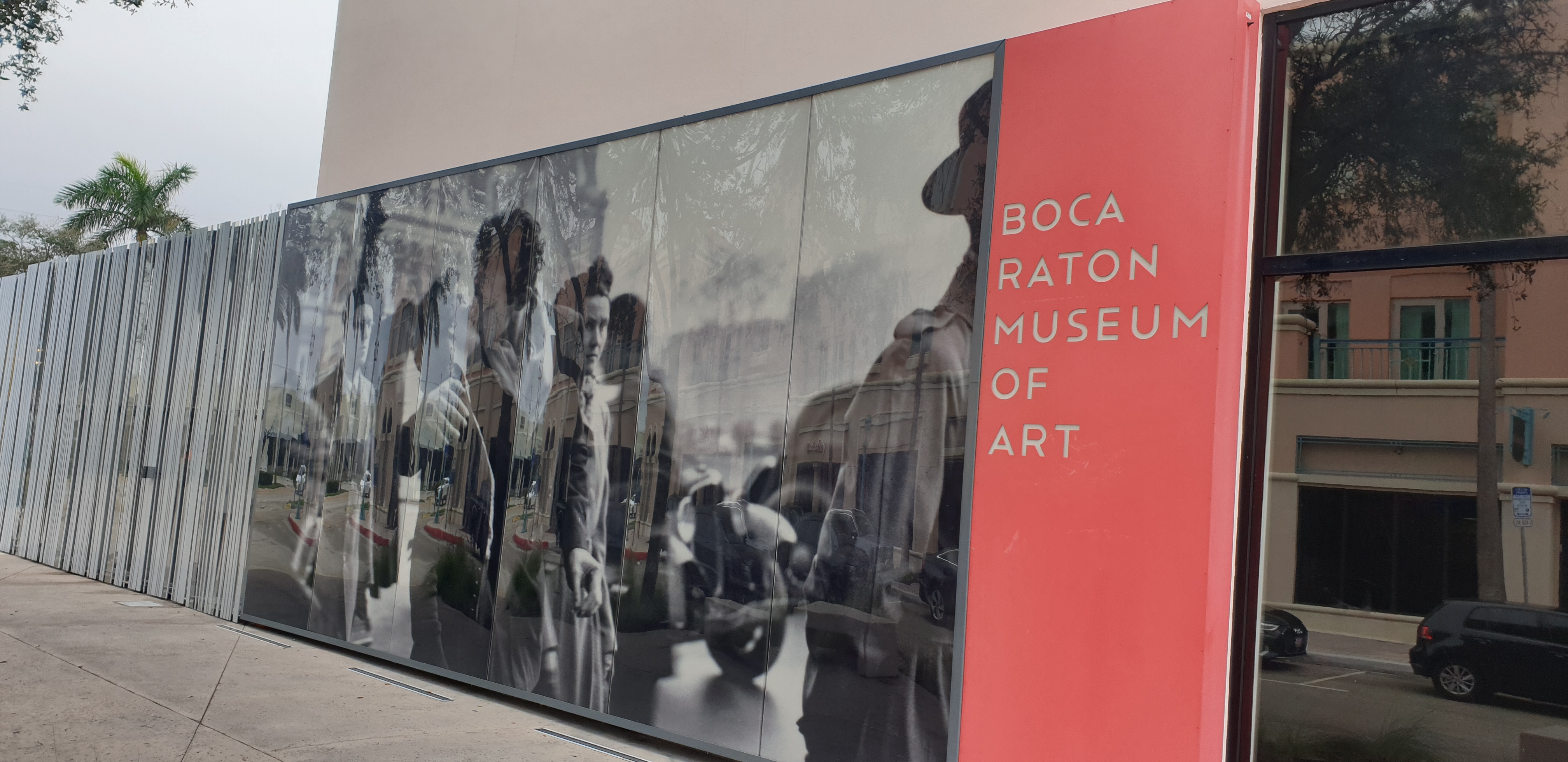
As soon as I found out that the Boca Raton Museum of Art had an exhibit about the Spanish Baroque, I booked a visit for my classes and then went to check it out for myself.

The paintings are courtesy of the Hispanic Society of America in New York, which has organized this exhibit, and which will then travel to a couple more cities.

Splendor and Passion: Baroque Spain and Its Empire is a small but very good-quality exhibit. You are welcomed by a local artist’s interpretation of Velazquez’s Meninas, and then you enter to discover paintings by the real Velazquez, Murillo, and el Greco (whom I would put more into late Renaissance than Baroque, but I am nitpicking). If you love the chiaroscuro, if you love Baroque art, this one is for you!

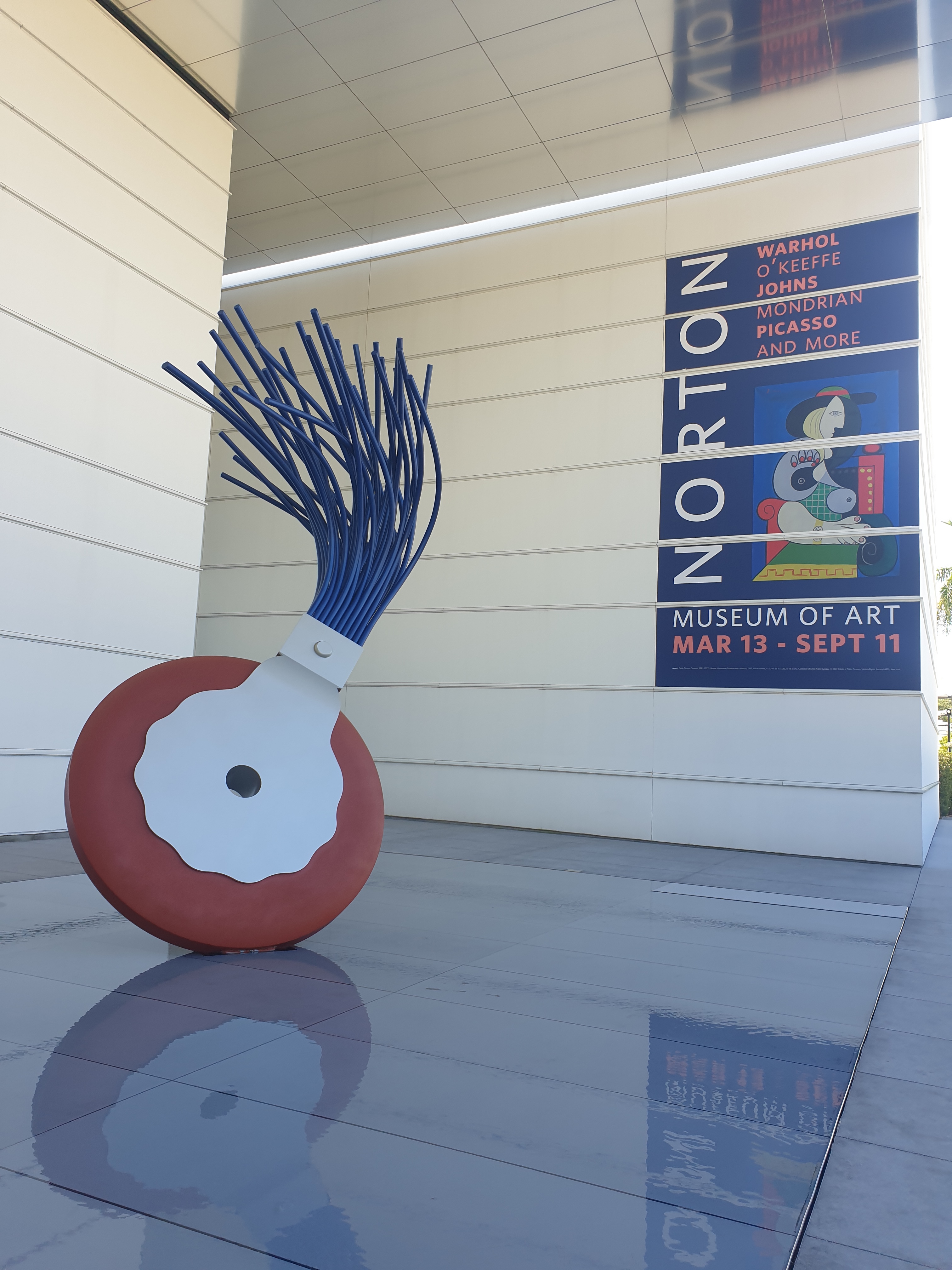
The Boca Raton is a fairly small museum, with most of the collection being 20th C art. But since you are already there, you might as well check it out.

So, if you are in this suburban wasteland that is South Florida, and you need a little injection of beauty, art, and culture, head over to the Boca Raton Museum of Art. You are welcome.

Authors (and characters) as adjectives a quiz, Niccolo Machiavelli a conference, revisiting the Renaissance

Match the author -or character (extra credit)- to the adjective (answers below)

  1. Kafkaesque     A. In which political expediency is placed above morality, and craft and deceit areused to maintain the authority and carry out the policies of a ruler.

2. Nietzschean    B. As a striving toward love of spiritual or ideal beauty.

3. Platonic           C. Emphasizing the will to power as the chief motivating force of both the individual and society.

4. Orwellian        D. Extravagantly chivalrous or romantic; visionary, impractical, or impracticable.

5. Machiavellian E. Describing a fictional world teeming with characters from all walks of life and social strata.

6. Quixotic          F. Sacrificing spiritual values for power, knowledge, or material gain.

7. Faustian          G. Marked by a senseless, disorienting, often menacing complexity.

8. Dickensian      H. The totalitarian future described in his antiutopian novel 1984.

Fairly easy and short right? The reason is that very few authors -and even fewer characters- have reached the level of having their name become adjectives.

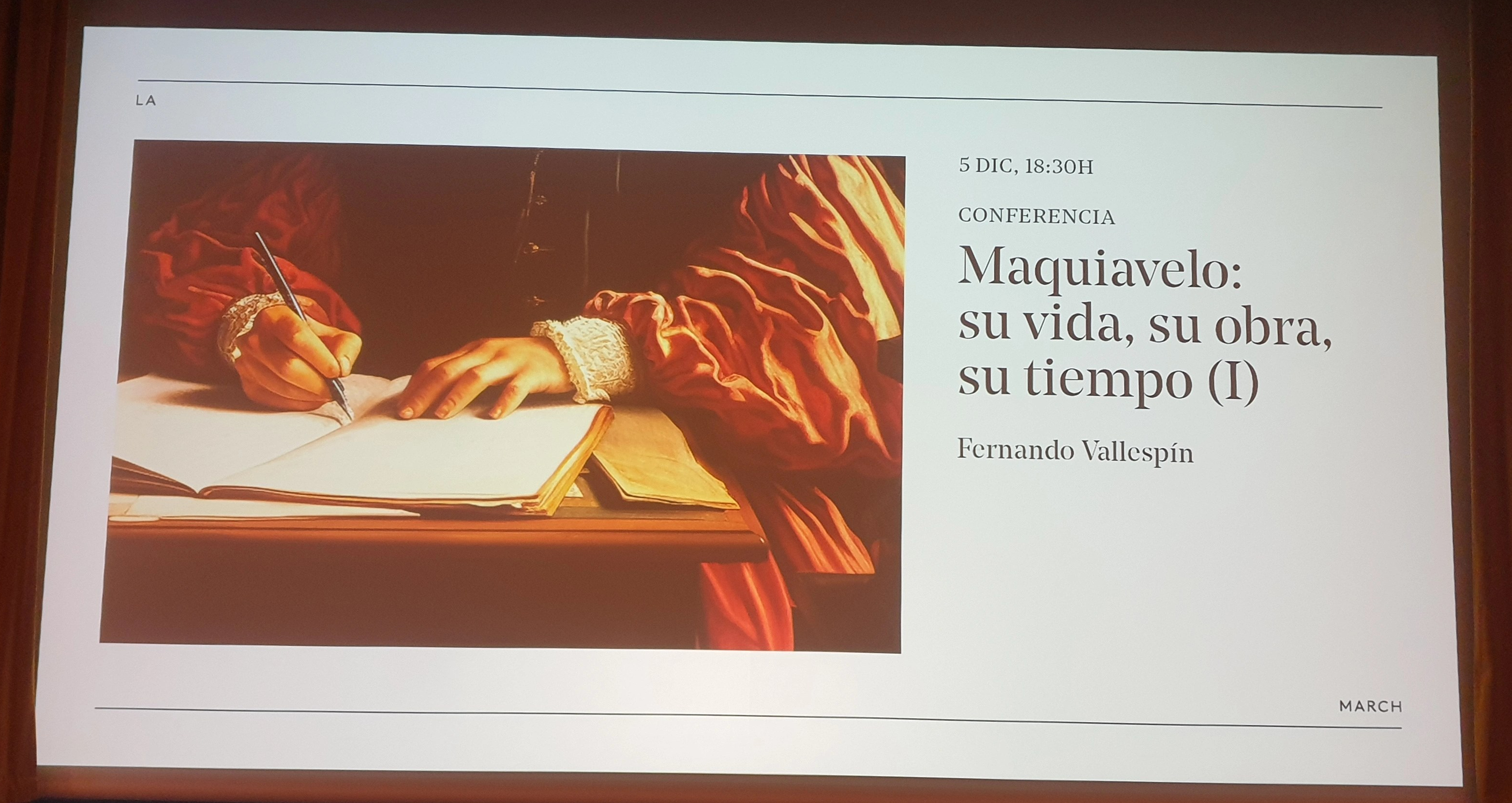
Although I am not a Renaissance specialist, I recently went to a fantastic conference on Machiavelli given by professor of Political Science at the Autonomous University of Madrid Fernando Vallespín at the fantastic Fundación Juan March.

Professor Vallespin was amazing, and his presentation was equally interesting. He obviously referenced the growing wave of Humanism that sparked and propelled the Renaissance, he commented on Giovanni Pico della Mirandola (1463–1494), he recommended Stephen Greenblat’s The Swerve, and he put Machiavelli in the context of his era. I had not read The Prince since high school back in the Pleistocene; so, it was very refreshing to re-visit Machiavelli. I remembered my Medieval Literature professor, the great Frank Dominguez mention that The Prince was written for king Ferdinand of Aragon whom Machiavelli admired. I wanted to ask Prof. Vallespin about that, but he did not stick around for Q and A…

If you are in Madrid, check out the conference cycles at the March, you will not regret it!

Answers:

1.         Kafkaesque     G. Marked by a senseless, disorienting, often menacing complexity.

2.         Nietzschean    C. Emphasizing the will to power as the chief motivating force of both the individual and society.

3.         Platonic           B. As a striving toward love of spiritual or ideal beauty.

4.         Orwellian        H. The totalitarian future described in his antiutopian novel 1984.

5.         Machiavellian A. in which political expediency is placed above morality, and craft and deceit are used to maintain the authority and carry out the policies of a ruler.

6.         Quixotic          D. Extravagantly chivalrous or romantic; visionary, impractical, or impracticable.

7.         Faustian          F. Sacrificing spiritual values for power, knowledge, or material gain.

8.         Dickensian      E. Describing a fictional world teeming with characters from all walks of life and social strata.

*All definitions from Dictionary.com with thanks
A very special visit to Toledo

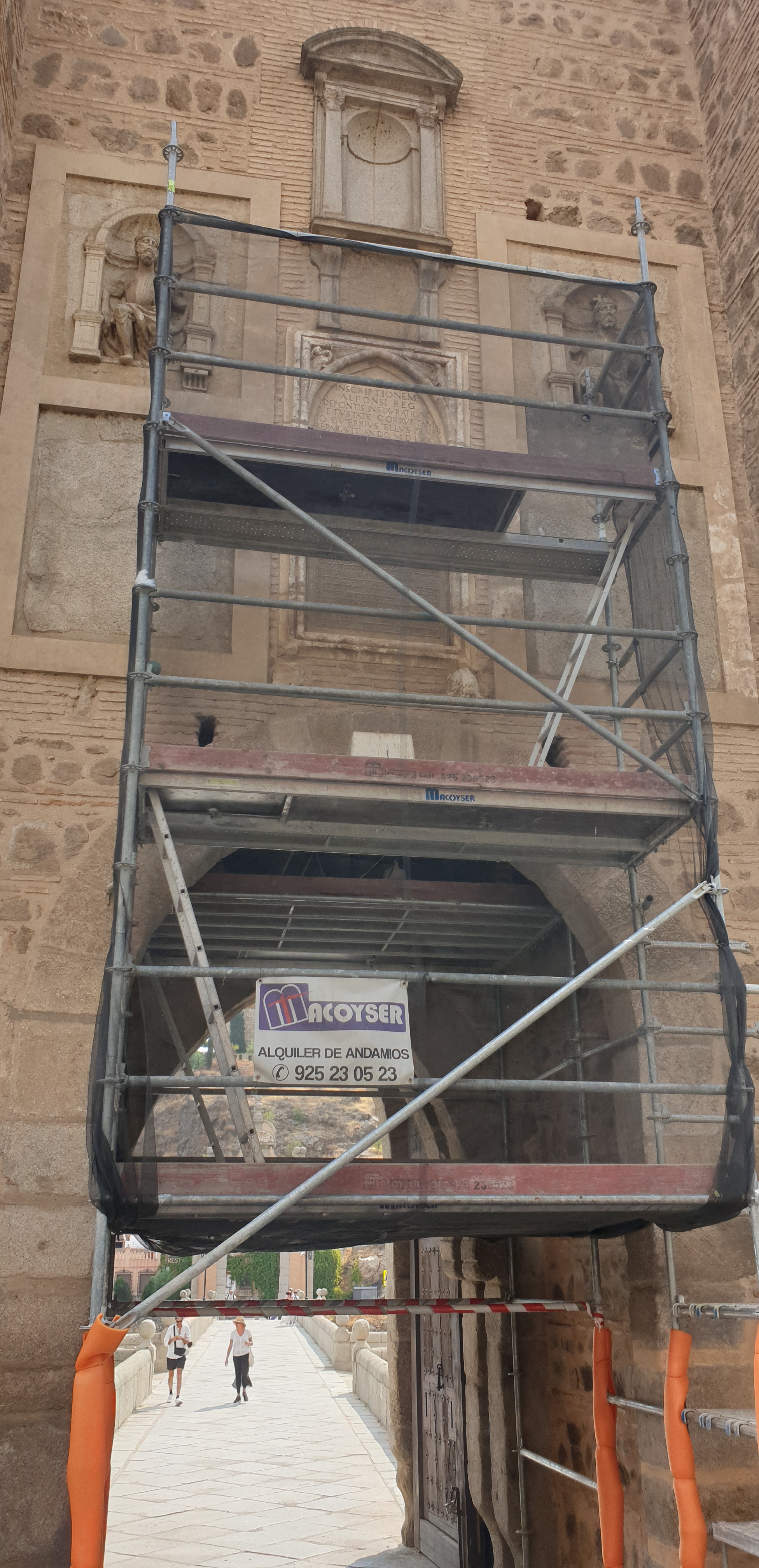
One of my dearest childhood friends is a top art and antiquities restorer (I have mentioned him before here). This year he invited me to spend the day with him in Toledo where he had to supervise the restoration of a bridge his company is working on. Little did I know that the bridge was just the opening act of the day:

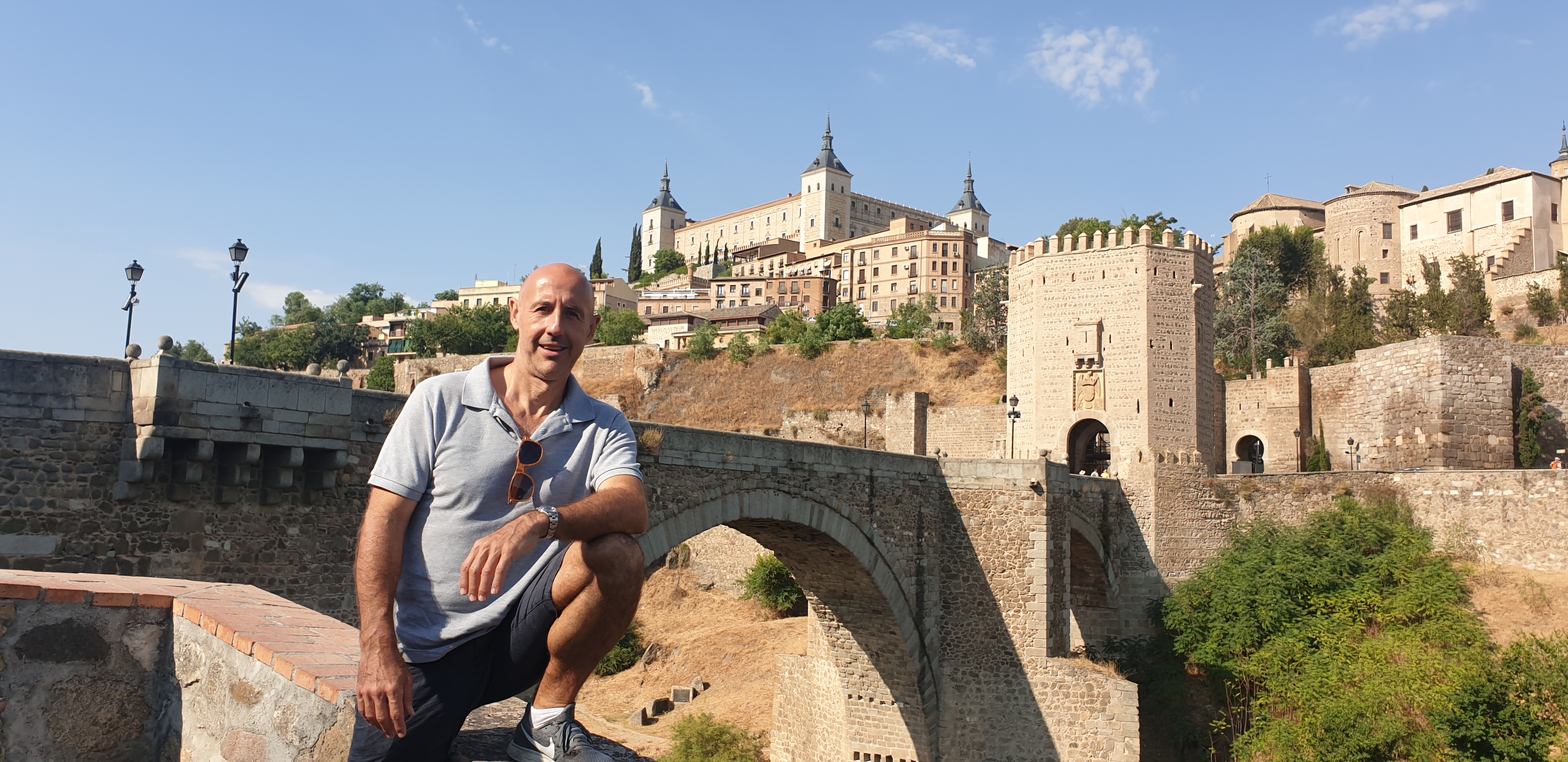
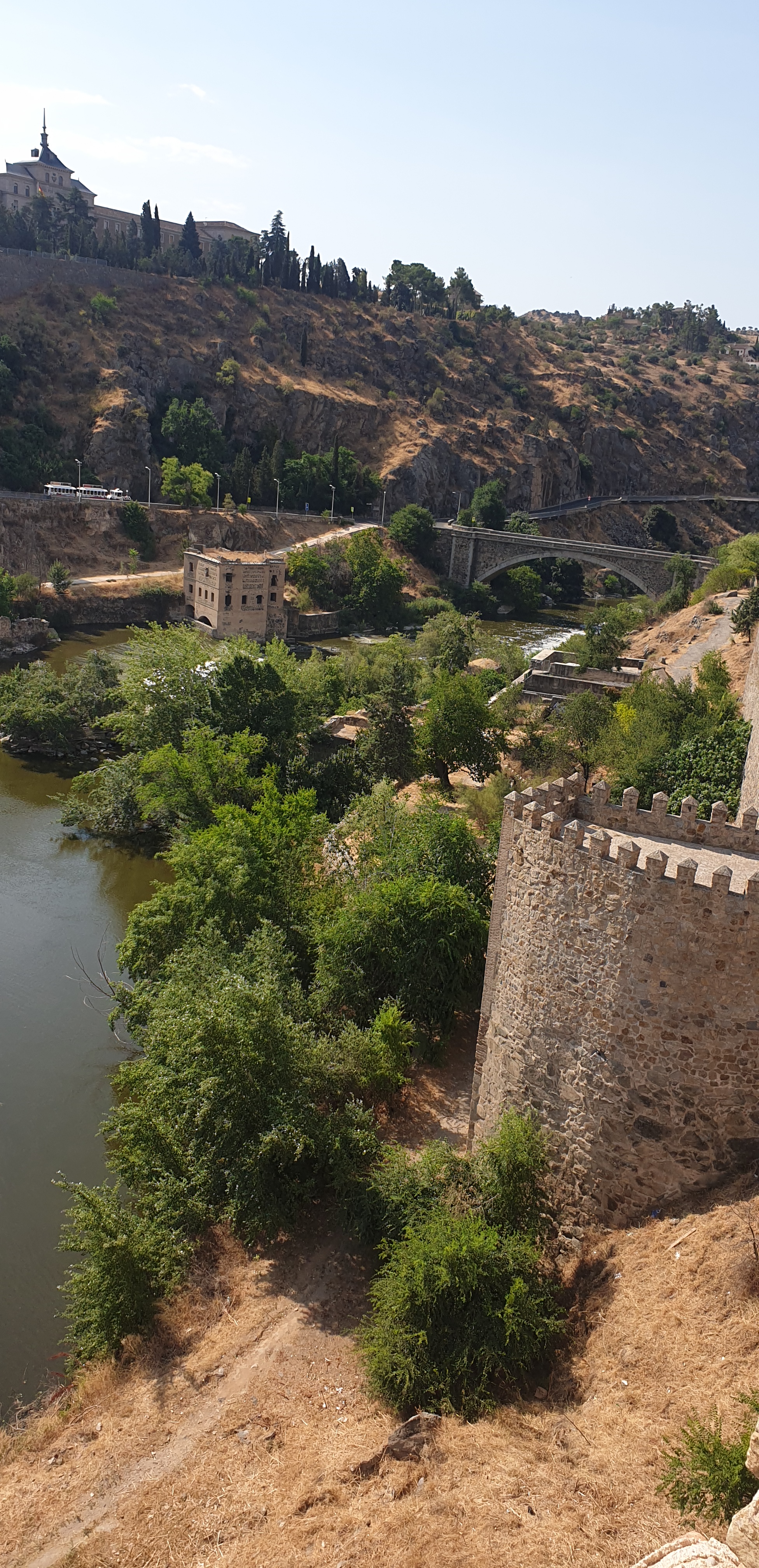
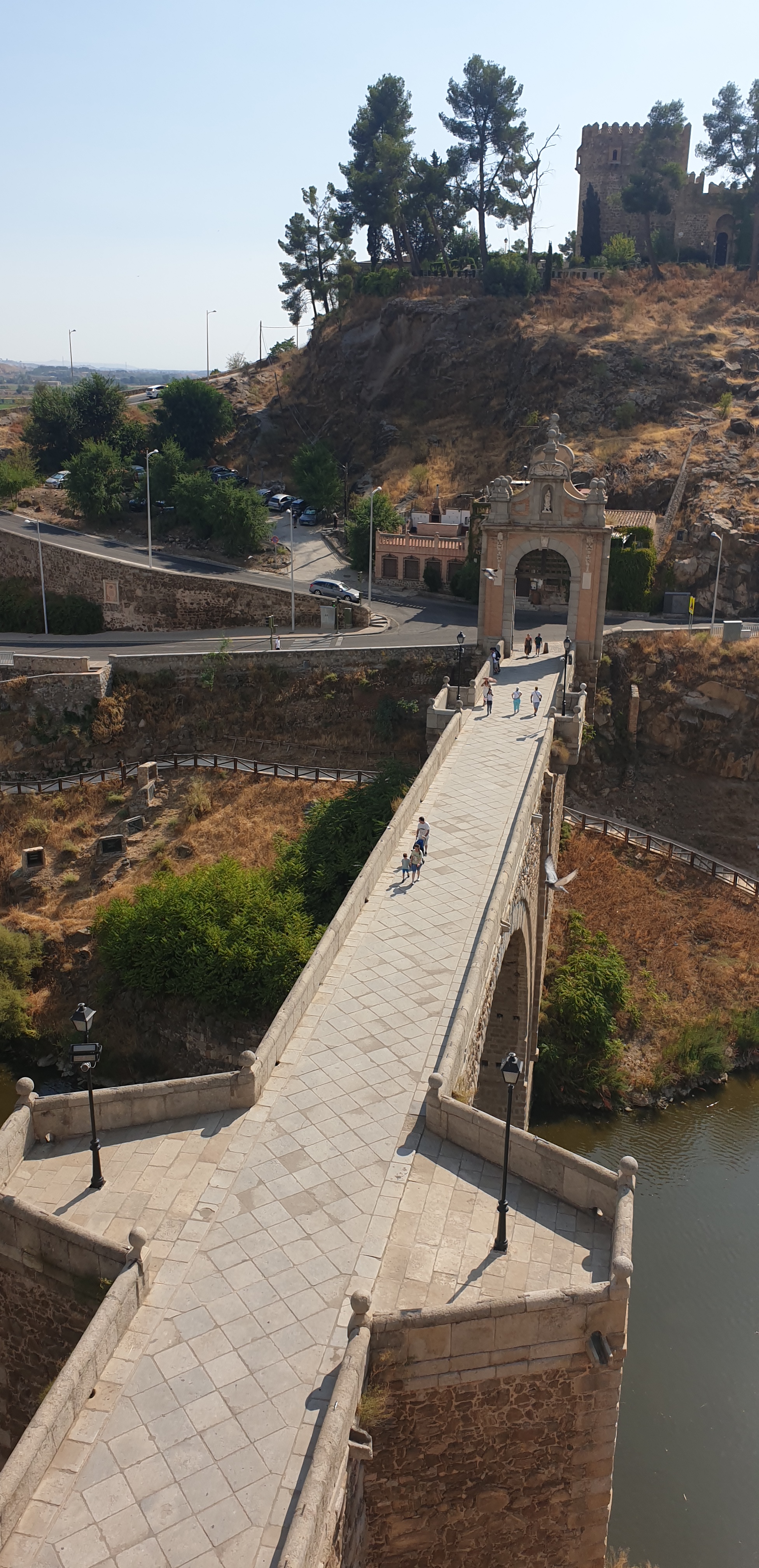
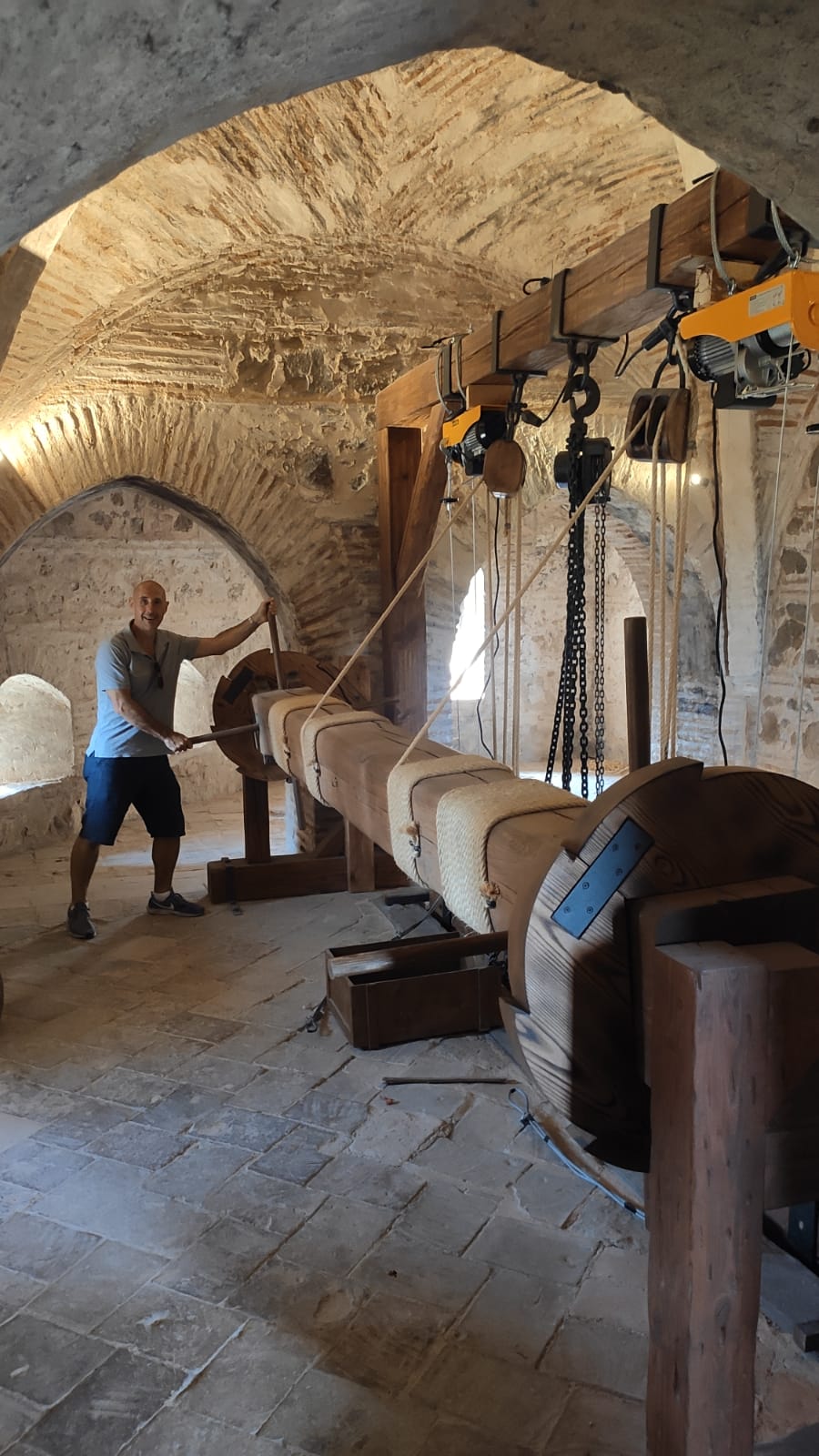
Our first stop was the bridge Tracer is restoring. The Puente de Alcántara started life as a Roman bridge before going through different modifications and updates. The medieval Order of Alcántara fortified it and protected it, giving it its current name -which is ironic since alcántara is bridge in ancient Arabic, so the bridge of bridge! Jaime’s company is working on the medieval tower, their work is impressive, but what really struck me was the formidable views from the top of the towers.

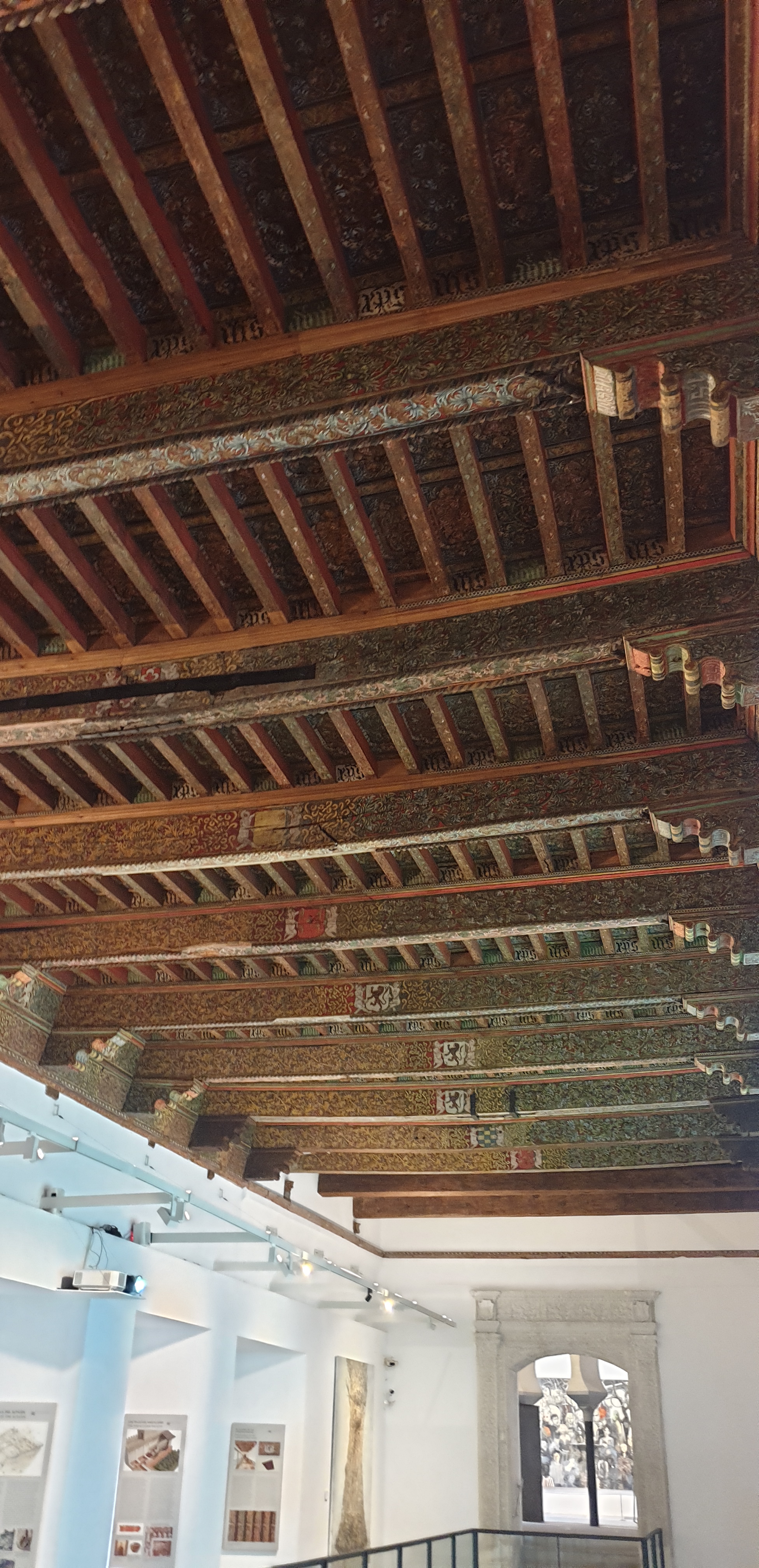
From there Jaime showed me a couple of churches -side by side- he worked on years ago: Santa Fé and Santa Cruz. In them we saw intricate Moorish arches, a beautiful, coffered ceiling, gorgeous renaissance entryways and staircases, a vaulted medieval ceiling, on and on, oh and some silly modern art that really showcases ancient workmanship!

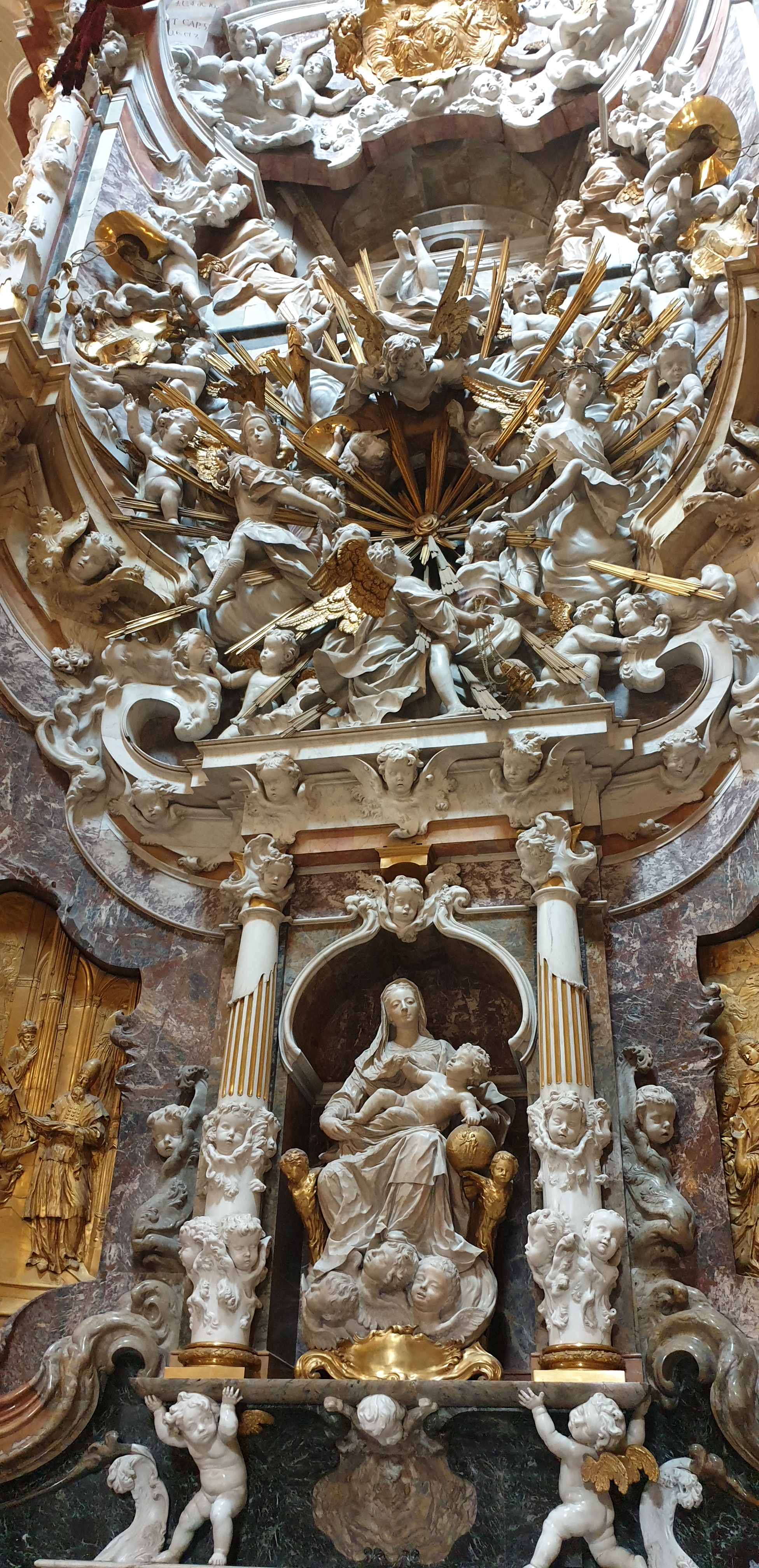
But Jaime’s ace up his sleeve, his piece the resistance was taking me to the Cathedral where his old friend Jesús, the head of maintenance, gave us a very private and incredibly special tour.

Now, I have been to the Cathedral of Toledo a bunch of times, I have shown it to student groups, visiting friends, I even took some photos there for my dear professor Dominguez a few years ago. But this was beyond my wildest expectations, we barely stopped at the “regular” stuff other than for Jesús to point out some unique feature of whatever it was we were looking at.

We started by taking the elevator (the first one installed in Toledo) to the second floor of the Cathedral’s cloister, there we saw queen Isabella’s apartments, some excellent views, and we learned about the two falcons they have just adopted to deal with the pigeon issue.

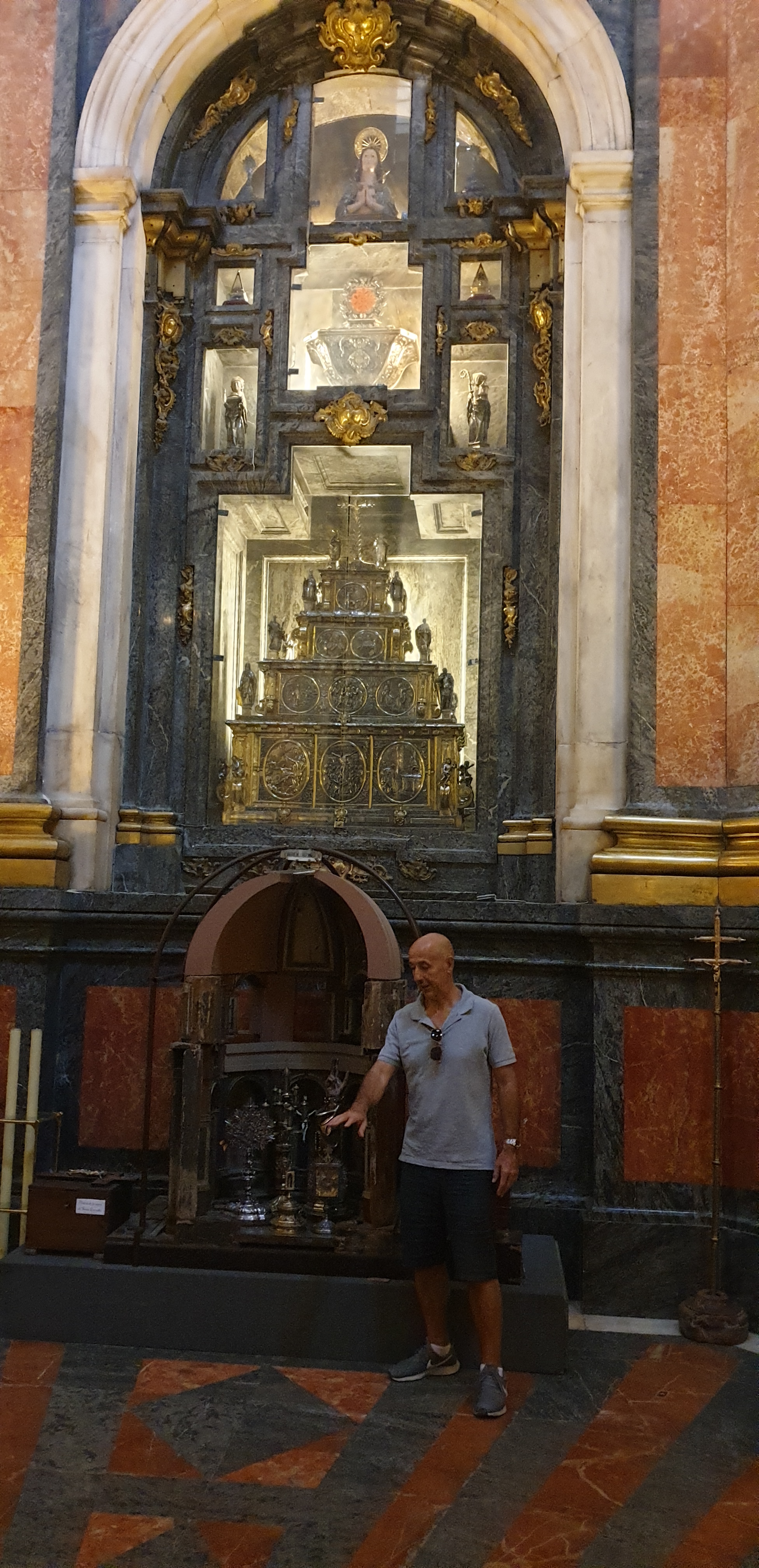
Then we walked around the cathedral with Jesús pointing out this and that, until we went into a “secret” room hidden behind an iron gate and a velvet curtain, then another iron gate to the Cathedral’s reliquary! I must confess this moment was really moving for me, mainly because I was not expecting such a room, with such a treasure inside, it was beautiful and amazing, my hands were trembling!

We ambled a bit more, checking out the image of “Lust” which I had photographed years ago for Prof. Dominguez, and the 18th C. “Transparente”.

After our visit, we walked around town a bit and we had lunch where Jaime used to eat when he was working there, but after the Cathedral, it was all a blur for me.

Vizcaya Museum and Gardens

The phenomenon of old mansions becoming museums is not a new one. A rich sod builds an incredible mansion and at some point, subsequent generations cannot afford the massive maintenance required and taxes imposed, so they sell it to a foundation or to the government who -if it is good enough- turn it into a museum, or the family turns it into a private museum and on top of that rent it for events, etc. This is the case of the Vizcaya Museum and Gardens in Miami. What is rare in this case is that there are very few historic homes in Florida. Rich folks like to hang out together so they can talk about their toys, so Newport Rhode Island, or New York’s Upper East Side or the North Shore of Long Island, remember The Great Gatsby? has a higher concentration of mansions or palazzos, as the Italians call them- than all of Florida put together. There are a number of reasons for this: First, the so called “robber barons” built their fortunes -and consequently their extravagant homes- in the 19th Century, but Southern Florida did not get a railroad until the 1920s. So you could say Florida missed the train. Other factors are the terrible weather, hurricanes, and humidity which would discourage most people from building down here.

An adventurous visionary was James Deering, heir to the International Harvester fortune who purchased a massive plot in Coconut Grove, South of Miami. Together with his artist/designer friend Paul Chalfin they traveled through Europe and Egypt buying everything they liked, and then built Villa Vizcaya to house everything.

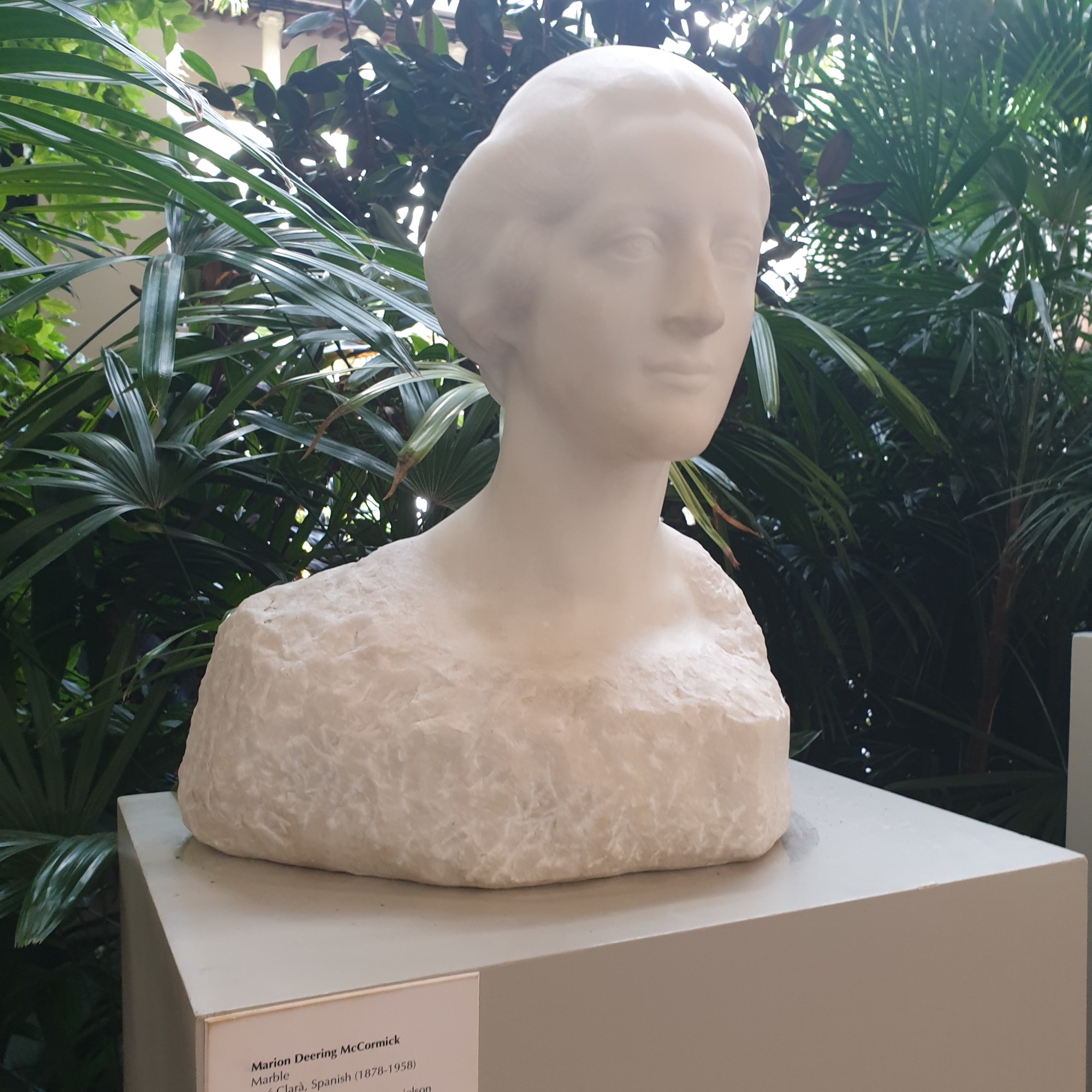
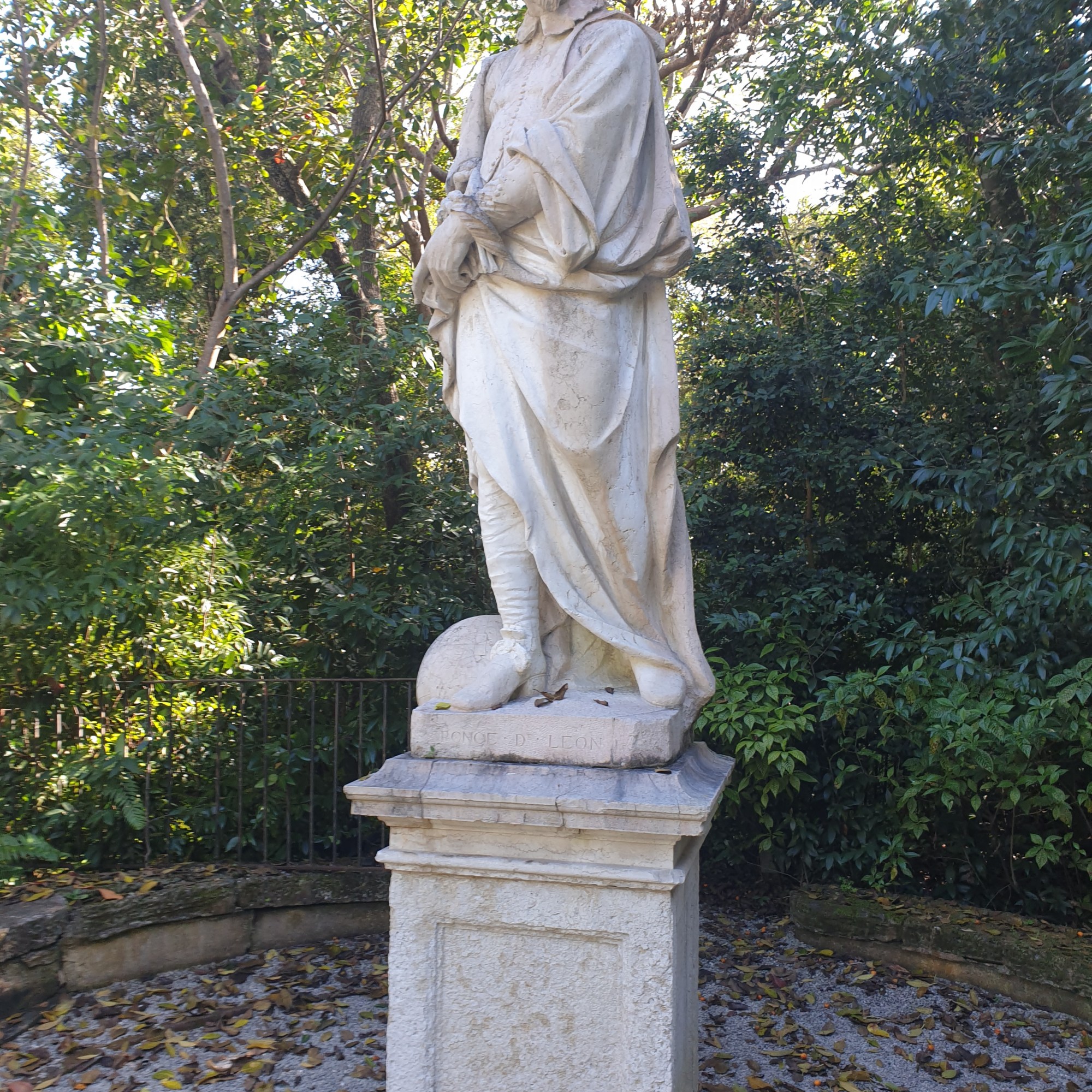
As you can see from the photos: the building is in the Renaissance style with a large patio and gorgeous rooms. The gardens are spectacular, with grottos, formal gardens with local flora, etc. While there is no one particular item that makes you say wow, the aggregate is beautifully integrated. Probably due to the disgusting humidity in Florida, you will not find any master level painting. But there are plenty of nice sculptures, tapestries, furniture, and other decorative arts.

So, all in all, a wonderful, highly recommended visit.

Summer excursion

The other day my dear friend and fine art restorer extraordinaire took me on a whirlwind excursion to see some of his recent work. We took the opportunity to enjoy a nice lunch and ended by visiting our friends at the Paular monastery and to check up on them with the whole pandemic to-do.

Our day started with our traditional morning coffee at our local village café/bar/restaurant/social center: Marcelino. From there we drove over the Guadarrama mountains (yes, the ones where Hemingway’s For Whom the Bell Tolls is based) to the lovely village of Rascafría. We had a leisurely lunch at a cool garden restaurant “La Pradera” (the natural translation “prairie” has taken the American meaning and spirit, being much larger than a Spanish “pradera” which is more of a field, but enough etymologies, and translation theory!)

After lunch we drove to the small village of Canencia. The root Can from the Latin “canis” for dog (oh no, back to etymologies) is because this village is where the kings’ dogs where bred during the Middle Ages. Jaime restored the gorgeous Gothic pulpit at the church last year. A stone’s throw away from the village is a very elegant Medieval stone bridge.

A short drive away is the town of Lozoya. A manorial village as testified by the many coat of arms decorating entrances. The main door of the church is in a beautiful Plateresco style, which is unique to Spain because it keeps the Gothic style but incorporates Renaissance elements. Jaime is scheduled to restore the pulpit there, a delicate Renaissance piece.

A tiny hamlet nearby is Pinilla del Valle, again with a lovely old church and town square. Jaime is working to secure the restoration of the portico of the church, damaged through the centuries.

We ended our excursion visiting our dear friends the monks at the Paular monastery. They are all fine, including the oldest ones. We snuck in for a quick visit. You see, Jaime restored that monastery from scratch years ago, so he knows it well and I have gone on two retreats there -as you might know from previous posts, so I also know it a bit.
After that visit, it was time to head home over the mountains.