I write a lot about teaching hacks and do this, and do that, but at the end of the day, you can summarize my hacks and advice into one: recognize and identify your resources and then leverage them.
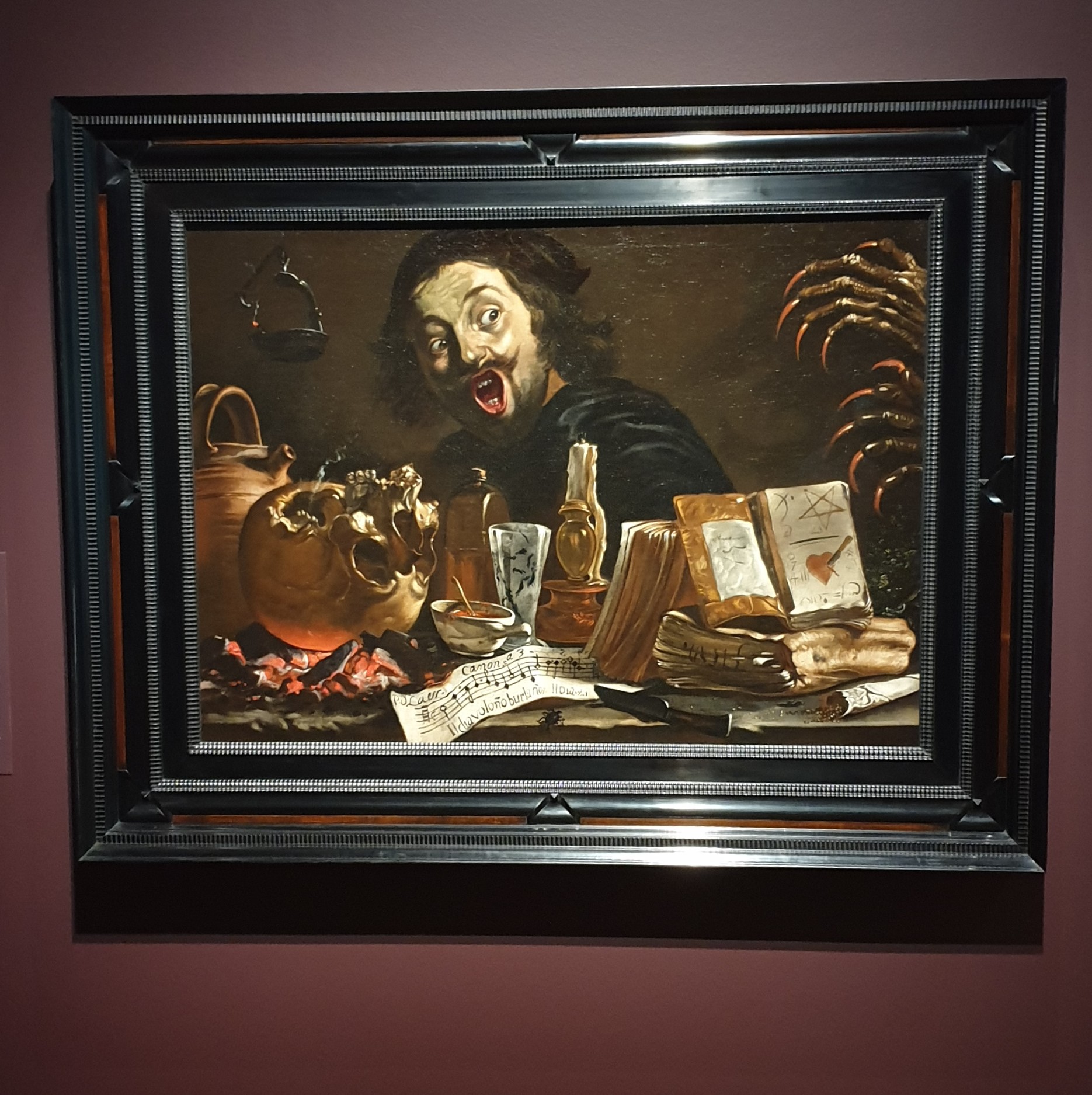
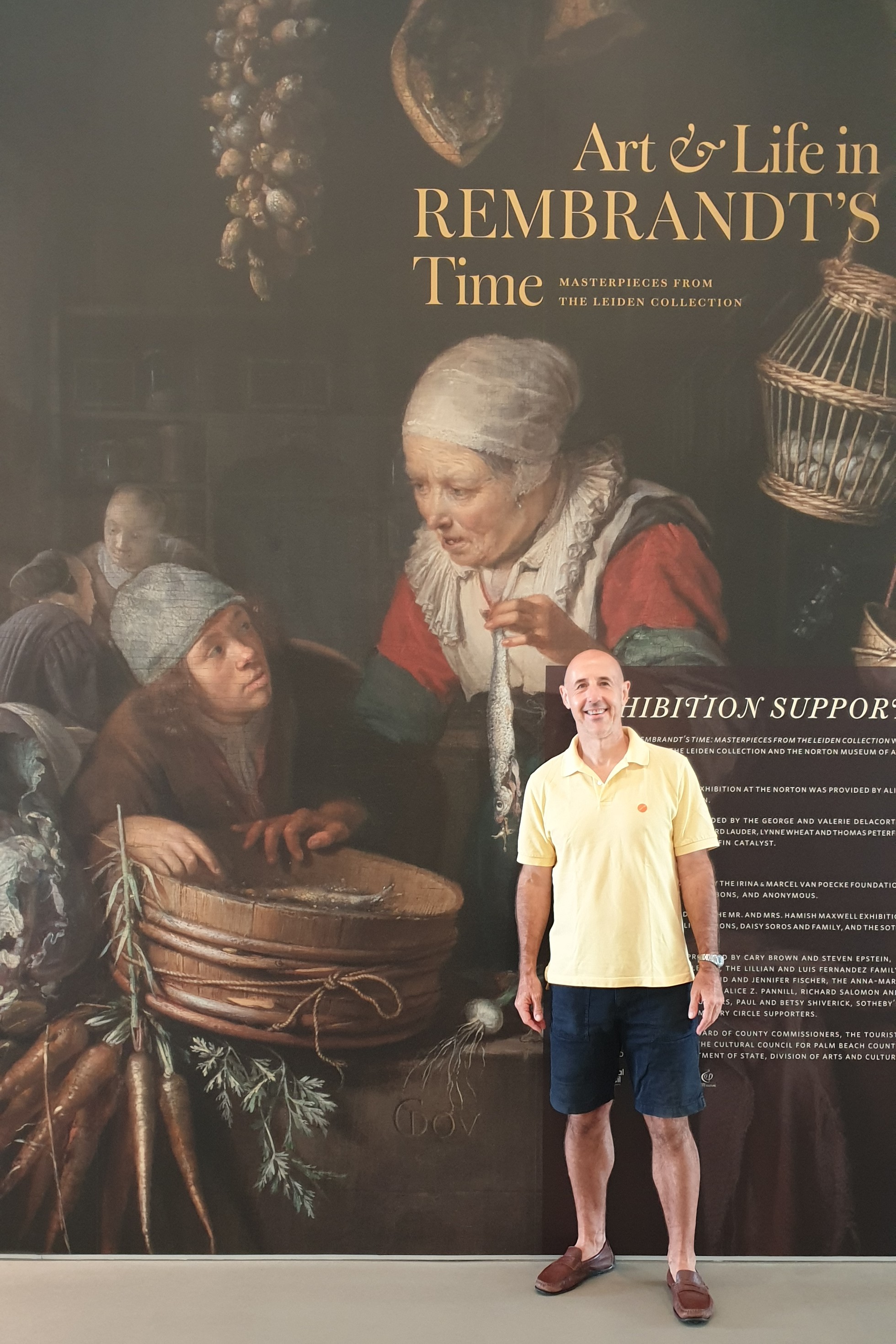
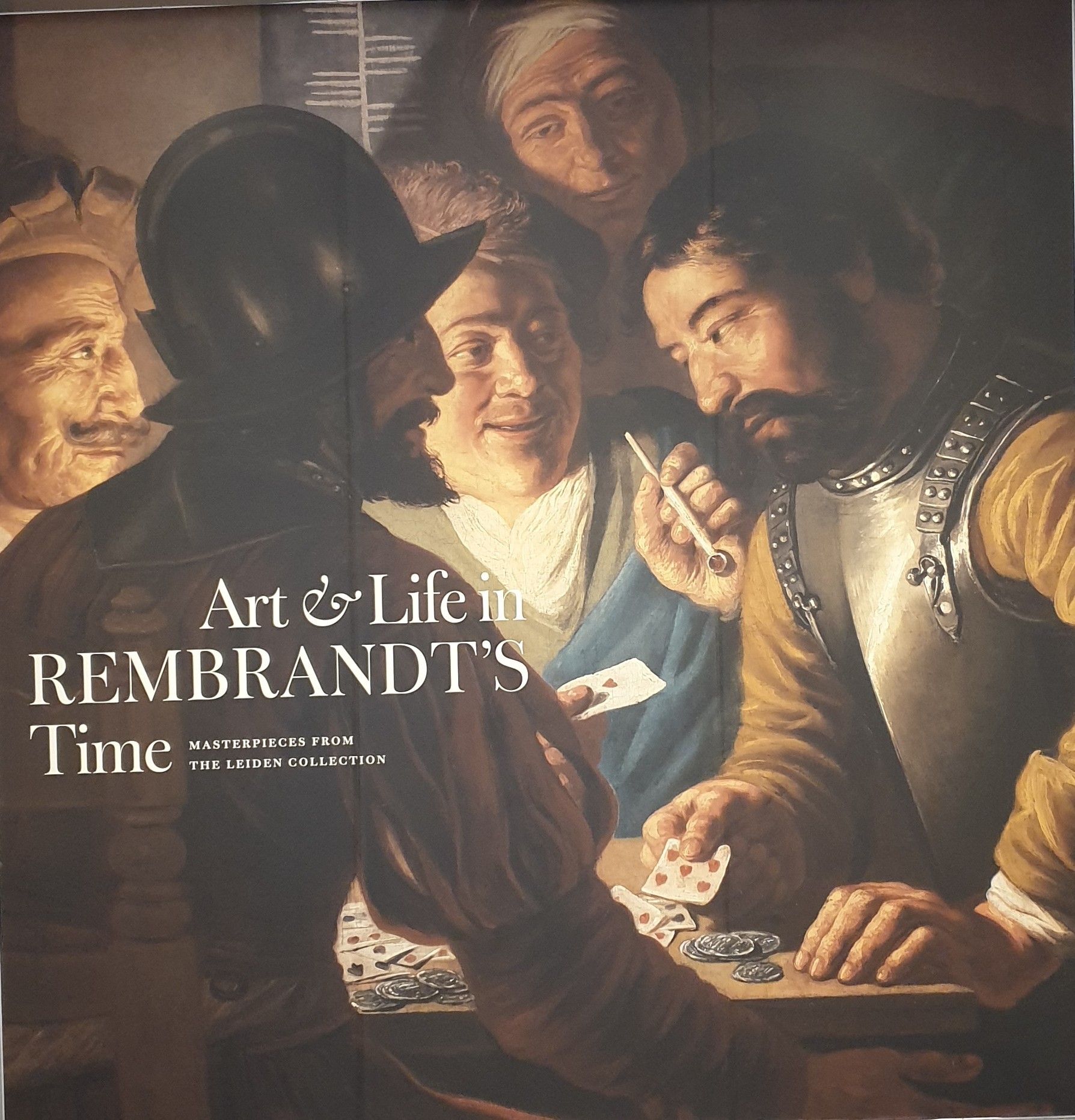
If you read this blog, you know I recently loved the exhibit of the Dutch Masters at the Norton Museum. The Dutch Masters beautifully portray the chiaroscuro, tenebrism, emotion, color, and realism that characterize the Baroque. Since we are currently studying the Baroque in our Advanced Spanish class, this exhibit was a perfect excursion for us to better understand this movement, period, literature, and art.
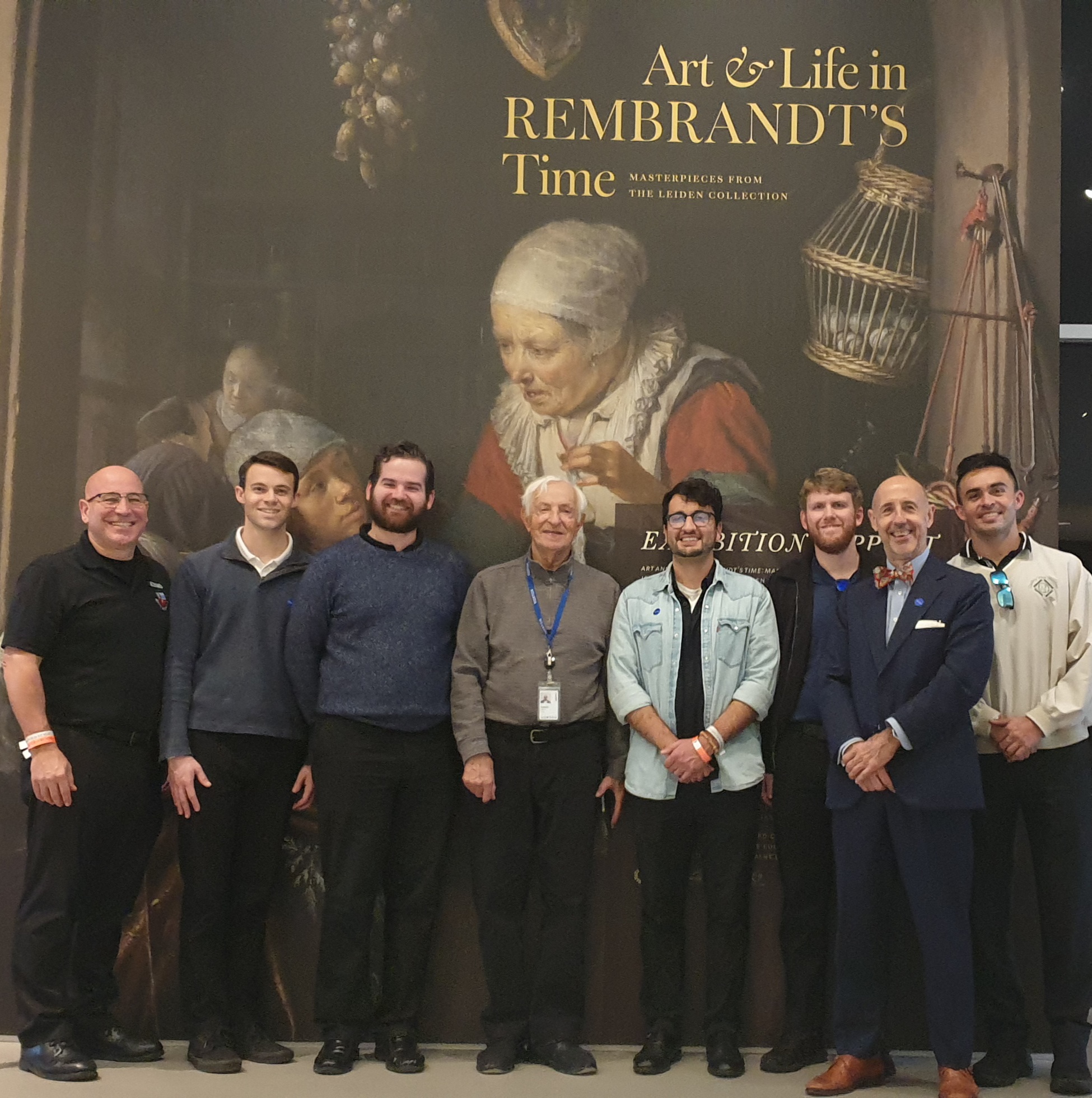
After clearing all the permissions and bureaucratic hurdles, off we went to the Norton in West Palm Beach and loved it!
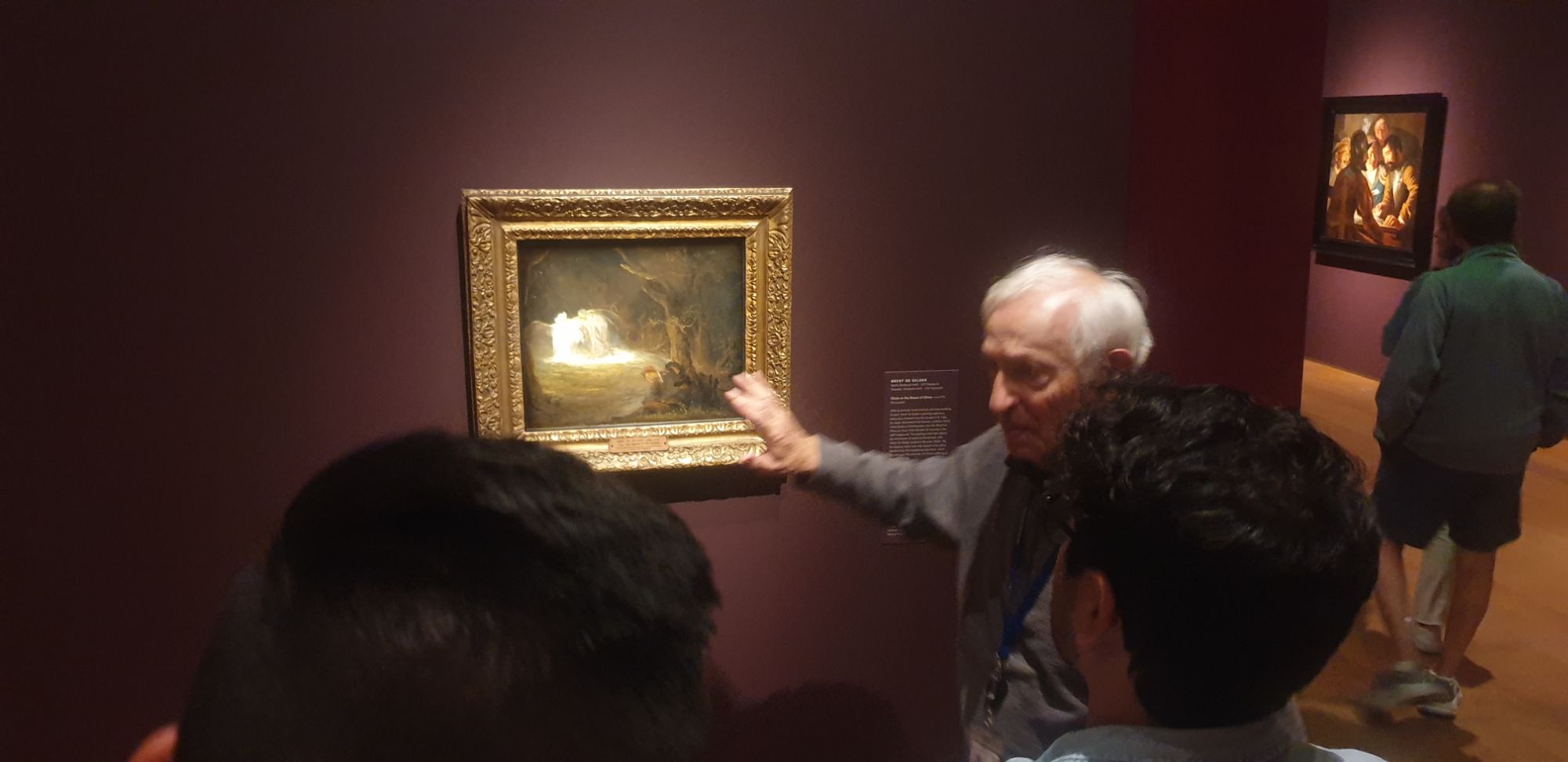
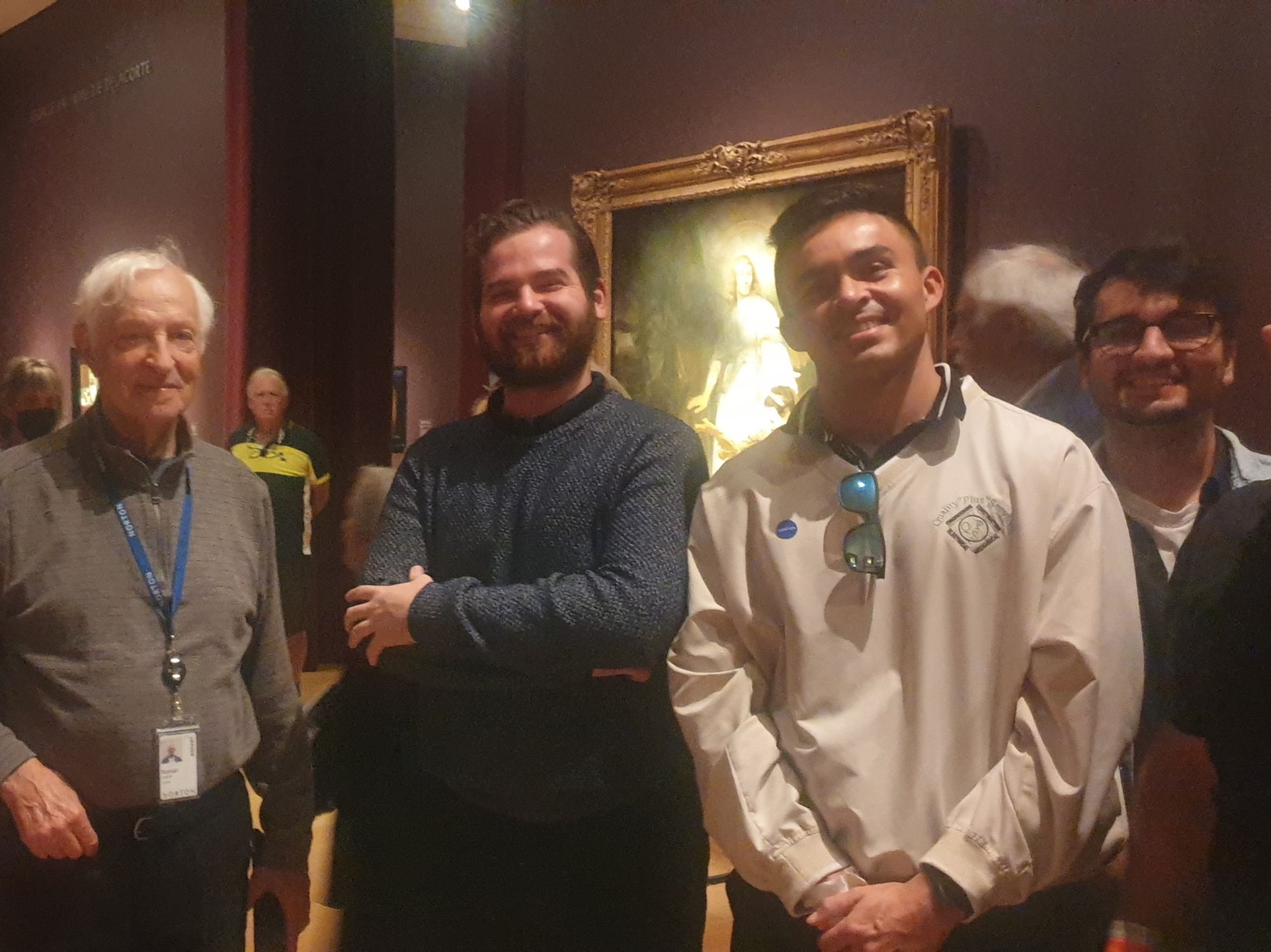
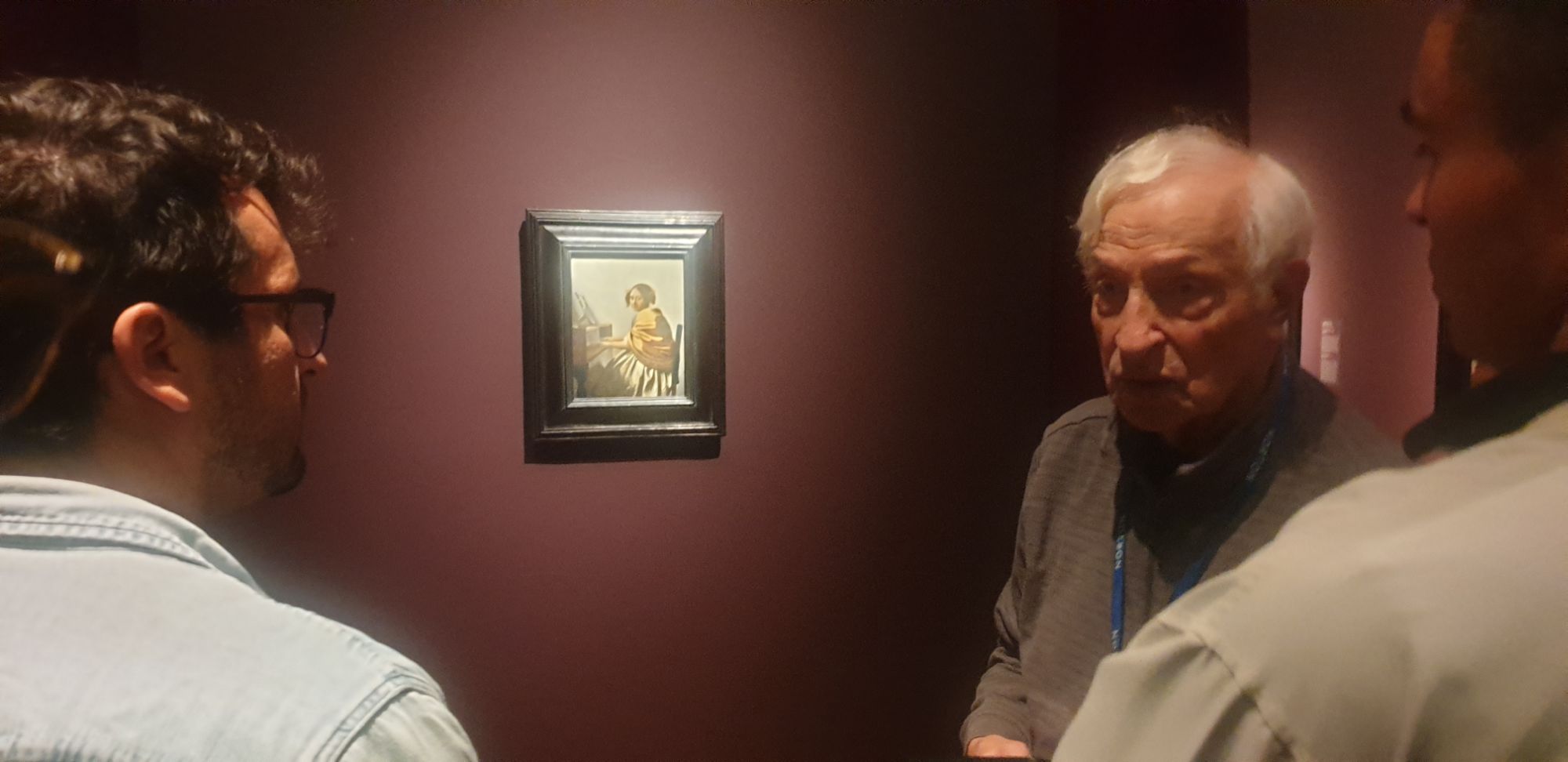
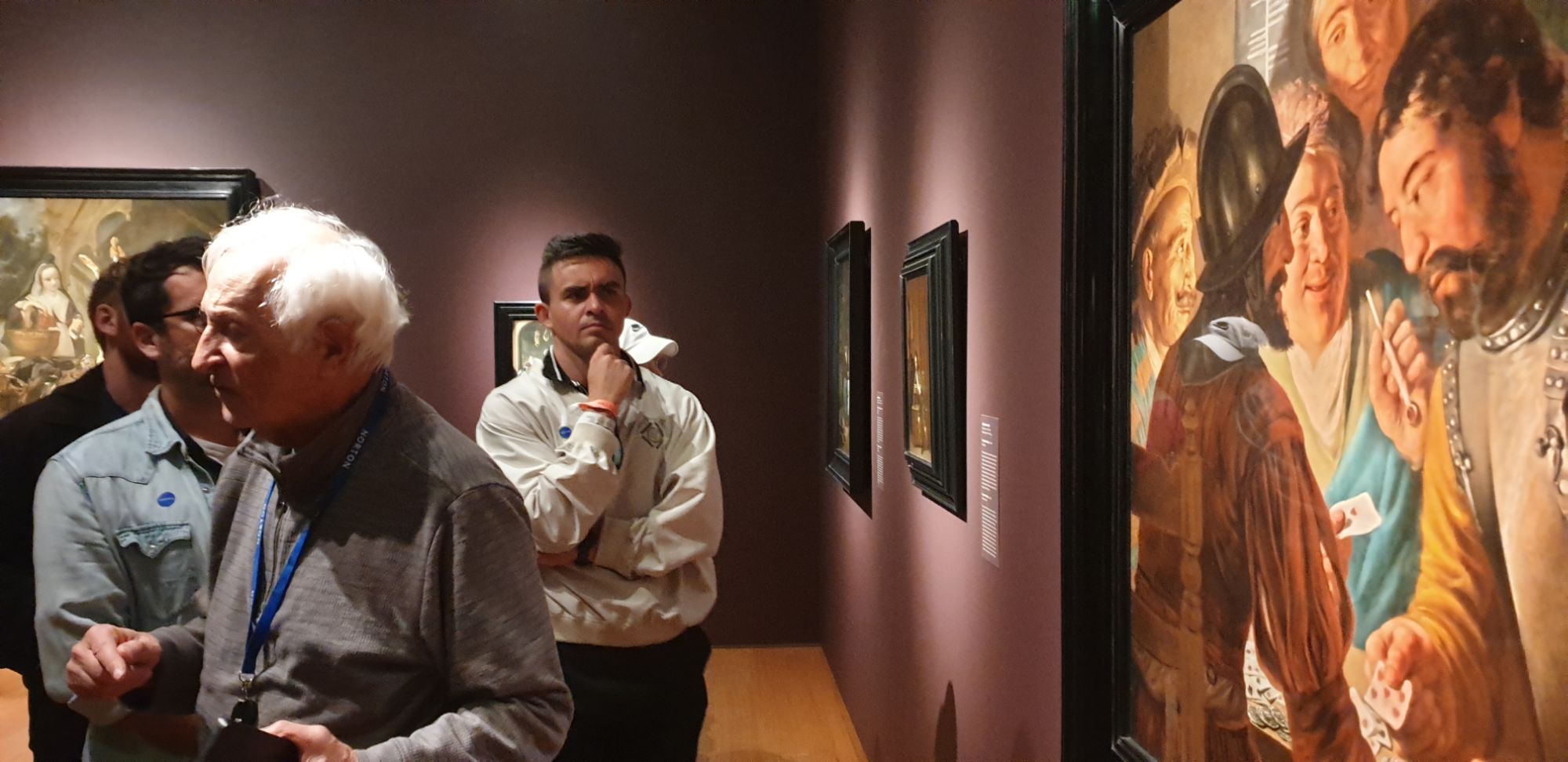
Roman, a sweet retired Polish fellow, was our patient and generous docent. He was knowledgeable and understanding. The students answered all the questions Roman asked about Biblical stories, and we all enjoyed the visit.
If you have the blessing, privilege, and responsibility of being a teacher, find your resources and lean on them. You are welcome.
Years ago, I heard that the three most influential artists in history were Velázquez, Goya, and Rembrandt. I am not an artist, so I cannot opine, but it does make a lot of sense. Velázquez and Goya —I am fairly familiar with them, since I spend a lot of time at the Prado Museum (which only has one Rembrandt). Rembrandt and the Dutch Masters are fascinating, but I am less familiar (although I did spend time at the Rijksmuseum back in the Mesozoic era).
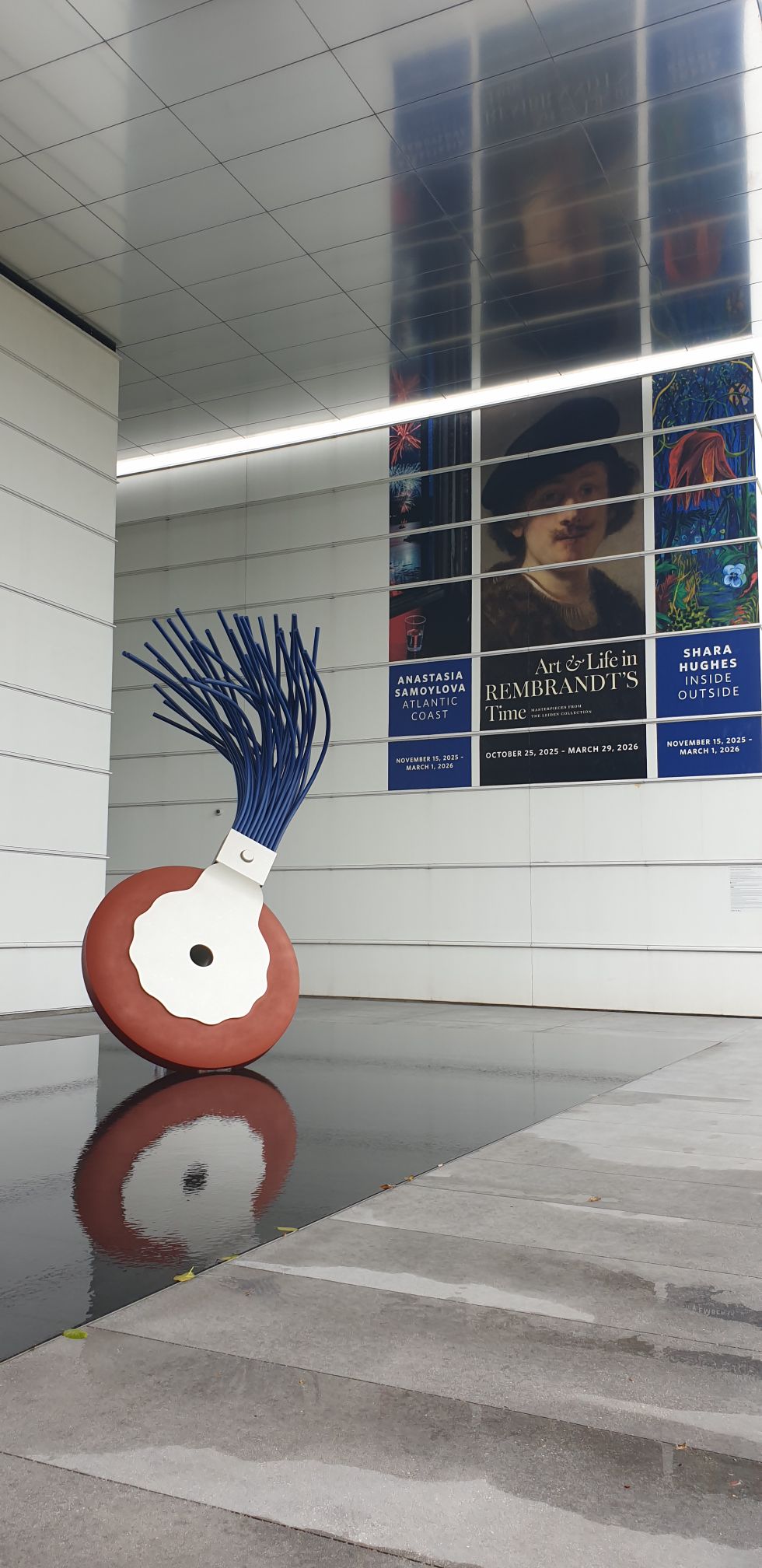
The Norton Museum has just opened a phenomenal exhibit on Rembrandt and the Dutch Masters from the largest private collection, The Leiden, and I have already seen it twice and hope to see it a few more times. I have already scheduled a visit for one of my classes!
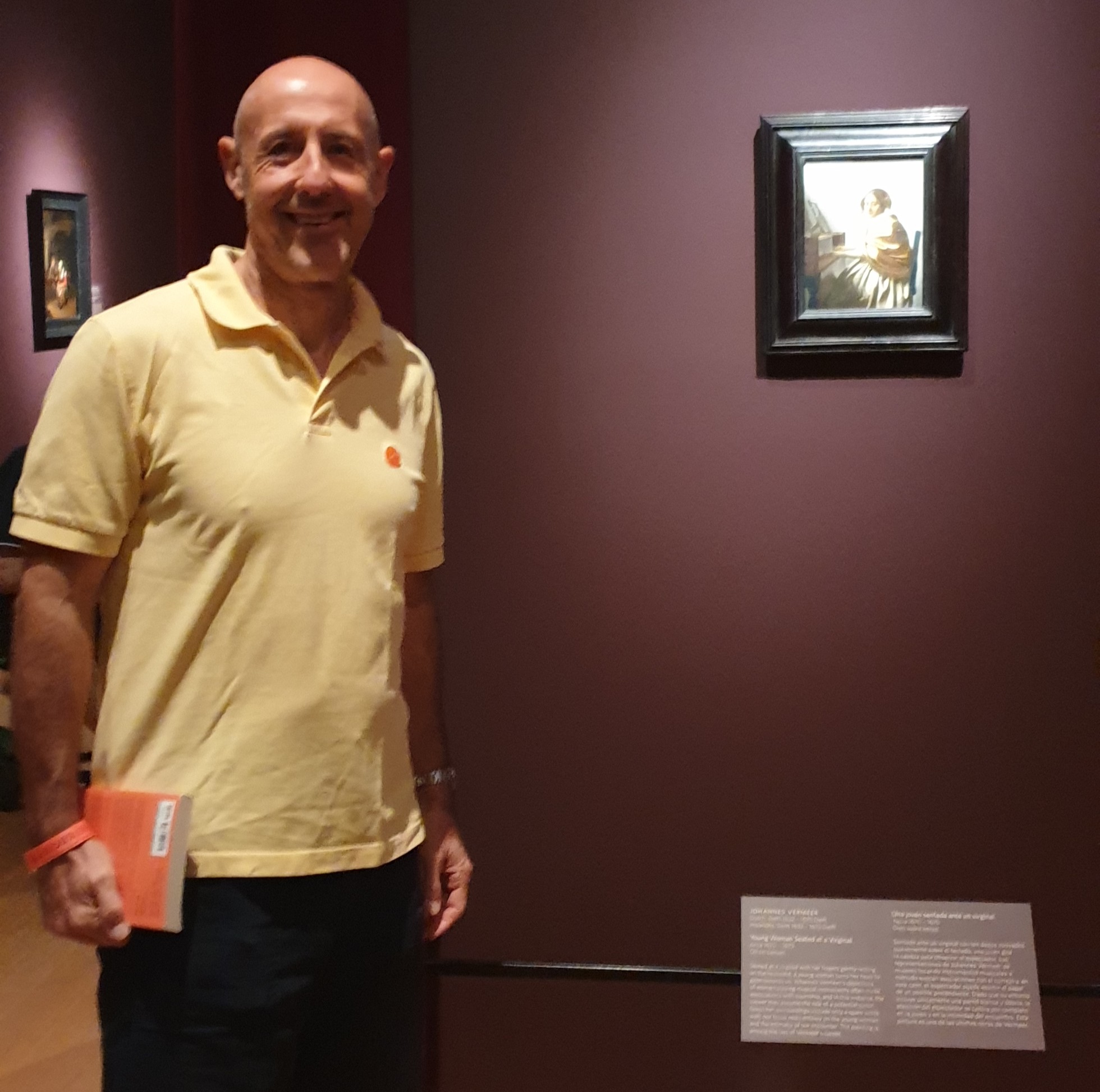
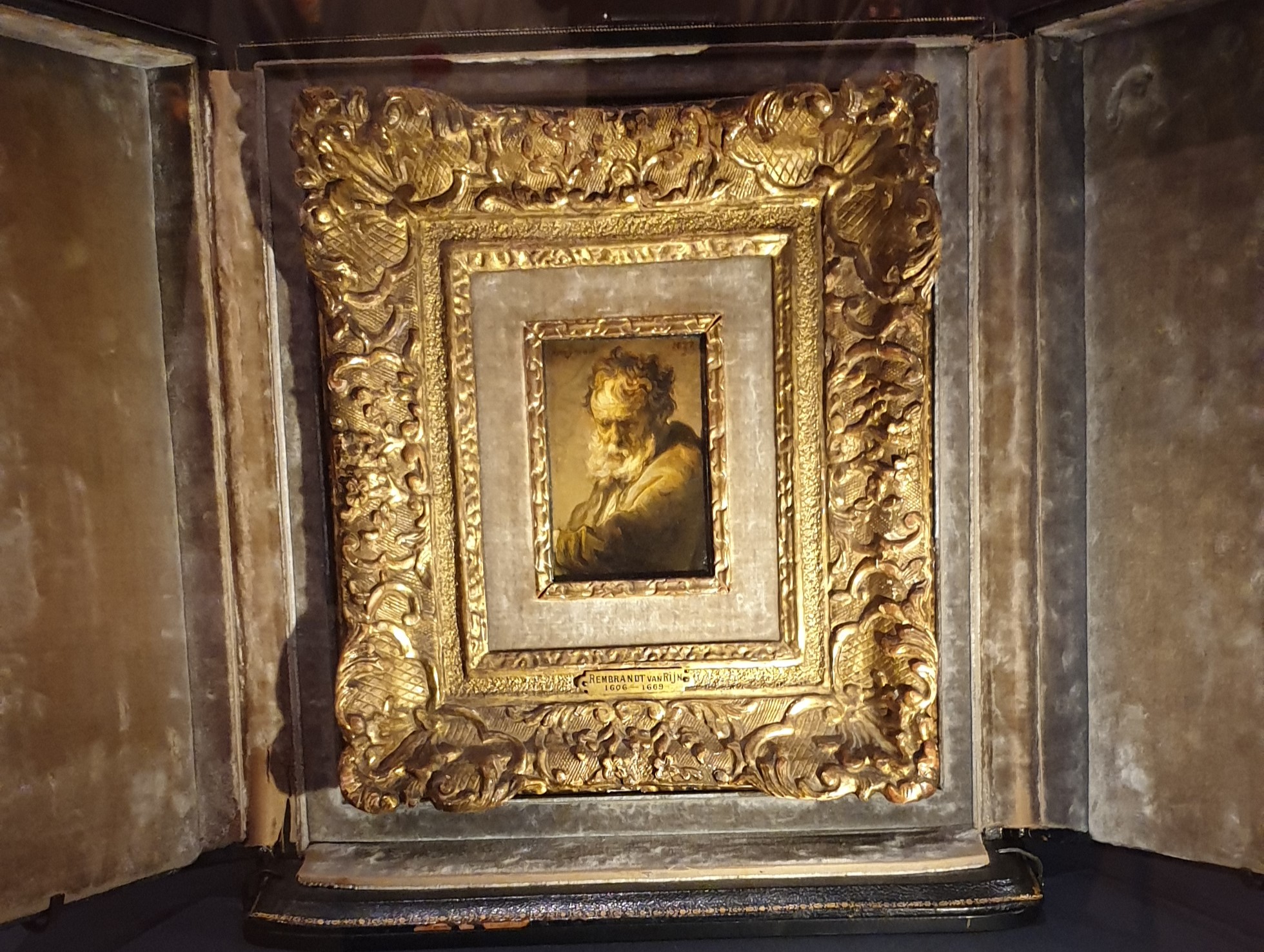
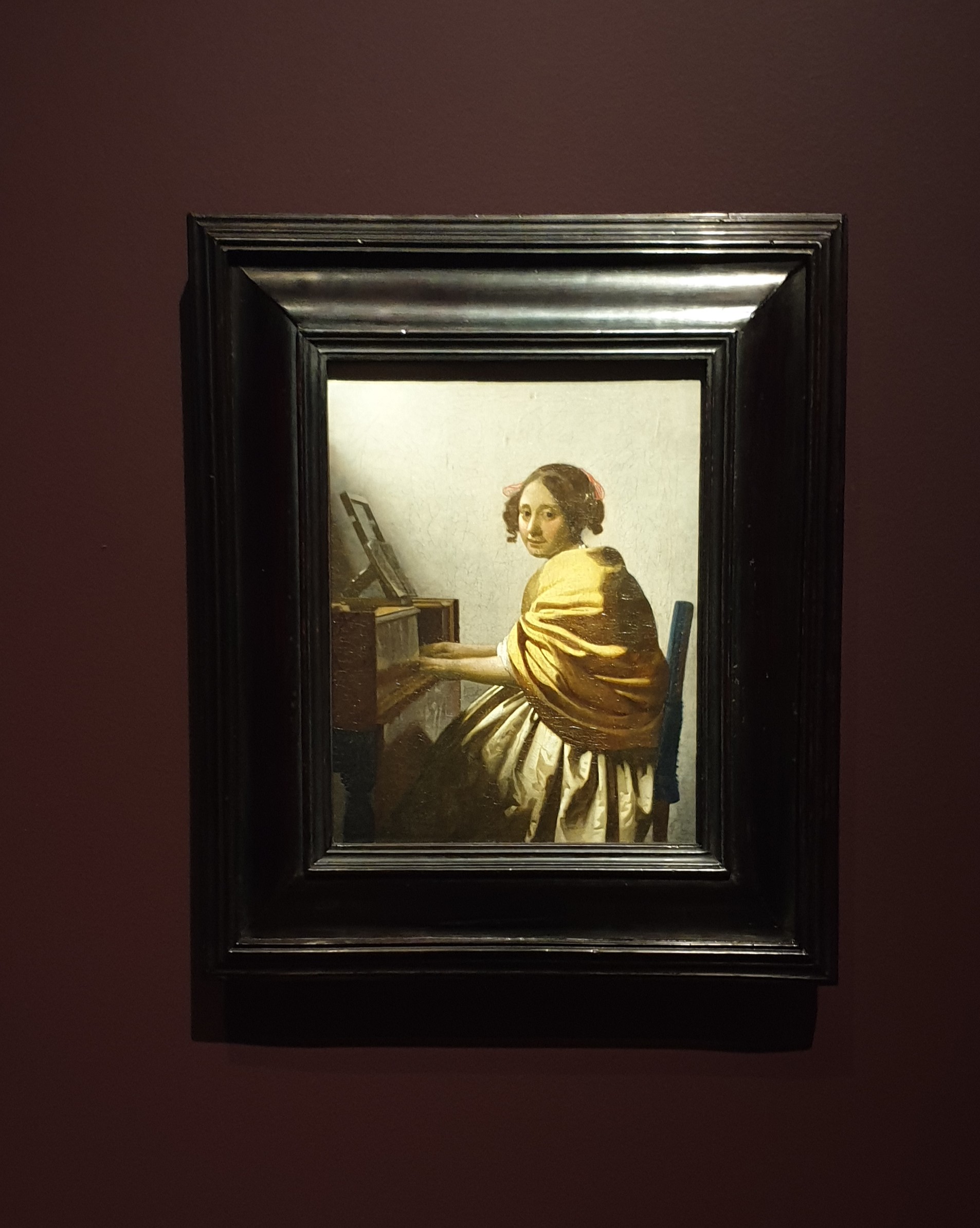
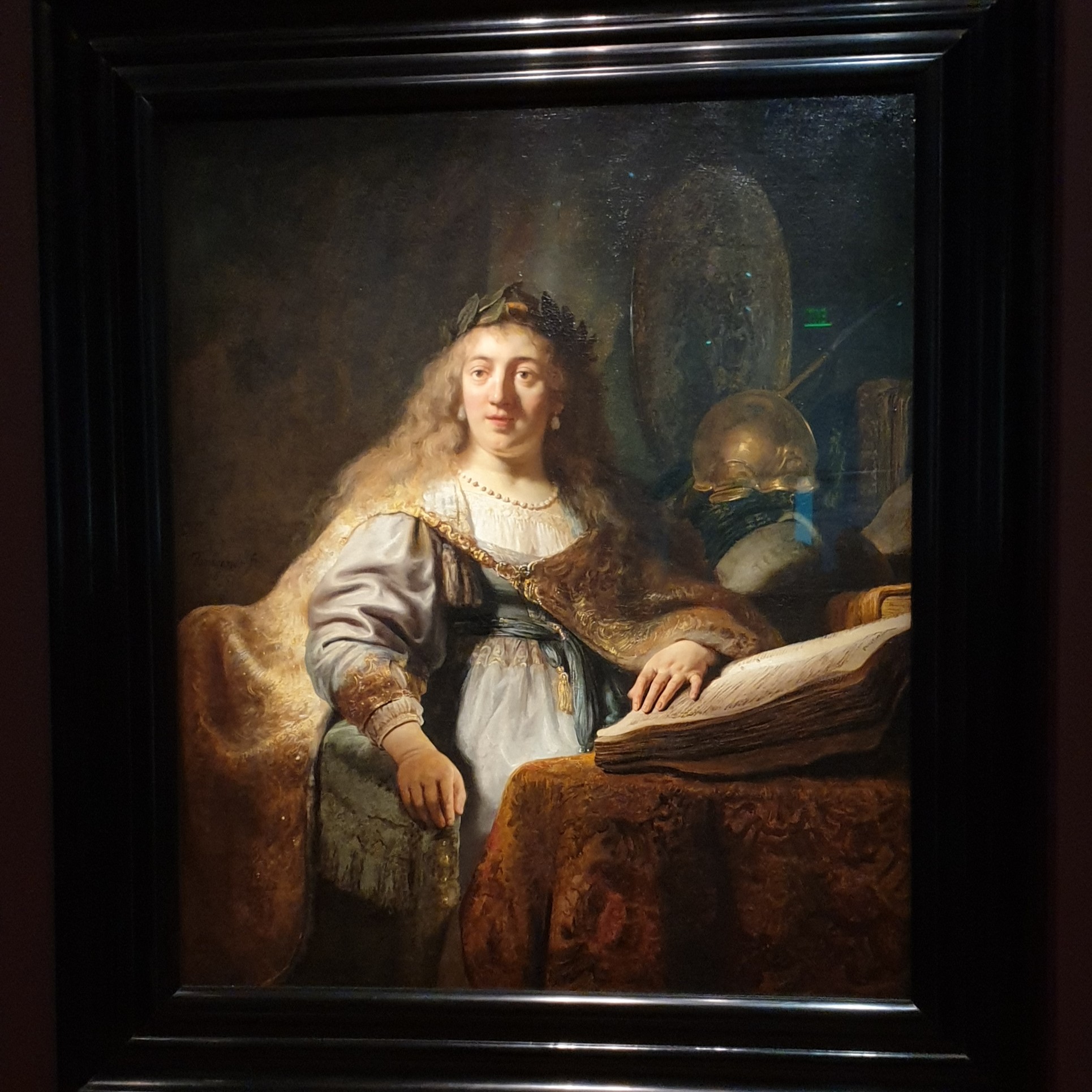
The exhibit is phenomenal; it includes many Rembrandts, various other Dutch Masters, and, as a bonus, a Vermeer!
The works are mostly from the 17th century, although there are a handful from the 18th. So, Dutch Baroque, which is a bit different from the rest of European Baroque, especially Italian and Spanish, but still plays with the chiaroscuro. Jesus at the Mount of Olives is a great example of that technique.
Yes, the Vermeer is my favorite; it is just a girl, a piano, and a chair, but it does so much more than any of the other paintings. It is tiny, but the girl’s gaze, her hair with its almost transparent bow, her dress, two tiny pearls on her neck, the trademark light pouring from a high window. I have written before about the victory of minimalism, but this might take the cake!
So if you are in South Florida before March 29, reserve your ticket and see this exhibition. You are welcome.
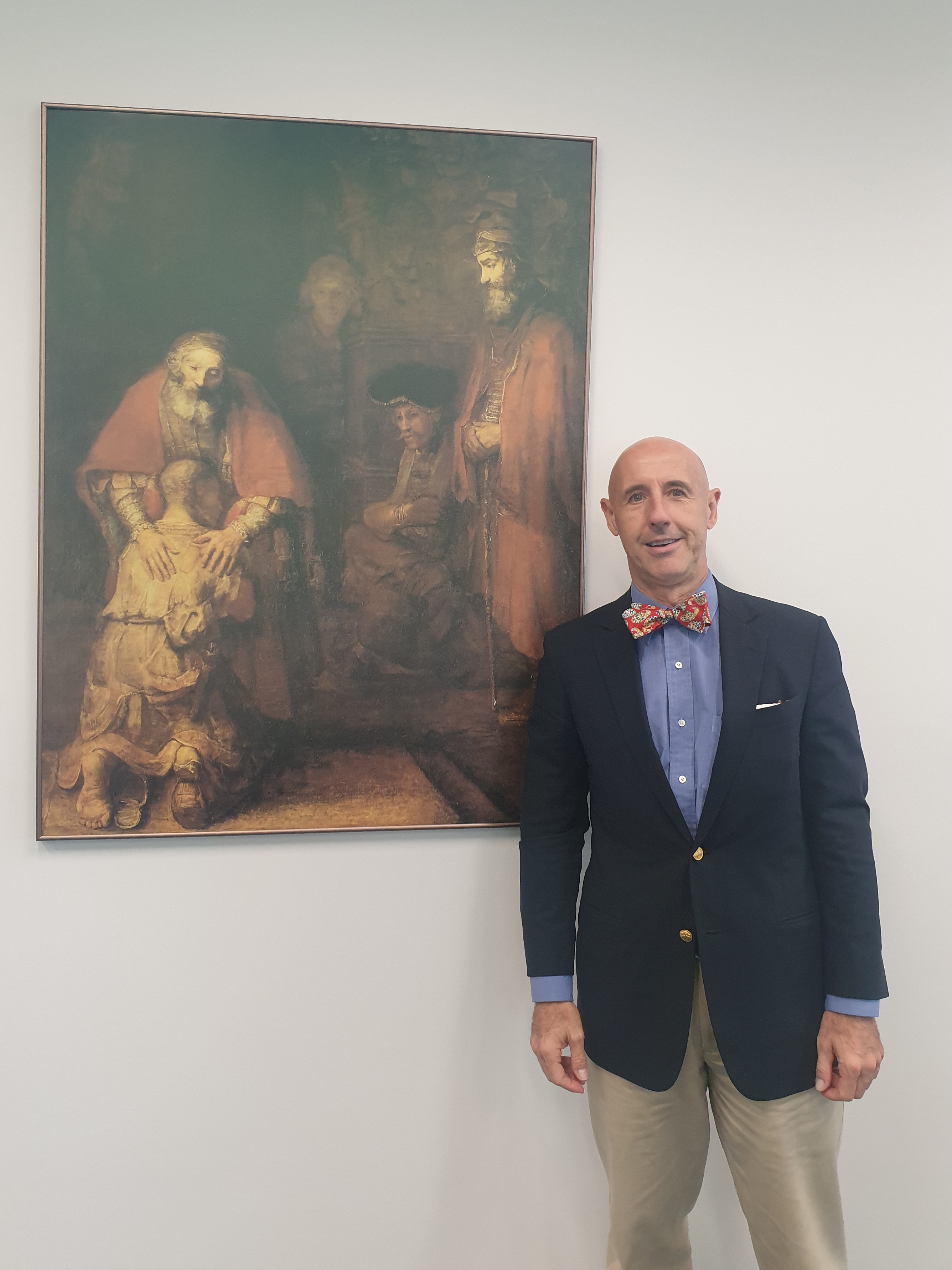
This might sound heretical coming from a Spaniard, but my favorite painting is not by Goya or Velazquez or Picasso or Murillo or Dalí or Miró, it is by Rembrandt (Leiden 1606 – Amsterdam 1669), and it is not even in a Spanish museum.
Unfortunately, I did not realize I was looking at what would be my favorite painting when I saw Rembrandt’s Return of the Prodigal Son when I was seventeen and visiting The Hermitage Museum in St. Petersburg with a handful of school friends. I was probably more concerned with looking at pretty girls or wondering about the evening’s plan with cheap Soviet Vodka -ah yes, the year was 1983, with Leonidas Brezhnev in charge of the Soviet Union!
Not long after, my father gave me a book: The Return of the Prodigal Son: A Meditation on Fathers, Brothers, and Sons by Henri Nouwen and I was deeply moved. I understood the painting and it became my favorite. Nouwen, a priest (1932-1996), threads the parable of the Prodigal Son (Luke 15:11–32) with the painting, covering each detail, each character in Scripture and the painting.
The father’s hands gently placed on the boy’s back, the brother’s jealous, angry stare, the servant, the mother, even another person almost invisible in the background, the son’s broken sandals, the capes, everything has a purpose and a meaning. The painting, painted in Rembrandt’s last years, is as spiritual as they get. It asks for your meditation, it questions our behaviors as sons and daughters. You feel the weight of the father’s hands on your back, their warmth. The painting forgives you.
What was my surprise when I discovered that a poster of the painting hangs in my school’s library, right outside my office! I walk by it many times every day, and every day I am reminded of Rembrandt, of the Prodigal son, and of my trip to Russia many years ago.
Some of my other favorite paintings are Velazquez’s Meninas in the Prado, pretty much anything by Goya, Velazquez´s Inocencio X in the Doria Pamphili Gallery in Rome, every Sorolla painting, I’ve already mentioned Frida Kahlo in this blog, etc., etc., etc., the list goes on and on. But this one wins.
What is your favorite painting? Comment below, I would love to know!
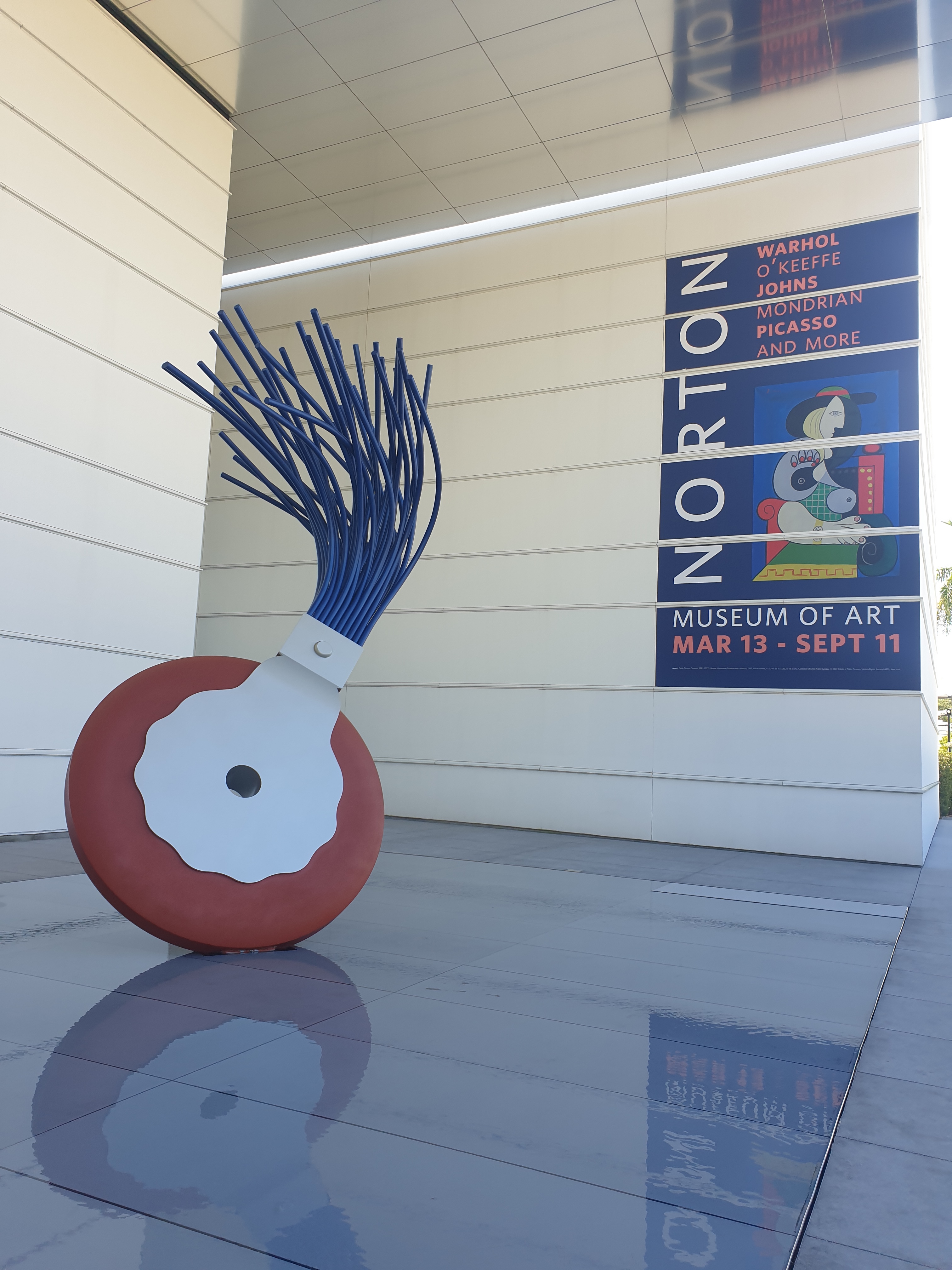
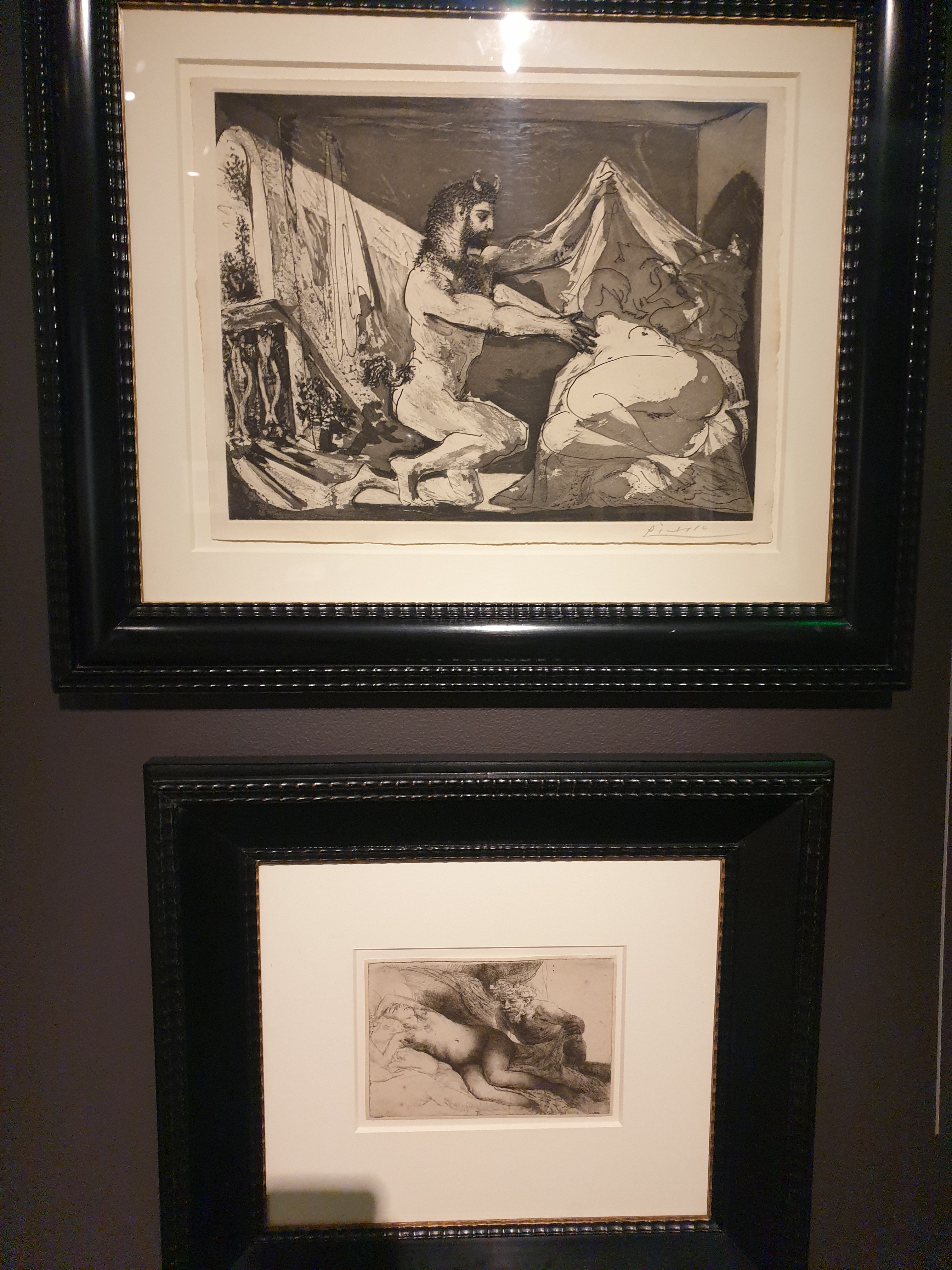
The Norton Museum of Art a few miles away from me in West Palm Beach is my oasis of cultural and artistic stimulation. After their fantastic Frida Kahlo and Diego Rivera exhibit, they come back with a small but powerful exhibit of three fundamental printmakers of all time.
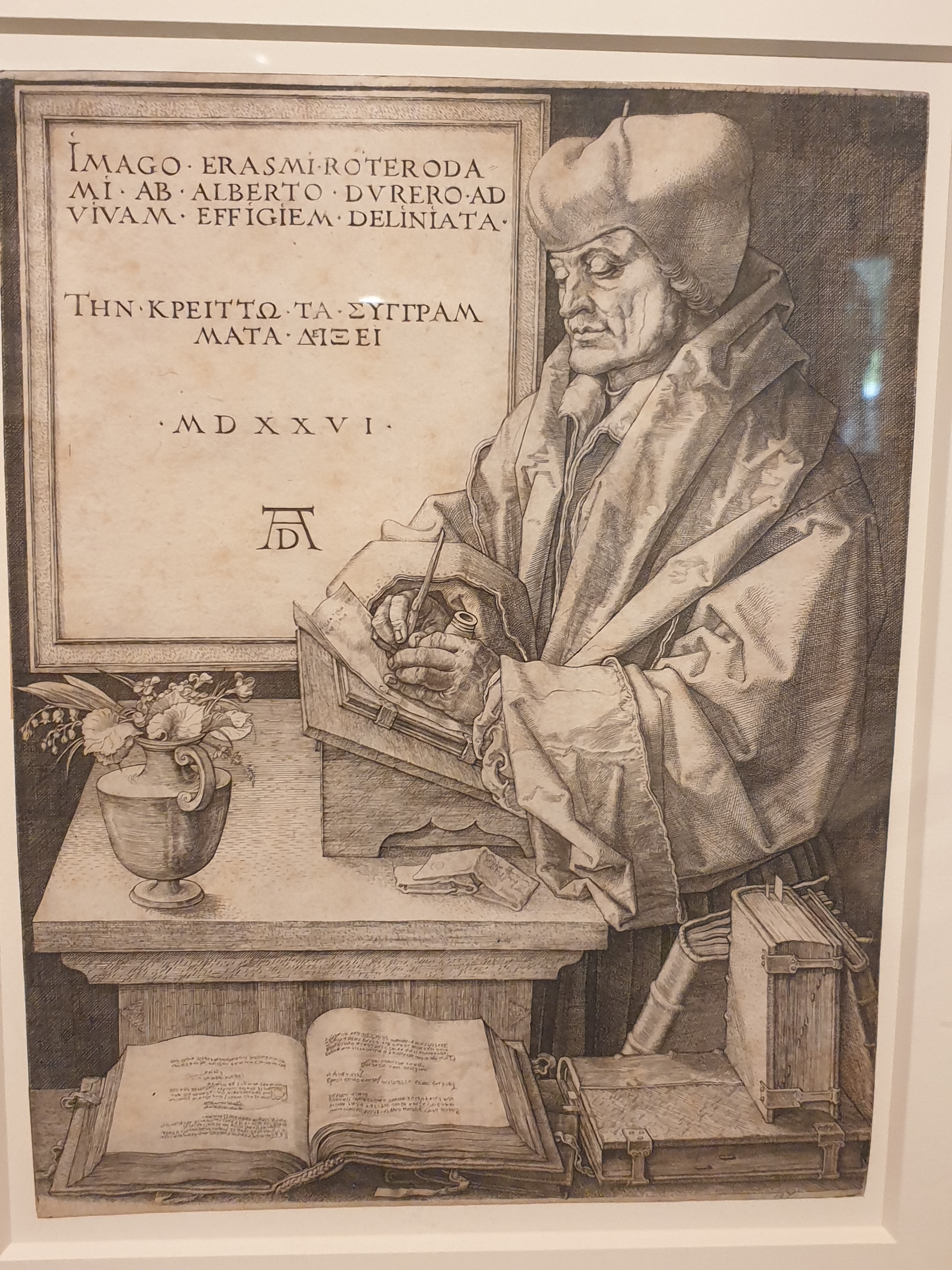
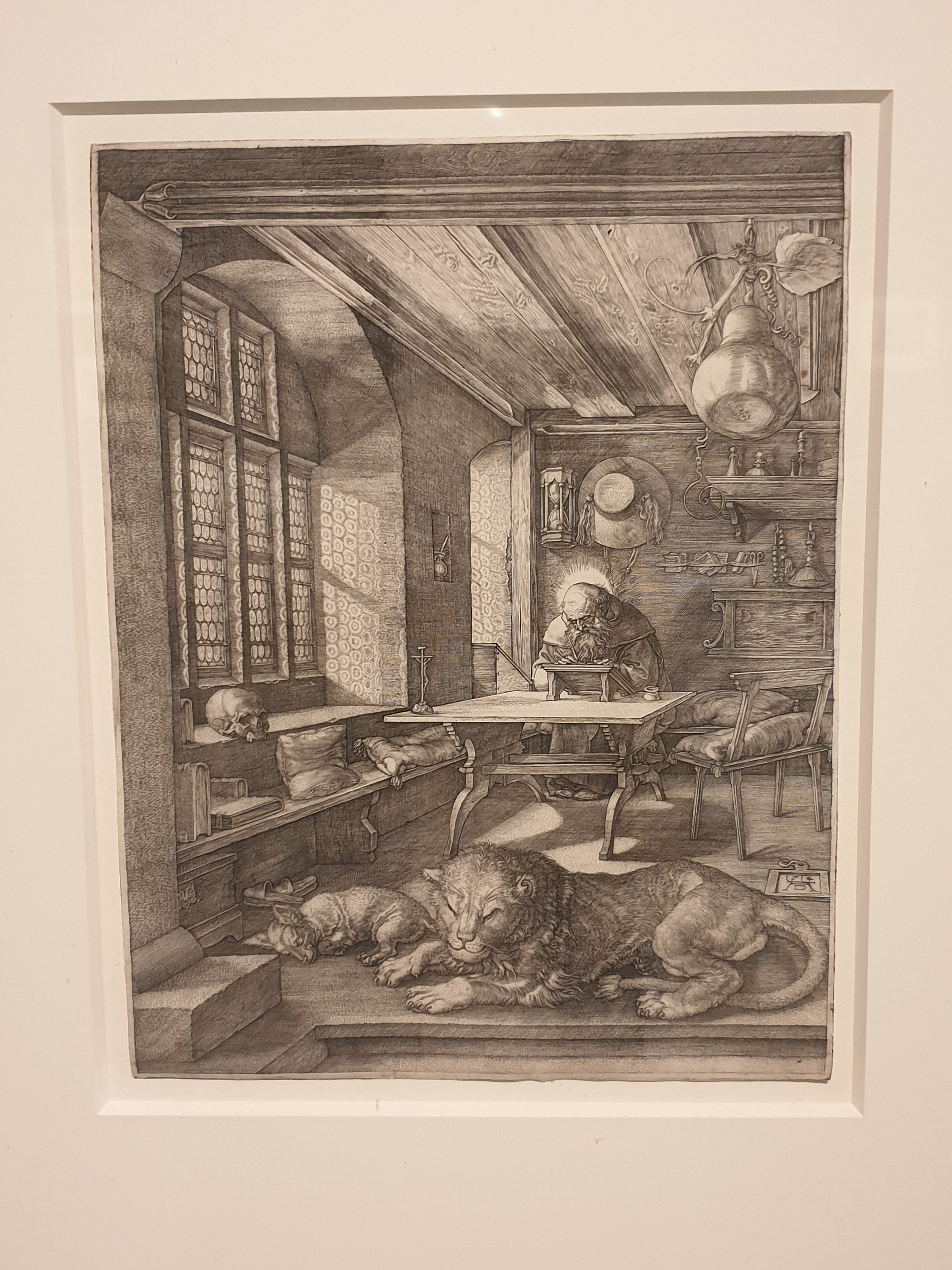
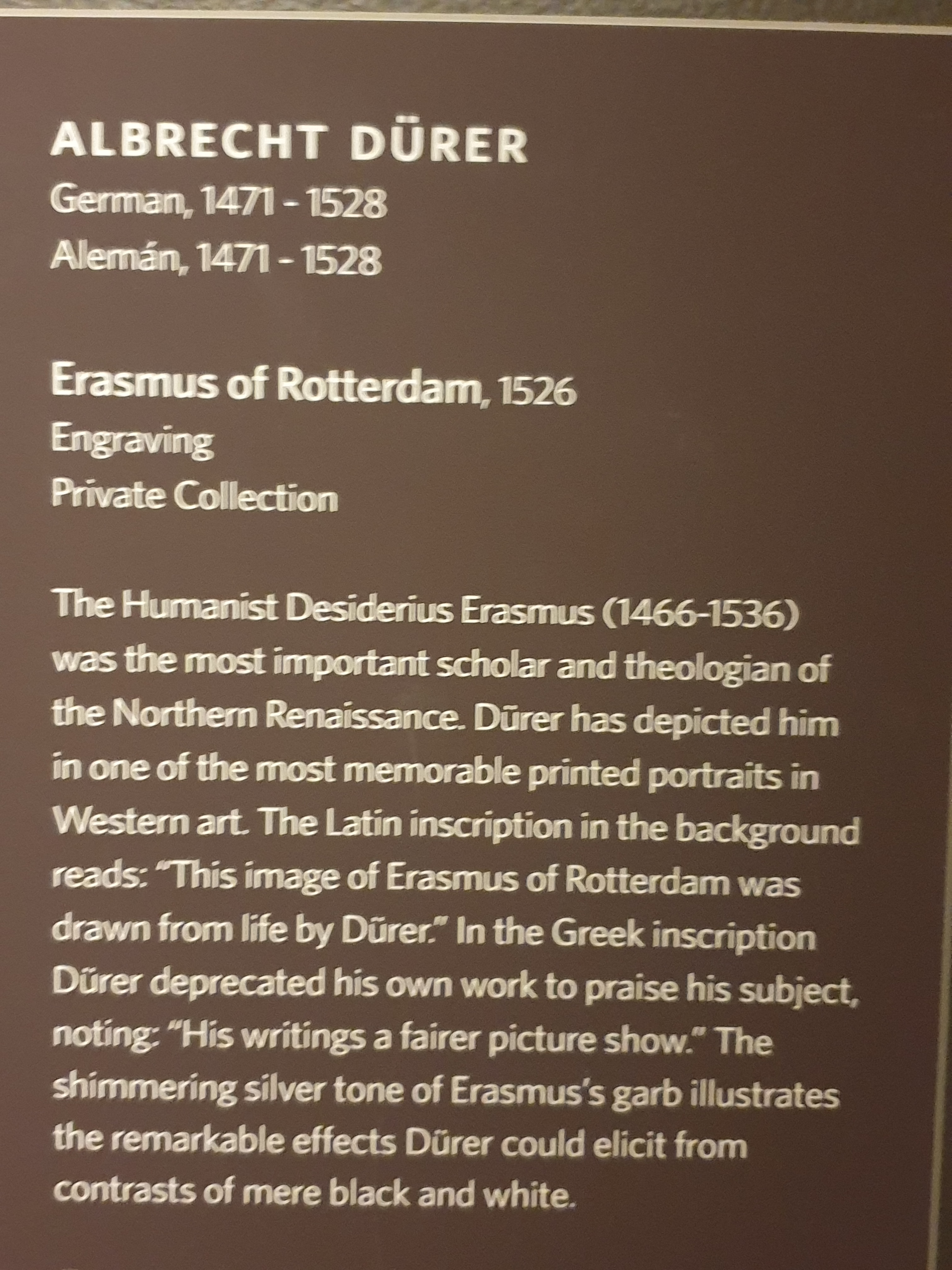
Albert Dürer is one of the Renaissance’s top artists, despite the fact that he was not Italian, but German! His draftsmanship is just phenomenal. The Norton gave out little plastic looking glasses so we could appreciate the detail in the prints. It is simply mindboggling! I was particularly impressed with St. Jerome in his study. Legend has it that Dürer’s dad was a doormaker and so Dürer’s logo -by the way, he is accredited with “inventing” the logo- is a door. My friend and super well-read Irina mentions the same story but instead of his dad being a doormaker, he was a chalice maker, and the logo represents an upside-down chalice! Take your pick.
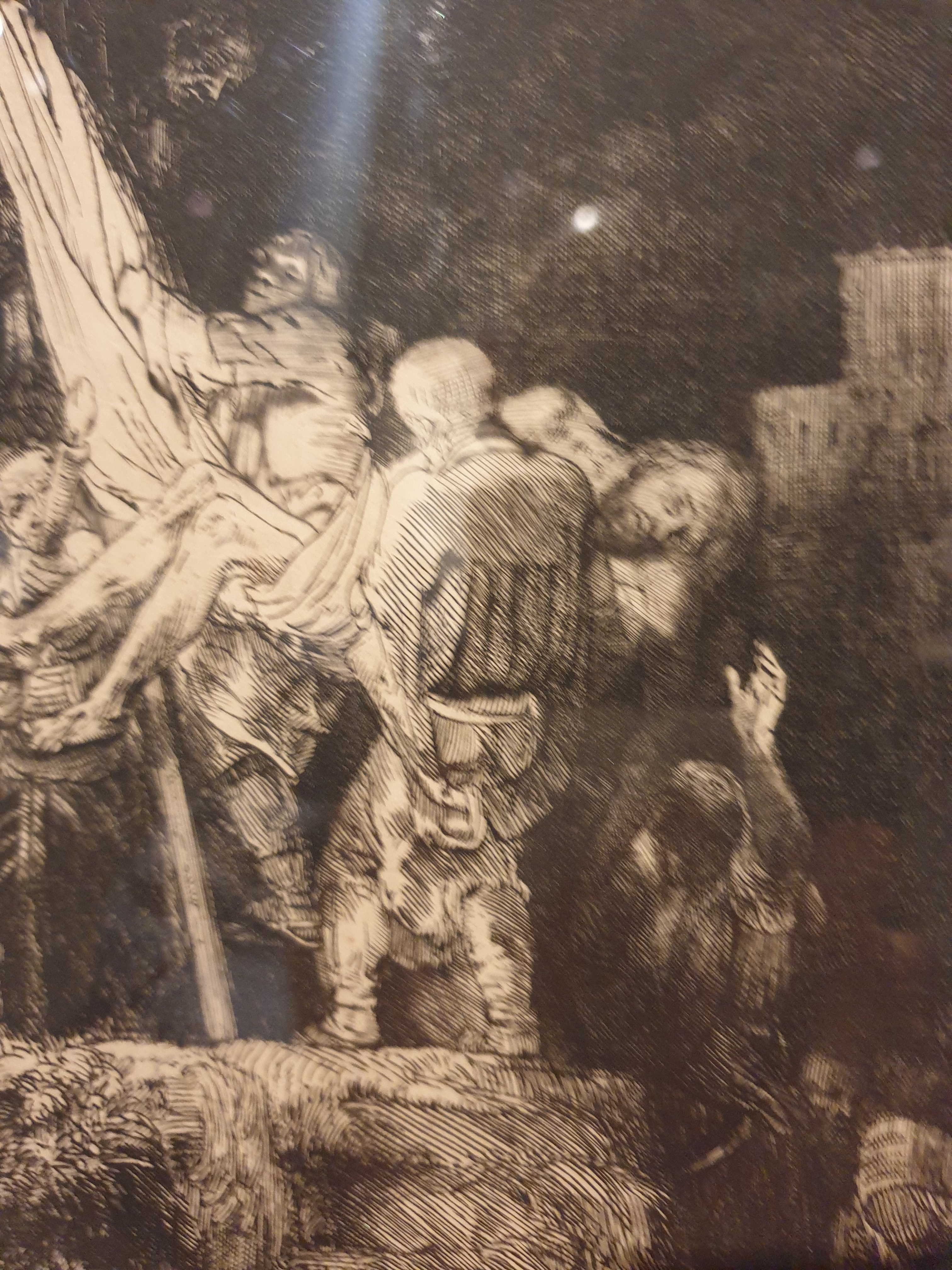
Next in line was Rembrandt. Although the exhibit only had a handful of his prints, they got the point across of Rembrandt’s formidable talent. Maybe he does not have the detailed precision of Dürer, but what he might lack in technique (which to a layperson like me is impossible to appreciate), he makes up for in expressiveness. His Christ coming down from the cross has this hand sticking out of the darkness which could very well be any of our hands. It is in fact, a very “Picasso” hand, like something out of the Guernika…
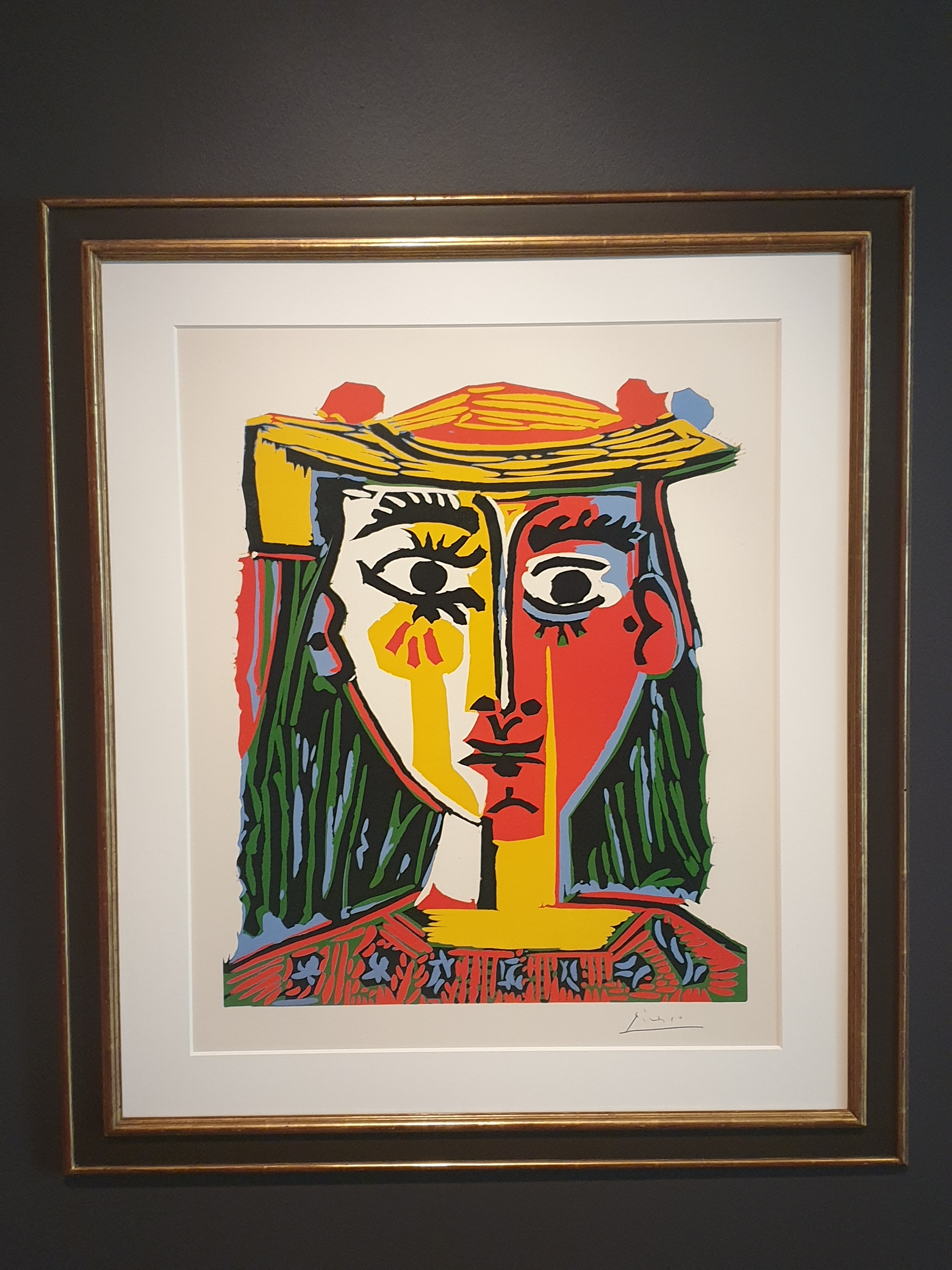
Speaking of Picasso, he is the third star in this exhibit. In the 20th C. Picasso was not so much concerned with the time-consuming detail, but with bold statements. For example, the colors on Bust of a Woman with Hat were simply blinding (granted the print belonged to Picasso’s print maker and he had kept it in top shape, but still).
So, here are three master printmakers representing the Renaissance, the Baroque, and whatever you want to call the late 20th century. But I felt a big gap, a lacuna. That gap was the late Enlightenment and Romanticism, and the printmaker that defined that era was Francisco de Goya. I missed him. Goya did four series of prints: Los Caprichos, Los Desastres de la Guerra, Los Disparates, and La Tauromaquia. In goya we get a lot of the detail work of Dürer and Rembrandt with the bold statements of Picasso. You see, the Enlightenment as I have written before is the hinge between the old world and the modern world. You can read my thoughts on that here.
But overall, this was a small but potent exhibit. Thank you sincerely to the Norton for pulling it off!








 Antonioyrocinante's Blog