




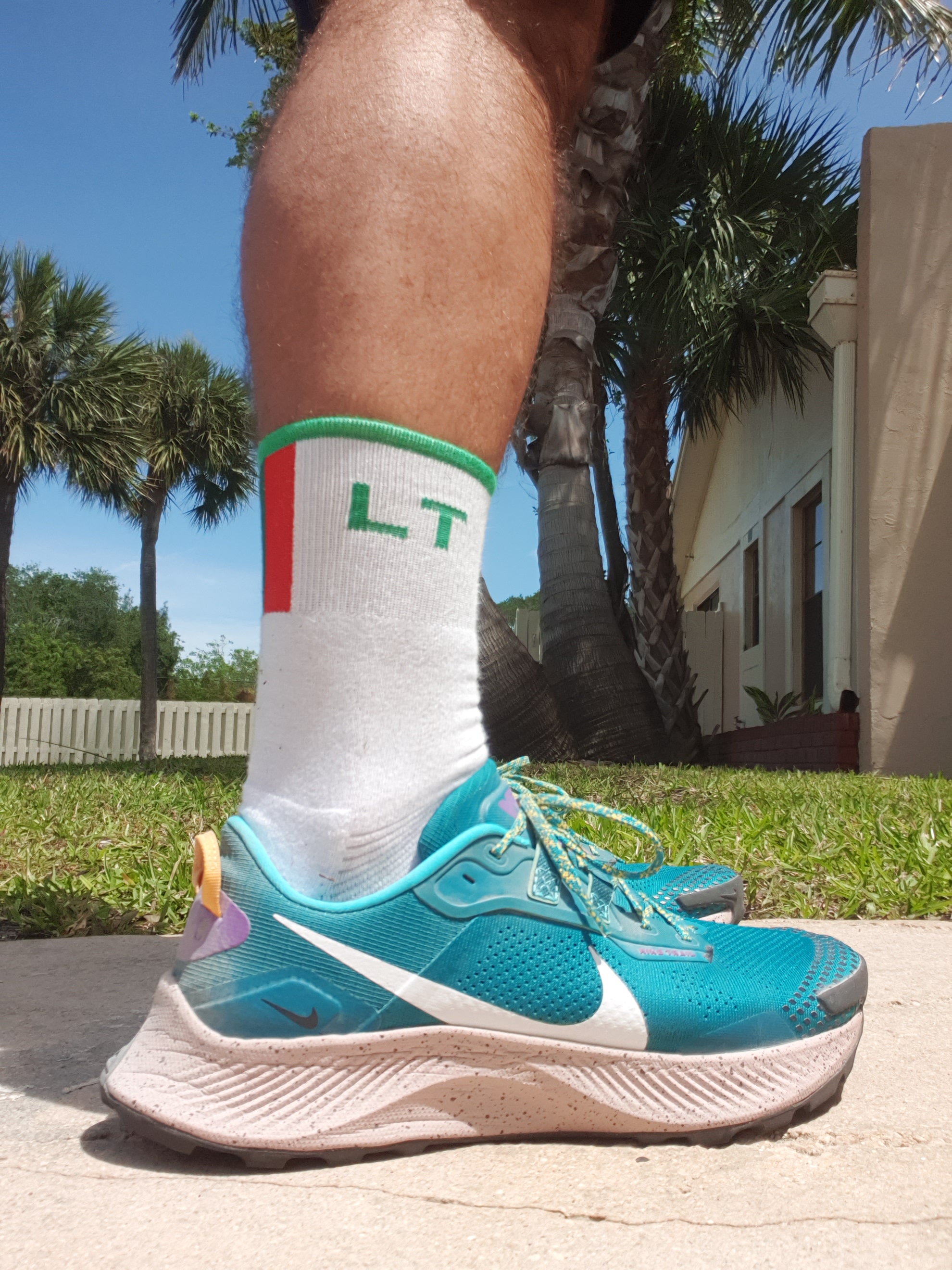
Pilgrims have been walking to Santiago from all over Europe since about the year 800, before Hoka running shoes, before high tech fibers, before ergonomic backpacks, before electronic watches that measure your heart rate, every step you take and your lymphocytes, before, before, before. So chill.
On top of that, most people walk really short Caminos, so your choices are not that critical; you are going to walk for 5 days, eating much better food at half the price of whatever you are eating at home, sleeping on decent beds, showering with decent water pressure, with a fully stocked pharmacy in almost every village you walk through should you need any medicine, and enjoying free, high speed Wi-Fi internet connections so you can post on Instagram. You will not be roughing it (unless you choose to).
As I prepare for my fifth Camino, here are some thoughts on my packing and the evolution of my packing philosophy.
One of your realizations on the Camino might be how happy you are with so little, only with what you are carrying on your back. So packing is or should be an exercise in minimalism. Here are some thoughts:
There are laundry facilities in all albergues, some might be modern washer driers, some might only have manual washing options. If you are not willing to hand wash your own socks, underwear, and t-shirt –ask yourself if you want to be on the Camino. So you do not need to pack a lot of clothes. I pack 3 pairs of wool, no stitching socks, 3 underwear, 3 (long sleeve) cotton T shirs -yes, I am a snob and hate the feel of modern fibers. 2 pairs of cargo shorts (the side pocket is perfect for guidebook, maps, etc.) and a sweatshirt. My first Camino, optimist that I am, I did not pack a sweatshirt, and it was freezing in June in Burgos, so I had to buy one!
Did I tell you I am a snob? My sleeping bag is my favorite bedsheet folded in half and sewn together like a sleeping bag. It is much heavier than a modern sleeping bag, but it is far comfier, with matching pillowcase, of course.
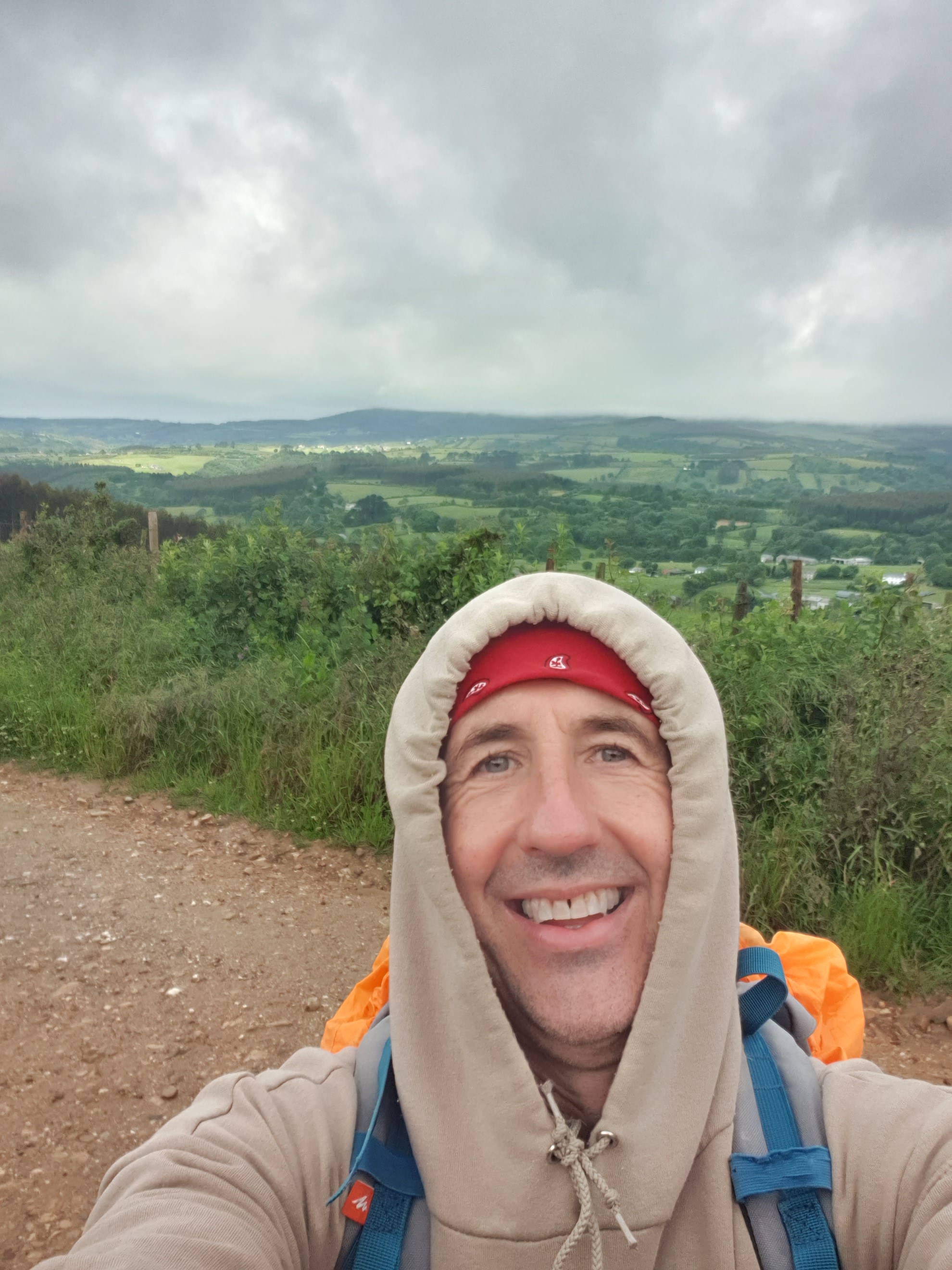
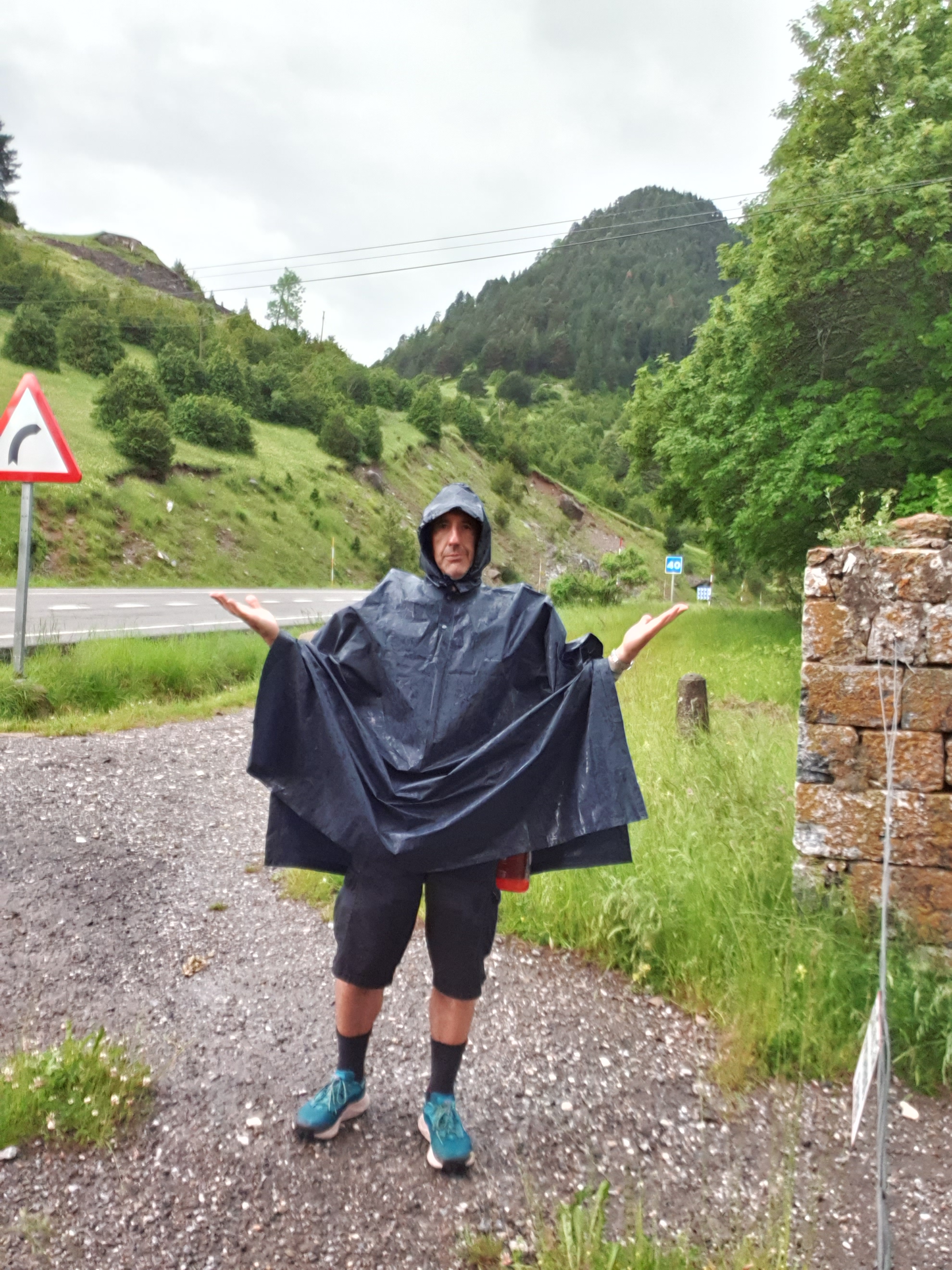
If it rains you are going to get wet. Yes, you can buy a $200 jacket that will keep you dry, good for you. For a few bucks you can have a poncho that will also cover your pack. (although you should also have a rain cover for your pack). Be ready to activate your rain protocol quickly as summer showers might pop up unannounced. (You do not want your poncho at the bottom of your pack.
Bag of mixed nuts (trail mix) in a side pocket for a snack if the walk between villages is too far.
Bandanas (x 3) great for picking up sweat, as an impromptu hat, etc.
Sun hat, people have died on the Camino from sun strokes. On the climb up from Castrojeriz you read the sad story of a fellow who basically got skin cancer -on that climb.
Swiss Army Knife, you are only going to use it to maybe slice some bread to make a bocadillo (Spanish sandwich) or to open a bottle of wine, but it gives you great peace of mind knowing that you have it.
Bathing suit! If you find a spot for an after-hike dip, or a municipal pool, you will need it.
Lightweight towel.
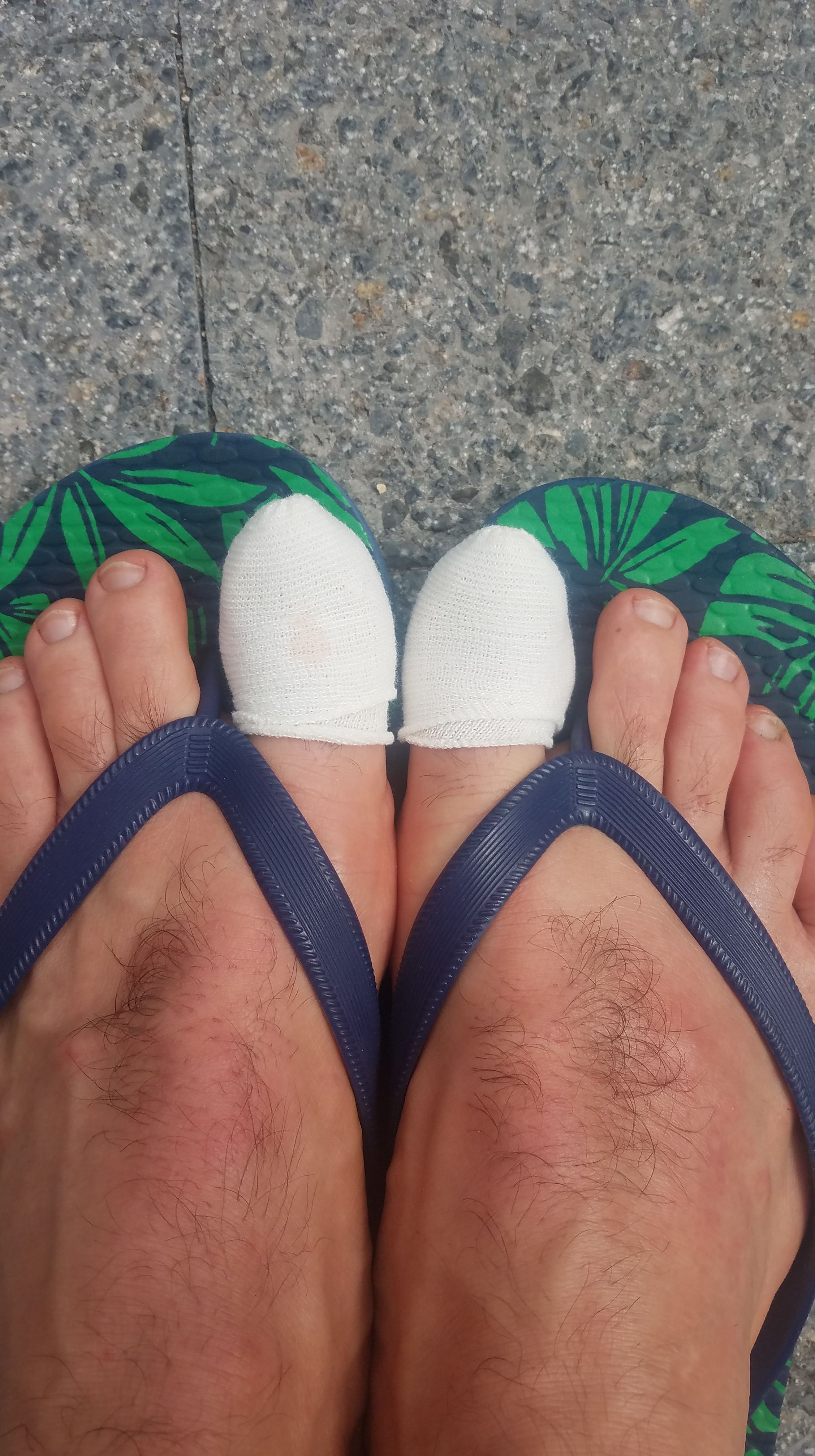
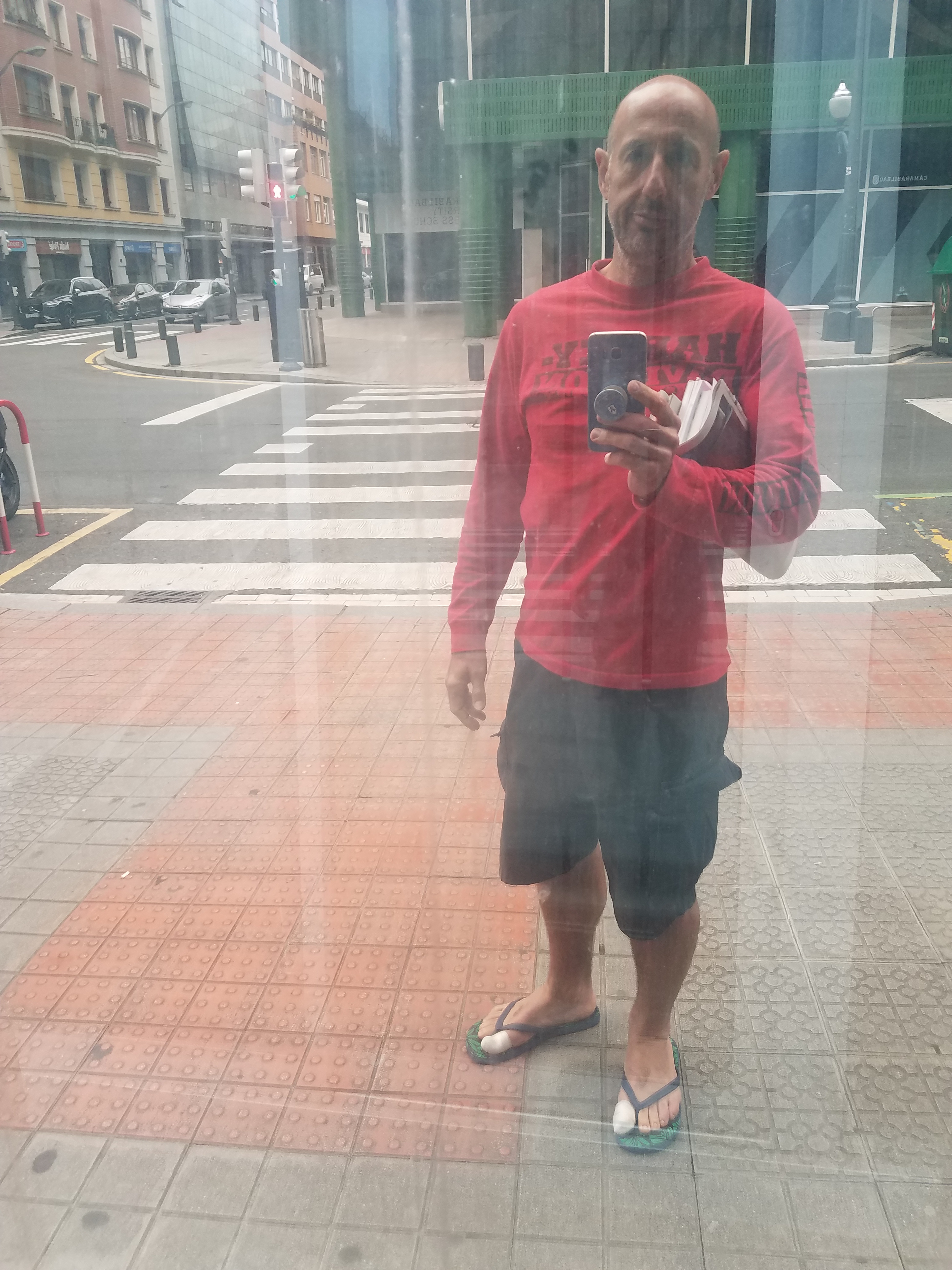
Flip flops. My first Camino I carried sandals for the après-Camino, but then I realized that most of the population of Southeast Asia only wear flip flops. So I ditched the sandals, I now wear my cheap flip flops all the time.
Silk long johns. Some evenings it does get chilly, long johns to the rescue. They weigh nothing and take up zero space.
A few feet of thin rope. No rope space for your laundry? Bring your own line…
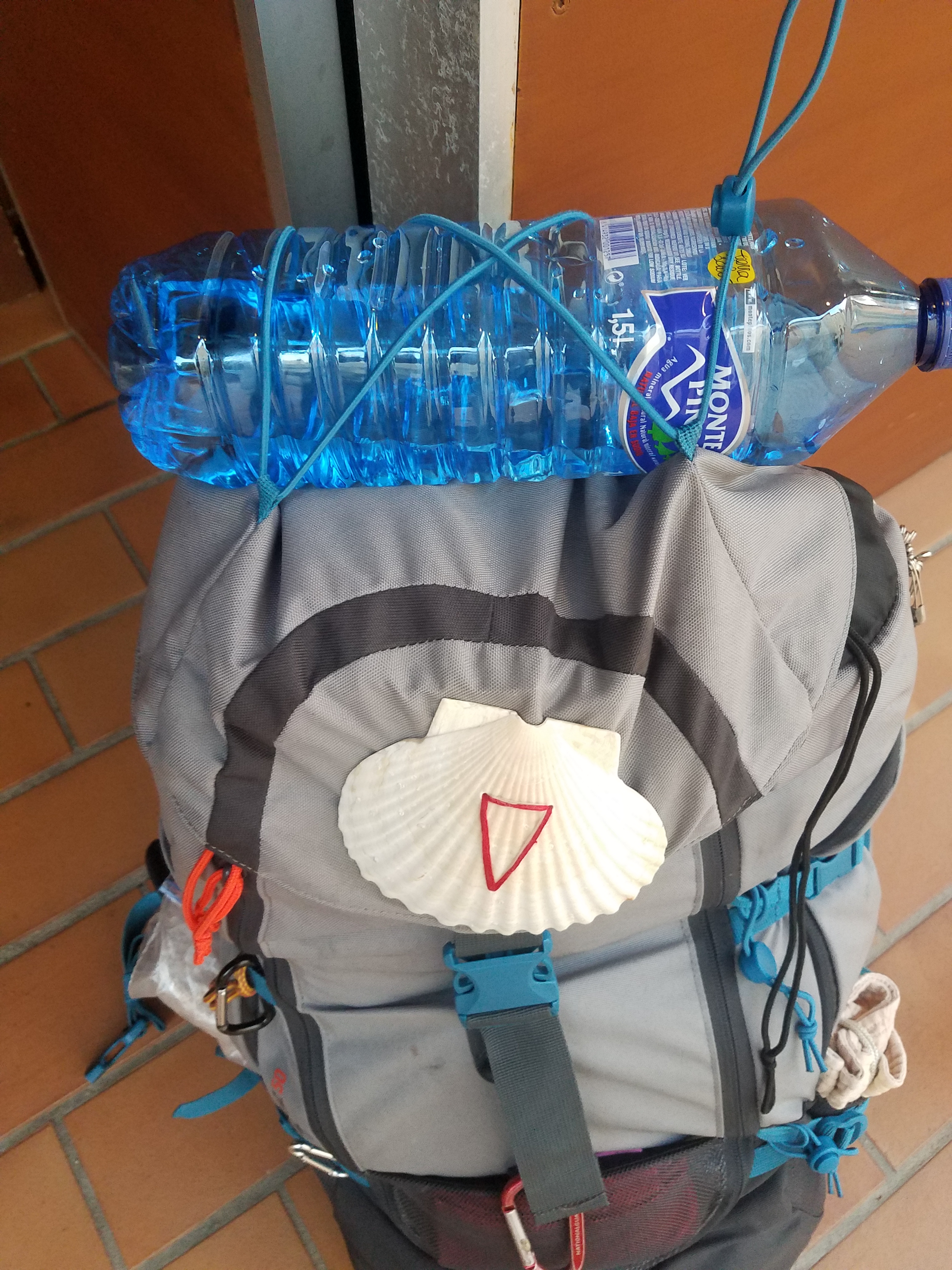
Water bottle. A lot of people use bladders, on a sweltering day you will quickly run out of water and those are difficult to fill in a village fountain… you have been warned.
Savon de Marseille: use it for your body, shampoo…or clothes, 3 in 1. If you get it in Spain, it is called jabón Lagarto, every supermarket has it.
Small first aid kit, you might need a few things to take care of blisters, etc. More for peace of mind on the trail.
Small book and writing/drawing notebook.
Sunglasses.
Rule of thumb is your pack should never exceed 10% of your body weight and should never exceed 10 kg (22lbs). My pack is a 50 liter, but I have plenty of space. Also remember to pack the heavy stuff in the bottom of your pack so it will sit in your lumbar area.
Now, having said all this, forget it! Each person is different with unique needs and expectations, experience, etc. So, make your own Camino, and your own pack. Buen Camino!!




 Antonioyrocinante's Blog