Which Camino: Francés, Norte, Primitivo or Aragonés?

Having just finished my 4th Camino, the Aragonés, here is a bit of a comparison between the Francés, Norte, Primitivo and Aragonés to build on my previous analysis of the Francés and Norte (click here for that post):

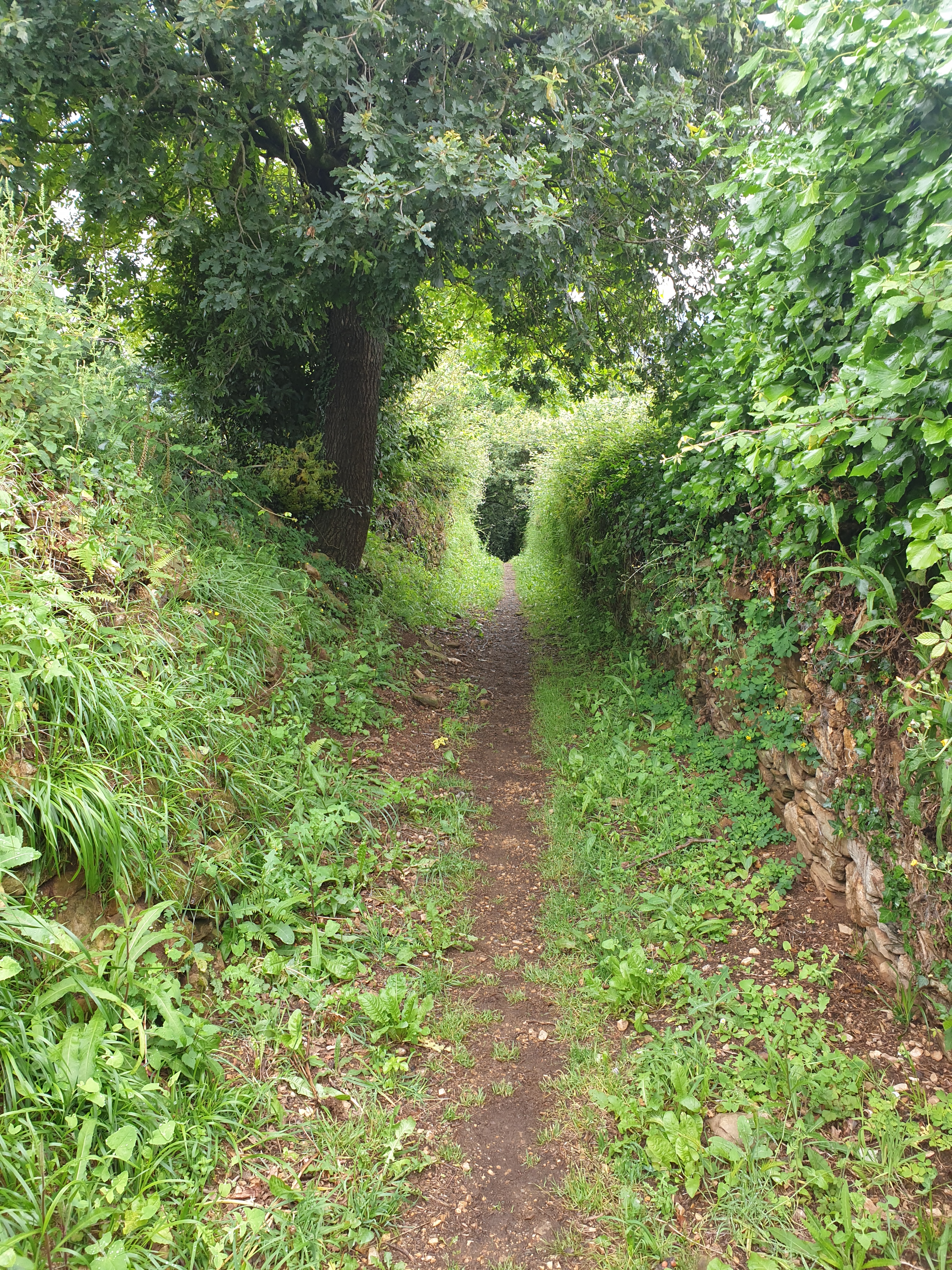
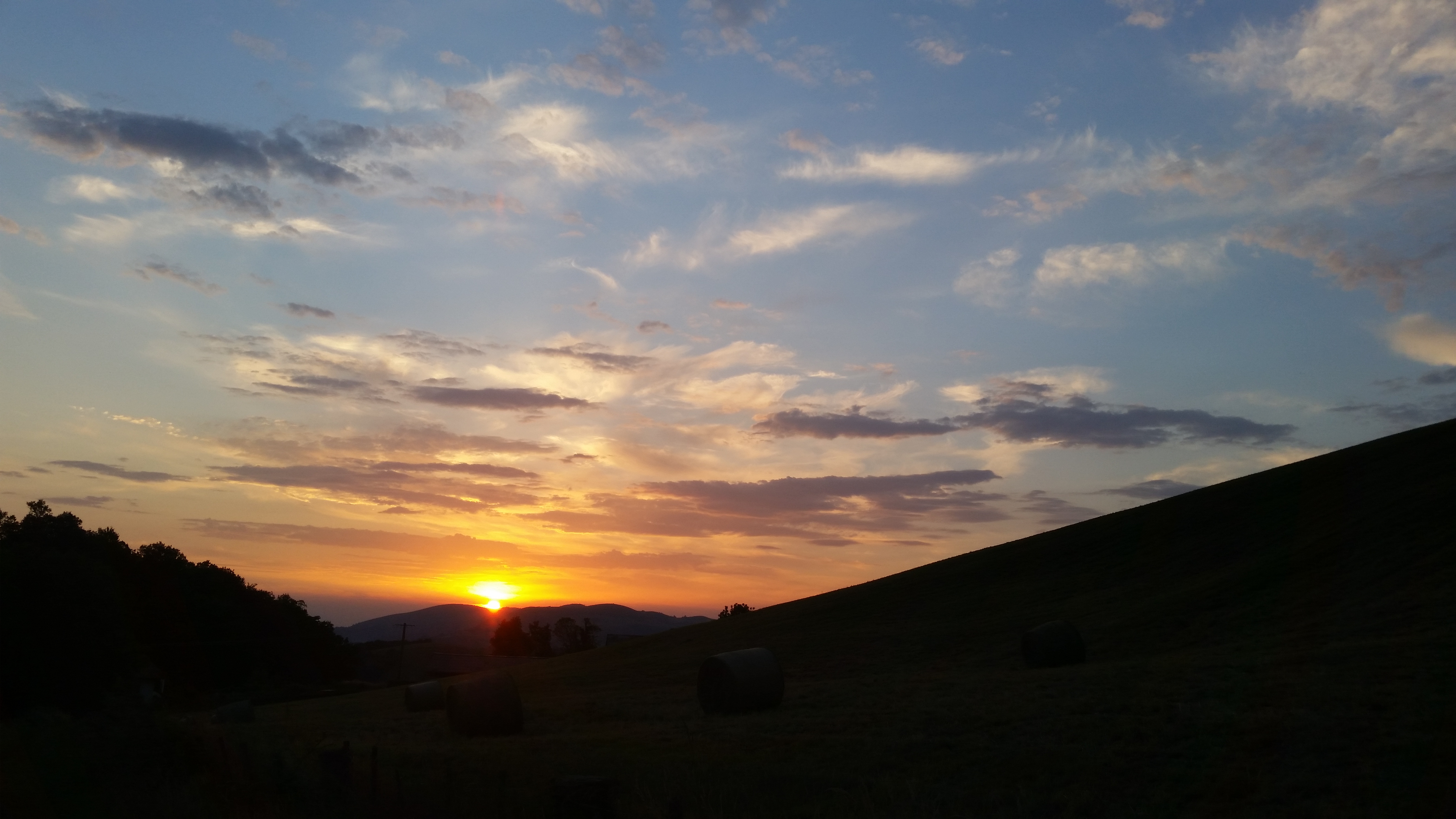
I loved the Aragonés! It is wild and beautiful, we were very few pilgrims on the trail -about a dozen or so, most days I did not bump into any pilgrims! There are very few albergues and they are stage distance apart (with few exceptions), so we were the same pilgrims every evening at the end of the stage.

At around 7 days before it joins the Francés at Puente la Reina, it is a bit short. That is the worst thing about the Aragonés.

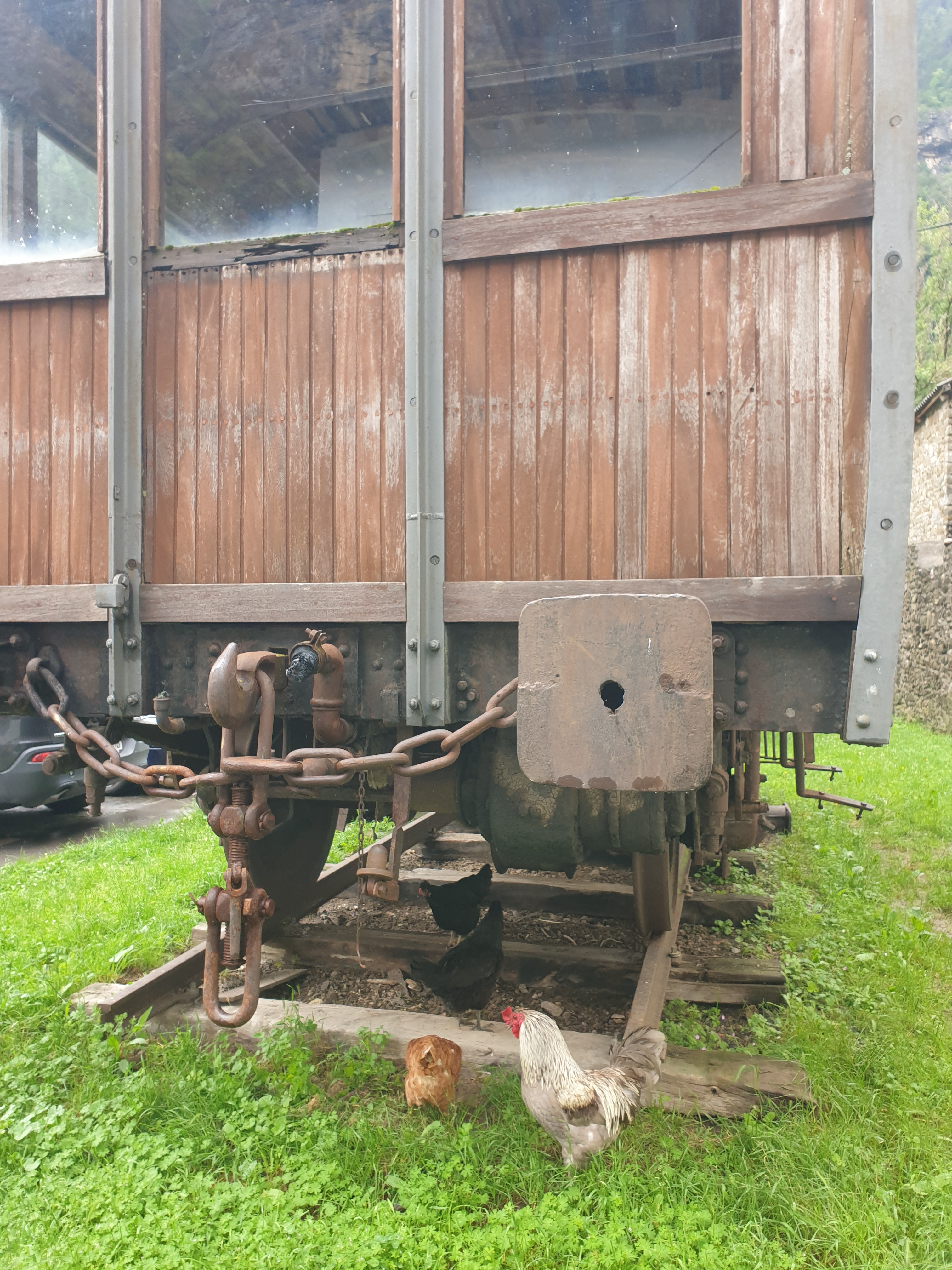
My all time favorite so far is the Primitivo due to the rugged beauty and the three days right in the middle which are quite hilly and “uncivilized.” It lacks the “spiritual” component of the Francés but makes up for it in natural beauty. At around a dozen days from Oviedo to Santiago it is a perfect “full” Camino.

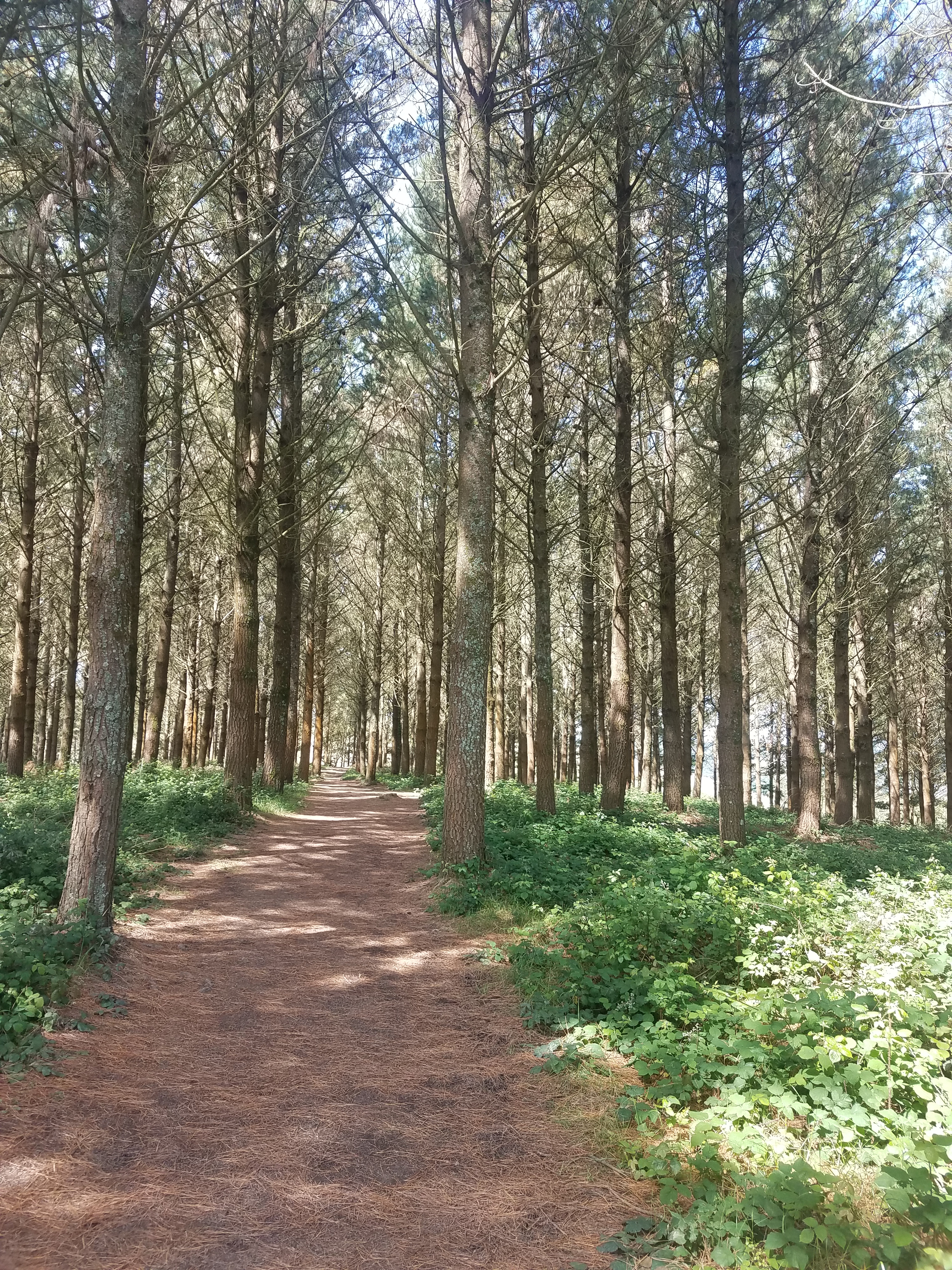
The Norte is canonically the most beautiful: beautiful beach, beautiful forest, San Sebastian, beautiful beach, beautiful forest, Bilbao, beautiful beach, beautiful forest, Santander, Gijón… you get the idea. Plus, the food. While popular, this route still has far fewer pilgrims than the Francés.

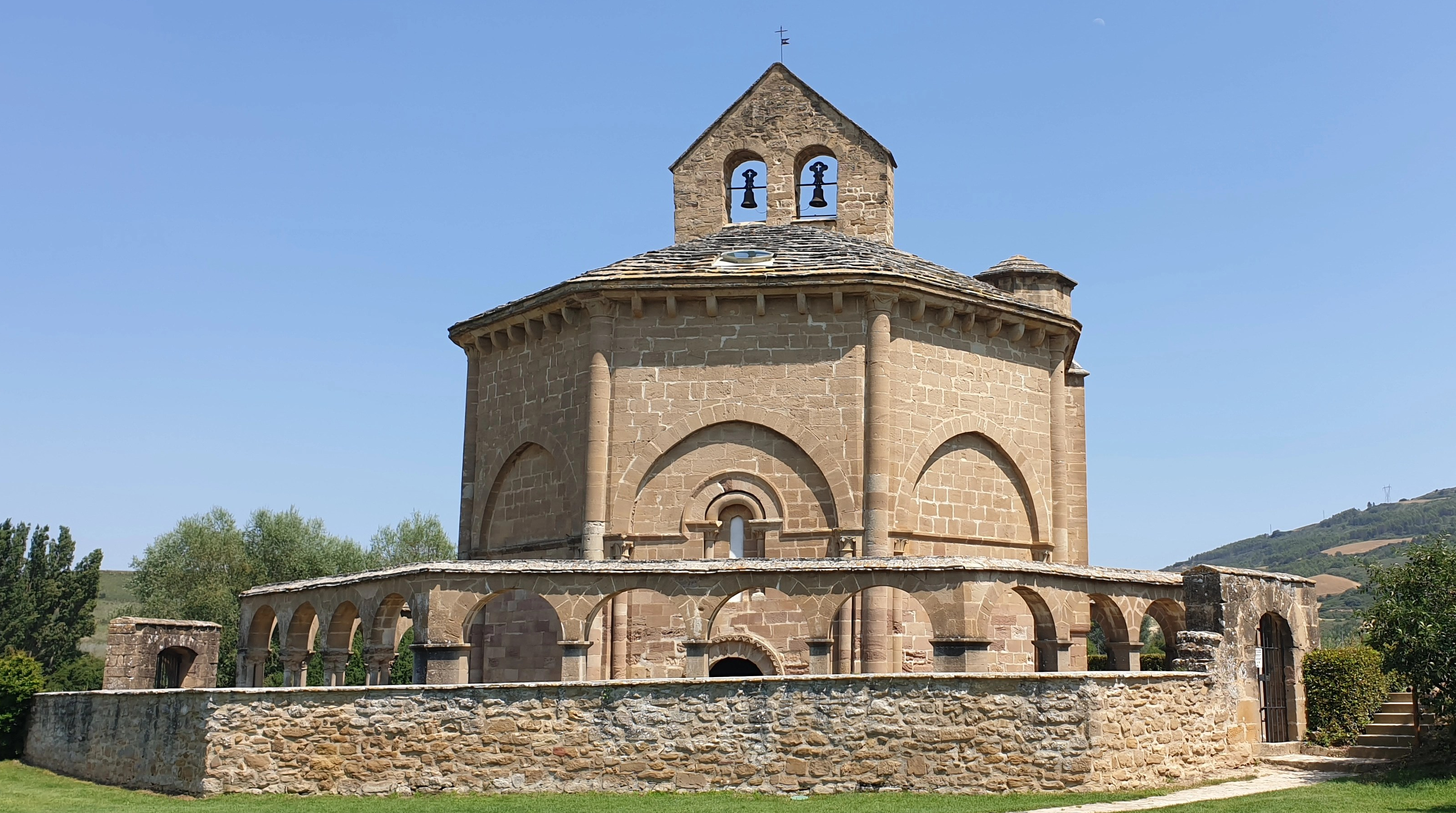
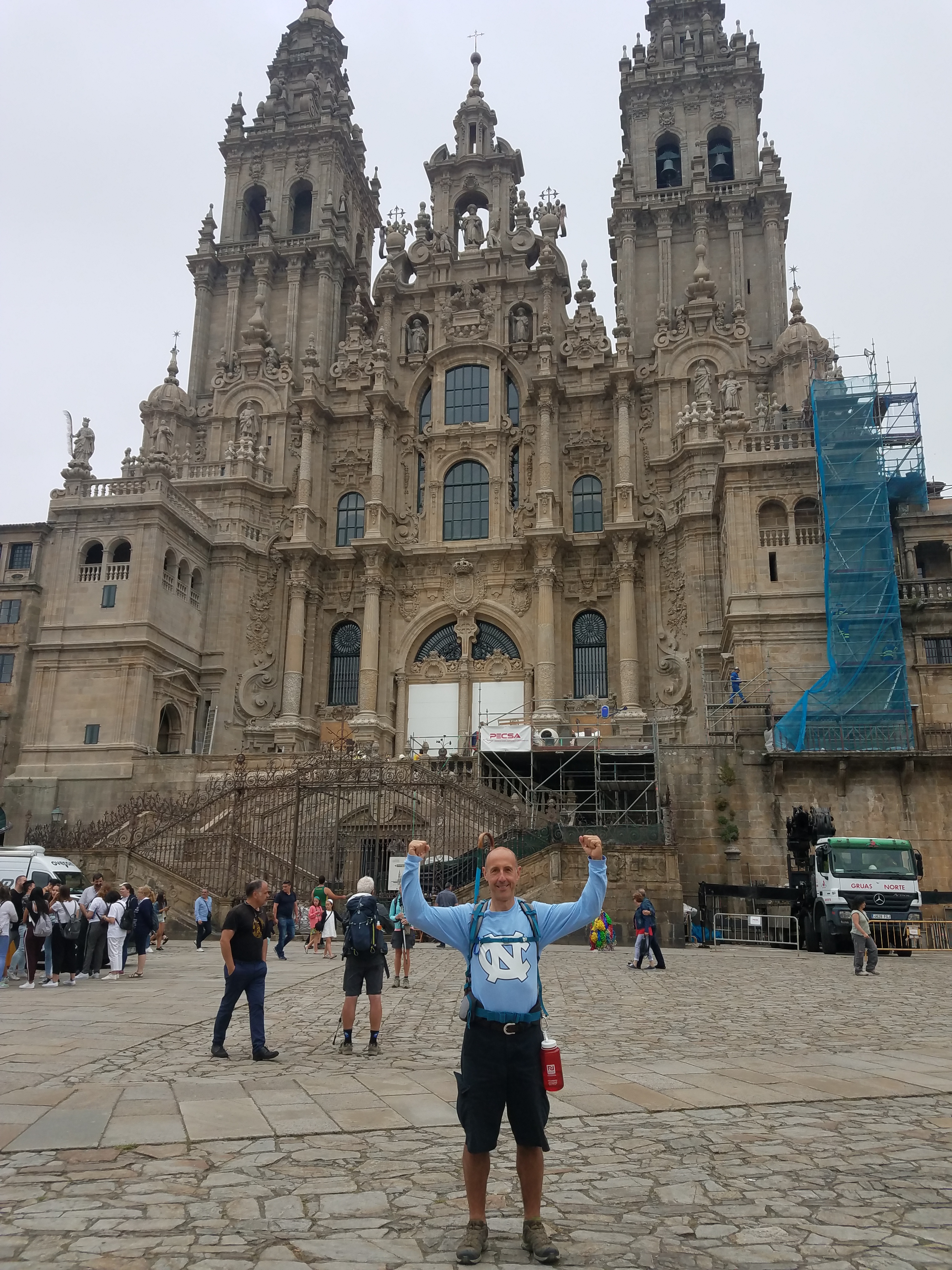
The Francés is like Classic Coke: the most popular, the best known, the oldest (not really, just in modern terms, it was the first one to be rehabilitated in the 80s), and it is the most spiritual: most churches are open -unlike other Caminos, the change of orography makes this Camino “feel” longer. And the cities, with their Gothic cathedrals are impressive: Pamplona, Burgos, and León.
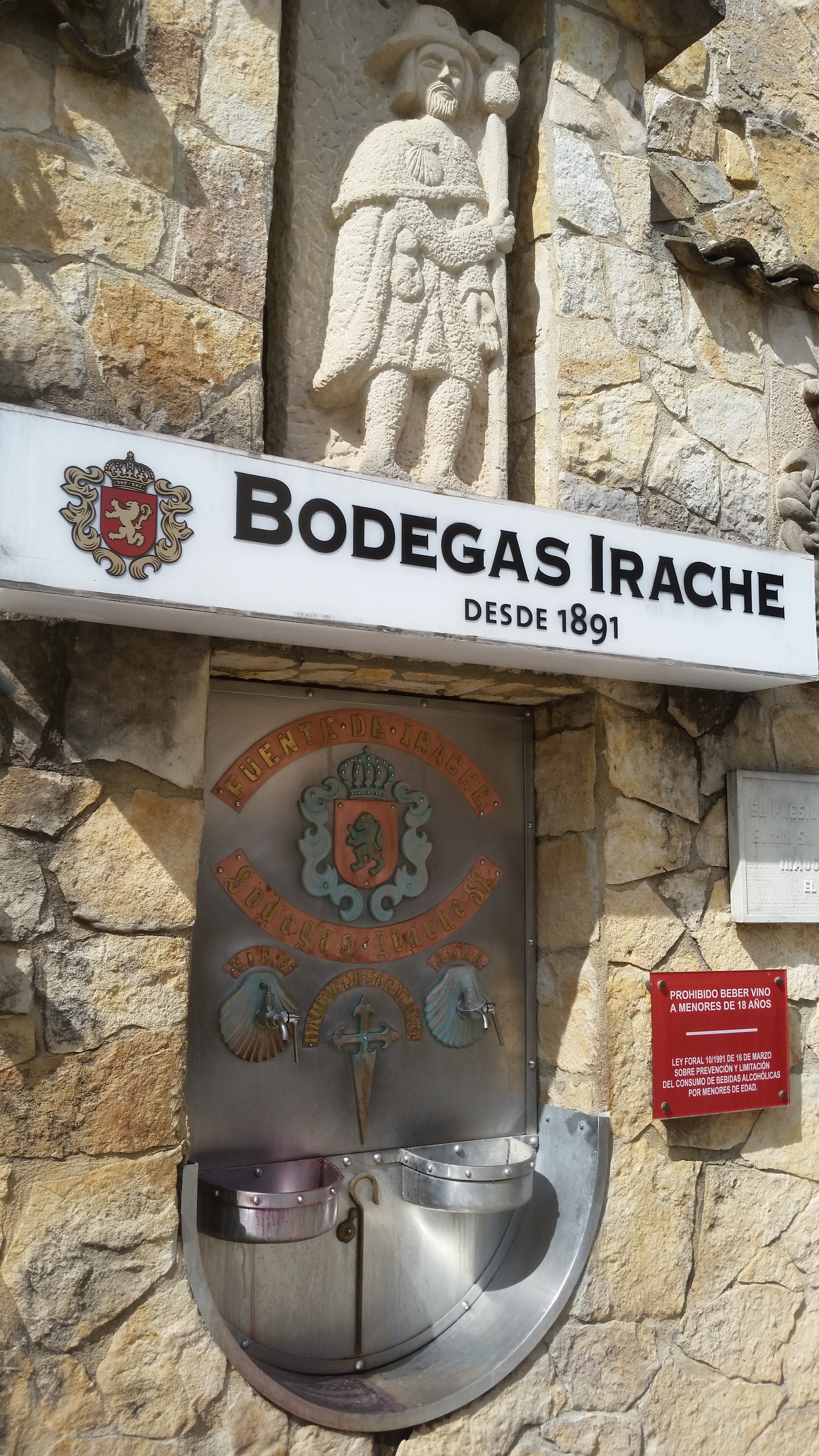
So, my ranking for now is: 1, Primitivo, 2, Aragonés, 3, Norte, and 4, Francés. Of course, you could start your Camino with the Aragonés and then hook up with the Francés, but you would miss crossing the Pyrenees, and the Navarra hills to Pamplona. On the other hand, by then the early crowds will be a bit more spread out…

Yes silly, of course I am thinking of next year’s Camino, but you will have to stay tuned to this blog for more!

Should you walk the Camino?

Many of the people I have met since I did my first Camino in 2017 tell me how much they want to do it. Most folks will never get around to walking it. Well, I am here to guide you.

What is your motivation to walk the Camino? In my case, I had dreamt about it for years, but it took my father’s passing for me to finally commit. Maybe you have heard from a few pilgrims that it was a cool experience? Or maybe you have a higher motivation. Although it is bad Camino etiquette to ask pilgrims why they are walking (it is none of your business, you can read more pointers here), most folks do it in between jobs, after college, to “find themselves.”

You 100% should walk the Camino. For clarity, for healing, for your mental, spiritual, and physical health, to get to know the country in a way not even Spaniards know, for culture: history, architecture, art, food, etc., to disconnect from civilization (you are not walking the Appalachian trail), but just walking for hours on end each day means that you are not looking at a screen for those hours, and yes, for fun.

Your first task is committing, maybe therein lies the issue.

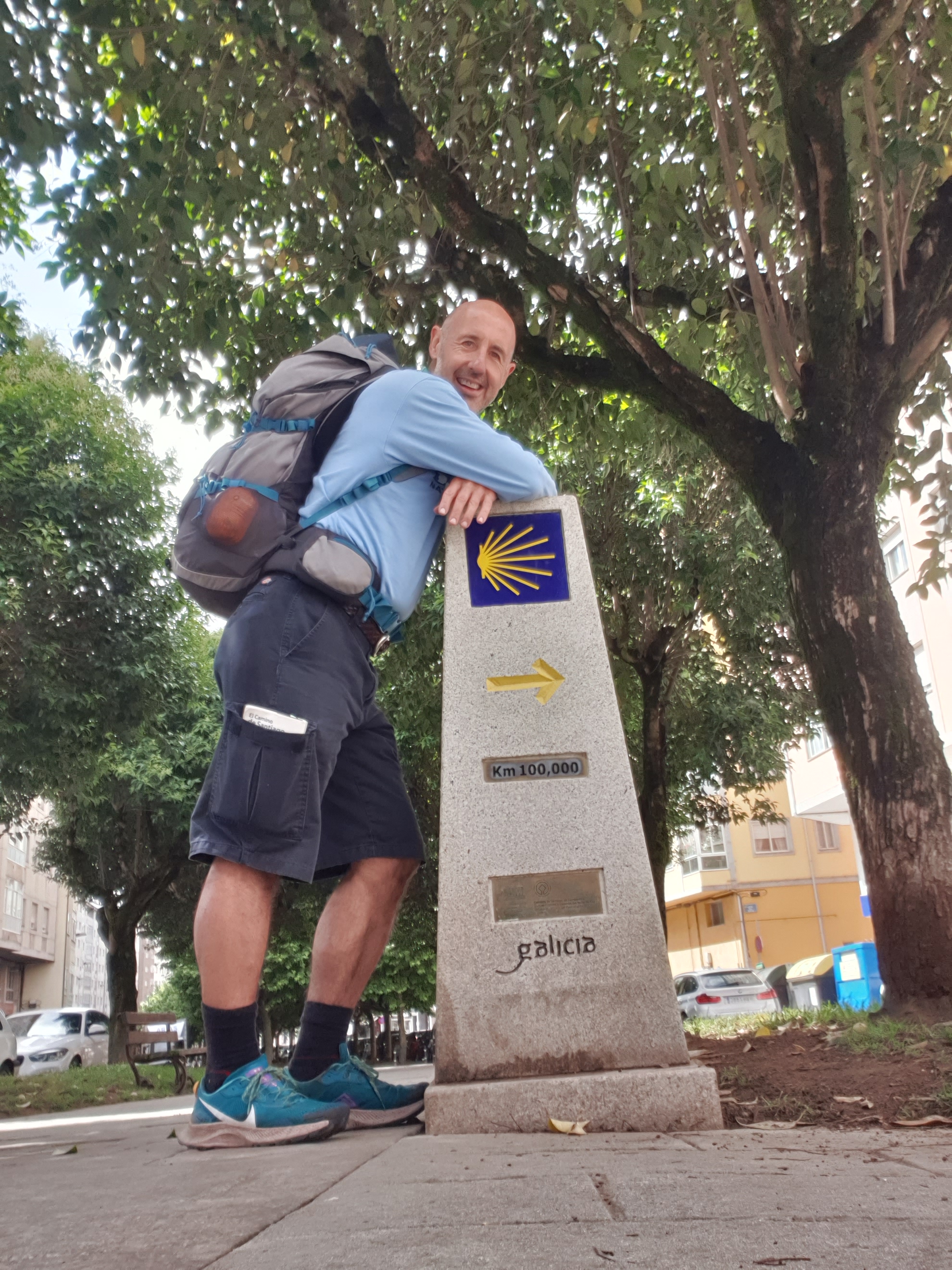
Your next step is to figure out how much time you have. For the full enchilada, you are going to need thirty something days. Or you can do a shorter Camino like the Primitivo which will take you around 12 days. Any less and you are really cheating yourself out of the transformative experience that is the Camino. Sure, you only need to walk 100 km (62 miles) -less than a week- to get your Camino certificate, your Compostela, but if you are walking the Camino to hang a certificate on your wall, you might as well just go to Disney World.

Once you know how much time you have, take a look at all the different Caminos, you can start in Paris, Geneva, Madrid, Lisbon, Bordeaux, you name it. The Camino starts at your doorstep.

Money. The Camino in Spain is relatively inexpensive. You can get away at 30 Euros a day. You will need more if you want to stay in hotels instead of Albergues, and much more if you are going to walk in France or anywhere else in Europe. On the other hand you will need much less if you camp and/or if you make all your own meals.

Then you make your travel plans: planes, trains, buses, whatever.

And your equipment, there are a million YouTube videos on this, even I have written about it here.

That’s it, you are on your way, Buen Camino!

What shoes to wear on the Camino – Part II

This is a follow up on my surprisingly popular What shoes to wear on the Camino post (which you can read here).

This Summer I walked my third full Camino, the Primitivo (you can read about that here) and it was awesome! It is a relatively short Camino of 320 km (200 mi.) which I managed in 11 days. Part of what made it great was my shoes…

This year I switched from Salomon to the Nike Pegasus Trail 3, and they were fantastic: great support, cushioning, grip, comfort, weight (or lack thereof). Overall a 10. I did get one blister, but it was not the shoe’s fault, it was the wearer’s fault for doubling up a stage and walking 40 plus km (25 miles) with the last 20 km (12 mi) on tarmac on a warm day; I deserved it.

Let me reiterate that if you are walking the Camino in the Summer, you normally do not need boots, unless they are really lightweight, and you need the ankle support. Trail running or hiking shoes are the best option, much lighter, more breathable, etc.

Of course, every foot is different, but I wholeheartedly recommend this shoe!

Have you done the Camino with Nike Pegasus Trail 3? What was your experience like? If not, what shoes do you recommend? Let us know in the comments!

Buen Camino!!

Love letter to El Camino (sorry, en Español)

Every day that passes I am closer to getting back on the Camino. This Summer I hope to walk the Primitivo, from Oviedo to Santiago, the same one that king Alfonso II -the first pilgrim- did sometime around 840 to check out St. James’ tomb. It is apparently the most rugged and thus the most beautiful although it is only 14 stages at 314 km (about 195 miles).

The other day I saw this beautiful video/love letter from Condé Nast Traveler, which while not 100% authentic, it does capture the spirit of the Camino, so I am sharing it with you in this tender time that is Christmas.

Enjoy.

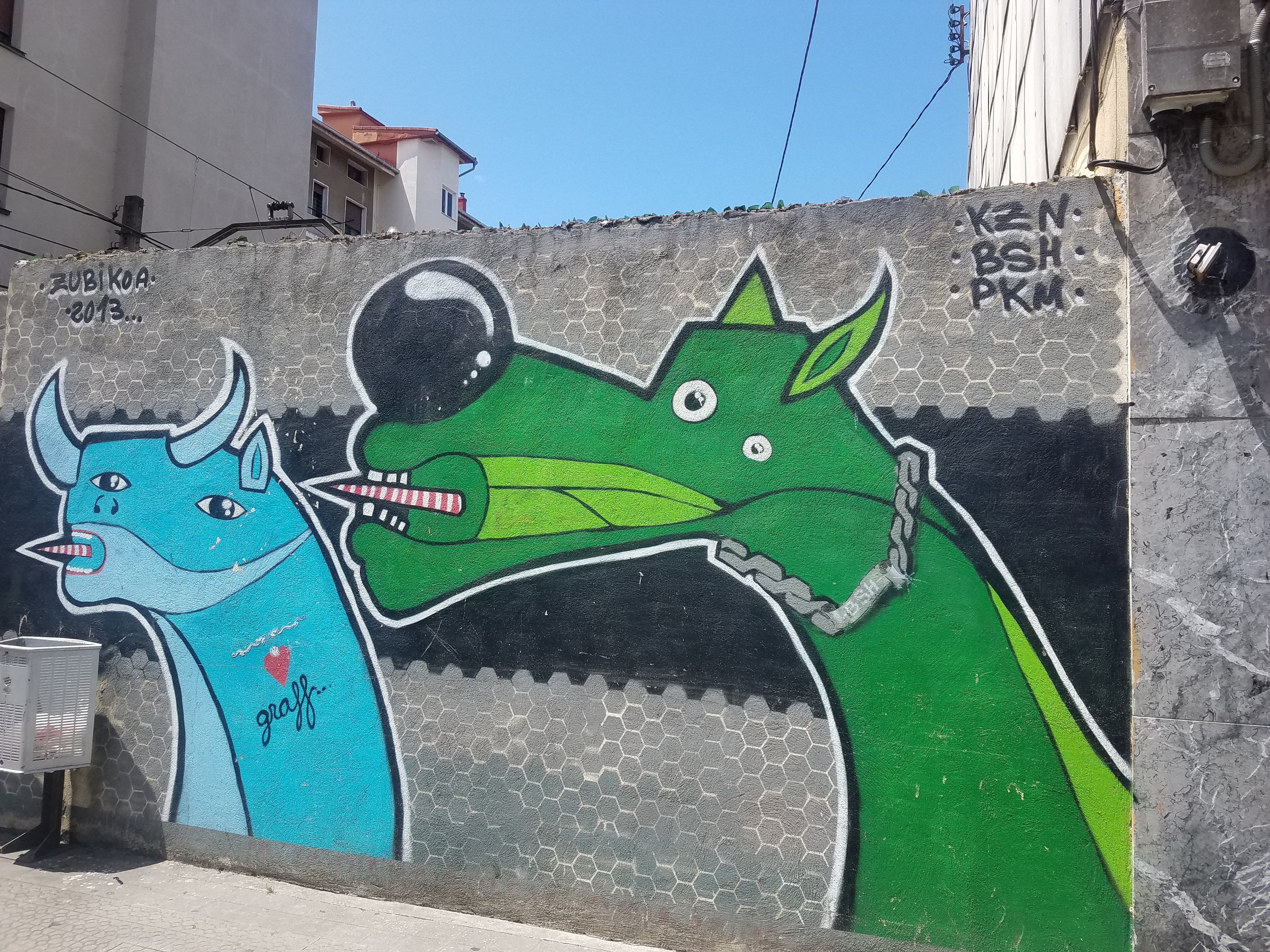
Arriving in San Sebastian!