Saying farewell is hard. Fr. George and emotional healing.

“Goodbyes are only for those who love with their eyes. Because for those who love with heart and soul there is no such thing as separation.”

Rumi

Life is a story, a narrative, with a beginning and an end, and in between (hopefully) many chapters, some longer and some shorter. When a chapter finishes, or is left unfinished, it is emotional. It is emotional because you are back to a blank page, you can start a new chapter -you should start a new chapter.

Saying goodbye is a process shared by all humanity, the emotions that we share when we say farewell. Books, films, plays, operas, ballets, songs, poems (especially poems), you name it, have been devoted to saying goodbye, how we deal with it, how we process, the whole messy procedure. And here is the space for magic to happen in the space left by the person who has left. As you let go of the person leaving, you are on the threshold, you are now open to growth, to seeing what you can take from the friendship, or whatever it was, and make yourself a better person, a more understanding person. Or you can become bitter and insecure.

It is in these transitional moments of our lives that authentic transformation can happen. Otherwise, it is just business as usual and an eternally boring, status quo existence. 

Richard Rohr

From family members, to loved ones, friends that sometimes you love as much as family, or even someone you have recently met but with whom you connected with, and everybody in between. Saying goodbye is hard.

The key word there is connection; the moment you share, you laugh, you cry, everything forms a connection with the other person.

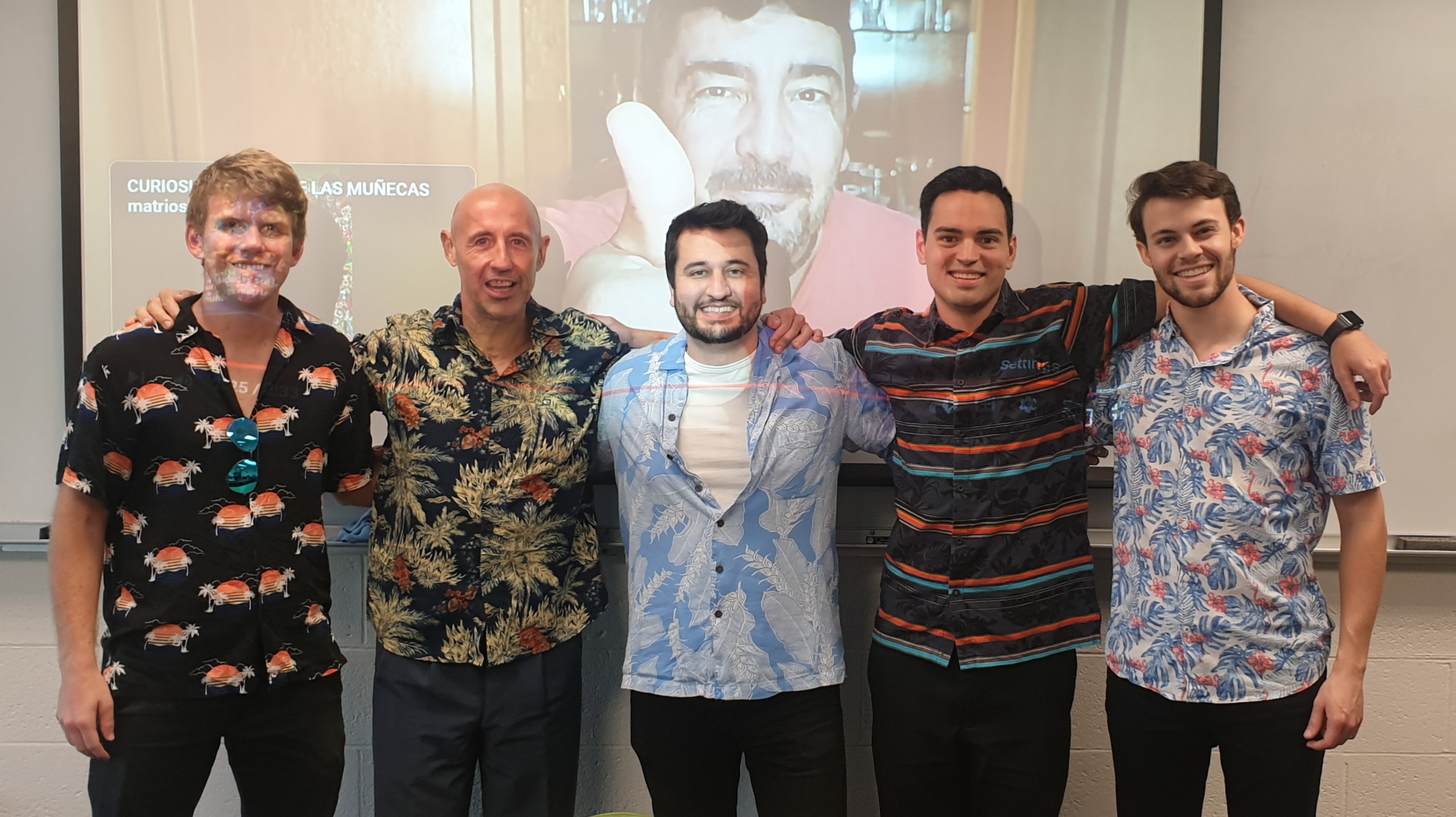
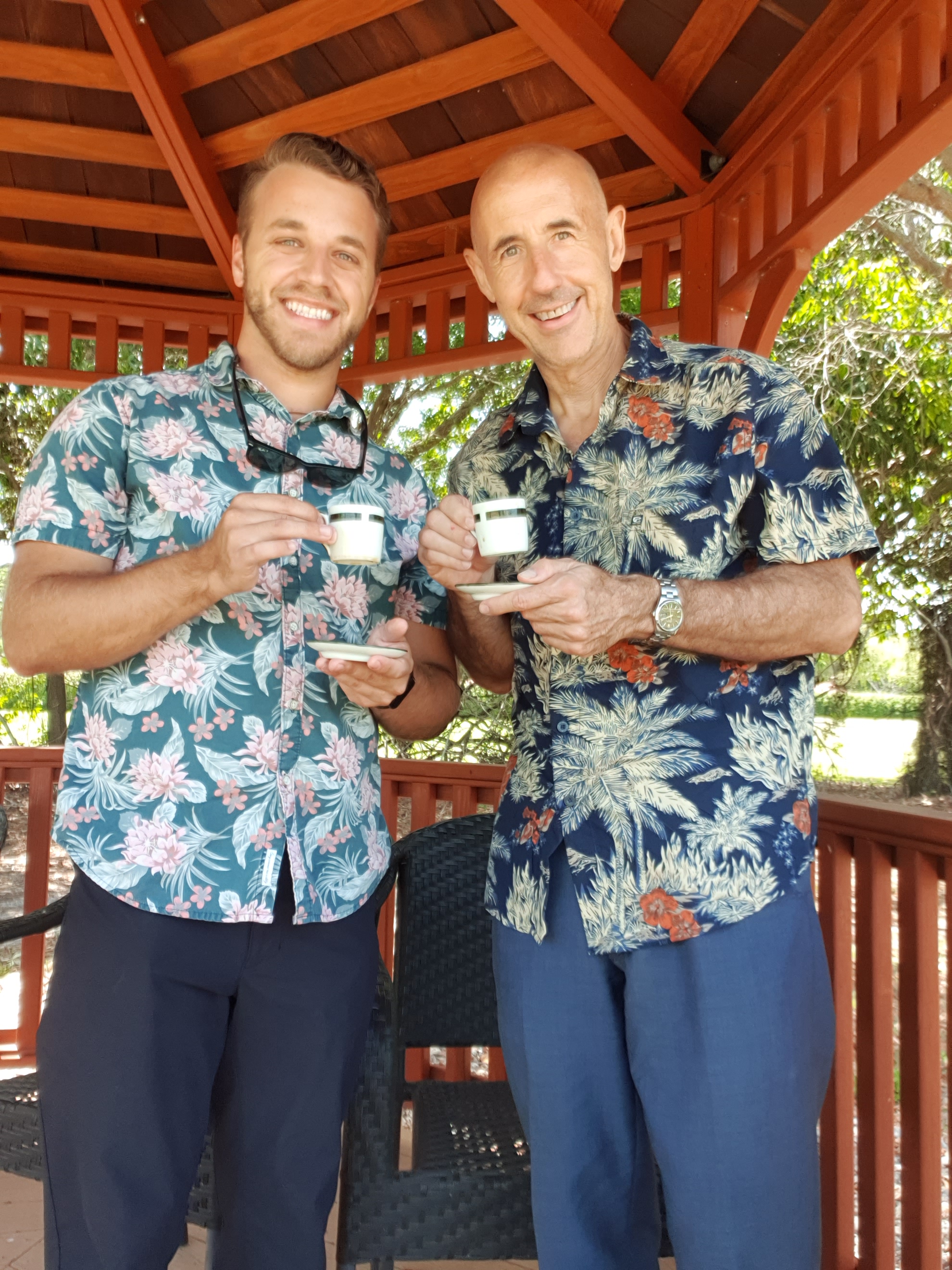
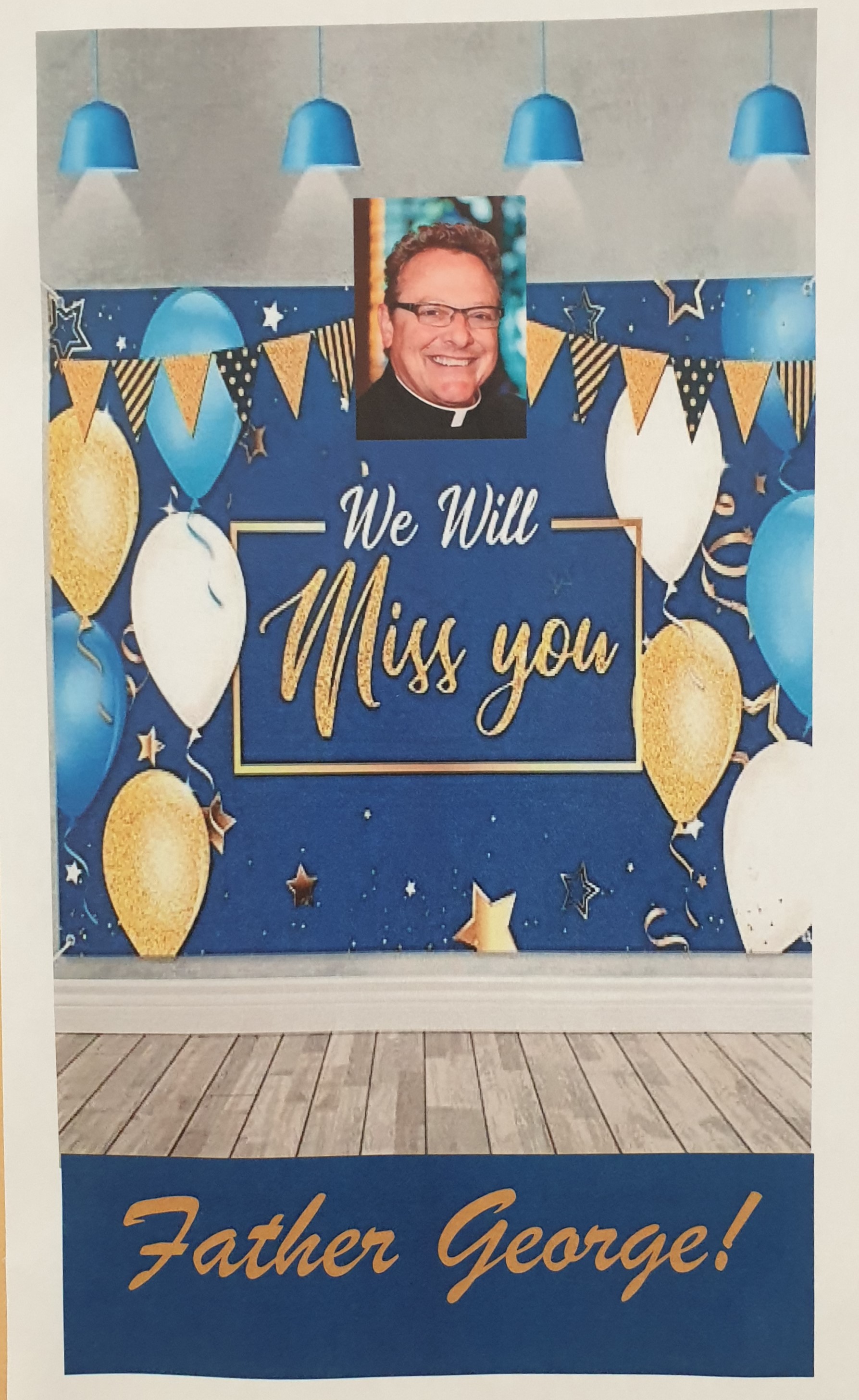
Fr. George generously invited me to go paddle boarding with him last Fall, it became a bit of a tradition, going out early in the morning for an hour or so, and then getting a coffee at Willy Cafe before heading to work. We connected. Now he is leaving our school and going back to Orlando. As a proper surfer, Fr. George is known to wear Hawaiian shirts when not in his clerics; The other day, to celebrate him, we all agreed to wear Hawaiian shirts in his honor, it was fun and moving at the same time!

Words are so clumsy at explaining the feelings, the void left in your heart when someone leaves, dies, ghosts you, whatever.

Of the many, many words to express goodbyes, I like Rumi’s quote at the top and this poem a lot. What are your favorite farewell songs, poems, books? Let me know in the comments.

[i carry your heart with me(i carry it in]

E. E. Cummings

i carry your heart with me(i carry it in

my heart)i am never without it(anywhere

i go you go,my dear;and whatever is done

by only me is your doing,my darling)

                                                      i fear

no fate(for you are my fate,my sweet)i want

no world(for beautiful you are my world,my true)

and it’s you are whatever a moon has always meant

and whatever a sun will always sing is you

here is the deepest secret nobody knows

(here is the root of the root and the bud of the bud

and the sky of the sky of a tree called life;which grows

higher than soul can hope or mind can hide)

and this is the wonder that’s keeping the stars apart

i carry your heart(i carry it in my heart)

Alfred Lord Tennyson

For a long time, I just had this title sitting in my drafts box. Today I finally approached it.

Poetry and poems grow with you, some stay longer than others, some come and go, some you even forget, and some stay with you forever.

In my case Neruda and Cavafy are both engraved in my memory since my college days. Also, from my days in university, Tennyson, but he drifted out, like the many poets in the massive Victorian Prose and Poetry book we studied. Some lines stayed with me, like “’Tis better to have loved and lost than never to have loved at all.” from In Memoriam A.H.H.

But a few lines kept re-visiting me, like messages from a distant shore. When I left Spain in 2005, I memorized the whole poem, to recite it to my friends during the farewell dinner (at Alfredo’s, of course).

Then, every Summer, at my mother’s country house I reach for that big old book and search for that poem, and read it, and more often than not, cry.

Yes, the poem is famous, yes, Frasier recited it in his farewell from his TV show, and yes, M recites it in a recent James Bond film, but that does not make it any less good. On the contrary, it is a testament to the quality of the poem.

Here it is, enjoy. (If you are pressed for time, the final 15 lines are the most well known, I have marked the spot with an *.)

And if you would rather listen to the poem click here, it is a 5 minute listen.

Ulysses

It little profits that an idle king,

By this still hearth, among these barren crags,

Match’d with an aged wife, I mete and dole

Unequal laws unto a savage race,

That hoard, and sleep, and feed, and know not me.

I cannot rest from travel: I will drink

Life to the lees: All times I have enjoy’d

Greatly, have suffer’d greatly, both with those

That loved me, and alone, on shore, and when

Thro’ scudding drifts the rainy Hyades

Vext the dim sea: I am become a name;

For always roaming with a hungry heart

Much have I seen and known; cities of men

And manners, climates, councils, governments,

Myself not least, but honour’d of them all;

And drunk delight of battle with my peers,

Far on the ringing plains of windy Troy.

I am a part of all that I have met;

Yet all experience is an arch wherethro’

Gleams that untravell’d world whose margin fades

For ever and forever when I move.

How dull it is to pause, to make an end,

To rust unburnish’d, not to shine in use!

As tho’ to breathe were life! Life piled on life

Were all too little, and of one to me

Little remains: but every hour is saved

From that eternal silence, something more,

A bringer of new things; and vile it were

For some three suns to store and hoard myself,

And this gray spirit yearning in desire

To follow knowledge like a sinking star,

Beyond the utmost bound of human thought.

         This is my son, mine own Telemachus,

To whom I leave the sceptre and the isle,—

Well-loved of me, discerning to fulfil

This labour, by slow prudence to make mild

A rugged people, and thro’ soft degrees

Subdue them to the useful and the good.

Most blameless is he, centred in the sphere

Of common duties, decent not to fail

In offices of tenderness, and pay

Meet adoration to my household gods,

When I am gone. He works his work, I mine.

         There lies the port; the vessel puffs her sail:

There gloom the dark, broad seas. My mariners,

Souls that have toil’d, and wrought, and thought with me—

That ever with a frolic welcome took

The thunder and the sunshine, and opposed

Free hearts, free foreheads—you and I are old;

Old age hath yet his honour and his toil;

Death closes all: but something ere the end,

Some work of noble note, may yet be done,

Not unbecoming men that strove with Gods.

The lights begin to twinkle from the rocks:

The long day wanes: the slow moon climbs: the deep

Moans round with many voices. * Come, my friends,

‘T is not too late to seek a newer world.

Push off, and sitting well in order smite

The sounding furrows; for my purpose holds

To sail beyond the sunset, and the baths

Of all the western stars, until I die.

It may be that the gulfs will wash us down:

It may be we shall touch the Happy Isles,

And see the great Achilles, whom we knew.

Tho’ much is taken, much abides; and tho’

We are not now that strength which in old days

Moved earth and heaven, that which we are, we are;

One equal temper of heroic hearts,

Made weak by time and fate, but strong in will

To strive, to seek, to find, and not to yield.