Guilty pleasures II – Vanity Fair

I have already written about National Geographic and The New Yorker magazines. They are both brilliantly written and very particular in their coverage, but there is a third magazine I love to read that, while beautifully written, might be a bit more, how should we say? superficial.

In the mid or late 90s, I must have picked up an issue of Vanity Fair magazine at some American airport, probably enticed by a great cover photograph, I loved it and have subscribed ever since!

That era, with Graydon Carter as editor, was a golden era for the magazine. Dominick Dunne, Sebastian Junger, and Christopher Hitchens wrote amazing pieces. Equally amazing photos by Bruce Weber, Annie Leibovitz, Mario Testino, and Herb Ritts decorated the magazine, and great exposés made for exciting reading: Deep Throat, the tobacco industry (which led to the film The Insider (1999), with Al Pacino and Russell Crowe), in-depth interviews, and overall simply great reporting!

Nowadays, maybe because we are in the 21st century, the magazine seems less edgy, the photography is more digital, and the content is more politically correct, trying to cater to everybody. I still read it cover to cover, but maybe not with the same excitement, it is still a guilty pleasure since I could (and should) be reading more enriching stuff…

If you are bored in an American airport and walk by a newsstand, get an issue of Vanity Fair, and let me know what you think in the comments below!!

PS: Conde Nast now publishes some international numbers, but they are not the same…

National Geographic; a lifetime subscription (almost)

Everybody is familiar with the yellow National Geographic magazine. I have been a subscriber since 1977 (more or less, I think). My dad got me my first subscription back when I was a teenager living in New York, since then I have moved many times, but I have always kept my National Geographic subscription!

Yes, my first love was the amazing photography, basically telling the story of the article in photos, but little by little I got into reading the articles as well.

The magazine has gone through some changes and now belongs to Disney, but they seem to be doing a good job of keeping the quality of the articles, the writing, the photography, and the magazine itself. One of the peculiarities of Nat Geo is that there is only advertising at the beginning and the end, but no advertising in the middle of the magazine, this is very refreshing and conducive to reading, without interruptions. Another great feature are the maps the magazine sometimes comes with, they are spectacular! I love them and have even had some of them framed!

Nowadays, there are more “fun” little articles at the beginning of the magazine, I guess to cater to folks with short attention spans, but they do not detract from the main articles, which range from all sorts of topics like history, geography, archeology, sciences, nature, and much more. As I prepared for the photo shoot with my niece, we noticed that a favorite topic throughout the history of the magazine is ancient Egypt!

If you have never read a National Geographic, I encourage you to find one and check it out, they are special. You are welcome.

Let me know your thoughts in the comments below.

Photo credit: My niece

The Holdovers, an ode to Stoicism.

One of the many blessings of Film Club, beyond the fellowship and deep discussions, is that every few months you watch a jewel of a film. This month’s theme was Boarding Schools, and the repertoire was: Louis Malle’s Au Revoir les Enfants (1987), Netflix’s version of Matilda (2022)(ok, not a boarding school, but it might as well be), Robin Williams’ classic Dead Poets Society (1989) and a film I had never heard of: The Holdovers (2023).

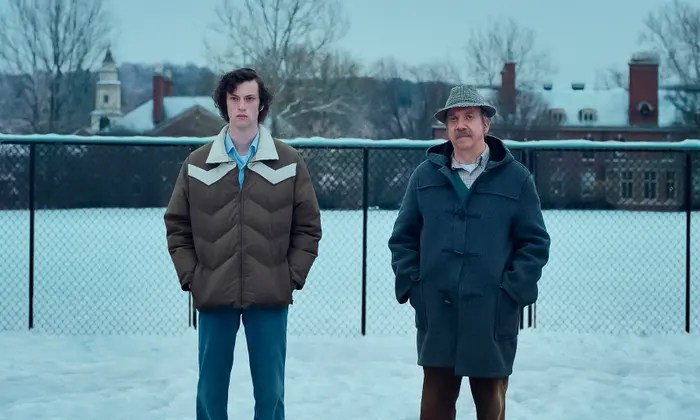
There are many factors that make The Holdovers a fantastic film -at least for me: it is filmed in two main locations I know and love well, New England boarding schools, and Boston, my beloved old Bostonia, Paul Giamatti, wonderful photography, and an insightful narrative.

As I mentioned the film starts in a New England boarding school (it was filmed in half a dozen of them, including a scene in Waltham, home of my alma mater Bentley College), so we have the whole school as the cast. Christmas break arrives and the cast is narrowed to five students who are stuck in school over break with a teacher (Giamatti) and the cook. The dad of one of these holdovers, the CEO of a helicopter manufacturer will eventually pick up his son and the rest of the boys -except one, Angus Tully (Dominic Sessa) to take them skiing. The brunt of the story is then the three holdovers: the student, history teacher Mr. Hunham, and the cook, Mary Lamb (Da’Vine Joy Randolph).

Yes, the film touches on the inequalities of the “legacy students” -children of wealthy alumni, family dynamics, class inequalities, etc. But those are accessory to the plot.

What could these three different people have in common? You might ask. Well, what we all have in common: our brokenness. And this is where the film shines. The big clue comes when Hunham, gives his two Christmas companions copies of Marcus Aurelius’ Meditations “For my money, it’s like the Bible, the Koran, and the Bhagavad Gita all rolled up into one.” At the end of the film, we will see a box full of the books, Hunham’s go to present, apparently.

Stoicism is less a philosophy and more of a way of life: understanding what is under our control, and if it is beyond our control, there is not much we can do about it but accept it. (I recently wrote about this here). Of course, it is difficult for us to become full, real stoics, it is a lifetime process. Our three protagonists -eventually only the two men in their “field trip” to Boston, struggle with their issues. Despite the obvious age difference, we see these two men are basically the same, a mirror image in their brokenness.

As any good film does, The Holdovers makes the viewer consider their lives and how to deal with their issues, and at the same time enjoy a wonderful cast, beautiful photography, great early seventies music and Paul Giamatti.

Enjoy the 70s style trailer:

70s style trailer is classic!

On Photography

With your hand on your heart, tell me you have never been moved by a photograph. Such is the power of photography. I am ashamed to say that despite spending over twelve years in the world of photography professionally (and many more as an amateur) I have never written about this art which means so much for me.

I took my Kodak Disk camera on a high school trip to the Soviet Union in 1983 (yes, I am old). The camera was not particularly good with its tiny negatives and tiny lens, but it exposed me (haha) to the magic of capturing powerful images. A couple of years later, I borrowed my sister’s Canon AE1 Program for a holiday in Greece and my passion for photography started in earnest. Back home, I permanently appropriated my dad’s Pentax ME Super (he never used it) and, as they say, the rest is history.

In 1991, I made my hobby into my job, when I got the opportunity to work as a sales manager for an English photo distributor in Spain. From there I entered the photo lab supply business and eventually started my own company supplying photo labs all over Spain. It was genuine fun until 2004 when everybody got a digital camera for Christmas and traditional photography as we knew it ended, overnight.

Needless to say, photography has remained my passion, although I gave all my equipment away to one of my students who was studying photography (3 different Pentax bodies, a bunch of lenses, and accessories – but I kept my Billingham bag!)

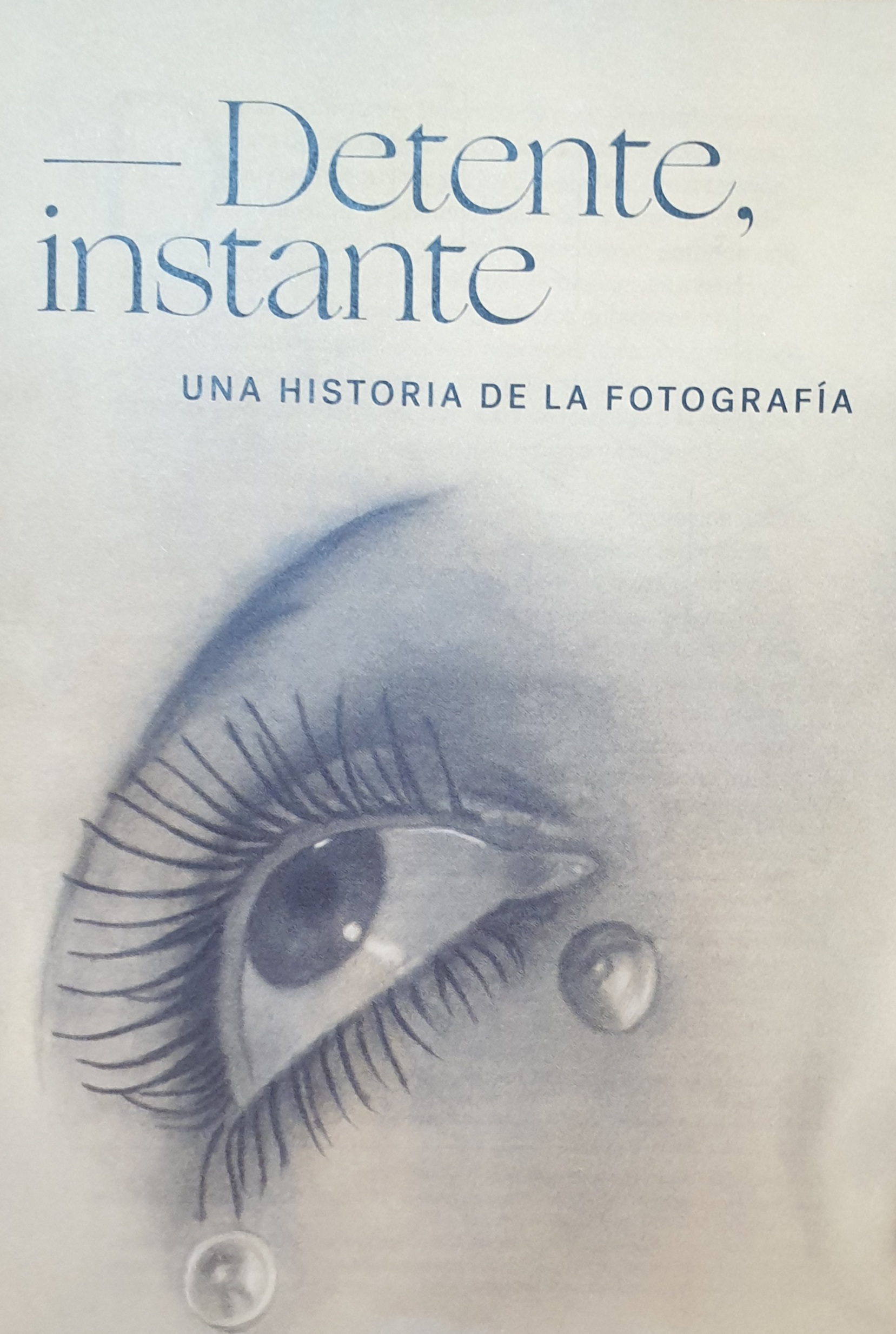
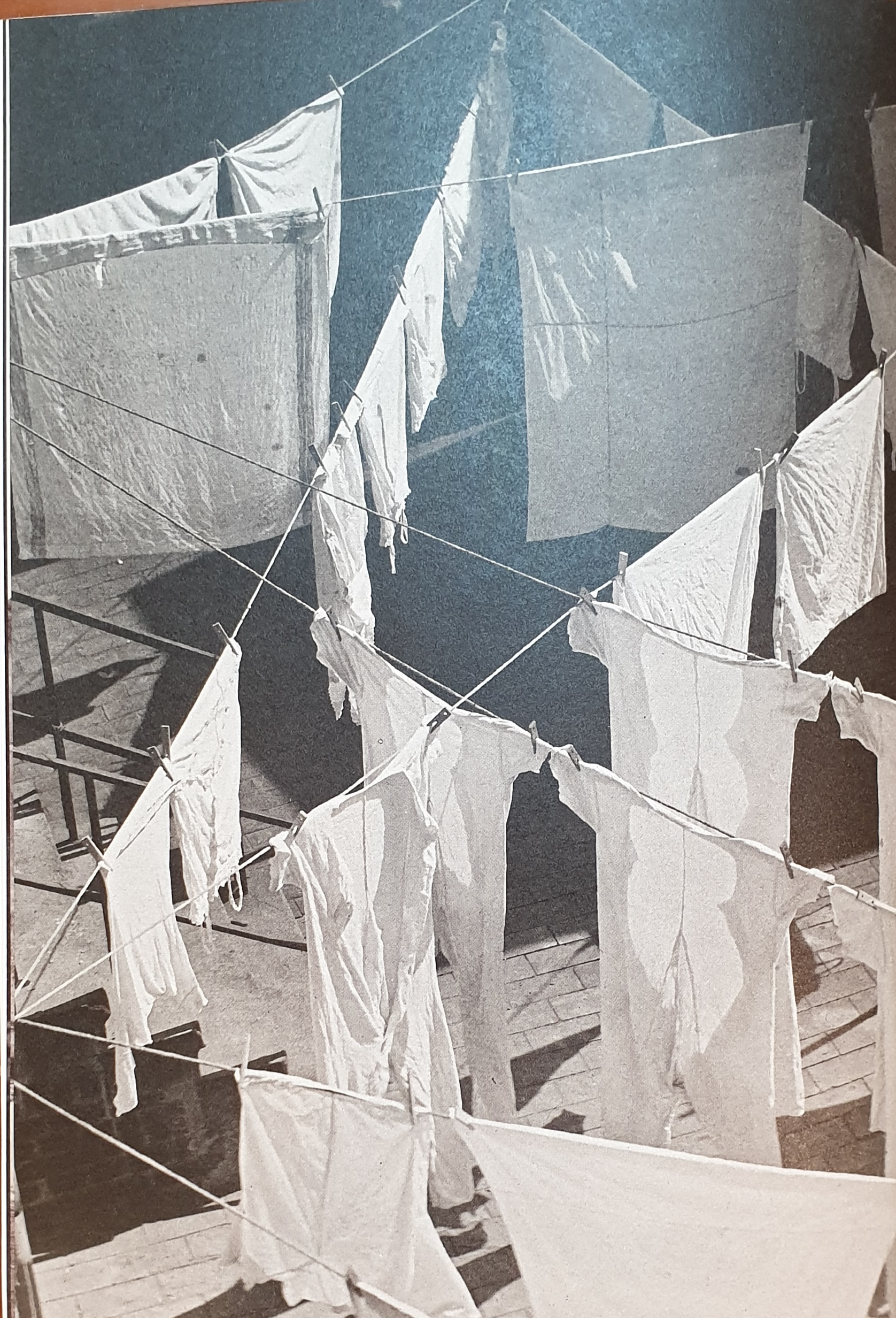
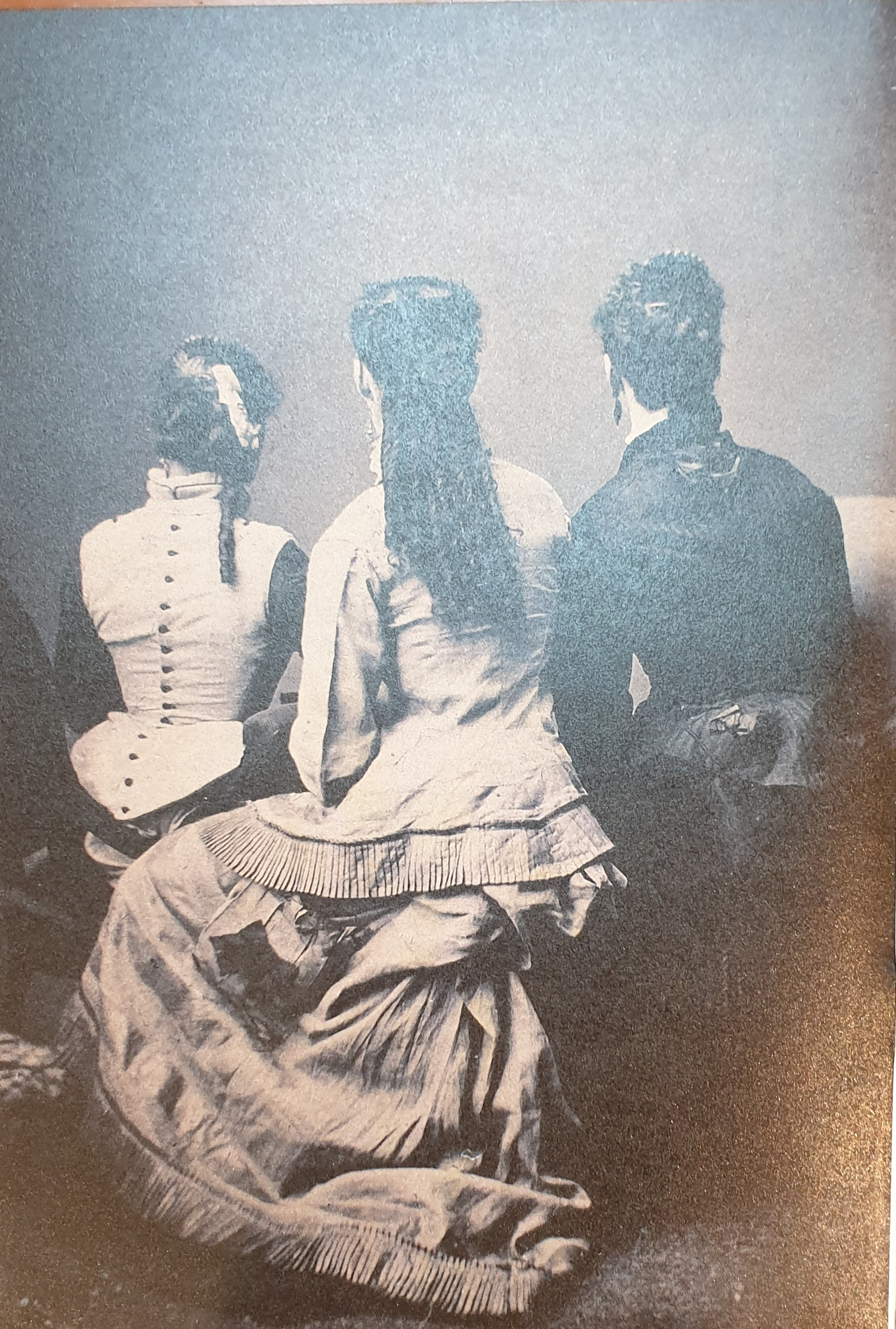
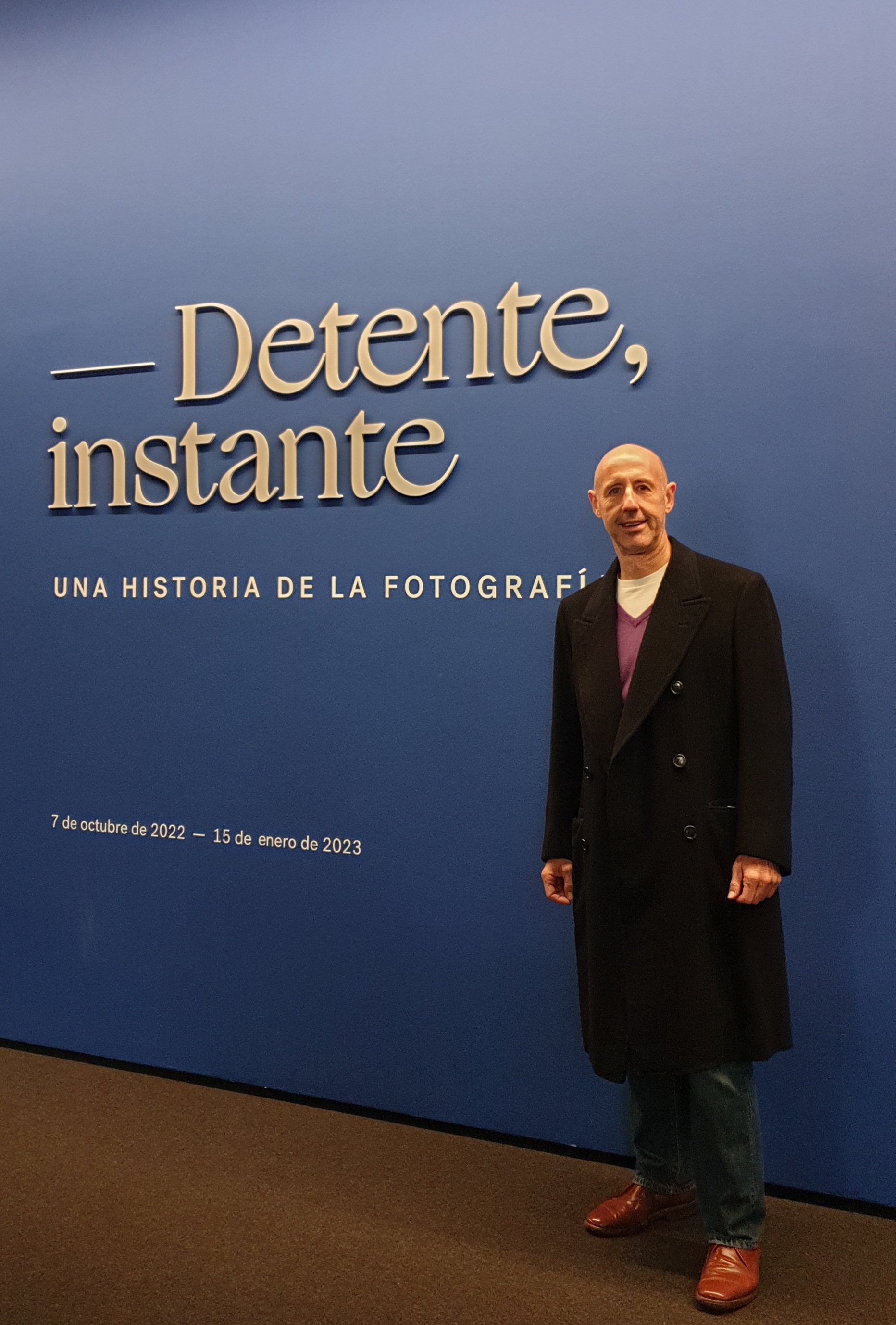
The other day I went to a History of Photography exhibit at the Fundación Juan March, and I was deeply moved by images I knew by heart: Man Ray, Mapplethorpe, Cartier-Bresson, Brassaï, Ansell Adams, Capa, and on and on. It was very emotional.

If you are in Madrid head over this exhibit, you are welcome.

The photo exhibit at the March