Teaching beyond the classroom; a night at the opera.

If you are a teacher, you are not only teaching your subject matter: you are teaching your behavior, your attitude, your presentation. More importantly, you are teaching your whole field. So, if you are teaching a science, then you are teaching the whole scientific method. In my case, I am not only teaching language, but I am also teaching culture, diversity, and the humanities.

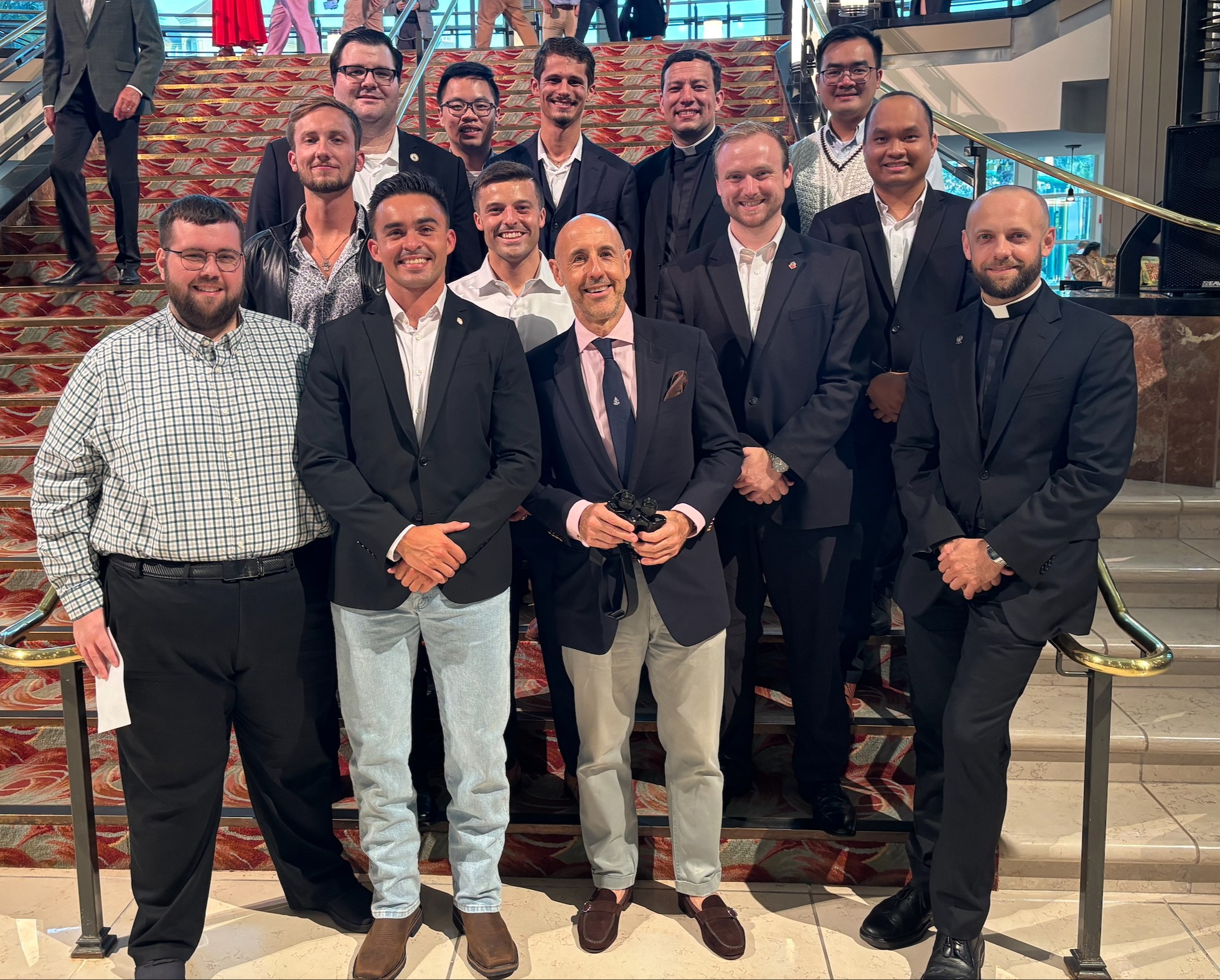
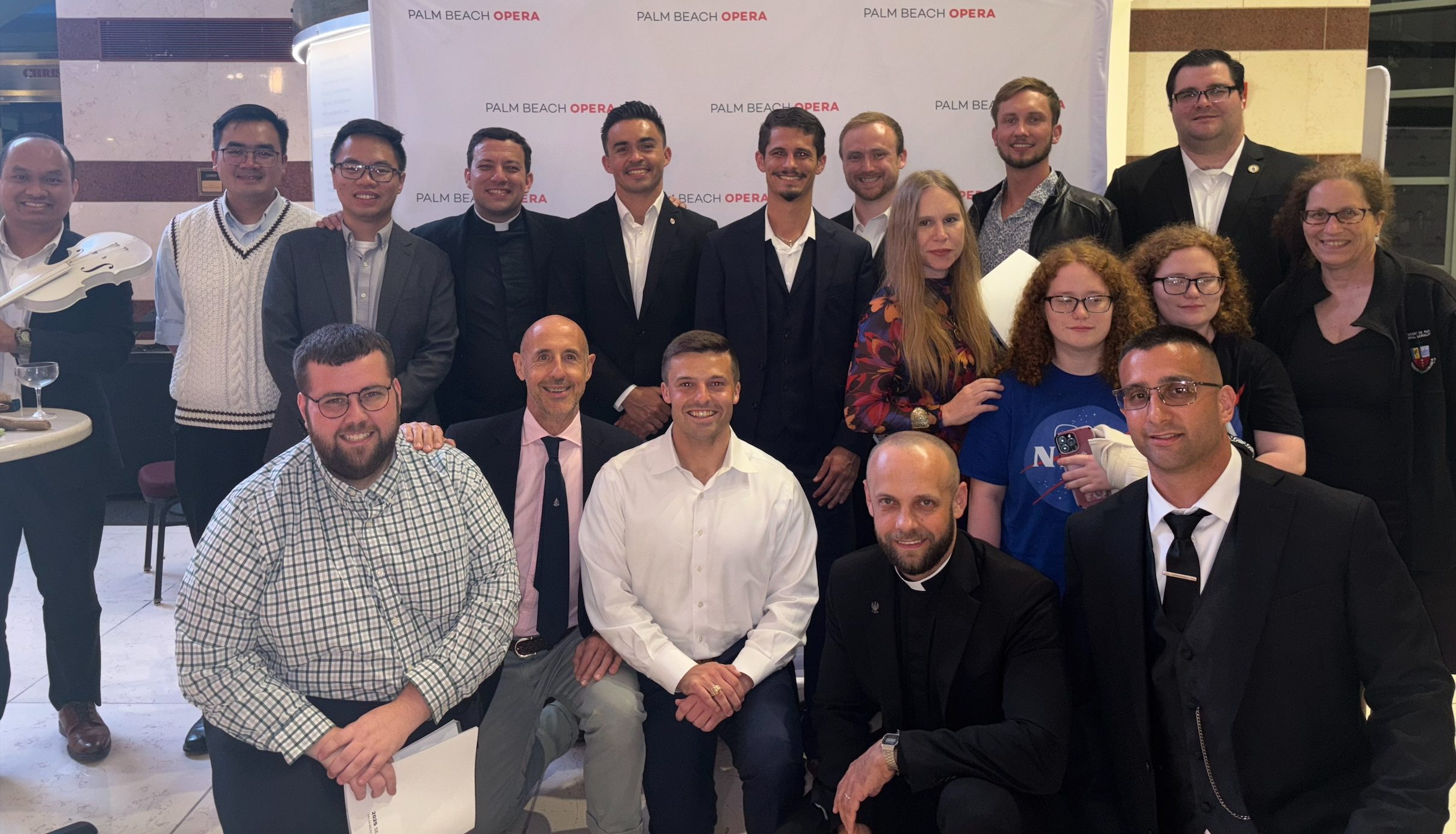
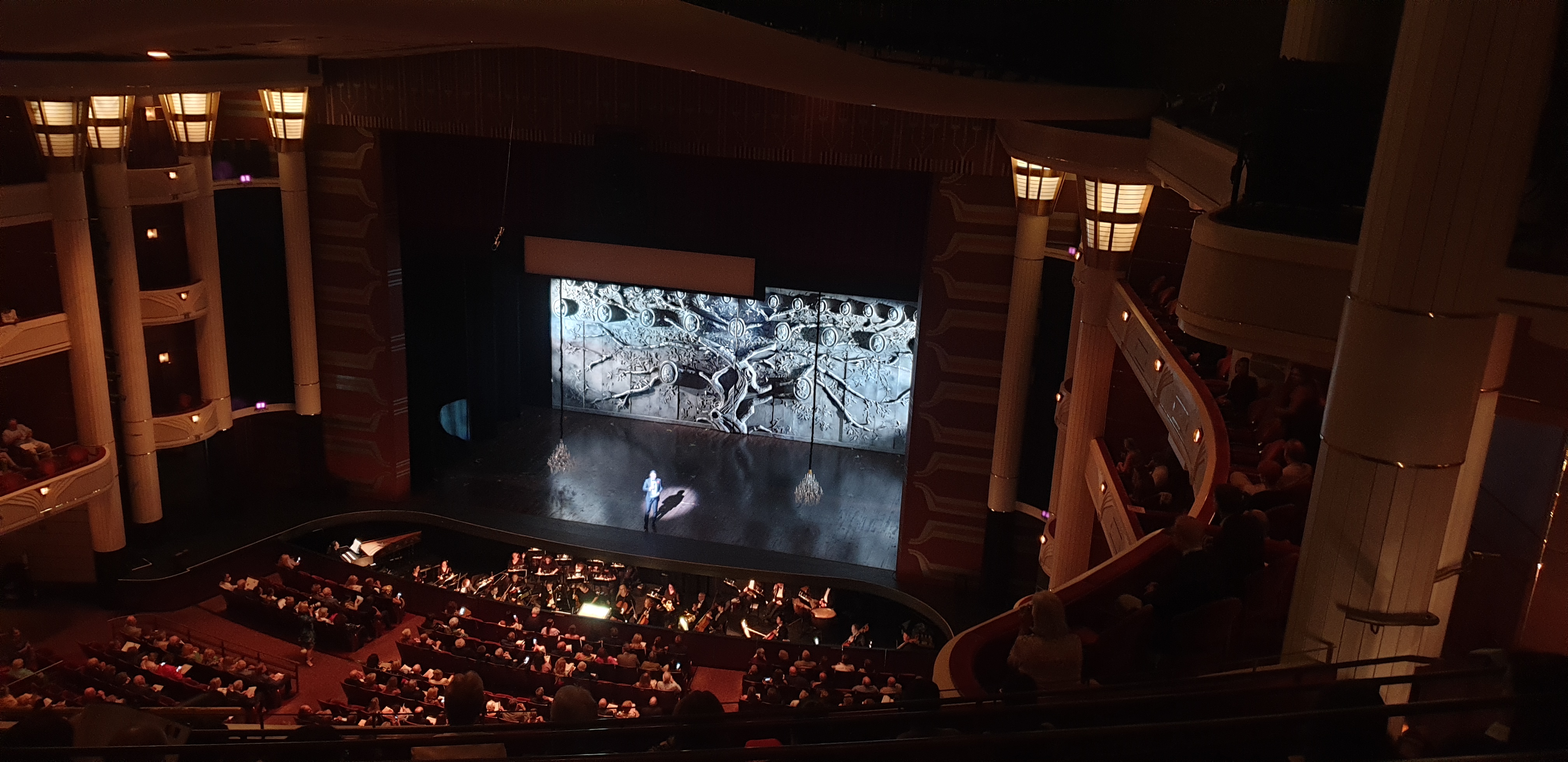
With this excuse, the Philosophy faculty and I recently arranged a field trip to the Palm Beach Opera’s Marriage of Figaro. It was fantastic. For most of the students (if not all), this was their first time at the opera, and they were pleasantly surprised. The key takeaway is that the students appreciate a new art form for them, understanding the beauty of art. Especially an art where the artist is the instrument, so no two can ever be the same!

Unlike, say, The Magic Flute, Mozart does not have any blockbuster songs in this opera, but the whole thing is very melodious and easy to enjoy. The story is funny but moralistic -this is the Enlightenment after all! So the students were never bored; they were able to enjoy the story and the music. Coincidentally, we had just studied the Enlightenment in class, reading Benito Jeronimo Feijoo, so to see the students making connections is extremely rewarding. Mission accomplished.

If you have a chance to have your students make connections outside the classroom, across different fields, let them rip! You are welcome.

Here are two of my favorites, Cecilia Bartoli and Renée Fleming, doing one of the more famous duets:

Joseph Pieper, Leisure; The Basis of Culture and The Philosophical Act. Are you really living?

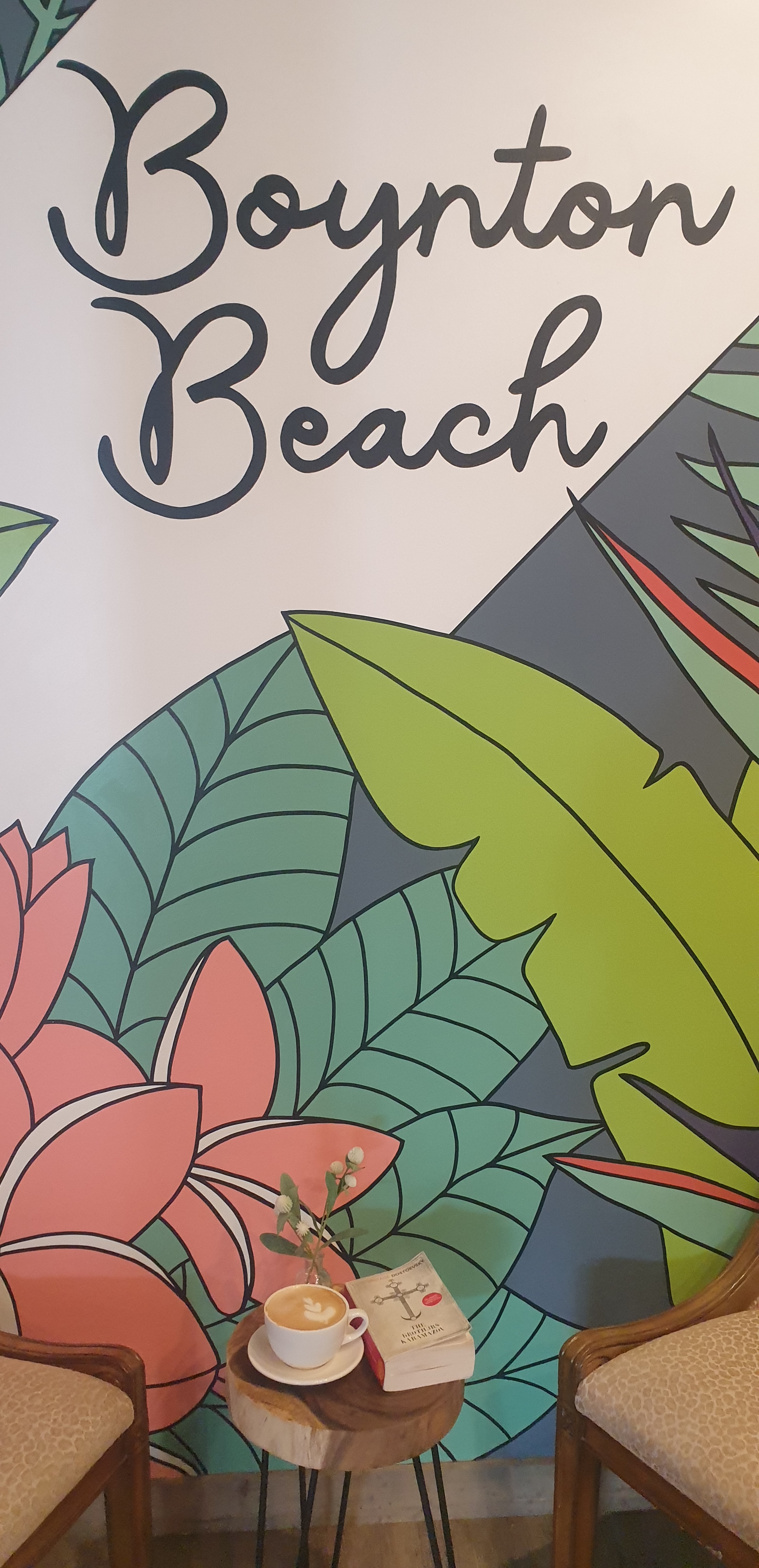
Piping hot coffee and Pieper

Are you schlepping it on the day-to-day? grinding the 9 to 5? Or are you taking opportunities to experience beauty, to marvel, to wonder? It might be a simple, quick gesture such as looking at a cobweb, and marveling at its beauty, or taking a few deep breaths in the morning. If you are rushing through life to get more things done, you might be sacrificing your enjoyment of life.

Being Mediterranean, living in the US is a constant cultural shock. Despite my many years living here, I never got used to it. The go go go, work work work mentality is quickly exposed as this society’s Puritan, Calvinist, Protestant DNA. The first sign of this is when you notice that your colleagues at work do not take a coffee break mid-morning, they continue chugging from their Big Gulp gallon of coffee. You notice when you have not finished your meal at a restaurant and the waiter brings you the bill -kicking you out- with a courteous “Whenever you are ready” and you have not even ordered dessert!!

I had this discussion years ago with one of my students, when they mentioned a book they were reading for one of their classes: Joseph Pieper’s Leisure; The Basis of Culture. I just finished reading it.

Pieper condones the work for work mentality, the worker bee lifestyle. Writing in mid-20th C Germany, Pieper saw with concern the evolution of the labor trends at the time.

Leisure, it must be remembered, is not a Sunday afternoon idyll, but the preserve of freedom, of education and culture, and of that undiminished humanity which views the world as a whole.

Joseph Pieper

Pieper does a great job of defining leisure as not being idle, and how philosophy, a sense of wonder, is the root of culture. He advocates for education in the Humanities, Classics, Philosophy. However, Pieper is careful to note that we must give meaning to leisure. While making work a religion is bad, so is being a sloth (his word!)

Pieper’s second essay is The Philosophical Act, which follows on the Leisure essay. Both essays weave the beautiful tapestry that is Humanism. Not only beauty but thought as well. In this essay, Pieper underlines the importance of wonder and of hope in our “philosophizing.”

This is a short and highly recommended read. It will help you understand what leisure and philosophy is -it is not that boring, scary stuff you read in old books!

Happy New Year! and the resolutions that come with it

It is time to reframe and write down our new year’s resolutions. How is that working out for you?

Our main issue with new year’s resolutions is that we try to change either one thing, quit smoking or everything: quit smoking, lose 10 lbs., go to the gym, save a million dollars, etc. Usually neither one of these approaches works long term. TV, social media, hyper processed foods, etc. they are all engineered for you to lose that battle. The solution? A lifestyle change, Stoicism, a gradual approach. Let me break that down.

A lifestyle change means that you change your outlook on life. Under ideal circumstances that requires more motivation than a change in a number in the calendar, for example a breakup, a heads up from a doctor, something nice and traumatic. Another hack, this time from British Philosopher Alain de Botton, is the importance of repetition. De Botton sets the example of religions, which are particularly good at making us repeat things. So, make yourself repeat things until they become second nature -but beware of staying mindful of your actions, do not let them become rote.

A key component to succeed with your New Years resolutions lies in balance, in equilibrium, the Middle road as the Buddhists say, or moderation, the motto of the Stoics. You can´t kill yourself in the gym only to get drunk every night, or you cannot eat super healthy if you are not exercising. You cannot work all day and not have a moment of recollection; you get the idea. What I propose is to take stock of all the distinct aspects of your life: physical, mental, spiritual and see how and where you can improve.

Last year one of my online tutoring students gave me a wonderful book: Diario para Estóicos*, daily reflections from the Stoics. I loved it and incorporated it to my evening version of “Lectio Divina” when I read and meditate.

The problem with the current Stoicism is that you are reading a quote from Marcus Aurelius on Social Media, you smile to yourself, think that is a good one, maybe even do a screen shot, and then keep scrolling. You are lacking the repetition and the action components necessary to exercise Stoicism. Reading a daily prompt incorporates that repetition that de Botton talks about, and I believe that after a year I have become more Stoic. Of course, for any self-improvement to happen, you must be conscious of who you are, and that, my friends, is the hard bit.

So good luck with your fitness and your diet, your prayers and meditation, your yoga and community service, your sleep and your work, your reading and socialization. But most importantly good luck with your consciousness.

“begin in philosophy is this: a clear perception of one’s own ruling principle.”

Epictetus

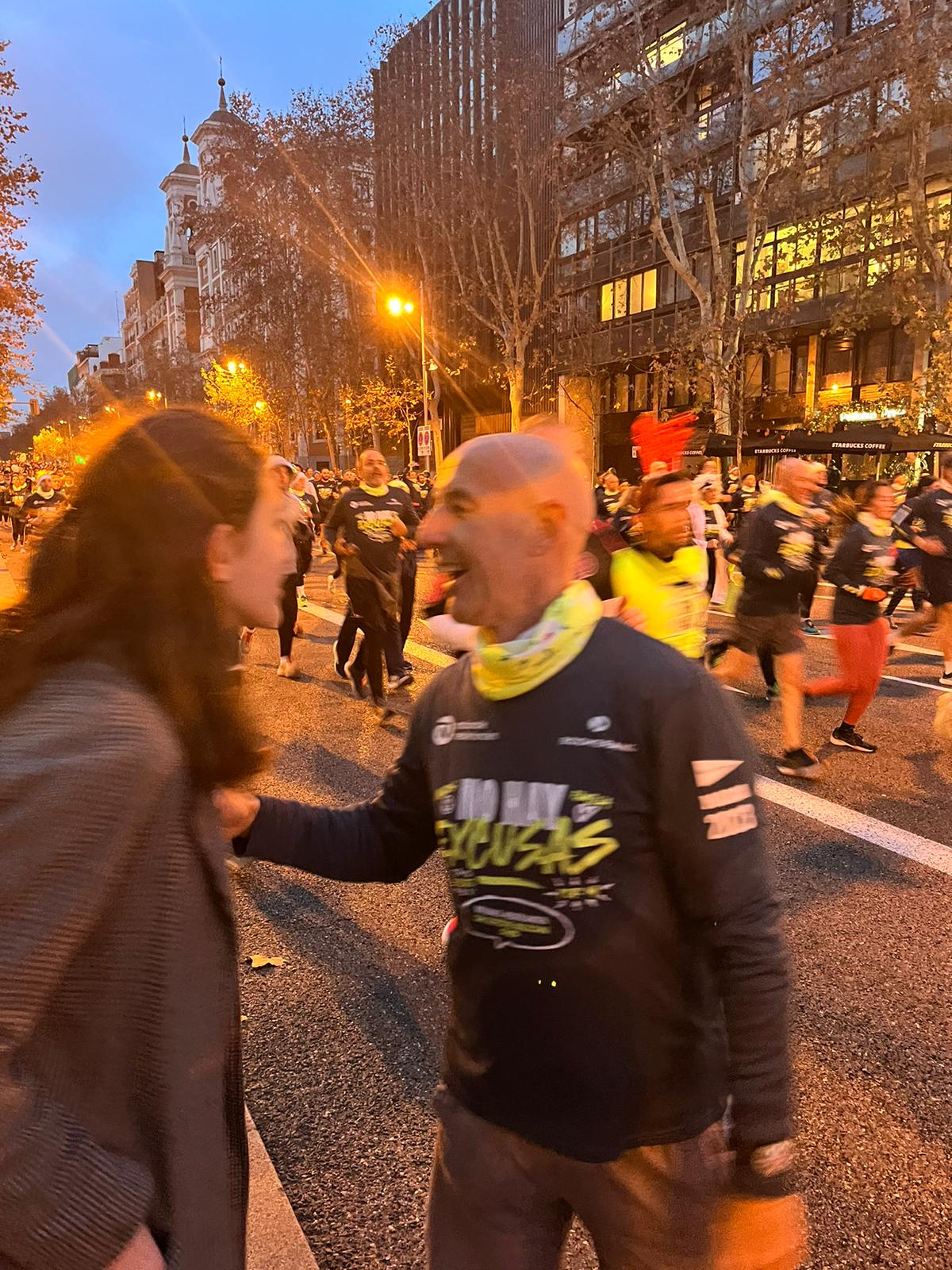
As for me, I said goodbye to 2023 running my 6th San Silvestre Vallecana 10K. Where are you on your path to wellness?

* The Daily Stoic Journal: 366 Days of Writing and Reflection on the Art of Living by Ryan Holiday and Stephen Hanselman.

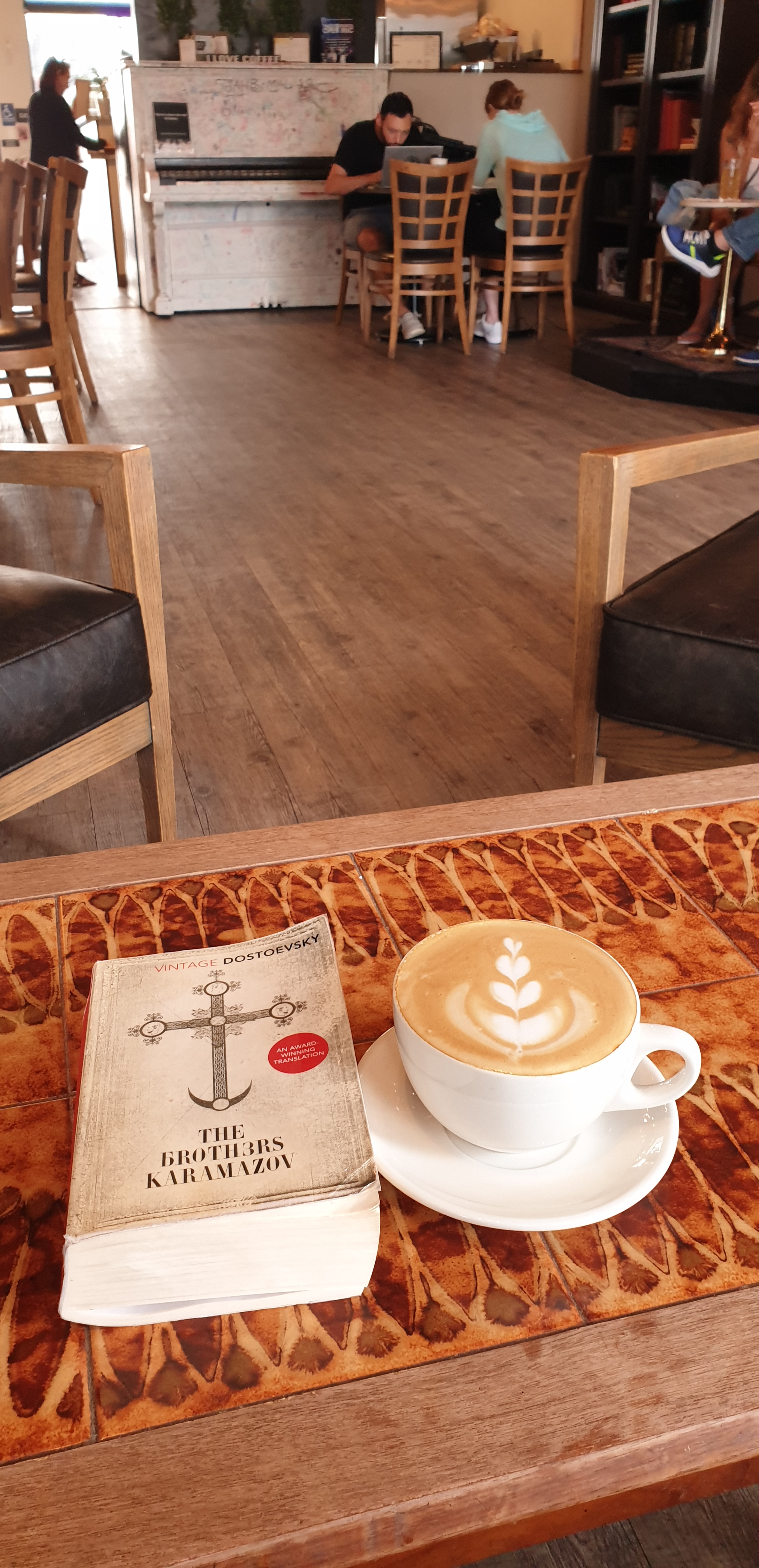
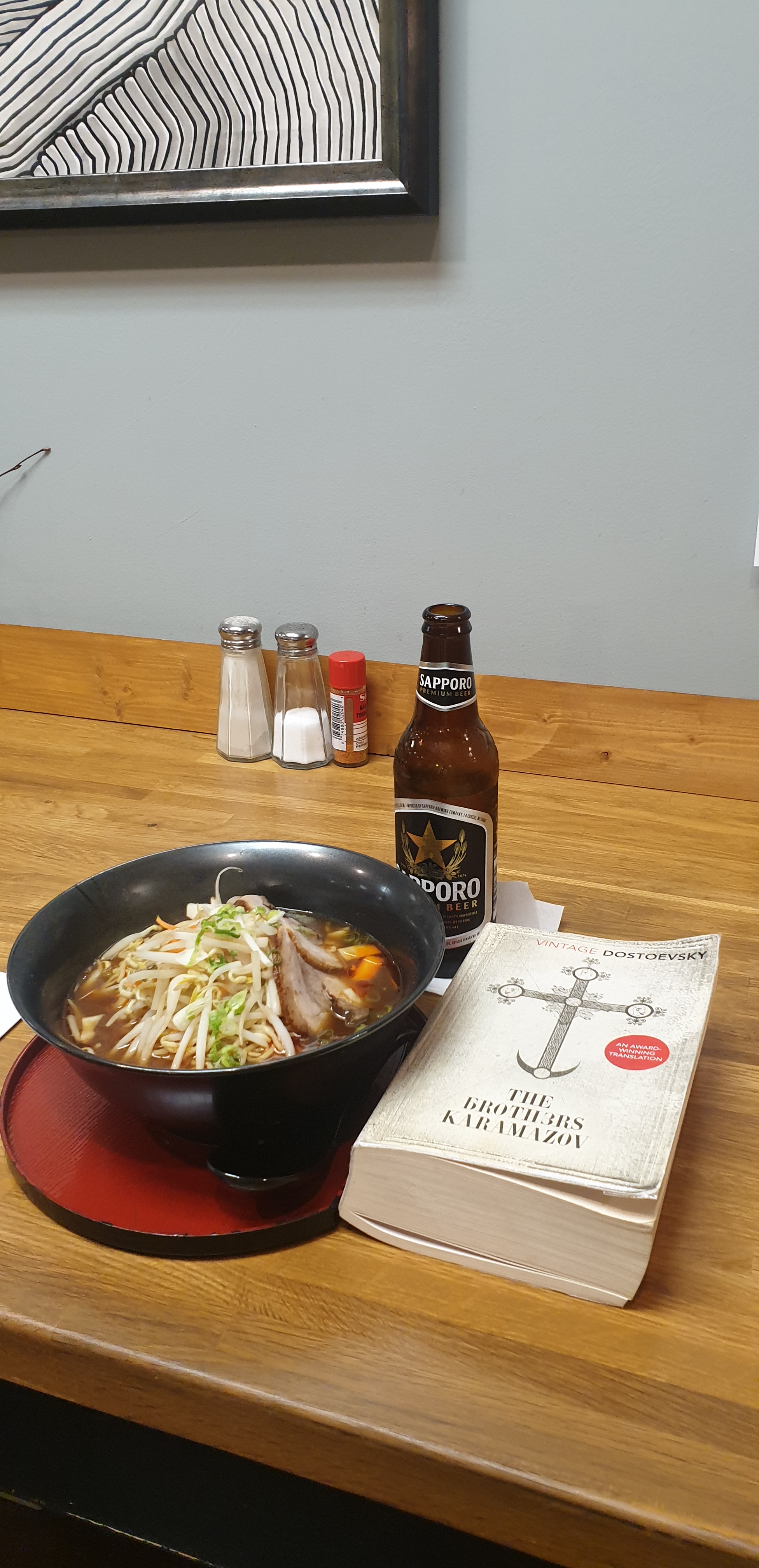
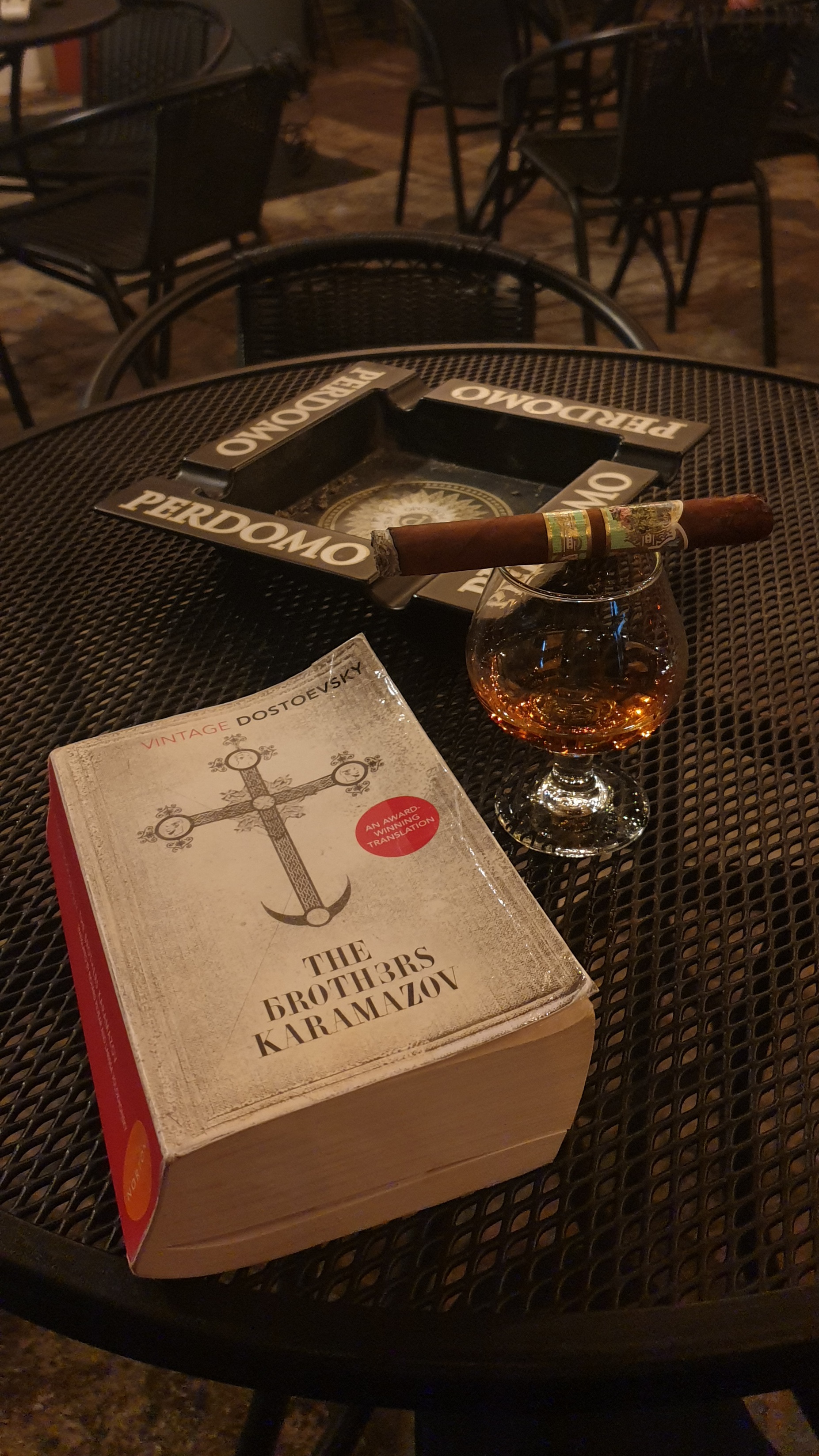
You should read Fyodor Dostoevsky’s The Brothers Karamazov

“Above all, don’t lie to yourself. The man who lies to himself and listens to his own lie comes to a point that he cannot distinguish the truth within him, or around him, and so loses all respect for himself and for others. And having no respect he ceases to love.”

― Fyodor Dostoevsky, The Brothers Karamazov

The hype is real, The Brothers Karamazov is one of the best books ever written. For me it goes straight up in my list! It has the perfect combination of human behavior, philosophy, love (and lust), Russia, and much more, all beautifully written and woven together.

No spoilers, the book is about the three Karamazov brothers: Dmitri, Ivan, and Alexei -Alyosha- and their father. There is also a half-brother, two women, servants, and many other characters who give the novel phenomenal depth and texture.

Ah, but it is a really long book! You exclaim. Well, yes, my edition is 776 pages, but look at them as an investment, or look at it as 7 books of 100 pages each, whatever just start reading. It took me four months, and it was time well spent.

My reference, my bar, is set at Don Quixote which was written 300 years before The Brothers Karamazov and for me, is still a better representation of human nature. But back to Dostoevsky:

This novel deals with the human condition from a deep philosophical and theological perspective, in doing so, Dostoevsky presents both sides of arguments. For example, in discussing the existence of God, Dostoevsky presents a profound argument against God with a brilliant story called The Grand Inquisitor and asking the age-old question “If God exists why do children die horrible deaths?” in the chapter “Rebellion”.  On the other hand, the author summons Voltaire’s quote “S’il n’existait pas Dieu, il faudrait l’inventer” (If God didn’t exist, we would have to invent him). Likewise for existentialism. Dostoevsky studies both sides of the argument at length: do we have free will and we exercise it? Or is everything destined to happen? Like Cervantes -and more importantly unlike Nietzsche- Dostoevsky proves that God exists, and that man decides his life. But you have to read all the way to the last word to get there!

“The mystery of human existence lies not in just staying alive, but in finding something to live for.”

― Fyodor Dostoyevsky, The Brothers Karamazov

In his arguments, the author quotes Voltaire, the Book of Job, the Byronic hero, and hundreds of other references. The Devil also makes an appearance in what looks like a clear predecessor of Bulgakov’s Master and Margarita almost a hundred years later.

As far as narrative techniques, Dostoevsky does not only imitate Cervantes, but he also leverages Cervantine techniques: His narrator’s intromissions are constant and hilarious:  at one point saying, “I am not a doctor…”, or “It could all serve as the plot for another story, for a different novel, which I do not even know that I shall ever undertake”. During the critical courtroom scene, arguably the climax of the story he writes: “The whole courtroom rose in turmoil, but I did not stay and listen. I remember only a few exclamations from the porch on the way out.” Very, very Cervantine.

There are a number of interpolated stories, which add to the reader’s understanding of the overall narrative. Some are stand alone and some weave in and out of the narrative, becoming part of the story.

In conclusion The Brothers Karamazov is one of the best novels ever written and you should read it. It will make you a more understanding person.

“What is hell? I maintain that it is the suffering of being unable to love.”

― Fyodor Dostoevsky, The Brothers Karamazov


You should be practicing yoga, an update

In the Western world we think of yoga as a bunch of exercises to improve your fitness and flexibility. That is only true in a very small part. The truth is that Yoga means yoke or union and it is the uniting of body, mind, and spirit.

So, what was my surprise when a teacher basically berated a student at the studio I used to go to (I will not name them, but you can read about it here). Being a teacher myself I immediately told the management and asked for the cancellation of my subscription and for the return of my money.

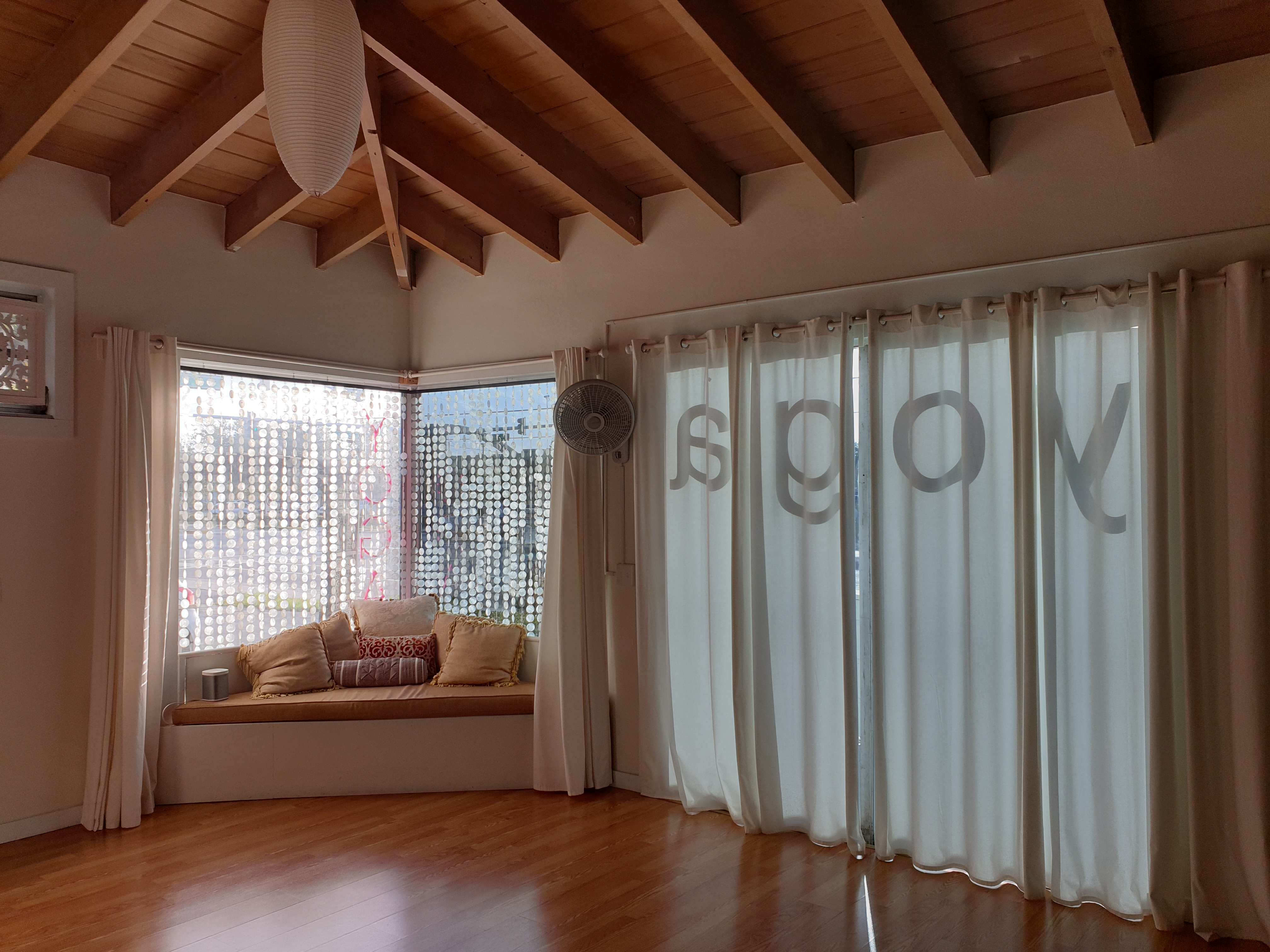
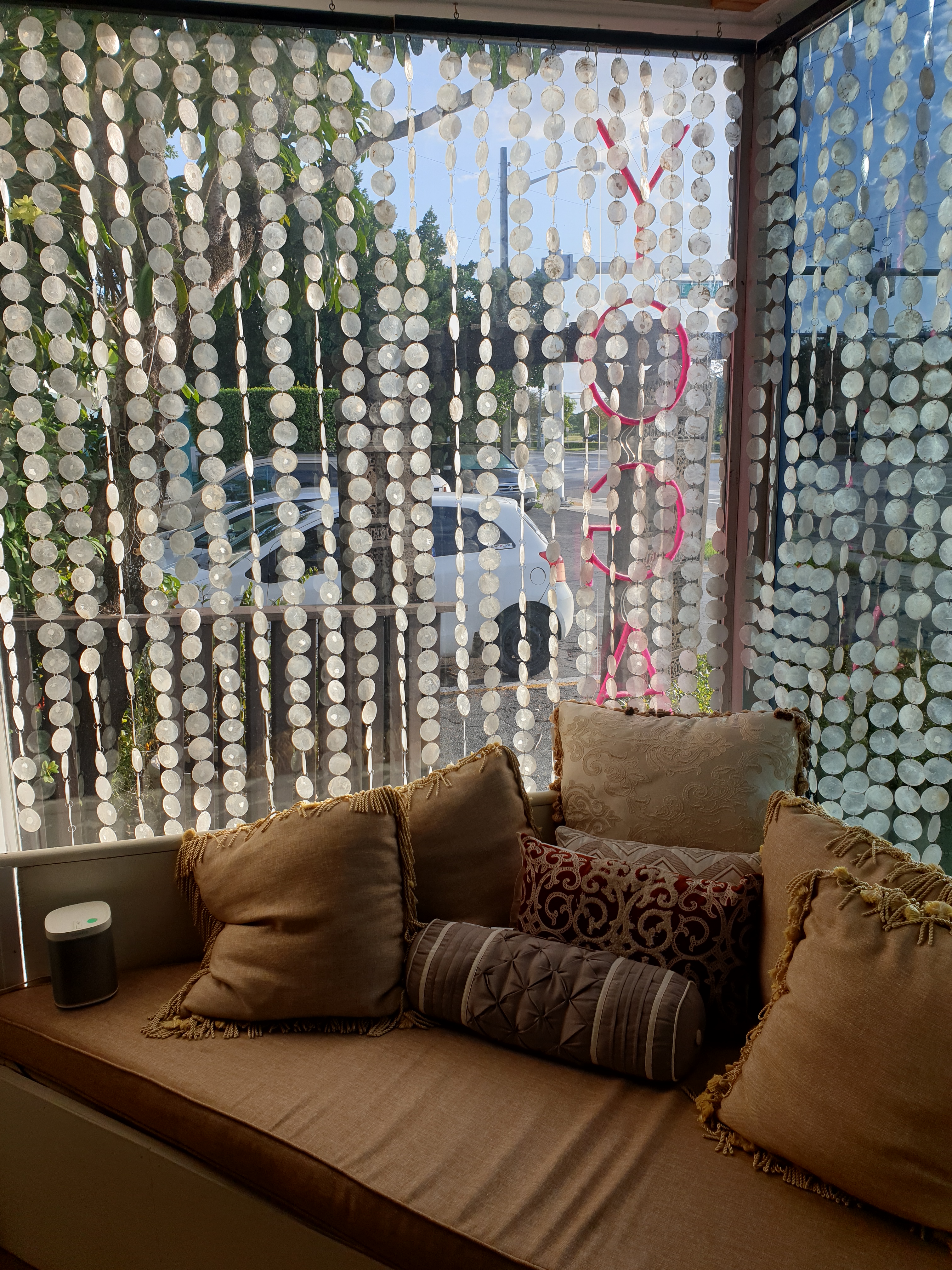
Some fresh research led me to Casa Manabliss, also down the road from me in Delray Beach. I signed up for Yin Yoga on Sunday evening. Yin Yoga is a slower paced practice, with asanas held over a longer period of time, which allows the tissues to “heal” better. Sure it can be a bit uncomfortable, but isn´t that the key to life?

What a refreshing surprise, it turns out I have been doing yoga wrong for over seven years. Yoga is not a workout; it is not a physical endeavor. In the West, we have twisted yoga to make it a physical, body only exercise. Go to the studio or gym, get a good workout, sweat, and hit the shower.

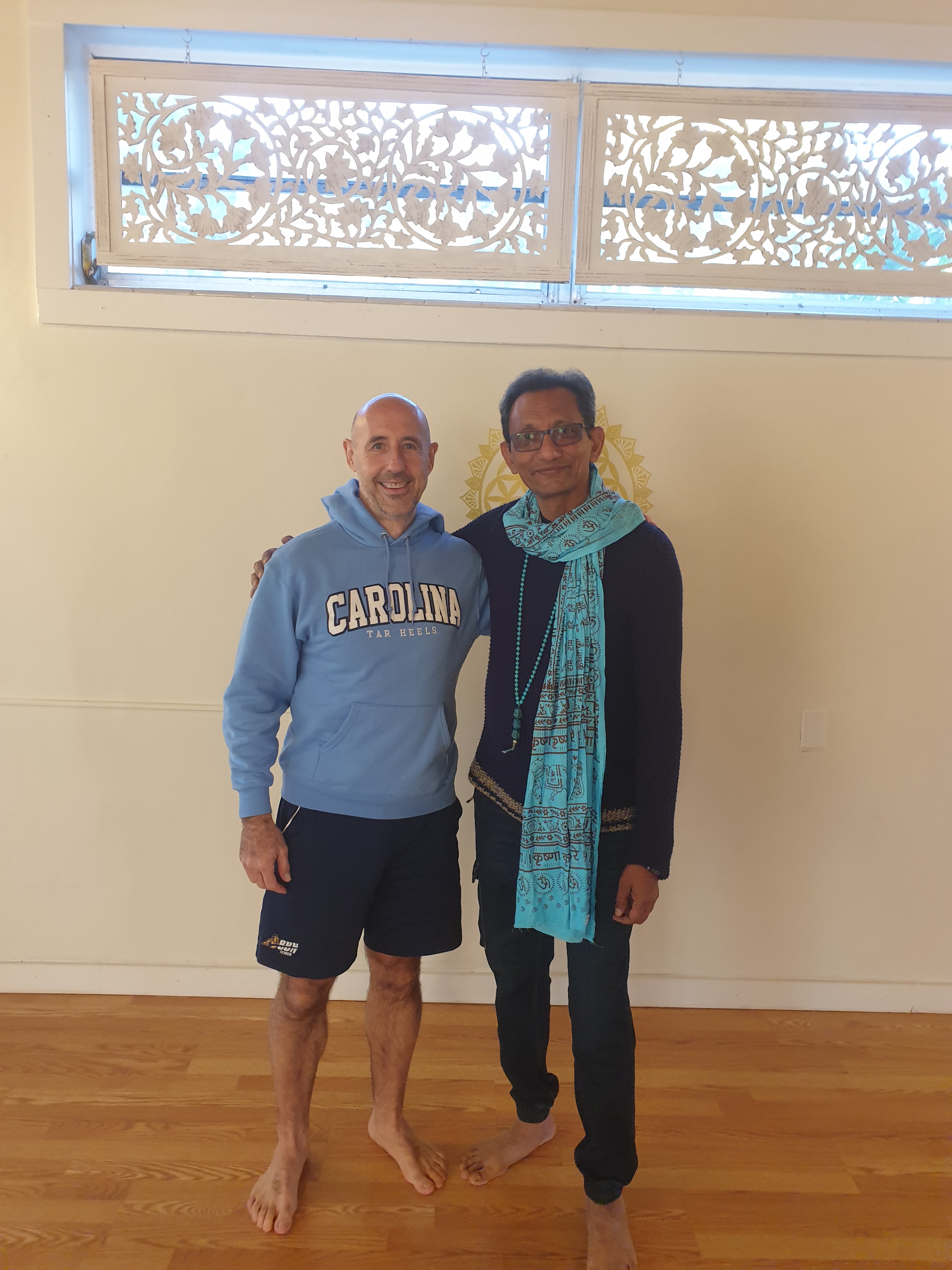
Yoga is a way of life, a philosophy. I am blessed to have found my teacher Paritosh, who was trained in the ashrams of India. His lessons center on the breath to focus mind, body, and spirit. He is gentle, caring, and hilarious, if you enjoy corny jokes, like (to a student showing off her fancy new mat):

Yoga teaches you to have attachment to your mat.

Paritosh

Bottom line, this is what yoga should be like: a meditative practice that clears the mind while healing the body.

I am thrilled to have found Paritosh at Casa Manabliss and I could not recommend them more!

Teaching philosophy

Over the fourteen plus years I have been teaching I have been defining my teaching philosophy. Of course, this is always a work in progress as one always takes something from every lesson taught. For now, these are the main brushstrokes of my approach to teaching:

The most important things I know about being a good teacher I learned from being an average pupil. I was never a straight “A” student (until grad school), so effective teachers were particularly important in my schooldays. Going back to school as an adult for my Master’s and PhD piqued my interest in teaching technique, reaffirmed my passion for literature, and inspired me to revisit Cervantes, Tolstoy, Woolf, Dickens, Castellanos, Dante, and so many others with new, more critical eyes.

It took me twenty years in the business world to realize that my true calling in life was teaching. That was over fourteen years ago, and I have not looked back since. Although I recognized my enthusiasm for literature when I read Hemingway and Borges in high school, it took me twenty-two years to learn what I wanted to do for the rest of my life: to return to the classroom as a teacher and to devote myself to work in a field about which I feel so strongly. I am a giver and a communicator; teaching gives meaning to my life.

My life has been marked by a peripatetic lifestyle, moving to New York when I was ten and then to London, Boston, Paris, Bordeaux, Geneva, Lausanne, and so forth to over eleven cities. Cities became my friends. I loved discovering what made each one unique ̶ how they got their personality. I spent my time in museums, cafés, the theater, concerts, operas, ballets, all of which unavoidably infused me with a love for the arts. Sharing my love and knowledge of cities and their cultures soon became a venue to express myself. As a teenager I gave tours of Madrid and London to friends and family, something I continue to do and enjoy, which has led me to show Madrid to British rock bands and even the Monaco Olympic Sailing Team. From there, embracing literature and language and sharing it was an organic next step and one that I pursue and savor on a daily basis. My experience radiates out in class: studying the menu of the Tour d’Argent in Paris, having students learn and perform scenes from the plays we read, watching videos of tango dancers on the streets of Buenos Aires, and of course sharing my love for Don Quixote that led me to name my Harley-Davidson “Rocinante.”

I received my undergraduate degree in business. I specialized in management, the human part; what motivates people? What makes them tick? I used these skills in my first jobs in finance, photography and management before using them to run my own business for ten years, importing and selling industrial machinery in Spain and consulting for European companies wanting to expand into Latin America. But my underlying passion crystallized when I started teaching full-time in 2005. Although I was making a fraction of the money I used to make, I felt much happier and more fulfilled. I had found my true vocation. I was able to apply my many skills developed and honed over the years in and out of the business world.

I had taught English at the Colegio de Huérfanos de la Guardia Civil in Madrid, but that was a part-time volunteering job. My first full-time teaching experience in Boston was in a budget-challenged district where I confronted underperformance and violence. I was assaulted by one of my students, dining room fights were routine, and one of my best students was stabbed to death by her brother. Although I did not realize it at the time, these challenges made me grow and mature –and learn about classroom management. It was a baptism by fire and I was happy to pay my dues and earn my stripes. From there I went to Walnut Hill, an independent upper school in suburban Boston where for five years I cultivated my craft, winning the E.E Ford Award for Exceptional Teaching, and eventually leading the Spanish Department. Seeking a challenge, before pursuing my PhD, I moved to Buckingham, Browne and Nichols, an elite independent school in Cambridge with a rigorous curriculum. Besides teaching at a variety of levels, including a Senior Seminar on Spanish film, I had the privilege of coaching soccer, fencing, and tennis, as well as the opportunity to participate in community service.

At Seacrest Country Day I  continued to hone my craft by collaborating with the Lower School so level IV juniors would teach the Kindergarten students. I continued teaching French, and re-built the Upper School Spanish program from a disarrayed state. I have also coached Girls Varsity Soccer, improving their record of wins per season. In the Spring I also coached Girls Varsity Tennis, with our Third Singles player winning the District Championship.

Besides winning the E.E Ford Award for exceptional teaching at Walnut Hill, at UNC I consistently received superior reviews, even for teaching French. My teaching steadily placed in the highest percentiles for the department. I averaged an 8.47% overall difference over the departmental teaching averages.

Real learning happens from a place of wanting to learn, a place of openness, and vulnerability. Getting the students to that place requires a relationship of trust, understanding and fairness. That is what I build from day one in the classroom. On the first day of class, having memorized all students’ names from the roster photos, I stand by the door and shake hands and greet every student by name. Then we go over the expectations for the class with a fine tooth comb. An old cell phone “planted” with the first student who walks in will fly out the window, thus ensuring that I will not see a phone all semester. After that comes a fine balance of hard work and fun. I show up early to the classroom to chat and play Spanish music videos for the students as they walk into the room and settle down. From coaching I learned the importance of constant drilling of basics. We always go over grammar, driving at it from as many angles as possible to cater to all learning styles. And talking  ̶ everybody talks about what they are going to do over the weekend, and on Mondays everybody talks about what they did. The students are encouraged to make announcements and to keep us posted of important developments in their lives. We talk and talk, about food, restaurants, sports, music. While this paints a “fun and games” picture of my classes, it is used to offset the stiff payload of work packed into the course. My passionate sharing builds an intangible bond between the students and the culture. Being multicultural, I have had to cultivate a strong, effective bridge that conveys my enthusiasm for cultural differences.

As much as we want to implement scientific approaches to language learning and teaching, and to a certain extent we can, the basis of teaching has to come from an organic desire to learn ̶ from curiosity. Our jobs as teachers revolve around making that need happen. The motivated student must be kept motivated, while the unmotivated student has to be inspired to want to learn. That is best done through building a rapport. It will rarely come from a book, or from a lecture, or from technology; it will happen from a relationship.